
Owning a classic car is a dream for many enthusiasts. The style, character, and mechanical simplicity of older vehicles offer an experience modern cars simply cannot match. But that dream often comes with fear.
People worry about breakdowns, hard to find parts, and repair bills that never seem to end. While some classics can indeed be demanding, others are surprisingly easy to live with and affordable to maintain.
Low stress classic cars share a few important traits. They use simple, proven engines and drivetrains that mechanics understand well.
Parts availability is strong, either through large enthusiast communities or shared components with more common models. They also avoid overly complex technology that can be difficult and expensive to repair decades later.
Another key factor is balanced performance. These cars are fun and charming, but not so rare or high strung that owners feel afraid to drive them. Insurance and purchase prices also tend to be reasonable, which means you can enjoy the experience without constantly worrying about damaging an extremely valuable investment.
The goal with these classics is enjoyment, not stress. You should be able to take them out for weekend drives, local shows, or casual road trips without wondering if something expensive is about to break. With regular maintenance and basic care, these cars tend to reward owners with reliability and manageable costs.
This list highlights ten classic cars that deliver vintage charm without draining your wallet. They offer character, simplicity, and strong support networks that make ownership far more relaxed than many people expect. Let’s start with two classics that prove old school motoring can still be practical and affordable.
Also Read: 10 Italian Concept Cars That Redefined Automotive Design Limits
1. Volkswagen Beetle Air Cooled
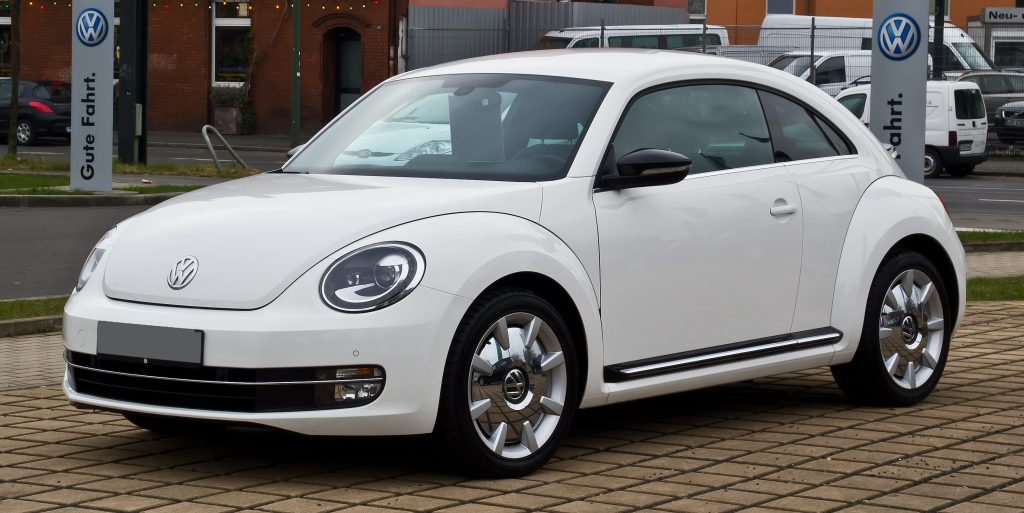
The classic air cooled Volkswagen Beetle is one of the most approachable entry points into classic car ownership. Its simple engineering, huge parts availability, and massive global community make it one of the lowest stress vintage cars you can buy.
The engine is a big reason for this. The air cooled flat four is mechanically straightforward and relatively easy to work on. There are no complex cooling systems, and many maintenance tasks can be handled with basic tools and knowledge. Even major repairs are often less intimidating and less expensive than on more complex classics.
Parts availability is outstanding. Because so many Beetles were built over several decades, reproduction parts are widely available and usually affordable. This means you are rarely stuck hunting for rare, expensive components.
The Beetle’s design is also forgiving. It was built as a simple, durable people’s car, not a high performance machine. That means it tolerates regular use and occasional neglect better than many more delicate classics.
Insurance and purchase prices are generally reasonable. While some rare or perfectly restored examples can be expensive, there are still many affordable cars available, which keeps ownership more accessible.
Driving one is also part of the low stress appeal. The Beetle is not fast, which encourages relaxed driving. Its light controls and friendly character make it enjoyable without being demanding.
Fuel economy is decent for its age, and the small engine keeps running costs low. Maintenance intervals are straightforward, and many owners enjoy learning to work on the car themselves.
The Beetle may not offer high performance, but it delivers charm, simplicity, and affordability. For many people, it is the perfect classic car to enjoy without constant financial worry.
2. Volvo 240
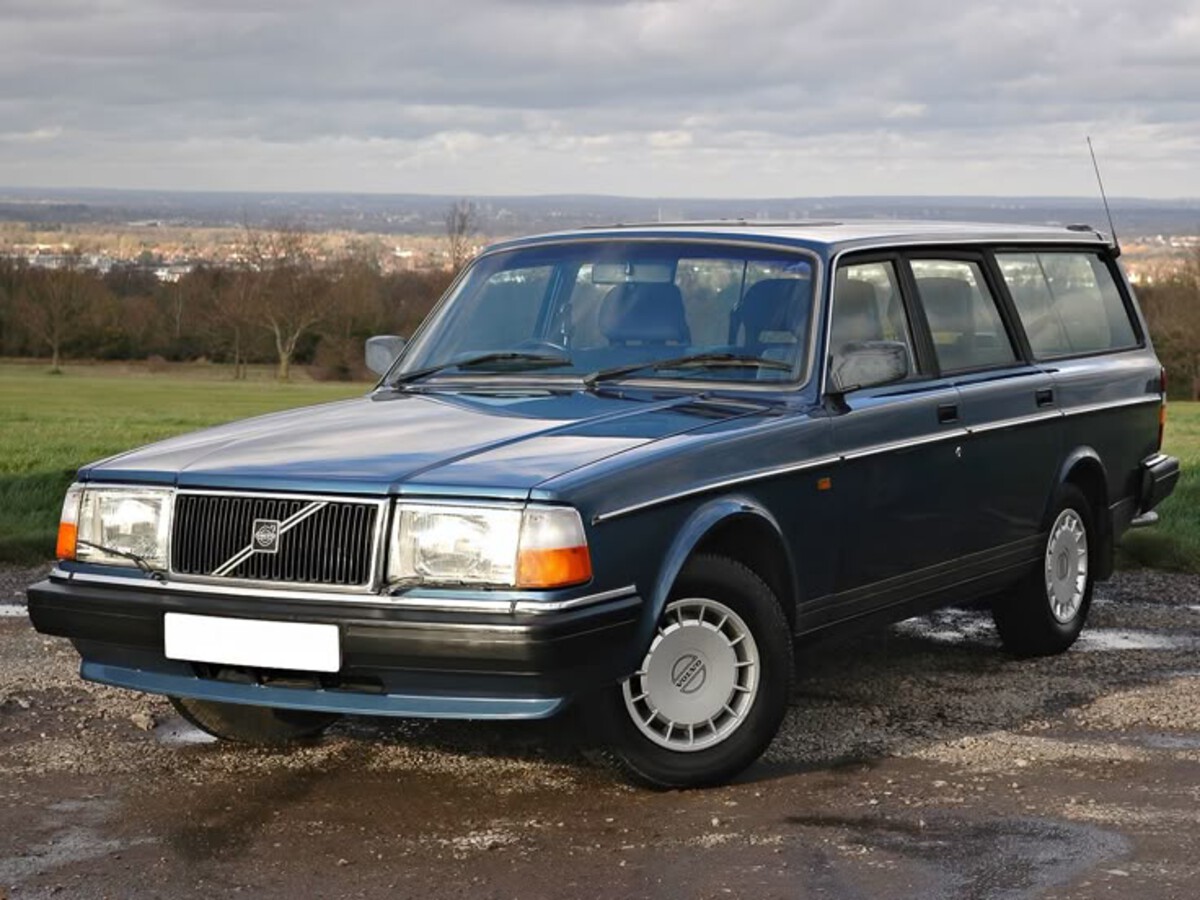
The Volvo 240 has become legendary for durability and straightforward engineering. As a classic car, it offers a rare combination of practicality, reliability, and strong parts support that makes ownership far less stressful than many vintage vehicles.
One of its biggest strengths is the engine. The four cylinder engines used in the 240 are known for their longevity and simple design. With regular maintenance, they can run for extremely high mileage without major internal issues.
The car’s overall construction is solid and robust. It was designed for long term durability and safety, which means it holds up well to everyday use even decades later.
Parts availability remains strong thanks to the car’s popularity and long production run. Many mechanical parts are still easy to find, and there is a large enthusiast community ready to offer advice and support.
The 240 is also practical. It has real interior space and usable cargo capacity, which makes it easier to justify as a fun second car or even occasional daily driver.
Insurance and purchase prices are generally affordable, especially compared to more glamorous classics. This reduces financial pressure and allows owners to enjoy the car without worrying excessively about value.
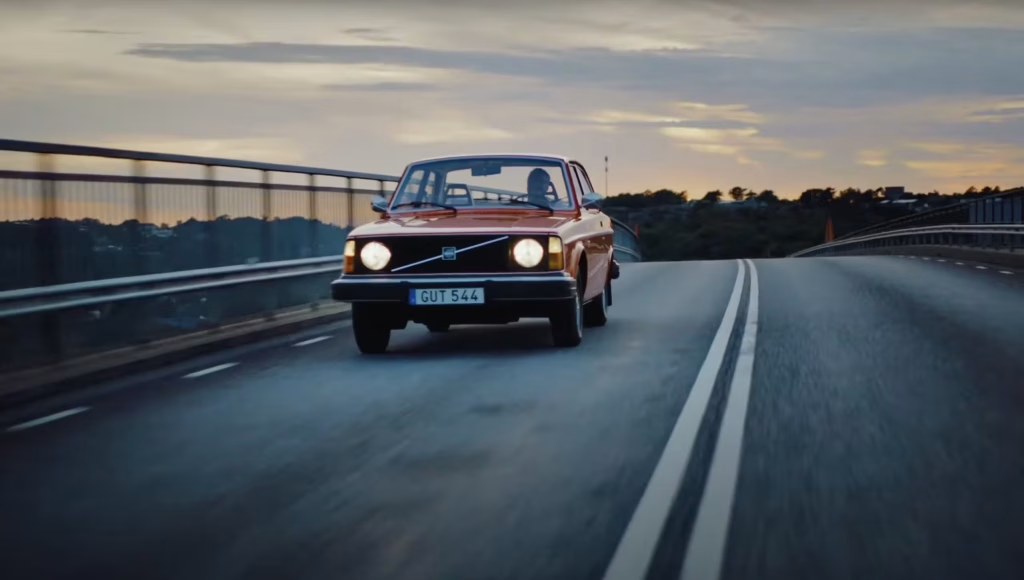
The driving experience is relaxed and comfortable. It is not a sports car, but it feels solid and confidence inspiring on the road. That easygoing nature fits well with the idea of low stress classic ownership.
The Volvo 240 proves that a classic car can be both durable and practical. It offers vintage charm and mechanical simplicity in a package that is friendly to both owners and their wallets.
3. Mazda MX 5 Miata NA
The first generation Mazda MX 5 Miata, often called the NA Miata, is widely regarded as one of the easiest classic sports cars to own. It combines lightweight fun, simple engineering, and strong parts support in a package that rarely overwhelms owners.
One of the biggest advantages is mechanical simplicity. The four cylinder engine is straightforward and well proven. It does not rely on complicated electronics or exotic components, which keeps maintenance and repair work relatively affordable and manageable.
Parts availability is excellent. Because the Miata was produced in large numbers and remains popular worldwide, replacement parts are easy to find. Both original and aftermarket options are widely available, which helps keep costs under control.
The car is also relatively easy to work on. The engine bay is not overly cramped, and many routine maintenance tasks can be handled by owners with basic mechanical skills. This reduces labor costs and adds to the sense of low stress ownership.
Fuel economy is another benefit. The small, efficient engine means you can enjoy spirited drives without watching the fuel gauge drop too quickly. Insurance is often reasonable as well, especially compared to more powerful classic sports cars.
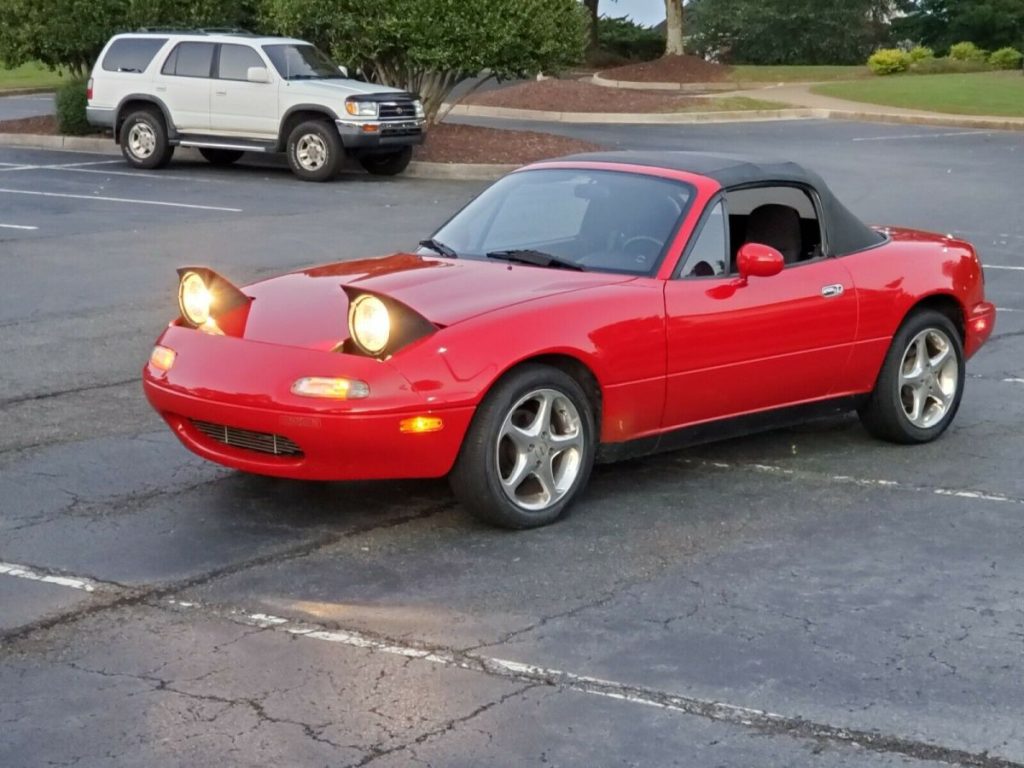
The Miata’s performance is fun but not extreme. It encourages smooth driving and momentum rather than high speed thrills. This means less wear on components and a lower chance of expensive damage compared to high horsepower classics.
Rust can be an issue in some climates, so careful inspection is important when buying. Once a solid example is found and protected, however, the car tends to be very dependable.
The driving experience is a huge part of the appeal. Light steering, balanced handling, and a simple convertible layout make every drive feel special without being intimidating or demanding.
The NA Miata proves that a classic sports car can be reliable, affordable, and genuinely fun. It offers open air motoring and sharp handling without the financial stress often associated with vintage performance cars.
4. Mercedes Benz W123
The Mercedes Benz W123 from the late 1970s and early 1980s is often considered one of the most durable luxury cars ever built. As a classic, it delivers timeless style, strong engineering, and a relaxed ownership experience.
These cars were built with longevity in mind. Engines and drivetrains were designed for high mileage, and many examples have covered enormous distances with proper maintenance. This durability helps keep ownership stress low.
Mechanical systems are generally straightforward by modern standards. While still a luxury car, the W123 avoids the complex electronics found in newer vehicles. This makes repairs more manageable and reduces the chance of mysterious, expensive faults.
Parts availability remains good thanks to the car’s popularity and strong enthusiast following. Many mechanical components are still obtainable, and there is a wealth of knowledge available from owners and specialists.
Ride comfort is excellent, which adds to the relaxed ownership experience. The car feels solid and composed, making it enjoyable for longer drives as well as casual outings.
Insurance for these cars is often affordable under classic car policies. Purchase prices for decent examples are still reasonable compared to many other luxury classics, which keeps financial pressure down.
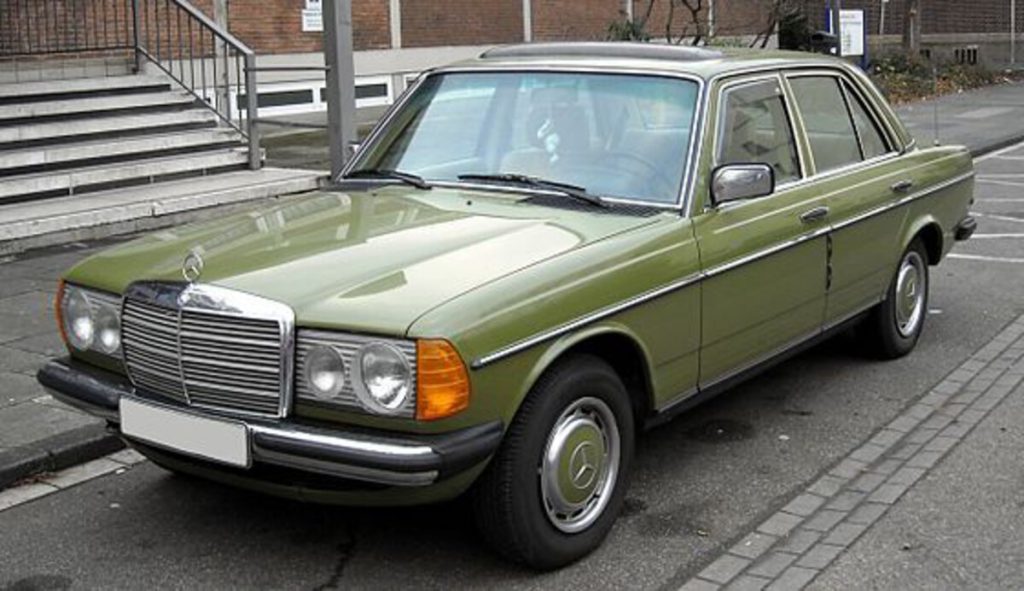
Fuel economy is not modern, but the engines are known for reliability rather than high performance. Regular maintenance such as fluid changes and basic servicing helps keep them running smoothly for years.
The W123 offers the feeling of old school luxury without constant drama. It is a car you can enjoy driving and showing without worrying that every trip will lead to a costly surprise.
5. Ford Mustang 1965 to 1968 Six Cylinder
The early Ford Mustang is one of the most recognizable classic cars in the world, but not every version has to be a high strung V8 muscle car. The six cylinder models from the mid 1960s offer vintage style, strong parts support, and relatively low stress ownership that makes them appealing for budget minded enthusiasts.
One of the biggest advantages is simplicity. The inline six engines used in these cars are straightforward and durable when maintained properly. They are not tuned for high performance, which reduces internal stress and helps them last longer with basic care.
Parts availability is excellent. Because the Mustang is so popular, reproduction parts are widely available and generally affordable. This applies to mechanical components as well as body and interior parts, which helps keep restoration and maintenance costs under control.
The mechanical layout is easy to understand. Many owners learn to do their own maintenance, from tune ups to brake work, which keeps labor costs down. Even larger repairs tend to be less complex than on many European classics.
Insurance is often affordable through classic car policies. Purchase prices for six cylinder cars are typically much lower than for V8 versions, which reduces the financial pressure of ownership and makes the car easier to enjoy without fear.
Driving one is part of the relaxed appeal. The six cylinder engine provides smooth, modest performance that suits cruising rather than aggressive driving. This reduces wear and tear while still delivering the classic American motoring experience.
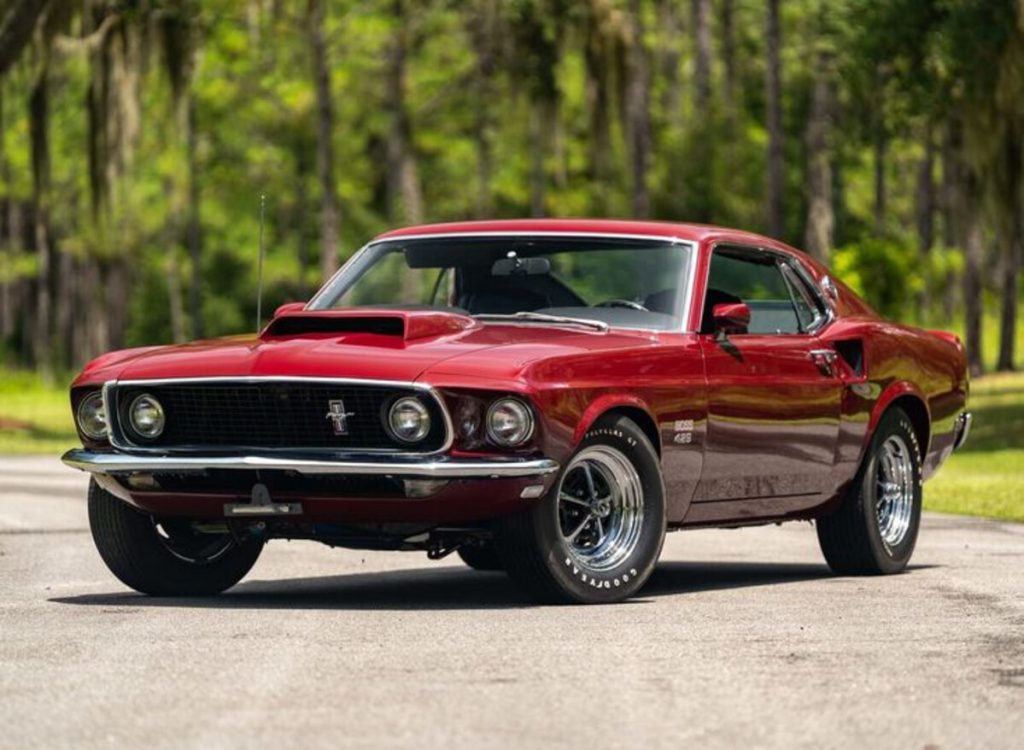
Fuel consumption is also more reasonable than in larger V8 models. That makes weekend drives and local trips less costly, which encourages owners to use the car more often instead of leaving it parked.
The early Mustang also has strong community support. Enthusiast clubs, online forums, and local groups make it easy to find advice, parts sources, and help when needed.
While not a high performance machine, the six cylinder Mustang delivers timeless looks, simple mechanics, and manageable costs. It is a great way to own a piece of classic American car culture without draining your wallet.
6. Datsun 510
The Datsun 510 has earned a reputation as a tough, simple, and enjoyable classic that does not demand exotic maintenance or huge budgets. Originally designed as an affordable compact sedan, it has become a favorite among enthusiasts for its balance of practicality and fun.
One of the main reasons for its low stress appeal is mechanical simplicity. The four cylinder engines used in the 510 are straightforward and durable. With regular maintenance, they can run reliably for many years without major internal issues.
Parts availability remains strong thanks to a dedicated enthusiast community. While some original parts may require searching, many mechanical components have reproduction or aftermarket options that keep costs reasonable.
The car’s size and layout make it easy to work on. The engine bay is not overly crowded, and basic maintenance tasks can often be handled by owners with moderate mechanical skills. This reduces reliance on expensive specialist shops.
Fuel economy is good for a classic, which helps keep running costs low. Insurance is also typically affordable, as the car is valued more for its charm and history than for extreme performance.
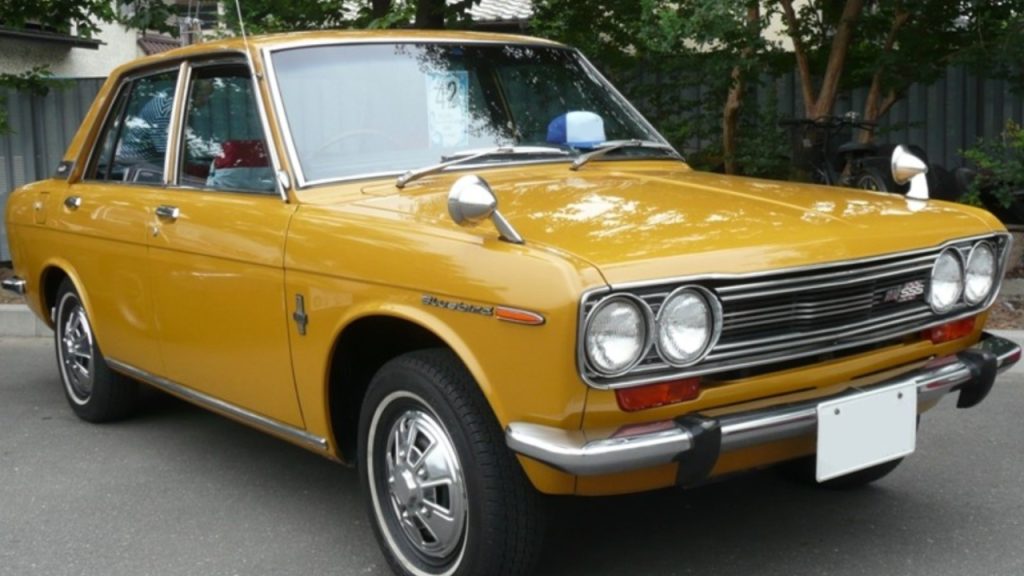
The 510’s driving experience is another highlight. It is light and responsive, which makes it fun at normal road speeds. You do not need huge horsepower to enjoy it, and this gentle use helps preserve the car over time.
Rust can be a concern, so careful inspection before purchase is important. Once a solid example is found and protected, the car tends to be dependable and easy to live with.
The Datsun 510 also benefits from a strong enthusiast culture. Owners often share knowledge, parts sources, and technical help, which makes solving problems less stressful.
Overall, the Datsun 510 offers classic character, mechanical simplicity, and manageable ownership costs. It proves that a vintage car can be engaging and practical without turning into a constant financial burden.
7. Chevrolet C10 Pickup 1967 to 1972
The late 1960s and early 1970s Chevrolet C10 pickup is one of the most approachable classic trucks you can own. It combines simple mechanical design, huge parts availability, and everyday usability in a way that keeps ownership relatively low stress.
One of the biggest advantages is the range of straightforward engines that were offered. Inline six and small block V8 options are both known for durability and easy maintenance. These engines are simple, widely understood, and supported by an enormous aftermarket.
Parts availability is excellent. Because these trucks were produced in large numbers and remain popular, everything from engine components to body panels can be found without extreme cost. This makes both maintenance and restoration more affordable than with many other classics.
The mechanical layout is easy to work on. The engine bay offers plenty of space, and the truck’s simple suspension and braking systems are well within the abilities of many home mechanics. Labor costs can stay low if owners are willing to learn basic skills.
Insurance is usually reasonable through classic vehicle policies. Purchase prices vary, but driver quality trucks are still accessible compared to many classic cars with similar cultural impact.
Practicality is another major benefit. The C10 is not just a showpiece. It can carry loads, handle home improvement tasks, and serve as a genuinely useful second vehicle. This versatility helps justify ownership costs.
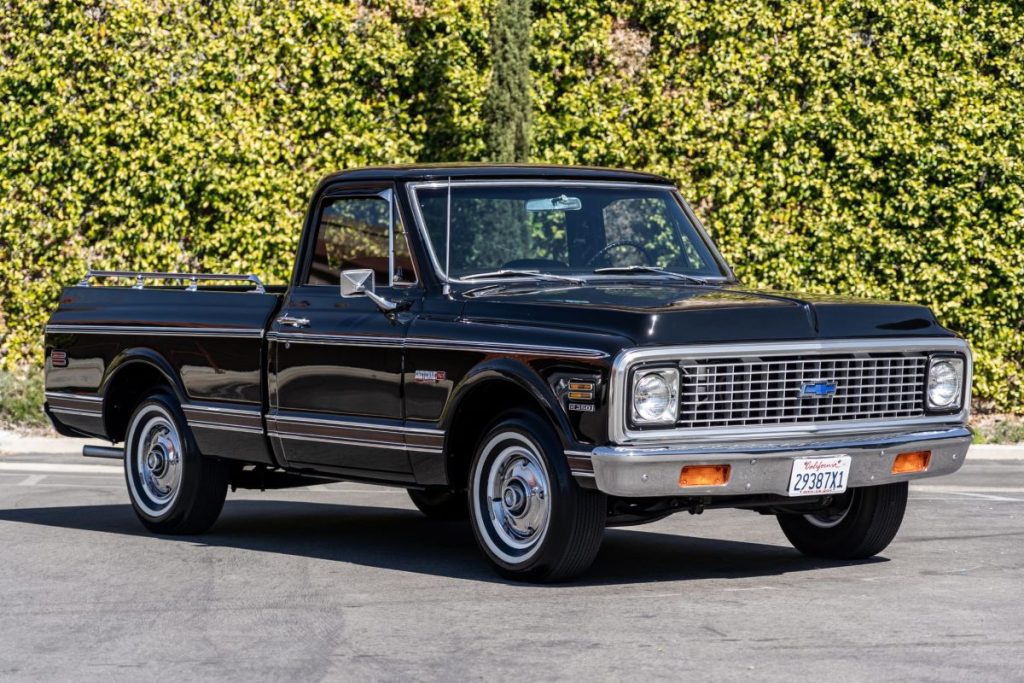
Ride comfort is better than many people expect from a vintage truck. While not modern smooth, it is generally relaxed and easygoing at normal speeds. The truck’s character encourages cruising rather than aggressive driving, which helps reduce wear and tear.
Fuel economy is not outstanding, but the engines are typically robust and not highly stressed. With proper maintenance, they tend to run reliably for many years.
The C10 also has a strong enthusiast community. Advice, parts sources, and support are easy to find, which makes solving problems less intimidating.
Overall, the Chevrolet C10 offers classic American truck style with simple mechanics and strong support. It is a practical, durable choice for those who want vintage character without constant financial strain.
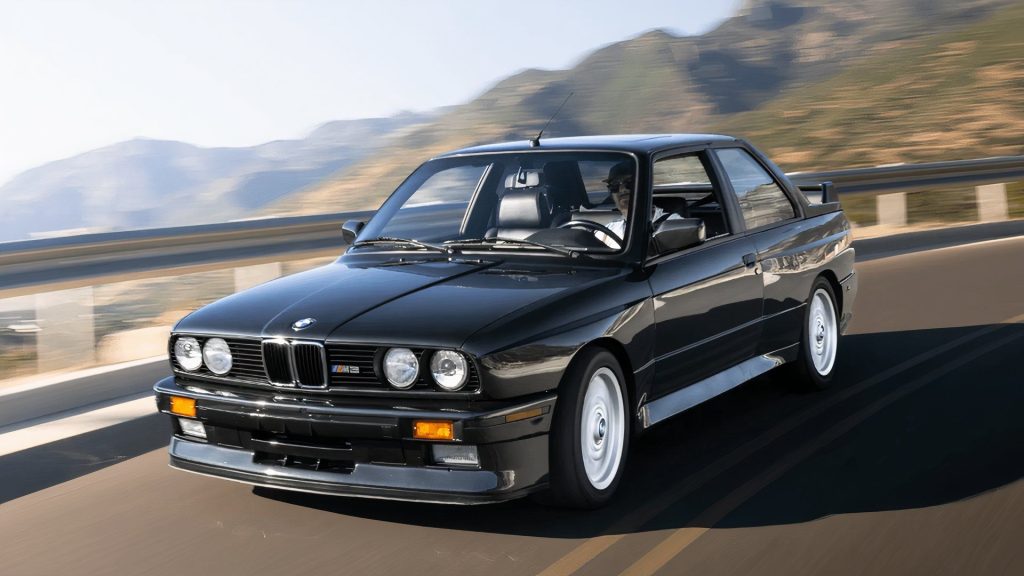
8. BMW E30 3 Series Four Cylinder
The BMW E30 3 Series is often associated with sporty driving and classic European style. While high performance versions can be expensive, the four cylinder models offer a more affordable and lower stress path into classic BMW ownership.
The four cylinder engines in these cars are generally simpler and less costly to maintain than the larger six cylinder versions. With regular oil changes and cooling system care, they can be quite durable and capable of high mileage.
Parts availability remains good due to the E30’s popularity. Many mechanical and suspension components are still produced, and there is a large network of specialists and enthusiasts who understand these cars well.
The E30’s mechanical layout is relatively straightforward by modern standards. While more complex than some older cars, it avoids the heavy electronics of newer vehicles. This helps keep repairs more manageable.
Driving one is part of the appeal. The car is light, balanced, and engaging at normal road speeds. You do not need huge power to enjoy it, which reduces stress on the engine and drivetrain.
Insurance can be reasonable under classic policies, and purchase prices for four cylinder models are generally lower than for more desirable variants. This makes it easier to enjoy the car without worrying about every mile.
Fuel economy is also respectable for a classic, especially compared to larger luxury or performance cars from the same era. This keeps running costs more manageable for regular use.
Rust and age related wear should be checked carefully before buying. Once a solid example is found and maintained, however, the E30 can be a dependable and enjoyable classic.
The BMW E30 four cylinder models offer a blend of classic European driving feel, solid parts support, and relatively low stress ownership. They are a great option for enthusiasts who want vintage style without overwhelming maintenance costs.
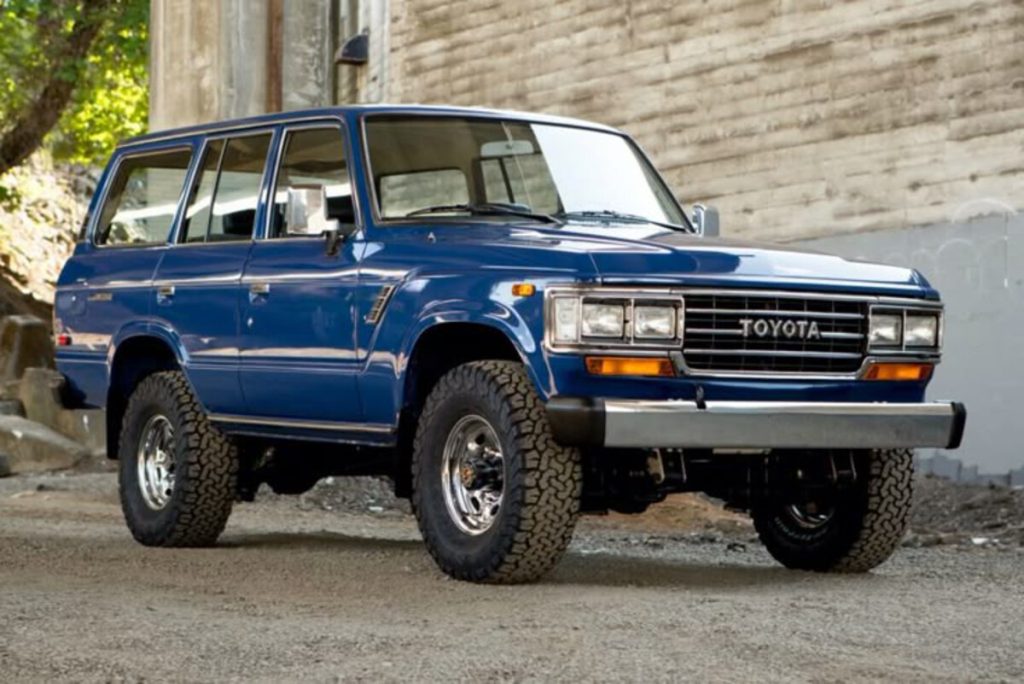
9. Toyota Land Cruiser FJ60
The Toyota Land Cruiser FJ60 from the 1980s has earned a reputation as one of the most durable classic SUVs you can own. It combines rugged mechanical design, strong community support, and genuine usability, making it a surprisingly low stress choice in the classic world.
One of the biggest reasons for its appeal is the engine. The inline six used in these models is known for longevity and straightforward design. It is not a high performance engine, which helps reduce internal stress and supports long term durability when maintained properly.
Mechanical systems are generally simple and built for tough conditions. The Land Cruiser was designed to handle remote areas and harsh environments, which means its components tend to be robust and forgiving. This toughness translates into fewer surprises during ownership.
Parts availability is still strong thanks to the Land Cruiser’s global popularity. While some body or trim pieces may require searching, many mechanical parts are widely available. There is also a large enthusiast community that shares knowledge and resources.
The FJ60 is also genuinely practical. It offers real interior space, good visibility, and the ability to carry passengers or gear comfortably. This makes it easier to justify as a weekend family vehicle rather than just a showpiece.
Insurance is often affordable through classic vehicle policies. Purchase prices vary, but driver quality examples are still within reach compared to many other classic SUVs with similar reputations.
Fuel economy is not its strongest point, but the engine and drivetrain are generally long lived. With routine maintenance such as fluid changes and cooling system care, many of these vehicles continue running reliably for decades.
Driving one is a relaxed experience. It is not fast, but it feels solid and dependable. That easygoing nature fits well with the idea of low stress classic ownership.
The Land Cruiser FJ60 offers vintage SUV charm, mechanical durability, and real world usability. It is a classic you can actually drive and enjoy without constant fear of expensive breakdowns.
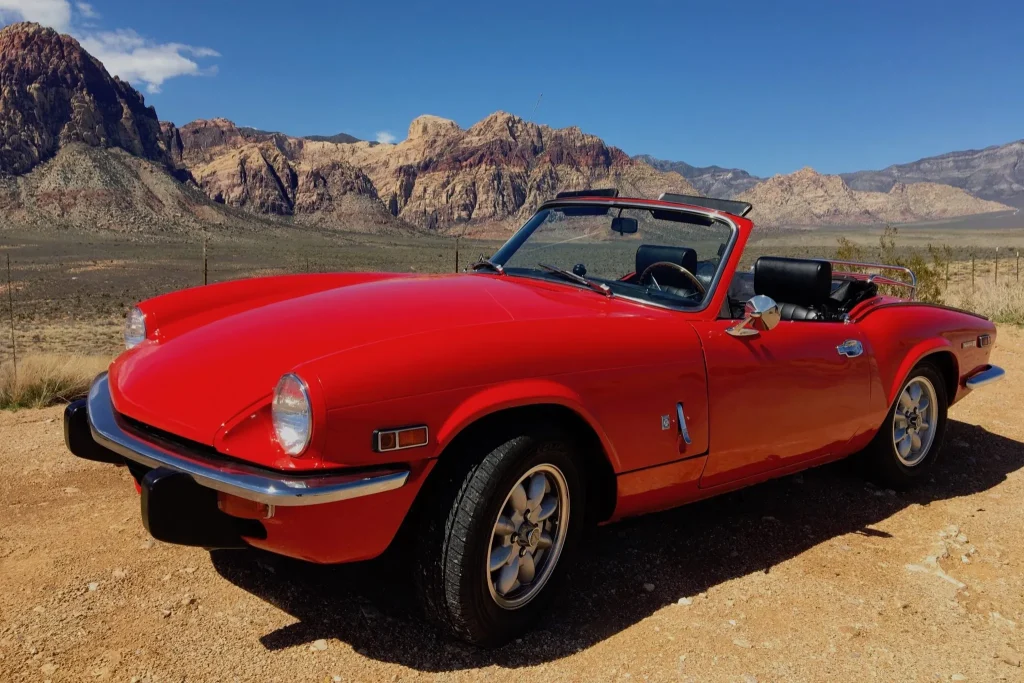
10. Triumph Spitfire
The Triumph Spitfire is a small British roadster that delivers classic sports car charm without the overwhelming complexity or cost of many European classics. When chosen carefully and maintained properly, it can be a fun and relatively low stress way into vintage open top motoring.
One of the key advantages is mechanical simplicity. The four cylinder engine is basic and easy to understand. While not powerful, it is generally durable when maintained with regular oil changes and cooling system care.
The car’s small size and simple layout make it easy to work on. Many owners handle routine maintenance and minor repairs themselves, which helps keep labor costs down and adds to the enjoyment of ownership.
Parts availability is surprisingly good. Thanks to a strong enthusiast community and specialist suppliers, many mechanical and trim parts are still available at reasonable prices. This makes keeping the car on the road more manageable than with rarer classics.
Fuel economy is decent for a vintage sports car, which helps keep running costs low. Insurance is often affordable under classic policies, especially given the car’s modest performance.
The Spitfire’s performance is light and playful rather than extreme. This encourages relaxed, enjoyable driving at normal road speeds. Lower stress on components helps reduce wear and the likelihood of expensive failures.
Rust is the main concern, so careful inspection before purchase is essential. Once a solid example is found and protected, however, the car can provide years of affordable enjoyment.
The driving experience is a big part of the appeal. Open top motoring, simple controls, and a direct connection to the road make even short trips feel special without requiring high speeds.
The Triumph Spitfire proves that a classic British sports car does not have to be a financial nightmare. With the right example and regular care, it can offer charming, low stress ownership that keeps both smiles and savings intact.
Owning a classic car does not have to mean constant breakdowns and endless repair bills. The best low stress classics combine simple engineering, strong parts availability, and proven durability.
These cars were either built in large numbers or designed with straightforward mechanical systems, which makes maintenance easier and more affordable decades later.
Models like the Volkswagen Beetle, Volvo 240, and Toyota Land Cruiser FJ60 are known for toughness and long service life. Others, such as the Mazda Miata NA, Datsun 510, and BMW E30 four cylinder, offer fun driving experiences without complex or fragile components.
Classic American choices like the Ford Mustang six cylinder and Chevrolet C10 pickup provide timeless style with engines and parts that are still easy to find.
Even older European cars like the Mercedes W123 and Triumph Spitfire can be surprisingly manageable when well maintained and carefully chosen. None of these cars are exotic or overly rare, which helps keep purchase prices, insurance, and repair costs within reach.
The common theme is balance. These classics deliver character, style, and driving enjoyment without demanding constant financial sacrifice. With regular maintenance and smart buying, they let enthusiasts enjoy vintage motoring without turning ownership into a stressful or wallet draining experience.
Also Read: 10 Turbocharged V6 Sleeper Cars Hiding in the Used Market
