
Buying a used luxury sedan can be one of the smartest ways to enjoy premium comfort, strong performance, and advanced engineering without paying a brand new price. Few brands attract used car shoppers more than BMW.
Known for sporty handling and refined interiors, BMW sedans often deliver a driving experience that still feels special years after they first leave the showroom. However, not every model ages the same way.
Some BMW sedans hold up extremely well over time, offering a great mix of reliability, performance, and reasonable ownership costs when properly maintained.
Others, while impressive when new, can become expensive and frustrating as they age. Complex electronics, high repair costs, and certain engine or transmission issues can quickly turn a luxury bargain into a financial headache.
In this guide, we look at both sides of the used BMW market. First, we highlight six sedans that we would confidently consider buying used because they offer strong value and a rewarding ownership experience.
After that, we cover six BMW sedans that we would approach with caution or avoid, mainly due to reliability concerns or high long term costs. The goal is to help you choose wisely before signing any papers.
Also Read: Top 10 Car Manufacturers Responsible For The World’s Most Powerful Supercars
Top 6 BMW Sedans We’d Buy Used
BMW has built many excellent sport sedans over the years, and some of them become even more appealing once depreciation lowers their price. The key is knowing which models combine classic BMW driving feel with engines and components that have proven durable over time.
A well chosen used BMW sedan can offer sharp handling, strong acceleration, and a high quality cabin for the price of a much more ordinary new car.
The models in this list stand out because they balance performance with relatively manageable ownership costs. They tend to have engines with solid reputations, fewer widespread design flaws, and strong support from independent specialists.
Parts and service are still not cheap compared to economy brands, but these cars are far less likely to surprise owners with constant major repairs.
We are focusing on sedans that still feel modern enough for daily use while avoiding some of the most problematic generations. These are cars that enthusiasts respect and many long term owners speak positively about.
If you want a used BMW that captures the brand’s core strengths without becoming a constant project, these six sedans are among the smartest places to start your search.
1. BMW E90 328i Sedan
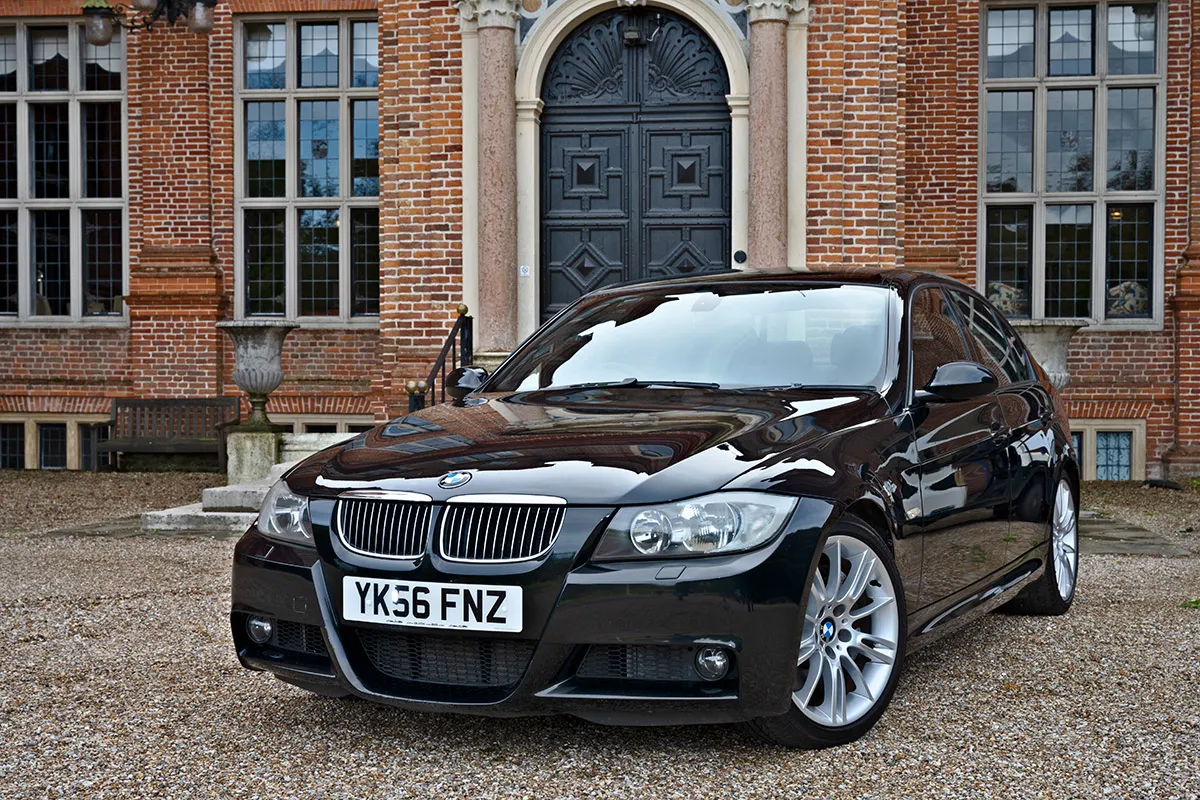
The E90 generation 328i sedan is widely regarded as one of the last truly simple and balanced modern BMW sport sedans. Produced in the late 2000s and early 2010s, it combines classic rear wheel drive dynamics with a naturally aspirated inline six engine that has earned a strong reputation for smoothness and durability.
One of the biggest reasons we would buy this car used is its engine. The naturally aspirated 3.0 liter inline six avoids the added complexity of turbochargers found in many later models.
It delivers linear power, a satisfying sound, and fewer high stress components that could fail with age. With proper maintenance, these engines often cover high mileage without major internal problems.
The E90 chassis also strikes a sweet spot between comfort and sharp handling. Steering feel is better than in many newer sedans, and the car feels agile without being harsh on rough roads. For drivers who enjoy the act of driving, this generation still captures much of what made BMW famous.
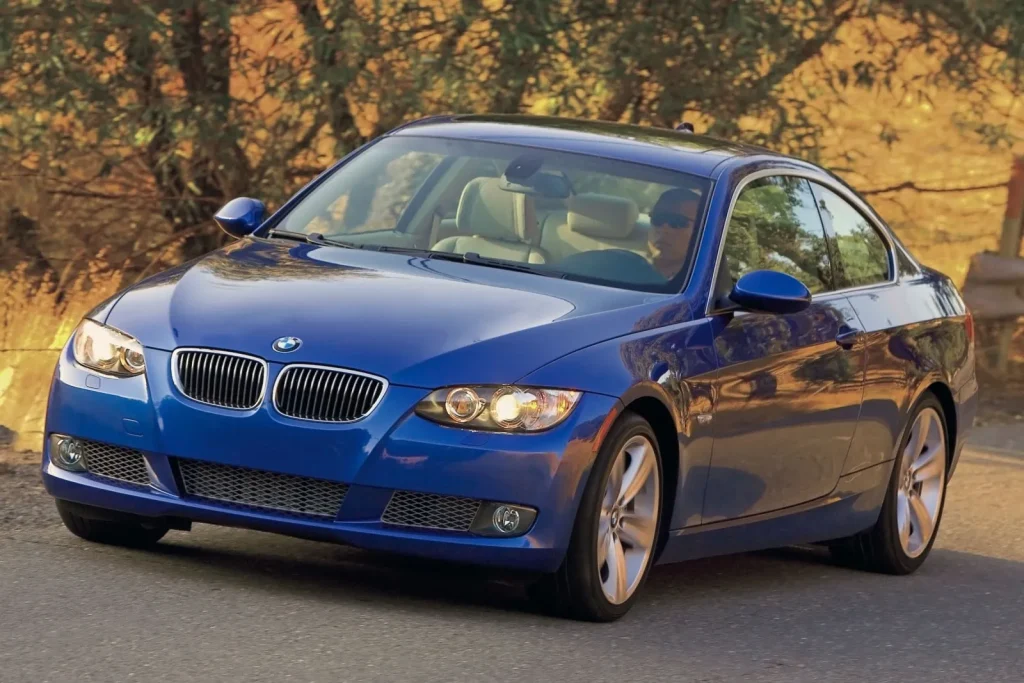
We are including the E90 328i because it offers an authentic BMW experience with relatively straightforward mechanicals. It is not maintenance free, but compared to many newer turbocharged luxury sedans, it is often more predictable and easier to live with over the long term.
2. BMW F30 330i Sedan
The F30 330i represents a more modern take on the BMW sport sedan formula while still being a smart used buy in the right configuration. Equipped with a turbocharged four cylinder engine, this model delivers strong performance along with better fuel efficiency than older six cylinder cars.
A major reason we would choose the 330i is its balance. The turbocharged engine provides plenty of torque for everyday driving, making the car feel quick in city traffic and relaxed on the highway. At the same time, fuel consumption is generally reasonable for a luxury sport sedan, which helps keep running costs under control.
The interior is another strong point. Compared to earlier generations, the cabin feels more modern, with improved infotainment and higher quality materials. As a daily driver, it feels more up to date while still retaining the composed ride and solid road manners people expect from a BMW sedan.
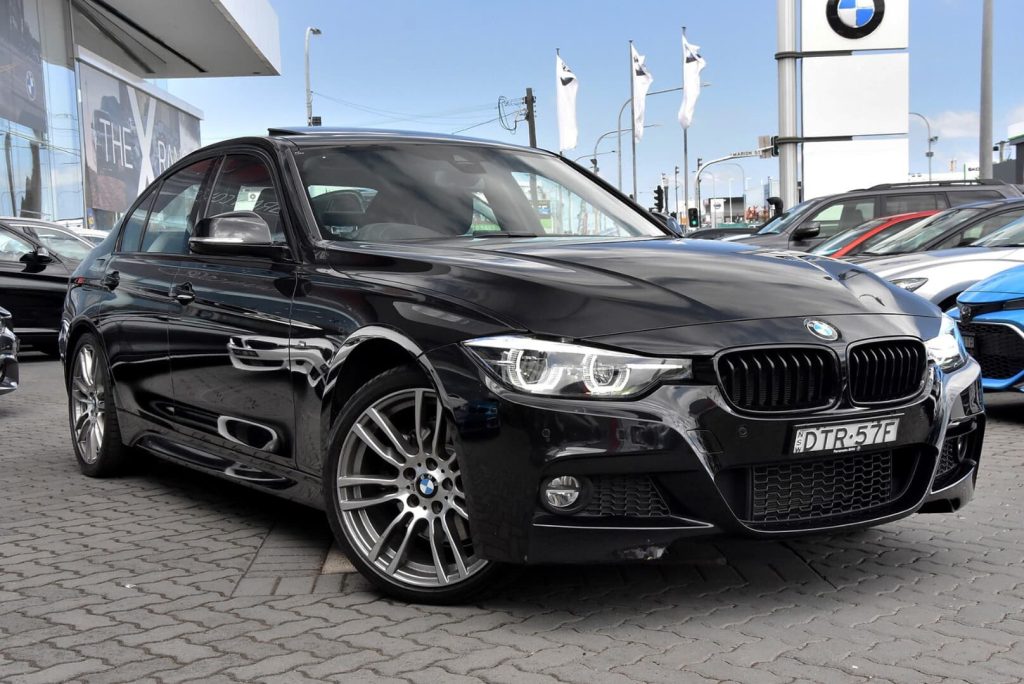
We are highlighting the F30 330i because it blends modern technology with a relatively proven powertrain.
When properly maintained, it can deliver an enjoyable and comfortable ownership experience without the extreme repair risks associated with some higher performance or more complex models in the lineup.
3. BMW E60 530i Sedan
The E60 530i sedan represents a period when BMW was blending modern technology with traditional inline six character. While some versions of the E60 generation can be costly to own, the naturally aspirated 530i stands out as one of the more sensible choices if you want a used BMW with strong performance and a solid engine reputation.
At the heart of this model is a 3.0 liter inline six that delivers smooth and consistent power. Because it does not rely on turbocharging, it avoids some of the extra heat and component stress that can lead to expensive failures in more complex engines. With routine maintenance, this engine has proven capable of handling high mileage while maintaining refinement.
The E60 also offers a more spacious and comfortable cabin than smaller BMW sedans, making it a great option for drivers who want both sportiness and everyday practicality. Highway cruising is especially pleasant, with stable handling and a composed ride that still feels engaging when the road gets twisty.
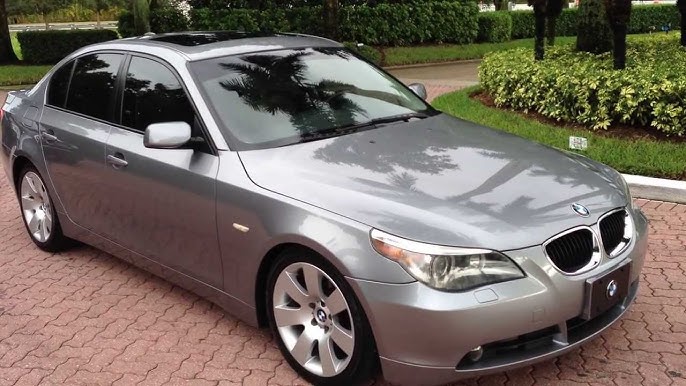
We are including the E60 530i because it delivers classic BMW driving feel in a slightly more upscale package. It may not be the cheapest car to maintain, but compared to many turbocharged or V8 versions of the same generation, it is often a safer and more rewarding long term choice.
4. BMW G20 330i Sedan
The G20 generation 330i sedan shows how BMW refined its formula for the modern era. As a used buy, it is appealing because it combines strong performance, impressive fuel efficiency, and updated technology in a package that still feels distinctly like a driver focused sport sedan.
Its turbocharged four cylinder engine is both powerful and efficient. It delivers quick acceleration for merging and passing, yet remains relatively economical in daily driving. This balance makes it easier to justify as a long term daily driver compared to older performance oriented models that consume more fuel.
Inside, the G20 offers a noticeably more modern environment. The infotainment system is more responsive, driver assistance features are more advanced, and overall comfort is improved. For buyers who want a used BMW that still feels current, this generation has a clear advantage.
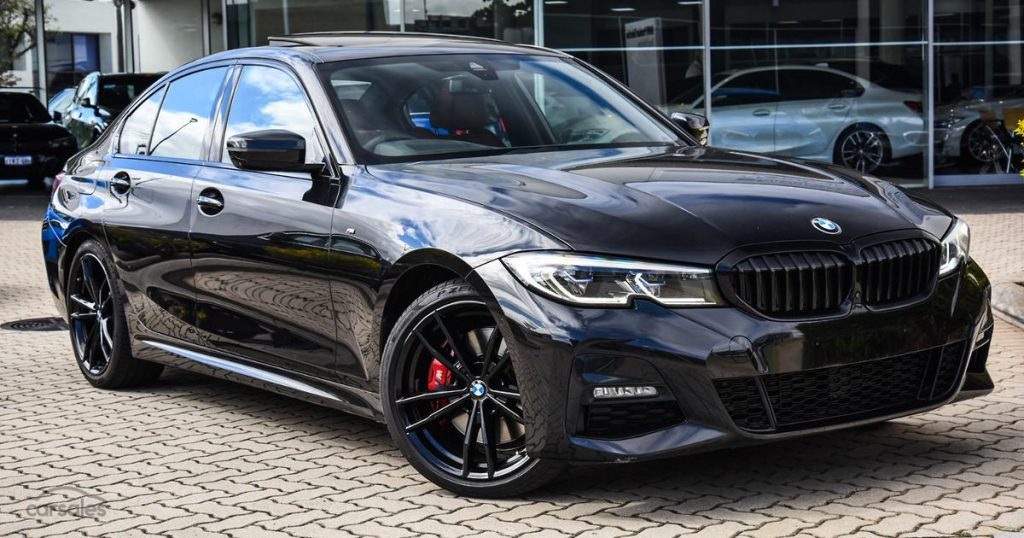
We are highlighting the G20 330i because it captures the evolution of the BMW sport sedan without becoming overly complicated.
While any modern luxury car requires proper care, this model offers a strong blend of performance, efficiency, and everyday usability that makes it one of the most well rounded recent BMW sedans to buy used.
5. BMW F10 535i Sedan
The F10 535i sedan is a strong choice for buyers who want a larger, more luxurious BMW without stepping into the most complex or risky versions of the lineup. It delivers a refined driving experience along with the performance expected from a premium sport sedan, while still being a relatively sensible used purchase when well maintained.
This model uses a turbocharged inline six engine that provides smooth and effortless power. Acceleration is strong, yet the engine does not feel overly stressed in normal driving. Because it produces plenty of torque at low speeds, the car feels relaxed and responsive without needing constant high revs, which helps with overall drivability.
Comfort is one of the F10 535i’s biggest strengths. The ride quality is more composed than smaller BMW sedans, making it a better fit for long highway trips or daily commuting. The cabin is spacious, well insulated from road noise, and filled with premium materials that still feel upscale years later.
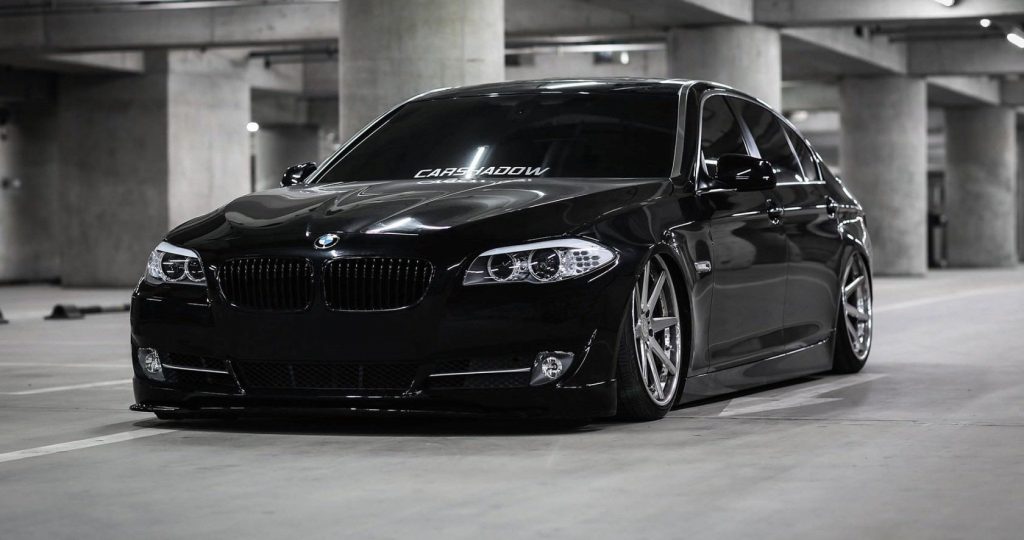
We are including the F10 535i because it offers an excellent balance between performance and luxury.
While maintenance costs are still higher than average cars, it avoids some of the extreme repair risks found in certain V8 powered versions. For many drivers, it delivers the classic BMW blend of comfort and athleticism at a very appealing used price.
6. BMW E39 530i Sedan
The E39 530i is often considered one of the greatest sport sedans BMW ever built. Even today, it remains a desirable used car for enthusiasts who value driving feel, solid build quality, and mechanical simplicity compared to more modern luxury vehicles.
Power comes from a naturally aspirated inline six that is known for its smooth delivery and durable design. While not extremely fast by modern standards, it provides enough performance to feel lively and engaging.
Because it lacks turbochargers and highly complex electronics, long term ownership can be more predictable when the car has been properly cared for.
The chassis balance of the E39 is another reason it stands out. Steering feel is communicative, and the suspension manages to be both comfortable and controlled. This makes the car enjoyable on winding roads while still being practical for everyday use.
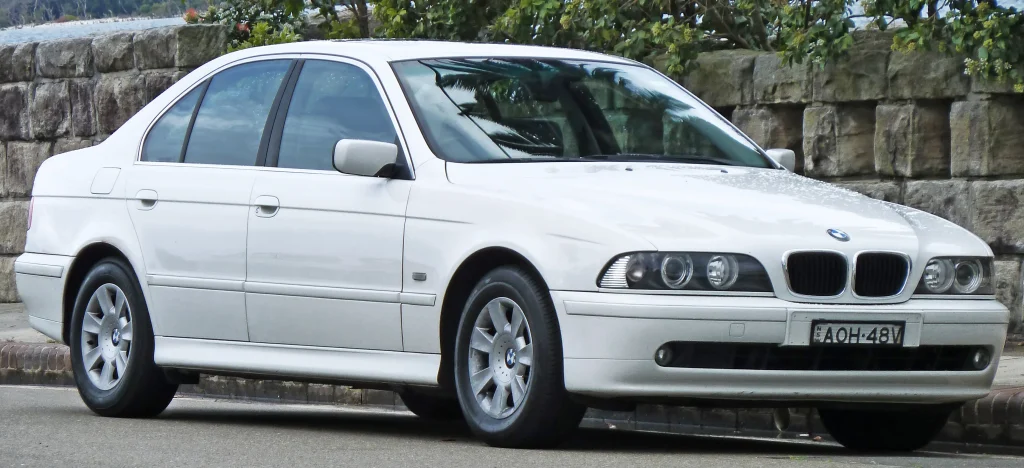
We are highlighting the E39 530i because it represents a high point in BMW sedan design. It may require ongoing maintenance like any older luxury car, but for drivers who appreciate classic BMW character and are willing to maintain it properly, it can be one of the most rewarding used sport sedan experiences available.
6 BMW Sedans We Wouldn’t Buy Used
Not every BMW sedan becomes a great deal once the price drops. Some models that look tempting on the used market can turn into expensive ownership experiences due to complex engineering, high repair costs, or known reliability concerns.
While nearly any car can be enjoyable when new and under warranty, long term durability and maintenance demands become far more important once a vehicle is several years old.
BMW is known for advanced technology and performance focused design, but that sophistication can come with tradeoffs.
Turbocharged engines, complicated cooling systems, air suspension setups, and aging electronics can all lead to costly repairs as mileage climbs. For buyers who are not prepared for premium maintenance bills, certain sedans can quickly outweigh their lower purchase price.
The cars in this list are not necessarily bad to drive. Many of them offer impressive performance and luxury. However, they are included here because they tend to have higher risk profiles for used buyers.
Whether due to engine issues, transmission concerns, or complex systems that age poorly, these models often require deeper pockets and more patience than most shoppers expect.
1. BMW E65 745i Sedan
The E65 745i sedan marked a major technological leap for BMW when it was introduced, but that same complexity makes it a difficult choice as a used car today. It features a V8 engine and a wide array of early electronic systems that can be troublesome as the vehicle ages.
One of the biggest concerns is the engine. The V8 used in this model is known for various issues, including oil leaks and cooling system problems. Repairs can be expensive because of tight packaging under the hood and the premium cost of parts and labor. As mileage increases, these problems can become more frequent.
Electronics are another major weak point. This generation introduced advanced infotainment and control systems that were innovative at the time but can be unreliable now. Malfunctions in these systems can be difficult to diagnose and costly to fix, especially when multiple modules begin to fail.
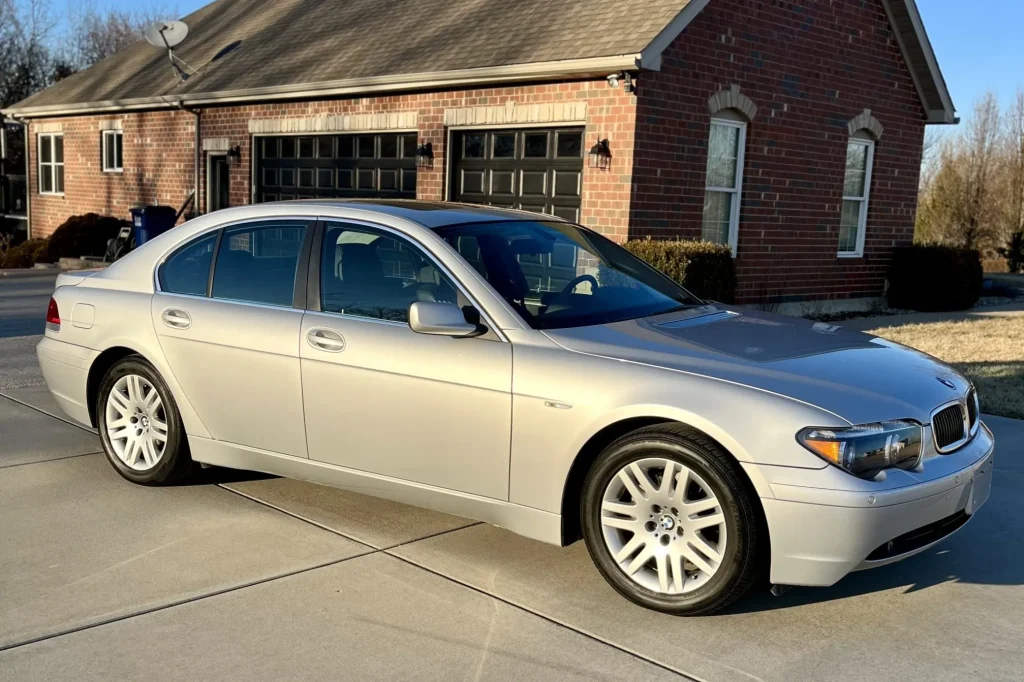
We are including the E65 745i because it combines a complicated engine with aging electronics in a large luxury sedan. While it can be purchased cheaply today, the potential for high repair bills makes it a risky choice for anyone looking for affordable and stress free BMW ownership.
2. BMW F10 550i Sedan
The F10 550i sedan offers strong performance thanks to its twin turbocharged V8 engine, but that same engine is the main reason we would hesitate to buy one used. While powerful and smooth, it is known for issues that can lead to very expensive repairs as the car ages.
High heat levels in the engine bay can accelerate wear on various components. Problems such as oil consumption, valve stem seal wear, and cooling system failures have been reported by many owners. Addressing these issues often involves significant labor, pushing repair costs into the thousands.
Fuel consumption is also noticeably higher than in six cylinder versions of the same car. For drivers who do not specifically need V8 performance, the added fuel and maintenance costs may not feel worth it. Insurance and tire expenses can also be higher due to the car’s performance focus.
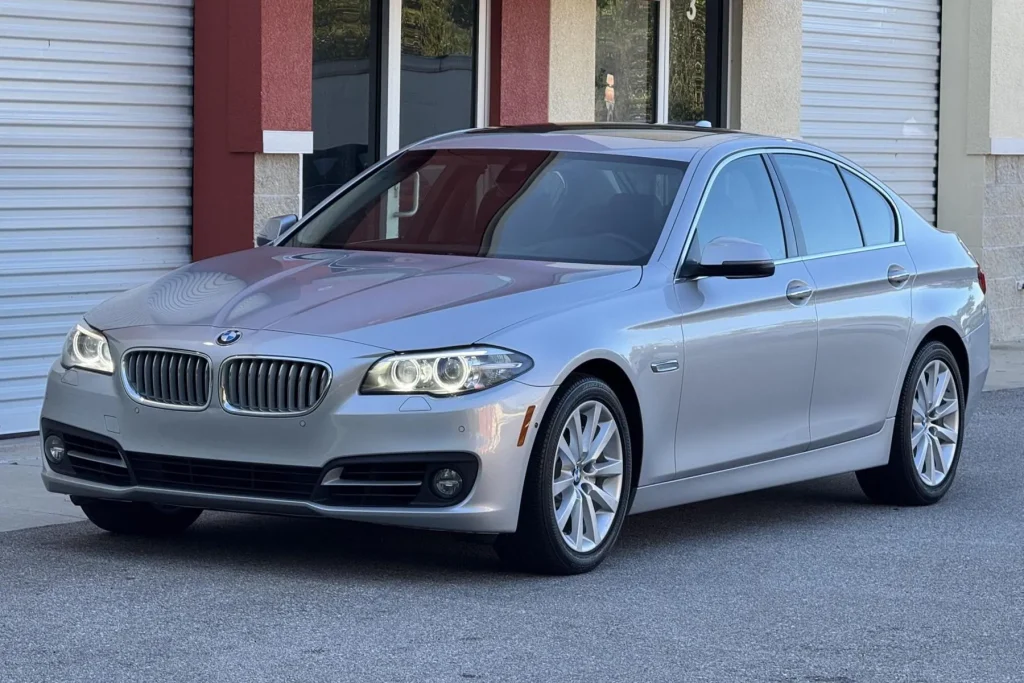
We are highlighting the F10 550i because it looks like a luxury performance bargain on the used market, but the long term financial commitment can be substantial. For most buyers, a six cylinder F10 delivers a more balanced and less risky ownership experience.
3. BMW E90 335i Sedan
The E90 335i sedan is often praised for its strong performance and tuning potential, but it can be a risky used buy for owners who want predictable costs and dependable daily driving. Its twin turbocharged inline six engine delivers impressive power, yet it is also known for several recurring issues that can become expensive as the car ages.
One of the main concerns involves the turbocharging system itself. Turbochargers operate under high heat and pressure, and over time components such as wastegates can wear out. Replacing or repairing turbo related parts can require significant labor and specialized knowledge, which pushes up repair bills compared to naturally aspirated engines.
High pressure fuel system problems are another known weak spot in some versions of this engine. Failures of fuel pumps or injectors can lead to rough running, warning lights, and sudden loss of performance. While some updates improved reliability, older cars may still face these issues, especially if maintenance history is unclear.
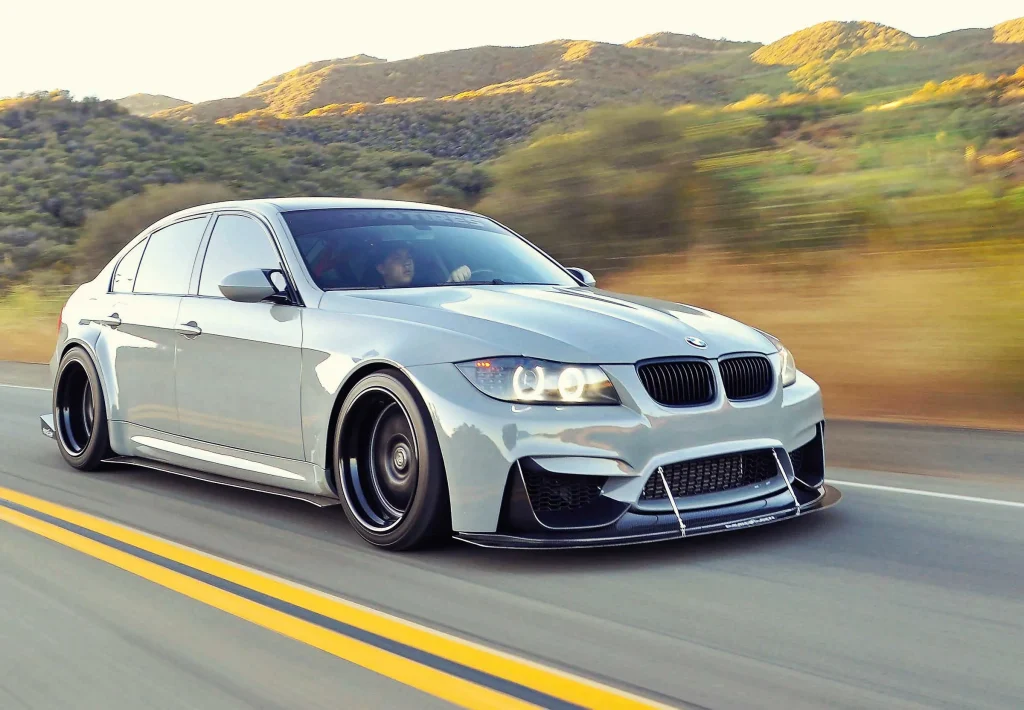
The 335i is also packed with performance oriented components that cost more to maintain. Brakes, cooling parts, and suspension components tend to wear faster when the car is driven hard, which many owners are tempted to do because of its strong acceleration and sporty character.
We are including the E90 335i because it often attracts buyers looking for a fast bargain luxury sedan. While it can be very enjoyable, the combination of turbo complexity and potential fuel system problems makes it a higher risk choice for those who want a simple and affordable used BMW experience.
4. BMW E60 M5 Sedan
The E60 M5 sedan is one of the most exciting sport sedans BMW has ever produced, but it is also one of the most demanding to own once it is out of warranty. Its high revving V10 engine delivers incredible sound and performance, yet it brings with it a level of complexity and maintenance cost that can overwhelm many used buyers.
The engine itself is a major source of concern. Designed for extreme performance, it operates under very high stress and uses advanced components that are expensive to repair or replace. Issues related to rod bearings, throttle actuators, and other internal parts have been reported, and addressing them often requires specialized expertise.
The car’s automated manual transmission can also be costly to maintain. Clutch replacements and related system repairs are not cheap, and the driving experience in traffic can feel less smooth than a traditional automatic. This can make daily driving more tiring while also increasing wear on key components.
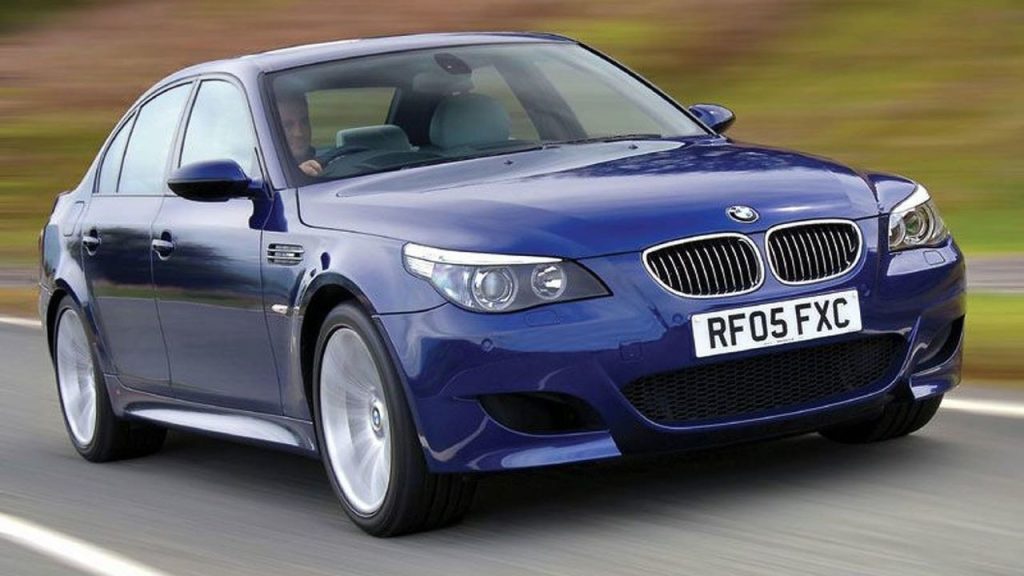
Beyond the powertrain, the E60 M5 includes complex suspension, braking, and electronic systems that all come with premium repair costs. Even routine maintenance such as tires and brakes is significantly more expensive than on standard BMW sedans.
We are highlighting the E60 M5 because it represents a dream car that can quickly turn into a financial burden. It offers thrilling performance, but for most used buyers, the long term costs and mechanical risks make it a car to admire from a distance rather than own.
5. BMW F01 750i Sedan
The F01 750i sedan delivers flagship luxury and strong V8 performance, but it is a risky proposition as a used car for buyers who want manageable costs and long term peace of mind. While it offers an impressive blend of comfort, technology, and power, the complexity behind those features can lead to expensive problems as the vehicle ages.
At the heart of the 750i is a twin turbocharged V8 engine that produces effortless acceleration. However, this engine operates under high heat and pressure, which can accelerate wear on internal components and surrounding systems.
Oil leaks, cooling system failures, and turbo related issues are not uncommon, and repairs can be labor intensive due to tight packaging in the engine bay.
The 7 Series platform also includes a wide range of advanced electronics and comfort features. Air suspension components, electronic seat systems, driver assistance features, and infotainment modules can all develop faults over time. Diagnosing and fixing these systems often requires specialized tools and expertise, which adds to ownership costs.
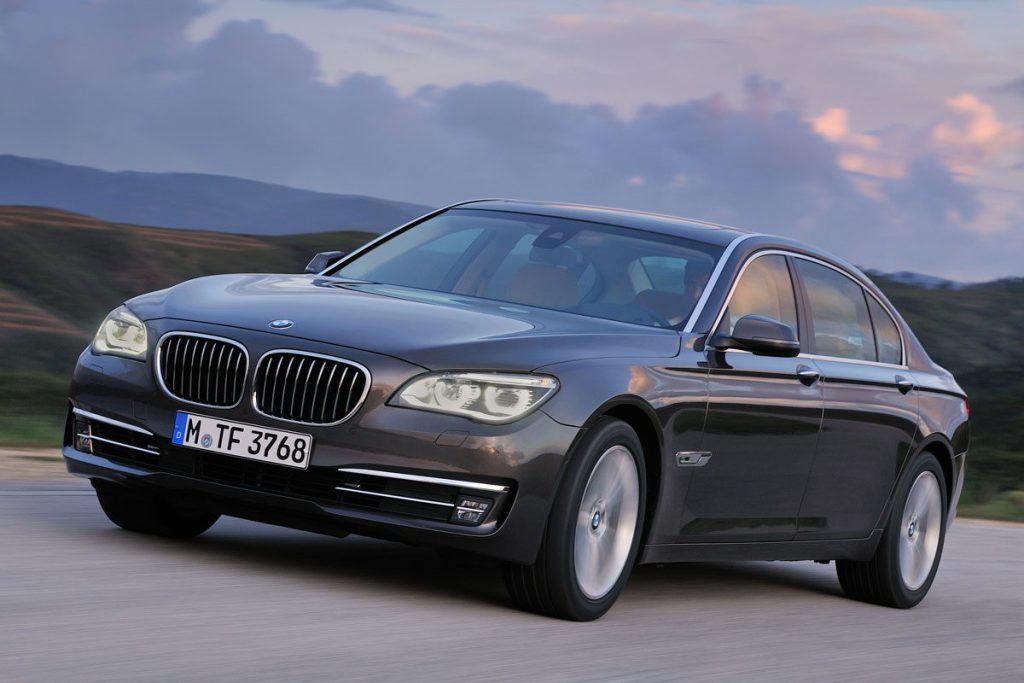
Because this is a large luxury sedan, routine expenses are higher as well. Tires, brakes, and other wear items are more expensive than those on smaller BMW models. When combined with the risk of major mechanical or electronic repairs, the total cost of ownership can climb quickly.
We are including the F01 750i because it tempts buyers with high end luxury at a relatively low used price. Unfortunately, the ongoing maintenance and repair demands often make it far more expensive than it first appears.
6. BMW G12 760Li Sedan
The G12 760Li sits at the top of BMW’s luxury sedan range and features a powerful V12 engine, making it one of the most complex and expensive sedans the brand has ever produced. While it delivers exceptional smoothness and prestige, it is rarely a wise choice for used buyers focused on value and reliability.
The V12 engine is incredibly refined, but it is also extremely complicated. With two banks of six cylinders and multiple turbochargers, there are many components that can fail as the car ages. Even routine maintenance tasks can be costly simply because of the engine’s size and design. When major repairs are needed, bills can be extremely high.
Beyond the engine, the 760Li is filled with advanced luxury technology. Features such as air suspension, rear seat comfort systems, and complex driver assistance electronics add comfort but also increase the number of systems that can develop faults over time. Repairing or replacing these parts is rarely inexpensive.
Fuel consumption is another consideration. A V12 powered luxury sedan is never going to be economical, and frequent fuel stops add to the long term running costs. Insurance and parts prices also reflect the car’s flagship status.
We are highlighting the G12 760Li because it represents the peak of BMW luxury and engineering, but also the peak of potential ownership expense. For most used car buyers, the risks and costs far outweigh the benefits of owning such an advanced and powerful sedan.
Shopping for a used BMW sedan can be incredibly rewarding, but it can also become expensive if you choose the wrong model.
Some BMW sedans age gracefully, offering years of driving enjoyment with manageable maintenance, while others become complicated and costly as mileage increases. Understanding the difference is the key to getting real value instead of a luxury headache.
The sedans we would buy used tend to share a few important traits. Many of them use inline six or well proven turbocharged four cylinder engines that balance performance with relative mechanical simplicity.
These cars still deliver the sharp handling and refined road feel BMW is known for, but without some of the extreme complexity found in higher performance or flagship models.
Models like the E90 328i and E39 530i stand out for their naturally aspirated engines and classic BMW driving character. They may not have the newest technology, but their simpler designs can make long term ownership more predictable.
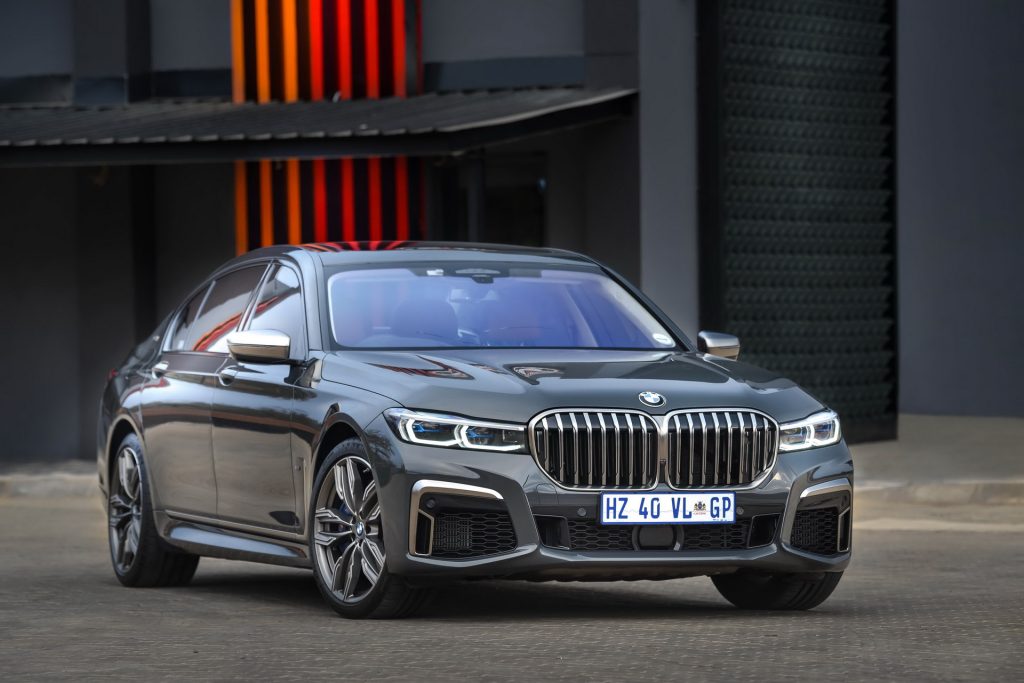
Meanwhile, newer options like the F30 and G20 330i offer modern features and efficiency while still maintaining a reasonable reliability record when properly maintained.
On the other side, the BMW sedans we would avoid usually combine high performance engines with heavy complexity. V8, V10, and V12 powered models often deliver thrilling power, but they also bring higher heat, more parts, and greater risk of major repairs.
Aging flagship cars like older 7 Series models add layers of electronic systems that can fail and cost a lot to fix.
Performance icons such as the E60 M5 may be exciting, but their specialized engines and transmissions make them better suited to enthusiasts with large maintenance budgets. For most buyers, these cars can quickly become overwhelming financially.
In the end, a smart used BMW purchase is about balance. Choosing a model known for solid engineering and realistic ownership costs helps you enjoy the brand’s driving experience without constant stress over repairs and bills.
Also Read: Top 10 Iconic GM Muscle Cars That Shaped American Performance
