Stop-and-go traffic is a reality for millions of drivers, and not every vehicle is designed to handle it well. Some cars are built to perform efficiently in urban congestion, offering smooth acceleration, advanced fuel efficiency, and systems that reduce driver fatigue.
Hybrids and electric vehicles with regenerative braking, adaptive cruise control, and one-pedal driving provide a more relaxed and cost-effective commuting experience. In contrast, some high-performance cars or complex luxury vehicles struggle in heavy traffic.
Frequent idling, constant gear changes, and low-speed acceleration can accelerate wear on transmissions, engines, suspension components, and electronics. Understanding which cars excel in stop-and-go conditions and which models are more prone to premature wear is essential for drivers who spend significant time in traffic and want to avoid costly repairs and mechanical frustrations.
5 Cars That Excel in Stop-and-Go Traffic
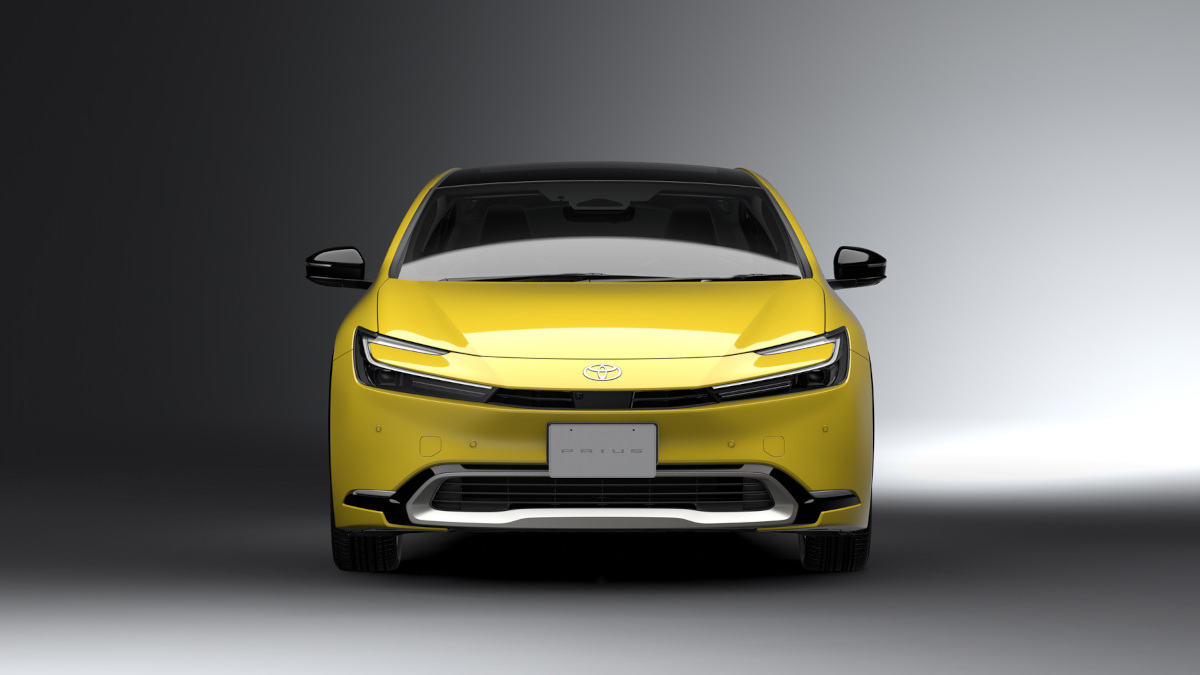
1. Toyota Prius (2023 to Present): Redefining the Modern Hybrid Commuter
The 2023 to present Toyota Prius continues to set the standard for efficiency-focused commuting, particularly in urban and suburban traffic. Unlike traditional gasoline vehicles that consume fuel while idling, the Prius relies heavily on electric propulsion at low speeds.
Its fifth-generation hybrid system allows the gasoline engine to shut off during creeping and stop-and-go driving, reducing fuel use, mechanical wear, and cabin noise. This makes the Prius especially well-suited for congested daily commutes.
One of the Prius’s standout features is available Traffic Jam Assist, which can control steering, braking, and acceleration at speeds under 25 mph. In dense traffic, this system reduces driver workload and fatigue while maintaining smooth, predictable progress.
The hybrid system also benefits from enhanced regenerative braking, capturing energy during frequent stops and converting it into usable electric power. A redesigned platform with a lower center of gravity improves ride stability and handling, giving the Prius a more planted and confident feel.
Performance has improved significantly compared to earlier generations. Power comes from a 2.0-liter inline four hybrid engine paired with a continuously variable transmission.
Front wheel drive models produce 194 horsepower, while all wheel drive versions add a rear electric motor for a combined output of 196 horsepower. Acceleration is noticeably quicker, with 0 to 60 mph achieved in just over seven seconds. Larger brakes also shorten stopping distances, enhancing control and safety in real-world driving.
Despite the added power, fuel economy remains a major strength. EPA ratings reach up to 57 mpg in the city and 56 mpg on the highway for Front Wheel Drive models, surpassing the previous generation. All Wheel Drive variants also see meaningful gains in efficiency, and highway testing confirms the Prius maintains excellent mileage at sustained speeds.
The interior reflects a shift toward a more traditional and driver-focused design. A gauge cluster is now positioned directly behind the steering wheel, improving visibility and usability.
A slightly lower roofline and seating position contribute to improved handling while maintaining comfort. Infotainment technology is modern and responsive, with screen sizes ranging from 8.0 to 12.3 inches, wireless Apple CarPlay and Android Auto, voice commands, and over-the-air software updates.
Safety technology is standard across the lineup through Toyota Safety Sense 3.0, which includes adaptive cruise control, lane keeping assist, and automatic emergency braking. Strong warranty coverage and complimentary maintenance further strengthen the Prius’s appeal as a dependable and efficient choice for everyday driving.
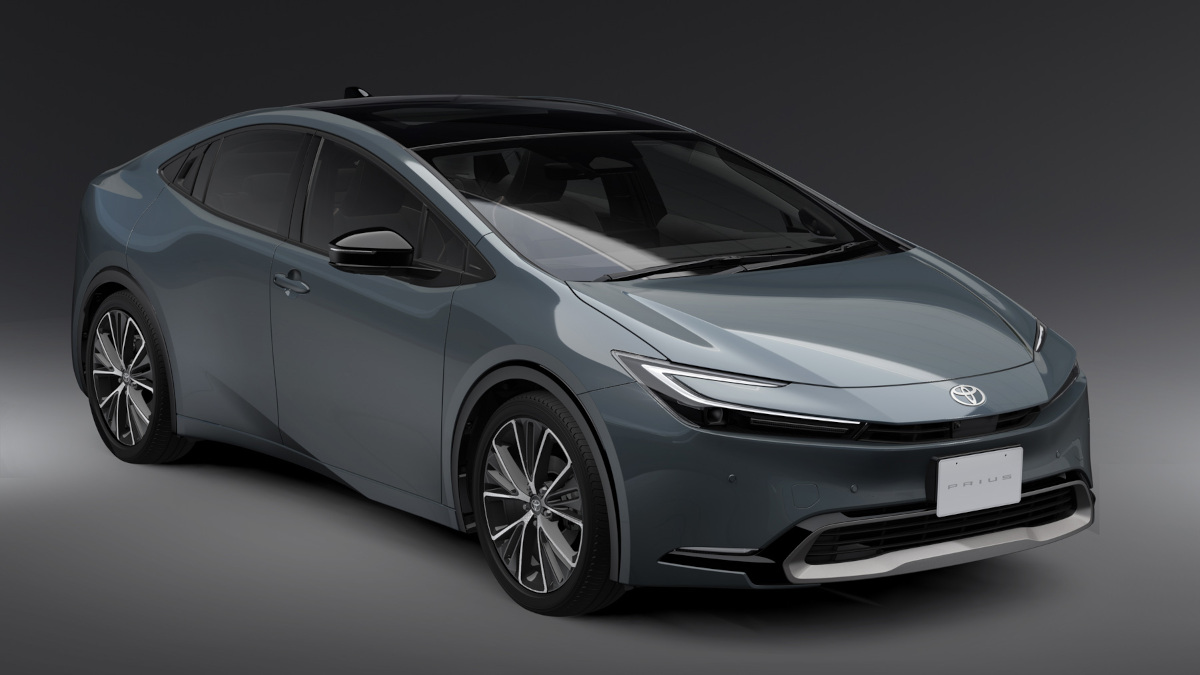
2. Tesla Model 3: An Electric Advantage in Traffic, Performance, and Technology
The Tesla Model 3 stands out as a strong example of why electric vehicles excel in stop-and-go traffic. Without a multi-speed transmission or a combustion engine, the Model 3 avoids gear changes, engine heat buildup, and fuel waste during congestion.
Its regenerative braking system enables one pedal driving, allowing the car to slow down as soon as the driver lifts off the accelerator. This not only improves efficiency by feeding energy back into the battery but also reduces wear on traditional brake components.
A major contributor to the Model 3’s traffic-friendly nature is Tesla’s Autopilot system, particularly Traffic Aware Cruise Control. In heavy congestion, the system manages acceleration and braking automatically, maintaining a safe following distance even at very low speeds.
It can bring the car to a complete stop and resume driving without driver input, which significantly reduces stress during traffic jams. Autopilot also uses predictive vision, tracking vehicles beyond the one directly ahead to anticipate slowdowns earlier and brake more smoothly.
While some drivers note that the system can be cautious or slightly jerky at times, many find that it greatly improves comfort and confidence in dense traffic.
Performance is another area where the Model 3 shines. Depending on configuration, power output ranges from 286 horsepower in the single motor version to 510 horsepower in the dual motor Performance trim. Instant torque from the electric motors delivers smooth and immediate acceleration, eliminating the hesitation common in gasoline vehicles.
The Performance model reaches 60 mph in just 2.8 seconds, rivaling and often outperforming much more expensive performance sedans. The battery’s placement under the floor lowers the center of gravity, improving handling, stability, and cornering precision.
Range and charging capability further enhance daily usability. EPA range estimates span roughly 298 to 363 miles, depending on configuration, placing the Model 3 among the leaders in its class. Real-world highway testing falls slightly short of EPA numbers but still surpasses many competitors.
Charging options include Tesla Superchargers, public fast chargers via adapters, and home charging. On a DC fast charger, a dual motor Performance model can recharge from 10 to 90 percent in under 40 minutes.
Inside, the Model 3 features a minimalist cabin dominated by a 15.4 inch central touchscreen. Front seat comfort is strong, though rear seat space is limited for adults. Cargo capacity is practical thanks to a usable rear trunk and fold-down rear seats. While it lacks Apple CarPlay, Android Auto, and traditional radio options, Tesla compensates with built-in streaming services, entertainment apps, and a responsive interface.
Safety technology is robust, with standard adaptive cruise control, emergency braking, and lane departure warnings. Backed by a long powertrain warranty, the Tesla Model 3 delivers a compelling mix of traffic efficiency, rapid performance, advanced driver assistance, and electric range suited to both daily commuting and longer drives.
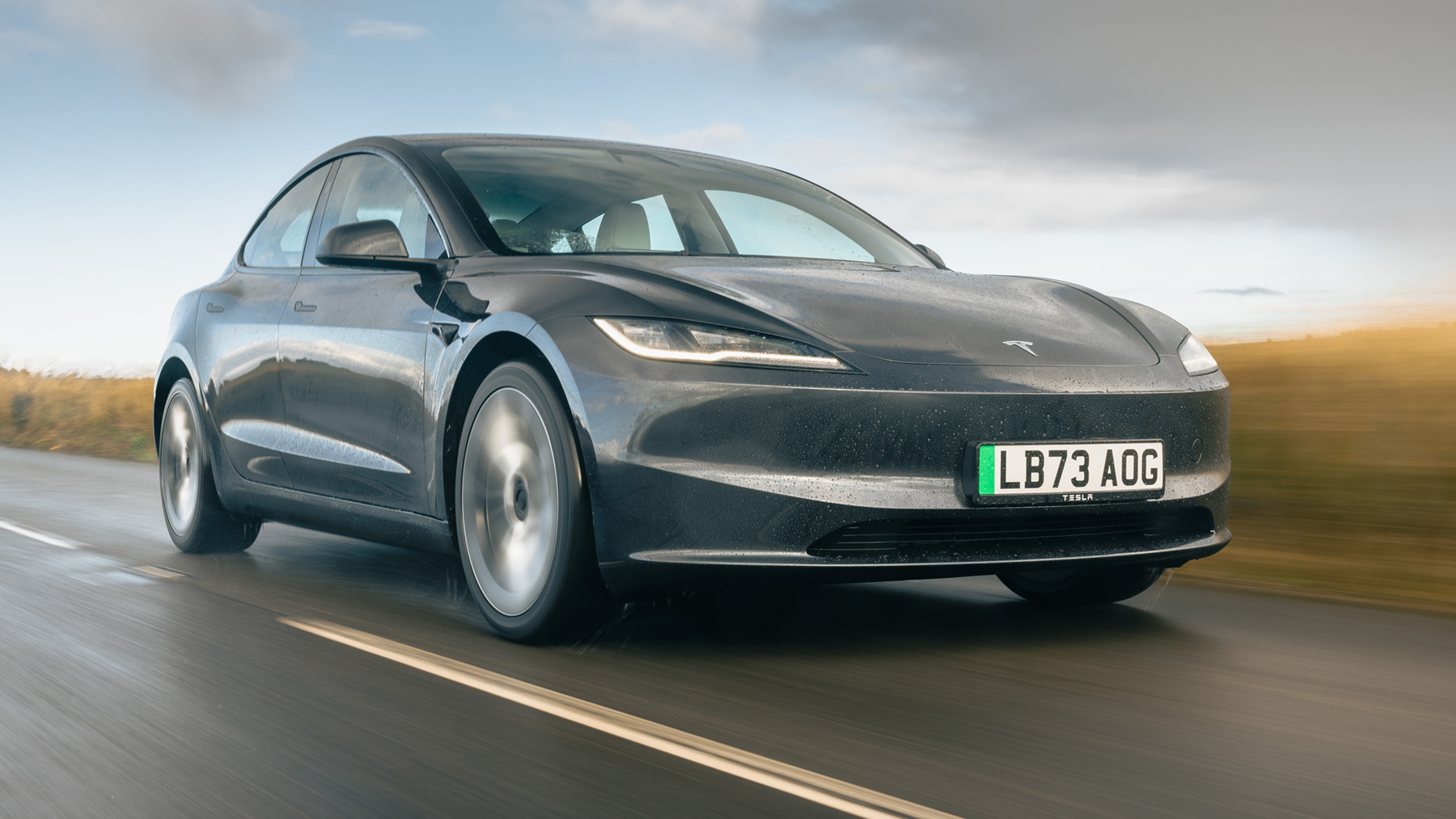
3. Lexus ES 300h: Quiet Luxury and Hybrid Efficiency for Effortless Commuting
The Lexus ES 300h is designed for drivers who want a refined luxury experience without the high maintenance costs often associated with premium sedans. Its greatest strengths emerge in city driving and heavy traffic, where its proven hybrid powertrain, quiet cabin, and advanced driver assistance systems work together to reduce stress and maximize efficiency. Rather than chasing sporty performance, the ES 300h focuses on comfort, smoothness, and long-term reliability.
At the heart of the ES 300h is a 2.5-liter Atkinson cycle four-cylinder engine paired with an electric motor, producing a combined 215 horsepower. In stop-and-go traffic, the car frequently operates on electric power alone, allowing for near-silent movement at low speeds.
The electric motor delivers immediate torque for smooth launches, while regenerative braking captures energy during deceleration and stores it in the battery. This system improves efficiency and reduces brake wear, making the ES 300h especially well-suited for urban commuting. EPA ratings reach 44 mpg combined, an impressive figure for a midsize luxury sedan.
The continuously variable transmission plays a key role in the ES 300h’s relaxed driving character. By eliminating traditional gear shifts, the CVT delivers seamless acceleration and prevents the jerky behavior often felt in traffic.
Acceleration is measured as quick, with a 0 to 60 mph time of about 8.3 seconds, and heavy throttle inputs can make the engine sound strained. However, the powertrain feels smooth and predictable in everyday driving, which aligns with the car’s comfort-first mission.
Driver fatigue is further reduced by Lexus Safety System+ 2.5, which comes standard. All Speed Dynamic Radar Cruise Control can manage braking and acceleration, bring the car to a complete stop, and resume driving in traffic. This feature is particularly valuable during long commutes and congestion, allowing the driver to remain relaxed and focused. Lane assistance and other safety technologies add another layer of reassurance.
The interior is a defining highlight. The cabin is exceptionally quiet, well-insulated, and built with high-quality materials that reinforce Lexus’ reputation for craftsmanship. The front seats are especially comfortable and supportive, while rear legroom is generous for passengers.
Updated infotainment systems in newer models feature a touchscreen interface with wireless Apple CarPlay and Android Auto, greatly improving usability compared to earlier versions.
Practicality is solid, with a 13.9 cubic foot trunk that matches the non-hybrid model. While the rear seats do not fold down, a center pass-through adds some flexibility. For buyers who value serenity, efficiency, and dependable luxury over performance, the Lexus ES 300h remains a compelling and well-balanced choice.
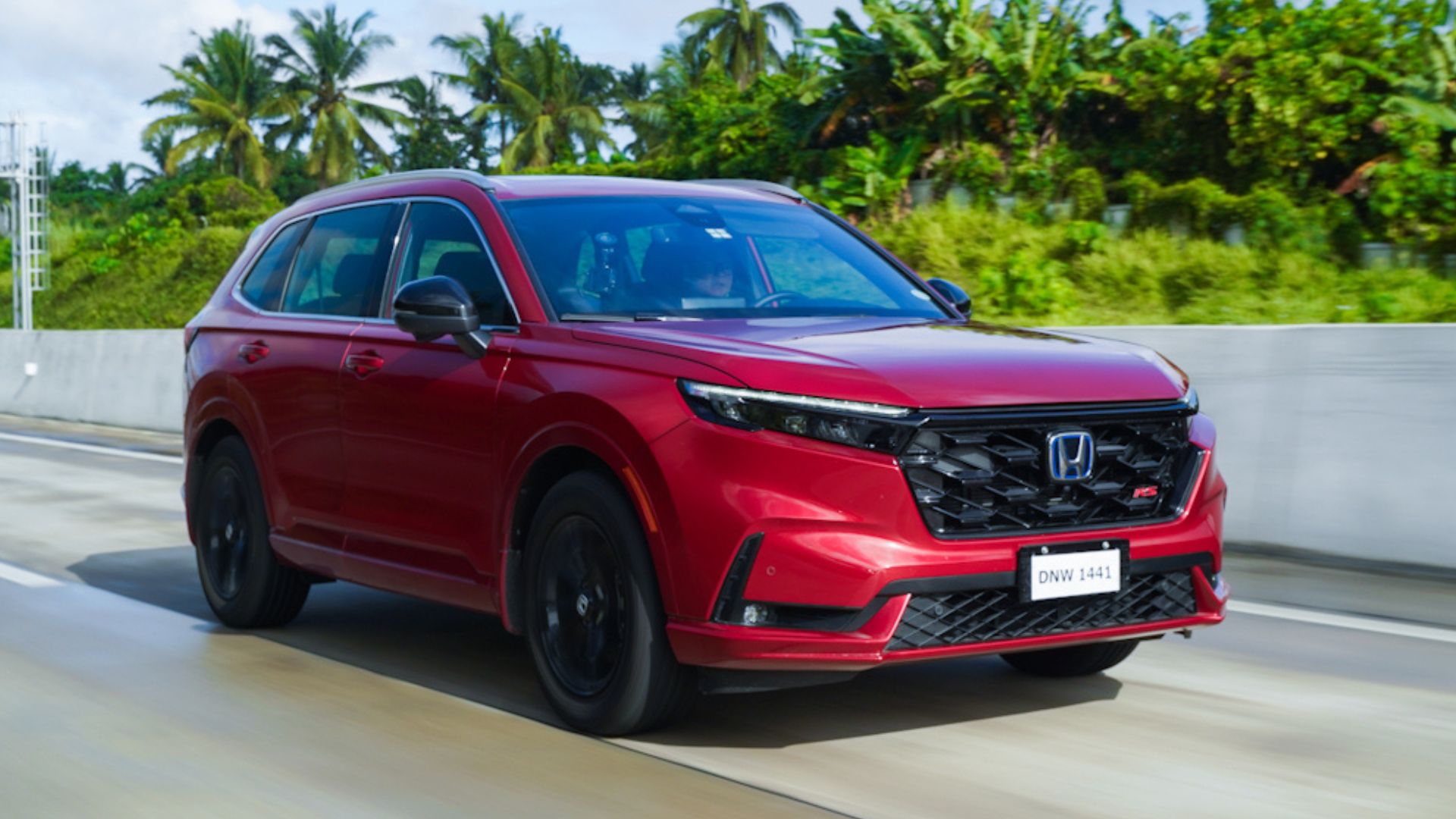
4. Honda CR-V Hybrid: Transmission-Free Hybrid Design Built for Stop-and-Go Driving
The Honda CR-V Hybrid distinguishes itself in heavy traffic through its unique two-motor hybrid system that operates without a traditional transmission. By eliminating a conventional gearbox, Honda removes one of the most common sources of wear, hesitation, and rough shifting in stop-and-go conditions.
The result is a smooth, lurch-free driving experience that feels especially refined at low speeds, making the CR-V Hybrid a strong choice for city commuting and daily errands.
At lower speeds and during idling, the CR-V Hybrid relies primarily on electric propulsion. The gasoline engine often remains off, allowing the vehicle to move quietly and efficiently on electric power alone. This setup is well-suited to frequent starts and stops, where electric motors outperform gasoline engines in both responsiveness and efficiency.
Regenerative braking plays a key role by capturing energy during deceleration and braking, storing it in the battery for later use. An idle-stop function further improves efficiency by shutting the engine off after brief stops and restarting it automatically when the brake is released. Drivers can also select ECON mode to optimize throttle response and climate control for better fuel savings.
The hybrid powertrain pairs a 2.0-liter four-cylinder engine with two electric motors for a combined output of 204 horsepower. Performance is smooth and confident rather than sporty, with acceleration that feels natural and predictable in everyday driving. The CR-V Hybrid reaches 60 mph in just over seven seconds, which is competitive for the compact SUV segment.
Available all-wheel drive adds confidence in poor weather, and newer models include enhanced low-speed traction management that helps distribute torque more effectively on slippery surfaces. Ride quality is composed and comfortable, prioritizing passenger comfort over aggressive handling.
Fuel economy is a major advantage. EPA ratings reach up to 43 mpg city and 40 mpg combined for front-wheel-drive models, while all-wheel-drive versions remain efficient by class standards. Real-world highway testing confirms that the CR-V Hybrid delivers mileage that closely matches or slightly exceeds its official estimates.
Inside, the CR-V Hybrid offers a spacious and thoughtfully designed cabin. Both rows provide generous legroom, and the seating position is comfortable for long periods behind the wheel. Materials are durable and attractive, particularly in higher trims, and the control layout is intuitive and easy to use. Cargo space is another highlight, with a wide rear opening and rear seats that fold flat to accommodate larger items.
Technology and safety features are comprehensive. A standard 9.0-inch touchscreen includes wireless Apple CarPlay and Android Auto, while digital driver displays add clarity and convenience. Honda Sensing is standard across the lineup, bringing adaptive cruise control with low-speed follow, lane-keeping assist, blind-spot monitoring, and automatic emergency braking.
Combined with its smooth hybrid operation, strong efficiency, and practical interior, the Honda CR-V Hybrid delivers a refined and dependable solution for drivers facing daily traffic and city-focused driving.
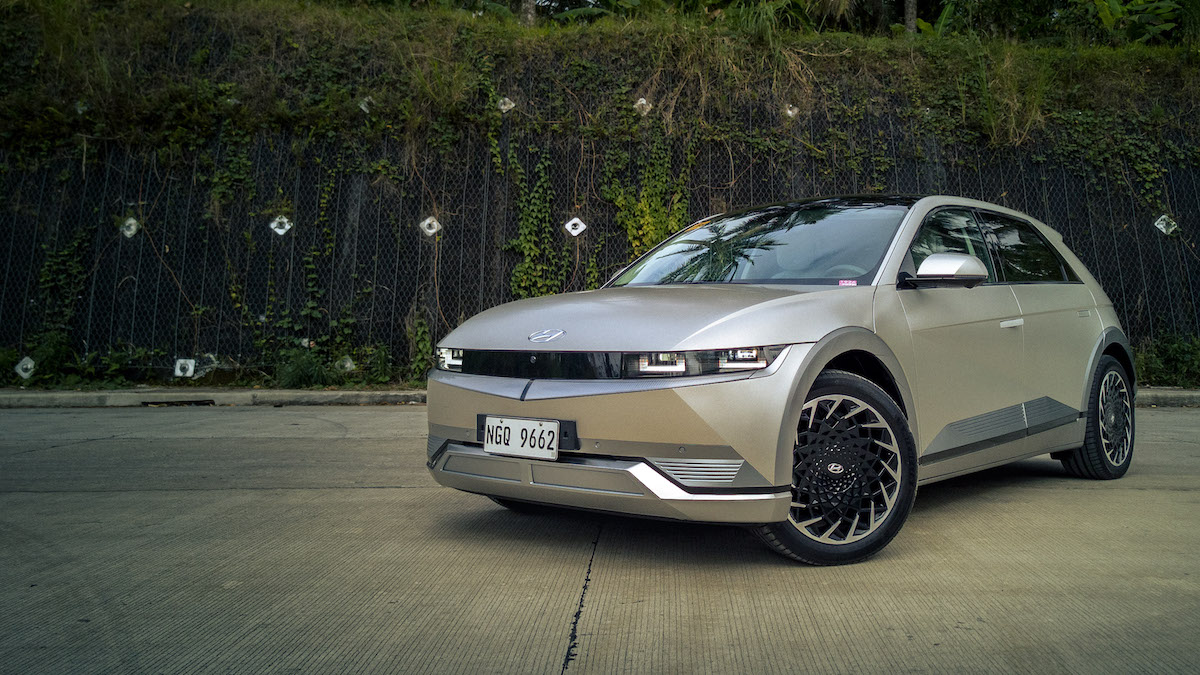
5. Hyundai Ioniq 5: Smart One-Pedal Driving and Thermal Resilience for Traffic-Heavy Commutes
The Hyundai Ioniq 5 is widely praised for how well it handles stop-and-go traffic, combining electric vehicle advantages with thoughtful technology designed to reduce fatigue and improve long-term durability. As a fully electric vehicle, it avoids the complexity of transmissions and engines entirely, delivering smooth, silent operation that is especially beneficial in congested conditions.
A standout feature is Hyundai’s advanced thermal management system, which helps keep the battery cool even when the vehicle sits for long periods on hot pavement, protecting performance and battery longevity.
Central to the Ioniq 5’s traffic-friendly nature is its i-Pedal one-pedal driving mode. This system allows the driver to control acceleration and deceleration using only the accelerator pedal, with strong regenerative braking slowing the car all the way to a complete stop.
In heavy traffic, this greatly reduces the need to move between pedals, minimizing fatigue while also recovering energy that would otherwise be lost during braking. The smart regeneration system can even adjust braking strength automatically based on traffic conditions ahead, creating a smoother and more intuitive driving experience.
Smart Cruise Control with Stop and Go further enhances comfort in congestion. Using radar sensors, the system maintains a set following distance, brings the vehicle to a full stop when traffic halts, and resumes driving automatically if the stop is brief.
Combined with Highway Driving Assist, which helps with lane centering and distance management, the Ioniq 5 feels calm and composed during slow-moving traffic, allowing drivers to relax while still remaining engaged.
Performance options range from a 168-horsepower single-motor rear-wheel-drive setup to a 320-horsepower dual-motor all-wheel-drive configuration. Regardless of version, instant electric torque ensures smooth, immediate acceleration from a standstill, eliminating hesitation or lag.
Acceleration is quick for the segment, with all-wheel-drive models reaching 60 mph in about 4.4 seconds. A low-mounted battery lowers the center of gravity, contributing to stable handling and a planted feel on the road, while ride quality strikes a balance between comfort and firmness.
Range and charging capability add to the Ioniq 5’s everyday practicality. EPA range estimates span roughly 245 to 318 miles, depending on battery and drivetrain. Real-world testing shows slightly lower highway numbers, but charging performance is a highlight. With DC fast charging, the larger battery can recharge from 10 to 80 percent in about 20 minutes, making short charging stops highly effective.
Inside, the Ioniq 5 offers a spacious, airy cabin with flat floors, generous legroom in both rows, and flexible cargo space. Dual 12.3-inch screens handle instrumentation and infotainment, with wireless smartphone integration and multiple charging ports throughout.
Standard driver-assistance features, strong efficiency ratings, and one of the best warranty and maintenance packages in the industry reinforce the Ioniq 5 as a refined, forward-thinking EV built to handle daily traffic with ease and confidence.
Also Read: 5 Cars That Cope With Midwest Winters vs 5 That Develop Seasonal Problems
5 That Wear Out Faster
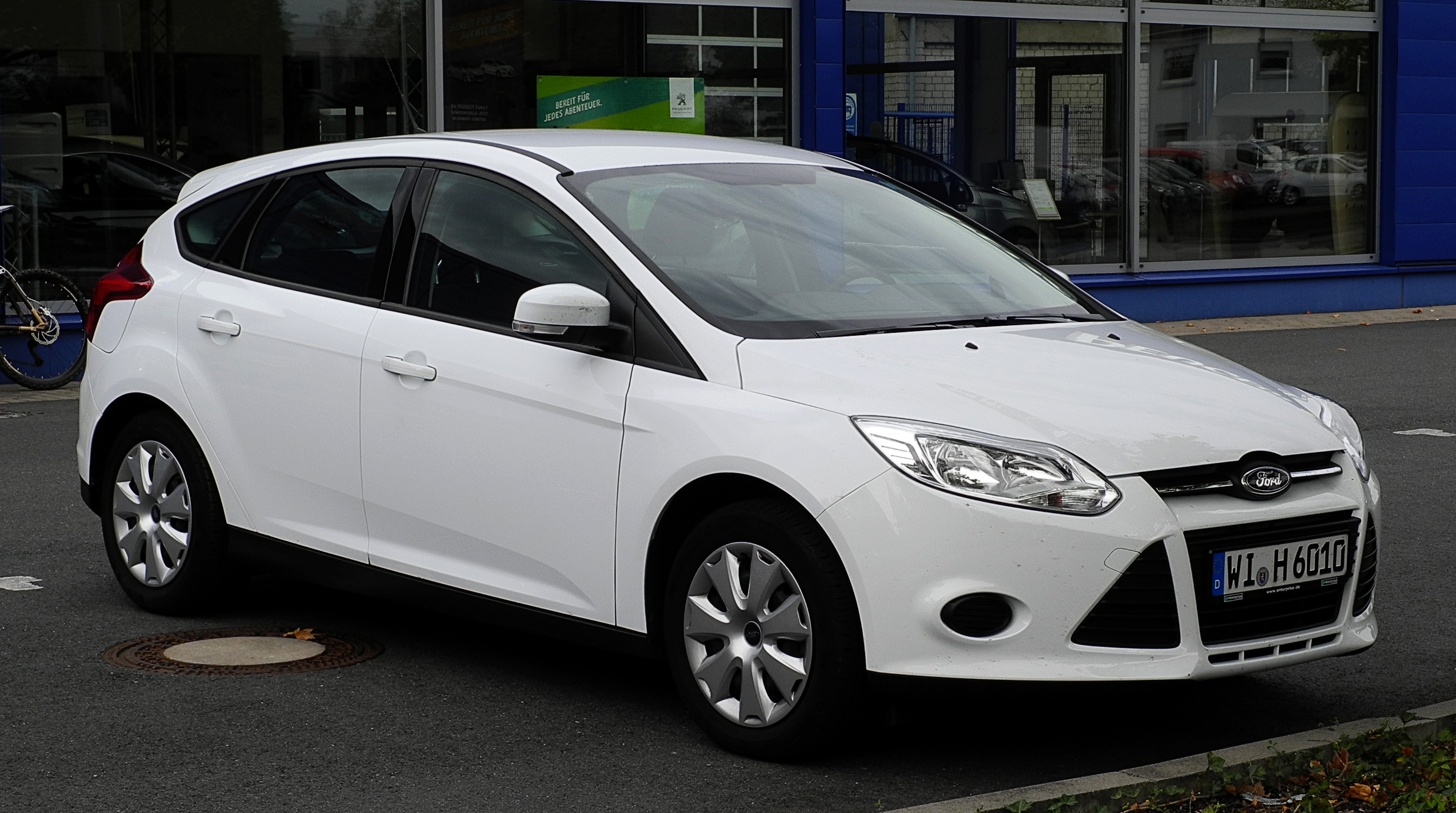
1. Ford Focus (2012 to 2016): How the PowerShift Transmission Undermined Reliability
The 2012 to 2016 Ford Focus has become widely known for premature wear and reliability problems, largely due to its PowerShift DPS6 dual clutch transmission. \
Designed to combine the fuel efficiency of a manual gearbox with the convenience of an automatic, the system instead introduced a series of engineering flaws that made these models especially vulnerable in everyday stop-and-go driving. Consumer Reports and owner complaints consistently point to unusually high repair rates, particularly in urban environments.
At the core of the issue is the PowerShift transmission’s dry clutch design. Unlike wet clutch systems that bathe clutch components in oil to manage heat, the Focus’s dry clutches rely entirely on air cooling. In traffic, the transmission constantly slips the clutch to maintain low speeds.
This generates excessive heat that has nowhere to go, causing clutch materials to glaze, warp, and wear rapidly. Over time, this heat damage leads to shuddering, hesitation, and eventual clutch failure.
Compounding the problem is a defect involving the input shaft seals. Although the clutches are meant to stay dry, the transmission still contains fluid for gear lubrication. When the seals fail, fluid leaks onto the clutch plates. Even small amounts of contamination cause severe slipping and vibration, effectively destroying the clutches and requiring full replacement.
The transmission control module adds another layer of trouble. This electronic unit frequently fails due to heat and electrical issues, resulting in missed gear engagement, harsh or erratic shifting, and sudden lunging during deceleration. These behaviors place extreme stress on surrounding components, including engine mounts, CV axles, and internal gears.
Finally, the transmission is poorly suited to normal driving habits. Common traffic behaviors such as creeping forward without pressing the accelerator cause constant partial clutch engagement, similar to riding the clutch in a manual car. Combined with heat and contamination, this dramatically shortens transmission life.
As a result, many owners report multiple clutch or transmission replacements within the first 100,000 miles, making the 2012 to 2016 Ford Focus a cautionary example of how flawed drivetrain design can overshadow an otherwise practical compact car.
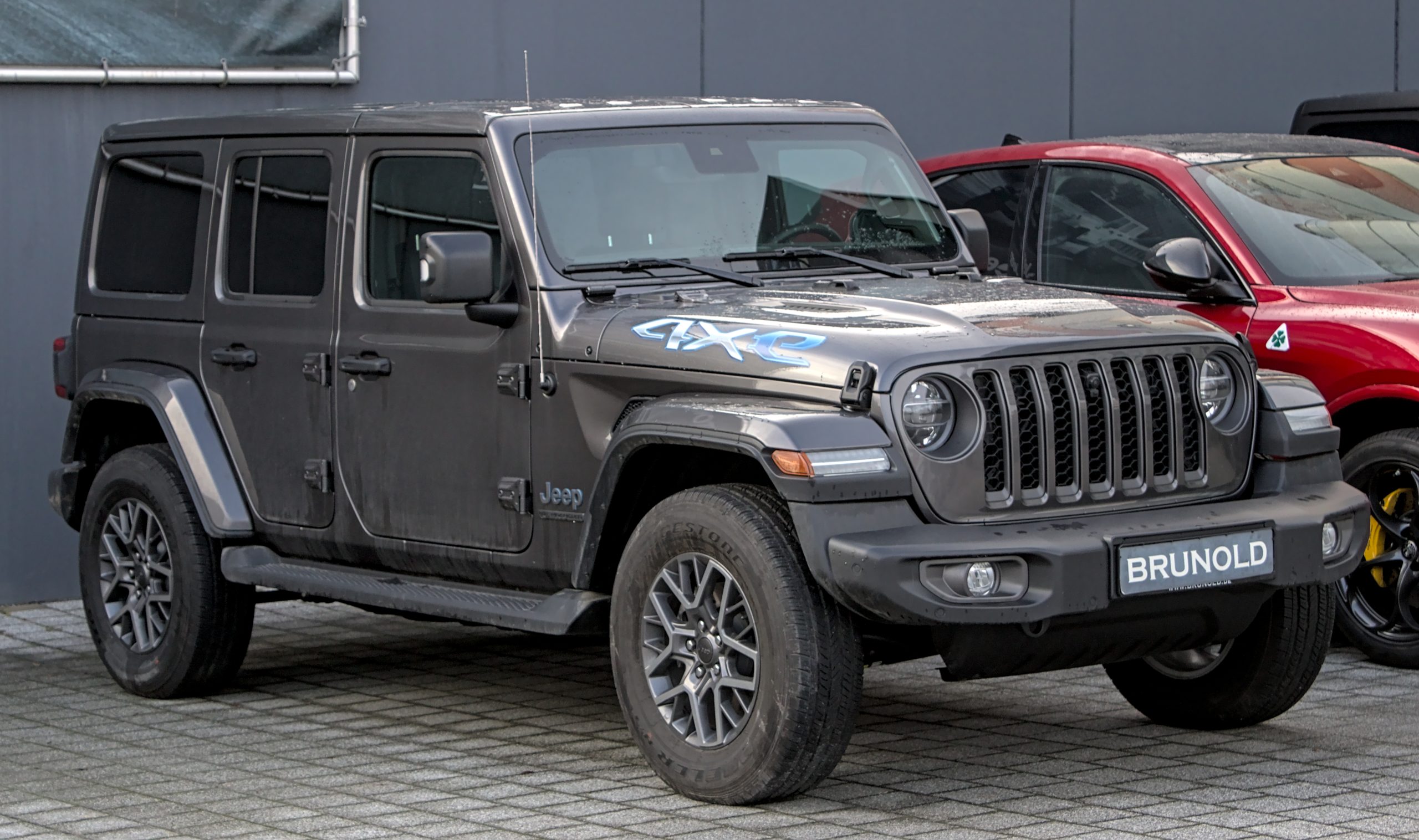
2. Jeep Wrangler JL (2018 to Present): Built for Trails, Not Traffic Wear
The Jeep Wrangler JL is one of the most capable off-road vehicles on the market, but its design priorities make it less suited for prolonged city driving and stop-and-start conditions. Although the JL generation is more refined than earlier Wranglers, several structural and mechanical characteristics can lead to accelerated wear and higher maintenance needs when used primarily as a daily urban vehicle.
One of the most significant issues involves the suspension and steering system. The Wrangler’s solid front axle is ideal for durability and articulation off-road, but it places added stress on steering and suspension components during frequent braking and acceleration.
This can contribute to the well-known “death wobble,” a violent front-end vibration often caused by worn track bars, tie rods, or ball joints. Early JL models also used aluminum steering gearboxes that were prone to flexing, resulting in a vague steering feel and premature component wear.
Thermal management is another challenge. The Wrangler’s heavy-duty cooling system is optimized for airflow while moving, such as crawling over trails or driving at speed. In dense traffic, prolonged idling can cause heat buildup in the engine bay, stressing hoses, sensors, and surrounding components over time.
Material choices introduce additional concerns. Aluminum body panels help reduce weight, but can suffer from corrosion and paint bubbling at hinges due to galvanic reactions with steel hardware. Off-road use compounds this issue, as mud and water can become trapped in the undercarriage, accelerating frame corrosion if not thoroughly cleaned.
Electrical complexity also affects long-term reliability. The JL’s dual-battery system, designed to support the start-stop feature, is a frequent source of problems. Failure of the auxiliary battery often drains the main battery, leading to starting issues and erratic electronic behavior. Owners have also reported infotainment reboots and instrument cluster blackouts.
Drivetrain wear varies by configuration. The 3.6-liter V6 can develop rocker arm noise or oil cooler leaks if maintenance is deferred, while 4xe hybrid models introduce additional battery and software complexity. Regular off-road use places heavy strain on U-joints, driveshafts, and wheel bearings, further increasing maintenance demands.
To extend lifespan, proactive inspections of suspension components and cooling systems are essential. The Wrangler JL excels in its intended environment, but when confined to city traffic, its rugged design can become a liability rather than an advantage.
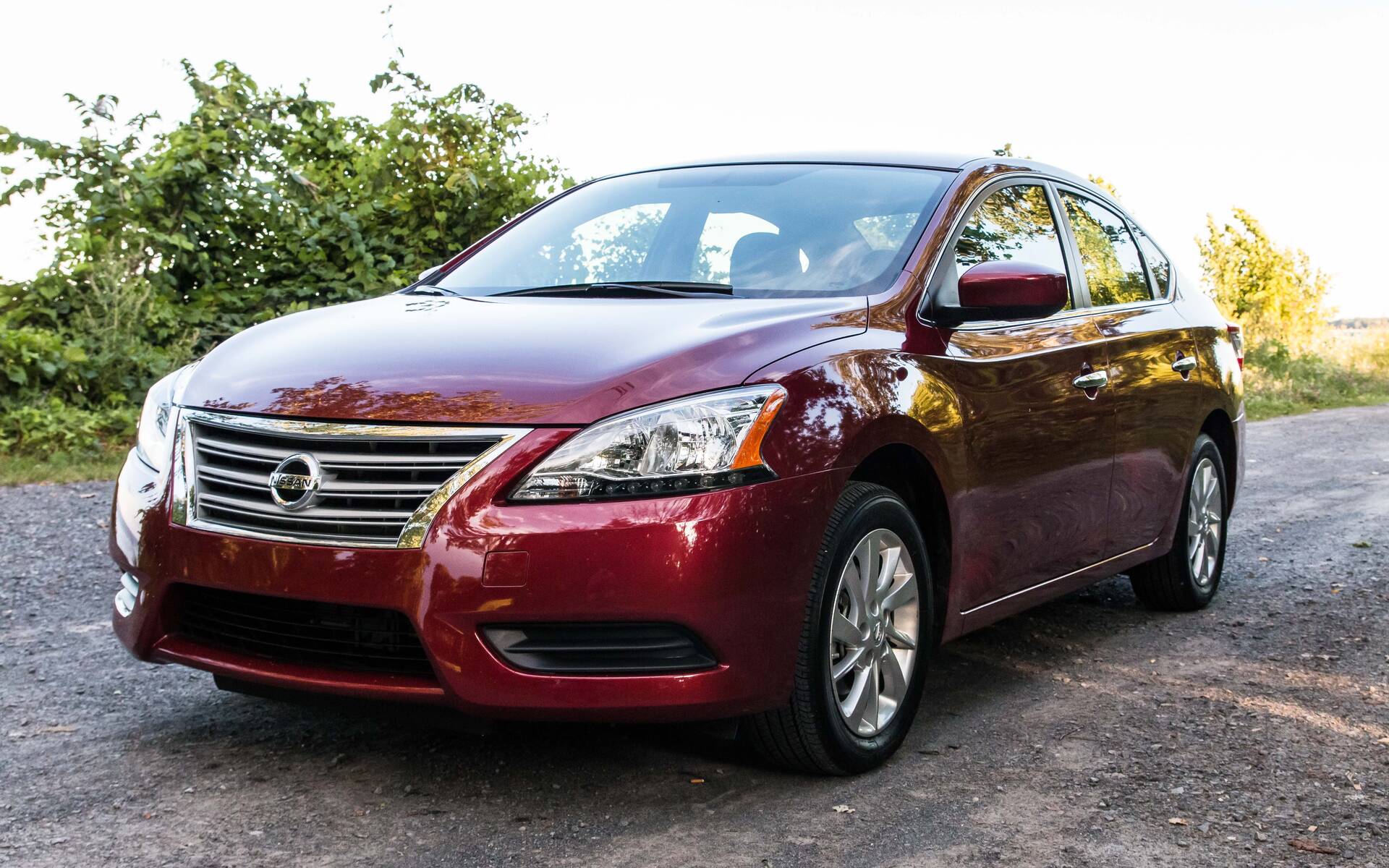
3. Nissan Sentra (2013–2018 with CVT): Vulnerable to Heat and Stop-and-Go Wear
The 2013–2018 Nissan Sentra, equipped with early Continuously Variable Transmissions (CVTs), is particularly prone to problems in stop-and-go driving. Unlike traditional automatics, CVTs rely on a belt-and-pulley system that generates heat under heavy use.
In urban traffic, frequent starts and idling prevent the transmission fluid from cooling properly, which can trigger “limp mode,” a protective state where power is reduced to prevent internal damage. Over time, this can accelerate wear and lead to costly repairs.
The primary weakness of these CVTs is “heat soak.” When the transmission cannot dissipate heat effectively, friction within the belts and pulleys rises sharply, causing premature wear. Owners often report shuddering, delayed acceleration, or hesitation during low-speed driving, all signs of internal stress. If left unaddressed, the transmission may fail entirely, often requiring a full replacement.
Another contributing factor is Nissan’s early CVT design, which lacked robust cooling channels and relied on fluid that degrades faster under thermal stress. Stop-and-go traffic magnifies this issue, as the vehicle frequently alternates between acceleration and idle, keeping the transmission in high-load conditions for extended periods.
Maintenance habits significantly influence the CVT’s longevity. Using the correct CVT fluid and adhering to scheduled fluid changes can slow wear, but many drivers experience failures before reaching recommended intervals. In addition, vehicles with higher mileage or aggressive driving patterns are more likely to encounter limp mode and associated drivability issues.
While the Sentra remains an affordable and efficient compact car, its CVT-equipped models require careful attention in urban environments. Drivers who frequently encounter traffic congestion or drive short distances regularly should be aware of the transmission’s vulnerability and take proactive steps, including regular fluid inspection and avoiding aggressive starts, to reduce heat-related stress and extend service life.
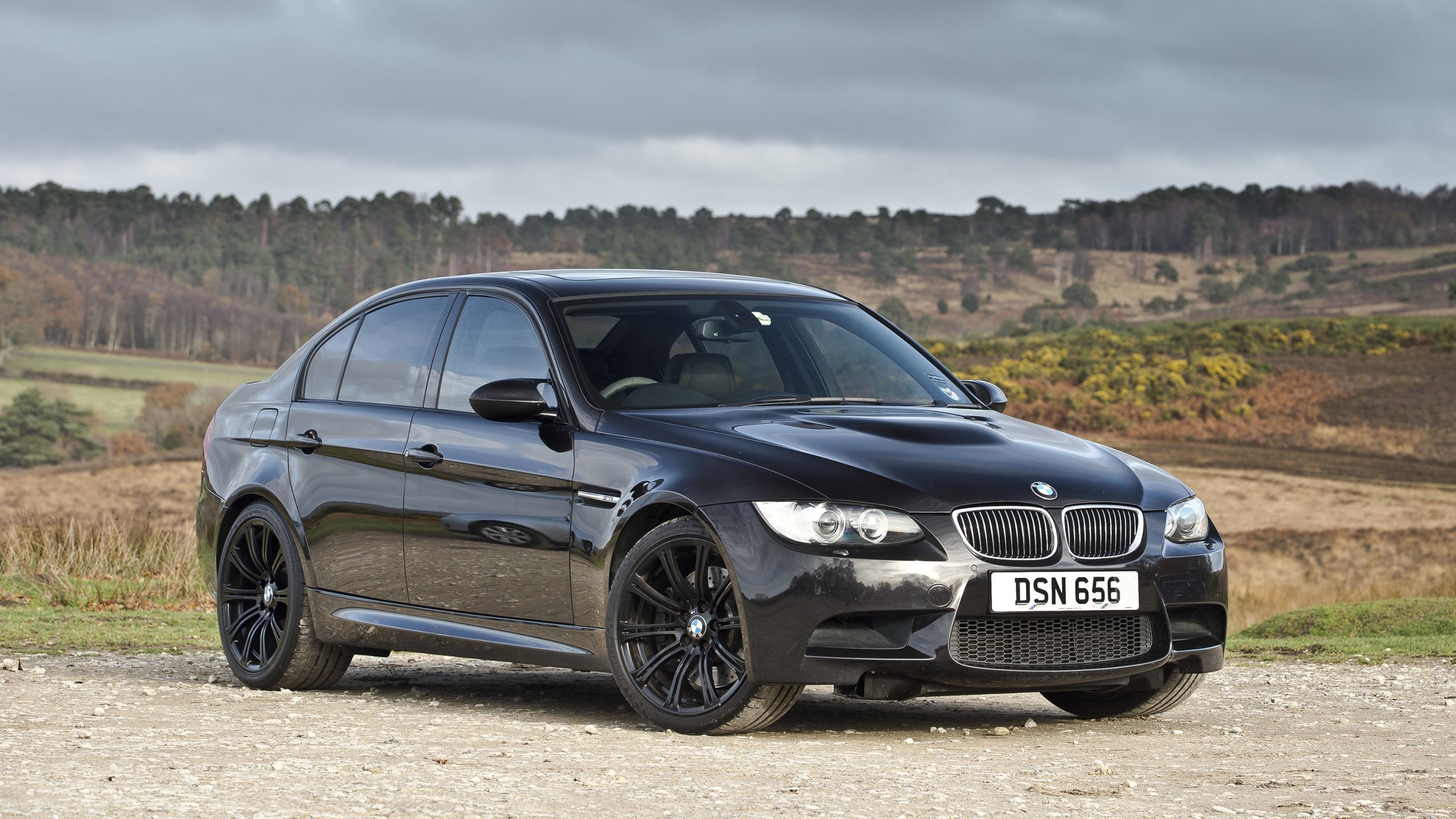
4. BMW M3 E90: High-Performance Thrills Come with High-Maintenance Demands
The BMW M3 E90, along with its E92 coupe and E93 convertible variants, is a high-performance machine built for precision and speed, but this engineering comes with increased wear and maintenance needs compared to standard luxury vehicles.
Traffic-heavy driving and stop-and-go conditions can accelerate component fatigue, particularly in the high-revving S65 V8 engine, which suffers from carbon buildup, cooling system strain, and premature gasket wear when airflow is restricted.
A major source of engine wear is the S65 V8’s extremely tight rod bearing clearances, approximately 0.0006 inches. These tolerances demand careful lubrication, and if the engine is revved before reaching operating temperature, metal-on-metal friction can rapidly degrade the bearings. Owners often need proactive replacement between 60,000 and 80,000 miles to prevent catastrophic failure.
The car’s individual throttle bodies, controlled by electronic actuators with plastic gears, are another weak point. Constant heat cycling makes the gears brittle, causing failures that trigger limp mode and restrict power. Many enthusiasts replace the original gears with Teflon-reinforced nylon or brass upgrades for reliability.
The E90 M3’s aggressive chassis and rear-wheel-drive layout also contribute to faster wear. Rear tires often wear twice as quickly as front tires, and suspension components, including soft Rear Trailing Arm Bushings, lose stiffness by 50,000 miles. This alters alignment, further accelerating tire wear and impacting handling.
High engine speeds, reaching 8,400 RPM, generate additional heat that stresses gaskets, cooling components, and other fluids. Maintenance items such as spark plugs and differential or transmission fluids require more frequent attention than typical 3 Series models.
The BMW M3 E90 delivers exceptional performance and driving excitement but demands vigilant maintenance, careful driving habits, and proactive component replacement to avoid accelerated wear and preserve its precision engineering.
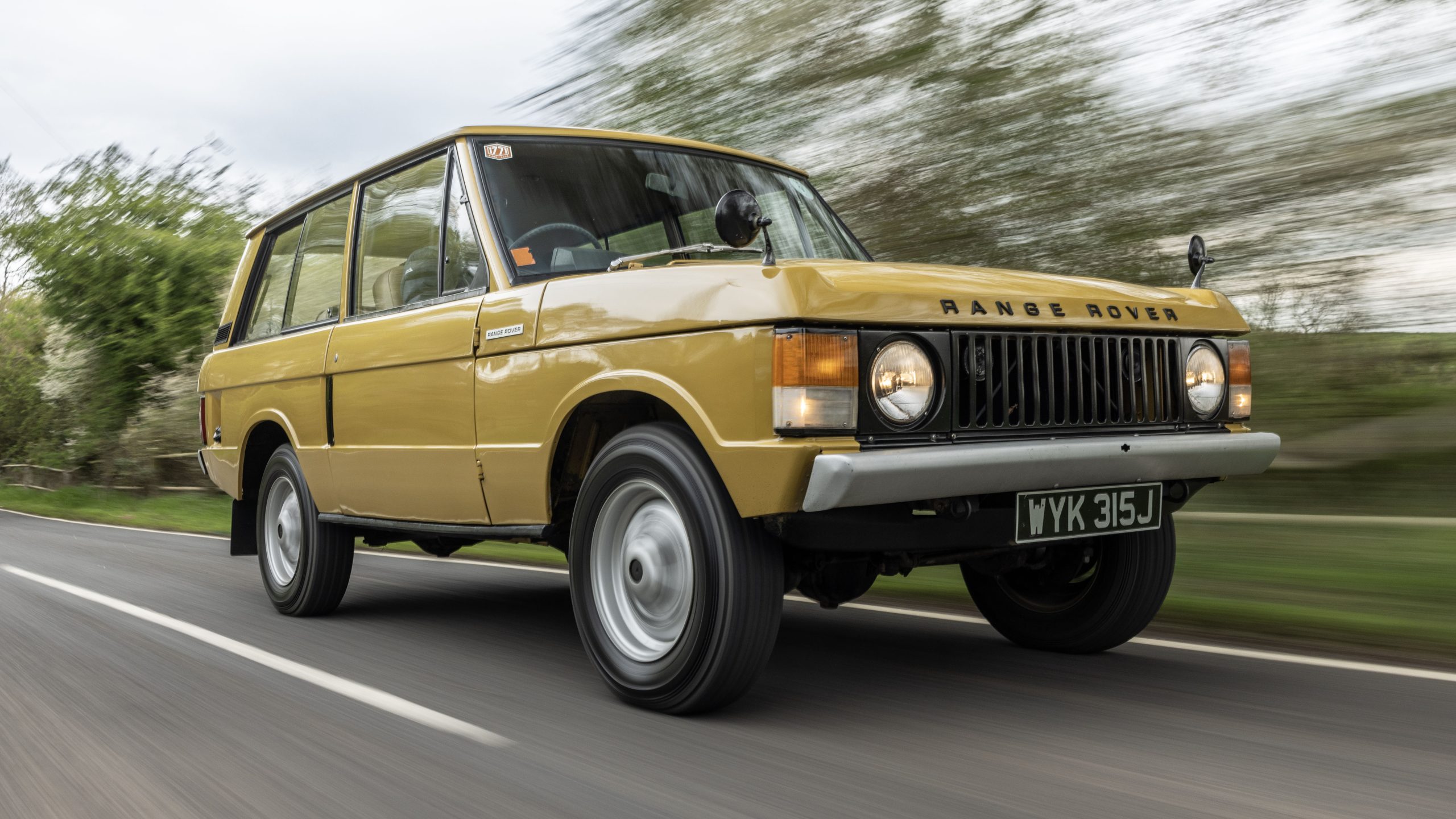
5. Older Land Rover Range Rover: Complexity and Maintenance Drive Accelerated Wear
Older Land Rover Range Rover models are renowned for their luxury and off-road capability, but their advanced engineering also contributes to higher maintenance demands and accelerated wear.
Packed with sophisticated air suspension, hydraulic systems, and complex electronics, these vehicles perform best under steady highway conditions. Stop-and-go traffic and urban driving place continuous stress on components, often exposing weaknesses as the vehicles age.
The air suspension system is a primary source of concern. Rubber air springs provide a smooth, legendary ride but typically develop cracks or leaks after 5 to 10 years. A minor leak can force the air compressor to operate constantly, leading to early compressor failure. Because these systems are interconnected, one small fault can cascade into expensive repairs, including sensors, valves, and suspension modules.
Thermal stress on engines further compounds wear. Range Rovers equipped with V6 or V8 engines generate significant heat, which, over time, can degrade plastic cooling parts, rubber seals, and hoses.
Common issues include persistent oil and coolant leaks, which, if neglected, may lead to warped cylinder heads or catastrophic engine failure. Models such as the L322 (2003–2012) are particularly vulnerable to timing chain guide wear, where failing plastic guides can cause instant engine damage.
Another key factor is the “maintenance gap” that occurs as Range Rovers enter the used market. These vehicles require specialized service and higher-than-average upkeep, often costing $1,000 to $2,500 annually. Many second owners neglect schedules or attempt DIY repairs without proper diagnostic tools, allowing minor electronic or mechanical issues to escalate rapidly.
Rugged usage and transmission misunderstandings also contribute to wear. Heavy towing or off-road activity stresses differentials and transfer cases, while the belief that transmissions are “sealed for life” has led to skipped fluid changes, causing rough shifting and premature internal damage.
Older Range Rovers do not inherently fail faster, but their complexity, thermal loads, and high maintenance requirements demand diligent care. Without this investment, even minor issues can snowball into costly failures, making these vehicles a high-maintenance proposition compared to more conventional SUVs.
Vehicles that excel in stop-and-go traffic combine smooth power delivery, energy recovery systems, and intelligent driver-assistance features to make commuting more efficient and less stressful. On the other hand, high-performance engines, older transmissions, or overly complex electronics often fail faster under similar conditions, increasing maintenance costs and reducing reliability.
Choosing a car that performs well in urban traffic can save money, reduce stress, and provide a more enjoyable driving experience. Awareness of these differences allows drivers to make smarter decisions, selecting vehicles that remain dependable and comfortable even in the most congested conditions.
Also Read: 10 Cars That Are Awkward in Drive-Thrus and Tight Lots