Parallel parking can be one of the most stressful aspects of driving, especially in crowded urban environments. Some vehicles make it effortless, designed with compact dimensions, tight turning radii, and enhanced visibility to help drivers slip into tight spaces with ease.
Cars like the Smart EQ ForTwo, Citroën Ami, and MINI Hardtop excel in city streets, combining small footprints, responsive steering, and parking assist technology to remove much of the guesswork.
Even modern electric vehicles like the Fiat 500 and small hatchbacks like the Kia Picanto offer clever design and technology that make parallel parking almost effortless, turning what is usually a tense maneuver into a simple part of city driving. Choosing the right vehicle for urban life can mean the difference between a stress-free parking experience and a daily headache.
5 Vehicles That Are Easy to Parallel Park
1. Smart EQ ForTwo: The Undisputed King of City Parking
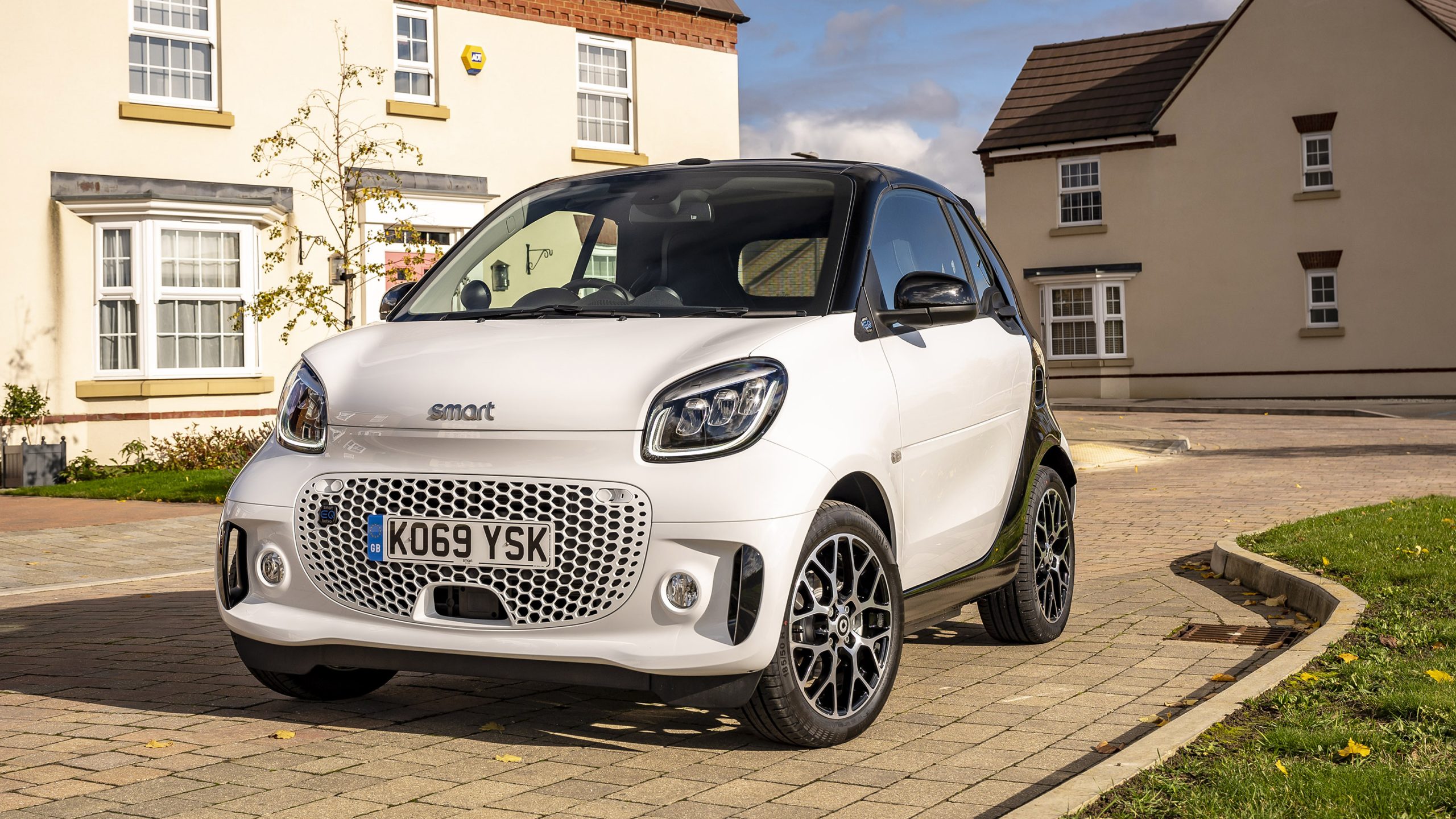
The Smart EQ ForTwo is a city car built for tight spaces and easy parking. At just 2.7 meters (8.8 feet) long, it can fit into gaps that most other vehicles cannot.
Its rear-engine layout and turning circle of only 22.8 feet (approximately 6.95 meters) allow it to make extremely tight turns, making parallel parking effortless and sometimes even allowing perpendicular parking in small spots. Its compact size, excellent visibility, and instant-response electric motor make positioning the car precise and smooth.
The car’s small dimensions are its main advantage in urban settings. Being roughly half the length of a standard parking space, it can fit where other cars would be too long. The tight turning radius allows for quick single-turn maneuvers on narrow streets. The electric motor provides immediate torque, which helps drivers adjust the car’s position easily in slow traffic or tight parking areas.
The Smart concept dates back more than 25 years, when Mercedes and Swatch designed a compact city car with electric power in mind. Since 2018, Smart has become fully electric, using Mercedes’ EQ sub-branding.
The latest facelift features a modern grille design and refreshed styling while keeping the rear-engine, rear-drive layout. Its 82bhp motor is powerful enough for the lightweight 1,100kg car, delivering smooth and responsive performance for city streets.
Battery capacity is 17.2 kWh, providing a WLTP range of approximately 84 miles. While this is limited compared to larger electric cars, it is sufficient for daily urban use and can be fully recharged overnight. The small size and efficient design allow the car to travel a respectable distance on a minimal amount of energy.
The cabin seats two passengers and maintains the functional layout of previous models. Both hatchback and Cabrio options are available, offering practical or open-air choices for city driving.
The Smart EQ ForTwo excels where it is meant to be used. It is extremely agile, simple to park, energy-efficient, and enjoyable in dense city streets. On longer trips or high-speed roads, it is slower and less stable, but for the crowded urban environment, it remains one of the smartest and most capable electric cars available.
2. Citroën Ami: The Tiny Urban Mobility Marvel
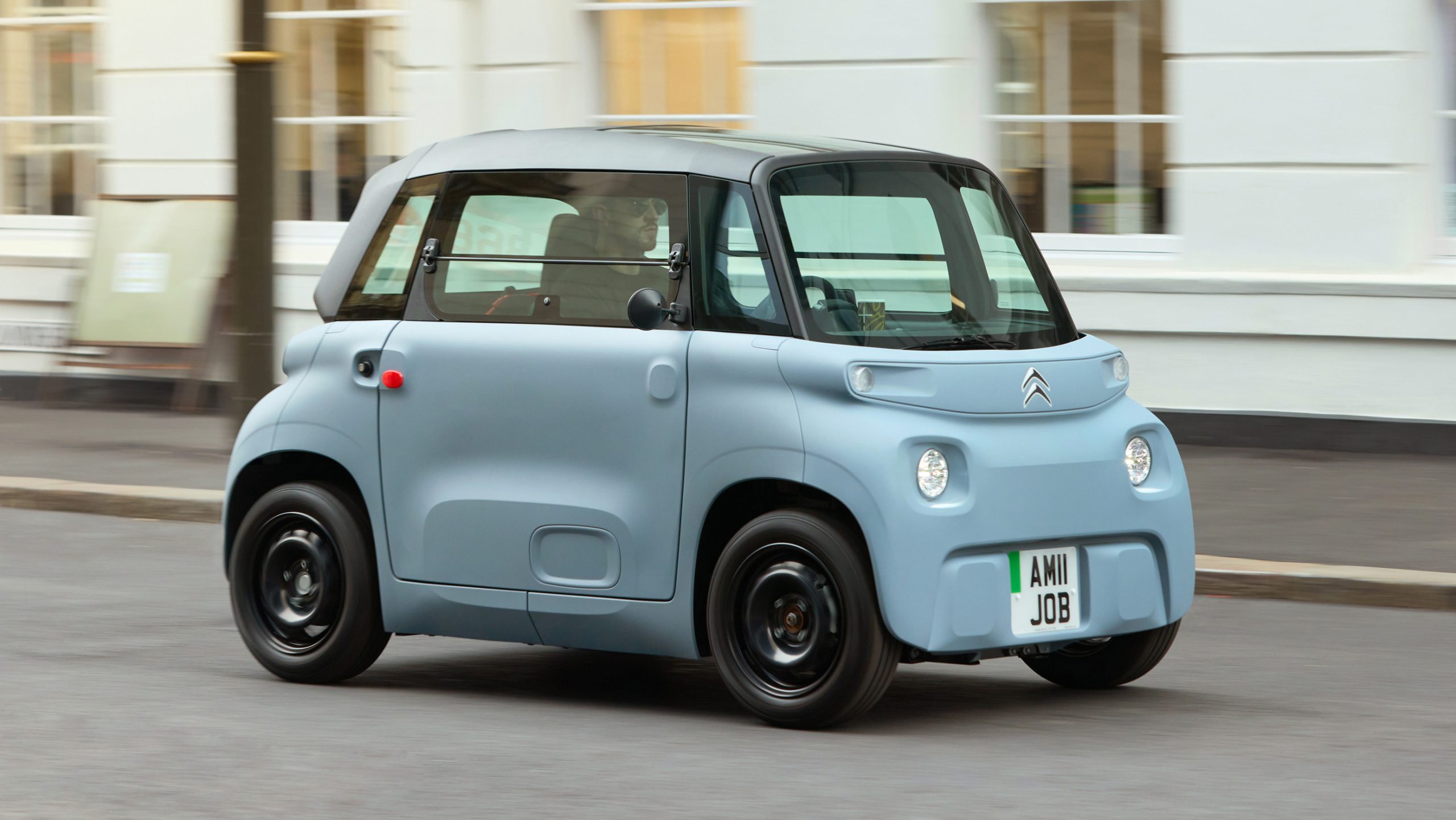
The Citroën Ami is a uniquely compact urban vehicle, technically classified as a quadricycle rather than a car. At just 2.41 meters long and 1.39 meters wide, it is shorter than most sedans are wide, allowing it to fit into spaces standard cars cannot. In some cases, it can even be parked perpendicular to the curb in areas meant for parallel parking.
Its tight turning radius of 7.2 meters, lightweight body, and wheels positioned at the corners make it extremely agile in dense city environments. The Ami also offers excellent visibility, and its light steering ensures easy handling despite the absence of power steering.
Weighing only 458 kg including the battery, the Ami is powered by an 8bhp front-mounted motor and a 5.5 kWh battery, achieving a top speed of 28–29 mph and a maximum range of 47 miles.
Acceleration is modest, taking roughly ten seconds to reach top speed, but the car is designed for short intra-urban trips rather than highways. Its body is made from durable, unpainted plastic panels over a simple chassis, with interchangeable side panels and doors to reduce production costs.
The Ami seats two passengers in relative comfort, though it is minimalistic in design. It is best suited as a personal transport module for short commutes, replacing trips that might otherwise require public transport, e-bikes, or scooters. A Cargo version is also available, replacing the passenger seat with storage space for deliveries or small goods.
In some countries, including the UK, it can be driven from age 16 with a moped license, making it accessible to younger drivers. Prices start at about $10,600 USD, with financing available from around $137 USD per month, making it an affordable entry‑level urban vehicle.
The Ami has few direct rivals, with only vehicles like the now-unavailable Renault Twizy or similar micro-mobility solutions offering comparable options. Its combination of ultra-compact size, ease of parking, and low running costs makes it a practical, safe, and quirky alternative to bicycles, scooters, or larger city cars.
While it is not designed to deliver high performance or comfort, it provides a joyful, simple, and convenient experience for city use, particularly in crowded streets where larger vehicles struggle. Citroën has embraced its eccentric design, making the Ami a loveable, distinctive solution for urban mobility.
3. MINI Hardtop: Iconic Style Meets Urban Agility
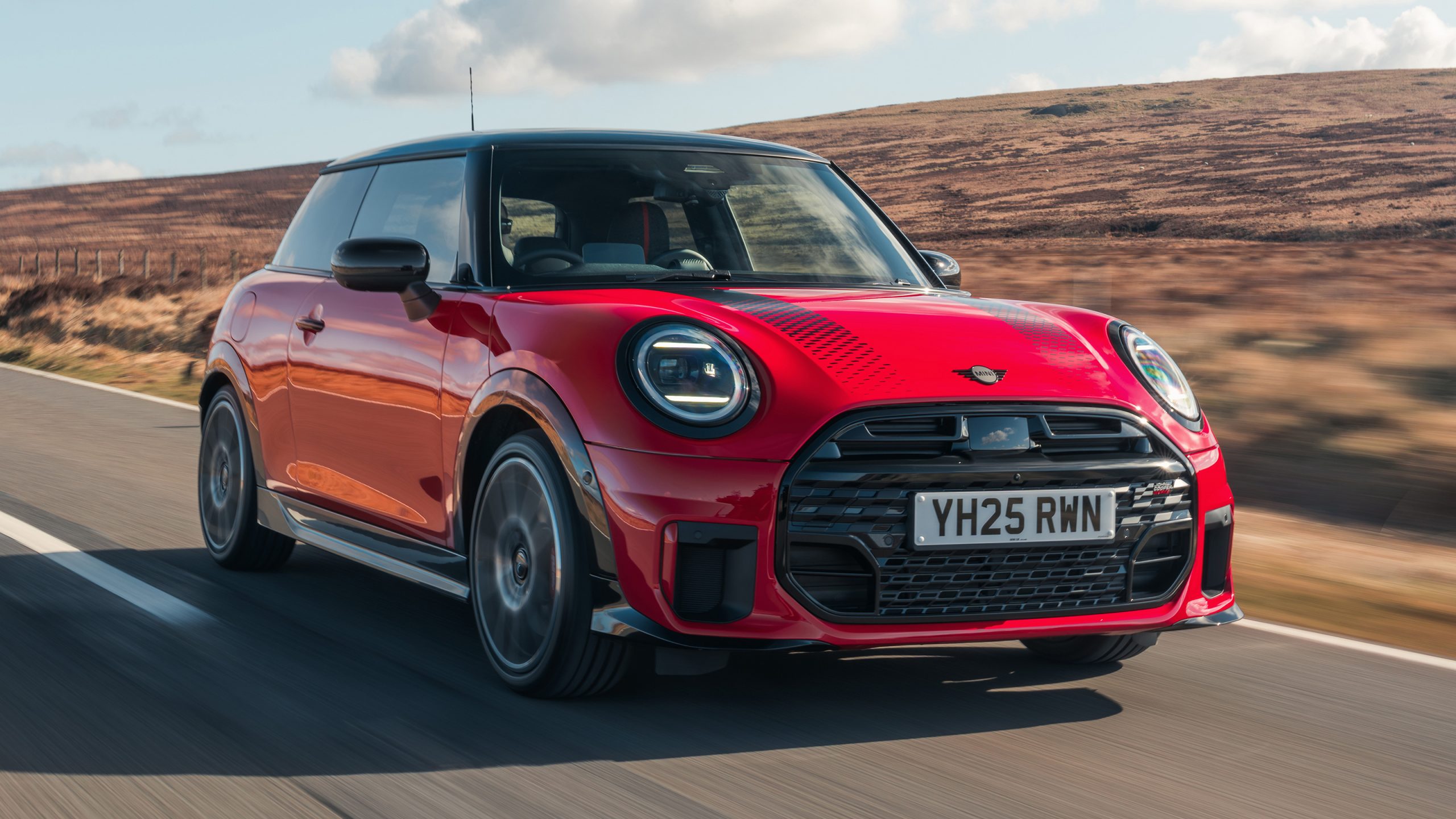
The MINI Hardtop is celebrated for its compact design, excellent maneuverability, and urban-friendly parking capabilities. Its 35.1-foot turning circle and “wheels-at-the-corners” layout make it easy to judge distances and fit into tight spaces. The short wheelbase, minimal rear overhang, and superior all-around visibility allow drivers to handle crowded city streets with confidence.
Many newer models also include Parking Assistant technology, which can scan for spaces and automatically steer, brake, and accelerate the car into place, while ultrasonic sensors and rearview cameras provide extra guidance. Features like automatically dipping side mirrors further aid precision in parking, making the Hardtop a standout for urban driving.
The MINI Hardtop is praised for its engaging driving experience. Its nimble steering and wide stance create a “go-kart” feel, delivering agility on winding roads. The Cooper S model features a 2.0-liter turbocharged four-cylinder engine producing 201 hp, capable of accelerating from 0 to 60 mph in around 6.3 seconds.
All gas-powered Hardtops now use a seven-speed dual-clutch automatic transmission, though the removal of manual options has disappointed some enthusiasts. The car’s stiff suspension contributes to responsive handling but can make the ride harsh on uneven roads, particularly with larger wheels.
Inside, the MINI Hardtop combines premium materials and a unique design. The cabin centers on a large 9.4-inch OLED touchscreen that integrates infotainment and climate controls, supporting wireless Apple CarPlay and Android Auto.
While visually impressive, some drivers find the reliance on a touchscreen distracting. The front seats offer good space and comfort, but rear seating is cramped, suitable mainly for children or short trips. Cargo capacity is limited compared to rivals like the Volkswagen GTI or Honda Civic.
Reliability has improved significantly in recent generations. J.D. Power ratings categorize modern MINI Hardtops as “Great,” reflecting owner satisfaction with performance and quality.
Some minor electronic issues and high maintenance costs may arise outside of warranty, but free scheduled maintenance for the first few years adds value. Pricing remains higher than typical small hatchbacks, particularly with optional packages, yet buyers appreciate the car’s distinctive style, urban agility, and enjoyable driving dynamics.
The MINI Hardtop blends iconic design with city-focused performance. Its compact dimensions, advanced parking technology, and spirited handling make it ideal for urban environments, while the upscale interior and refined driving experience justify its premium positioning as a fun, stylish, and practical small hatchback.
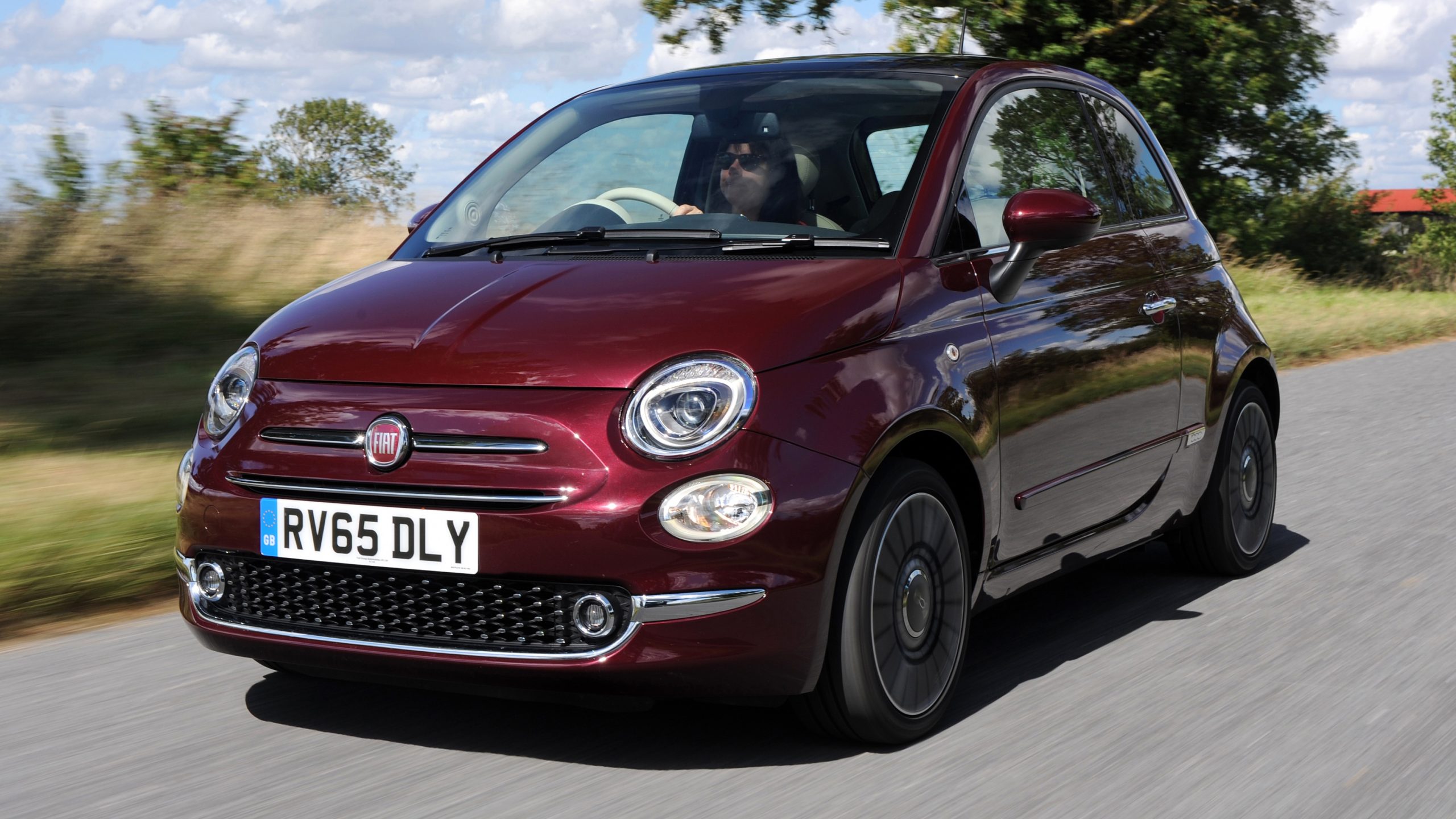
4. Fiat 500: Iconic Design and City-Friendly Electric Driving
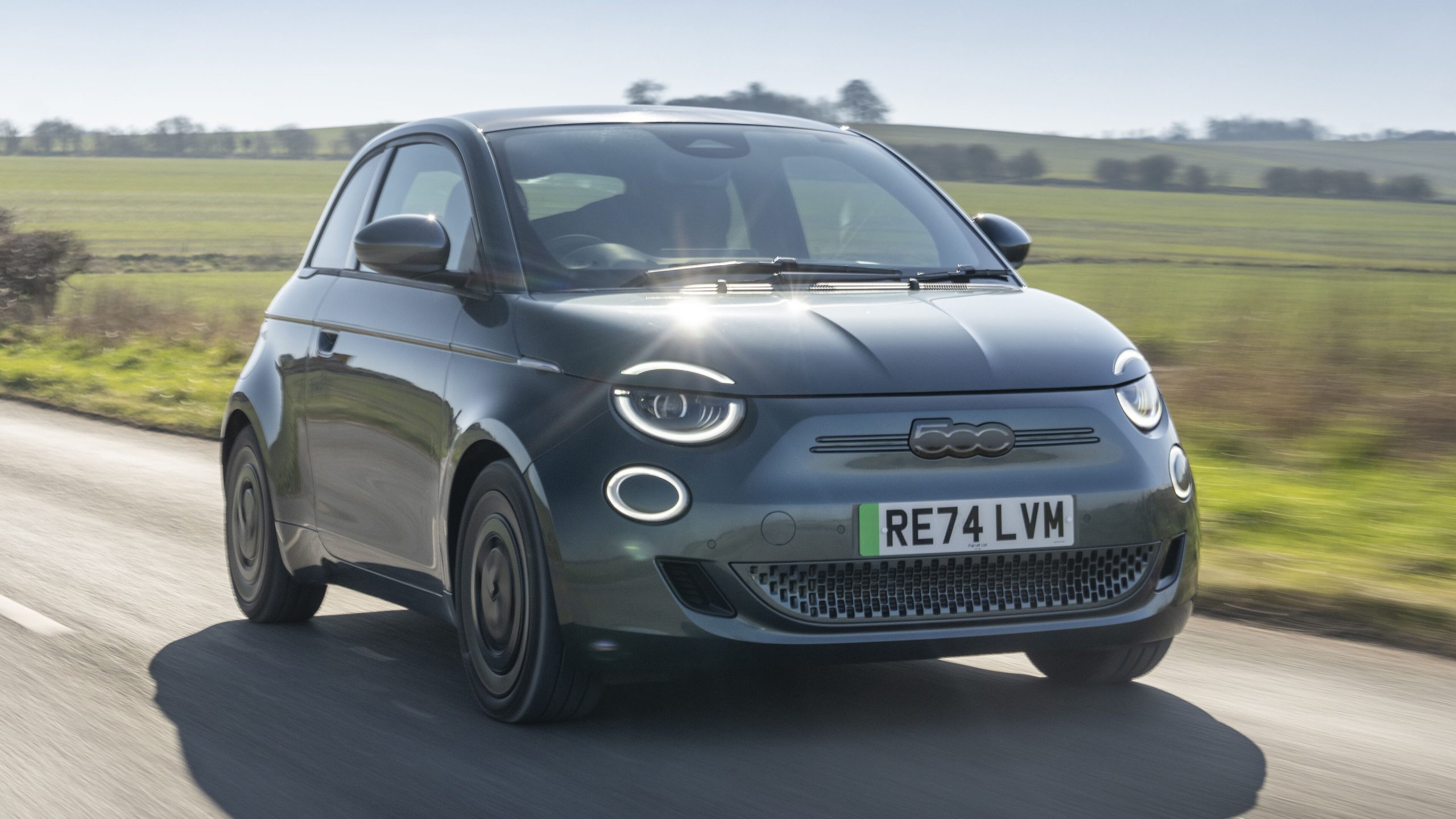
The Fiat 500 is a compact and stylish city car known for its exceptional parking ability. Its ultra-compact dimensions, approximately 3.5 meters long, and minimal overhangs make it easy to fit into tight urban spaces. The car has a 30.6-foot turning radius, which allows for sharp and precise maneuvering.
Its seating position and excellent visibility help drivers judge distances accurately, while the optional City steering mode reduces effort when parking in confined areas.
Modern models offer rear parking sensors, cameras, and park assist, making parallel parking easier than ever. The Fiat 500 even holds a world record for parallel parking in a space just 7.5 centimeters longer than the car itself, highlighting its remarkable urban capability.
The latest generation of the Fiat 500, which went fully electric in 2020, is a complete redesign. It is 61 millimeters longer, 56 millimeters wider, and 29 millimeters taller than the previous petrol model and features a new platform, chassis, body, and interior. The car retains front-wheel drive for familiar handling and comfort, and the convertible version uses a canvas roof supported by metal side rails to maintain chassis rigidity.
The electric range depends on battery size. The 24 kWh version comes with a 94 bhp motor and an official 118-mile WLTP range, while the 42 kWh version has a 117 bhp motor and a 199-mile WLTP range.
Real-world usage, especially at higher speeds or on motorways, reduces range, with the smaller battery struggling to reach 90 miles. The larger battery can charge at 85 kW, adding approximately 100 miles of range in 15 minutes, while the smaller battery is limited to 50 kW.
Prices start at about £25,035 for the base electric 500 and around £26,930 for the 42 kWh model. The Fiat 500 offers style, quality, and urban practicality, though competitors such as the Renault 5, Dacia Spring, MG4, and Citroën e-C3 may provide more range or better value for money.
The Fiat 500 excels as a small, city-focused electric car. Its compact size, excellent visibility, and modern parking technology make it ideal for urban driving. It works well as a second vehicle for short trips around town. Buyers are drawn to its iconic styling and maneuverability, though they should consider that other models may offer greater range or a lower cost for comparable features.
5. Kia Picanto: Tiny Hatch with Big Urban Parking Skills
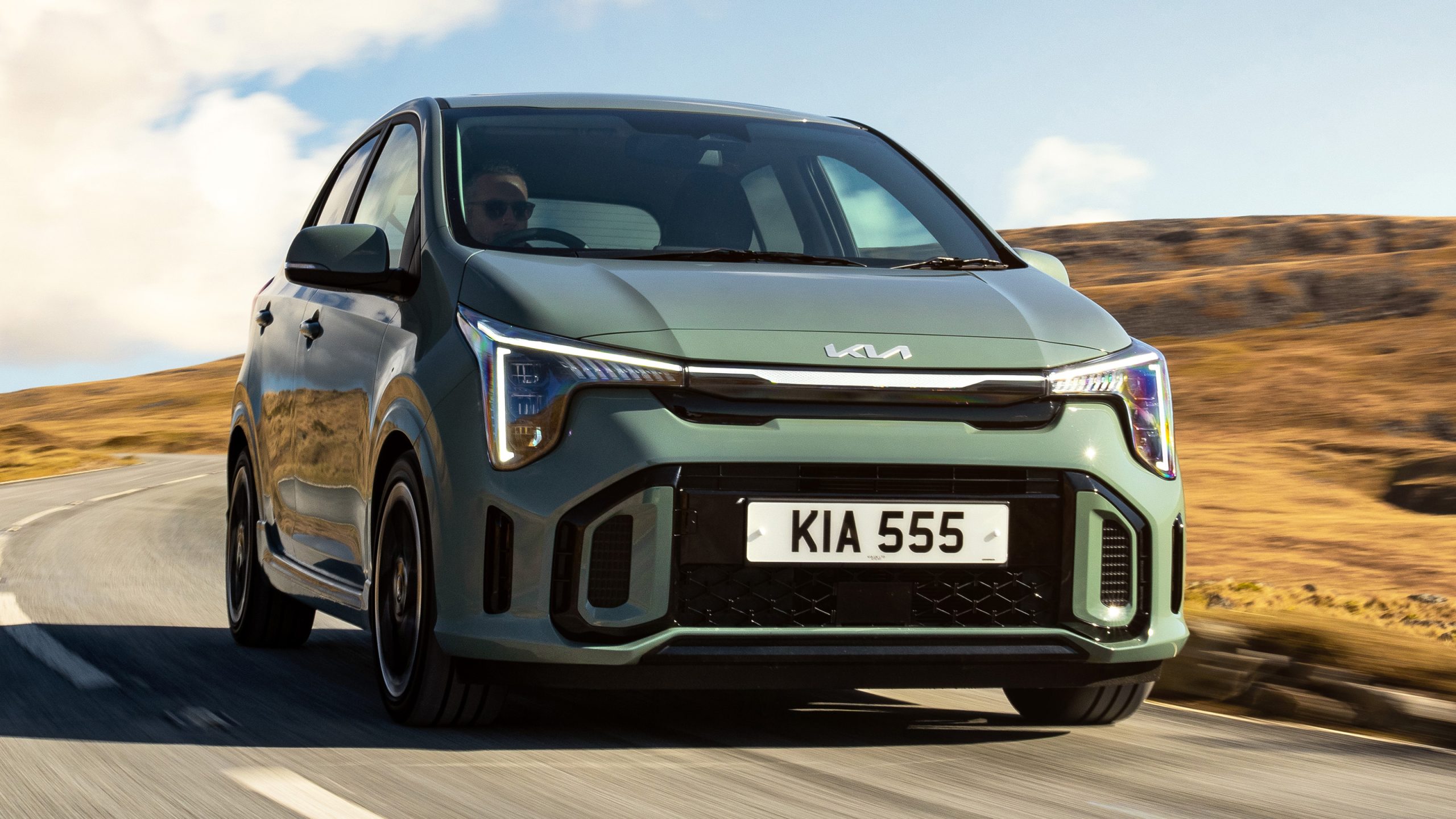
The Kia Picanto is a compact city hatchback designed for easy parking and agile urban driving. Measuring just 3,600 mm (about 142 inches) long and featuring extremely short overhangs, it can fit into spaces that most other small cars cannot. Its tight turning radius of 4.6 meters and light, responsive steering allow precise maneuvers in confined areas.
Enhanced visibility from the vehicle’s design, combined with rear parking sensors, a reversing camera with dynamic guidelines, and a high-resolution display, makes parallel parking straightforward and stress-free.
The Picanto remains one of the smallest conventional cars on the market, making it an ideal choice for drivers seeking a frugal, practical, and fun urban runabout. First introduced in 2003 as an affordable hatchback, it evolved with more expressive styling over time, including Kia’s signature “tiger nose” grille.
The third generation, launched in 2017 and refreshed in 2024, received updates to the front and rear styling as well as interior upgrades, though some special variants like the X-Line were discontinued.
Despite its compact size and playful appearance, the Picanto is not designed for high-performance driving. It offers efficient petrol engines, with the base 1.0-liter three-cylinder producing modest power for city driving and the larger 1.2-liter four-cylinder offering slightly more responsiveness.
Acceleration is adequate for urban streets, while fuel economy averages around 50 miles per gallon, making it a cost-effective choice for daily commuting and errands.
Pricing for the 2025 Picanto starts at approximately $22,000 USD for the entry-level model, while higher trims with automatic transmission, sportier styling, and additional features rise to about $28,000 USD.
Standard equipment includes an 8-inch touchscreen with navigation, Apple CarPlay, and Android Auto, a digital instrument panel, a rear parking camera, and sensors. Higher trims add features such as heated front seats, a heated steering wheel, LED headlights, keyless entry, wireless phone charging, and larger 16-inch wheels.
In a segment that has shrunk due to the popularity of larger vehicles, the Picanto remains competitive against rivals like the Hyundai i10, Toyota Aygo X, and Dacia Sandero, as well as small electric options like the Fiat 500 and Dacia Spring. Its combination of ultra-compact dimensions, easy parking, and modern technology makes it a practical and enjoyable choice for city dwellers.
The Kia Picanto delivers big convenience in a tiny package, offering an affordable, easy-to-park, and fun-to-drive solution for urban commuting while retaining enough style and comfort to feel modern and appealing.
Also Read: 5 Cars That Are Easy to Own Without a Garage vs 5 That Depend on Covered Parking
5 That Make It Stressful
1. Cadillac Fleetwood: Parking a Land Yacht
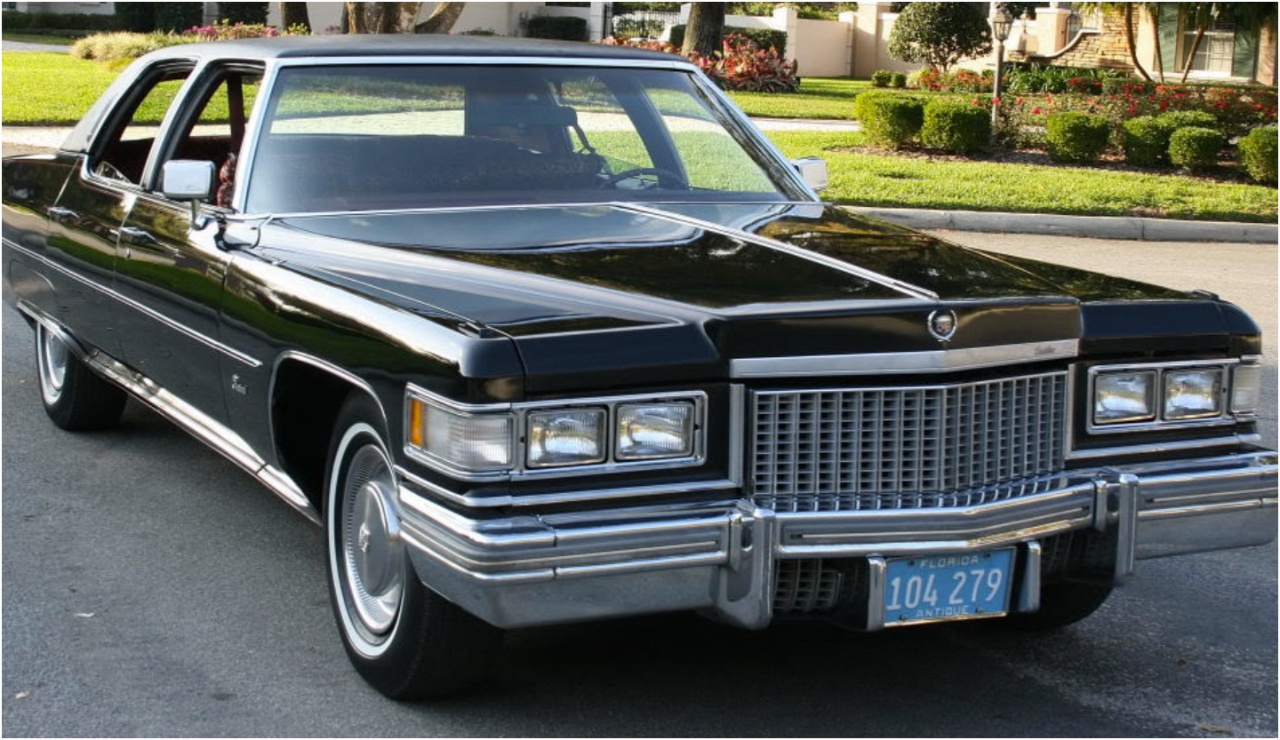
The Cadillac Fleetwood is an iconic full-size luxury car, often described as a “land yacht” due to its massive dimensions and classic styling. With lengths reaching up to 5.6 meters (18.4 feet), these vehicles are significantly longer than most standard city parking spaces, which typically measure 14.7 to 16 feet.
For models like the 1976 Fleetwood Brougham at 233.7 inches (nearly 20 feet) or 1990s versions at 225 inches, finding a suitable parallel parking spot in urban environments can be a serious challenge. Drivers often must attempt maneuvers in spaces far smaller than ideal, turning parking into a high-stakes exercise in precision.
Restricted visibility further complicates the process. The car’s long rear overhang and expansive chrome detailing make it difficult to judge the distance to the curb or vehicles behind.
Curved rear windows on older models can distort perspective, leaving drivers effectively “blind” to the extremities of their car. Without modern aids like backup cameras or parking sensors, gauging the correct alignment requires skill, patience, and a bit of luck.
Mechanical limitations add another layer of difficulty. Designed for highway cruising rather than tight city streets, the Fleetwood has a very wide turning circle of 40 feet or more, limiting the sharpness of pivots. The substantial front-end swing during turns increases the risk of clipping other vehicles, and the “feather-light” power steering, while effortless, reduces precision in controlling tire placement relative to the curb.
In combination, these factors make parallel parking a Cadillac Fleetwood a nerve-wracking task. Its extreme length, limited visibility, and mechanical constraints force drivers to rely heavily on judgment and spatial awareness. Even experienced motorists must approach each parking attempt with caution, patience, and skill, as the vehicle’s massive footprint turns ordinary city parking into a challenging and exacting task.
2. Chevrolet Suburban: Parking a Full-Size SUV in the City
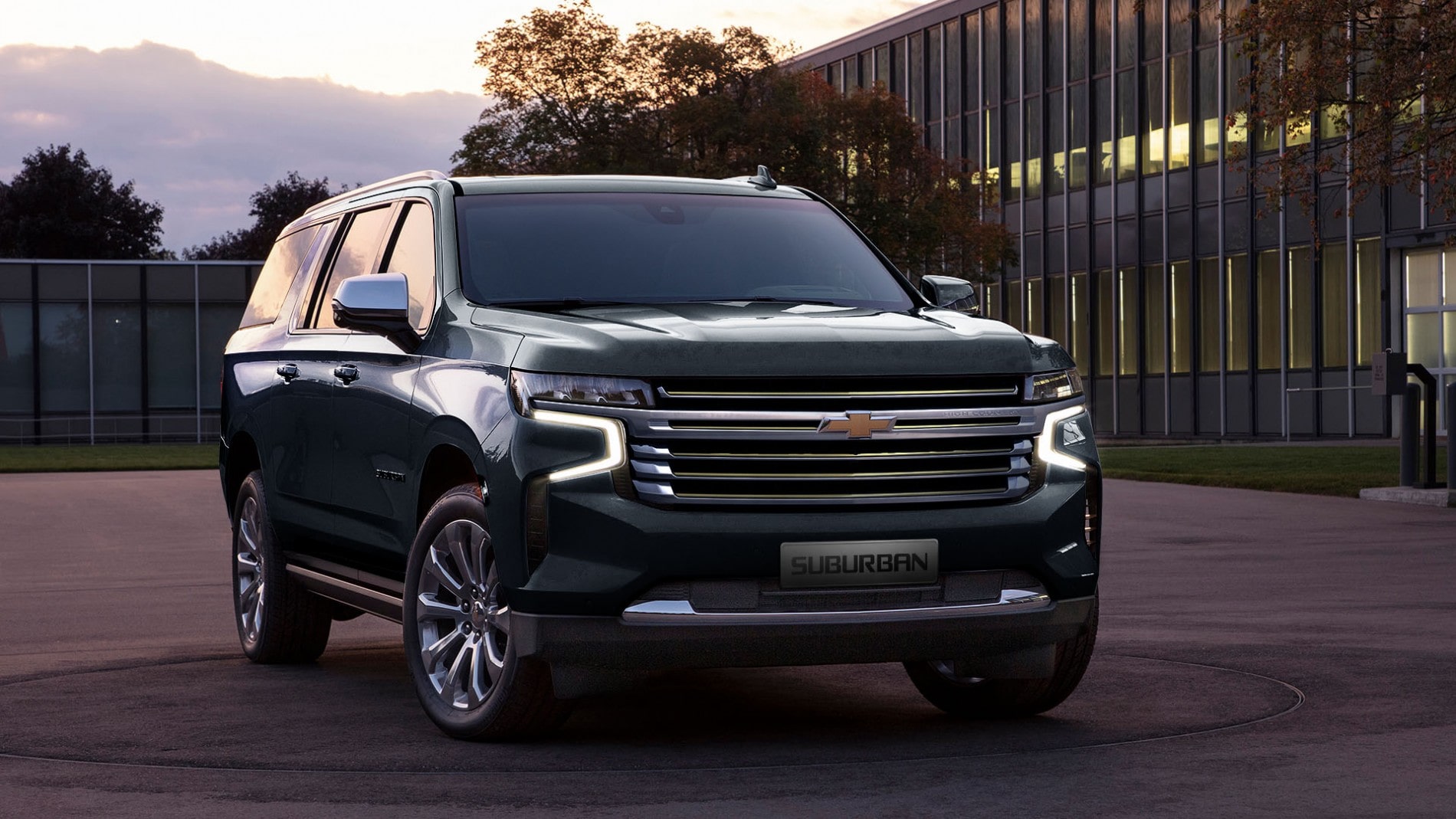
The Chevrolet Suburban is a massive SUV built for open roads and long hauls, but its size makes urban parking a formidable challenge. At approximately 226 inches (nearly 19 feet) long with a 134.1-inch wheelbase and extreme width, the Suburban often requires two or more standard city parking spaces to maneuver comfortably. Its height adds further complications, creating significant blind spots that make judging distance difficult during low-speed maneuvers.
Parallel parking a Suburban is stressful due to four main factors. Spatial mismatch arises because most urban parking spots are designed for cars 15 to 17 feet long. Attempting an S-curve maneuver in tight gaps forces the front end to swing into lanes of traffic while the rear angles toward the curb.
Visibility challenges also add strain, as drivers cannot directly see the distance to the rear bumper or the height of the curb, relying instead on mirrors and indirect cues. Mechanical limitations increase the difficulty, since the steering is designed for highway stability rather than precision, and the SUV’s large turning radius leaves minimal margin for error.
Finally, public performance pressure holding up other drivers while maneuvering a vehicle that blocks an entire lane can heighten anxiety, making the process psychologically taxing.
Modern technology has mitigated many of these challenges. The 2026 Chevrolet Suburban features HD Surround Vision, providing a bird’s-eye view to reduce blind spots, and Automatic Parking Assist, which can control steering to safely calculate and execute parking angles. While these systems do not eliminate the Suburban’s physical size, they greatly simplify parking in dense urban environments and help reduce driver stress.
Despite its city parking challenges, the Suburban remains an iconic full-size SUV. With its combination of sheer presence, capability, and modern assistance technology, drivers can safely manage its enormous footprint even in tight urban conditions, though careful planning and patience are still essential.
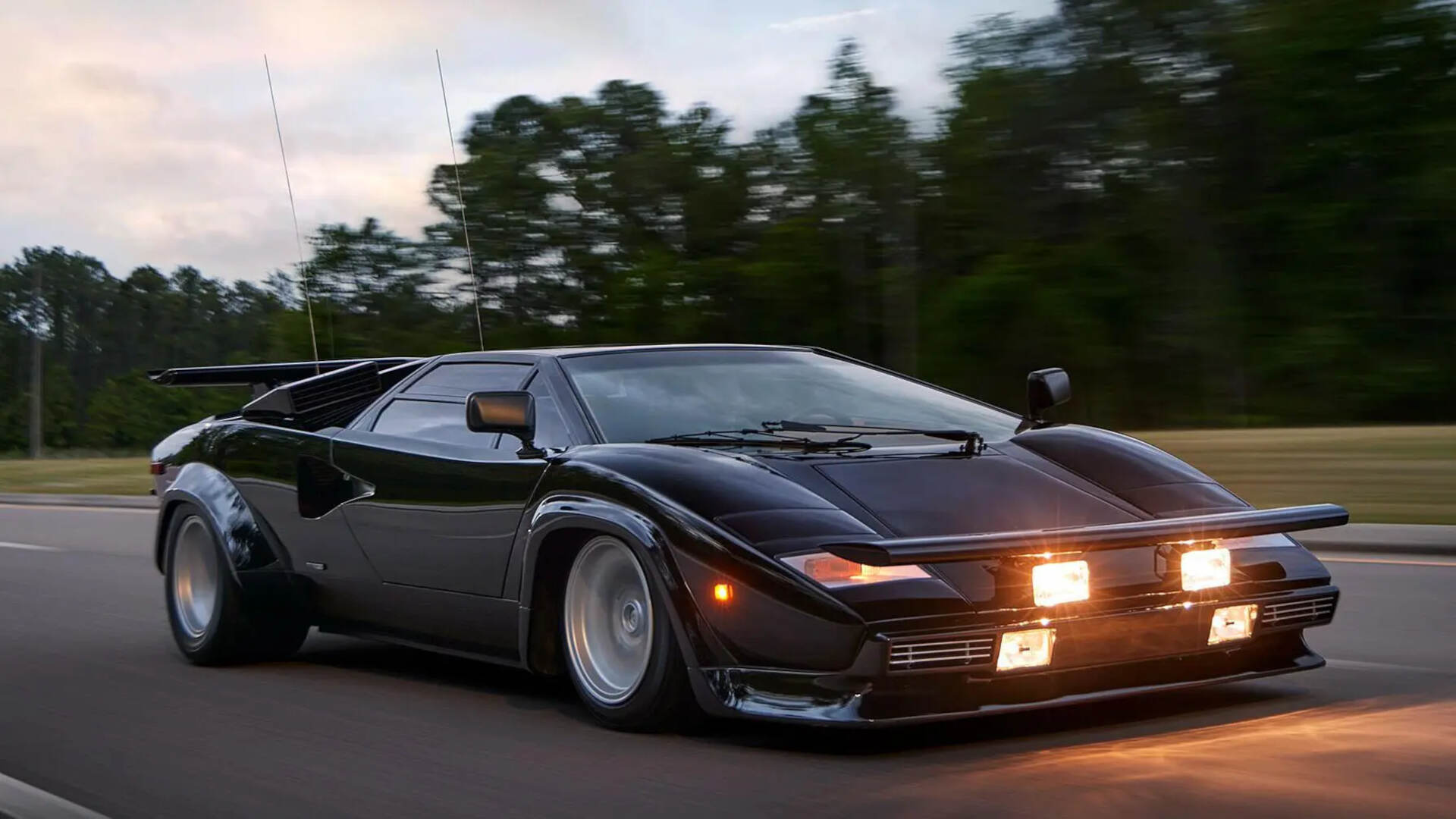
3. Lamborghini Countach: The Ultimate Parallel Parking Challenge
The Lamborghini Countach is legendary for its design and performance, but it is notorious as a parking nightmare. Parallel parking this supercar requires more than skill it demands physical strength, precise spatial awareness, and nerves of steel. The Countach was engineered with almost no consideration for low-speed practicality, prioritizing aesthetics and performance over everyday usability.
The biggest challenge is zero rear visibility. The Countach’s wedge-shaped design includes a tiny rear “mail-slot” window and massive engine air intakes that block almost everything behind the driver.
To see while reversing, owners perform the infamous “Countach crawl”, opening the scissor door, sitting on the wide door sill, and leaning their upper body outside the car to check the curb. While effective, this maneuver is awkward, physically demanding, and requires careful balance while operating the pedals and steering.
Heavy manual controls compound the difficulty. The car lacks modern power steering, so the wheel is extremely stiff at low speeds. Negotiating a tight spot means exerting significant upper-body strength to turn the tires while moving slowly. The long-travel manual clutch adds another layer of challenge, as repeated feathering is required to avoid stalling while inching back and forth in the space.
The Countach’s size and design make judging its width difficult. At over 74 inches wide, with low-slung seating and ineffective wing mirrors, it is easy to misjudge corners. Mistakes risk expensive bodywork damage, creating high stakes for every parking attempt.
Finally, public attention amplifies stress. Countachs are rare and attract crowds, making the “Countach crawl” a very public feat. Drivers must manage physical exhaustion, vulnerability from leaning outside the car, and the pressure of onlookers, turning even a simple parallel park into an athletic and psychological challenge.
In short, the Lamborghini Countach is as challenging to park as it is thrilling to drive, combining extreme design, heavy manual controls, and social pressure into one of the most stressful parking experiences imaginable.
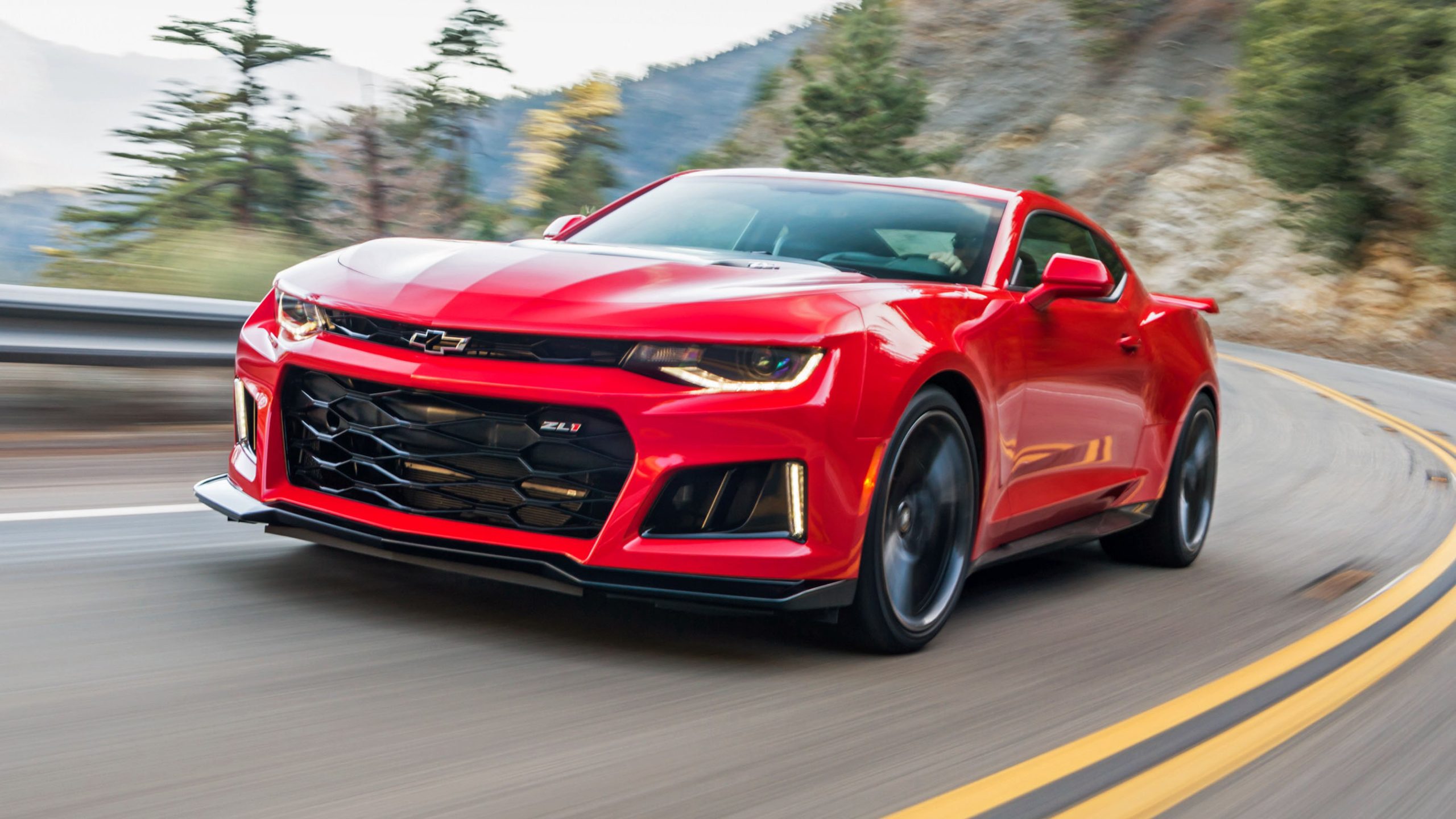
4. Chevrolet Camaro: Muscle Car Meets Parking Challenge
The Chevrolet Camaro is an iconic muscle car, but its aggressive design makes parallel parking a stressful and challenging task. The vehicle’s design prioritizes aerodynamic performance and bold styling over visibility, leaving drivers with significant blind spots and difficulty gauging distances in tight urban spaces.
One of the main obstacles is extreme visibility limitations. The Camaro’s low roofline and high door lines create a small greenhouse area, making it hard to see the curb or the ends of the car. Blind spots are worsened by thick rear C-pillars and wide headrests, which can obscure pedestrians or other vehicles. Even with modern rearview cameras, these physical obstructions create “blind zones” that require careful attention.
Front-end visibility is another challenge. The Camaro’s long, sloping hood and elevated dashboard make it nearly impossible to see exactly where the front bumper ends. Drivers often rely on a spotter or camera assistance to avoid clipping the car in front while maneuvering into a tight space.
The Camaro’s wide performance stance adds further difficulty. Flared fenders and a broad track mean the car occupies more lateral space than a standard sedan, leaving minimal margin for error. Additionally, performance-focused suspension and tires result in a wider turning radius, requiring multiple micro-adjustments or “cuts” to align the vehicle properly during parallel parking.
To manage these challenges, owners rely on technology and careful adjustments. Rear Park Assist sensors provide audible warnings when obstacles are near, and higher trims, such as the 2SS, include a Rear Camera Mirror, giving a wide, unobstructed rear view. Tilting side mirrors downward can also help track the distance between the rear wheels and the curb.
Parallel parking a Chevrolet Camaro combines careful spatial judgment, patience, and technology-assisted maneuvering. While the car excels on the open road, its low-slung, wide, and aggressively styled frame transforms even a simple urban parking spot into a test of skill and attention.
5. Tesla Cybertruck: Parallel Parking the Stainless Steel Behemoth
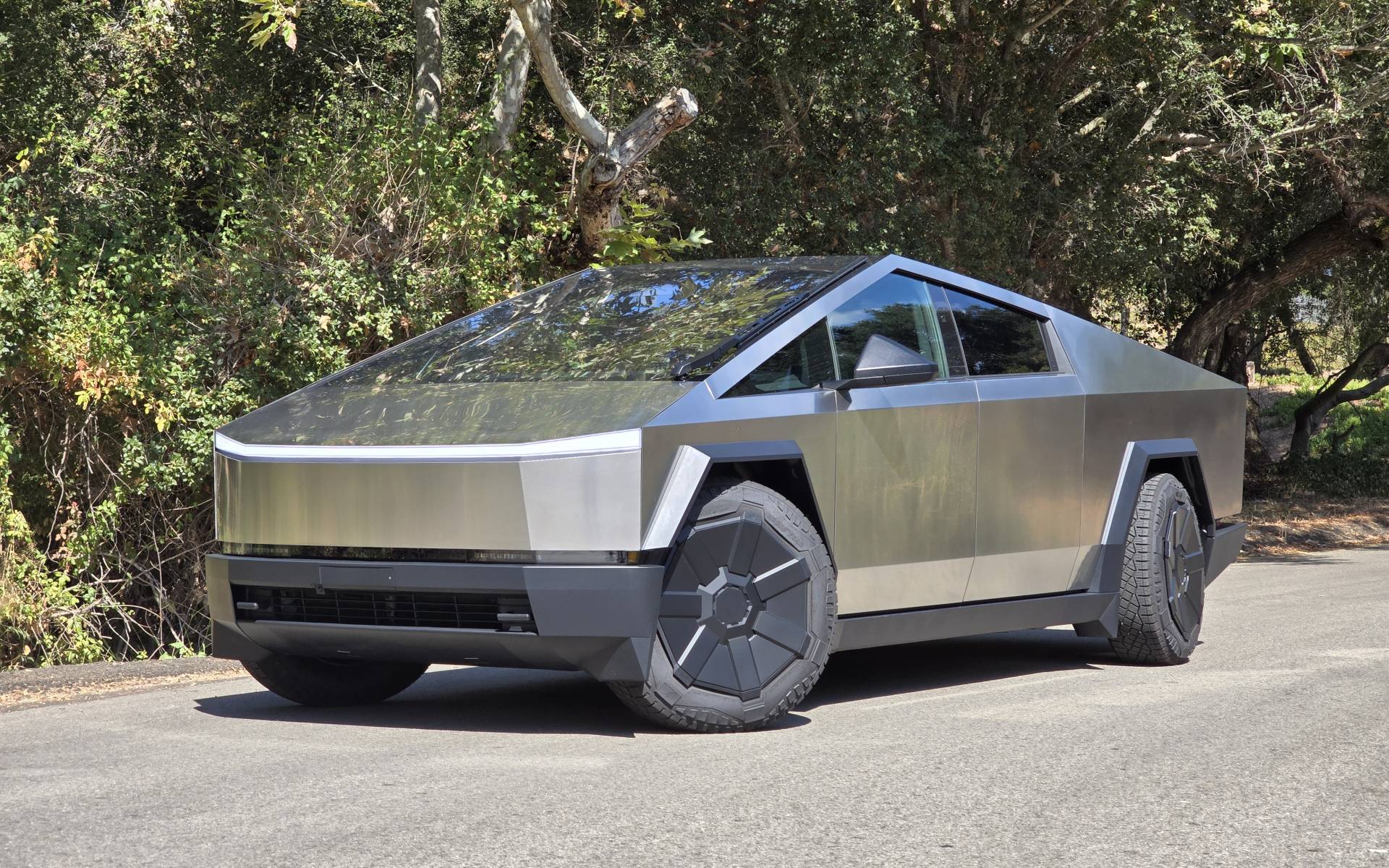
The Tesla Cybertruck is a striking electric pickup, but its unconventional design and massive size make parallel parking a difficult task. At 19.4 feet long and nearly 7 feet wide, it is significantly larger than most city parking spaces, leaving very little margin for error. Its angular steel body and bold styling create large blind spots, especially at the front and rear corners, making it hard for drivers to judge distances accurately.
A major factor is the rear-wheel steering system. Unlike standard trucks that pivot around the rear axle, the Cybertruck’s rear wheels turn during tight maneuvers. This causes the back end to swing outward unexpectedly, an effect often called the “kick-out.” In tight parallel spaces, the rear can move dangerously close to the curb or nearby vehicles, increasing stress even for experienced drivers.
The software interface also complicates parking. Tesla’s Autopark system can help with alignment, but early versions for the Cybertruck have been described as clunky and often require multiple attempts to center the truck.
On-screen parking lines can appear off-center, making it harder to rely on the digital guidance. Shifting between Drive and Reverse is done via touchscreen swipes instead of a traditional gear stalk. This adds to the cognitive load when precision is needed in tight spaces.
Drivers often have to step out to verify distances because the combination of size, rear-wheel steering, and limited visibility makes it hard to trust the vehicle’s sensors and cameras. The Cybertruck’s unusual proportions and reliance on digital aids require careful attention and planning during urban parking.
While the Tesla Cybertruck impresses with its performance and futuristic design, its large dimensions, unique steering behavior, and software quirks make parallel parking a challenging and high-pressure task. Patience and precise judgment are essential when maneuvering this stainless steel vehicle in city environments.
On the other hand, some vehicles turn parallel parking into a nerve-racking challenge. Large and wide vehicles like the Cadillac Fleetwood and Chevrolet Suburban demand multiple standard parking spaces and offer limited visibility, creating stress with every attempt.
High-performance or uniquely designed cars like the Lamborghini Countach and Chevrolet Camaro add blind spots and heavy controls, while futuristic pickups like the Tesla Cybertruck introduce unusual steering dynamics and software quirks. These vehicles require patience, spatial awareness, and sometimes a spotter to avoid damage.
By comparing the ease of parking across these extremes, drivers can better understand which vehicles suit their lifestyle and city conditions. Ultimately, the right choice can transform parking from a tense challenge into a simple, even enjoyable, part of daily driving.
Also Read: 10 Cars That Become Annoying to Own After the Honeymoon Phase