Parking garages have a way of exposing the real-world strengths and weaknesses of any car. Horsepower, luxury, and styling matter far less when concrete pillars tighten, ceilings drop, and ramps twist into awkward angles.
In these environments, size, visibility, steering response, and turning radius become the deciding factors between confidence and frustration. Some cars feel purpose-built for this challenge, slipping easily into narrow spaces and making tight turns feel routine. Others, despite their prestige or capability elsewhere, suddenly feel oversized, awkward, or outright incompatible.
This comparison highlights that contrast clearly. On one side are five cars that thrive in tight parking garages thanks to compact dimensions, smart design, and city-focused engineering. On the other are five vehicles whose scale, layout, or mechanical priorities work against them in confined urban spaces. Together, they show how dramatically parking friendliness can shape everyday driving experiences.
5 Cars That Handle Tight Parking Garages
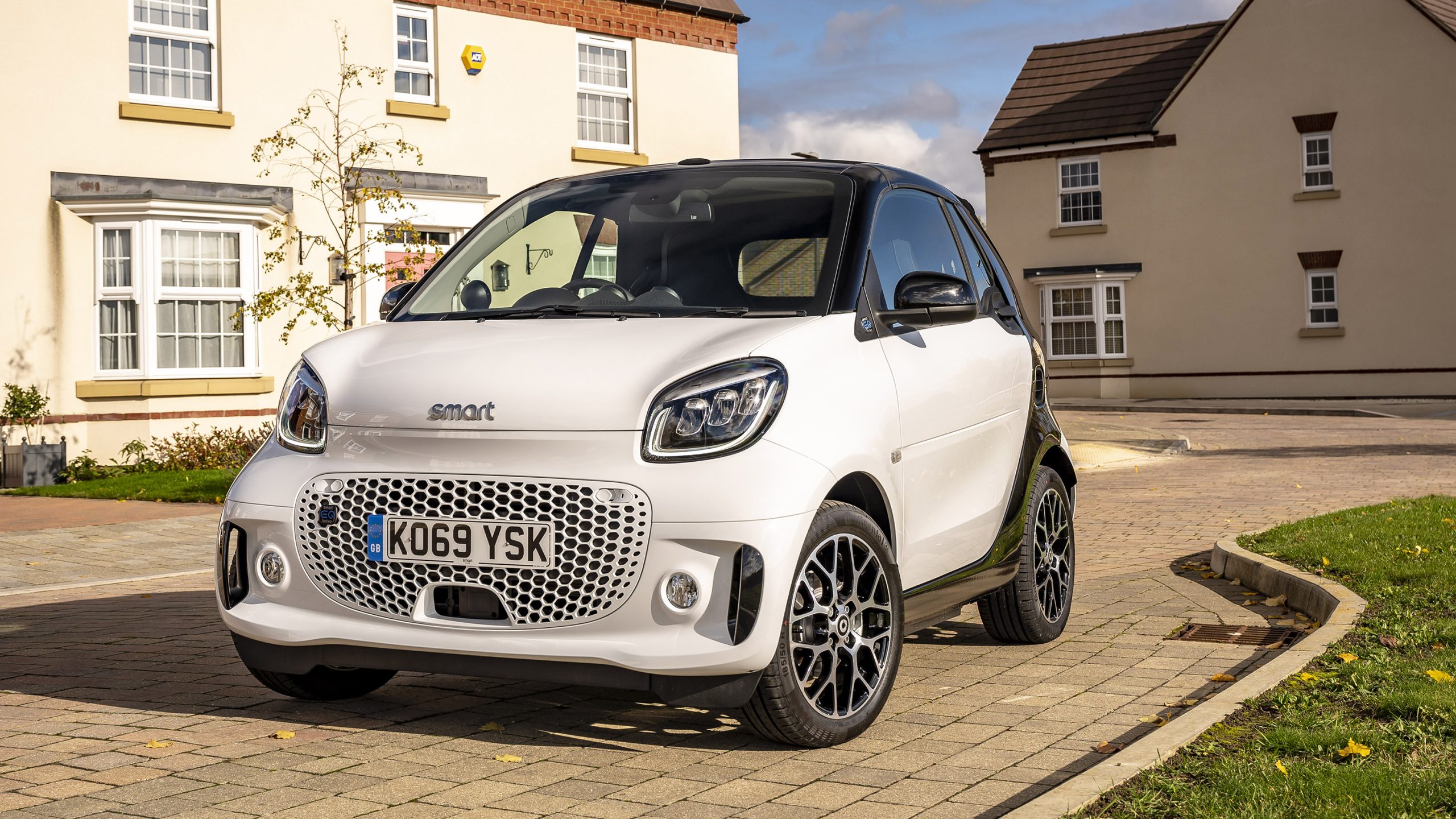
1. Smart Fortwo: A City Car Built for Tight Spaces
The Smart Fortwo has always stood out as a master of urban parking, and that strength remains its defining feature. With an exceptionally tight turning circle of about 8.8 feet and a length of just 2.6 meters, or roughly 8.5 feet, the Fortwo can fit into spaces most cars cannot access. Its compact size allows it to slip into narrow garages, crowded streets, and parking spots that would be unusable for conventional vehicles.
In some situations, it can even park perpendicular to the curb in a standard parallel space. Strong visibility, a short wheelbase, and a narrow body make maneuvering easy, while the slim design often allows the doors to open fully even in tightly marked spaces.
Despite these advantages, the Fortwo has struggled to win over American buyers. Earlier versions were criticized for their awkward automated manual transmission, unsettled steering, and an interior so tight that comfort was limited.
Daimler sought to resolve these issues with the third-generation Fortwo, introduced to the U.S. market as a 2016 model. The company claimed the new version addressed many of the flaws that previously discouraged potential buyers.
In many ways, those claims hold up. The latest Fortwo keeps its distinctive rear engine and rear wheel drive layout while gaining extra width that improves stability and cabin comfort.
It remains just 106 inches long, preserving its ability to park in spaces far smaller than a standard spot. Development costs were reduced by sharing a platform with the Renault Twingo, and the added width directly benefits interior space. Two adults can now sit side by side without feeling uncomfortably cramped.
Inside, the cabin feels more modern and better assembled. Much of the electronic architecture and switchgear comes from Renault, including a central touchscreen similar to those found in other small European cars. Material quality still does not match typical Mercedes standards, but fit and finish are noticeably improved compared to the previous generation.
The driving experience is also more polished. The outdated gearbox has been replaced with a choice of a five-speed manual or a six-speed dual-clutch automatic, both of which operate more smoothly. Steering has been sharpened with a quicker electric rack, making the car more confident in corners while preserving its remarkable agility. The 22.8-foot turning circle remains one of the tightest available.
Engine performance is less impressive. The U.S. market receives only the 89-horsepower turbocharged three-cylinder engine, which feels sluggish at low speeds. Even so, the Smart Fortwo remains a clever and likable city companion, though it still appeals to a narrow slice of American buyers.
2. Mini Cooper: Compact, Clever, and Still a City Favorite
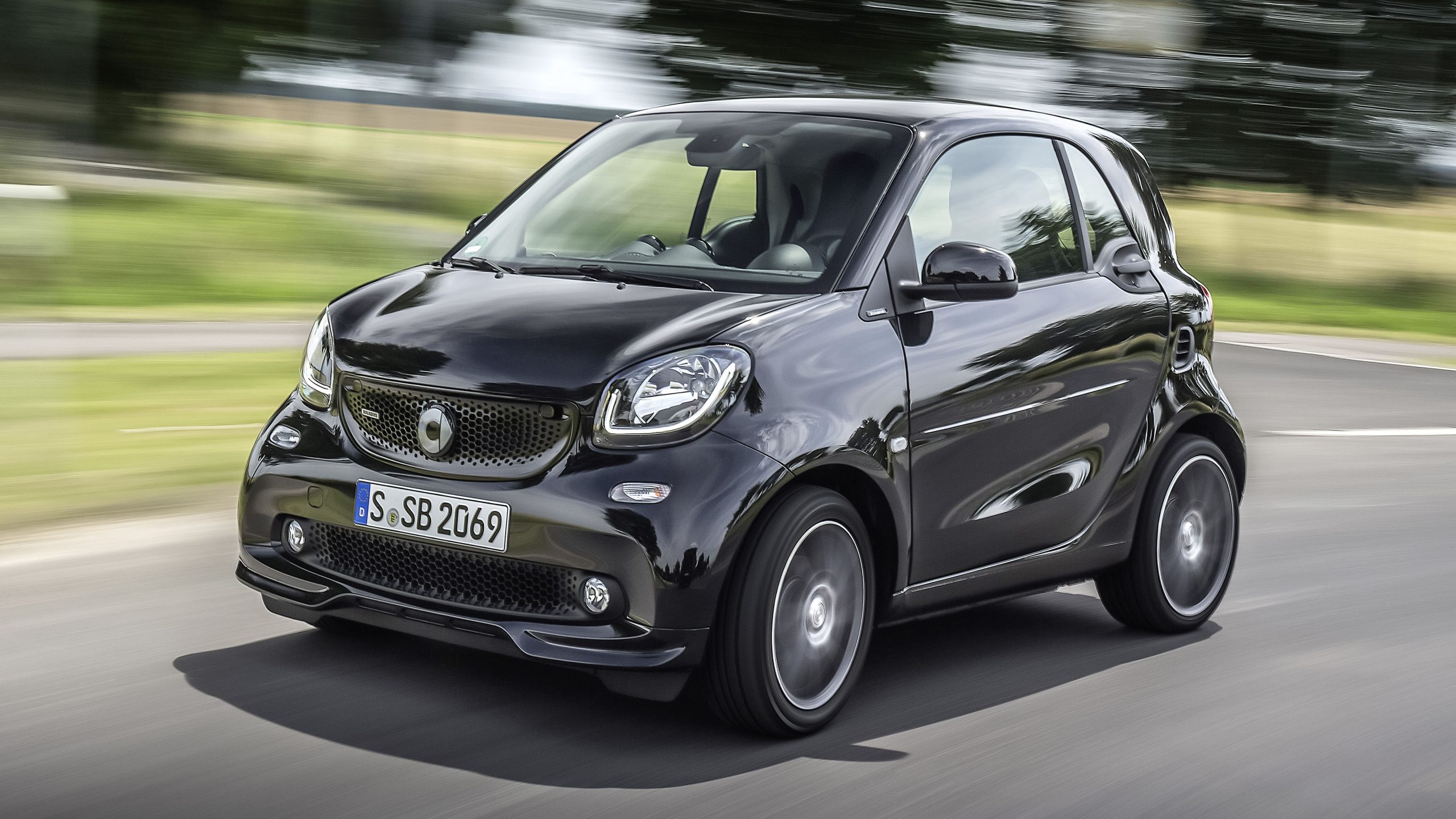
The Mini Cooper continues to earn its reputation as a go-to city car, largely thanks to its compact proportions and nimble character. Measuring about 146.6 inches in length, it fits easily into “compact only” parking spaces and navigates tight urban garages with confidence.
Its small footprint and relatively narrow width make it well-suited to crowded streets, while a short wheelbase contributes to a 35.1-foot turning circle that helps in multi-level car parks and narrow lanes. Visibility is generally better than in larger vehicles, allowing drivers to judge distances and align the car accurately when parking.
Modern Minis also benefit from a suite of optional parking technologies. Available Parking Assistant systems can identify suitable spaces and take over steering for both parallel and perpendicular parking. The Back-Up Assistant can automatically retrace the car’s recent path, which is useful when reversing out of tight or awkward spots.
A 3D Surround View camera system and ultrasonic sensors further reduce stress by providing a clear view of obstacles and warning drivers when clearance is tight. While some rivals offer even tighter turning circles, the Mini’s blend of size and technology makes it particularly effective in dense urban environments.
Despite being marketed as new, the latest three-door Mini Cooper is more of a thorough refresh than a ground-up redesign. Beneath the redesigned body panels lies a platform that dates back more than a decade.
This decision reflects the high cost of developing a new architecture, especially one that must support both petrol and electric powertrains. The electric Mini uses a separate joint-venture platform developed with Great Wall Motor, while the petrol versions carry over engines, suspension, and chassis hardware from the previous generation, with minor tweaks to brakes and ride settings.
Visually, the update is substantial. Every exterior panel is new, giving the car a cleaner and more confident look, while the interior has been completely reworked into a minimalist, tech-focused space.
Engine options include a 1.5-litre three-cylinder turbo in the Cooper C with 156 bhp, a 2.0-litre four-cylinder turbo in the Cooper S with 201 bhp, and a higher-output John Cooper Works version with 231 bhp. All are paired with a seven-speed dual-clutch automatic, as manual gearboxes are no longer offered.
Pricing starts just above £25,000, but options can push costs much higher. The Mini is not the most practical or best-equipped small car for the money, yet its driving enjoyment, character, and perceived quality help it stand out. In a shrinking class of small hatchbacks, the Mini Cooper remains a charming and easy recommendation for city-focused drivers.
3. Honda Jazz (Fit): Small Footprint, Big Practical Thinking
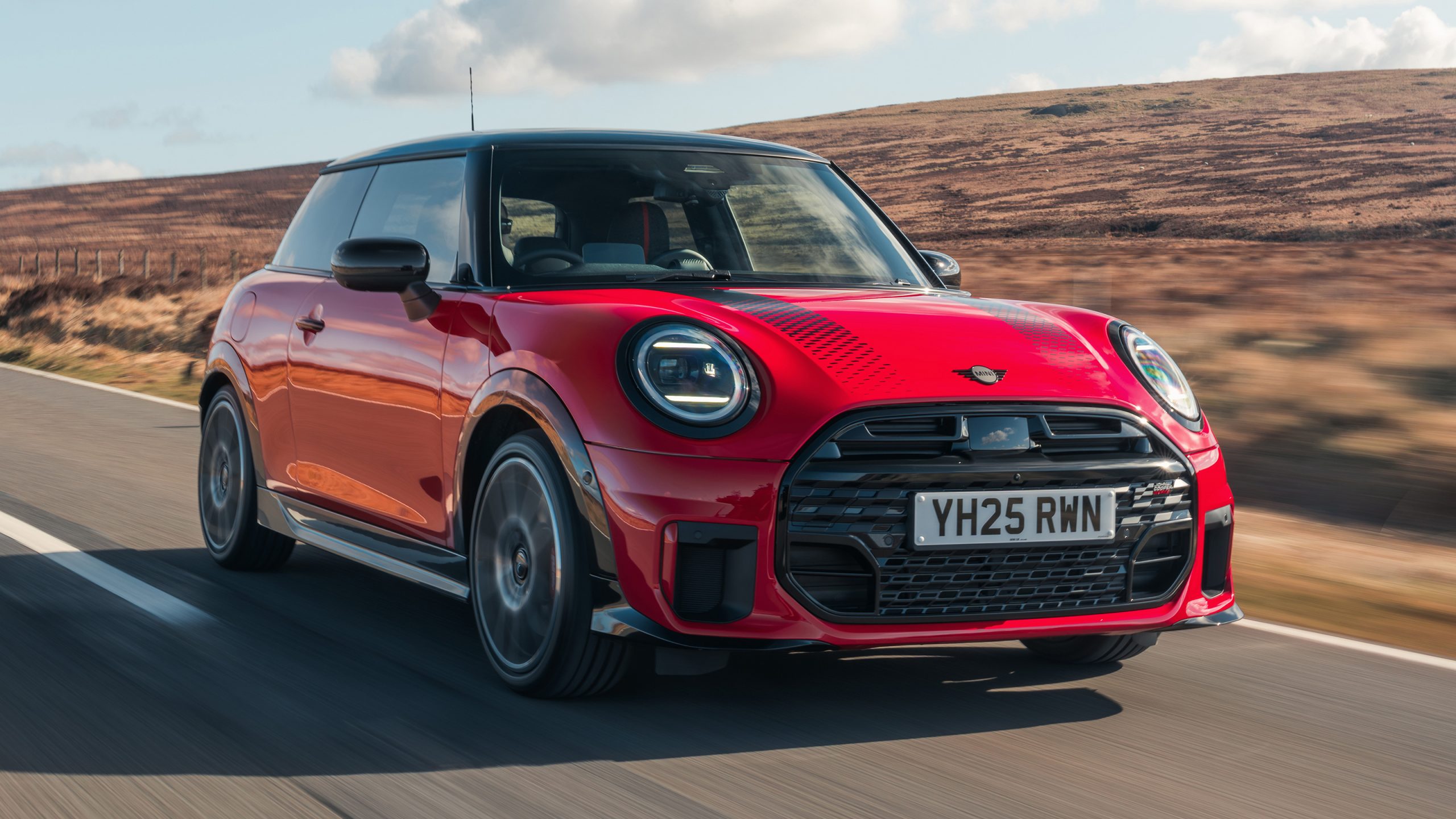
The Honda Jazz, also known as the Fit, has earned a strong reputation for delivering impressive usability in a small, city-friendly package. With a tight turning radius of around 10.6 feet, the Jazz is exceptionally capable in parking garages and crowded urban environments.
Its compact footprint, light steering, and quick responses make low-speed maneuvering easy, while the upright, boxy shape provides excellent visibility. Large windows and clearly defined edges allow drivers to judge distances accurately when parking or threading through narrow spaces.
A major reason for the Jazz’s effectiveness in tight areas is its efficient design. The small dimensions make it easy to handle in narrow lanes and compact parking spots, and the responsive steering helps place the car precisely where the driver wants it.
The short turning circle allows for smooth direction changes in confined spaces, and the squared-off body style makes the car’s corners easy to judge. Together, these traits reduce stress and increase confidence during everyday city driving.
The Honda Jazz truly stands out for its interior flexibility. Honda’s cleverly engineered “Magic Seats” transform the cabin in ways few rivals can match. The rear seat bases can flip upward to carry tall items such as furniture or plants, while the front passenger seat can fold back to accommodate long cargo.
This versatility makes the Jazz feel far more practical than its size suggests and gives it an advantage over many other small hatchbacks. It is a car that can handle shopping trips, DIY runs, and daily commuting without complaint.
Under the hood, the Jazz uses a modest four-cylinder engine that prioritizes efficiency over outright performance. Acceleration feels lively around town, and the car reaches highway speeds with less effort than many competitors in the same class.
Fuel economy is another highlight, with real-world driving often matching official figures. The nimble handling adds to the sense of ease, making the Jazz enjoyable and predictable in everyday use.
Like most small cars, the Jazz makes a few compromises. Hard braking can feel slightly unsettled, the upright seating position may not suit taller drivers, and the infotainment system feels dated and slow compared to newer rivals.
Even so, these drawbacks are relatively minor. For buyers seeking a sensible, affordable, and exceptionally versatile small hatchback, the Honda Jazz remains one of the smartest and most practical choices available.
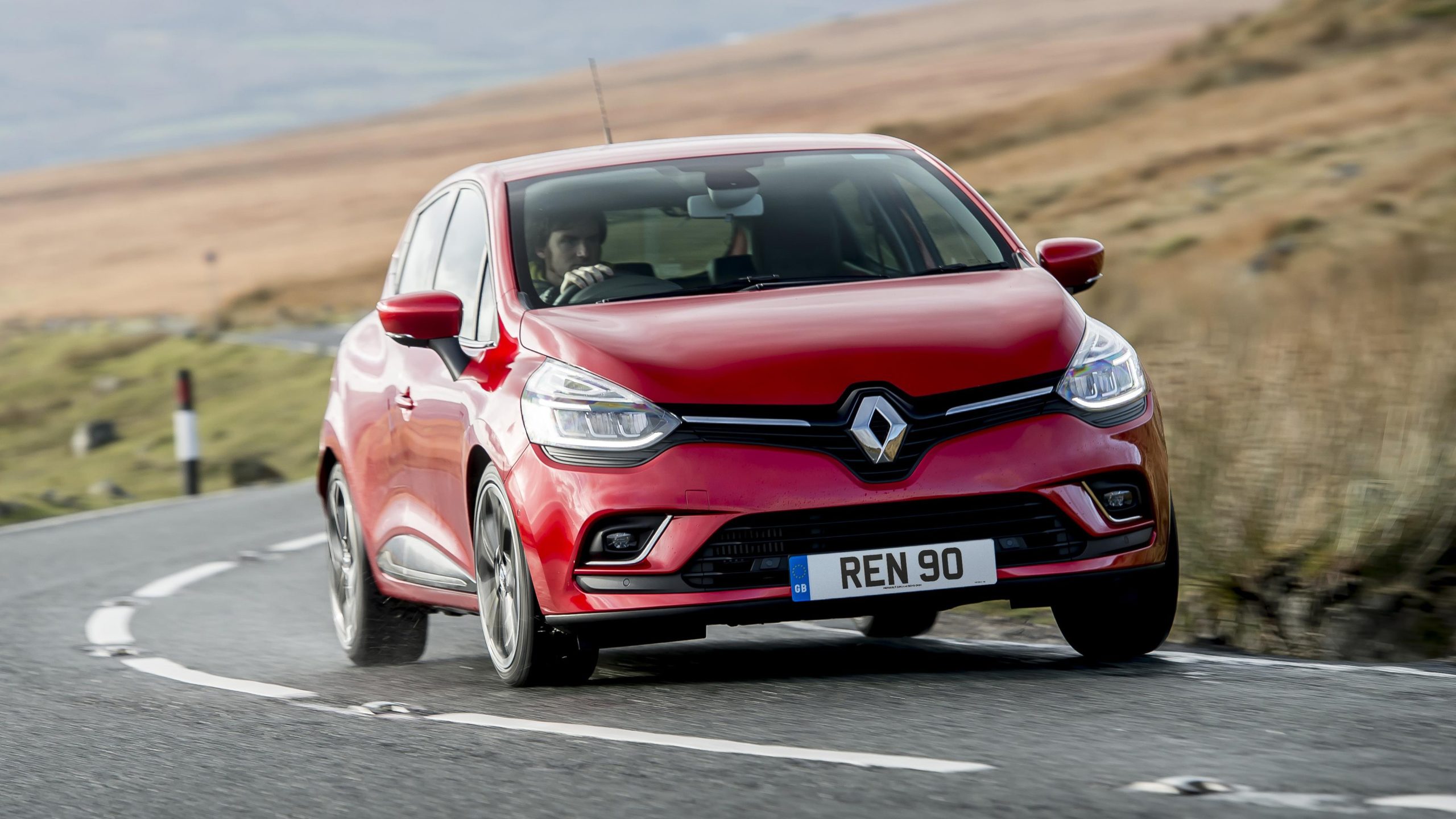
4. Renault Clio: Agile, Tech-Savvy, and Still a City Specialist
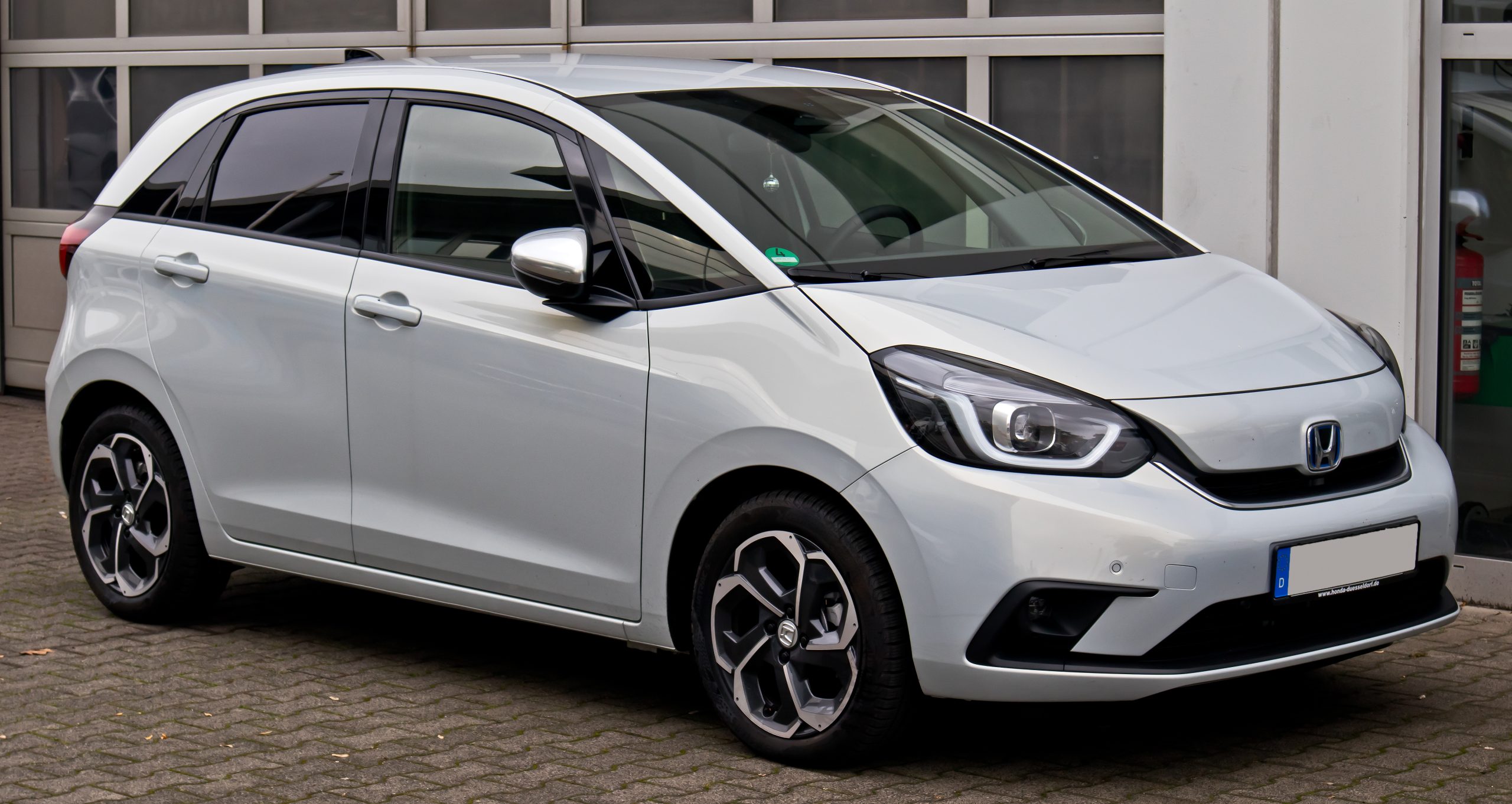
The Renault Clio has long been a favorite in the supermini class, and the latest generation continues that tradition with a strong focus on urban usability. Known for its agile handling, light steering, and standard or widely available parking aids, the Clio is particularly well-suited to tight city streets and multi-storey car parks.
Compact proportions make it easy to thread through narrow ramps, while responsive controls allow quick and confident adjustments at low speeds. Many versions also come equipped with all-round parking sensors and rear-view cameras, taking much of the stress out of squeezing into small spaces.
Several design choices underpin the Clio’s parking-friendly nature. Its compact dimensions are tailored for city driving, keeping the car manageable in crowded environments.
Light steering requires minimal effort when making tight turns, and generous glass areas improve visibility by reducing blind spots. Despite offering a relatively large boot for its class, the Clio maintains a short length, preserving a small footprint that works in its favor when space is limited.
Visually, the new Clio marks a bold shift. Renault has moved away from the softer, friendlier styling of the previous generation in favor of a sharper, more aggressive look.
The redesigned front end, with its drooping bonnet and prominent grille, has proven divisive, and the rear styling draws comparisons to other small European hatchbacks. While not universally loved, the exterior overhaul does give the Clio a more assertive road presence.
Under the surface, this sixth-generation Clio has grown slightly in every direction, gaining more interior space and improved aerodynamics. Renault has also packed in a wide array of driver assistance systems, with up to 29 available depending on trim level.
Engine options include a 1.2-litre three-cylinder petrol engine paired with a six-speed manual gearbox, a welcome rarity in today’s market. Buyers wanting an automatic must opt for the hybrid powertrain, which combines a 1.8-litre petrol engine, electric motors, and a small battery in a system that requires no external charging.
On the road, the hybrid Clio is easy to live with and manages its power delivery automatically. Ride quality is slightly firm, but steering feel is good, and low-speed maneuverability remains a strength. Inside, the cabin is dominated by twin 10.1-inch screens running Google-based software, complemented by physical buttons for key functions, including a dedicated switch to disable intrusive safety aids.
Although UK buyers will have to wait until at least 2027 for this new Clio, its fundamentals remain strong. Beneath the controversial styling lies a capable, efficient, and genuinely city-focused supermini that continues a hugely successful legacy.
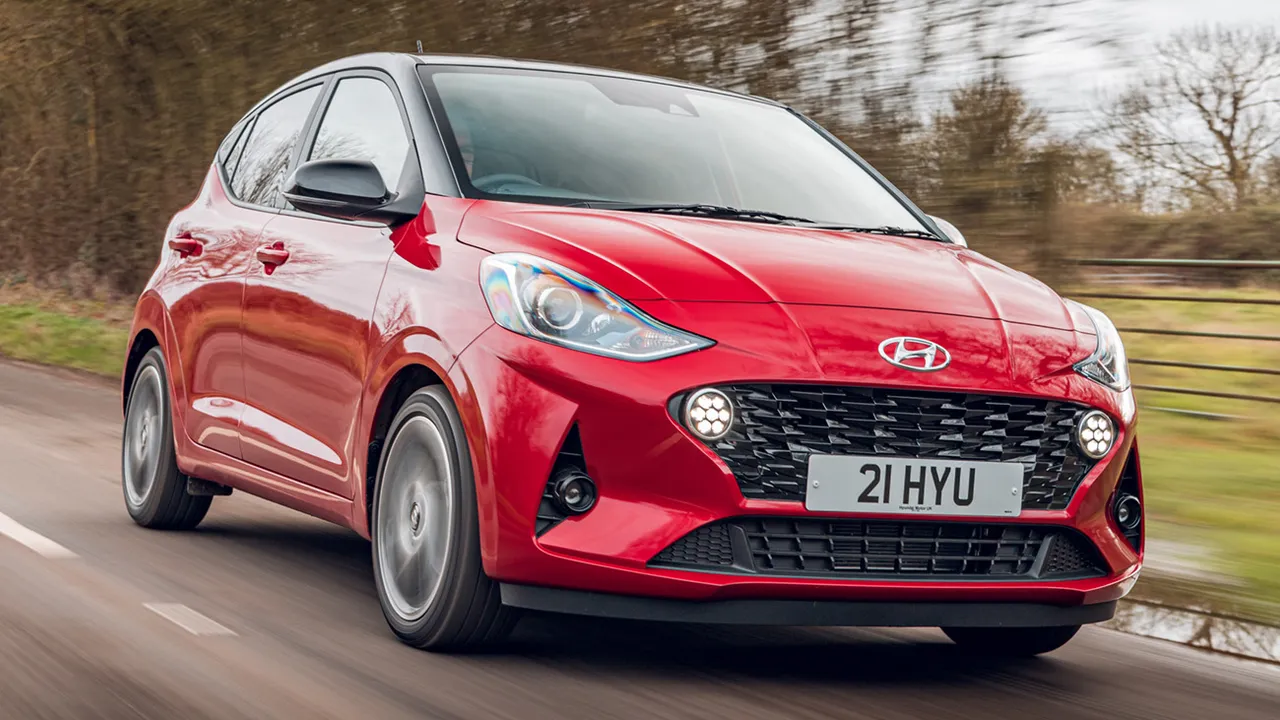
5. Hyundai i10: Clear Sightlines and Compact Confidence for City Parking
The Hyundai i10 is one of the most capable modern city cars when it comes to dealing with tight parking garages and crowded urban environments. Its compact dimensions, measuring roughly 3.67 meters in length and 1.68 meters in width, give it a very small footprint that fits easily into narrow parking spaces and older multi-storey structures.
The boxy design, with the wheels pushed close to the corners, delivers excellent all-around visibility, which is especially valuable when avoiding low concrete pillars, tight ramps, and poorly marked spaces.
Ease of maneuvering is one of the i10’s biggest strengths. Light, responsive steering makes low-speed driving effortless, while the short turning circle allows for quick direction changes and accurate positioning when parking.
The relatively upright seating position helps drivers clearly see the edges of the car, making it easier to judge distances in confined areas. Many trims include a rear-view camera and rear parking sensors as standard, reducing stress when reversing into tight spots and limiting the need for constant adjustments.
City cars are often described as an endangered species due to low profit margins and rising development costs, yet Hyundai has invested heavily in the third-generation i10.
A newly engineered platform brings a longer wheelbase and a wider body, improving passenger comfort and cargo space while keeping the car firmly within city-friendly proportions. The i10 continues to use simple, naturally aspirated petrol engines, prioritizing affordability and reliability over outright performance.
There are no electric or hybrid versions on offer, and that is a deliberate decision. Adding electrification would significantly increase costs and undermine the i10’s role as a low-cost urban runabout.
Instead, Hyundai positions the i10 as a practical and accessible alternative to more expensive electric city cars and aging petrol rivals. Its closest competitors include models like the Kia Picanto and Toyota Aygo, though many cars in this segment are now several years old.
Styling has also improved significantly. The latest i10 adopts Hyundai’s sharper design language, giving it a more confident and modern appearance than previous generations. Inside, equipment levels are strong for the price point.
Most versions come with an 8-inch touchscreen supporting Apple CarPlay, along with safety features such as lane keeping assistance, hill start assist, and automatic high beam. Higher trims add comfort features typically associated with larger cars, including heated seats, a heated steering wheel, and climate control.
Pricing starts at around $16,000, making the i10 notably cheaper than many larger superminis, which often begin several thousand dollars higher. While it is not especially quick, the i10 feels mature, comfortable, and well-equipped, proving that small, affordable city cars still have a valuable role to play.
Also Read: 5 Cars That Are Easy to Service Downtown vs 5 That Aren’t
5 That Don’t Fit Well
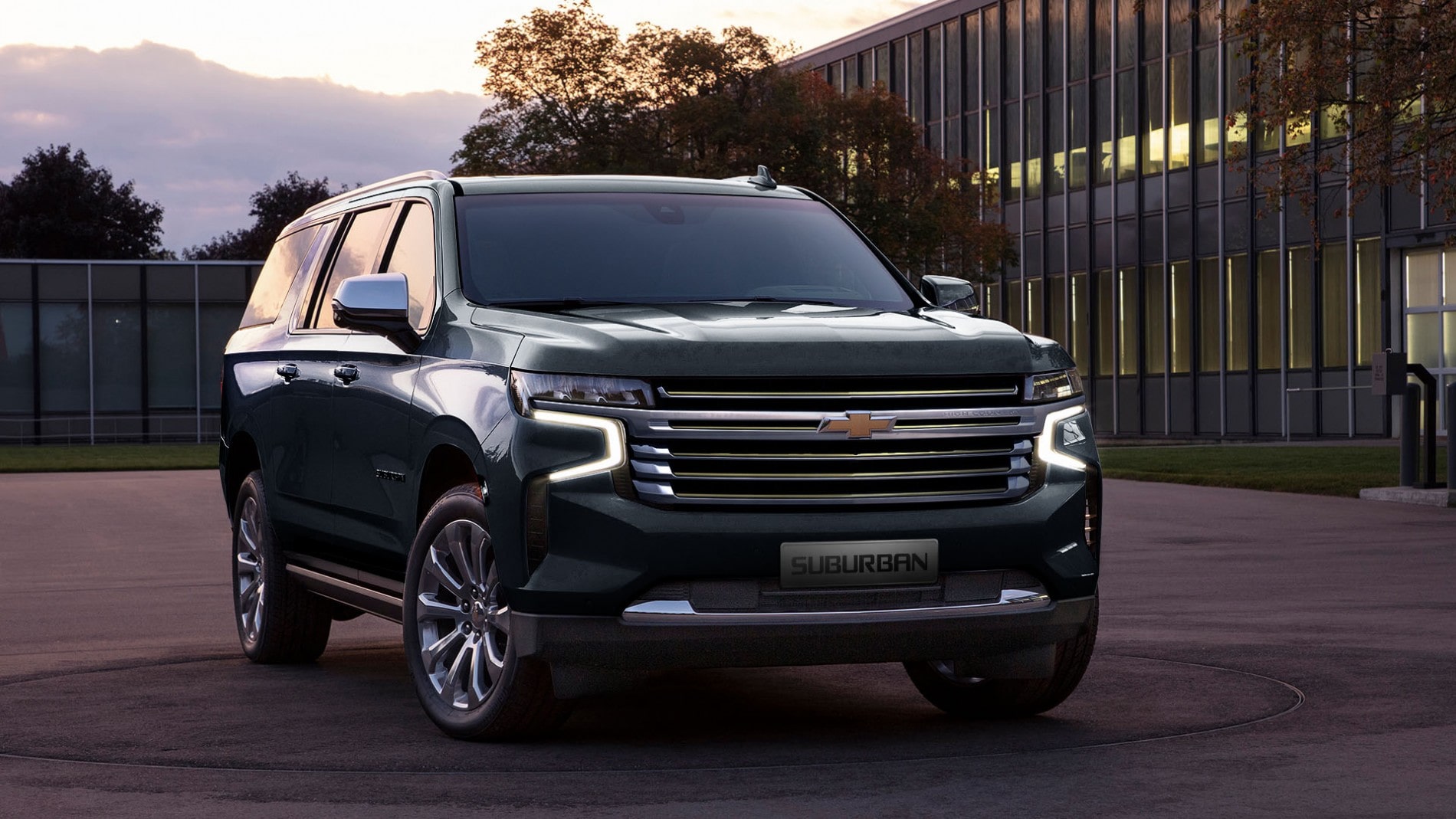
1. Chevrolet Suburban: When Full-Size Capability Collides With Parking Garage Reality
The Chevrolet Suburban is one of the largest passenger vehicles on the road, delivering exceptional interior space and long-distance comfort. However, that same size creates serious challenges in tight parking garages, where the Suburban often feels less like an SUV and more like a rolling wall. Designed primarily for wide roads and open lots, it frequently clashes with the dimensions and layouts of modern urban parking structures.
The most immediate issue is length. Measuring about 225.7 inches, or nearly 18.8 feet, the Suburban pushes the limits of standard parking stall depth. Many residential and commercial garages are built with stalls measuring between 18 and 20 feet deep.
When parked in a 20-foot space, the Suburban leaves only a few inches of combined clearance at the front and rear. In tighter stalls, drivers often cannot pull in far enough without hitting the back wall, causing the rear of the vehicle to protrude into the drive aisle. In narrow garage lanes, this can block traffic and make it difficult for other vehicles to pass.
Maneuverability is another major hurdle. The Suburban’s turning circle stretches to approximately 43.3 feet, far larger than what most garages are designed to accommodate.
Its long 134.1-inch wheelbase means the rear wheels track wide compared to the front, making sharp corners difficult. Entering a parking space or rounding a tight turn frequently requires multiple forward and reverse adjustments, even for experienced drivers.
Vertical clearance also poses a concern. Standing roughly 75.7 inches tall, the Suburban sits close to the limits of many older garages, which often offer clearances of around 6 feet 6 inches. While it may clear the entrance, internal hazards such as low-hanging sprinklers, lighting fixtures, and door tracks increase the risk of damage. Even with available air suspension that can lower the ride height, margins remain tight.
Width further compounds the problem. At about 81.1 inches wide without mirrors, the Suburban nearly fills narrow parking spaces, leaving little room to open doors. To cope with these challenges, many owners rely heavily on surround-view camera systems. Ultimately, the Suburban excels in space and comfort, but in tight garages, its size becomes a constant compromise.
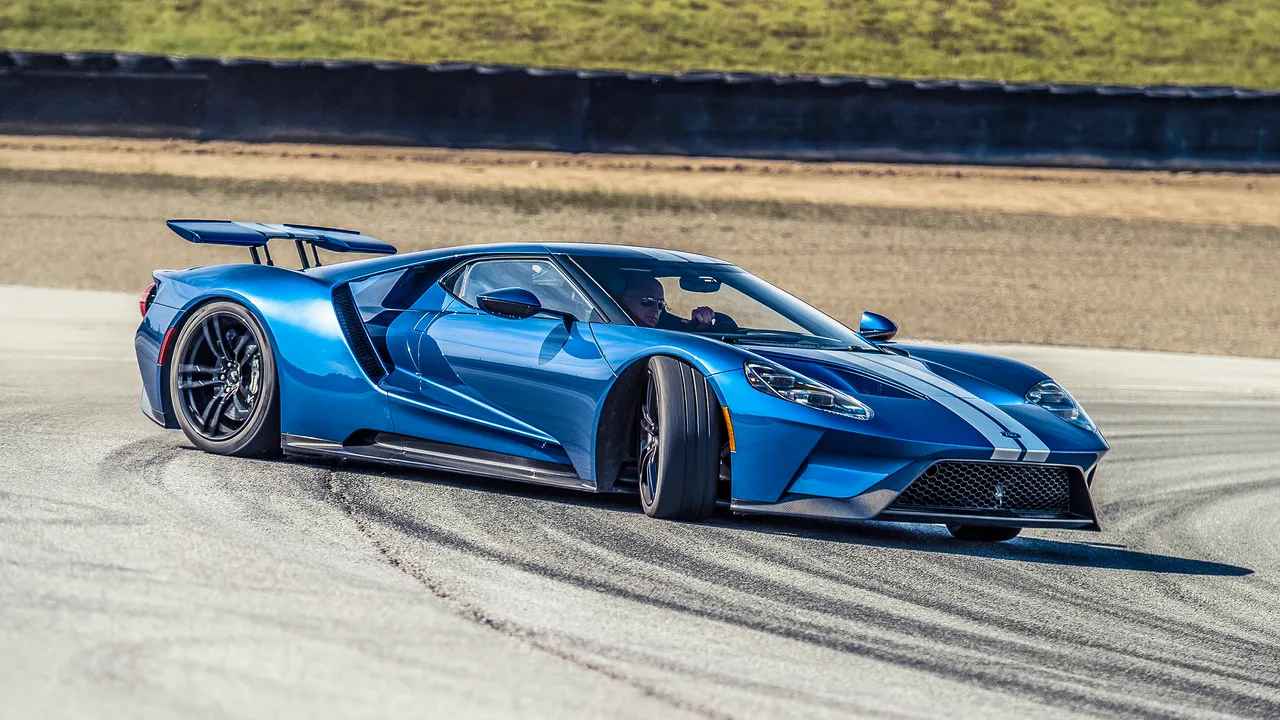
2. Ford GT: A Supercar Completely at Odds With Parking Garages
The Ford GT is engineered with one purpose in mind: performance. Its race-bred design, dramatic proportions, and track-focused hardware make it an icon on the road, but those same traits turn parking garages into a hostile environment.
In tight, urban structures, the GT is widely considered one of the most difficult cars to live with, largely due to a combination of unusual door design, extreme width, poor visibility, and limited low-speed maneuverability.
The biggest challenge comes from the Ford GT’s distinctive roof-cut doors, most notably on the 2005–2006 models. These doors extend into the roof, meaning they must swing almost fully open for the driver to enter or exit the car.
In a garage, parking beside a pillar or another vehicle can make it physically impossible to get out, as there is no way to squeeze through a partially opened door. Without sufficient lateral space, the roof section blocks movement and traps the occupant inside.
Width compounds the problem. The modern Ford GT measures roughly 80.5 inches wide without mirrors, which is broader than many full-size SUVs. Standard parking spaces are typically around nine feet wide, leaving very little clearance on either side when the car is centered. This severely limits door movement and increases the risk of contact with surrounding vehicles or structural elements.
Maneuvering through garages is equally stressful. The GT’s steering and suspension are tuned for high-speed stability, not tight corners. Its wide turning circle makes spiral ramps and sharp turns difficult, often requiring multiple forward and reverse adjustments just to line up with a space.
Visibility is another major drawback. The low, mid-engine layout results in extremely limited rearward sightlines, making it hard to judge distances to walls and pillars. Older models lack modern camera systems, increasing the risk of damage. Low ground clearance further adds to the anxiety, as steep ramps, speed bumps, and entry lips can easily cause scraping.
In short, while the Ford GT is spectacular on open roads and racetracks, it is fundamentally incompatible with the realities of tight parking garages.
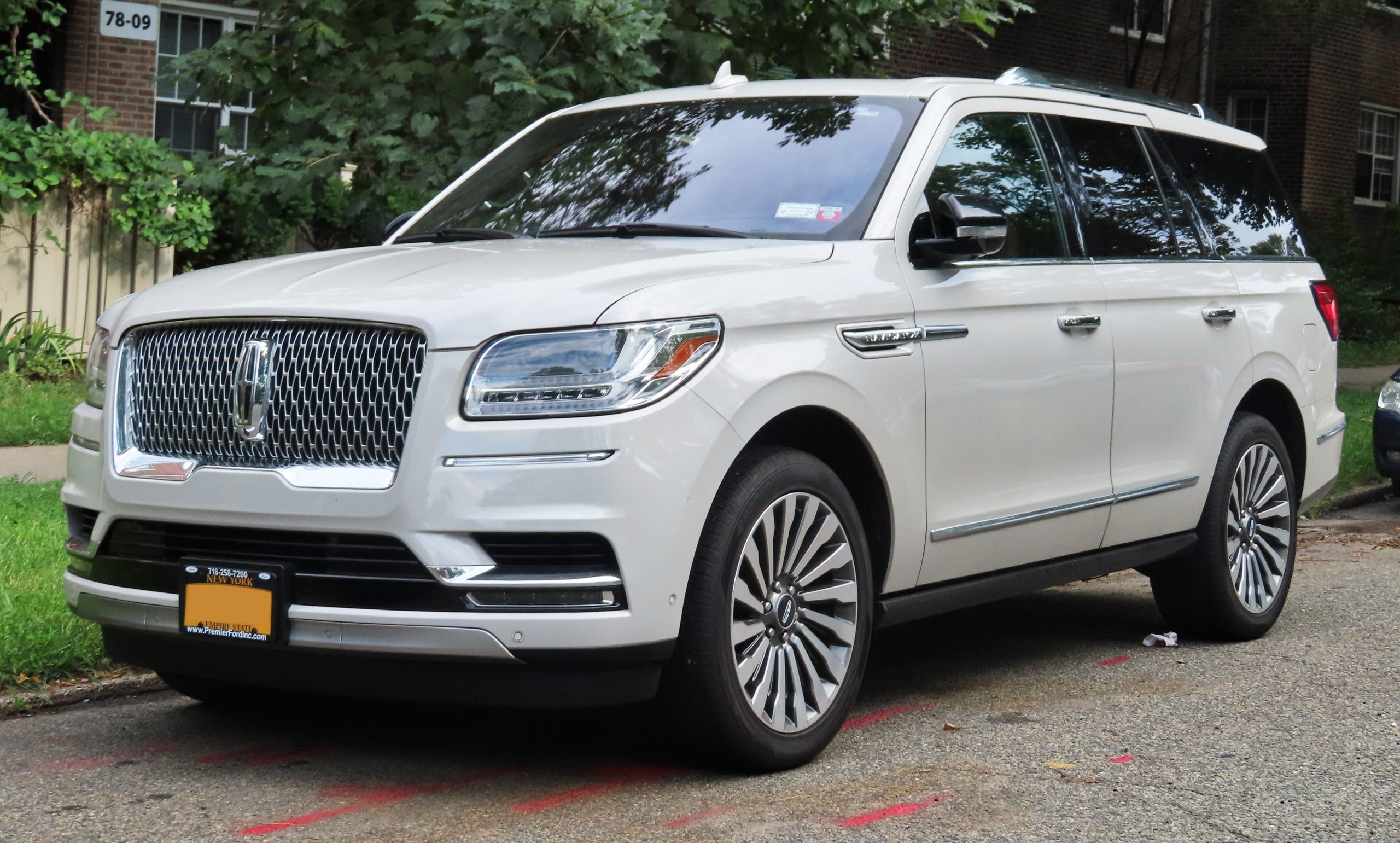
3. Lincoln Navigator: Luxury at Odds With Tight Urban Parking
The Lincoln Navigator is a showcase of size, power, and premium comfort, but those same attributes make it a challenging companion in tight urban parking garages. Even with modern technology and driver assistance features, the Navigator’s sheer scale works against it in spaces designed decades ago for far smaller vehicles. Driving one into a city garage often feels less like routine parking and more like careful negotiation.
One of the primary issues is parking space width. Standard garage stalls are typically between 8.5 and 9 feet wide. With its mirrors extended, the Navigator approaches eight feet in width, leaving only a few inches of clearance on either side.
This narrow margin makes opening the heavy doors difficult without risking contact with adjacent vehicles. Simply getting in and out can become an awkward process, especially in busy garages where spaces are tightly packed.
The challenge grows when turning through garage aisles. The Navigator’s long wheelbase, particularly on the extended L version, results in a turning circle of roughly 43.9 feet. Tight 90-degree turns, common in multi-storey garages, require wide swings that the vehicle struggles to accommodate.
As a result, drivers often find themselves making repeated adjustments, with the rear doors or quarter panels coming uncomfortably close to concrete pillars. Minor miscalculations can easily lead to scrapes or dents.
Height is another source of stress. Standing about 6 feet 4 inches tall, the Navigator sits just below the clearance limits of many older parking structures, which often post maximum heights around 6 feet 6 inches.
While it may be clear on paper, real-world conditions complicate matters. Speed bumps, ramps, or sudden inclines can tilt the vehicle upward, eliminating the small safety buffer and raising the risk of contacting overhead pipes, signage, or sprinkler systems.
Length further compounds the issue. At up to 222 inches, the Navigator L frequently exceeds the depth of city parking spaces, which are often only 16 to 18 feet long. This causes the front or rear to protrude into driving lanes, creating bottlenecks and increasing the chance of accidental contact.
The Lincoln Navigator remains a full-size SUV built for open roads, attempting to fit into parking environments increasingly tailored to smaller vehicles.
4. Lamborghini Countach: An Iconic Supercar at War With Parking Garages
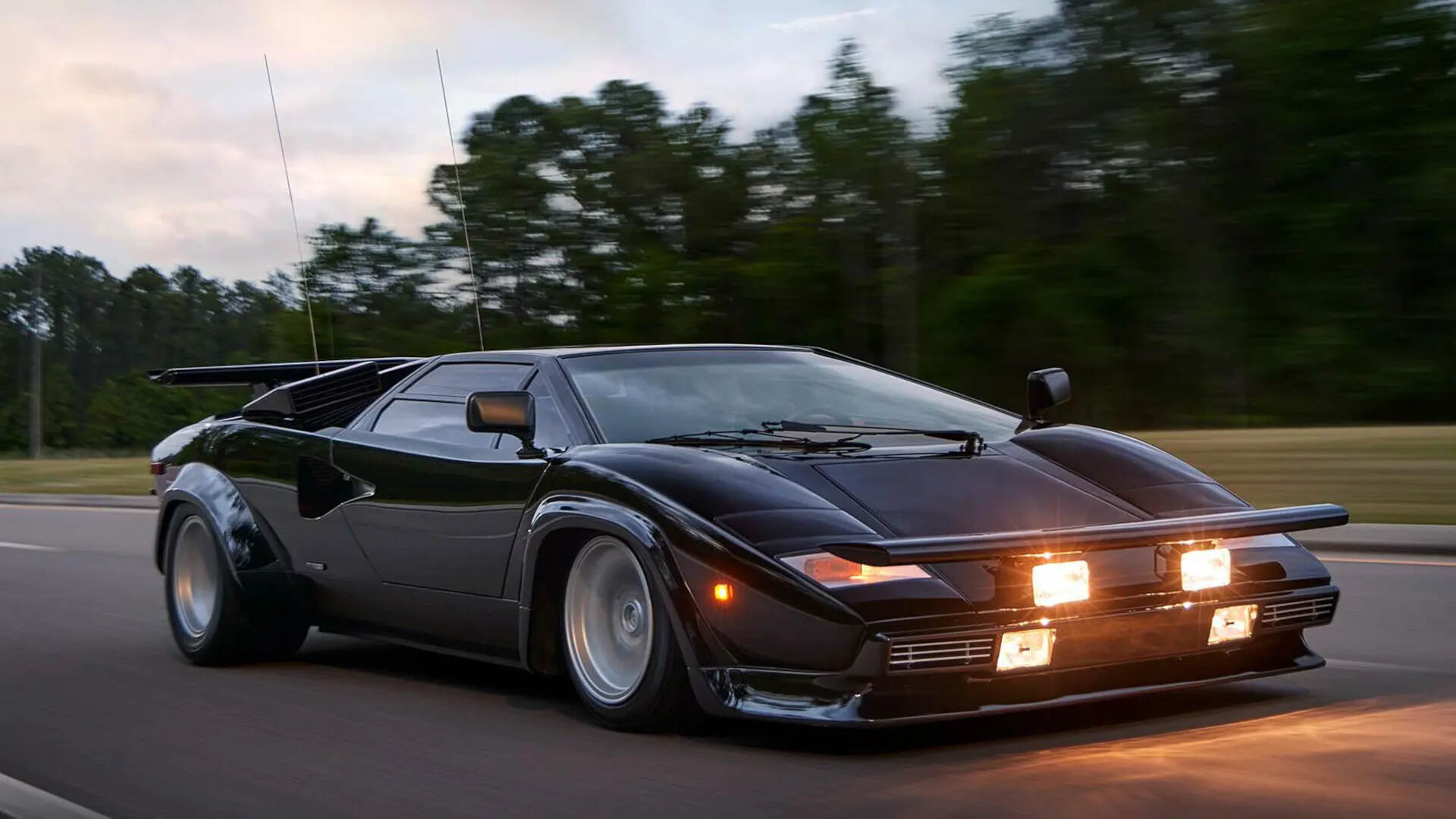
The Lamborghini Countach is one of the most recognizable supercars ever built, celebrated for its dramatic styling and radical design. Yet that same design makes it famously impractical in everyday situations, especially inside parking garages.
Conceived with aerodynamic performance and visual impact in mind, the Countach treats usability as an afterthought, turning routine parking into a demanding and often theatrical exercise.
The most notorious issue is visibility. Rearward sightlines are effectively nonexistent due to the high engine cover, tiny rear window, and, on many cars, a large rear wing.
Reversing becomes so difficult that drivers often resort to the legendary “sill sit” technique, opening the scissor door and perching on the wide door sill to look behind the car while backing up. In a confined garage, this maneuver is awkward, time-consuming, and far from dignified.
The Countach’s proportions further complicate matters. Despite its low height, the car is extremely wide at nearly 6.5 feet, leaving minimal clearance in narrow lanes bordered by concrete pillars. This is paired with a massive turning circle of roughly 43 feet, meaning tight corners often require multiple back-and-forth movements. What would be a simple turn in a small car can quickly become a nerve-wracking sequence of adjustments.
Mechanical effort adds another layer of difficulty. The Countach lacks power-assisted steering, resulting in extremely heavy wheel effort at low speeds. Combined with a stiff clutch, inching the car into position demands significant physical strength and concentration. Smooth, precise movement is hard to achieve, increasing the risk of stalling or lurching.
Ground clearance is also unforgiving. With only about five inches between the car and the ground, steep ramps and parking curbs threaten costly damage to the front spoiler and underbody. Even after successfully parking, the iconic scissor doors can be problematic, as low ceilings or overhead pipes may prevent them from opening fully.
In short, the Lamborghini Countach remains a masterpiece of design and drama, but inside a parking garage, it is as challenging as it is legendary.
5. Ineos Grenadier: Built for the Trail, Awkward in Tight Parking Garages
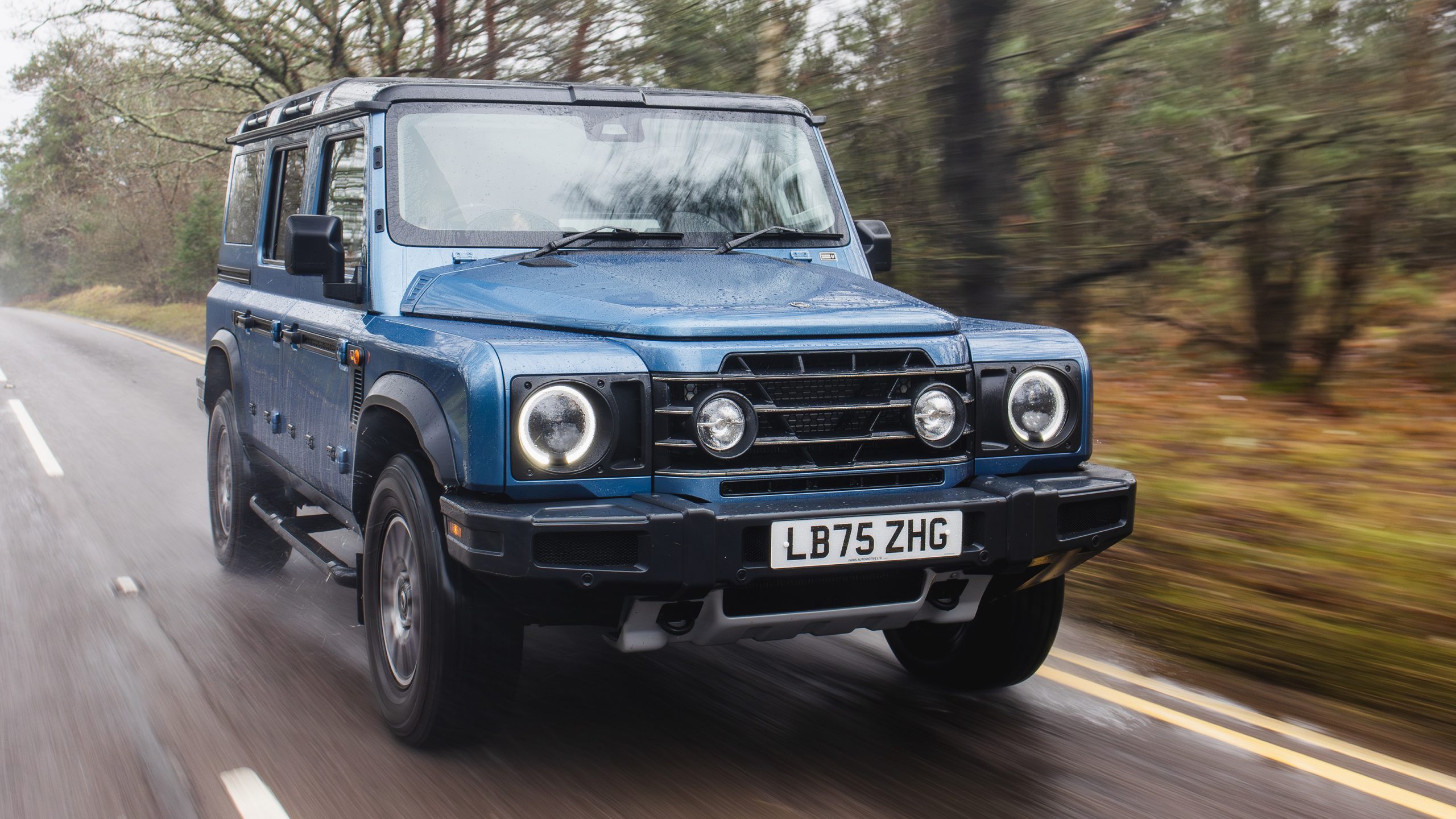
The Ineos Grenadier is unapologetically designed as a rugged off-road vehicle, engineered to handle harsh terrain rather than urban convenience.
While updates for 2026 improve refinement, its core layout and mechanical philosophy still make it one of the most challenging SUVs to manage inside tight parking garages. What works brilliantly on trails and open land often becomes a liability in confined, concrete-heavy spaces.
The most immediate problem is sheer size. The Grenadier stands about 80.7 inches tall in standard form, placing it right at the upper limit of many parking garage height restrictions, which commonly range from 6 feet 4 inches to 6 feet 8 inches. Any added accessories, such as roof racks, push it beyond acceptable limits altogether.
Width is just as problematic. Including mirrors, the Grenadier measures over seven feet across, nearly filling standard parking bays that are typically only eight to nine feet wide. This leaves little room for opening doors or allowing passengers to exit without risking contact with walls or neighboring vehicles.
Maneuverability further complicates matters. The Grenadier’s turning circle spans roughly 44.3 feet, making tight ramps and sharp corners difficult to negotiate. Multi-point turns are often required just to line up with a parking space. The steering system, which uses a recirculating ball design rather than modern rack-and-pinion hardware, adds to the challenge.
While durable and well-suited to absorbing off-road impacts, it lacks natural self-centering. In a garage, the driver must manually return the wheel to center after each turn, and with nearly four turns from lock to lock, even small adjustments demand effort and time.
Visibility is another weak point. The rear-mounted spare tire and vertically split rear doors restrict the view through the rear window, making it harder to judge distance when reversing. Low-hanging pipes, beams, and concrete barriers become difficult to spot without relying heavily on cameras or sensors.
The Ineos Grenadier thrives in environments where space is abundant and surfaces are rough. In urban parking garages, its height, width, heavy steering, and limited rear visibility combine to create a tank-like presence that feels fundamentally mismatched to the setting.
The difference between a stress-free parking experience and a nerve-wracking one often comes down to design intent. Cars built with urban life in mind prioritize compact footprints, good sightlines, light steering, and tight turning circles, making them feel at home in even the most restrictive garages. These vehicles reward drivers with ease, confidence, and efficiency during daily routines.
In contrast, larger or more specialized vehicles reveal their compromises in the same settings. Full-size SUVs, off-roaders, and exotic supercars may excel on highways, trails, or racetracks, but garages highlight their excess length, width, height, and visibility limitations. Tight spaces amplify every design choice, turning size and drama into obstacles rather than advantages.
This list underscores a simple truth: the best car for tight parking garages is not the most powerful or luxurious, but the one engineered to respect space.
Also Read: Top 10 RWD Sports Cars That Would Humiliate a Modern Mustang