City driving can turn even experienced drivers into cautious, hyper-aware commuters. In this guide, we examine 5 cars that feel light in traffic versus 5 that feel overwhelming, showing how size, weight, visibility, and engineering affect the driving experience.
Vehicles like the Mazda3 Hatchback and Honda Fit offer compact dimensions, responsive steering, and excellent sightlines, allowing drivers to move through stop-and-go traffic with ease.
Electric models such as the BMW i3 and Mini Cooper SE combine instant torque and a low center of gravity for enhanced control, while the Volkswagen Golf GTI pairs power with precise handling. In contrast, large trucks and SUVs, including the Chevrolet Suburban, Jeep Gladiator, and Ram 3500 Dually, can feel intimidating.
Their size, weight, and blind spots require constant attention and careful adjustments. Understanding what makes a car feel light or overwhelming helps drivers choose vehicles that reduce stress and improve confidence in busy urban environments.
5 Cars That Feel Light in Traffic vs 5 That Feel Overwhelming
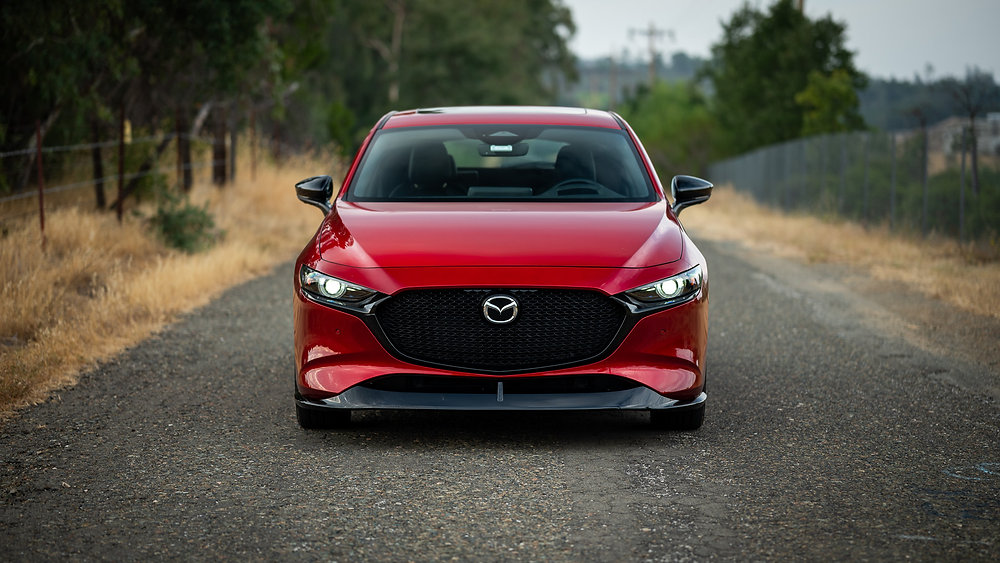
1. Mazda3 Hatchback 2024: Nimble Design Meets Mixed Execution
The 2024 Mazda3 Hatchback continues Mazda’s tradition of compact cars that feel precise and engaging. Unlike many competitors that feel hollow, this model impresses with a lightweight, controlled driving experience thanks to G-Vectoring Control Plus, which subtly adjusts engine torque during steering.
Combined with Skyactiv-Vehicle Architecture, the hatchback offers agile handling, intuitive controls, and a responsive ride well-suited to urban traffic. Its compact size and well-tuned suspension make lane changes, city maneuvering, and tight parking effortless, while steering, braking, and throttle responses feel natural and immediate.
Inside, the cabin is surprisingly luxurious for a compact. The Turbo Premium Plus AWD model, priced at $38,410, offers leather seating, soft-touch surfaces on the dash and doors, and a sleek, minimalistic design.
Features like a panoramic sunroof, 360-degree parking cameras, and high-quality switchgear place it ahead of rivals such as the Honda Civic and Toyota Corolla. The interior design feels thoughtful and refined, creating a sense of class rather than relying solely on flashy visuals.
Power comes from a 2.5-liter turbocharged inline-four, producing 227 hp and 310 lb-ft on regular gasoline, increasing to 250 hp and 320 lb-ft on premium fuel. Acceleration is brisk, with a 0-60 MPH time under six seconds. The engine is smooth and accompanied by a subtle growl, while the six-speed transmission delivers reliable shifts across a wide powerband.
Despite these strengths, this test unit revealed several concerning issues. Steering lacked feedback, showing a dead spot at the center and inconsistent resistance, which reduced confidence at speed.
Electronic systems were intrusive, with frequent beeps, false warnings about rear sensors and forgotten items, and an erratic electronic parking brake. Fuel economy was disappointing, averaging 24 MPG in mixed driving, lower than many similarly powered AWD compacts. A low-frequency rumble at speed suggested potential mechanical or alignment issues, creating additional concern.
The Mazda3 Hatchback offers a premium interior, strong turbo performance, and a sense of agility that many compact cars cannot match. However, this specific AWD example suffers from mechanical quirks and electronic annoyances that compromise its driving experience. Prospective buyers may want to test multiple units to ensure a consistently satisfying drive.
2. BMW i3: Lightweight, Clever, and City-Ready
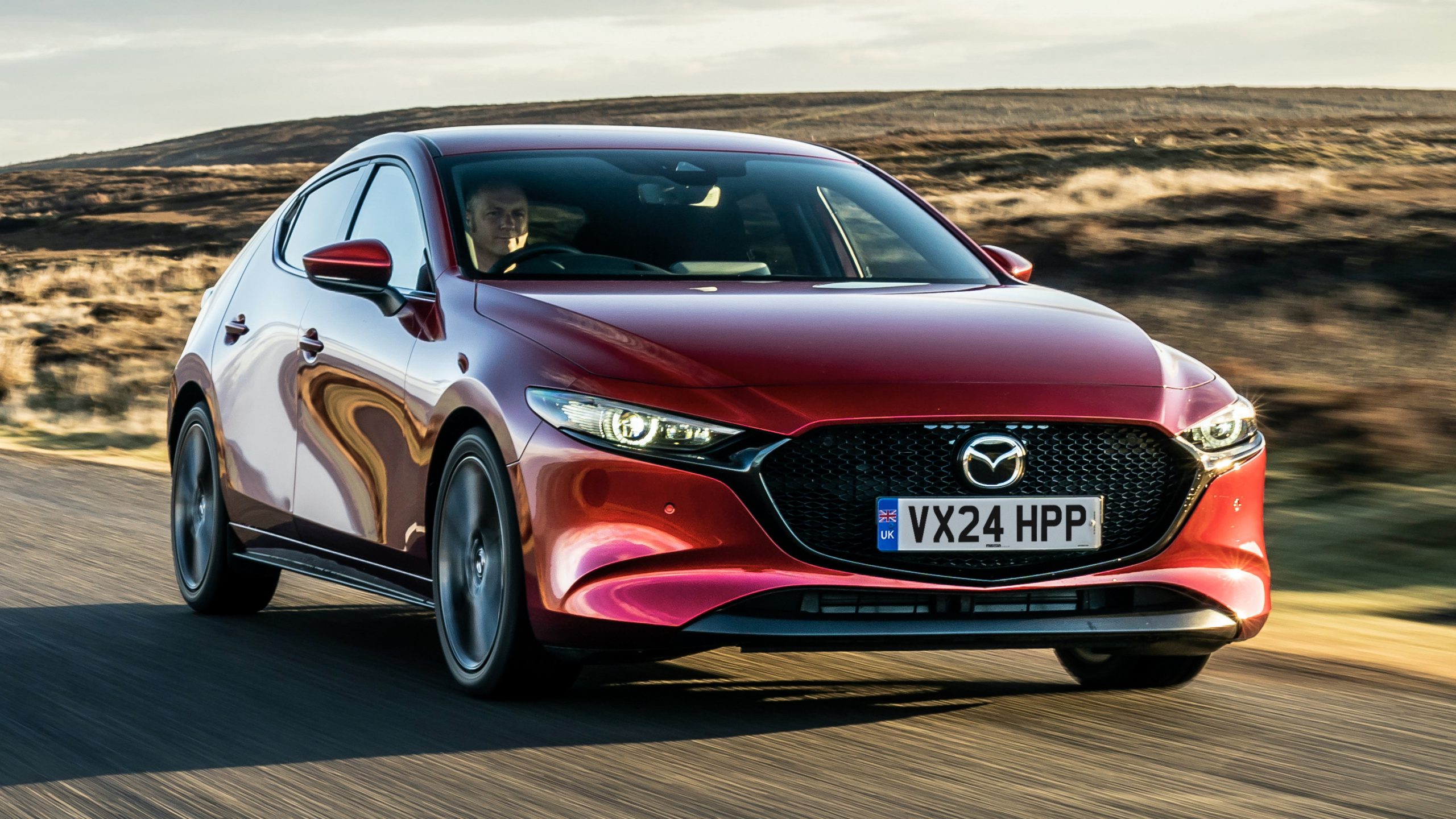
The BMW i3 remains one of the most intelligently engineered small electric vehicles, even though it has been discontinued in some markets. Its carbon-fiber reinforced plastic Life Module makes the car extremely lightweight at approximately 2,800 pounds or 1,270 kilograms.
This contributes to agile handling and a tight turning radius, allowing it to navigate congested city streets with ease. Combined with a low center of gravity, instant electric torque, and narrow tires, the i3 delivers a go-kart-like feel. It feels responsive and confident in stop-and-go traffic. One-pedal driving, with strong regenerative braking, reduces the need for constant brake use and makes city driving less tiring.
The i3’s engineering reflects BMW’s premium ambitions. Its carbon-fiber monocoque, which also underpinned the i8, provides a lightweight but rigid structure. Earlier models included a range-extender engine, but current versions feature a 42.2 kWh battery providing an estimated real-world range of 140 to 150 miles.
The base 170-horsepower i3 accelerates from 0 to 62 mph in 7.3 seconds, while the sportier 184-horsepower i3S reaches the same speed in 6.9 seconds. The i3S adds a wider track, lowered sports suspension, and Dynamic Traction Control, which enhances agility and traction.
Inside, the cabin is modern, bright, and well-built, comfortably seating four adults with a usable trunk. Materials are tactile and high-quality, while controls for driving and infotainment are intuitive. The rear-hinged rear doors can complicate parking in tight spaces but emphasize the car’s distinctive design.
Charging the 42.2 kWh battery is simple but not extremely fast. It reaches 80 percent in about 45 minutes using a 50 kW fast charger. The i3 is efficient, achieving around four miles per kilowatt-hour, which helps compensate for its limited range.
With a starting price of about $40,000, the i3 costs more than the Mini Electric or Fiat 500e but is comparable to the Honda e, Peugeot e-208, and Nissan Leaf. Despite a slightly stiff ride and occasional jittery handling, the i3 continues to set a benchmark for small premium electric vehicles. Its lightweight design, clever engineering, and city-ready performance keep it among the best small premium EVs available.
3. Honda Fit (Jazz): Compact, Versatile, and City-Smart
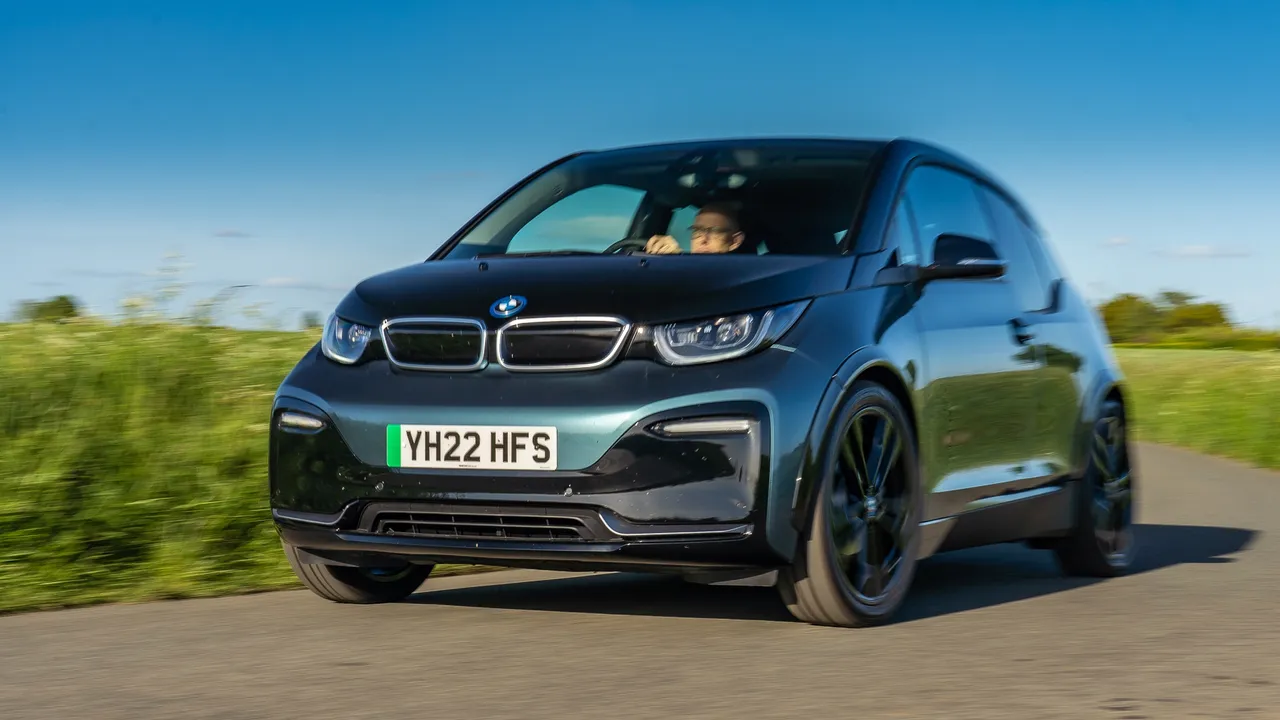
The Honda Fit, also known as the Jazz in some markets, is a subcompact car designed to feel light, agile, and easy to drive in urban environments. Its low curb weight of around 1,084 kilograms, combined with a responsive 1.5L i-VTEC engine and quick-ratio steering, makes it nimble in traffic and effortless to maneuver through tight streets.
The car’s ultra-low beltline, massive windows, and high seating position provide excellent panoramic visibility, reducing blind spots and easing traffic anxiety. This visual openness makes the Fit feel smaller and less intimidating than it actually is, adding to its light and confident driving character.
The Fit’s compact dimensions and boxy design simplify cornering and parking in crowded city streets. Its suspension is tuned for comfort, absorbing minor bumps while maintaining stability, and in hybrid models, electric motor assist ensures smooth and silent stop-start performance. Steering is light and direct, further enhancing its urban agility, making it a practical and responsive choice for city driving.
The defining feature of the Fit is its Magic Seat system, which allows the rear seats to flip up for tall items or fold flat to create a generous 1,205 liters of cargo space.
By placing the fuel tank under the front seats, Honda created a flat floor that maximizes interior versatility, enabling the Fit to carry items that would overwhelm many larger SUVs. This clever use of space has helped the Fit earn a reputation for being “bigger on the inside” than its exterior suggests.
Modern Fit models, particularly 2020 and later, use the e:HEV hybrid system, where the petrol engine primarily powers the electric motors. This setup allows for electric-like operation in city traffic, delivering exceptional efficiency of up to 62.7 miles per gallon.
On the highway, the e-CVT transmission can produce a droning sound under heavy acceleration, and the tall profile introduces some body roll in corners compared to sportier rivals such as the Volkswagen Polo.
The Honda Fit is also known for reliability and low running costs. Average annual repair costs are around $390, well below the segment average. Used models, particularly the third-generation 2015–2020 Fit, offer modern technology like Apple CarPlay and Android Auto, combined with a punchy 130-hp petrol engine.
The Honda Fit is a practical, city-friendly subcompact designed to prioritize visibility, low costs, and interior versatility. It is a “get-things-done” car rather than a status symbol. While newer models carry a premium price tag above competitors like the Toyota Yaris Hybrid, the Fit remains unmatched for urban agility, interior cleverness, and everyday usability.
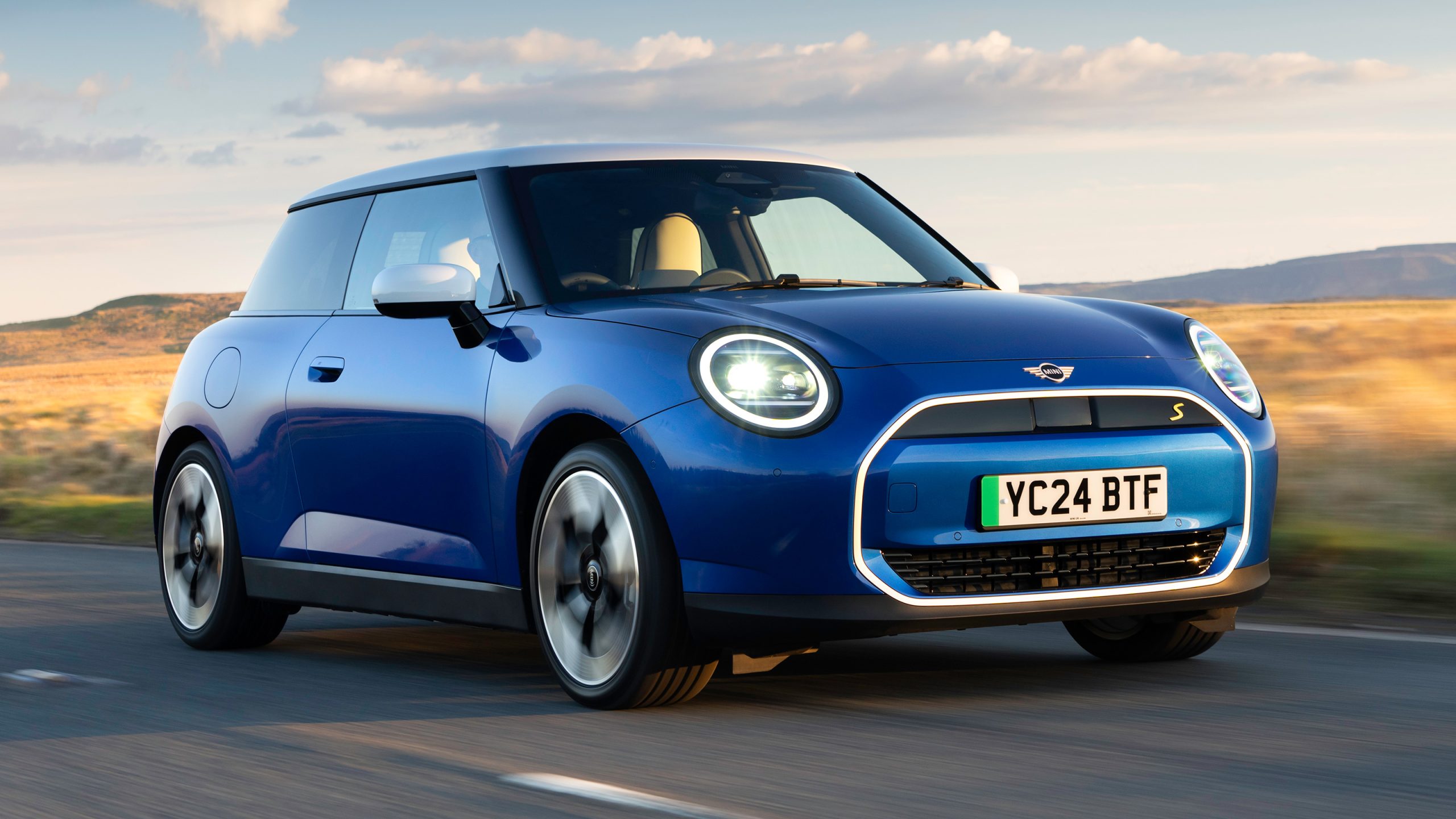
4. Mini Cooper SE: Fun-Focused Electric Agility
The Mini Cooper SE (Electric) offers a distinctive combination of personality, agility, and urban practicality, making it one of the most engaging small EVs on the market. Despite a curb weight of over 1,600 kilograms, the car feels light and nimble in traffic due to its compact dimensions, low center of gravity, and instant electric torque.
The battery is floor-mounted, keeping the center of gravity low and minimizing body roll, while the quick, direct steering and strong regenerative braking make one-pedal driving intuitive and effortless. These characteristics allow the SE to dart through tight city streets and navigate stop-and-go traffic with confidence, delivering a “go-kart” driving sensation that is a hallmark of the Mini brand.
Performance is a strong suit for the Cooper SE. Its 160 kW (215 hp) electric motor propels the car from 0 to 62 mph in 6.7 seconds, providing immediate acceleration from standstill. The front end feels lively and responsive, enhancing urban maneuverability.
While the ride is firm, which can be jarring on rough surfaces, it ensures excellent body control during spirited cornering. Seven driving modes, including Go-Kart and Timeless, allow drivers to adjust throttle response and synthetic soundscapes, giving the car a customizable and playful character.
Range and charging are practical for city use. The 49.2 kWh usable battery delivers an official WLTP range of up to 249 miles, with real-world distances typically between 180 and 220 miles. DC fast charging at 95 kW enables a 10% to 80% charge in around 30 minutes. While sufficient for daily urban use, this is slower than some segment rivals such as the Renault 5 or MG4.
Inside, the cabin is a minimalist, tech-focused space centered around a 9.4-inch circular OLED touchscreen, which controls most vehicle functions, including climate settings. Material quality is high, with recycled knitted textiles replacing traditional leather. Front-seat comfort is excellent, though rear legroom remains tight, and the 210-liter boot is suitable only for small loads such as groceries or a single carry-on bag.
Priced competitively in the premium hatch segment at approximately $36,000 for base models, with higher trims exceeding $48,000, the Mini Cooper SE is a “fun-first” electric car.
It excels as a stylish, engaging city vehicle, offering sharp handling, instant acceleration, and playful character, but its limited rear space, firm ride, and modest range make it less suitable for long-distance travel or family use. For those seeking personality and nimble urban performance, the Cooper SE delivers an unmistakably Mini experience.
5. Volkswagen Golf GTI: Agile, Confident, and Urban-Friendly
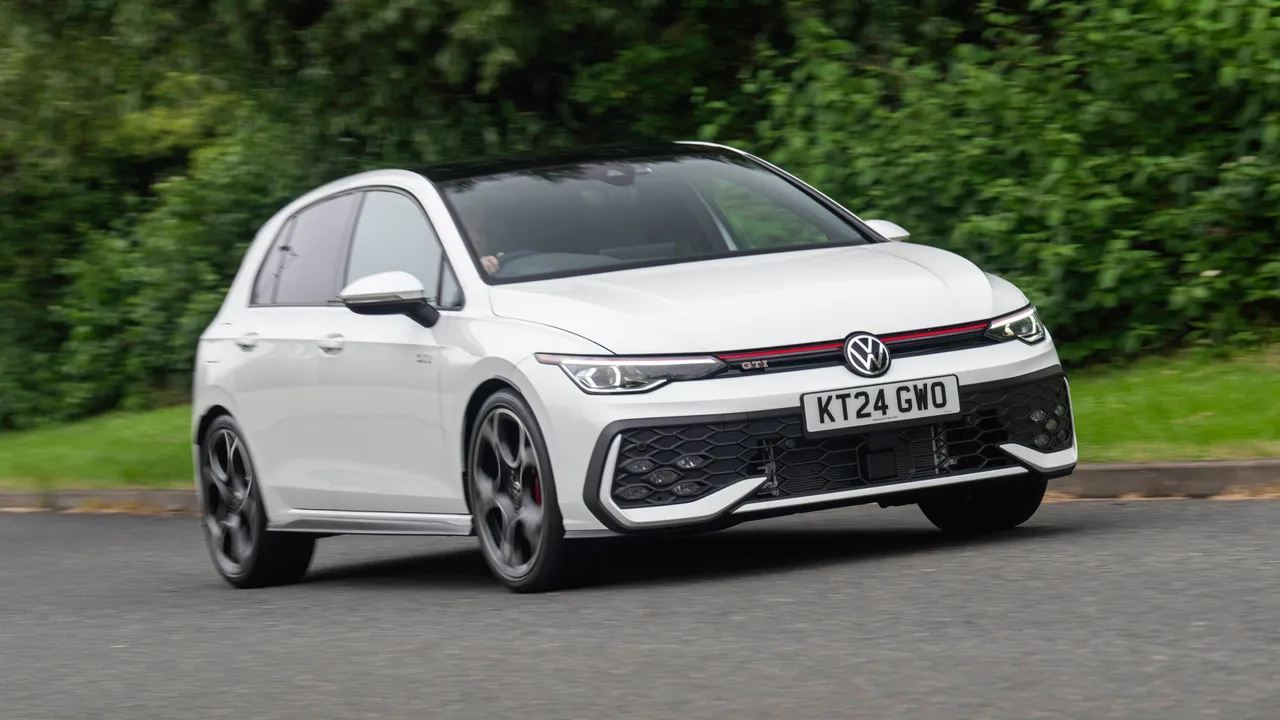
The Volkswagen Golf GTI continues to deliver a dynamic driving experience, combining nimble handling with responsive turbocharged performance. Its curb weight of around 3,100 pounds is modest for a hot hatch, contributing to a light and agile feel in traffic.
The GTI’s weighted yet precise steering allows drivers to maneuver confidently through gaps in traffic without guessing wheel position. Paired with a stiff chassis, compact hatchback design, and quick-shifting seven-speed dual-clutch (DSG) transmission, the GTI feels effortlessly responsive in urban and suburban environments.
The car’s nimbleness comes from multiple design and engineering choices. Its chassis is tuned for sharp direction changes, and a turbocharged 2.0-liter inline-four engine delivers 241 horsepower with abundant low-end torque.
The steering is light and natural-feeling, making city driving less effortful, while the aluminum subframe and stiffened components in the Mk8 model reduce weight and improve front-end responsiveness.
The DSG transmission provides crisp, intuitive shifts, helping the car remain smooth even in stop-and-go traffic. Despite its performance focus, the GTI’s suspension filters out most city road imperfections, offering a comfortable ride, and the hatchback design provides excellent outward visibility, increasing driver confidence.
Performance testing shows the GTI with DSG achieves 0–62 mph in 5.6 seconds, faster than competitors like the Honda Civic Si but slightly behind the Hyundai Elantra N. While the automatic transmission may not feel as engaging as the discontinued six-speed manual, the car’s firm brake pedal, direct steering, and responsive chassis keep it entertaining to drive on both city streets and curvy backroads.
Inside, the GTI cabin balances modern technology with practical space. The interior is airy and comfortable for front and rear passengers, and the boxy hatchback design allows for generous cargo capacity. Volkswagen has upgraded materials and improved touch controls, while a 12.9-inch infotainment screen with MIB4 software, Apple CarPlay, Android Auto, wireless charging, and multiple USB-C ports ensures connectivity.
Safety and convenience are strong points. Standard driver-assistance features include automated emergency braking with pedestrian detection, lane-departure warning, lane-keeping assist, and adaptive cruise control. IQ.Drive offers Emergency Assist to stop the vehicle if the driver becomes unresponsive.
Warranty coverage includes four years or 50,000 miles for both limited and powertrain warranties, with complimentary maintenance for two years or 20,000 miles. Fuel economy for the 2025 GTI is rated at 24 mpg city, 32 mpg highway, and 27 mpg combined, offering a balance of performance and efficiency.
The Volkswagen Golf GTI remains a benchmark for compact performance, combining sharp handling, confident steering, responsive acceleration, and modern technology to create a hot hatch that is both fun and practical for daily driving.
Also read: 5 Cars That Stay Smooth on Rough City Roads vs 5 That Don’t
5 That Feel Overwhelming
1. Chevrolet Suburban: Highway King Struggles in the City
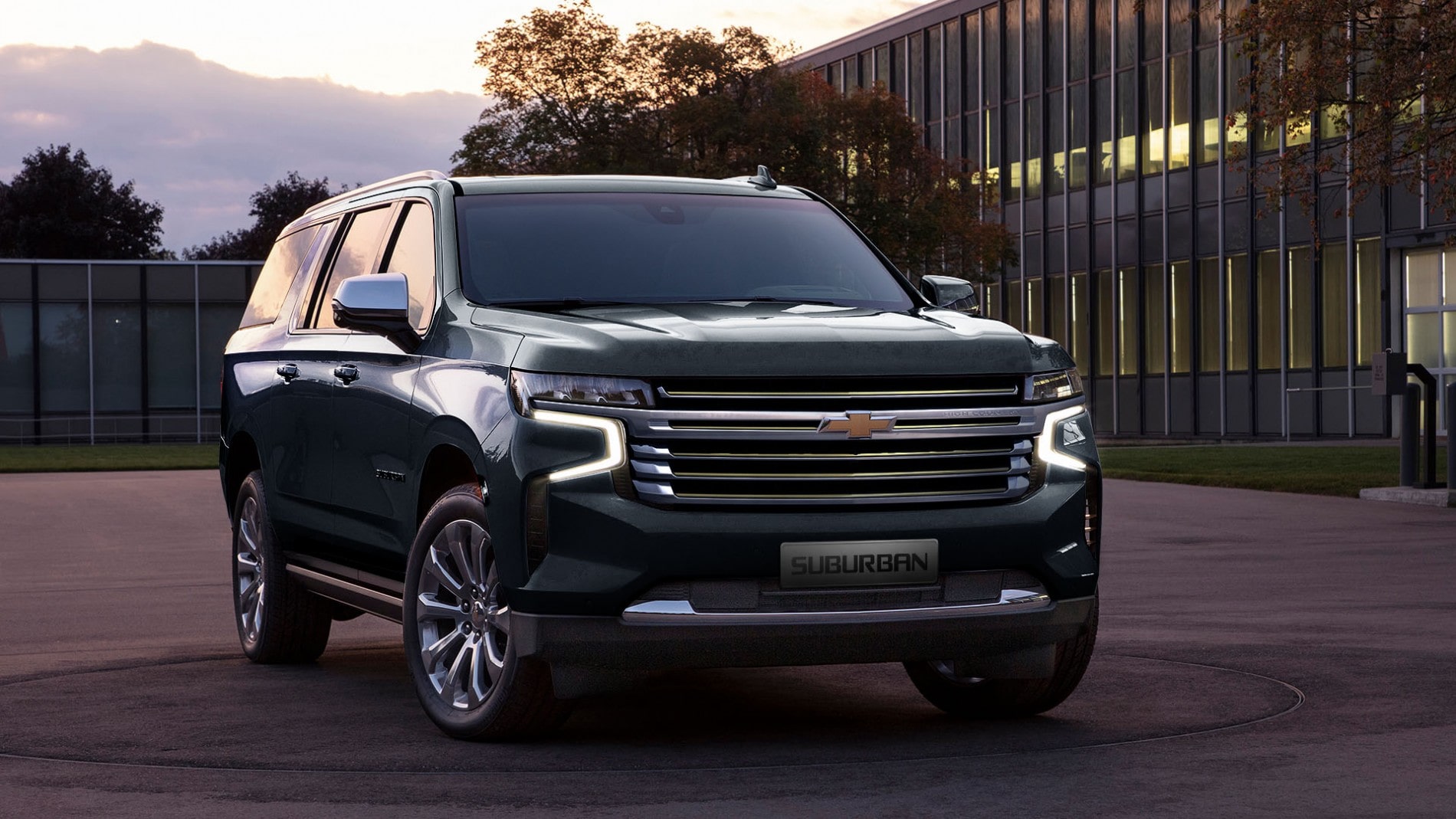
The Chevrolet Suburban is a full-size SUV built for open highways, not dense urban streets. Measuring nearly 18.7 feet long and almost seven feet wide, its sheer size can make city driving overwhelming.
Lane changes require constant attention, and the massive hood obstructs forward visibility, making it feel like piloting a building through narrow corridors. Its truck-based, body-on-frame design adds to the challenge, demanding careful positioning to avoid side mirrors or clipping other vehicles.
Several factors contribute to this traffic-induced stress. Dimensional anxiety is a constant issue, as the Suburban leaves very little clearance in standard city lanes. Severe blind zones further complicate matters; IIHS research shows that full-size SUVs now offer only about 28 percent visibility of the area ten meters ahead.
Small cars, motorcycles, and pedestrians can easily vanish behind the tall, blunt hood, increasing the risk of incidents in stop-and-go traffic. The long wheelbase results in a 43.3-foot turning circle, making quick lane changes or sharp turns nearly impossible without multiple maneuvers.
The vehicle’s heavy curb weight of nearly 7,500 pounds also impacts braking, requiring greater force and distance to stop safely, creating a “ponderous” handling experience in tight quarters.
To help manage these challenges, the Suburban offers technology aids such as the Chevy Safety Assist suite, which includes Lane Keep Assist and Side Blind Zone Alert. HD Surround Vision uses up to 13 camera views to give the driver a better sense of the vehicle’s boundaries, reducing the mental load during low-speed maneuvers.
While the Suburban delivers a commanding, king-of-the-road presence on highways, its enormous size can make city driving stressful and fatiguing. For drivers seeking similar capability with improved urban maneuverability, the Chevrolet Tahoe offers a shorter, more agile alternative while retaining the same width, power, and highway performance.
2. Jeep Gladiator: Off-Road DNA Challenges City Driving
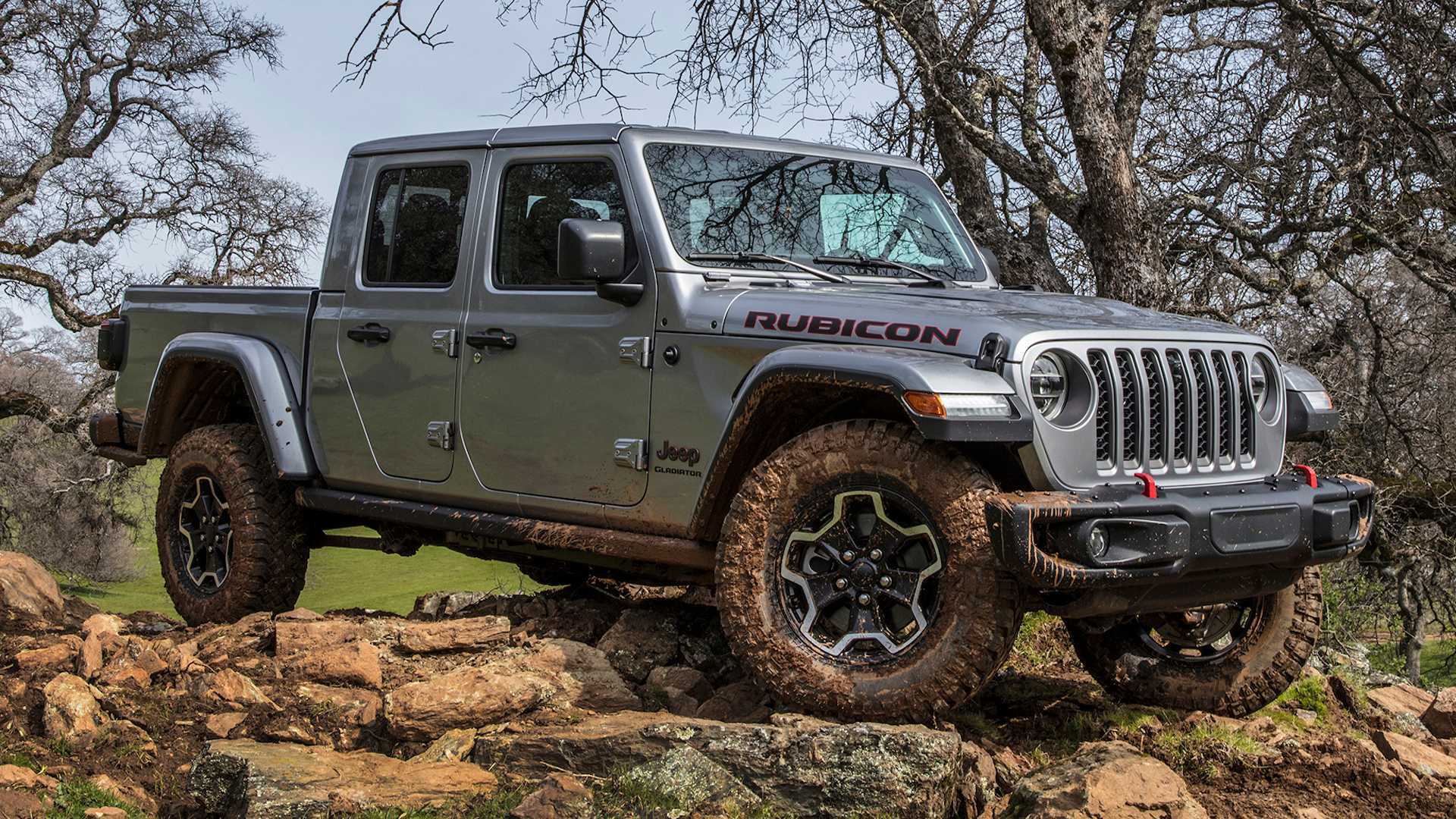
The Jeep Gladiator is built for off-road dominance, but its trail-focused design can make city driving mentally and physically demanding. Unlike modern vehicles with independent front suspension, the Gladiator uses a solid front axle.
While excellent for rock crawling, this setup produces vague steering and constant wheel wander in tight lanes. Drivers must make continuous micro-corrections to stay centered, which quickly increases mental load and fatigue in heavy traffic.
The Gladiator’s long wheelbase and boxy profile add to the difficulty. At significantly longer than a standard Wrangler, with a five-foot bed and wide fenders, it can be hard to judge the vehicle’s edges. Thick pillars and an upright windshield create blind spots that make lane changes, merges, and tight turns more stressful than in typical SUVs.
Sensory overload compounds the challenge. The vertical windshield, removable roof panels, and lack of aerodynamic refinement result in loud wind and tire noise, while the solid-axle suspension transmits vibrations into the cabin.
Even short periods in stop-and-go traffic can feel exhausting, as the combination of noise, vibration, and steering effort overwhelms the senses. The Gladiator’s blunt, box-like shape also makes it vulnerable to crosswinds and truck wash, requiring a firm grip on the wheel when large vehicles pass.
Owners often address these issues with all-terrain tires that handle better on pavement or by adding a heavy-duty steering stabilizer to reduce road feedback. These adjustments can improve the experience, but the Gladiator’s off-road DNA ensures it will never feel as composed or effortless in urban conditions as a conventional pickup or SUV.
While exceptional off-road, the Jeep Gladiator is challenging in city traffic. Its solid-axle steering, long wheelbase, and sensory-heavy cabin demand constant attention, making short trips mentally taxing for drivers accustomed to lighter, more urban-focused vehicles.
3. Tesla Cybertruck: Futuristic Design Challenges City Driving
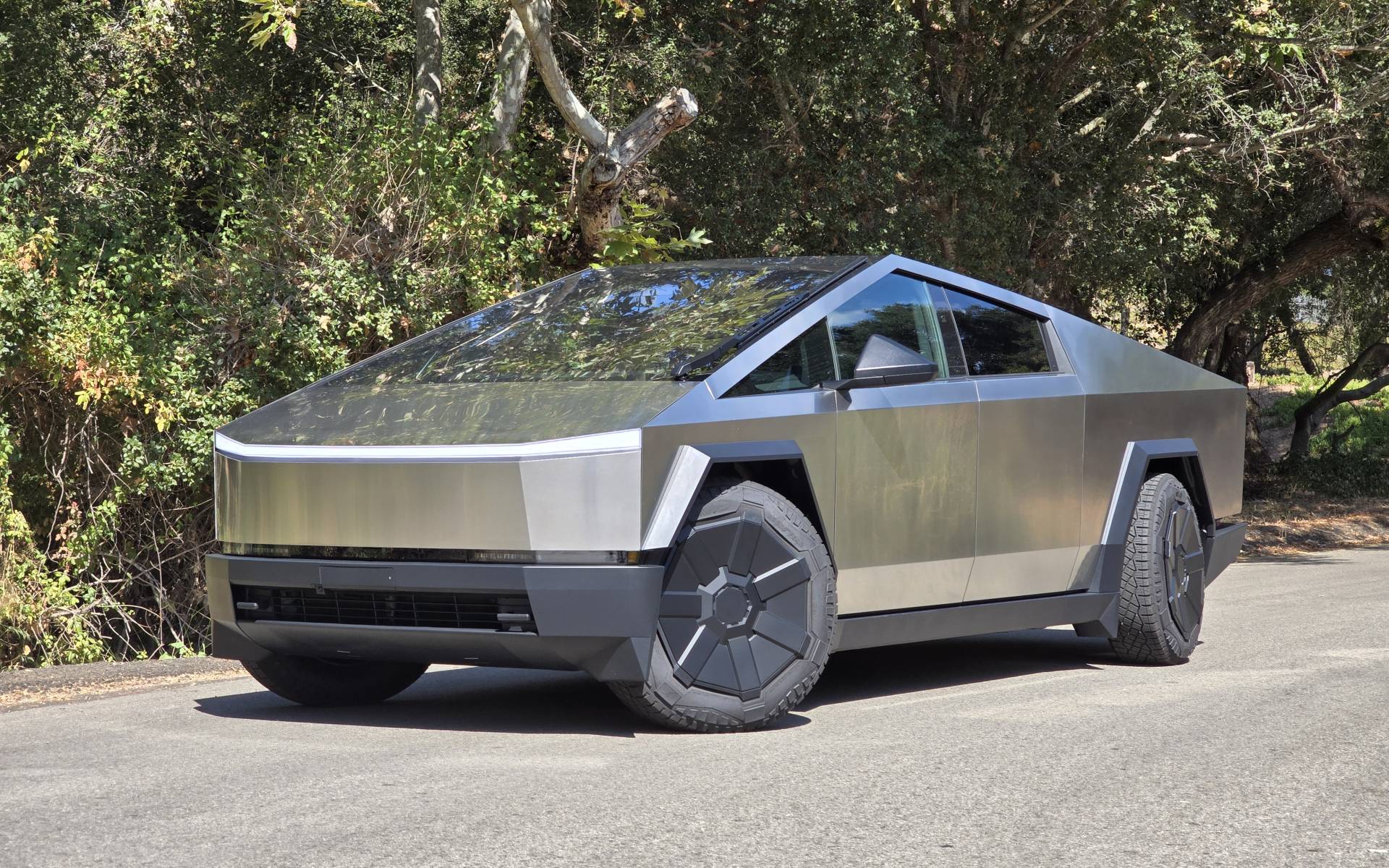
The Tesla Cybertruck stands out for its radical design, but its unconventional shape and size can make driving in traffic overwhelming. Its stainless steel exoskeleton, sharp angles, and thick pillars create a bulky sensation, making it difficult to judge where the vehicle ends when threading through tight spots.
At nearly 7,000 pounds, the truck carries far more momentum than standard passenger vehicles, which can intimidate other drivers and demand extra caution from its own operator.
The Cybertruck’s visibility limitations further complicate city driving. While the windshield offers a clear forward view, the thick rear pillars and tiny rear window often block when the tonneau cover is closed force reliance on cameras.
This video-only perspective can make lane changes and merging feel disconnected and stressful. The truck’s angular design also creates significant blind spots along the sides, making spatial awareness a constant concern.
Its futuristic styling produces unexpected traffic effects. The polygonal body and unpainted stainless steel finish draw attention from other motorists, who may slow down or behave unpredictably to take photos, disrupting the flow of traffic. Drivers must also contend with the high-intensity LED light bar, which can produce glare and affect oncoming vehicles.
Some operators find the Cybertruck’s Full Self-Driving system overwhelming, as it occasionally struggles with complex intersections or executes sudden maneuvers, requiring instant human intervention. The combination of size, visibility challenges, and unconventional technology creates a sensory-heavy driving experience that is mentally taxing, particularly in dense urban environments.
The Tesla Cybertruck prioritizes a futuristic, tank-like aesthetic over conventional road norms. While its design makes a bold statement, its sheer mass, visibility constraints, and attention-grabbing presence make it one of the most demanding vehicles to operate in traffic.
4. Rolls-Royce Cullinan: Luxury Comfort Meets Urban Challenge
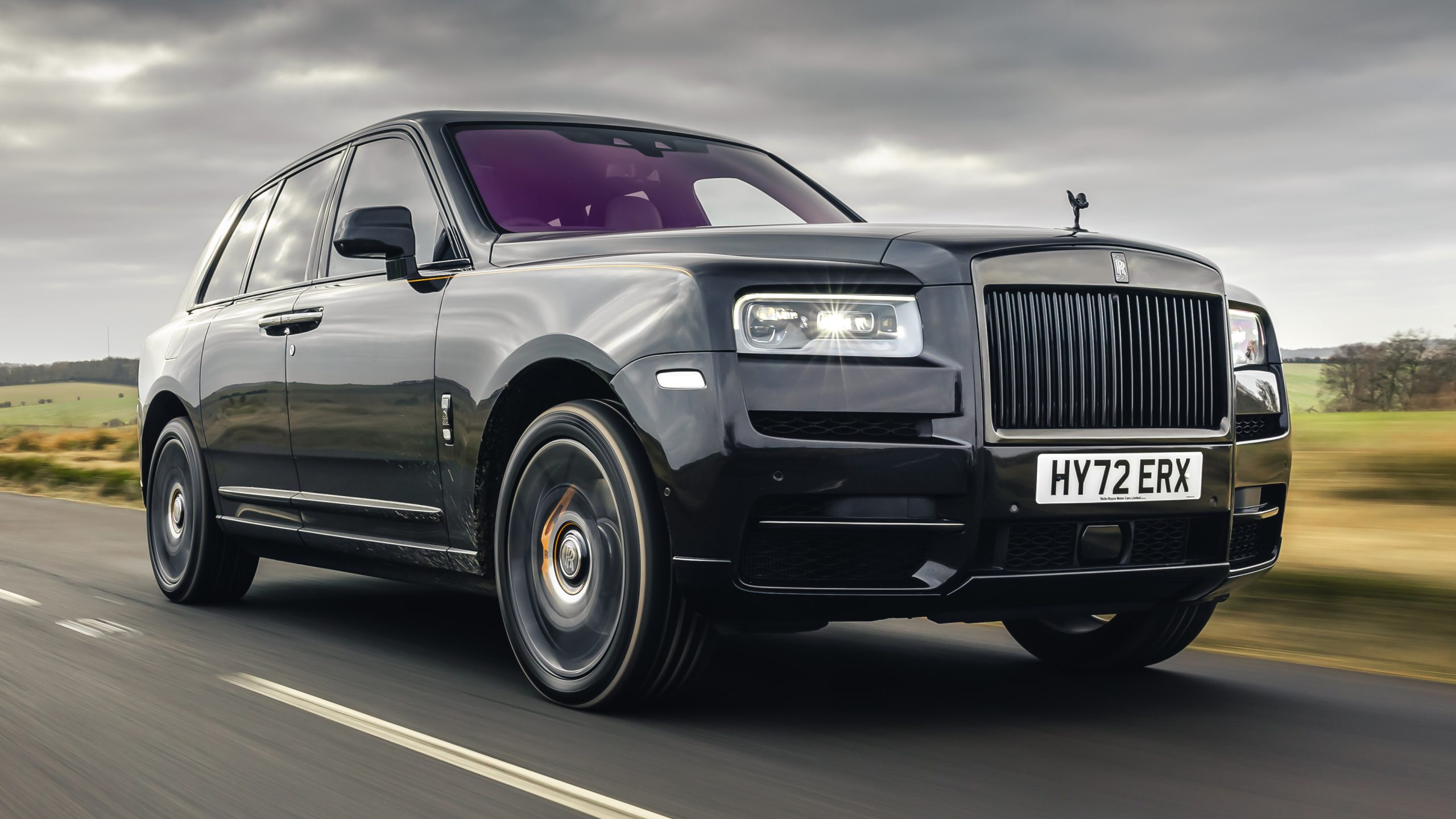
The Rolls-Royce Cullinan represents the pinnacle of automotive luxury, delivering the famed “Magic Carpet Ride,” but its sheer size and weight make city driving a demanding experience.
At over 17.5 feet long and 2 meters wide, the Cullinan occupies nearly the full width of standard traffic lanes, creating a claustrophobic sensation in congested streets. Weighing more than 6,000 pounds, its immense mass requires careful attention when braking, turning, or changing lanes, even with four-wheel steering to aid maneuverability.
The vehicle’s steering is deliberately light and slow, enhancing highway composure but making precise control in tight intersections feel like piloting a luxury liner. Drivers must constantly account for the Cullinan’s inertia, which amplifies the effort required in urban stop-and-go traffic.
Visibility is another challenge. The elevated hood, prominent front grille, and Spirit of Ecstasy hood ornament can obscure nearby low-lying objects or smaller vehicles. Although a 360-degree camera system and night vision provide technological assistance, drivers must divide attention between screens and surrounding traffic, increasing cognitive load in fast-moving or chaotic situations.
The Cullinan also imposes psychological and social pressures. The vehicle’s half-million-dollar price tag means even minor scrapes carry significant financial consequences, heightening alertness and stress levels. Its commanding presence draws constant attention from pedestrians and other drivers, adding a layer of perceived scrutiny during everyday maneuvers.
In short, while the Cullinan isolates occupants with supreme comfort and a refined cabin, driving it in dense urban environments demands heightened focus, spatial awareness, and patience.
The combination of physical size, weight, visibility limitations, and social expectations transforms city driving into a careful, high-stakes exercise rather than a leisurely experience, demonstrating that extreme luxury comes with unique urban compromises.
5. Ram 3500 Dually: Heavy-Duty Power Meets Urban Stress
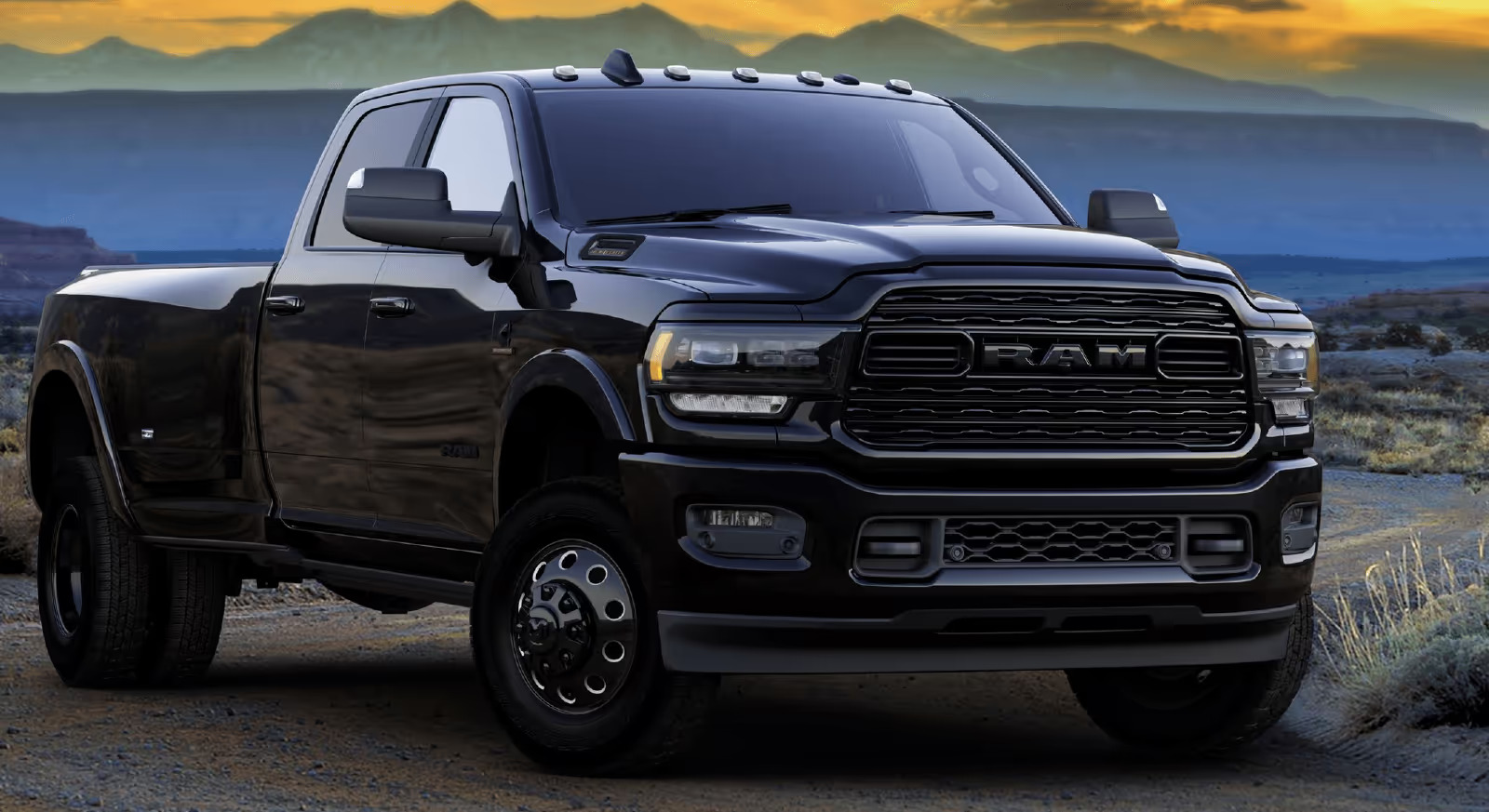
The Ram 3500 Dually is built for extreme towing and heavy workloads, but its massive size and specialized engineering make city driving overwhelming. With a width of roughly 96.5 inches and dual rear wheels extending beyond the side mirrors, drivers are constantly managing a wide-load vehicle.
Standard U.S. traffic lanes of 10 to 12 feet leave only about a foot of clearance on either side, making lane-keeping a high-focus task. Its length, often exceeding 21 feet, makes tight turns, urban intersections, and parallel parking extremely challenging.
The truck’s visibility limitations exacerbate the stress. Wide rear fenders, tall ride height, and the dual rear-wheel setup create significant blind spots. Smaller cars, motorcycles, and cyclists can vanish from view without the aid of 360-degree cameras or Digital Rearview Mirror systems, making lane changes in dense traffic nerve-wracking. Blind Spot Monitoring becomes almost essential for urban operation.
The unladen ride adds to driver fatigue. The rear leaf-spring suspension, designed to support over 37,000 pounds of towing, does not compress well when the truck is empty. This results in a harsh, bouncy experience over potholes and expansion joints, which can be physically taxing during stop-and-go traffic.
Mechanical considerations also affect city usability. The 6.7-liter Cummins diesel engine requires high operating temperatures to maintain the Diesel Particulate Filter, making short trips and idling potentially problematic. The Aisin heavy-duty transmission, optimized for towing, can feel jerky or hesitant at low speeds.
While the Ram 3500 Dually provides unmatched stability for towing large trailers, it is not ideal for urban commuting. Drivers seeking a heavy-duty truck that is easier to manage daily may prefer the Ram 2500 with rear coil springs, which balances capability with greater maneuverability and comfort in city traffic.
Selecting a car for city driving is influenced by both perception and performance. Cars that feel light and agile, thanks to compact design, precise steering, and clever engineering, make urban traffic more manageable and less stressful.
Large or heavy vehicles with limited visibility and wide dimensions increase cognitive load and demand constant attention, even when advanced safety features are present. Comparing these two extremes highlights how design choices shape the everyday driving experience.
Drivers who consider size, maneuverability, and comfort can find vehicles that make stop-and-go traffic smoother and more enjoyable. Understanding these differences empowers commuters to balance efficiency, control, and peace of mind during daily drives in urban environments.
Also read: Top 10 Cars That Still Look Like the Future Today