When it comes to vehicle ownership, not all cars are created equal in terms of storage needs. Some are built tough, engineered to withstand the elements, and thrive parked outdoors, while others rely on controlled environments to preserve their advanced electronics, exotic materials, or classic finishes.
Understanding which vehicles can handle life without a garage and which ones demand indoor protection can save owners significant maintenance costs and headaches. In this guide, we explore five vehicles that work well without a garage, including rugged pickups and dependable sedans, alongside five high-end or vintage models that require careful indoor storage to maintain performance, aesthetics, and resale value.
Whether you live in an urban apartment with limited parking or a spacious home with a garage, knowing which vehicles are resilient and which are delicate will help you make smarter ownership decisions and protect your investment.
5 Vehicles That Work Well Without a Garage
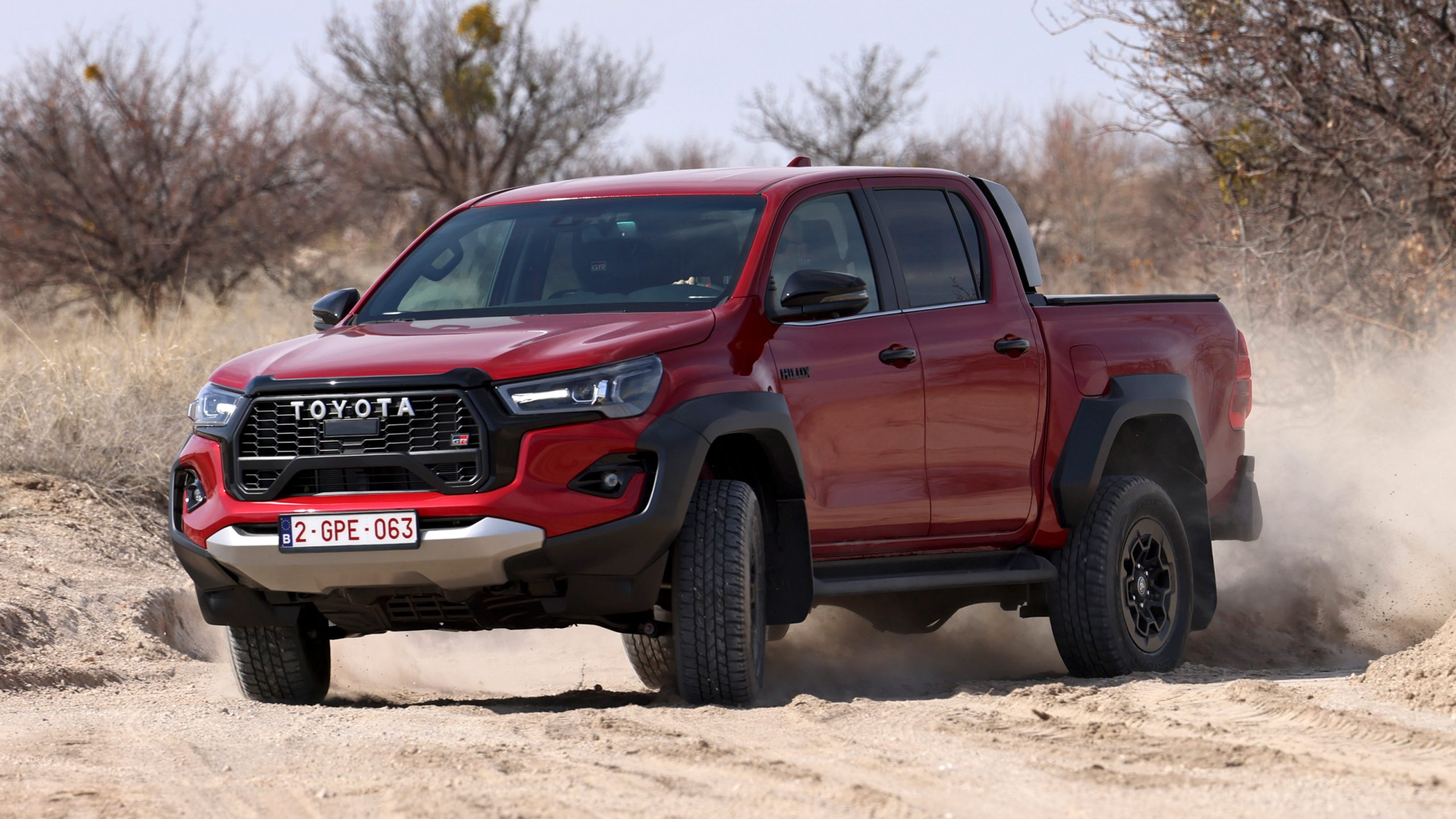
1. Toyota Hilux: Durable Workhorse Meets Modern Comfort
The Toyota Hilux is renowned for its “bulletproof” reliability, rugged construction, and ability to thrive without a garage. Its high-nickel steel engines, body-on-frame construction, and rust-resistant finishes make it exceptionally resilient to extreme weather and heavy use.
High ground clearance, robust suspension, and a simple, utilitarian design allow it to endure harsh conditions, off-road terrain, and industrial workloads while remaining easy to maintain with minimal reliance on complex electronics. This combination of toughness and practicality has cemented the Hilux as a dependable workhorse.
Since 1968, Toyota has sold over 27 million Hilux units worldwide, making it one of the most popular pickups outside the United States. Its rally pedigree includes four Dakar Rally victories, most recently in 2025, showcasing its off-road capability and durability.
Rising competition from lifestyle-focused pickups like the Ford Ranger and VW Amarok prompted Toyota to modernize the Hilux, blending its traditional resilience with contemporary features.
Recent updates include a more powerful 2.8-litre engine option that improves motorway performance compared to the workaday 2.4-litre, along with automatic transmissions, heated leather seats, LED lighting, JBL audio, dual-zone climate control, and advanced safety and connectivity features such as panoramic view monitors and remote diagnostics. A 48V mild-hybrid variant enhances efficiency and smoothness in traffic, though it provides only minor power assistance.
For enthusiasts, the Hilux GR Sport models offer Dakar-inspired styling, stiffer suspension, and performance-tuned handling while maintaining the vehicle’s durability. Toyota has also retuned the suspension to improve ride comfort when lightly loaded, appealing to modern lifestyle users without alienating traditional Hilux buyers.
The cabin remains practical rather than luxurious, the driving position is functional, and the infotainment system is basic, reinforcing that this vehicle is built to work rather than impress. The 2.8-litre engine addresses prior performance limitations, and the hybrid provides modest efficiency gains.
Prices for the 2025 Hilux start at around $54,000 for the Invincible trim, with hybrid models approaching $61,000. Its blend of toughness, versatility, and modern features ensures the Hilux remains a dependable, durable, and unpretentious pickup, equally suited for demanding work or recreational adventures.
2. Subaru Outback: Rugged, Practical, and Ready for the Outdoors
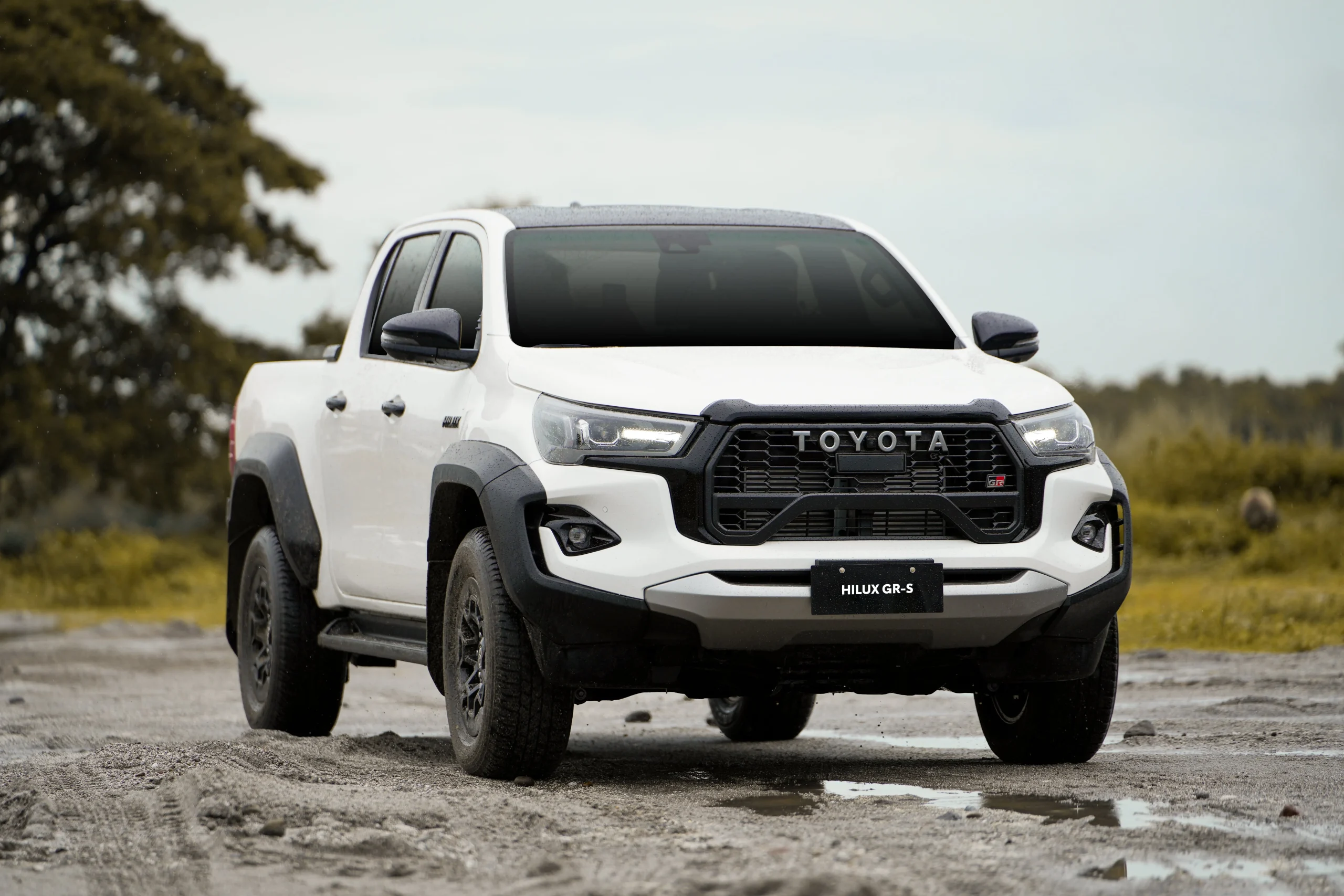
The Subaru Outback is designed to perform reliably in challenging conditions, making it ideal for drivers who park outdoors or live an active lifestyle. Its standard Symmetrical All-Wheel Drive and high ground clearance provide excellent traction and stability in snow, rain, and on uneven terrain.
Outbacks in wet or high-moisture regions show fewer weather-related problems than many competitors, reflecting the model’s durability. Practical features such as a large cargo area, versatile storage hooks, and easily accessible maintenance points make the Outback convenient for long-term outdoor use. Regular washing, waxing, checking oil levels, and maintaining the battery help maximize the vehicle’s lifespan.
The Outback comes with two engine options: a 180-horsepower 2.5-liter four-cylinder base engine or a 260-horsepower turbocharged 2.4-liter engine available on XT trims and standard in the Wilderness model. Both engines are paired with a continuously variable automatic transmission and standard all-wheel drive.
Selectable terrain modes and high ground clearance support light off-road performance. The standard Outback is comfortable and quiet, but the base engine feels sluggish, and the CVT can feel jerky.
The turbo engine improves responsiveness, and the Wilderness trim, with 9.5 inches of ground clearance, adaptive dampers, and all-terrain tires, offers better handling on pavement and off-road. Estimated 0–60 mph times are 8.8 seconds for the base engine and 6.6 seconds for the turbo engine.
Inside, the Outback has a modern cabin with a dual-panel digital instrument cluster and a 12.1-inch infotainment screen. Physical climate controls are easy to use, and Apple CarPlay and Android Auto come standard. The roofline has been raised to improve headroom, and cargo space has increased by two cubic feet compared with the previous model.
Towing capacity is 2,700 pounds with the base engine and 3,500 pounds with the turbo engine. Fuel economy is rated at 25 mpg city and 31 mpg highway for the base engine, and 21 to 27 mpg for turbo and Wilderness models, depending on configuration.
Safety features include Subaru’s EyeSight suite with forward-collision warning, automated emergency braking, adaptive cruise control with lane-keeping, and hands-free highway driving up to 85 mph. Blind-spot monitoring and rear cross-traffic alert are available. Subaru provides a three-year or 36,000-mile limited warranty and a five-year or 60,000-mile powertrain warranty.
The Outback combines durability, all-weather capability, practical design, and modern technology to create a reliable and versatile vehicle suitable for outdoor parking, recreational adventures, and daily driving.
3. Honda Civic: Reliable, Low-Maintenance, and Garage-Free Ready
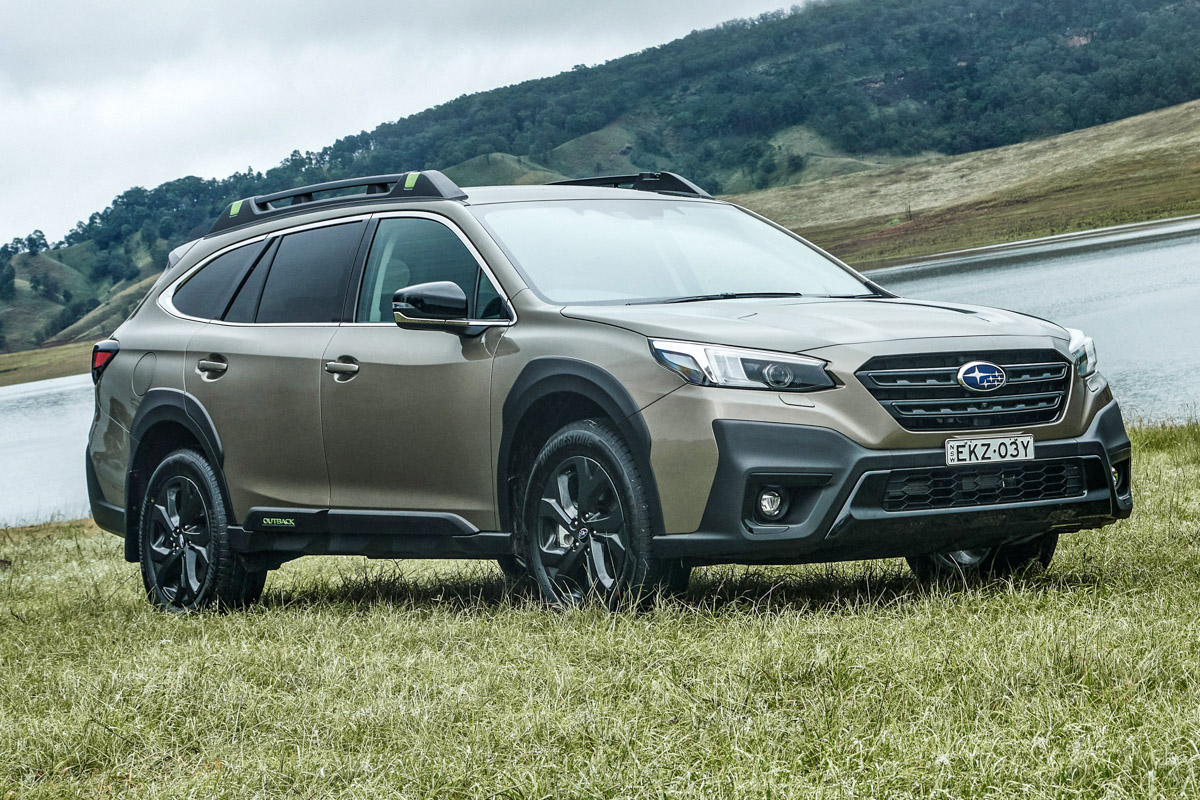
The Honda Civic is widely recognized for its reliability, durability, and ease of maintenance, making it an excellent choice for drivers who frequently park outdoors. Its compact design and high-quality seals help prevent water ingress, while its mechanical simplicity reduces the risk of sensor failures caused by temperature changes or humidity.
Many Civics last well over 200,000 miles with basic care, demonstrating their ability to handle daily commutes and varied weather conditions without requiring covered storage.
Key reasons the Civic excels in outdoor environments include its reliability, simple maintenance, affordability, and modern convenience features. Older models, particularly those from 1996 to 2011, are highly serviceable with basic tools, reducing dependency on garages.
Newer models include features such as Remote Engine Start, allowing drivers to warm up the car in cold weather without shelter. While extended exposure to harsh elements may cause minor fading to paint or interior surfaces, the Civic’s robust construction minimizes long-term risks.
Engine options include a 150-horsepower 2.0-liter four-cylinder nonhybrid and a 200-horsepower 2.0-liter four-cylinder hybrid paired with two electric motors. Both use a continuously variable automatic transmission and send power to the front wheels.
The base model is sufficient for urban driving, while the hybrid offers quicker acceleration, reaching 60 mph in approximately 6.2 seconds compared with 8.9 seconds for the nonhybrid. The hybrid’s smooth power delivery provides nearly the same driving satisfaction as sportier Civic models.
The Civic’s interior is practical and comfortable, seating five passengers. Front seats are generous, and rear space accommodates two adults comfortably. Cargo capacity is versatile, with the sedan fitting six carry-on suitcases and up to 17 with rear seats folded, while the hatchback allows even slightly more storage. Infotainment options include a 7.0-inch touchscreen as standard, with a 9.0-inch unit available, supporting Apple CarPlay, Android Auto, and wireless connections on hybrids. Optional features include navigation, a wireless charging pad, and a premium 12-speaker Bose audio system.
Safety features include standard automated emergency braking, lane-keeping assist, and adaptive cruise control, with optional blind-spot monitoring, rear-cross-traffic alert, and parking sensors. Warranty coverage is three years or 36,000 miles for the limited warranty, five years or 60,000 miles for the powertrain, and eight years or 100,000 miles for hybrid components, with one year or 12,000 miles of complimentary maintenance.
The Honda Civic combines long-term reliability, practical design, low-maintenance requirements, and efficient performance, making it a dependable, affordable, and versatile vehicle that performs well even without a garage.
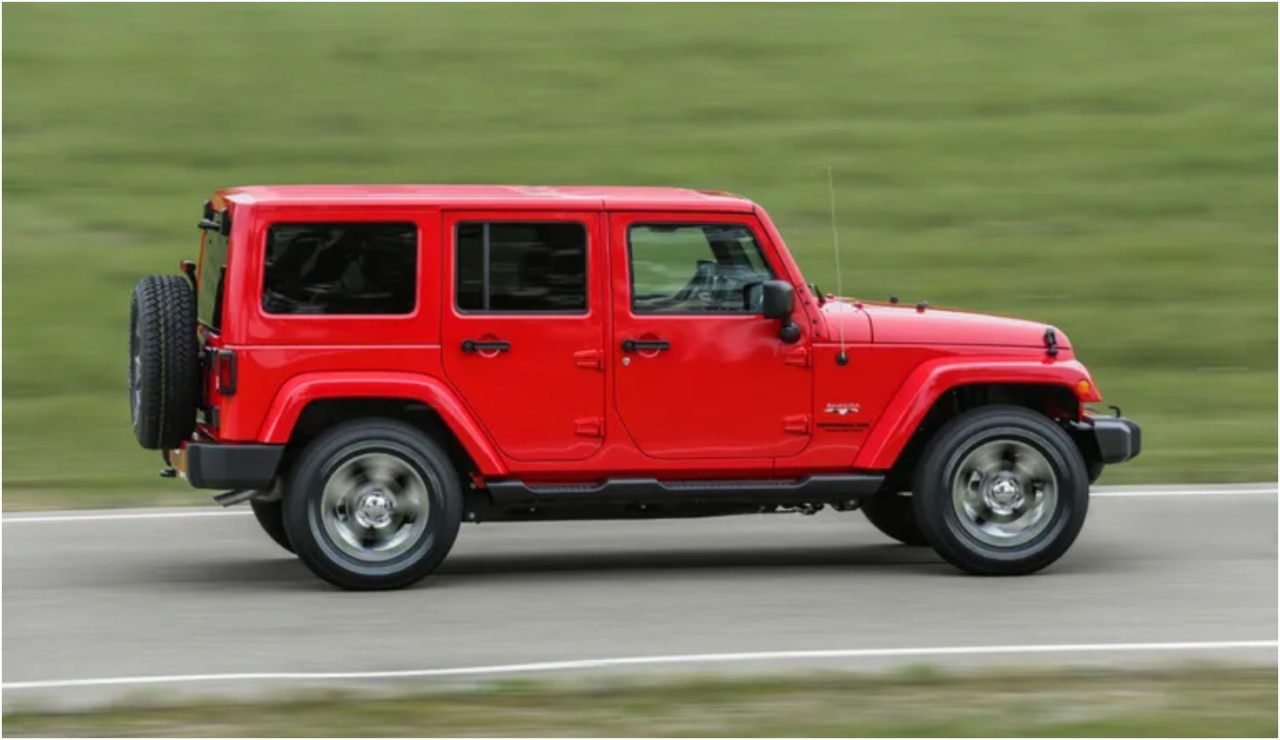
4. Jeep Wrangler Hardtop: Rugged, Secure, and Garage-Free Ready
The Jeep Wrangler with a hardtop is designed to thrive in outdoor conditions, making it an excellent choice for year-round parking without a garage. Its durable hardtop, constructed from thick fiberglass, provides superior protection against rain, snow, sun, and theft compared with soft-top models.
Modern hardtops feature improved corrosion-resistant coatings, better insulation, and glass windows that resist scratching and hazing. Many models also include modular Freedom Top panels, allowing drivers to remove only the front sections for an open-air experience while keeping the rear roof in place.
Key reasons the Wrangler excels without a garage include weather durability, enhanced security, and winter readiness. Hardtops protect the interior from extreme temperatures, reduce road and wind noise, and prevent theft more effectively than soft tops.
Even when fully removed, hardtops can be stored outdoors using weatherproof tarps, storage racks, or hoists, making them practical for drivers without covered storage. The hardtop’s insulation and rigid construction are especially valuable in cold climates, keeping the cabin warmer and quieter.
Off-road performance remains the Wrangler’s strongest attribute. Body-on-frame construction, solid axles, generous ground clearance, and advanced four-wheel-drive systems, particularly in Rubicon trims with locking differentials and sway-bar disconnects, make the Wrangler one of the most capable off-road vehicles available.
On-road performance is less refined, with a bouncy ride, vague steering, and noticeable wind and tire noise, although the hardtop helps reduce these issues compared with a soft top.
Hardtop-specific benefits include improved thermal insulation, security, durability, and features such as rear window wipers, washers, and defrosters. Drawbacks include weight, bulk, storage requirements, and higher cost, as full removal typically requires two people or specialized hoist equipment.
Reliability is mixed. J.D. Power gives the 2025 Wrangler a predicted reliability score of 85 out of 100. Common issues reported by owners include engine concerns, transmission faults, electrical glitches, and occasional water leaks, though the hardtop reduces the risk of interior water damage compared with soft-top models.
The hardtop Jeep Wrangler combines legendary off-road capability with practical daily-driver benefits, including superior weather protection, improved insulation, and enhanced security.
While its on-road handling and ride comfort are less polished than conventional SUVs, and some mechanical and electrical issues may arise, it remains an iconic, durable, and highly versatile vehicle capable of functioning effectively without a garage.
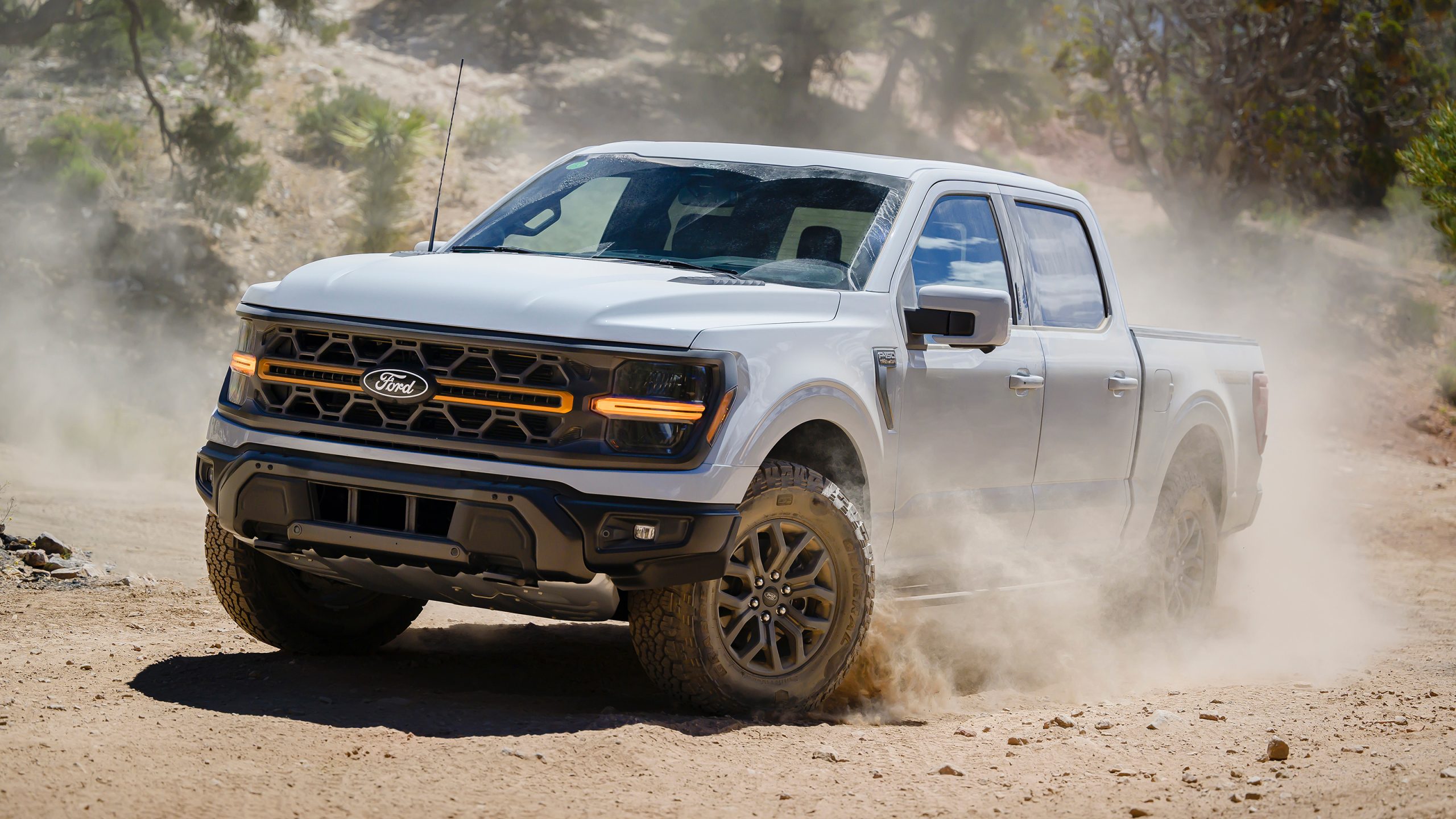
5. Ford F-150: Durable, Heavy-Duty, and Garage-Free Ready
The Ford F-150 is engineered for rugged, long-lasting performance, making it an ideal vehicle for outdoor parking and heavy-duty work. Its aluminum-intensive body, introduced in 2015, is corrosion-resistant and less prone to rust than traditional steel, allowing the truck to endure sun, rain, snow, and other harsh elements over decades.
Combined with a high-strength steel frame, armored front differential, and robust suspension components, the F-150 is designed to operate reliably even without a garage. Its size often exceeds 19 feet, meaning driveway or street parking is the norm rather than an inconvenience.
Key reasons for its outdoor capability include corrosion resistance, rugged construction, cold-weather readiness, and easy access to essential mechanical components for maintenance. Annual undercoating and ceramic exterior coatings can further protect against rust, while electric F-150 Lightning models require an adequate charger to maintain battery performance in freezing conditions.
Some engines, like the 5.0-liter V-8, may consume oil, and certain 3.5-liter EcoBoost units can produce a “death rattle” on cold starts, highlighting the importance of regular monitoring.
Engine options span a 325-hp twin-turbo 2.7-liter V-6, a 400-hp 5.0-liter V-8, a 400-hp twin-turbo 3.5-liter V-6, and a 430-hp hybrid pairing the twin-turbo 3.5-liter with a 47-hp electric motor. All models come with a 10-speed automatic and are available in rear-wheel or four-wheel drive.
The F-150’s Tremor and FX4 packages enhance off-road capability with features like locking rear differentials, upgraded suspension, and 33-inch all-terrain tires. While the truck excels off-road, on-road handling can be bouncy due to leaf springs, though steering remains solid and responsive.
Fuel economy varies by engine, with the hybrid achieving approximately 20 mpg on highways and conventional engines ranging from 15 to 25 mpg.
The truck offers significant towing and payload capacities, up to 13,500 pounds and 2,455 pounds, respectively, keeping it competitive with other full-size pickups. Cargo space varies by bed length from 5.5 to 8 feet, with optional onboard generators on hybrid models for job-site power.
The cabin balances comfort and utility, with spacious seating, numerous storage cubbies, and higher-end trims offering luxury-level finishes. Infotainment includes a standard 12-inch touchscreen with Sync 4 software, Bluetooth, Apple CarPlay, Android Auto, and optional premium audio and navigation.
Safety features include automated emergency braking, blind-spot monitoring, lane-keeping assist, and optional 360-degree cameras and hands-free Blue Cruise driving.
Ford provides a three-year/36,000-mile limited warranty and a five-year/60,000-mile powertrain warranty, though no complimentary scheduled maintenance is included. With its combination of durability, heavy-duty performance, and weather resistance, the F-150 remains a reliable, versatile, and garage-independent full-size pickup.
Also read: 5 Cars That Cope With Midwest Winters vs 5 That Develop Seasonal Problems
5 That Need One
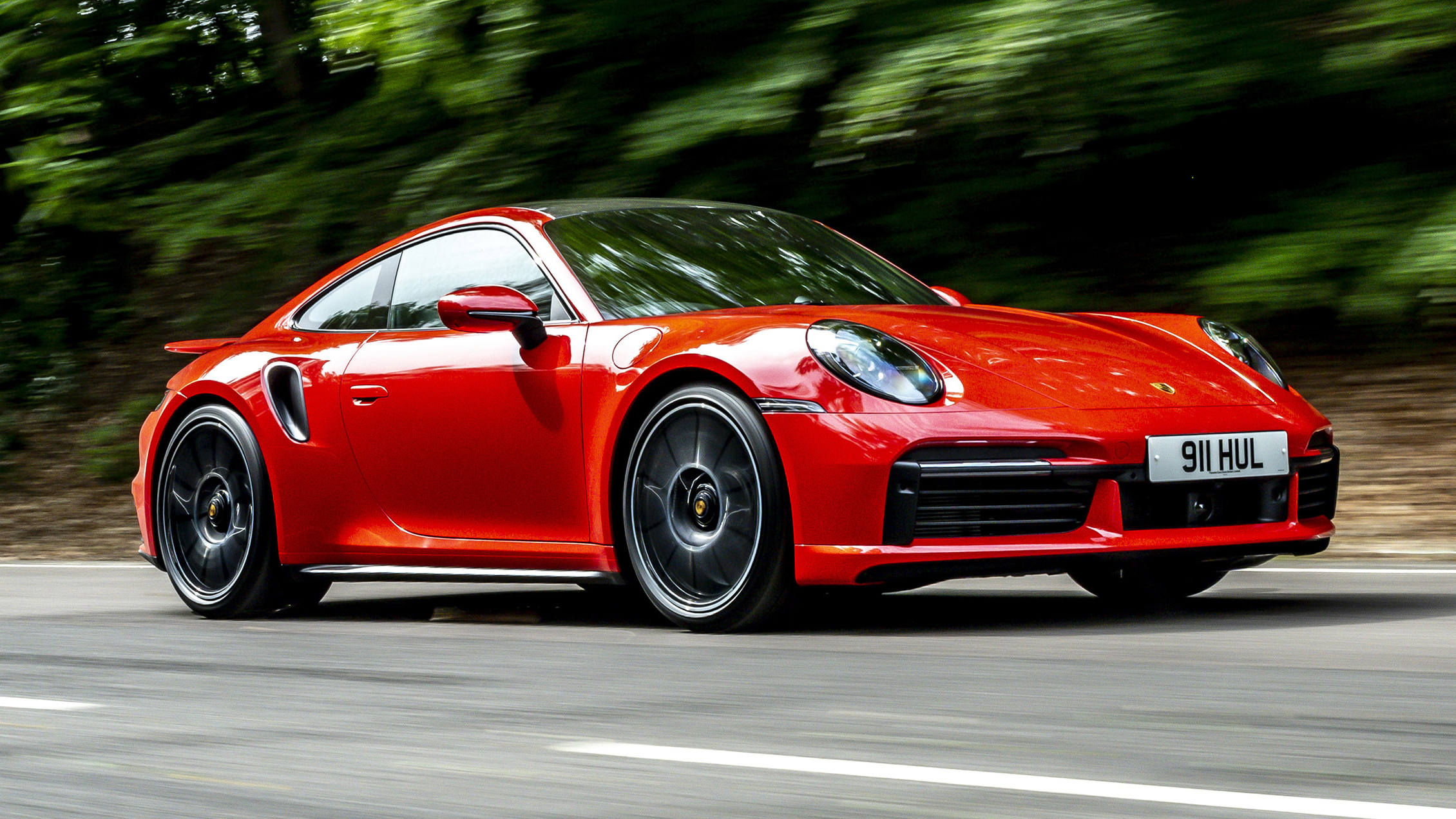
1. Porsche 911: Why a Garage Is Essential for Preservation and Value
Owning a Porsche 911 is as much an investment as it is a driving experience. While the car is mechanically robust enough for daily use, parking it in a garage is crucial for protecting its value, security, and long-term condition.
Environmental protection is a primary concern. A garage shields the 911’s high-quality paint and premium leather interior from harmful UV rays, which can cause fading, cracking, or dashboard warping.
In colder climates, a garage prevents damage from snow, ice, and extreme temperatures, reducing moisture and condensation that could lead to corrosion in the engine or braking systems. Additionally, garaging minimizes the risk of rodents nesting in the engine bay, which can damage complex wiring—a costly repair for high-end sports cars.
Security is another key factor. Despite advanced factory protections, the 911 remains a high-profile target for theft and vandalism. Insurance data shows it experiences multiple break-ins and acts of criminal damage annually in certain markets. A locked garage provides a strong physical barrier, protecting the car from opportunistic theft, vandalism, or accidental damage from door dings, pedestrians, or falling debris.
Finally, a garage supports long-term value retention. The Porsche 911 often keeps up to 83 percent of its value after five years, making it a sought-after investment. A documented history of garage storage signals meticulous care to potential buyers and can enhance resale value by 10 to 15 percent.
Garaging also enables proper maintenance, such as using battery maintainers or Flatstoppers to prevent flat-spotting, which preserves both performance and appearance.
In short, while a 911 can be driven daily, a garage ensures protection from environmental hazards, improves security, and maximizes resale value. For collectors and enthusiasts, it is a critical factor in maintaining both the car’s performance and its financial worth.
2. Mazda MX-5 Miata Soft Top: Protection and Maintenance for Convertible Owners
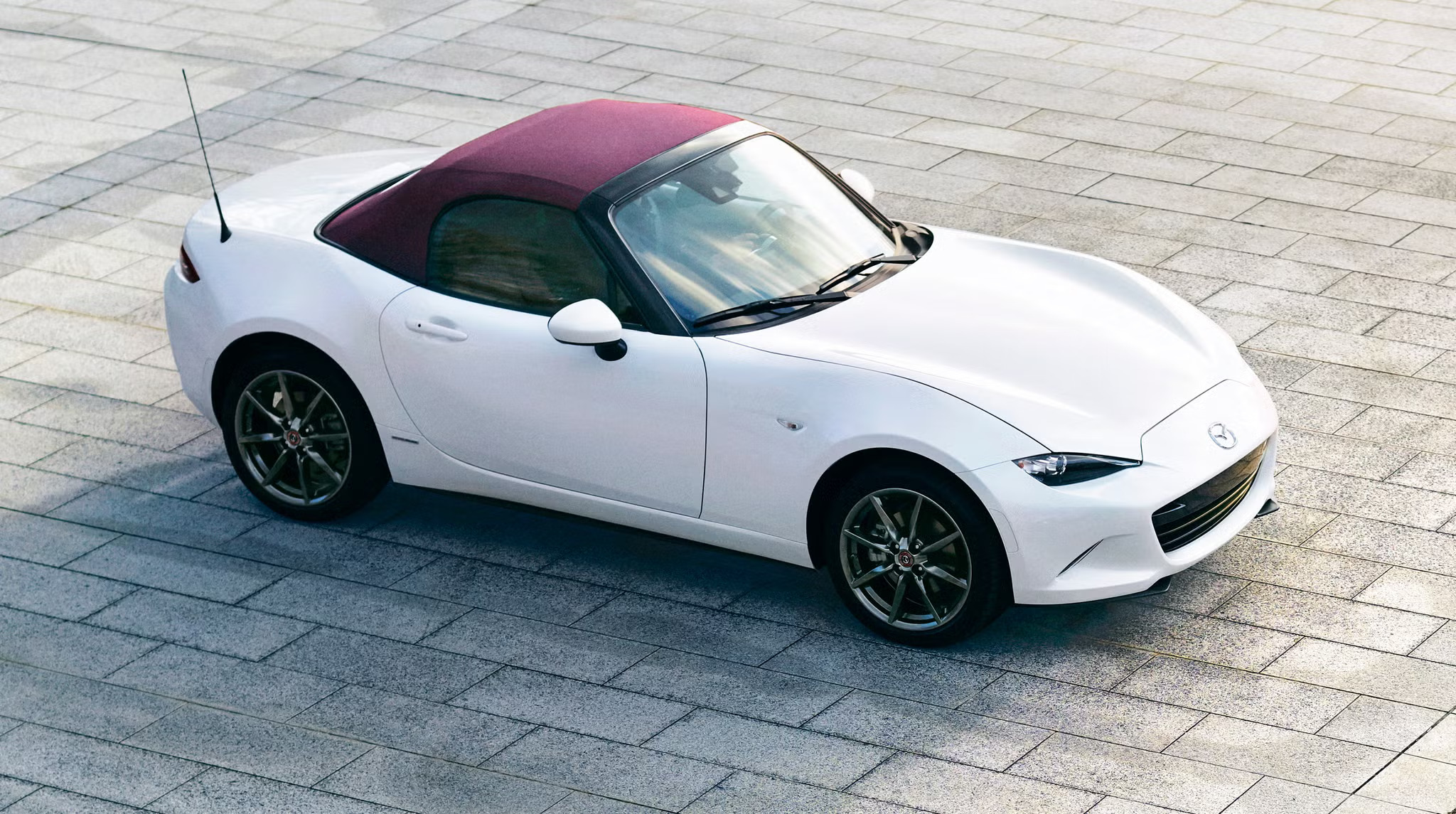
Owning a Mazda MX-5 Miata with a soft top without a garage is possible, but it demands careful maintenance to protect the car’s convertible components. The fabric or vinyl roof is the most vulnerable part of the vehicle, as constant exposure to UV rays causes fading, brittleness, and cracking.
While a garaged top can last decades, one left outdoors often requires replacement within ten years. Acidic rain, bird droppings, and tree sap can permanently damage the material if not cleaned promptly.
Moisture and drainage present additional challenges. The Miata’s specialized drainage system can become clogged by leaves, pine needles, and debris, leading to water entering the cabin. This may cause soaked floorboards, mold, mildew, and electrical issues. In winter, snow and ice add weight to the roof and stiffen the material, making operation difficult until temperatures rise.
Security is another concern. A soft top is far less secure than a hard roof or the Miata RF. Even a simple knife cut provides easy access for thieves, and replacing a damaged roof can cost more than the value of stolen items. A garage reduces the risk of theft and vandalism by providing a physical barrier.
Cosmetic preservation is also important. The Miata’s paint is relatively thin and susceptible to chipping and sun damage. Parking indoors prevents wind-blown debris from “sandblasting” the surface and protects the clear coat from UV fading.
For those without a garage, proactive measures are essential. Regularly cleaning the drainage system prevents blockages and water damage. Applying a UV protectant like 303 Protectant every six months helps maintain roof flexibility and color. Using a high-quality, breathable car cover or a specialized half-top cover shields the fabric from sun, debris, and weather exposure.
While the Mazda MX-5 Miata soft top is mechanically durable, a garage or diligent care is key to maintaining the roof, preventing moisture damage, safeguarding security, and preserving paint and resale value.
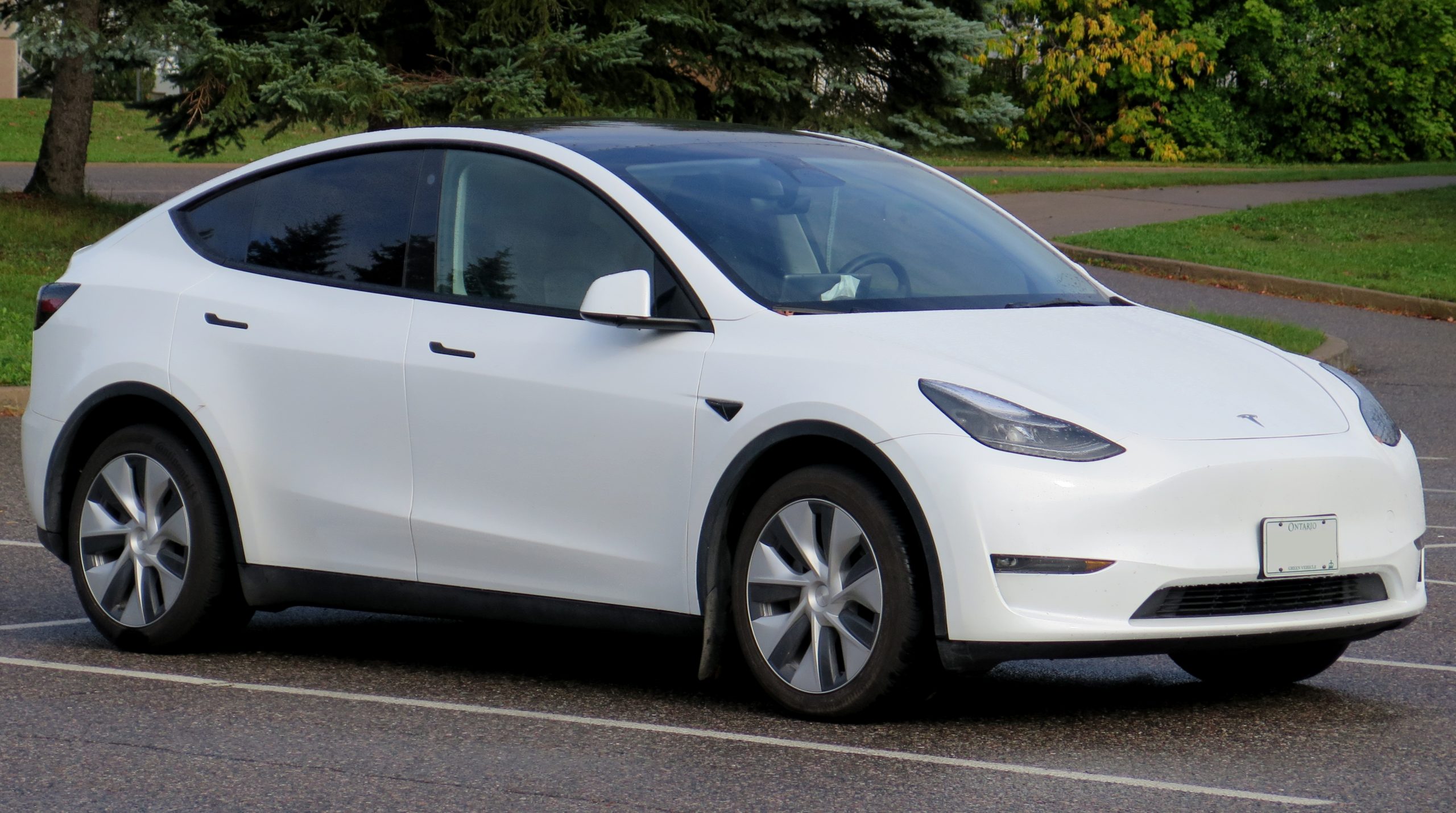
3. Tesla Model Y: Why a Garage Protects Battery, Range, and Resale Value
While the Tesla Model Y is mechanically reliable, its electric powertrain is highly sensitive to temperature and environmental exposure. Parking outdoors is possible, but a garage provides crucial protection for the battery, electronics, and long-term condition of the vehicle.
Battery thermal management is a primary concern. Lithium-ion batteries lose efficiency in extreme cold, reducing range and regenerative braking performance, while excessive heat accelerates long-term battery degradation.
A garage buffers the vehicle from these temperature extremes, allowing the Battery Management System to maintain optimal temperatures without consuming extra energy, which preserves both range and battery health.
Minimizing “phantom” or vampire drain is another reason for indoor parking. Features such as Sentry Mode, which monitors surroundings with cameras, and Cabin Overheat Protection, which cools the interior above 105°F, draw energy from the battery. A secure garage allows owners to safely disable these features, reducing unnecessary power loss and preserving charge for daily driving.
A garage also supports seamless home charging. Installing a Level 2 Wall Connector ensures the Model Y can start each day near full charge while reducing dependence on Superchargers, which are costlier and can accelerate battery wear. It also enables safe long-term plug-in during extended periods of non-use, as recommended by Tesla.
Additional benefits include safety and smart integration. The Model Y can precondition its cabin without wasting energy outdoors, and smart garage systems allow automatic door operation linked to vehicle approach.
A garage also protects the car’s exterior. The Model Y’s minimalist design, glass roof, and trim are vulnerable to hail, debris, and UV exposure, all of which can degrade paint and interior condition and lower resale value. Indoor storage preserves the car’s appearance and keeps components in peak condition.
A garage enhances battery health, reduces energy loss, simplifies charging, improves security, and safeguards the vehicle’s physical condition, making it highly advantageous for Tesla Model Y owners.
4. 1960s Ford Mustang: Why a Garage Is Essential for Preservation
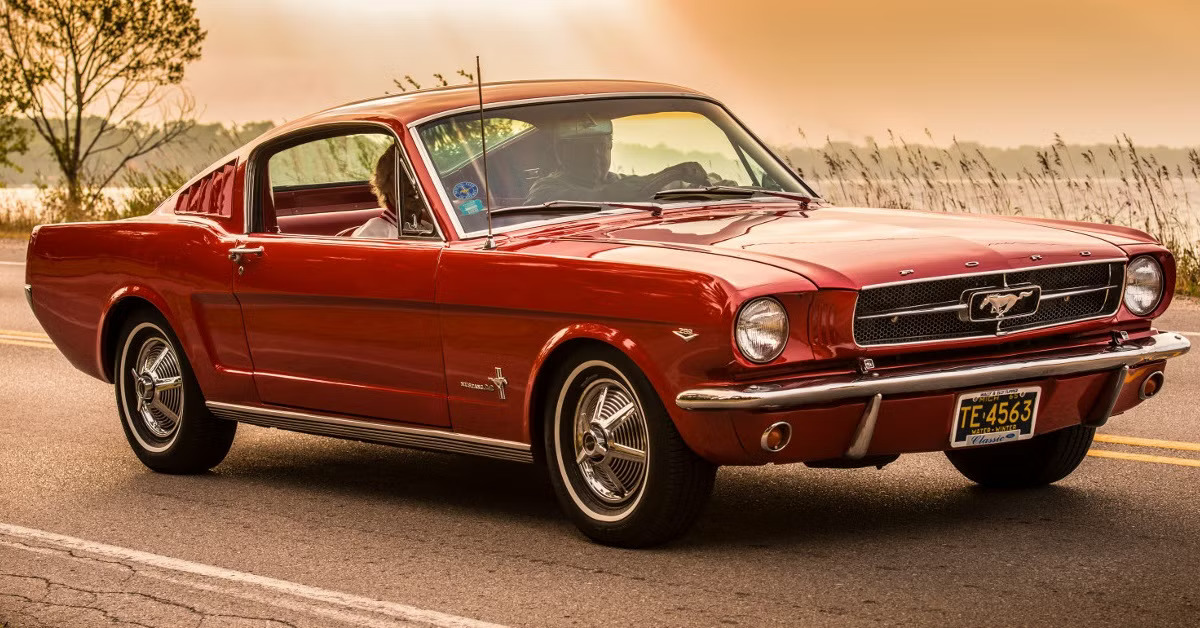
Owning a 1960s Ford Mustang requires careful preservation, as these vintage vehicles lack the protective technologies of modern cars. Unlike contemporary vehicles with galvanized steel and clear-coat finishes, first-generation Mustangs (1964–1973) are highly vulnerable to rust, paint oxidation, and environmental damage. A garage is essential to protect the car’s structure, appearance, and value.
The Mustang’s unibody construction combines the body and frame into a single welded unit, leaving it susceptible to moisture-related corrosion. Critical areas such as cowl vents trap water and debris, leading to rust that can leak into the interior. Torque boxes and frame rails can corrode from the inside out, threatening the car’s structural integrity.
Environmental degradation is another major risk. Vintage lacquer or enamel paints fade, chalk, and crack quickly under UV exposure, while dashboards and vinyl or leather upholstery inside the cabin dry out and split. High humidity can also cause mold and mildew growth in porous interior materials. A well-ventilated garage shields the vehicle from these elements, preserving both interior and exterior condition.
Mechanical components also benefit from indoor storage. Rubber seals, belts, and hoses deteriorate faster under fluctuating temperatures. The vented fuel system used in classic Mustangs allows humid air to enter the tank, risking condensation and contamination, particularly with modern ethanol-blended fuels.
Financially, a garage safeguards a valuable investment. Original parts and survivor-status vehicles command premium prices among collectors. Additionally, a garage provides security for cars lacking modern alarms, reducing the risk of theft or vandalism.
A garage acts as a protective capsule, preserving the Mustang’s unique character, mechanical integrity, and aesthetic appeal. For enthusiasts and collectors, indoor storage is not just convenient; it is a necessary measure to ensure that the car remains a cherished, high-value classic for decades to come.
5. Mercedes-Benz S-Class: Why Garaging Protects Electronics, Leather, and Value
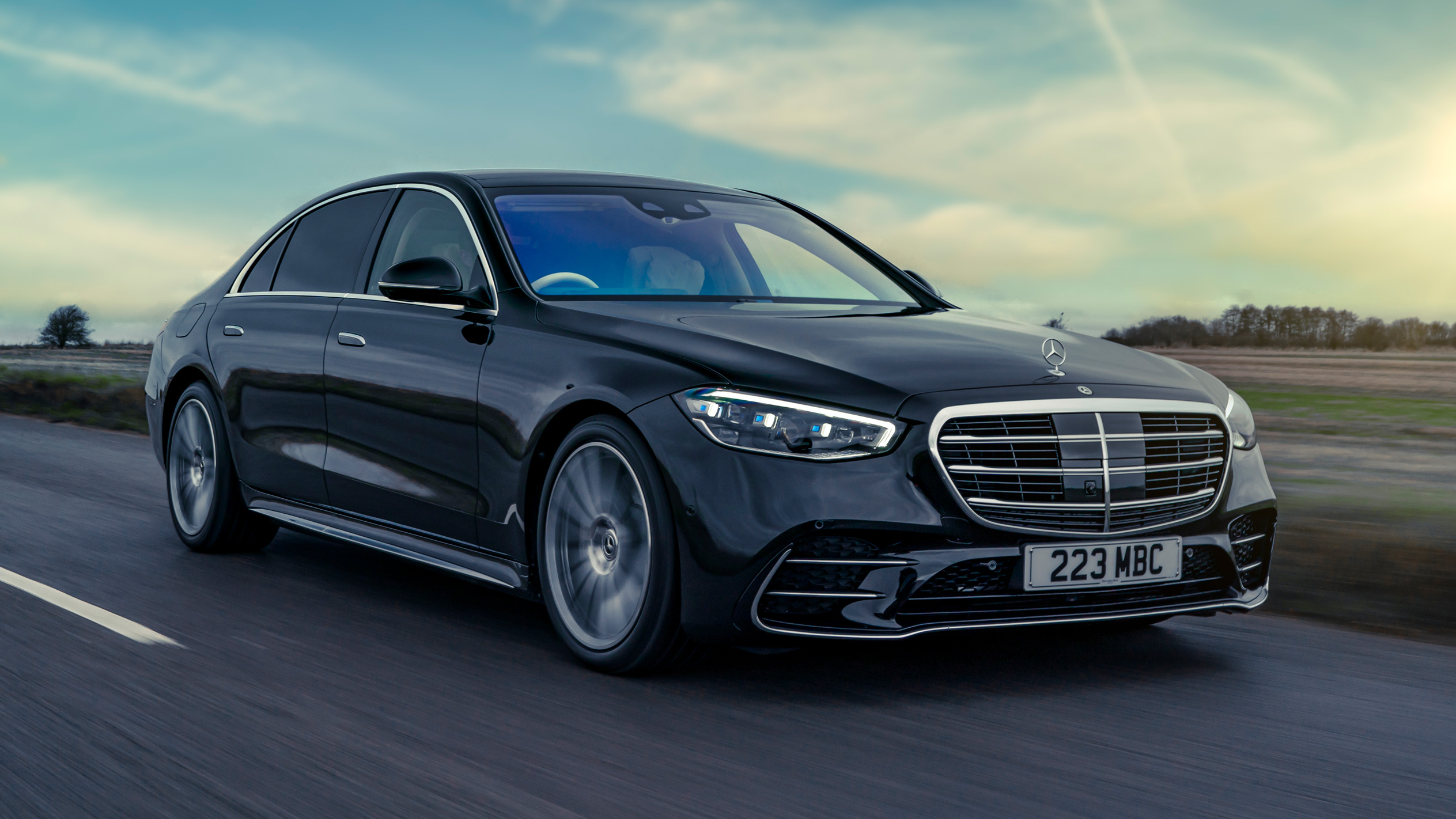
The Mercedes-Benz S-Class is a high-end luxury sedan that blends advanced technology with exotic materials, making it exceptionally sensitive to environmental exposure. While standard vehicles may tolerate outdoor parking, an S-Class relies on the controlled environment of a garage to preserve its electronics, interior, and long-term value.
The car’s electronics are highly sophisticated, featuring hundreds of sensors, fiber-optic networks, and large digital interfaces such as the MBUX Hyperscreen. Exposure to moisture or temperature fluctuations can cause condensation inside these modules, leading to corrosion and electrical malfunctions. A garage prevents the expansion and contraction of these delicate circuits, avoiding costly and complex repairs.
Interior materials are equally vulnerable. Semi-aniline leather, open-pore wood trim, and specialized adhesives deteriorate under constant sunlight and heat. UV rays dry out leather, causing cracks, while heat can warp dashboards and delaminate wood veneers. Garaging shields these surfaces, maintaining the cabin’s luxurious appearance, feel, and scent.
The S-Class suspension system, including Airmatic or E-Active Body Control, relies on rubber bellows and high-pressure lines. Environmental exposure accelerates wear, leading to premature cracking or dry rot. Replacing even a single air strut can cost thousands of dollars, making indoor storage a practical way to avoid avoidable expenses.
Security is another concern. High-value components such as Digital Light headlamps and other advanced hardware are prime targets for theft or vandalism. A garage provides a physical barrier, protecting the car from both criminal activity and environmental hazards like hail or falling debris.
Finally, garaging maximizes resale value. Buyers of pre-owned S-Class vehicles look for pristine paint, intact interiors, and evidence of meticulous care. Indoor storage helps prevent oxidation and clear-coat failure, preserving the vehicle’s valuation over time. For an investment of this caliber, a garage is not optional; it is essential for protection, performance, and value retention.
Choosing the right vehicle for your parking situation is about balancing durability, convenience, and long-term care. Vehicles like the Toyota Hilux or Subaru Outback are engineered to endure outdoor exposure, while cars such as the Porsche 911 or Mercedes-Benz S-Class require a garage to safeguard electronics, leather, and finishes.
By understanding these differences, owners can minimize wear, avoid costly repairs, and maintain resale value. With careful selection and proper care, whether you have covered storage or not, you can enjoy reliable performance, preserve aesthetics, and protect the value of your vehicle for years to come.