
When shopping for a new or used vehicle, reliability should be at the top of your priority list. While no car is completely immune to mechanical issues, some models have earned notorious reputations for requiring frequent trips to the service center.
These vehicles can turn the dream of car ownership into a financial nightmare, with repair bills piling up faster than highway miles.
Understanding which cars tend to spend more time in the shop than on the road can save you thousands of dollars and countless hours of frustration.
Whether it’s due to fundamental design flaws, the use of subpar components, complex engineering that’s difficult to maintain, or simply poor quality control during manufacturing, certain vehicles consistently appear on mechanics’ lists of problematic cars.
The vehicles featured in this list have garnered attention from automotive experts, consumer reports, and frustrated owners alike for their chronic reliability issues.
From luxury brands that promise prestige but deliver headaches, to economy cars that end up being anything but economical in the long run, these models share one common trait: they require more maintenance and repairs than their competitors.
Before you sign on the dotted line for your next vehicle purchase, take a close look at this list. While individual experiences may vary, and some owners may have better luck than others, the patterns of problems with these eight vehicles are too consistent to ignore.
Understanding these reliability concerns will help you make a more informed decision and potentially avoid a car that becomes a regular fixture at your local repair shop.
1. Range Rover (Various Models)
The Range Rover nameplate carries immense prestige and luxury appeal, but beneath its sophisticated exterior lies a vehicle that has consistently ranked among the least reliable cars on the market.
Owners of Range Rovers across multiple model years report an alarming frequency of visits to service centers, often for serious and expensive repairs that can cost thousands of dollars.
One of the most persistent issues plaguing Range Rovers is electrical system failures. The complex network of electronic components controlling everything from the infotainment system to critical engine functions seems particularly prone to glitches.
Owners frequently report dashboard warning lights illuminating without apparent cause, malfunctioning sensors, and complete system shutdowns that leave the vehicle inoperable. The air suspension system, which provides the Range Rover’s signature smooth ride, is notoriously unreliable and expensive to repair, with replacement costs often exceeding $5,000.

Engine problems are another common complaint, particularly with turbocharged models. Issues range from premature timing chain wear to complete engine failures requiring replacement.
The vehicle’s sophisticated terrain response system, while impressive when functioning properly, adds another layer of complexity that increases the likelihood of problems. Transmission issues, including rough shifting and complete failure, have been reported across various model years.
Perhaps most frustrating for owners is that these problems often occur well before the vehicle reaches high mileage. It’s not uncommon to hear stories of Range Rovers requiring major repairs with fewer than 50,000 miles on the odometer.
The complexity of these vehicles means that repairs typically require specialized knowledge and expensive parts, making independent mechanics reluctant to work on them and forcing owners to use dealership service centers where labor rates can be astronomical.
Despite their undeniable luxury and capability, Range Rovers represent a significant financial gamble for anyone not prepared for frequent and costly maintenance.
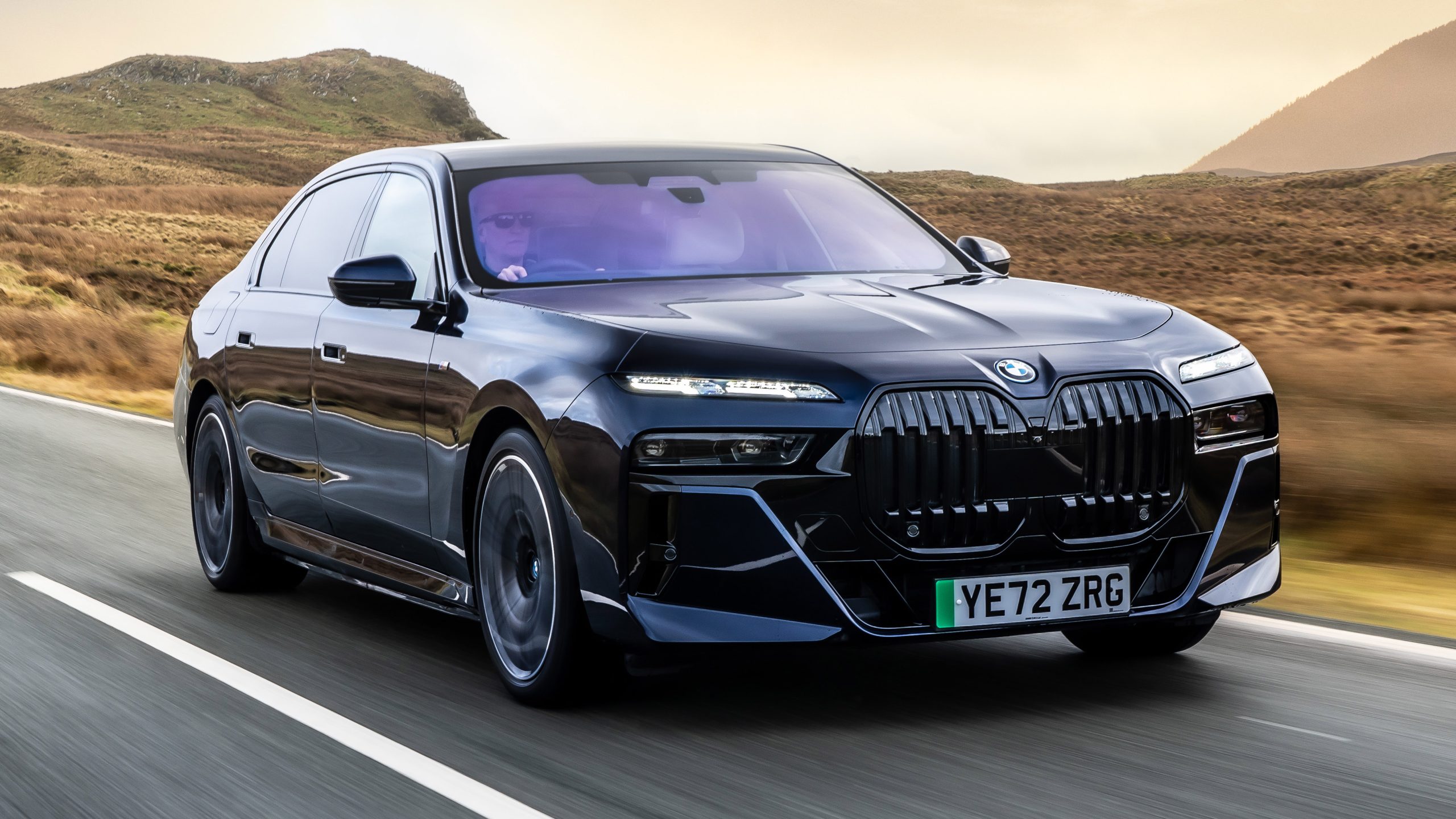
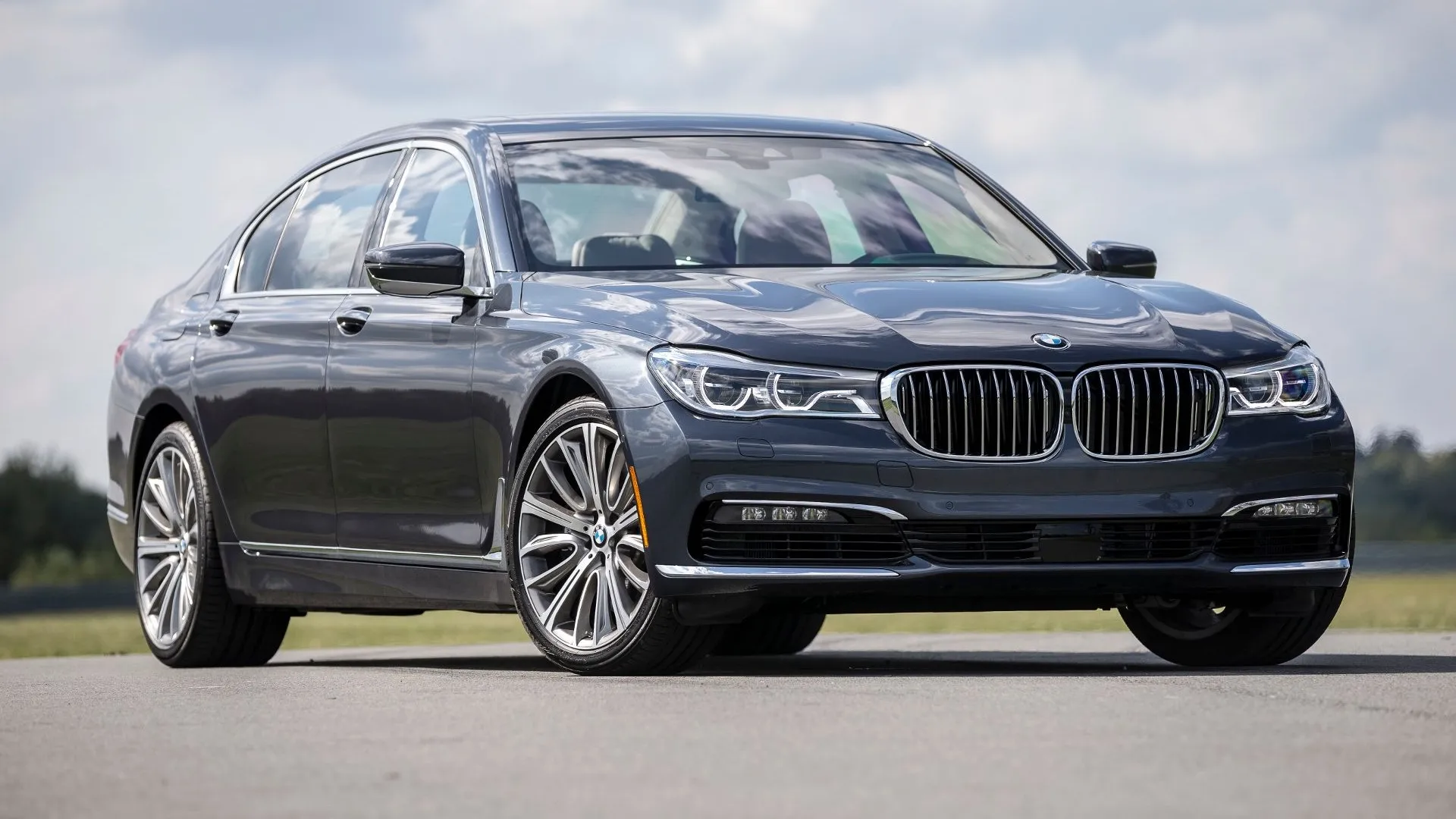
2. BMW 7 Series
The BMW 7 Series represents the German automaker’s flagship luxury sedan, packed with cutting-edge technology and powerful engines. However, this technological sophistication comes at a price that extends far beyond the initial purchase.
The 7 Series has developed a reputation for reliability issues that can make ownership a costly endeavor, particularly as these vehicles age beyond their warranty period.
The engine department presents numerous challenges for 7 Series owners. The turbocharged engines, while delivering impressive performance, are prone to various issues including turbocharger failure, oil leaks, and problems with the high-pressure fuel system.
The VANOS system, which controls variable valve timing, is a common failure point that can cost thousands to repair. Engine cooling systems also prove problematic, with water pumps, thermostats, and coolant expansion tanks failing prematurely and potentially causing overheating issues that can lead to catastrophic engine damage.
Electronic gremlins plague the 7 Series with frustrating regularity. The iDrive infotainment system, while advanced, is prone to freezing, crashing, and requiring expensive software updates or complete replacement.
The extensive array of sensors and cameras that enable features like parking assistance and lane-keeping can malfunction, triggering dashboard warnings and disabling important safety features.
The electronic parking brake system has been particularly problematic in certain model years, sometimes failing to release or engage properly.
The air suspension system, standard on many 7 Series models, provides excellent ride quality but at the cost of reliability. Air struts and compressors wear out prematurely, resulting in repair bills that can easily reach $3,000 or more.
Transmission issues, including the ZF 8-speed automatic experiencing rough shifts or complete failure, have been reported. What makes 7 Series ownership particularly challenging is that these aren’t isolated incidents multiple problems often occur simultaneously, and the cost of maintaining these vehicles out of warranty can quickly exceed the car’s depreciated value.
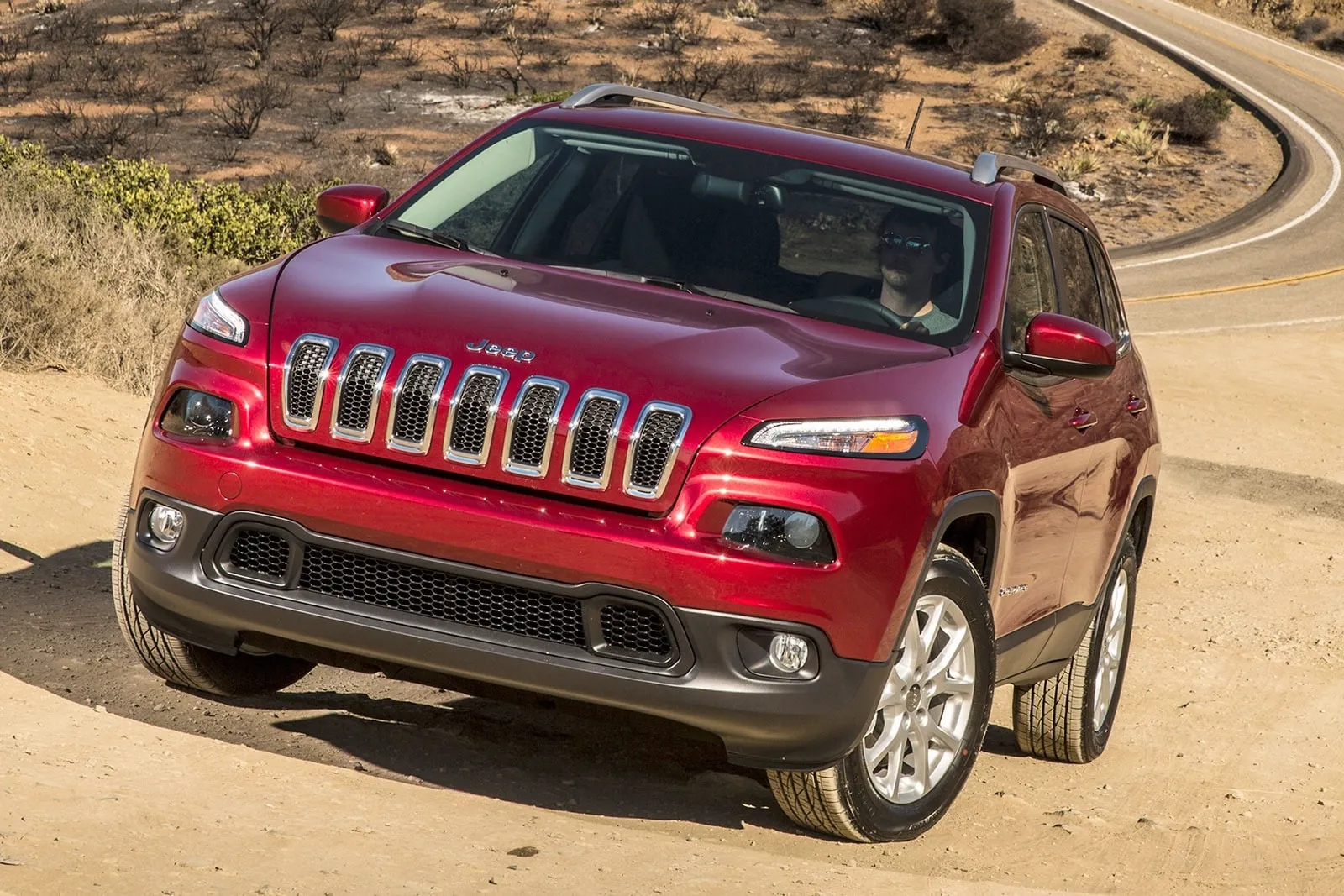
3. Jeep Cherokee (2014-2019)
The Jeep Cherokee, redesigned in 2014, promised modern styling and improved capabilities, but instead delivered one of the most problematic vehicles in Jeep’s recent history.
These model years have been plagued by a litany of issues that have left many owners frustrated and financially strained, earning the Cherokee a spot among vehicles that visit service centers with alarming frequency.
The nine-speed automatic transmission has been the Cherokee’s most notorious problem. Owners report harsh shifting, hesitation during acceleration, stalling at intersections, and complete transmission failure.
These issues prompted multiple recalls and software updates, yet many owners continued experiencing problems even after attempted fixes. The transmission woes were so severe that they resulted in class-action lawsuits and significantly damaged the Cherokee’s reputation in the marketplace.
Electrical system failures represent another major concern. The Cherokee’s sophisticated electronics control numerous vehicle functions, but the systems are prone to glitches that can manifest in various ways.
Common complaints include the vehicle not starting despite a good battery, the engine stalling while driving, complete electrical system shutdowns, and malfunctioning dashboard displays. These electrical gremlins can be difficult and expensive to diagnose, often requiring multiple service visits before the root cause is identified.
Engine problems, particularly with the 2.4-liter four-cylinder engine, have also been widely reported. Issues include premature engine failure, excessive oil consumption, misfiring cylinders, and problems with the engine’s multi-air system.
The four-wheel-drive system, which should be a strength for a Jeep vehicle, has proven unreliable in many Cherokees, with owners reporting failures that leave them stranded and facing repair bills exceeding $4,000.
Given Jeep’s reputation for ruggedness and reliability, the Cherokee’s problems have been particularly disappointing for loyal brand customers who expected better from their vehicles.
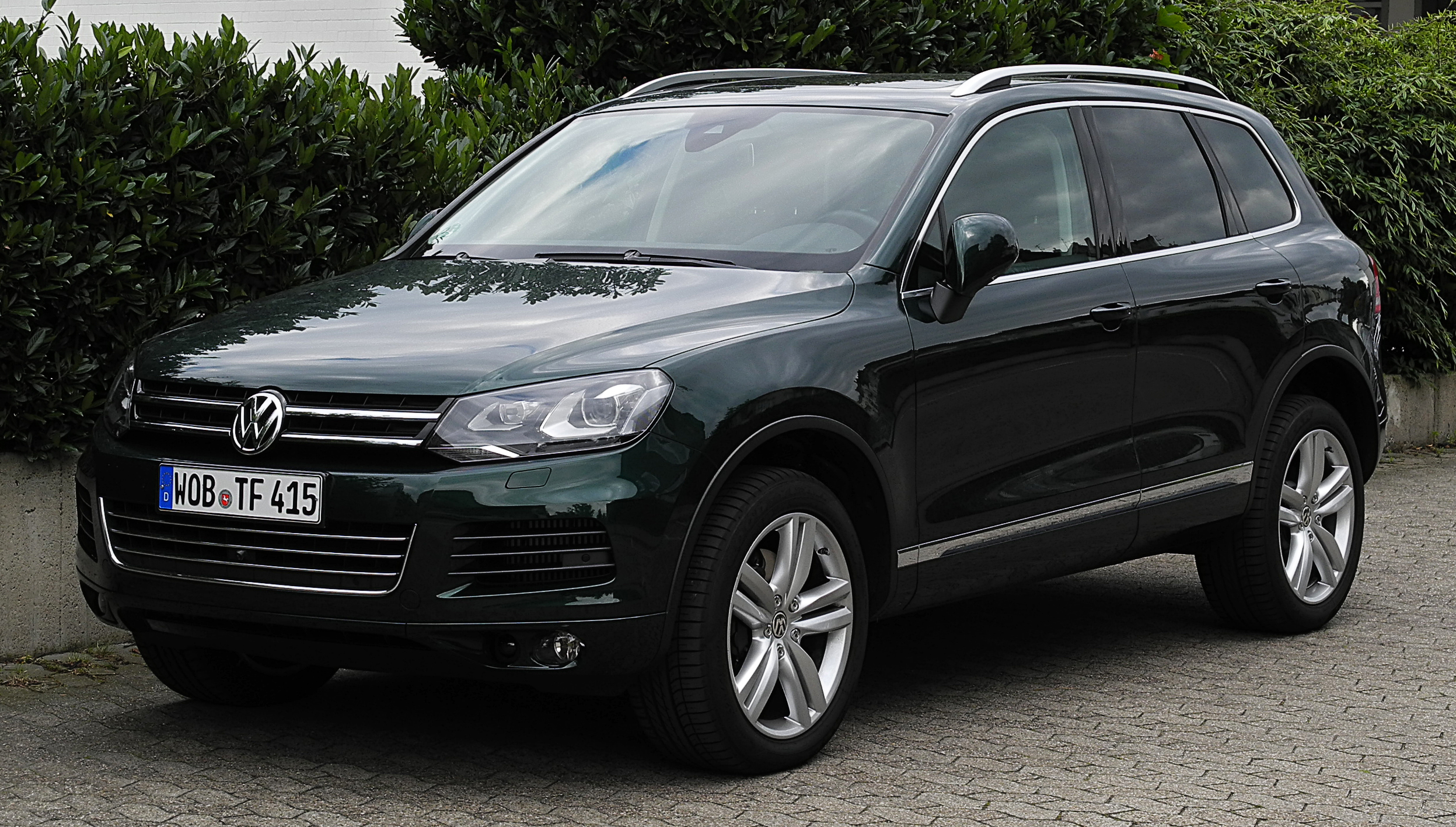
4. Volkswagen Touareg
Volkswagen’s luxury SUV, the Touareg, offers German engineering and impressive capabilities, but these attributes come with a significant downside: reliability issues that can turn ownership into a frustrating and expensive experience.
While not sold in large volumes compared to mainstream SUVs, the Touareg has earned a disproportionate reputation for problems that require frequent service center visits.
Engine issues top the list of Touareg complaints, particularly with the V6 and V8 models. The 3.6-liter V6 engine is prone to timing chain problems that can lead to catastrophic engine failure if not addressed promptly.
Warning signs include rattling noises from the engine compartment, but by the time these sounds appear, significant damage may have already occurred. Repair costs for timing chain issues can easily exceed $5,000.
The V8 engine models face their own set of problems, including issues with the engine’s cooling system and carbon buildup on intake valves that can cause rough running and reduced performance.
The air suspension system, featured on many Touareg models, provides excellent ride quality but proves to be a reliability nightmare. Air springs develop leaks, compressors fail prematurely, and sensors malfunction, all leading to expensive repairs.
Many owners eventually opt to convert their Touaregs to conventional coil-spring suspension, which costs thousands but eliminates ongoing air suspension problems. The all-wheel-drive system, while capable, has also been a source of issues, with transfer case failures and problems with the Torsen differential requiring expensive repairs.
Electronic problems abound in the Touareg, affecting everything from the navigation system to critical safety features. The extensive use of electronic modules throughout the vehicle increases the likelihood of failures, and diagnosing these problems often requires specialized diagnostic equipment available only at dealerships.
What compounds these reliability concerns is that Volkswagen parts and labor tend to be expensive, and the Touareg’s complexity means that repairs take longer and cost more than comparable domestic or Japanese SUVs.
Also Read: 7 High Tech Vehicles That Depend Too Much on Software
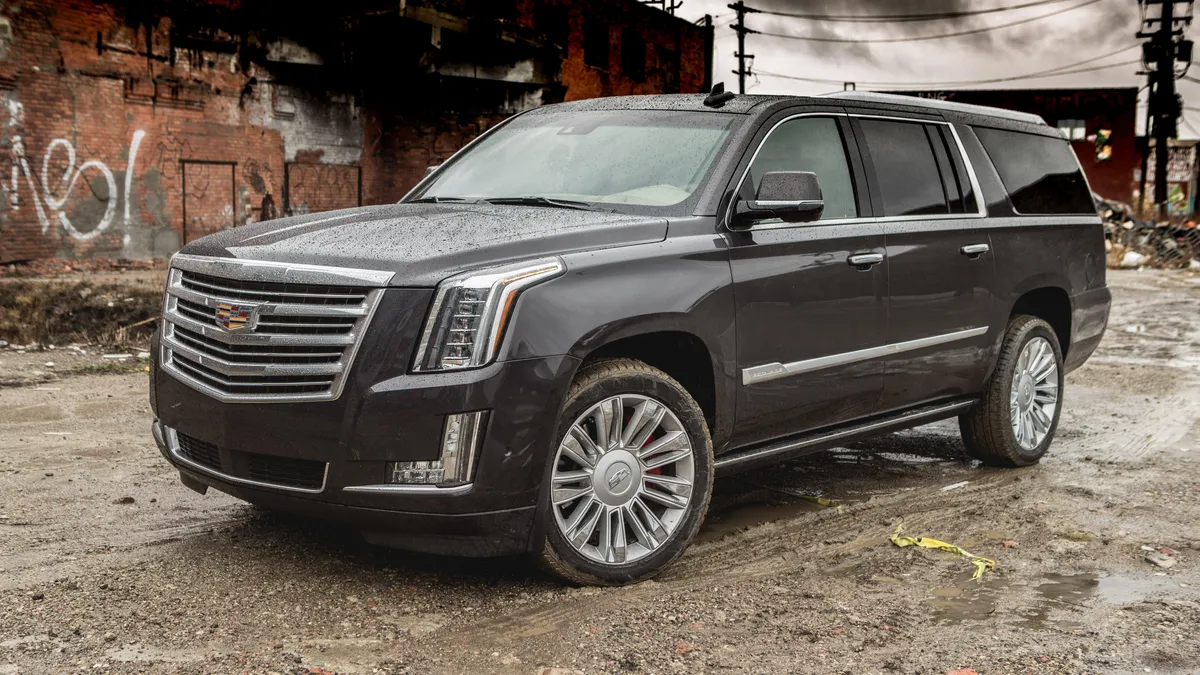
5. Cadillac Escalade (2015-2020)
The Cadillac Escalade stands as an icon of American luxury and excess, but recent model years have been plagued by reliability issues that tarnish its prestigious image.
Despite commanding premium prices and appealing to buyers seeking the ultimate in luxury SUVs, the 2015-2020 Escalades have developed concerning patterns of problems that result in frequent service center visits and frustrated owners.
Transmission issues represent one of the most serious concerns with these Escalades. The eight-speed automatic transmission, while generally smooth in operation, has proven prone to premature failure in many vehicles.
Owners report symptoms including harsh shifting, slipping between gears, shuddering during acceleration, and complete transmission failure requiring replacement.
These problems often occur well before 100,000 miles, with some owners experiencing transmission issues with fewer than 50,000 miles on the odometer. Replacement costs can exceed $5,000, even at independent shops.
The advanced safety and driver assistance features, marketed as selling points, have ironically become sources of frustration. The automatic emergency braking system has been reported to activate unexpectedly, potentially causing accidents.
The adaptive cruise control malfunctions, cameras and sensors fail, and the electronic stability control system sometimes intervenes inappropriately. These issues not only create safety concerns but also result in expensive repairs, as the specialized cameras and radar units required for these systems cost hundreds or thousands of dollars each.
Engine problems, while less common than transmission issues, still occur with disturbing frequency. The 6.2-liter V8 engine can develop lifter failures, resulting in ticking noises and reduced performance. Some engines experience excessive oil consumption, requiring owners to add oil between changes or risk engine damage.
The Active Fuel Management system, which deactivates cylinders for improved fuel economy, has proven problematic, with valve train failures occurring in some vehicles.
Air conditioning system failures, brake system issues including premature wear of expensive components, and electrical problems affecting everything from power seats to the infotainment system round out the Escalade’s reliability concerns.
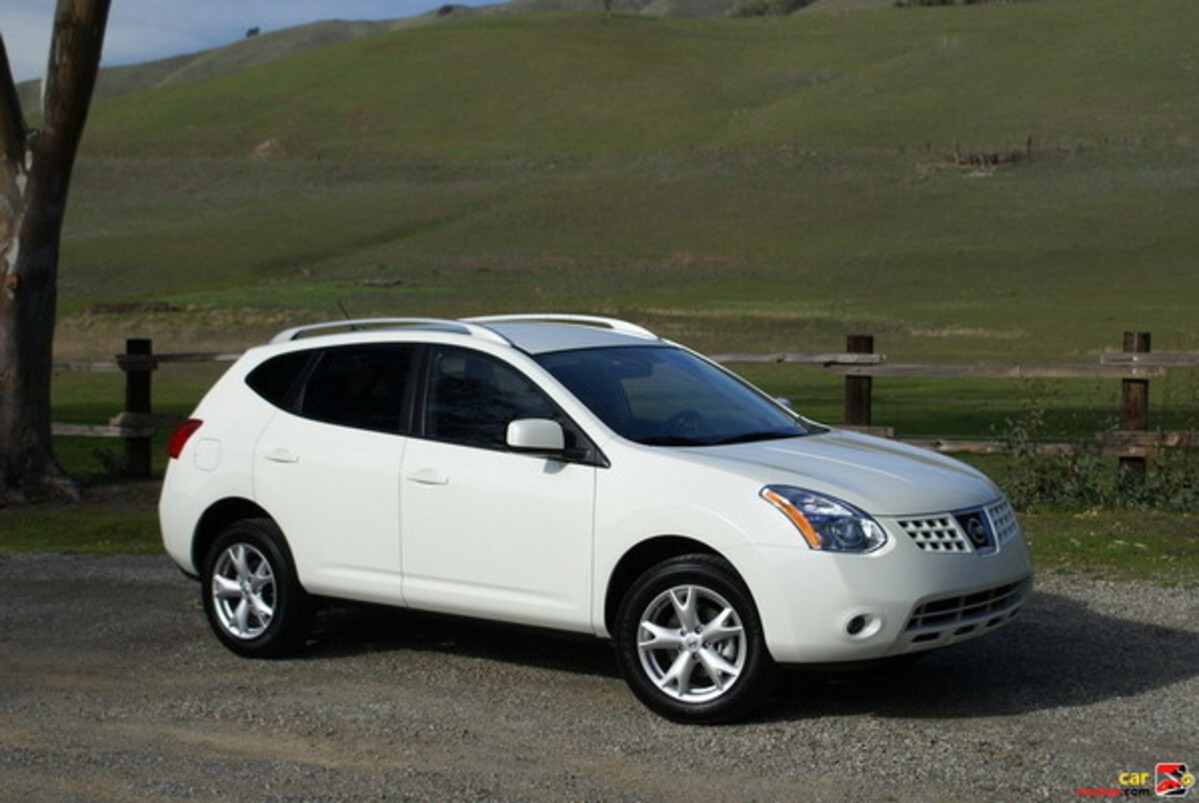
6. Nissan Rogue (2008-2015)
The Nissan Rogue has been one of America’s best-selling compact SUVs, but certain model years have been plagued by serious reliability issues that have left many owners wishing they’d chosen a different vehicle.
The 2008-2013 generation and early models of the second generation (2014-2015) stand out as particularly problematic, with issues serious enough to warrant multiple recalls and class-action lawsuits.
The continuously variable transmission (CVT) represents the Rogue’s most significant and widespread problem. Nissan’s CVT technology, used across many of its vehicles during this era, has proven notoriously unreliable in the Rogue. Owners report transmission failure at relatively low mileages, often between 50,000 and 100,000 miles.
Symptoms include jerking or shuddering during acceleration, a whining or grinding noise from the transmission, slipping between gears, and complete transmission failure. The CVT issues were so prevalent that Nissan extended the warranty on these components and settled multiple class-action lawsuits, but many owners still faced expensive out-of-pocket repairs.
Engine problems also plague these Rogue model years. The 2.5-liter four-cylinder engine is prone to excessive oil consumption, with some owners reporting the need to add a quart of oil every 1,000 miles or less.
This can lead to engine damage if not monitored carefully. Timing chain issues have also been reported, with premature wear causing rattling noises and potentially catastrophic engine failure. Catalytic converter failures occur prematurely in many Rogues, resulting in repair bills of $1,500 or more.
Electrical system problems affect various vehicle functions. Power window regulators fail regularly, door locks malfunction, and the fuel gauge provides inaccurate readings or stops working entirely.
The air conditioning system is prone to compressor failure and refrigerant leaks. Rust issues affect certain model years, particularly in areas where road salt is used, with the rear hatch area being especially vulnerable. Given these widespread and serious problems, these Rogue model years should be avoided by used car shoppers seeking a reliable compact SUV.
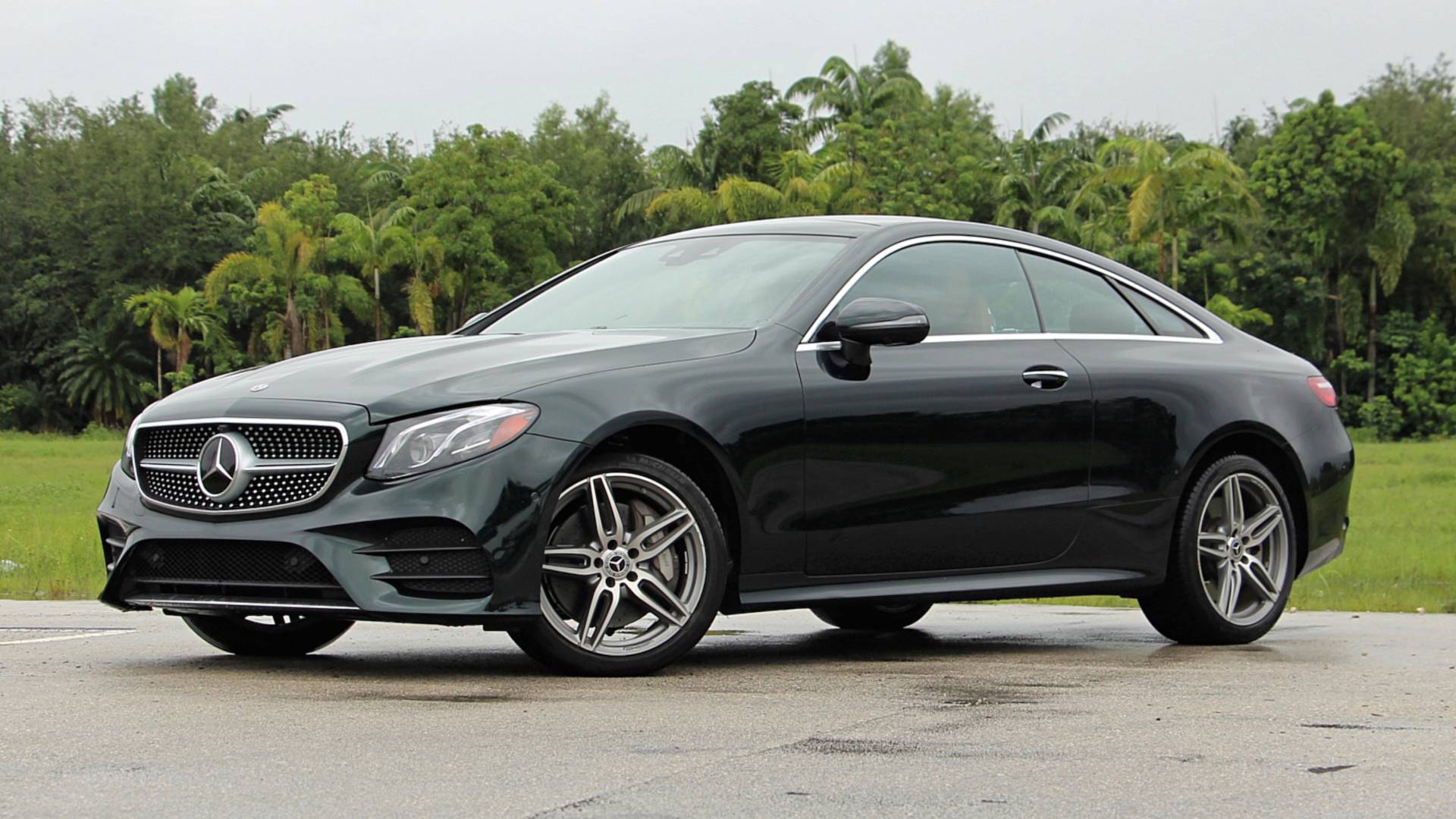
7. Mercedes-Benz E-Class (2010-2016)
Mercedes-Benz built its reputation on engineering excellence and luxury, but the 2010-2016 E-Class models have proven that even prestigious German automakers can produce vehicles plagued by reliability issues.
These model years have accumulated a troubling record of problems that can make ownership expensive and frustrating, particularly as vehicles age beyond their warranty coverage.
Engine issues vary depending on the specific powerplant but are common across the range. The diesel models face particular challenges, with emissions system components including diesel particulate filters and DEF injectors failing prematurely and costing thousands to replace.
The gasoline engines aren’t immune either, with the M276 V6 engine known for balance shaft issues that can lead to serious engine damage. Oil leaks from valve cover gaskets, timing cover gaskets, and oil pan gaskets are common, and while not immediately catastrophic, they can lead to fires if oil drips onto hot exhaust components.
The direct injection system, while providing good performance and fuel economy, leads to carbon buildup on intake valves, requiring expensive cleaning services.
The air suspension system, standard on many E-Class models, provides a superb ride quality but at significant long-term cost. Air struts develop leaks and fail, the compressor wears out, and the complex network of sensors and valves malfunctions. Repairing the air suspension system can easily cost $3,000-$5,000, leading many owners to convert to conventional coil springs.
The seven-speed automatic transmission, while generally reliable, can develop problems including rough shifting, failure to engage gears properly, and complete electronic failure of the transmission control module.
Electrical gremlins plague these E-Class models extensively. The COMAND infotainment system freezes, crashes, or fails completely. Electronic steering lock failures can prevent the vehicle from starting, requiring expensive replacement.
The extensive array of sensors controlling everything from the parking assist system to the adaptive headlights malfunction regularly, triggering dashboard warnings and disabling features.
What makes these problems particularly frustrating is that Mercedes parts and labor costs are among the highest in the industry, and the complexity of these vehicles means that independent mechanics often can’t properly diagnose or repair them.
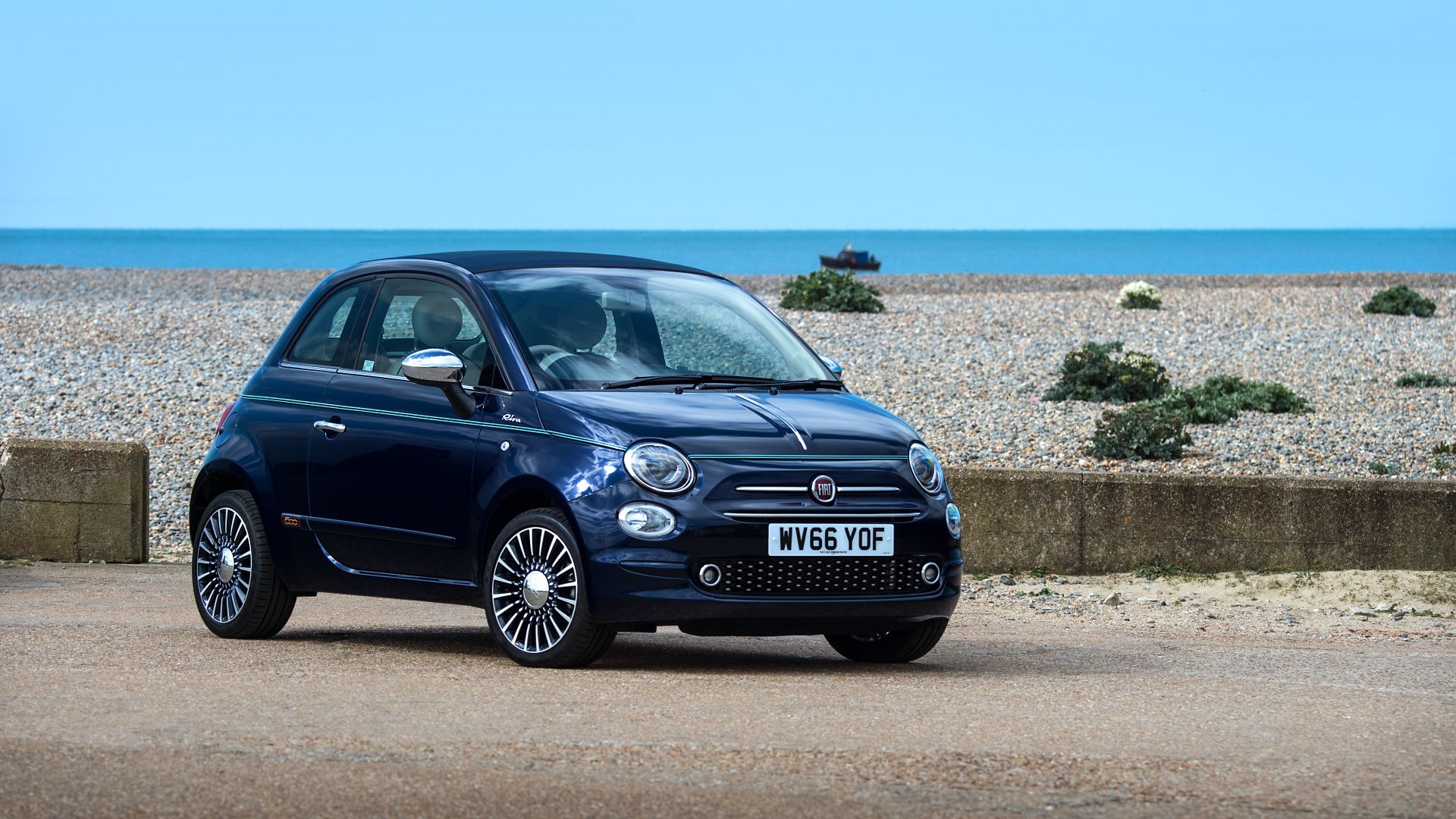
8. Fiat 500 (All Years)
The Fiat 500 brought Italian style and European flair to the North American market when it launched in 2011, but beneath its charming retro exterior lies a vehicle that has consistently ranked among the least reliable cars available.
The 500 and its variants have accumulated an impressive catalog of problems across all model years, earning it a reputation as a car that spends more time being serviced than driven.
Transmission problems plague both the manual and automatic versions of the Fiat 500. The dual-clutch automated manual transmission is particularly troublesome, with owners reporting harsh shifts, complete failure to engage gears, clutch failures, and sudden loss of power.
These issues often manifest early in the vehicle’s life, with some owners experiencing problems before reaching 30,000 miles. Clutch replacements, which should last well over 100,000 miles in most vehicles, are needed far sooner in the 500, and the dual-clutch system is expensive to repair or replace.
Electrical system failures are endemic to the Fiat 500. The TIPM (Totally Integrated Power Module), which controls numerous electrical functions, is notoriously unreliable and expensive to replace.
When it fails, symptoms can include the vehicle not starting, power windows and locks malfunctioning, windshield wipers operating on their own, and various dashboard warning lights illuminating.
Engine problems include frequent check engine lights, misfiring cylinders, faulty sensors, and premature timing belt failures. The turbo models face additional issues with the turbocharger itself failing prematurely.
Build quality concerns manifest throughout the vehicle. Interior trim pieces break or fall off, power window regulators fail regularly, door handles break, and water leaks into the cabin through poorly sealed windows and doors. The air conditioning system is prone to failure, a significant issue given the 500’s small cabin can heat up quickly in summer weather.
Suspension components wear out prematurely, and brake problems including premature pad wear and seized calipers are common. The Fiat 500’s reliability issues are so severe and widespread that it has become the poster child for why badge-engineering and rebadging vehicles from other markets doesn’t always succeed, and why reputation for reliability matters enormously in the competitive automotive marketplace.
Also Read: 9 Cars That Feel Dated Faster Than Expected
