
The allure of a bargain-priced vehicle is undeniable. Whether you’re a first-time buyer looking to minimize your initial investment or someone who simply loves the thrill of getting a great deal, low sticker prices can be incredibly tempting.
However, the automotive world has a harsh truth that many buyers learn too late: the purchase price is just the beginning of your financial commitment to a vehicle.
Some cars and trucks that seem like incredible deals upfront can quickly become money pits once you factor in fuel costs, maintenance, repairs, insurance premiums, and depreciation. These vehicles might roll off the lot with attractive price tags, but their total cost of ownership tells a very different story.
The reasons vary widely some models are notorious for mechanical issues that require expensive fixes, others guzzle fuel at alarming rates, and some depreciate so rapidly that you’re underwater on your loan before your first oil change.
Smart car buyers know that evaluating a vehicle’s true cost means looking beyond the monthly payment. It requires researching reliability ratings, understanding typical maintenance schedules, calculating fuel expenses, and considering how well the vehicle will hold its value.
This comprehensive approach can save you thousands of dollars and countless headaches over the years you’ll own the vehicle.
In this article, we’ll examine eight specific vehicles that frequently trap buyers with their appealing upfront prices, only to drain their wallets through ongoing expenses.
Understanding these costly pitfalls will help you make a more informed decision the next time you’re shopping for a vehicle.
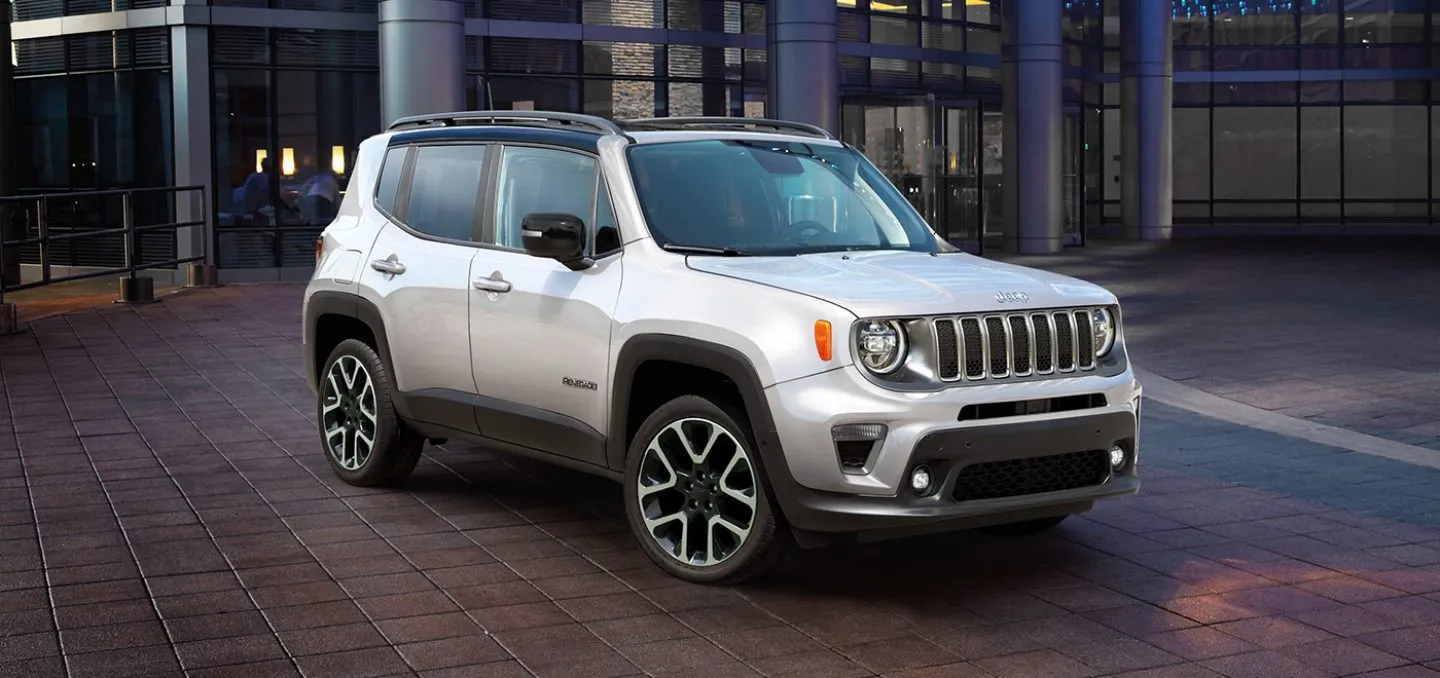
1. Jeep Renegade
The Jeep Renegade presents itself as an affordable entry point into the Jeep brand, with new models often available at competitive prices and used versions selling for remarkably low amounts.
This subcompact SUV attracts buyers with its distinctive styling, Jeep’s off-road heritage, and the promise of adventure all wrapped in a package that seems budget-friendly at first glance.
However, the Renegade has developed a concerning reputation for reliability issues that can quickly erase any savings from its low purchase price.
Owners frequently report problems with the nine-speed automatic transmission, which can exhibit jerky shifting, hesitation, and in some cases, complete failure requiring expensive replacement.
The dual-clutch transmission option has proven even more problematic, with many owners experiencing issues within the first few years of ownership.
Electrical gremlins plague many Renegades, with complaints ranging from malfunctioning infotainment systems to complete electrical failures that leave vehicles stranded.
The check engine light seems to illuminate with frustrating regularity, often indicating issues with sensors, the emissions system, or engine management components that require dealer diagnosis and repair.
The cost of maintaining a Renegade exceeds the average for its class significantly. Routine maintenance items like brake replacements and tire changes come more frequently than expected due to the vehicle’s weight and performance characteristics.
When repairs are needed, parts can be surprisingly expensive, and many repairs require specialized knowledge that limits your ability to use independent mechanics, forcing you to pay premium dealer rates.
Fuel economy, while not terrible on paper, often disappoints in real-world driving, particularly with the optional turbocharged engine that requires premium fuel for optimal performance. Insurance costs also tend to run higher than comparable vehicles due to higher theft rates and repair costs.
Depreciation hits the Renegade especially hard. These vehicles lose value at an alarming rate, often dropping 50% or more within the first three years.
This rapid depreciation means you’ll owe more than the vehicle is worth for a significant portion of your loan term, making it difficult to trade or sell without taking a substantial financial loss.
The combination of high maintenance costs, reliability concerns, poor fuel economy, and steep depreciation makes the Renegade a vehicle that’s cheap to buy but expensive to own.
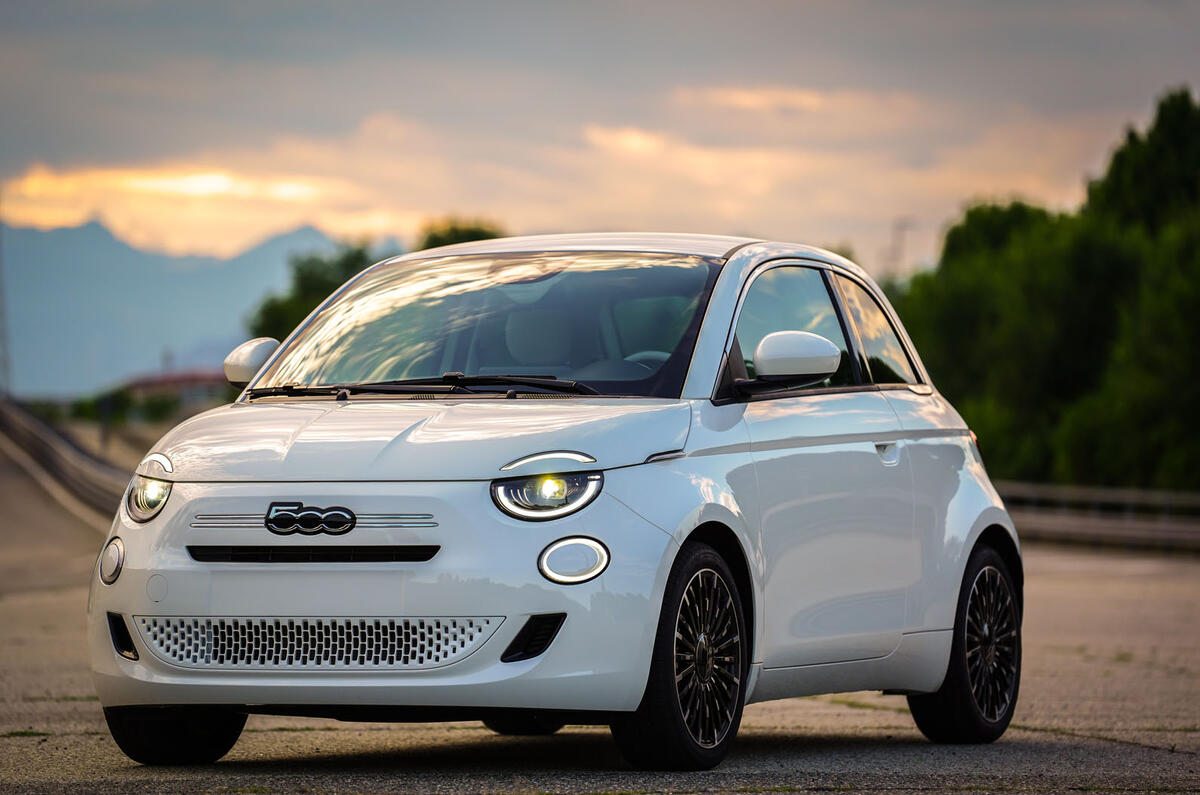
2. Fiat 500
The Fiat 500 charms potential buyers with its retro-inspired Italian styling, compact dimensions perfect for city driving, and remarkably low starting prices.
Both new and used models are available at prices that seem almost too good to be true, especially for a vehicle with such distinctive character and European pedigree. Unfortunately, that initial assessment proves accurate it often is too good to be true.
Reliability issues dominate the Fiat 500 ownership experience. The vehicle consistently ranks near the bottom in reliability surveys, with owners reporting a wide array of problems that begin early in the vehicle’s life.
Transmission failures are particularly common, especially in models equipped with the automated manual transmission. This transmission can require complete replacement, often multiple times during ownership, at costs that can exceed the vehicle’s entire resale value.
Engine problems also plague the 500, with many owners reporting issues with the turbocharger, timing components, and various sensors.
The electrical system proves notoriously unreliable, with failures affecting everything from the power windows to the central locking system. Air conditioning failures are so common that they’ve become almost expected, and repairs involve expensive parts and specialized labor.
The cost of maintaining a Fiat 500 is disproportionately high for such a small, inexpensive vehicle. Parts must often be ordered from limited suppliers, increasing both cost and wait times for repairs.
The dealer network for Fiat is also limited, meaning you may need to travel significant distances for service, and independent mechanics often lack the expertise or diagnostic equipment to properly service these vehicles.
Fuel economy provides one of the few bright spots, but even this advantage diminishes with the turbocharged Abarth variants that require premium fuel. Insurance costs remain reasonable, but this is offset by the vehicle’s poor safety ratings in modern crash tests due to its small size and older platform design.
Depreciation devastates Fiat 500 values. The combination of reliability concerns and Fiat’s reduced presence in the North American market means these vehicles lose value at catastrophic rates.
A three-year-old Fiat 500 might be worth less than 30% of its original purchase price, making it one of the worst investments in the automotive world. For buyers who financed their purchase, this creates a severe negative equity situation that can trap them in the vehicle for years.
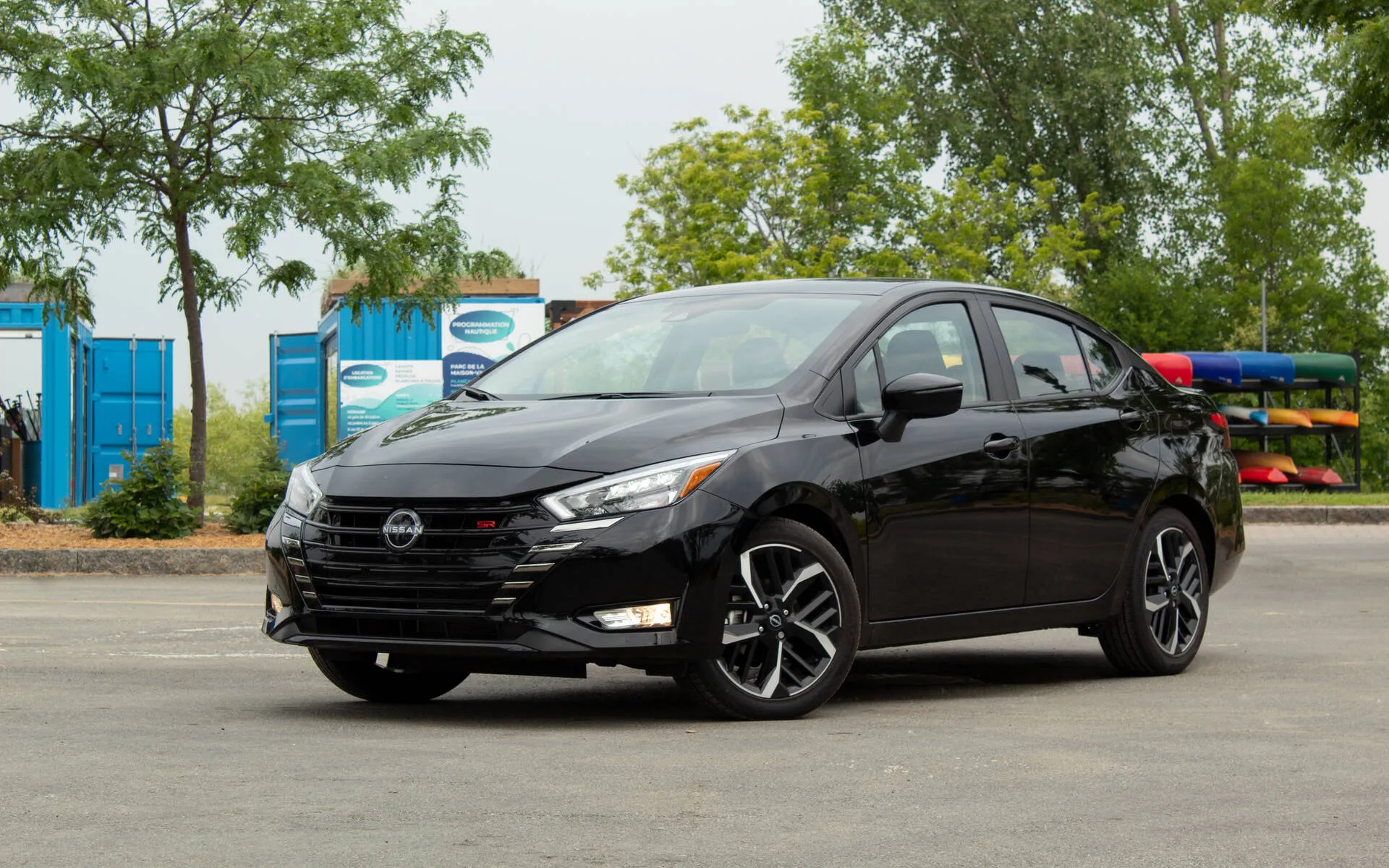
3. Nissan Versa
The Nissan Versa consistently ranks among the cheapest new cars available in the American market, making it extremely attractive to budget-conscious buyers seeking basic, no-frills transportation.
With a starting price thousands below the average new car and used models available for remarkably little money, the Versa seems like the perfect solution for someone who simply needs to get from point A to point B without breaking the bank.
While the Versa doesn’t suffer from the severe reliability issues that plague some vehicles on this list, its ownership costs accumulate through different channels.
The vehicle’s build quality reflects its bargain-basement price, with cheap interior materials that wear quickly and exterior components that seem designed for minimal longevity rather than durability. The thin paint chips easily, the interior plastics crack and fade, and various trim pieces break or rattle loose with frustrating frequency.
The Versa’s continuously variable transmission (CVT), while not as problematic as Nissan’s earlier CVT designs, still requires expensive fluid changes every 30,000 to 60,000 miles a maintenance item that many owners skip due to cost, leading to premature transmission failure. When these transmissions do fail, replacement costs often exceed the vehicle’s value, especially in older models.
Fuel economy, while decent on paper, suffers in real-world driving due to the underpowered engine that must work hard to move the vehicle, especially with passengers or cargo. The engine’s lack of power also creates safety concerns when merging onto highways or passing other vehicles, potentially forcing drivers into dangerous situations.
Insurance costs for the Versa can be higher than expected due to the vehicle’s poor safety ratings and high theft rates in certain areas. The basic construction and minimal safety features also mean that even minor accidents can result in significant damage and expensive repairs.
The depreciation story for the Versa is particularly brutal. As one of the cheapest new cars available, it attracts buyers who may have credit challenges or limited financial resources, leading to higher default rates and more vehicles flooding the used market. This oversupply, combined with the vehicle’s reputation as a bare-bones budget car, means values plummet almost immediately.
A Versa loses approximately 60% of its value in the first three years, making it one of the worst-depreciating vehicles available. When you factor in the low initial price, this percentage translates to relatively modest dollar amounts, but it still means owners find themselves deeply underwater on loans and unable to recoup even a fraction of their investment when it’s time to sell or trade.
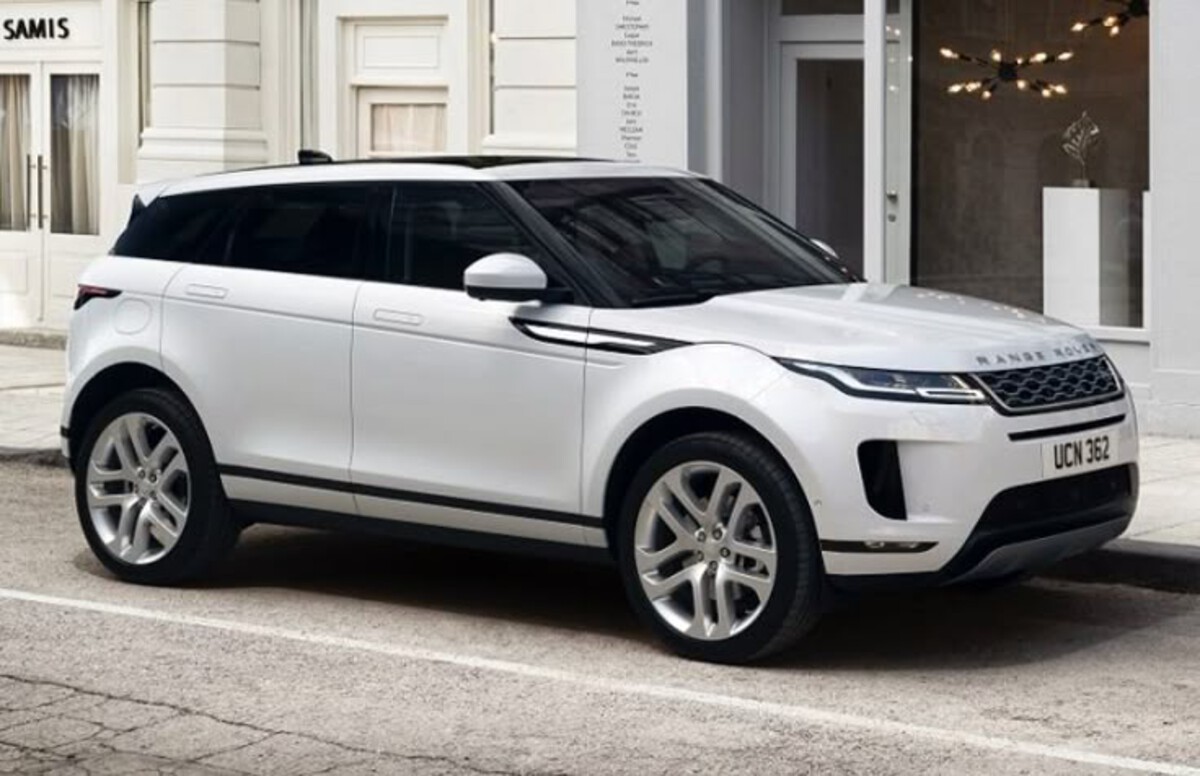
4. Range Rover Evoque
The Range Rover Evoque occupies a unique position on this list because it’s not particularly cheap when new, but the used market tells a different story. Three to five-year-old Evoques are available at prices that seem shockingly low for a luxury SUV with the prestigious Range Rover badge, often selling for 40-50% of their original MSRP.
This dramatic depreciation makes them tempting for buyers who dream of luxury brand ownership but lack the budget for a new premium vehicle.
The problem with buying a used Evoque becomes apparent the moment something breaks. This vehicle was designed for wealthy buyers who would lease it and return it before major issues emerged, not for budget-conscious used car buyers who need reliable transportation.
Repair costs reflect the vehicle’s luxury positioning, with even routine maintenance like brake jobs and tire replacements costing significantly more than comparable mainstream vehicles.
Engine problems plague many Evoques, particularly the turbocharged four-cylinder models that suffer from timing chain issues, turbocharger failures, and various oil leaks that require expensive repairs.
The nine-speed automatic transmission, shared with other Jaguar Land Rover products, has proven problematic across the lineup, exhibiting rough shifting, going into “limp mode,” and sometimes failing completely repairs that can cost $5,000 to $8,000 or more.
Electrical issues are endemic to the Evoque, with infotainment system failures, sensor malfunctions, and various electronic gremlins that require specialized diagnostic equipment and expertise to resolve.
The cost of dealer service is astronomical, and many independent mechanics refuse to work on Land Rover products due to their complexity and the liability associated with their unreliability.
Fuel economy disappoints given the vehicle’s size, and most models require premium fuel, adding to operating costs. Insurance premiums run high due to expensive parts, high repair costs, and raised theft rates for luxury vehicles.
The depreciation continues even after the initial dramatic drop. Evoques continue losing value at above-average rates throughout their lifespan, and high-mileage examples become nearly worthless despite the Range Rover badge.
The combination of expensive repairs, poor reliability, high operating costs, and continued depreciation makes the Evoque a financial disaster for used car buyers seduced by the low entry price and luxury badge.
Also Read: 7 High Tech Vehicles That Depend Too Much on Software
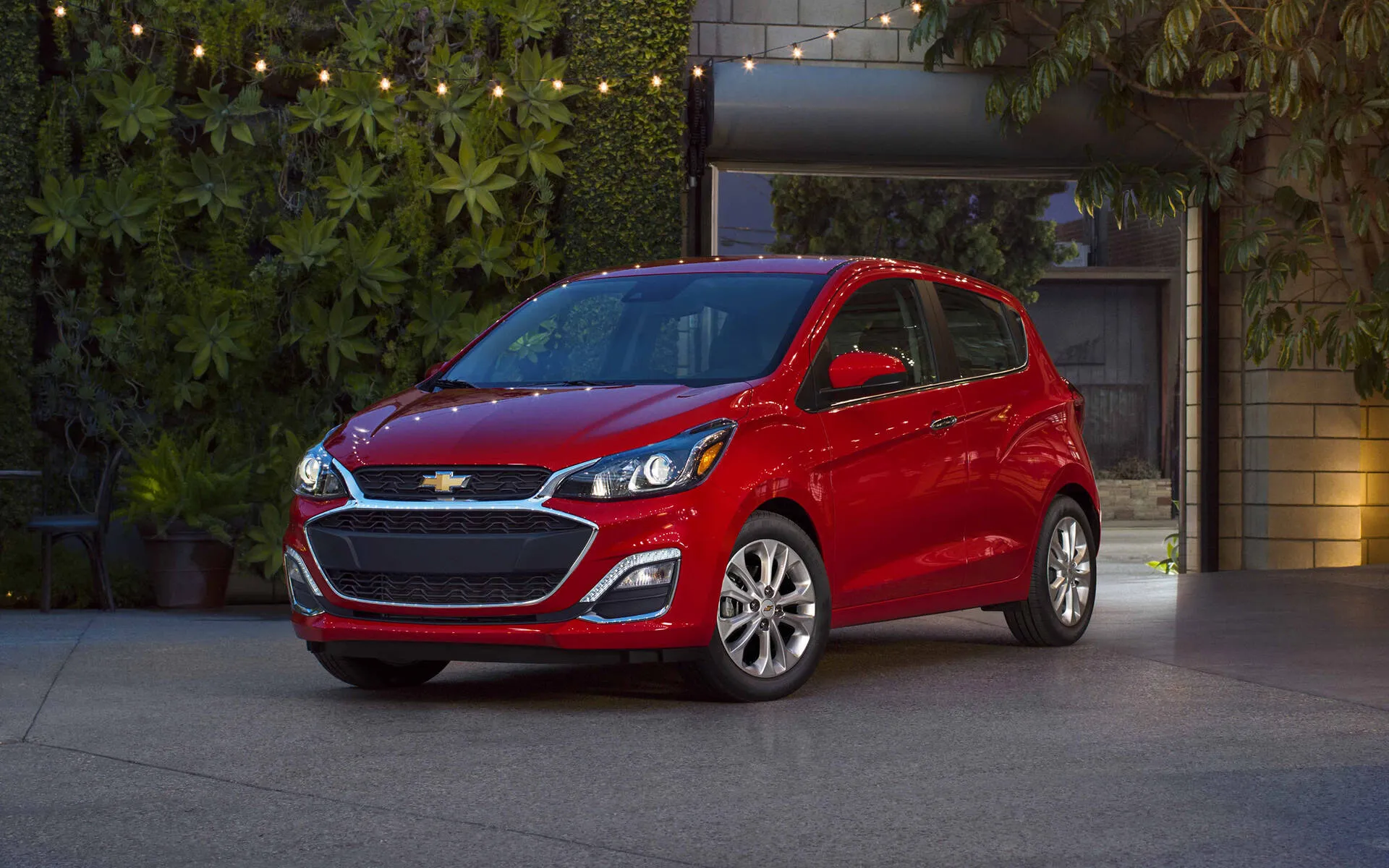
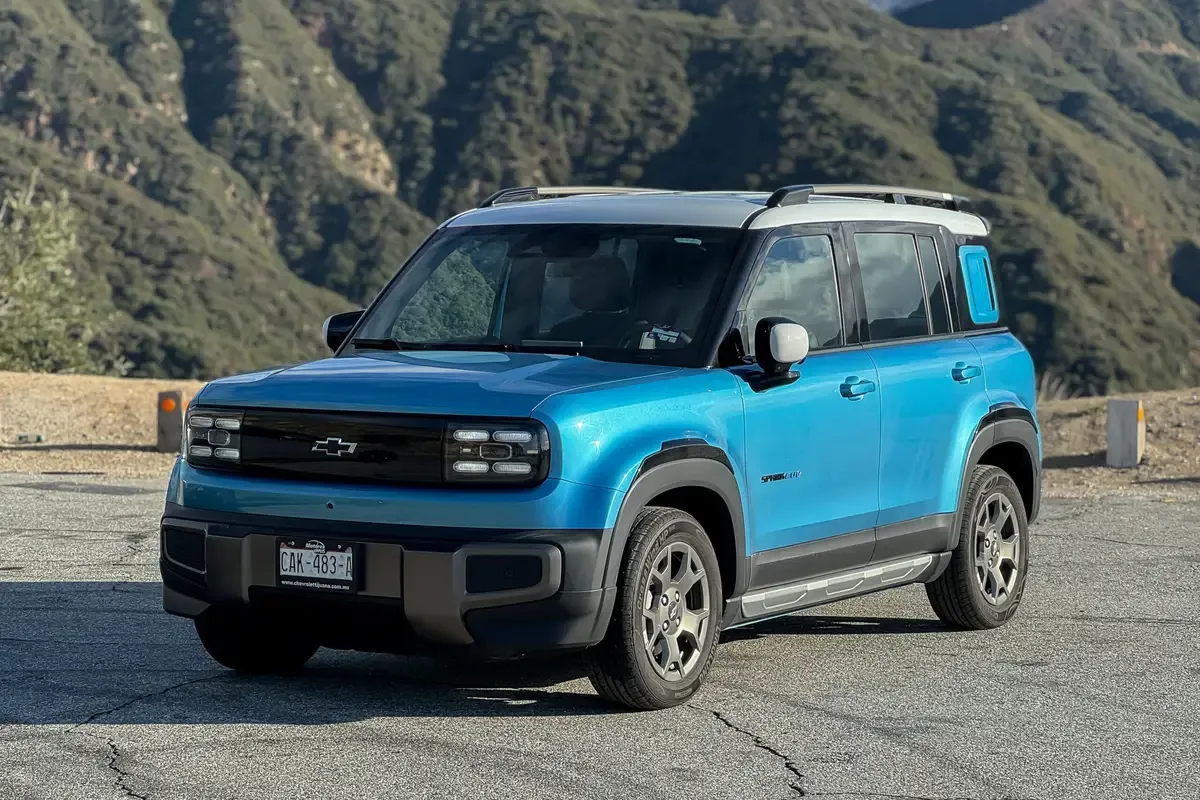
5. Chevrolet Spark
The Chevrolet Spark represents General Motors’ entry in the ultra-budget subcompact segment, consistently available at rock-bottom prices both new and used.
This tiny hatchback attracts buyers with its low purchase price, compact dimensions for easy parking, and decent fuel economy numbers. For someone seeking the absolute cheapest way to get into a new car with a warranty, the Spark often tops the list.
However, the Spark’s extremely low price point comes with significant compromises that translate into higher ownership costs over time. The vehicle’s small size and light weight make it vulnerable in accidents, resulting in higher insurance premiums than you might expect for such an inexpensive car.
The minimal safety equipment in base models and poor crash test ratings in some categories contribute to this increased insurance cost.
The Spark’s tiny engine must work extremely hard in normal driving conditions, leading to accelerated wear on engine components and the transmission.
Merging onto highways becomes a white-knuckle experience as the engine screams at high RPMs just to maintain speed, and this constant high-stress operation reduces engine longevity. Many Sparks need major engine work or replacement before reaching 100,000 miles a catastrophic expense for a vehicle worth so little.
The CVT transmission in newer models requires expensive fluid services, and while not as problematic as some other CVTs on the market, failures do occur with concerning regularity. Replacement costs often exceed the vehicle’s value, particularly in models more than a few years old.
The Spark’s basic construction means that minor accidents often result in total losses because repair costs quickly exceed the vehicle’s actual cash value. The thin sheet metal dents and damages easily, and the minimal bumper protection means even low-speed parking lot incidents can result in surprisingly expensive body work.
Interior quality is abysmal even by budget car standards, with hard plastics that crack, cloth that wears through quickly, and various rattles and squeaks that develop early in the vehicle’s life. While these issues don’t necessarily cost money to repair, they significantly diminish the ownership experience and contribute to the vehicle’s rapid depreciation.
Speaking of depreciation, the Spark loses value at an alarming rate. As one of the cheapest cars available, it attracts buyers with limited means, and the used market quickly becomes saturated with off-lease and trade-in vehicles.
The Spark can lose 65% or more of its value in just three years, making it one of the worst investments in automotive terms. The low absolute dollars involved provide little consolation when you’ve financed the purchase and find yourself owing thousands more than the vehicle is worth, with no end in sight to the negative equity spiral.
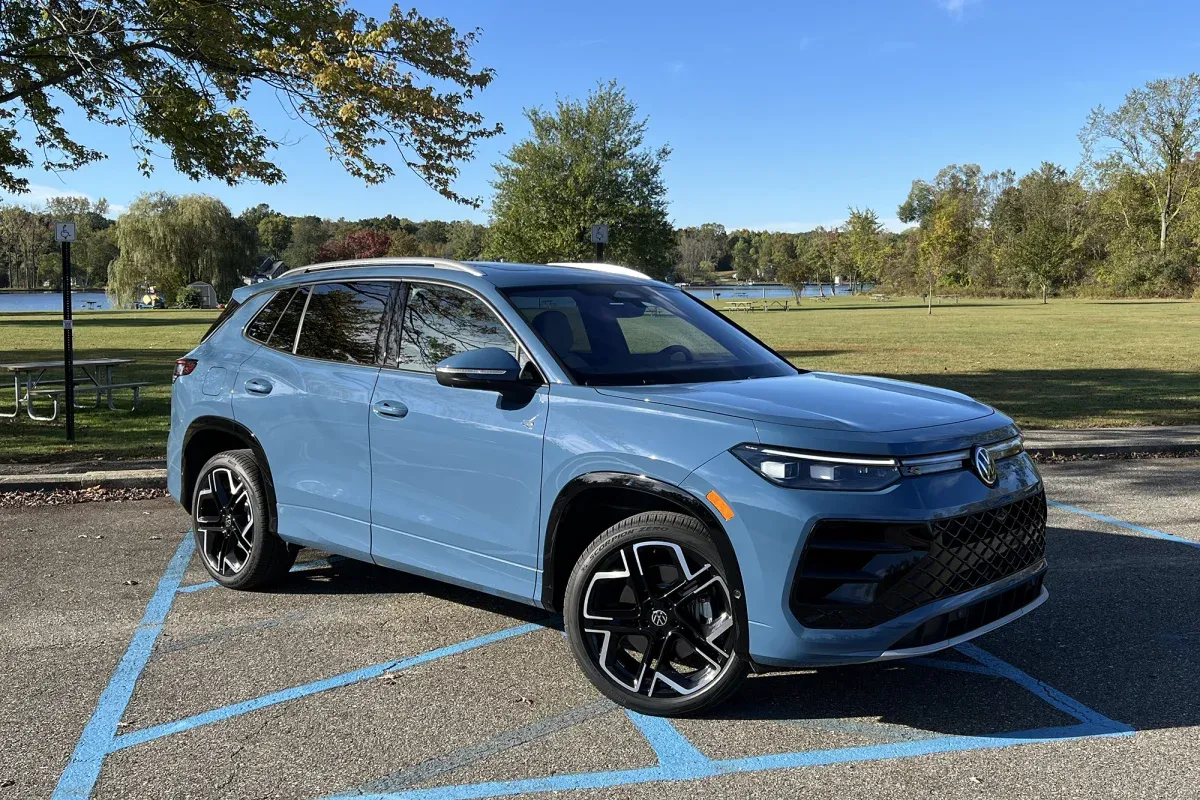
6. Volkswagen Tiguan (First Generation)
The first-generation Volkswagen Tiguan, produced from 2009 to 2017, has flooded the used market at tempting prices that make German engineering seem accessible to budget-minded buyers.
These compact SUVs depreciate heavily, with examples often available for a fraction of their original cost, creating the illusion of a premium vehicle bargain. Unfortunately, owning a used Tiguan often becomes a expensive lesson in why German cars depreciate so dramatically.
Reliability issues dominate the first-generation Tiguan ownership experience. The timing chain tensioner, a known weak point across many Volkswagen engines of this era, can fail catastrophically, destroying the engine and requiring complete replacement at costs ranging from $5,000 to $8,000 or more. This failure can occur without warning, sometimes at relatively low mileage, leaving owners with a devastating repair bill that exceeds the vehicle’s entire value.
Carbon buildup on the direct-injection engines necessitates expensive walnut blasting services every 40,000 to 60,000 miles to maintain proper engine performance.
This procedure, which involves removing the intake manifold and manually cleaning the intake valves, costs $500 to $800 and is absolutely necessary to prevent rough running, misfires, and reduced fuel economy.
The turbocharger, while generally reliable, eventually fails and requires expensive replacement. Water pump failures are common and can occur with little warning, potentially causing engine overheating and damage if not addressed immediately. Various coolant hoses, gaskets, and seals deteriorate over time, leading to leaks that require labor-intensive repairs.
Electrical problems plague many Tiguans, with window regulators failing frequently, door lock actuators breaking, and various sensors malfunctioning. The sunroof, particularly the panoramic option, often develops drainage issues that can lead to interior water damage if not addressed promptly.
Maintenance costs far exceed those of comparable Japanese or American vehicles. Oil changes require expensive synthetic oil and special filters, brake jobs use premium parts, and tire replacements come frequently due to the vehicle’s weight and available all-wheel-drive system.
Volkswagen dealerships charge premium rates for service, and while independent mechanics can be more affordable, many lack the specialized diagnostic equipment needed for proper service.
Fuel economy disappoints in real-world driving, especially with the all-wheel-drive models, and most engines require or recommend premium fuel for optimal performance. The combination of poor fuel economy and premium fuel requirements significantly increases operating costs.
The depreciation continues throughout the Tiguan’s life, with high-mileage examples becoming nearly worthless despite the Volkswagen badge. The knowledge of expensive, inevitable repairs drives values down further, creating a situation where the cheap purchase price is quickly overshadowed by the high cost of ownership.
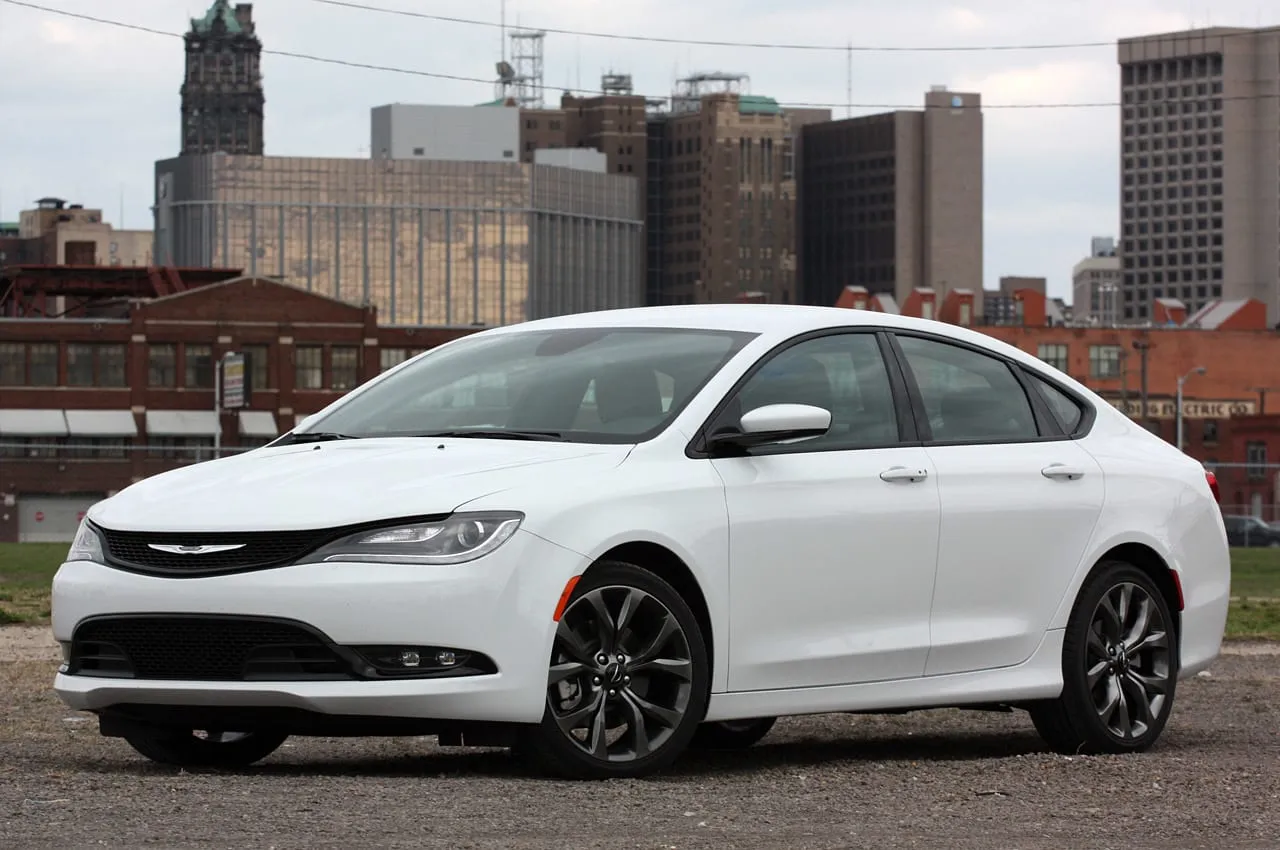
7. Chrysler 200
The Chrysler 200, particularly the second-generation model produced from 2015 to 2017, represents one of the automotive industry’s most spectacular depreciation stories. These sedans, which looked stylish and modern when new with competitive pricing, now sell for shockingly low amounts on the used market.
The combination of Chrysler discontinuing the model, closing the production facility, and widespread reliability concerns has created a perfect storm of depreciation that makes these vehicles seem like incredible bargains.
However, the 200’s low used prices exist for good reason. The nine-speed automatic transmission, shared with various other Fiat Chrysler products, has proven deeply problematic across the lineup.
This transmission exhibits harsh shifting, hesitation, refusing to shift properly, and entering “limp mode” that requires dealer service to clear. Multiple software updates have attempted to address these issues with limited success, and many owners eventually face expensive transmission repairs or complete replacement.
Engine problems also plague the 200, with the 2.4-liter four-cylinder (particularly in models built during 2014-2015) suffering from oil consumption issues that can lead to engine damage if not carefully monitored.
The V6 models prove more reliable but suffer from worse fuel economy and higher maintenance costs. Various sensors fail regularly, triggering check engine lights and reducing performance.
Electrical gremlins haunt many 200s, with the infotainment system freezing or rebooting randomly, backup cameras failing, and various other electronic features malfunctioning. The panoramic sunroof, when equipped, often develops leaks or mechanical failures that require expensive repairs.
The suspension components and steering system show premature wear, with many owners reporting unusual noises, loose steering feel, and failed components well before expected. These repairs, while not as expensive as transmission or engine work, accumulate over time and add to the total cost of ownership.
Parts availability and cost present additional challenges now that Chrysler has discontinued the model. While many components remain available through the parts network, some specific items must be ordered with long lead times, and prices reflect the limited production run. The network of mechanics familiar with the vehicle shrinks each year as the 200 fades from memory.
Insurance costs remain moderate, but this provides little consolation when combined with all the other ownership expenses. Fuel economy, while decent on paper, often disappoints in real-world driving, particularly with the nine-speed transmission’s problematic shift patterns causing the engine to work harder than necessary.
The depreciation shows no signs of stopping. As these vehicles age and accumulate miles, their values continue dropping to levels that seem almost comical given their original MSRPs of $22,000 to $35,000.
A five-year-old 200 might sell for less than $8,000, and this trend continues as they age. The combination of reliability concerns, discontinued status, poor reputation, and expensive repairs makes the 200 a vehicle that seems cheap upfront but delivers one expensive headache after another.
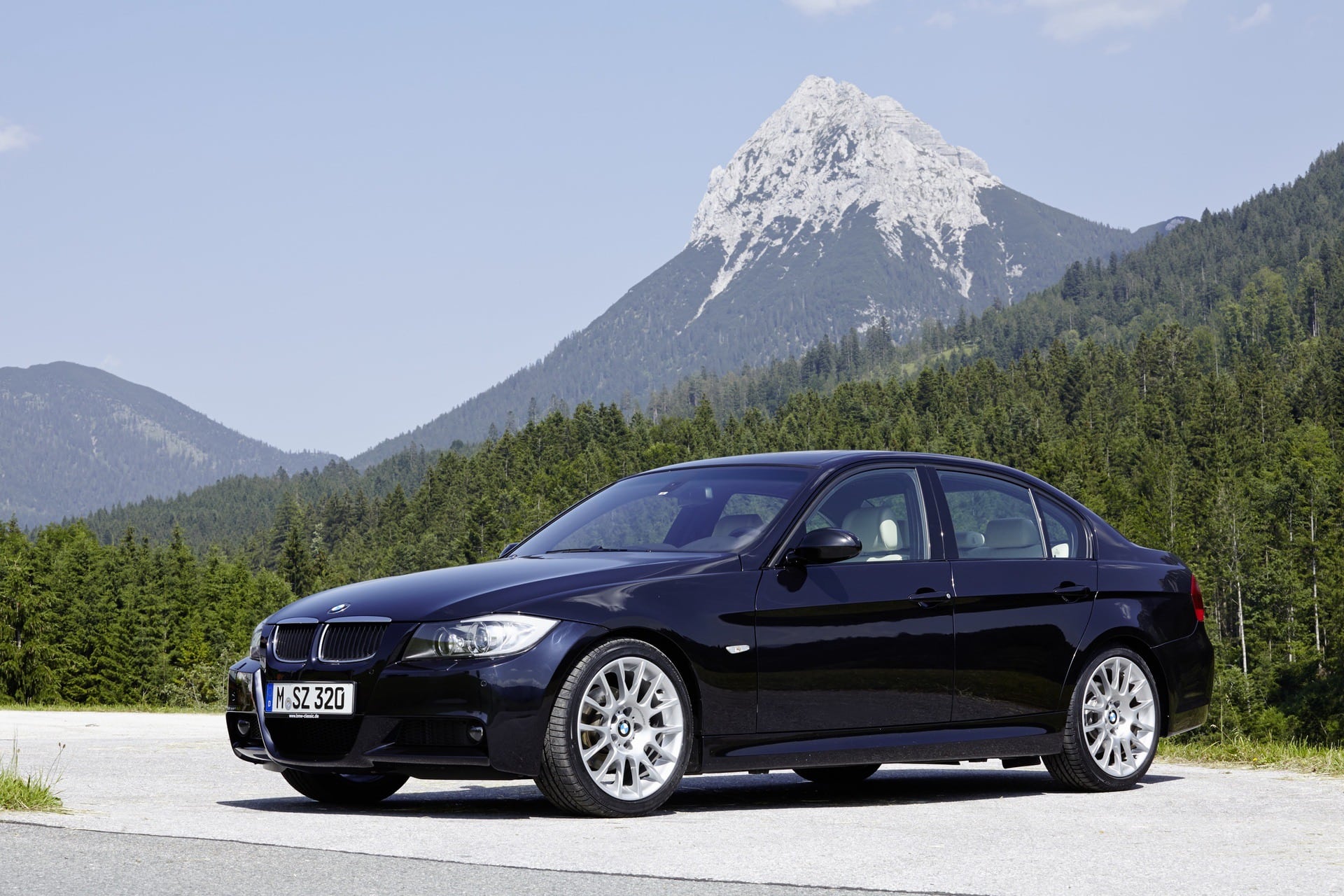
8. BMW 3 Series (E90 Generation)
The E90-generation BMW 3 Series, produced from 2006 to 2013, represents the quintessential “affordable luxury car trap” for used car buyers. These vehicles, which commanded premium prices when new, now flood the used market at prices that seem too good to be true, often selling for less than a comparable Toyota Camry.
The combination of the prestigious BMW badge, attractive styling, excellent driving dynamics, and low entry price attracts buyers dreaming of German luxury on a budget.
The harsh reality of E90 ownership begins almost immediately after purchase. These vehicles were designed for wealthy owners who would lease them for three years and return them before major issues emerged, or for owners with deep pockets who could afford the expensive maintenance that BMWs require.
Budget-conscious used car buyers quickly discover that a $8,000 purchase price doesn’t change the fact that they’re driving a $40,000 luxury car when something breaks.
The list of common, expensive problems is extensive and terrifying. High-pressure fuel pumps fail regularly, particularly in direct-injection engines, requiring replacement at costs exceeding $1,000.
Water pumps fail with alarming frequency and must be replaced as preventive maintenance around 60,000 miles at significant cost. The electric water pumps used in some models are particularly expensive and prone to failure.
Oil leaks develop from numerous locations valve cover gaskets, oil filter housing gaskets, oil pan gaskets, and rear main seals all commonly fail, requiring labor-intensive repairs.
The infamous “oil consumption” issue affects many E90s with the N52 and N54 engines, requiring owners to check and add oil between changes or risk catastrophic engine damage.
Cooling system components fail systematically, with radiators, hoses, expansion tanks, and thermostats all having limited lifespans that require expensive replacements. Ignition coils fail regularly, causing misfires and rough running.
The turbocharged N54 engine, while powerful, suffers from wastegate rattle, injector failures, and various other expensive problems that can cost thousands to repair properly.
The automatic transmission requires expensive fluid services using BMW-specific fluid, and the dual-clutch transmissions used in some models have proven problematic. Suspension components wear quickly, with control arms, bushings, and ball joints all requiring regular replacement at premium prices.
Electronics fail across the board window regulators, door lock actuators, various sensors, and the infotainment system all exhibit problems that require dealer-level diagnostics and expensive parts to repair. The all-wheel-drive transfer case in xi models can fail catastrophically, requiring replacement at costs exceeding $4,000.
Maintenance costs dwarf those of mainstream vehicles. Oil changes require expensive synthetic oil and BMW-specific filters. Brake jobs use premium parts and often include expensive rotors. Tires wear quickly and must be replaced with high-performance rubber that costs significantly more than standard tires.
Fuel economy disappoints, especially with the inline-six and turbocharged engines, and BMW recommends or requires premium fuel for all models. Insurance costs run high due to expensive parts, high repair costs, and the luxury brand designation.
The depreciation continues relentlessly throughout the E90’s life. As these vehicles age and accumulate miles, their values drop to astonishing lows while their repair needs only increase.
A high-mileage E90 might sell for just a few thousand dollars, but that “bargain” comes with the absolute certainty of expensive, ongoing repairs that will quickly exceed the purchase price many times over. The E90 3 Series perfectly illustrates why a cheap purchase price on a luxury vehicle is not a bargain but rather an expensive mistake waiting to happen.
Also Read: 9 Cars That Feel Dated Faster Than Expected
