
When purchasing a vehicle, most buyers hope for a reliable companion that will serve them well for years to come. However, not all cars age gracefully. While some vehicles become more endearing with time, proving their worth through dependability and low maintenance costs.
These problematic vehicles often start strong, impressing owners with their initial performance, cutting-edge features, and attractive styling. But as the odometer climbs and warranty coverage expires, certain models begin showing their weaknesses through mounting repair bills, rapid depreciation, and frustrating reliability issues.
The cars on this list share a common thread: they simply don’t reward the commitment of long-term ownership. Whether it’s due to astronomical maintenance costs, notoriously unreliable components, or value that plummets faster than a skydiver, these vehicles can turn from dream machines into financial nightmares.
Understanding which cars fall into this category can save potential buyers thousands of dollars and countless headaches down the road.
From luxury European sedans with complex engineering to technologically ambitious vehicles that bite off more than they can chew, we’ll explore seven cars that consistently disappoint owners who dare to keep them past their prime.
These are the vehicles where the extended warranty isn’t just recommended it’s practically essential for financial survival.
1. Range Rover (Various Models)
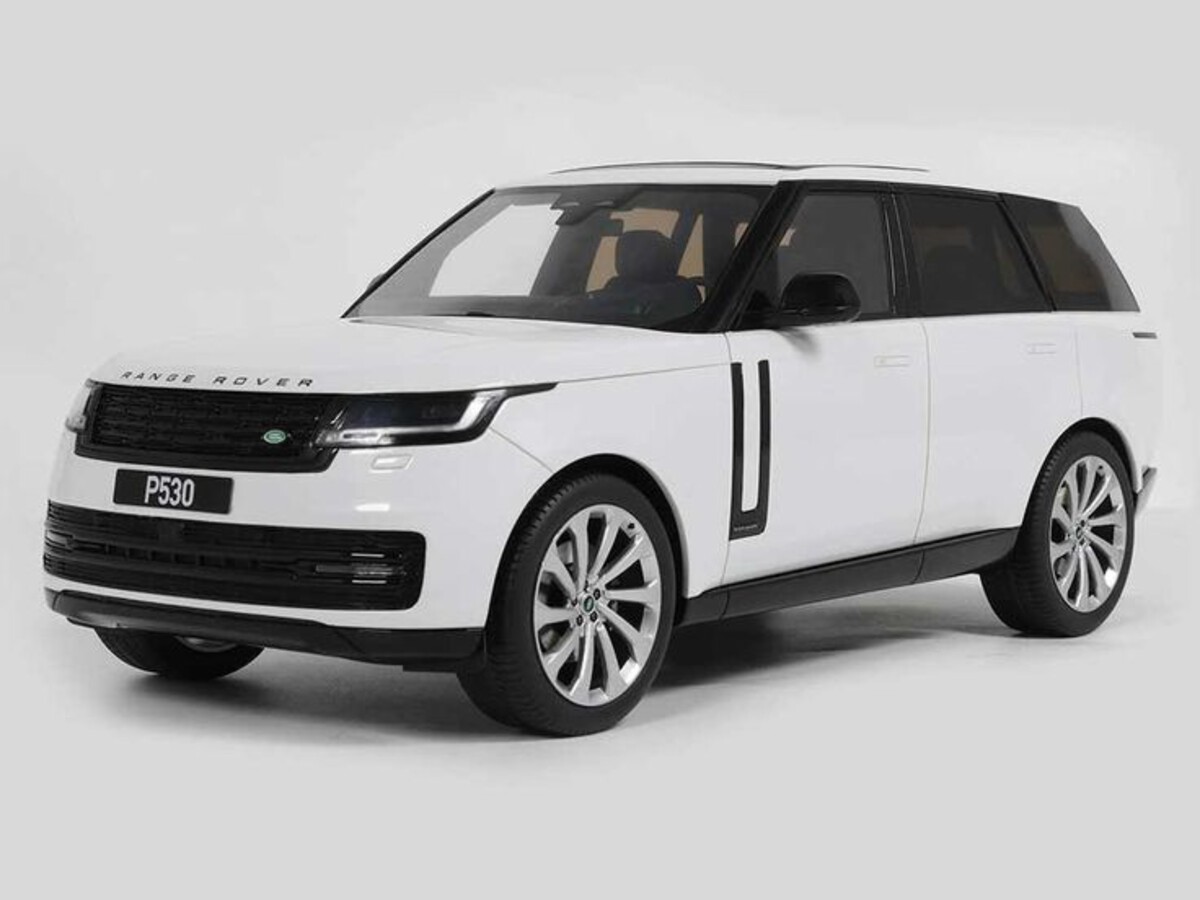
The Range Rover has long been synonymous with luxury, prestige, and off-road capability. With its commanding presence, sumptuous interior, and advanced technology, it’s easy to see why buyers are initially attracted to this British icon.
However, the reality of long-term Range Rover ownership tells a far different story than the glossy brochures suggest. These vehicles have earned a notorious reputation for reliability issues that can drain bank accounts faster than their powerful engines consume premium fuel.
The problems begin with the Range Rover’s extraordinarily complex engineering. These vehicles feature air suspension systems that frequently fail, requiring repairs that can easily exceed $3,000 per corner.
The electronic systems, while impressive when functioning properly, are prone to glitches and failures that even dealership technicians struggle to diagnose.
Owners commonly report issues with the infotainment system freezing, parking sensors malfunctioning, and warning lights illuminating the dashboard like a Christmas tree.
The air suspension, in particular, becomes a ticking time bomb as vehicles age, with many owners forced to convert to conventional coil springs just to make the vehicle drivable.
Engine problems plague various Range Rover models, with some experiencing premature timing chain failures, oil consumption issues, and turbocharger problems. The diesel variants, while offering impressive torque, often develop expensive emissions system failures.
Transmission issues are also common, with the ZF eight-speed automatic sometimes exhibiting harsh shifts or complete failure. Even routine maintenance comes at a premium, with oil changes and brake service costing significantly more than comparable vehicles.
Depreciation compounds these ownership woes. Range Rovers lose value at an alarming rate, with some models shedding 50% or more of their value within three years. This steep depreciation reflects the market’s awareness of reliability concerns and expensive repair costs.
While the initial buyer may enjoy a luxurious experience under warranty, subsequent owners face the daunting reality of maintaining a complex vehicle without factory coverage.
The combination of frequent breakdowns, expensive parts, and specialized labor requirements makes the Range Rover a vehicle best enjoyed as a short-term lease rather than a long-term investment. For those seeking reliable luxury transportation, virtually any competitor offers better long-term value.
2. BMW 7 Series (E65/E66 Generation, 2002-2008)
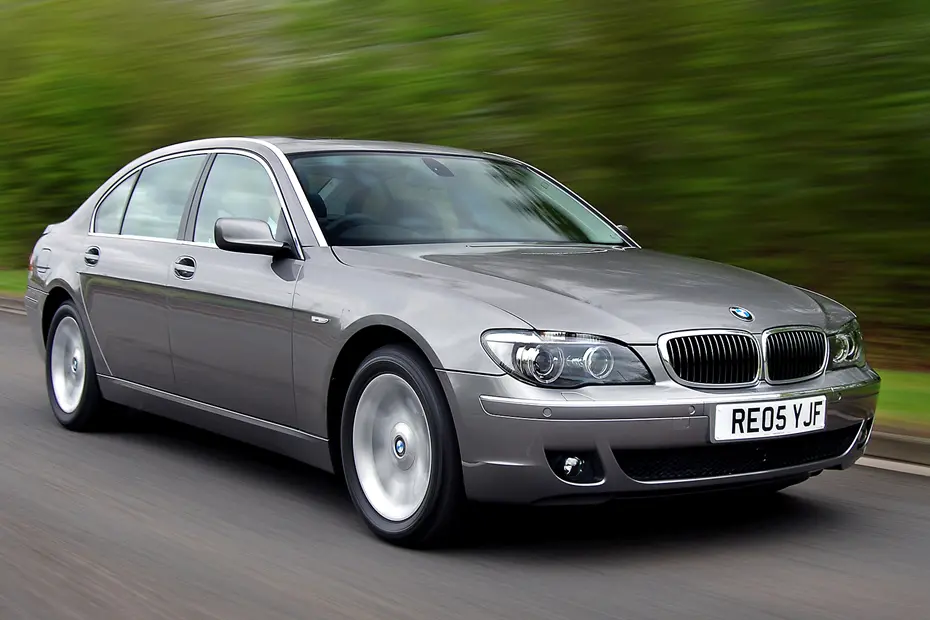
The E65/E66 generation BMW 7 Series represented the German automaker’s ambitious leap into the future of automotive technology. Packed with innovations including iDrive, active steering, and complex electronic systems, this flagship sedan was intended to showcase BMW’s engineering prowess.
However, this particular generation has become legendary for all the wrong reasons, earning a reputation as one of the most problematic luxury sedans ever produced. What seemed cutting-edge in 2002 became a maintenance nightmare just a few years later.
The electronic gremlins in this 7 Series are extensive and expensive to address. The iDrive system, revolutionary at the time, frequently malfunctions with age, requiring costly controller replacements.
The parking sensors fail regularly, the navigation system becomes glitchy, and the comfort access key system often stops working properly. But electronics are just the beginning.
The Active Steering system, which varies steering ratio based on speed, is prone to expensive failures that can cost upwards of $5,000 to repair. Many owners simply disable this feature entirely rather than face the repair bills.
Engine problems vary by model, but several powerplants have notable issues. The V8 engines can develop valve stem seal problems leading to excessive oil consumption. The N62 engine is particularly notorious for cooling system failures, which if not addressed promptly, can lead to catastrophic engine damage.
The turbochargers on forced-induction models have limited lifespans and cost thousands to replace. The air suspension system, similar to the Range Rover, fails with alarming regularity, leaving owners with repair bills exceeding $3,000 to replace multiple air struts.
Transmission problems add to the ownership woes, with the six-speed automatic sometimes experiencing mechatronic unit failures. The fuel system components, including high-pressure fuel pumps, are another common failure point. Routine maintenance is expensive, with brake jobs often exceeding $2,000 when rotors and pads are replaced at all four corners.
The depreciation curve on these vehicles is brutal a $70,000 car when new might struggle to fetch $10,000 after ten years, and that low price reflects justified concerns about ongoing reliability. While BMW has since improved the 7 Series, this generation remains a cautionary tale about the perils of overly complex engineering without adequate long-term durability testing.
3. Maserati Ghibli
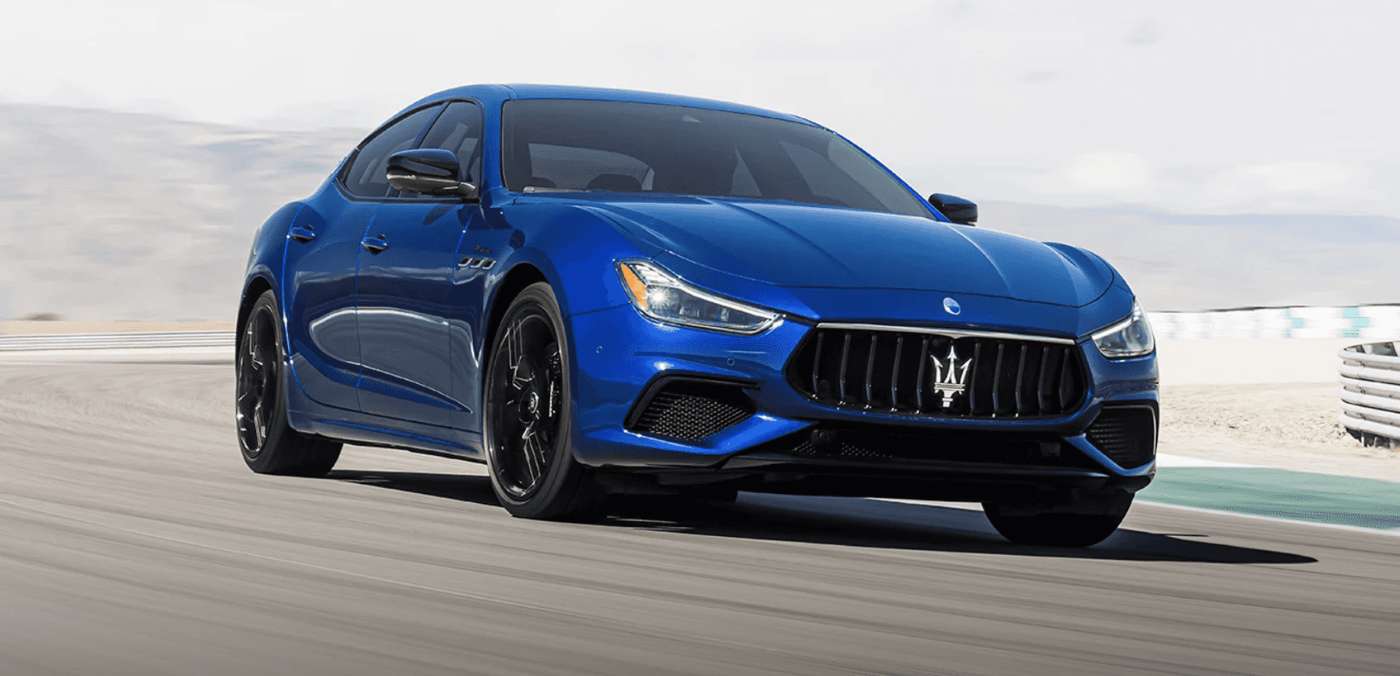
The Maserati Ghibli entered the market as an attempt to bring Italian luxury and performance to a more accessible price point, competing with German rivals like the BMW 5 Series and Mercedes-Benz E-Class. With its seductive styling, Ferrari-derived engine heritage, and prestigious trident badge, the Ghibli initially appears to offer exotic car cachet at a semi-reasonable price.
However, the reality of ownership reveals why this particular Maserati trades at such steep discounts on the used market. The Ghibli simply cannot match the refinement, reliability, or value retention of its established competitors.
Quality control issues plague the Ghibli from the assembly line. Owners frequently report interior trim pieces that rattle, squeak, or separate from their mounting points. The leather quality and stitching, while initially impressive, often don’t hold up to extended use as well as German or Japanese competitors.
Electrical problems are common, with various sensors, switches, and control modules failing prematurely. The infotainment system, based on older Chrysler architecture from when both brands shared corporate ownership, feels dated and glitchy compared to modern alternatives.
Mechanical reliability presents serious concerns for long-term owners. The twin-turbocharged V6 engine, while producing an intoxicating sound, can develop oil leaks and turbocharger issues.
The ZF eight-speed transmission, though generally reliable in other applications, sometimes exhibits harsh shifting or electronic faults in the Ghibli. Suspension components wear prematurely, and replacement costs significantly exceed those of competitors due to Maserati’s limited parts distribution network and specialized labor requirements.
Brake wear is particularly aggressive, with some owners reporting pad and rotor replacement necessary every 15,000 miles under spirited driving.
The depreciation story is perhaps most devastating. A Ghibli that cost $75,000 new might be worth only $25,000 after just four years a nearly 67% value loss. This reflects market reality: used buyers understand the risks and demand steep discounts to compensate. Maintenance costs don’t decrease with the car’s value, however.
Routine service at Maserati dealerships remains expensive, with minor services often exceeding $500 and major services climbing into the thousands. While the Ghibli offers undeniable style and a unique alternative to German sedans, it simply cannot provide the long-term ownership satisfaction and financial stability that buyers deserve from a premium vehicle.
4. Volkswagen Touareg (V10 TDI)
The Volkswagen Touareg V10 TDI represents automotive engineering taken to an extreme that few buyers requested and even fewer could afford to maintain long-term.
This remarkable SUV featured a 5.0-liter V10 diesel engine producing 310 horsepower and an astounding 553 lb-ft of torque, making it one of the most powerful diesel vehicles ever offered in North America.
While the engineering achievement was impressive and the towing capacity exceptional, the complexity and maintenance requirements of this powertrain make it a financial liability for anyone considering long-term ownership.
The V10 TDI engine is an engineering marvel riddled with potential failure points. The exhaust gas recirculation (EGR) system frequently becomes clogged, requiring expensive cleaning or replacement.
The diesel particulate filter (DPF) system demands regular regeneration cycles and eventually needs replacement at a cost exceeding $3,000. Turbocharger failures are not uncommon, and with multiple turbos, replacement costs quickly escalate.
The fuel injection system uses piezoelectric injectors that cost over $500 each when they fail, and the high-pressure fuel pump can also require replacement. Timing belt service, required every 120,000 miles, is a major undertaking costing $4,000-$5,000 due to the engine’s complexity.
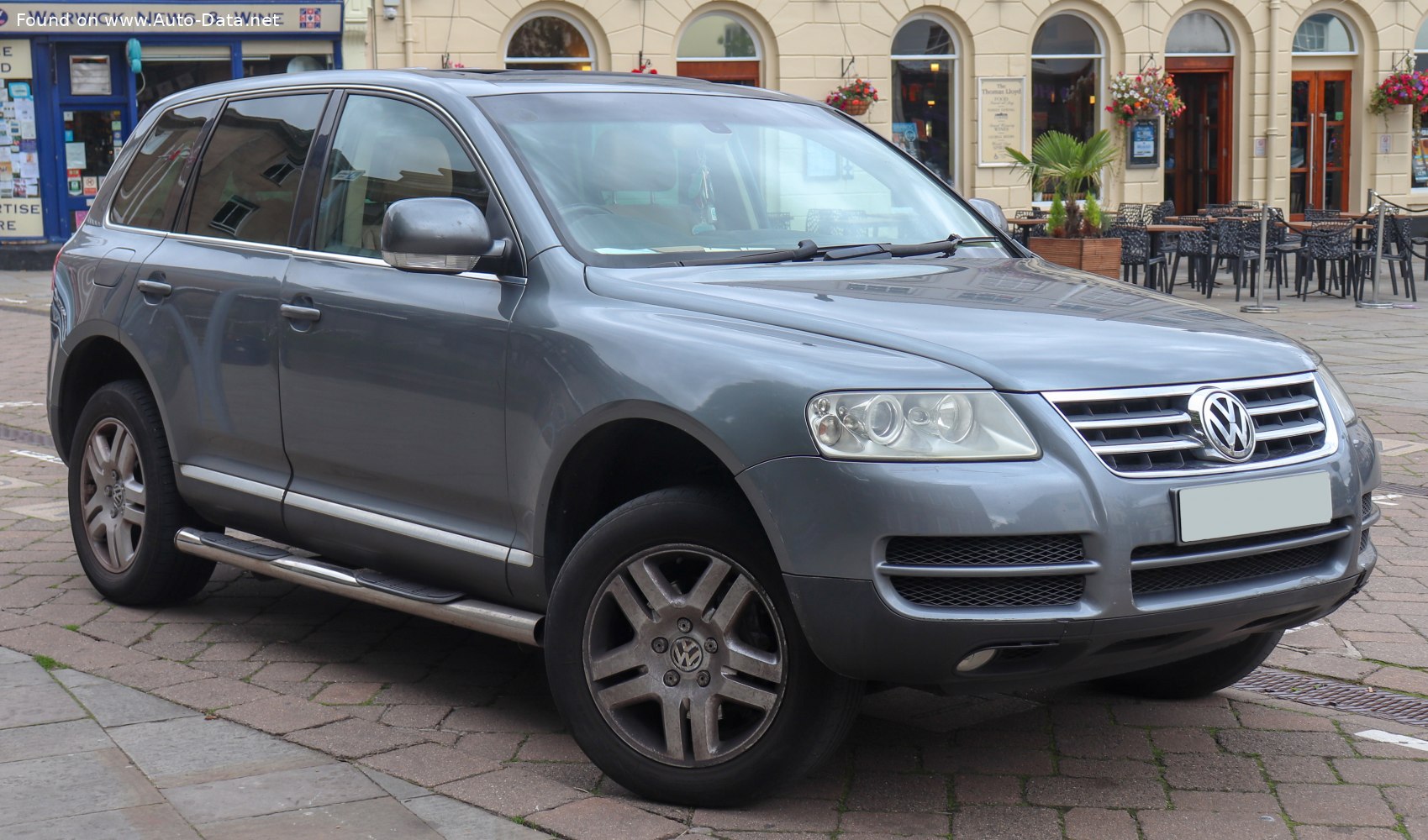
Beyond the engine, the Touareg’s air suspension system proves problematic with age. Air springs leak, compressors fail, and the electronic control modules malfunction, leading to repair bills frequently exceeding $2,000.
The electrical systems, typical of Volkswagen products from this era, develop various gremlins including malfunctioning sensors, failing control modules, and glitchy infotainment components. The transfer case and differential seals are prone to leaking, and all-wheel-drive system components can fail expensively.
Finding qualified technicians willing and able to work on these vehicles becomes increasingly difficult as they age. Many independent shops lack the specialized diagnostic equipment and training required for the complex V10 diesel, forcing owners to dealerships where labor rates exceed $150 per hour.
Parts availability is also concerning, with some components becoming harder to source as the vehicle ages. The depreciation curve tells the story clearly these vehicles lose value precipitously because the market recognizes the ownership liability. What cost over $60,000 new might struggle to find a buyer at $10,000 a decade later, despite relatively low mileage.
The Touareg V10 TDI is a vehicle best appreciated from afar, not owned long-term unless you have a dealer-level relationship and a substantial maintenance budget.
Also Read: 7 Cars Where Technology Becomes a Headache
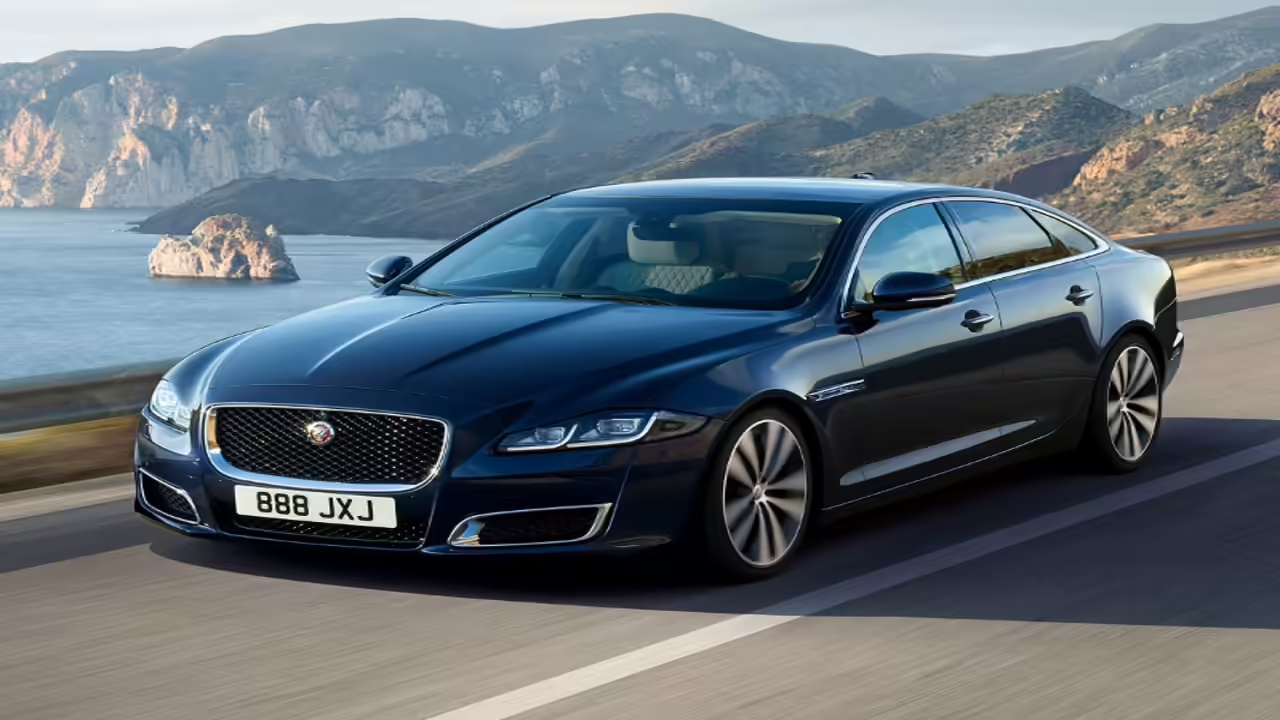
5. Jaguar XJ (2010-2019)
The modern Jaguar XJ, redesigned for 2010, represented the British brand’s bold reimagining of its flagship luxury sedan. With stunning Ian Callum styling, an all-aluminum architecture, and a luxurious interior befitting its premium positioning, the XJ seemed poised to challenge established German rivals.
However, beneath the beautiful exterior lies a vehicle that has proven frustratingly unreliable for long-term owners. The combination of electrical problems, expensive maintenance, and steep depreciation makes this Jaguar a risky proposition once factory warranty coverage expires.
Electrical issues dominate the XJ’s problem list. Owners commonly report failures with the touch-screen infotainment system, which can freeze, reboot randomly, or fail completely.
The digital instrument cluster sometimes malfunctions, leaving drivers without critical information. Parking sensors, cameras, and adaptive cruise control components fail with concerning frequency.
The complex lighting systems, including adaptive LED headlights, are expensive to repair when they malfunction. Door lock actuators fail, causing doors to lock or unlock spontaneously or refuse to operate at all. The start/stop system often develops faults, and various modules throughout the vehicle can require replacement or reprogramming.
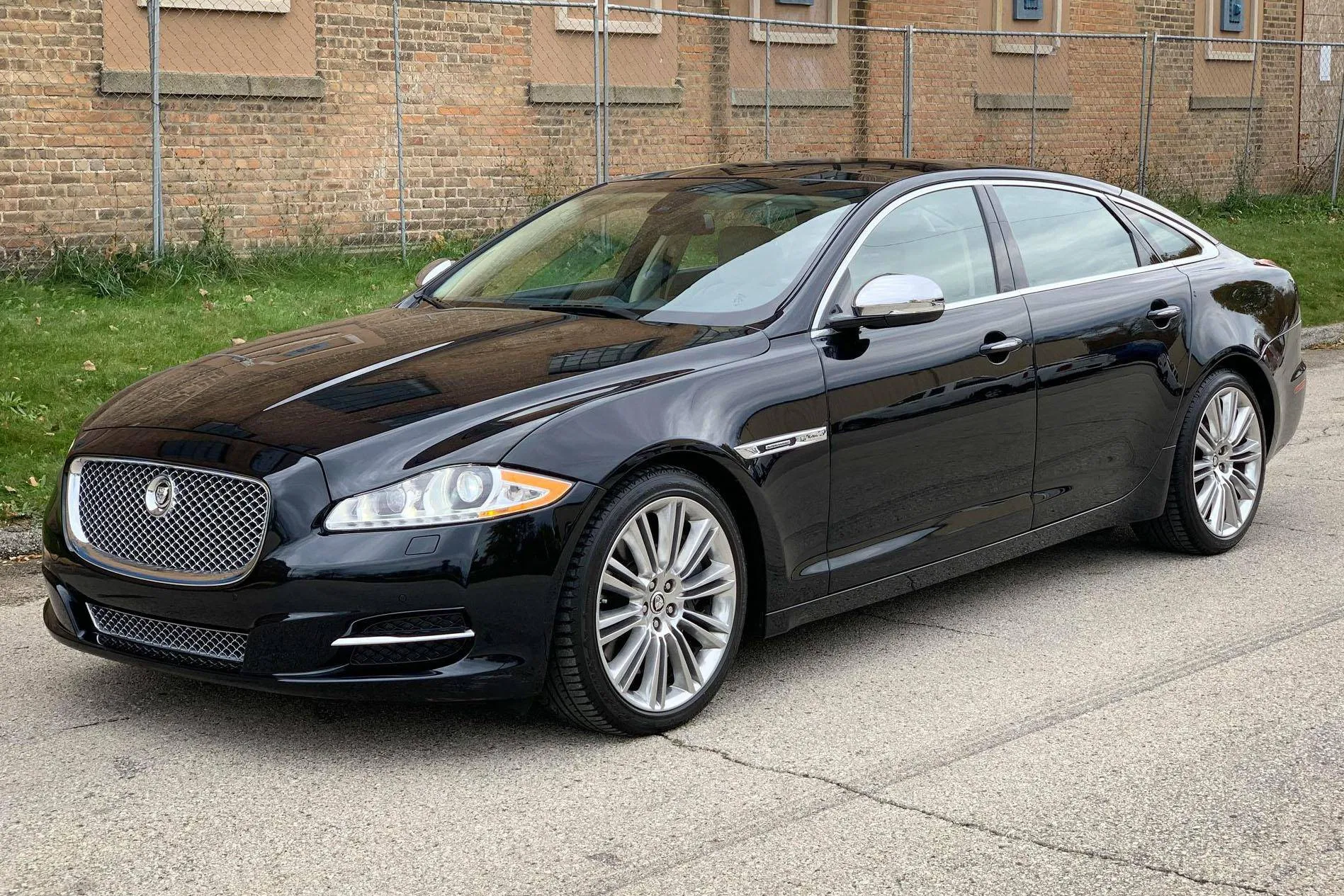
Mechanical problems compound the ownership challenges. The supercharged V8 engines, while powerful and characterful, can develop supercharger pulley failures, timing chain issues, and coolant leaks. The V6 diesel variant, popular in some markets, experiences turbocharger and emissions system problems.
The ZF eight-speed transmission generally proves reliable but can occasionally develop electronic control module issues. Air suspension components fail as vehicles age, and the complex hydraulic brake system has shown susceptibility to master cylinder and accumulator failures that result in alarming brake performance degradation.
The maintenance costs on the XJ rival or exceed those of German competitors, despite Jaguar’s lower brand prestige. Brake jobs commonly exceed $2,000, and routine service at dealerships is expensive. When major repairs are needed, parts costs can be shocking, with some electronic modules costing thousands of dollars.
Finding qualified independent technicians who will work on modern Jaguars can be challenging, often forcing owners back to dealerships with their premium labor rates. Depreciation is brutal an XJ that cost $75,000 new might be worth $20,000 after six years. This massive value loss reflects market skepticism about long-term reliability and the high costs of ownership.
While the XJ offers distinctive style and a luxurious driving experience, it simply cannot provide the peace of mind and value retention that buyers should expect from a flagship luxury sedan.
6. Audi A8 (D3 Generation, 2004-2010)
The D3 generation Audi A8 represented the brand’s technological flagship, showcasing innovations including quattro all-wheel drive, available air suspension, and Audi’s Multi Media Interface (MMI).
With powerful engine options, a spacious and luxurious interior, and the prestige of the four-ring badge, the A8 seemed like an attractive alternative to the Mercedes S-Class and BMW 7 Series.
However, this generation has developed a well-earned reputation for expensive and frequent repairs that make long-term ownership financially punishing. What appears as a bargain in the used market often becomes a money pit.
The air suspension system represents one of the most significant financial liabilities. Air springs develop leaks with age, and the compressor eventually fails from the constant cycling required to maintain ride height. Suspension sensors and control modules also malfunction, and the cost to replace all four air springs with the compressor can easily exceed $5,000.
Many owners ultimately convert to conventional coil springs to escape the ongoing expense, though this requires specialized knowledge and parts. The electronic parking brake system is another costly failure point, with actuators and control modules requiring expensive replacement.
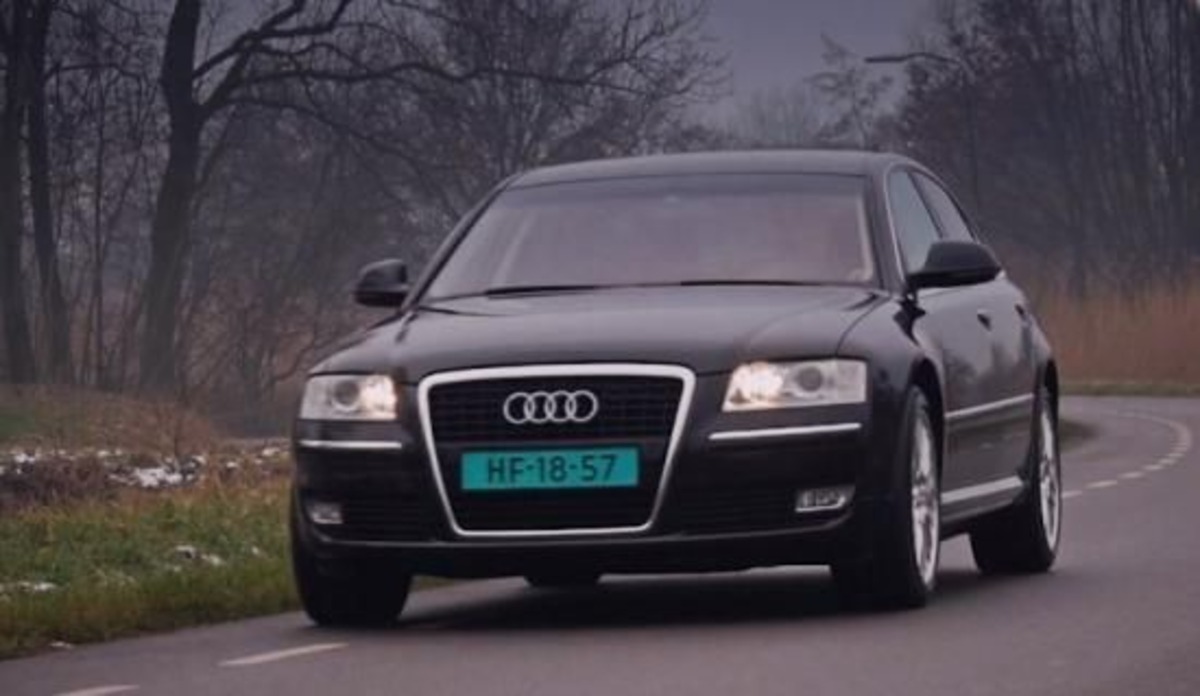
Engine problems vary by model but are concerning across the range. The 4.2-liter V8 can develop timing chain guide failures that, if not addressed, lead to catastrophic engine damage. The W12 engine, while impressively smooth, is complex and expensive to maintain or repair. Oil leaks from various seals and gaskets are common across all engines.
Cooling system components including thermostats, water pumps, and expansion tanks fail with concerning regularity. The transmission is generally reliable but can develop mechatronic unit failures requiring expensive replacement.
The electrical system gremlins are extensive. The MMI system can malfunction, requiring software updates or hardware replacement. Navigation DVD drives fail, rendering the system useless. Various sensors throughout the vehicle develop faults, triggering warning lights and sometimes causing the vehicle to enter limp mode.
The central convenience control module, which manages many electrical functions, sometimes fails completely, requiring an expensive replacement and reprogramming. Window regulators break frequently, headlight assemblies develop condensation and electrical failures, and the Xenon headlight leveling system malfunctions.
Depreciation hammers these vehicles, with $80,000 sedans dropping to $15,000 within eight years. Maintenance at Audi dealerships is expensive even for routine services, and specialized repairs can require $200+ per hour labor rates. The A8 proves why cheap used luxury cars often aren’t bargains—the operating costs quickly overwhelm any purchase price savings.
7. Cadillac CTS (First Generation, 2003-2007)
The first-generation Cadillac CTS represented General Motors’ ambitious attempt to reinvent the Cadillac brand and compete directly with European sport sedans. With its bold Art and Science design language, available V6 power, and competitive pricing, the CTS attracted buyers seeking American luxury with Germanic driving dynamics.
However, this generation has proven problematic for long-term owners, with reliability issues and poor resale value making it a disappointing investment. While later CTS generations improved significantly, this first attempt revealed the growing pains of Cadillac’s renaissance.
Engine problems plague many first-generation CTS models, particularly those equipped with the 3.6-liter V6. Timing chain issues are common, with the chains stretching over time and potentially causing engine damage if not addressed.
Water pump failures occur prematurely, sometimes leading to overheating damage. Oil consumption becomes problematic on some engines, requiring frequent top-ups between changes.
The electronic throttle control system can malfunction, causing rough idle, stalling, or poor throttle response. Spark plug replacement is complicated and expensive due to the engine design, with coils also failing frequently.

Electrical gremlins frustrate owners throughout the ownership experience. The Body Control Module (BCM) can fail, causing various electrical functions to malfunction or stop working entirely.
Window regulators break with alarming frequency, requiring expensive repairs. The door lock actuators fail, causing doors to lock or unlock erratically.
Headlight assemblies develop condensation and electrical failures. The radio and navigation system can freeze or malfunction, requiring software updates or replacement. Battery drain issues plague some vehicles due to modules that don’t properly enter sleep mode.
The suspension and steering components wear prematurely compared to Japanese and German competitors. Ball joints, control arm bushings, and tie rod ends require replacement earlier than expected.
The steering rack can develop leaks or internal wear, causing loose steering feel. Brake components wear quickly, and the electronic brake pad wear sensors frequently malfunction. Transmission issues include harsh shifting and premature wear of internal components, particularly in vehicles driven hard or not properly maintained.
The interior quality doesn’t hold up to extended use, with various trim pieces breaking, rattling, or showing excessive wear. Climate control systems malfunction, with blend door actuators failing and causing improper temperature regulation.
Depreciation is severe a $35,000 CTS from this generation might struggle to fetch $5,000 today. Parts availability is generally good given the GM parts network, but quality of replacement components can be inconsistent.
While the first-generation CTS showed promise and paved the way for better Cadillacs to come, it simply doesn’t deliver the long-term reliability and value retention that buyers deserve, making it a vehicle to avoid in the used market.
Also Read: 8 Bad Cars That Distract More Than They Help
