
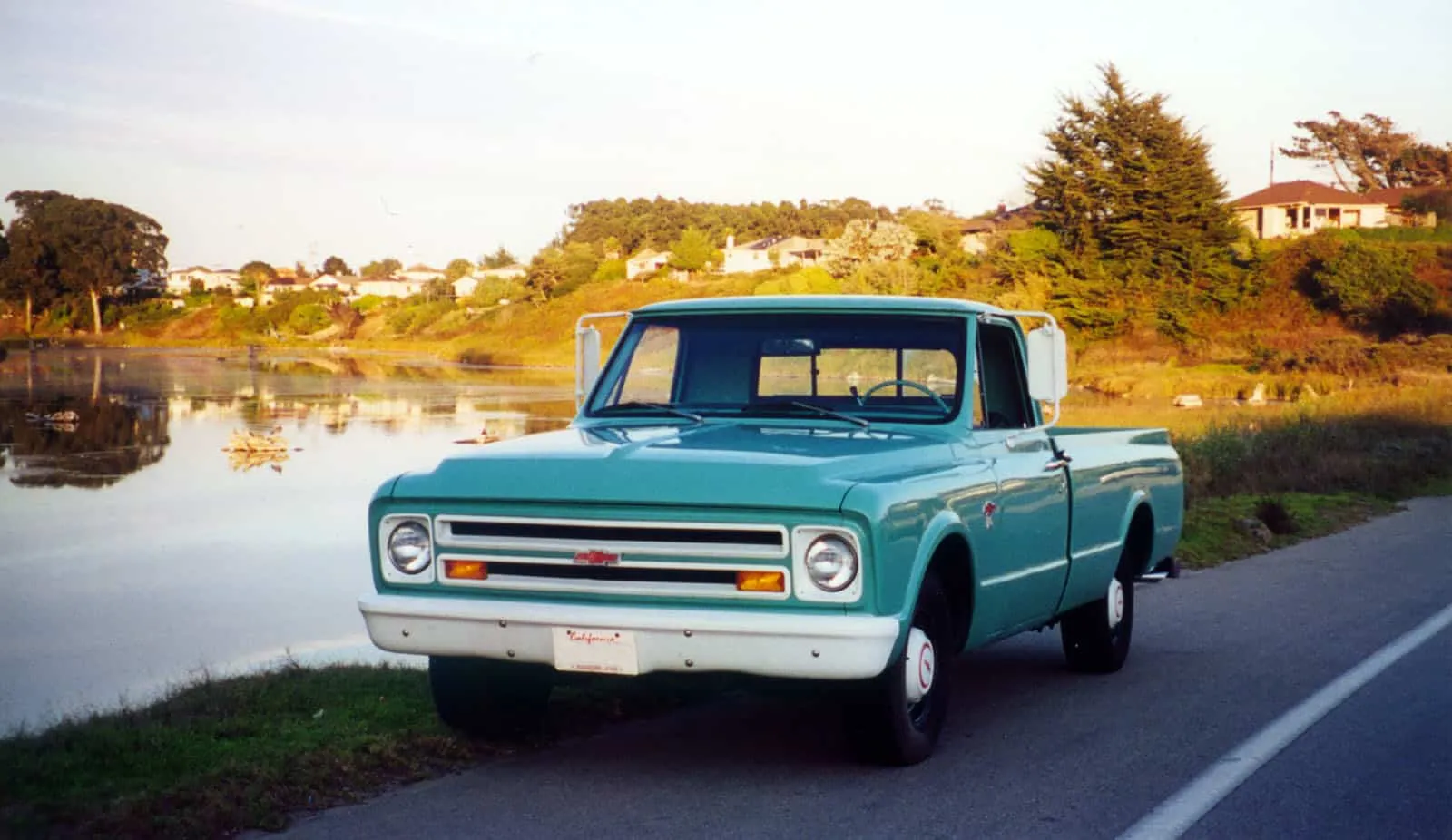
Pickup trucks were once judged almost entirely by how much weight they could haul or how long they could survive a hard workday. Time has rewritten that standard.
Certain trucks have moved beyond job sites and farms to become cherished artifacts, valued for design, engineering, cultural impact, or rarity. These machines tell stories about the eras that produced them and the people who depended on them.
Collector status does not come from age alone. It grows from a mix of identity, purpose, and presence.
Some trucks earned admiration through rugged dependability, while others surprised the market with bold engineering or unexpected performance. A few became symbols of freedom, rebellion, or innovation, and those reputations only strengthened as years passed.
Today, enthusiasts search for these trucks not because they are the most practical choice, but because they represent something lasting. Clean examples command attention at auctions, restoration shops specialise in them, and conversations light up when their names are mentioned.
Each model on this list reached that point through a different path, yet all share one thing. Respect followed them long after production ended.
Presented below are ten pickup trucks that have secured a place in collector circles. The first five begin with early legends and move toward trucks that reshaped expectations in quieter ways.
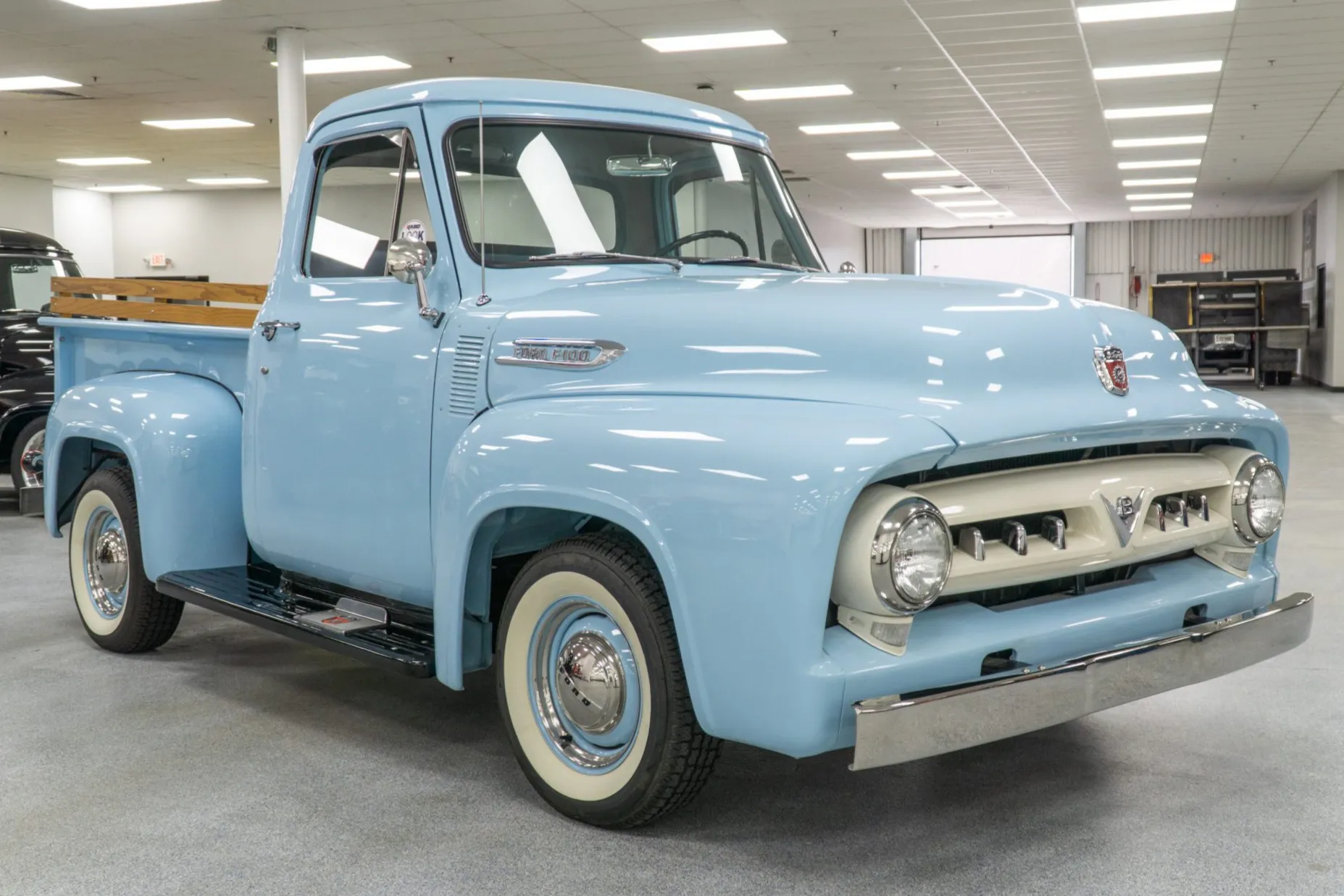
1. 1953 Ford F-100
Ford’s 1953 F-100 marked a turning point for pickup trucks by blending usability with thoughtful design. Prior models focused almost entirely on labour, yet this generation introduced comfort and style in a way that felt natural rather than forced. Clean body lines, a confident front grille, and balanced proportions gave it a presence that still feels pleasing decades later.
Inside the cab, attention shifted toward the driver. Improved seating, clearer gauges, and better visibility made long hours behind the wheel more manageable. This approach signalled that pickups could serve both work and personal roles. That idea resonated deeply and laid the groundwork for future generations.
Durability played a major role in its lasting reputation. Strong frames, dependable engines, and simple mechanical layouts allowed many examples to survive well beyond their expected service life. Restoration remains approachable because parts availability is strong, encouraging enthusiasts to bring tired trucks back to life.
Cultural influence added another layer of appeal. Hot rod builders embraced the F-100 early, customising suspensions and drivetrains while preserving its iconic shape. That adaptability expanded its audience beyond traditional truck buyers.
Collectors value this model for balance. It represents progress without abandoning tradition. Its visual identity feels honest, and its driving experience connects directly to a formative period in American automotive history. For many enthusiasts, owning a 1953 Ford F-100 feels like holding a physical chapter of postwar optimism.
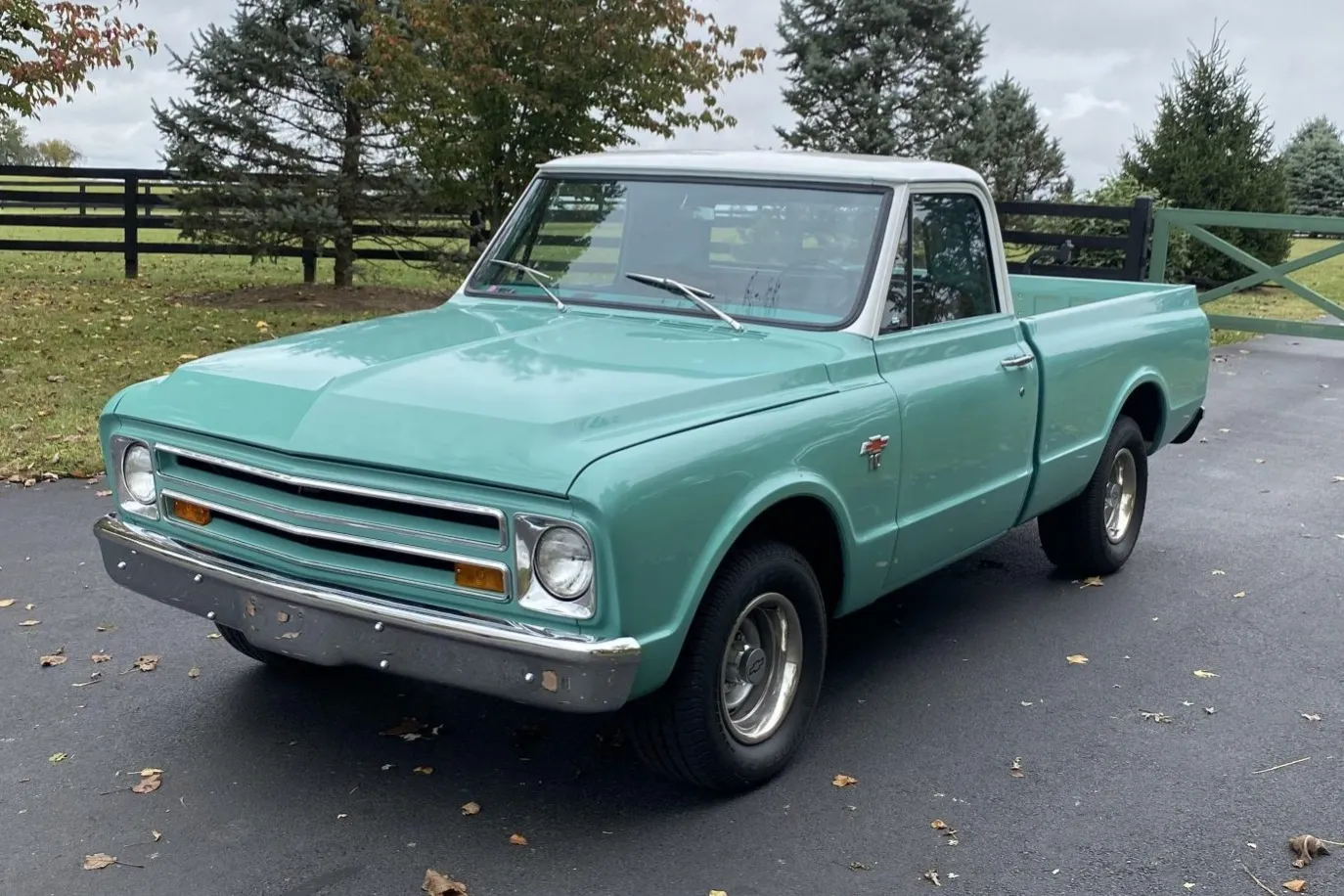
2. 1967 Chevrolet C10
Chevrolet’s 1967 C10 arrived with a cleaner, more refined attitude that reshaped expectations for full-size pickups. Bodywork adopted smoother surfaces and restrained ornamentation, creating a look that remains popular with custom builders and purists alike. Proportions feel settled and confident, avoiding excess.
Ride quality received special attention through revised suspension geometry. Coil springs replaced older designs, delivering improved comfort without sacrificing strength. This change made daily driving more pleasant and expanded its appeal beyond job-focused buyers.
Engine options offered flexibility, ranging from reliable inline units to powerful V8S. That range allowed buyers to tailor performance to their needs, a trait that still appeals to collectors seeking originality or performance builds.
Interior layout favoured clarity and usability. Controls were easy to reach, and the cabin felt more car-like than earlier trucks. This subtle refinement helped normalise pickups as personal vehicles.
Enthusiast culture embraced the C10 wholeheartedly. Restoration communities flourished, aftermarket support exploded, and creative interpretations kept the model relevant. Collectors appreciate how easily it adapts to restoration or customisation while retaining its identity.
Value appreciation reflects that affection. Clean examples draw strong interest, especially those retaining factory specifications. A 1967 Chevrolet C10 stands as proof that thoughtful design and engineering restraint can create timeless appeal.
Also Read: Top 10 Used V8 Pickup Trucks That Just Won’t Quit
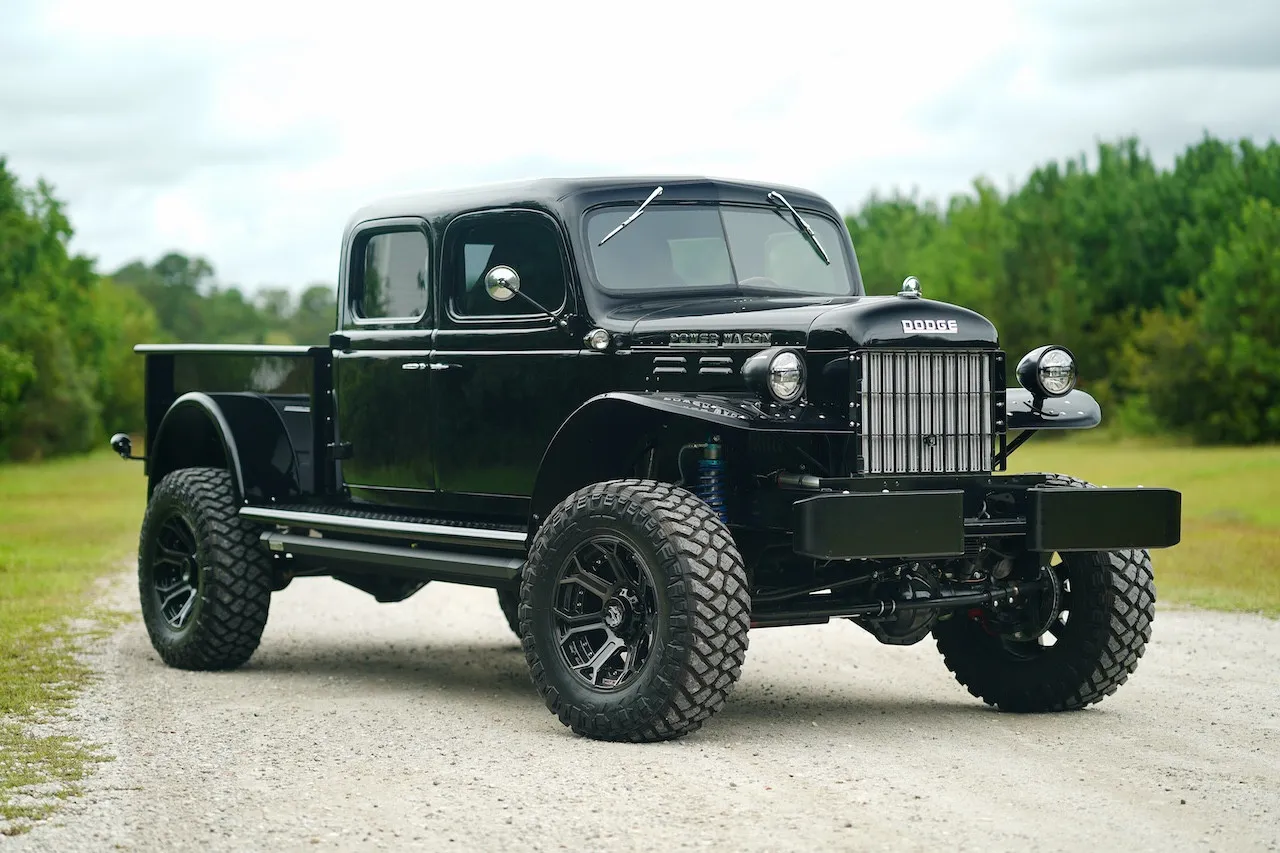
3. 1946 Dodge Power Wagon
The 1946 Dodge Power Wagon emerged as a civilian expression of military engineering, and its identity remains firmly rooted in that origin. Developed from wartime transport vehicles, this truck carried forward a philosophy centred on strength, function, and dependability.
Its upright stance, flat body panels, and exposed structural elements reflected purpose rather than stylistic ambition. Visual appeal arose from honesty in construction, presenting a machine designed to work relentlessly rather than impress casually.
Engineering choices defined its reputation. Equipped with Four Wheel Drive, solid axles, and substantial ground clearance, the Power Wagon was capable of operating in environments that challenged most civilian vehicles of its era. Harsh weather, uneven surfaces, and demanding loads did little to undermine its performance.
Mechanical systems prioritised endurance, making reliability under sustained strain a defining attribute. This capability earned trust among users who required a vehicle that could perform consistently without compromise.
Interior design received minimal attention, yet that restraint contributes to its present-day appeal. Controls feel deliberate and mechanical, providing direct engagement between driver and machine. Seating arrangements favour practicality, reinforcing the utilitarian focus.
Such simplicity offers collectors an unfiltered connection to mid-twentieth-century engineering priorities, where durability outweighed comfort considerations. Production volumes remained limited when compared with mass market pickups, enhancing scarcity. Many examples experienced extensive use across industrial and agricultural settings, leaving few in preserved condition.
Surviving trucks often bear signs of their working lives, which increases appreciation for those restored carefully. Restoration demands commitment, as original components and correct specifications require attention, yet the outcome delivers historical integrity and personal satisfaction.
Historical importance strengthens collector interest. The Power Wagon represents a clear transition from wartime manufacturing to civilian application, capturing a moment when industrial capability redirected toward peaceful enterprise.
It stands as a reminder of resilience and purposeful design during a transformative period. Collectors value the 1946 Dodge Power Wagon not simply as a vehicle, but as a durable symbol of engineering integrity, functional clarity, and the enduring appeal of machines built to serve without compromise.
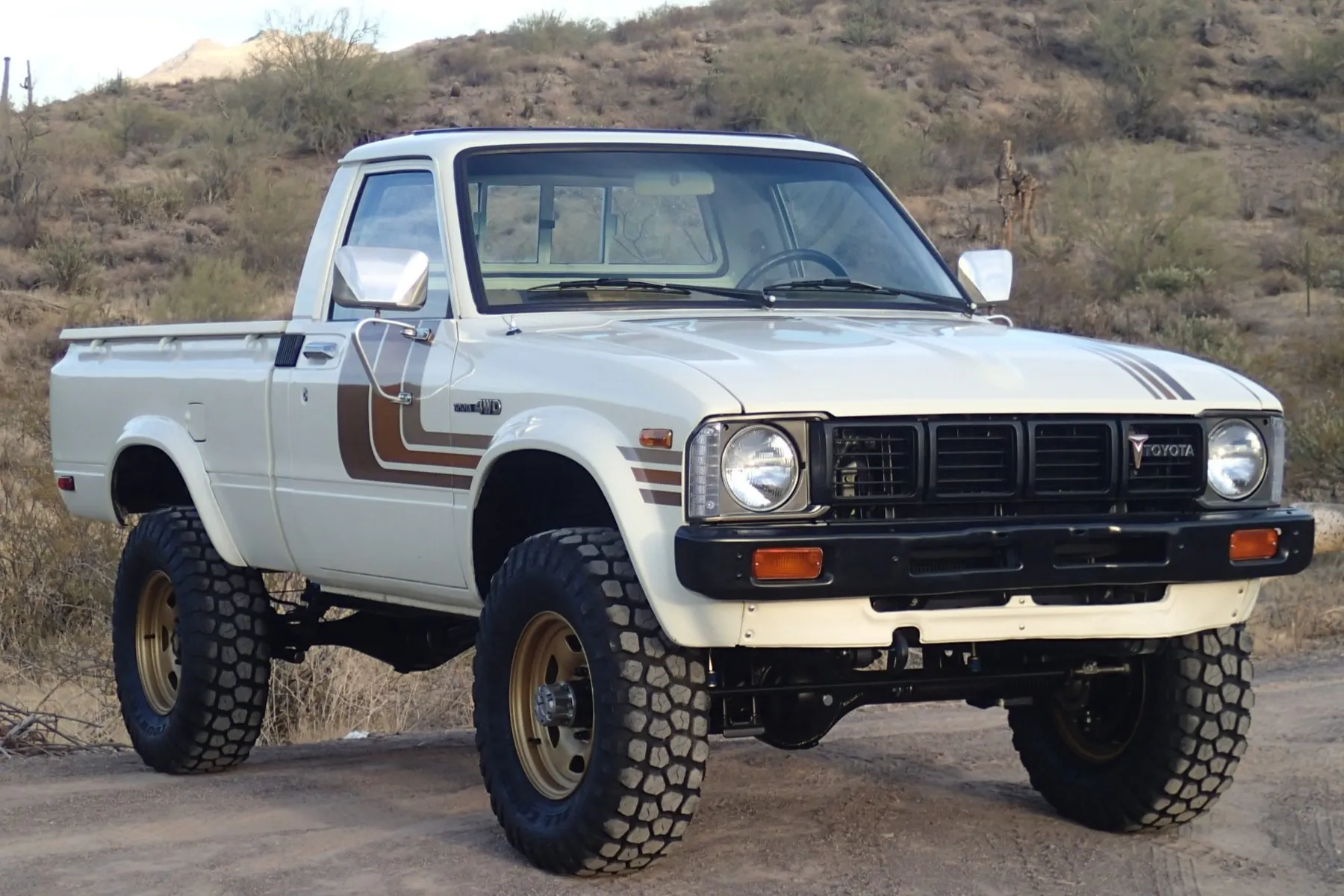
4. 1979 Toyota Hilux
Reputation defines the 1979 Toyota Hilux more strongly than appearance. Designed with restraint, this pickup embraced compact dimensions and straightforward styling that placed function above visual expression. Body lines remained simple, and ornamentation stayed minimal, allowing the vehicle’s purpose to remain clear.
Such a modest presentation contributed to its ability to remain relevant long after production ended. Mechanical reliability formed the foundation of its identity. Engine options delivered consistent output with minimal complication, encouraging ease of servicing and long operational life.
Simplicity in construction reduced failure points, enabling the Hilux to perform dependably across varied conditions. Accounts of sustained use under demanding circumstances reinforced confidence in its durability, spreading recognition across different regions and industries.
Interior layout reflected the same philosophy. Seating design supported daily use without excess padding or elaborate features. Control placement remained logical and intuitive, reducing distraction. Materials resisted wear effectively, helping cabins remain functional despite extended service.
This practical approach preserved usability across decades, appealing to collectors who appreciate vehicles that fulfil their intended role faithfully. Cultural reputation plays an important role in its collector status. The Hilux became associated with toughness and dependability in remote or demanding environments.
That association strengthened trust in the brand and elevated the model’s standing beyond ordinary transportation. Ownership signified reliability rather than status, which continues to resonate with enthusiasts seeking authenticity.
Surviving examples attract strong interest because many units were worked extensively and eventually discarded. Clean trucks suggest careful stewardship and restraint, qualities admired within collector circles. Restoration efforts often focus on preservation rather than modification, maintaining originality as a priority.
The 1979 Toyota Hilux appeals to those who value endurance, mechanical honesty, and quiet confidence, offering a reminder that lasting respect often grows from consistency rather than spectacle.
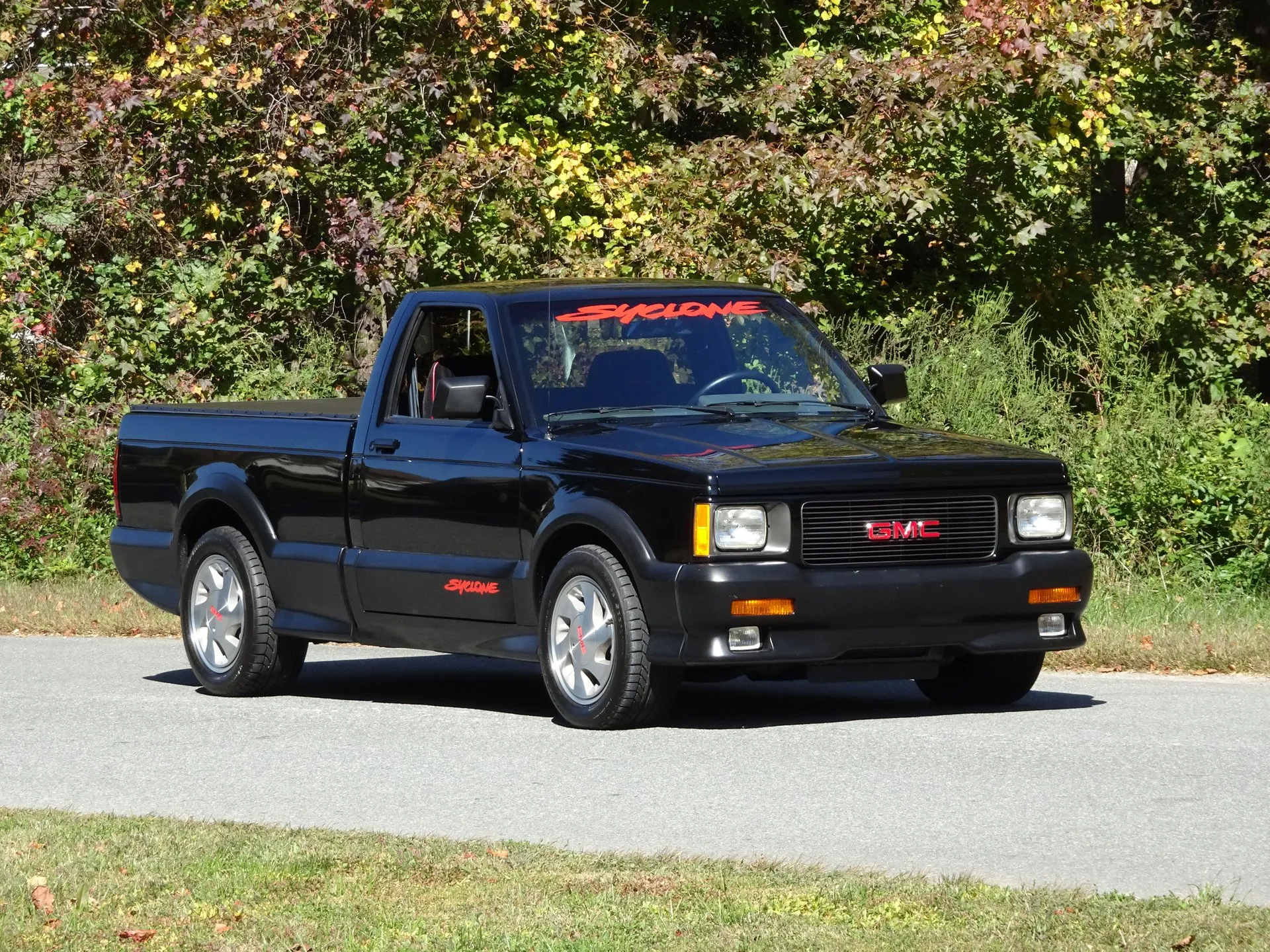
5. 1991 GMC Syclone
Performance perception shifted decisively with the introduction of the 1991 GMC Syclone. This compact pickup challenged established assumptions by delivering acceleration figures comparable to high-performance passenger cars of its time.
Rather than relying on visual aggression, it concealed advanced capability beneath restrained styling, creating an element of surprise that contributed to its reputation. Engineering decisions distinguished the Syclone clearly. A turbocharged engine paired with an All Wheel Drive system delivered exceptional traction and power delivery.
Suspension calibration and drivetrain refinement supported control at speed, presenting a cohesive driving experience uncommon among pickups of that era. Such integration demonstrated deliberate intent rather than experimentation, reinforcing credibility among performance enthusiasts.
Interior design aligned with functionality. Controls focused on driver engagement, presenting information clearly without unnecessary embellishment. Seating supported spirited driving while maintaining comfort. Luxury features took a secondary role, as performance intent guided cabin priorities.
This clarity of purpose continues to appeal to collectors seeking vehicles with defined character. Production numbers remained limited, contributing to rarity. Early recognition of its importance encouraged preservation rather than heavy modification.
Collectors place strong emphasis on originality, as factory specifications play a decisive role in value assessment. Well-maintained examples attract considerable attention due to their condition and historical relevance. Cultural impact strengthens its standing. The Syclone demonstrated that pickups could deliver serious performance without sacrificing practicality entirely.
It influenced later performance-oriented trucks and expanded perceptions of the segment. Ownership represents appreciation for innovation applied with confidence and restraint. A preserved 1991 GMC Syclone stands as evidence that bold engineering, when executed with discipline, can leave a lasting impression and earn enduring respect among collectors.
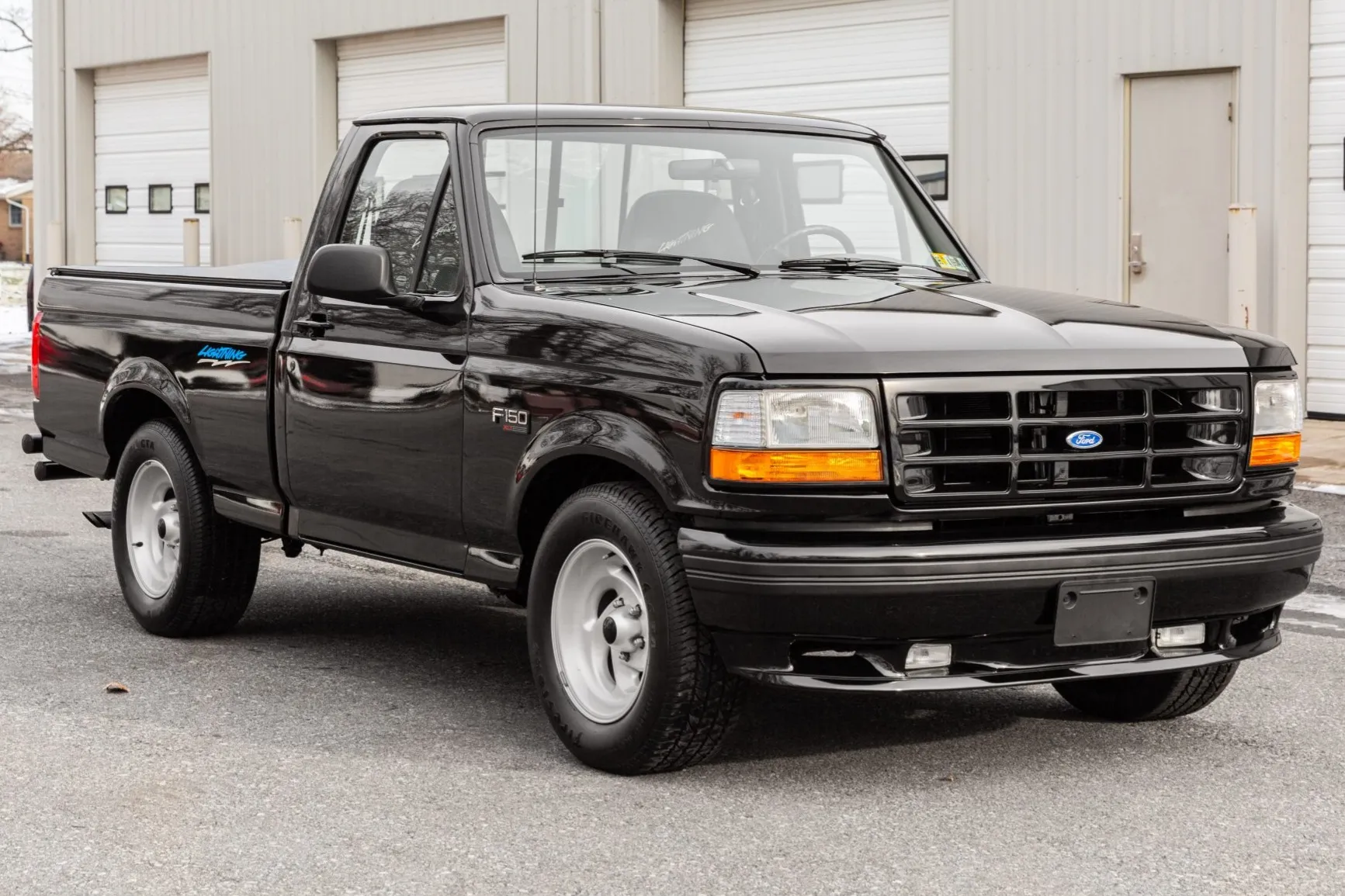
6. 1993 Ford SVT Lightning
Performance ambition took a bold step forward with the arrival of the 1993 Ford SVT Lightning. Rather than focusing on hauling figures or worksite endurance, this truck arrived with a clear message centred on speed, handling, and driver excitement. Developed by Ford’s Special Vehicle Team, it redefined what enthusiasts expected from a factory-built pickup.
Exterior presentation remained restrained, relying on subtle cues instead of aggressive add-ons. Unique wheels, lowered ride height, and purposeful detailing hinted at its intent without shouting. That restraint allowed the truck to age with dignity, as its appearance still feels purposeful rather than dated.
Under the hood sat a tuned V8 engine paired with a suspension calibrated for road performance. Steering response felt sharper than standard pickups of the era, and braking upgrades supported confident control. Driving one delivered a sense of cohesion rarely associated with trucks at the time.
Interior design favoured familiarity while introducing sport-focused elements. Supportive seating and clear instrumentation kept attention on driving. Comfort existed without distraction, reinforcing the idea that this truck prioritised engagement.
Limited production numbers added to long-term appeal. Enthusiasts quickly recognised its importance, preserving examples rather than working them into the ground. Restoration communities now treat originality with respect, as factory specifications strongly influence value.
Cultural influence remains strong. The Lightning inspired later performance pickups and proved that factory-engineered speed trucks could succeed. Collectors appreciate its pioneering role and focused execution. A 1993 Ford SVT Lightning represents a moment when performance thinking entered the pickup category with conviction.
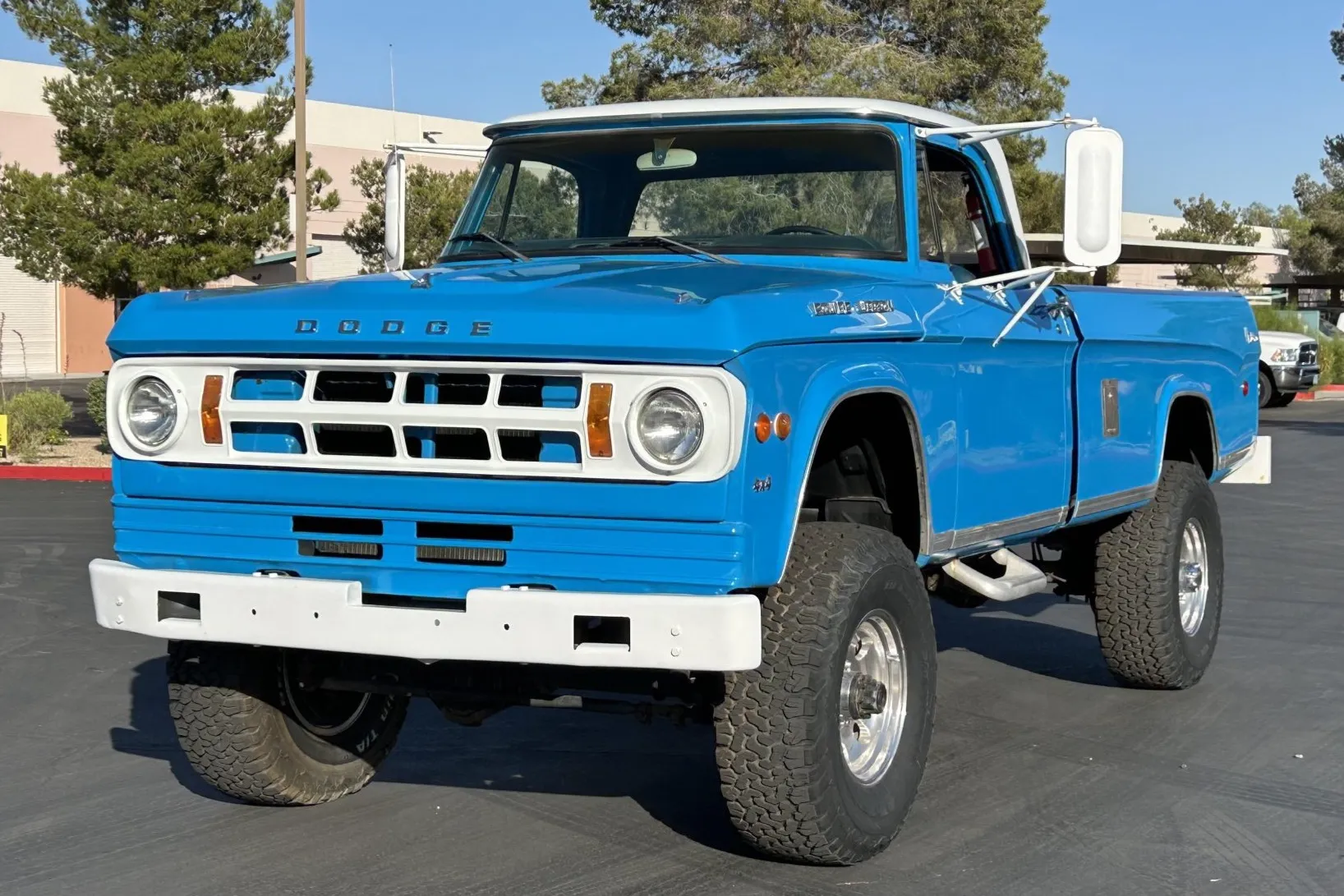
7. 1969 Dodge D100 Sweptline
A strong sense of identity defines the 1969 Dodge D100 Sweptline, a pickup that stood apart through deliberate styling choices and clear design confidence. Sharp body lines and slab-sided panels replaced softer contours common among competitors of the period.
This decision produced a bold visual statement built on straight edges and visual strength, giving the truck a commanding presence that remains instantly recognisable decades later. Its profile does not rely on ornamentation to attract attention, as proportion and form provide all the character required.
Design intent is centred on clarity and purpose. The front fascia projected confidence through its upright grille and balanced headlamp placement, while the relationship between cab and bed appeared clean and deliberate.
Excess trim was avoided, allowing the structure of the vehicle to speak for itself. This honesty in design supports long-lasting appeal, as the truck avoids elements tied to fleeting fashion preferences. Owners and admirers continue to appreciate the Sweptline for its refusal to follow trends.
Mechanical offerings strengthened its reputation for dependability. Buyers could select from capable six-cylinder engines or more powerful V8 options, depending on usage needs. Each configuration delivered consistent performance supported by straightforward engineering principles.
This mechanical clarity benefits present-day restoration efforts, as systems remain accessible and well understood. Parts availability and mechanical simplicity encourage preservation rather than abandonment. Interior layout reflected the same practical philosophy. Instrumentation remained clear and easy to read, while controls were positioned within comfortable reach.
Seating focused on support rather than luxury, aligning with the truck’s working origins. This functional approach resonates strongly with collectors who value authenticity over excess refinement. Cabin design communicates purpose and reliability, reinforcing trust in the vehicle.
Rarity contributes meaningfully to desirability. Production figures were lower than those of larger manufacturers, and survival rates declined as many examples served demanding roles. Well-preserved units now command attention at shows and auctions, drawing interest from enthusiasts who recognise their scarcity.
The Sweptline series cultivated a dedicated following that values bold design identity and mechanical honesty. A 1969 Dodge D100 Sweptline appeals to collectors seeking confidence expressed through form, engineering discipline, and a refusal to blend quietly into the background of automotive history.
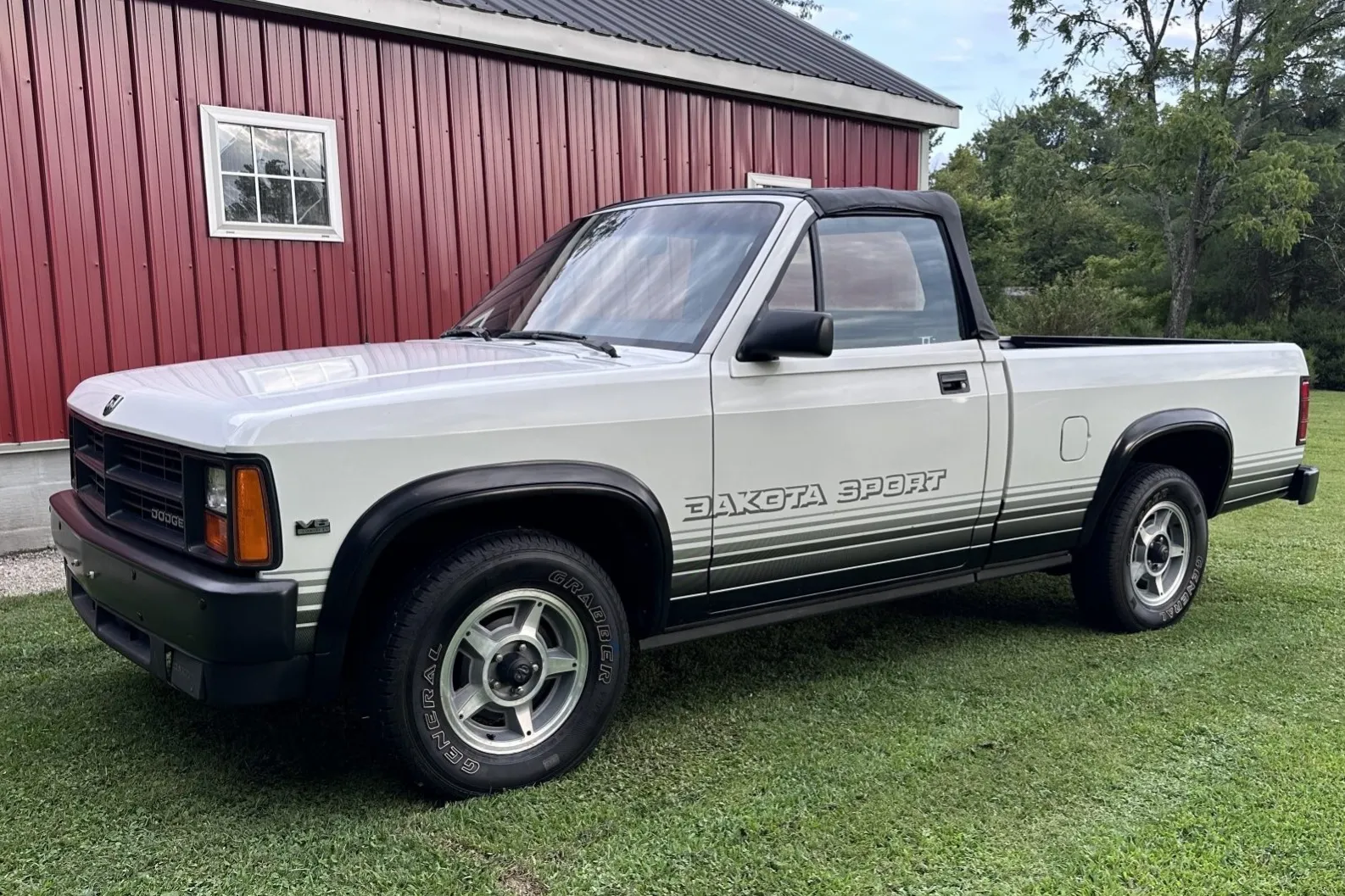
8. 1989 Dodge Dakota Convertible
Creative risk defined the 1989 Dodge Dakota Convertible, a pickup that challenged established expectations through an unusual combination of open-air driving and compact truck utility. At a time when pickups followed predictable formats, this model introduced a concept rarely attempted, presenting buyers with a vehicle that blended leisure with practicality.
Its existence reflected a willingness to question conventional boundaries rather than simply refine existing formulas. Visual execution balanced novelty with restraint. The convertible roof integrated smoothly into the Dakota’s structure, preserving proportion and coherence.
Rather than appearing awkward or experimental, the design maintained visual balance, allowing the vehicle to appear purposeful even when the roof was raised. This thoughtful integration helped transform early curiosity into later appreciation, as the design aged with dignity.
Performance characteristics emphasised everyday usability. Engine options delivered reliable output suited to routine driving, while suspension tuning supported comfort rather than sport. Open-roof driving introduced a relaxed and enjoyable experience uncommon within the pickup category. This quality offered a distinct sense of freedom without demanding sacrifice in basic functionality.
Interior appointments reflected late nineteen eighties styling cues while maintaining clarity of purpose. Controls remained intuitive, gauges stayed legible, and seating provided adequate comfort for longer journeys. Design priorities favoured ease of use over novelty, supporting consistent ownership satisfaction.
Materials resisted wear reasonably well, preserving interior condition in carefully maintained examples. Production volumes remained limited due to niche appeal. As a result, many units were used casually and later discarded, leaving few well-preserved survivors. This scarcity now fuels collector interest, as originality and condition play critical roles in value assessment.
Restored examples often focus on faithful preservation rather than modification. Cultural memory reinforces its standing. The Dakota Convertible represents a period of experimentation within automotive design, when manufacturers briefly tested unconventional ideas.
Collectors value it as evidence that innovation sometimes appears quietly, without broad recognition at launch. A clean example serves as both a historical reference and a conversation piece, offering genuine insight into creative risk within pickup development.
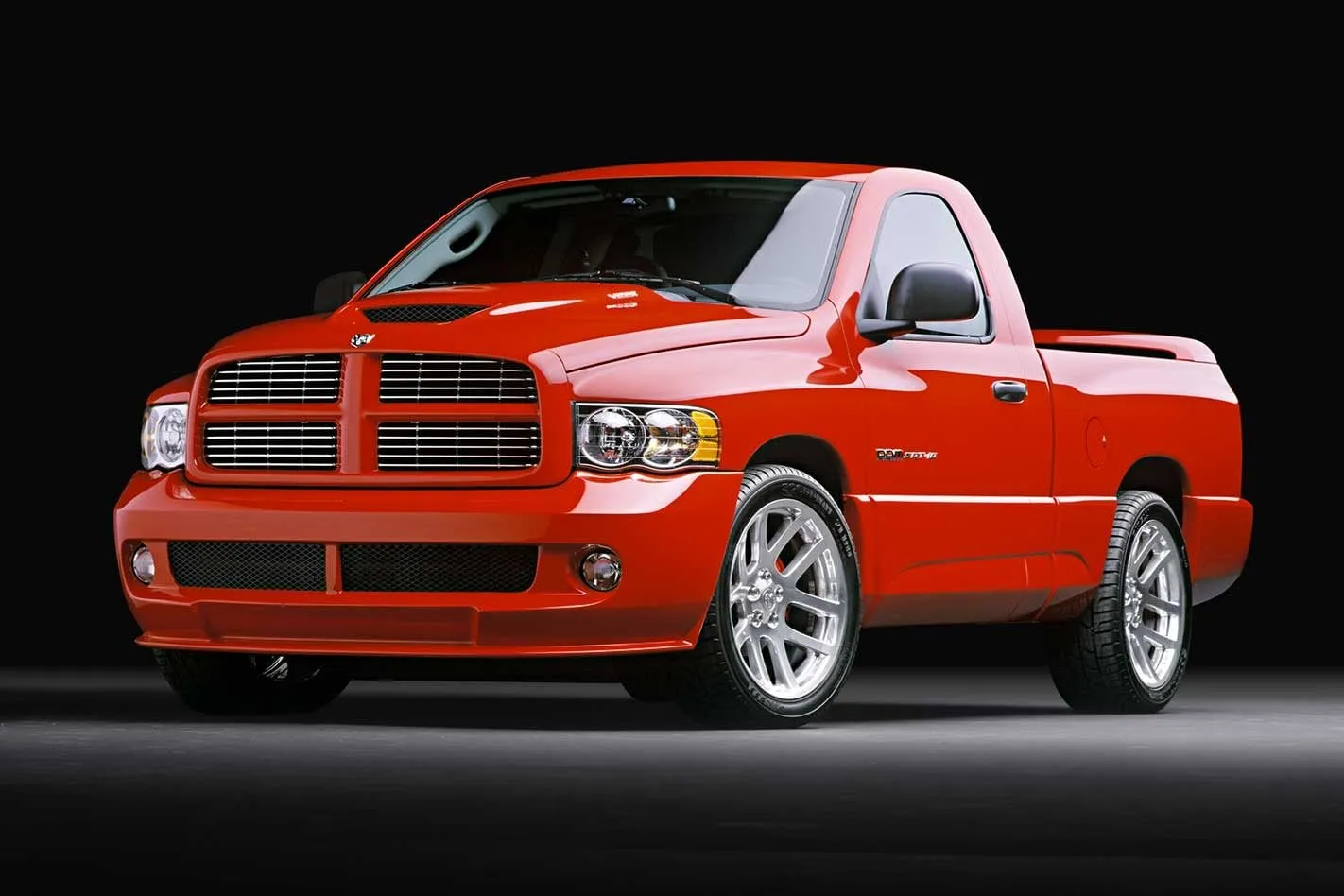
9. 2004 Dodge Ram SRT-10
Power served as the defining trait of the 2004 Dodge Ram SRT-10, a pickup created to demonstrate engineering ambition without compromise.
Equipped with a V10 engine derived from high-performance car applications, it delivered output levels previously unseen in factory-built pickups. This achievement positioned the truck as a statement of intent rather than a subtle refinement.
Exterior styling communicated strength with confidence. Large wheels, distinctive graphics, and a lowered stance announced performance focus immediately. Despite this assertive presentation, proportions remained cohesive, avoiding visual imbalance. The design conveyed authority while maintaining structural harmony, supporting continued visual relevance.
Driving experience centred on presence and force. Acceleration arrived with authority, accompanied by a sound profile that left little doubt about intent. Suspension tuning and braking systems received upgrades to manage power delivery effectively. Control remained composed, reinforcing trust during spirited driving. This balance between raw output and stability enhanced credibility.
Interior treatment leaned toward sport influence. Bucket seats provided support, performance-oriented gauges delivered essential information, and trim details reinforced identity. Comfort remained available, yet excitement dominated priorities. Cabin design reflected commitment to the driving experience rather than luxury indulgence.
Limited production enhanced desirability from an early stage. Enthusiasts recognised its importance quickly, encouraging preservation rather than heavy alteration. Original condition trucks attract strong interest, as factory specification remains central to valuation.
Legacy plays a decisive role. The SRT-10 stands among the most extreme production pickups ever offered, representing a moment when power took precedence over restraint. Collectors respect its audacity, engineering focus, and willingness to test boundaries. Ownership signifies appreciation for performance pushed boldly within a pickup format.
Also Read: Top 10 Toughest American Pickup Trucks Ever Built
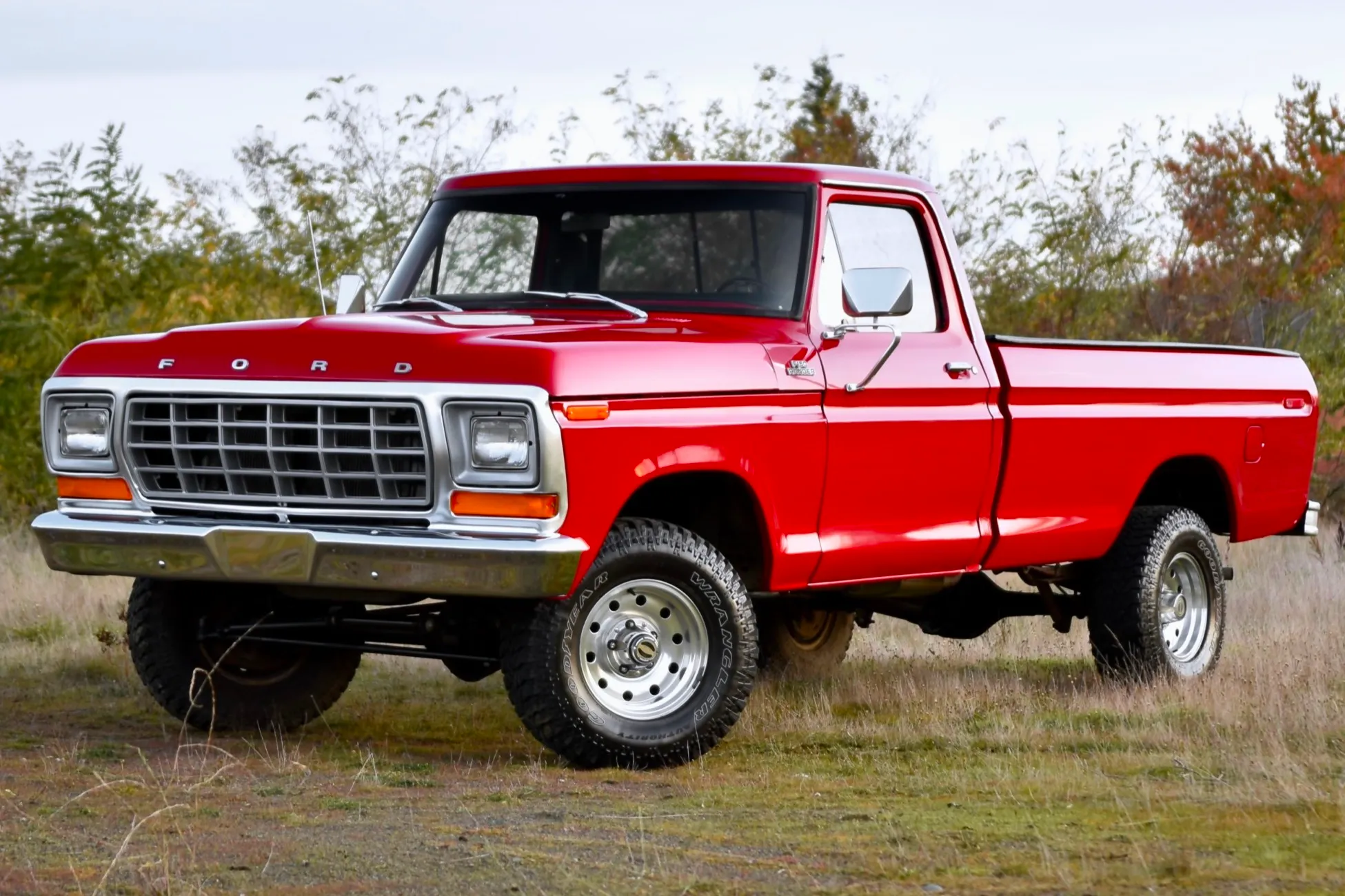
10. 1978 Ford F-150 Ranger XLT
Balance defined the 1978 Ford F-150 Ranger XLT, a model reflecting Ford’s effort to combine capability with improved comfort during a transformative period for pickups. As personal use increased alongside traditional work roles, this truck represented a thoughtful response to changing expectations. It delivered utility without ignoring driver experience.
Exterior styling embraced squared proportions and confident detailing. Chrome accents and trim enhancements added refinement while avoiding excess. Visual presentation remained purposeful, supporting lasting appeal through disciplined design. The truck communicated strength without relying on aggressive styling cues.
Mechanical dependability anchored its reputation. Engine options provided consistent output, and drivetrain components earned trust through sustained service. Reliability encouraged long-term ownership, allowing many examples to survive well beyond original expectations. Mechanical simplicity supported maintenance and restoration efforts alike.
Interior features reflected progress toward passenger vehicle comfort. Seating improved in support and material quality, while cabin layout received thoughtful attention. Controls became easier to operate, and sound insulation improved the driving experience. This movement toward comfort influenced future pickup development across the industry.
Cultural presence strengthens collector interest. The late nineteen seventies marked an important phase in pickup evolution, and this model captures that transition clearly. It reflects changing attitudes toward trucks as multi-purpose vehicles rather than tools alone.
Collectors value authenticity and preservation. Well-maintained examples demonstrate Ford’s evolving approach to design and usability. A 1978 Ford F-150 Ranger XLT represents durability, practical refinement, and historical importance, offering a clear connection to a pivotal era in pickup history.
