Urban driving requires a careful balance of size, efficiency, maneuverability, and practicality. Some cars are designed to perform well in crowded streets, tight parking spots, and stop-and-go traffic, offering comfort, advanced technology, and fuel efficiency that make daily commuting easier.
Others, despite excelling on highways or off-road conditions, struggle in city environments due to their large size, wide turning radius, or limited visibility. This guide highlights five vehicles that excel as urban-friendly daily drivers, including the Honda Civic Hybrid, Mini Cooper Electric, Toyota Prius, Volkswagen Golf GTI, and Volvo XC40 Recharge.
These cars combine compact dimensions, smart technology, and efficient powertrains to make city driving less stressful. In contrast, five other vehicles, including the Chevrolet Suburban, Jeep Gladiator, GMC Hummer EV, Ford F-250 Super Duty, and Lamborghini Aventador, face significant challenges in urban settings, making daily driving more difficult and demanding.
5 Cars That Are Urban-Friendly Daily Drivers
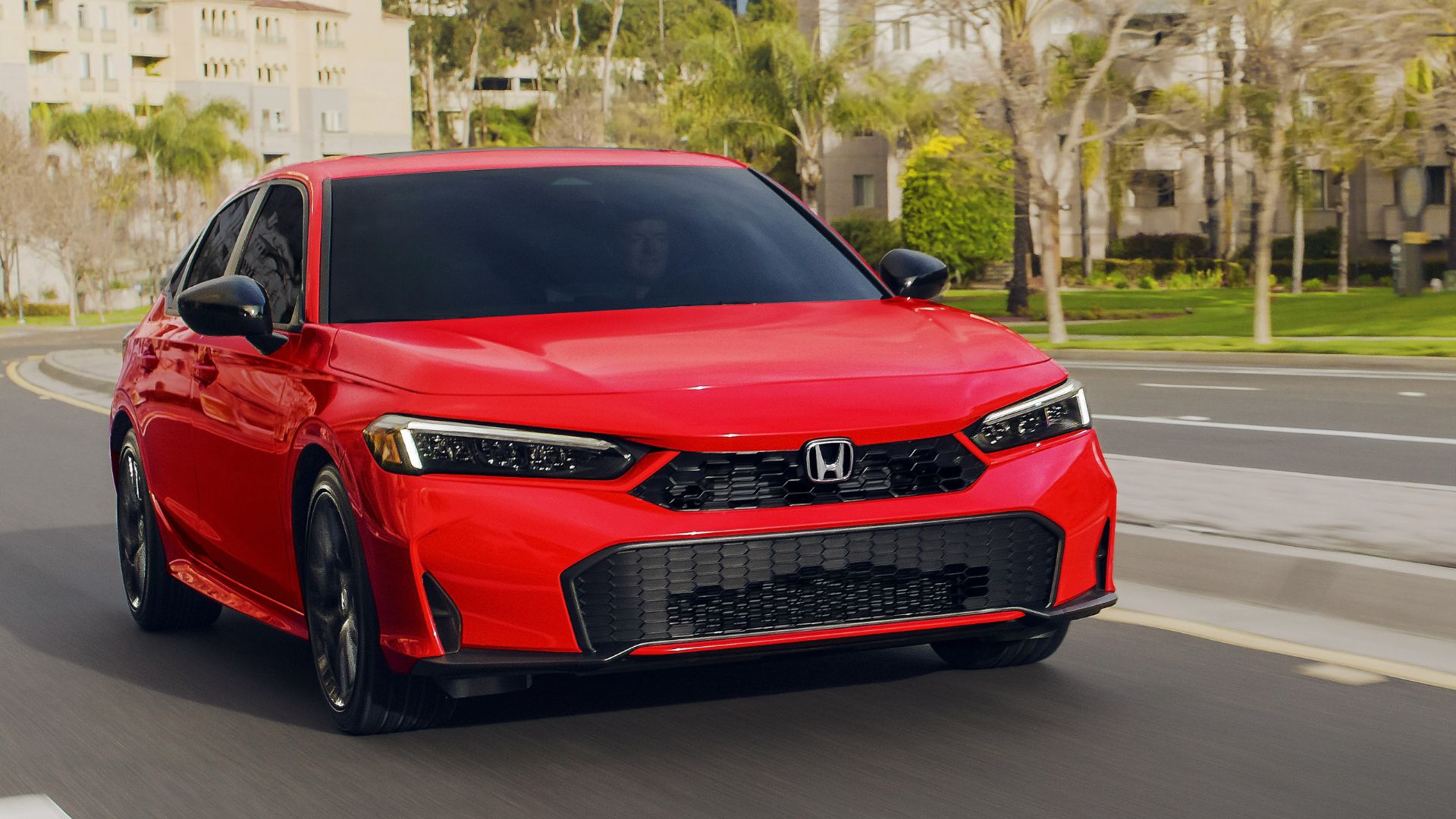
1. Honda Civic Hybrid
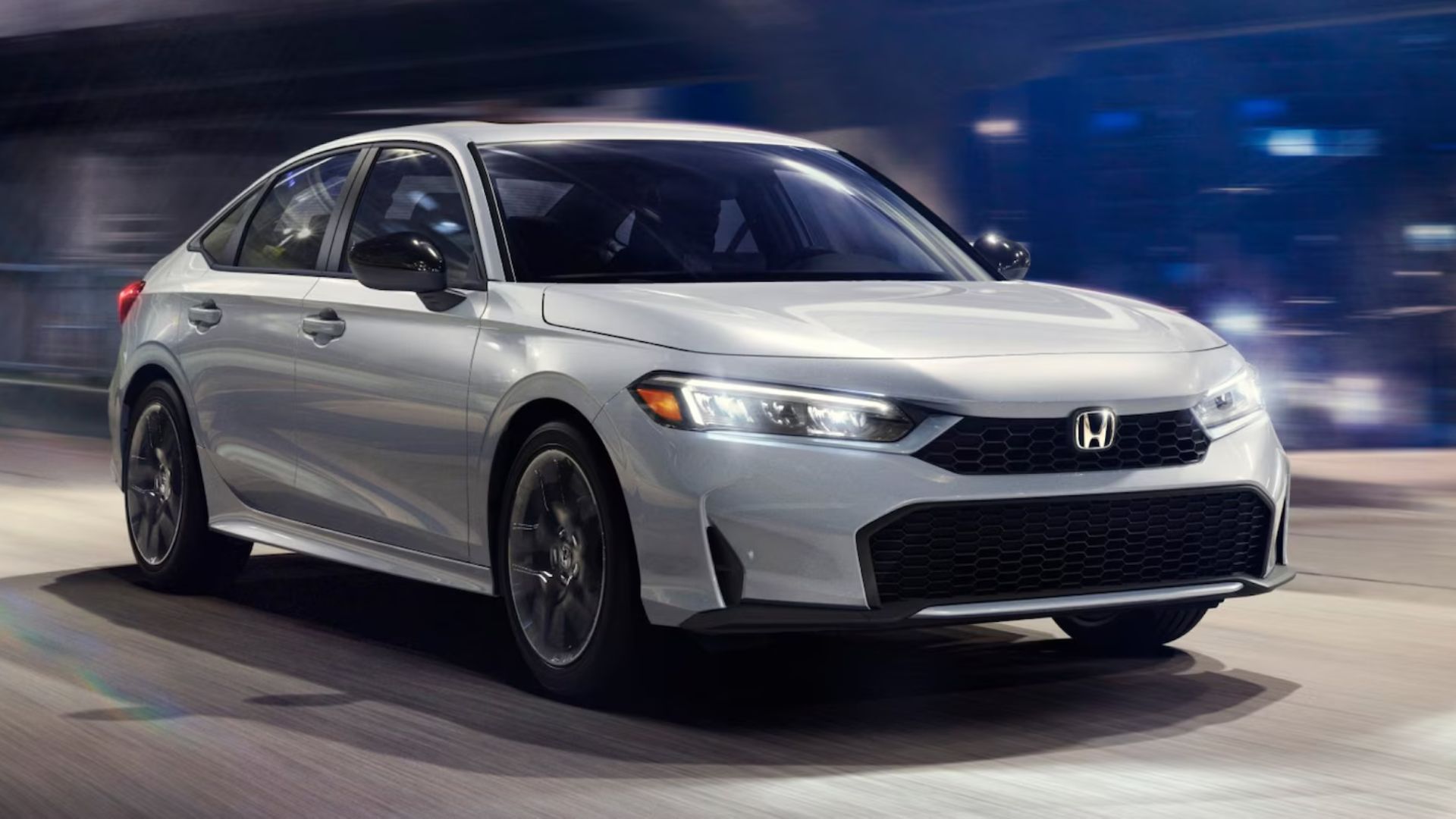
The Honda Civic Hybrid builds on the Civic’s long-standing reputation as a benchmark for versatility, efficiency, and everyday usability, while adding a refined hybrid powertrain that makes it especially compelling for urban driving.
Available in both sedan and hatchback forms, the Civic continues to balance compact exterior dimensions with impressive interior space. The hatchback, in particular, delivers cargo capacity approaching that of a small SUV, yet retains a low center of gravity and narrow footprint that enhance agility and ease of use in crowded city environments.
At the heart of the Civic Hybrid is Honda’s e:HEV system, which pairs a 2.0-liter four-cylinder engine with two electric motors for a combined output of 200 horsepower. This setup prioritizes electric driving at low speeds, resulting in smooth, quiet operation in traffic and instant torque for confident merges and quick bursts of acceleration.
Unlike older CVT-equipped hybrids, the Civic Hybrid avoids the “rubber-band” sensation, instead delivering seamless, linear power that feels natural and responsive. Performance is strong for the segment, with a 0–60 mph time of around 6.2 seconds, nearly matching the sport-oriented Civic Si and significantly outperforming the nonhybrid model.
Fuel efficiency is one of the Civic Hybrid’s biggest strengths. With consumption figures around 4.4 L/100 km and EPA ratings near 50 mpg city and 47 mpg highway, it is designed to excel in stop-and-go conditions. Many drivers can go weeks, sometimes close to a month, between fuel stops, making it a cost-effective and low-stress daily driver. Even at highway speeds, real-world testing shows efficiency remains impressive.
Urban friendliness extends beyond the powertrain. Compact dimensions and light steering make parking and maneuvering easy, while available features such as a multi-angle rearview camera, blind-spot monitoring, rear cross-traffic alert, and low-speed braking control help navigate tight spaces.
Honda SENSING comes standard and includes adaptive cruise control with low-speed follow, lane-keeping assist, and automated emergency braking features that are particularly useful in heavy traffic and congestion.
Inside, the Civic Hybrid offers a clean, functional cabin with comfortable seating for five, ample storage, and flexible cargo options. Infotainment ranges from a standard 7.0-inch touchscreen to an available 9.0-inch unit with wireless smartphone connectivity, alongside optional premium audio and digital gauges.
Combined with Honda’s strong reliability record and manageable maintenance costs, the Civic Hybrid stands out as a refined, efficient, and well-rounded choice for modern city driving.
2. Mini Cooper Electric
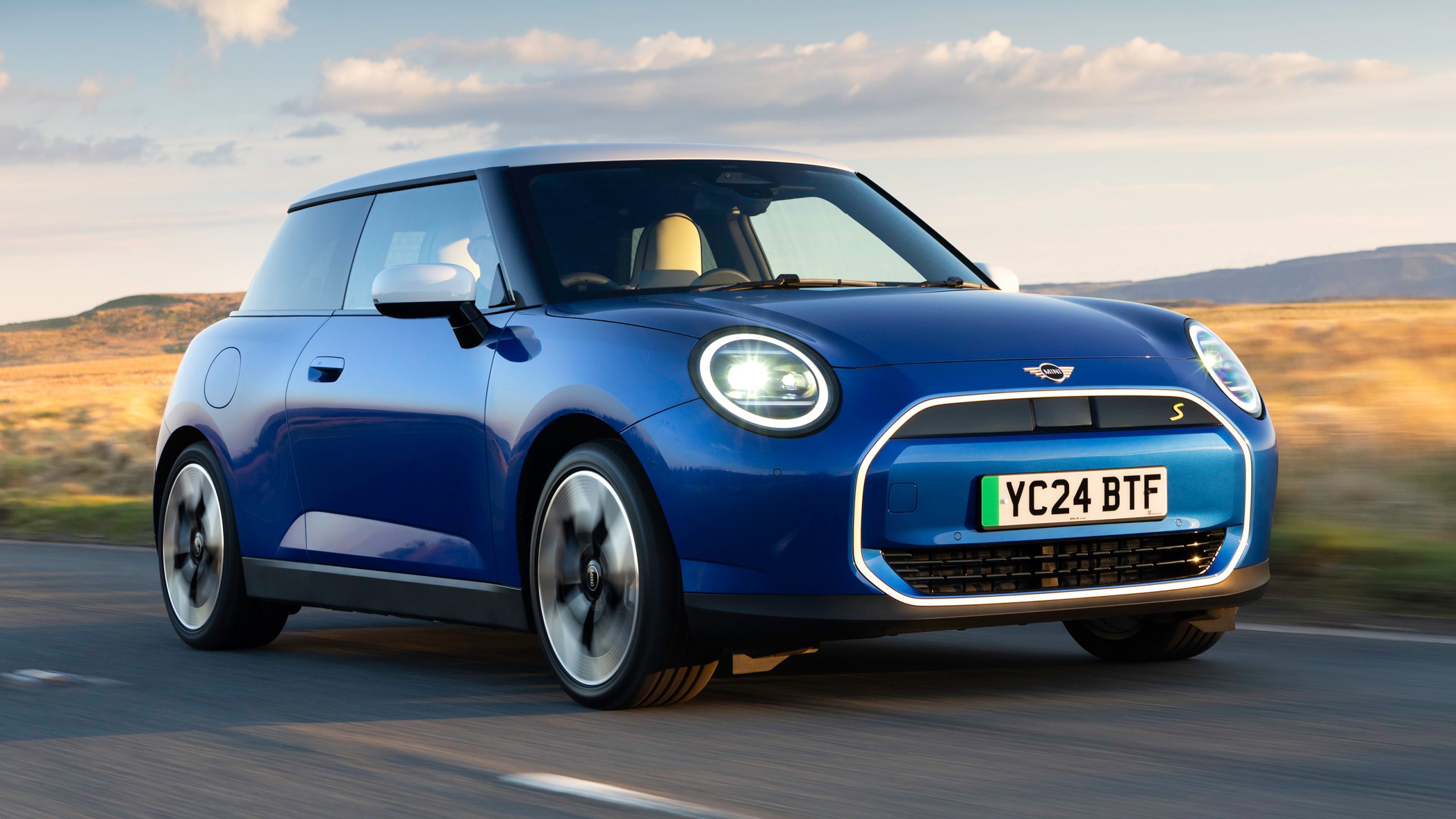
The Mini Cooper Electric stays true to its city-focused roots while embracing a fully electric identity that suits modern urban life. Originally designed for narrow British streets, the Mini’s compact proportions and extremely short wheelbase make it exceptionally easy to maneuver through heavy traffic and tight city roads.
The electric powertrain enhances this advantage by removing engine vibration and introducing strong regenerative braking, allowing for smooth one-pedal driving. In daily city use, drivers can slow, stop, and flow with traffic using the accelerator alone, reducing fatigue and brake wear.
City suitability is the Mini Cooper Electric’s defining strength. Its small footprint and tight turning circle make parking simple, even in narrow curbside spaces and compact garages.
The electric motor delivers instant torque, providing quick, responsive acceleration that feels perfectly tuned for darting into gaps and changing lanes in heavy traffic. Power outputs range from 181 hp in the Cooper E to 215 hp in the SE, with a 255 hp John Cooper Works variant available for drivers who want extra punch. Acceleration is lively across the range, reinforcing the Mini’s reputation for fun, agile driving.
The Mini Cooper Electric is designed with urban commuting in mind rather than long-distance travel. Battery sizes and driving range are well matched to daily city use, with regenerative braking helping to maximize efficiency in stop-and-go conditions.
For most urban drivers, home or workplace charging keeps running costs low compared to petrol alternatives. The all-electric drivetrain also produces zero tailpipe emissions and significantly less noise, contributing to cleaner, quieter city streets.
This latest generation represents a major step forward for the Mini brand. Built on a new electric platform, the car is slightly wider and taller than before but remains short in length at approximately 3.8 meters.
Its iconic design has been carefully evolved, retaining the classic wheels-at-each-corner stance while introducing modern details such as customizable light signatures and animated welcome sequences. These touches add personality without sacrificing the Mini’s instantly recognizable character.
Inside, the cabin blends retro inspiration with modern technology. A minimalist layout, playful materials, and practical storage spaces are paired with a distinctive circular 9.4-inch OLED touchscreen that acts as the centerpiece of the interior. The interface can feel busy at first, but it brings character and a sense of occasion to every drive.
There are compromises. The suspension is firm, and the added weight of the electric hardware can be felt on rough city surfaces. Sharp handling, quick responses, and strong urban usability help balance these drawbacks, making the Mini Cooper Electric a compelling choice for drivers who value style, agility, and city-first practicality.
3. Toyota Prius
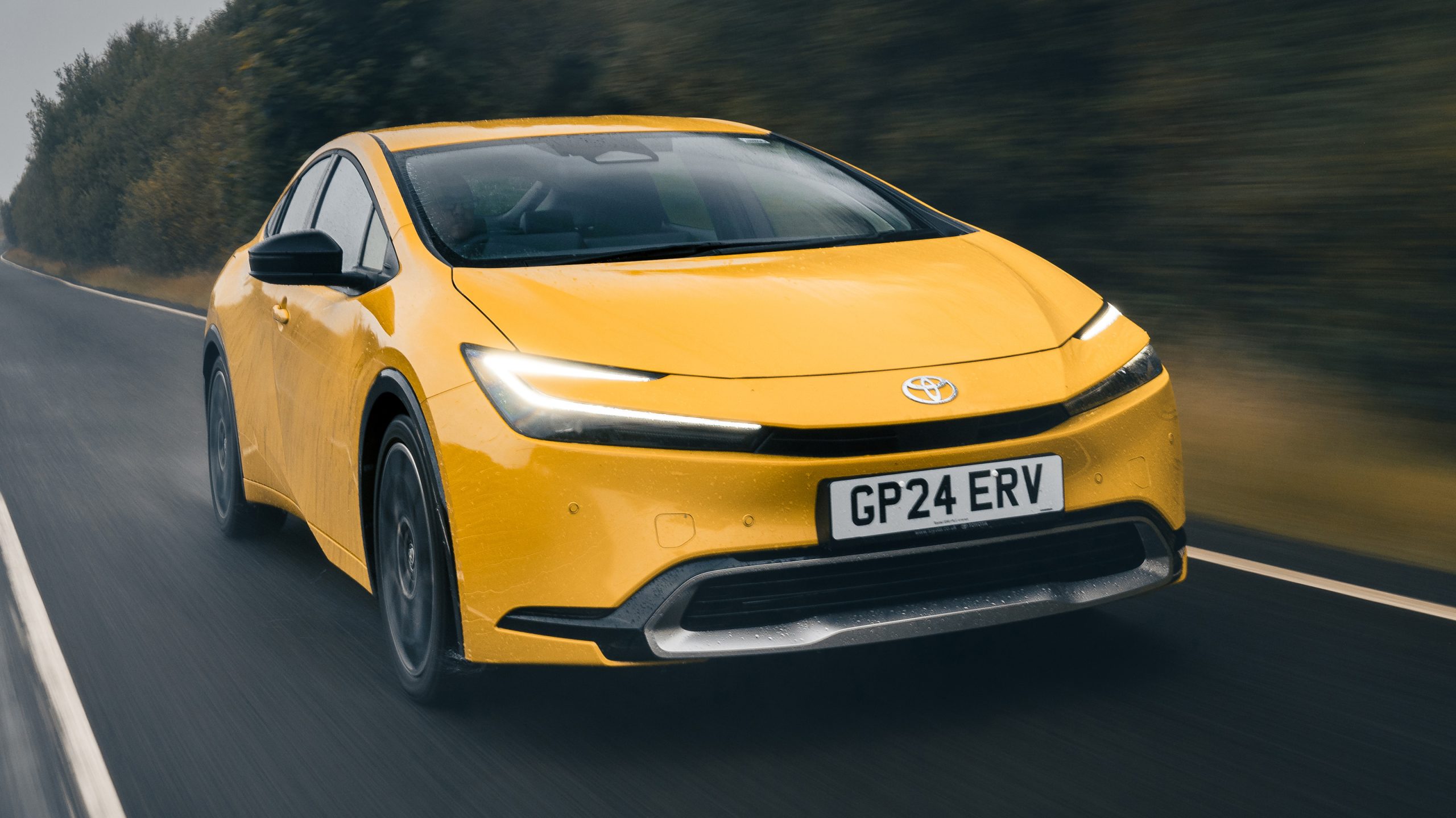
The Toyota Prius has long been regarded as the benchmark for urban commuting, and the latest generation strengthens that reputation with improved efficiency, smarter design, and greater everyday usability. City driving, with its constant braking and low-speed operation, plays directly to the Prius’s strengths.
Its hybrid system continuously recovers energy during deceleration, allowing it to achieve exceptional fuel economy that often exceeds 50 to 60 mpg in heavy traffic. This makes it one of the most cost-effective and environmentally conscious choices for daily urban travel.
A key reason the Prius excels in cities is its ability to rely heavily on electric power at low speeds. In stop-and-go conditions, the car frequently operates in near-silent electric mode, reducing fuel consumption, emissions, and noise. For drivers who spend most of their time in traffic congestion, this translates into a smoother and calmer driving experience.
Unlike plug-in vehicles, the standard Prius hybrid does not require external charging, making it especially convenient for city dwellers who lack access to home chargers. For those who want even more electric capability, the Prius Prime offers extended all-electric driving for short urban trips.
Under the hood, the Prius uses a 2.0-liter four-cylinder gasoline engine paired with electric motors and a continuously variable transmission. Front-wheel-drive models produce 194 horsepower, while all-wheel-drive versions add a rear electric motor and increase output slightly to 196 horsepower.
This generation is noticeably quicker than earlier Priuses, reaching 60 mph in about 7.1 seconds, which helps it feel confident and responsive in city traffic. While acceleration can bring some engine noise under hard throttle, performance is more than adequate for daily use.
Fuel efficiency remains a standout feature. EPA ratings range from the high 40s to mid-50s mpg, depending on trim and drivetrain, and real-world highway testing has returned close to 50 mpg. These numbers, combined with Toyota’s reputation for durability, translate into low running and maintenance costs over the long term.
The latest Prius also benefits from a sleeker exterior design with a lower hood line, improving forward visibility for spotting pedestrians and cyclists in busy urban environments.
Inside, the cabin adopts a more conventional layout than previous generations, with modern infotainment options including wireless Apple CarPlay and Android Auto, plus available large touchscreens. Cargo space is generous for a compact hybrid, making it practical for groceries, errands, and daily life.
Safety is another strong point. Advanced driver-assistance features such as adaptive cruise control, lane-keeping assist, and blind-spot monitoring come standard, adding reassurance in crowded city conditions. Backed by strong warranty coverage and included maintenance, the Toyota Prius remains a smart, efficient, and highly urban-friendly daily driver.
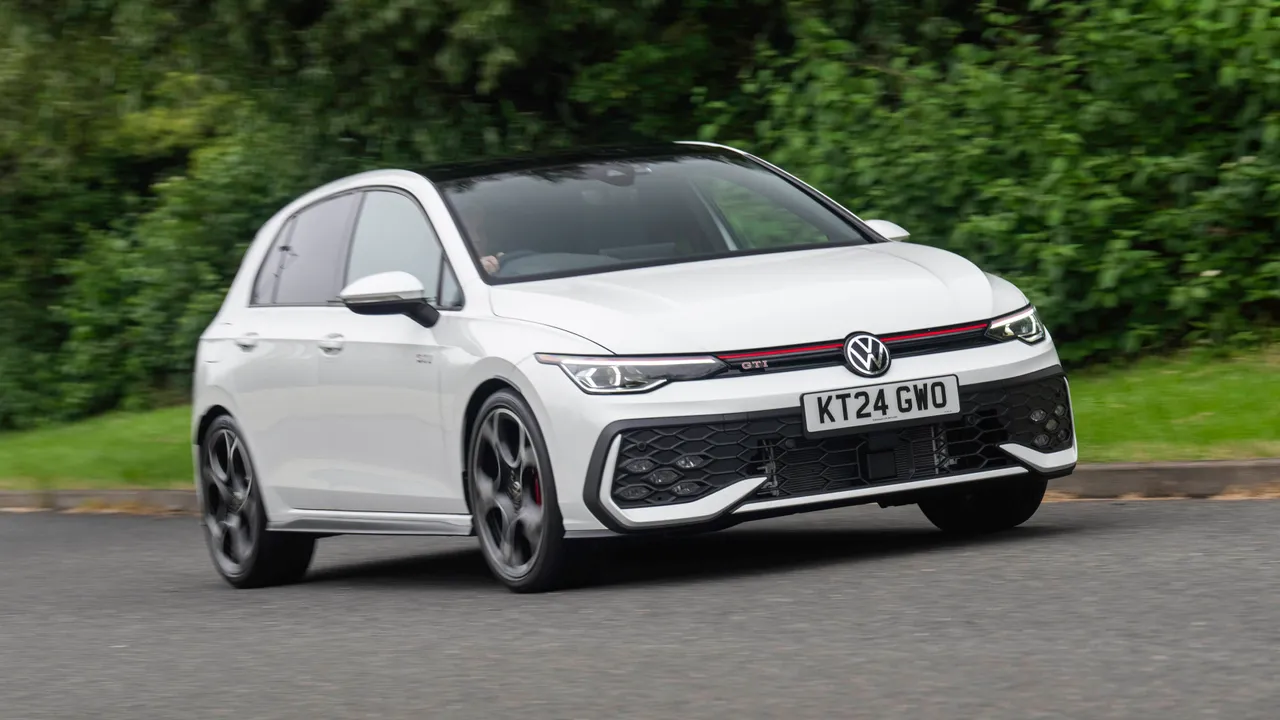
4. Volkswagen Golf GTI
The Volkswagen Golf GTI has long been regarded as one of the most balanced cars for everyday driving, and its strengths are especially clear in urban environments.
Often described as the “Goldilocks” of city sizing, the GTI is compact enough to slip into tight parking spaces while its upright, boxy hatchback shape maximizes usable interior and cargo space. This combination makes it easy to live in dense cities without sacrificing comfort or practicality.
One of the GTI’s biggest advantages is how well it blends performance with daily usability. Power comes from a turbocharged 2.0-liter four-cylinder engine producing 241 horsepower, paired exclusively with a seven-speed dual-clutch automatic transmission.
Acceleration is brisk, with a 0 to 60 mph time of about 5.6 seconds, which makes merging, overtaking, and darting through gaps in traffic effortless. Despite this performance, the engine remains smooth and well-behaved in stop-and-go conditions, never feeling aggressive or tiring during a commute.
Ride comfort is another area where the GTI excels as a daily driver. With available adaptive suspension, the car can soften its responses over broken city pavement while still tightening up when the road opens up.
Compared to many hot hatches, the GTI feels composed and refined rather than harsh. Steering is precise and predictable, allowing drivers to confidently thread through narrow construction zones, busy streets, and crowded parking garages.
Practicality is central to the GTI’s appeal. The hatchback layout provides generous cargo space for groceries, luggage, or sports gear, and the cabin comfortably seats five adults.
Visibility is good for a compact car, and its manageable dimensions reduce stress in urban driving. Fuel efficiency is respectable for a performance-oriented hatchback, with EPA ratings in the mid 20s in the city and low-30s on the highway, and real-world highway results often exceeding expectations.
Technology and safety further enhance its urban friendliness. Volkswagen’s IQ.DRIVE suite comes standard and includes adaptive cruise control, lane keeping assist, automatic emergency braking with pedestrian detection, and rear traffic alert. These features add reassurance in heavy traffic and busy city streets.
Inside, the updated infotainment system features a large 12.9 inch touchscreen with Apple CarPlay and Android Auto, plus wireless charging and multiple USB-C ports.
Styling is sporty but restrained, allowing the GTI to stand out without drawing unwanted attention. Combined with solid warranty coverage and complimentary maintenance, the Volkswagen Golf GTI remains a true do-it-all hatchback that delivers driving enjoyment without compromising everyday city practicality.
5. Volvo XC40 Recharge
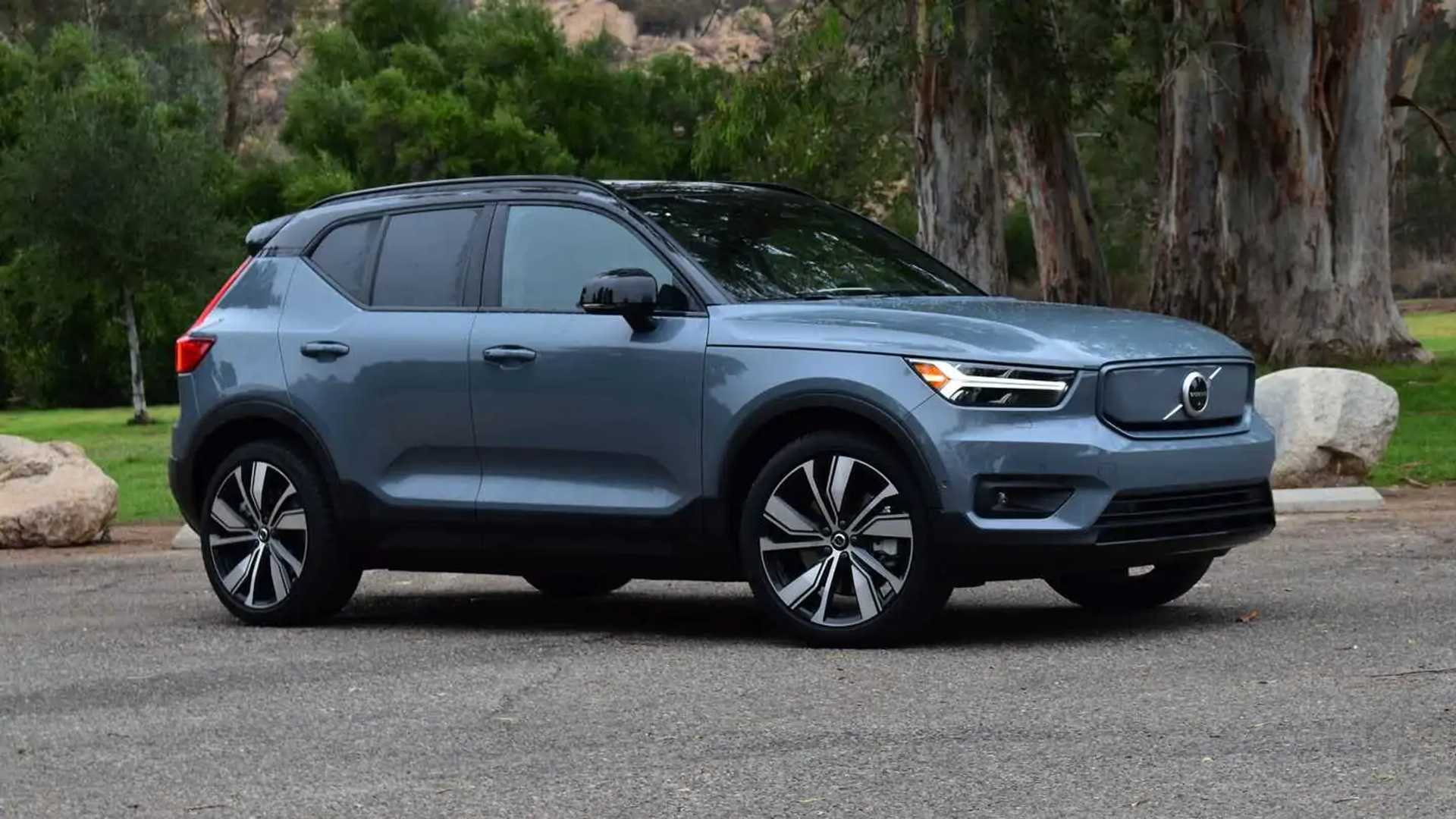
The Volvo XC40 Recharge is a compelling choice for urban drivers who want the confidence of a higher seating position without the bulk of a large SUV.
Designed with a compact footprint relative to its interior volume, the XC40 Recharge is easy to maneuver through crowded streets while still offering the space and comfort expected from a premium crossover. Its elevated driving position improves visibility in traffic, helping drivers better spot pedestrians, cyclists, and obstacles in busy city environments.
Electric performance is a major strength of the XC40 Recharge. Entry-level models use a single rear-mounted electric motor producing 248 horsepower, while Twin Motor versions add a second motor at the front for All Wheel Drive and a combined 402 horsepower.
This instant electric torque makes the XC40 Recharge feel quick and responsive in urban traffic, whether pulling away from lights or merging into fast-moving lanes. The dual motor version can sprint to 60 mph in just over four seconds, while the single motor model still feels lively and confident in daily driving.
Range and charging capability are well-suited to city life. Real-world driving range typically falls between 350 and 360 kilometers, which comfortably covers daily commuting, errands, and short trips without frequent charging stops.
One pedal driving further enhances urban convenience, allowing drivers to accelerate and slow the vehicle using only the accelerator. This reduces fatigue in stop-and-go traffic and makes driving in congestion feel more relaxed. The XC40 Recharge supports both home charging and DC fast charging, making it flexible for different urban living situations.
Comfort is another area where the XC40 Recharge shines. The suspension is tuned to absorb uneven road surfaces, potholes, and speed bumps common in city driving, while sound-insulating glass helps maintain a calm and quiet cabin.
Inside, the interior remains spacious and practical, with generous seating for both rows and clever storage solutions throughout. Cargo capacity is unchanged from the gasoline version, and the addition of a small front trunk provides a convenient place to store charging cables.
Technology and safety are central to the XC40 Recharge experience. The Google-built in infotainment system offers real-time navigation and traffic awareness, which is especially useful when rerouting around congestion or sudden road closures.
Volvo’s City Safety system comes standard and is specifically designed to detect pedestrians, cyclists, and vehicles in complex urban settings. Features such as adaptive cruise control, lane keeping assist, a 360-degree camera, and automated emergency braking add confidence and reassurance in dense traffic.
With its blend of compact dimensions, strong electric performance, refined comfort, and industry-leading safety technology, the Volvo XC40 Recharge delivers a well-rounded and city-focused electric SUV experience.
Also read: 5 Cars That Handle City-to-Highway Transitions Well vs 5 That Struggle Outside Town
5 That Aren’t
1. Chevrolet Suburban
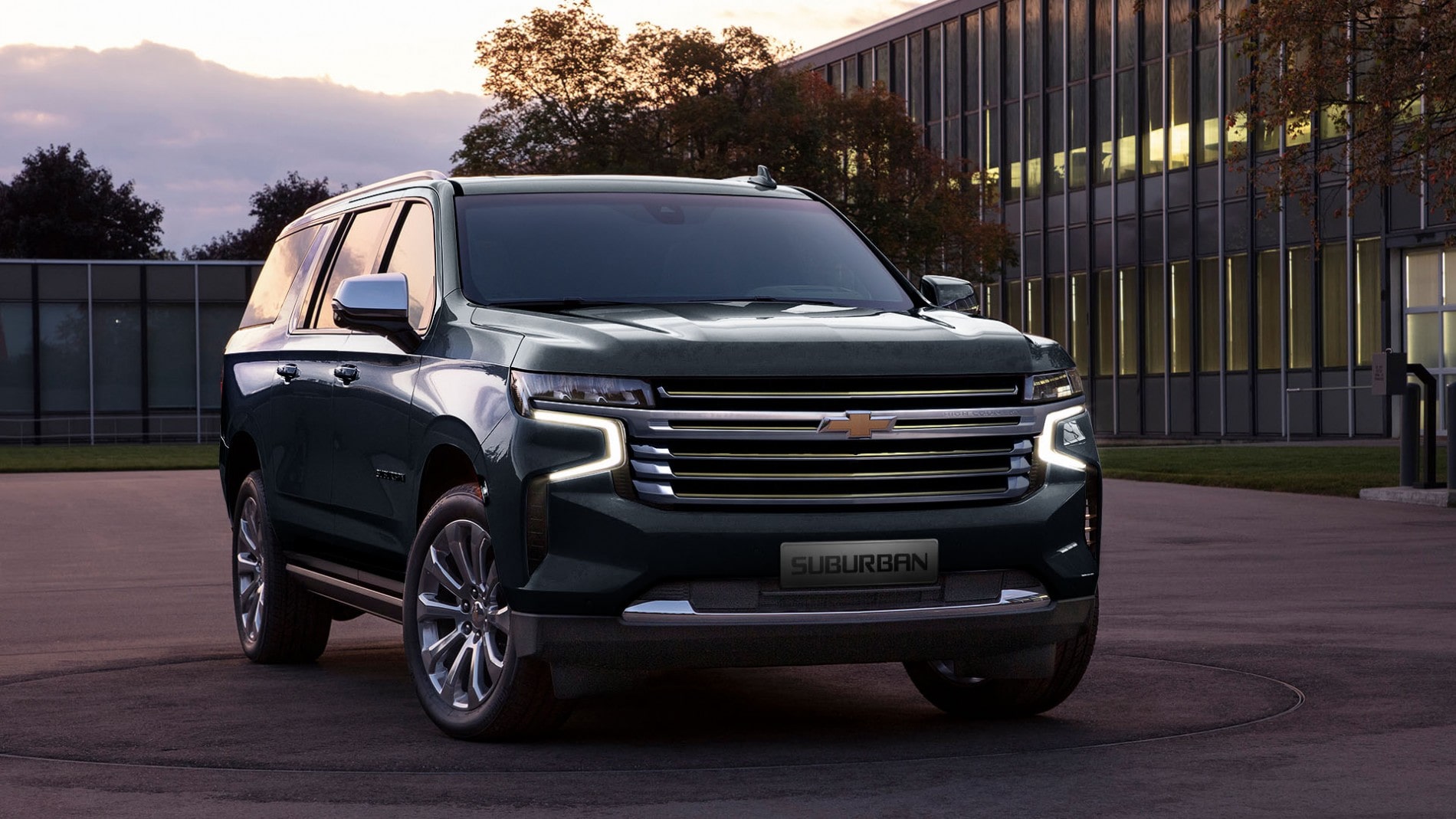
The Chevrolet Suburban is a vehicle purpose-built for highways, long distances, and spacious environments, but those same strengths become serious drawbacks in dense urban settings. True to its name, the Suburban is far better suited to wide suburban roads than crowded city streets.
Measuring nearly 19 feet in length and more than 81 inches in width, it frequently exceeds the dimensions of standard city parking spaces, often protruding into traffic lanes or risking tickets and damage from passing vehicles.
Its massive size creates immediate challenges when it comes to parking and storage. Urban street parking is typically designed for sedans and compact SUVs, making suitable spots for the Suburban rare.
Drivers often need to circle blocks repeatedly to find a space long enough to accommodate it. Older parking garages present another obstacle, with low ceilings, tight ramps, and narrow spiral exits that can make maneuvering stressful and increase the risk of scraping wheels or bodywork.
Maneuverability is another major issue in city environments. The Suburban’s long wheelbase results in a very wide turning circle, making U-turns and tight cornering on narrow streets difficult.
Double-parked cars, construction zones, and congested intersections can turn simple maneuvers into multi-point turns that block traffic and draw unwanted attention. Even with modern surround-view cameras and parking sensors, the vehicle’s bulk demands constant caution and heightened spatial awareness.
Urban driving also exposes the Suburban’s high operating costs. Its powerful V8 engine struggles in stop-and-go traffic, delivering poor city fuel economy that can dip below its already low EPA rating of around 15 mpg. Frequent idling and heavy braking put additional strain on a vehicle weighing close to 6,000 pounds, which can accelerate wear on brakes and tires and increase maintenance expenses.
Visibility and safety are further concerns. Although the elevated seating position improves forward sightlines, large blind spots created by the long hood and thick rear pillars make it harder to spot pedestrians, cyclists, and smaller vehicles in crowded areas.
While the Suburban excels at carrying large families or towing heavy loads, its sheer size makes it an impractical and stressful choice for everyday urban commuting, where space, efficiency, and maneuverability matter most.
2. Jeep Gladiator
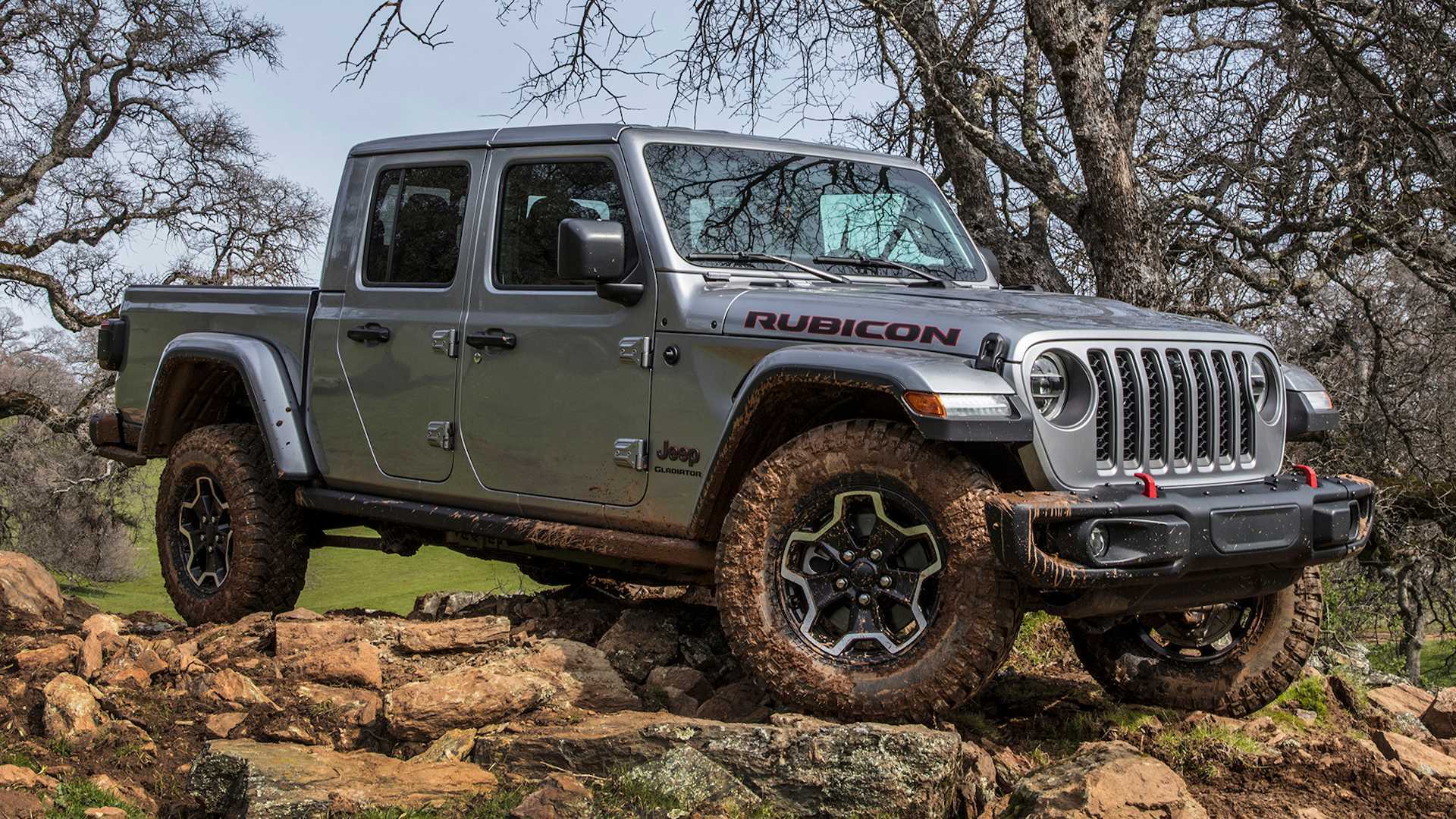
The Jeep Gladiator is celebrated for its off-road capability, but its size and design present challenges in city settings. Its long wheelbase and large turning radius make tight parking garages and narrow streets demanding, while the solid front axle can make steering feel vague, requiring extra care during precise lane changes.
Despite these drawbacks, the Gladiator has qualities that allow it to function as a capable urban daily driver for those who value visibility, ruggedness, and practicality.
One of the Gladiator’s key advantages in cities is its superior visibility. The high seating position and boxy design provide a commanding view of traffic, allowing drivers to see over smaller vehicles and anticipate congestion ahead.
Unlike many modern SUVs with thick pillars and small windows, the upright glass design offers excellent peripheral vision, which reduces stress when changing lanes or moving through tight urban corridors.
Comfort and ride quality are enhanced by its heavy-duty suspension. City streets are often uneven, with potholes, manhole covers, and speed bumps, but the Gladiator’s suspension and tall tires absorb these irregularities with ease. The rear five-link coil setup delivers a smoother, more planted ride than the leaf springs found on many mid-size competitors, making stop-and-go city driving more tolerable.
Modern technology also helps offset the vehicle’s large footprint. A ParkView rear camera provides clear guidance for tight parking spots, blind-spot monitoring aids in merging on busy roads, and the Uconnect system integrates Apple CarPlay and Android Auto for hands-free communication and route assistance.
Utility is another strong point. The five-foot steel bed handles bulky items like furniture, sports gear, or garden supplies, while rear seat storage bins keep valuables hidden. Beyond practicality, the Gladiator offers a unique lifestyle appeal. The ability to remove doors or fold down the soft top transforms ordinary city commuting into an enjoyable, open-air experience.
While its size makes city driving demanding, the Jeep Gladiator combines rugged capability, high visibility, and versatile utility, appealing to drivers who value both function and a sense of adventure on urban streets.
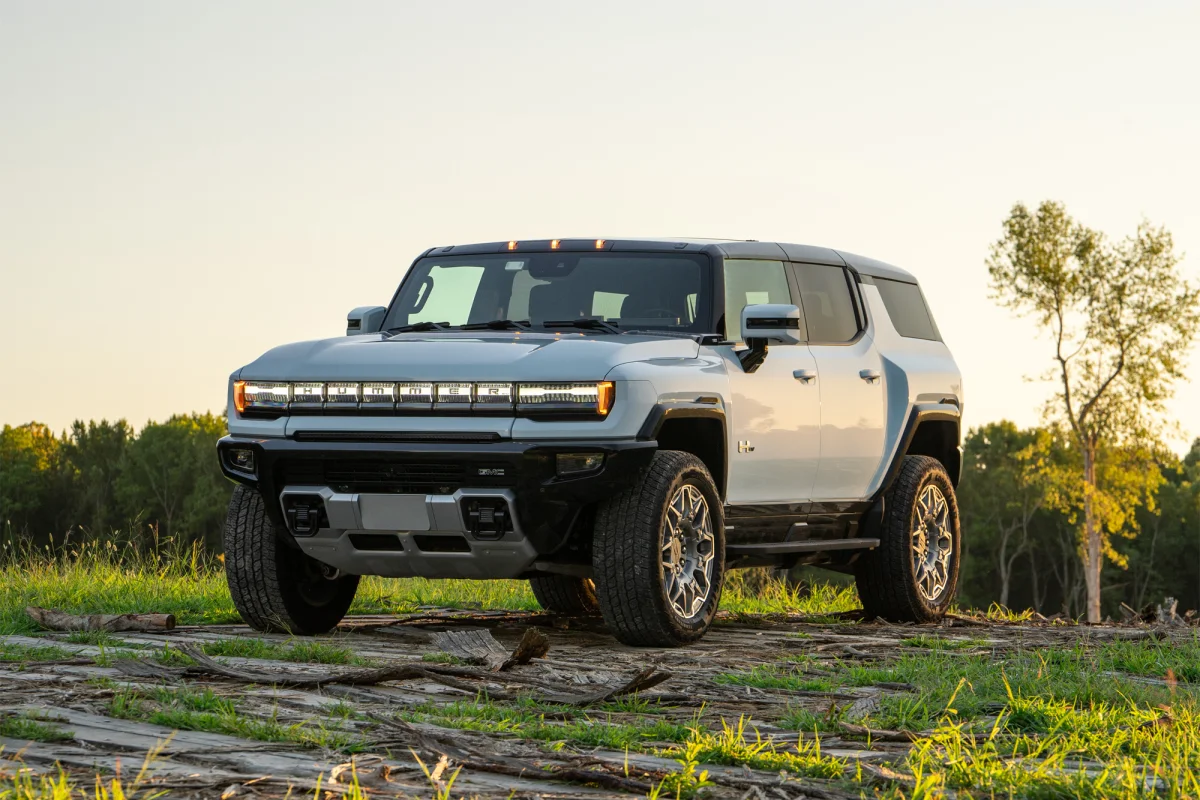
3. GMC Hummer EV
The GMC Hummer EV is a massive electric truck that weighs over 9,000 pounds and is wider than many city lanes, making it appear ill-suited for urban driving. Despite its size, advanced technology allows it to function as a surprisingly practical daily driver in congested environments. Its urban-friendly credentials rely on clever engineering that overcomes the challenges of its bulk and weight.
Maneuverability is greatly enhanced by the 4-Wheel Steer system, which allows the rear wheels to turn up to 10 degrees. This reduces the turning circle to just 35.4 feet, giving the Hummer EV agility comparable to a subcompact vehicle.
The CrabWalk feature adds another layer of flexibility, allowing diagonal movement to slide out of narrow gaps that would trap most full-sized trucks. These features make tight turns, U-turns, and city parking much more manageable.
Visibility and spatial awareness are critical for safely handling such a large vehicle. The Hummer EV comes equipped with the UltraVision system, offering up to 18 camera views that act as a virtual spotter for curbs, low obstacles, and pedestrians.
Enhanced Automatic Parking Assist pairs with this system to automatically steer and brake the vehicle into parallel or perpendicular spaces, reducing stress during challenging parking situations.
City commutes are made simpler through EV-specific technologies. One-pedal driving with Regen on Demand allows the vehicle to slow or stop using only the accelerator, ideal for stop-and-go traffic while also recharging the battery. Super Cruise, a hands-free driver-assistance system, manages steering and lane changes on compatible highways, easing the burden of heavy traffic.
Practicality is further improved in the SUV variant, which has a shorter wheelbase than the pickup, making residential garages more accessible. The Power eTrunk provides 11 cubic feet of secure storage, and 350 kW DC fast charging delivers approximately 100 miles of range in just 10 to 12 minutes.
Combined, these features make the GMC Hummer EV a surprisingly capable urban electric vehicle, blending massive size with technology that simplifies city driving.
4. Ford F-250 Super Duty
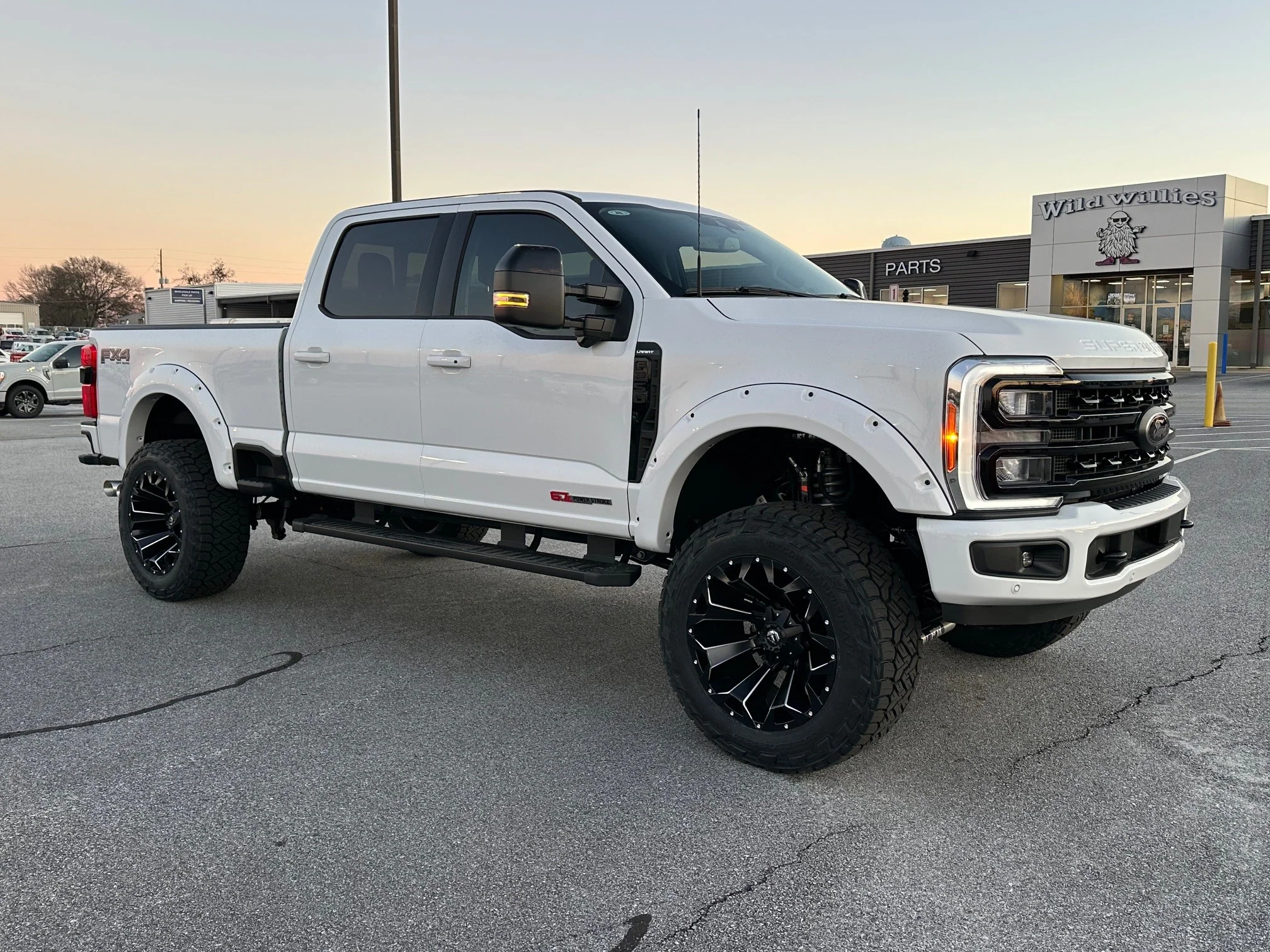
The Ford F-250 Super Duty is a heavy-duty truck designed for towing and hauling massive loads, yet it has evolved into a surprisingly capable urban daily driver for those who value power, presence, and comfort. While its size and stiff suspension make city driving challenging, modern technology and thoughtful engineering help bridge the gap between industrial capability and urban usability.
Visibility and maneuverability are addressed with a suite of advanced driver-assistance features. Higher trims offer a 360-degree camera system that gives a bird’s-eye view, essential for tight parking spaces and narrow streets.
Front and rear parking sensors, blind-spot monitoring that accounts for trailers, and rear cross-traffic alert further mitigate the truck’s extensive blind spots. Adaptive Steering adjusts the steering ratio at low speeds, making parallel parking and other tight maneuvers easier despite the truck’s large footprint.
The F-250 cabin provides luxury-grade comfort comparable to high-end SUVs. Trims like Lariat, King Ranch, and Platinum feature high-quality leather or ActiveX synthetic leather seats, heated and ventilated seating, and even seat massagers, ensuring comfort in stop-and-go traffic. Advanced sound-deadening materials and door seals reduce road and engine noise, delivering a quiet, serene environment ideal for urban commuting.
Powertrain options are tuned for smooth, responsive performance. The 10-speed TorqShift automatic transmission provides effortless gear changes, while the 6.7L Power Stroke V8 Turbo Diesel engine produces up to 1,200 lb-ft of torque. This ensures strong acceleration and responsiveness even in dense traffic, allowing the massive truck to feel manageable in city conditions.
For urban owners who need both workhorse capability and daily practicality, the F-250 offers all-in-one versatility. It provides massive towing and payload capacity while maintaining comfort, technology, and convenience features for commuting.
Pro Power Onboard allows drivers to run tools or accessories directly from the truck, making it useful for job sites or weekend projects. Despite its size, the F-250 proves that a heavy-duty truck can handle urban life for those who need power, luxury, and utility in a single vehicle.
5. Lamborghini Aventador
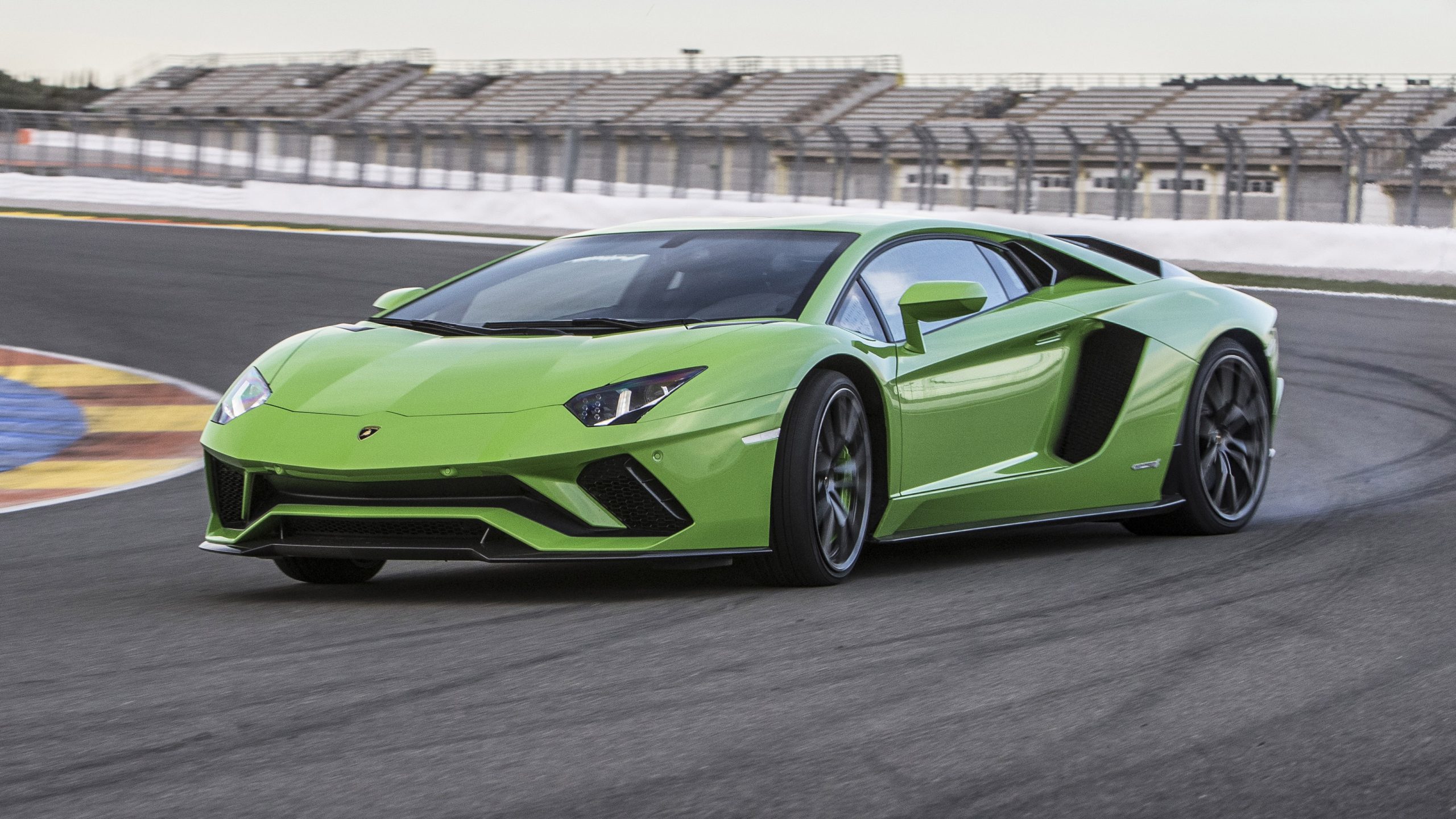
The Lamborghini Aventador is a striking V12 supercar built for speed and performance, but its low, wide, and long design poses significant challenges in urban environments. Speed bumps, tight corners, and heavy traffic amplify its impracticalities, while cooling systems and fuel efficiency are optimized for high-speed driving rather than stop-and-go city streets.
Despite these hurdles, engineering advancements in later models such as the Aventador S and SVJ have made city driving a more feasible, though still intense, experience.
Urban-centered technology helps the Aventador manage tight city spaces. The Hydraulic Front-End Lift System raises the front axle by 40mm at the touch of a button, preventing damage to the carbon fiber splitter when crossing speed bumps or entering steep parking ramps.
Lamborghini Rear-Wheel Steering (LRS) turns the rear wheels opposite the front wheels at low speeds, effectively shortening the wheelbase and improving agility for U-turns and confined areas.
Strada mode, designed for street use, softens the suspension, smooths gear shifts, and relaxes throttle response, while EGO mode allows drivers to customize settings for enhanced comfort on bumpy urban roads. Permanent all-wheel drive ensures traction and stability on wet or uneven surfaces, making the 700+ horsepower more manageable in city conditions.
The Aventador includes interior features to aid practicality. Apple CarPlay, high-resolution digital displays, and parking sensors with rearview cameras help compensate for limited outward visibility. The front trunk, or frunk, offers storage for two small carry-on bags, enough for light errands or a laptop.
Despite these improvements, daily driving the Aventador remains demanding. The single-clutch ISR gearbox can feel jerky in stop-and-go traffic, fuel economy averages only 7–8 mpg in city conditions, and the car’s extreme attention can make routine trips stressful. While it is possible to use the Aventador in an urban setting, it requires skill, patience, and a willingness to accept its compromises in convenience and practicality.
Choosing the right car for urban life requires more than performance or style. Vehicles like the Honda Civic Hybrid and Mini Cooper Electric demonstrate that efficiency, agility, and modern technology create a smooth and manageable daily driving experience. Compact hybrids, hatchbacks, and electric SUVs offer low running costs, easy parking, and safety features that are ideal for city traffic.
Large trucks, heavy-duty SUVs, and low-slung supercars, while impressive in power and luxury, show the limitations of size, fuel efficiency, and maneuverability in urban environments. Understanding these differences helps drivers make informed choices that suit their lifestyle and city needs. With the right vehicle, city driving can remain practical, safe, and even enjoyable rather than stressful.
Also read: Top 10 Cars Cheap Enough to Own and Fast Enough to Scare You