
Car culture from the 1990s keeps tugging at the heart in a way few decades manage. That era blended sharp styling with mechanical honesty, creating machines that felt alive in the driver’s hands rather than filtered through screens and sensors.
Power was delivered with personality, interiors felt purposeful, and each badge carried a clear identity. Decades later, these cars still spark conversations in parking lots and online forums, not because they are rare museum pieces, but because they remain attainable dreams.
Affordability plays a big role in why these vehicles still matter. Plenty of modern sports cars demand massive budgets, specialized tools, and complicated electronics. By comparison, many 1990s models offer real performance with simpler engineering, a balance that appeals to drivers who want involvement instead of automation.
Parts availability remains strong, communities stay active, and ownership still feels realistic rather than intimidating. Nostalgia helps, of course. Posters once taped to bedroom walls now feel closer to reality, and that sense of connection matters.
These cars remind drivers why falling in love with driving came so easily back then. Clean lines, distinctive engines, and purposeful cabins combine to create experiences that still feel special on a winding road or quiet back street.
What follows is a carefully chosen list of ten 1990s sports cars that continue to spark desire without requiring supercar money. Each entry highlights a different personality, ensuring variety rather than repetition.
Every model earns its place through design, driving feel, and lasting appeal. This is a celebration of cars that still feel right, even years after their first turn of the key.
1. Mazda RX 7 FD3S
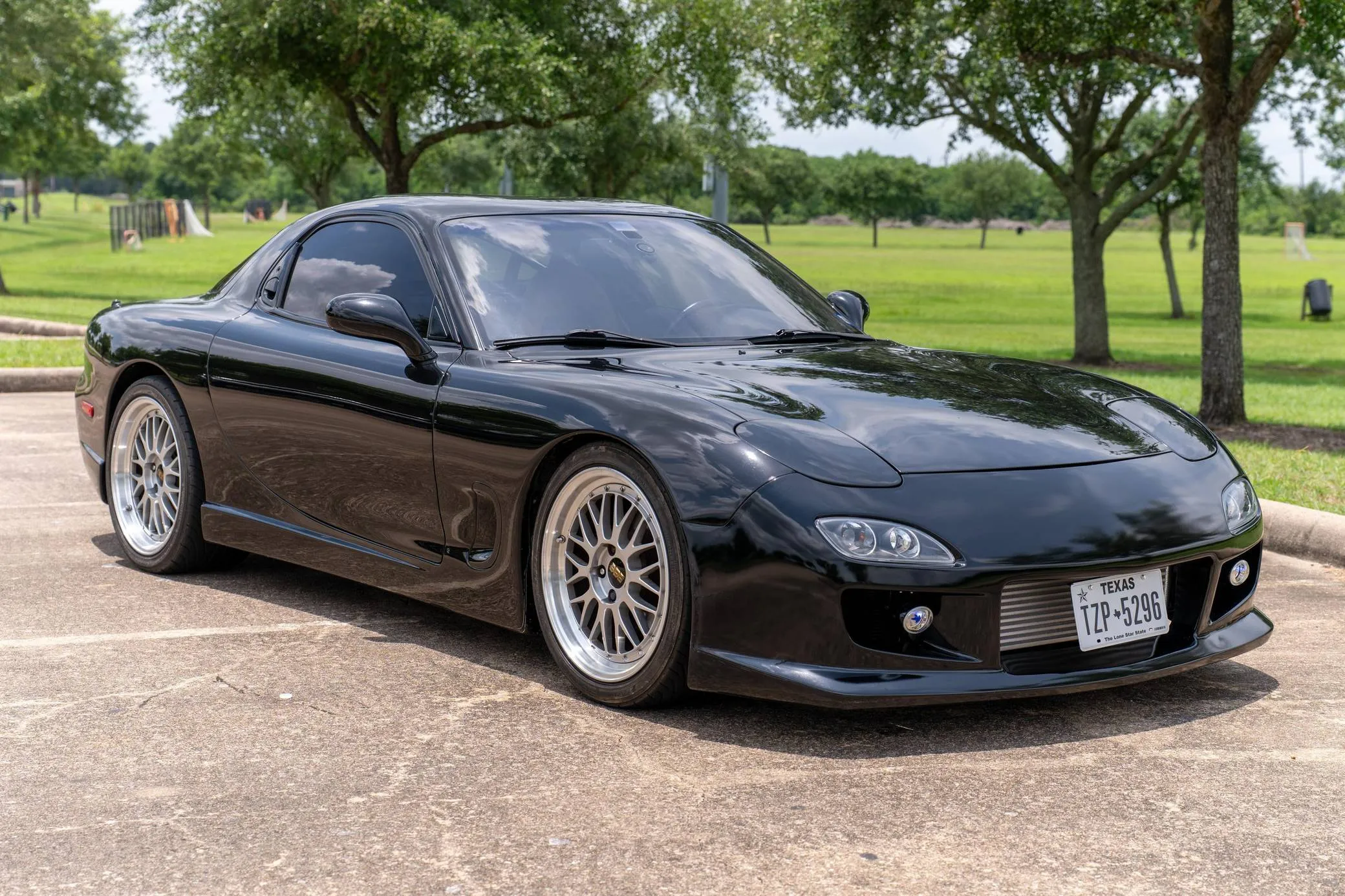
Few cars from the 1990s wear their ambition as clearly as the Mazda RX-7 FD3S. Sleek curves, a low stance, and compact proportions give it a presence that feels timeless rather than dated.
Park one on any street and attention follows naturally, not through flash but through balance. This design communicates purpose, suggesting speed even when standing still.
Beneath the hood sits a twin-turbocharged rotary engine, a mechanical choice that defines the RX 7 experience. Smooth revs, compact size, and a power delivery that feels eager rather than overwhelming shape its character.
Rotary engines ask for respect and proper care, yet that responsibility becomes part of the bond between driver and car. Ownership feels personal, almost collaborative, rather than passive. Driving an RX-7 rewards commitment. Steering inputs feel direct, weight distribution encourages confidence, and the chassis responds with grace.
Corners become conversations between hands and tires. Acceleration builds with excitement rather than brute force, creating a sensation that feels engaging at legal speeds. This approach suits drivers who value finesse as much as straight-line pace.
Affordability remains relative but realistic. Prices climbed during recent years, yet examples still exist within reach for buyers willing to shop carefully. Maintenance knowledge has spread, aftermarket support thrives, and specialists understand the platform well. That combination reduces fear around ownership.
Living with an RX 7 involves patience, curiosity, and pride. It may not be a casual appliance, yet that challenge becomes part of its charm. Each drive feels earned. For enthusiasts seeking a true driver-focused sports car from the 1990s, the Mazda RX-7 FD3S continues to deliver magic without losing relevance.
2. Nissan 300ZX Z32
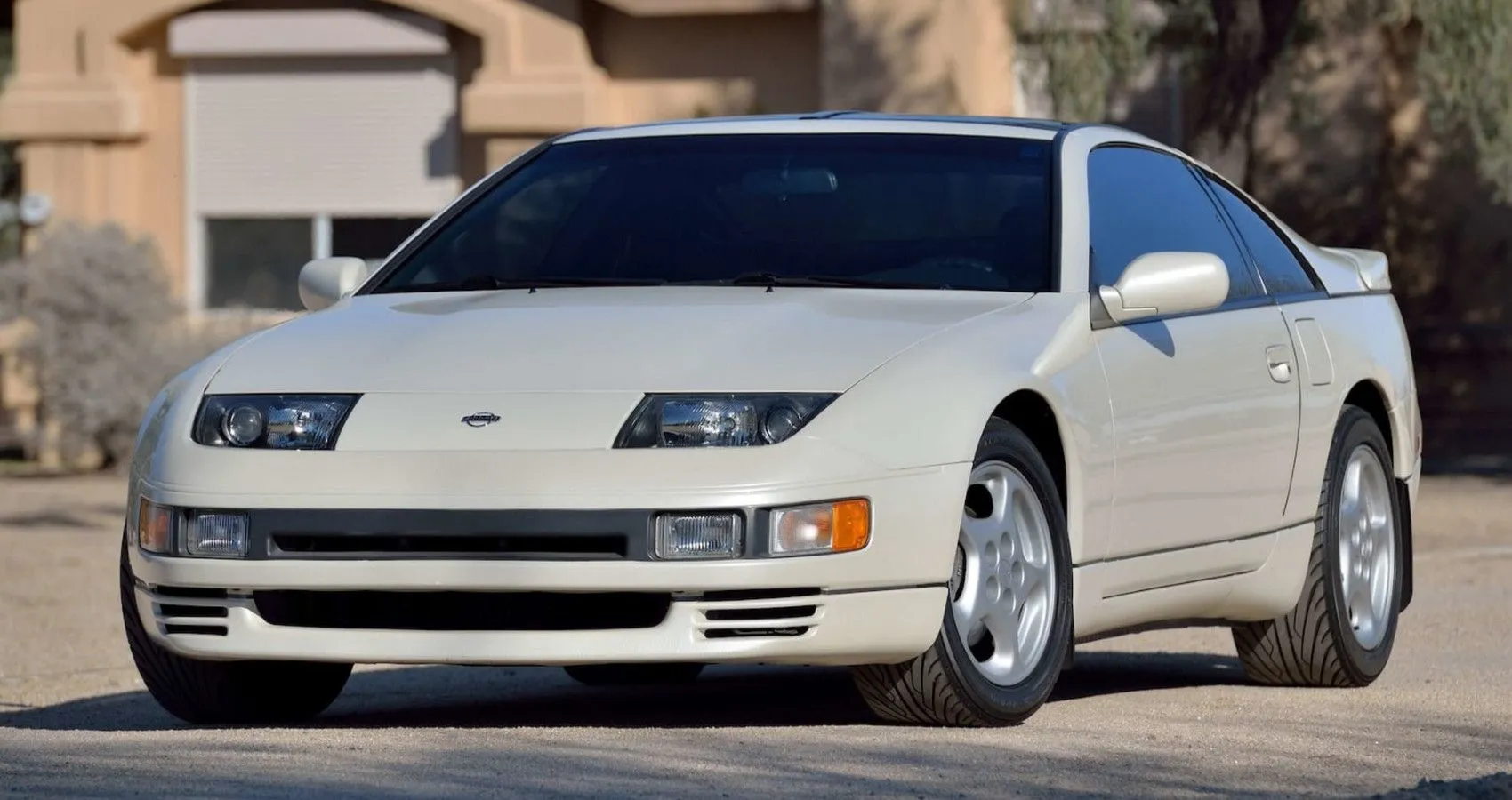
Strength and sophistication define the Nissan 300ZX Z32, a car that arrived with confidence during a competitive decade. Sharp lines mix with smooth curves, creating a look that still appears intentional today. Wide proportions and pop-up headlights announce its presence without exaggeration. This design reflects ambition backed by engineering.
Power comes from a V6 engine available in naturally aspirated or twin turbo form. Both versions offer smooth acceleration and a refined feel that suits long drives as well as spirited runs. Turbocharged models provide a rush that feels rewarding without becoming unruly. Balance stands out as a defining trait, blending performance with comfort.
Inside, the cockpit wraps around the driver with an aircraft-inspired layout. Controls sit within easy reach, creating a sense of command. Materials feel solid, and visibility remains reasonable for a sports coupe. This cabin encourages confidence, especially during extended drives where comfort matters as much as speed.
On the road, the 300ZX feels planted. Suspension tuning favors stability, allowing the car to track cleanly through corners. Steering communicates enough detail to keep drivers connected while maintaining a composed demeanor. This dual personality makes it appealing to those who want excitement without constant tension.
Market prices remain friendly compared to flashier rivals. Clean examples still trade at levels that make ownership realistic. Parts availability stays strong thanks to shared components and a dedicated community. Reliability improves with proper care, rewarding owners who stay attentive.
The Nissan 300ZX Z32 suits drivers seeking a well-rounded sports car that balances style, power, and everyday usability. Its ability to feel special without feeling fragile keeps it relevant decades after release.
Also Read: 9 Top Cars That Sound Good Until You Own Them
3. Toyota MR2 SW20
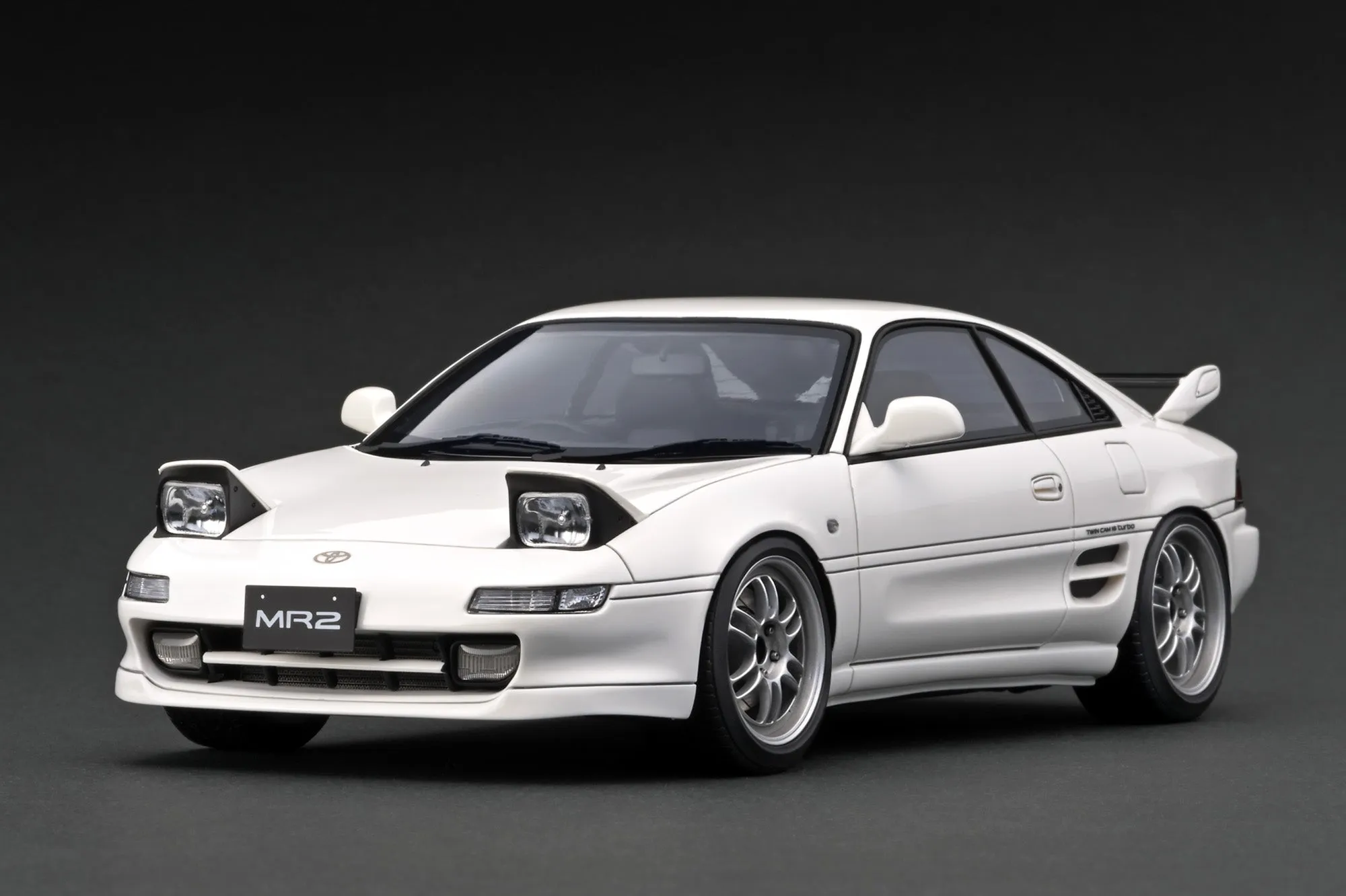
Mid-engine balance gives the Toyota MR2 SW20 a personality unlike most affordable sports cars of its time. Compact dimensions and a purposeful stance suggest agility rather than brute force. This car feels built for drivers who enjoy precision and feedback more than sheer power numbers.
A naturally aspirated or turbocharged four-cylinder engine sits behind the seats, creating a weight distribution that enhances cornering behavior. Acceleration feels lively, especially in turbo form, yet the real reward comes from how the car changes direction. Steering feels light and communicative, allowing drivers to place the car exactly where desired.
Interior design favors simplicity. Controls are straightforward, seating positions feel low, and the cabin focuses on driving rather than distractions. While storage space remains limited, that compromise feels reasonable given the performance gained. This is a car designed around motion rather than convenience.
Road behavior defines the MR2 experience. Quick transitions feel natural, and balance encourages smooth inputs. Respect matters, since mid-engine layouts demand thoughtful throttle use. Drivers who approach with patience receive confidence in return. This dynamic builds skill rather than masking mistakes.
Affordability remains one of the MR2’s strongest points. Prices stay accessible compared to other mid-engine platforms. Maintenance proves manageable thanks to Toyota engineering and parts availability. Ownership becomes less intimidating than many expect.
Choosing a Toyota MR2 SW20 means embracing purity. It rewards drivers who value involvement and mechanical honesty. For those seeking something different from traditional front-engine sports cars, this model continues to offer excitement without excess.
4. Chevrolet Corvette C4
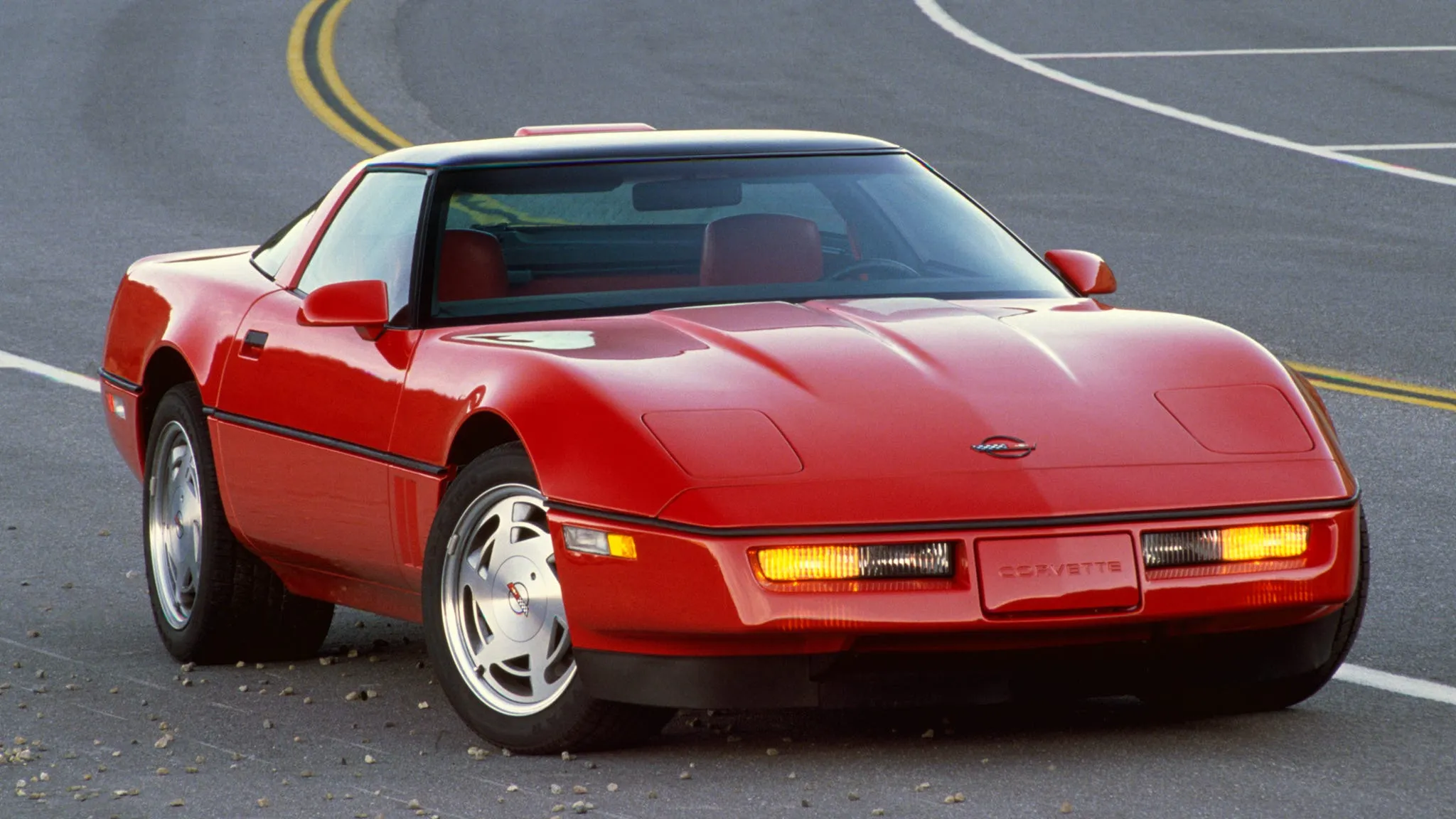
Chevrolet Corvette C4 represents a defining phase in American sports car development during the 1990s. Its angular bodywork, low stance, and wide proportions project authority without reliance on decorative elements.
The design language reflects confidence and purpose, presenting a vehicle shaped by performance priorities rather than fashion trends. Power delivery comes from robust V8 engines that provide abundant torque across the rev range.
Acceleration is smooth and forceful, supported by an exhaust note associated with traditional muscle engineering. Manual gearboxes allow direct driver engagement, while automatic transmissions favour composed long-distance travel. Each option reinforces a feeling of assurance behind the wheel.
Chassis refinement marked progress from earlier Corvette generations. Independent suspension systems and improved structural rigidity enable the C4 to maintain stability through bends with discipline. Steering communicates road conditions clearly, assisting drivers in judging traction and balance.
Straight line strength combines effectively with cornering control, creating a car suitable for varied driving demands. Cabin arrangement prioritizes function and clarity. Early production models featured digital instrumentation, while later versions returned to analogue displays for easier readability.
Seats provide adequate support for extended journeys, and luggage capacity proves generous for a performance-oriented coupe. These practical qualities strengthen daily usability.
Market values remain approachable due to high production volumes. Replacement components are readily available, and mechanical layouts remain straightforward to service. Ownership, therefore, feels realistic rather than aspirational. The Corvette C4 delivers confidence through power, presence, and usability, sustaining its appeal long after production ceased.
5. Mazda MX-5 Miata NA
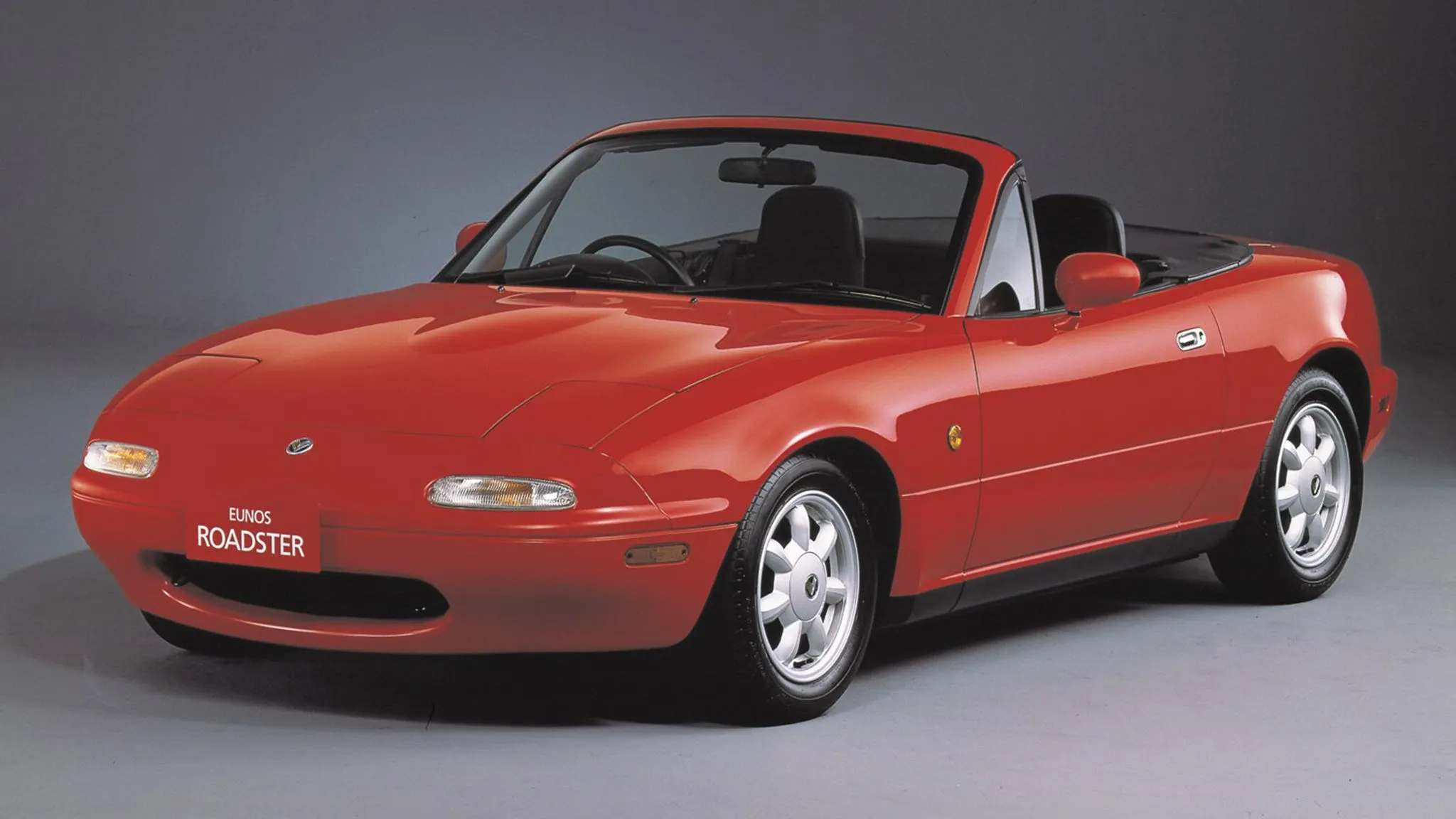
Mazda MX-5 Miata NA demonstrates how thoughtful engineering can deliver driving pleasure without excess. Compact proportions, clean surfaces, and pop-up headlights produce a welcoming appearance that remains enduring. Visual simplicity supports a focus on balance and approachability rather than intimidation.
Motivation comes from a naturally aspirated four-cylinder engine designed for reliability and responsiveness. Power output remains modest, yet acceleration feels sincere and progressive. Manual transmission operation stands out, offering precise gear changes that encourage driver involvement. Enjoyment arises from momentum and rhythm instead of raw speed.
Dynamic behaviour defines the Miata character. Lightweight construction and near-perfect weight distribution allow confident cornering with minimal effort. Steering feedback remains clear, communicating surface conditions and grip levels. Each bend feels engaging, building trust and skill through repetition rather than force.
Interior layout reinforces driving intent. Controls follow intuitive placement, seating supports comfort without bulk, and outward visibility proves excellent. The soft top mechanism operates simply, allowing open-air motoring without complication. This environment reassures new drivers while still satisfying experienced ones.
Cost considerations strengthen appeal. Purchase prices stay accessible, replacement parts remain inexpensive, and durability supports long-term ownership. Routine care becomes an enjoyable responsibility instead of a financial burden. Ownership rewards attentive drivers.
6. Porsche Boxster 986
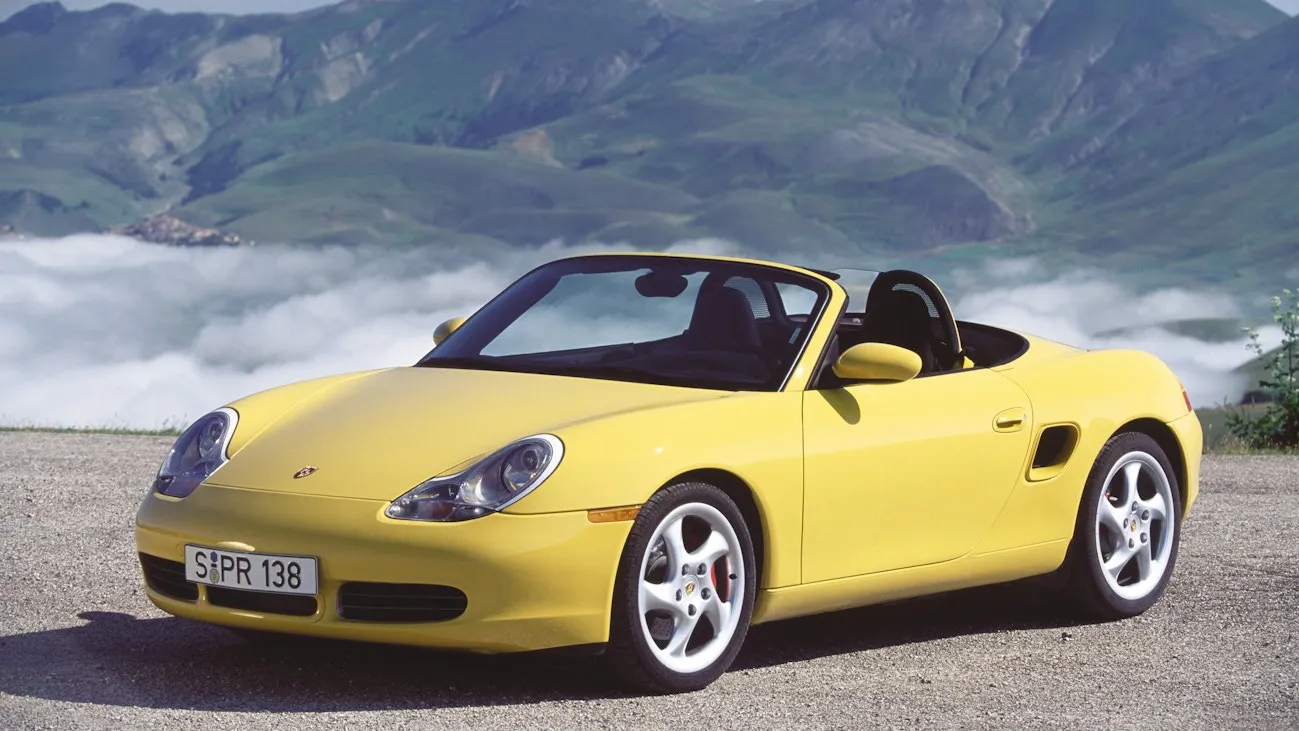
Design direction for the Porsche Boxster 986 marked a turning point for the brand during the late 1990s. Curved bodywork replaced sharp edges, giving the car a softer yet purposeful appearance. Headlights echoed the era’s styling trends while the low stance and wide track made intentions clear.
Nothing about the shape feels accidental. Each line supports airflow and balance, creating a roadster that still looks confident parked or moving. Placement of the flat six engine behind the seats defines the Boxster experience.
Weight distribution benefits immediately, creating predictable handling that feels reassuring. Power delivery builds smoothly, rewarding drivers who enjoy revs rather than sudden surges. Manual gearboxes shine here, offering clean engagement and mechanical honesty. Acceleration feels brisk enough to excite without overwhelming newer drivers stepping into a performance car.
Cabin design focuses on ergonomics. Seating positions feel natural, pedals align well, and visibility remains excellent for a low-slung sports car. Materials reflect Porsche priorities, emphasizing durability and clarity. Storage space surprises, thanks to front and rear trunks that make weekend trips realistic.
This balance between excitement and usability broadens appeal beyond short drives. Road behavior sets the Boxster apart. Turn in feels immediate, body control stays composed, and grip builds progressively.
Confidence grows with every mile, encouraging drivers to push gently rather than aggressively. That learning curve builds trust. Suspension tuning favors communication instead of isolation, allowing feedback without discomfort.
Pricing keeps the Boxster 986 within reach for many enthusiasts. Early examples trade at reasonable figures, especially compared to other Porsche models. Maintenance requires diligence, yet widespread knowledge and parts availability help manage costs. Ownership rewards those who stay attentive.
Choosing a Porsche Boxster 986 delivers a true sports car experience shaped by balance, sound, and precision rather than excess.
7. BMW Z3 2.8
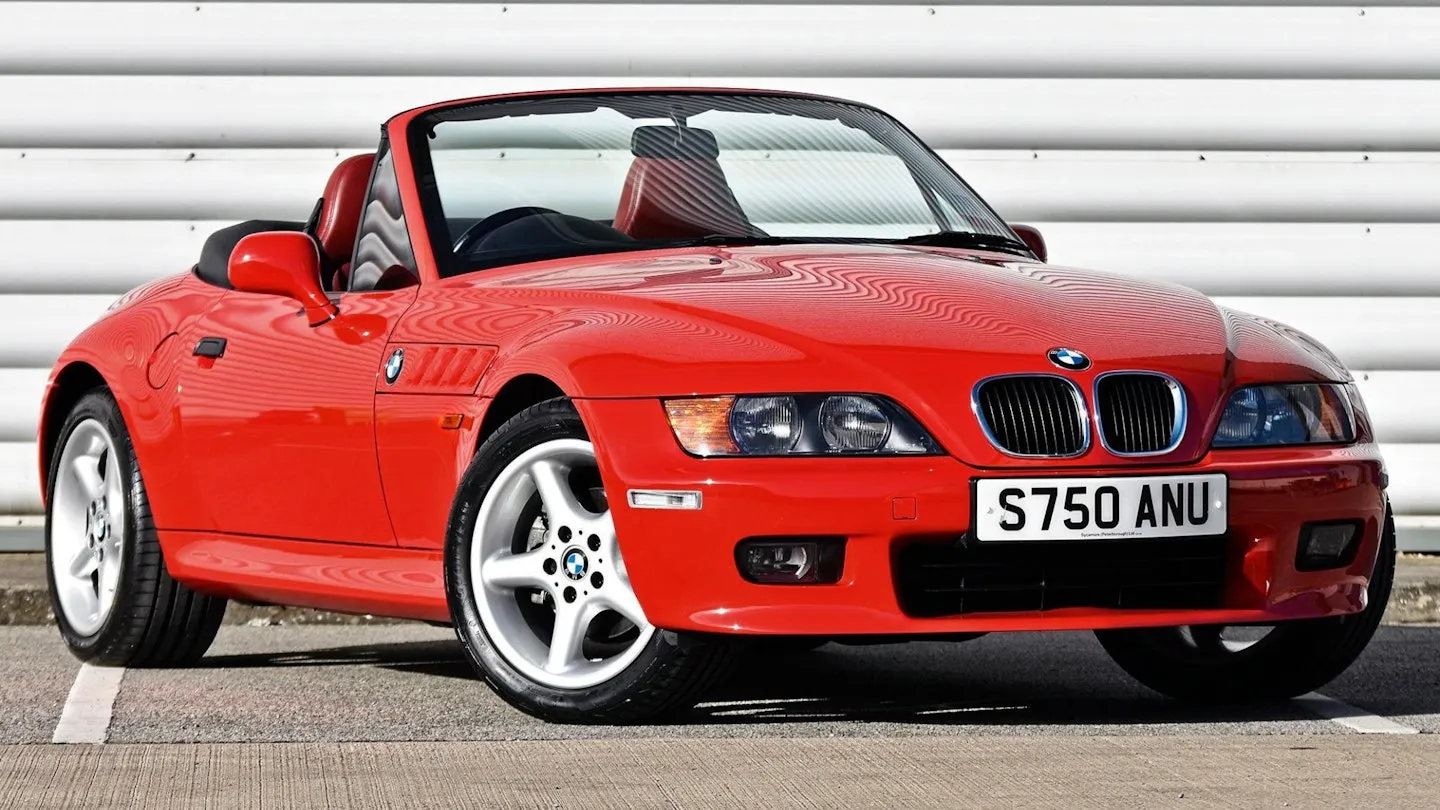
Style played a major role in the BMW Z3 2.8’s success during the 1990s. Long hood proportions, short rear deck, and flowing curves created a classic roadster profile. This look nods to heritage without copying the past. Presence feels confident yet relaxed, making the Z3 stand out through elegance rather than aggression.
Power comes from a naturally aspirated inline six engine that defines BMW’s character. Smooth acceleration, rich sound, and linear response shape every drive. Horsepower figures may seem modest today, yet the way power arrives feels satisfying. Manual transmissions enhance involvement, while automatics favor cruising comfort. Either choice delivers a refined experience.
Interior layout emphasizes simplicity. Controls sit logically, gauges remain clear, and seating positions feel supportive. Materials lean toward durability with subtle luxury touches. This cabin avoids distractions, encouraging drivers to focus on the road ahead. Convertible tops operate easily, adding open-air enjoyment without drama.
Handling favors balances over sharpness. Steering communicates clearly, suspension absorbs imperfections gracefully, and chassis behavior stays predictable. Spirited driving feels natural rather than demanding. This approach suits long drives along scenic routes as well as casual commuting.
Affordability strengthens the Z3’s appeal. Prices remain reasonable, especially for non-M variants. Parts availability stays strong due to shared BMW components. Maintenance costs stay manageable with regular care. Ownership feels approachable rather than exclusive.
Choosing a BMW Z3 2.8 means appreciating harmony. It delivers a blend of style, sound, and comfort that suits drivers seeking a relaxed sports car experience rooted in mechanical quality.
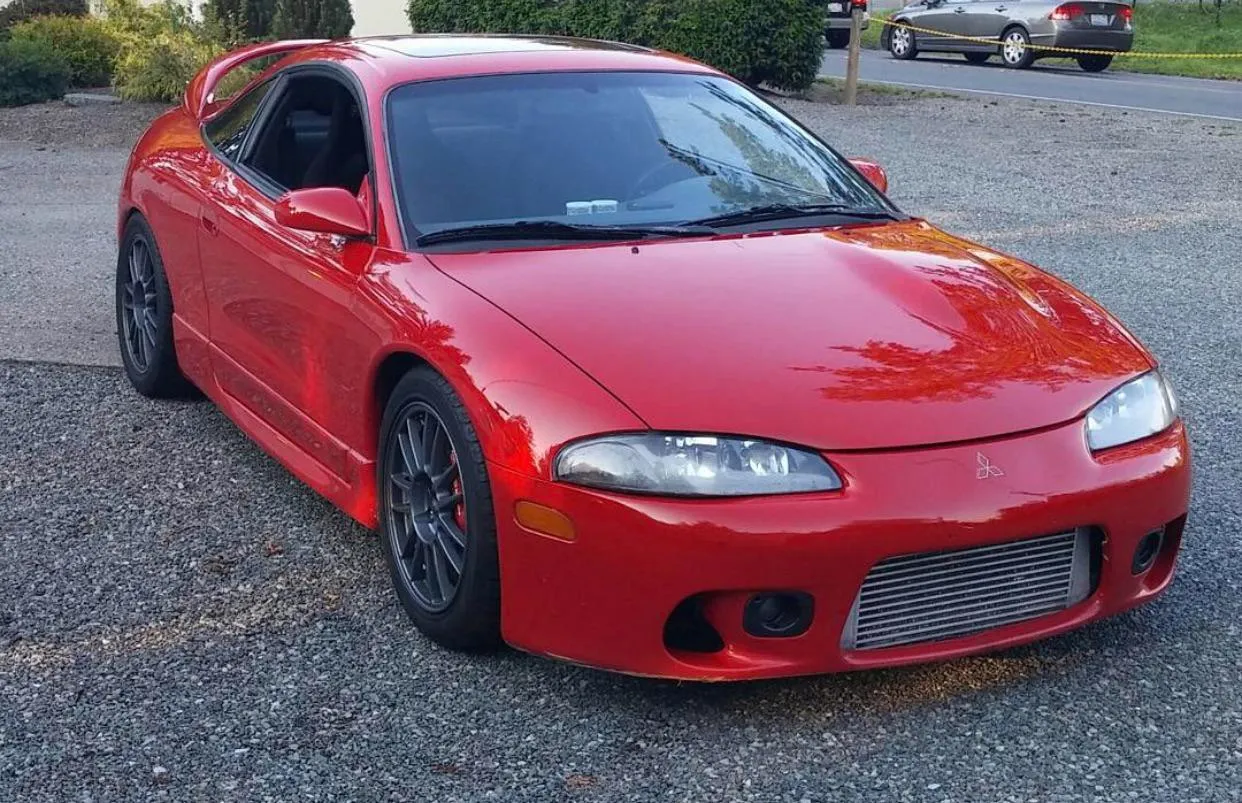
8. Mitsubishi Eclipse GSX Second Generation
Aggressive styling defined the Mitsubishi Eclipse GSX Second Generation during its prime years. Wide fenders, sharp angles, and bold proportions gave it instant street presence. This design reflected performance intent rather than subtlety. Even today, the shape feels energetic and unapologetic.
Turbocharged All Wheel Drive hardware sits at the heart of the GSX. Acceleration feels strong, especially when boost builds smoothly through the rev range. Traction remains confident thanks to power reaching all corners. Manual gearboxes emphasize engagement, making each move part of the experience. Straight line speed impressed during its era and still delivers excitement now.
Interior design focuses on function. Supportive seats, clear gauges, and straightforward controls create a driver-focused environment. Materials reflect practicality rather than luxury. Rear seating exists but remains secondary. This layout suits drivers prioritizing performance above refinement.
Road manners highlight stability. All Wheel Drive grip inspires confidence during quick launches and corner exits. Steering feel leans toward firmness, offering control rather than delicacy. Suspension tuning favors composure, allowing the car to feel planted during spirited driving.
Market prices keep the Eclipse GSX attractive. Clean examples remain attainable, though condition varies widely. Maintenance requires attention, especially regarding turbo components. Strong aftermarket support and community knowledge help owners keep cars running well. Modification culture surrounds this model, offering endless customization options.
Choosing a Mitsubishi Eclipse GSX Second Generation delivers a performance-focused experience shaped by boost, grip, and bold styling. It appeals to drivers who enjoy tuning potential alongside everyday usability.
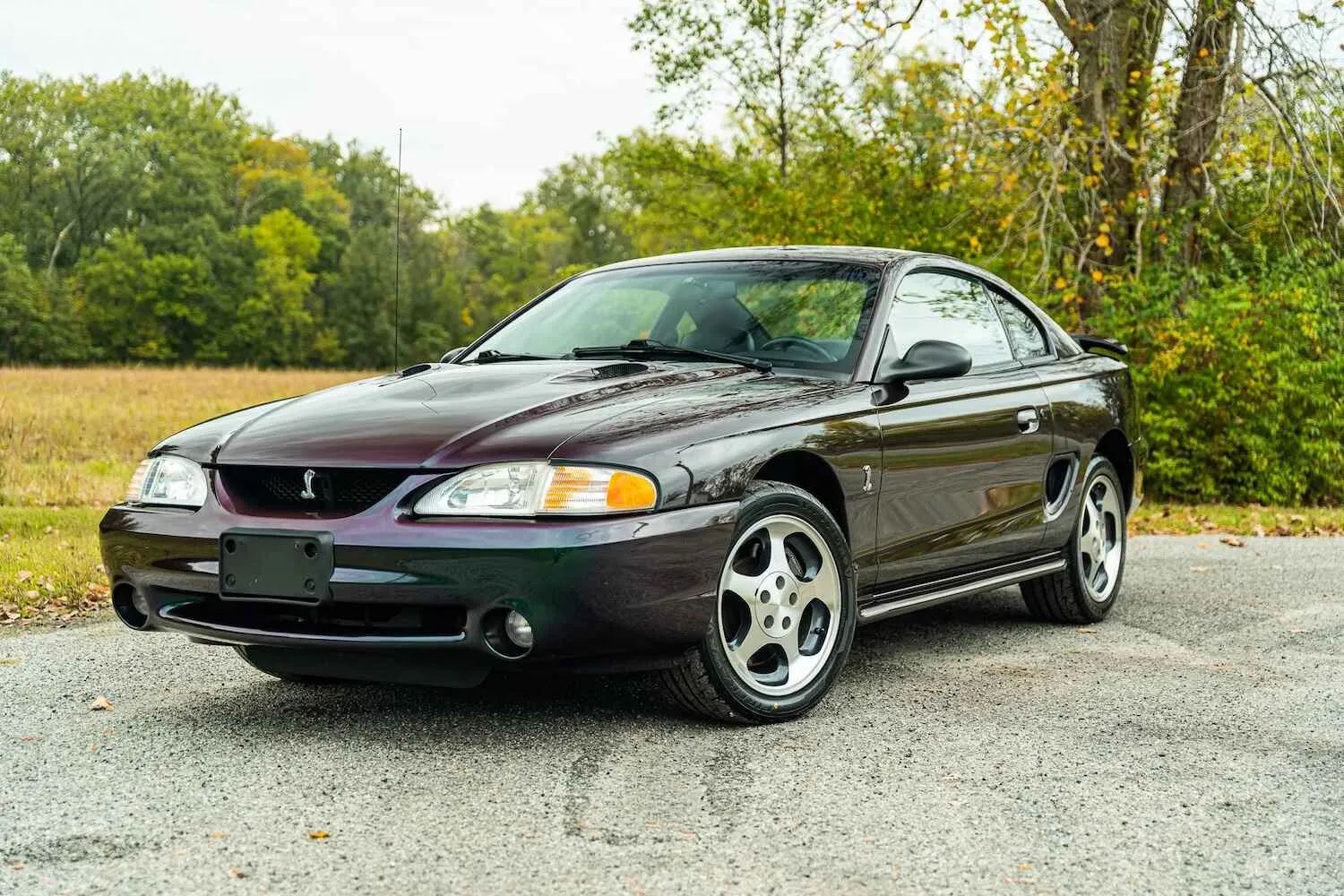
9. Ford Mustang SVT Cobra 1996
Muscle car identity experienced refinement during the 1990s, and the Ford Mustang SVT Cobra of 1996 stands as a clear reflection of that period. Exterior styling moved away from rigid, box-like forms toward smoother lines that projected maturity without sacrificing attitude.
A lower profile, sculpted panels, functional hood scoops, and a wide stance give the vehicle authority on the road. The visual message remains direct and confident, communicating performance intent without relying on excessive decoration.
Mechanical strength defines the Cobra experience. A high-revving V8 engine developed by Ford’s Special Vehicle Team delivers consistent power across the rev band. Throttle response feels immediate, and acceleration builds with assurance rather than unpredictability.
Exhaust sound reinforces the car’s personality, offering a deep and purposeful tone associated with American engineering. Manual transmission options heighten driver involvement, allowing precise control of power delivery. Straight line pace feels exciting yet manageable, encouraging enjoyment rather than caution.
Interior design supports both daily use and spirited driving. Seats provide firm support while maintaining comfort during extended journeys. Instrumentation remains clear and logically arranged, enabling drivers to read vital information at a glance.
Switchgear placement feels familiar, reducing distraction and easing adaptation for new owners. Materials reflect the manufacturing standards of the era but remain durable when properly maintained. Rear seating, though limited, introduces a level of practicality uncommon in performance-oriented coupes, making short passenger trips possible.
Chassis development marked progress compared to earlier Mustang generations. Revised suspension geometry and improved tuning allow greater composure through corners. Steering offers clearer feedback, helping drivers judge grip levels and road conditions accurately.
Stability during acceleration and braking feels reassuring, supporting confidence during enthusiastic driving sessions. A balance between ride comfort and responsiveness allows the car to perform well on highways, city roads, and winding routes.
Cost considerations strengthen the Cobra’s lasting appeal. High production figures help maintain accessible pricing within the performance car market. Replacement parts remain widely available due to shared Mustang platforms, reducing long-term ownership concerns.
Routine servicing stays manageable for owners with basic mechanical knowledge, keeping running costs within reason. Driving a Ford Mustang SVT Cobra 1996 delivers a strong sense of identity shaped by sound, strength, and road presence.
It appeals to drivers who value traditional performance traits paired with the refinements introduced during the decade. This model continues to represent a confident blend of heritage and progress.
Also Read: Top 10 Beginner Drift Cars That Won’t Destroy Your Budget
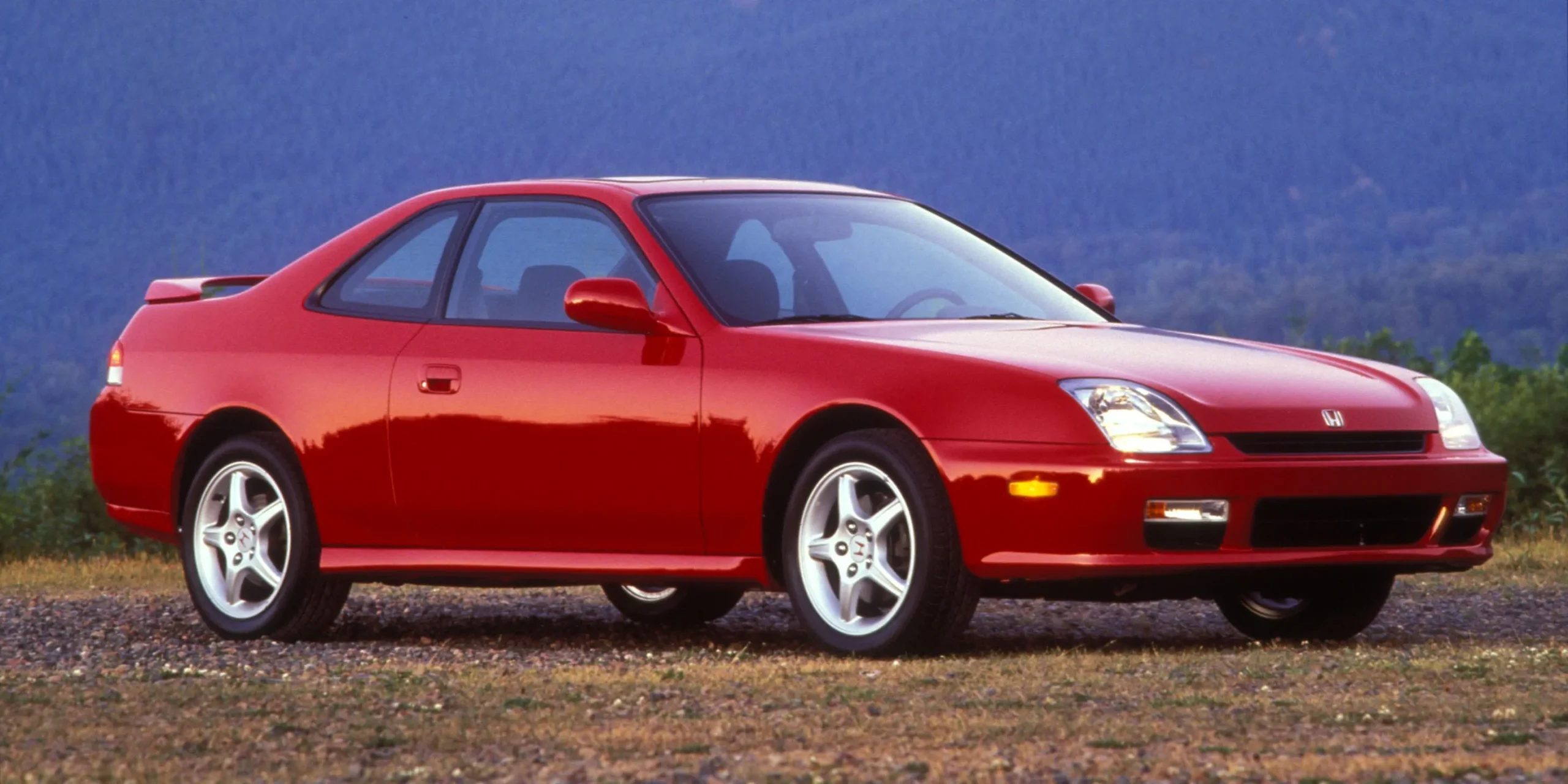
10. Honda Prelude Type SH
The engineering focus defines the Honda Prelude Type SH, a coupe developed with careful attention to balance, control, and technical refinement. Exterior styling reflects restraint and purpose, combining clean surfaces with a low, planted stance.
Lines flow smoothly from front to rear, creating a profile that feels deliberate rather than decorative. This approach gives the car an appearance that remains relevant years later, appealing to drivers who prefer precision over excess visual drama.
Powertrain design supports this philosophy. A naturally aspirated four-cylinder engine delivers smooth and dependable performance, with power building progressively as revs rise. Rather than relying on aggressive output figures, the Prelude rewards drivers who enjoy maintaining momentum and selecting gears thoughtfully.
Manual transmission operation stands out for its accuracy and positive engagement, strengthening the connection between driver and machine. Acceleration feels controlled and predictable, encouraging confidence during spirited use.
Interior arrangement reinforces driver focus. Seating positions place occupants low within the cabin, supporting a strong sense of control. Pedal alignment and steering wheel placement feel carefully considered, reducing fatigue during longer drives. Instrumentation remains clear and uncluttered, allowing essential information to be absorbed quickly.
Materials used throughout the cabin emphasise durability and fit, holding up well when properly maintained. Rear seats are present but limited, serving occasional passenger needs without compromising the coupe’s proportions.
Dynamic behaviour distinguishes the Type SH from other Front Wheel Drive coupes of its era. An active torque transfer system enhances cornering stability by managing power distribution during turns. This technology reduces traditional understeer tendencies, allowing the car to maintain a more neutral attitude.
Steering response feels direct and informative, enabling precise placement through bends. Suspension tuning achieves a careful balance, absorbing road imperfections while maintaining composure during enthusiastic driving.
Ownership considerations add to the Prelude’s appeal. Market pricing remains reasonable, especially when compared with less common performance models from the same period. Honda’s reputation for reliability supports long-term use, provided routine maintenance is observed.
Replacement components are readily available, keeping service costs predictable. These factors make ownership practical rather than demanding. Choosing a Honda Prelude Type SH provides a sports coupe experience shaped by thoughtful engineering and mechanical clarity.
It suits drivers who value balance, feedback, and refinement more than raw output. The car stands as a reminder that intelligent design and careful tuning can deliver lasting satisfaction without unnecessary complication.
