The value of a sports car is often one of the most important considerations for buyers who want more than just speed or prestige. Some high-performance vehicles depreciate rapidly due to high maintenance costs and shifting market demand, while others defy expectations by maintaining or even increasing in value over time.
Collectors, enthusiasts, and everyday buyers who pay attention to resale trends often gravitate toward models that are known to hold their value well. A car that retains a strong resale value not only represents a smarter financial choice but also reflects lasting appeal in design, performance, and cultural significance.
For drivers who want performance that continues to be appreciated in the market years after purchase, certain sports cars have stood out from the rest.
Value retention in sports cars is influenced by many factors. Rarity can play a large role, as limited production numbers create scarcity that drives desirability among collectors. Cars with a strong motorsport heritage often attract dedicated followings that sustain demand, boosting resale value long after the initial sale.
The reputation of the manufacturer and the mechanical robustness of the model also matter, since buyers are willing to pay more for cars with proven reliability and enduring performance. Cultural influence and iconic styling help sustain enthusiasm for some cars, bringing them close to timeless status.
For example, vehicles that become symbols of a particular automotive era tend to maintain a following that goes beyond simple functionality.
Another important factor is the total cost of ownership. Sports cars that are expensive to insure, fuel, or repair often see steeper depreciation because potential buyers factor these ongoing costs into resale pricing. Conversely, models that balance performance with reasonable operating costs tend to be more appealing on the used market.
Demand in secondary markets can also vary by region and economic conditions, further influencing how value fluctuates over time. Cars that attract interest from global enthusiasts often see stronger value retention due to broader demand. In every case, understanding which sports cars defy the typical depreciation curve requires looking beyond horsepower figures and into the fabric of automotive culture and economics.
The purpose of this article is to highlight ten sports cars that hold their value better than expected. Each of these vehicles has earned a reputation for defying the depreciation norms that many high performance cars face.
Some have a strong enthusiast base, others are limited production runs, and a few simply boast timeless engineering that buyers continue to appreciate. What unites them is the fact that they remain sought after in the marketplace, often commanding prices that surprise even experienced buyers and sellers.
For anyone interested in a sports car that can double as a sound investment, this list offers insight into options that combine driving pleasure with smart resale prospects.
While performance figures and technical specifications vary among these cars, what matters most is how they are viewed by the market over time. Some may be ideal daily drivers with strong resale prospects, others may be destined for collector garages.
Regardless of their intended use, each model included here demonstrates that sports cars do not have to be financial liabilities. With careful selection and maintenance, today’s buyers can enjoy the thrill of performance motoring while retaining significant value for tomorrow. The following sections explore each of these ten cars in detail, explaining why they have proven resilient in preserving value relative to expectations.
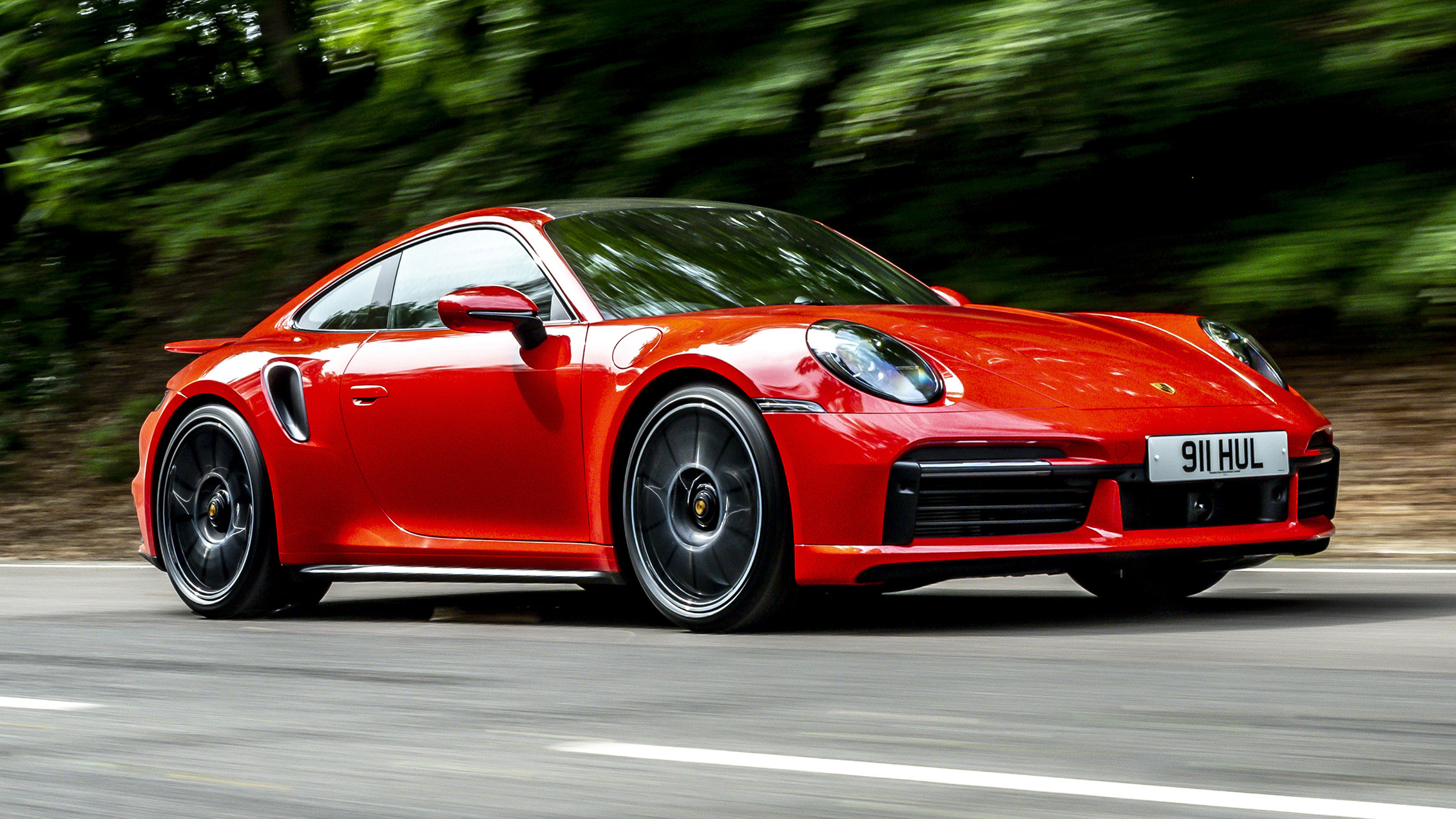
1. Porsche 911 (997 Generation)
The Porsche 911 has long been revered for its balance of everyday usability and thrilling performance, and this is nowhere more evident than in the 997 generation. Produced from the mid 2000s through the early 2010s, the 997 is often regarded as one of the last of the “pure” 911s before the advent of extensive electronics that define modern sports cars.
Enthusiasts appreciate its analog feel and engaging driving characteristics, which have helped maintain strong demand in the used market. Even with rising mileage on many examples, prices have remained surprisingly robust for a car of its age and performance level.
A key factor in the 997’s strong value retention is its position in Porsche’s history. This generation captures a moment when naturally aspirated engines were still prevalent, and the driving experience was centered on mechanical feedback rather than electronic intervention.
For many buyers, this represents a sweet spot between classic feel and modern capability, making it appealing to collectors and daily drivers alike. The availability of manual transmissions in many versions further boosts desirability, as purists seek a more connected driving experience that newer cars often cannot replicate.
Also Read: Top 10 ’90s JDM Legends You Can Finally Import
In comparison to other sports cars of similar age and performance, the 997 stands out for its resilience in holding value. While other performance cars from the same era may suffer steep depreciation due to reliability concerns or lack of broader appeal, the 997 continues to command respect in the marketplace.
Its combination of engineering excellence, driving purity, and enthusiast passion contribute to a sustained desirability that keeps prices stronger than many would expect. For buyers who value both driving experience and resale potential, this generation of Porsche 911 remains a compelling option.
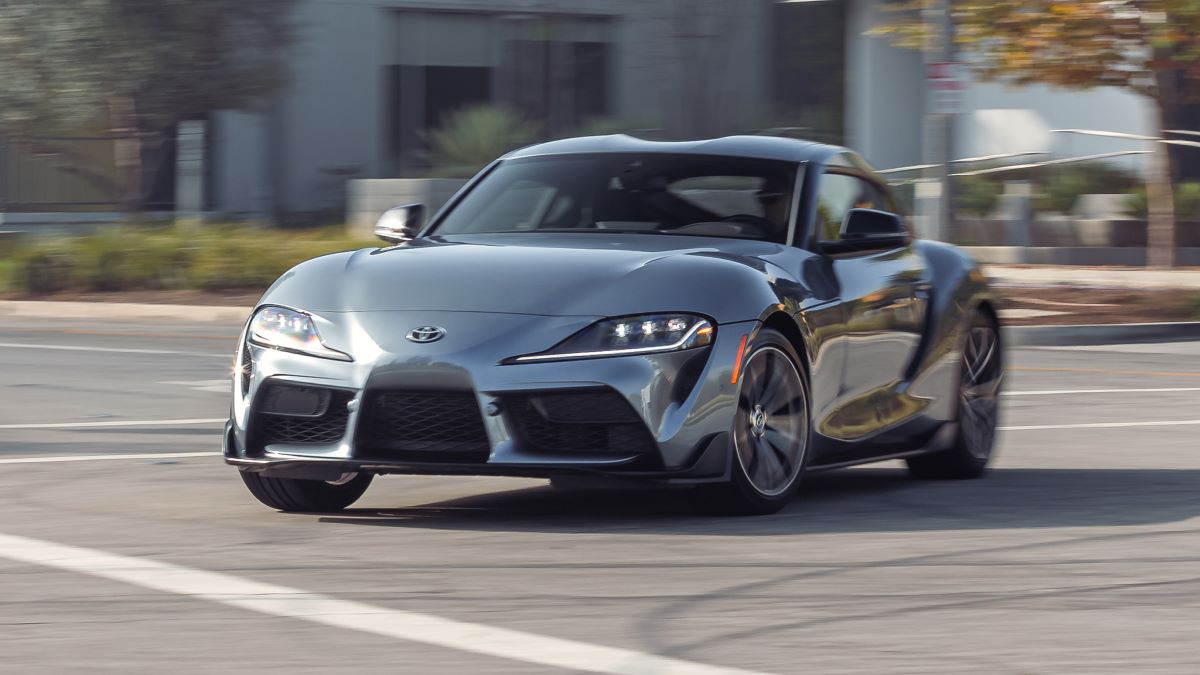
2. Toyota GR Supra (A90 / A91)
The return of the Supra nameplate in the late 2010s brought renewed excitement to enthusiasts who had long awaited a modern successor to the iconic 1990s models. The Toyota GR Supra, developed in collaboration with a major European performance manufacturer, blends sharp handling with strong turbocharged performance.
When it first arrived, the market response was enthusiastic, though opinions varied on aspects of its design and shared engineering. Despite this, the Supra has proven to be a strong performer in the resale market, holding value better than many expected for a newly revived sports name.
One crucial element driving the Supra’s resale strength is its limited production relative to demand. Enthusiasts and collectors who remember the glory days of earlier generations have shown interest in newer models, seeing them as a continuation of a storied lineage.
This interest has translated into relatively high resale prices, even for examples with moderate mileage. The combination of performance, daily usability, and brand heritage helps sustain demand across a broad audience of buyers.
Consumer perception of the Supra has been shaped by reviews that emphasize its blend of performance and practicality. Although some critics initially questioned design choices or shared components with other brands, many buyers appreciate the car’s package.
Its performance on track days and engaging driving dynamics have earned it a reputation that aligns with value retention. As a result, resale pricing remains stronger than anticipated, particularly for limited editions and well-maintained examples.
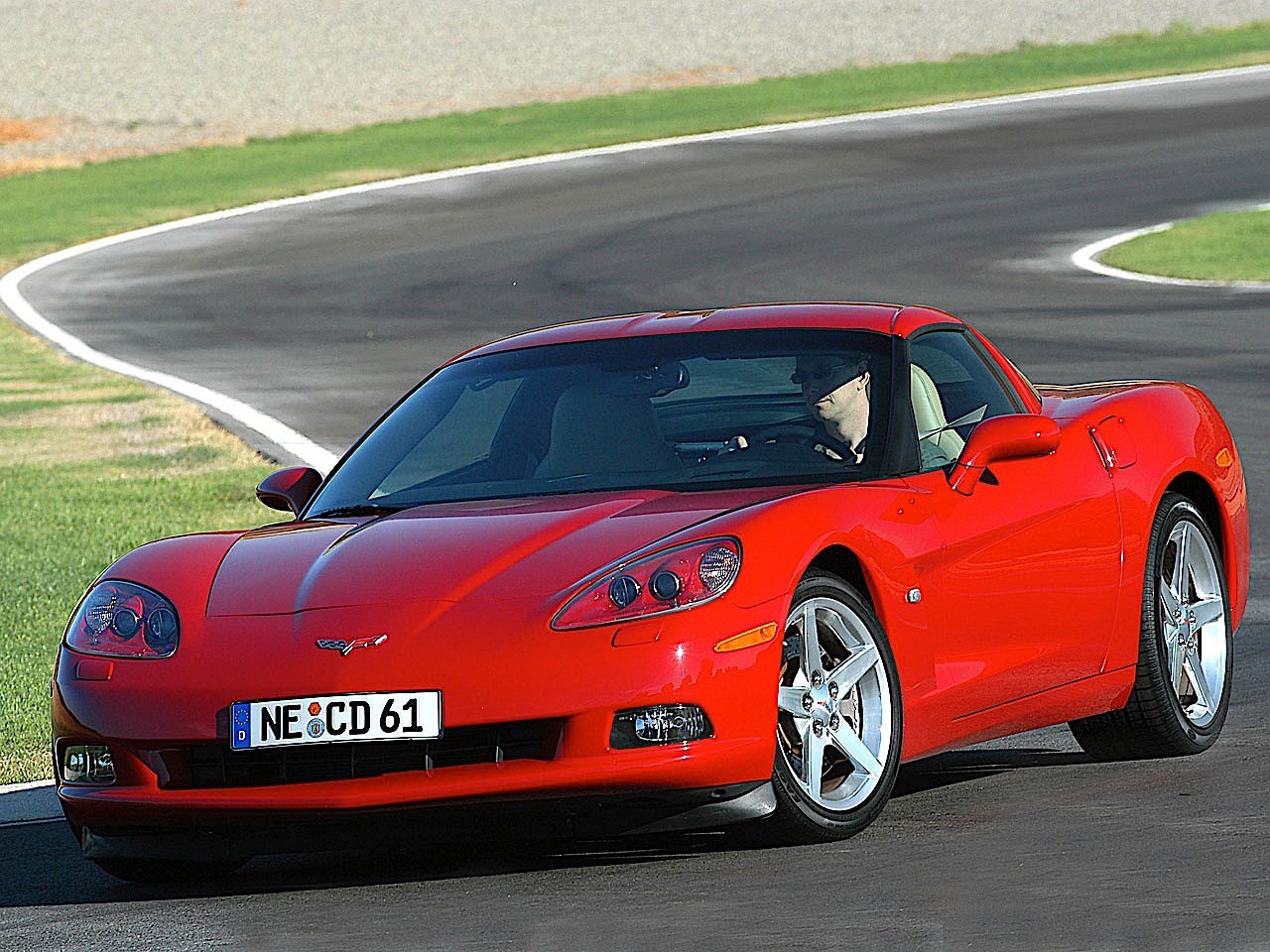
3. Chevrolet Corvette (C7)
The seventh generation of the Chevrolet Corvette represents a defining moment in the evolution of America’s quintessential sports car. With its powerful engine options, distinctive design, and strong performance credentials, the C7 quickly earned praise from enthusiasts and critics alike.
What many buyers did not expect was how well this generation would perform in the resale market, maintaining value far better than other performance cars from the same era. Its combination of power, prestige, and accessibility has helped keep demand high among collectors and everyday drivers.
One reason the C7 holds value well is its balanced performance and usability. Equipped with a potent V8 engine and fine-tuned chassis, it offers thrilling acceleration and precise handling. Yet it remains comfortable enough for daily use, making it appealing to a wide range of buyers.
This dual nature increases its desirability on the used market, as potential purchasers recognize that they can enjoy both spirited driving and reasonable practicality without compromise. The result is sustained interest and stronger resale prices.
Limited editions and high performance variants of the C7, including track focused models, contribute further to the resale ecosystem. These special editions often command higher prices due to their exclusivity and enhanced performance.
Enthusiasts value the distinction of owning one of these models, which translates into market premiums that far exceed typical depreciation seen in many sports cars. The existence of a diverse lineup within the C7 family helps create a robust second hand market with multiple points of interest for buyers.
Another contributing factor to the Corvette’s value retention is the strength of the brand’s heritage. The Corvette name has long been associated with performance and American sports car identity, and the C7 continues this tradition with vigor.
Buyers seeking a performance car that carries cultural significance often gravitate toward this generation, reinforcing its value. This historical resonance acts as a buffer against steep depreciation, as collectors and everyday buyers alike find reasons to hold onto and seek out these cars.
In comparison to other vehicles in its class, the C7 Corvette’s resale performance stands out. While some high performance cars may struggle to maintain value due to niche appeal or high ownership costs, the Corvette balances performance with broad market interest.
Its reputation for raw power, along with an enduring identity as a symbol of performance, helps ensure that it remains desirable years after initial release. For buyers who want a sports car with strong resale prospects, the C7 remains a compelling and smart choice.
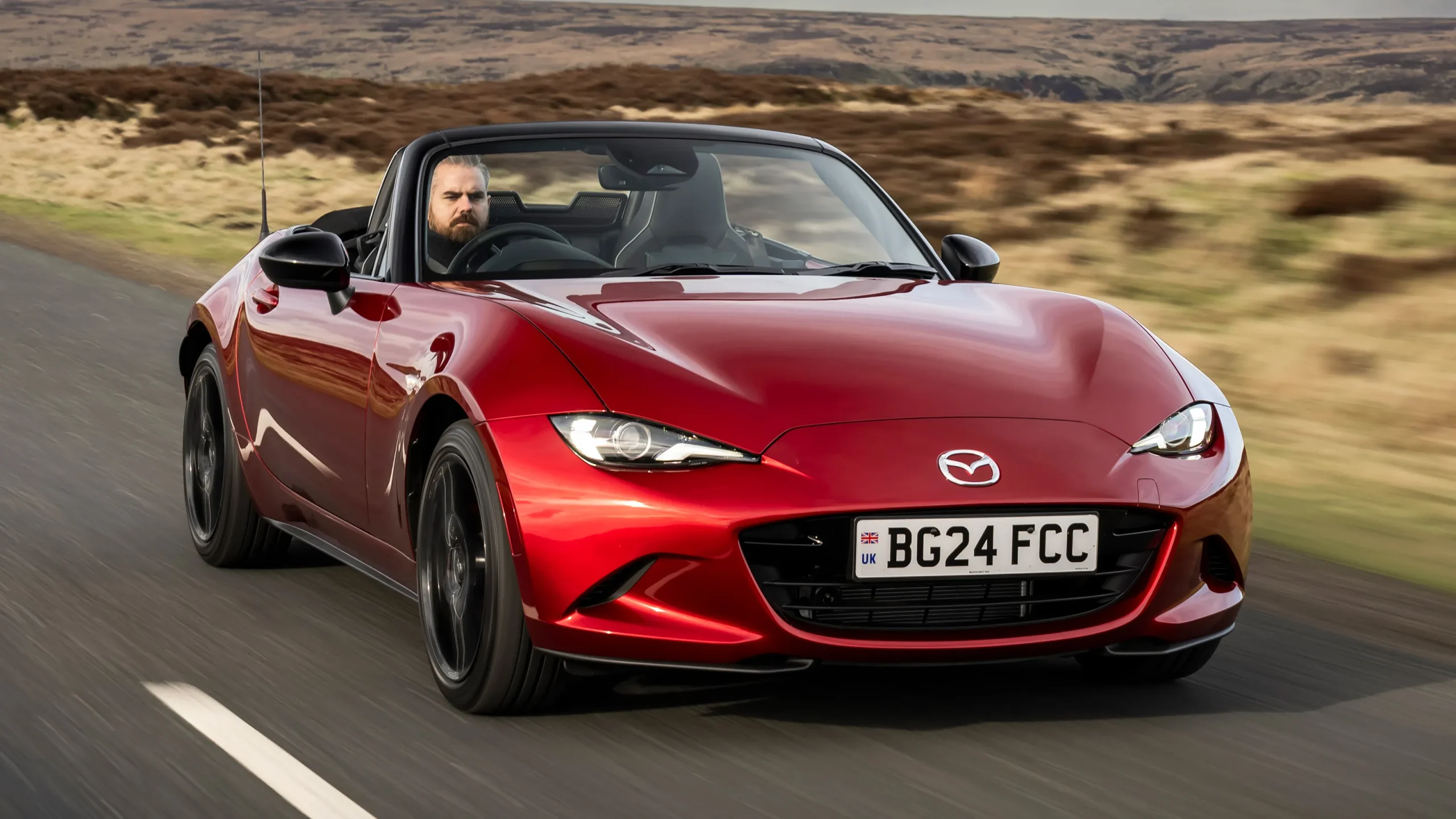
4. Mazda MX-5 Miata (ND)
The Mazda MX‑5 Miata is often celebrated for its simplicity, driving purity, and affordability, and the latest ND generation continues this tradition with an engaging combination of lightweight design and responsive handling.
While small roadsters typically suffer steep depreciation due to niche appeal and limited performance figures, the ND Miata has defied expectations by maintaining relatively strong resale prices. This is partly due to the passionate community that surrounds the model and the consistent demand from new drivers and collectors alike.
The operating costs of the ND Miata also contribute to its resale strength. This generation is known for reliability and ease of maintenance, two traits that appeal to buyers who do not want to deal with expensive repairs or complex systems.
The value proposition of getting a fun, reliable sports car that can be used regularly without exorbitant costs widens the potential buyer pool. This broader demand has helped support strong resale prices compared to other small sports cars that may have more restrictive appeal.
Enthusiast culture plays a key role in the sustained value of the ND Miata. There are active clubs, events, and gatherings dedicated specifically to this generation, fostering a sense of community that encourages owners to keep and maintain their cars.
This cultural valuation adds an intangible layer to the Miata’s appeal, reinforcing interest among potential buyers who want more than just transportation. The sustained enthusiasm around the ND generation helps keep prices relatively resilient over time.
Compared with other small sports cars, the Miata’s ability to hold value is a testament to its well rounded character. It is not the fastest car on paper, nor the most technologically advanced, yet it continues to attract passionate buyers who appreciate its strengths.
This ongoing interest translates to a healthy resale market where values remain strong relative to expectations. For someone seeking an affordable, engaging sports car with sustainable value, the Mazda MX‑5 Miata remains a standout choice.
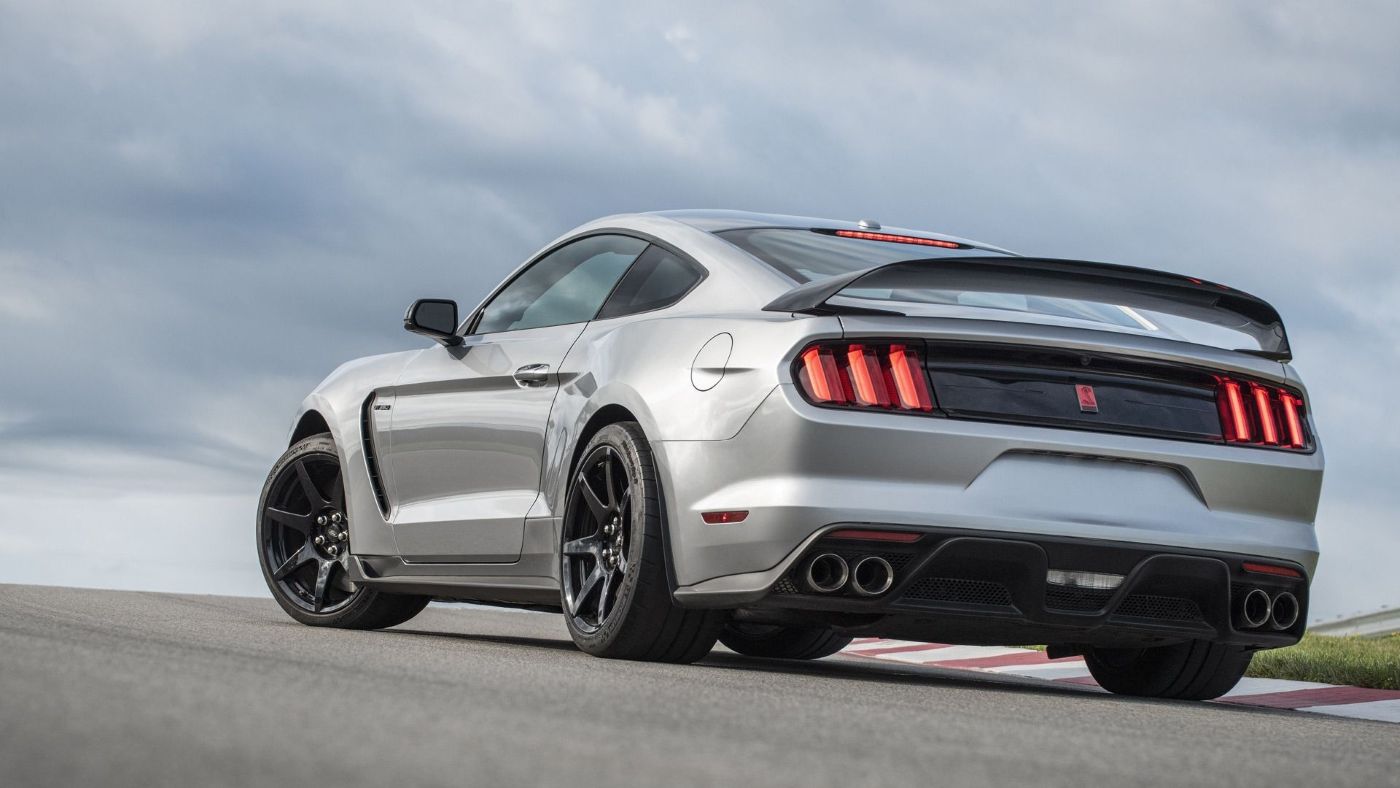
5. Ford Mustang Shelby GT350
The Ford Mustang Shelby GT350 represents a high point in Mustang performance history, combining a high revving flat plane crank V8 with finely tuned handling characteristics that set it apart from other muscle cars.
Enthusiasts were quick to praise its dynamic driving experience, and the market has continued to recognize this model’s significance. Despite being part of a long standing performance lineage, the GT350 has maintained strong resale pricing that often surpasses typical expectations for American sports cars of its era.
One factor that supports the GT350’s value retention is its unique engine and performance identity. The flat plane crank V8 produces a distinct sound and delivers an exhilarating power band that is rare among production Mustangs.
This uniqueness appeals to collectors and performance drivers alike, contributing to sustained interest in the marketplace. As a result, used examples often command prices higher than those seen in more common performance cars with similar age and mileage.
Additionally, the GT350’s handling prowess distinguishes it from traditional muscle cars that prioritize straight line acceleration over cornering ability. Its suspension tuning, braking performance, and chassis balance allow it to perform exceptionally well on both road and track, appealing to a wide spectrum of buyers.
Drivers who value a complete performance package recognize the GT350 as a sports car that can match the driving dynamics of European rivals while offering distinct American character.
In comparison to other performance cars in its price range, the GT350 stands out for balancing everyday usability with high performance credibility. Its presence in motorsport events, track day popularity, and enthusiast community support help sustain demand, reinforcing its stronger than expected resale values.
For buyers who want an American sports car with enduring appeal and tangible performance heritage, the Shelby GT350 remains an attractive option that continues to defy depreciation trends.
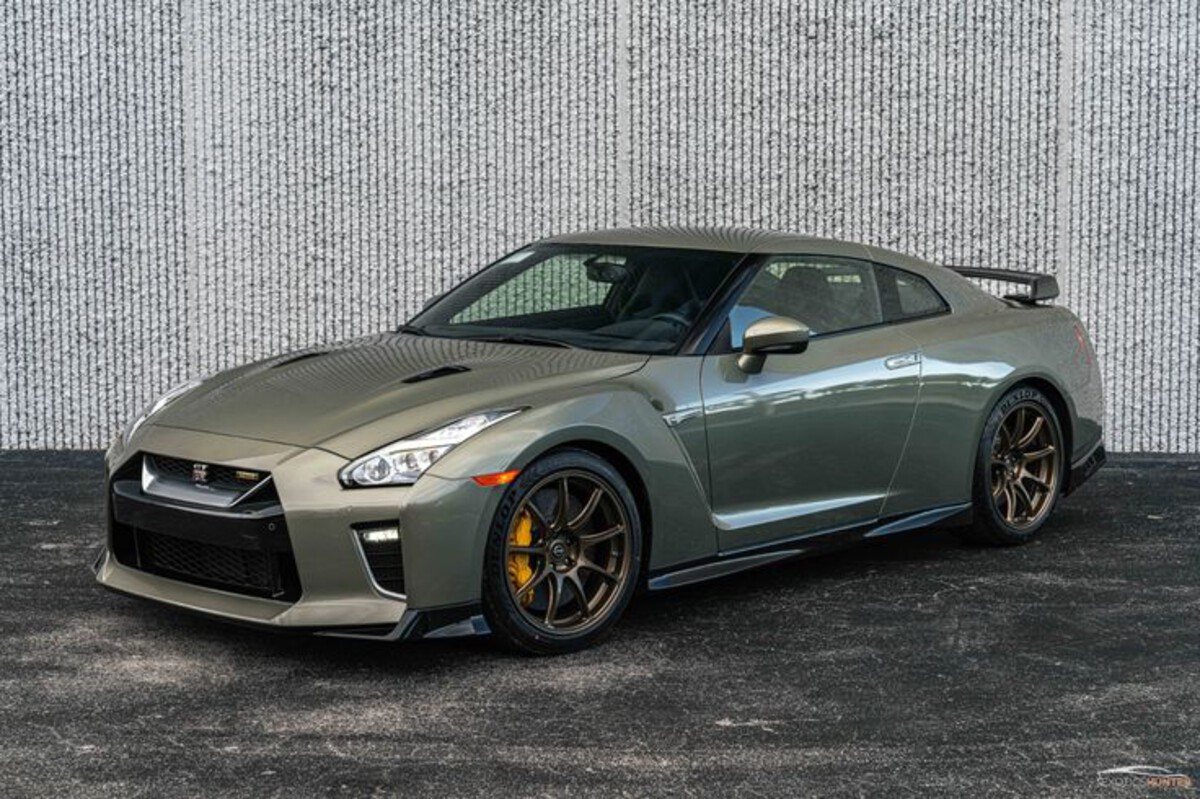
6. Nissan GT-R (R35)
When the Nissan GT‑R was introduced it quickly garnered a reputation for delivering supercar level performance at a relatively accessible price point. With its advanced all wheel drive system, twin turbocharged power, and sophisticated engineering, the R35 generation became a benchmark in performance.
Over time the GT‑R has continued to hold strong appeal in the used market, sustaining values better than many expected for a car with such extreme performance. Its blend of everyday usability and track capable power attracts buyers from multiple segments.
One aspect that contributes to the GT‑R’s strong resale performance is its technological innovation. The car’s advanced drivetrain and handling systems were pioneering for their time and remain impressive even by contemporary standards.
These engineering feats help maintain interest from enthusiasts who appreciate the car’s unique capabilities, reinforcing demand across model years. This sustained interest exerts upward pressure on resale values relative to typical high performance cars that may struggle to maintain relevance.
Also Read: 5 Vehicles That Hold Value in Cities vs 5 That Depreciate Faster
Another factor supporting the GT‑R’s value retention is its global fan base. While some sports cars enjoy regional appeal, the GT‑R’s reputation extends across continents, bringing interest from collectors and drivers worldwide.
Its frequent presence in racing games, media, and popular culture further bolsters its identity as a performance icon. This wide appeal translates into stronger used pricing, as demand is not confined to a single market or demographic.
Maintenance and operating costs for high performance vehicles can be daunting, yet the GT‑R’s perceived reliability compared to other supercar rivals helps sustain its market position.
Buyers recognize that while it is a complex machine, Nissan’s engineering foundation and robust build quality make it a more practical choice than many exotic alternatives. This relative practicality combined with tremendous performance creates a compelling proposition, maintaining demand among buyers who want both speed and durability.
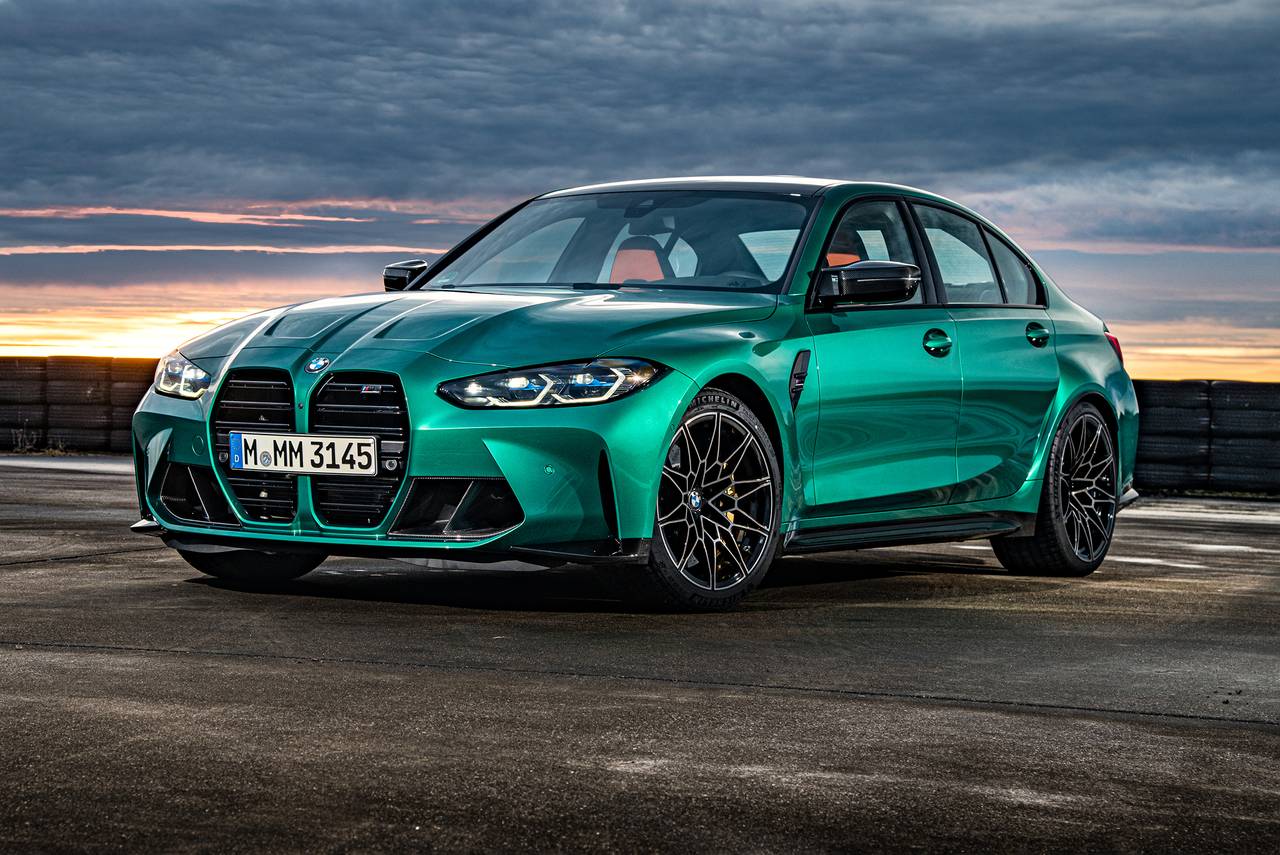
7. BMW M3 (E46)
The BMW M3 E46 generation is widely celebrated among enthusiasts for its balance of performance, driving dynamics, and mechanical purity. Produced in the late 1990s and early 2000s, this M3 has stood the test of time, with many drivers considering it one of the greatest iterations in the model’s history.
What sets the E46 apart in the used market is its consistent ability to command stronger resale values than many contemporaries. Its combination of engaging driving characteristics and lasting cultural significance makes it a standout among performance cars.
The handling of the E46 M3 also contributes to its enduring appeal. Its balanced chassis, rear wheel drive configuration, and precise steering create a driving feel that continues to be praised years after production.
Drivers who value connection and control often cite this model as a benchmark for sports sedan dynamics, reinforcing its desirability relative to more sanitized modern competitors. As a result, the used market often sees premiums for well maintained, low mileage examples.
Cultural impact plays a significant role in sustaining the E46’s value. It has featured prominently in automotive media, enthusiast communities, and racing circles, creating a legacy that resonates with multiple generations of drivers.
This broad recognition helps ensure that demand is not limited to a niche audience, which in turn supports stronger resale pricing. Collectors and enthusiasts alike seek out these cars as symbols of a particular era in performance motoring.
When compared to other performance sedans from the same period, the E46 M3 remains remarkable for its ability to hold value. Many cars from its era have seen depreciated prices due to changing buyer preferences or less enduring reputations, yet the E46 remains a benchmark for enthusiasts.
Its blend of mechanical excellence, engaging dynamics, and cultural significance ensures that even two decades after its introduction, it continues to command respect and strong resale values.
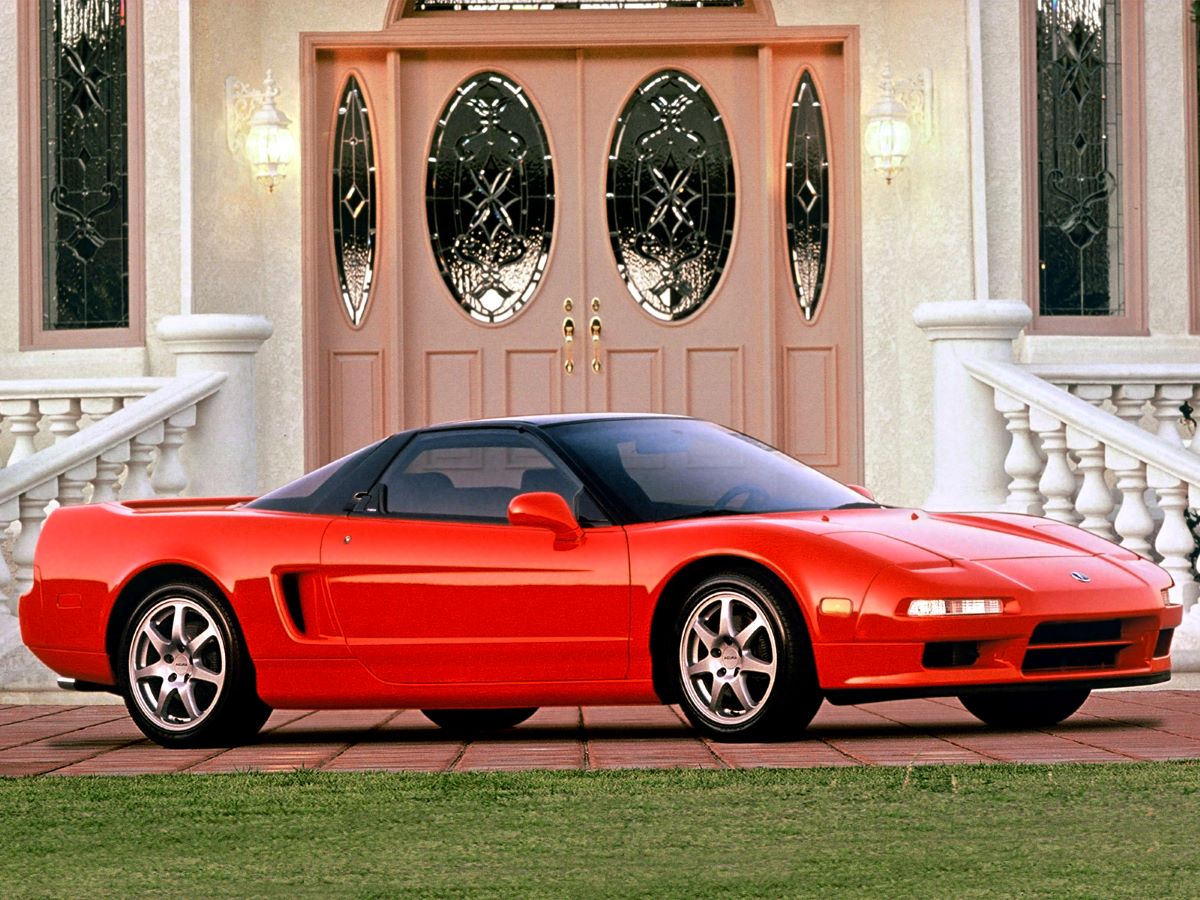
8. Acura NSX (First Generation)
The first generation of the Acura NSX marked a turning point in sports car engineering when it debuted, offering supercar performance with unparalleled usability and reliability.
Its mid-engine layout, lightweight design, and precision handling set it apart from many exotic competitors, making it a favorite among drivers who wanted both performance and everyday drivability. Over time, the NSX’s value retention has surprised many, as it continues to command strong pricing on the used market relative to expectations for cars of its era.
One of the primary reasons the first generation NSX holds value so well is its unique combination of exotic performance and Honda reliability.
Many exotic sports cars deliver thrilling speed but suffer from high maintenance costs and mechanical fragility, which depresses resale values. In contrast, the NSX offered performance on par with far more expensive machines while maintaining a reputation for reliability that buyers trusted. This practical performance balance continues to attract buyers, sustaining strong demand.
The design and engineering philosophy behind the NSX contributed to its enduring appeal. With input from legendary drivers and engineers, the car emphasized handling finesse and driver engagement rather than brute force alone.
This focus on holistic performance created a driving experience that remains relevant and compelling decades after its release. As enthusiasts reassess the qualities that make a sports car truly exceptional, many return to the NSX for its clarity of purpose and execution, boosting its resale market presence.
Another factor that supports the NSX’s value retention is its limited production relative to demand. While not as rare as some hyper cars, it was produced in significantly smaller numbers compared to mass market performance models.
This scarcity gives it an edge in the collector market, as buyers seeking something special are willing to pay premiums for original, well documented examples. Cars with thorough service histories and minimal modifications often bring top tier pricing within the used market.
9. Subaru WRX STI (Final Generation)
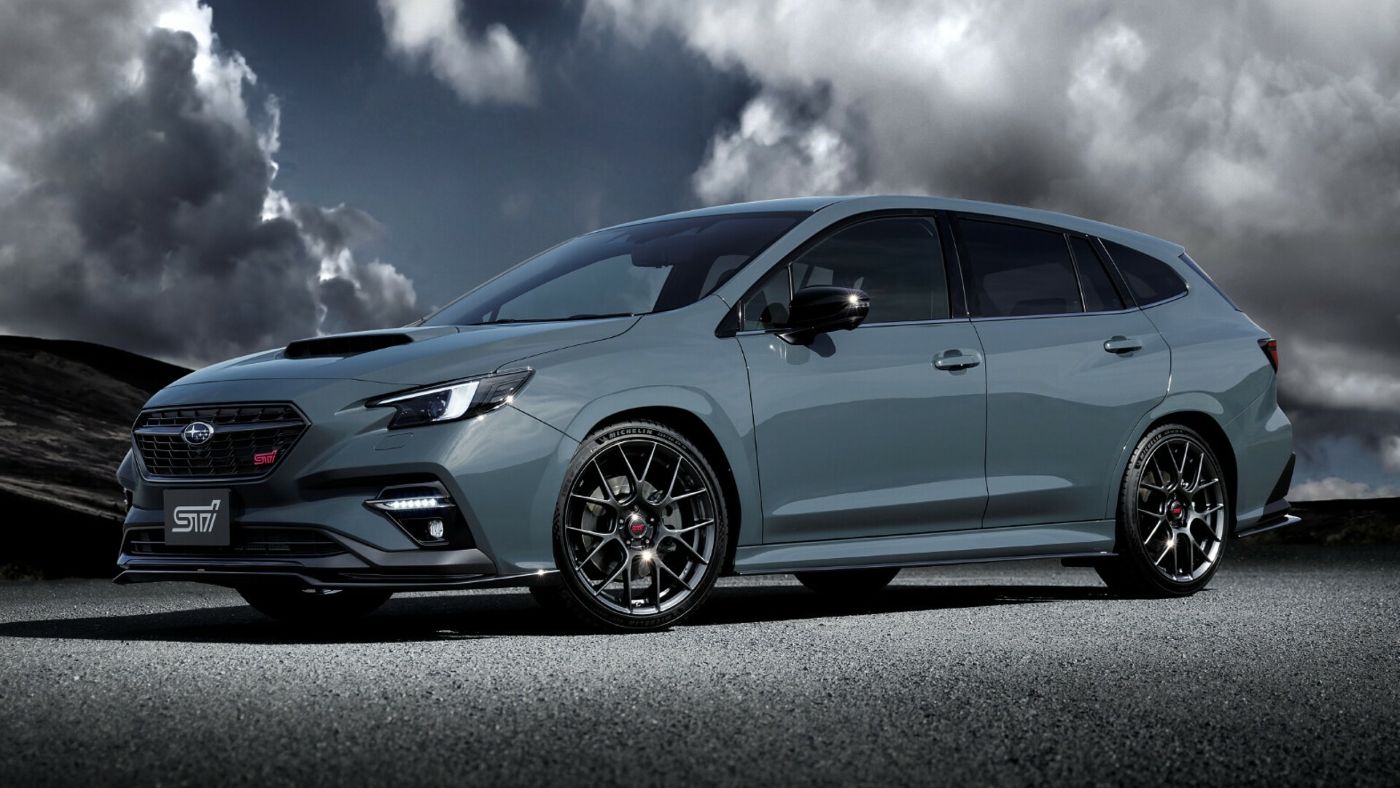
The final generation WRX STI represents the culmination of decades of rally inspired performance from Subaru, offering potent turbocharged power, all wheel drive capability, and aggressive handling characteristics.
While earlier WRX STIs have been known for affordability rather than strong resale value, the last generation has surprised many by maintaining much stronger pricing on the used market. Its combination of performance heritage and enthusiast appeal helps sustain demand even years after production ended.
One of the main reasons this WRX STI holds value is its rally inspired heritage, which has fostered a global community of fans who appreciate its rugged capability and dynamic handling. Unlike typical sports cars that prioritize smooth pavement performance, the STI’s all wheel drive and turbocharged setup make it uniquely capable across varied conditions.
Buyers who value this blend of performance and versatility often seek out the final generation, keeping resale prices relatively resilient.
The engine character and tuning potential of the WRX STI contribute to its sustained appeal as well. The turbocharged flat four engine delivers robust power right out of the box, yet also supports a wide range of aftermarket modifications.
Enthusiasts often enjoy customizing these cars for improved performance or personal expression, which keeps interest high in the secondary market. Well maintained examples with tasteful upgrades often command premiums, reinforcing the STI’s stronger than anticipated value retention.
Subaru’s reputation for mechanical durability also benefits the WRX STI in the used market. Buyers who want performance without excessive maintenance worry find the STI appealing relative to more temperamental high performance cars. Its daily usability, combined with the ability to enjoy spirited driving on weekends or track days, expands its buyer pool. This broad appeal helps sustain demand among different types of drivers, contributing to stable and competitive resale values.
10. Ferrari F355
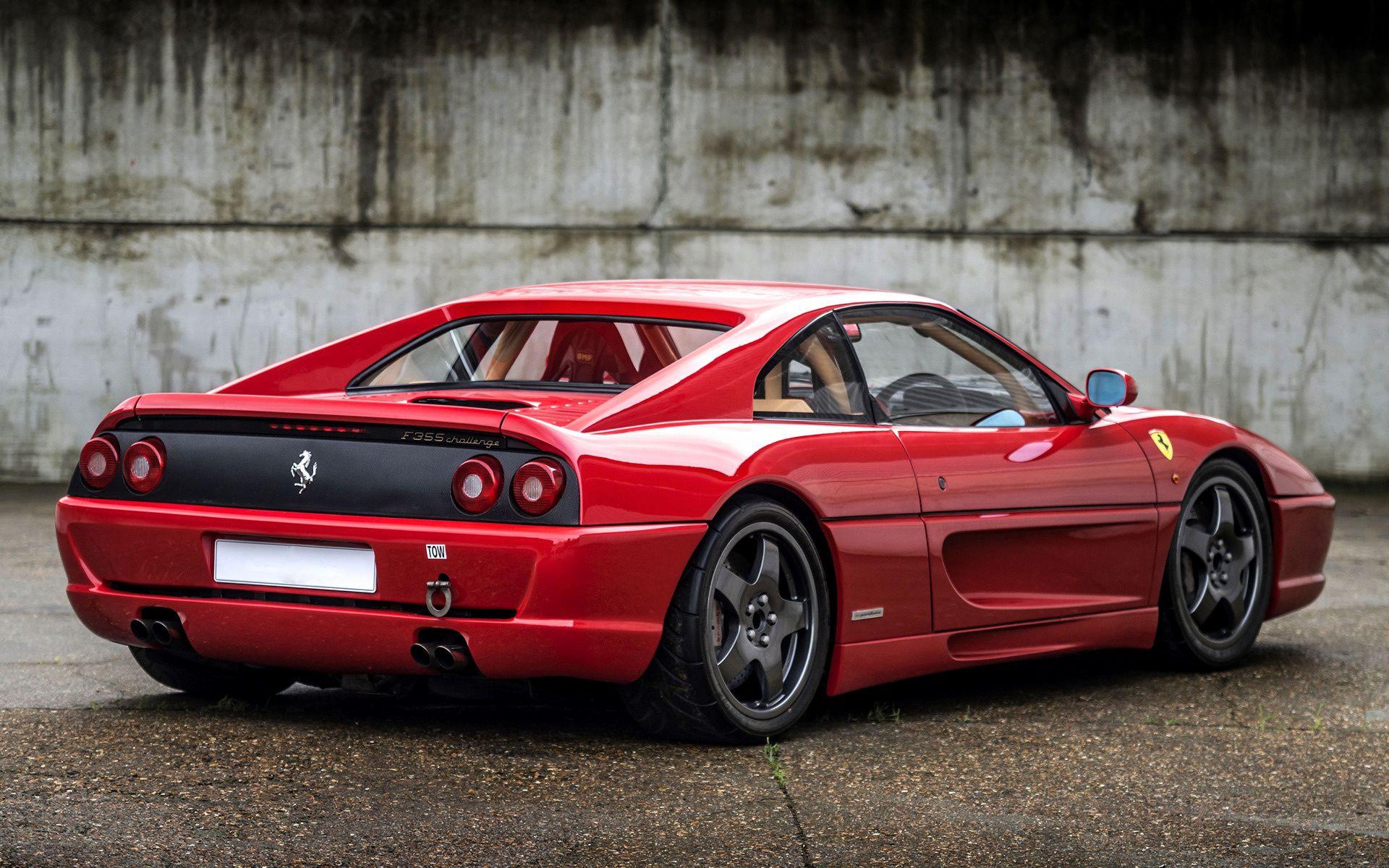
Few sports cars encapsulate the essence of a classic exotic quite like the Ferrari F355. Produced in the mid to late 1990s, this Italian thoroughbred combines beautifully crafted design with a high revving V8 and engaging driving characteristics.
While many Ferraris depreciated sharply after purchase due to high ownership costs and niche appeal, the F355 has proven itself an outlier by holding substantial value in the collector market. Its blend of timeless styling, performance, and emotional impact has cemented its status as one of the most desirable models in Ferrari’s history.
A major driver of the F355’s value retention is its distinctive engine and sound. The naturally aspirated V8 delivers a melodic and exhilarating soundtrack that fans of high performance engines cherish.
This sensory experience, combined with potent performance figures for its time, created a legendary reputation that has only grown over the decades. Collectors and enthusiasts often seek out well maintained examples, driving demand and strong resale pricing.
The design of the F355 also contributes to its enduring appeal. Its sculpted lines and proportions reflect an era of automotive styling that many consider iconic, bridging the gap between classic and modern aesthetics. This visual desirability draws buyers who appreciate the car as an object of art in addition to a performance machine. The sustained interest in its design helps keep values elevated relative to other cars of its age that may have faded in popularity.
Another contributing factor is the balanced driving experience that the F355 offers. Its handling dynamics, steering feel, and proportionally responsive chassis make it engaging and rewarding to drive on road and track alike.
This holistic performance package continues to resonate with enthusiasts who value involvement and connection behind the wheel, traits that are sometimes absent in more modern, electronically mediated performance cars. The result is sustained interest in the F355’s capabilities.