
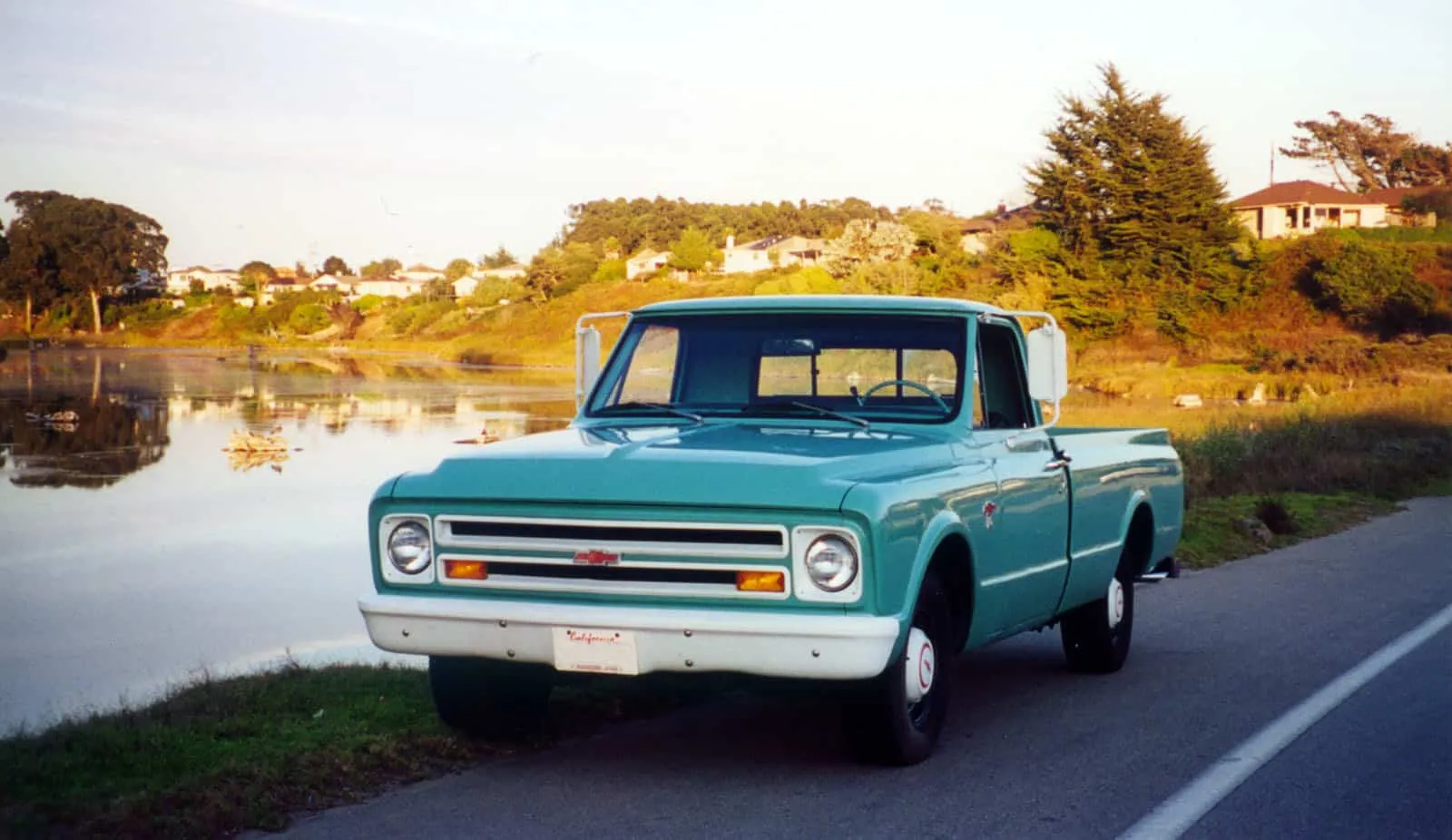
Classic pickup trucks carry an unmatched combination of nostalgia, durability, and style. They evoke memories of hard work, weekend projects, and open-road adventures. Unlike modern trucks built for efficiency and electronics, these vintage machines were designed to be straightforward, robust, and repairable.
Restoring a classic pickup provides a hands-on connection with automotive history while allowing creativity to shape a vehicle that reflects personal taste and practical needs. Beyond functionality, classic pickups offer a charm that modern vehicles rarely achieve.
Their designs are bold yet simple, with clean lines, strong proportions, and unmistakable front grilles that signal identity at a glance. Interiors, while basic by today’s standards, often possess an authenticity that resonates with enthusiasts who value tangible control over advanced automation.
Collecting or restoring these vehicles can also be an investment in craftsmanship. Many older pickups were built with quality materials that stand the test of time, meaning that a thoughtful restoration can yield a truck that lasts for decades more.
Parts are increasingly available through specialty suppliers and online networks, and restoration communities provide guidance and encouragement for newcomers and seasoned restorers alike. Selecting a classic pickup requires balancing condition, originality, and potential.
Certain models have become icons because of design, engine performance, or historical importance. Others might offer an accessible entry point for first-time restorers while still providing a rewarding final result. Regardless of choice, the process of restoration connects owner and machine, transforming a rusted or worn frame into a rolling testament to engineering and style.
This page highlights ten classic pickup trucks worth restoring today. Each model stands out for its unique features, historical relevance, and potential to become a stunning, usable vehicle once restored. From American legends to less common finds, these trucks offer enthusiasts an opportunity to combine nostalgia, craftsmanship, and personal expression in one rewarding automotive project.
1. Ford F-100 (1956-1959)
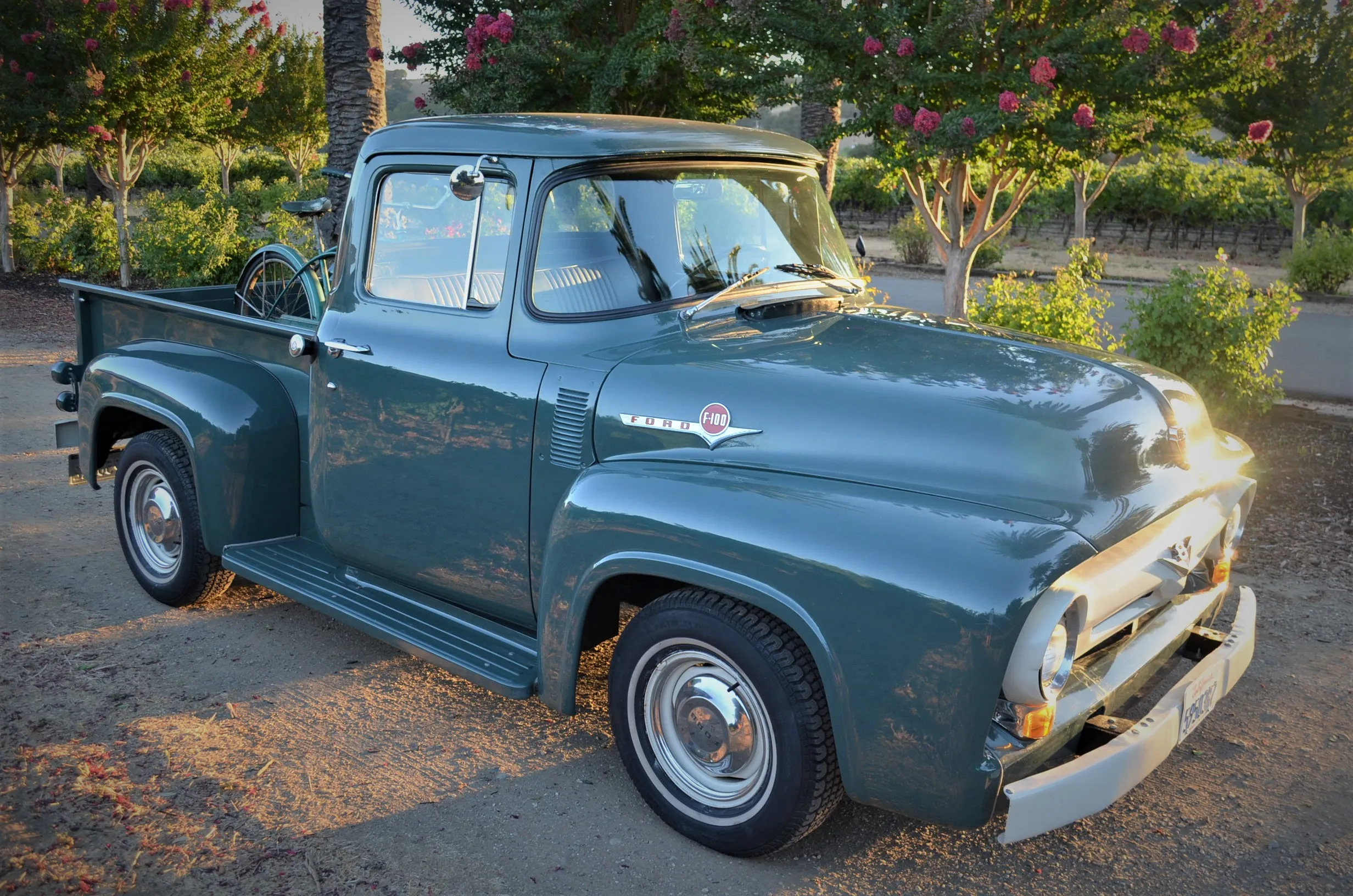
The Ford F-100 from the late 1950s demonstrates a perfect blend of classic American style and practical utility. Its design balances simplicity with elegance, featuring smooth fender lines, a distinctive front grille, and wide, purposeful proportions. Chrome accents and two-tone paint options add flair to a work-oriented frame, giving the truck both presence and function.
Engine options included straight-six and V8 units, offering solid performance while maintaining reliability. These engines were straightforward to maintain, making them ideal candidates for restorers seeking a balance of historical authenticity and practicality.
Manual transmissions reinforced the connection between driver and machine, providing a tactile, hands-on experience. Cabin design emphasized usability. Bench seating accommodated multiple passengers, while basic instrumentation provided clear and functional monitoring of speed, fuel, and engine status.
Materials were durable and easy to maintain, demonstrating that long-term utility was a central focus in this era. Even in original condition, the interior offered a direct and honest driving environment that modern pickups rarely emulate.
Chassis and suspension design supported both load-bearing and ride comfort. Leaf springs and solid axles provided robustness for hauling, while the truck’s weight distribution allowed confident handling on paved and unpaved roads alike. Restoration efforts often include updates to suspension and braking for enhanced safety while preserving period authenticity.
Collectors prize the Ford F-100 for its blend of style, reliability, and historical importance. With a wide range of available parts and a strong community of enthusiasts, it remains an excellent starting point for restoration projects. A restored F-100 embodies a combination of nostalgia, mechanical engagement, and visual appeal that resonates with both classic truck lovers and casual observers.
2. Chevrolet C10 (1967-1972)
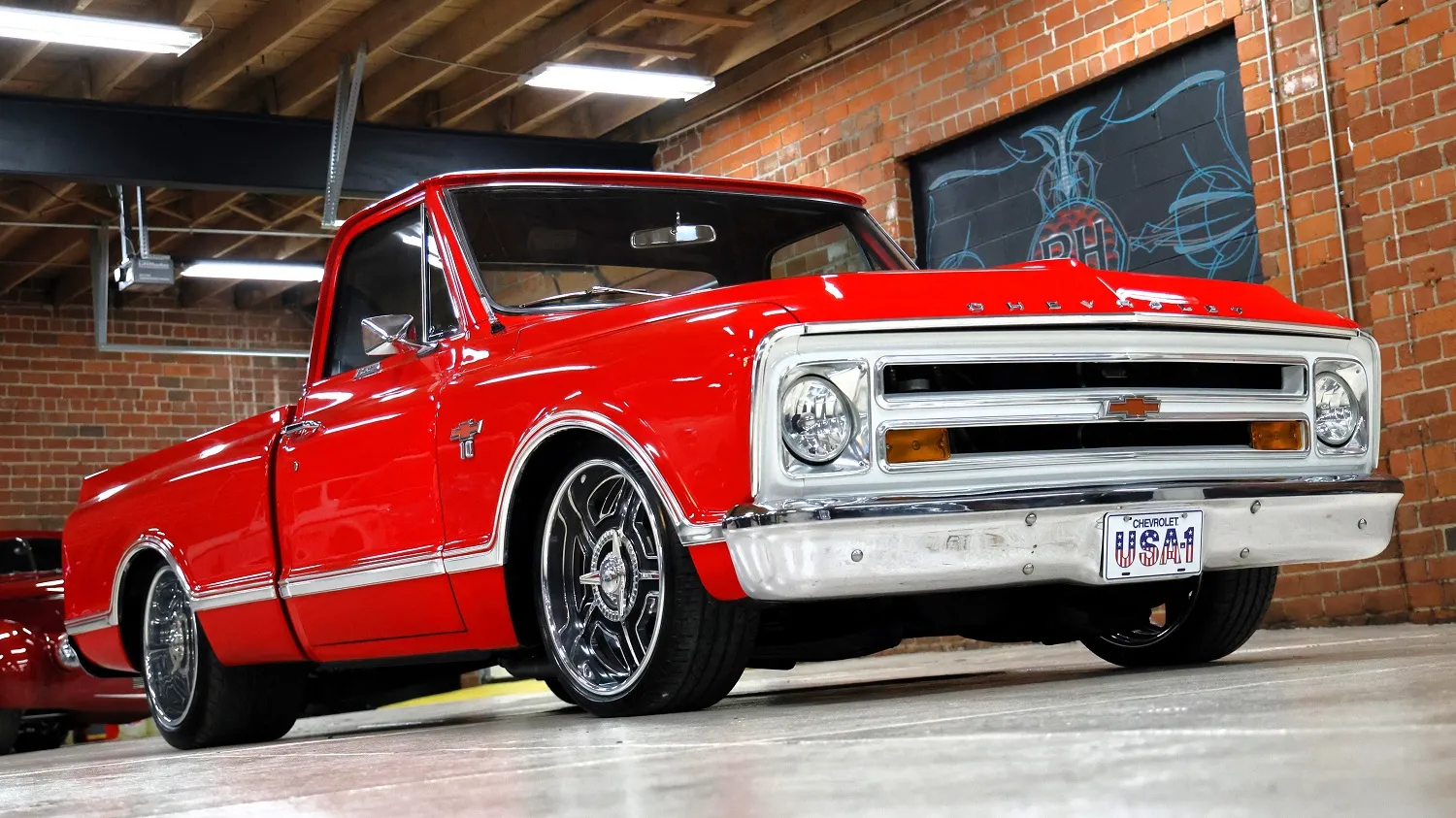
Chevrolet’s C10 series from the late 1960s and early 1970s is celebrated for its timeless design and versatile performance. Square-edged styling paired with sweeping hood lines creates an unmistakable aesthetic. The simple, clean shapes make it a candidate for both full restoration and customization, allowing owners to maintain authenticity or introduce modern touches.
Power came from a variety of engines, including inline sixes and small-block V8s. These engines were robust, reliable, and responsive, providing both towing capability and enjoyable driving dynamics. Manual and automatic transmissions offered flexibility for restorers aiming for originality or upgraded drivability.
The C10’s mechanical simplicity makes sourcing parts and performing engine work feasible for enthusiasts without advanced tools. Interior design focused on practicality. Bench seating provided comfort for work crews or families, while the straightforward dashboard and controls made operation intuitive.
Original interior materials hold up well as time goes on, but restorers often upgrade upholstery and trim to improve aesthetics and comfort. Visibility was excellent, giving the driver a commanding view of the road.
Handling and chassis balance were suitable for both daily use and load-bearing purposes. Leaf-spring suspensions and a solid frame ensured durability for heavy cargo while allowing the truck to remain stable at moderate speeds.
Restorers often enhance braking or install modern shocks for improved performance without compromising authenticity. Collectors and restorers value the C10 for its strong visual identity and adaptability.
Whether restored to factory specifications or given mild custom modifications, a C10 becomes both a historical artifact and a usable, attractive vehicle. Its enduring appeal lies in the combination of style, engineering simplicity, and potential for personalization, making it a standout classic pickup.
Also Read: 10 Classic Pickups That Refuse to Die Offering Unmatched Endurance
3. Dodge D100 (1961-1965)
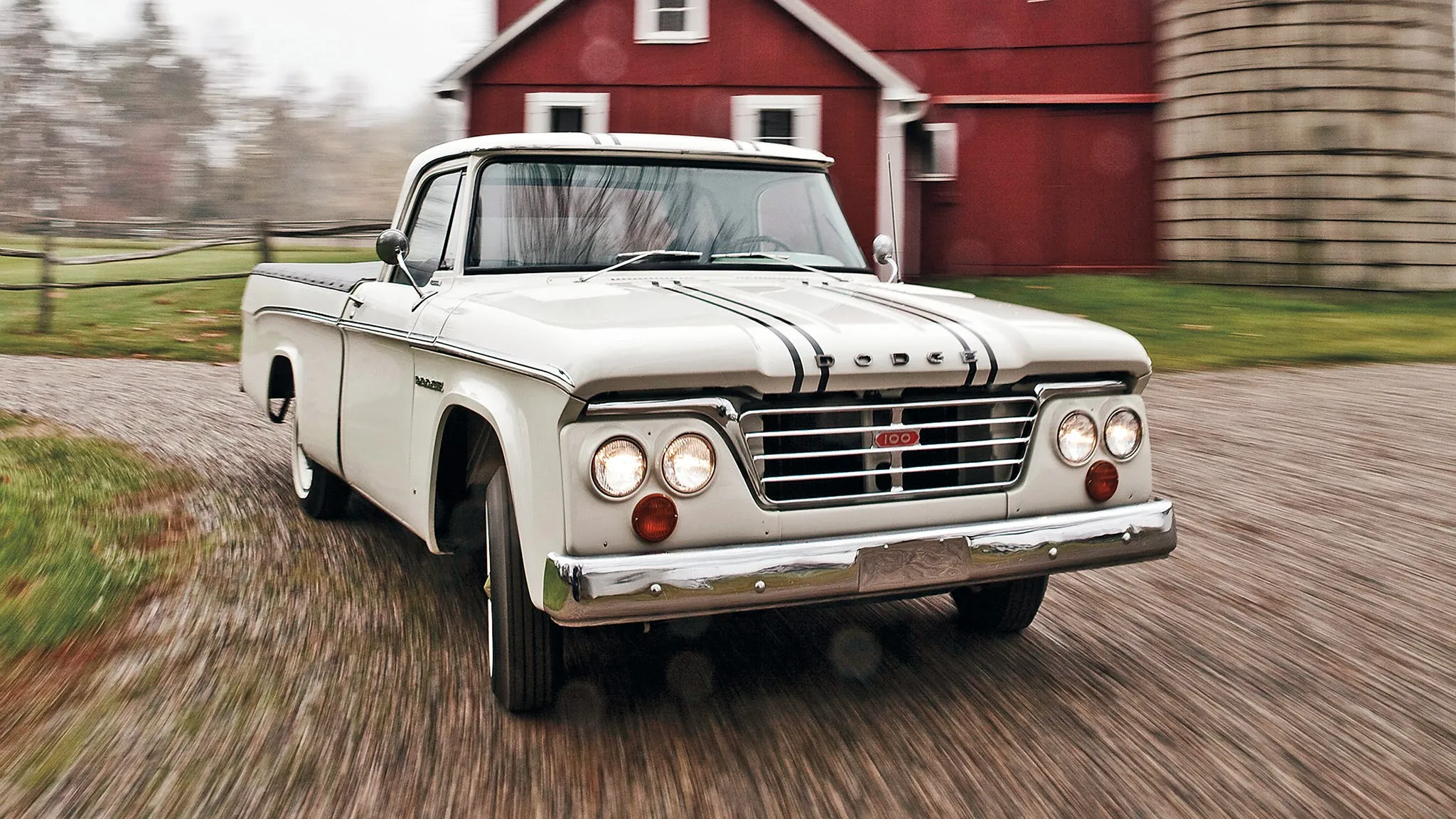
The Dodge D100 from the early 1960s exhibits a purposeful, rugged design built for utility while still embracing stylish cues. Rounded fenders, prominent grilles, and streamlined hood shapes give it a look that commands attention.
Chrome and paint options provide difference and individuality, reinforcing the truck’s ability to transition from workhorse to collector’s piece with careful restoration. Engine options included inline sixes and V8s, offering both durability and performance.
These units were straightforward, requiring minimal specialized equipment for repair or rebuild, which makes them excellent candidates for restorers with moderate experience. Transmission choices included both manual and automatic options, giving flexibility to maintain period accuracy or introduce modern usability.
Cabin design emphasized functionality. Bench seating, simple controls, and large windows allowed comfort for multiple passengers and clear sightlines. Materials were durable but minimalistic, reflecting the truck’s utilitarian purpose. Many restorers enhance interior elements with modern materials or safety features without diminishing historical authenticity.
Suspension design featured leaf springs and a solid rear axle, optimized for load-bearing and rough-road capability. This robust engineering allowed the truck to remain reliable even under challenging conditions. Restorers can improve suspension components to enhance ride comfort while preserving the truck’s original character.
The Dodge D100 holds value for collectors due to its combination of rugged engineering, classic styling, and ease of maintenance. Restored examples deliver a satisfying blend of utility, nostalgia, and visual appeal, making it a compelling choice for anyone interested in classic pickup projects.
Its blend of simplicity, durability, and style continues to attract enthusiasts seeking a vehicle that honors its heritage while offering a rewarding restoration experience.
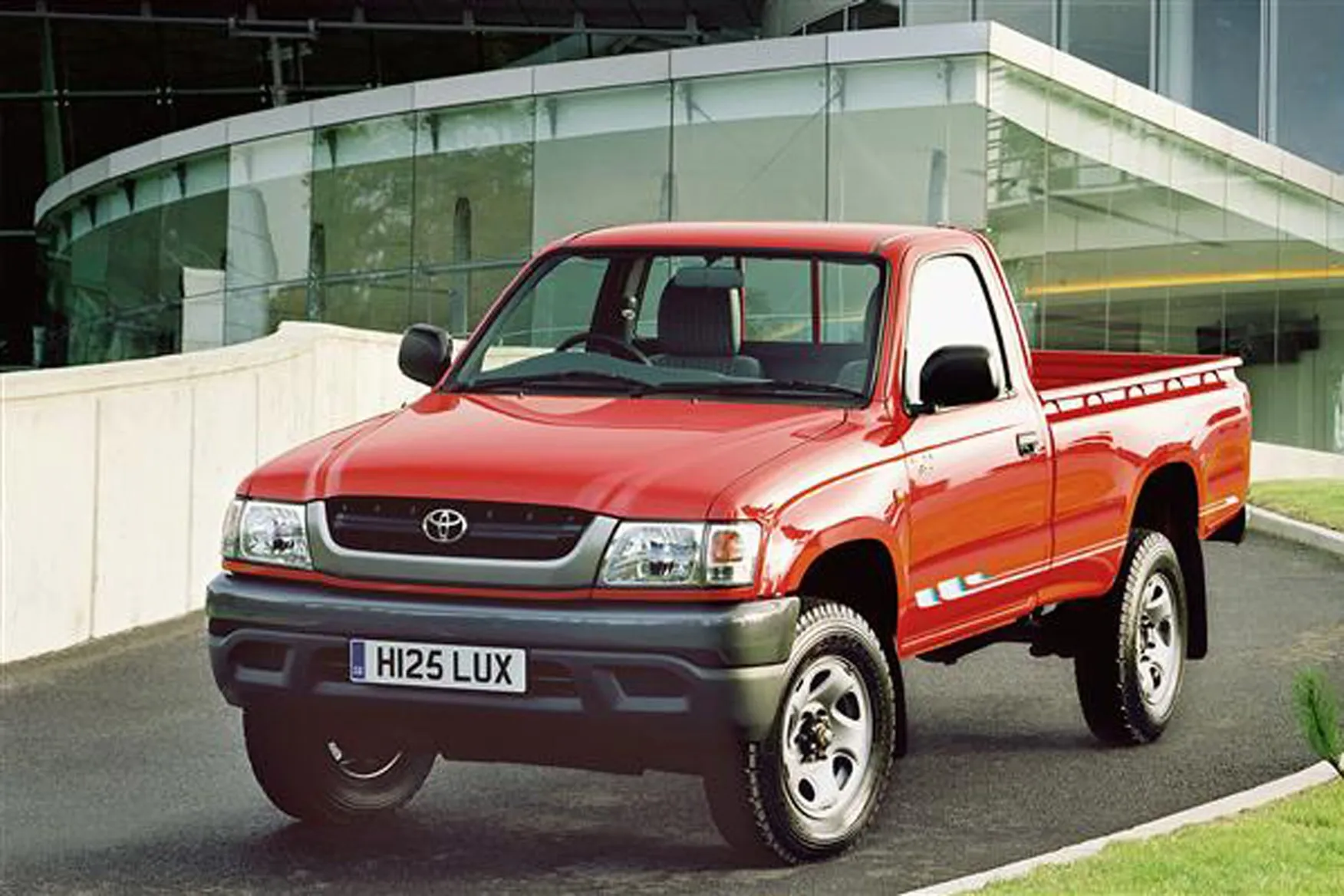
4. Toyota Hilux (1976-1983)
The early-generation Toyota Hilux is often praised for its reliability and enduring design. Compact proportions paired with angular lines give the truck a practical yet timeless appearance. Its clean surfaces and functional grille make it recognizable while maintaining an understated elegance that emphasizes purpose over flair.
Under the hood, small-displacement four-cylinder engines provided excellent reliability and efficiency. Optional diesel engines expanded versatility, giving the truck both long-distance capability and fuel economy. Manual transmissions were prevalent, creating a direct and engaging driving experience.
Engine components are generally easy to service, contributing to the Hilux’s enduring reputation among restorers. Cabin interiors were straightforward and functional. Seating was comfortable for its size, and dashboards contained essential instruments without unnecessary complications.
Visibility remained excellent, and controls were logically placed. Materials were basic but durable, allowing restoration efforts to focus on aesthetic upgrades or preservation of authenticity. Chassis and suspension emphasized durability and off-road capability.
Leaf springs, a robust frame, and high ground clearance allowed the Hilux to tackle diverse roads. Many restorers opt to upgrade shocks or brakes, improving performance while keeping the truck’s original characteristics intact.
Collectors value the Hilux for its unmatched reliability, easy maintenance, and worldwide recognition. Restored examples maintain functional performance and classic aesthetics while allowing customization for utility or leisure use. Its combination of longevity, simplicity, and style ensures that this model remains a practical and rewarding restoration project.
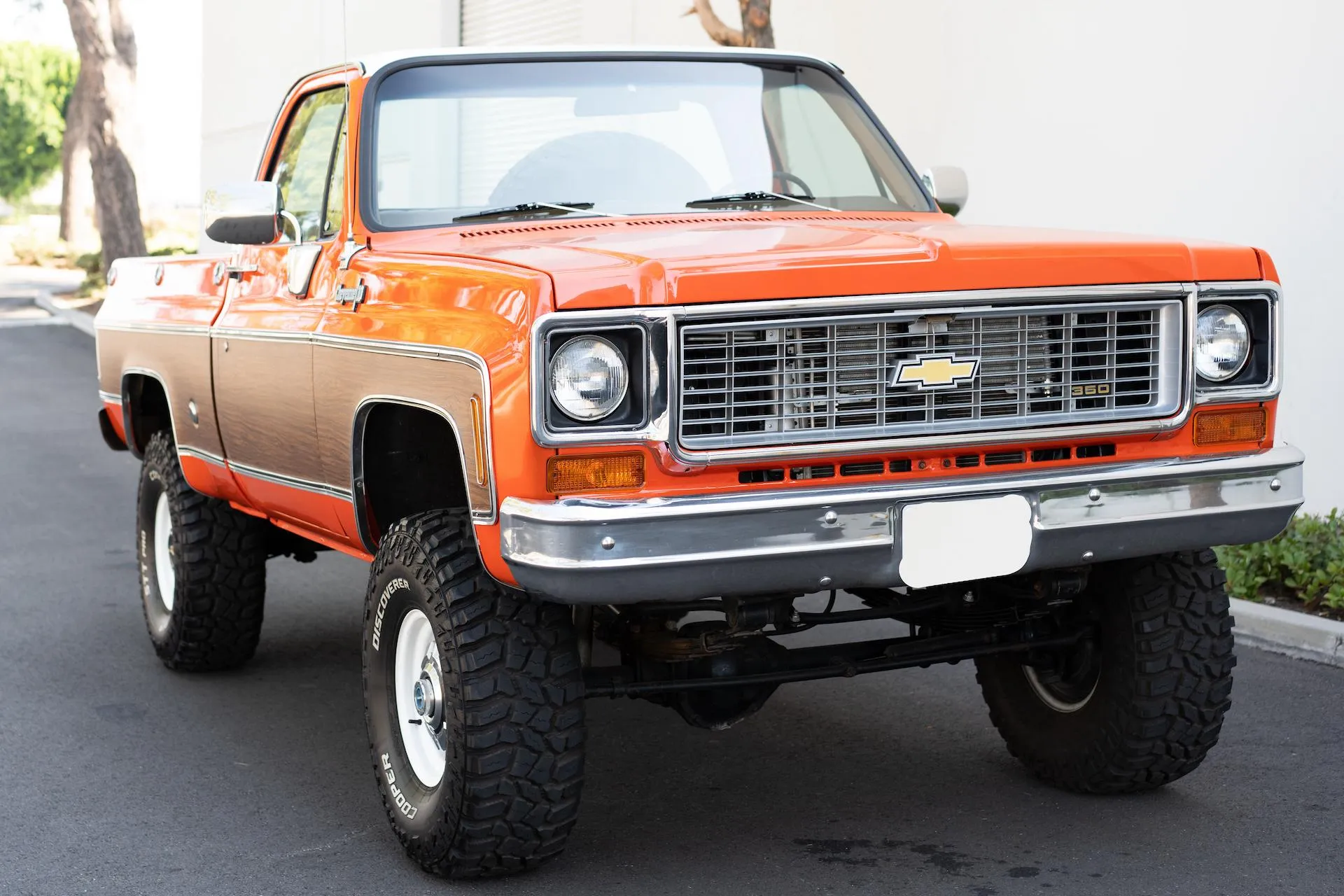
5. Chevrolet K10 (1973-1987)
Chevrolet’s K10 series represents a full-size pickup with a commanding presence and rugged capabilities. Bold front-end styling, squared-off fenders, and expansive beds create a visually imposing vehicle while offering practical cargo solutions. Chrome trim and custom paint combinations allow for individuality during restoration projects.
Power options included robust V8 engines, delivering excellent torque and towing capacity. Transmission choices ranged from manual to automatic, giving owners the flexibility to balance authenticity with modern convenience. These mechanical systems are straightforward, making repairs and rebuilds accessible to enthusiasts without extensive professional tools.
Interior layouts offered bench or optional bucket seating, simple instrumentation, and durable materials built for long-term wear. Dash and control layouts are intuitive, allowing drivers to focus on the road and hauling tasks. Restoration efforts frequently include refinishing or upgrading interiors to match the original appearance while enhancing comfort and style.
Chassis and suspension were engineered for heavy-duty performance. Solid axles and leaf springs provide durability for heavy loads and stability on various surfaces. Some restorers install upgraded components for improved handling or ride comfort while maintaining the truck’s original profile.
Collectors prize the K10 for its combination of functional design, engine performance, and historical importance. A restored example can serve as both a daily driver and a showpiece, demonstrating craftsmanship and a connection to a period when pickups emphasized practicality, reliability, and visual presence.
The K10’s balance of style and function makes it a rewarding restoration project that maintains relevance decades after production.
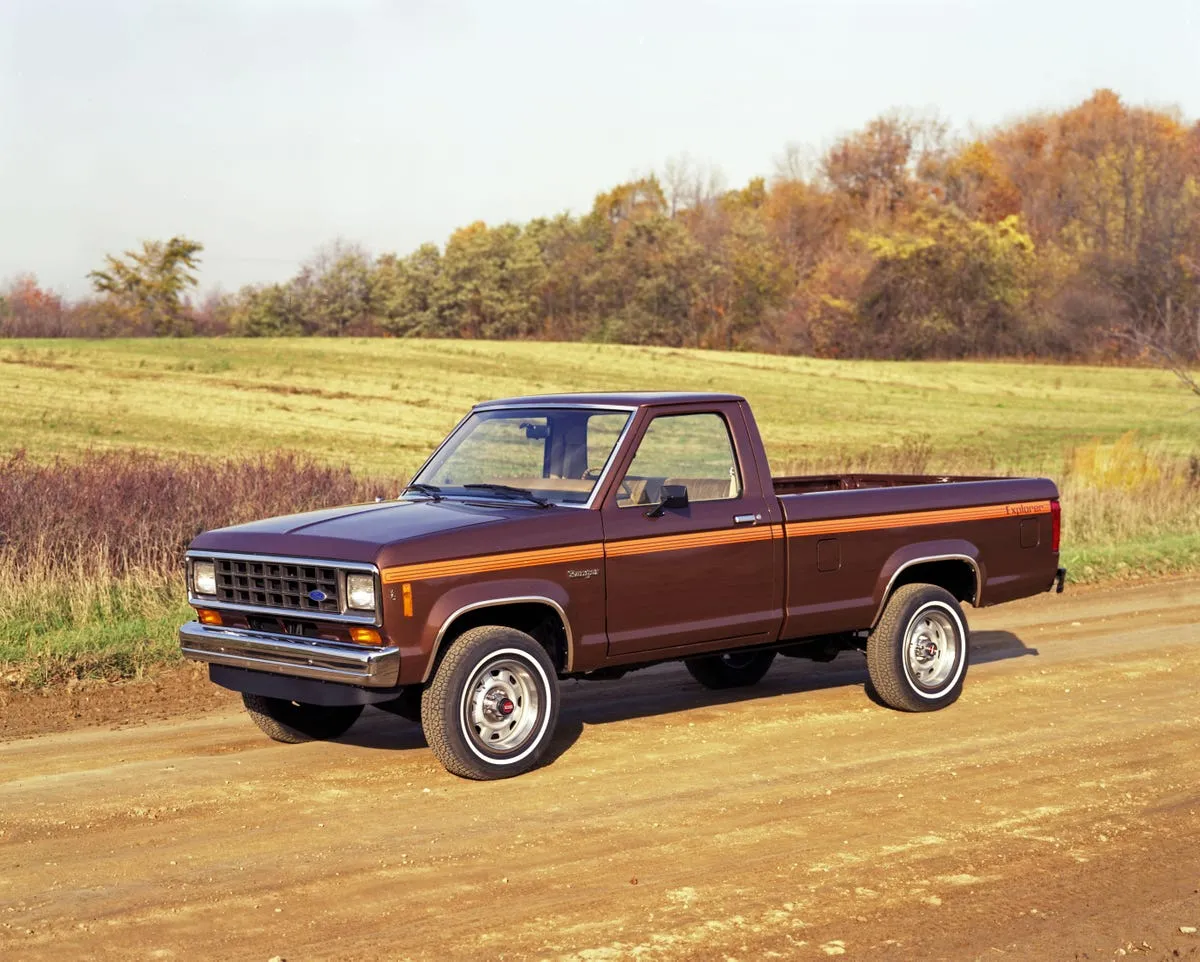
6. Ford Ranger (1983-1992)
The first-generation Ford Ranger, introduced in the early 1980,s remains an appealing choice for restoration due to its compact size, rugged construction, and versatile design. Its exterior design combines clean, simple lines with purposeful detailing.
Boxy fenders, flat hood surfaces, and functional grille openings create a truck that balances utility with a recognizable silhouette. Classic color palettes, from bold reds to understated blues, enhance the nostalgic appeal for collectors.
Mechanical systems were built for reliability and accessibility. Engines ranged from four-cylinder units to small V6s, providing adequate performance for both urban and rural applications. The mechanical simplicity makes the Ranger ideal for restoration enthusiasts who prefer hands-on projects.
Transmission options included manual and automatic systems, allowing owners to choose between authenticity and convenience while maintaining control over the vehicle’s performance. Interior appointments were functional without being flashy.
Seats were durable, dashboards were simple, and controls were logically arranged for easy operation. Original interiors provided a tactile experience, with clear gauge layouts and intuitive switchgear. Restoration projects often focus on refinishing seats and updating minor trim elements while preserving the original character of the cabin.
Suspension and chassis design reflected Ford’s commitment to durability. Leaf springs in the rear and coil springs in the front offered a balance between ride comfort and load capacity. The truck’s compact frame provided nimble handling in tight conditions without compromising stability.
Modern restorations often incorporate upgraded brakes or shock absorbers to enhance driving confidence while retaining period aesthetics. Collectors and restorers appreciate the Ford Ranger for its combination of practicality, style, and approachable restoration process.
A restored example offers a functional vehicle capable of everyday driving or weekend excursions while retaining a visual and mechanical link to the early 1980s. Its straightforward design, proven mechanics, and widespread availability of parts make it a rewarding project for both beginner and experienced enthusiasts. The Ranger’s understated charm, paired with durability, ensures it remains a desirable classic pickup truck.
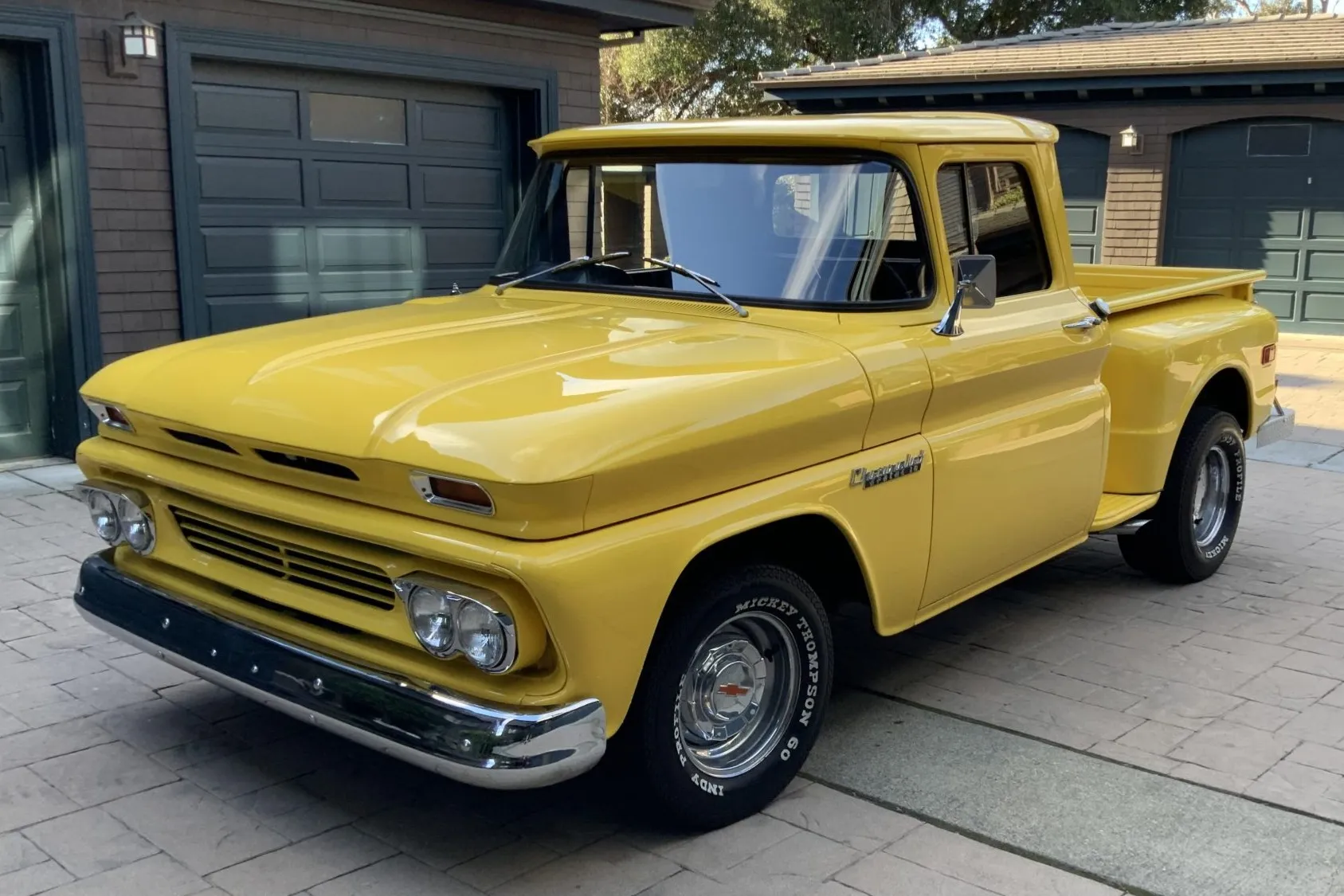
7. Chevrolet Stepside C/K 10 (1960-1966)
The Chevrolet Stepside C/K 10 represents an era when pickups merged functionality with distinctive styling cues. Its signature stepside bed design, where fenders protrude beyond the cargo area, creates visual drama while emphasizing utility.
Classic chrome accents and a bold front grille add character without overshadowing the practical structure, creating a pickup that appeals to collectors and restorers alike. Powertrain options included inline sixes and small-block V8 engines, both known for durability and ease of maintenance.
The manual transmissions provided direct engagement, allowing drivers to experience control over gear changes. Automatic transmissions were also available, offering flexibility for those who desired comfort without sacrificing the classic feel of the vehicle. The mechanical simplicity of the C/K 10 makes it a manageable restoration project, with parts readily available through specialty suppliers and aftermarket networks.
The cabin was designed with function at the forefront. Bench seating accommodated three passengers, while controls and gauges remained intuitive and reliable. Materials used in the interior were durable, capable of handling daily use while preserving aesthetics. Many restorers enhance trim elements or upholstery to improve comfort and visual appeal without compromising originality.
Suspension and chassis components reflected a balance between load capacity and ride comfort. Solid rear axles and leaf spring systems allowed the truck to carry substantial cargo while maintaining stability across uneven surfaces.
Steering and braking systems were simple but effective, giving the vehicle a predictable and controllable behavior even during spirited driving. Modern upgrades often include improved braking components or shock absorbers while retaining the original feel.
Collectors prize the Chevrolet Stepside C/K 10 for its bold styling, mechanical reliability, and historical value. A restored example becomes a showcase of classic design while remaining fully functional. Its unique bed configuration, combined with proven mechanics and visual appeal, provides a rewarding project for enthusiasts interested in both driving enjoyment and historical preservation. This model continues to exemplify the charm and durability that define classic American pickups.
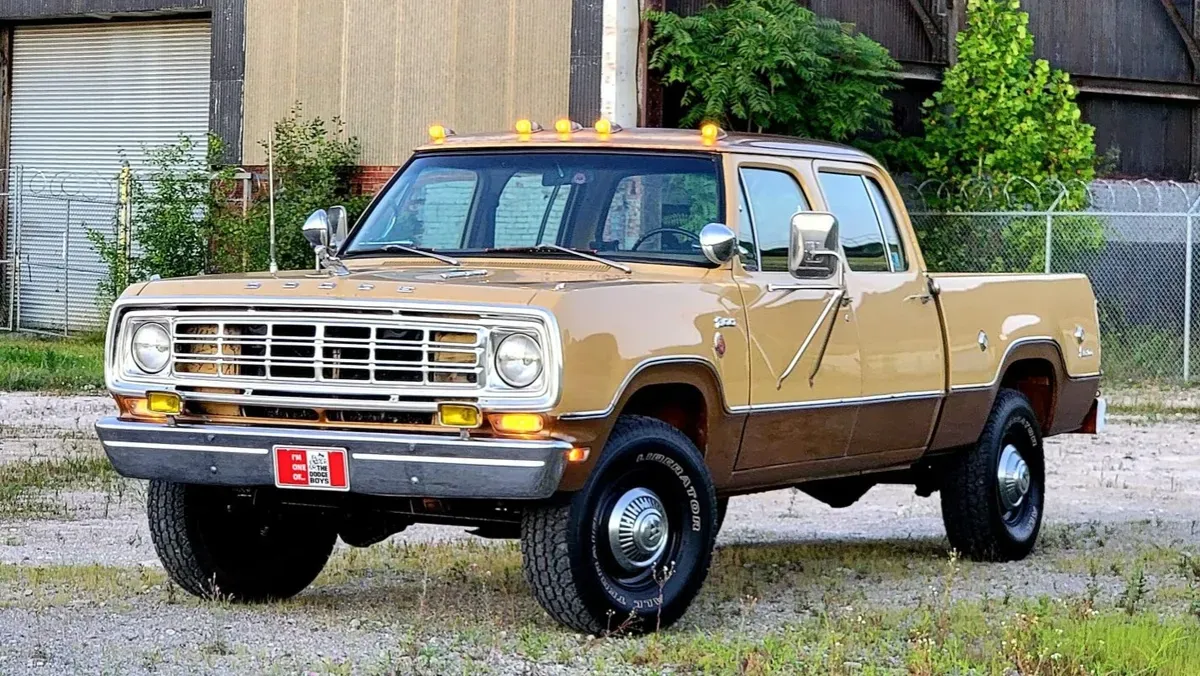
8. Dodge W200 Power Wagon (1980-1985)
The Dodge W200 Power Wagon embodies ruggedness and capability, combining a utilitarian aesthetic with heavy-duty engineering. Its boxy, purposeful lines communicate strength, while wide fenders and an assertive front grille reinforce its muscular presence. The exterior reflects a work-oriented mindset yet possesses a timeless quality that remains appealing to collectors.
Under the hood, V8 engines delivered reliable torque suitable for towing and off-road performance. Manual transmissions provided control and engagement, although automatic options were available for those seeking convenience.
These drivetrains were simple to maintain, which makes the W200 an ideal restoration candidate. Engine components, axles, and transfer case parts remain accessible through suppliers and enthusiast networks. Interior design emphasized utility. Bench seating, durable materials, and minimalistic dashboards provided functionality while maintaining driver comfort.
Gauges were clear and positioned for easy monitoring, while the cabin offered straightforward ergonomics. Restoration projects often include refinishing interiors, updating trim, or installing modern conveniences without detracting from the original character.
The W200’s suspension and chassis are engineered for toughness. Solid axles, heavy-duty leaf springs, and a reinforced frame allow the truck to carry substantial loads or drive through challenging roads. Steering feedback and braking performance are predictable, contributing to confidence in both on-road and off-road situations.
Modern restorations often include upgraded shocks or braking systems to enhance handling while preserving the truck’s rugged personality. Collectors value the W200 Power Wagon for its historical importance, mechanical durability, and bold design.
Restored examples provide both visual impact and practical performance, appealing to enthusiasts who appreciate the blend of functional engineering and classic styling. The Power Wagon’s combination of toughness, distinctive aesthetic, and approachable restoration potential makes it a standout choice for anyone seeking a project truck that remains highly capable and visually striking.
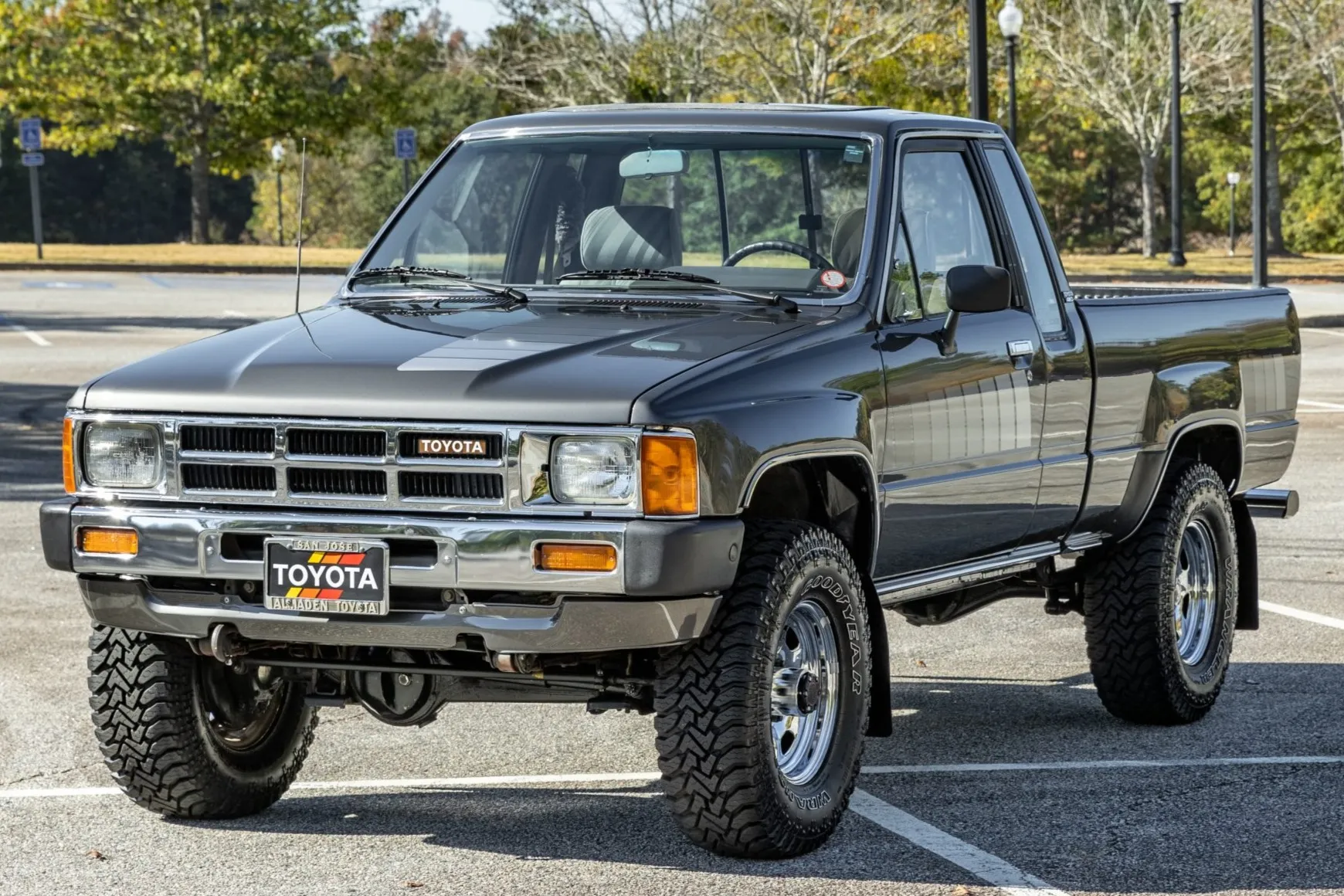
9. Toyota Pickup (1984-1988)
The mid-1980s Toyota Pickup offers an exceptional blend of reliability, simplicity, and understated style. Compact dimensions, clean lines, and angular surfaces give it a purposeful and approachable appearance. Its design communicates practicality without unnecessary embellishments, making it a favorite among collectors and first-time restorers.
Engine options included small-displacement four-cylinder and diesel units known for durability and ease of maintenance. Manual transmissions provided engaging control over the vehicle, while automatic transmissions offered accessibility.
The mechanical simplicity allows for straightforward repairs, making restoration projects achievable for a range of enthusiasts. Replacement parts remain available through Toyota networks and aftermarket suppliers, adding convenience during rebuilds.
The cabin is practical yet driver-friendly. Bench seating accommodates multiple passengers comfortably, while straightforward controls and clear instrumentation ensure usability. Materials were durable and designed to withstand heavy use, though many restorers choose to update upholstery or add subtle refinements while maintaining originality. Visibility is excellent, enhancing both driving confidence and safety.
Chassis and suspension design emphasized reliability. Leaf springs and solid axles deliver stable handling, capable of carrying cargo while remaining controllable on various surfaces. Restorers may incorporate modern shocks or upgraded brakes for improved performance without affecting historical authenticity.
The Pickup remains resilient, able to handle off-road excursions or urban driving with confidence. Collectors appreciate the Toyota Pickup for its reputation for longevity and minimal maintenance requirements.
A restored example provides a practical, usable truck while retaining classic 1980s styling and reliability. Its balance of durability, simplicity, and aesthetics makes it a highly desirable candidate for restoration, providing both satisfaction during the build process and continued enjoyment as a functional, timeless vehicle.
Also Read: 10 Electric Pickups That Could Be Future Classics
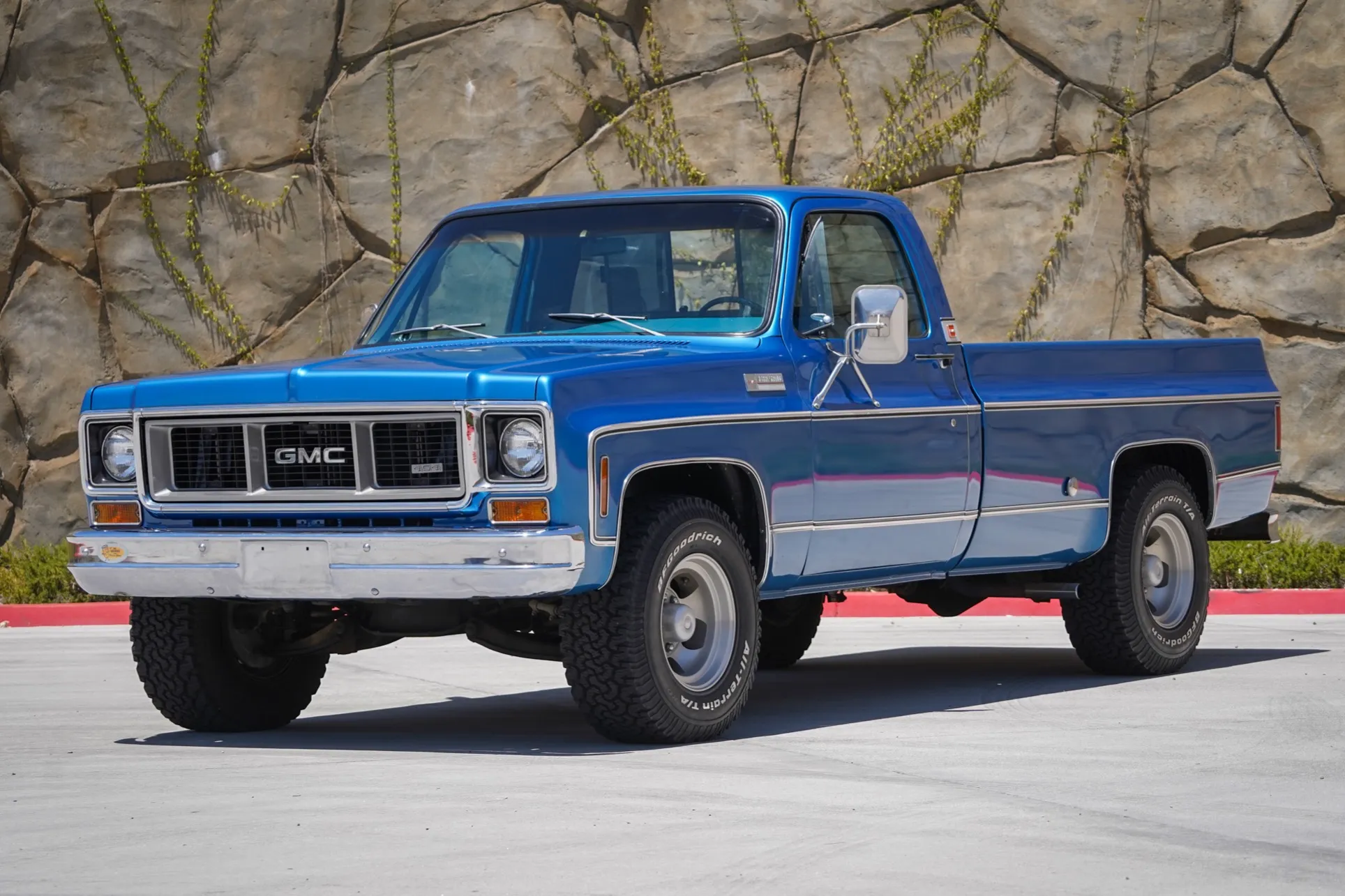
10. GMC Sierra 1500 (1973-1987)
The GMC Sierra 1500 from the 1970s and 1980s demonstrates a combination of size, strength, and presence. Its design features squared fenders, broad grille openings, and long cargo beds, emphasizing utility while maintaining a strong visual identity. Chrome accents and optional trim packages allow restored examples to stand out with elegance and character.
Engine offerings included inline sixes and V8s, delivering reliability and solid torque for towing and hauling. Transmission options offered both manual engagement and automatic ease, allowing restorers to match historical accuracy with personal driving preferences.
These mechanical systems are durable and accessible, making rebuilds manageable for enthusiasts with varying experience levels. Cabins were designed for practicality and comfort. Bench or optional bucket seating allowed flexibility, while simple dashboard layouts provided clear instrumentation.
Materials were robust, capable of enduring long-term use, while controls were logically positioned for driver convenience. Interior restorations typically include refinishing surfaces, updating seat coverings, or enhancing ergonomics while retaining a classic feel.
Suspension and chassis systems were built to carry heavy loads and maintain stability. Solid axles and leaf springs ensured predictable handling, while frame construction supported durability across both paved and unpaved surfaces.
Upgraded shocks or braking components can enhance ride and safety without altering the original design intent. Collectors value the Sierra 1500 for its combination of size, mechanical durability, and presence. A restored example delivers a commanding visual statement, practical performance, and historical authenticity.
Its blend of ruggedness, style, and ease of restoration makes it a rewarding project for those seeking a classic truck that remains functional, impressive, and historically important decades after production.
