
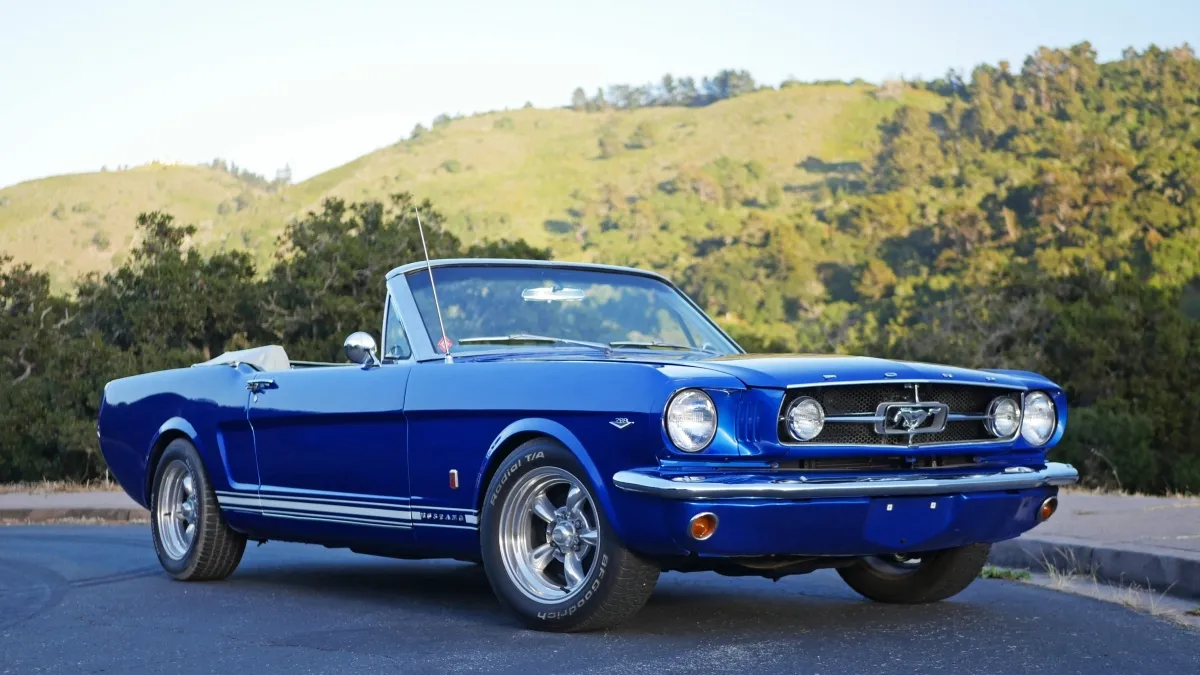
Innovation in the automotive industry has never been static. Throughout history, certain car brands have repeatedly challenged conventions, combining technology, design, and engineering in ways that transformed what people expect from personal transportation.
These brands did more than sell vehicles; they influenced culture, inspired engineering breakthroughs, and shifted the trajectory of global mobility. Some achieved this through mass-market accessibility, while others pushed the boundaries of luxury, performance, or alternative propulsion.
The impact of these brands is evident not only in their best-selling models but also in the ideas they seeded across the industry. From safety innovations to environmental consciousness, from advanced drivetrains to aerodynamic styling, the influence of these pioneers extends far beyond their own product lineups. Enthusiasts, historians, and engineers continue to examine these brands to understand how they shaped trends that affect modern vehicles.
This page examines ten car brands whose contributions altered expectations, created benchmarks, and sparked new directions in automotive development. Each entry will highlight specific models that embody the brand’s influence, including the technological, cultural, and aesthetic decisions that made them stand apart.
Whether through mechanical ingenuity, stylistic daring, or a combination of both, these brands exemplify the transformative power of bold vision in automotive design and engineering. The following list does not rank by success but instead celebrates the diversity of approaches that shaped the industry.
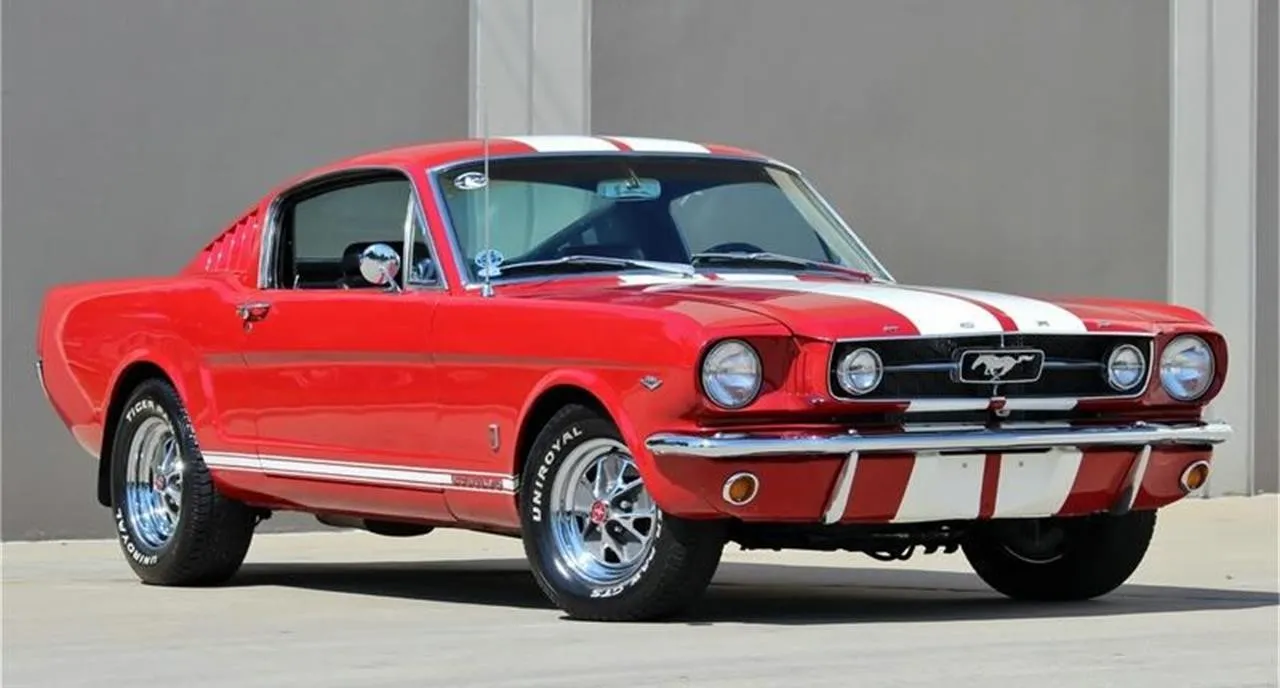
1. Ford Mustang GT (1965)
The Ford Mustang GT introduced a fresh concept that redefined performance and accessibility in American cars. By combining affordability with style and spirited driving, the Mustang transformed expectations for a “muscle” vehicle.
Its long hood and short rear deck created an instantly recognizable silhouette, one that appealed to younger buyers seeking personality and performance without the prohibitive price of European sports cars. Mechanically, the Mustang GT offered a range of engines, from inline-six options to the powerful V8 variants, which provided thrilling acceleration for the era.
Suspension design focused on a balance between handling and ride comfort, allowing drivers to enjoy spirited driving while maintaining day-to-day usability. The GT package added performance-oriented components like upgraded brakes, firmer suspension, and visual cues that communicated capability. The cultural influence of the Mustang cannot be overstated.
Appearing in films, television, and magazines, it became a symbol of freedom and personal expression in the 1960s and 1970s. Car clubs, racing circuits, and aftermarket support flourished around the model, demonstrating how a single vehicle could create a new automotive community. The Mustang GT’s success prompted other manufacturers to develop similar sporty yet affordable vehicles, cementing a segment that remains vital today.
Beyond performance and popularity, the Mustang GT highlighted Ford’s approach to modular design. Various body styles, trims, and engine combinations allowed buyers to tailor a vehicle to personal preferences, creating a formula for mass customization that influenced subsequent generations of cars.
The Mustang’s legacy illustrates how combining mechanical engineering, thoughtful design, and marketing foresight can establish an enduring automotive icon.
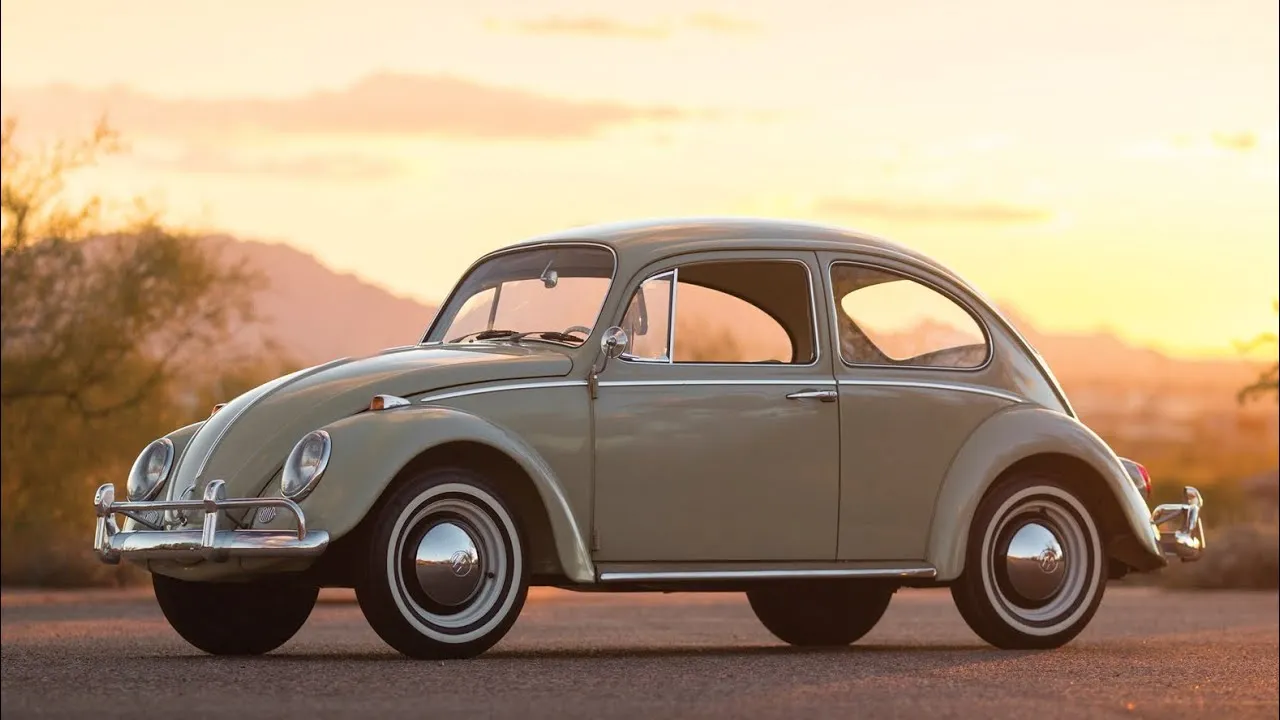
2. Volkswagen Beetle (1938)
Volkswagen’s Beetle redefined mobility for a global audience through simplicity, reliability, and longevity. Its compact rear-engine layout delivered practicality while maintaining an approachable personality. Originally designed to provide transportation for the average family, the Beetle combined engineering ingenuity with social ambition, aiming to make personal vehicles accessible to large populations.
The flat-four air-cooled engine became legendary for its simplicity and robustness. Minimalistic design choices allowed the car to function under varying conditions, making it especially suitable for regions with limited maintenance infrastructure. The rear-engine placement contributed to interior space efficiency, while the vehicle’s lightweight chassis enhanced fuel economy.
Even decades after production began, the Beetle retained a reputation for mechanical durability, though the simplicity sometimes limited performance by modern standards. Culturally, the Beetle became a symbol of practicality combined with charm.
Its rounded shape, friendly demeanor, and adaptability made it a favorite among drivers and collectors alike. Volkswagen’s decision to mass-produce the model led to unprecedented sales, demonstrating how a single well-conceived vehicle could dominate markets across continents. The Beetle also inspired car designers and manufacturers worldwide to prioritize efficient, functional design without sacrificing appeal.
Beyond engineering and aesthetics, the Beetle influenced automotive marketing. Volkswagen emphasized lifestyle and personality, not just technical specifications, creating a model that resonated emotionally with consumers.
Its success demonstrated that engineering excellence combined with accessible pricing and clever branding could change consumer expectations permanently. Through the Beetle, Volkswagen established a blueprint for producing vehicles that merge reliability, charm, and commercial appeal.
Also Read: 5 Cars That Require Minimal Repairs vs 5 That Need Frequent Fixes
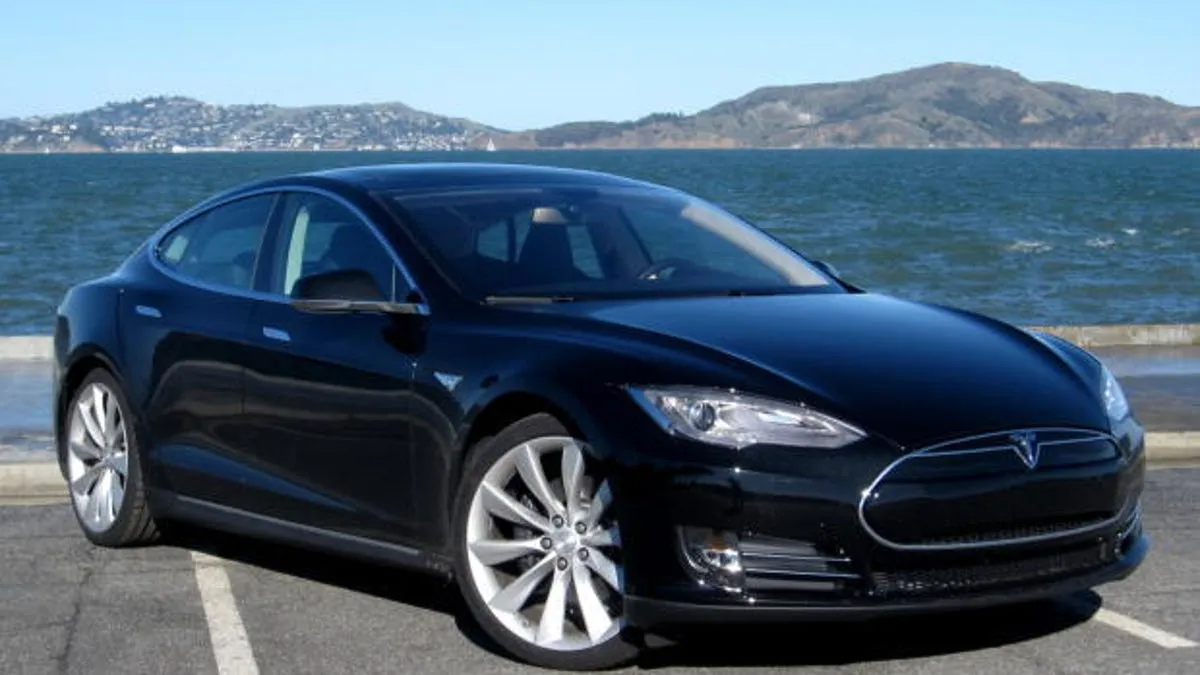
3. Tesla Model S (2012)
The Tesla Model S transformed perceptions of electric vehicles, establishing that zero-emission cars could rival traditional gasoline vehicles in performance, range, and desirability. Its sleek sedan profile, minimalist interior, and advanced infotainment systems redefined modern automotive design, shifting industry priorities toward software integration and electric propulsion.
Under the hood, the Model S offered high-capacity battery packs capable of supporting hundreds of miles per charge. Acceleration and handling rivaled sports sedans from established luxury brands, proving that electric drivetrains could deliver thrilling performance.
Tesla’s proprietary powertrain technologies, including regenerative braking and torque vectoring, enabled energy-efficient driving without compromising dynamics. Owners gained instant torque, quiet operation, and a driving experience that contrasted sharply with combustion engines.
Software became a central focus. Over-the-air updates introduced new features, improved range, and enhanced safety capabilities, creating a new model for vehicle evolution long after purchase. Autopilot capabilities introduced semi-autonomous driving, influencing how other manufacturers approached driver assistance and smart technology integration.
Beyond technology, the Model S reshaped consumer expectations. Electric vehicles were no longer seen as niche alternatives but as aspirational choices capable of matching or exceeding conventional cars in desirability and capability.
Tesla’s approach influenced an entire industry, accelerating the move to electrification and prompting competitors to invest heavily in battery development, charging infrastructure, and EV styling. The Model S proved that environmental responsibility and driving excitement could coexist in a single package.
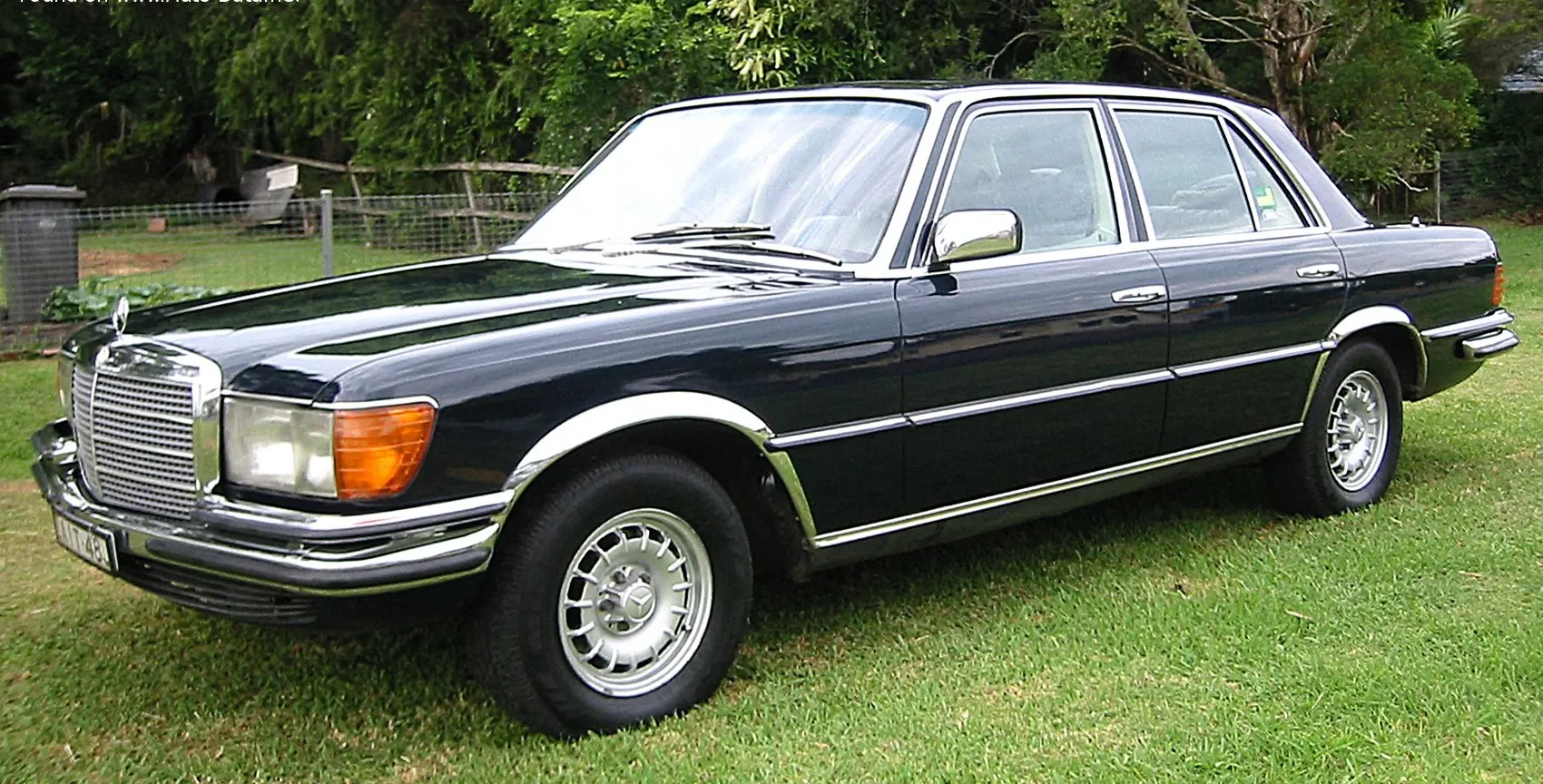
4. Mercedes-Benz S-Class (1972 W116)
The Mercedes-Benz S-Class, particularly the W116 generation, defined the modern luxury sedan by integrating safety, performance, and technological innovation. Innovations such as anti-lock braking systems, advanced suspension designs, and high-quality cabin materials established a benchmark for executive vehicles. Buyers could expect comfort, refinement, and advanced engineering in a single package.
The W116 series offered engines ranging from smooth inline-sixes to powerful V8s. Suspension tuning balanced ride quality with precise handling, allowing the vehicle to deliver an impressive driving experience while maintaining comfort for passengers.
Features like adaptive lighting, climate control, and early electronic assistance systems illustrated how Mercedes approached the integration of technology for both convenience and safety. Interior design emphasized ergonomics and a premium feel.
Leather upholstery, wood trims, and thoughtful instrument placement created an environment suitable for long journeys or professional use. Passenger experience and driver control were considered equally, establishing a template for luxury sedans that persists today.
Mercedes’ commitment to safety reshaped industry priorities. Crumple zones, reinforced cabins, and seatbelt innovations became standard features in future vehicles, demonstrating that luxury could coexist with responsible engineering. The S-Class became a reference point, influencing competitors and setting expectations for durability, comfort, and technological advancement in high-end automobiles.
The W116 series shows how a single model can move industry priorities by combining elegance, engineering, and forward-thinking safety design. Mercedes-Benz used the S-Class as a platform for experimentation, creating a vehicle that defined executive transport for decades.
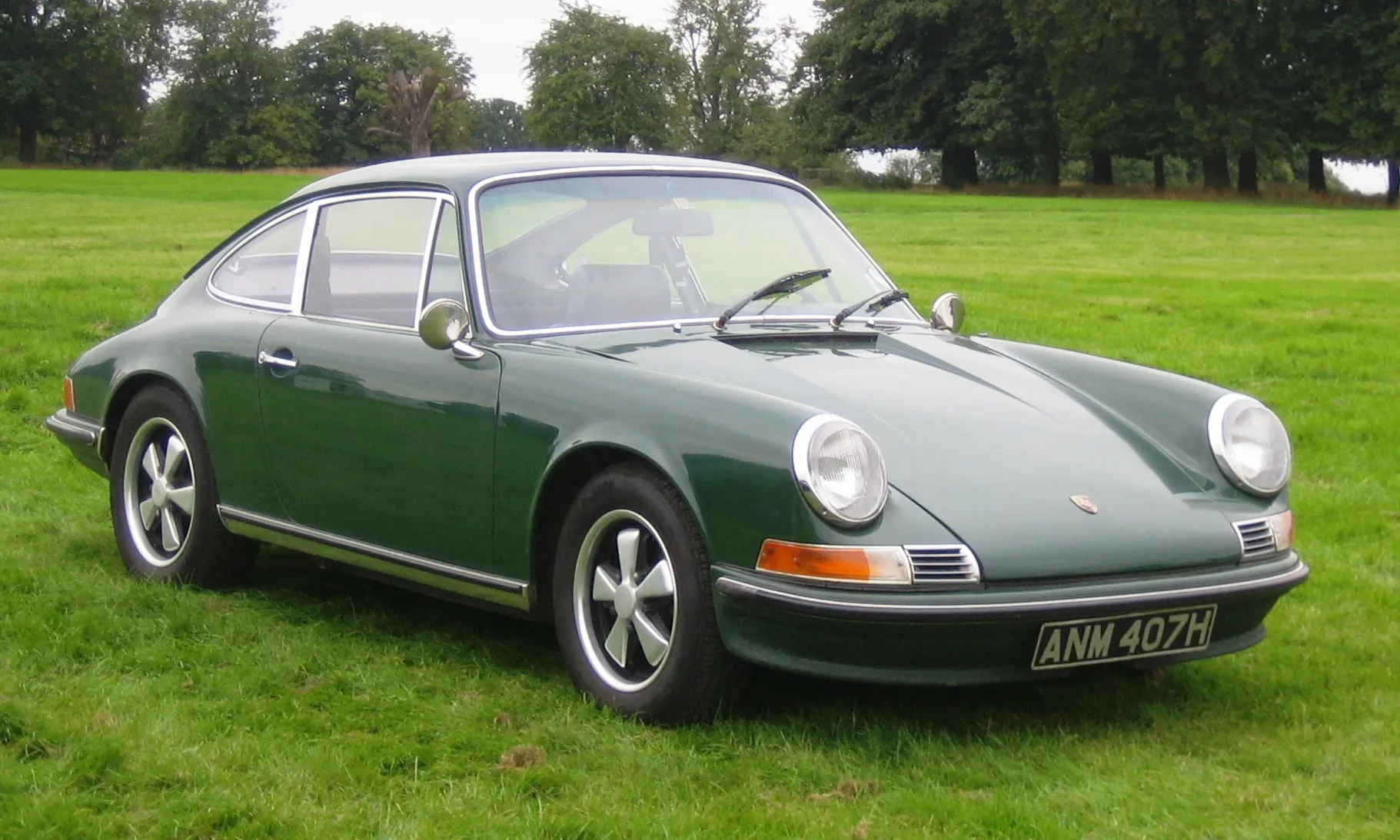
5. Porsche 911 Carrera (1964)
The Porsche 911 Carrera reimagined the sports car by blending performance, precision, and usability. Its rear-engine layout provided distinctive handling characteristics that rewarded skillful driving while maintaining everyday practicality. The 911 established a formula that would endure through multiple generations, influencing sports car design globally.
Performance variants of the 911 included flat-six engines with varying displacements, capable of spirited acceleration while maintaining a balance between power and control. Lightweight construction and attention to aerodynamics enhanced stability at high speeds.
Manual transmissions provided direct engagement, while later automatic options expanded accessibility without diminishing the core driving experience. Design language contributed to brand identity. Rounded fenders, sloping roofline, and compact proportions ensured the car was instantly recognizable.
Styling advanced gradually, balancing heritage with modern trends to retain continuity across decades. Each iteration retained a connection to the original design, creating brand loyalty and visual consistency. The 911 Carrera also pioneered motorsport engineering transfer to production models.
Components and tuning derived from racing experiences improved reliability, handling, and performance. This approach demonstrated how competitive experience could shape consumer vehicles, influencing subsequent sports car development by other manufacturers.
Culturally, the 911 Carrera symbolized engineering excellence and driving passion. Its combination of performance, practicality, and timeless design created an aspirational sports car that continues to influence enthusiasts and automotive design standards today.
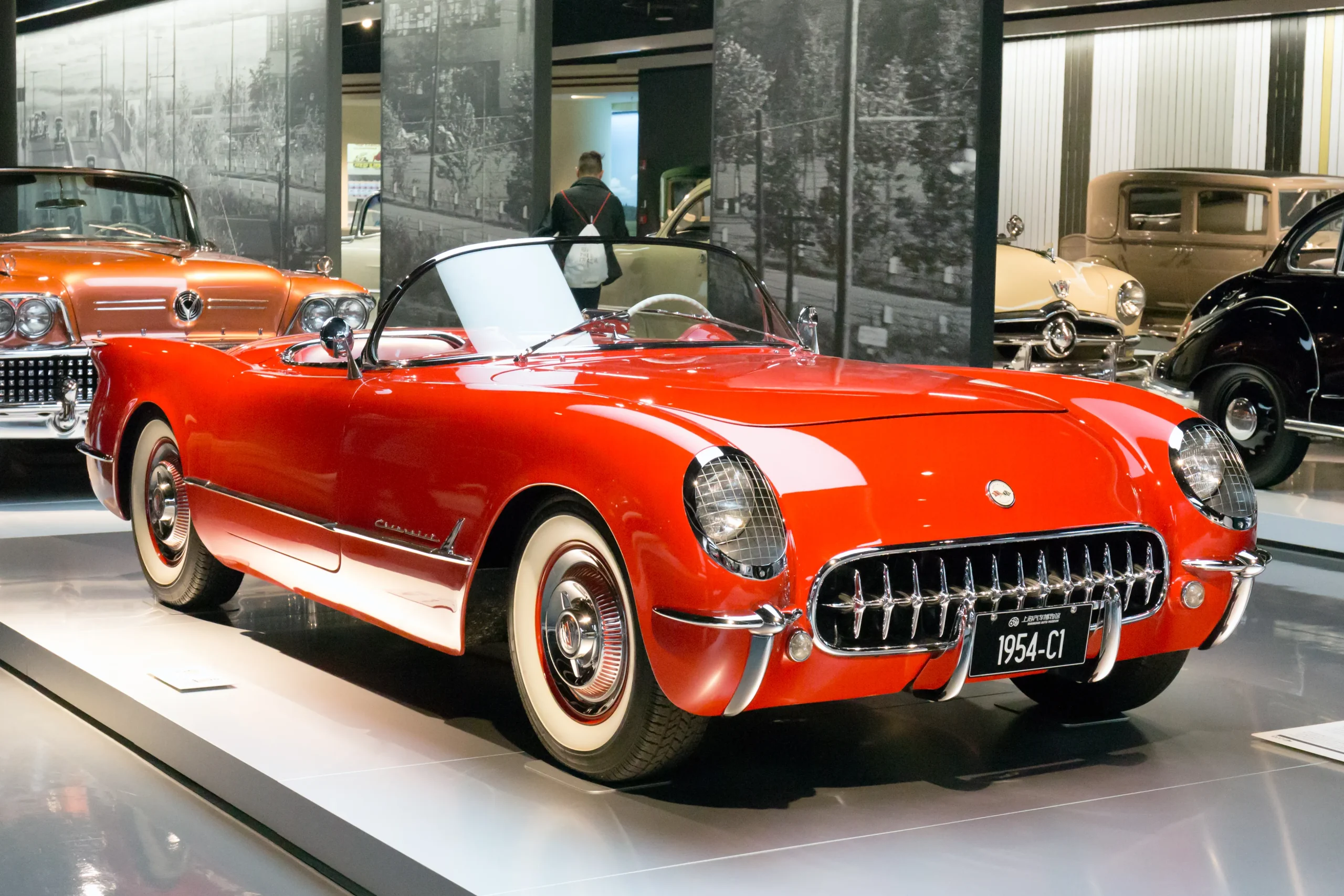
6. Chevrolet Corvette C1 (1953)
Chevrolet redefined American sports cars with the Corvette C1, introducing a model that combined performance aspirations with distinctive design. Its fiberglass body represented an experimental approach, offering both lightweight construction and corrosion resistance.
Styling emphasized sleek lines, dual headlights, and chrome accents, projecting a sense of speed even when stationary. The car became a visual and engineering symbol of postwar optimism, targeting drivers who sought flair alongside driving enjoyment.
Mechanically, the early C1 relied on inline-six engines that delivered moderate performance compared with European competitors. The introduction of the small-block V8 shortly after production began transformed acceleration and handling dynamics, providing a genuine sports car experience.
Suspension tuning and chassis stiffness were still developing, with ride comfort sometimes sacrificed for agility. Steering responsiveness was adequate but lacked the precision found in European vehicles of similar eras.
Interior design embraced simplicity with driver-focused controls, leather upholstery, and clean instrument panels. Comfort was secondary to aesthetics, yet the cabin layout allowed for a more engaging driving experience. Open-top configurations further enhanced the connection to the road and created a sense of freedom characteristic of early American roadsters.
Cultural impact extended far beyond technical achievements. The Corvette became an aspirational icon through appearances in movies, advertisements, and public events. Its status as a luxury-performance hybrid contributed to the emergence of a niche market for stylish American sports cars.
Chevrolet leveraged this platform to foster a brand identity associated with daring design and accessible performance, shaping expectations for domestic automakers. The Corvette C1 demonstrated that a combination of experimentation in materials, bold styling, and performance-oriented engineering could create an enduring legacy.
Despite early mechanical limitations, its influence resonated for decades, laying the foundation for one of the most recognizable sports car lines in history. Collectors and enthusiasts continue to prize the C1 for its innovation, aesthetic charm, and historical importance.
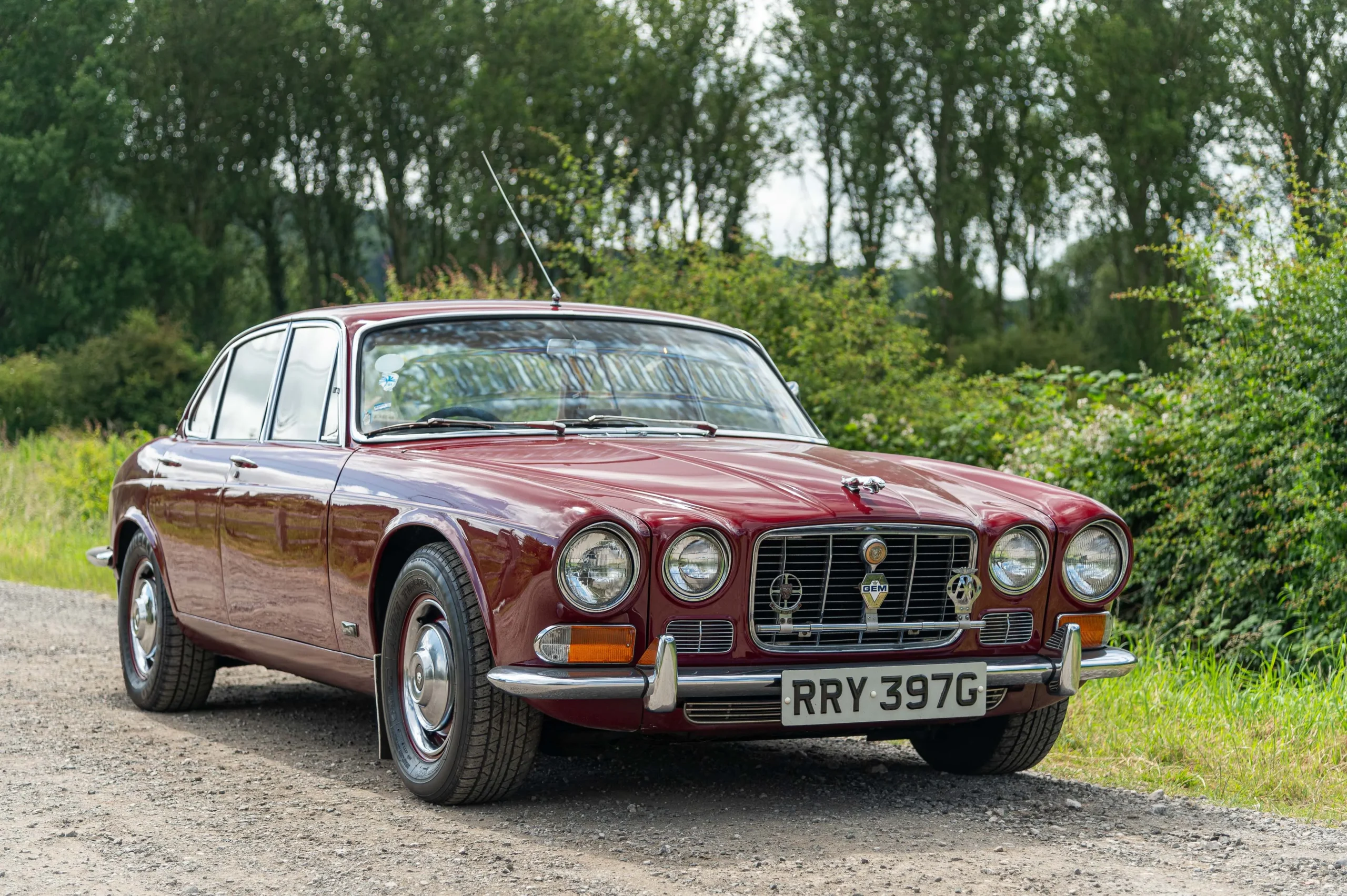
7. Jaguar XJ6 Series I (1968)
Jaguar’s XJ6 Series I emerged as a defining expression of British luxury sedans, combining elegance, comfort, and performance in a single package. Its exterior design featured fluid body lines, twin headlamps, and chrome detailing, demonstrating attention to aesthetics while maintaining a dignified presence.
The vehicle projected refinement, suggesting an ability to deliver smooth driving dynamics, advanced engineering, and a high-quality interior experience. Buyers anticipated a car that could meet executive expectations while offering an engaging connection behind the wheel.
Powertrain configuration relied on Jaguar’s inline-six engine, which provided smooth, linear power delivery and a distinctive exhaust tone. Innovations such as independent rear suspension and disc brakes improved handling, ride comfort, and stopping capability. Despite these advances, reliability was inconsistent, with electrical and mechanical systems demanding close attention for long-term upkeep.
Gearboxes responded well when properly maintained, yet improper handling could accelerate wear. Hydraulic systems that operated steering and braking occasionally required precise adjustment, presenting maintenance considerations that contrasted with the car’s polished image.
Interior layout highlighted luxury and attention to detail. Wood veneer accents, supple leather seating, and ergonomically arranged controls created a space that encouraged comfort and a sense of occasion. Climate control units and instrument displays provided clarity, although the long-term durability of trim, switches, and mechanical components could challenge owners.
Passengers benefited from supportive seating and ample legroom, while drivers needed familiarity with the vehicle’s systems to extract the intended balance of performance and refinement. The XJ6 influenced the perception of British automotive craftsmanship, demonstrating that performance and luxury could coexist in a sedan designed for discerning buyers.
Its design and engineering set benchmarks for competitors throughout Europe, reinforcing Jaguar’s reputation as a manufacturer of sophisticated, capable vehicles. Marketing emphasized elegance and technical achievement, though actual ownership occasionally revealed gaps between promise and day-to-day operation.
Today, collectors appreciate the XJ6 Series I for its design integrity and mechanical character. The sedan illustrates a period in which British manufacturers pursued both innovation and refinement, producing vehicles that expressed technical ambition while highlighting the delicate balance between artistry and practical reliability. The XJ6 endures as an example of style, engineering ambition, and the historical evolution of executive sedans.
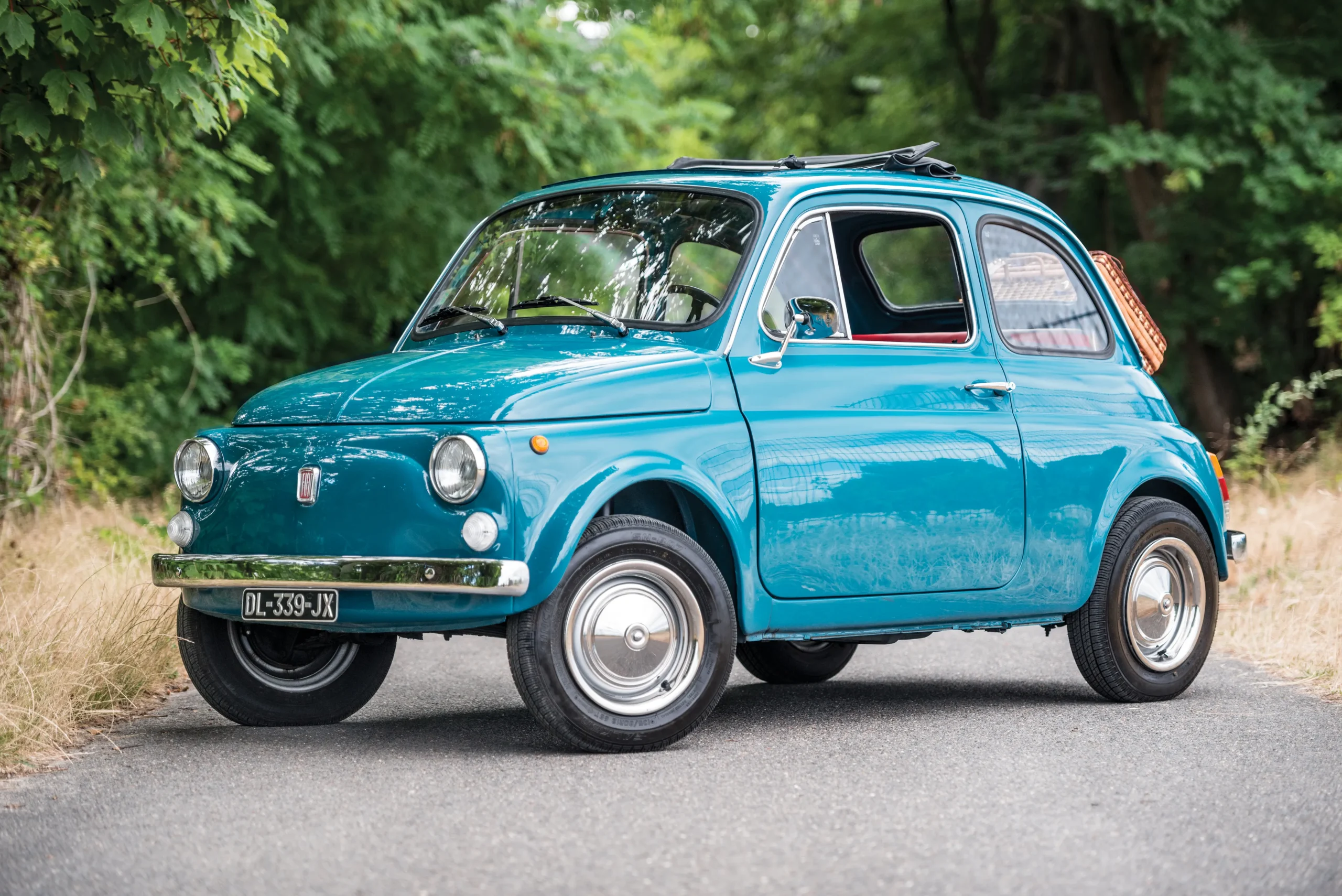
8. Fiat 500 (1957)
The Fiat 500 stands as a defining example of postwar European urban mobility, offering a compact, accessible automobile that reshaped city driving. Its small dimensions, rounded silhouette, and distinctive personality made it immediately recognizable and endearing to drivers.
Designed to provide practical transportation for a continent rebuilding from the effects of conflict, the 500 balanced efficiency, simplicity, and charm, creating a vehicle that could meet the demands of everyday city life without excess or complication.
Under the hood, the car housed a modest two-cylinder engine capable of producing limited power, yet sufficient for urban conditions. Performance was never intended to rival larger vehicles, but the Fiat 500 excelled in maneuverability and fuel economy, characteristics essential to crowded streets and narrow lanes.
Lightweight construction enhanced efficiency, while mechanical simplicity allowed owners to perform routine maintenance with minimal technical knowledge. Transmission design prioritized reliability and straightforward operation, supporting practical use rather than sporty or high-speed performance.
Interior design reflected ingenuity within constraints. Although the car’s footprint was small, it offered seating for four passengers through compact arrangements and clever packaging. Storage solutions, such as foldable elements and optimized compartments, increased versatility for urban errands.
Controls were logical and uncomplicated, reflecting a philosophy that emphasized functional design over luxury. Seating comfort was sufficient for short journeys, highlighting accessibility and ease of use rather than long-distance refinement or indulgence.
Cultural influence extended well beyond mechanical design. The Fiat 500 emerged as a symbol of Italian style and urban practicality, influencing the evolution of compact cars across Europe and beyond. Its approachable aesthetic and cheerful presence encouraged manufacturers to consider size, efficiency, and character in future small-car development.
The vehicle demonstrated that thoughtful design could marry utility with personality, creating an automobile that was both functional and iconic. Collectors today value the Fiat 500 for its historical importance and enduring visual appeal.
It serves as a reminder that minimalism, clever engineering, and careful attention to societal needs can leave a lasting mark on transportation culture. The vehicle’s influence continues in contemporary city cars, illustrating how a small automobile with a focused purpose can achieve widespread recognition and affection, proving that charm and practicality can coexist without compromise.
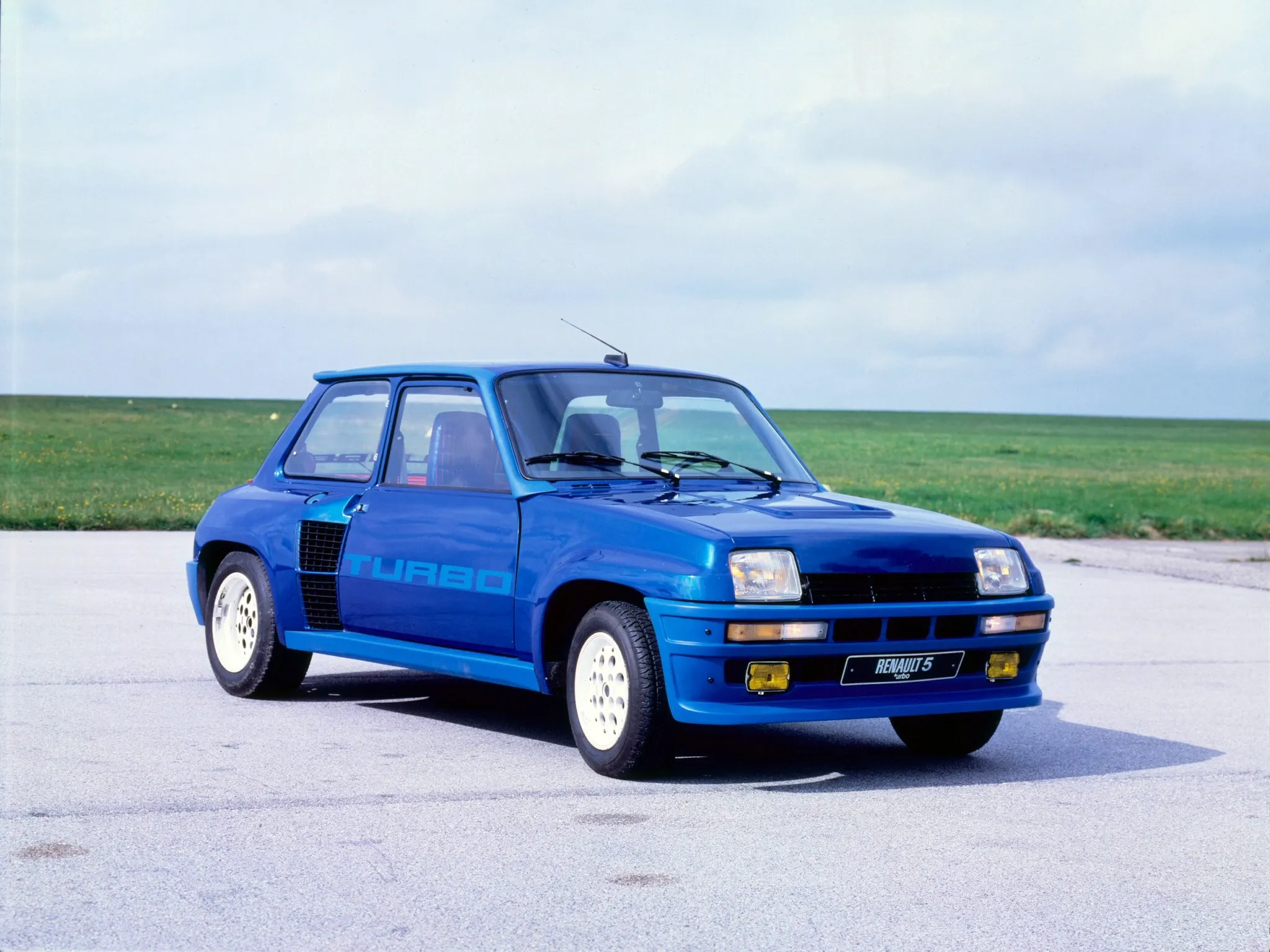
9. Renault 5 Turbo (1980)
Renault’s 5 Turbo redefined compact performance, translating a small hatchback into a mid-engine rally-inspired machine. Its wide body, aggressive stance, and rear-mounted turbocharged engine communicated high performance while preserving urban usability.
The 5 Turbo aimed to merge motorsport technology with consumer accessibility, creating a unique experience for drivers seeking excitement in a compact form. The turbocharged engine delivered rapid acceleration and responsive throttle control, while mid-engine weight distribution improved handling and cornering dynamics.
Suspension systems were upgraded to match the power increase, with reinforced components designed for both road and track conditions. Manual transmission options allowed precise gear engagement, enhancing the feeling of control and mechanical connection.
Inside, the cabin focused on function over luxury. Seating positions and controls were designed for engagement, with minimal distractions to maintain focus on driving. Limited comfort compromises reflected a commitment to performance rather than touring refinement.
Instrumentation provided essential feedback without overwhelming the driver, emphasizing connection to speed and handling. The Renault 5 Turbo influenced automotive enthusiasts by showing that compact platforms could deliver performance previously reserved for larger, more expensive cars.
Also Read: 5 Cars That Handle High Mileage Well vs 5 That Struggle
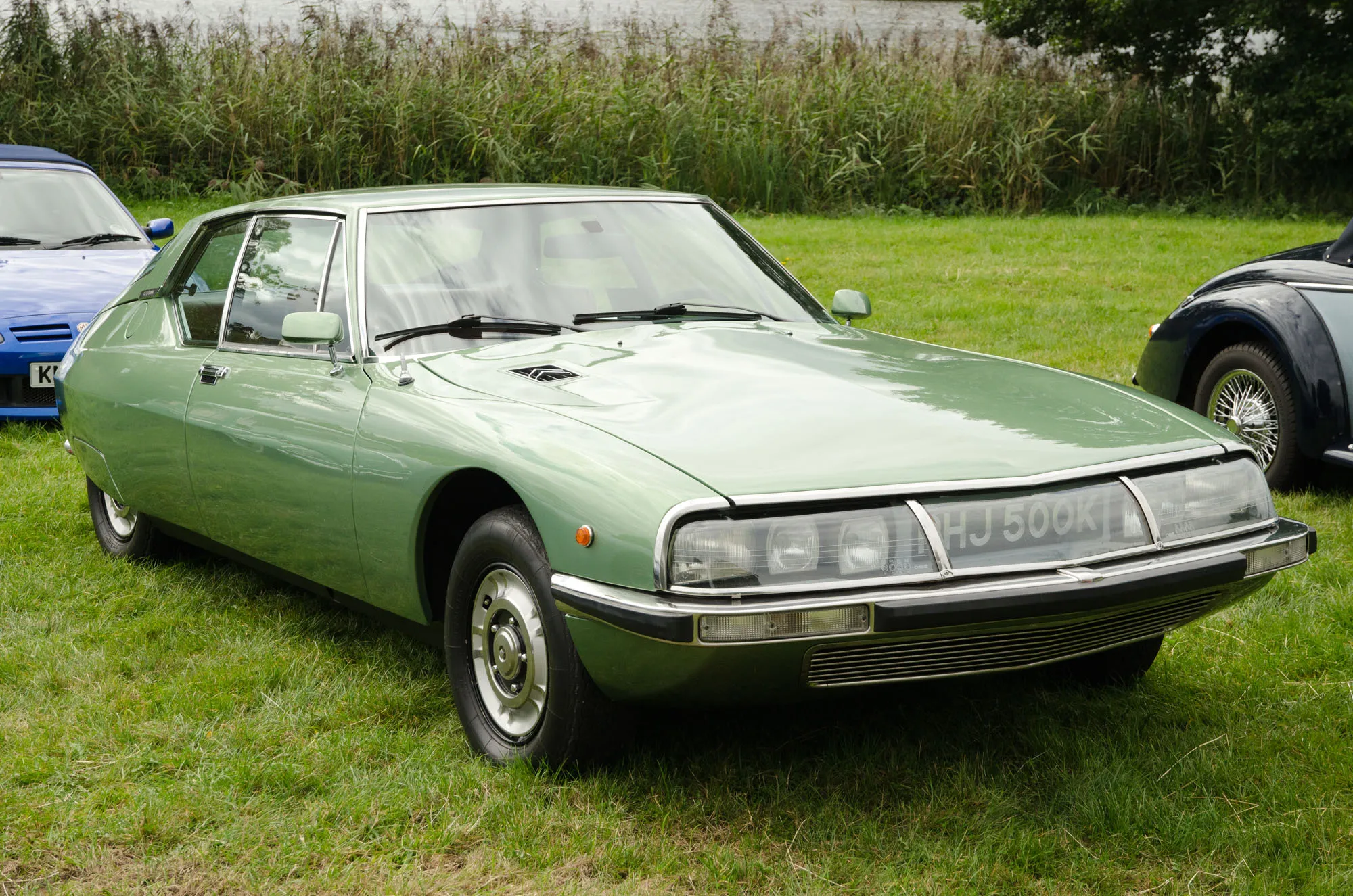
10. Citroën SM (1970)
The Citroën SM stands as a remarkable example of innovation in European automotive history, combining advanced engineering with expressive and dramatic styling. Designed as a high-speed grand tourer, the vehicle showcased hydropneumatic suspension and an aerodynamic profile that projected both elegance and technical prowess.
Its low-slung body, sharply tapered front end, and intricate curves made a striking visual statement, reflecting the ambition to merge luxury, technology, and performance in a single package. The SM’s appearance suggested sophistication while hinting at its underlying mechanical complication, marking it as a standout creation of its era.
Beneath the sculpted bodywork, the Maserati-sourced V6 engine delivered smooth and linear power, capable of providing brisk acceleration for its class. The engine’s design prioritized refinement, producing a distinctive exhaust note that complemented the car’s character.
Hydropneumatic suspension offered an advanced level of ride adaptability, allowing drivers to adjust height and comfort according to road conditions. Steering systems were precise, though they required careful calibration to maintain responsiveness.
Despite the impressive technology, maintaining such a vehicle demanded thorough knowledge of its hydraulic and mechanical systems, with owners often encountering challenges related to component wear and repair availability. Fuel consumption was moderate, and repairs could incur considerable expense, making ownership a task that required dedication and expertise.
Inside, the SM’s cabin projected a vision of luxury and futurism. Ergonomically designed controls, supportive seating, and high-quality materials conveyed refinement. Instrumentation was arranged to provide clarity, though the integration of complicated hydraulic and electronic components occasionally undermined reliability.
While the interior remained visually striking, practical usability depended on attentive care and familiarity with the vehicle’s systems. The balance between comfort and technical ambition created an environment that rewarded knowledge but could frustrate the unprepared owner.
The Citroën SM influenced automotive design by demonstrating the possibilities of integrating advanced technology with expressive styling. Its approach encouraged experimentation in suspension, steering, and aerodynamics among other European manufacturers.
Despite ownership challenges, the vehicle continues to be valued for its engineering daring and aesthetic vision. Collectors and enthusiasts admire the SM as a symbol of ambition and technical creativity, highlighting the tension between pioneering design and everyday functionality.
Its legacy endures as a testament to the pursuit of innovation in a period when imagination and engineering skill were closely intertwined.
