When it comes to automobiles, not all cars age equally. Some retain their charm, functionality, and value for decades, while others quickly feel outdated or troublesome. Cars that age gracefully often combine timeless design, mechanical reliability, and thoughtful engineering, allowing them to stay desirable and relevant long after their release.
On the other hand, vehicles that prioritize trend-driven styling, cutting-edge but fragile technology, or untested performance features can become headaches as they age, losing both value and appeal.
In this guide, we explore five cars that have proven their ability to age with poise, from luxury sedans to rugged SUVs, and contrast them with five models that struggled to remain relevant, often due to design missteps, fragile components, or rapid technological obsolescence. By examining both sides, we can better understand what truly makes a car stand the test of time.
5 Cars That Age Gracefully
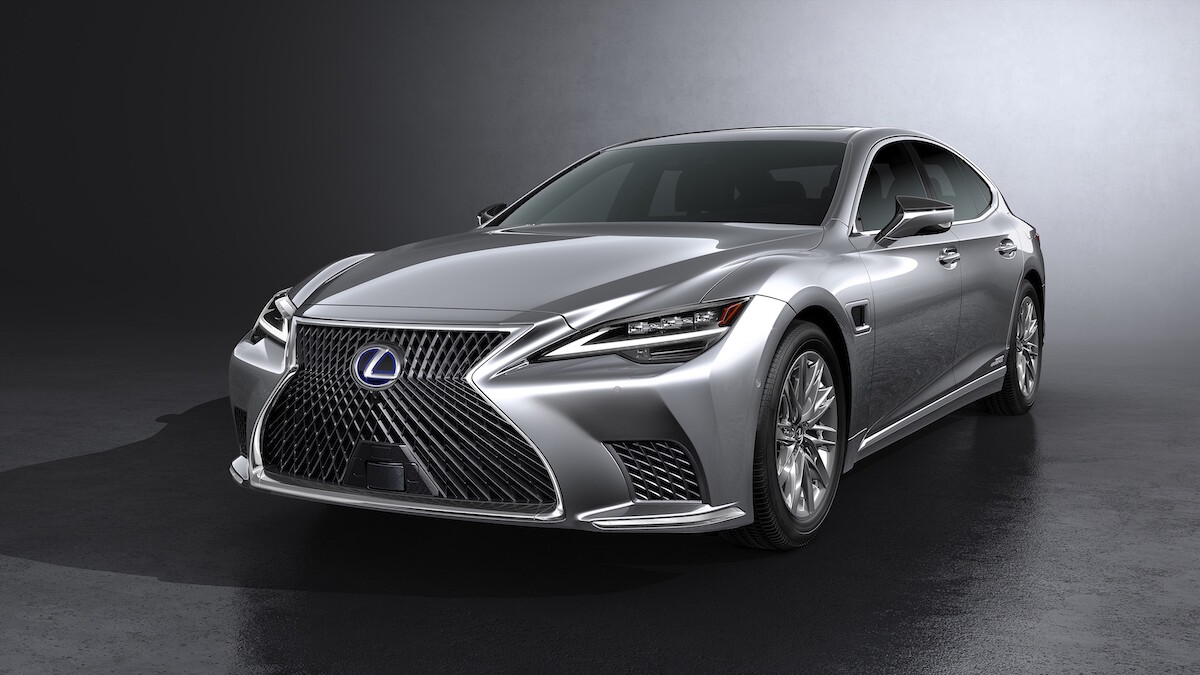
1. Lexus LS: A Benchmark for Graceful Aging in Luxury Sedans
The Lexus LS has long represented a different philosophy in the full-size luxury sedan segment, one that values durability, refinement, and proven engineering over visual drama or experimental technology.
This approach has allowed the LS to age more gracefully than most of its rivals. Rather than feeling outdated after a decade, many older examples continue to feel solid, quiet, and meticulously assembled, reinforcing the model’s reputation for long-term quality.
A major reason for this longevity is exceptional engineering and reliability. The Lexus LS is frequently cited as one of the most reliable luxury cars ever built, with models such as the LS430 regularly exceeding 300,000 miles when properly maintained.
Lexus achieves this through conservative mechanical design, extensive testing, and extremely tight manufacturing tolerances. While certain components like air suspension systems or door lock actuators may require attention over time, the fundamental structure and drivetrain remain remarkably durable.
Styling also plays a key role in how well the LS ages. Lexus avoids short-lived design trends in favor of a classic, understated sedan profile. This conservative approach ensures the car remains visually relevant years after its release.
Inside, the same restraint is evident. Interior materials are chosen for longevity rather than initial showroom impact. High-quality leather, carefully finished wood, and precise fit and finish allow the cabin to maintain its premium feel even after years of use.
Comfort and refinement are central to the LS experience. The ride quality is smooth and composed, with excellent noise isolation that helps the car feel calm and effortless on long journeys.
The seats are designed for long-term comfort and support, often compared to high-end office chairs. While competitors may offer sportier handling or more dramatic cabin layouts, the LS excels at minimizing fatigue and delivering consistent comfort over time.
In its modern LS500 form, the sedan is powered by a 416 horsepower twin turbocharged 3.4 liter V 6 paired with a 10-speed automatic transmission and standard All Wheel Drive. Performance is smooth and confident, with a 0 to 60 mph time of around five seconds.
Although rivals such as the BMW 7 Series, Mercedes-Benz S Class, and Genesis G90 offer quicker acceleration or more advanced rear seat amenities, the Lexus LS continues to stand apart for its long-term build quality.
The Lexus LS proves that true luxury is not defined by novelty. Its focus on reliability, timeless design, and lasting refinement allows it to resist aging better than most, making it a benchmark for durability in the luxury sedan world.
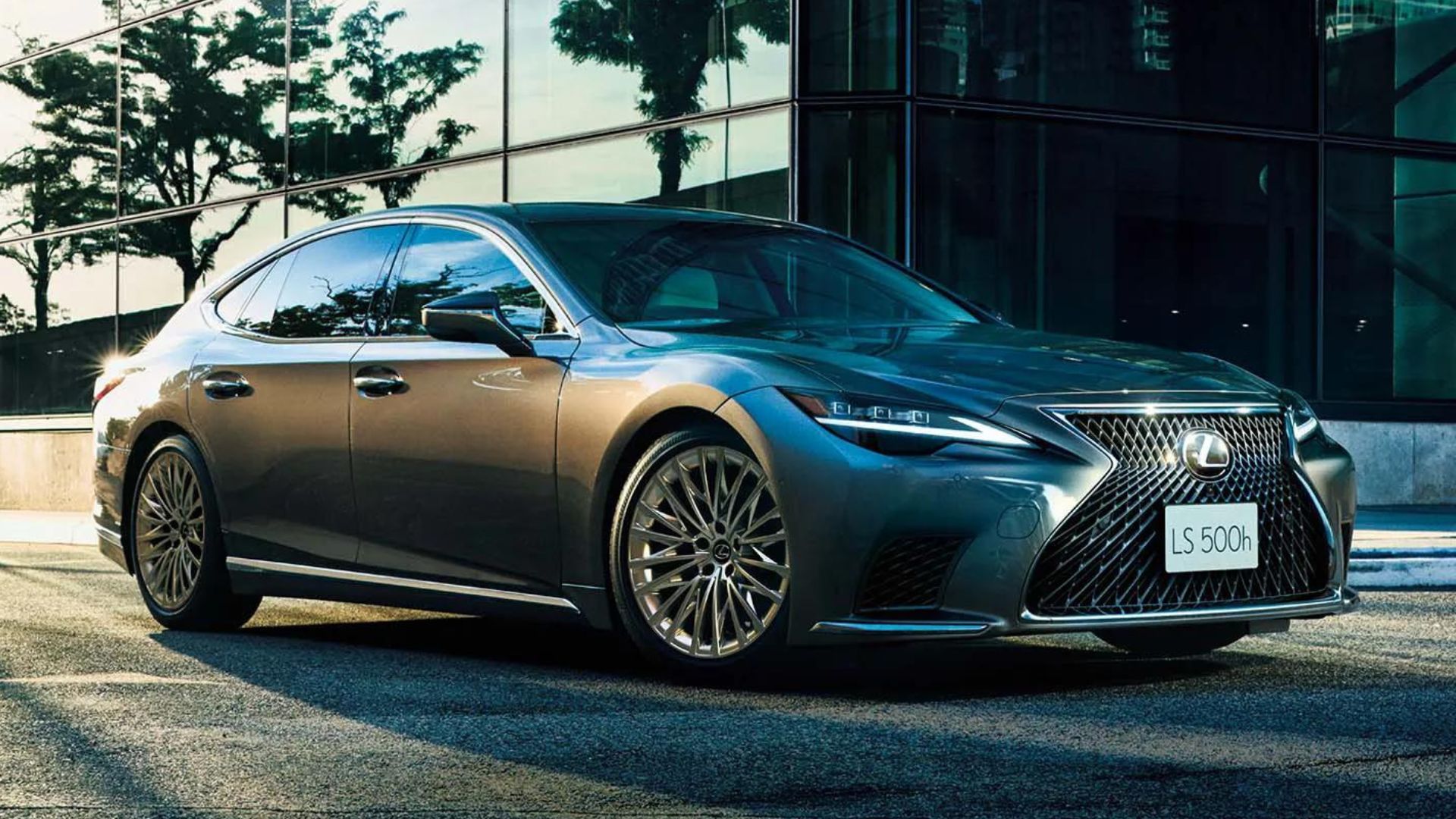
2. Mazda MX-5 Miata: Timeless Simplicity and Enduring Driving Joy
The Mazda MX-5 Miata is a rare modern car that seems almost immune to aging. While much of today’s automotive world chases larger screens, heavier platforms, and aggressive styling trends, the Miata stays true to a simple formula that has worked for decades. Its lightweight construction, classic roadster proportions, and focus on driving enjoyment allow it to remain relevant even as technology and tastes evolve.
One of the biggest reasons the Miata ages so well is its timeless design. Rather than relying on busy surfaces or gimmicks, the Miata emphasizes clean, cohesive lines and balanced proportions.
This restraint keeps it from feeling dated as trends come and go. From the earliest NA and NB generations to the current ND models, the Miata has evolved carefully without losing its identity. Older examples are now considered classics, admired for their purity rather than dismissed as obsolete.
Mechanical reliability is another pillar of the Miata’s longevity. Known for durability and straightforward engineering, many examples comfortably exceed 200,000 miles with proper maintenance. The engine bay is accessible and DIY friendly, encouraging owners to stay on top of upkeep.
Its lightweight design also plays a major role, as less mass means reduced stress on brakes, suspension, and drivetrain components over time. Like any car, neglect or rust can shorten its lifespan, but a well-maintained Miata is built to last.
The Miata’s enduring appeal lies in its focused driving experience. Powered by a naturally aspirated 2.0 liter four cylinder producing 181 horsepower, it does not chase big numbers. Instead, it relies on low weight, sharp handling, and a rev-happy character to deliver engaging performance.
The six-speed manual transmission is central to the experience, offering direct, satisfying shifts that encourage driver involvement. While an automatic is available and competent, the manual defines the Miata’s personality.
On the road, the Miata feels playful and alive. Steering is light and communicative, the chassis is eager to change direction, and even firmer Club models never feel punishing. Inside, the cabin is snug and purposeful. Storage and cargo space are minimal, but the emphasis remains on the essentials: steering wheel, pedals, shifter, and tachometer.
The Mazda MX-5 Miata ages gracefully because it resists excess. By prioritizing simplicity, reliability, and genuine fun over fleeting trends, it remains a beloved sports car across generations and continues to attract drivers of all ages who value the joy of driving above all else.
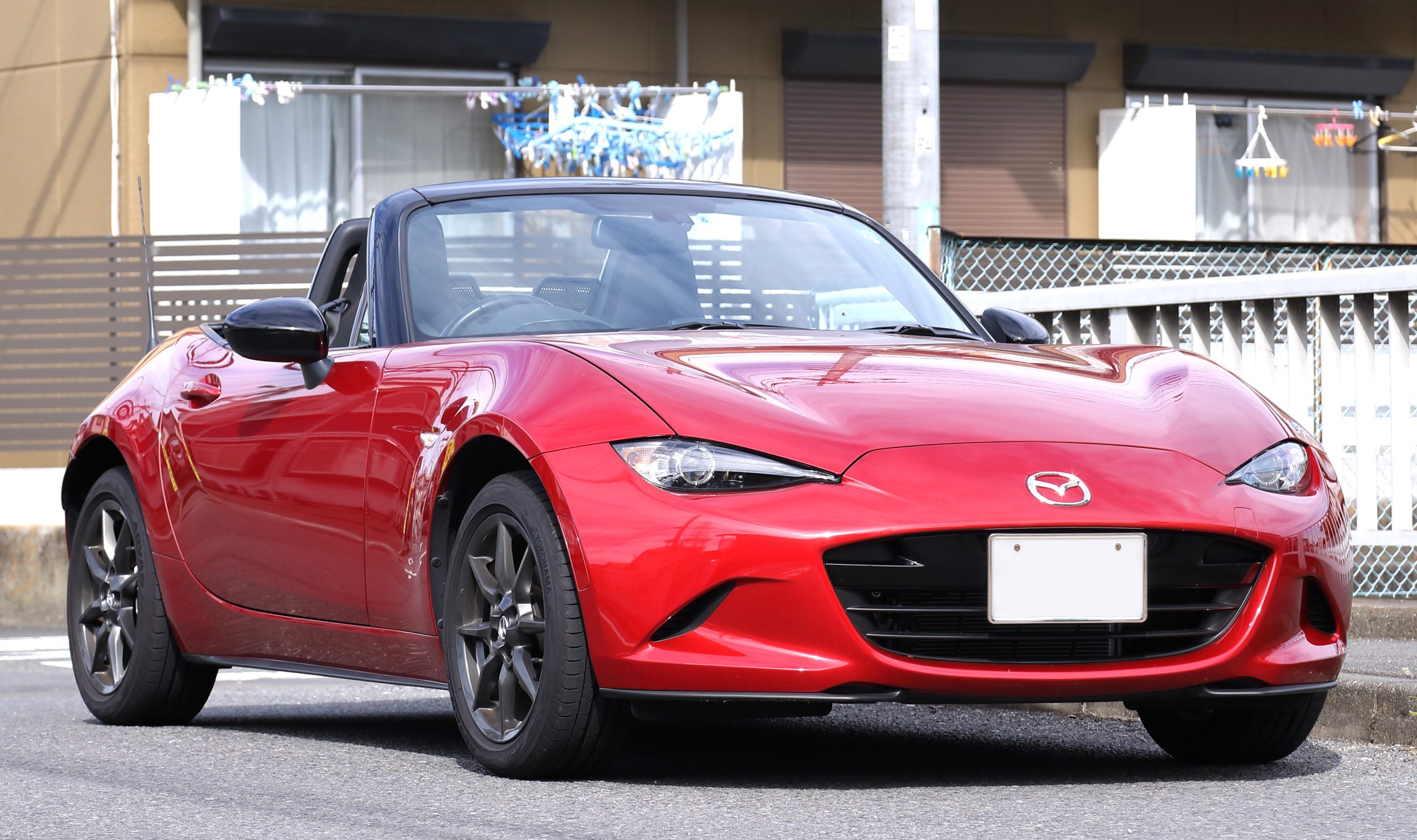
3. Porsche 911: Evolutionary Design and Enduring Everyday Performance
The Porsche 911 is one of the few performance cars that seems largely untouched by time. Rather than aging into obsolescence, older 911s simply read as earlier chapters of the same story. Porsche’s commitment to evolutionary design, consistent engineering principles, and real-world usability allows the 911 to remain desirable and relevant for decades, not just as a collector car but as a vehicle that can still be driven daily.
A core reason the 911 ages so gracefully is its design philosophy. Since its debut in 1964, Porsche has resisted radical reinvention. Instead, each generation refines the same instantly recognizable silhouette, subtly improving aerodynamics, proportions, and detail execution.
Because the shape evolves gradually, older models never look outdated. They look intentional, classic, and unmistakably Porsche. The absence of exaggerated lines or trend-driven styling ensures visual longevity that few sports cars can match.
Engineering quality is another major factor in the 911’s durability. Built with high-quality materials and careful assembly, the 911 has a reputation for mechanical robustness when properly maintained.
Its longitudinal engineering approach and consistent rear engine layout have been refined over decades, resulting in a platform that balances performance with reliability. Many 911s accumulate high mileage without losing their core character, reinforcing the model’s reputation as a usable sports car rather than a fragile weekend toy.
The modern 911 lineup continues this tradition. The base Carrera is powered by a twin-turbocharged 3.0-liter flat-six producing 388 horsepower, delivering strong acceleration and effortless speed. Carrera S and Carrera 4S models increase output to 473 horsepower, while the latest GTS introduces a hybrid-assisted flat six producing a combined 532 horsepower.
Despite this complexity, the hybrid system operates quietly in the background, preserving the familiar 911 driving feel while enhancing performance. Manual transmission variants like the Carrera T further emphasize driver engagement.
Usability remains central to the 911’s appeal. The cabin layout feels classic and purposeful rather than cluttered, blending physical controls with modern digital displays. Updates such as a configurable digital instrument cluster and improved infotainment add convenience without overwhelming the experience. Optional rear seats, a usable front trunk, and refined ride quality allow the 911 to function as a daily driver.
Strong residual values further highlight how well the 911 resists aging. Demand remains high across generations, and depreciation is far slower than that of most luxury performance cars. Ultimately, the Porsche 911 ages gracefully because it never tries to chase trends. By refining a proven formula with discipline and restraint, it remains one of the most timeless and durable sports cars ever built.
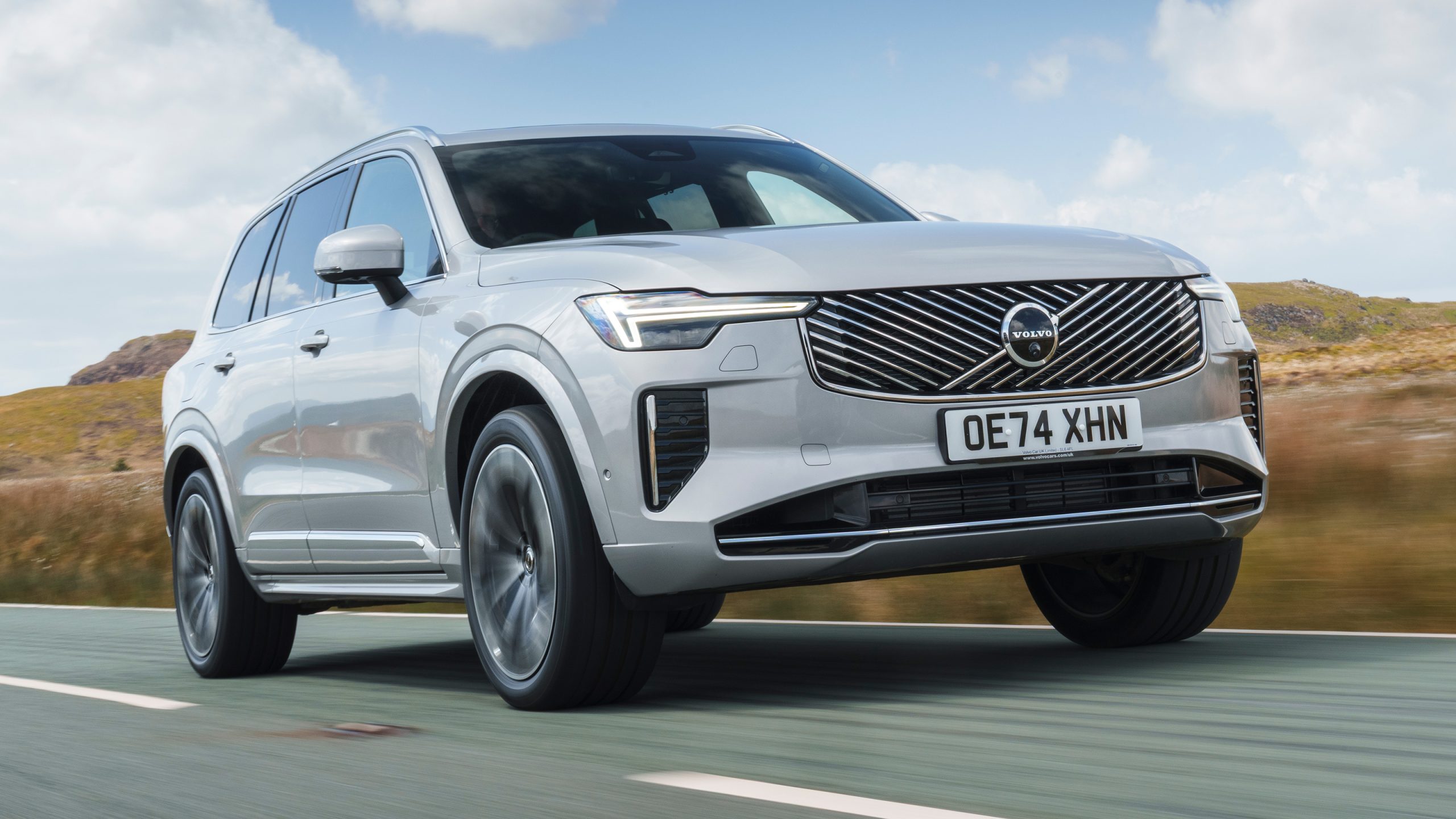
4. Volvo XC90 (Second Generation): Scandinavian Restraint That Defies Time
The second-generation Volvo XC90, introduced in 2014 and launched globally for the 2015 model year, is a standout example of how thoughtful design and steady evolution can keep a vehicle feeling fresh long after its debut.
Nearly a decade later, the XC90 remains competitive in the crowded luxury SUV segment, largely because it avoided the aggressive styling trends that defined much of the late 2010s. Instead, Volvo leaned into minimalist Scandinavian design, prioritizing balance, elegance, and functionality.
A major contributor to the XC90’s graceful aging is its exterior design. Clean surfaces, upright proportions, and restrained detailing give it a calm, confident presence. Signature elements like the “Thor’s Hammer” LED headlights still look modern today, helping the vehicle avoid visual fatigue.
Subtle facelifts over the years have refined the look without altering its core identity, allowing older examples to blend seamlessly alongside newer competitors.
Inside, the XC90’s cabin is one of its greatest strengths. Volvo embraced a serene, uncluttered interior philosophy that favors light, space, and high-quality materials. Natural wood, soft leathers, and available textile upholstery create a warm, living room-like atmosphere rather than a high-tech overload.
Volvo’s seats are widely regarded as among the most comfortable in the industry, supporting long-distance comfort and reinforcing the vehicle’s luxury credentials. While the third row is best suited for children or short trips, the XC90’s flexible seating layouts and boxy shape preserve its family-friendly practicality.
Technology updates have also played a key role in keeping the XC90 relevant. Recent refreshes introduced a larger, faster infotainment system built on Google’s Android Automotive platform, bringing modern navigation, voice control, and app integration without redesigning the entire dashboard. This approach allows the vehicle to feel current without sacrificing the clean interior layout that defines it.
Under the skin, the XC90’s SPA platform has proven highly adaptable. Powertrains have evolved from traditional gasoline engines to mild hybrids and efficient T8 plug-in hybrid variants offering significantly increased electric-only range. This flexibility has allowed the XC90 to meet changing efficiency and emissions demands while maintaining consistent driving character.
On the road, the XC90 prioritizes comfort over sportiness. Steering is accurate, ride quality is composed, and available air suspension enhances isolation on long drives. Performance is adequate rather than exciting, but that aligns with the XC90’s mission as a refined family luxury SUV.
Even as one of the oldest vehicles in its class, the second-generation Volvo XC90 remains desirable because it was designed with longevity in mind. Its timeless aesthetics, high-quality interior, continuous technical updates, and unwavering focus on safety and comfort allow it to age not just gracefully, but confidently.
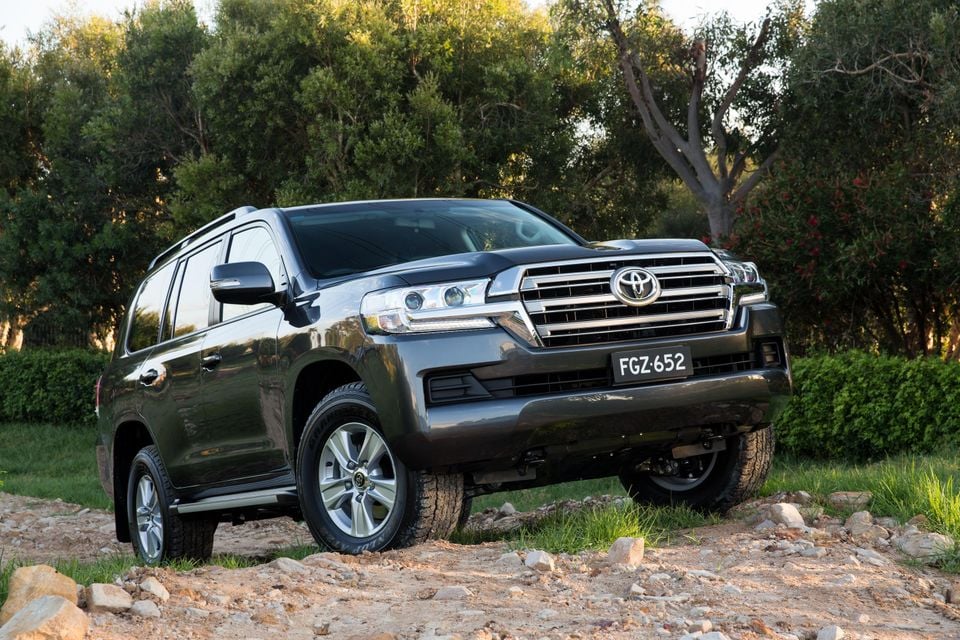
5. Toyota Land Cruiser 200 Series: Durability as a Design Philosophy
The Toyota Land Cruiser 200 Series is a vehicle designed with an unusually long horizon in mind. Built to meet a projected 25-year service life, it does not rely on fashion, novelty, or cutting-edge gimmicks to justify its existence.
Instead, it earns its reputation through sheer durability, conservative engineering, and a functional design that prioritizes long-term reliability over short-term appeal. This philosophy is precisely why the 200 Series ages so gracefully and continues to command exceptional resale value even with high mileage.
At the core of the Land Cruiser’s longevity is its legendary mechanical robustness. The 200 Series is often described as an indestructible workhorse, engineered to operate in harsh environments around the world with minimal fuss.
Its body-on-frame construction, heavy-duty suspension components, and overbuilt driveline allow it to absorb years of abuse that would quickly wear down lighter unibody SUVs. Power comes from highly regarded V8 engines, particularly the 5.7-liter 3UR FE, which is known for its smooth power delivery and ability to accumulate hundreds of thousands of miles without major internal repairs.
Despite its rugged underpinnings, the Land Cruiser is not a Spartan vehicle. Its interior balances luxury with durability, favoring thick leather, substantial switchgear, and excellent sound insulation.
While the infotainment technology in earlier models lacks modern features such as Apple CarPlay, the cabin remains comfortable, quiet, and reassuringly solid. Many owners liken the seating and ride quality to a well-worn but supportive couch, emphasizing comfort over flash.
Engineering features such as the Kinetic Dynamic Suspension System help the Land Cruiser maintain composure both on road and off. KDSS allows improved wheel articulation off-road while preserving stability and comfort on pavement, a dual personality that continues to function reliably over time.
This capability, combined with locking differentials and advanced Four Wheel Drive systems, ensures that the Land Cruiser remains highly capable long after newer rivals have lost their edge.
Off-road performance is another pillar of the 200 Series’ lasting appeal. Few SUVs can match its ability to tackle difficult terrain repeatedly without compromising structural integrity. This reputation for durability directly supports its strong resale values, as buyers know they are investing in a vehicle designed to endure.
Although newer Land Cruiser generations have moved toward hybrid powertrains and smaller footprints, the 200 Series stands as a high-water mark for old-school Toyota engineering. Its ability to age gracefully is rooted in restraint, strength, and an unwavering focus on longevity, making it one of the most durable and respected SUVs ever built.
Also Read: 5 Cars for Naperville Suburban Life and 5 Reliable Daily Drivers
5 That Don’t
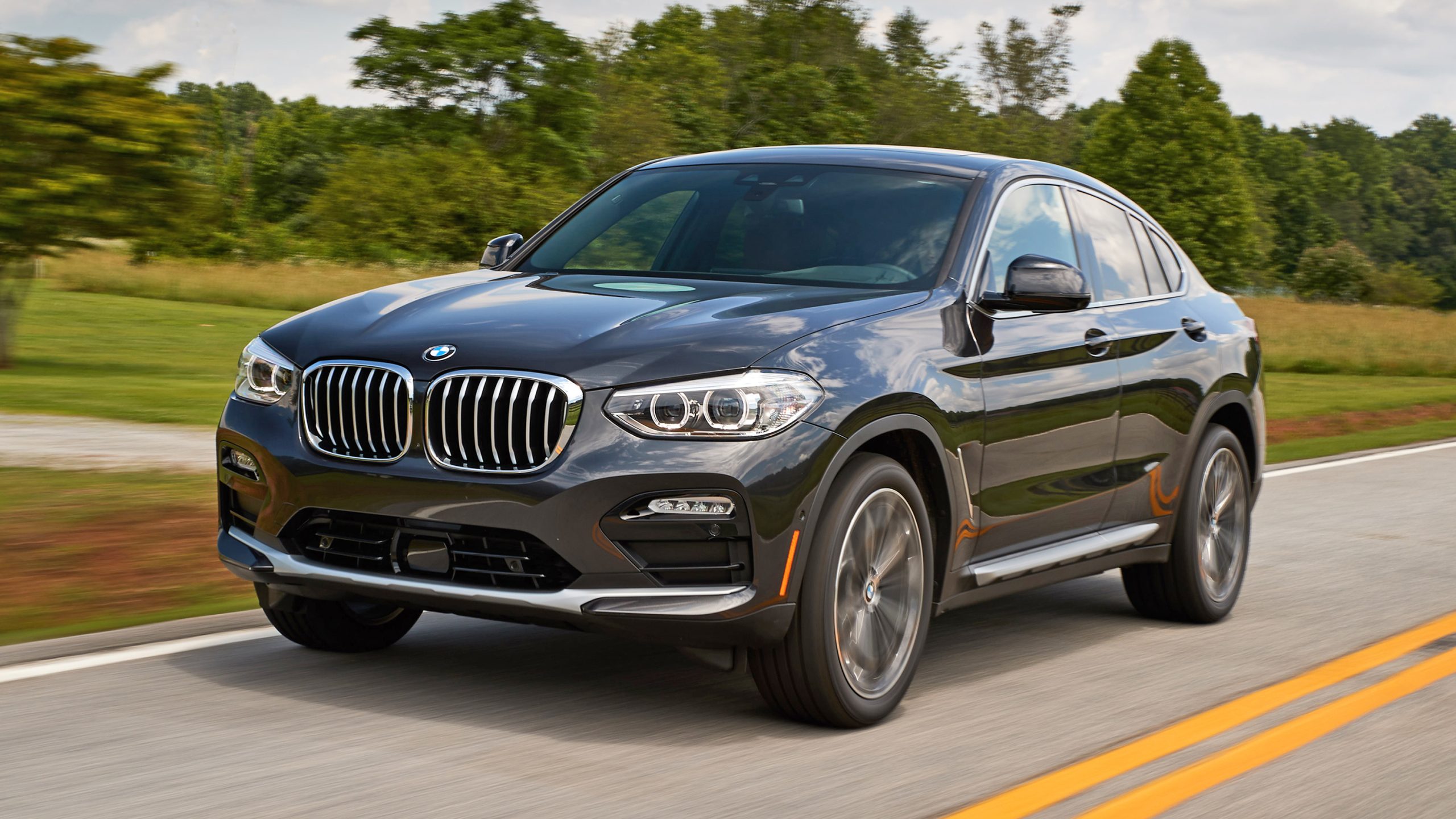
1. BMW X4 (First Generation): A Design That Aged Too Quickly
The first-generation BMW X4, known internally as the F26, is often cited as an example of a luxury vehicle that struggled to age gracefully. Introduced as a sportier alternative to the X3, it arrived at the very beginning of the SUV coupe trend, before the formula had been fully refined. As a result, its design, technology, and long-term usability quickly began to feel dated as BMW’s own standards evolved.
The most immediate issue is the X4’s controversial proportions. Marketed as a Sports Activity Coupe, the sloping roofline and tall rear deck created an awkward silhouette that polarized buyers from the start.
Many critics found the rear end bulbous and visually heavy, with tail lights that appeared tacked on rather than integrated. Compared to later SUV coupes, including BMW’s own second-generation X4, the F26 lacks the sleekness and cohesion that now define the segment, making early models look especially dated.
Practical compromises further hurt the X4’s long-term appeal. The dramatic roofline significantly reduces rear headroom, making the back seats uncomfortable for adults on longer trips.
Visibility is also a concern, as the narrow rear window and thick D pillars create substantial blind spots. Cargo capacity, while acceptable on paper, suffers from an awkward shape that limits the ability to carry tall or bulky items, leaving it less versatile than the more traditional X3.
Inside, the X4’s interior aged rapidly due to its reliance on the older X3 platform. Early models lacked touchscreens and modern smartphone integration, which quickly became expected features in the luxury segment. Reports of interior rattles, trim issues, and leather wear further diminished the premium feel as mileage increased.
Mechanical reliability also affected perceptions of longevity. Common issues included cooling system failures, oil leaks, turbo-related faults, and recurring warning lights. While not unique to the X4, these problems reinforced the sense that the vehicle did not mature well.
Taken together, the first-generation BMW X4 illustrates how bold styling, when paired with rapid technological change and practical compromises, can cause a vehicle to feel outdated far sooner than intended.
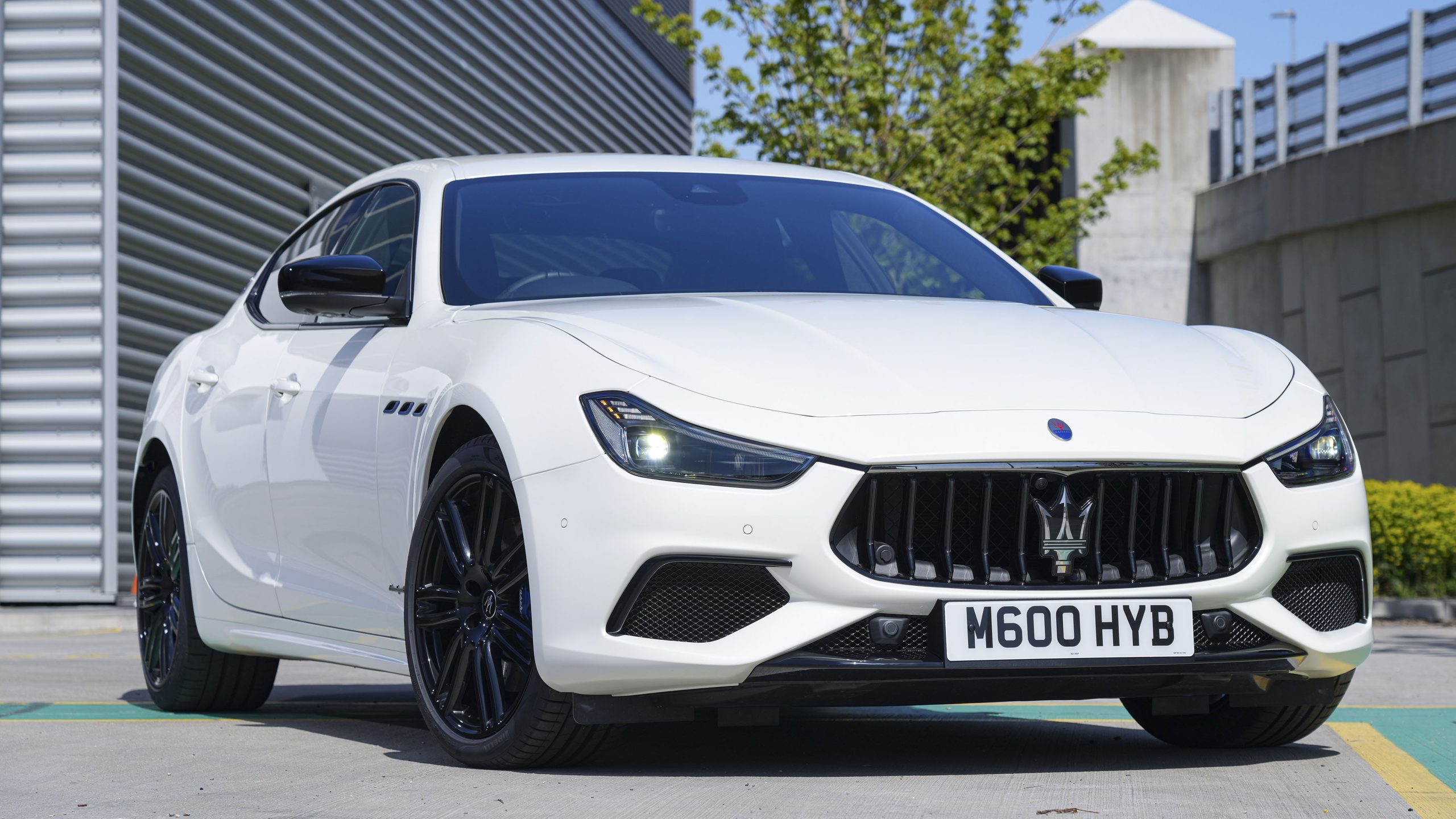
2. Maserati Ghibli: Style That Fades Faster Than the Badge
The Maserati Ghibli enters the luxury sports sedan segment with undeniable curb appeal. Its Italian styling, aggressive stance, and Ferrari-influenced engines create a strong first impression that feels exotic and emotionally charged.
Unfortunately, that initial allure often fades quickly, as the Ghibli has developed a reputation for aging poorly compared to its German rivals. The core issue is a disconnect between its premium image and the long-term ownership experience.
One of the most common criticisms is the Ghibli’s interior execution. To control costs, Maserati relied heavily on shared components from Chrysler and Dodge models. Items such as window switches, stalks, and control knobs feel out of place in a car positioned against the BMW 5 Series or Audi A6.
As mileage accumulates, these plastics tend to rattle, peel, or develop sticky coatings, particularly in early models built between 2014 and 2018. This premature wear undermines the sense of craftsmanship buyers expect at this price point.
Depreciation further accelerates the Ghibli’s loss of prestige. Few luxury sedans shed value as quickly. In some cases, a Ghibli can lose around half its value within three years and as much as seventy percent over five.
While this makes used examples tempting, it often creates a trap for second owners who are unprepared for the maintenance costs associated with an exotic brand. Deferred servicing then compounds reliability problems and hastens the car’s decline.
Mechanical issues become more apparent as mileage rises. Electrical problems are frequently reported, ranging from random warning lights and frozen infotainment systems to unexplained battery drain.
Suspension components and high-performance brakes tend to wear quickly, and replacements are significantly more expensive than those on comparable German sedans. Early models are also known for transmission hesitation and rough shifting, sometimes requiring software updates or more involved repairs to restore smooth operation.
In the end, the Maserati Ghibli struggles to age gracefully because its luxury image erodes faster than its competitors. What begins as an exciting, exotic alternative often becomes a costly reminder that visual drama alone is not enough to sustain long-term value or satisfaction.
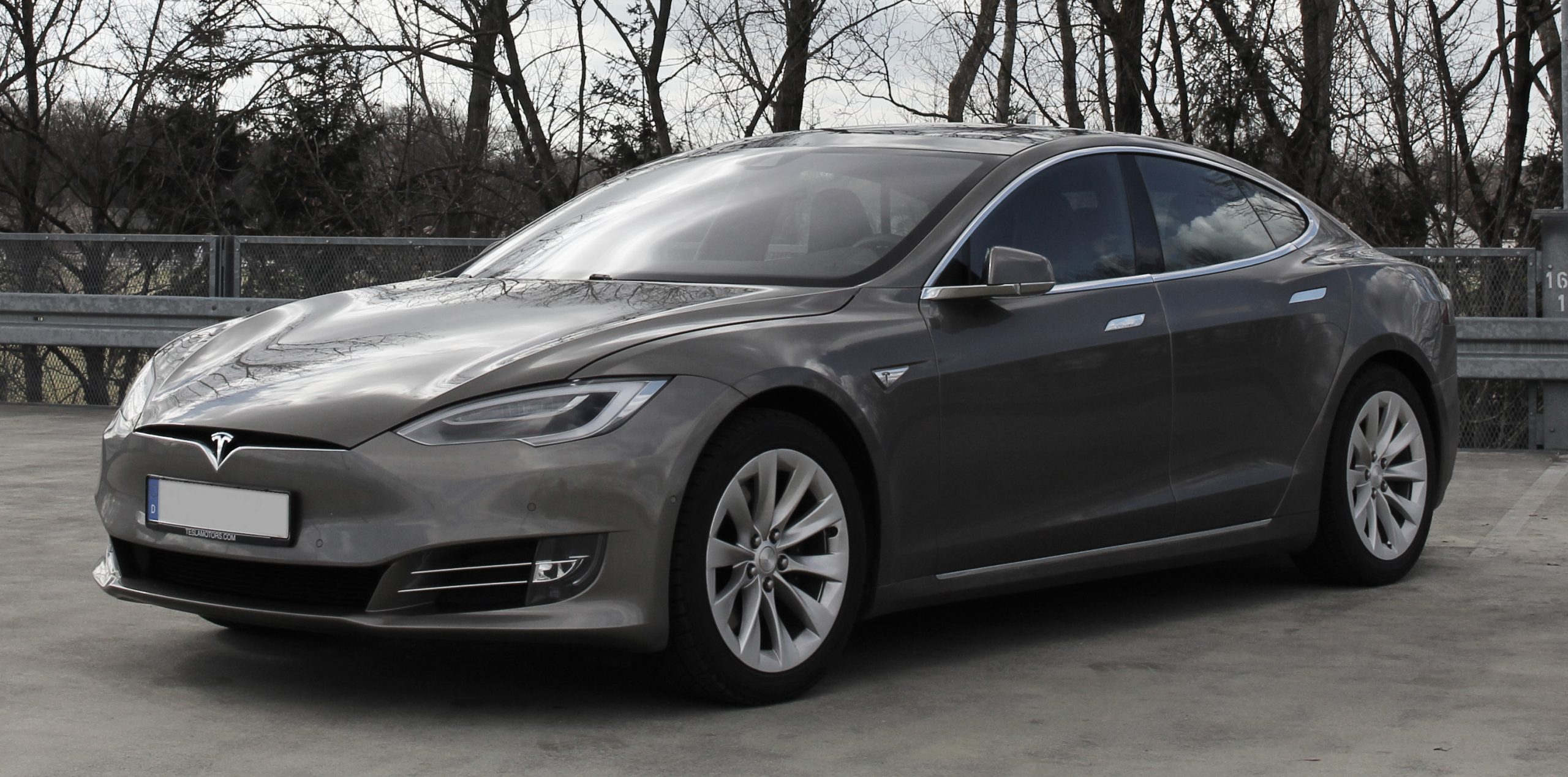
3. Tesla Model S (Early Pre-Facelift): Revolutionary Tech That Aged Like Electronics
The early pre-facelift Tesla Model S, produced from 2012 through early 2016, occupies a unique place in automotive history. At launch, it redefined expectations for electric vehicles, combining long-range capability with striking performance and a futuristic interface.
However, these early cars are now widely viewed as a beta phase for mass market luxury EVs, and many have aged poorly compared to both modern Teslas and traditional luxury sedans.
A major factor in their decline is mechanical durability. Early Model S vehicles suffered from drive unit failures, particularly in the large rear motors that developed bearing issues and distinctive milling noises, often requiring complete replacement at relatively low mileage.
The retractable door handles, once a standout feature, became notorious for frequent failures due to fragile internal components. Suspension parts, including control arms and early air suspension systems, also wore prematurely under the car’s significant weight.
Digital obsolescence further accelerated the aging process. The Model S relied heavily on its central touchscreen, but the original MCU1 hardware was not designed for long-term durability. A flaw in the eMMC memory chip caused screens to fail, sometimes disabling climate controls and the rearview camera.
In addition, early cars either lack Autopilot hardware entirely or are limited to first-generation systems that cannot support modern driver assistance or Full Self Driving features.
Battery limitations present another serious concern. Early battery packs, particularly the 85 kWh variant, have shown higher degradation rates and were subject to software limits that reduced usable range and charging speeds.
Out-of-warranty battery replacements can exceed twenty thousand dollars, often surpassing the car’s market value. Charging performance also lags far behind newer Teslas, as early Model S models cannot fully utilize modern Supercharger infrastructure.
Finally, build quality and interior materials did not age well. The early nose cone exterior looks dated, while interior trim, synthetic leather, and minimal storage solutions feel crude by today’s standards. Together, these factors make early Model S cars feel less like enduring luxury vehicles and more like outdated consumer electronics.
4. Nissan Leaf (First Generation): Early EV Pioneers That Struggled to Age
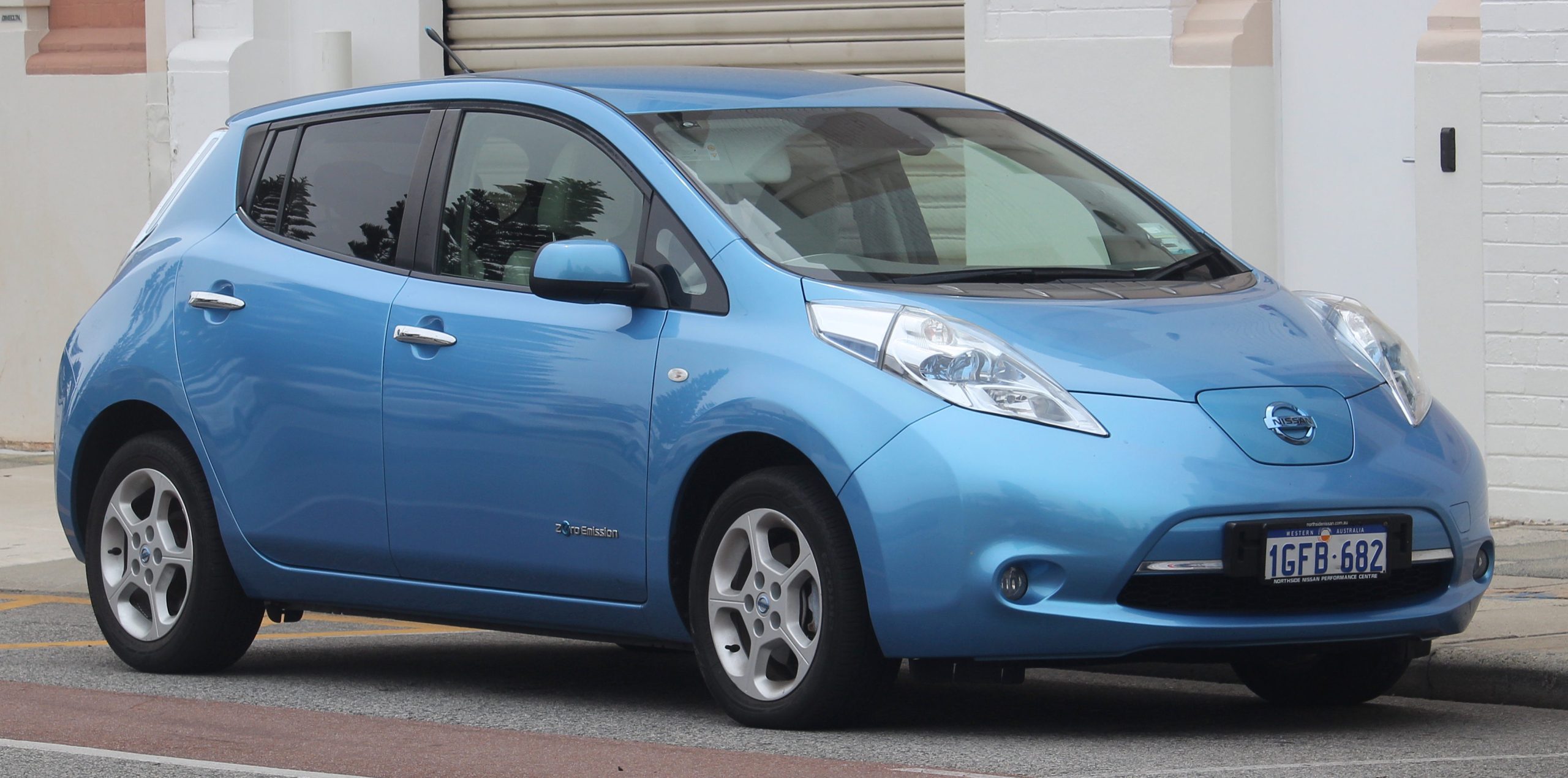
The first-generation Nissan Leaf, produced from 2011 to 2017, was a groundbreaking vehicle that helped bring electric cars into the mainstream. However, despite its early innovation, it has aged poorly compared to both modern EVs and conventional gasoline vehicles. A combination of design compromises, limited battery technology, and outdated connectivity has left many early Leafs with severely reduced practicality.
The most significant issue is the lack of active thermal management for the battery. Unlike competitors such as the Tesla Model S or Chevrolet Volt, which use liquid cooling to regulate temperatures, the Leaf relies on passive air-cooling. In hot climates or during repeated fast charging, this design traps heat in the battery, causing permanent chemical degradation.
Early 24 kWh models were especially vulnerable, with real-world ranges often dropping from the original 73 miles to as little as 20–50 miles over time. Even later, “Lizard” batteries improved heat resistance only modestly, leaving range loss as a persistent problem.
Charging and connectivity limitations further reduce the Leaf’s long-term usability. First-generation Leafs rely on the CHAdeMO DC fast-charging standard, which is increasingly rare as networks consolidate around CCS and Tesla’s NACS.
Additionally, early Leafs depended on 2G and 3G cellular modems for telematics like remote climate control and charging monitoring. With legacy networks being phased out, many connected features no longer function, and restoring them often requires hardware replacements that are costly or unsupported.
These technical limitations have translated into severe depreciation. Battery wear, outdated charging standards, and fading connectivity make used first-gen Leafs less desirable, often leaving potential buyers wary of expensive battery replacements that can exceed the car’s market value.
While the first-generation Nissan Leaf was revolutionary in 2011, it has not aged gracefully. Poor thermal management, rapid range degradation, obsolete charging infrastructure, and connectivity obsolescence combine to limit its practicality, making it a vehicle whose once-modern promise has largely diminished over time.
5. Fiat 500L: A Cute Concept That Struggled to Age
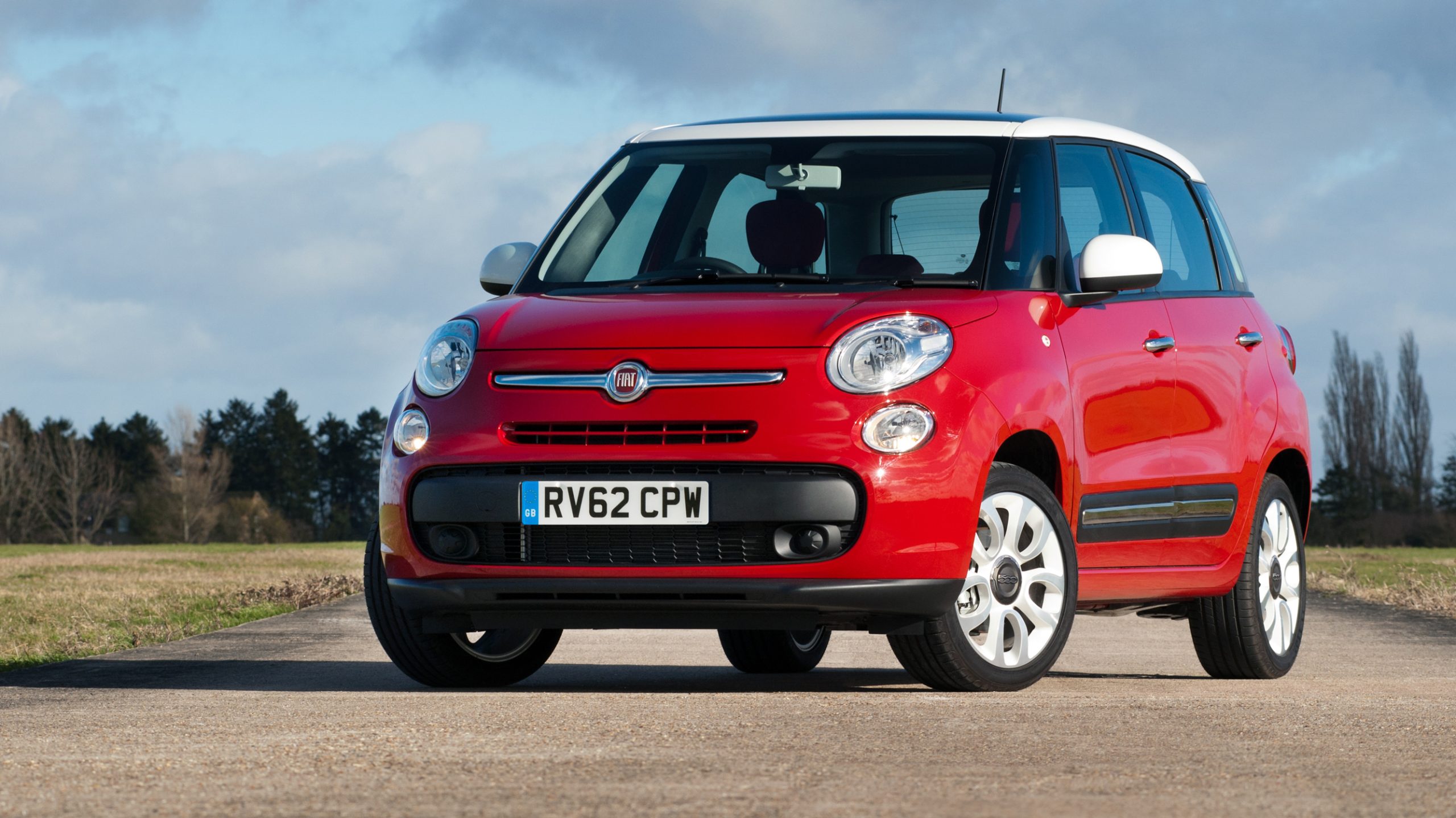
The Fiat 500L attempted to expand the charm of the iconic Fiat 500 into a larger MPV, but the result has not aged gracefully. Its tall, “toaster-like” proportions never resonated widely, especially as consumer tastes shifted toward sleek SUVs.
While the standard 500 retains appeal through retro styling, the 500L’s awkward design, combined with mechanical and technological shortcomings, has made it a vehicle prone to early obsolescence.
Mechanical fragility is a major factor in the 500L’s decline. Exterior components, including door handles and light clusters, are prone to breaking or cracking. Inside, trim pieces can fall off, seats often crack by 30,000 miles, and steering wheel materials wear quickly. These issues contribute to a sense of a delicate, poorly built car, especially compared to rivals in its class.
The drivetrain, particularly models with the Dualogic semi-automatic transmission, highlights the 500L’s aging challenges. Over time, these systems suffer from hydraulic pressure loss and erratic shifting, often “hunting” for gears. Repairs are expensive and can exceed the car’s residual value, making long-term ownership frustrating.
Engine reliability is another concern: small, high-output engines like the 0.9-liter TwinAir are extremely sensitive to missed maintenance, which can cause sludge buildup and eventual engine failure. Diesel variants also face costly DPF issues if not driven regularly at motorway speeds.
Technological obsolescence compounds these mechanical challenges. Unlike modern competitors from Toyota or Honda, the 500L lacks advanced driver-assistance features, and its original safety ratings have long expired. Electrical issues, including malfunctioning hatch wiring and dashboard glitches, further diminish the car’s appeal.
As a result, the Fiat 500L suffers steep depreciation, often losing over 30% of its value within a few years. Its combination of awkward styling, mechanical fragility, and outdated technology makes it a clear example of a vehicle that struggles to maintain relevance and desirability over time.
Aging gracefully in the automotive world isn’t just about initial style or performance; it’s about endurance. Cars like the Lexus LS, Porsche 911, and Toyota Land Cruiser showcase how thoughtful design, robust engineering, and practical innovation allow vehicles to remain valuable and enjoyable over time.
In contrast, models like the BMW X4, Maserati Ghibli, and Fiat 500L demonstrate how reliance on fleeting trends, delicate components, or experimental technology can accelerate obsolescence.
Whether you prioritize longevity, comfort, or resale value, understanding why certain cars stand the test of time helps buyers make smarter, long-term choices. Ultimately, a car that ages gracefully blends reliability, timeless aesthetics, and usability qualities that ensure it remains more than just a purchase, but a lasting investment in driving satisfaction.
Also Read: Top 10 Cars That Still Look Like the Future Today