When choosing a vehicle, interior durability is often overlooked, yet it plays a crucial role in long-term ownership satisfaction. A car with a well-built, resilient cabin not only maintains its aesthetic appeal but also reduces maintenance headaches over time.
Certain models, like the Toyota 4Runner, Lexus GX 460, Subaru Outback, Honda Civic 11th Generation, and Mercedes-Benz E-Class W212, are celebrated for their robust materials, high-quality construction, and thoughtful design.
These vehicles resist scratches, scuffs, fading, and rattles, making them ideal for families, outdoor enthusiasts, and anyone seeking a practical, long-lasting interior.
In contrast, vehicles such as the Nissan Altima (2013–2018), early Tesla Model 3, Jeep Wrangler JK, Chevrolet Corvette C5, and Dodge Grand Caravan often show rapid wear due to cost-cutting materials, sensitive surfaces, or high-use designs. Understanding which cars withstand daily use and which may degrade quickly helps buyers make smarter, longer-lasting choices.
5 Vehicles With Durable Interiors
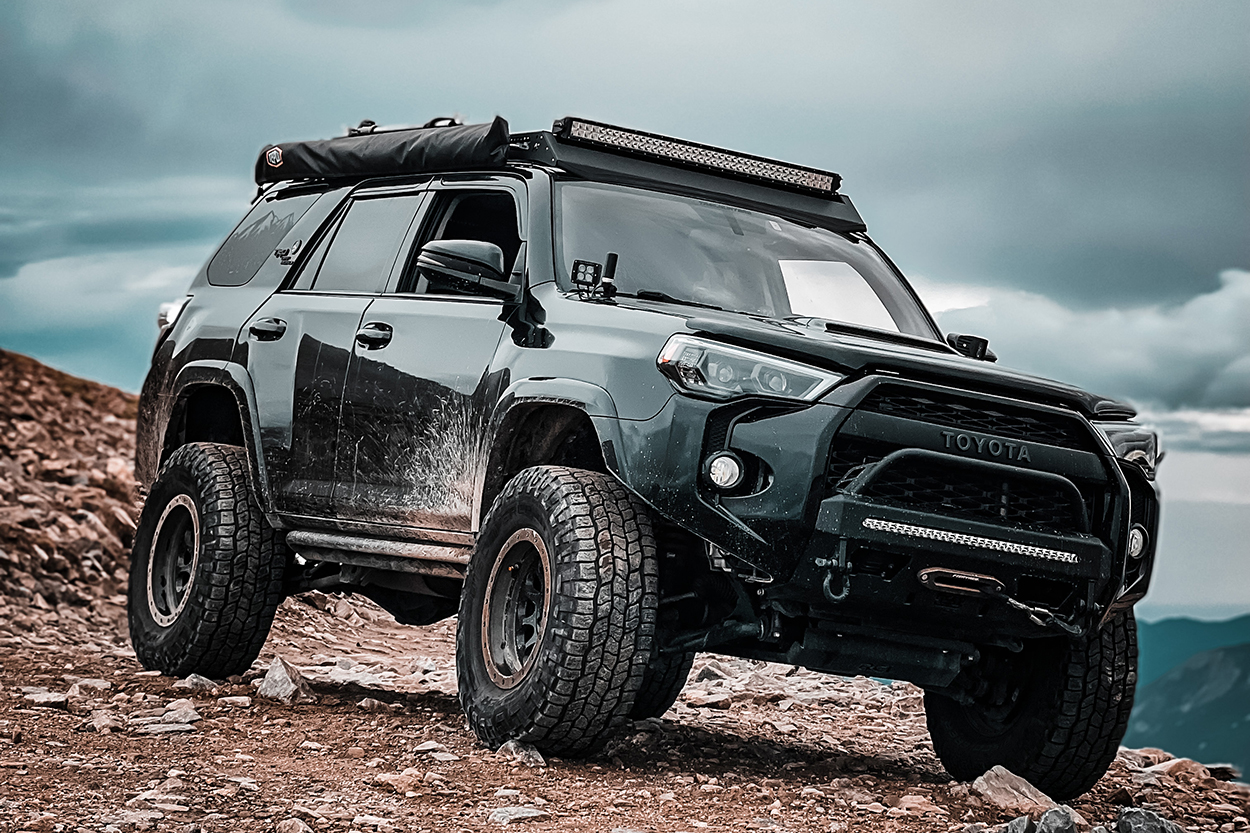
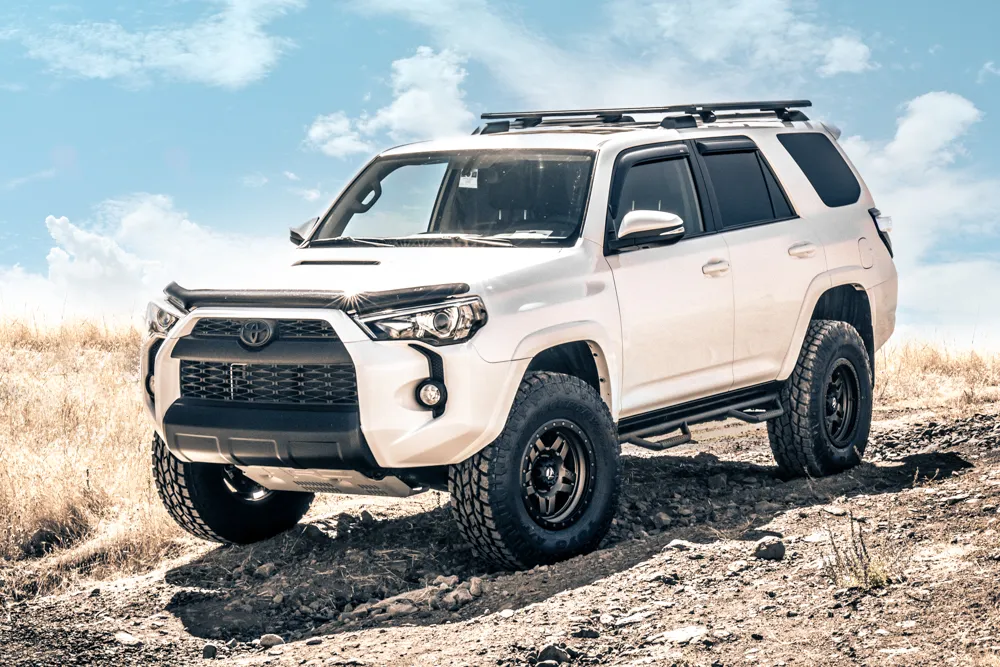
1. Toyota 4Runner (5th Generation): Rugged Durability Meets Practical Comfort
The fifth-generation Toyota 4Runner (2010–2024) is a midsize SUV engineered for overlanding and off-road adventures, with an interior built to withstand heavy use. Its cabin emphasizes durability and functionality, featuring thick, high-quality plastics, rugged vinyl, and rubber surfaces that resist wear, sunlight, and dirt.
Simplified switchgear minimizes the risk of loosening over time, making the 4Runner a reliable choice for long-term ownership. SofTex leatherette or cloth upholstery balances comfort with resilience, while the minimalist technology design avoids overly complex electronics that could compromise reliability.
Rubberized components and easy-to-clean surfaces make maintenance straightforward, ideal for active lifestyles, pets, and outdoor excursions. Additionally, the interior allows simple aftermarket customization, such as trim overlays, to maintain a premium appearance while protecting underlying surfaces.
Powering the 4Runner is a 278-hp turbocharged 2.4-liter four-cylinder engine paired with an eight-speed automatic transmission. Standard rear-wheel drive comes with optional full-time four-wheel drive and a two-speed transfer case with high and low ranges.
The SUV offers off-road-specific features such as disconnecting stabilizer bars, a locking rear differential, and off-road cruise control. Hybrid variants include additional off-road enhancements, like manually adjustable dampers.
Despite its truck-based architecture, the 4Runner exhibits improved on-road manners, maintaining a balance of comfort and control. The four-wheel-drive model accelerates from 0–60 mph in 7.5 seconds, comparable to previous V-6 versions.
The 4Runner excels in practicality, with a maximum towing capacity of 6,000 pounds and EPA-rated fuel economy of up to 20 mpg city and 26 mpg highway (2025 model).
The interior shares design elements with the Tacoma pickup, offering strategically placed storage bins, easy-to-reach controls, and an optional third-row seat suitable for children or occasional passengers. Open-air enjoyment is possible through a combination of power-operated rear windows, a sliding sunroof, and fully retractable side windows.
Infotainment includes an 8.0-inch standard display, an optional 14.0-inch screen, wireless Apple CarPlay/Android Auto, USB-C ports, and a digital key system. Toyota Safety Sense 3.0 equips the SUV with automated emergency braking, lane-departure warning, adaptive cruise control, and driver non-responsiveness detection.
Warranty coverage includes three years/36,000 miles for limited coverage, five years/60,000 miles for the powertrain, and two years/25,000 miles of complimentary maintenance.
The 5th-gen 4Runner is a rugged, practical SUV that balances off-road capability with interior durability, comfort, and user-friendly technology, making it an enduring favorite among adventure seekers.
2. Lexus GX 460
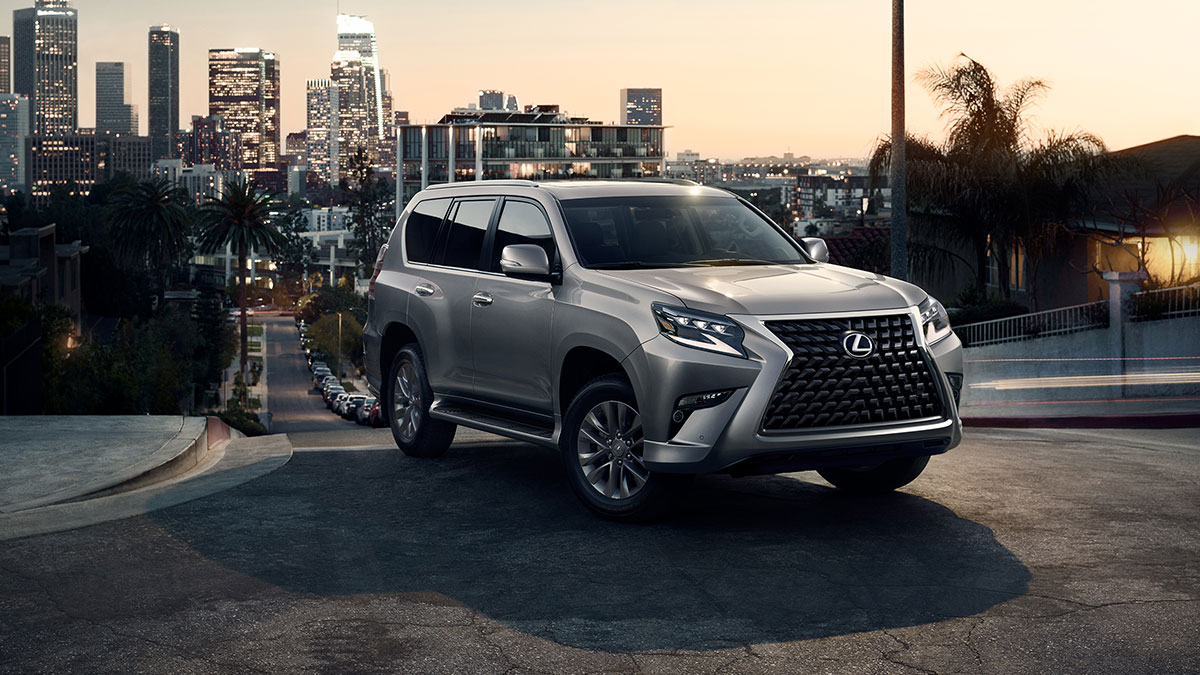
The 2023 Lexus GX 460 is a midsize, body-on-frame SUV that combines luxury with proven off-road capability. Built on the rugged Toyota Land Cruiser Prado platform, it inherits durability and reliability, making it one of the most long-lasting SUVs in its class.
The interior features high-quality, hard-wearing materials, including NuLuxe synthetic leather that resists cracking and UV damage, thick semi-aniline leather, real wood trim, and robust switchgear. This over-engineered design emphasizes longevity, with solid construction that minimizes rattles and loose parts over time. Simpler, physical controls replace overly complex touchscreens, further reducing potential failure points.
The GX 460 retains an old-school charm that sets it apart from modern crossovers. While not the most technologically advanced SUV on the market, it delivers a practical, luxury-oriented cabin. A 10.3-inch infotainment screen supports Apple CarPlay and Android Auto, though Lexus’ trackpad interface can be frustrating.
Physical buttons for adaptive suspension, high/low range, crawl control, and multi-terrain select are thoughtfully grouped, reflecting the SUV’s work-to-weekend versatility. The stowable third row is best suited for children due to limited space, and cargo volume is modest when the seats are upright, but folding them creates a respectable 46.7 cubic feet of space.
Power comes from a 4.6-liter V8 generating 301 horsepower and 329 lb-ft of torque, paired with a 6-speed automatic transmission and full-time four-wheel drive. Higher trims feature adaptive suspension and Lexus’ Kinetic Dynamic Suspension System (KDSS).
The GX can tow up to 6,500 pounds, providing strong utility for trail adventures or family trips. Acceleration is modest, with 0–60 mph in 7.2 seconds, and fuel economy is limited at 15 mpg city and 19 mpg highway, reflecting the SUV’s old-school, V8-powered design.
On the exterior, the GX 460 Black Line package adds a rugged, adventure-ready appearance with blacked-out trim, 18-inch gloss black wheels, and limited color options like Nori Green Pearl.
The SUV retains classic Lexus styling cues, including a distinctive rear swing-gate. The combination of luxury features, off-road capability, and durable construction makes the GX suitable for both weekday commuting and weekend exploration.
The Lexus GX 460 appeals to buyers who value timeless durability, off-road prowess, and understated luxury. Its high-quality materials, rugged platform, and proven V8 powertrain make it a vehicle that can be enjoyed for decades, offering a blend of comfort, reliability, and adventure that few modern SUVs can match. With thoughtful care, it could even become a collectible over time.
3. Subaru Outback
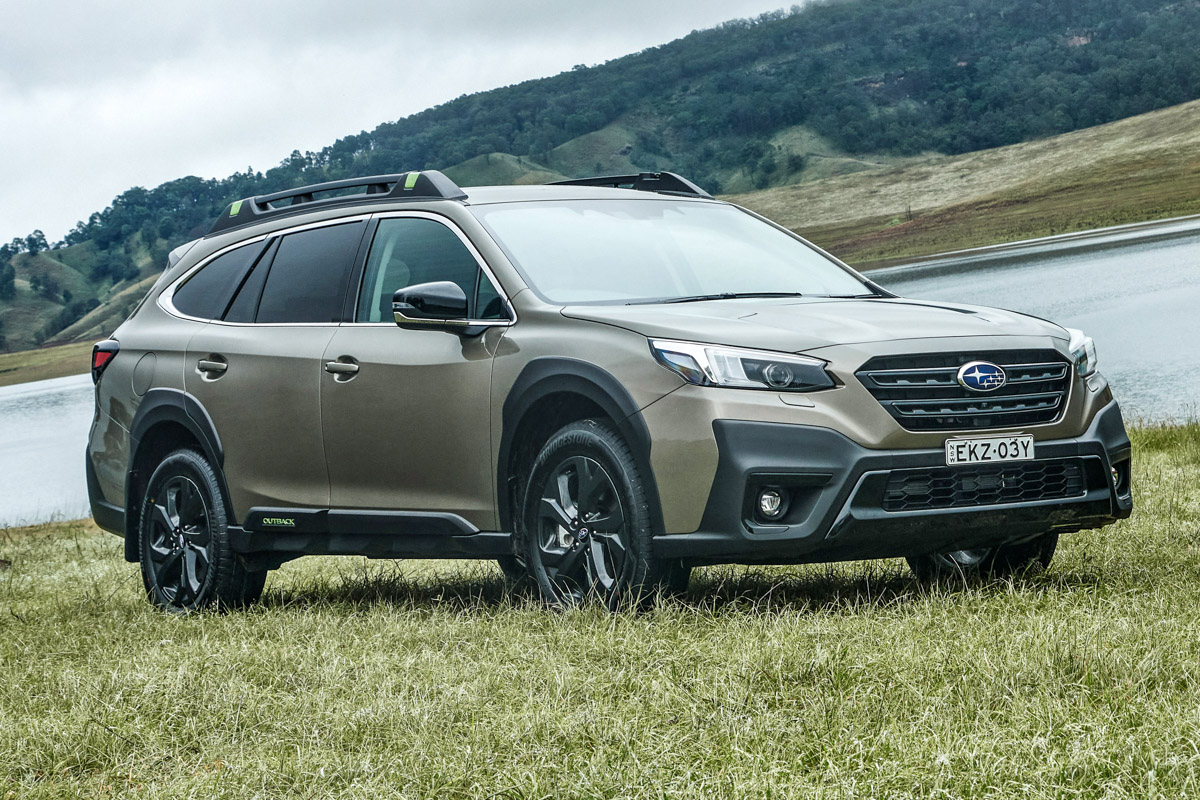
The Subaru Outback is a midsize SUV/wagon engineered for active lifestyles, with interiors designed to handle mud, moisture, and heavy use. Its cabin features water-repellent StarTex® upholstery, textured floor mats, and durable soft-touch plastics, making it easy to clean and resistant to stains, musty odors, or mold.
Trim-specific upgrades, like the Wilderness and Onyx models, include reinforced stitching, all-weather mats, and purpose-built materials to endure sand, snow, and wet gear.
Functional design elements, such as felt-lined door pockets, rubberized controls, and durable cargo tie-down hooks, emphasize longevity and usability for outdoor adventures. Cargo areas feature low-load floors and ample storage, while the Wilderness trim offers additional resilience for off-road gear and equipment.
Powertrain options include a 180-hp 2.5-liter four-cylinder engine or a more powerful 260-hp turbocharged 2.4-liter unit, paired with a continuously variable automatic transmission (CVT). Standard all-wheel drive, selectable terrain modes, and 8.7 inches of ground clearance make the Outback a capable light-duty off-roader.
The Wilderness trim enhances this with 9.5 inches of clearance, adaptive dampers, chunky all-terrain tires, and a more aggressive exterior, improving both off-road performance and on-road handling.
Estimated acceleration ranges from 8.8 seconds to 60 mph for the base engine to 6.6 seconds with the turbo variant. Towing capacity reaches 2,700 pounds for the standard engine and 3,500 pounds for turbocharged models.
The interior has been refreshed with a more contemporary layout, premium materials, and increased headroom, thanks to a roofline raised by two inches.
A 12.1-inch infotainment display runs on a new processor with a redesigned interface and quick-access menu, supporting Apple CarPlay, Android Auto, and cloud-based voice commands. Practical features include dual-zone climate control, functional storage, and rugged surfaces designed for everyday wear.
Safety is comprehensive, with Subaru’s EyeSight suite standard, including forward-collision warning, automated emergency braking, adaptive cruise control with lane-keeping, and optional blind-spot monitoring and rear cross-traffic alert.
Highway hands-free driving is available up to 85 mph. Warranty coverage includes three years/36,000 miles for limited coverage and five years/60,000 miles for the powertrain, though Subaru does not provide complimentary scheduled maintenance.
The Subaru Outback blends rugged utility with modern comfort, offering a durable, adventure-ready interior, capable off-road performance, and family-friendly versatility. Its thoughtful design, water-repellent materials, and functional cargo solutions make it ideal for outdoor enthusiasts who want a practical, long-lasting SUV for both everyday driving and weekend adventures.
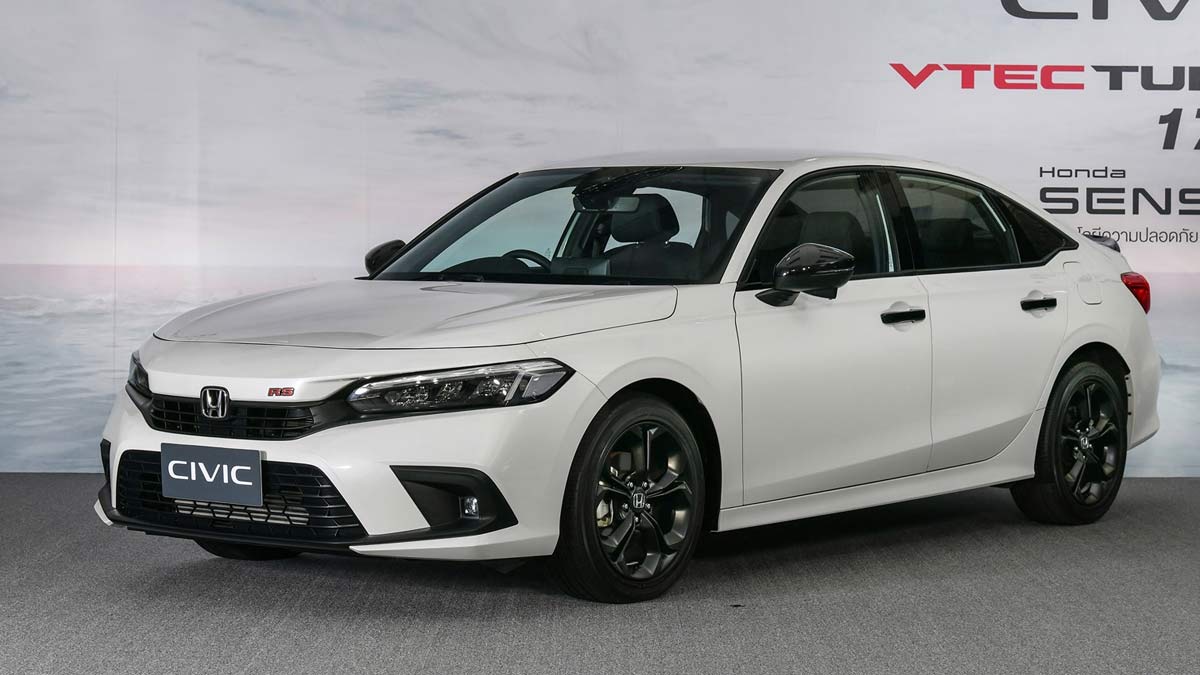
4. Honda Civic 11th Generation
The 11th-generation Honda Civic (2022–present) emphasizes interior durability and high-quality construction, setting a benchmark in the compact car segment. The cabin features smudge-resistant, soft-touch plastics, tight-tolerance switchgear, and a metal honeycomb mesh screen that adds structural integrity to the dashboard and air vents.
Dense seat foam, solid door handles, and well-engineered components reduce rattles and sagging fabrics even after 150,000 miles. A minimalist layout removes unnecessary clutter and fragile aesthetic elements, while physical knobs for climate and audio controls enhance reliability over time. These design choices contributed to the Civic earning the Wards 10 Best Interiors award.
The exterior and chassis have been refreshed for 2022, featuring a more mature, streamlined design. The Civic Si includes trim-specific front and rear spoilers, and the body is stiffer to improve handling and crash performance. Interior updates include improved front seat comfort, increased rear headroom, and a more practical hatchback opening.
Cargo space measures 14.8 cubic feet in the sedan, with rear legroom at 37.4 inches, surpassing competitors like the Toyota Corolla. The cabin combines a modern, clean aesthetic with functional elements, such as wide air vents and organized storage solutions.
Performance options include a 158-hp 2.0-liter naturally aspirated engine or a 180-hp 1.5-liter turbocharged four-cylinder. The Civic Si delivers 200 hp with a six-speed manual transmission and standard rev-matching, supported by a sport-tuned chassis. Acceleration ranges from 9.2 seconds to 60 mph for the base engine to 6.6–7.4 seconds for turbocharged models.
Fuel efficiency is competitive, with EPA ratings from 31/40 mpg city/highway for base sedans to 27/37 mpg for the Si. The chassis offers precise handling, reduced body roll, and a smooth ride, making the Civic responsive and engaging on both city streets and winding roads.
Safety features include Honda Sensing with adaptive cruise control, lane-keeping assist, Traffic Jam Assist, and redesigned airbags for improved crash protection. The Civic achieves five-star NHTSA ratings and IIHS Top Safety Pick+ status.
Trim levels range from the entry-level LX to the feature-packed Touring, with options like leather upholstery, dual-zone climate control, premium audio, and advanced infotainment. The Civic hatchback and Si provide additional space and sport-oriented performance, while the anticipated Type R continues Honda’s tradition of manual-transmission excitement.
This generation of Civic combines durability, functional design, refined materials, and engaging driving dynamics, making it a highly practical yet enjoyable choice for compact car buyers seeking longevity, comfort, and modern technology.
5. Mercedes-Benz E-Class (W212)
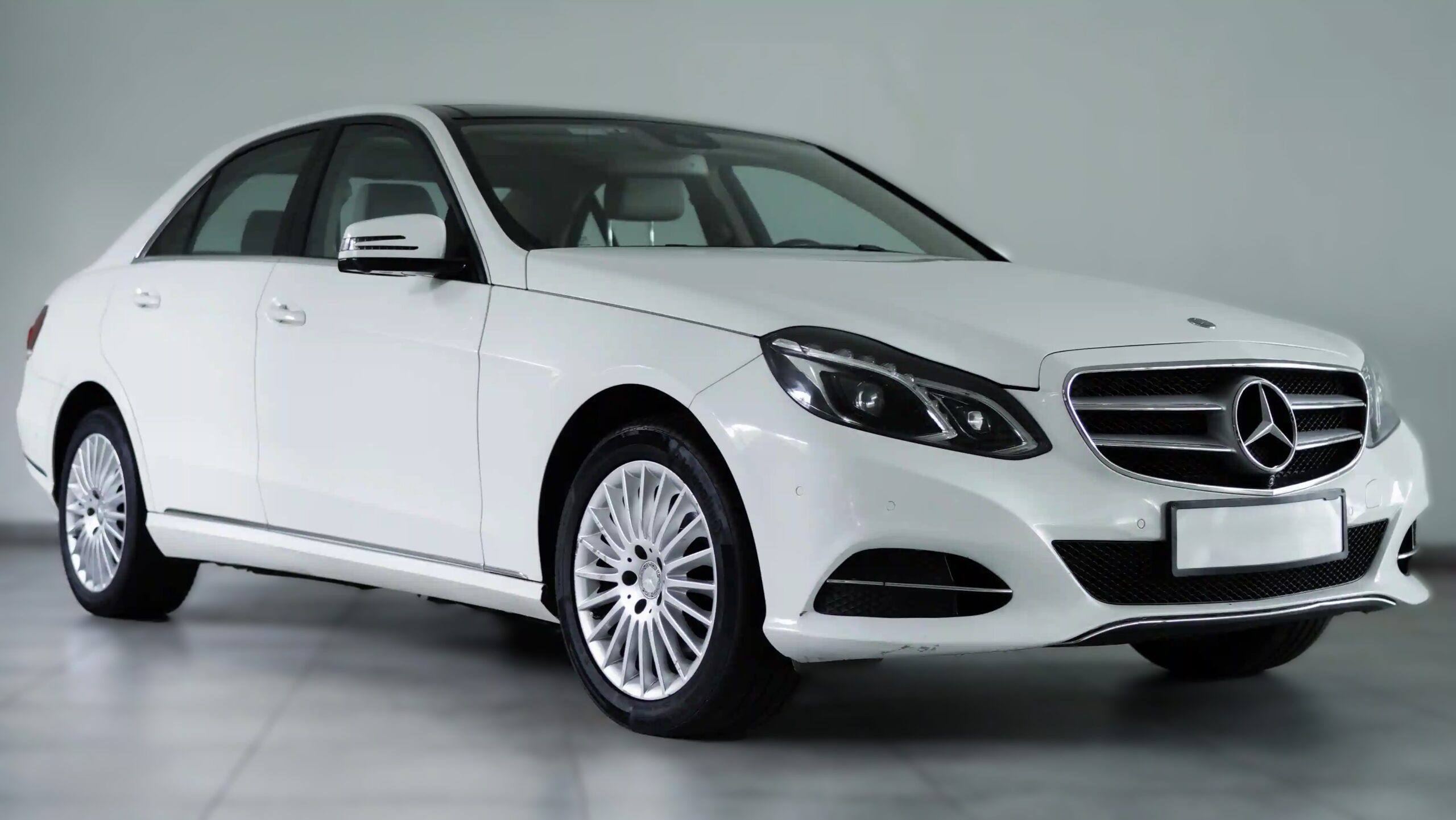
The Mercedes-Benz E-Class W212 (2010–2016) is celebrated for its exceptionally durable interiors, blending premium materials with over-engineered construction that prioritizes longevity. Many models feature MB-Tex synthetic leather, a vinyl-based material highly resistant to wear, bolster failure, and stitching issues common in traditional leather.
Complemented by real metal trim and firm, supportive seats, the cabin maintains its integrity even after heavy use.
Its design focuses on ergonomics and practicality, with dashboard buttons, knobs, and controls built to withstand frequent operation, while optional wood veneers, though elegant, can fade under prolonged UV exposure. The W212 is often compared to the legendary W124 for its vault-like solidity and long-term reliability.
The W212’s styling evolved throughout its production. Initial models introduced the controversial “four-eye” headlight design, which was refined in the 2013 facelift to feature sleeker single-lens LED headlights and a more aggressive grille.
The facelift balanced modern aesthetics with Mercedes’ classic focus on substance over flash. Inside, high-quality wood and metal trim, combined with durable MB-Tex upholstery, reinforce a sense of refined, executive luxury. Seats are firm yet comfortable, making the E-Class suitable for long journeys and daily driving alike.
Performance in the W212 varies by engine choice. Diesel options, such as the 3.0L V6 (OM651/OM642), are renowned for longevity, frequently serving in taxi fleets for hundreds of thousands of miles.
Petrol engines like the M276 V6 provide a solid balance of power and reliability, while AMG variants ranging from the 6.2L naturally aspirated V8 to the 5.5L twin-turbo deliver exhilarating performance with immense torque. Ride quality is a highlight, with the optional Airmatic air suspension providing a serene, “magic carpet” experience that prioritizes comfort over sharp, sporty handling.
While generally robust, prospective buyers should monitor common issues. Airmatic struts may leak over 100,000 km, leading to costly suspension repairs. The 7-speed automatic transmission can experience conductor plate failures, resulting in harsh shifts. Minor complaints include fading wood trim, sensitive electronics, COMAND knob wear, and occasional injector or timing-chain issues on early engines.
The W212 represents a “real” Mercedes experience before the touchscreen-dominated era. It excels in safety, earning five stars from Euro NCAP with features like Attention Assist and Collision Prevention Assist.
Facelifted models from 2014–2016 with documented service histories are particularly recommended, offering a blend of modern aesthetics, durable engineering, and long-term reliability that makes the W212 a standout choice in the executive sedan segment.
5 That Show Wear Quickly
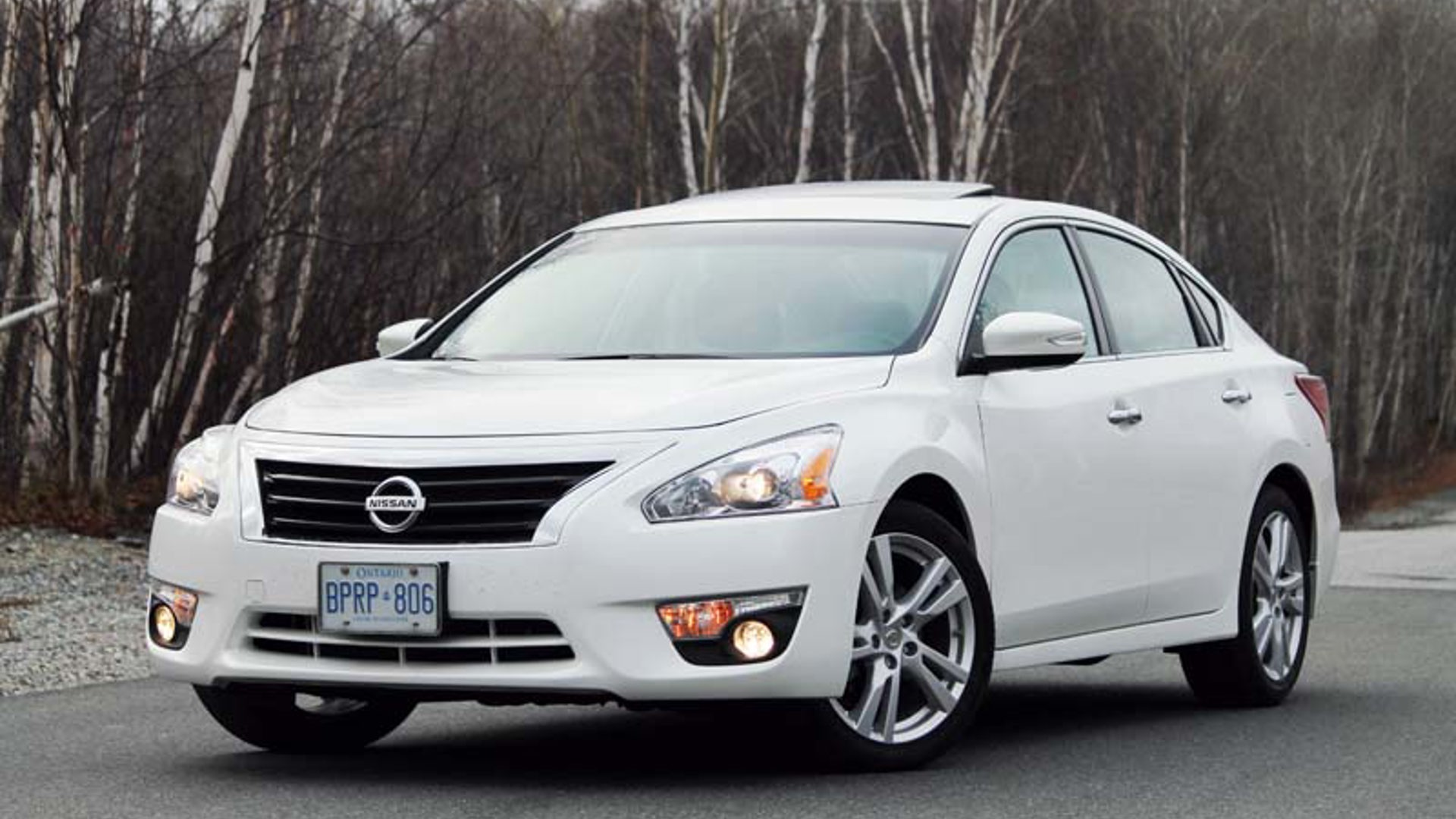
1. Nissan Altima 2013–2018
The 2013 to 2018 Nissan Altima is often criticized for rapid interior wear and low long-term durability. While initially praised for its soft-touch cabin materials, many owners report that plastics, fabrics, and trim components degrade quickly under normal use. Cost-saving material choices, manufacturing shortcuts, and sensitivity to heat and UV exposure contribute to these problems.
Door handles are a common point of failure, breaking due to weak plastic tabs or internal springs. Many owners resort to DIY repairs or full replacements to keep them functional. Sun visors are prone to sagging, hinge failure, or snapping, and some are too short to effectively cover side windows.
Dashboards and center vents often develop squeaks and rattles, with some entire dashboards rattling because of poor assembly. Extended sun exposure can cause dashboard plastics and vinyl to soften, warp, or even melt, revealing that the materials cannot withstand prolonged heat.
Seat durability is inconsistent across models. The Zero Gravity seats are comfortable, but some owners report seams ripping after only a few thousand miles. Thin fabrics and weak stitching contribute to early wear, leaving the cabin less resilient compared to competitors.
Underlying factors include Nissan’s focus on cost efficiency and fuel economy, which appears to have reduced investment in higher-quality materials and assembly processes. The interior looks appealing in showrooms but lacks structural integrity over time. Unlike other issues, such as CVT or headlight problems, interior wear has not been subject to recalls and remains a frequent source of frustration for owners.
The 2013 to 2018 Nissan Altima provides a visually appealing and comfortable interior in the short term, but suffers from brittle plastics, weak seat fabrics, and premature component failure. Buyers seeking a midsize sedan with a long-lasting, durable cabin may find these models less reliable than competitors in the same segment.
2. Tesla Model 3
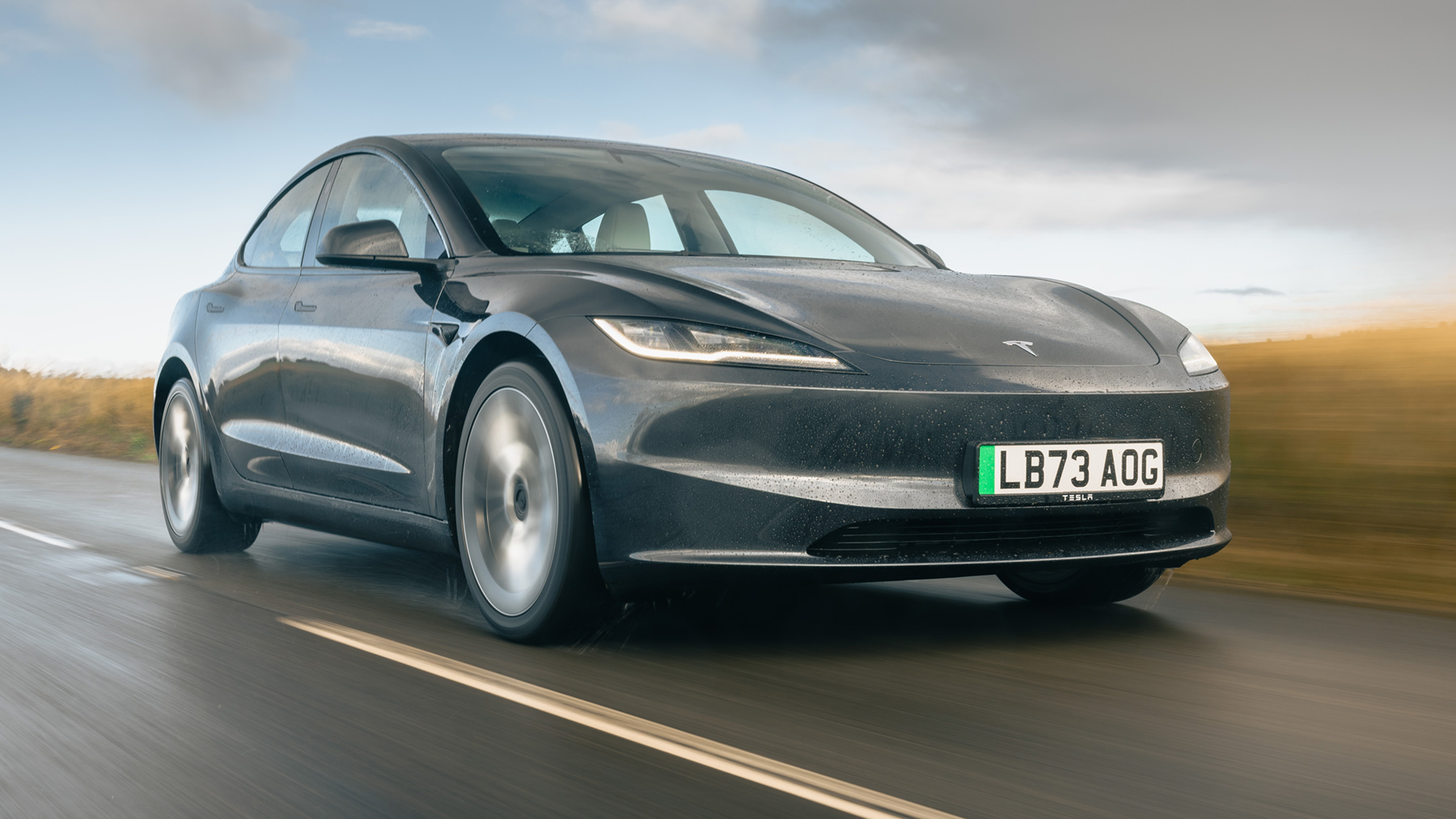
Early Tesla Model 3 vehicles, primarily from 2017 to 2020, are known for interior wear issues linked to material vulnerabilities and early production challenges. Many owners report rapid degradation of the cabin, particularly the seats, headrests, and trim, due to both material sensitivity and manufacturing inconsistencies.
A major source of wear is the polyurethane-based “vegan leather” used on seats and headrests. This material reacts with natural body oils, hair products, and lotions, causing the top layer to delaminate and form visible bubbles. Headrests are especially affected. The problem worsens in hot climates, and Tesla typically classifies it as wear-and-tear rather than a defect.
High-friction and glossy surfaces also show premature wear. Seat bolsters experience rubbing during entry and exit, leading to abrasion or staining, especially on lighter interiors. The original piano black center console is soft and prone to swirl marks and scratches from daily items such as keys and phones. Lower door panels and kick plates are also soft, resulting in scuffs from shoes over time.
Manufacturing and ergonomic factors contributed to early interior issues. During Tesla’s initial production ramp, speed was prioritized over consistent quality control. Fit and finish problems, including misaligned trim, loose panels, and creaky dashboards, created rattles and accelerated wear. Some early seats used foam that was too soft, causing wrinkling or puddling of the seat material within months of ownership.
Owners often address these vulnerabilities with protective measures, such as wraps for high-gloss surfaces and ceramic coatings for seats. While the Model 3 remains technologically advanced and desirable, early versions require extra care to maintain interior appearance and prevent premature deterioration.
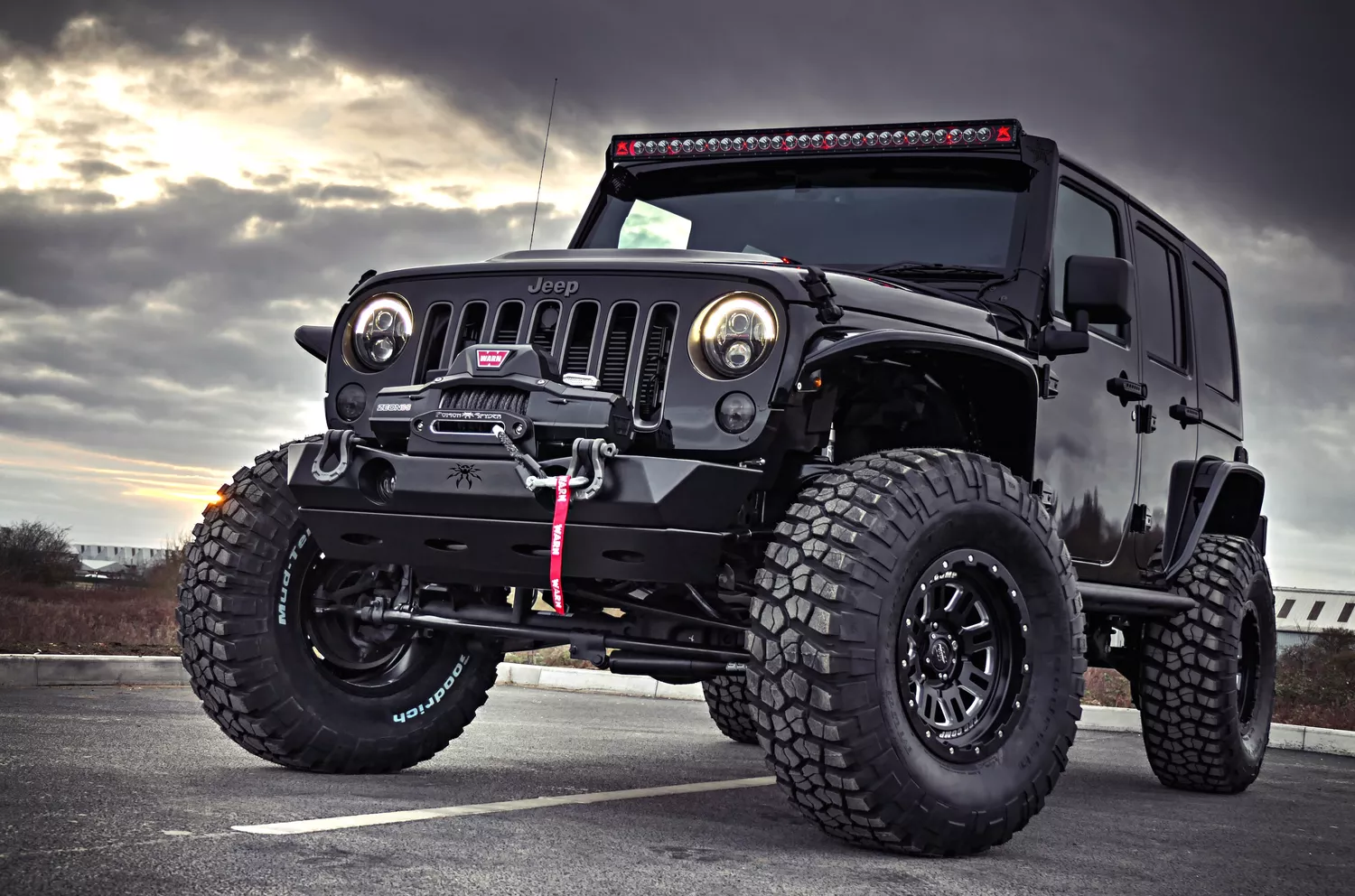
3. Jeep Wrangler JK
The Jeep Wrangler JK, produced from 2007 to 2018, is celebrated for its off-road capability but is prone to rapid interior wear. This is largely due to cost-cutting material choices, exposure to harsh environments, and the rugged lifestyle these vehicles endure.
Early models (2007–2010) featured hard, brittle plastics that scuff easily from gear, pets, or even fingernails. Heat cycles caused panels to warp or rattle, while the 2011 refresh introduced softer surfaces but retained underlying plastics prone to scratching and fading. Zippers on soft-top windows and Velcro on seat covers are common failure points, often deteriorating faster than mechanical components.
The Wrangler’s design contributes to moisture-related problems, a phenomenon known as “Jeep leaks.” The vehicle lacks traditional body-side weather seals, relying on a single door gasket. This often allows water to pool on the floorboards, leading to mildew in carpets and potential humidity-related failures in electronics. Many owners remove carpets to prevent rot.
Open-air driving accelerates interior aging. Direct UV exposure fades black plastics, making dashboards chalky gray, and weakens cloth seat fibers. Trail dust and sand enter the cabin when doors or the top are removed, acting as abrasives that wear down cushions and scuff surfaces with each use.
Wranglers are also subjected to rugged use, including muddy boots, wet gear, and hosing out the interior, which can trap water in seams. High seat bolsters experience repeated stress from drivers climbing in and out of the high-clearance cabin.
Owners can mitigate wear with preventive measures such as UV-protectant sprays, heavy-duty floor liners, and aftermarket seat covers. Despite these vulnerabilities, the JK remains a functional, adventure-ready SUV, but prospective buyers should be aware that the interior requires proactive maintenance to preserve its appearance and durability.
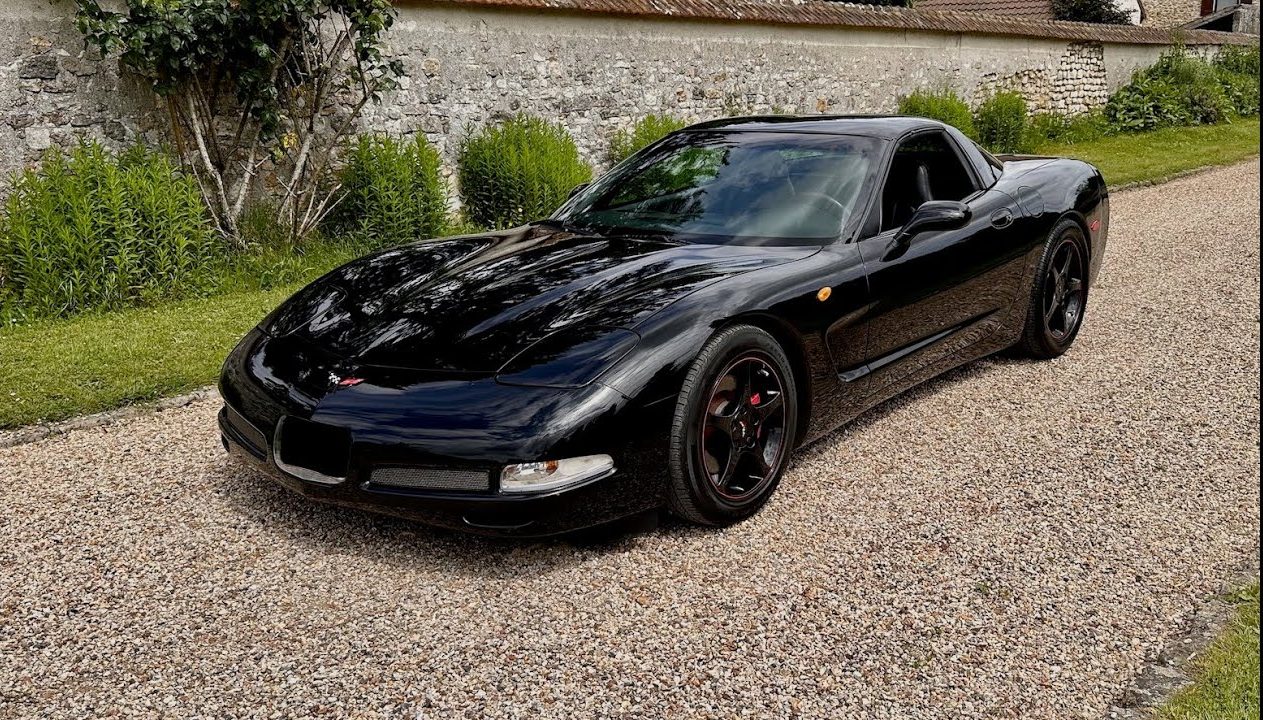
4. Chevrolet Corvette C5
The Chevrolet Corvette C5, produced from 1997 to 2004, is highly regarded for its performance, but its interior is prone to rapid wear. Common issues stem from cost-saving measures, lower-quality materials, and early production quality control problems. These factors combine to make the C5’s cabin less durable than that of contemporary European sports cars.
One of the main weaknesses is the factory leather seats. The leather is thin and prone to cracking, while the foam padding breaks down over time. Seat bolsters are especially fragile, with internal wires occasionally poking through the leather.
Frequent sliding across these bolsters can lead to premature failure. Plastic surrounds on the seats, particularly in early models, are also prone to breaking or separating from the seat structure, reducing structural integrity and comfort.
Buttons and switches within the cabin show signs of rapid wear. Climate control buttons often peel, exposing the white plastic underneath. Door handles and other frequently used controls can deteriorate with regular use, reflecting the vehicle’s focus on performance rather than long-term interior resilience.
Early production C5s, especially those from 1997 to 1998, exhibit loose interior parts due to inconsistent assembly quality.
Despite these shortcomings, proactive maintenance can improve cabin longevity. Owners often replace or reinforce fragile components with aftermarket solutions, which can restore function and appearance. Even with these interventions, the C5’s interior is generally considered inferior in durability compared to European competitors of the same era, such as the Porsche Boxster or Audi TT.
The Corvette C5 remains a celebrated sports car for driving enthusiasts, but its interior requires careful handling and regular upkeep. Prospective buyers should be aware that while the performance is exceptional, the cabin may not withstand heavy or careless use without showing significant signs of wear.
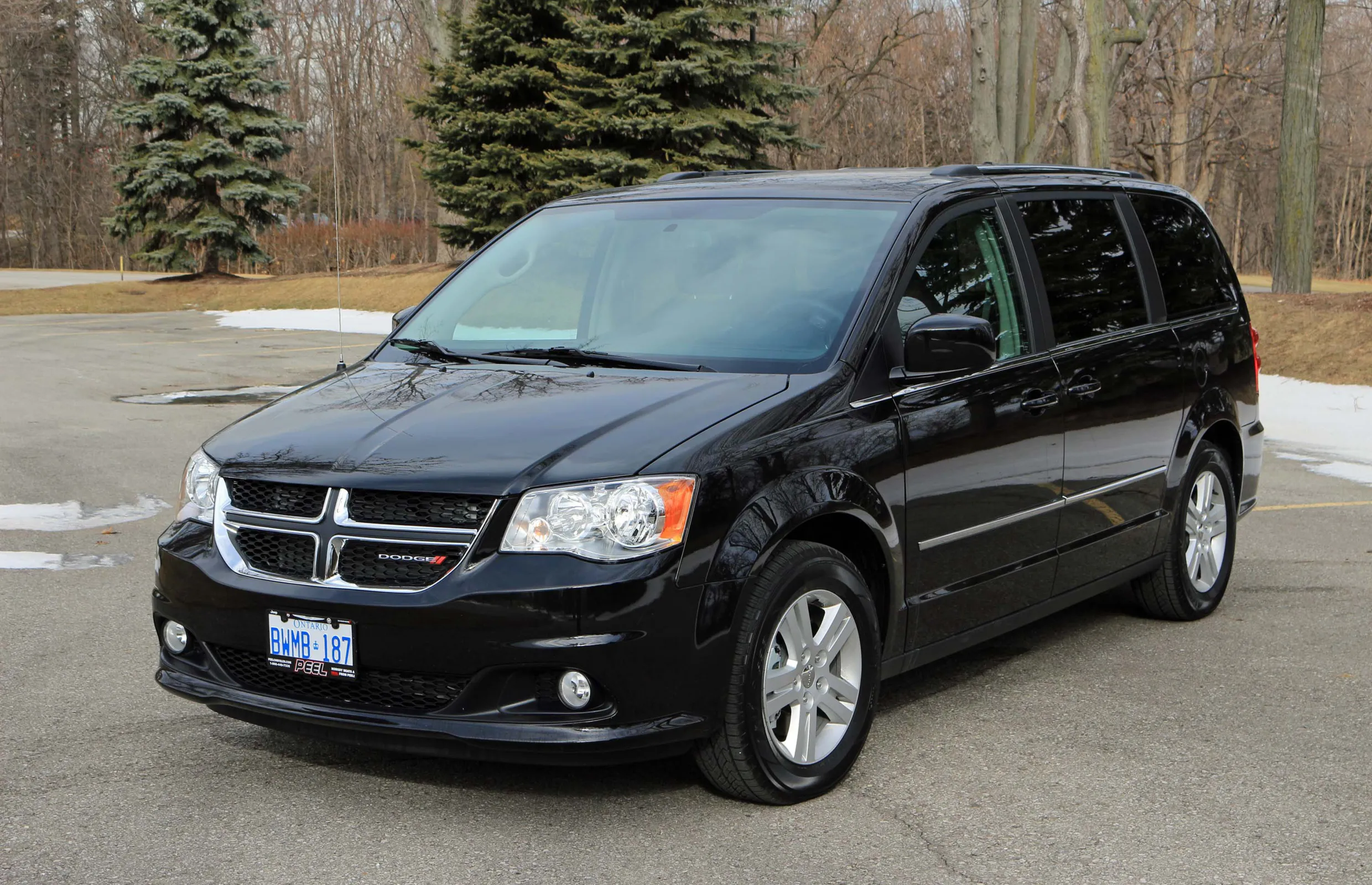
5. Dodge Grand Caravan
The Dodge Grand Caravan, produced for decades as a versatile family van, is known for its practical interior layout but struggles with long-term durability.
Designed as a budget-friendly utility vehicle rather than a premium passenger van, its cabin often shows rapid wear, especially under heavy use. Economical materials, frequent mechanical movement, and environmental exposure combine to accelerate the aging of the interior.
A key factor in the Grand Caravan’s interior wear is its entry-level material grade. Lower trims like the SE and American Value use thin, hard plastics and basic cloth upholstery to keep costs down. These surfaces are prone to scuffing, scratching, and staining, particularly when exposed to pets, kids, or wet gear.
Carpets also tend to retain dirt and salt, making them difficult to clean over time. Even in higher trims like the SXT or GT, where leather and upgraded consoles are offered, the underlying plastic architecture remains susceptible to wear.
The Stow ‘n Go seating system, a standout feature for versatility, introduces additional wear points. Its numerous hinges, latches, and plastic covers experience constant folding and unfolding, leading to cracks, loosened components, and rattles after years of use.
Frequent operation of electrical accessories, such as power windows, door locks, and vent actuators, can further stress the cabin, with some model years experiencing recalls for overheating switches in the driver’s armrest.
High-traffic usage compounds the problem. The Grand Caravan is often deployed in heavy-duty roles, including large-family transport, ride-share, and medical shuttling.
Combined with exposure to sunlight, moisture through compromised door seals, and dirt ingress, this frequent use accelerates the deterioration of trim pieces, rubber seals, and other components. Owners frequently report early-onset squeaks, groans, and cosmetic damage to plastics and carpeting.
Despite these issues, the Grand Caravan remains a practical choice for those prioritizing space and functionality over luxury finishes. Owners can extend cabin longevity by using protective seat covers, installing heavy-duty floor mats, and regularly applying UV protectants to the dashboard and plastic surfaces.
While the van’s interior will never match the resilience of rivals like the Honda Odyssey, proactive care and mindful usage can help preserve its functionality and appearance for years of family or commercial service.
A durable interior contributes greatly to comfort, convenience, and long-term value. Vehicles like the 4Runner and E-Class combine high-quality materials with careful engineering to maintain their condition under heavy use.
Models that wear quickly require extra care, such as protective mats, seat covers, and UV protection to preserve their appearance. Understanding the difference between long-lasting and fragile interiors allows buyers to choose a vehicle that remains functional and visually appealing for years.
Selecting a car with proven cabin durability ensures a more enjoyable ownership experience, whether for daily commuting, family transport, or adventurous lifestyles.
Also read: Top 10 Cars That Still Look Like the Future Today