Quietness is one of the most overlooked aspects of long-term vehicle ownership. A car that feels refined during a test drive can sound very different after years of daily commuting, highway cruising, and exposure to weather and road wear. That is where design philosophy, material quality, and engineering priorities truly reveal themselves.
Some vehicles are built from the ground up to preserve cabin calm over time, using extensive sound insulation, rigid structures, and components that resist vibration as mileage climbs. Others prioritize affordability, modularity, or rugged capability, which can allow noise, rattles, and wind intrusion to gradually creep in.
This comparison highlights both sides of that reality. The first group showcases five cars that are known to stay quiet and composed well into high mileage, maintaining a sense of refinement long after the new-car smell fades.
The second group examines five vehicles that commonly develop noise issues as they age, often due to cost-saving materials, flexible designs, or demanding use cases. Together, they illustrate how engineering choices shape long-term comfort.
5 Cars That Stay Quiet Over Time
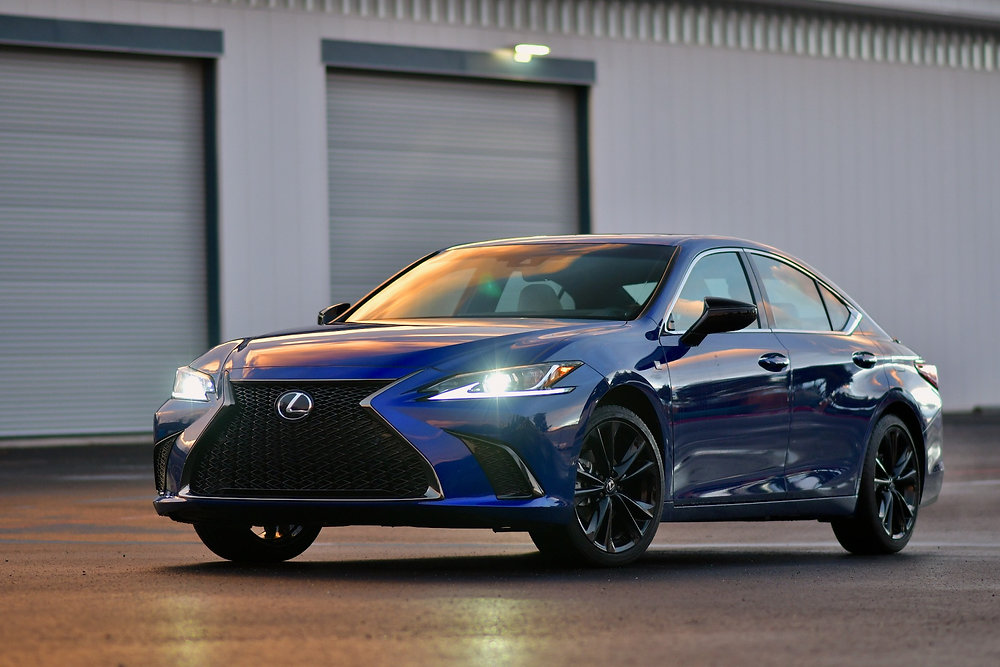
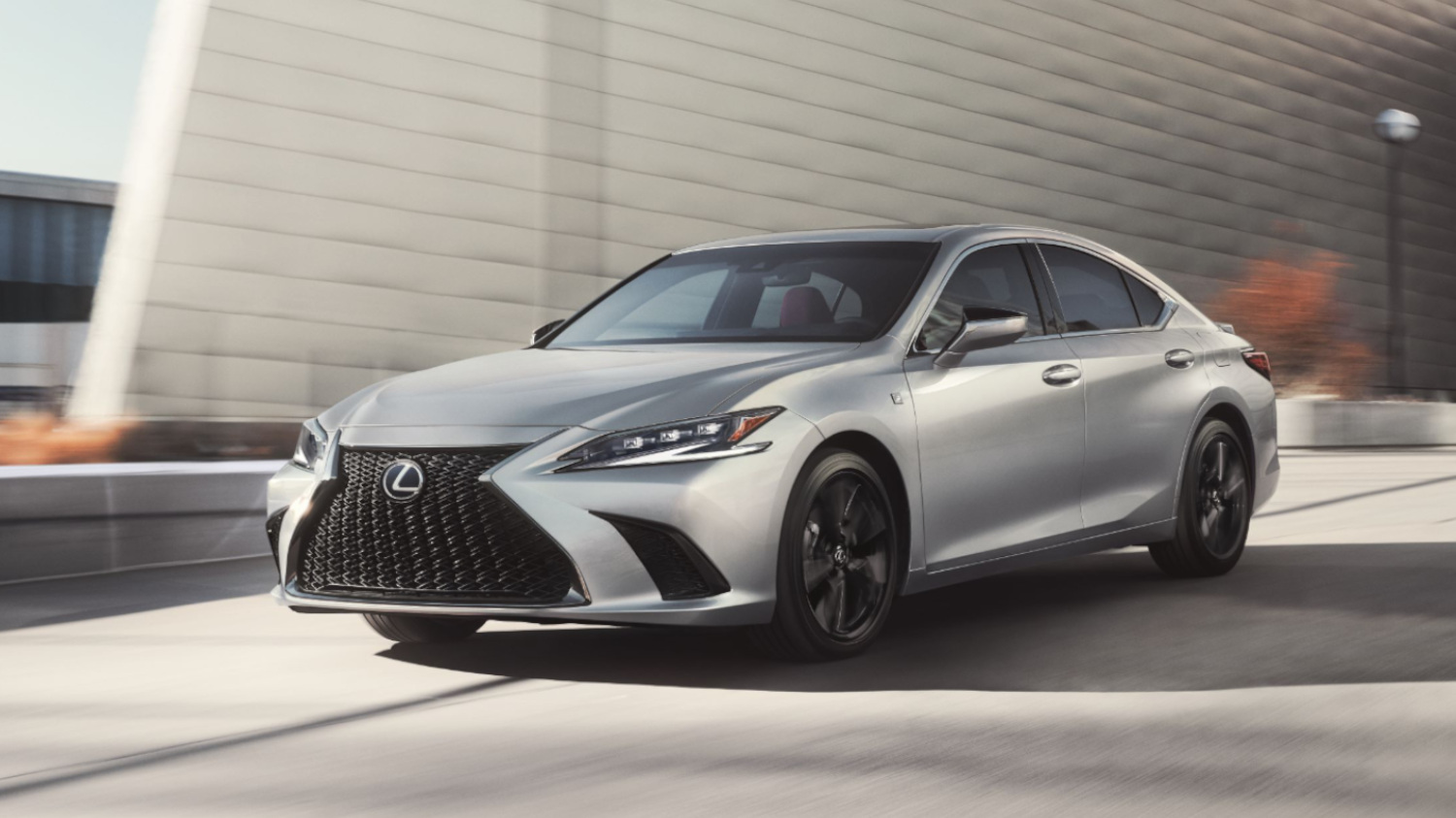
1. Lexus ES 350: A Benchmark for Long-Term Cabin Quietness
The Lexus ES 350 is widely recognized for its serene and quiet cabin, maintaining a high level of refinement even after extensive use. This longevity is the result of meticulous engineering focused on minimizing noise, vibration, and harshness (NVH).
Compared to its Toyota counterparts, the ES 350 employs significantly more sound-deadening materials, covering nearly the entire floor and much of the dashboard. Specialized insulation in the engine bay and cabin helps block road and wind noise, creating a remarkably quiet interior environment.
Acoustic features extend to laminated glass windows that reduce wind intrusion and vibrations, with some hybrid models featuring extra-thick glass for enhanced insulation. The vehicle’s tight panel gaps and high-quality seals around doors and windows further prevent air and noise from entering the cabin over time.
The suspension is tuned for smoothness, absorbing bumps and vibrations before they reach passengers. Components, including quieter tires and engine calibrations, are selected to minimize cabin disturbances, while newer models even use active noise cancellation to neutralize low-frequency sounds.
The ES 350’s interior combines quietness with comfort and practicality. High-quality materials, ambient lighting, and 3D-printed faux bamboo trim create a refined environment. Seats are supportive and spacious, offering ample legroom for all occupants.
The trunk provides competitive cargo capacity similar to rivals like the Volvo S90 and Acura TLX. A 14.0-inch infotainment touchscreen with wireless Apple CarPlay and Android Auto ensures modern connectivity, and optional Mark Levinson audio enhances the premium experience.
Under the hood, the ES 350 is powered by a hybrid setup combining a 2.5-liter four-cylinder engine and an electric motor for 243 horsepower, paired with a continuously variable transmission. Both front- and all-wheel-drive versions are offered, and the chassis is reinforced to reduce vibrations and improve ride quality.
Long-term reliability is supported by Lexus’ robust warranties, including four years or 50,000 miles limited coverage, six years or 70,000 miles for the powertrain, and eight years or 100,000 miles for hybrid components. Many owners report that even after 100,000 miles, the ES cabin remains quiet and structurally solid, showcasing the brand’s commitment to enduring comfort, quality, and refinement.
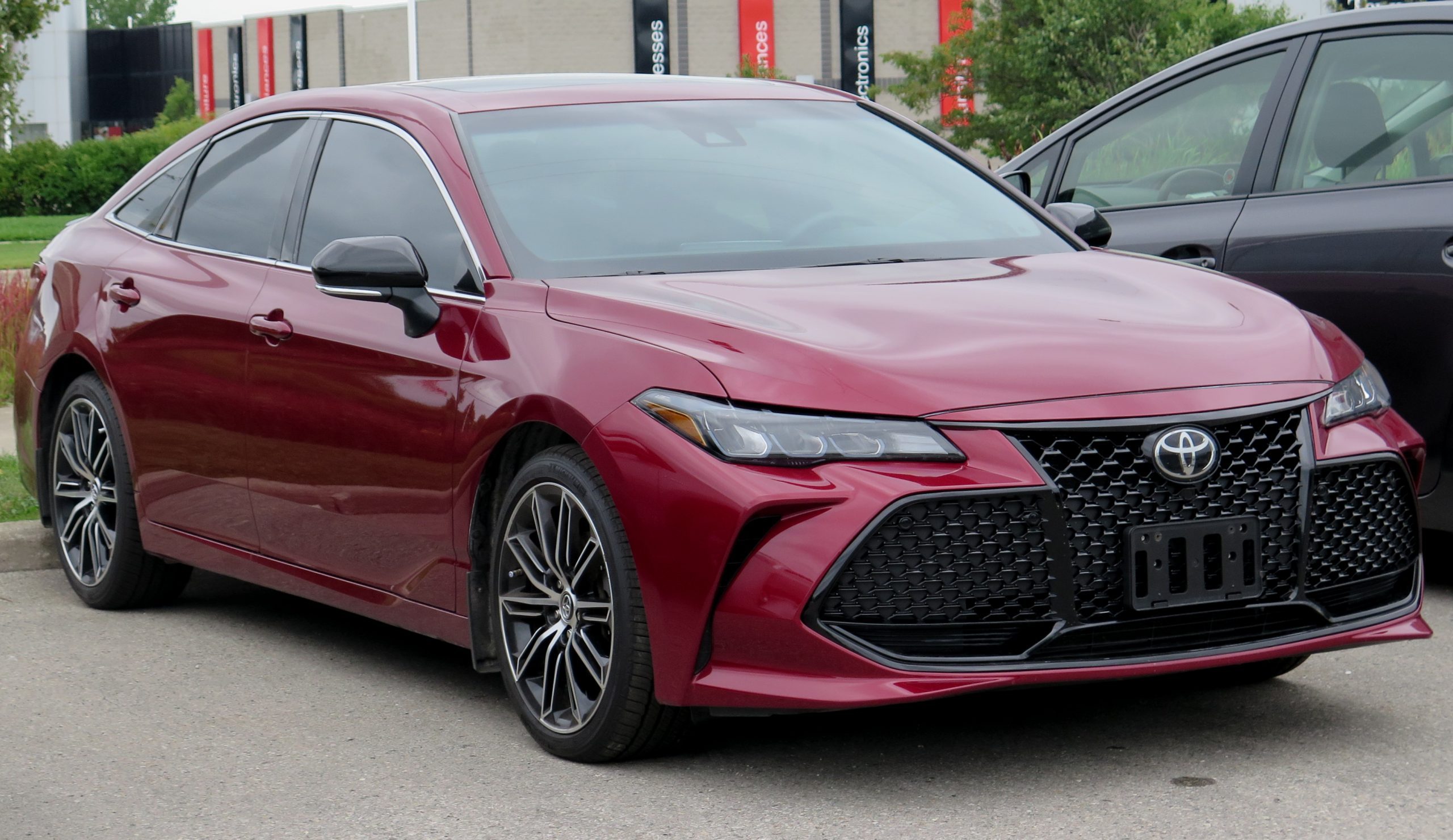
2. Toyota Avalon: Enduring Quietness and Refined Comfort
The Toyota Avalon is renowned for maintaining a whisper-quiet cabin even after years of use, earning nicknames such as “silent cocoon” and “Lexus-lite.” This lasting tranquility is achieved through extensive sound-deadening measures, including thick acoustic glass, dense floor silencers, and anti-vibration subframes that reduce road and structural noise.
Sharing many components with the Lexus ES, the Avalon benefits from high standards of insulation, precise panel fitment, and careful assembly. Rubber mounts, exhaust expansion chambers, and chassis engineering work together to minimize vibrations, while a comfort-focused suspension absorbs bumps before they reach passengers. Hybrid models provide an EV drive mode, allowing near-silent, low-speed travel.
The Avalon offers two powertrains: a 3.5-liter V6 producing 301 horsepower with an eight-speed automatic, and a hybrid setup with a 2.5-liter four-cylinder paired with dual electric motors producing 215 horsepower through a CVT. Both configurations prioritize smooth, quiet operation and refined handling. Fuel economy is competitive, with the hybrid achieving up to 43/44 mpg city/highway.
Inside, the cabin emphasizes space, comfort, and practicality. A broad waterfall-style center stack separates the front occupants, while high-quality plastics, well-placed controls, and a 9.0-inch touchscreen enhance functionality. Rear passengers enjoy generous legroom, and the trunk offers 16 cubic feet of cargo space, expandable via 60/40 folding seats.
The hybrid’s updated battery design preserves trunk capacity. Connectivity and entertainment features include Apple CarPlay, Android Auto, Amazon Alexa, a Wi-Fi hotspot, and optional upgrades such as a 14-speaker JBL audio system and wireless charging.
Safety and driver assistance features include adaptive cruise control, lane-keeping assist, automated emergency braking, and pedestrian detection. The strong build quality and careful assembly maintain tight panel gaps and prevent rattles even with high mileage.
Warranty coverage includes three years or 36,000 miles limited, five years or 60,000 miles for the powertrain, ten years or 150,000 miles for hybrid components, and two years or 25,000 miles of complimentary maintenance.
Through meticulous engineering, durable materials, and a focus on passenger comfort, the Toyota Avalon continues to set a benchmark for quiet, refined, and long-lasting full-size sedans. Its cabin retains structural integrity and minimizes noise intrusion, making it an excellent choice for those seeking a serene and enduring driving experience.
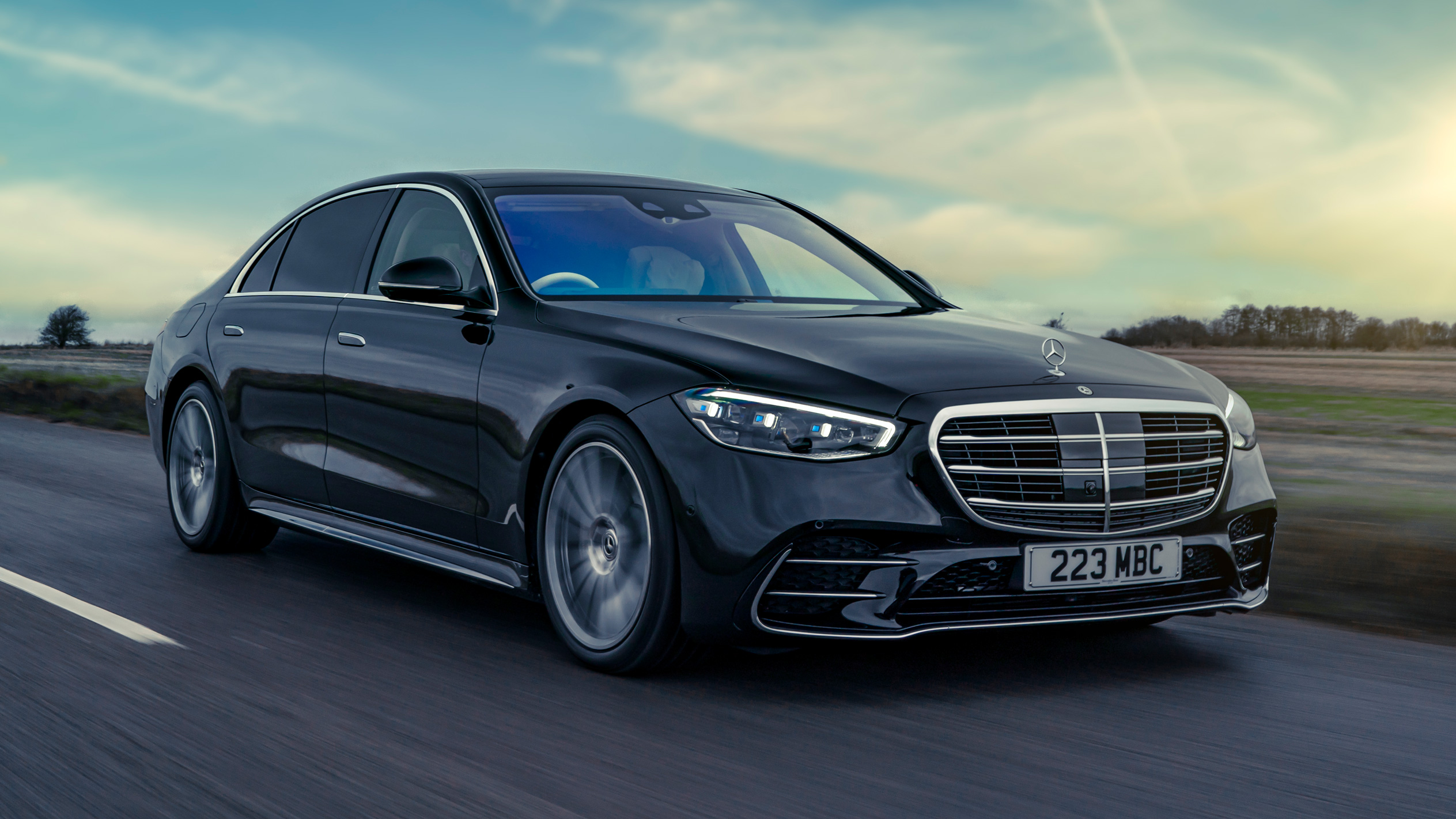
3. Mercedes-Benz S-Class: The Benchmark of Quiet Luxury
The Mercedes-Benz S-Class is widely regarded as the industry standard for a quiet, refined interior. Its cabin maintains tranquility over years of use thanks to advanced engineering, high-quality materials, and active noise-reduction technologies.
Double-laminated acoustic glass, extensive sound-deadening insulation, and precisely designed A-pillars significantly reduce wind intrusion. Hydraulic engine mounts isolate mechanical vibrations, while the AIRMATIC air suspension absorbs road imperfections before they reach the cabin.
High-end models, including the Maybach S-Class, use active road noise compensation, where sensors detect vibrations and emit counter-phase sound waves through the Burmester audio system to cancel low-frequency droning. The car’s aerodynamic design, with a drag coefficient as low as 0.22, further minimizes turbulence around mirrors and pillars, contributing to interior quietness.
Powertrains include a 442-hp turbocharged 3.0-liter inline-six, a 496-hp twin-turbo V8, and the S580e plug-in hybrid combining a 510-hp inline-six with an electric motor. All variants use a nine-speed automatic transmission and all-wheel drive.
Acceleration ranges from 3.9 to 4.5 seconds to 60 mph, while optional E-Active Body Control and all-wheel steering enhance ride comfort and control without compromising the cabin’s serenity.
The interior combines advanced technology with high-quality materials. Nappa leather, real wood trim, and Manufaktur customization options allow a highly refined cabin experience. Rear seats can include heated and ventilated recliners, massage functions, folding tables, and wireless charging.
Cargo capacity reaches 13 cubic feet, accommodating six carry-on suitcases. Infotainment centers on a 12.8-inch OLED touchscreen with the MBUX system, wireless Apple CarPlay, Android Auto, and Burmester audio systems ranging from 15 to 30 speakers.
Safety features are extensive, including automated emergency braking, lane-keeping assist, adaptive cruise control with stop-and-go, and optional rear-seat airbags. Maintenance considerations focus on rubber seals, gaskets, and specialty tires, as wear can increase cabin noise over time. Warranty coverage includes four years or 50,000 miles for both limited and powertrain protection, but no complimentary maintenance.
Through precise engineering, sophisticated acoustic technology, and durable materials, the Mercedes-Benz S-Class remains a benchmark for long-lasting, quiet, and luxurious sedans, setting the standard for interior refinement in the automotive industry.
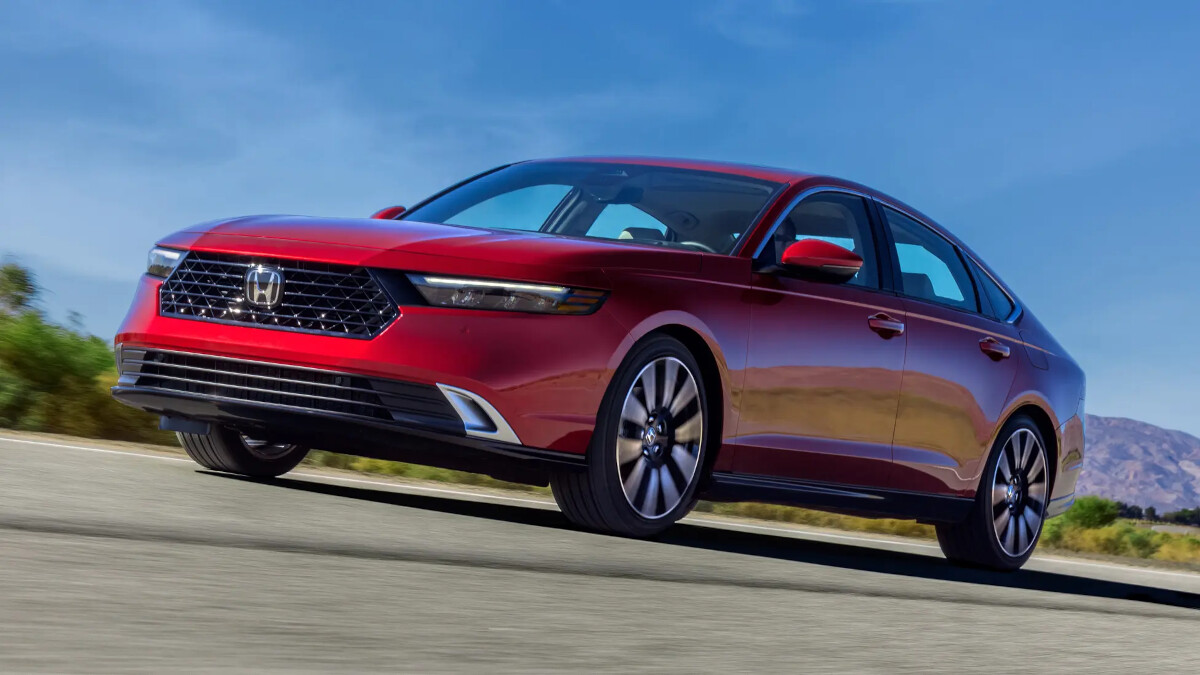
4. Honda Accord: Quiet, Refined, and Long-Lasting Cabin
The Honda Accord is recognized for maintaining a calm and refined cabin over time, thanks to advanced engineering, active noise reduction, and durable materials.
Modern Accords, including the 10th and 11th generations, feature Active Noise Cancellation (ANC), which uses ceiling-mounted microphones to detect low-frequency road and tire noise. The system immediately sends counter-signals through the audio system to neutralize unwanted sounds, keeping the cabin quiet even during long drives or as tires wear.
Enhanced acoustic insulation in the doors, floor pan, roof, and firewall further reduces engine and road noise, while acoustic, double-paned glass in higher trims blocks wind intrusion. The Accord’s strong, high-strength steel body, strengthened firewalls, and increased structural rigidity minimize vibrations, allowing the suspension to absorb bumps quietly.
Turbocharged engines, such as the 1.5-liter and 2.0-liter units, are tuned for smooth low-RPM operation, further reducing noise in the cabin. Hybrid models excel in quietness at low speeds because they operate on electric power alone, producing near-silent cruising.
The Accord’s powertrains include a 192-hp 1.5-liter turbo four-cylinder and a 2.0-liter hybrid setup producing 204 hp. Both use a continuously variable transmission and front-wheel drive. Acceleration ranges from 6.7 to 7.3 seconds to 60 mph, offering a smooth, composed driving experience. Fuel economy is strong, with nonhybrids achieving 29 city / 37 highway mpg and hybrids reaching 51 city / 44 highway mpg.
The cabin blends sleek design with practicality. Front seats feature accessible controls and a clean dashboard layout, while the rear seat offers ample legroom and knee clearance. Trunk capacity measures 16.7 cubic feet, expandable by folding the rear seatbacks.
Infotainment includes 9.0- or 12.3-inch touchscreens, wireless Apple CarPlay and Android Auto, digital instrument display, and optional 12-speaker Bose audio. Higher trims include a head-up display and wireless charging.
Safety is comprehensive, with Honda Sensing standard across the lineup, including automated emergency braking, lane-keeping assist, and adaptive cruise control. Warranty coverage provides three years / 36,000 miles limited and five years / 60,000 miles for the powertrain, along with one year / 12,000 miles of complimentary maintenance.
With its combination of active noise reduction, high-quality materials, structural integrity, and refined powertrains, the Honda Accord delivers a long-lasting, quiet, and comfortable cabin that remains composed through years of daily use.
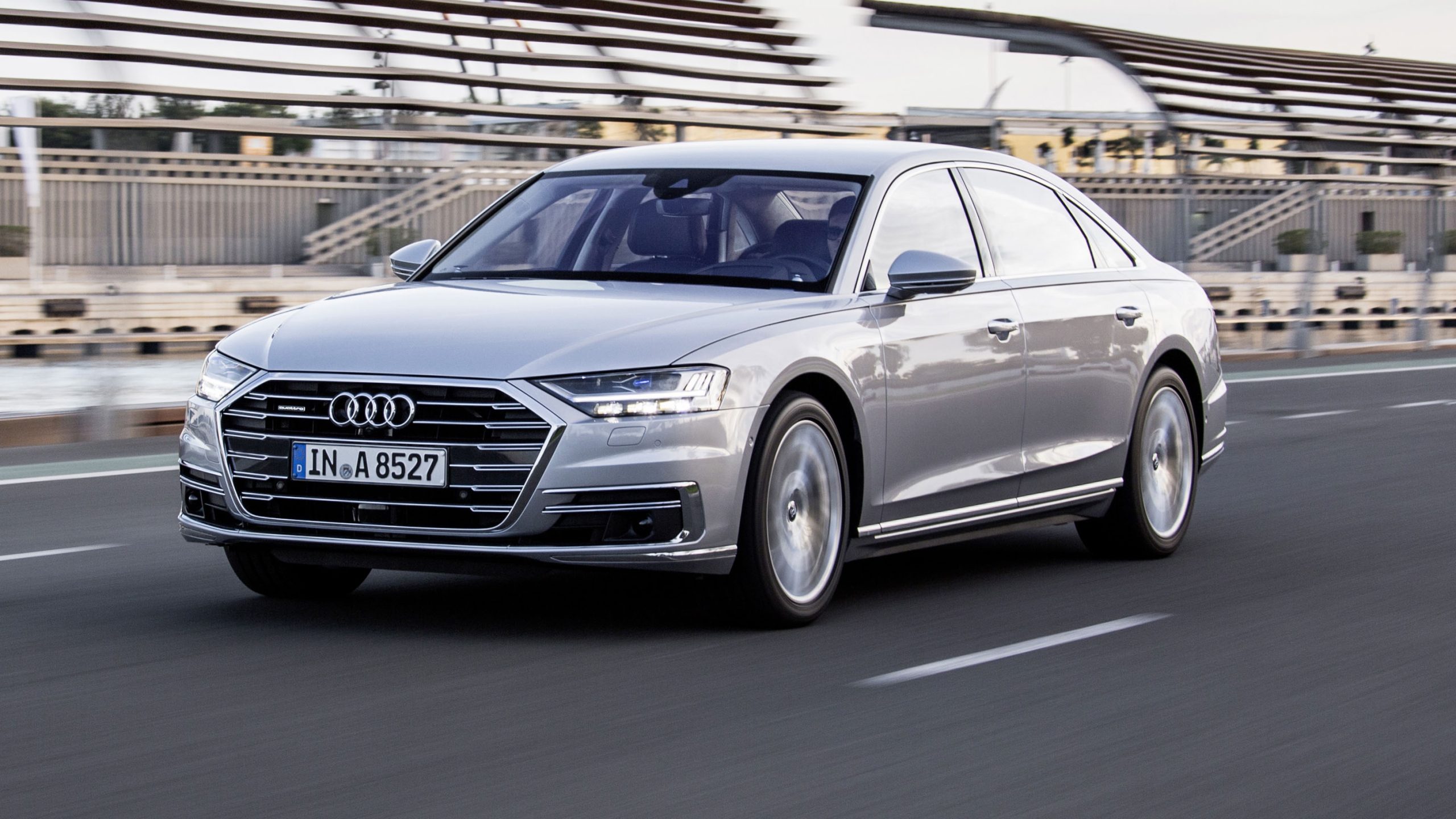
5. Audi A8: A Quiet and Refined Flagship Sedan
The Audi A8 remains one of the quietest and most composed luxury sedans over time, thanks to advanced engineering, high-quality materials, and attention to acoustic isolation. Its cabin is designed to provide a serene environment, shielding occupants from road, wind, and engine noise even after years of use.
Optional triple-laminated acoustic glass and extensive soundproofing further enhance interior calm, while specialized tires with foam inserts block road vibrations before they enter the cabin.
The A8’s adaptive air suspension ensures a smooth ride by absorbing bumps and irregularities, keeping the cabin quiet over time. Premium materials such as Valcona leather and precisely assembled interior components reduce rattles and squeaks, contributing to a lasting sense of refinement.
At high speeds, the car’s structural engineering maintains stability while keeping noise intrusion minimal. Regular maintenance of suspension components, door seals, and window trims is key to sustaining this quietness, as older vehicles may develop minor road noise.
Under the hood, the A8 features a 335-hp turbocharged 3.0-liter V-6 paired with an eight-speed automatic transmission and all-wheel drive. A 48-volt mild-hybrid system enhances low-end torque, allowing 331 lb-ft of torque at just 1370 rpm. The result is a responsive yet composed driving experience, with a 0–60 mph time of 5.3 seconds, while the adjustable suspension maintains poise through corners and over uneven surfaces.
Inside, the A8’s long-wheelbase cabin offers generous first- and second-row space, with optional rear seats featuring heating, ventilation, massage, and even foot-massage functionality.
The standard five-passenger layout can be upgraded with the Luxury Rear Seat Package, which replaces the bench with two individual rear seats and a center console. The 13-cubic-foot trunk, while modest, prioritizes passenger comfort over cargo volume.
Technology in the A8 includes a 12.3-inch Virtual Cockpit gauge cluster and a dual-screen MMI system with a 10.1-inch touchscreen above an 8.6-inch HVAC display. Wireless Apple CarPlay, Android Auto, and Bang & Olufsen audio systems (up to 23 speakers) provide high-quality infotainment.
Safety features include automated emergency braking, lane-departure warning, and front and rear parking sensors, with optional adaptive cruise control, lane-keeping assist, and blind-spot monitoring.
Audi offers a standard limited warranty of four years or 50,000 miles, a four-year powertrain warranty, and three years or 30,000 miles of complimentary maintenance, which supports the A8’s long-term refinement.
Also Read: 5 Cars for Naperville Suburban Life and 5 Reliable Daily Drivers
5 That Develop Noise Issues
1. Mitsubishi Mirage: Budget Engineering and Rising Cabin Noise
The Mitsubishi Mirage is engineered with affordability as its top priority, and that cost-focused approach becomes increasingly noticeable as the car ages. Unlike pricier rivals, the Mirage lacks extensive sound-deadening materials such as thick floor felt, firewall insulation, and dense door padding.
As a result, engine noise, road vibration, and interior rattles tend to grow more pronounced over time, giving the cabin a loud, tinny character that contrasts sharply with more refined subcompacts.
At the heart of the Mirage’s noise issues is its lightweight three-cylinder engine paired with a CVT. While efficient, this powertrain naturally produces more vibration than larger four-cylinder units.
As engine mounts wear, those vibrations are transmitted directly into the cabin. High-mileage examples may also develop valve train ticking caused by worn lash adjusters or low oil pressure, adding a rhythmic mechanical noise that becomes difficult to ignore.
Several common rattles originate in the engine bay and underbody. A frequently reported issue is a loose intake snorkel or air box, which can buzz against surrounding components. Exhaust heat shields are also known to loosen with age, creating an irritating metallic rattle at idle or low speeds. These problems are inexpensive to fix but highlight the Mirage’s minimal structural buffering.
Inside the cabin, lightweight plastics and simple trim pieces are prone to creaks and buzzes as clips loosen and materials fatigue. Suspension wear compounds the issue. Aging control-arm bushings and sway-bar links often cause clunks over bumps, while worn CV joints can produce clicking sounds during turns. Brake noise is another common complaint, with screeching often caused by debris or basic pad materials.
Some owners also report a humming or whining sound from the CVT as mileage increases, especially if transmission fluid maintenance is delayed. Preventive care can help reduce noise growth.
Regular oil changes, timely replacement of belts and bushings, securing intake components, and servicing the CVT all help keep the Mirage tolerable as it ages. Still, its rising noise levels remain a clear trade-off of its ultra-low-cost design.
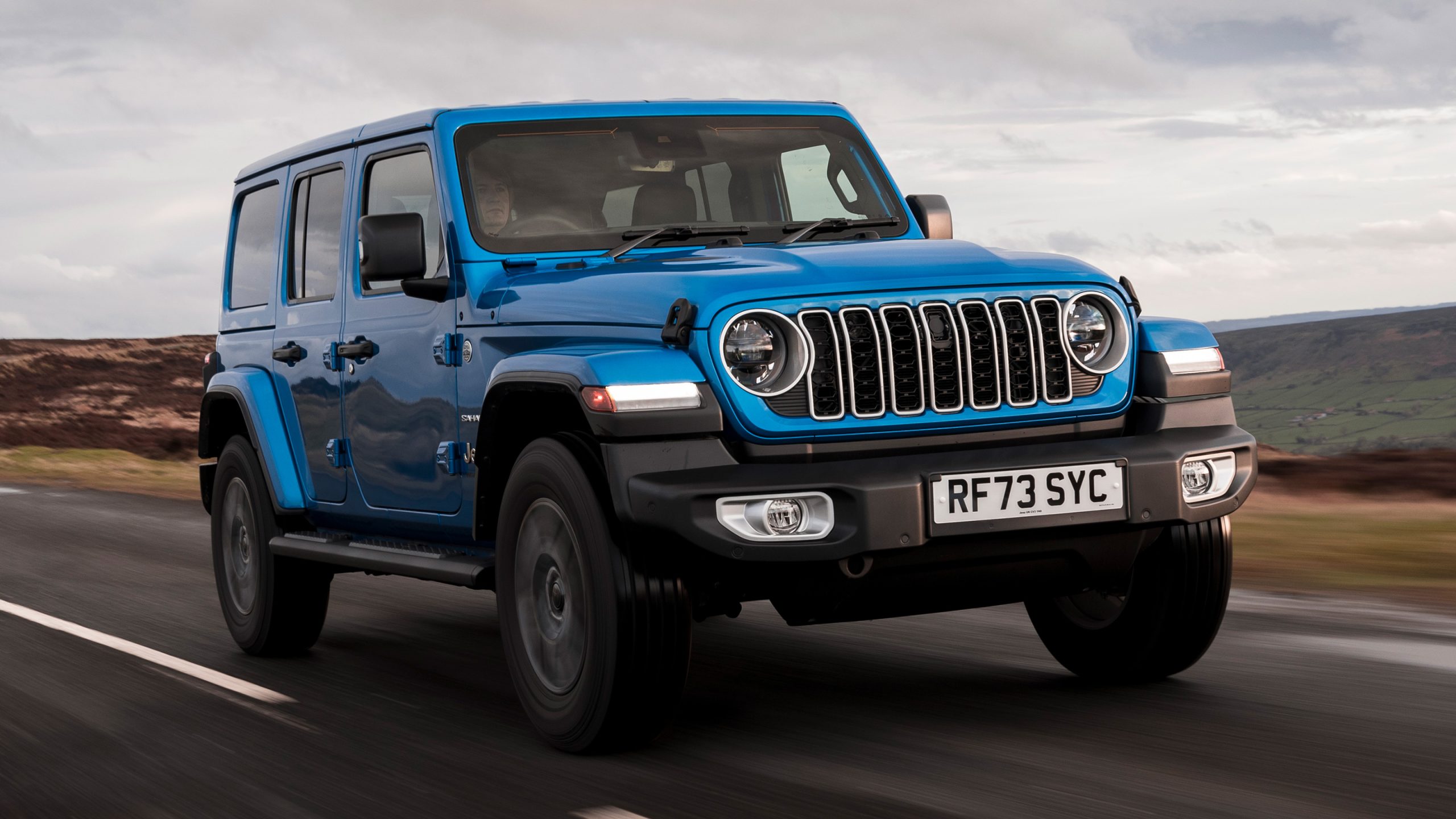
2. Jeep Wrangler: Open-Air Freedom at the Cost of Cabin Silence
The Jeep Wrangler is engineered for durability, trail capability, and open-air freedom, but those same qualities make it one of the hardest vehicles to keep quiet as it ages. Its modular design places versatility above refinement, and over time, that trade-off becomes increasingly noticeable in the form of wind noise, rattles, and vibration.
A Wrangler is essentially a collection of removable components. Doors, roof panels, and rear windows are designed to come off, which means they rely heavily on rubber seals rather than permanent body welds.
As the vehicle is driven and flexed on trails, these seals can shift, dry out, or compress unevenly. Even minor changes allow wind to whistle through gaps at highway speeds. The Wrangler’s upright windshield and boxy profile also create substantial wind resistance, amplifying noise once tolerances loosen.
Body construction further contributes to cabin noise. The Wrangler lacks the thick sound-deadening layers found in crossover SUVs, so road texture, drivetrain vibrations, and engine noise transfer more directly into the interior. Off-road use accelerates this process, as chassis flex causes small changes in panel alignment that lead to squeaks and buzzes.
Mechanical wear adds another layer. Aggressive all-terrain or mud-terrain tires are common upgrades, and as they wear unevenly, they produce a persistent hum or roar. The four-wheel-drive system includes multiple shafts, bearings, and U-joints, all of which can generate parasitic noise with age. Inside the cabin, hardtop window seals, seat latches, and trim clips often develop squeaks that require periodic lubrication.
Newer JL-generation Wranglers introduced meaningful noise improvements, including thicker glass, better windshield seals, optional hardtop headliners, and limited use of active noise cancellation. The 4xe plug-in hybrid also allows short stretches of near-silent electric driving. Even so, long-term quietness remains a challenge, and most owners accept noise as part of the Wrangler’s character rather than a flaw.
3. Tesla Model 3 (Early Versions): Quiet Power with Growing Road Noise
Early versions of the Tesla Model 3, produced roughly between 2017 and 2020, are often described as both impressively quiet and occasionally inconsistent as they age. Unlike traditional gasoline vehicles, these cars avoid many of the noise issues that develop over time because they lack internal combustion engines.
With far fewer moving parts, the electric drivetrain eliminates sources of ticking, exhaust rumble, and vibration that commonly appear in high-mileage ICE vehicles. This mechanical simplicity allows the Model 3 to retain a calm baseline driving experience even years into ownership.
However, early Model 3s were frequently criticized for elevated road noise at highway speeds, especially above 60 mph. Because there is no engine sound to mask external noise, wind and tire sounds become more noticeable. To counter this, Tesla employed several acoustic strategies.
Many early cars shipped with tires containing internal foam to dampen road resonance, and the Model 3’s low drag coefficient of 0.23 helps limit wind turbulence around the body. The minimalist interior design also reduces potential squeaks by eliminating complex dashboard assemblies and excessive trim pieces.
Despite these advantages, some owners report squeaks and rattles as suspension components and interior panels settle with age. Door and window seals are a common weak point.
As rubber dries or compresses, wind whistling can develop, especially around the frameless windows and glass roof. Regular conditioning of seals with silicone lubricant helps prevent this issue, and many owners install aftermarket rubber seal kits to further reduce highway road noise.
Suspension-related sounds can also emerge over time. The Model 3’s weight places stress on axle components, and occasional lubrication of axle splines can prevent clicking during acceleration or braking. Some owners add sound-deadening mats in the trunk or under the rear seats to reduce electric motor whine.
Early Model 3s avoid many age-related noise problems thanks to their electric simplicity, but road noise and seal wear remain notable long-term considerations.

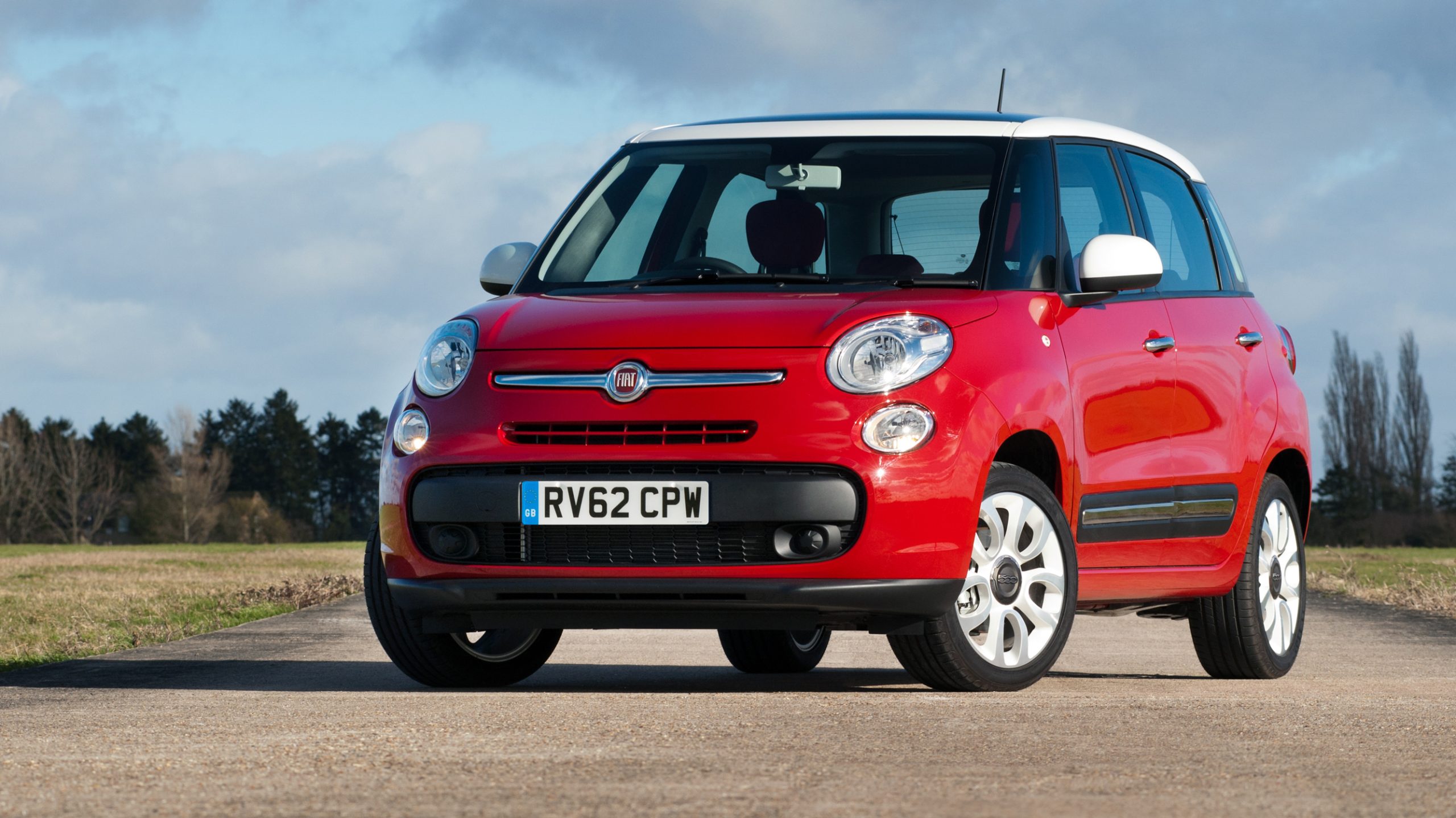
4. Fiat 500L: Quiet Intentions Undermined by Aging Components
The Fiat 500L occupies an unusual space in the compact car market. Although it carries Fiat’s small-car image, it was engineered as a compact MPV with long-distance comfort in mind. When new, the 500L benefits from generous sound-deadening and a rigid structure that can deliver a surprisingly calm cabin. However, as mileage accumulates, a number of mechanical and material weaknesses often undermine that refinement.
A key contributor to noise complaints is the drivetrain. Certain engine options, particularly smaller displacement and two-cylinder variants in related Fiat models, are known for producing rattly or coarse sounds that become more noticeable as engine mounts age.
As these mounts soften or crack, engine vibrations transfer more directly into the cabin, creating buzzing or shaking sensations at idle and during acceleration. Even four-cylinder versions can develop intrusive noise if mounts are neglected.
Interior materials are another factor. While the 500L uses thick carpeting and firewall insulation that resist sagging, its interior plastics are lighter and less durable than those found in more expensive rivals.
Over time, repeated heat cycles and body movement can cause trim panels, center consoles, and door cards to squeak or creak, especially on rough roads. The tall body and upright seating position further expose the cabin to flex-related noises as the vehicle ages.
Suspension wear also plays a role. Ball joints, wishbones, and bushings can wear prematurely, producing knocks and clunks that are often mistaken for interior rattles. Wheel bearings are another common culprit, generating a steady droning noise at highway speeds once they begin to fail.
Regular maintenance can help preserve cabin calm. Replacing worn engine mounts, addressing suspension components early, and keeping door seals clean and lubricated can significantly reduce noise intrusion. Still, many owners find that while the Fiat 500L starts life reasonably quiet, age tends to reveal rattles and mechanical sounds that contrast with its original comfort-focused design.
5. Nissan Base Trims: Quiet by Simplicity, Vulnerable to Wear
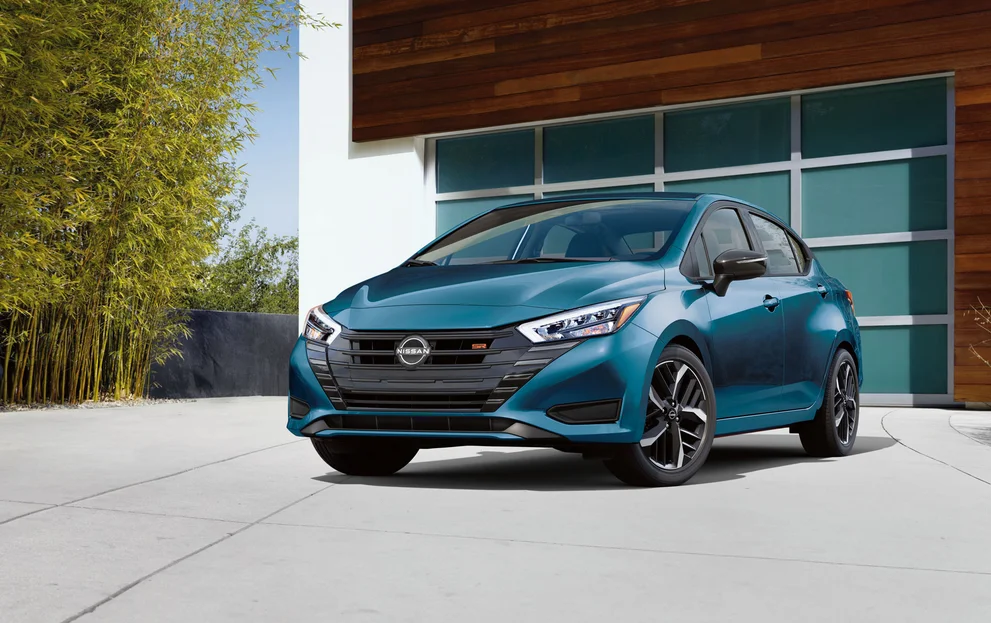
Base-trim Nissan sedans such as the Versa S, Sentra S, and Altima S approach cabin refinement differently than their higher-spec counterparts. Instead of relying on premium features like acoustic glass or layered luxury materials, these models focus on mechanical simplicity and targeted noise control.
When new, this strategy can deliver a calm driving environment, but as components age, limitations in materials and sealing become more noticeable.
A major advantage of base trims lies in their simplified powertrains. Many use naturally aspirated engines rather than turbocharged units, reducing mechanical stress, vibration, and long-term engine noise.
Nissan’s Xtronic CVT is also tuned to keep engine speeds low during steady cruising, which helps limit drone and harshness across the vehicle’s lifespan. Fewer high-strain components generally mean fewer sources of noise as mileage accumulates.
Nissan has also introduced lightweight acoustic meta-materials in several models. This technology targets common road and engine frequencies using a lattice-style structure rather than heavy rubber insulation. Because it does not trap moisture or degrade as easily, it can remain effective for years, helping base trims stay quieter than expected in early ownership.
Interior design plays a dual role. Base trims typically avoid power seats, sunroofs, and complex trim assemblies, reducing the number of components that can loosen and rattle over time.
Smaller wheels with taller tire sidewalls further help by absorbing road impacts before vibrations reach the cabin. However, cost-driven compromises remain. Without acoustic glass, worn door seals and aging suspension bushings allow more wind and road noise to enter as the car gets older.
Nissan applies consistent NVH engineering across its lineup, including careful sealing of noise paths. Still, as rubber components harden and seals compress, base models tend to lose their initial quietness faster than premium trims. Regular replacement of door seals, bushings, and tires becomes essential to preserving cabin comfort in the long term.
Long-term cabin quietness is rarely accidental. It is the result of deliberate engineering decisions, material choices, and an understanding of how vehicles age in the real world. The cars that remain calm and refined over time tend to share common traits: dense sound-deadening, strong structural rigidity, durable seals, and powertrains designed to minimize vibration. These qualities allow them to absorb years of use without turning noisy or fatiguing.
On the other end of the spectrum, vehicles that develop noise issues are not necessarily poorly designed. Many simply prioritize different goals, such as low purchase price, off-road capability, or modular freedom. In those cases, rising wind noise, rattles, and mechanical sounds are often an accepted compromise rather than a flaw.
For buyers who value long-term comfort, understanding these trade-offs is essential. Noise levels can dramatically shape how a car feels after 100,000 miles, making quiet durability just as important as performance, features, or fuel economy when choosing the right vehicle.
Also Read: Top 10 Cars That Still Look Like the Future Today