
Japanese Domestic Market (JDM) cars have cultivated a legendary reputation among automotive enthusiasts worldwide, representing a perfect blend of reliability, performance, and innovative engineering. These vehicles, originally manufactured for the Japanese market, have transcended borders to become icons of automotive culture.
While some JDM legends command astronomical prices today, there remains a treasure trove of affordable options that deliver exceptional value without emptying your wallet.
The appeal of JDM cars extends beyond mere nostalgia. These machines were engineered during an era when Japanese manufacturers pushed boundaries, creating vehicles that punched well above their weight class.
From turbocharged pocket rockets to smooth-revving naturally aspirated engines, JDM cars offer driving experiences that modern vehicles often struggle to replicate. The aftermarket support remains robust, with countless performance parts and modifications available to suit every budget and preference.
What makes these affordable JDM cars particularly attractive today is their appreciation potential, ease of maintenance, and the passionate communities surrounding them.
Whether you’re a first-time enthusiast looking to enter the JDM scene or a seasoned collector searching for your next project, these ten vehicles represent outstanding value propositions.
They combine accessible pricing with the authentic JDM experience, offering reliable daily transportation or weekend track weapons depending on your needs. Let’s explore these hidden gems that prove you don’t need a six-figure budget to experience the magic of Japanese automotive engineering.
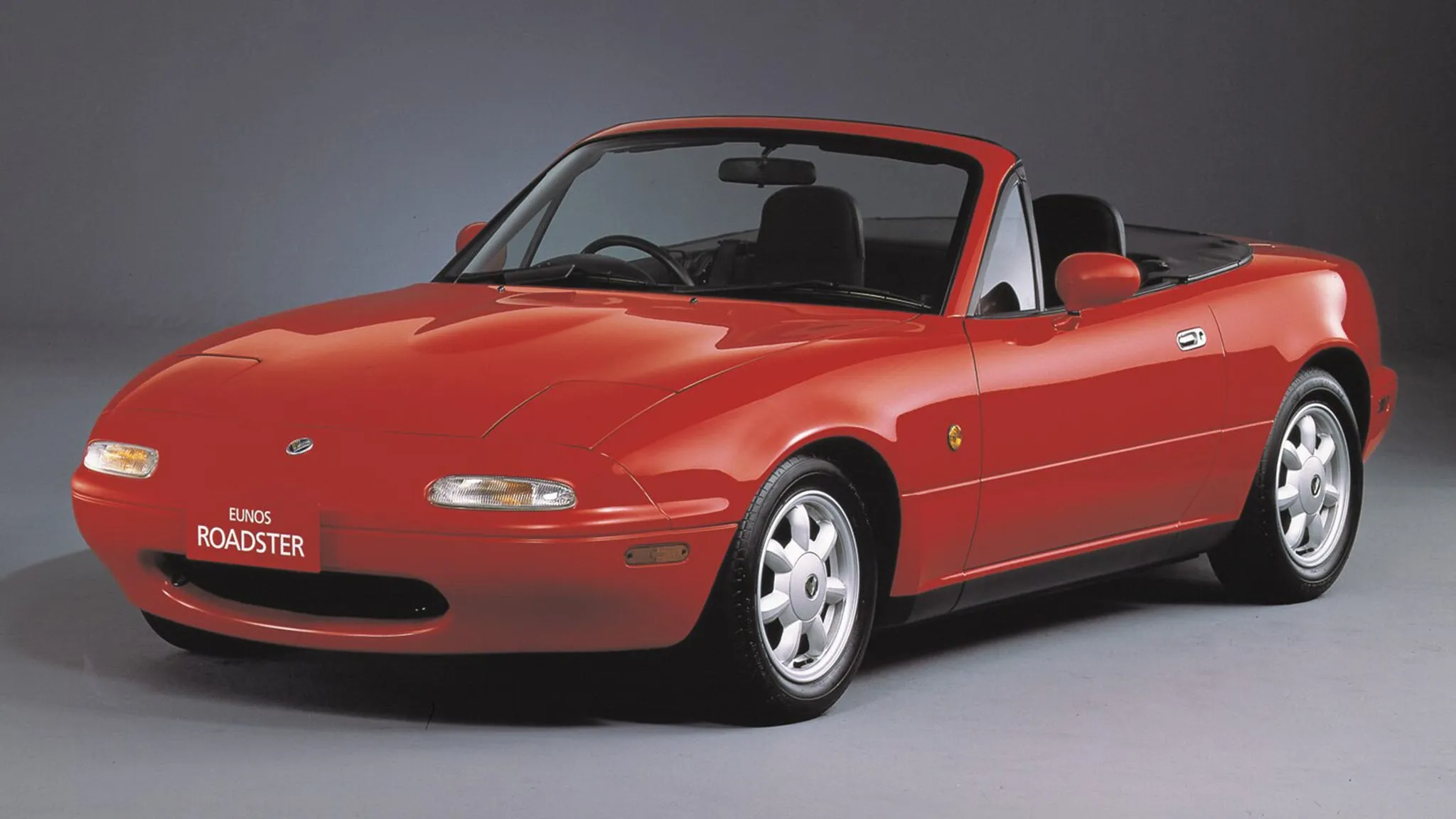
1. Mazda MX-5 Miata (NA/NB)
The Mazda MX-5 Miata stands as one of the most celebrated roadsters ever created, offering pure driving joy in an accessible package. The first-generation NA (1989-1997) and second-generation NB (1998-2005) models remain remarkably affordable, with clean examples available for under $10,000.
These lightweight convertibles embody the “horse and carriage” philosophy simplicity and connection between driver and machine. What makes the Miata exceptional is its perfect 50/50 weight distribution and featherweight chassis. The NA tips the scales at just 2,100 pounds, while the slightly heavier NB still maintains exceptional agility.
Power comes from peppy four-cylinder engines producing between 115-142 horsepower depending on the year, which might seem modest but proves more than adequate given the car’s light weight. The legendary five-speed or six-speed manual transmissions offer precise, short throws that make every drive engaging.
The aftermarket support for Miatas is virtually unmatched. From suspension upgrades and forced induction kits to body modifications and interior enhancements, the possibilities are endless.
Flyin’ Miata, Good-Win Racing, and countless other specialists offer comprehensive upgrade paths whether you want a comfortable daily driver or a track-focused weapon. The Miata community is incredibly welcoming, with forums, clubs, and meetups providing support and camaraderie.
Reliability is another Miata strong suit. These Mazda engines are bulletproof when properly maintained, often exceeding 200,000 miles without major issues.
Common maintenance items like timing belts and valve cover gaskets are straightforward and affordable. The simplicity of the design means most repairs can be handled in your home garage with basic tools.
Values have appreciated steadily but remain reasonable compared to other JDM icons. Rust is the primary concern, particularly in the rocker panels and rear fender wells, so thorough pre-purchase inspections are essential.
Clean, well-maintained examples represent excellent investments that you can enjoy while they appreciate. The Miata proves that driving thrills don’t require massive horsepower just perfect balance and driver engagement.
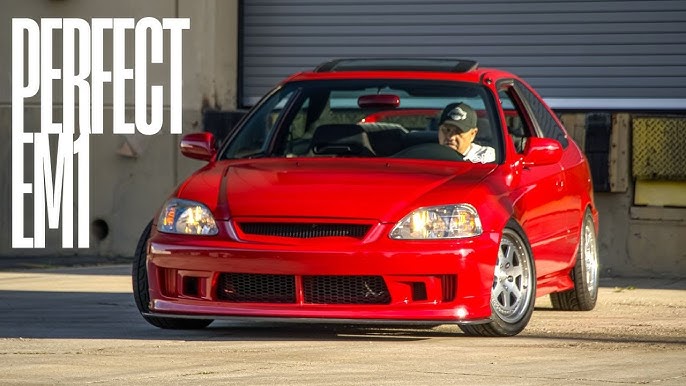
2. Honda Civic Si (EM1/EP3)
The Honda Civic Si nameplate represents decades of front-wheel-drive excellence, with the EM1 (1999-2000) and EP3 (2002-2005) generations offering tremendous value.
These hot hatches combine Honda’s legendary VTEC technology with practical hatchback versatility, creating compelling daily drivers that excel on back roads and autocross courses alike. Clean examples can be found for $8,000-15,000 depending on condition and mileage.
The EM1 Civic Si featured the B16A2 engine producing 160 horsepower from just 1.6 liters. This screaming four-cylinder rewards high-RPM driving, with VTEC engagement at 5,600 RPM transforming the engine’s character entirely.
The close-ratio five-speed transmission and limited-slip differential make the EM1 a canyon-carving weapon. Weighing only 2,600 pounds, the power-to-weight ratio delivers exhilarating acceleration and nimble handling.
The EP3 generation brought controversial styling but improved practicality. The K20A3 engine displaced 2.0 liters and produced 160 horsepower, though enthusiasts often swap in the superior K20A2 or K20Z3 engines from the Acura RSX Type-S or later Si models.
The EP3’s MacPherson strut front and multi-link rear suspension delivered sharp handling, though some criticized the electric power steering for lacking feel compared to the hydraulic setup in the EM1.
Honda’s reputation for reliability shines in these Civics. Routine maintenance consists of oil changes, timing chain inspections (K-series) or belt replacements (B-series), and occasional valve adjustments.
The engines easily reach 300,000 miles with proper care. The aftermarket is extensive, with Hondata ECU tuning, Skunk2 suspension components, and countless engine modification options available.
These Civics excel as project platforms. Engine swaps are well-documented, with K-series swaps into EM1 chassis being particularly popular. Forced induction setups can double the horsepower output while maintaining reliability.
The Honda tuning community provides abundant knowledge, making these cars perfect for enthusiasts wanting to learn vehicle modification and maintenance while enjoying a practical, fun daily driver.
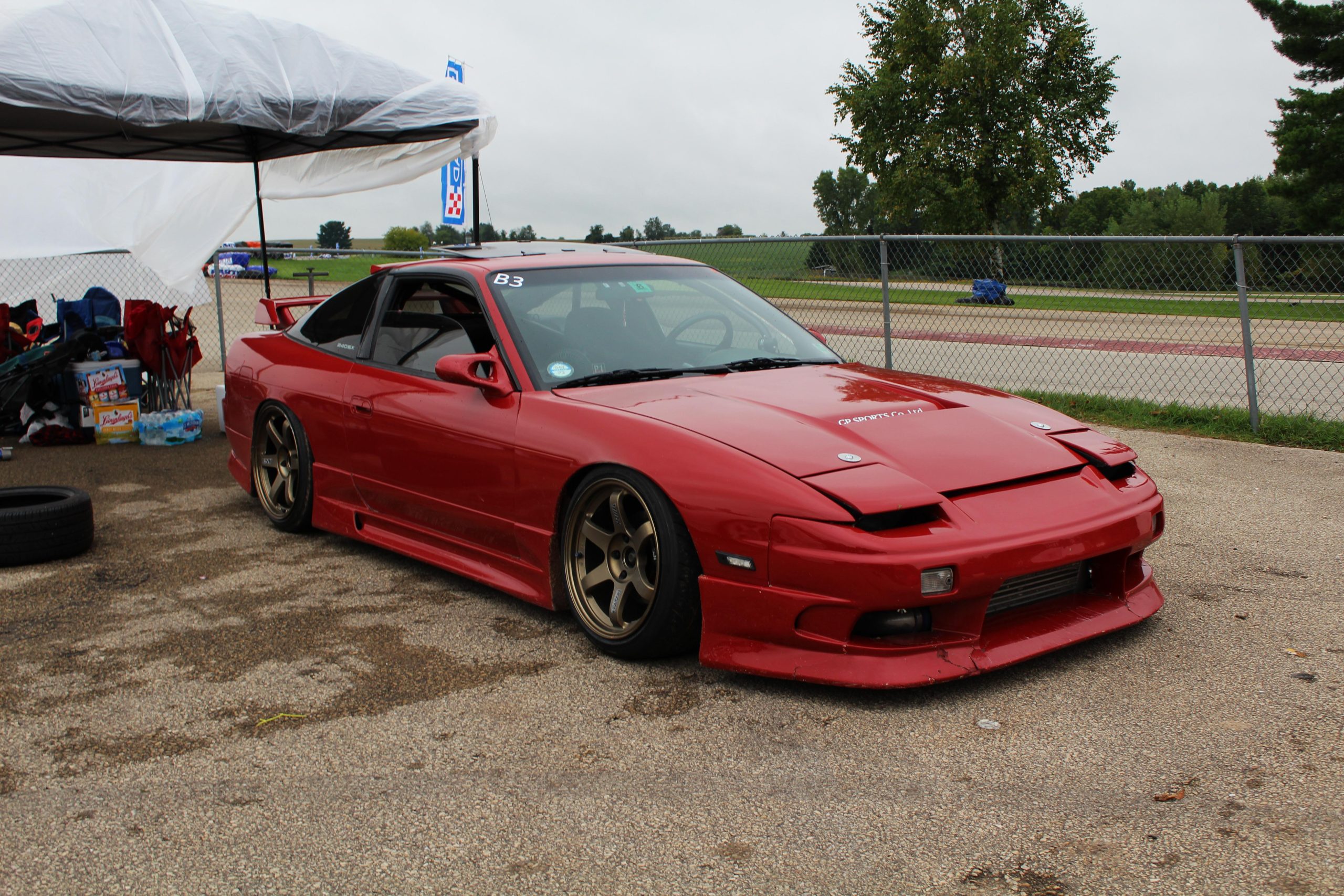
3. Nissan 240SX (S13/S14)
The Nissan 240SX remains the drift community’s beloved platform, offering rear-wheel-drive thrills and endless modification potential.
The S13 (1989-1994) and S14 (1995-1998) generations were sold in the United States with the KA24DE four-cylinder engine, but their true potential emerges with engine swaps and modifications. Prices have climbed significantly in recent years, but clean examples still occasionally surface in the $8,000-18,000 range.
The 240SX’s appeal lies in its balanced chassis and accessible rear-wheel-drive dynamics. The KA24DE produces a modest 155 horsepower, adequate for learning car control but leaving enthusiasts craving more.
This is where the SR20DET engine swap comes in the turbocharged four-cylinder from Japanese-market Silvias transforms the 240SX into a genuine performance machine. Producing 205-250 horsepower depending on variant, the SR20DET offers explosive power delivery and substantial tuning potential.
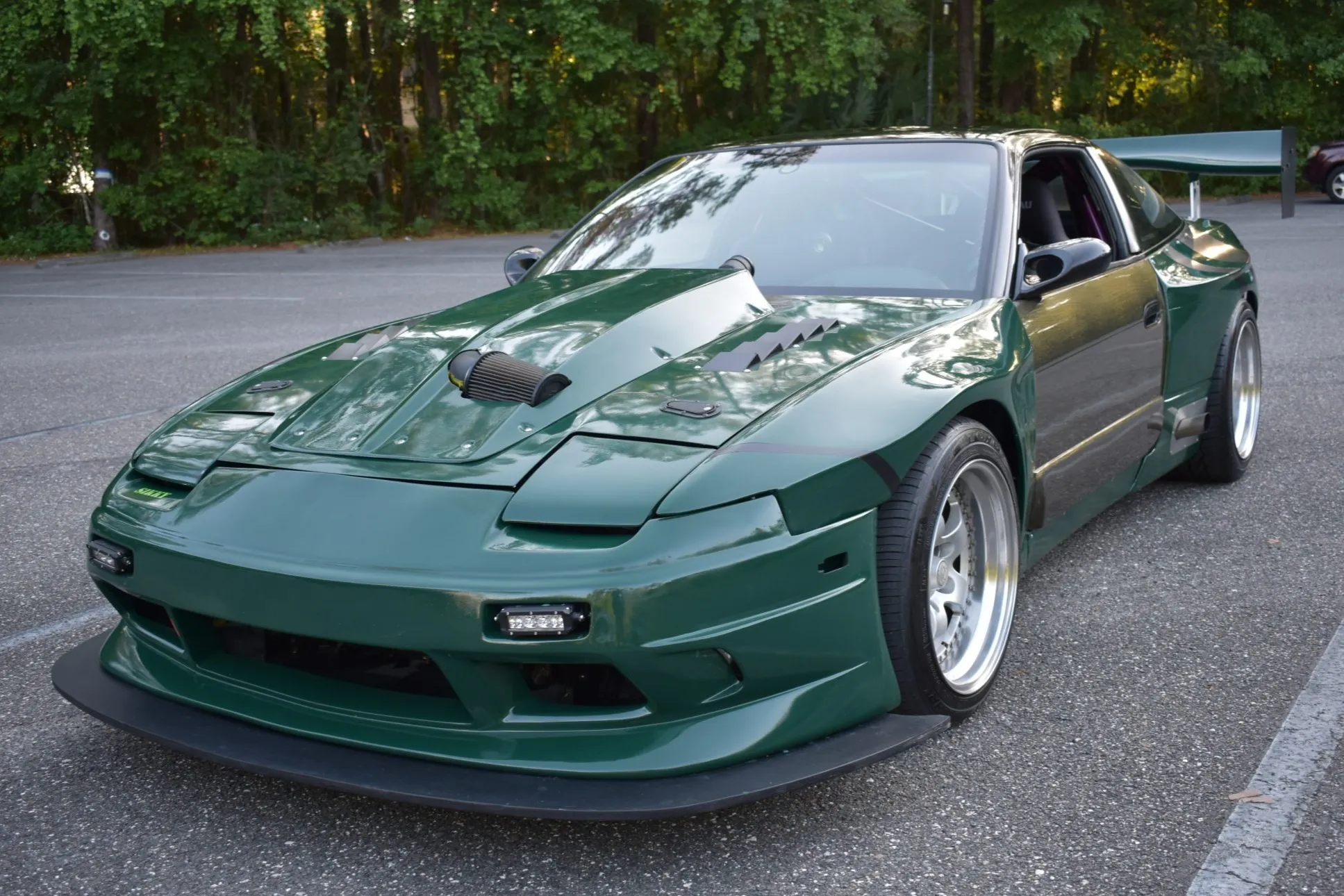
The S13 offered coupe, hatchback, and convertible body styles, with the hatchback being particularly popular for its styling and practicality. The S14 brought refined styling and improved chassis rigidity, though some enthusiasts prefer the S13’s pop-up headlights and slightly lighter weight. Both generations feature multi-link independent rear suspension that provides excellent grip and tunability.
Finding clean, unmolested 240SX models has become increasingly challenging. Many have been drifted hard, crashed, or poorly modified.
When shopping, prioritize chassis condition over cosmetics rust in the rear shock towers, floor pans, and subframe mounting points can be deal-breakers. Factory original cars command premiums, but properly executed builds can deliver tremendous performance value.
The aftermarket for 240SX chassis is exceptional. Companies like Stance, Tein, and Fortune Auto offer suspension solutions for every budget.
Engine options range from the aforementable SR20DET to the legendary RB25DET or modern LS V8 swaps. Drifting has driven development of countless steering angle kits, differential upgrades, and chassis reinforcements. Whether building a street car, track weapon, or drift missile, the 240SX provides an excellent foundation with strong community support behind it.
Also Read: Top 10 BMW Upgrades That Actually Improve the Car
4. Acura Integra (DC2)
The Acura Integra Type R (DC2) represents Honda engineering at its finest, though even the more common GS-R and LS models offer exceptional value.
The third-generation Integra (1994-2001) combines practical four-seat transportation with genuinely thrilling driving dynamics. Non-Type R models can be found for $5,000-12,000, making them accessible entry points into the Honda performance world.
The GS-R variant features the B18C1 engine producing 170 horsepower through VTEC technology. This smooth-revving powerplant loves high RPMs, with peak power arriving at 8,000 RPM accompanied by an intoxicating mechanical symphony.
The cable-actuated five-speed transmission offers precise shifts that make rowing through gears genuinely enjoyable. Even the base LS model with its 142-horsepower B18B1 engine provides entertaining transportation with excellent fuel economy.
What sets the Integra apart is its complete package approach. The chassis is beautifully balanced, with double-wishbone suspension at all four corners delivering exceptional handling precision.
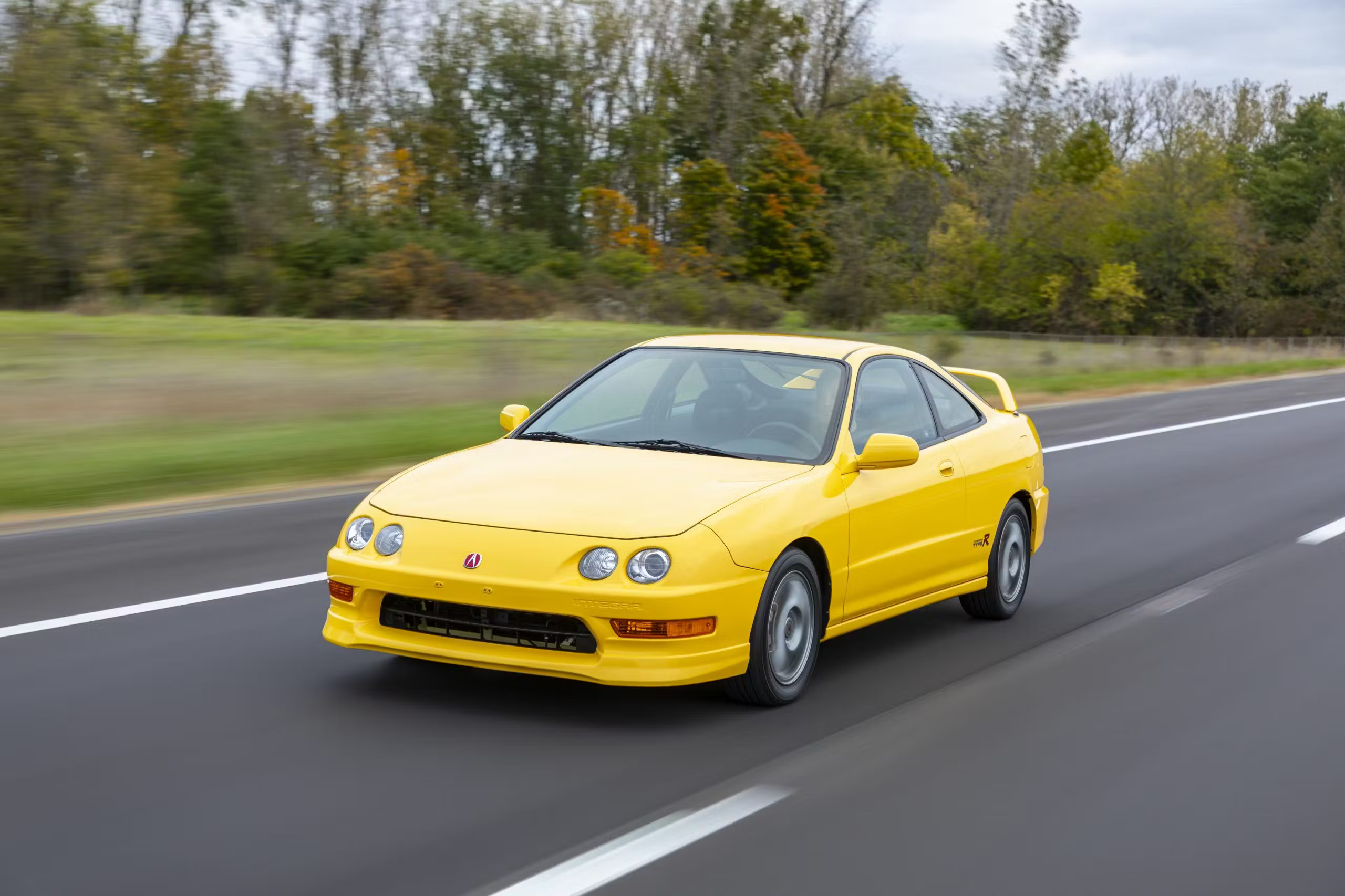
The steering is hydraulic and perfectly weighted, providing feedback that modern electric systems can’t replicate. Braking performance is strong, with four-wheel discs providing confident stopping power. The interior, while dated, offers supportive seats and excellent outward visibility.
The Integra’s primary challenge is theft risk these remain among the most stolen vehicles in America due to their popularity and easily defeated security systems.
Comprehensive insurance and quality aftermarket security systems are essential investments. Additionally, rust can affect older examples, particularly in northern climates where road salt takes its toll. Thorough inspections of the rear quarters, door sills, and strut towers are crucial.
Performance modification potential is virtually limitless. The B-series engine platform accepts countless bolt-on upgrades, from intake and exhaust systems to camshafts and forced induction.
Engine management solutions like Hondata and KTuner unlock additional power and tuning flexibility. Suspension upgrades from Koni, Bilstein, or Ohlins transform handling further.
The Integra represents an ideal balance of daily usability, performance potential, and affordability for enthusiasts seeking authentic Honda driving dynamics.
Also Read: 8 Vehicles That Are Cheap Up Front but Not Later
5. Toyota MR2 Spyder (W30)
The third-generation Toyota MR2 Spyder (1999-2007) often lives in the shadow of its turbocharged SW20 predecessor, but this mid-engine roadster offers pure driving pleasure at bargain prices.
Examples regularly sell for $5,000-12,000, making it one of the most affordable mid-engine sports cars available. The W30 prioritized lightweight agility over outright power, creating a spiritual successor to the original AW11 MR2.
Powered by the 1ZZ-FE four-cylinder engine producing 138 horsepower, the MR2 Spyder won’t win drag races but delivers exceptional handling dynamics. The mid-engine layout provides inherent balance, with 46/54 weight distribution creating neutral handling characteristics.
Weighing just 2,195 pounds, the power-to-weight ratio delivers sprightly acceleration and exceptional fuel economy over 30 MPG is easily achievable. The five-speed manual transmission offers precise shifts, while the six-speed Sequential Manual Transmission (SMT) in later models provides automated shifting.
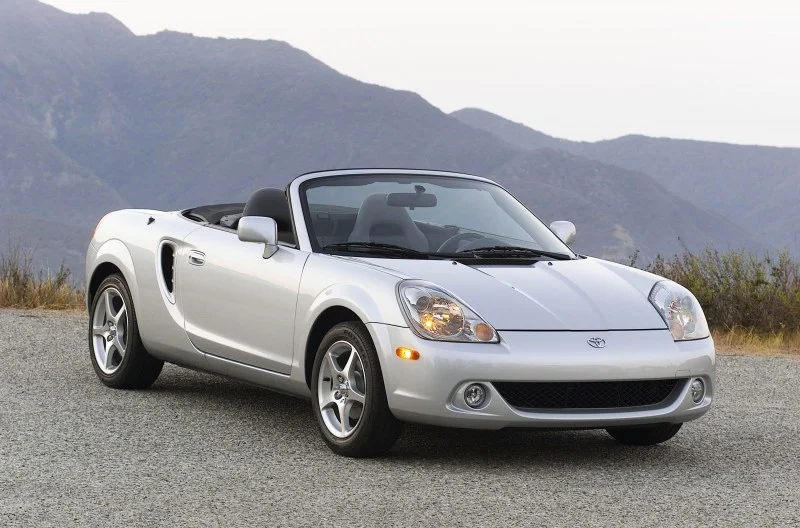
The convertible top is manually operated and incredibly simple no complex mechanisms or heavy motors. This simplicity saves weight and reduces potential failure points.
With the top down, the MR2 Spyder provides an engaging open-air experience with engine sounds emanating from directly behind the cabin. The minimalist interior focuses on driving essentials without unnecessary luxury features.
Common concerns include the pre-cat failure issue in early models, which can damage the engine if catalytic converter material enters the cylinders.
This is easily addressed by replacing the pre-cat with aftermarket headers. The SMT transmission can be problematic, with replacement parts becoming scarce. Oil consumption is another concern on higher-mileage examples, though proper maintenance minimizes this issue.
The aftermarket, while smaller than Miata or Civic offerings, provides substantial upgrade options. Turbocharger kits from TRD and other manufacturers can boost power significantly while maintaining reliability.
Suspension upgrades improve the already impressive handling, and brake upgrades ensure stopping power matches performance modifications. The MR2 Spyder community is passionate and helpful, with forums like MR2.com providing comprehensive resources. For enthusiasts seeking mid-engine thrills without exotic car prices, the W30 MR2 represents outstanding value.
6. Subaru Impreza WRX (GD/GG)
The second-generation Subaru Impreza WRX (2002-2007) brought rally-bred performance to American shores, creating legions of devoted fans.
While the STI variant commands premium prices, the standard WRX offers tremendous performance value, with examples available for $10,000-18,000. These turbocharged all-wheel-drive sedans and wagons deliver year-round capability alongside genuine sporting credentials.
The EJ205 or EJ255 turbocharged flat-four engines produce between 227-230 horsepower in stock form, with power delivered through Subaru’s legendary symmetrical all-wheel-drive system.
The five-speed manual transmission channels power to all four wheels via a viscous limited-slip center differential, providing exceptional traction in all conditions. Acceleration is brisk 0-60 MPH arrives in under six seconds while handling remains planted and predictable even in adverse weather.
The WRX’s rally heritage is evident in its robust construction and capable suspension. The chassis handles rough roads confidently, and ground clearance exceeds typical sports sedans, making these cars practical for snowy climates or imperfect pavement.
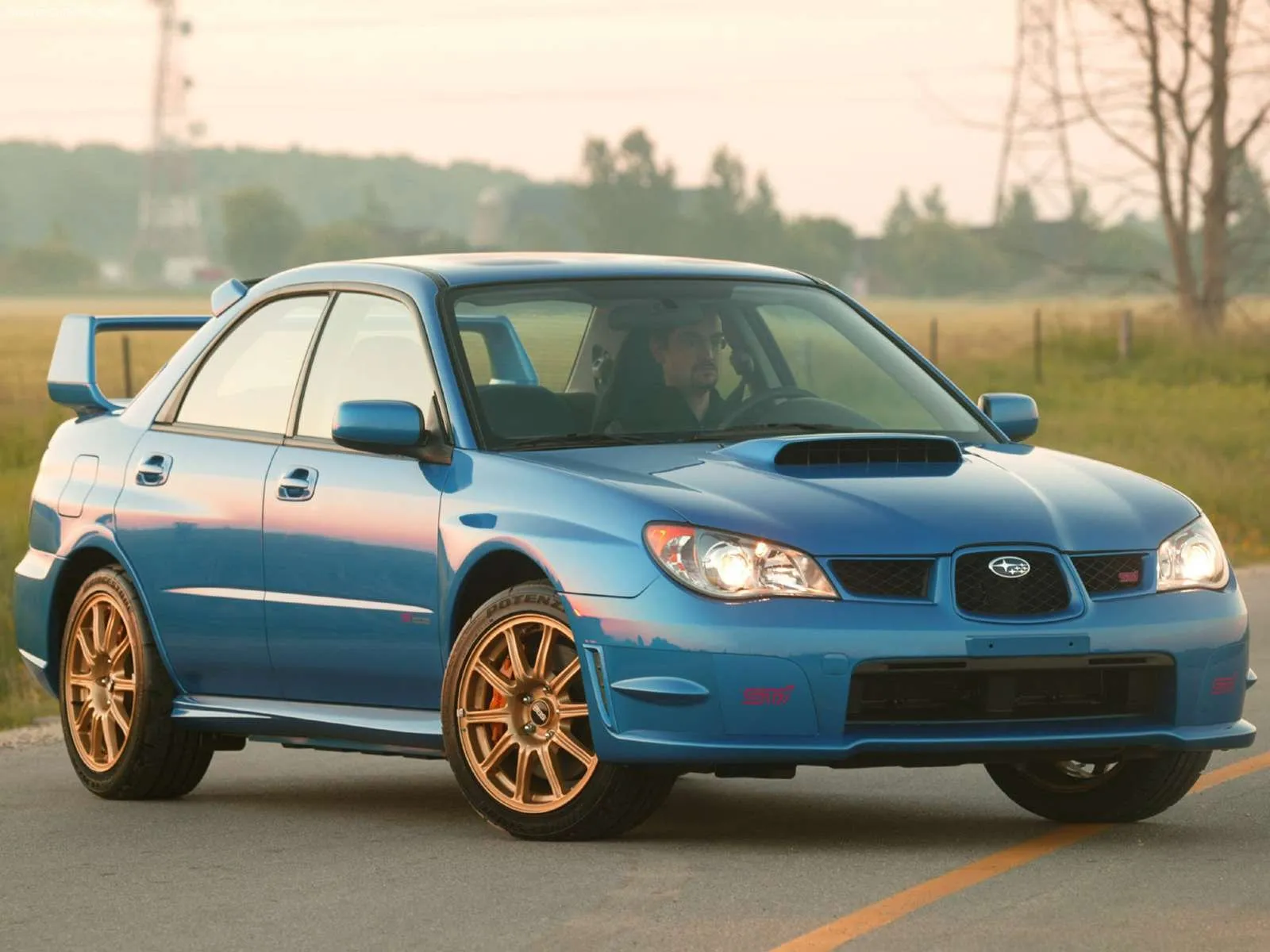
The wagon variant offers exceptional versatility, combining performance with genuine cargo capacity. Interior quality improved throughout the generation, with later models featuring better materials and build quality.
Common reliability concerns center on the EJ-series engines’ head gasket issues, particularly in earlier models. Proper maintenance including timely timing belt replacements is critical.
The turbocharger and associated intercooler system require attention, with boost leaks potentially causing performance issues. The five-speed transmission in earlier models can be fragile under aggressive driving or significant power increases, though the six-speed in 2006-2007 models is more robust.
Modification potential is exceptional. The Subaru tuning industry offers countless options from reputable companies like Cobb Tuning, Perrin Performance, and Invidia.
ECU tuning unlocks substantial power gains, while turbo upgrades can push power well beyond 300 horsepower. Suspension modifications improve handling, and brake upgrades ensure safe stopping power. The WRX community is massive and supportive, with abundant knowledge available for DIY enthusiasts or those seeking professional builds.
7. Mazda RX-8
The Mazda RX-8 (2003-2012) represents the final production rotary-powered vehicle, offering unique characteristics that divide enthusiasts. Values have bottomed out, with running examples available for $4,000-10,000, though comprehensive pre-purchase inspections are essential.
The Renesis rotary engine produces 232 horsepower (or 212 in later models) and revs to 9,000 RPM, creating an unforgettable driving experience unlike any piston-powered car.
The RX-8’s appeal lies in its smooth power delivery, perfect 50/50 weight distribution, and unique four-door configuration with suicide rear doors. The chassis is exceptionally rigid, and handling is sharp and predictable thanks to double-wishbone front and multi-link rear suspension.
The high-revving nature of the rotary engine rewards enthusiastic driving, with peak power arriving at 8,200 RPM and a redline at 9,000 RPM. The six-speed manual transmission offers precise shifts, though the four-speed automatic severely hampers performance.
The rotary engine’s reputation for poor reliability is somewhat deserved but often exaggerated. With proper maintenance including frequent oil changes using quality oil, avoiding short trips that prevent the engine from reaching operating temperature, and performing regular compression tests the Renesis can provide reliable service.
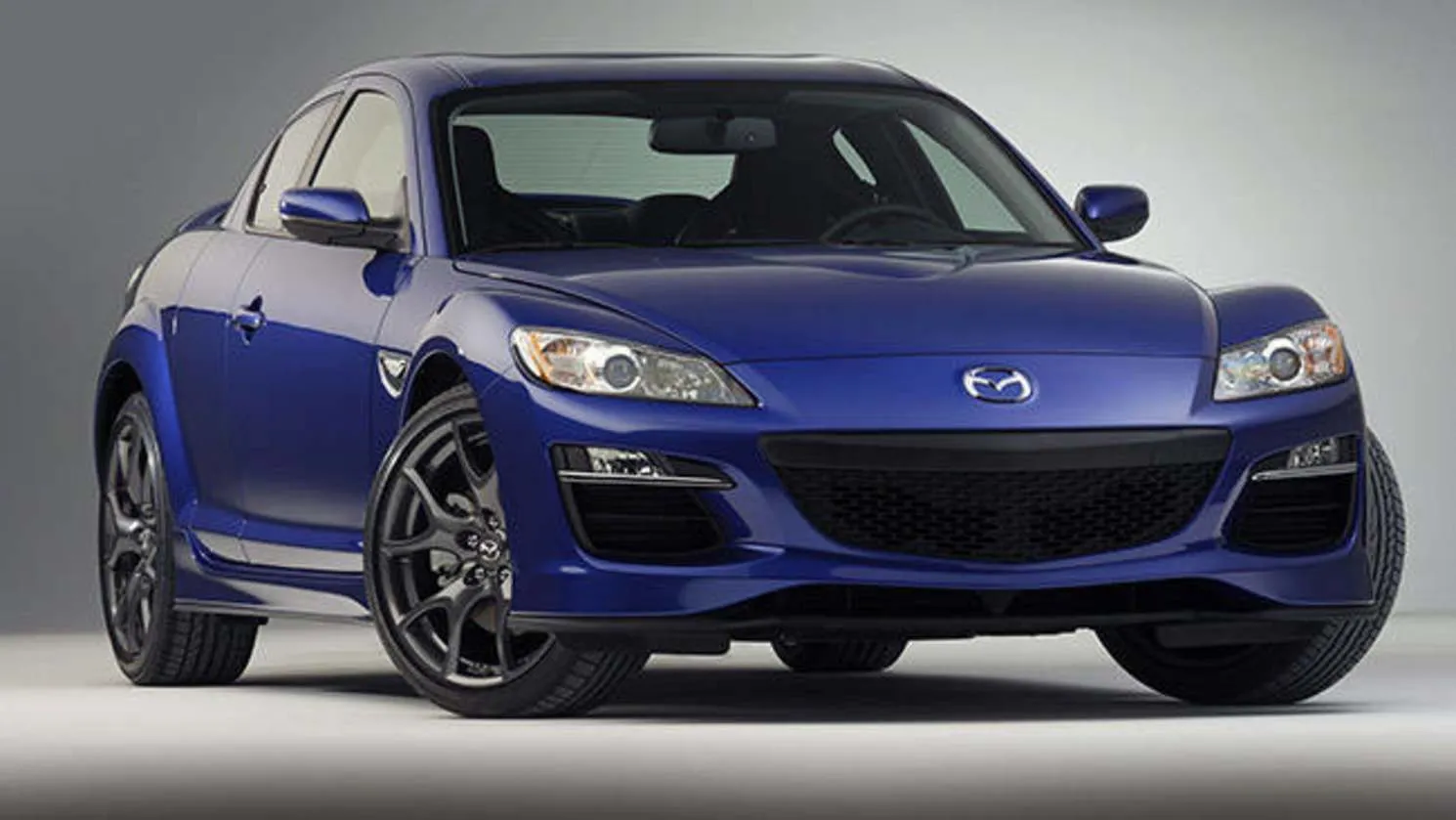
The primary failure mode is apex seal wear, which typically manifests between 80,000-150,000 miles depending on maintenance and driving habits. Rebuilt engines or replacements are readily available, though they represent significant expenses.
Fuel economy is poor, typically averaging 16-18 MPG combined, and premium fuel is recommended. Oil consumption is by design the engine injects oil into the combustion chambers for lubrication requiring regular top-ups between changes.
Ignition coils and spark plugs require more frequent replacement than conventional engines. The catalytic converter can fail, causing back pressure that damages the engine.
For enthusiasts willing to embrace the rotary’s quirks, the RX-8 delivers tremendous driving enjoyment. The aftermarket offers forced induction options, though these significantly stress the engine.
Suspension upgrades and lightweight wheels improve the already impressive handling. The RX-8 suits track day enthusiasts seeking unique experiences at bargain prices, provided they understand and accept the maintenance requirements and potential rebuild costs.
8. Honda Prelude (BB6)
The fifth-generation Honda Prelude (1997-2001) represents the culmination of Honda’s front-wheel-drive sports coupe development.
These stylish coupes can be found for $5,000-12,000, offering Honda reliability and VTEC thrills in an affordable package. The BB6 Prelude combined sophisticated technology, beautiful styling, and engaging driving dynamics that remain impressive decades later.
The H22A4 engine produces 200 horsepower through Honda’s VTEC variable valve timing system. Power delivery is smooth and linear, building progressively to the 7,400 RPM redline.
The ATTS (Active Torque Transfer System) available on SH models actively distributes torque between front wheels during cornering, virtually eliminating torque steer and enhancing handling precision.
This sophisticated system predated modern torque-vectoring differentials and remains impressive today. The five-speed manual transmission offers excellent shift quality and well-chosen ratios.
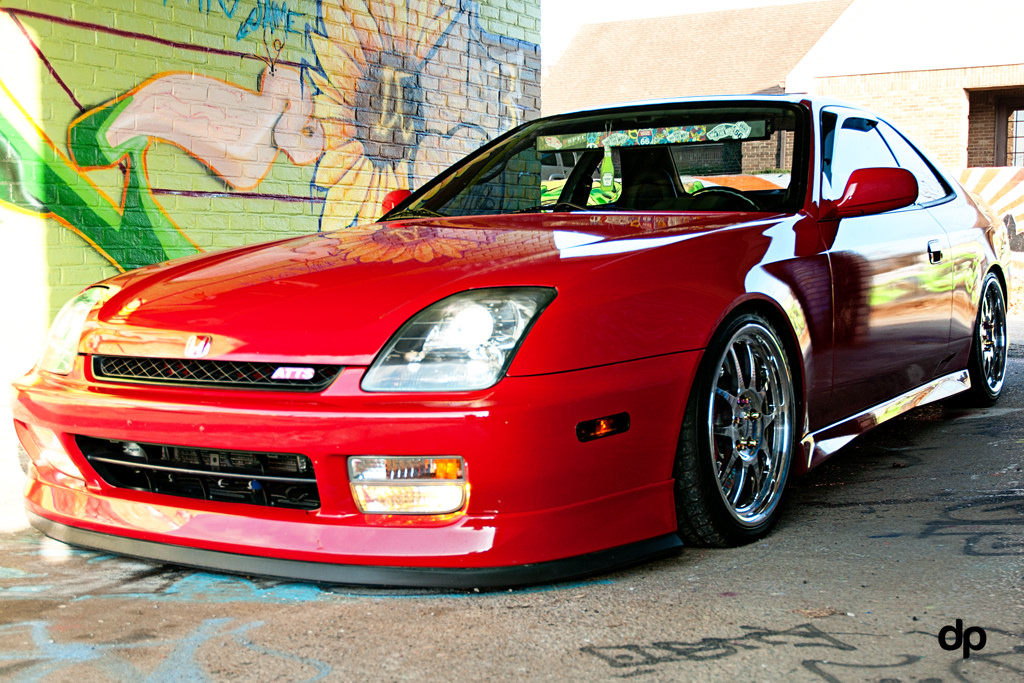
The Prelude’s styling has aged gracefully, with clean lines and purposeful proportions. The interior features supportive sport seats, a driver-focused cockpit, and quality materials befitting Honda’s flagship coupe.
Four-wheel steering was available on earlier models, though the SH model’s ATTS system proved more effective and reliable. Build quality is exceptional, with tight panel gaps and a solid feel that many modern cars struggle to match.
Common issues include worn motor mounts causing vibration, aging suspension bushings reducing precision, and potential rust in the rear quarters or fender wells.
The H22 engine is generally reliable but requires timing belt replacement every 90,000 miles interference engine design means belt failure causes catastrophic valve damage. Transmission synchros can wear, particularly in second and third gears, causing difficult shifts.
The aftermarket provides substantial upgrade options. The H-series engine accepts many B-series and K-series performance parts, with forced induction kits available for those seeking serious power increases. Suspension upgrades from established manufacturers improve the already capable handling.
Brake upgrades compensate for the increased weight compared to Civics or Integras. The Prelude represents an excellent choice for enthusiasts seeking a sophisticated, reliable sports coupe with distinctive styling and genuine Honda character at accessible prices.
9. Mitsubishi Eclipse (2G)
The second-generation Mitsubishi Eclipse (1995-1999) offers turbocharged performance at budget-friendly prices. The GS-T and GSX variants feature the legendary 4G63T turbocharged four-cylinder engine, the same powerplant that powered Lancer Evolution legends.
Clean examples sell for $6,000-15,000, with the all-wheel-drive GSX commanding premiums over the front-wheel-drive GS-T. These coupes provide tremendous modification potential and affordable entry into turbocharged performance.
The 4G63T produces 210 horsepower in stock form, with power delivery characterized by turbo lag followed by strong midrange punch.
The engine’s robust construction supports significant power increases with proper modifications many builds exceed 400 horsepower on stock internals with upgraded turbochargers and fuel systems.
The five-speed manual transmission handles the power well, though clutch upgrades become necessary with substantial modifications. The GSX’s all-wheel-drive system provides superior traction, particularly in inclement weather or during aggressive acceleration.
The Eclipse’s styling remains appealing, with smooth curves and attractive proportions that avoid the overly aggressive designs of later generations. The interior is typical late-1990s Japanese fare functional but unremarkable.
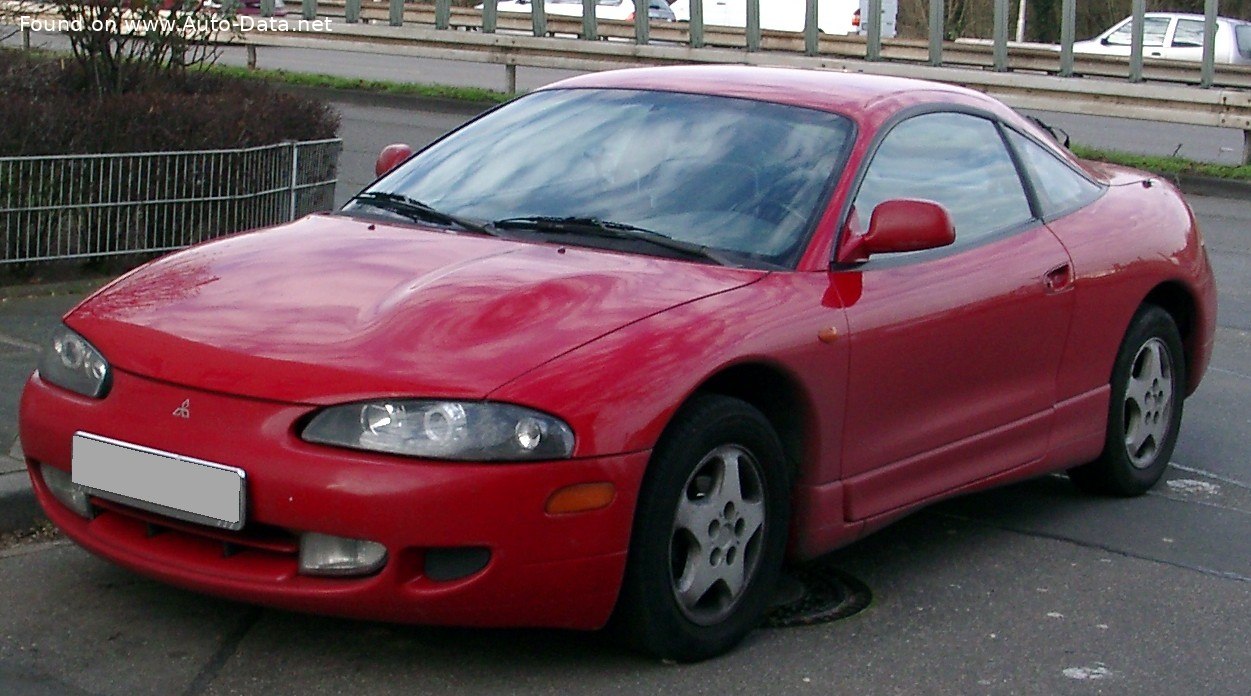
The coupe configuration limits rear-seat practicality, though cargo space is adequate for weekend trips or occasional hauling duties. Convertible (Spyder) models were available but added weight and reduced structural rigidity.
Reliability concerns center on crankshaft walk a phenomenon where the crankshaft shifts axially, potentially causing catastrophic engine failure.
This primarily affects 1995-1999 turbocharged models, though proper maintenance and avoiding excessive clutch slipping minimizes risk. Many enthusiasts install crank scraper upgrades as preventative measures. The DSM (Diamond-Star Motors) platform shared components with the Eagle Talon and Plymouth Laser, complicating parts sourcing as these brands no longer exist.
The DSM community remains passionate and knowledgeable despite the cars’ age. Forums like DSMTuners provide comprehensive information on maintenance, modification, and troubleshooting.
The aftermarket offers extensive options, from bolt-on performance upgrades to complete built engines capable of 700+ horsepower.
The Eclipse GS-T and GSX represent excellent choices for enthusiasts seeking affordable turbocharged performance with massive tuning potential, provided they’re willing to address common reliability concerns and perform proper maintenance.
10. Lexus IS300
The Lexus IS300 (2001-2005) combines luxury refinement with genuine sporting credentials, offering Toyota reliability wrapped in an attractive package.
These rear-wheel-drive sport sedans sell for $7,000-15,000 depending on condition and mileage, representing exceptional value for daily drivers seeking comfort and performance. The IS300 proves that JDM value extends beyond hardcore sports cars into the luxury performance segment.
The 2JZ-GE inline-six engine produces 215 horsepower in naturally aspirated form. While lacking the twin turbos of its legendary Supra sibling, the 2JZ-GE shares the same bulletproof bottom end and smooth power delivery. The engine revs willingly to its 6,500 RPM redline, producing a distinctive inline-six soundtrack.
The five-speed manual transmission was rare, with most IS300s equipped with a five-speed automatic. Manual-transmission cars command substantial premiums due to their scarcity and enthusiast appeal.
The IS300’s chassis delivers engaging dynamics without sacrificing ride quality. The rear-wheel-drive layout provides proper sports sedan handling balance, while the suspension strikes an excellent compromise between comfort and performance.
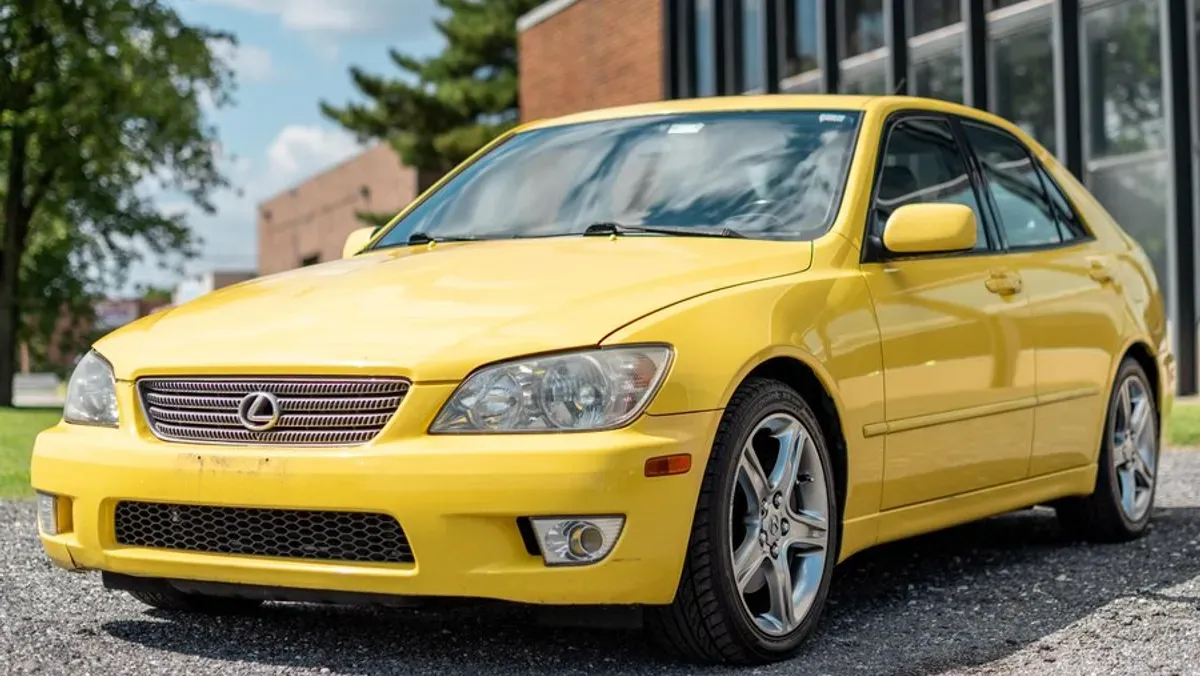
Body roll is well-controlled, and steering feedback is good by luxury car standards. The limited-slip differential in manual cars enhances cornering traction. Interior quality reflects Lexus standards, with excellent materials, comfortable seats, and bulletproof reliability.
Common issues are remarkably few given Toyota’s quality standards. The dashboard can develop cracks in harsh climates, and door lock actuators occasionally fail. The manual transmission’s clutch requires periodic replacement, though this is normal wear.
The 2JZ engine is extraordinarily reliable, easily exceeding 300,000 miles with basic maintenance. Timing belt replacement is critical, as the 2JZ is an interference engine.
The modification potential excites enthusiasts familiar with 2JZ capabilities. Turbocharger kits transform the IS300 into a true performance sedan, with the strong bottom end supporting 400+ horsepower reliably.
Suspension upgrades from companies like Tein, KW, or Ohlins improve handling without compromising ride quality excessively. Wheel and tire upgrades enhance both appearance and grip.
The IS300 represents an ideal choice for enthusiasts seeking reliable daily transportation with luxury amenities and genuine modification potential backed by one of the automotive world’s most legendary engines.
Also Read: 7 Cars That Don’t Reward Long-Term Ownership
