
The 1980s was a transformative decade for automotive enthusiasts, marked by a fascinating blend of analog driving experiences and emerging technologies.
While often overshadowed by the muscle car era of the ’60s and ’70s or the technological marvels of modern supercars, the sports cars of the 1980s occupy a special place in automotive history. This was an era of pop-up headlights, turbocharged engines, and the birth of legends that would define generations of enthusiasts.
What makes ’80s sports cars particularly appealing today is their unique position in the collector car market. They’re old enough to be considered classics, yet modern enough to be driven and enjoyed regularly without the maintenance headaches of older vehicles.
Many feature fuel injection, better reliability, and handling characteristics that still impress by today’s standards. More importantly, while classic cars from earlier decades have skyrocketed in value, many ’80s sports cars remain surprisingly affordable, offering an accessible entry point into the collector car hobby.
These machines represent the last generation of purely analog sports cars before computers and electronics took over. They offer visceral, engaging driving experiences with manual transmissions, hydraulic steering, and minimal driver aids qualities that modern enthusiasts increasingly crave.
Whether you’re seeking a weekend toy, an investment opportunity, or simply a slice of automotive nostalgia, these ten ’80s sports cars deliver exceptional value, combining driving pleasure with appreciating values and reasonable maintenance costs.
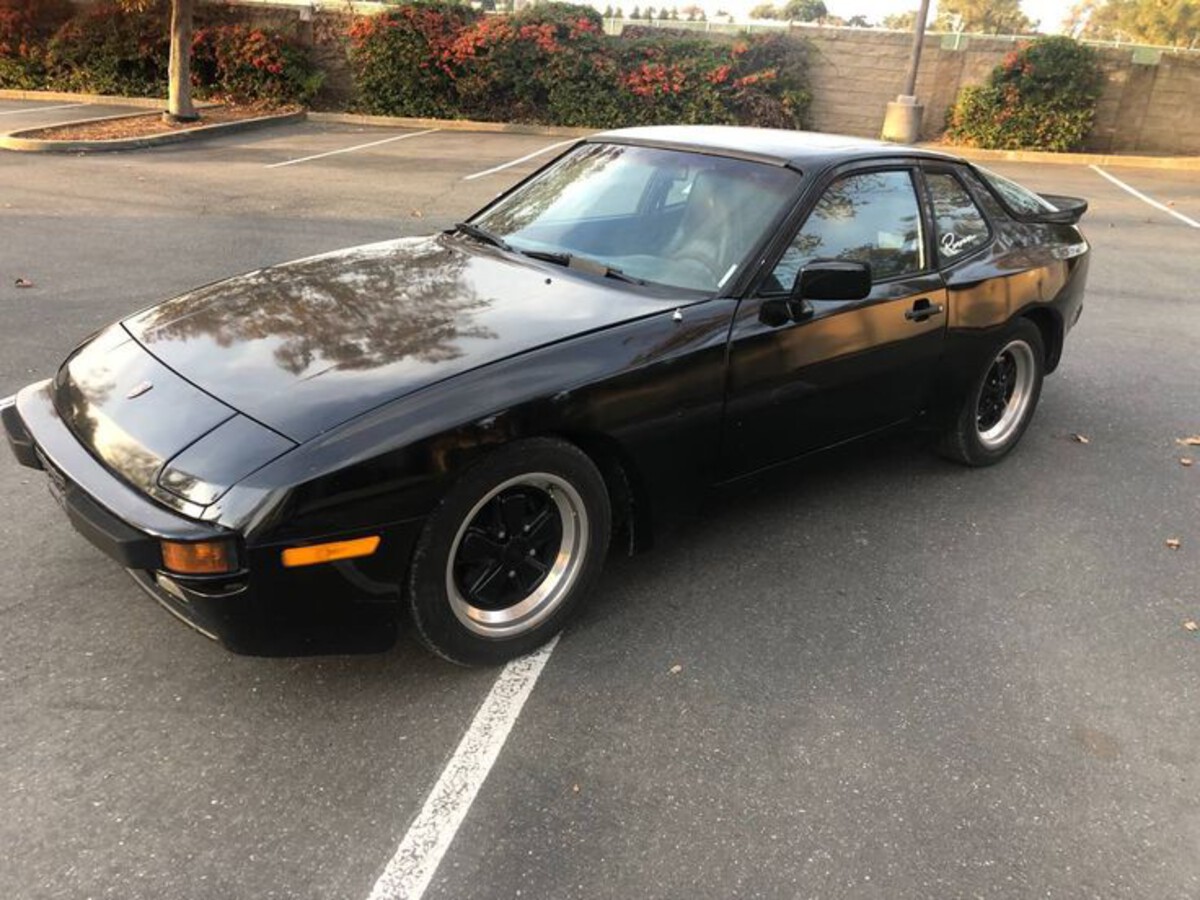
1. Porsche 944 (1982-1991)
The Porsche 944 stands as one of the most successful sports cars Porsche ever produced, and for good reason. Built as a more accessible alternative to the iconic 911, the 944 offered balanced handling, German build quality, and unmistakable Porsche styling at a fraction of the cost.
The car’s front-engine, rear-wheel-drive layout provided near-perfect 50/50 weight distribution, making it a joy on both the street and track.
Under the hood, the 944 featured a 2.5-liter inline-four engine that was essentially half of Porsche’s V8, producing between 143 and 190 horsepower depending on the variant. The base model was naturally aspirated, while the 944 Turbo added forced induction for significantly more performance.
The later 944 S2 featured a larger 3.0-liter engine with 208 horsepower. What made these engines special was their smoothness Porsche used dual balance shafts to eliminate the typical four-cylinder vibrations, creating a refined powerplant that loved to rev.
The 944’s transaxle design, with the transmission mounted at the rear axle, contributed to its exceptional balance and handling prowess.
The steering was precise and communicative, the brakes were strong, and the chassis was forgiving enough for novices while rewarding for experienced drivers. This made the 944 a favorite in amateur racing series, where it competed successfully for decades.
Today, the 944 represents incredible value in the Porsche lineup. While 911s have appreciated dramatically, 944s remain relatively affordable, with clean examples available from $8,000 to $25,000, depending on condition and variant. The Turbo models command premium prices but offer supercar performance from the era.
Parts availability is excellent, with strong aftermarket support and active owner communities. The timing belt requires regular service every few years, and some models can experience electrical gremlins, but reliability is good for a vehicle of this age.
The 944 appeals to drivers who want the Porsche experience without the six-figure investment. It’s practical enough for daily driving with decent cargo space and comfortable seating for two, yet capable enough for track days and spirited weekend drives.
As ’80s classics continue appreciating, the 944’s combination of driving dynamics, practicality, and iconic styling makes it an increasingly attractive investment.
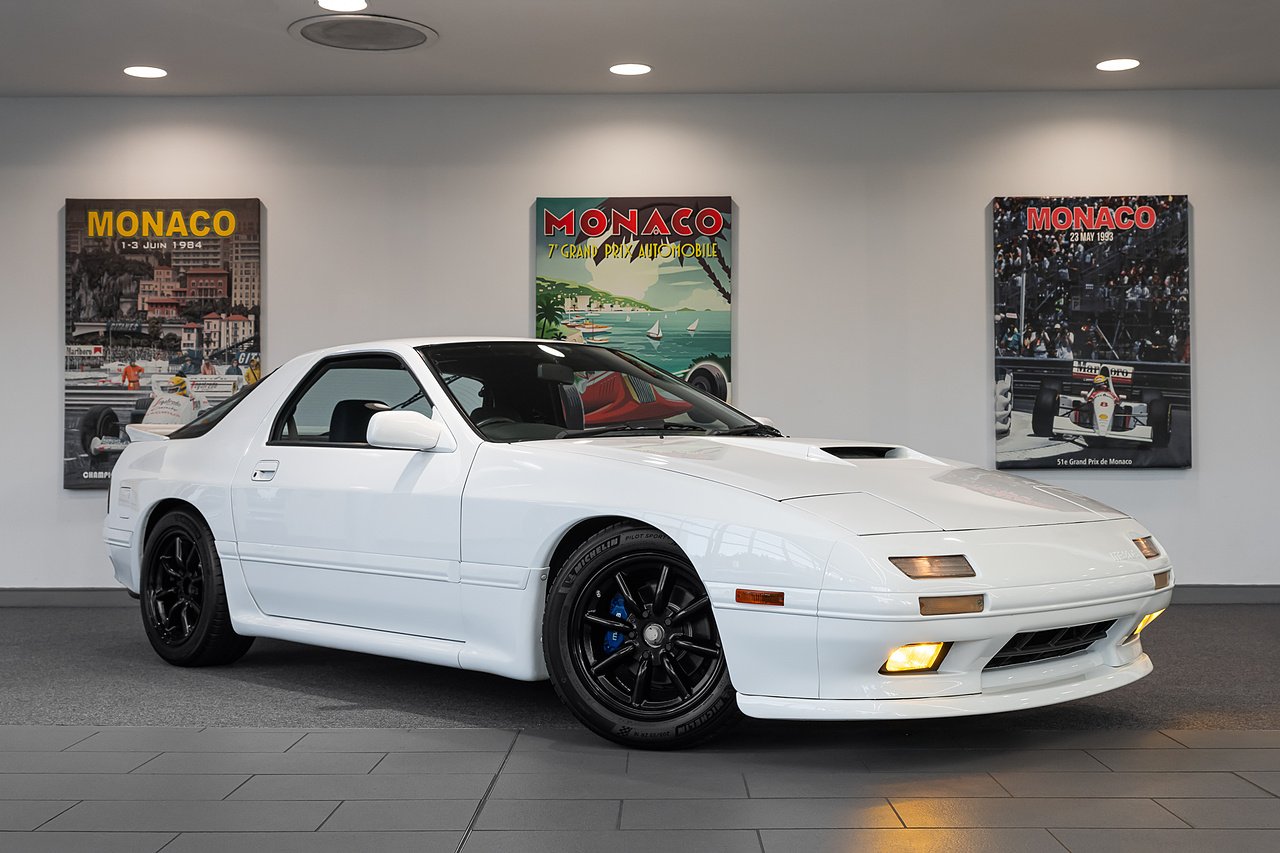
2. Mazda RX-7 (FC3S, 1986-1991)
The second-generation Mazda RX-7, known by enthusiasts as the FC, represents the pinnacle of rotary-powered sports cars from the 1980s.
With its sleek, wedge-shaped design penned by Mazda’s design team, the FC RX-7 looked exotic and purposeful, featuring pop-up headlights and smooth, flowing lines that still turn heads today. This wasn’t just styling over substance the FC was a serious driver’s car that competed with the best sports cars of its era.
At the heart of the FC RX-7 was Mazda’s legendary 13B rotary engine, a compact, lightweight powerplant that revved to stratospheric levels with a distinctive sound unlike any piston engine.
The naturally aspirated version produced 146 horsepower, while the turbocharged models delivered 182-200 horsepower. The turbo cars featured advanced technology for the era, including electronic fuel injection and, in later models, a sophisticated twin-scroll turbocharger setup that virtually eliminated lag.
What made the RX-7 special was its exceptional balance and handling. The rotary engine’s compact size allowed Mazda to mount it far back in the engine bay, creating near-perfect weight distribution.
Combined with a sophisticated independent suspension, responsive steering, and a lightweight chassis, the FC delivered handling that rivaled much more expensive European sports cars. The car felt alive, communicating every nuance of the road to the driver through the steering wheel and seat.
The RX-7’s interior was driver-focused, with supportive seats, a well-laid-out dashboard, and all controls falling easily to hand. While not luxurious by modern standards, it was comfortable and functional, perfect for long drives or track days. The convertible models offered open-air motoring, though the hardtop versions were structurally stiffer and more common.
Today, clean FC RX-7s are increasingly sought after, with prices ranging from $8,000 for project cars to $25,000 or more for pristine examples, particularly rare Turbo II models.
The rotary engine requires specific maintenance regular oil changes, monitoring of coolant seals, and eventual rebuilds are part of ownership. However, rebuilding a rotary engine is relatively straightforward and affordable compared to rebuilding complex multi-cylinder engines.
Parts availability is decent, with strong community support and specialists who understand these unique powerplants. The FC represents an opportunity to own a distinctive sports car that offers an experience unlike anything else on the road, with values steadily climbing as enthusiasts recognize its significance.
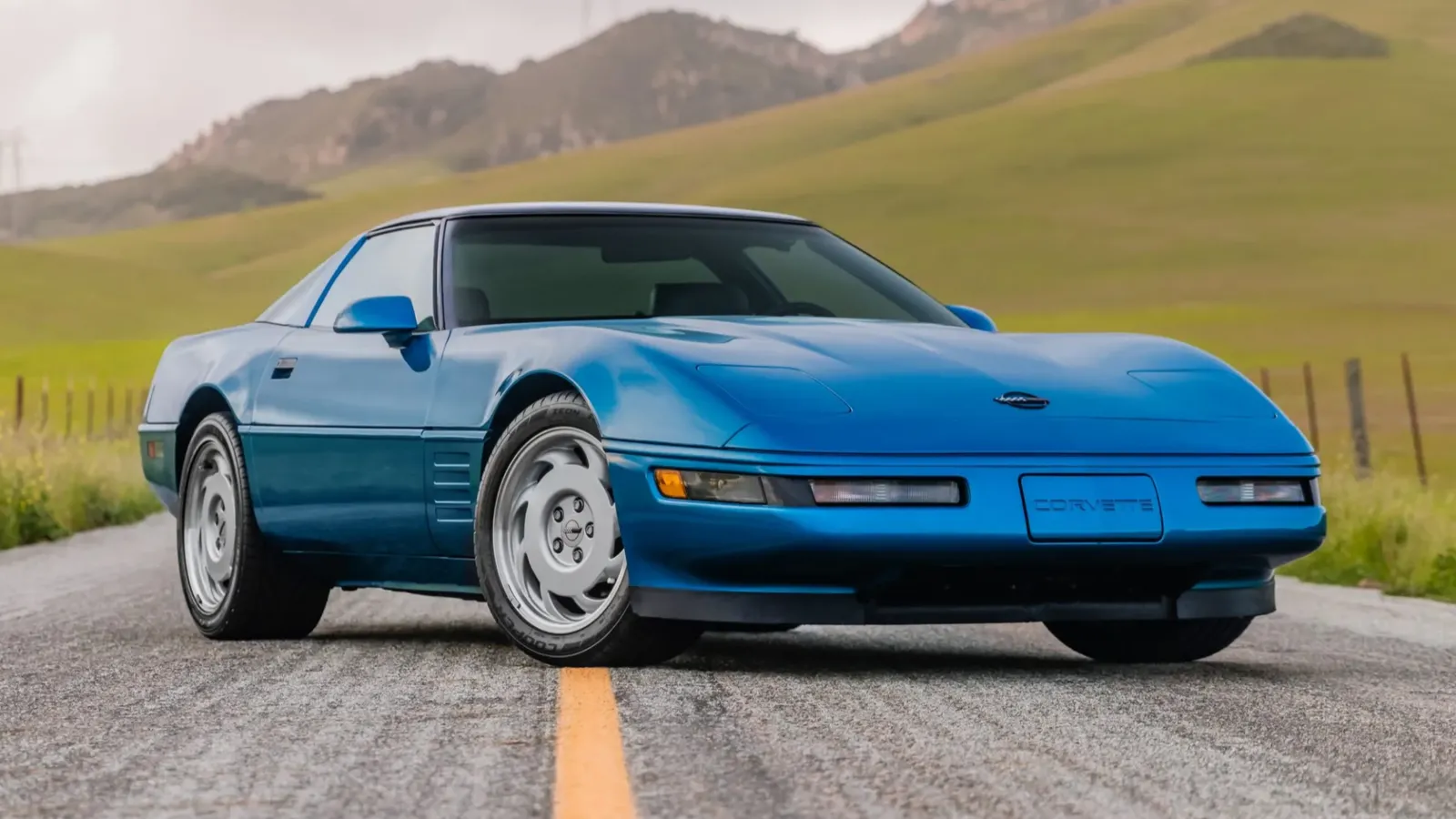
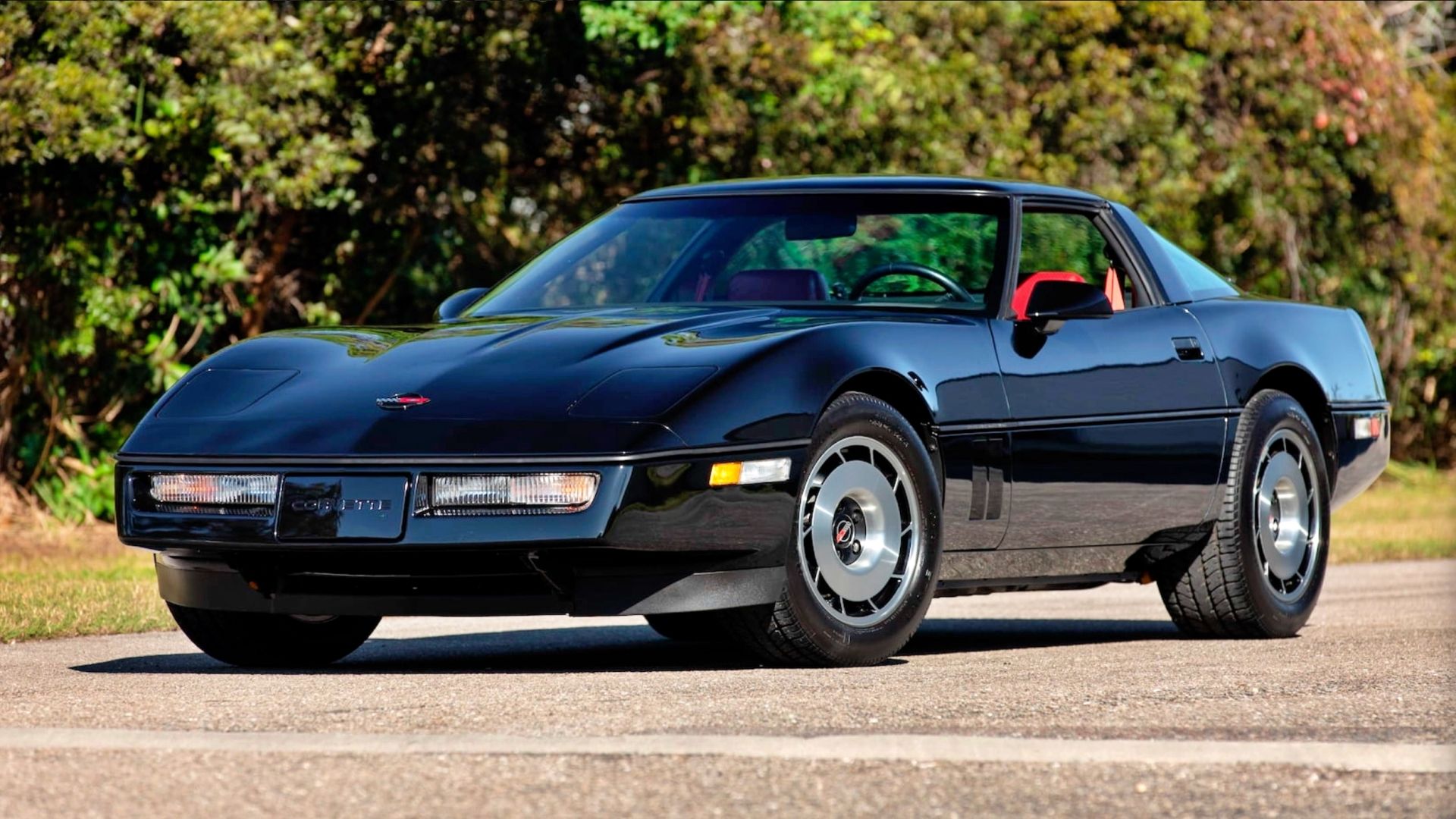
3. Chevrolet Corvette C4 (1984-1996)
The fourth-generation Corvette, introduced in 1984, represented a complete reinvention of America’s sports car. After years of declining performance during the malaise era, the C4 brought the Corvette back to credibility with modern technology, improved handling, and styling that looked ready for the future. With its digital dashboard, ground-hugging stance, and aggressive lines, the C4 announced that American performance was back.
Early C4s featured the L83 Cross-Fire Injection 5.7-liter V8 producing a modest 205 horsepower, but continuous improvements throughout the production run steadily increased power.
The 1985 model introduced the much-improved L98 engine with tuned port injection, eventually producing 245 horsepower. The real performance came with the LT1 engine in 1992, delivering 300 horsepower, and the ultimate C4, the 1996 Grand Sport, produced 330 horsepower and featured distinctive Admiral Blue paint with white racing stripes.
The C4’s chassis was revolutionary for American cars of the era. It featured a sophisticated suspension with fiberglass transverse leaf springs, four-wheel disc brakes, and available adjustable suspension systems.
The ZR-1, produced from 1990-1995, featured an exotic Lotus-designed dual-overhead-cam V8 producing 375-405 horsepower and could compete with European supercars at a fraction of the cost. The ZF six-speed manual transmission in the ZR-1 was the same unit used in Ferrari and Lamborghini models.
Inside, the C4 featured a driver-focused cockpit with supportive sport seats and, in early models, a futuristic digital dashboard that has since become iconic. Later models switched to analog gauges, which many found more readable.
The Corvette offered surprising practicality with a large hatchback cargo area and removable roof panel for open-air driving. Today, C4 Corvettes represent extraordinary value. Standard models can be found from $5,000 to $15,000, making them one of the most affordable ways to experience V8-powered sports car performance.
ZR-1 models command $30,000-$50,000, still reasonable for their performance capability. Parts are abundant and affordable, maintenance is straightforward for anyone familiar with American V8s, and the enthusiast community is huge and supportive.
The C4’s combination of power, handling, and affordability makes it an excellent choice for anyone seeking accessible American performance with investment potential as these cars continue to appreciate.
4. Toyota MR2 (AW11, 1984-1989)
Toyota’s first-generation MR2 brought mid-engine exotic car layout to the masses, delivering exceptional handling and driving engagement at an affordable price point.
The name MR2 stood for “Midship Runabout 2-seater,” and this lightweight sports car proved that Toyota could build more than just reliable economy cars. With its angular, wedge-shaped design, pop-up headlights, and compact dimensions, the AW11 MR2 looked like a baby supercar.
The MR2’s mid-mounted engine was a 1.6-liter four-cylinder derived from the Corolla, producing 112 horsepower in naturally aspirated form or 145 horsepower with the supercharger introduced in 1986 (primarily for the US market).
While these numbers seem modest, the MR2’s lightweight construction curb weight of just 2,400 pounds meant excellent power-to-weight ratios. The car could sprint to 60 mph in the mid-7-second range and delivered nimble, engaging performance.
What truly set the MR2 apart was its handling dynamics. The mid-engine layout provided natural balance and agility, with responsive steering that communicated road conditions perfectly.
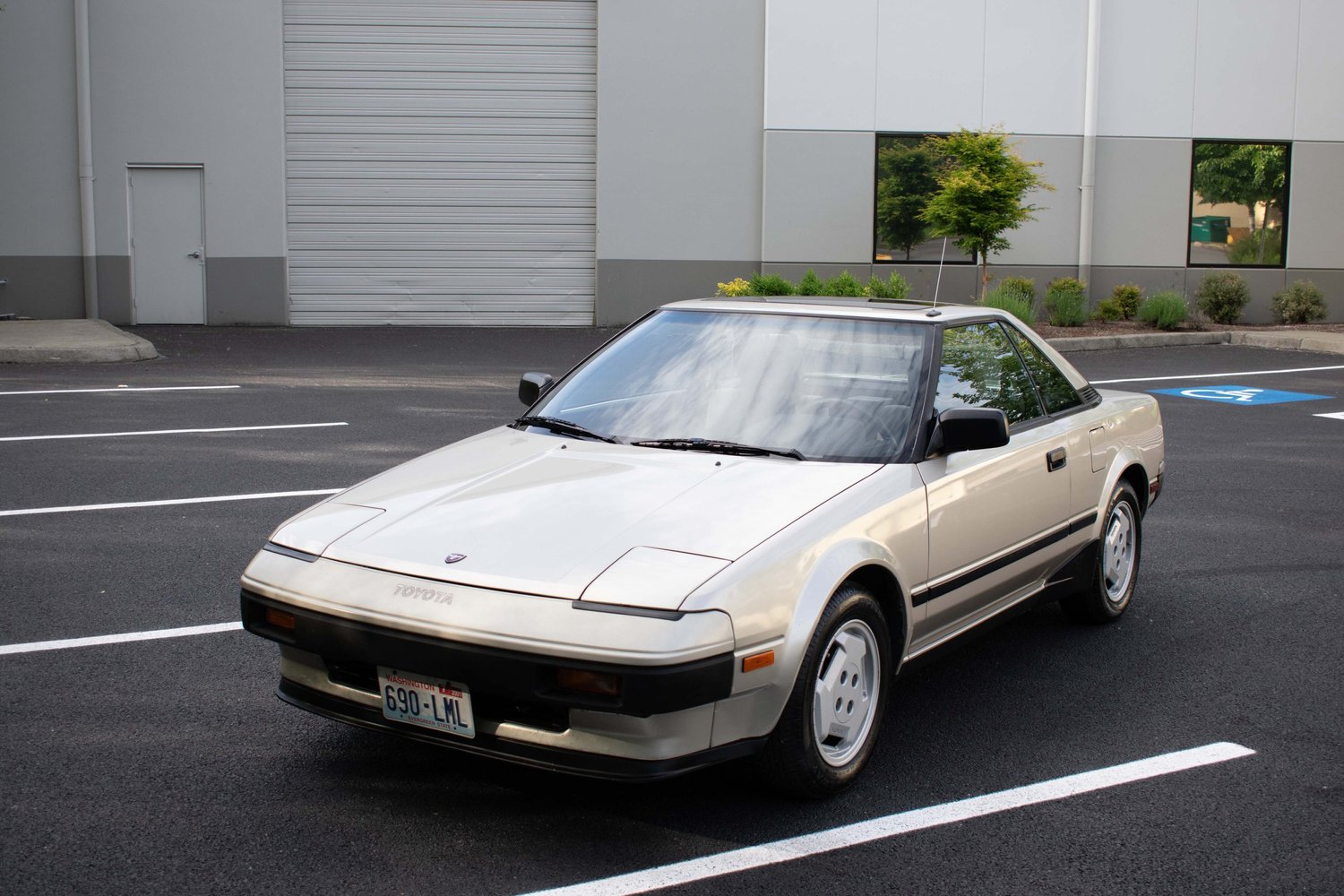
The MacPherson strut suspension was well-tuned, offering a compliant ride for daily driving while remaining composed during spirited cornering. Lift-off oversteer was a characteristic to respect, but skilled drivers could use this trait to rotate the car beautifully through corners. The manual transmission featured precise, short throws that made gear changes a pleasure.
The interior was cozy but functional, with supportive bucket seats, a simple dashboard layout, and surprisingly good visibility for a mid-engine car. The front trunk provided limited storage, while a small compartment behind the seats offered additional space. Removable T-top panels on many models provided open-air motoring without sacrificing structural rigidity.
Today, first-generation MR2s are becoming increasingly collectible. Clean examples range from $6,000 to $18,000, with supercharged models and pristine examples commanding premium prices. The cars are generally reliable, though mid-engine access makes some maintenance tasks more challenging.
Rust can be an issue, particularly in areas with road salt, so inspection of the chassis and structural components is essential. Parts availability remains good, with Toyota’s legendary reliability meaning many components last for decades.
The MR2 community is active and knowledgeable, providing excellent support for owners. As affordable mid-engine sports cars become rarer, the AW11 MR2 represents an excellent opportunity to own a unique piece of automotive history that delivers pure driving pleasure.
Also Read: Top 10 Affordable JDM Cars That Still Deliver Big Value
5. BMW E30 M3 (1986-1991)
The original BMW M3, based on the E30 3-Series platform, is widely considered one of the greatest sports sedans ever created. Built to homologate BMW’s touring car racing program, the E30 M3 combined motorsport engineering with everyday usability, creating a car that was equally at home on the track or commuting to work. Today, it’s recognized as a future classic with values that reflect its legendary status.
Under the hood sat the S14 2.3-liter four-cylinder engine, a high-revving masterpiece derived from BMW’s M1 supercar engine. In European specification, it produced 195 horsepower, while US models were slightly detuned to 192 horsepower.
The engine featured individual throttle bodies, a motorsport-derived cylinder head, and loved to rev to its 7,250 rpm redline. The Sport Evolution model, produced in limited numbers, increased displacement to 2.5 liters and produced 238 horsepower.
The close-ratio five-speed manual transmission featured perfect gear spacing and a mechanical feeling that modern cars can’t replicate.
The E30 M3’s chassis was extensively modified from the standard 3-Series. It featured wider fender flares to accommodate wider wheels, modified suspension geometry optimized for track use, and a more aggressive front air dam.
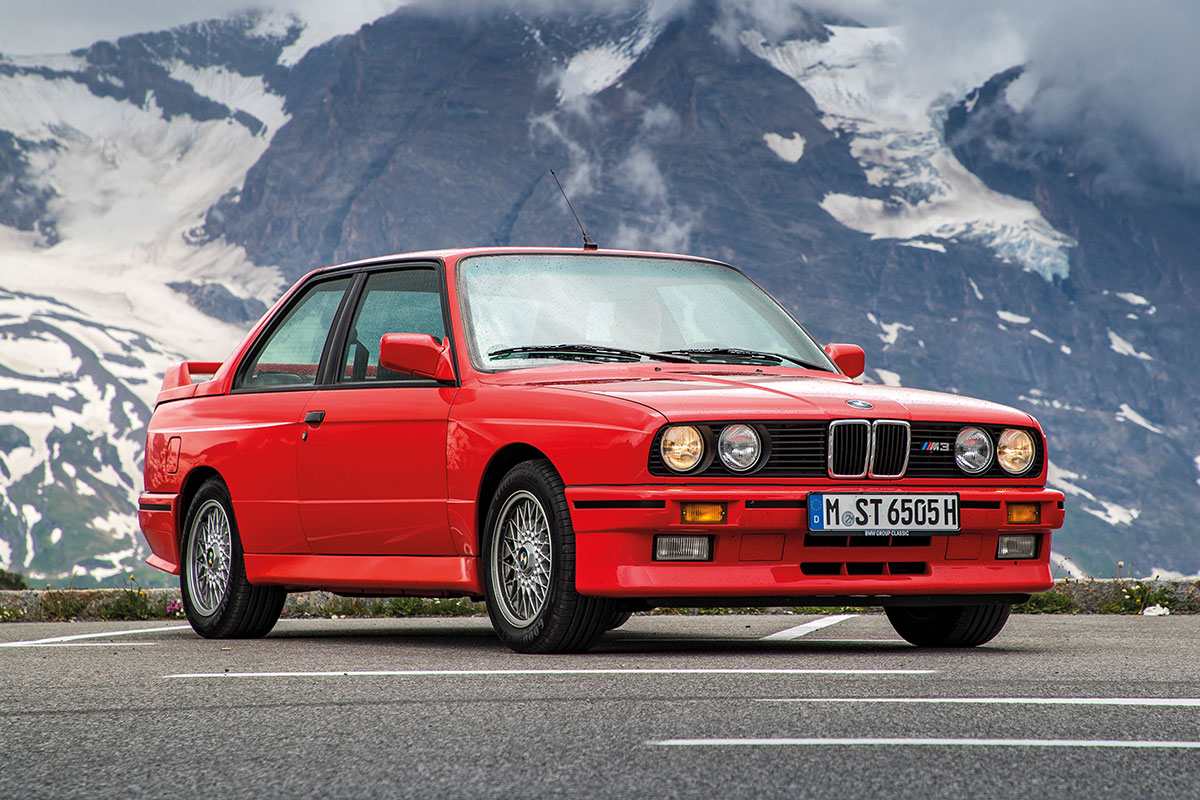
The result was a car with telepathic steering, perfectly balanced handling, and the ability to be driven at ten-tenths with confidence. The limited-slip differential and well-calibrated suspension meant the M3 could put its power down efficiently while remaining controllable and predictable.
Inside, the M3 was purposeful rather than luxurious. Sport seats provided excellent support, the dashboard was driver-focused, and build quality was typical BMW excellence.
Four doors meant the M3 was practical enough for daily use, while the performance meant it was never boring. The car could genuinely serve as an only vehicle, something few sports cars could claim.
Today, E30 M3 values have appreciated significantly. Clean examples start around $40,000 and can exceed $100,000 for pristine, low-mileage cars or rare Sport Evolution models.
Despite the higher entry price compared to other cars on this list, the E30 M3 has proven to be an excellent investment, with values steadily climbing.
The car’s racing pedigree, limited production numbers, and legendary status ensure continued appreciation. Parts availability is good, though some components are expensive. The E30 M3 represents the pinnacle of analog sports sedans and remains one of the most rewarding cars to drive from any era.
6. Nissan 300ZX (Z31, 1984-1989)
The first-generation 300ZX, known as the Z31, revitalized Nissan’s Z-car lineage with modern styling, advanced technology, and impressive performance.
After the bloated, heavy Z-cars of the late ’70s and early ’80s, the Z31 returned to the original Z-car formula: affordable performance in a stylish package. The wedge-shaped design with pop-up headlights, ground effects, and digital dashboard made it look thoroughly modern for the mid-1980s.
Power came from Nissan’s legendary VG30 3.0-liter V6 engine, producing 160 horsepower in naturally aspirated form or 200-205 horsepower with a turbocharger.
The turbocharged models featured an electronic boost control system and could accelerate to 60 mph in under 7 seconds impressive for the era. The V6 was smooth, refined, and responded well to modifications. A five-speed manual transmission was standard, while a four-speed automatic was available for those preferring a more relaxed driving experience.
The 300ZX’s chassis featured independent suspension at all four corners, four-wheel disc brakes, and available adjustable suspension systems on higher trim levels.
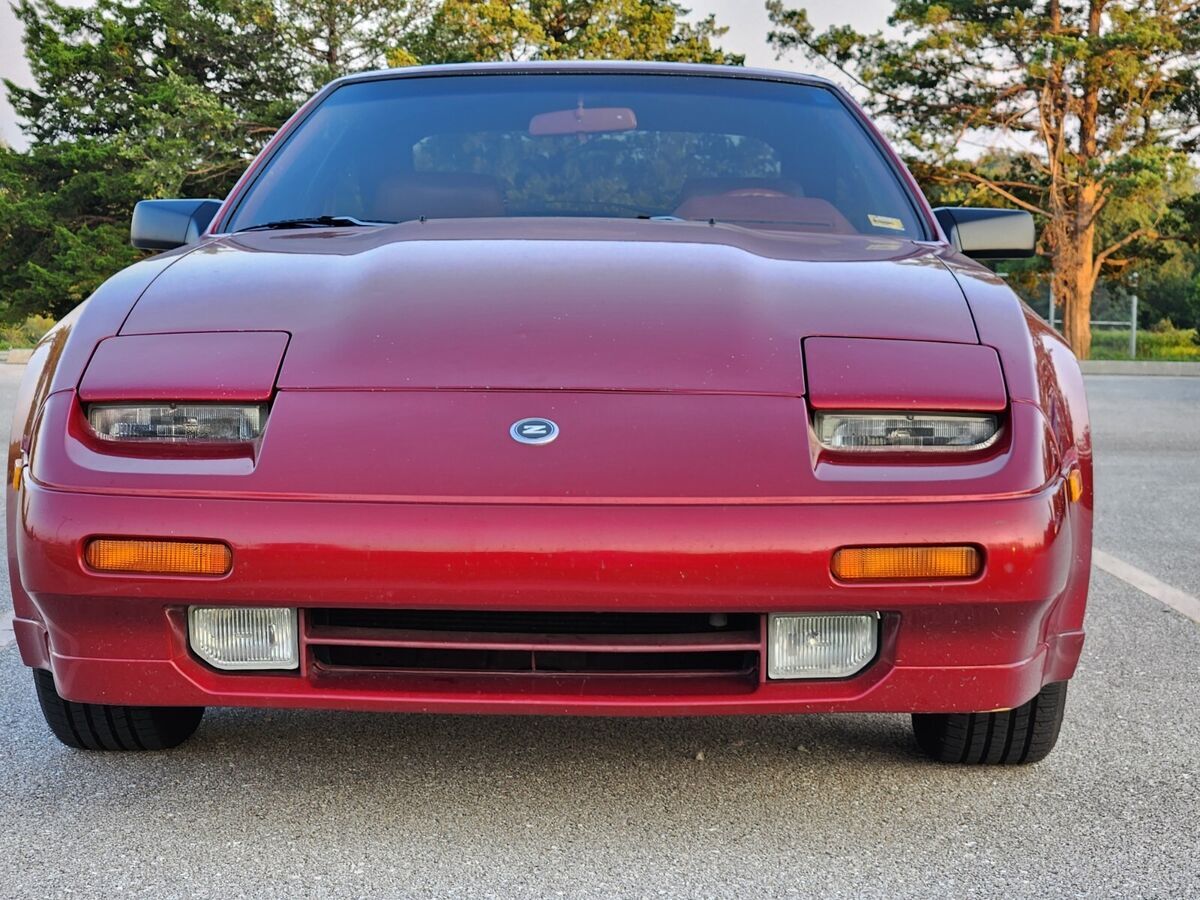
The handling was balanced and predictable, making the car approachable for drivers of all skill levels. While not as sharp as some European competitors, the 300ZX offered a comfortable ride that made it suitable for long-distance touring while still delivering engaging performance on winding roads.
Inside, the 300ZX featured a high-tech interior for its time, with a digital dashboard displaying speed, fuel economy, and various vehicle parameters.
The seats were supportive, the driving position was comfortable, and the 2+2 configuration on some models provided occasional rear seating. Build quality was excellent, with Nissan’s reputation for reliability meaning many examples have survived in good condition.
Today, Z31 300ZX models represent excellent value, with clean examples available from $5,000 to $15,000. Turbocharged models and rare variants like the 50th Anniversary Edition command premium prices.
The cars are generally reliable, though turbocharged models require attention to the cooling system and turbocharger maintenance. Parts availability is decent, with strong enthusiast community support and many components shared with other Nissan models.
The Z31’s combination of V6 performance, comfortable GT characteristics, and ’80s tech makes it an appealing choice for collectors seeking an undervalued classic with significant appreciation potential as Z-car values continue rising across all generations.
7. Ford Mustang SVO (1984-1986)
The Mustang SVO represented Ford’s attempt to create a sophisticated, European-style sports car from the Mustang platform during an era when American performance was struggling to find its identity.
SVO stood for Special Vehicle Operations, Ford’s performance division, and this turbocharged four-cylinder Mustang challenged conventional American muscle car thinking by prioritizing handling and technology over raw V8 displacement.
At the heart of the SVO was a 2.3-liter turbocharged four-cylinder engine producing 175-205 horsepower depending on the year, with the final 1986 models receiving additional power.
This was the same basic engine architecture used in the Mustang, but extensively modified with an upgraded turbocharger, intercooler, and sophisticated engine management.
The turbo-four delivered strong mid-range torque and impressive fuel efficiency compared to V8 models, while a five-speed manual transmission with a Hurst shifter provided engaging gear changes.
The SVO’s chassis modifications set it apart from standard Mustangs. It featured four-wheel disc brakes with rear discs that were rare on American cars at the time, adjustable Koni shock absorbers, specific spring rates, and a unique suspension calibration focused on handling prowess.
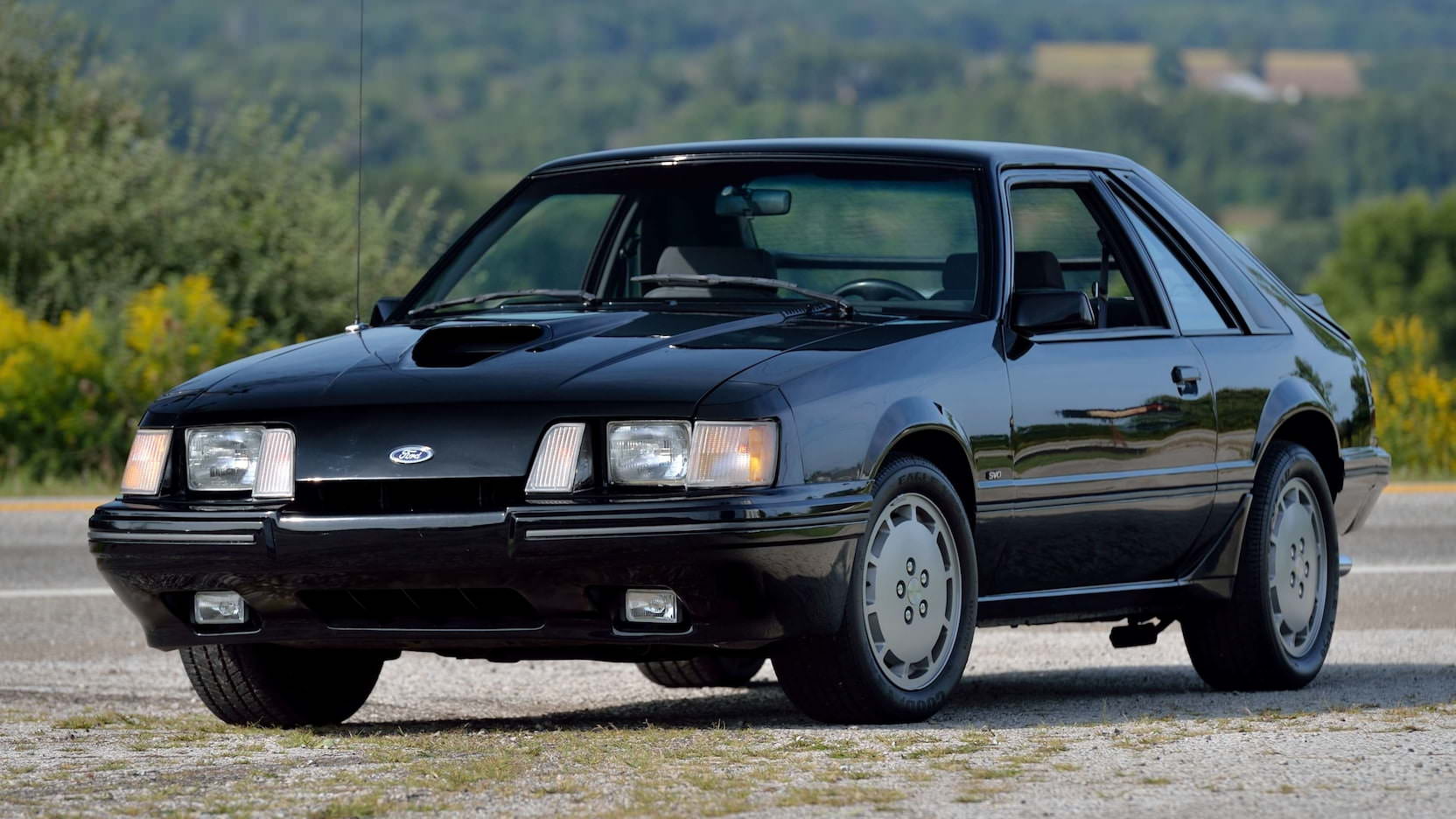
The 16-inch wheels wore high-performance tires, and the aerodynamic body kit included a large rear biplane spoiler that actually provided functional downforce. The result was a Mustang that handled with precision and balance unusual for American pony cars.
Visually, the SVO was distinctive with its unique front fascia eliminating the Mustang’s traditional grille, flush headlights (no pop-ups, unlike some competitors), functional hood scoop, and aggressive body cladding.
Inside, articulated sport seats, a leather-wrapped steering wheel, and full instrumentation created a purposeful driving environment. The SVO was positioned as a premium Mustang, priced higher than even GT models.
The SVO was controversial when new, with traditional Mustang enthusiasts skeptical of a four-cylinder flagship, but today it’s recognized as an important part of Mustang history.
Values have been climbing steadily, with clean examples ranging from $15,000 to $35,000 for pristine, low-mileage cars. Only about 9,800 SVOs were produced over three model years, making them relatively rare.
The turbocharged four-cylinder requires attention to boost systems and cooling, but when properly maintained, these engines are robust. Parts availability is decent, with many components shared with other Fox-body Mustangs.
The SVO represents a unique chapter in American performance history and offers a different driving experience than V8 Mustangs, making it an increasingly collectible alternative.
8. Volkswagen Scirocco 16V (1986-1992)
The second-generation Volkswagen Scirocco, particularly the 16-valve models introduced in 1986, represented European hot hatch performance in a stylish, three-door coupe package.
Designed by Giugiaro, the Scirocco featured clean, timeless lines that still look contemporary today. While never officially imported to the United States in 16V form, European and Canadian market cars are increasingly sought by American collectors willing to go through the import regulations.
The Scirocco 16V was powered by Volkswagen’s 1.8-liter four-cylinder engine with a 16-valve cylinder head, producing 139 horsepower in most markets.
This might not sound impressive by modern standards, but in a car weighing just 2,100 pounds, the power-to-weight ratio was excellent.
The engine was willing to rev, delivered power smoothly throughout the rev range, and featured Volkswagen’s characteristic build quality. A five-speed manual transmission with closely spaced gear ratios made the most of the available power.
What made the Scirocco special was its handling dynamics. The MacPherson strut front suspension and torsion beam rear suspension were well-calibrated, providing responsive handling with minimal body roll.
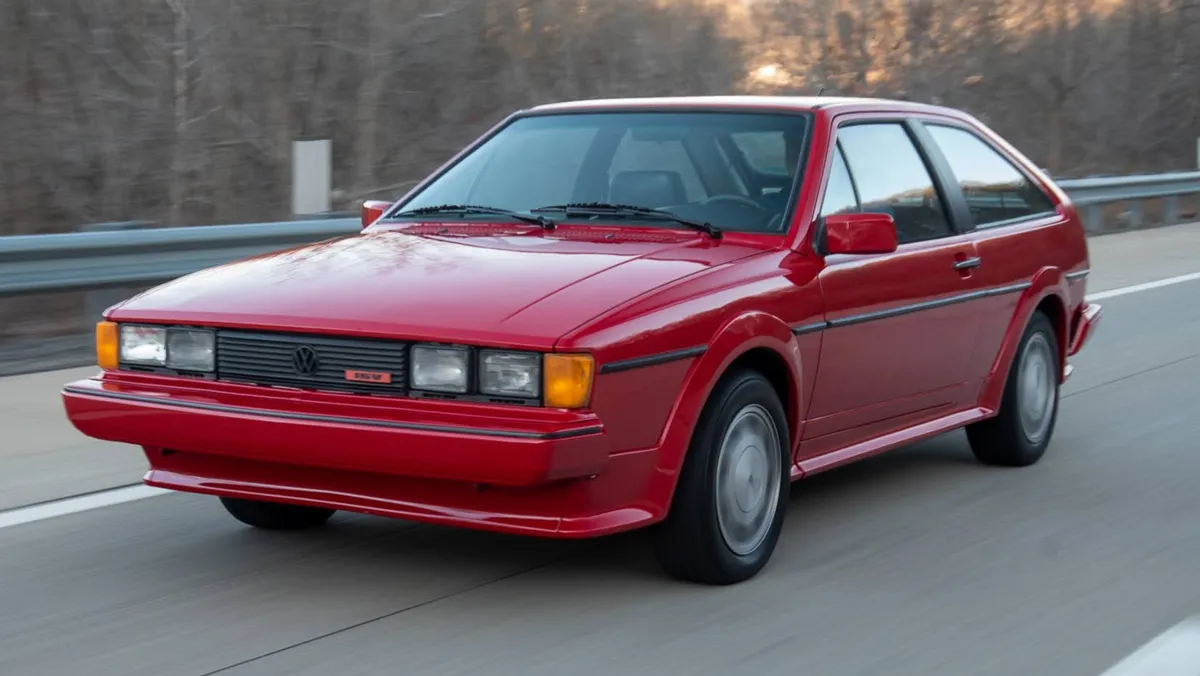
The steering was precise and communicative, and the compact dimensions made the car feel nimble and eager. The Scirocco could carry speed through corners impressively and encouraged spirited driving on winding roads. Disc brakes at all four wheels provided confident stopping power.
The interior was typical Volkswagen: well-built, logically laid out, and functional rather than luxurious. The supportive front seats, simple dashboard, and quality materials created a pleasant driving environment.
The three-door configuration provided access to rear seats that were suitable for children or extra cargo space, making the Scirocco more practical than dedicated two-seater sports cars.
Today, Scirocco 16V models are increasingly collectible, particularly in European markets where they’re appreciated for their combination of performance, practicality, and style.
Values range from $8,000 for cars needing work to $20,000 or more for exceptional examples. US collectors must go through the 25-year import rules, but Canadian-market cars can be easier to import. Parts availability in Europe is excellent, and the Volkswagen community is large and knowledgeable.
Common issues include rust in older examples and worn suspension components, but reliability is good. The Scirocco represents an opportunity to own a piece of European automotive culture that delivers genuine driving pleasure and stands out from more common Japanese and American sports cars.
9. Pontiac Fiero GT (1984-1988)
The Pontiac Fiero was General Motors’ ambitious attempt to create an affordable, mid-engine sports car for the American market. While early models suffered from quality issues and underpowered four-cylinder engines, the later GT models, particularly those from 1988, addressed many concerns and delivered a genuinely entertaining driving experience.
The Fiero’s plastic body panels over a steel space frame made it distinctive and rust-resistant. The Fiero GT featured aggressive styling with ground effects, a rear spoiler, and fastback roofline that looked exotic and purposeful.
Early models used a 2.5-liter four-cylinder producing a modest 98 horsepower, but the 1985 introduction of the 2.8-liter V6 option transformed the car. The V6 produced 140 horsepower and provided satisfying acceleration and a pleasant exhaust note.
The 1988 model year brought a completely redesigned suspension that transformed the Fiero’s handling from adequate to impressive, but unfortunately, GM cancelled the Fiero after 1988 just as it reached its potential.
The mid-engine layout provided balanced handling characteristics, with weight distributed almost perfectly between front and rear axles.
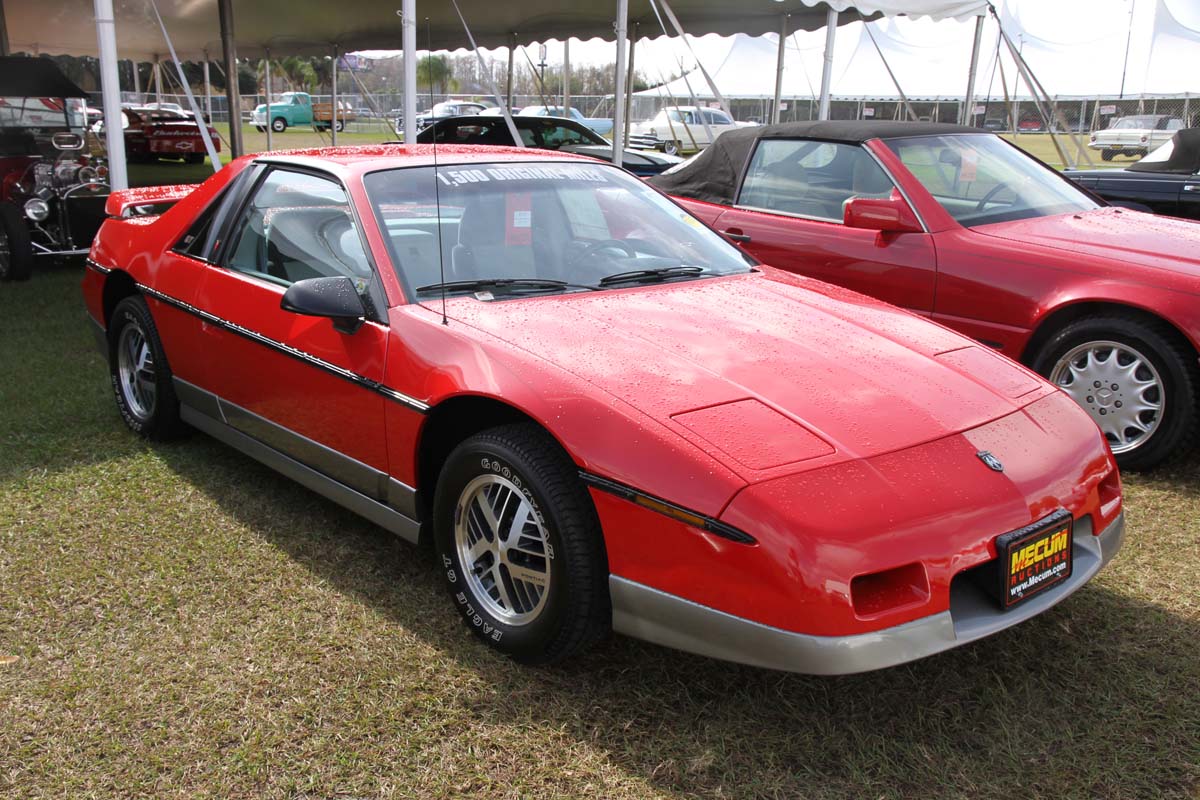
The 1988’s revised suspension featured MacPherson struts and eliminated the earlier models’ somewhat vague steering and body roll issues. The result was a car that could genuinely entertain on winding roads while remaining stable and predictable.
The manual transmission featured a cable-operated shifter that, while not the most precise, was workable and improved in later years.
Inside, the Fiero GT offered a driver-focused cockpit with supportive seats, straightforward controls, and adequate instrumentation. The mid-engine layout meant limited storage space, with a small front trunk and minimal cargo area, but this was accepted as part of the sports car experience.
Build quality improved throughout the production run, and later examples were generally well-assembled. Today, Fiero GTs represent exceptional value for mid-engine sports car enthusiasts.
Clean examples range from $5,000 to $15,000, with pristine 1988 models commanding the highest prices. The 1988 model year is particularly sought after for its superior suspension and represents the Fiero’s fully realized potential.
Parts availability is decent, with an active enthusiast community and many mechanical components shared with other GM vehicles. The Pontiac V6 is reliable and easy to maintain.
The Fiero’s unique position as an American mid-engine sports car and its distinctive styling make it an interesting collector car with room for appreciation as ’80s nostalgia continues growing.
10. Alfa Romeo Spider Graduate/Quadrifoglio (1983-1993)
The Alfa Romeo Spider, based on a design that dated back to the 1960s, continued production throughout the 1980s and offered classic Italian sports car character at accessible prices.
While not cutting-edge technology, the Spider delivered timeless style, engaging driving dynamics, and the romance of Italian automotive engineering. The Graduate and Quadrifoglio models from the ’80s represent the final evolution of this classic design before the model was discontinued.
Power came from Alfa Romeo’s twin-cam 2.0-liter four-cylinder engine producing approximately 115 horsepower in US specification. While not powerful by modern standards, the engine was characterful, loved to rev, and delivered its power smoothly.
The distinctive Italian engine note, particularly at higher rpm, was part of the Spider’s charm. A five-speed manual transmission was standard, featuring a long-throw shifter that required deliberate inputs but added to the mechanical feel of the driving experience.
The Spider’s handling was engaging and communicative, with precise steering that provided excellent feedback. The independent front suspension and live rear axle setup was dated compared to more modern competitors, but the chassis was well-sorted after decades of development.
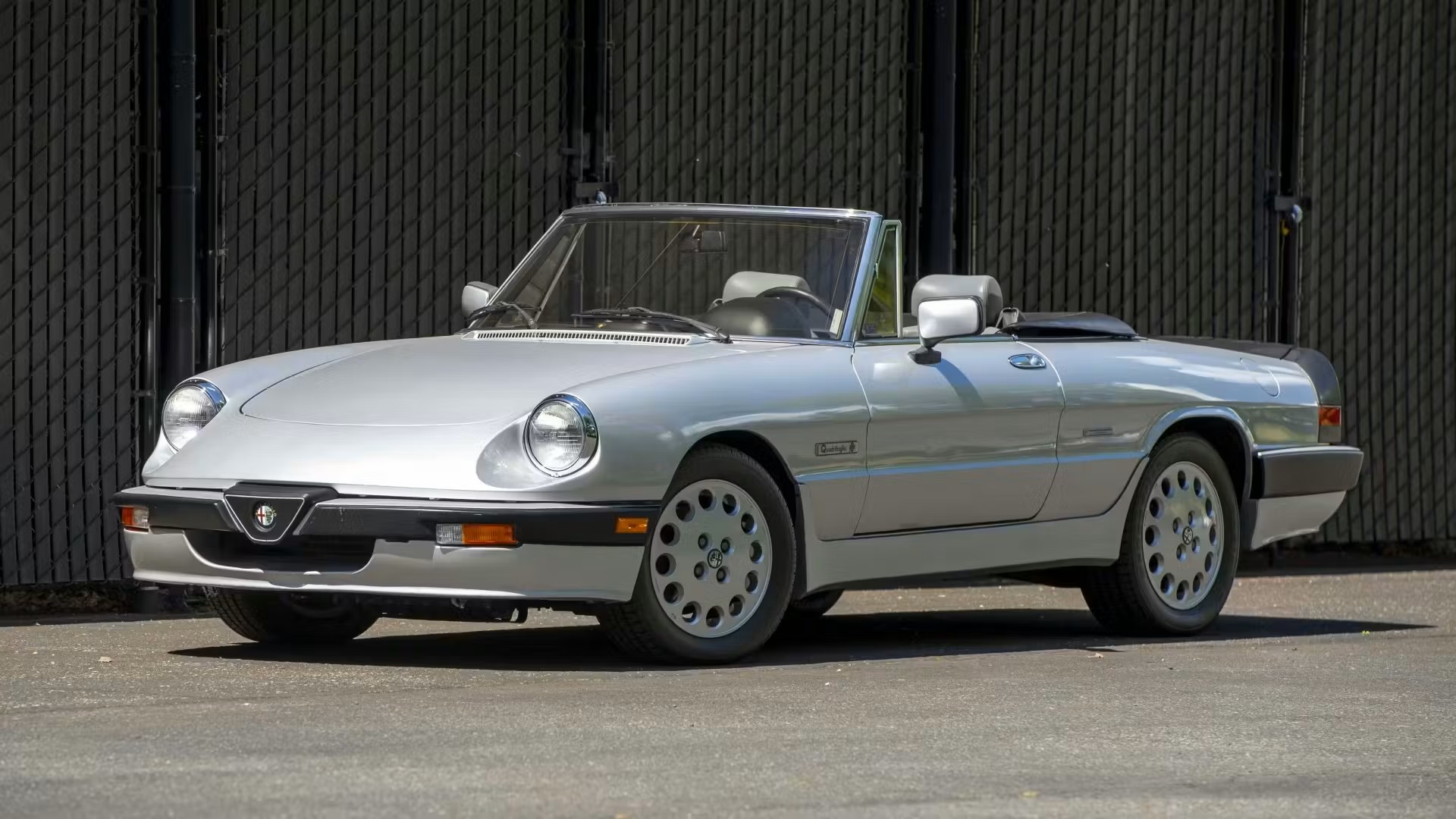
The car felt alive and responsive, encouraging drivers to explore winding roads and enjoy the open-air driving experience. The canvas convertible top was simple to operate and, when lowered, provided the classic roadster experience that enthusiasts craved.
Inside, the Spider featured Italian style with classic round gauges, a leather-wrapped steering wheel, and supportive seats. Build quality was typical of Italian cars from this era charming but not always perfect with some electrical quirks and trim pieces that could rattle.
However, these minor issues were accepted as part of the Italian car ownership experience and didn’t diminish the car’s appeal. Today, Alfa Romeo Spiders from the ’80s represent affordable entry into classic Italian sports car ownership.
Clean examples range from $8,000 to $20,000, depending on condition and model year. The cars require more attention than Japanese competitors, with rust being a significant concern, particularly in the floors and structural components.
The Italian mechanicals can be quirky, and finding knowledgeable mechanics is important. Parts availability has improved with growing enthusiast support and specialist suppliers.
The Spider offers a very different experience from Japanese or American sports cars, with character and style that make every drive special.
As classic Italian cars continue appreciating, well-maintained Spiders represent an opportunity to own automotive art that delivers both driving pleasure and investment potential.
