Choosing the right car is not just about styling, performance, or the latest tech. For most buyers, long-term reliability and repair costs matter just as much as what happens on the test drive. That is where the difference between a stress-free ownership experience and years of frustration becomes clear.
Some vehicles are engineered with proven components, conservative designs, and durable materials that keep repair visits rare and predictable. Others push complexity, new platforms, or unrefined technology that can lead to repeated breakdowns, recalls, and expensive fixes.
This comparison, titled “5 Cars That Require Minimal Repairs vs 5 That Need Frequent Fixes,” highlights both sides of that divide. By examining dependable models known for longevity alongside vehicles with persistent reliability issues, this guide helps buyers understand which cars reward ownership with peace of mind and which ones demand patience, time, and a larger maintenance budget.
5 Cars That Require Minimal Repairs
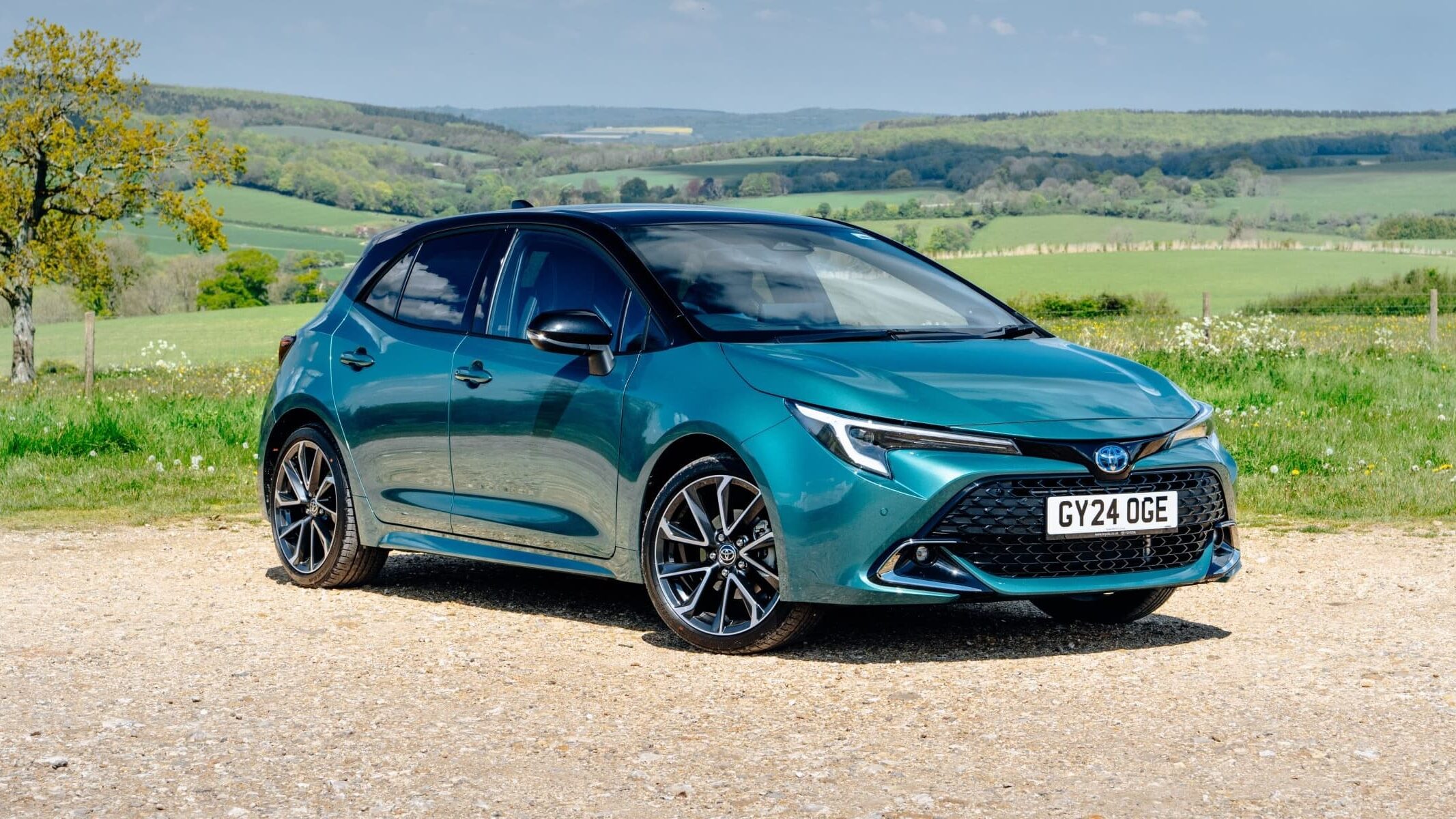
1. Toyota Corolla: Reliable, Efficient, and Cost-Effective
The Toyota Corolla is widely regarded as one of the most dependable and affordable compact cars, with an estimated 10-year maintenance cost of just $4,434. Its reputation for low-cost ownership is rooted in a design philosophy that emphasizes simplicity, durability, and proven engineering over complex technology. 4\
Toyota builds critical components stronger than necessary, ensuring long-term reliability. Many parts, such as the chain-driven timing system, are maintenance-free, reducing repair frequency and costs.
Additionally, the Corolla benefits from a global parts supply, widespread aftermarket availability, and shared components across Toyota’s lineup, keeping replacement costs low. While some models have minor reported issues, such as coolant bypass valves, the Corolla remains one of the most durable and inexpensive cars to maintain over time.
Powertrain options include a 169-hp 2.0-liter four-cylinder engine paired with a continuously variable automatic transmission (CVT), driving the front wheels. Hybrid variants combine a 2.0-liter gasoline engine with electric motors, delivering up to 53 mpg city and 50 mpg combined.
Acceleration is modest, with hybrids taking roughly 9.0 seconds to reach 60 mph, while the hatchback achieves 8.3 seconds. Both body styles provide a comfortable ride quality, effectively absorbing bumps and offering controlled handling. Sport trims like the SE and XSE include stiffer suspensions and larger wheels, providing a more engaging driving experience while maintaining comfort.
The interior is functional and user-friendly, featuring soft-touch materials, passive entry, push-button start, and optional upgrades such as dual-zone climate control, ambient lighting, and heated front seats. Cargo capacity varies by model: the hatchback offers 18–23 cubic feet with the Enhanced Cargo Space option, while the sedan provides around 13 cubic feet.
Infotainment is anchored by an 8.0-inch touchscreen with Apple CarPlay and Android Auto, with optional larger 10.5-inch displays and digital gauge clusters for higher trims. Multiple USB-C ports, wireless charging, and optional JBL audio enhance connectivity and convenience.
Safety is a key strength of the Corolla, with Toyota Safety Sense 3.0 standard across all trims. Features include forward-collision warning, automated emergency braking, lane-departure warning, lane-keeping assist, adaptive cruise control, and automatic high beams.
Warranty coverage includes a three-year/36,000-mile limited warranty, five-year/60,000-mile powertrain warranty, ten-year/150,000-mile hybrid component coverage, and two years/25,000 miles of complimentary scheduled maintenance.
With its low maintenance costs, fuel-efficient powertrains, practical interior, and extensive safety features, the Toyota Corolla delivers lasting value and reliability, making it an excellent choice for drivers seeking cost-effective, dependable transportation without sacrificing comfort or efficiency.
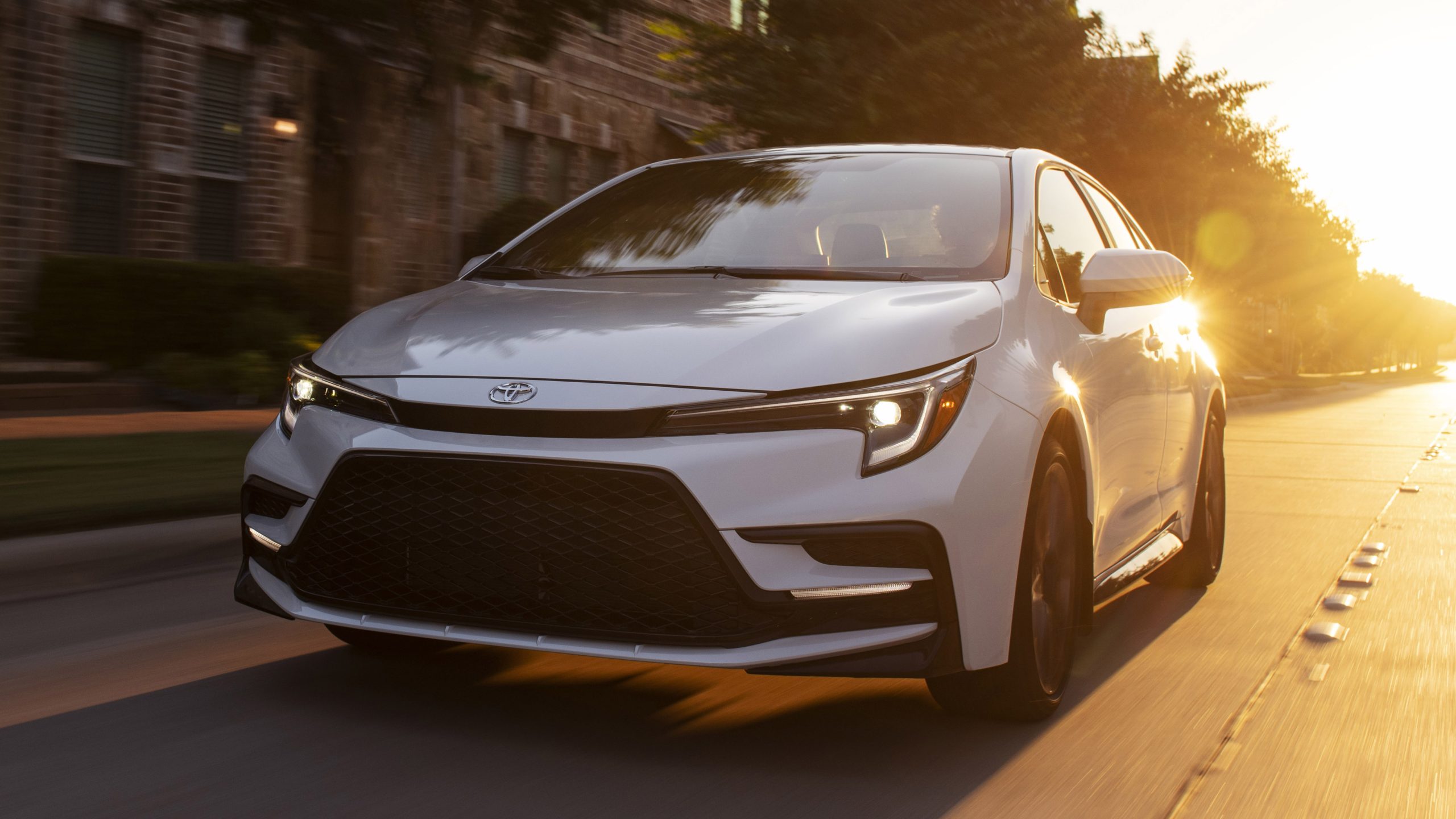
2. Honda Civic: Durable, Efficient, and Cost-Conscious
The Honda Civic is widely recognized as a benchmark for balanced ownership, offering long-term reliability, low maintenance costs, and practical performance. It has a predicted lifespan of 13.5 years and an average annual service cost of approximately $2,058.
The Civic’s engineering simplicity, durable components, and proven powertrains result in an average annual repair cost of just $368, which is significantly lower than the $652 industry average.
Routine maintenance focuses on basic tasks such as oil changes, brake inspections, and filter replacements, while high-quality parts reduce the frequency of unexpected repairs. Honda’s i-VTEC and Earth Dreams technologies enhance fuel efficiency and minimize engine wear, supporting powertrain longevity that often exceeds 200,000 miles.
Nonhybrid Civic models use a 150-horsepower 2.0-liter four-cylinder engine paired with a continuously variable transmission and front-wheel drive. These models deliver sufficient performance for city and highway driving while maintaining smooth handling and a well-balanced ride. Hybrid Civics combine the 2.0-liter engine with two electric motors for a total of 200 horsepower.
The hybrid delivers quick and smooth acceleration, reaching 0–60 mph in 6.2 seconds. Fuel economy is excellent, with the hybrid achieving up to 50 mpg city and 47 mpg highway, while nonhybrid models earn approximately 32 mpg city and 41 mpg highway.
The interior of the Civic seats five passengers comfortably. The sedan provides generous rear legroom, and the hatchback offers flexible cargo space, including 17 carry-on suitcases with the rear seats folded.
Infotainment includes a standard 7.0-inch touchscreen with wired Apple CarPlay and Android Auto. Higher trims and hybrid models add a 9.0-inch touchscreen, wireless connectivity, navigation, wireless smartphone charging, and a 12-speaker Bose audio system.
Safety features include automated emergency braking, lane-keeping assist, and adaptive cruise control as standard. Optional features include blind-spot monitoring, rear-cross-traffic alert, and front and rear parking sensors.
Warranty coverage consists of a three-year or 36,000-mile limited warranty, five-year or 60,000-mile powertrain warranty, eight-year or 100,000-mile hybrid component warranty, and one year or 12,000 miles of complimentary maintenance.
With low ownership costs, reliable engineering, efficient performance, a practical interior, and modern safety features, the Honda Civic provides a dependable and cost-effective option for drivers seeking long-term value, comfort, and efficiency.
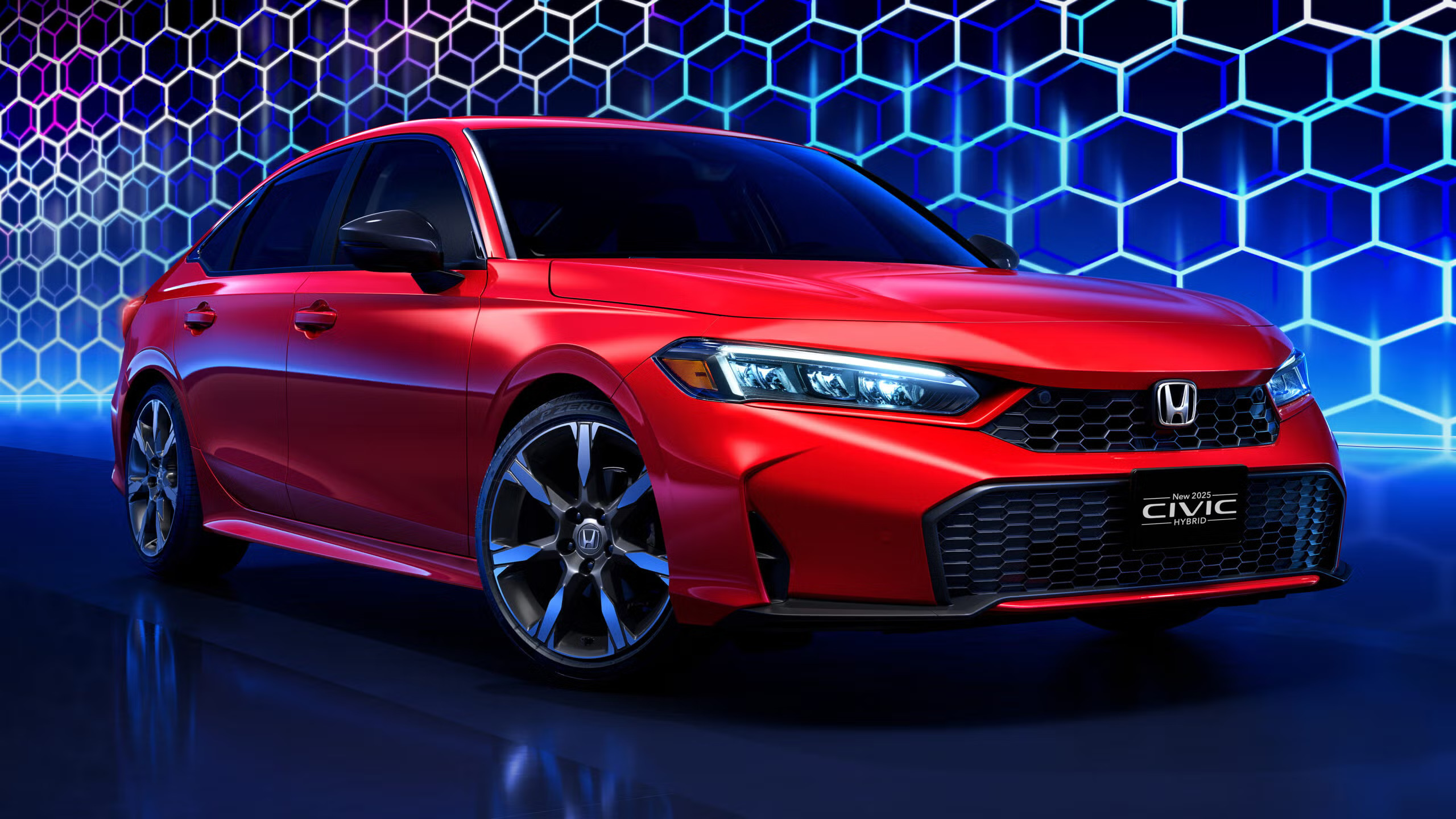
3. Lexus IS: Reliable Luxury with Low Long-Term Costs
The Lexus IS combines luxury performance with exceptional reliability, making it one of the most cost-effective options in the premium sedan segment. With a predicted 10-year maintenance cost of just $5,782, the IS offers far lower ownership expenses than comparable European rivals.
Its reliability score of 84 out of 100 reflects a focus on durable components, meticulous engineering, and the use of proven Toyota-based parts. These qualities reduce the likelihood of unexpected mechanical failures and keep repair costs manageable over the life of the vehicle.
Lexus IS models benefit from Toyota’s engineering philosophy, which emphasizes durability and longevity. Predictive maintenance features, including precise monitoring of oil life and brake pad wear, allow owners to address minor maintenance needs proactively.
Routine servicing, such as oil changes, filter replacements, and inspections every 5,000 to 10,000 miles, is usually sufficient to maintain optimal performance. High-quality materials and attention to detail in manufacturing further contribute to lower repair requirements compared with European luxury sedans.
Engine options include a 241-hp turbocharged 2.0-liter four-cylinder in the IS300, a 311-hp V-6 in the IS350, and a 472-hp V-8 in the IS500. The IS300 and IS350 are available with all-wheel drive, while the IS500 is rear-wheel drive only.
Performance testing showed that the IS350 rear-wheel-drive F Sport reached 60 mph in 5.6 seconds, while the IS500 accomplished it in 4.3 seconds. Fuel economy varies with the engine and drivetrain, with the IS300 RWD achieving 21 mpg city and 31 mpg highway, the IS350 AWD at 19/26 mpg, and the V-8 IS500 at 17/25 mpg.
Inside, the Lexus IS offers a premium experience with power front seats, dual-zone climate control, and an optional sunroof. Cabin materials are soft and refined, though rear passenger space and storage are limited compared with larger Lexus sedans.
Infotainment includes a standard 8.0-inch touchscreen, with an optional 10.3-inch display offering navigation, Apple CarPlay, Android Auto, and Amazon Alexa compatibility. The Mark Levinson audio system is available with 17 speakers and 1,800 watts of output.
Safety features are comprehensive and standard, including automated emergency braking with pedestrian detection, lane-departure warning with lane-keeping assist, and adaptive cruise control.
Lexus backs the IS with a four-year or 50,000-mile limited warranty, a six-year or 70,000-mile powertrain warranty, and one year or 10,000 miles of complimentary scheduled maintenance, reinforcing the vehicle’s low-cost, long-term ownership appeal.
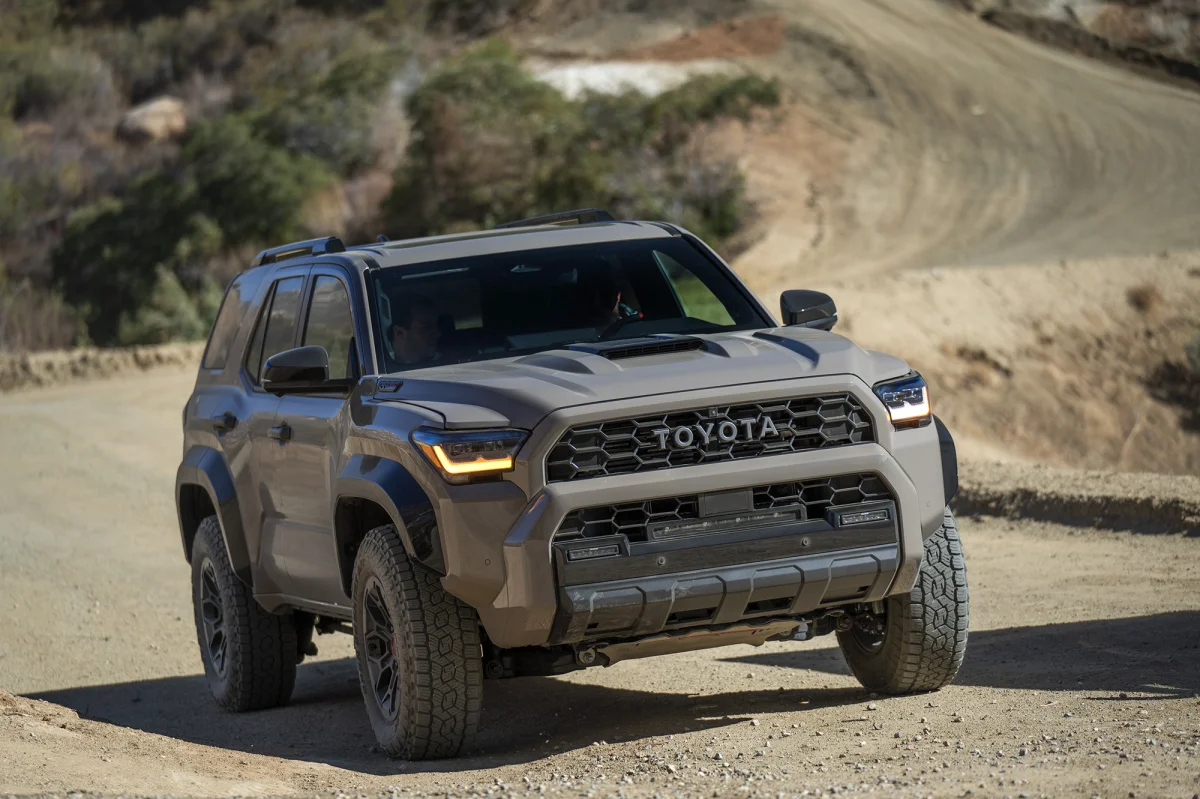
4. Toyota 4Runner: Rugged Reliability and Longevity
The Toyota 4Runner has earned a reputation as a “forever car” due to its exceptional reliability score of 95 out of 100. It has a 32.9 percent chance of lasting beyond 250,000 miles, making it one of the longest-lasting non-hybrid SUVs on the market.
Minimal repairs are required thanks to its over-engineered, truck-based body-on-frame construction, robust 4.0-liter V6 engine, and proven 5-speed automatic transmission. With only a 5 percent likelihood of major repairs in the first five years, the 4Runner’s design prioritizes durability and longevity, ensuring dependable service for well over 200,000 miles.
Key factors in the 4Runner’s reliability include a proven powertrain and platform, simple engineering, and durable components. The fifth-generation model, produced from 2010 to 2024, avoids complex technology in favor of mature, well-tested systems.
Its truck-based chassis is designed for severe off-road conditions, meaning normal daily driving puts minimal stress on the drivetrain and suspension. Annual maintenance costs average $514, lower than the midsize SUV segment average of $573.
Routine maintenance focuses on standard tasks such as fluid changes every 10,000 miles, drivetrain lubrication, and suspension inspections. Minor issues, such as blend door actuators, are infrequent.
The 4Runner comes with a 278-hp 2.4-liter turbocharged four-cylinder engine and an eight-speed automatic transmission. Rear-wheel drive is standard, while full-time four-wheel drive with a two-speed transfer case is optional.
Off-road-focused features include optional disconnecting stabilizer bars, locking rear differentials, and off-road cruise control. During testing, the four-wheel-drive 4Runner reached 60 mph in 7.5 seconds. Towing capacity is 6,000 pounds, placing it ahead of many competitors.
Inside, the 4Runner shares styling cues with the Tacoma pickup, including a functional, straightforward dashboard and strategically placed storage. A third-row seat is optional, suitable for children or occasional passengers.
Windows and a power-operated rear window can be opened to create a semi-convertible experience for outdoor adventures. Infotainment features an 8.0-inch touchscreen as standard, with optional 14-inch displays, 12.3-inch digital gauges, wireless Apple CarPlay and Android Auto, USB-C ports, and optional wireless smartphone charging.
Safety is supported by Toyota Safety Sense 3.0, which includes automated emergency braking with pedestrian detection, lane-departure warning, lane-keeping assist, and adaptive cruise control with lane-centering.
Toyota backs the 4Runner with a three-year or 36,000-mile limited warranty, a five-year or 60,000-mile powertrain warranty, and two years or 25,000 miles of complimentary maintenance, emphasizing the SUV’s long-term reliability and practicality.
5. Tesla Model Y: Low-Maintenance Electric Efficiency and Modern Performance
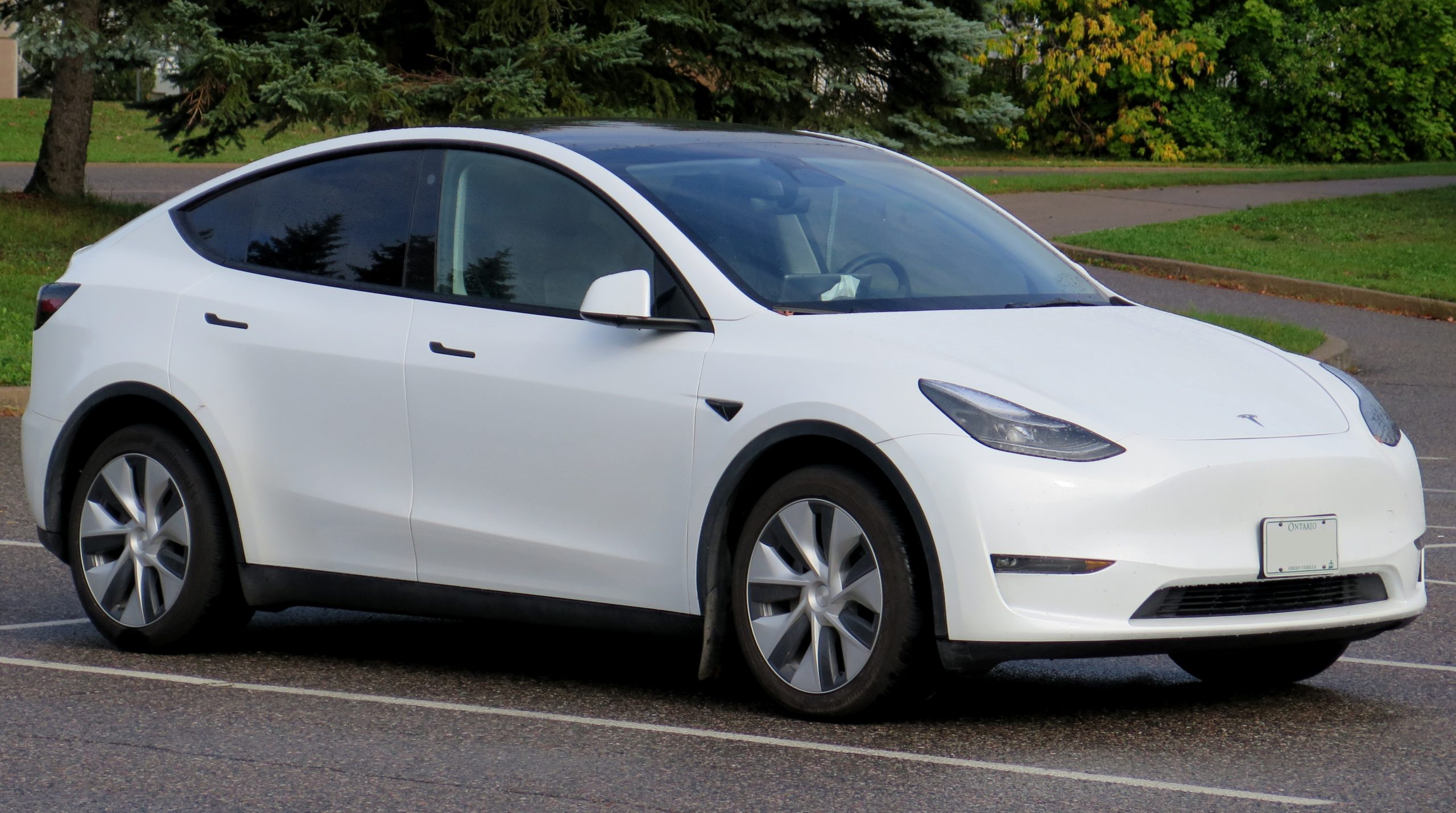
The Tesla Model Y is widely regarded as the most reliable electric vehicle currently available, especially as Tesla has resolved many early production and build-quality concerns. One of its strongest advantages is low long-term ownership cost, with an estimated 10-year maintenance expense of about $3,977.
This is largely due to its electric powertrain, which has far fewer moving parts than a traditional internal combustion engine. Without oil changes, spark plugs, exhaust systems, or complex transmissions, routine servicing is significantly reduced.
Maintenance requirements for the Model Y are minimal because the electric drivetrain contains roughly 20 moving components compared to thousands in gasoline-powered vehicles. Regenerative braking further lowers upkeep by reducing brake pad wear, often allowing pads to last for several years.
Scheduled maintenance is limited to items such as tire rotations, cabin air filter replacements, brake fluid inspections, and occasional air-conditioning service. Many improvements and diagnostics are handled through over-the-air software updates, which reduce the need for physical service visits.
While everyday maintenance costs are low, some reports suggest that repairs, when required, can be expensive due to advanced electronics and specialized bodywork.
Performance is a strong point for the Model Y. Rear-wheel-drive versions are estimated to produce around 295 to 300 horsepower, while all-wheel-drive models use dual motors for a combined 375 horsepower. The Performance trim adds sport-tuned suspension, a wider stance, and 21-inch wheels.
In testing, the Model Y Long Range AWD reached 60 mph in 3.9 seconds, while the rear-wheel-drive version managed a still-impressive 5.1 seconds. The Performance model is claimed to hit 60 mph in about 3.3 seconds. Acceleration is smooth and quiet, and regenerative braking feels natural and easy to adapt to.
Range and charging capability further enhance the Model Y’s appeal. Depending on the configuration, the estimated range varies from 303 to 357 miles. Fast-charging allows the rear-wheel-drive version to add up to 182 miles of range in about 15 minutes. EPA efficiency ratings range from 104 to 138 MPGe combined, placing it among the most efficient vehicles in its class.
Inside, the Model Y features a minimalist cabin dominated by a 15.4-inch central touchscreen that controls most vehicle functions. An all-glass roof creates an airy feel, and standard features include faux leather upholstery, heated front seats, and dual-zone climate control. Seating for five is standard, with an optional third row on select trims.
Safety technology includes automated emergency braking, lane-keeping assist, adaptive cruise control, and optional Full Self-Driving features that still require active driver supervision. Tesla backs the Model Y with a four-year or 50,000-mile limited warranty and an eight-year or 100,000-mile battery and motor warranty, reinforcing its focus on long-term ownership confidence.
Also Read: 5 Cars That Handle High Mileage Well vs 5 That Struggle
5 That Need Frequent Fixes
1. Ram 1500: Reliability Issues and High Maintenance Demands
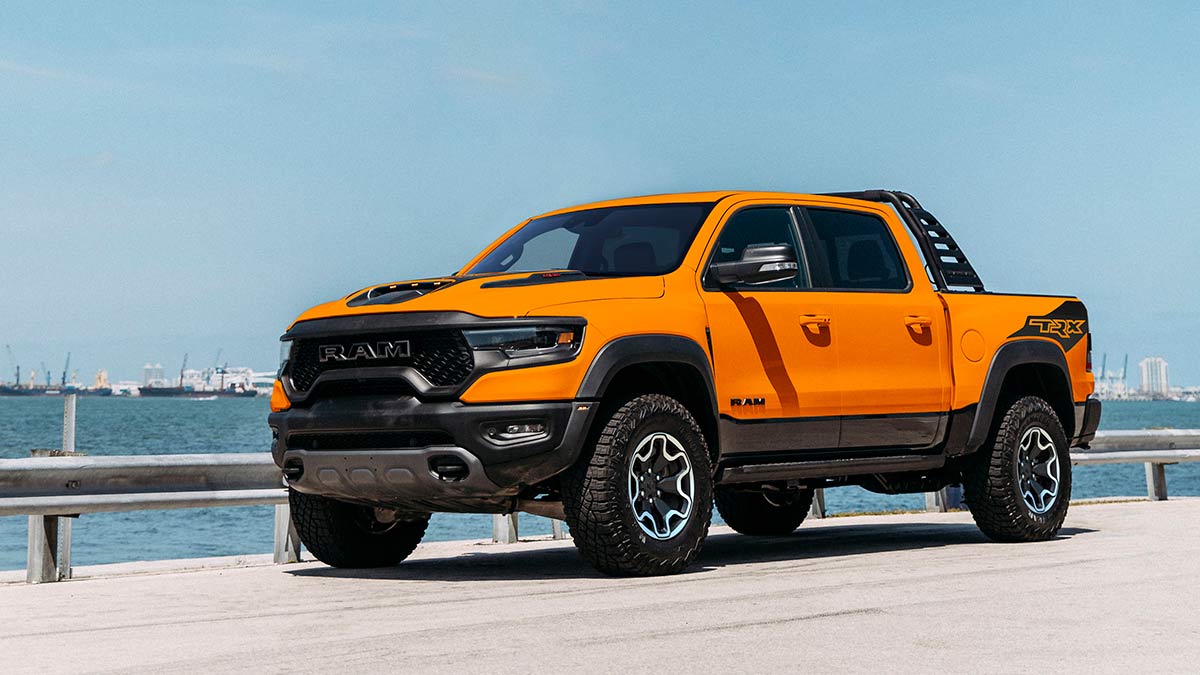
The Ram 1500 is widely regarded as one of the most problematic new vehicles currently on sale, reflected in its extremely low reliability score of 5 out of 100. Owner feedback and industry reports consistently highlight frequent mechanical and electrical problems, many of which are tied to design weaknesses and the demanding workloads expected of full-size pickup trucks.
A major source of concern is the 5.7-liter Hemi V8 engine and the well-known “Hemi Tick.” This issue commonly originates from exhaust manifold bolt failures caused by repeated heat expansion and contraction. When the bolts snap, exhaust leaks develop, requiring labor-intensive repairs that involve drilling out broken studs and replacing hardware.
In more serious cases, the ticking noise signals hydraulic roller lifter failure, which can progress to camshaft damage. These failures are often linked to oil starvation during low-RPM driving or extended idling, as the camshaft’s elevated position in the engine block limits consistent lubrication.
Electrical reliability is another major weakness. Modern Ram 1500 models rely heavily on interconnected electronic systems that are prone to faults. Owners frequently report parasitic battery drain caused by malfunctioning modules that remain active after the truck is shut off.
Infotainment problems are also common, with Uconnect touchscreens freezing, blacking out, or requiring repeated software updates. Additionally, failures of the Totally Integrated Power Module can trigger widespread and unpredictable issues across multiple systems, including lighting, fuel delivery, and accessories.
Drivetrain and suspension components add further complexity. The eight-speed automatic transmission is mechanically capable but highly sensitive to software calibration and fluid condition. 4
Without regular updates and fluid changes, drivers often experience rough shifting or inconsistent gear selection. The rear coil spring suspension, while comfortable, can sag under heavy towing, and optional air suspension systems are known to leak or fail, particularly in cold climates.
Due to these recurring issues, many experts recommend more aggressive maintenance than factory schedules suggest. Shorter oil change intervals and earlier transmission fluid servicing can help reduce long-term damage and improve reliability, though ownership costs often remain higher than average.
2. Jeep Grand Cherokee 4xe: Persistent Reliability and Safety Concerns
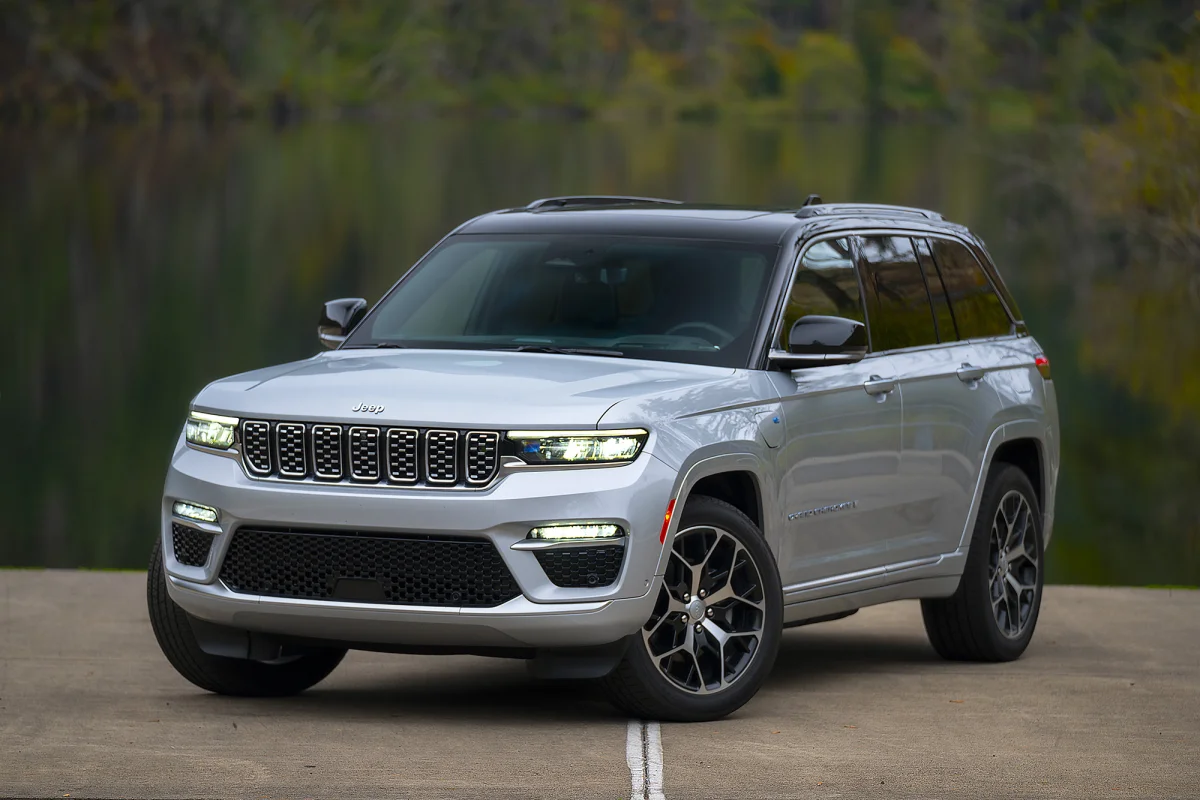
The Jeep Grand Cherokee 4xe plug-in hybrid has developed a reputation for frequent repairs and serious reliability concerns, largely driven by the complexity of its dual-powertrain design.
By combining a turbocharged gasoline engine with electric motors and a high-voltage battery, Jeep introduced advanced technology that has struggled with manufacturing quality, software stability, and safety assurance. As of late 2025, the model remains under heightened scrutiny from regulators and owners alike.
The most critical issue centers on battery fire risks. More than 320,000 Jeep PHEVs have been recalled after defects were traced to internal battery cell separators supplied by Samsung SDI. These separators can fail, leading to spontaneous fires whether the vehicle is parked or in motion.
Interim software fixes proved ineffective, prompting advisories for owners to park outdoors and avoid charging until a permanent solution is implemented. This has significantly undermined confidence in the vehicle’s electrified system.
Compounding the problem are catastrophic engine manufacturing defects. A major recall in 2025 affected over 112,000 vehicles due to sand contamination left inside engine blocks during casting. This debris can circulate within the engine, causing sudden power loss, severe mechanical damage, or even engine compartment fires. For affected owners, these failures often result in full engine replacements.
Chronic software and electrical issues further contribute to the model’s poor dependability. Faulty communication between hybrid control modules can cause a sudden loss of drive power, forcing the vehicle into limp mode or shutting it down entirely.
Owners also frequently report 12-volt battery drain that renders the vehicle unable to start, along with persistent Uconnect infotainment freezes and connectivity failures.
Mechanical refinement is another weak point. Transitions between electric and gasoline operation are often described as jerky, with low-speed transmission lurching and premature brake wear. Combined with recalls related to steering column components, these issues have led many owners to pursue Lemon Law claims after repeated unsuccessful repair attempts.
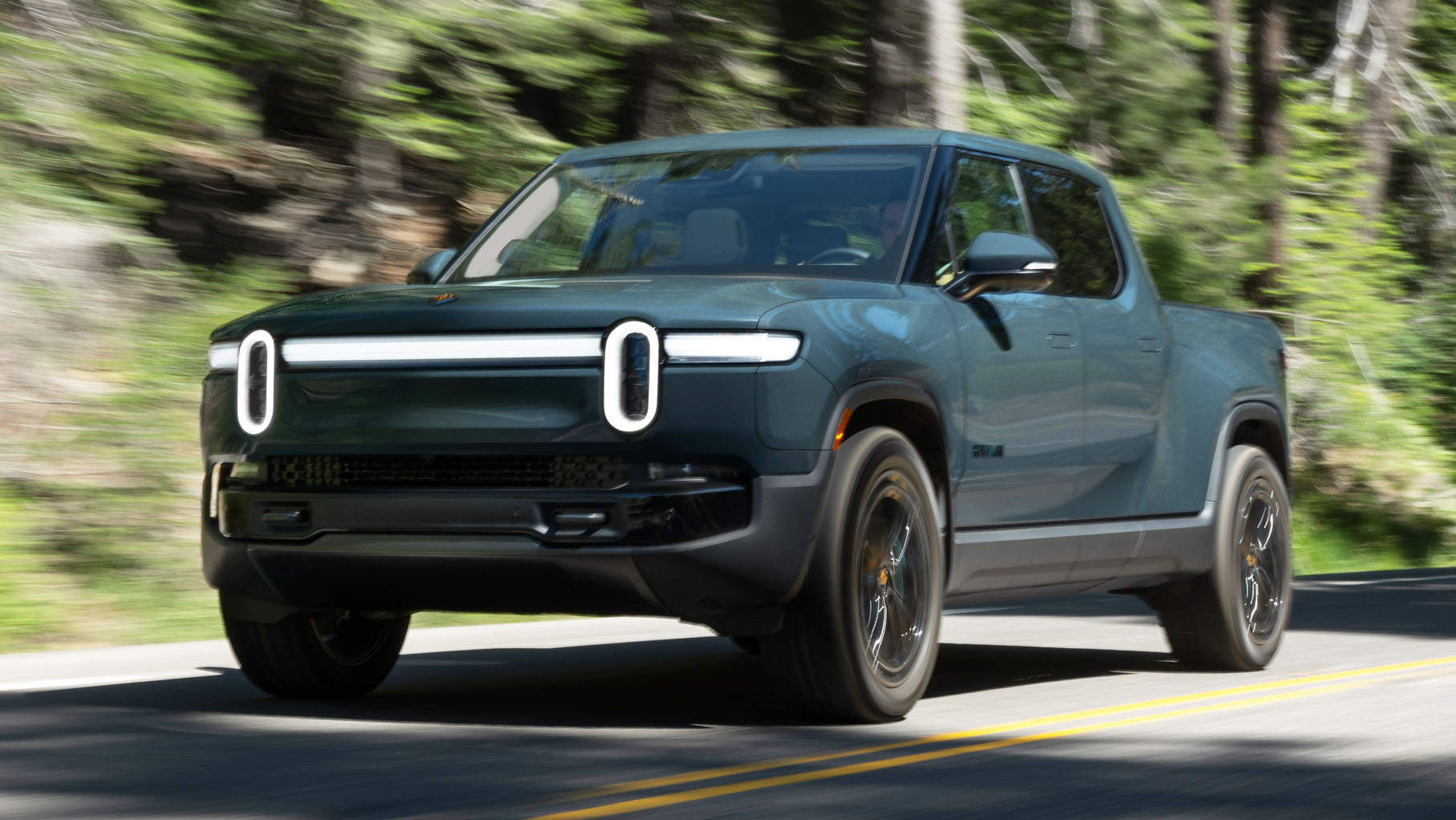
3. Rivian R1T: Growing Pains of a First-Generation Electric Pickup
The Rivian R1T delivers impressive performance, innovative features, and strong owner enthusiasm, but it also ranks among the least reliable vehicles in its segment, with a reliability score of just 18 out of 100.
As a first-generation electric truck from a startup manufacturer, the R1T reflects the challenges of combining advanced software, heavy-duty hardware, and new manufacturing processes at scale. Many of its issues stem from weight, complexity, and early production refinement.
One of the most common complaints involves accelerated wear on consumable components. Weighing more than 7,000 pounds and producing instant electric torque, the R1T places significant stress on its tires, with some owners reporting replacements needed as early as 6,000 to 20,000 miles. 4
Rivian recommends frequent tire rotations and limiting extended use of efficiency-focused drive modes that increase front-tire scrub. Suspension and drivetrain concerns are also reported, including clunking noises from half-shafts and, in rarer cases, air suspension failures that require extensive repairs.
Hardware reliability presents additional frustrations. The powered tonneau cover has become a well-known weak point, often jamming or failing due to debris entering its tracks. Owners also report misaligned body panels, loose exterior trim, and water leaks from door seals, highlighting inconsistencies in early build quality.
Software and electrical issues further contribute to frequent service visits. Early R1Ts experienced phantom battery drain while parked, leading to repeated 12-volt battery replacements and unresponsive vehicles.
Infotainment system freezes, phone-as-key malfunctions, and intermittent driver-assistance errors are also common complaints. Rivian has issued several recalls addressing software defects and safety-related hardware issues, including seat belt fasteners and driver-assist functionality.
Repair logistics can be challenging as well. The R1T’s unipanel body construction often requires large sections to be replaced after minor accidents, resulting in repair bills ranging from $20,000 to $42,000. Limited service centers and long appointment wait times compound these challenges. Despite these drawbacks, many owners accept the frequent fixes as part of owning a pioneering electric truck.4
4. Mazda CX-90: Reliability Concerns and Early Ownership Challenges
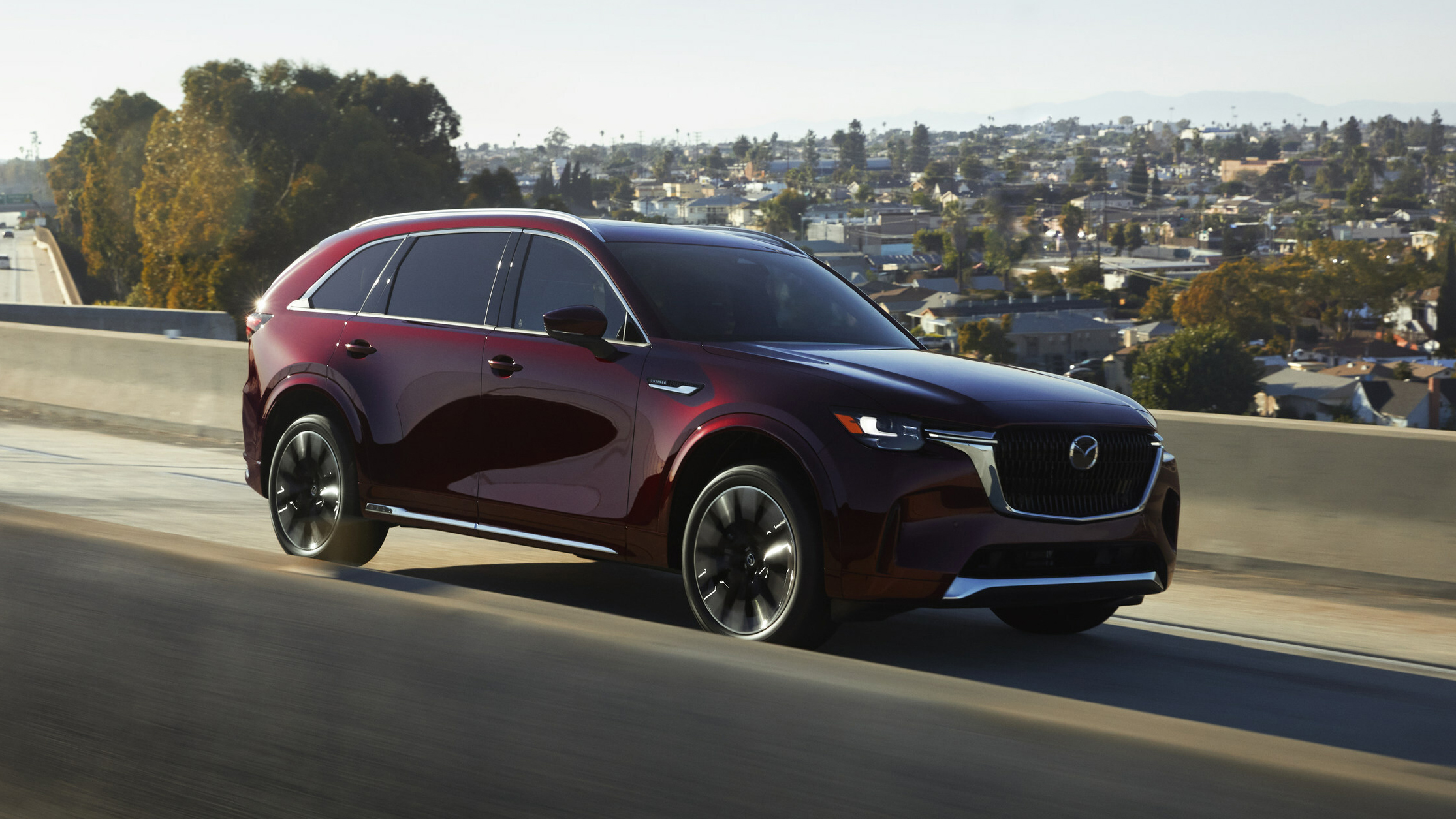
The Mazda CX-90 represents one of the most ambitious projects in the brand’s history, but that ambition has come at the cost of reliability. As Mazda’s first three-row SUV built on an entirely new longitudinal platform, the CX-90 has experienced significant first-generation issues, earning a low reliability score of 22 out of 100.
Many of its frequent fixes stem from introducing multiple complex systems at once, including new engines, transmissions, and electrification technology.
A major contributor to these problems is the CX-90’s all-new powertrain lineup. Mazda debuted a longitudinal inline six engine paired with an in house developed eight speed automatic transmission that replaces a traditional torque converter with a wet clutch system. Owners commonly report jerky low speed behavior, hesitation, and clunking during shifts, issues that dealerships often struggle to fully resolve.
The plug-in hybrid variant adds another layer of complexity, with reports of sudden power loss and high-voltage battery failures that can render the vehicle inoperable shortly after delivery.
Steering defects have raised additional concerns. A condition known as sticky steering has been linked to excessive friction within the electric power steering assembly. Although a recall was issued to address the problem, many owners reported the issue returned after repairs. This led federal safety regulators to open a new investigation in early 2026 after multiple complaints and documented crashes.
Software and sensor reliability have also been inconsistent. The CX-90 relies on a new electrical supply unit that has triggered recalls for inaccurate fuel readings, malfunctioning cameras, and faulty seat belt alerts. Driver assistance features and smartphone integration systems have shown instability, requiring repeated software updates.
To mitigate wear and prevent failures, Mazda mandates unusually short service intervals, with the first maintenance required at 5,000 miles. For many owners, especially in demanding driving conditions, even more frequent servicing is recommended. As a result, the CX-90 currently feels like an early adopter vehicle, with buyers experiencing the growing pains of Mazda’s most complex platform to date.
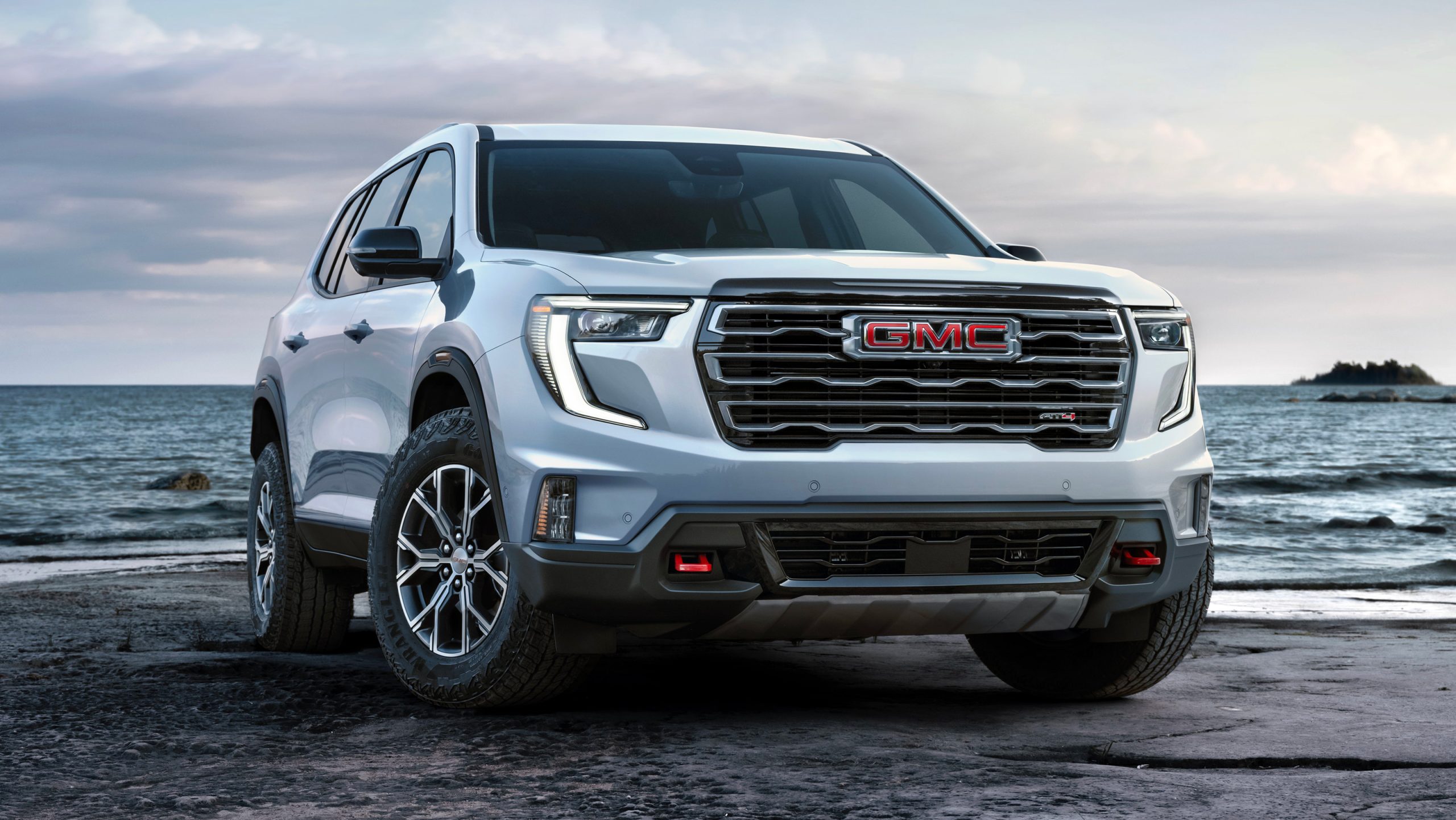
5. GMC Acadia: Reliability Challenges After a Major Redesign
The GMC Acadia remains a popular midsize SUV thanks to its family-friendly layout, bold styling, and modern features, yet it has developed a reputation for frequent repairs.
Following its 2025 and 2026 redesigns, the Acadia ranks among the least reliable gas-powered vehicles, earning a low reliability score of 14 out of 100. Many of its problems reflect first-year redesign issues combined with long-standing mechanical and electrical weaknesses that have affected multiple generations.
One of the most serious problem areas is the powertrain. The 3.6-liter V6 engine is widely known for timing chain stretching. Because the timing chain keeps the engine synchronized, even minor wear can trigger warning lights, reduced performance, and rough operation.
Repairing this issue is labor-intensive and costly, as it often requires removing the engine. Transmission reliability is another concern. Certain model years are prone to internal wave plate failure, which can cause the vehicle to lose access to specific gears. When this happens, a full transmission rebuild or replacement is often required.
Electrical issues further increase repair frequency. A common complaint is the “Shift to Park” warning, caused by a faulty sensor in the shifter assembly. This issue can prevent the vehicle from turning off properly, leading to drained batteries and repeated dealership visits. Owners also report intermittent electronic faults tied to the vehicle’s complex electrical architecture.
Design-related flaws add to Acadia’s challenges. Narrow sunroof drains are prone to clogging, allowing water to leak into the cabin and damage sensitive electronics such as the body control module. Cooling system components, including radiators and water pumps, are also known to develop leaks earlier than expected, raising the risk of overheating if not closely monitored.
Compared with rivals like the Toyota Highlander or Honda Pilot, the Acadia experiences more unscheduled and severe repairs. These issues contribute to an average annual repair cost of about 734 dollars, making ownership more demanding for drivers seeking long-term dependability.
The contrast between vehicles that need minimal repairs and those that require frequent fixes underscores how much engineering philosophy and execution matter after the warranty period ends. Cars like the Toyota Corolla, Honda Civic, Lexus IS, Toyota 4Runner, and Tesla Model Y succeed by relying on proven platforms, simplified systems, and durable components that reduce unexpected failures.
On the other hand, models such as the Ram 1500, Jeep Grand Cherokee 4xe, Rivian R1T, and GMC Acadia show how complexity, first-generation designs, and unresolved defects can quickly increase ownership costs.
While every vehicle requires routine maintenance, the difference lies in whether repairs are predictable and manageable or constant and disruptive. Understanding these patterns allows buyers to make smarter long-term decisions based on reliability rather than short-term appeal. In the end, a dependable car is not just cheaper to own; it delivers confidence every time you turn the key or press the start button.
Also Read: Top 10 Cars That Still Look Like the Future Today