
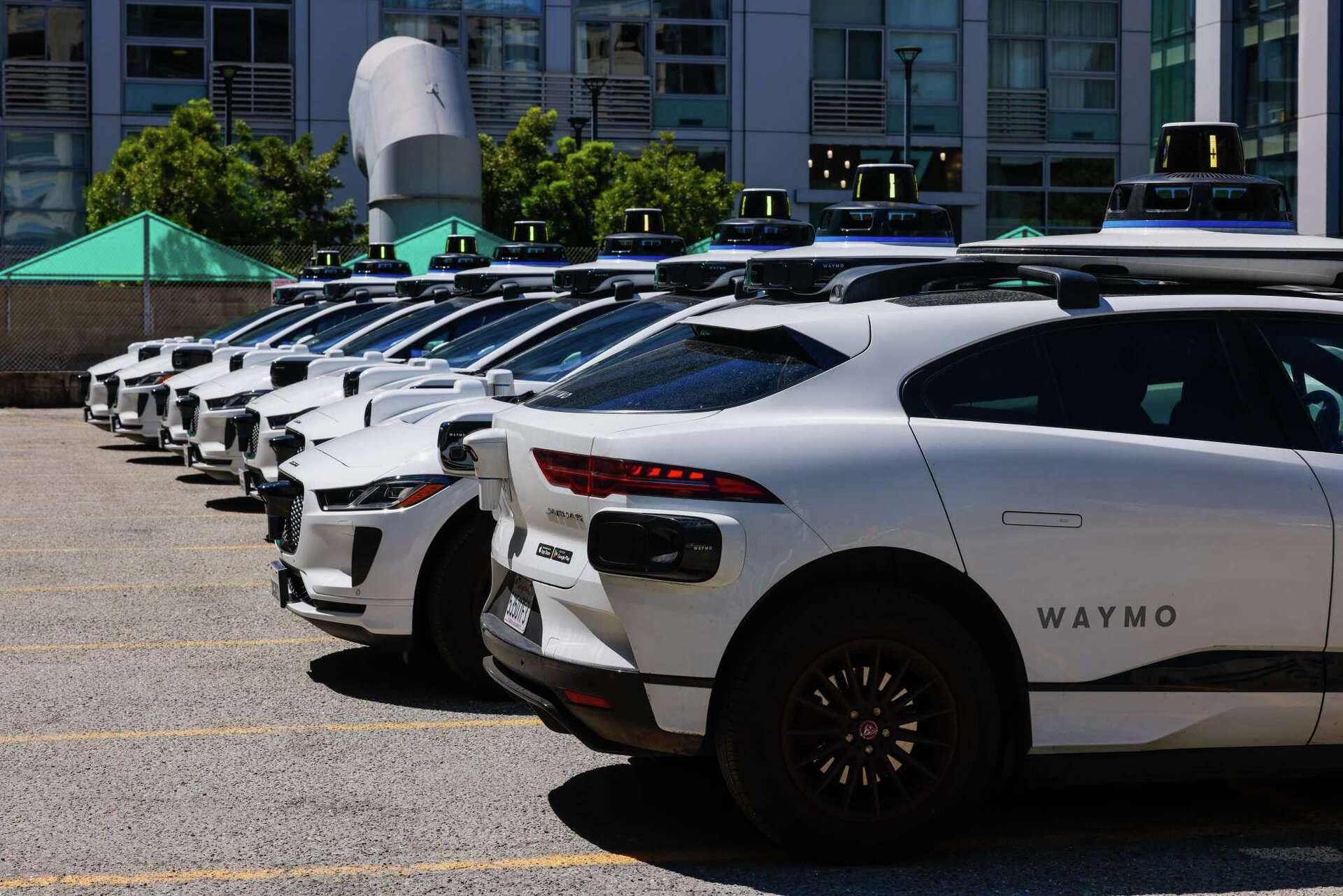
Waymo is in the process of closing a US$16 billion funding round that will lift its valuation to a record US$110 billion, more than doubling the worth of Google’s self-driving car business.
The raise underscores how enthusiasm for next-generation mobility technology continues to outweigh traditional vehicle sales volumes. The round is being led by Waymo’s parent company, Alphabet, which is expected to contribute more than three-quarters of the capital.
New investors joining the round include Sequoia Capital, DST Global, and Dragoneer Investment Group, alongside existing backers such as Andreessen Horowitz and Abu Dhabi’s Mubadala.
According to people familiar with the process, the funding round was three times oversubscribed. The same sources said Waymo’s annual recurring revenue climbed to more than US$350 million in 2025.
Alphabet typically does not disclose such detailed financial figures, making year-on-year comparisons difficult, though Bank of America had previously estimated that Waymo’s ARR would reach between US$50 million and US$75 million in 2024.
Waymo has positioned itself as the clear leader in global robotaxi deployment. Within the United States, it dominates the segment, while its closest rivals, Zoox and Tesla, have so far launched fully autonomous ride-hailing services in just one city each.
By contrast, Waymo operates across six U.S. cities and has logged more than 125 million fully autonomous miles on American roads, with only a small number of high-profile safety incidents reported.
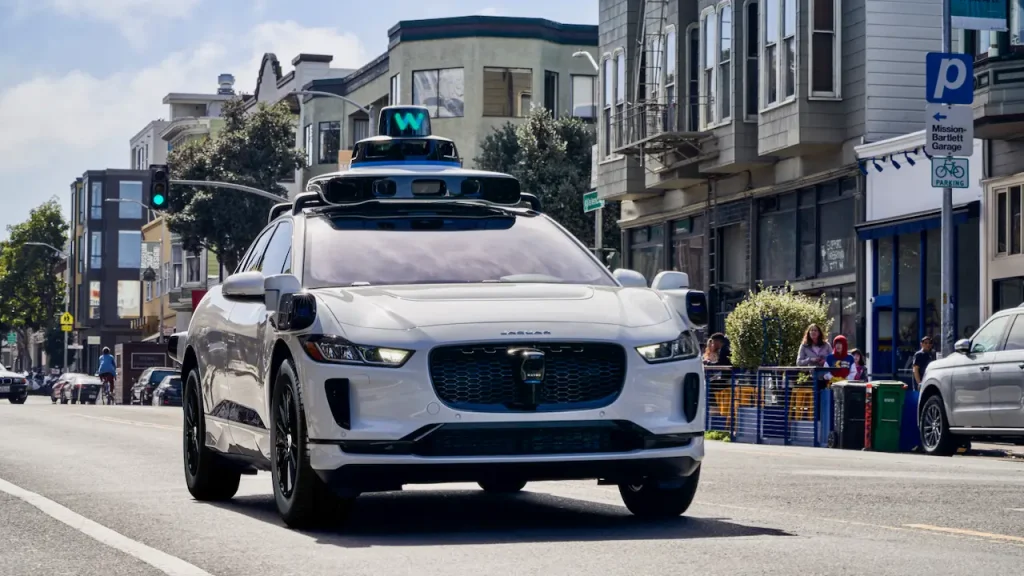
The company’s most significant controversy centers on its operations near schools, particularly concerns over how its vehicles behave around school buses. Both the National Highway Traffic Safety Administration and the National Transportation Safety Board have launched investigations following reports that Waymo robotaxis have illegally passed stopped school buses.
In January, the NHTSA opened an additional probe after one of Waymo’s vehicles struck a child during school drop-off hours. Despite pressure from school districts in Austin, Waymo has declined requests to suspend operations near schools during active hours.
Waymo last raised US$5.6 billion in October 2024 at a valuation exceeding US$45 billion, meaning its valuation has increased by roughly 144% in just 15 months.
Alphabet is now raising additional capital to support further expansion across the U.S. and to scale testing efforts internationally. At present, Waymo is conducting trials in London and Tokyo, and has confirmed discussions with the Australian government regarding future deployments.
The company expects to reach one million rides per week later this year, a sharp increase from the 250,000 weekly rides reported in spring 2024. Those trips are currently spread across cities including San Francisco, Los Angeles, Phoenix, and Miami. Waymo has also partnered with Uber to serve secondary markets such as Austin and Atlanta.
Looking ahead to 2026, Waymo plans to expand into additional U.S. markets, including Detroit, Las Vegas, Nashville, and Washington, DC. London is also slated for launch and would represent Waymo’s first-ever commercial deployment outside the United States, marking a major milestone in the company’s global ambitions.
