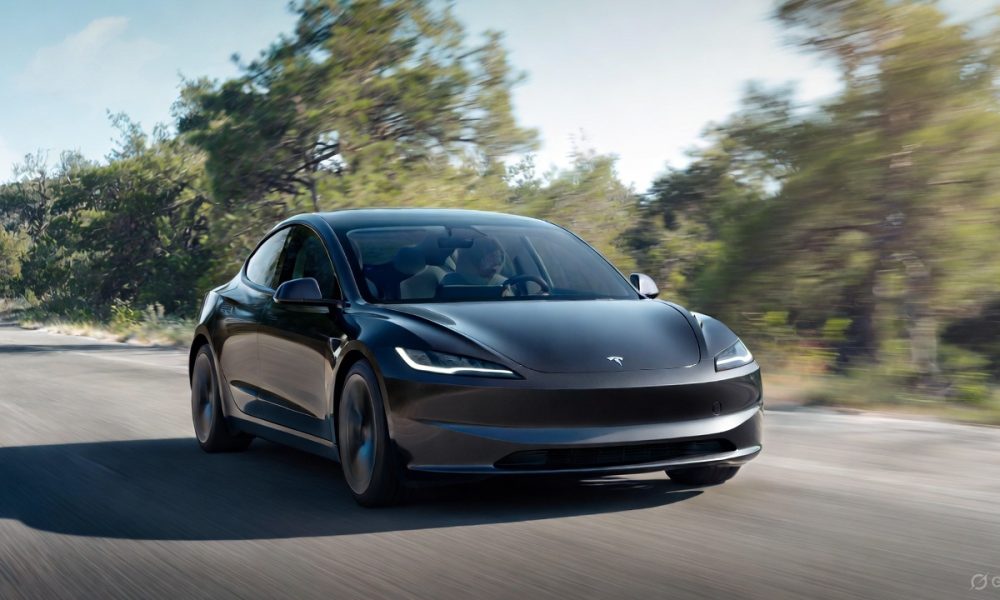
Tesla is framing its robotaxi plans not around a single futuristic vehicle, but as a complete fleet-based operating model. The company argues that success in autonomous ride-hailing will be driven by revenue per paid mile and high vehicle utilization rather than by maximizing the number of passengers each vehicle can carry.
In Tesla’s view, how often a vehicle is earning money matters far more than how many seats are inside it. The core of Tesla’s argument is rooted in real-world trip data. Company executives have repeatedly pointed out that the vast majority of trips involve two or fewer occupants.
Based on that reality, Tesla believes it makes sense to optimize a dedicated robotaxi for the most common use case instead of designing a larger, more complex vehicle that is rarely used to its full capacity. A two-seat robotaxi can be smaller, cheaper to manufacture, and easier to maintain, which becomes critically important when operating at large scale.
From Tesla’s perspective, passenger count is not the primary metric that determines fleet success. Instead, the winning factors are how frequently each vehicle is in service, how quickly it can be cleaned and turned around between rides, and how reliably it can operate with minimal downtime. These elements directly influence cost per mile and total fleet throughput.
A simpler two-seat design also reduces parts complexity, which can significantly lower maintenance costs and keep vehicles on the road longer, an essential consideration when downtime translates directly into lost revenue.
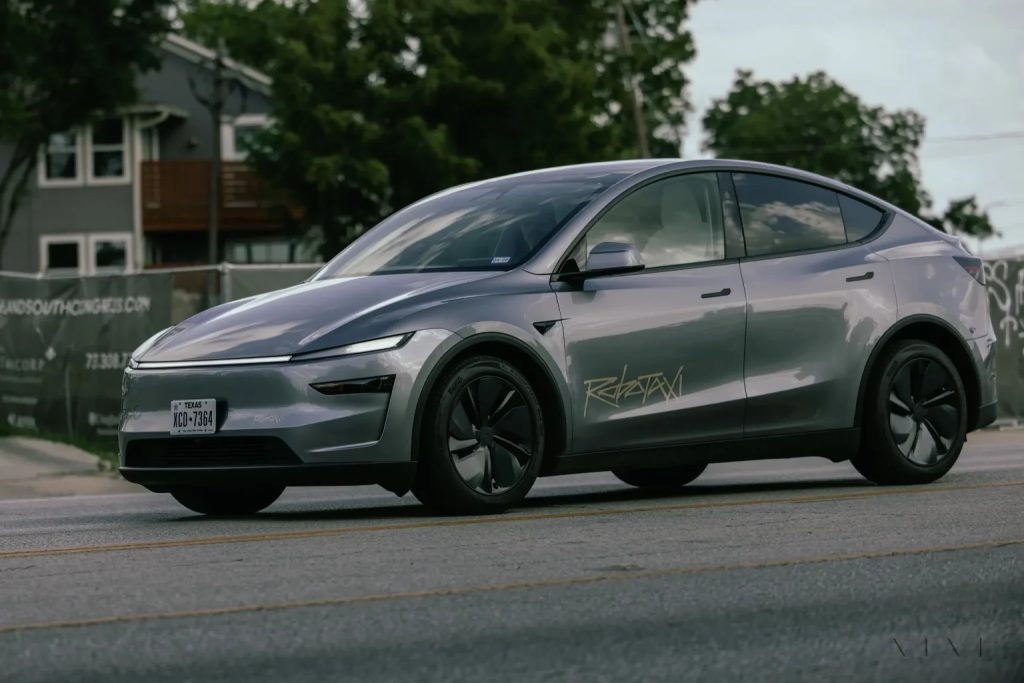
Rather than relying on a single do-everything robotaxi, Tesla envisions what it describes as a layered or stacked fleet approach. In this model, the two-seat robotaxi, often referred to as the Cybercab, handles the bulk of everyday trips.
For riders who need more space or additional seating, vehicles like the Model Y fill that role. At the top end, a higher-capacity Robovan-style vehicle would be used for group travel or trips involving larger loads. Together, these vehicles are meant to cover a wide range of demand without forcing the primary robotaxi to be oversized for typical use.
The idea is not that every vehicle in the fleet must be capable of serving every possible ride, but that the fleet as a whole can intelligently match supply to demand.
By doing so, Tesla believes it can avoid the inefficiencies that come with designing a standard robotaxi around edge cases. This philosophy mirrors Tesla’s broader product strategy, which tends to favor high-volume, simpler vehicles as the foundation of its business.
For this approach to work, several critical assumptions must hold true. Most importantly, Tesla’s autonomous driving technology must reach a level where vehicles can operate with little to no human intervention.
High utilization is central to the economic model, and that depends on reliable, scalable autonomy. In addition, Tesla must keep operating costs low enough that a two-seat robotaxi can undercut traditional ride-hailing services while still covering expenses such as cleaning, maintenance, insurance, and fleet support.
Ultimately, Tesla is positioning its strategy as a faster and more practical path to a viable robotaxi network. By combining a focused, purpose-built robotaxi with vehicles already in its lineup, the company argues it can scale more efficiently than if it tried to engineer a single, oversized robotaxi to handle every scenario.
In this framework, even small improvements that reduce friction for operators and increase utilization can have an outsized impact on profitability and long-term success.