High humidity and tropical climates pose unique challenges for vehicles, impacting their reliability, safety, and maintenance needs. Some cars are specifically engineered to handle moisture, heat, and corrosion, allowing them to maintain performance and structural integrity even in damp or coastal environments.
Others, by contrast, struggle with rust, electrical failures, and mechanical wear when exposed to persistent humidity, leading to higher repair costs and reduced longevity.
This guide highlights five vehicles that tolerate humid conditions exceptionally well, including the Toyota Land Cruiser, Volvo S80, Audi A6, Honda CR-V, and Toyota Fortuner. These models benefit from corrosion-resistant materials, sealed electronics, advanced cooling systems, and tropicalized engineering that help them perform reliably in high-moisture regions.
In contrast, cars such as the Land Rover Range Rover Sport, older Mazda 3 models, Ford Fiesta, Jeep Wrangler TJ, and Nissan Altima are prone to rust, interior moisture problems, and electrical or transmission issues in similar conditions.
By exploring the design features and engineering approaches that either mitigate or exacerbate humidity-related problems, buyers can make informed choices about which vehicles are best suited for tropical or moisture-prone areas.
5 Cars That Tolerate Humid Conditions
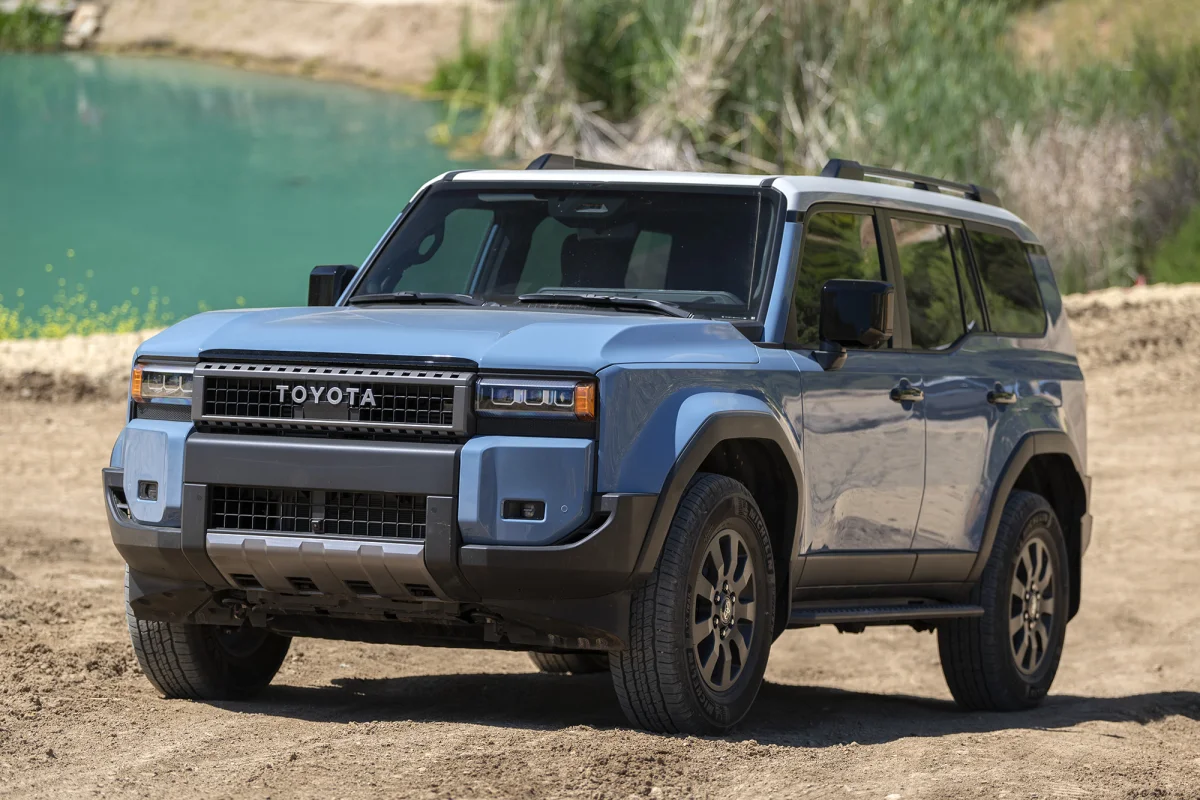
1. Toyota Land Cruiser: Engineered for Tropical Durability and Modern Versatility
The Toyota Land Cruiser has long been regarded as a benchmark for vehicles designed to operate reliably in humid, tropical, and extreme environments. This reputation is rooted in Toyota’s tropicalized engineering approach, which ensures the vehicle can withstand high heat, moisture, and corrosive conditions without compromising performance or structural integrity.
Advanced anti-corrosion treatments are applied to the chassis and body to protect against rust caused by humidity, salt, and constant exposure to moisture. High-quality, weather-resistant materials further enhance durability, allowing the Land Cruiser to maintain long-term reliability in harsh climates.
A critical element of this tropical readiness is protection against water and humidity ingress. Key components, including electronics and hybrid batteries, are carefully sealed to remain functional in damp environments. Toyota also shields sensitive electronic systems from moisture and conducts extensive testing in extreme conditions to verify long-term resilience.
The air conditioning system is specifically designed and tested to cope with intense humidity, ensuring passenger comfort even in tropical heat. Specialized air filtration systems prevent moisture and debris from clogging critical mechanical and electrical components, helping to sustain consistent performance.
Cooling performance is another defining strength of the Land Cruiser. Larger capacity radiators and more powerful cooling fans are employed to regulate temperatures effectively in high heat and high humidity environments. This robust cooling setup supports both the internal combustion engine and the hybrid components, reducing the risk of overheating during demanding use.
The latest generation Land Cruiser represents a significant shift in powertrain strategy. Toyota has replaced the traditional naturally aspirated V 8 with a turbocharged 2.4 liter four cylinder hybrid system assisted by two electric motors. This setup produces a combined 326 horsepower and is paired with an eight-speed automatic transmission.
Standard Four Wheel Drive, a locking center differential, low-range gearing, crawl control, and hill descent control preserve the Land Cruiser’s strong off-road credentials.
While the hybrid system provides solid torque, real-world testing indicates that electric motor assistance can feel inconsistent due to the small battery pack. Nevertheless, the vehicle delivers a smooth and refined on-road experience and is noticeably quieter than competitors such as the Ford Bronco and Jeep Wrangler.
In performance testing, the Land Cruiser accelerates from zero to sixty miles per hour in 7.7 seconds and can tow up to 6,000 pounds when properly equipped. Fuel economy is rated at 23 miles per gallon combined, although real-world highway results are slightly lower.
Inside, the downsized two-row, five-seat layout blends rugged practicality with modern comfort, advanced infotainment, and comprehensive safety features. The Land Cruiser remains a durable, globally capable SUV that successfully combines tropical toughness with modern hybrid efficiency.
2. Volvo S80: Rust Resistance, Climate Mastery, and Traditional Luxury Comfort
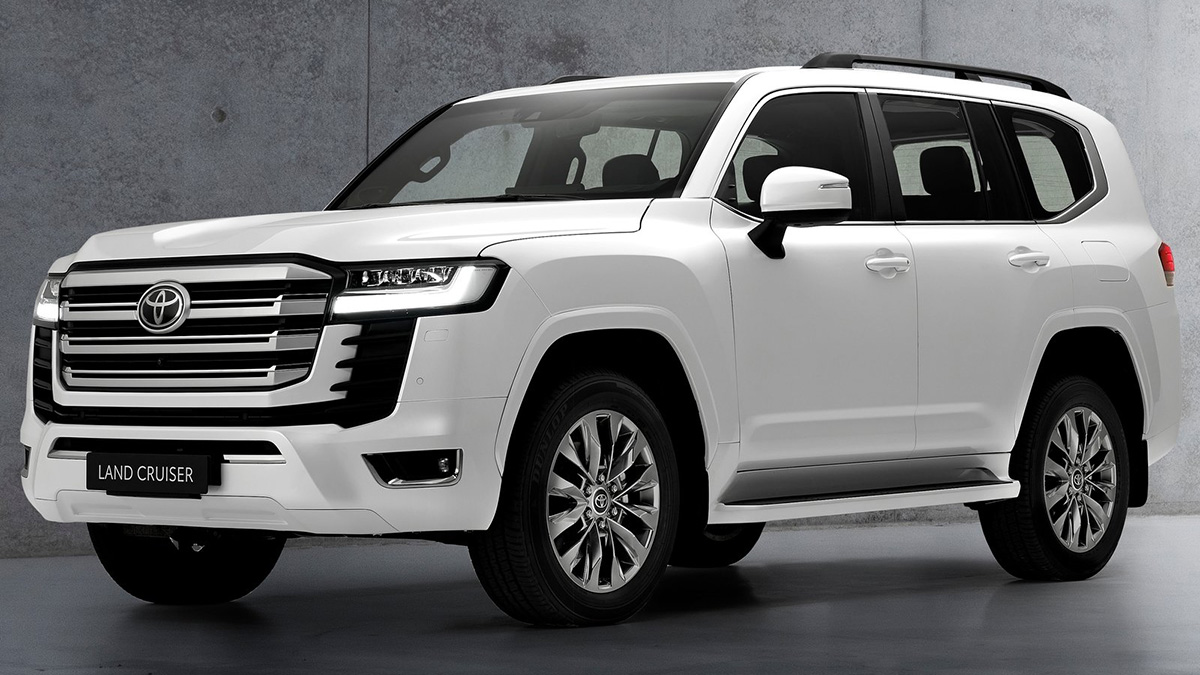
The Volvo S80 is widely regarded as a benchmark luxury sedan for durability, comfort, and resistance to harsh environmental conditions, particularly humid and damp climates. Often cited as the gold standard for rust protection, Volvo engineers the S80 using heavily galvanized steel combined with specialized factory-applied anti-corrosion treatments.
These measures make the vehicle highly resistant to rust that is typically accelerated by moisture-laden air, helping preserve structural integrity and long-term value in challenging environments.
Beyond corrosion resistance, the S80 is specifically designed to manage humidity inside the cabin. Its advanced Electronic Climate Control system actively heats, cools, and dehumidifies incoming air to maintain a stable and comfortable interior environment. A dedicated humidity sensor located near the rearview mirror continuously monitors moisture levels inside the cabin and works to prevent window fogging.
The system automatically adjusts airflow distribution, directing air toward windows and footwells when needed to keep surfaces clear and the cabin dry. High-quality insulation and soundproofing further protect against external moisture infiltration, reinforcing the S80’s ability to cope with humid conditions year-round.
From a market positioning standpoint, the Volvo S80 stands apart from sport-focused luxury sedans. It competes with models such as the Lexus ES, Acura RLX, Cadillac XTS, and Mercedes-Benz E-Class Luxury variants, prioritizing ride comfort and interior serenity over sharp handling.
While its exterior design is conservative, it reflects classic Scandinavian restraint and has aged gracefully, particularly with updated lighting and wheel designs. Inside, the S80 delivers a plush and inviting cabin, especially when equipped with premium trim packages that add leather, ambient lighting, and advanced audio systems. Minor evidence of cost-saving materials exists, but only on close inspection.
Comfort is a defining strength of the S80. Volvo’s seats are widely praised for long-distance support, and both front and rear passengers benefit from generous space, excellent visibility, and easy entry and exit. Although trunk capacity is modest for the segment, the cargo area is well-shaped and practical for daily use.
The S80 offers a choice of engines, including a smooth 3.2-liter inline six and a more powerful turbocharged T6 All Wheel Drive option. While not sporty by modern standards, the driving experience is quiet, cushioned, and composed, particularly on rough or uneven roads. Steering and braking feel solid and reassuring, reinforcing the car’s relaxed touring character.
Safety remains central to the Volvo identity. Although many advanced systems are optional, the available technology is thoughtfully calibrated to inform rather than alarm the driver. With strong environmental resilience, refined comfort, and understated luxury, the Volvo S80 remains an appealing choice for buyers who value durability, calmness, and traditional luxury over aggressive performance.
3. Audi A6: Humidity Resistance, Advanced Comfort, and Modern Executive Design
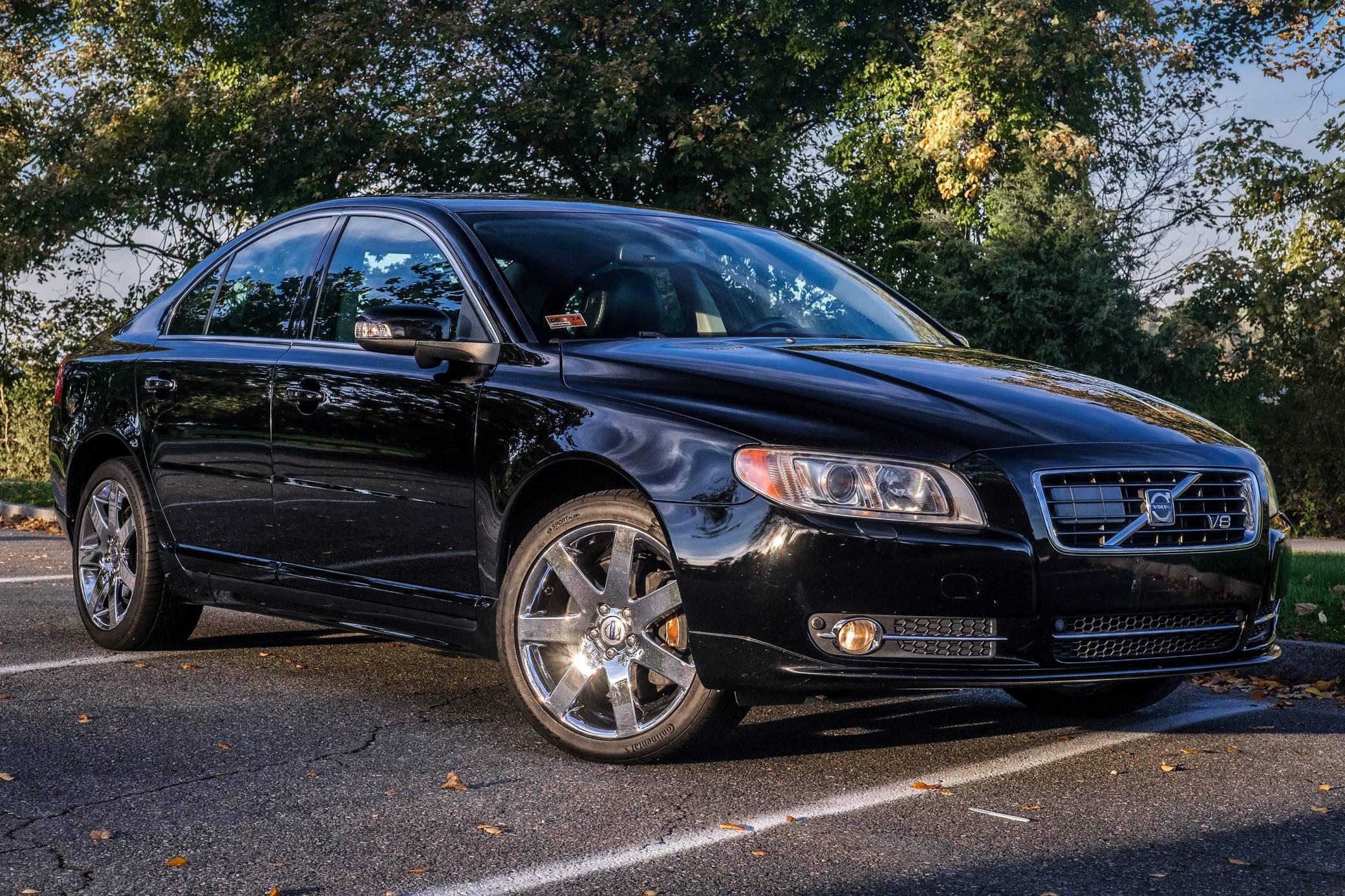
The Audi A6 is engineered to perform reliably in humid and moisture-heavy environments while delivering the refinement expected of a premium executive sedan. Its strong resistance to corrosion begins with the use of fully galvanized body panels and extensive aluminum components.
These materials help protect against paint bubbling, rust blisters, and long-term structural degradation that often result from prolonged exposure to damp air. Audi’s focus on material quality and manufacturing precision makes the A6 particularly well-suited for regions with high humidity or frequent temperature swings.
Inside the cabin, the Audi A6 manages humid conditions through a highly effective multi-zone climate control system. This advanced HVAC setup regulates both temperature and humidity, ensuring consistent comfort for all occupants.
The system actively dehumidifies incoming air and allows different zones of the cabin to be controlled independently, which is especially valuable in warm and moisture-laden climates. Available ventilated seats further enhance comfort by reducing heat and moisture buildup, keeping seating surfaces dry and cool during long drives.
High-quality interior materials are chosen not only for their premium feel but also for their durability and resistance to moisture-related wear. Maintaining the cabin air filter remains important for sustaining peak climate performance in humid environments.
The modern A6 lineup reflects Audi’s evolving approach to powertrains and model strategy. While fully electric A6 e-tron variants exist, the combustion engine A6 continues alongside plug-in hybrid options. Petrol and diesel versions are powered by turbocharged 2.0 liter four cylinder engines paired with a seven-speed automatic transmission.
The diesel benefits from mild hybrid technology and quattro All Wheel Drive, while the petrol version uses Front Wheel Drive. For buyers focused on efficiency, the plug-in hybrid A6 offers an impressive electric-only range alongside strong combined performance.
Design-wise, the combustion-powered A6 remains sleek and aerodynamic, achieving a low drag coefficient that supports efficiency and quiet cruising. Exterior updates include slimmer lighting, flush door handles, and a clean, modern profile that distinguishes it from earlier generations.
Inside, the cabin emphasizes digital sophistication, with large curved displays, an advanced virtual cockpit, and optional passenger side screens creating a technology-focused environment.
On the road, the Audi A6 prioritizes comfort and composure over outright sportiness. While it may not match some rivals for dynamic engagement, it excels as a smooth and refined long-distance cruiser. Spacious seating, a quiet cabin, and well-tuned suspension make it especially appealing for relaxed driving.
The Audi A6 combines strong humidity tolerance, advanced climate management, and understated luxury, making it a capable and comfortable executive car for diverse climates and modern driving needs.
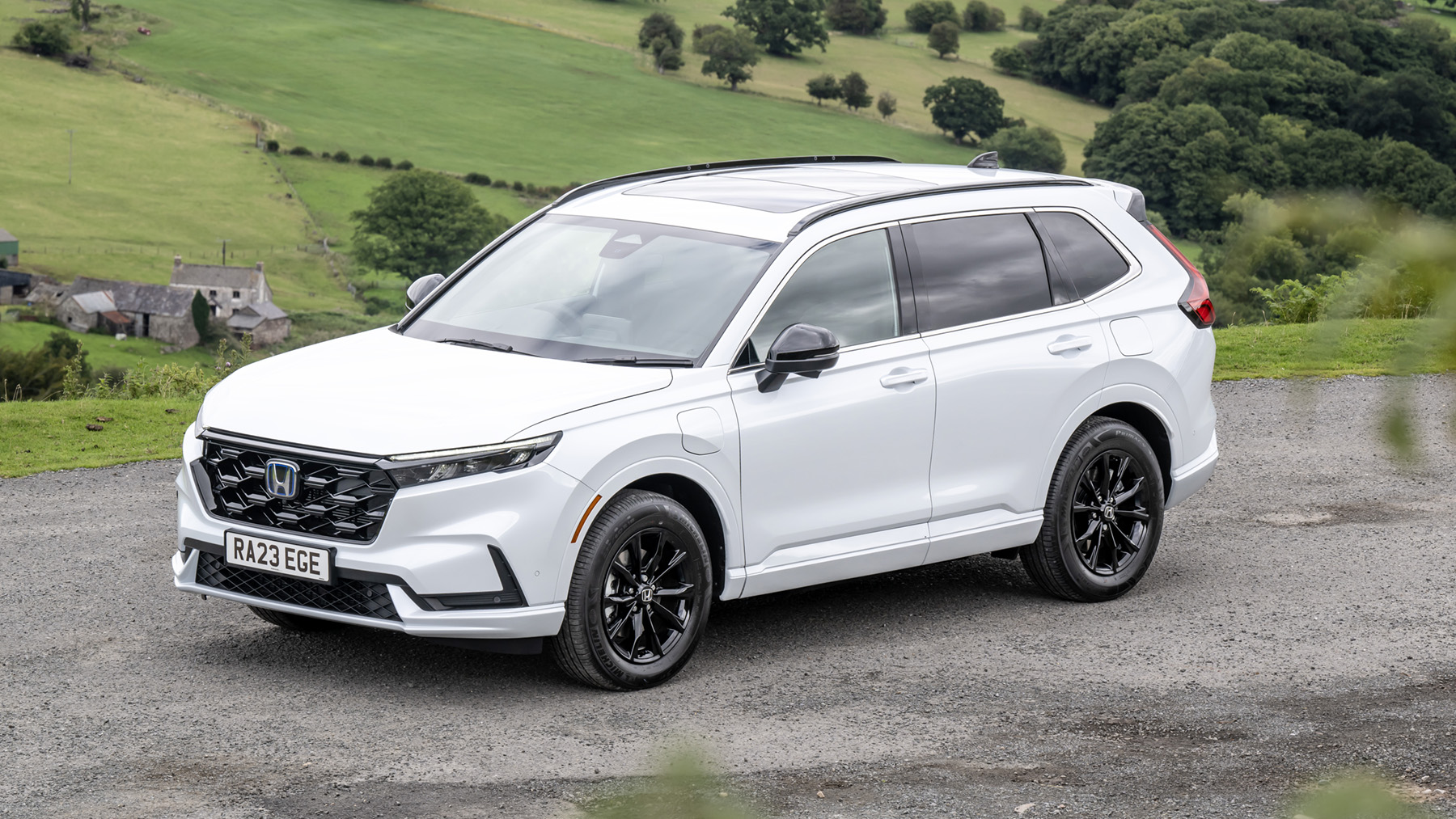
4. Honda CR-V: Proven Humidity Resistance and Everyday Reliability
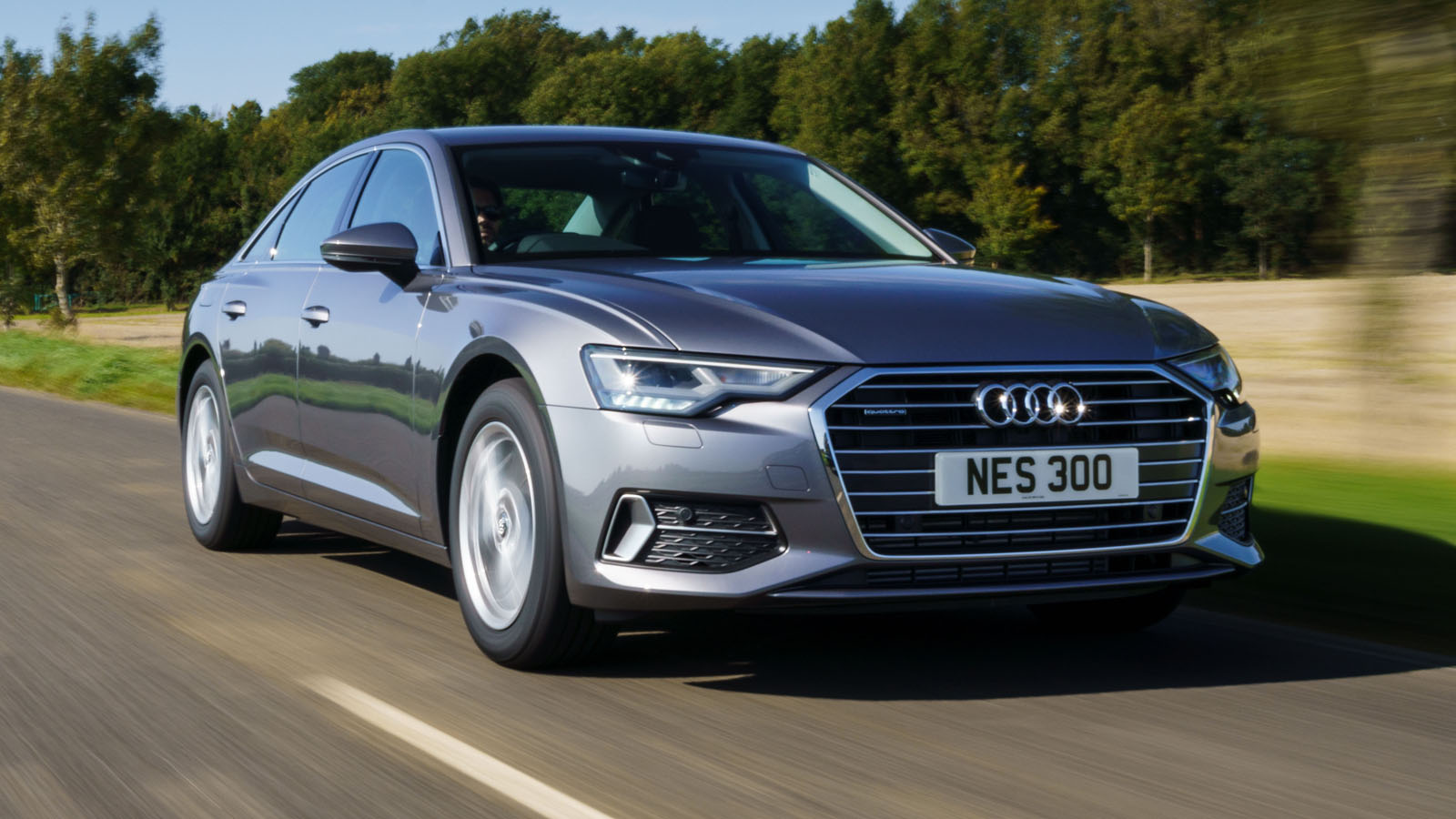
Since the mid 2000s, the Honda CR-V has earned a strong reputation for durability in humid, wet, and challenging climates. Third-generation and newer models benefit from double-sided body panel galvanizing, a key factor in their ability to remain largely rust-free for well over a decade, even in high-humidity regions.
This corrosion resistance, combined with Honda’s conservative engineering philosophy, makes the CR-V a dependable choice for drivers in tropical or moisture-heavy environments.
A major contributor to the CR-V’s all-weather confidence is its available Real Time All Wheel Drive system. This intelligent setup automatically sends power to the rear wheels when traction is lost, improving stability and control during heavy rain, wet roads, or slippery conditions.
While not designed for serious off-roading, the system enhances safety and predictability in everyday driving situations commonly encountered in humid climates. Hill descent control and updated traction management programming further improve control on steep or slick surfaces.
Engine durability has also been a long-standing CR-V strength. The third generation models introduced the naturally aspirated 2.4 liter four cylinder, widely regarded for its longevity and tolerance of varied operating conditions.
Newer fifth and sixth-generation CR-Vs rely on a turbocharged 1.5-liter engine that balances efficiency with solid reliability when properly maintained. While certain 2017 and 2018 models experienced oil dilution concerns, these issues were primarily linked to cold climate operation rather than heat or humidity, and later updates mitigated the problem.
Managing moisture and heat is another area where the CR-V excels. Its air conditioning system is designed to effectively handle high humidity, reducing condensation buildup inside the cabin.
A robust cooling system helps prevent overheating in hot weather or stop-and-go traffic, assuming routine maintenance is observed. Honda also emphasizes strong sealing of electrical and engine bay components, minimizing the risk of moisture intrusion over time.
In terms of performance, modern CR-Vs pair the 190-horsepower turbocharged engine with a continuously variable transmission and either front or All Wheel Drive. Acceleration is adequate rather than sporty, prioritizing smoothness and efficiency. Fuel economy remains competitive, particularly for Front Wheel Drive models.
Inside, the CR-V offers a spacious, well-designed cabin with excellent cargo capacity and thoughtful ergonomics. Modern infotainment, comprehensive driver assistance features, and comfortable seating reinforce its role as a practical family vehicle. The Honda CR-V stands out as a corrosion-resistant, climate-tolerant compact SUV that delivers long-term reliability, comfort, and confidence in humid and demanding environments.
5. Toyota Fortuner: Tropical Toughness and Proven Body-on-Frame Capability
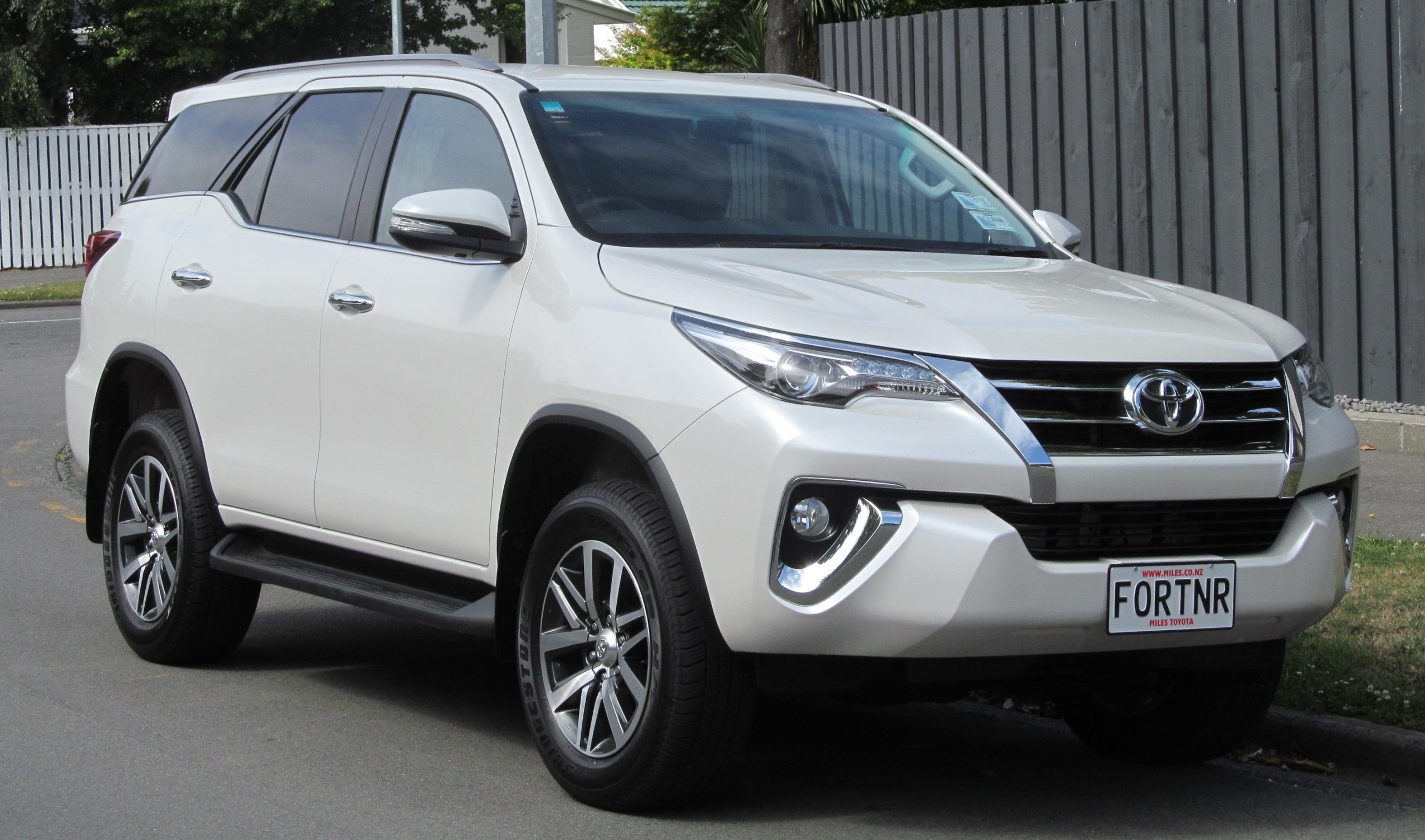
The Toyota Fortuner is purpose-built for humid, tropical, and challenging environments, which explains its popularity in markets such as Southeast Asia and other flood-prone regions. 4
Central to its appeal is a robust body-on-frame construction, high ground clearance of approximately 225 mm, and Toyota’s well-established tropicalized engineering. Together, these features help protect sensitive underbody components from standing water, mud, and damp debris while ensuring long-term durability in moisture-heavy climates.
Corrosion resistance and environmental resilience are key strengths of the Fortuner. Toyota equips the vehicle with reinforced components, anti-corrosion treatments, and sealed electrical systems designed to limit moisture intrusion. These measures are especially important in regions where humidity, salt air, and muddy roads accelerate wear on mechanical and electronic parts.
The Fortuner’s sealed electronics reduce the risk of corrosion-related failures, while its heavy-duty suspension and ladder frame chassis are designed to tolerate roads that deteriorate quickly under wet conditions.
One of the Fortuner’s standout advantages in tropical environments is its impressive water wading capability. With the ability to traverse water up to roughly 700 mm deep, the Fortuner is well-suited to flooded streets and rural crossings that are common during monsoon seasons.
This capability is supported by its elevated ride height, sturdy underbody design, and dependable Four Wheel Drive system with high and low range gearing. The durable rear solid axle further enhances reliability when operating in harsh, wet terrain.
Thermal management is another area where the Fortuner excels. Its cooling system and air conditioning are designed to handle sustained heat and high humidity, ensuring both mechanical reliability and cabin comfort. Even under heavy loads or in slow-moving traffic, the Fortuner maintains stable operating temperatures when properly maintained.
Mechanically, the Fortuner shares much with the Toyota HiLux and LandCruiser Prado, including the proven 2.8-liter turbo diesel engine producing strong torque for towing and off-road use.
Paired with a six-speed automatic transmission and a traditional Four Wheel Drive system, the Fortuner delivers a relaxed yet capable driving experience. On the road, it feels solid and old school, prioritizing durability and stability over refinement or sporty handling.
Inside, the Fortuner offers a functional and durable cabin with more refinement than the HiLux, though its design reflects the age of the platform. Space is adequate for families, with a usable second row and a smaller third row best suited for children. Cargo capacity is flexible, though compromised when the third row is in use.
The Toyota Fortuner is best understood as a rugged, climate-resilient SUV rather than a polished urban cruiser. Its strength lies in its ability to thrive in humid, flood-prone environments while delivering proven reliability, strong off-road performance, and long-term toughness that has made it a trusted choice across tropical markets.
Also Read: 5 Cars That Perform Well in Extreme Heat vs 5 That Don’t
5 That Develop Issues
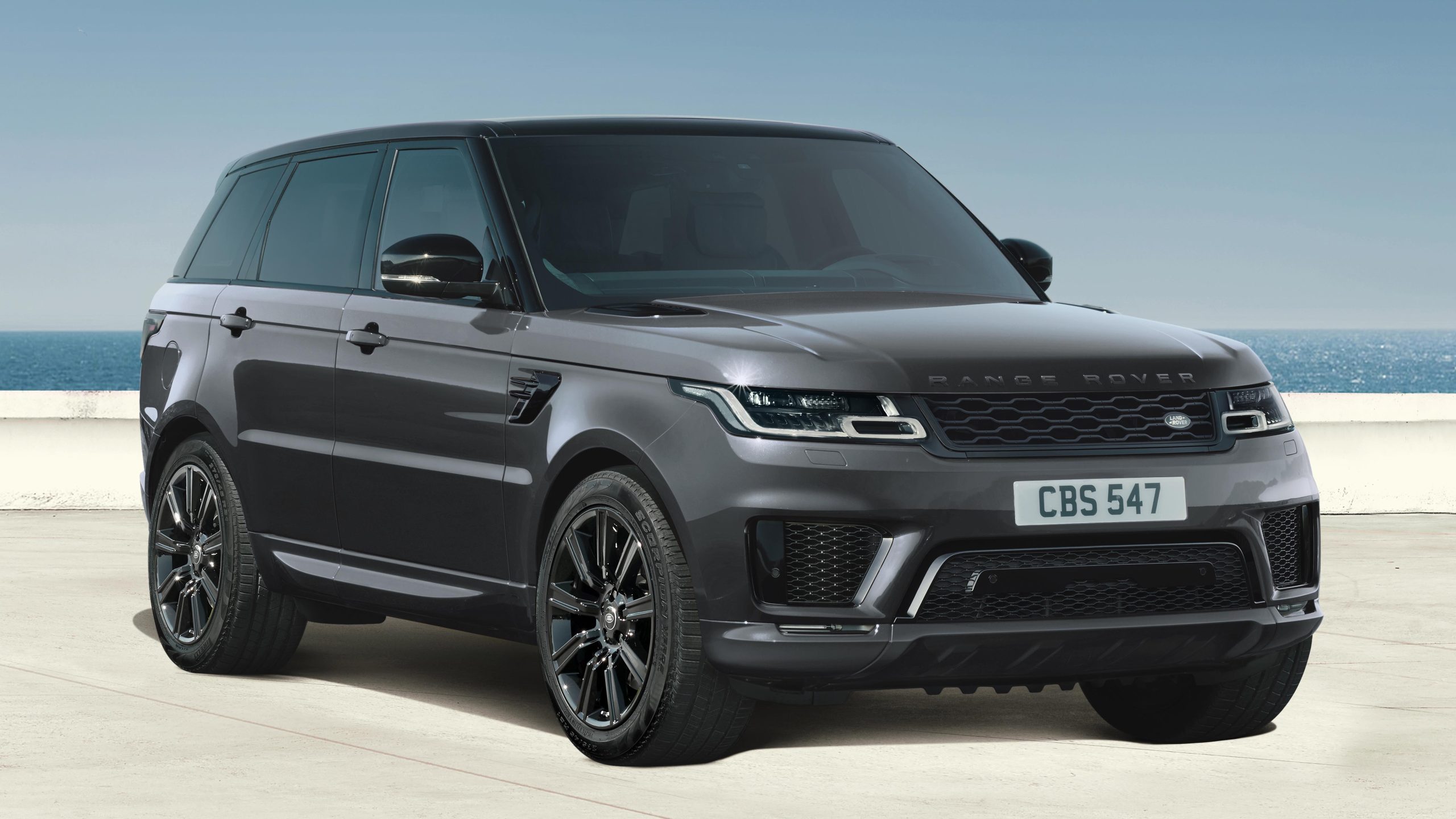
1. Land Rover Range Rover Sport: Luxury Meets Humidity Sensitivity
The Land Rover Range Rover Sport combines premium materials, advanced technology, and impressive performance, but its complexity makes it particularly vulnerable in high-humidity environments. In tropical or coastal regions, moisture often acts as a hidden accelerant for many of the model’s most common and costly problems, especially those related to electronics, air suspension, and cabin systems.
A primary concern is the vehicle’s extensive electrical architecture. The Range Rover Sport relies on numerous electronic control modules and densely packed wiring networks. In humid conditions, moisture promotes galvanic corrosion at connectors, grounding points, and battery terminals.
Even minor corrosion can disrupt low-voltage signals, leading to erratic behavior such as warning lights that appear without cause, malfunctioning infotainment systems, and unreliable sensor readings. Failures of components like mass airflow or oxygen sensors can also affect drivability and fuel efficiency.
The signature air suspension system is another known weak point in humid climates. Rubber air springs, seals, and pneumatic lines are sensitive to prolonged moisture exposure. High humidity can accelerate seal degradation, leading to air leaks.
More critically, if the system’s desiccant filter becomes saturated, moisture can enter the compressor and valve blocks. This results in internal corrosion, compressor fatigue, and eventual suspension failure, often leaving the vehicle stuck at a fixed ride height or sagging unevenly.
Moisture-related issues also extend to exterior lighting. Condensation buildup inside headlamps or tail lamps is common in humid environments. While light misting may be considered normal, excessive moisture can cause electrical shorts and complete lamp failure. This concern led to a recall on newer models after water accumulation in the rear lamps created safety risks.
Inside the cabin, humidity can foster mold and mildew growth in the HVAC system, producing persistent odors. Blocked sunroof or door drains may allow water to seep into the cabin, soaking carpets and damaging floor-mounted electronic modules. Additionally, high moisture levels can accelerate the deterioration of engine seals and hydraulic fluids.
For owners in humid regions, frequent inspections, proactive corrosion prevention, and diligent maintenance of drains and seals are essential to preserving reliability in this otherwise capable luxury SUV.
2. Mazda 3 (Pre-2014): Humidity-Driven Corrosion and Aging Vulnerabilities
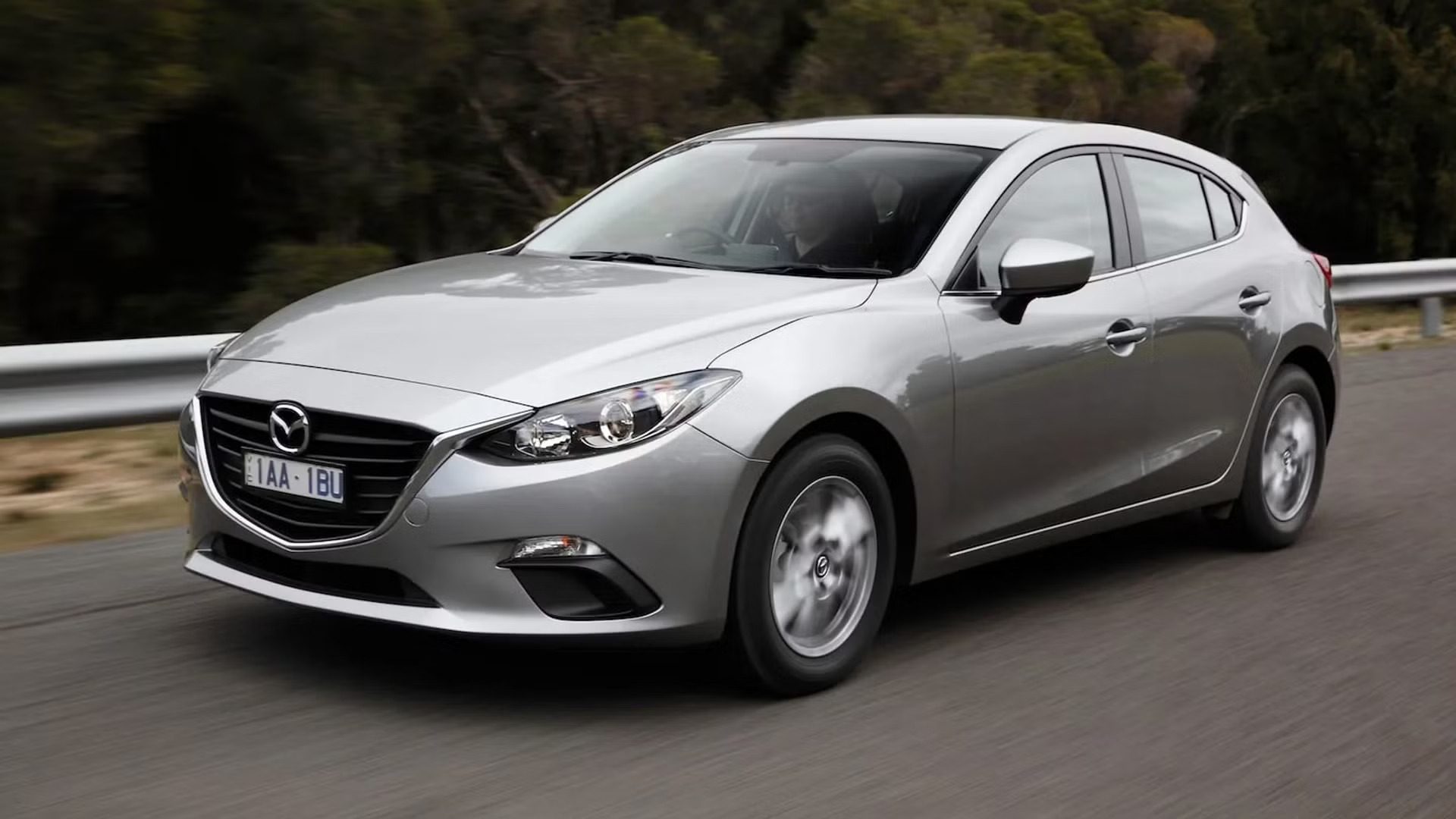
Older generations of the Mazda 3, particularly models produced between 2004 and 2013, have developed a reputation for struggling in humid and moisture-heavy environments. These vehicles were engineered during a period when Mazda placed less emphasis on long-term corrosion protection, making them especially susceptible to the effects of constant dampness.
The most serious and well-documented issue is severe body corrosion. In high-humidity regions, moisture tends to linger on metal surfaces and within body seams, accelerating oxidation. Rear wheel arches, rocker panels, and side sills are the most commonly affected areas, often showing paint bubbling before deeper structural rot develops.
Moisture mixed with road debris becomes trapped in these zones, creating ideal conditions for rust to spread. Undercarriage components such as suspension mounts and subframes are also vulnerable, and prolonged exposure to damp conditions can compromise their structural integrity.
Thin paint and clear coat layers on early models further worsen the problem, as chips and scratches quickly expose bare metal to moisture.
Electrical reliability is another concern in humid climates. Condensation can form within wiring harnesses and connectors, increasing electrical resistance and leading to intermittent faults.
Oxygen sensors are particularly sensitive, as moisture can accumulate in the exhaust system when the car sits in damp conditions. This often results in check engine lights, rough running, or reduced fuel efficiency. Corroded battery terminals and ground points may also cause hard starting, flickering dashboard lights, or sporadic accessory failures.
Inside the cabin, high humidity creates additional challenges. Mold and mildew commonly develop on the air conditioning evaporator core, producing a persistent musty odor and sometimes restricting airflow. The AC system must work harder to remove moisture from the air, placing extra strain on compressors that are already known weak points in early Mazda 3s.
Second-generation models are also notorious for dashboard warping or melting, as heat and humidity degrade adhesives used in interior materials. Failing door and trunk seals allow moisture into the cabin, leading to excessive window fogging and potential damage to interior electronics.
Older Mazda 3 models can be reliable in dry climates, but in humid regions, they require vigilant rust prevention, seal maintenance, and electrical inspection to remain roadworthy.
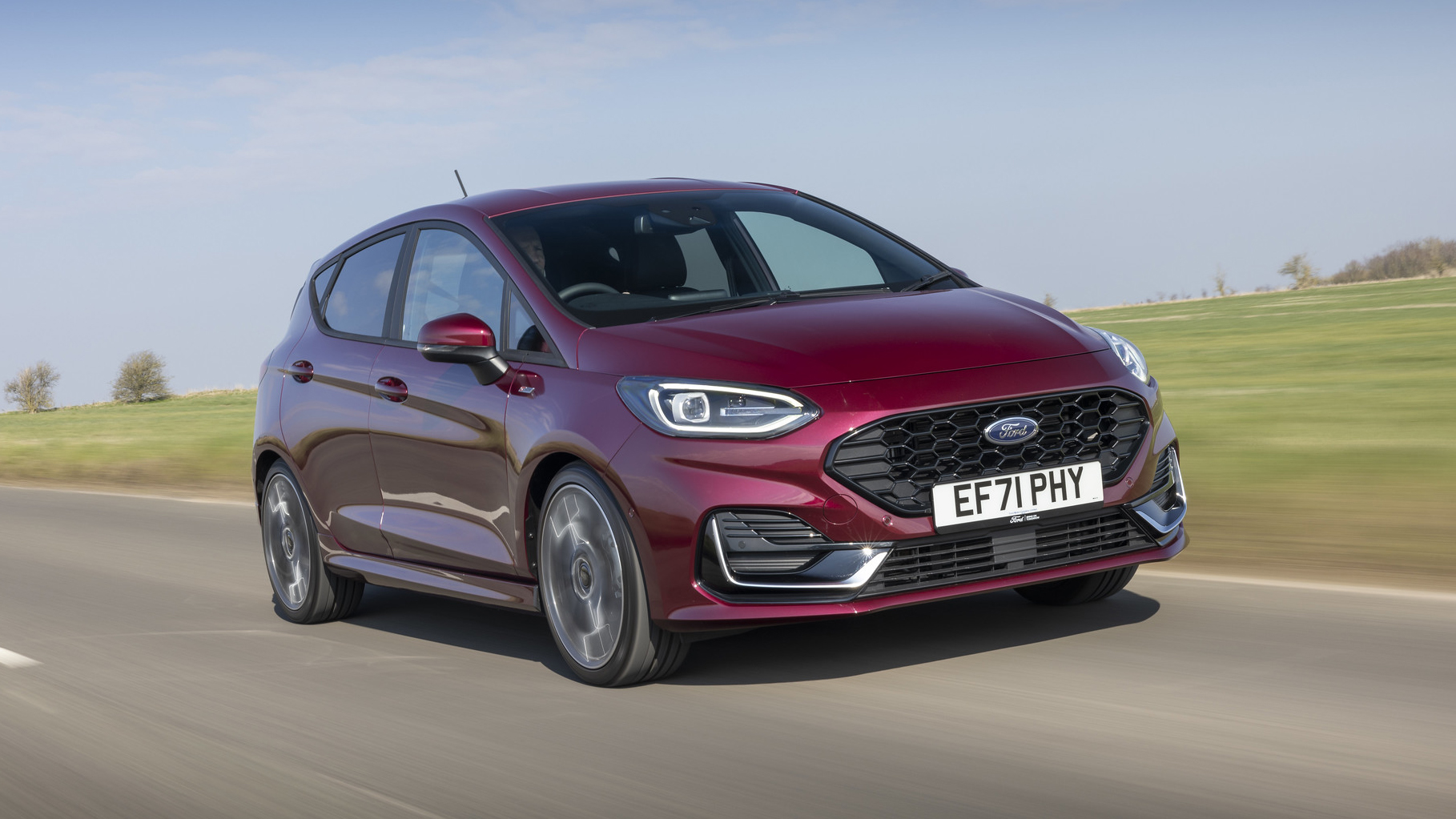
3. Ford Fiesta: Humidity Amplified Weaknesses in a Compact Hatchback
The Ford Fiesta, particularly mid 2010s models, has proven to be less resilient in humid, damp, or coastal environments. While affordable and enjoyable to drive, its design choices and materials leave it vulnerable to moisture-related deterioration that can significantly impact reliability over time.
One of the most problematic areas is the PowerShift dual clutch transmission used in many automatic Fiesta models. This dry clutch system is especially sensitive to humidity. Moisture and degraded seals can allow oil contamination on the clutch plates, leading to the widely reported shuddering, slipping, and jerking during acceleration.
High humidity can also affect the transmission control module, as moisture intrusion causes communication errors that may prevent proper gear selection or leave the vehicle unable to shift altogether.
Electrical and ignition systems are another weak point. Humidity often causes condensation on spark plugs and ignition coils, increasing the likelihood of misfires and power loss. A notable design flaw involves windshield washer jets that can leak water directly onto the engine, allowing moisture to short-circuit high-tension leads.
In addition, key sensor connectors, such as those for the electronic throttle and accelerator control, are prone to corrosion in damp air. Oxidation in these connectors can trigger limp mode, erratic throttle response, or unexpected stalling.
Structural durability also suffers in moisture-heavy climates. Mechanics frequently report early onset rust in wheel arches, underbody panels, and exhaust components, sometimes appearing within eight years.
Compared to some rivals, the Fiesta lacks robust anti-corrosion coatings, making it more susceptible to surface rust in high humidity or salt air. Braking components are affected as well, with moisture breaking down lubricant on brake caliper guide pins. This can cause clunking noises, uneven brake wear, and reduced braking efficiency.
Inside the cabin, water ingress is a recurring issue. Blocked drainage channels, aging door seals, and compromised pollen filters allow moisture to accumulate. This leads to musty odors, mold growth, and persistent window fogging that the air conditioning system struggles to clear.
While the Ford Fiesta can perform well in dry climates, high humidity exposes multiple mechanical, electrical, and structural weaknesses that demand vigilant maintenance and often costly repairs.
4. Jeep Wrangler TJ: Open-Air Freedom Meets Humidity Challenges
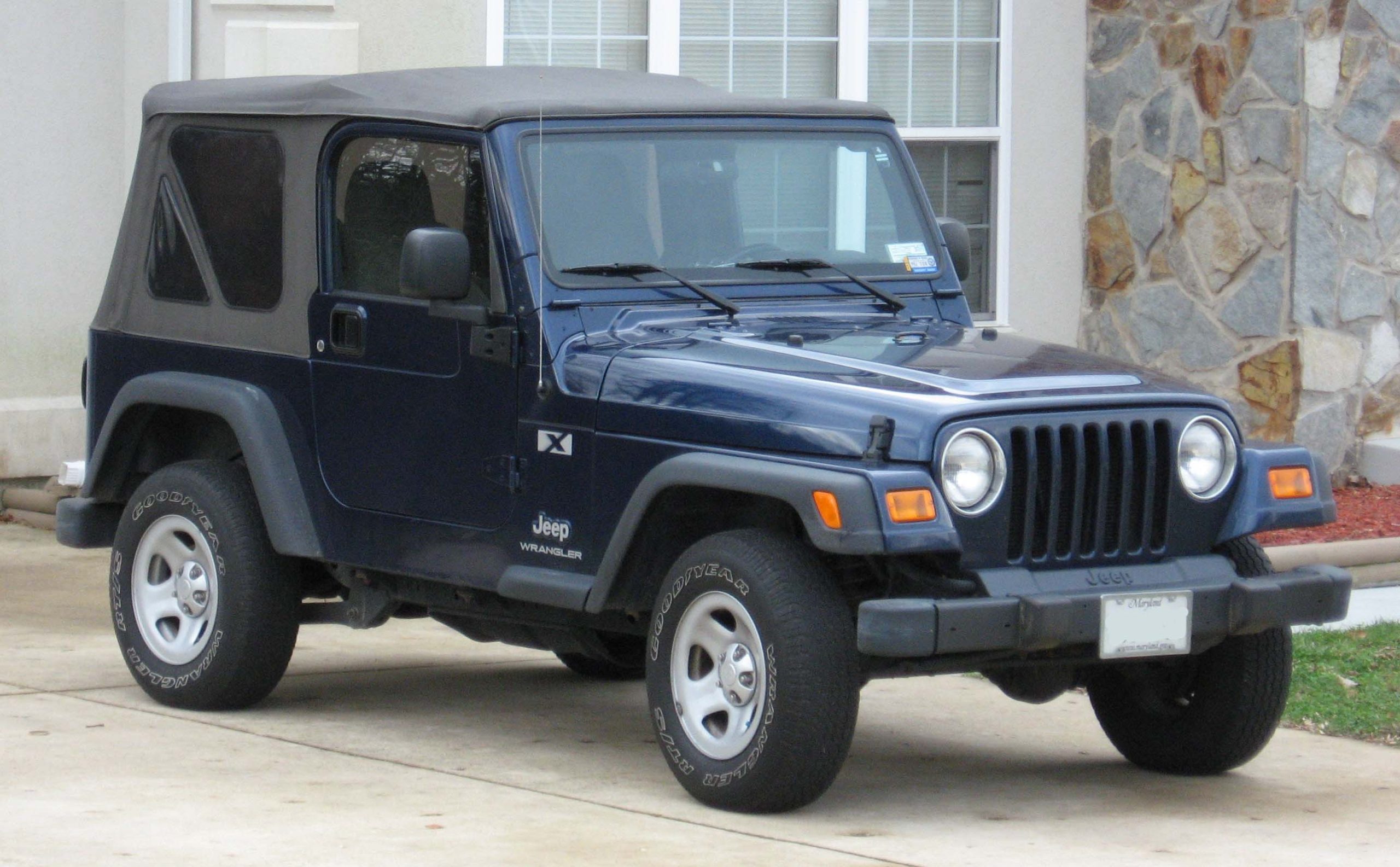
The Jeep Wrangler TJ is renowned for its rugged off-road capability and minimalist, open-air design, but these same traits make it particularly vulnerable in humid environments. Designed in the mid-1990s, the TJ predates modern moisture-sealing standards, allowing humidity to accelerate wear across electrical, interior, and structural systems.
Electrical issues are among the most common problems in damp climates. The TJ’s wiring and connectors are exposed, and persistent humidity promotes corrosion at terminals and grounding points. This can result in dim headlights, erratic gauges, and intermittent faults that are hard to diagnose.
A well-known weak point is the clockspring behind the steering wheel, which can disable the horn and airbag if moisture enters the steering column. Engine sensors such as the throttle position sensor and idle air control valve are also affected by condensation, leading to rough idling or stalling that sometimes resolves once the heat dries the engine bay.
Inside the cabin, the Wrangler TJ creates its own humid microclimate. Removable hard or soft tops lack the tight sealing of a fixed roof, allowing moisture to enter more easily. Over time, door and window seals shrink and lose elasticity, letting humid air and rain seep inside. A partially blocked cowl drain beneath the windshield can channel water directly into the passenger footwell, soaking carpets and promoting mold growth.
The HVAC system can also struggle in high humidity. The air conditioning evaporator may become a breeding ground for mildew, causing persistent musty odors. If the condensate drain line is clogged or pinched, extracted moisture is released into the cabin instead of outside.
Structurally, humidity is a major concern. The TJ’s boxed frame traps moisture inside its rails, accelerating internal rust. In coastal or swampy regions, this can damage frame sections and compromise the integrity of suspension mounting points, making regular inspections and maintenance critical for long-term durability.
5. Nissan Altima: Vulnerabilities in Humid Environments
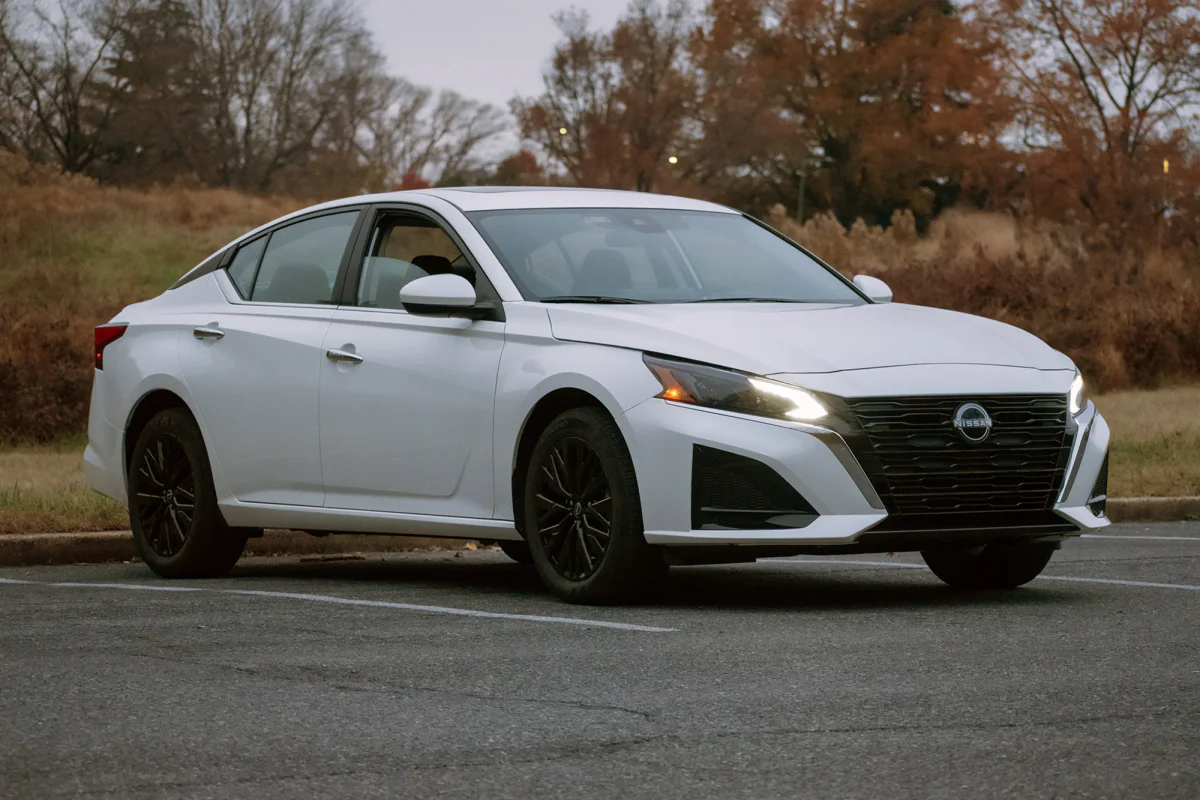
Nissan Altimas, especially in high-humidity or coastal areas, are prone to accelerated wear due to sensitive electronics, transmission cooling challenges, and moisture-prone components. Exposure to humid air can trigger electrical, mechanical, and corrosion-related problems that affect drivability and long-term reliability.
The electrical system is highly sensitive to moisture. Condensation can form on connectors and critical sensors, including camshaft and crankshaft position sensors. This can cause corrosion on terminals, increasing resistance and disrupting signals to the engine control unit.
Common symptoms include rough idling, misfires, stalling, or a complete no-start condition in damp weather. Ignition components, such as spark plug wells and coil packs, are also susceptible to moisture intrusion.
The Altima’s continuously variable transmission is affected by humidity as dense, moist air reduces cooling efficiency. Over time, high heat and moisture accelerate the breakdown of transmission fluid, leading to shuddering, jerking, or triggering limp mode, which limits engine power to protect the transmission. Regular fluid changes are critical to maintain performance in tropical or coastal climates.
Interior and HVAC systems are challenged by high humidity. The air conditioning system must work harder to dehumidify the cabin, and a clogged evaporator drain tube can cause condensation to collect in the footwells. This results in damp carpets, musty odors, and persistent window fogging. Moisture can also affect cabin electronics, causing intermittent malfunctions in infotainment systems or dashboard clusters.
Humidity accelerates corrosion and wear on exterior and mechanical components. Rust can form on doors, sills, chassis parts, brake lines, and rotors, sometimes reducing braking efficiency.
Rubber components, including suspension bushings and driveshaft boots, degrade faster in moist conditions, leading to clunking or a swaying sensation while driving. Preventive maintenance, such as cleaning battery terminals, applying dielectric grease to connectors, and ensuring A/C drains are clear, helps protect the Altima in humid environments.
Choosing a vehicle suited for humid climates can greatly reduce maintenance challenges and improve reliability. Models like the Toyota Land Cruiser, Honda CR-V, and Toyota Fortuner feature tropicalized engineering, corrosion protection, sealed electronics, and efficient climate control systems that allow them to operate confidently in damp, rainy, or coastal conditions.
Their design ensures resilience against moisture while protecting mechanical and electrical components from accelerated wear.
On the other hand, vehicles such as the Land Rover Range Rover Sport, older Mazda 3s, and Ford Fiesta demonstrate how sensitive electronics, weak seals, and limited rust protection can lead to problems in humid environments. Issues like rust formation, clogged drains, interior condensation, and transmission or sensor failures are more common in these models.
Considering a car’s ability to handle moisture and high humidity is crucial for long-term reliability, safety, and comfort. Selecting a vehicle engineered to withstand wet and tropical conditions ensures better performance, fewer repairs, and a more satisfying ownership experience in regions where moisture is a constant factor.
Also Read: Top 10 Cars That Changed Automotive Engineering Forever