Snowy and icy roads test a vehicle’s engineering, traction, and driver-assistance systems more than any other condition. While some cars are purpose-built to tackle winter challenges with all-wheel drive, high ground clearance, and specialized traction modes, others struggle due to their design priorities, weight distribution, or tire selection.
In this guide, we explore five vehicles that excel in snow, offering stability, grip, and confidence in slippery conditions, as well as five vehicles that are best left in the garage when winter weather hits.
From family SUVs like the Subaru Outback and Kia Telluride to luxury and performance-oriented models such as the BMW Z4 and Chevrolet Camaro, understanding which vehicles can handle snow and which cannot helps drivers make informed choices for safety, comfort, and reliability during harsh winter months. Whether commuting, towing, or exploring off-road paths, winter readiness can make all the difference.
5 Vehicles That Handle Snowy Roads
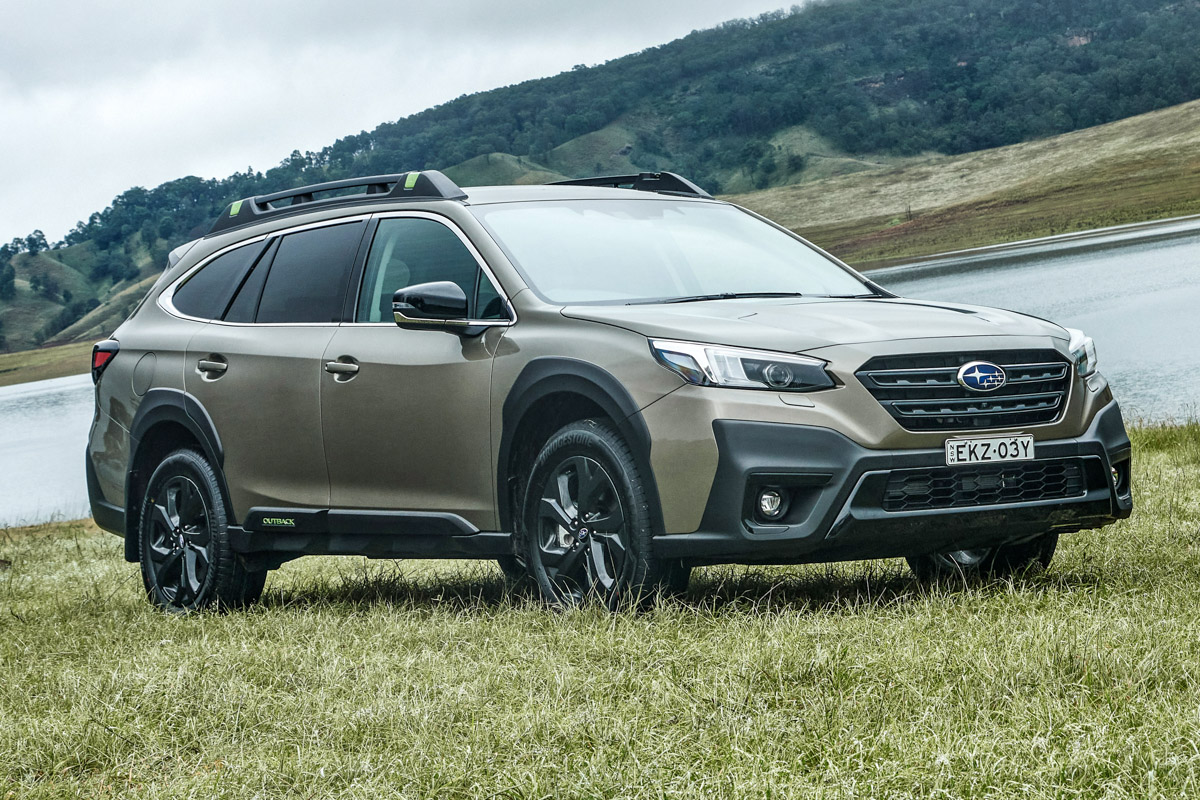
1. Subaru Outback: The Winter-Ready All-Rounder
The Subaru Outback stands out as a top choice for winter driving, thanks to its standard Symmetrical All-Wheel Drive (AWD), high ground clearance, and specialized X-MODE traction system. With 8.7 inches of clearance on standard models and up to 9.5 inches on the Wilderness trim, the Outback confidently handles deep snow, icy roads, and unplowed terrain that would challenge most vehicles.
X-MODE enhances traction by optimizing engine output, transmission ratios, and wheel grip, while Hill Descent Control ensures safe downhill navigation. Its low center of gravity, courtesy of the boxer engine, and Vehicle Dynamics Control (VDC) further improve stability and reduce the risk of slipping.
Under the hood, the Outback offers two four-cylinder engines: a 180-hp 2.5-liter base engine and a 260-hp turbocharged 2.4-liter found in XT trims and standard on the Wilderness. Both use a continuously variable automatic transmission (CVT). While the base engine delivers smooth but modest acceleration, the turbocharged option provides quicker response, though tempered by the CVT’s sometimes jerky nature.
The Wilderness trim focuses on off-road capability with adaptive dampers, chunky all-terrain tires, a robust exterior, and 9.5 inches of ground clearance, improving both off-road agility and on-road handling. Estimated 0–60 mph times are 8.8 seconds for the base engine and 6.6 seconds for the turbo model.
Inside, the Outback has been redesigned for comfort and modernity. A dual-panel digital instrument cluster pairs with a 12.1-inch infotainment display featuring Apple CarPlay, Android Auto, and cloud-based voice recognition. The raised flat roofline adds headroom, especially in the rear, and cargo space increases by two cubic feet.
Towing capacity ranges from 2,700 pounds with the base engine to 3,500 pounds with the turbo. Fuel economy is rated at 25/31 mpg (city/highway) for the base model, with XT and Wilderness trims slightly lower.
Safety is comprehensive, with Subaru’s EyeSight suite offering forward-collision warning, automated emergency braking, adaptive cruise control, lane-keeping assist, and optional blind-spot monitoring and highway hands-free driving up to 85 mph.
Subaru offers competitive warranties: three years/36,000 miles for the limited warranty and five years/60,000 miles for the powertrain, though no complimentary maintenance is included. With its blend of winter-focused capabilities, off-road readiness, comfort, and safety features, the Outback remains a versatile choice for drivers seeking reliable all-weather performance.
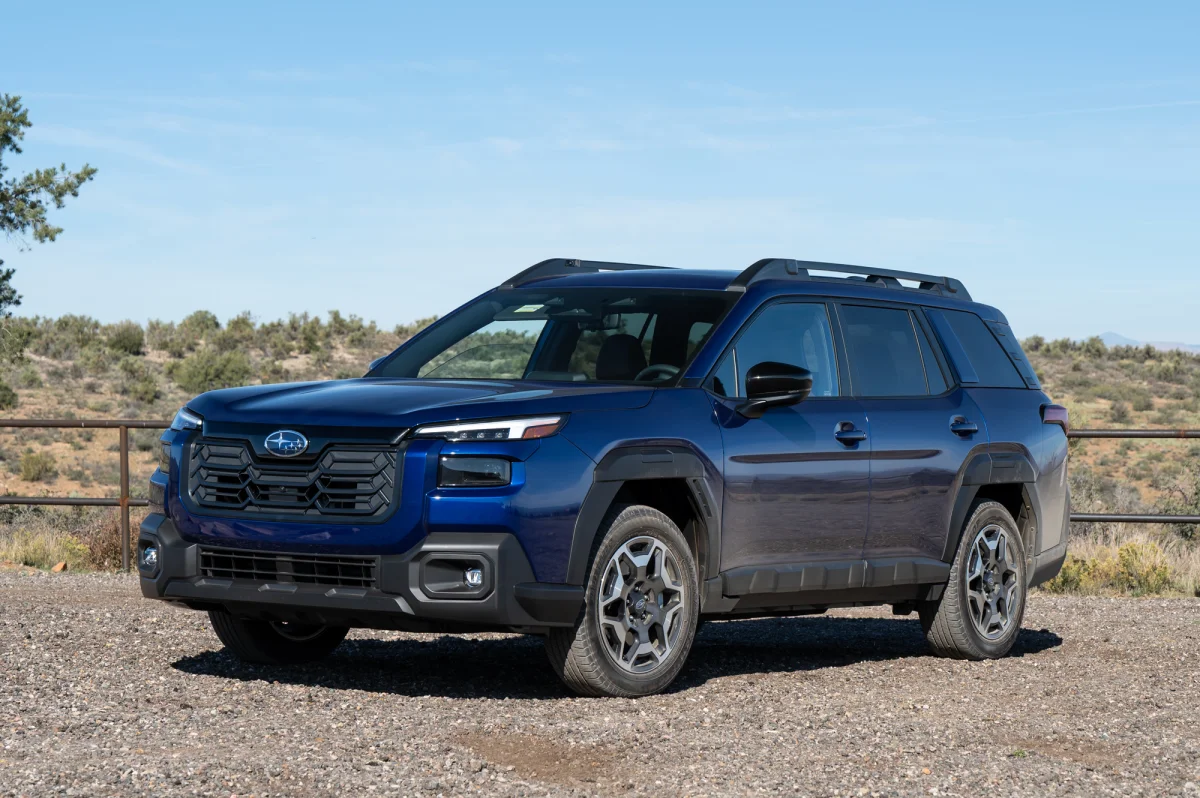
2. Toyota Land Cruiser: A Winter-Ready Legend with Modern Efficiency
The Toyota Land Cruiser continues its legacy as a capable off-road and winter SUV, now with a modernized, smaller design and hybrid powertrain. Its robust full-time four-wheel-drive system, locking center differential, and optional rear locker deliver exceptional traction on icy or snow-covered roads.
Multi-Terrain Select (MTS) offers a dedicated snow mode, optimizing power distribution and wheel spin, while Crawl Control and Active Traction Control (A-TRAC) help maintain steady momentum on slippery inclines or declines.
High ground clearance and structural stability allow the Land Cruiser to tackle deep snow with confidence, and winter comfort features such as heated seats, steering wheel, and windshield wiper de-icers enhance functionality in freezing temperatures.
Powering the new Land Cruiser is a turbocharged 2.4-liter four-cylinder engine paired with two electric motors, producing a combined 326 horsepower. All models use an eight-speed automatic transmission and feature low-range gearing, hill-descent control, and a crawl-control system.
This hybrid setup delivers smooth torque, although the electric boost can feel inconsistent due to a smaller battery. On-road performance is refined and quiet compared with rivals like the Ford Bronco and Jeep Wrangler.
In testing, the Land Cruiser First Edition achieved 0–60 mph in 7.7 seconds, slightly slower than competitors with conventional engines. Towing capacity reaches 6,000 pounds, surpassing most mid-size SUVs.
Inside, the Land Cruiser is now a two-row, five-seat SUV, offering a balance of comfort and utility. Heated seats and a steering wheel are standard even in base trims, while top trims include ventilated seats, leather upholstery, and premium audio.
Cargo capacity accommodates 17 carry-on suitcases behind the rear seats or 31 with seats folded. Infotainment options range from an 8.0-inch touchscreen in base models to a 12.3-inch display in higher trims, with wireless Apple CarPlay, Android Auto, USB-C ports, and optional Wi-Fi.
Safety is comprehensive, thanks to Toyota Safety Sense 3.0, which includes adaptive cruise control, lane-keeping assist, automated emergency braking, and lane-departure warning.
Warranty coverage is competitive: three years/36,000 miles for the limited warranty, five years/60,000 miles for the powertrain, and 10 years/150,000 miles for hybrid components. Notably, Toyota includes two years/25,000 miles of complimentary scheduled maintenance, a rarity in this segment.
With a blend of traditional Land Cruiser durability, advanced winter-focused systems, modern hybrid efficiency, and refined interior comfort, the new Land Cruiser offers a compelling option for drivers seeking a capable, safe, and versatile SUV that excels in snow and off-road conditions.
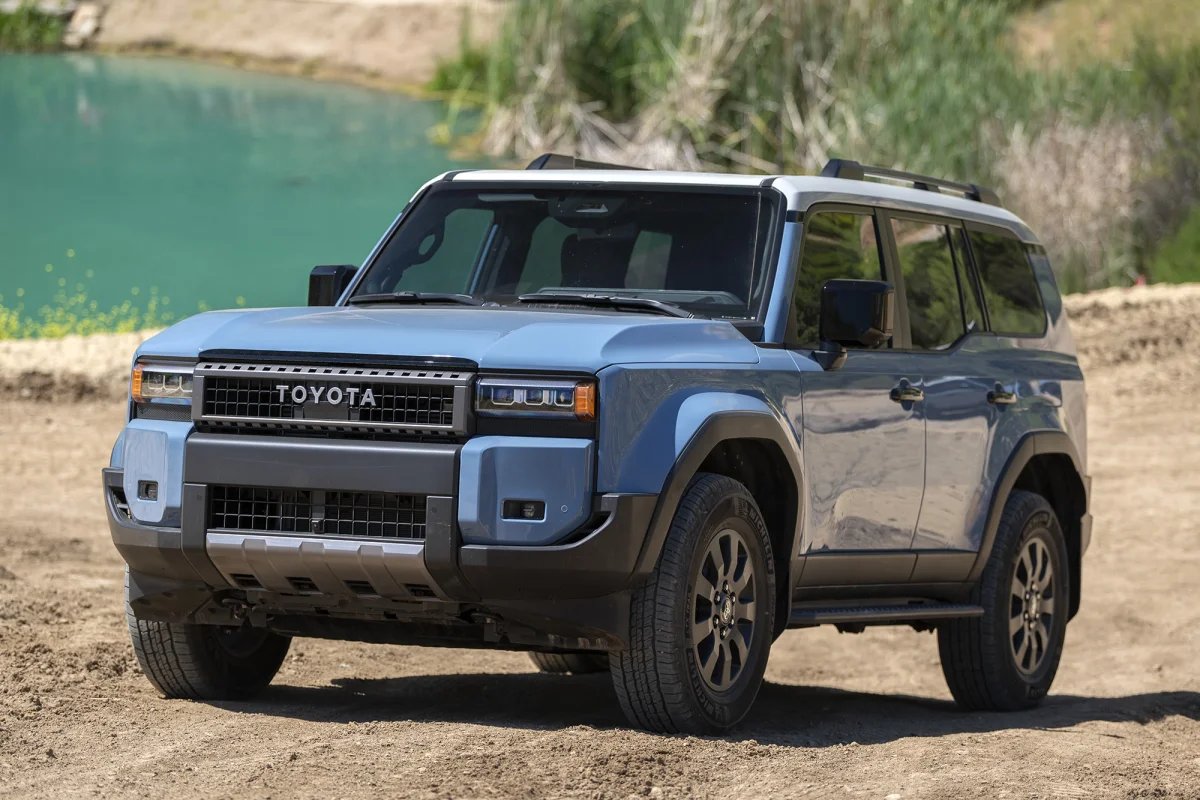
3. Volvo V60 Cross Country: Swedish Expertise for Winter Roads
The Volvo V60 Cross Country is designed for winter driving with a focus on stability, traction, and comfort. It comes standard with an intelligent all-wheel-drive system that constantly monitors grip and automatically transfers power to the wheels with the most traction. With 8.3 inches of ground clearance, the Cross Country clears deep snow and icy ruts more easily than the standard V60 wagon.
Specialized off-road driving modes, including a low-speed snow mode, optimize engine output, braking, and traction for slippery surfaces. Hill descent control manages vehicle speed on steep, snow-covered slopes, while electronic stability control and advanced traction systems reduce skidding. Heated wipers and glass ensure visibility and functionality in freezing temperatures.
The V60 Cross Country is powered by a 247-horsepower turbocharged 2.0-liter four-cylinder engine paired with an 8-speed automatic transmission and all-wheel drive. The vehicle feels agile and stable through corners, and the engine responds well in city and highway driving.
Car and Driver testing recorded a 0-60 mph time of 6.6 seconds. Fuel economy is rated at 24 miles per gallon in the city and 31 miles per gallon on the highway, and real-world highway testing at 75 mph achieved 31 miles per gallon.
The interior reflects Volvo’s focus on Scandinavian design and comfort. The cabin is spacious with high-quality materials, including leather, metal trim, and real wood accents.
Front seats are supportive and comfortable, while the rear accommodates two adults with dedicated air vents. Cargo capacity is excellent for a wagon, holding eight carry-on suitcases behind the rear seats and 22 with the seats folded, slightly outperforming rivals such as the Audi A4 Allroad.
Technology and connectivity features include a 9.0-inch touchscreen with Volvo’s Google-based interface, Bluetooth, wired Apple CarPlay, Android Auto, and a 14-speaker Harman/Kardon stereo system. The interface is responsive, but some icons are small and may require careful attention while driving.
Safety is a core part of the V60 Cross Country, with standard automated emergency braking, lane-keeping assist, and adaptive cruise control. Warranty coverage includes four years or 50,000 miles for both limited and powertrain warranties. Volvo also provides a three-year or 36,000-mile complimentary scheduled maintenance plan.
The Volvo V60 Cross Country combines all-wheel drive, elevated ground clearance, winter-focused driving modes, a premium interior, and advanced safety features. This makes it an excellent option for drivers who need a practical, capable, and comfortable vehicle for snowy or icy conditions.
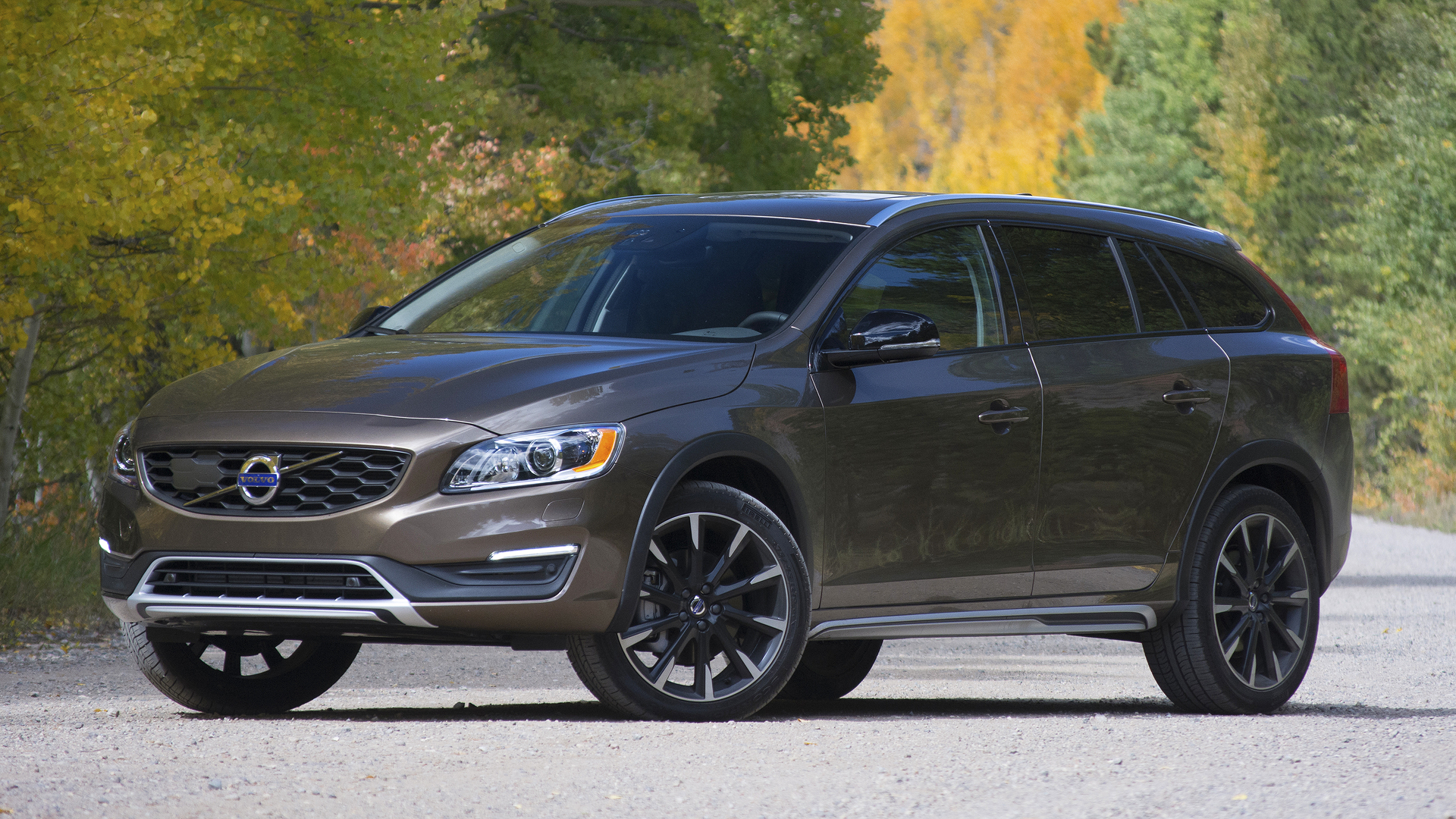
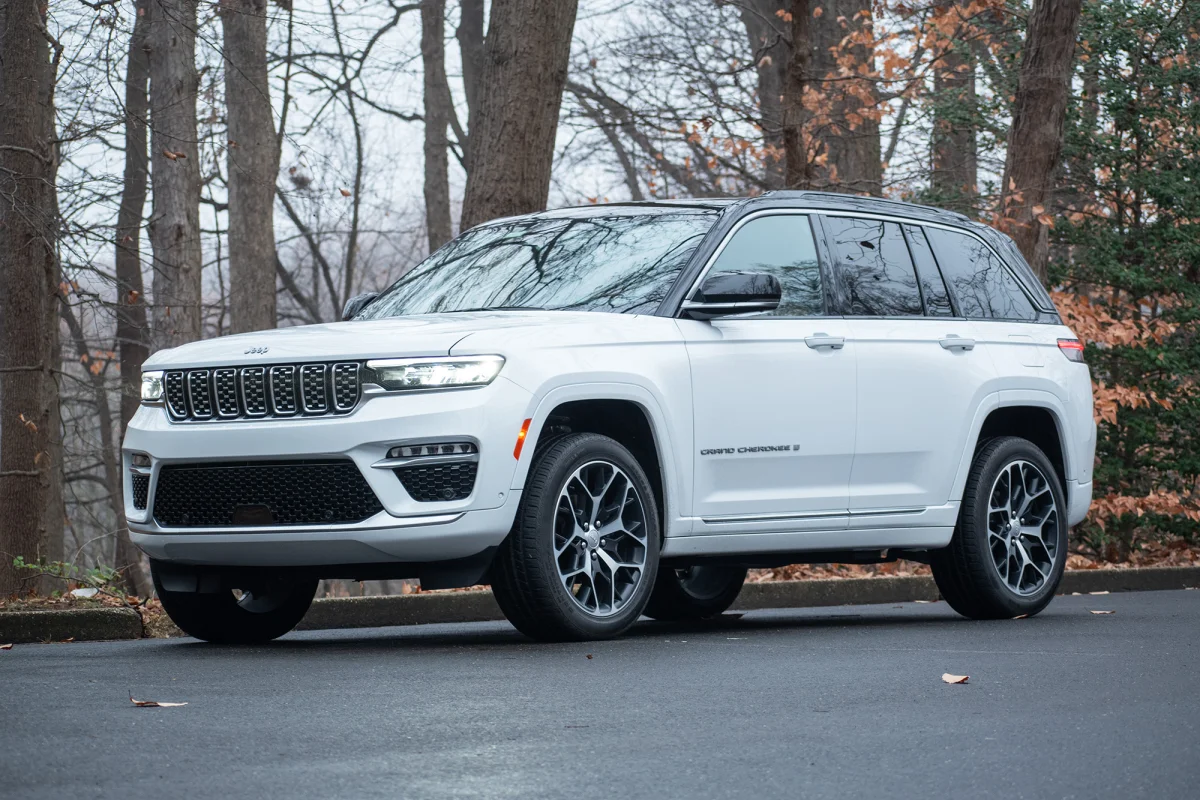
4. Jeep Grand Cherokee: Snow-Ready Capability and Comfort
The Jeep Grand Cherokee is built for exceptional performance in snow and winter conditions. Its advanced 4×4 systems, specialized “Snow” mode, high ground clearance, and electronic safety features work together to maximize traction, maintain control, and prevent wheel spin on icy roads.
The Selec-Terrain® traction management system includes a dedicated snow mode that adjusts torque distribution between the front and rear axles and optimizes throttle response for smoother acceleration on slippery surfaces.
Sophisticated 4×4 setups such as Quadra-Trac I, Quadra-Trac II, and Quadra-Drive II provide proactive, on-demand traction, with the highest-level system capable of sending all available power to a single wheel if needed.
The optional Quadra-Lift® air suspension can raise ground clearance to 10.9 inches, enabling the vehicle to traverse deep snow without getting stuck. Additional winter-ready features include heated seats, a heated steering wheel, and windshield wiper de-icers, ensuring both comfort and visibility in freezing temperatures.
The Grand Cherokee comes standard with a 293-horsepower 3.6-liter V-6 engine paired with an eight-speed automatic transmission. An optional 324-horsepower turbocharged 2.0-liter four-cylinder is also available. Rear-wheel drive is standard, while three all-wheel-drive systems provide progressively more off-road capability.
The Grand Cherokee delivers a composed and smooth ride on pavement, particularly in higher trims equipped with air springs and adaptive dampers. In Car and Driver testing, the V-6 Summit reached 60 mph in 7.4 seconds. Maximum towing capacity is 6,200 pounds, exceeding most competitors, and fuel economy for the V-6 model is rated at 19 mpg city and 26 mpg highway, with a real-world 75-mph test achieving 22 mpg.
Inside, the Grand Cherokee combines utility with luxury. Base Laredo models cover essentials, while Limited and Summit trims feature leather upholstery, open-pore wood trim, and high-tech digital displays. Rear passengers enjoy ample headroom and legroom, and cargo capacity holds 13 carry-on suitcases behind the rear seats or 28 with seats folded.
The infotainment system includes a 12.3-inch touchscreen, Bluetooth, wireless Apple CarPlay and Android Auto, with optional upgrades including a 10.3-inch passenger display and premium audio systems up to a 19-speaker McIntosh stereo.
Safety is comprehensive, with standard automated emergency braking, lane-keeping assist, and blind-spot monitoring. Optional adaptive cruise control with lane-centering is also available. Warranty coverage is standard for the segment, offering three years or 36,000 miles limited warranty and five years or 60,000 miles powertrain coverage, with no complimentary maintenance included.
The Jeep Grand Cherokee combines advanced 4×4 systems, high ground clearance, winter-focused features, comfort, and towing capability, making it a versatile and capable SUV for snowy and icy conditions.
5. Kia Telluride: A Winter-Ready Family SUV
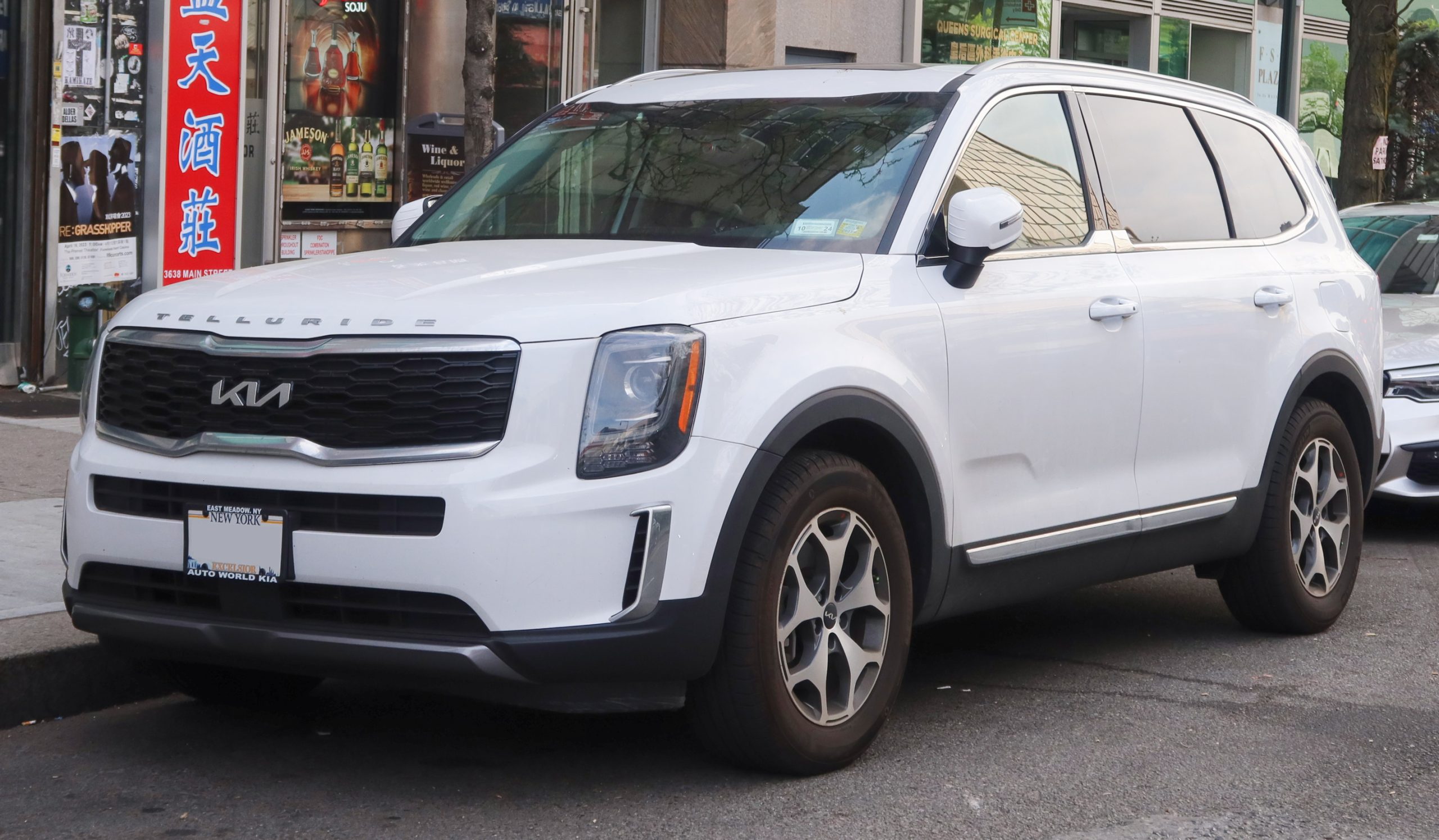
The Kia Telluride is a capable and versatile family SUV designed to handle snowy and icy roads with confidence. Its available all-wheel-drive system features a 50/50 lock mode that evenly distributes power between the front and rear wheels, enhancing traction on slippery surfaces.
A dedicated Snow drive mode adjusts throttle, transmission, and traction control to reduce wheel spin and improve grip, while X-Pro models include downhill brake control to safely control speed on steep, icy declines.
With 8.0 inches of ground clearance, the Telluride can move through deeper snow without getting stuck, and its weight adds stability against sliding in crosswinds. For maximum performance in winter conditions, dedicated winter tires are recommended.
Under the hood, the Telluride is powered by a naturally aspirated 291-horsepower V-6 engine producing 262 pound-feet of torque, paired with an eight-speed automatic transmission. Front-wheel drive is standard, with all-wheel drive optional across all trims.
The SUV offers a firm yet controlled ride, with higher trims equipped with a self-leveling rear air suspension for improved handling on uneven pavement. Braking performance is strong, and the steering provides a precise and weighted feel. In testing, a Telluride X-Line accelerated from zero to 60 mph in 6.8 seconds.
Maximum towing capacity ranges from 5,000 pounds on most trims to 5,500 pounds on the X-Pro. Fuel economy is rated at 20 mpg city and 26 mpg highway for front-wheel-drive models, dropping to 18 city and 24 highway with AWD. Real-world highway testing returned 26 mpg.
Inside, the Telluride offers a spacious and upscale cabin. It can seat seven or eight passengers, depending onthe second-row configuration. Top trims feature Nappa leather upholstery, ventilated and heated rear seats, driver memory settings, and a head-up display. Cargo capacity is generous, holding four carry-on suitcases behind the third row and 35 with both rear rows folded flat.
Technology includes a 12.3-inch touchscreen infotainment system with Apple CarPlay, Android Auto, navigation, and onboard Wi-Fi. Optional features include a 10-speaker Harman/Kardon audio system, wireless smartphone charging, and Driver Talk, which amplifies the driver’s voice to the rear seats.
Safety is comprehensive, with standard forward-collision warning, automated emergency braking, lane-keeping assist, and blind-spot monitoring. Upgraded options include a 360-degree camera system and Blind-Spot View Monitor.
Kia provides strong warranty coverage with a five-year/60,000-mile limited warranty and a 10-year/100,000-mile powertrain warranty, although no complimentary scheduled maintenance is included.
With its AWD system, Snow drive mode, generous ground clearance, spacious interior, and extensive safety features, the Kia Telluride is a highly capable and reliable SUV for families in snowy and icy conditions.
Also Read: 5 Cars That Tolerate Humid Conditions vs 5 That Develop Issues
5 That Don’t
1. Chevrolet Camaro: A High-Performance Car Unsuitable for Snow
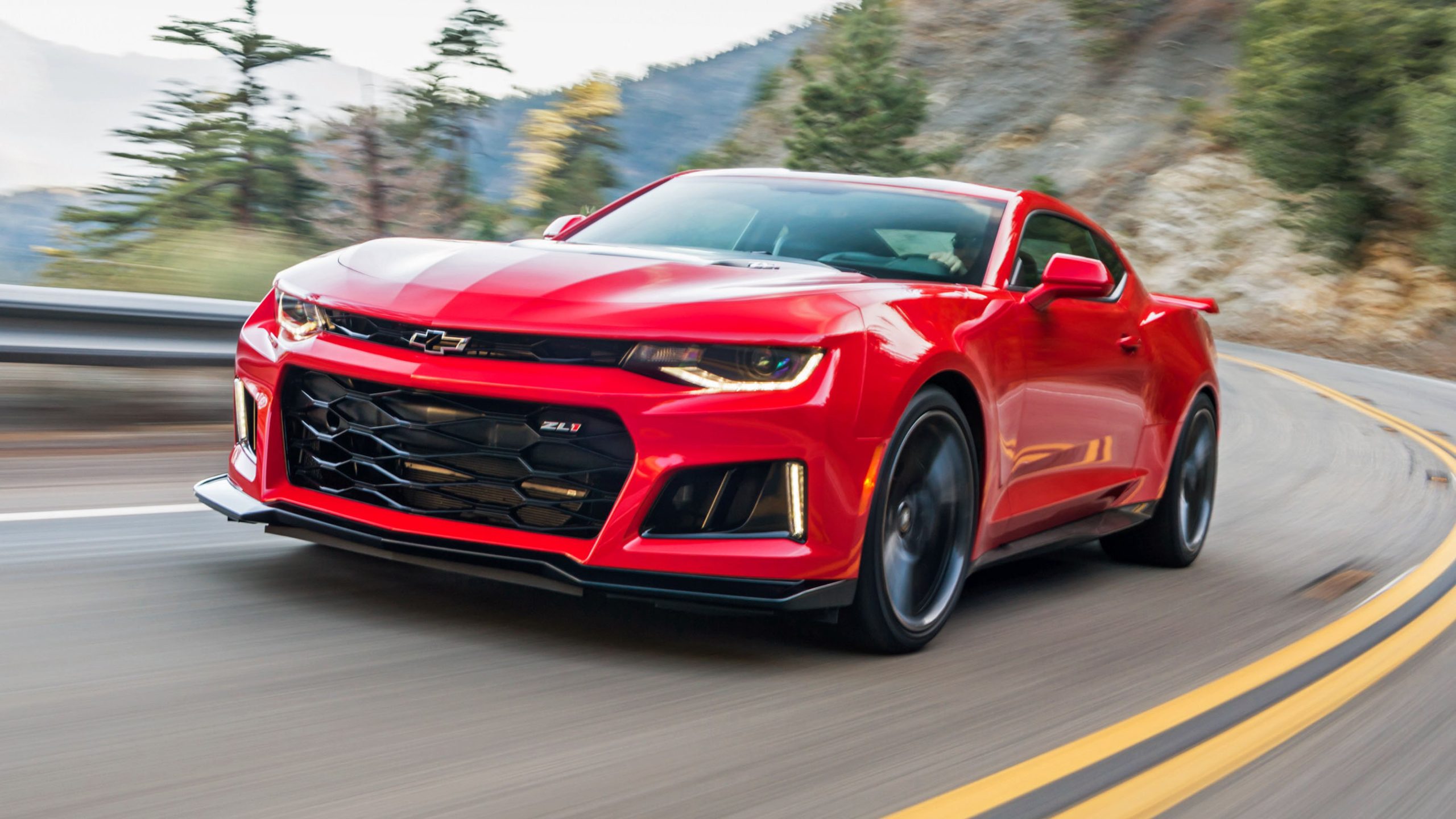
The Chevrolet Camaro is an iconic American sports car, but it struggles in winter conditions due to its design and engineering, which are optimized for dry pavement and high-speed cornering. Several factors contribute to its poor performance in snow, including drivetrain layout, tire choice, weight distribution, and low ground clearance.
The Camaro’s rear-wheel-drive system is a major challenge in snowy conditions. With the engine in the front but power sent to the lighter rear wheels, there is insufficient downward pressure on the tires.
This results in poor traction, causing the rear wheels to spin rather than grip, making starts from a stop or climbing inclines difficult. High torque further exacerbates the problem, as even a light touch of the accelerator can send too much power to the rear wheels, causing fishtailing on ice or slush.
Tires are another limitation. Most Camaros come with summer or all-season performance tires designed for dry asphalt. These tires harden in cold temperatures and feature shallow treads that cannot dig into snow. Instead of gripping the surface, they slide over it, reducing control and stability.
The car’s low ground clearance adds another challenge. The front air dam and undercarriage can act like a snowplow in deeper snow, lifting the car slightly and reducing traction, leaving it stranded.
Wide tires, while ideal for racing, are less effective in snow because they distribute weight over a larger surface area. Narrower tires would allow the vehicle to cut through slush and reach the pavement below.
Winter driving can be improved with a few adjustments. Installing dedicated winter tires provides a softer compound and deeper treads for better grip on ice and snow. Adding 100–150 pounds of ballast in the trunk helps press the rear wheels into the snow, improving traction and reducing fishtailing.
While the Camaro excels as a high-performance sports car, it is poorly suited for snowy conditions unless significant modifications are made to its tires and weight distribution.
2. Nissan Leaf: Challenges for Winter Driving
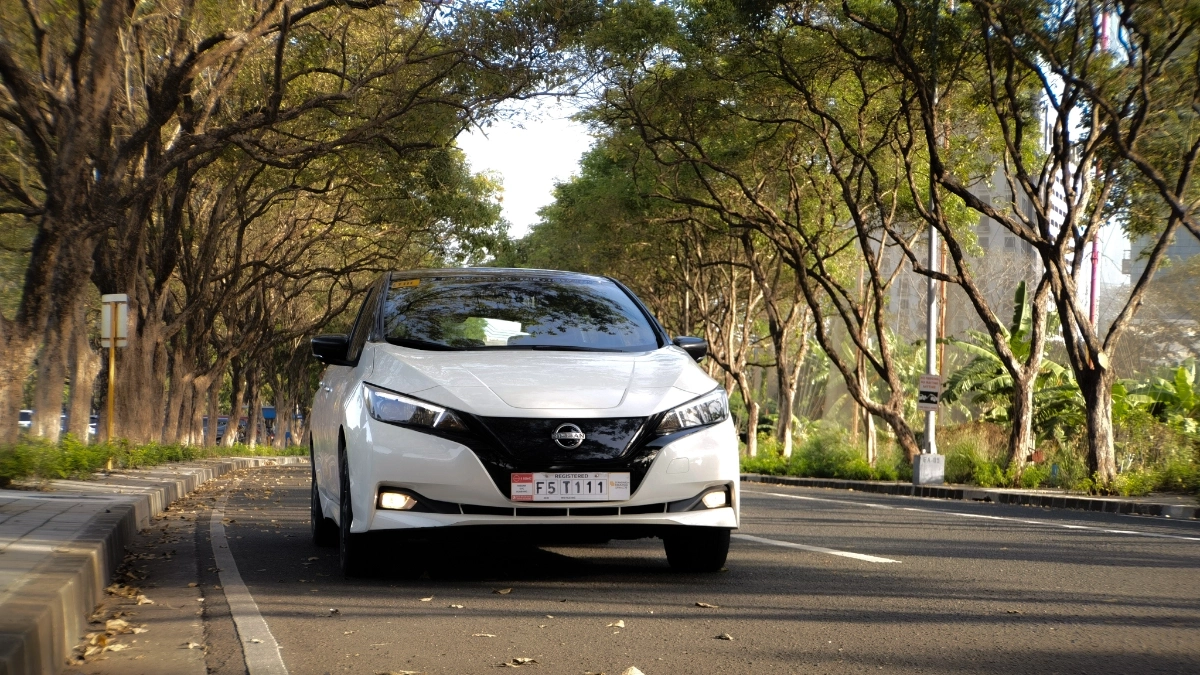
The Nissan Leaf, while an efficient and popular electric vehicle, faces significant challenges in snowy and icy conditions. Its front-wheel-drive layout and lightweight frame limit traction, and its low ground clearance and aerodynamic design can create problems when snow accumulates under the vehicle. These design choices make it less capable in winter than many modern EVs with all-wheel-drive systems.
One major issue is the Leaf’s drivetrain. Unlike competitors such as the Tesla Model 3 or Ford Mustang Mach-E, the Leaf does not offer all-wheel drive. The battery pack spreads the weight evenly across the floor, reducing downward pressure on the front wheels. On slippery roads, this makes it difficult for the car to start from a stop or climb inclines, and wheel spin can occur before traction control intervenes.
Electric motors also pose a winter-specific problem. The Leaf delivers full torque instantly, which can easily break traction on ice. Aggressive regenerative braking, particularly in B-mode or with the e-Pedal, can worsen front-wheel slippage when decelerating, reducing steering control.
Physical design adds to the challenge. The Leaf has about 5.9 inches of ground clearance, which can allow snow to pack under the car, high-centering it. Plastic air dams and underbody panels designed for aerodynamics can be damaged by snow or ice, further complicating winter use.
Battery performance is another limiting factor. The Leaf uses passive air cooling, so cold temperatures reduce power output and charging speed. Cabin heating, especially in models without a heat pump, significantly drains range, often cutting it by 20–30 percent in freezing weather.
Finally, the stock low rolling resistance tires become hard in cold temperatures, reducing grip on ice and snow.
Winter performance can be improved by installing dedicated winter tires, pre-conditioning the cabin while plugged in, and using Eco mode to reduce throttle sensitivity. These adjustments help the Leaf maintain traction, improve comfort, and preserve battery range, making it more practical in cold climates.
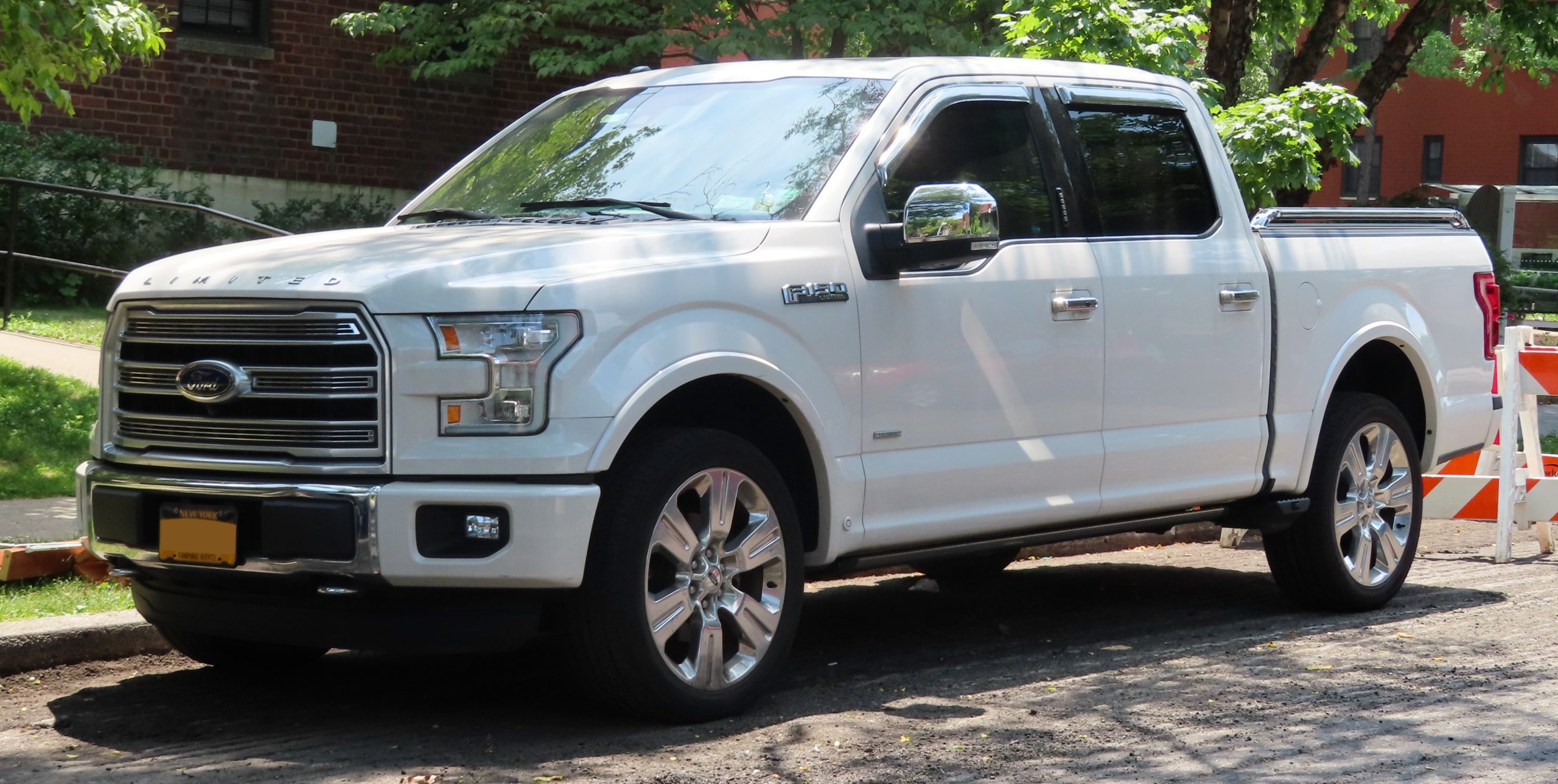
3. Ford F-150 RWD: Challenges in Snow
The Ford F-150 is a capable and powerful truck, but rear-wheel-drive (RWD) versions face major difficulties on snowy and icy roads. The challenges come from the truck’s weight distribution, traction limitations, and high torque, all of which make winter driving risky for RWD models.
One key issue is unbalanced weight. Pickup trucks are designed to carry heavy loads in the bed, so the engine and transmission sit over the front wheels while the rear drive wheels rest under a lightweight, often empty bed. Without sufficient weight pressing the rear tires into the snow, the wheels cannot generate enough friction to move the truck effectively. This causes constant wheel spin, especially on inclines, and reduces traction.
Fishtailing is another problem. With power sent to the rear wheels and steering handled at the front, loss of traction at the back can cause the rear end to swing outward. On snowy slopes, this effect becomes more pronounced, and the truck may slide toward the lowest part of the road, making it difficult to maintain a straight path.
High-torque engines, including EcoBoost options, increase the risk of wheel spin. Even light acceleration can send too much power to the rear wheels, exceeding the tires’ grip. Factory All-Season or Highway-Terrain tires harden in cold temperatures and fail to bite into snow or ice, further reducing control and stability.
Winter performance can be improved with some adjustments. Adding 300–500 pounds of ballast over the rear axle helps press the tires into the snow. Installing dedicated winter tires with the Three-Peak Mountain Snowflake rating increases grip. Using the Slippery Mode drive setting moderates throttle response, preventing the engine from overpowering the tires.
RWD F-150 trucks handle dry roads and heavy loads well, but without these modifications, their performance in snow is limited and challenging.
4. BMW Z4: Poor Performance in Snow
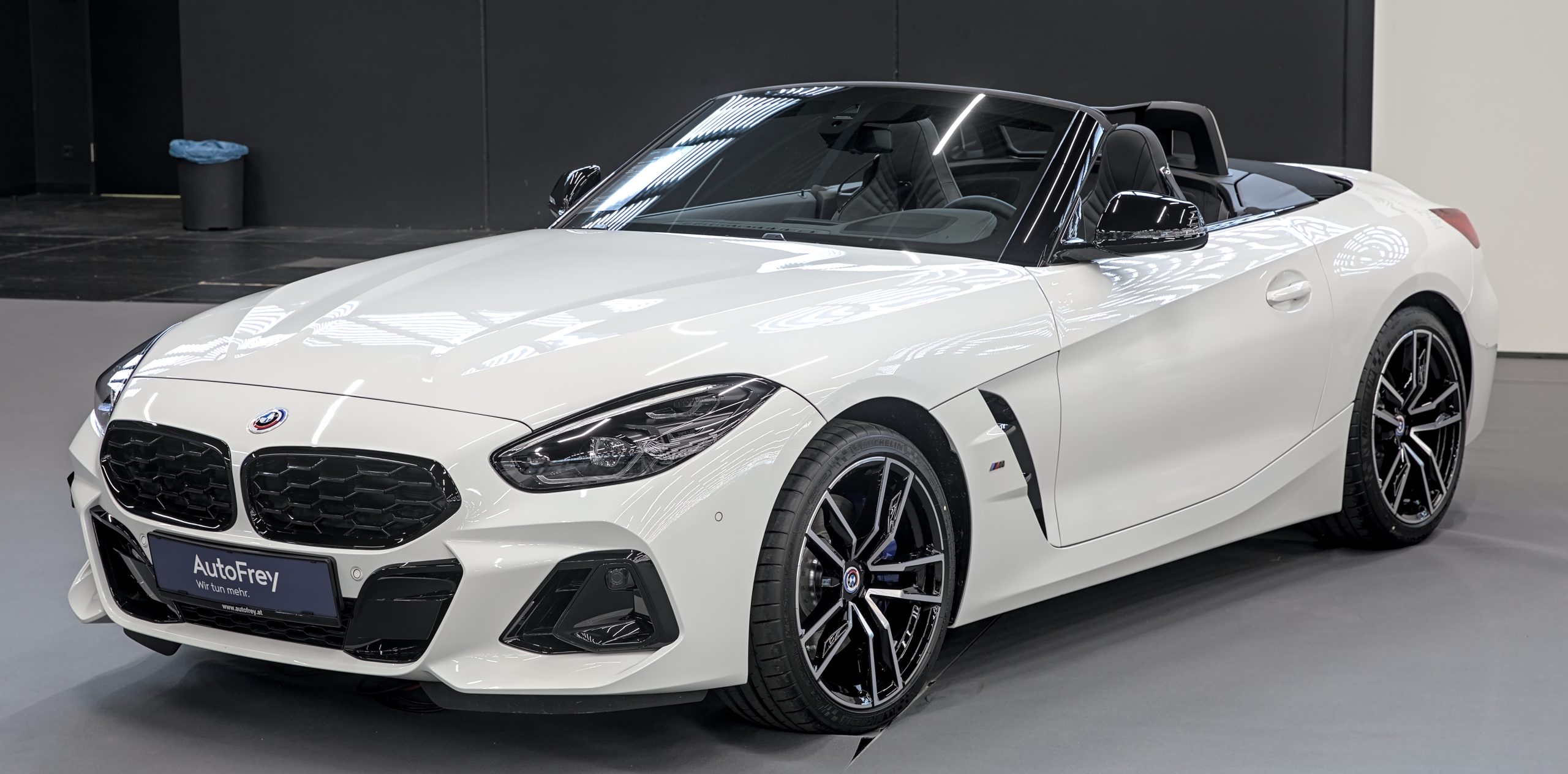
The BMW Z4, a luxury roadster designed for high-performance handling, faces serious challenges on snowy and icy roads. Its struggles stem from a combination of rear-wheel-drive physics, low ground clearance, and performance-focused tires, making it ill-suited for winter conditions.
A major factor is its rear-wheel-drive layout. Unlike BMW models equipped with xDrive all-wheel drive, the Z4 sends power only to the rear wheels. While the car has a balanced 50:50 weight distribution for sporty handling, this reduces downward pressure on the driven wheels, limiting traction in snow.
In contrast, front-wheel-drive cars have the heavy engine over the drive wheels, providing better grip for starting and climbing on slippery surfaces.
Ground clearance is another limitation. The Z4 sits only about 4.5 inches above the ground, meaning even moderate snow can contact the front bumper and air dam, acting like a plow. In deeper snow, the undercarriage can lift the vehicle slightly, reducing tire contact with the road and leaving the car high-centered and immobile.
Tire choice further hinders winter driving. Standard Z4 tires are wide, low-profile performance models. Wide tires tend to float on top of snow rather than cut through it, and summer tire compounds harden in temperatures below 45 degrees Fahrenheit, reducing grip on both ice and cold pavement.
High torque from engines such as the sDrive30i and M40i can also cause instant wheel spin. Even light throttle input may break traction, while Dynamic Traction Control and other stability systems may reduce power too aggressively, leaving the car stuck in deep slush.
Winter performance can be slightly improved by using narrow, dedicated winter tires and starting in second gear to manage torque. Despite these adjustments, the Z4 remains a car designed for dry roads and warm conditions, making it highly unsuitable for snowy or icy driving.
5. Smart Fortwo: Struggles in Snow
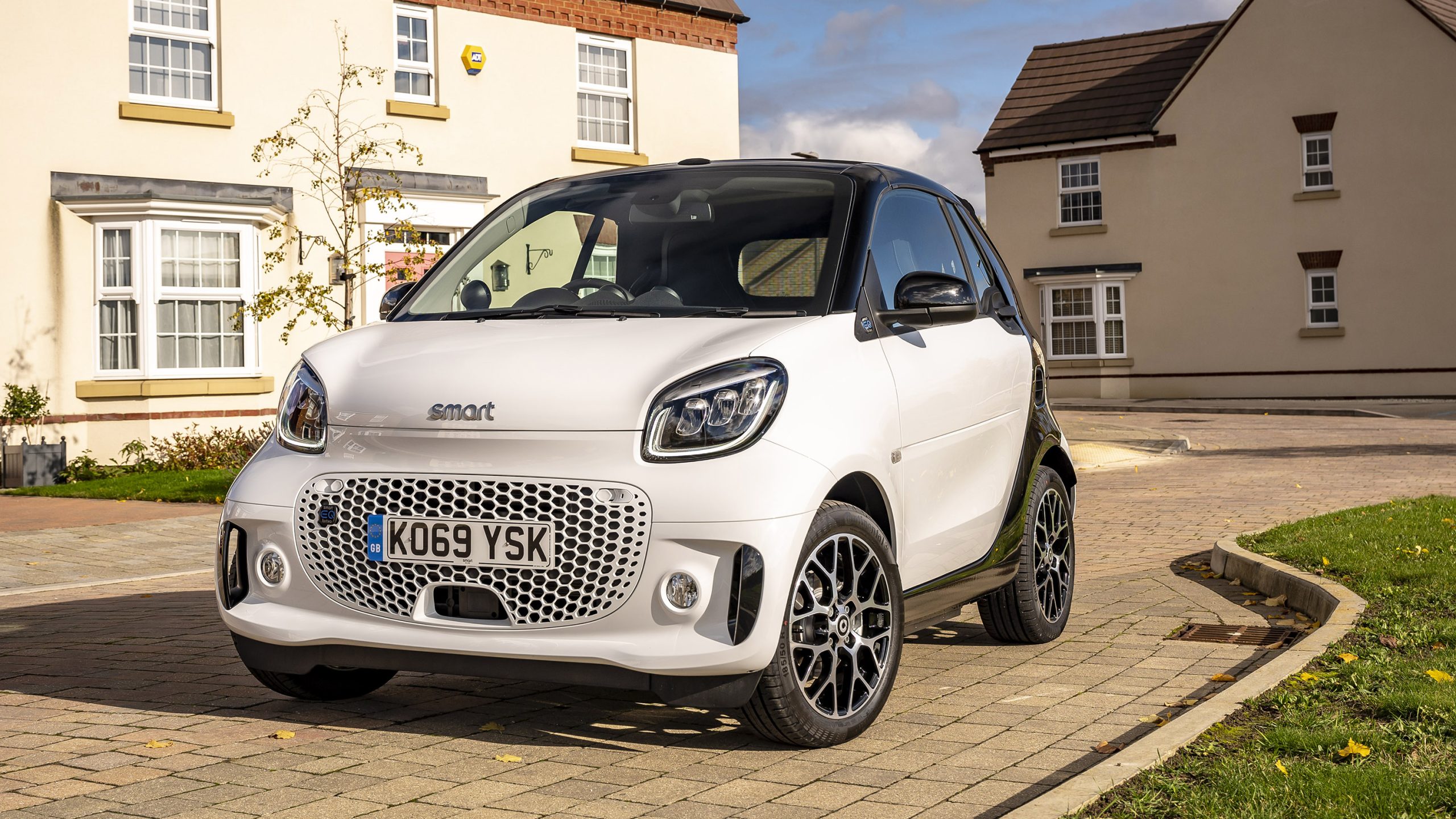
The Smart Fortwo is engineered for city driving, but its small size, light weight, and short wheelbase create major challenges on snowy and icy roads. Features that make it agile in urban environments often work against it in winter conditions, making traction and stability difficult to maintain.
One major limitation is ground clearance. The Fortwo sits very low, and in snow deeper than about five inches, the flat undercarriage acts like a sled. Snow can build up underneath and lift the car slightly, reducing weight on the tires and causing the vehicle to become high-centered.
The short wheelbase further reduces stability. With the front and rear wheels close together, the car rotates quickly if the rear slides, leaving the driver little time to correct skids. This makes the vehicle feel unstable compared to longer-wheelbase cars on ice or packed snow.
The Electronic Stability Program (ESP) is another factor. The system aggressively cuts engine power when wheel spin is detected, preventing traction but sometimes stopping the car halfway up a snowy hill. While intended for safety, this can limit the ability to dig through snow and regain grip.
Tire geometry and light weight worsen traction issues. The Fortwo weighs less than 2,000 pounds, providing minimal downward pressure on tires. Narrow front tires create a small contact patch, reducing braking and steering effectiveness on snow and ice. High crosswinds can also affect the car’s stability because its small, tall body acts like a sail, making highway driving stressful.
Winter performance improves with dedicated winter tires and added weight in the trunk, which increases traction for the rear-engine layout. Driving slowly and cautiously, while keeping ESP enabled, is essential to maintain control. While the Smart Fortwo can manage light snow with these adjustments, it remains one of the most challenging cars to drive in winter conditions due to its urban-focused design.
Winter driving requires more than just careful steering it demands a vehicle engineered for traction, stability, and control in slippery conditions. SUVs like the Toyota Land Cruiser, Volvo V60 Cross Country, and Jeep Grand Cherokee combine advanced all-wheel-drive systems, high ground clearance, and winter-focused technology to keep drivers confident in snow and ice.
Conversely, performance cars, city-focused EVs, and lightweight roadsters, such as the Chevrolet Camaro, Nissan Leaf, BMW Z4, and Smart Fortwo, face inherent limitations in cold weather due to low ground clearance, rear-wheel drive layouts, or thin tires.
While winter tires and added weight can improve performance for some of these vehicles, their designs fundamentally prioritize speed, efficiency, or urban maneuverability over snowy road capability. Recognizing the strengths and weaknesses of each vehicle helps drivers prepare for winter conditions, ensuring safety, control, and peace of mind on icy or snow-covered roads.
Also Read: Top 10 Cars That Changed Automotive Engineering Forever