
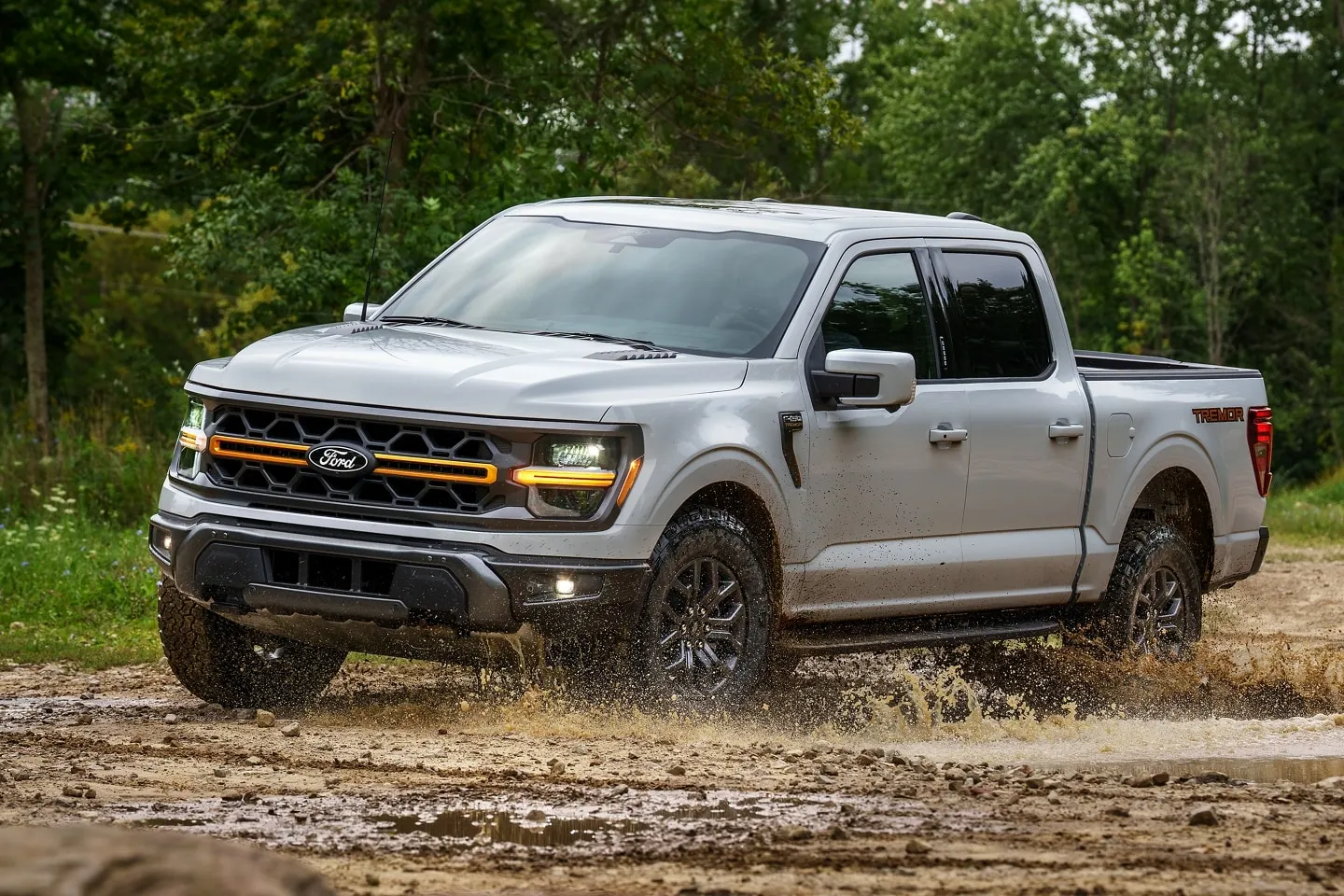
Pickup trucks hold a special place in daily life because they promise durability, purpose, and a sense of confidence that few other vehicles offer. Some trucks keep that promise long after the showroom shine fades, while others struggle to stay relevant once years and miles add up.
This page focuses on trucks that manage to age with grace, staying dependable, useful, and appealing even as newer designs crowd the market. These vehicles do not rely on flashy tricks or short-lived trends. Instead, they build trust through consistency, thoughtful engineering, and a clear understanding of what drivers actually need.
Aging well does not only mean mechanical reliability. It also includes how a truck feels to live with after years of use, how easily it fits into changing lifestyles, and how much pride an owner still feels when walking up to it in a parking lot. Some trucks become more respected as time passes, gaining a reputation that boosts resale value and long-term satisfaction. Others quietly prove themselves by showing up every day without drama.
This first section highlights five trucks that have earned praise for holding their value, character, and usefulness through years of real-world driving. Each example reflects a different approach to longevity, showing that there is no single formula for building a truck that stands the test of time. What unites them is a balance of design, engineering, and practicality that continues to work long after the warranty expires.
5 Trucks That Age Well
1. Toyota Tacoma
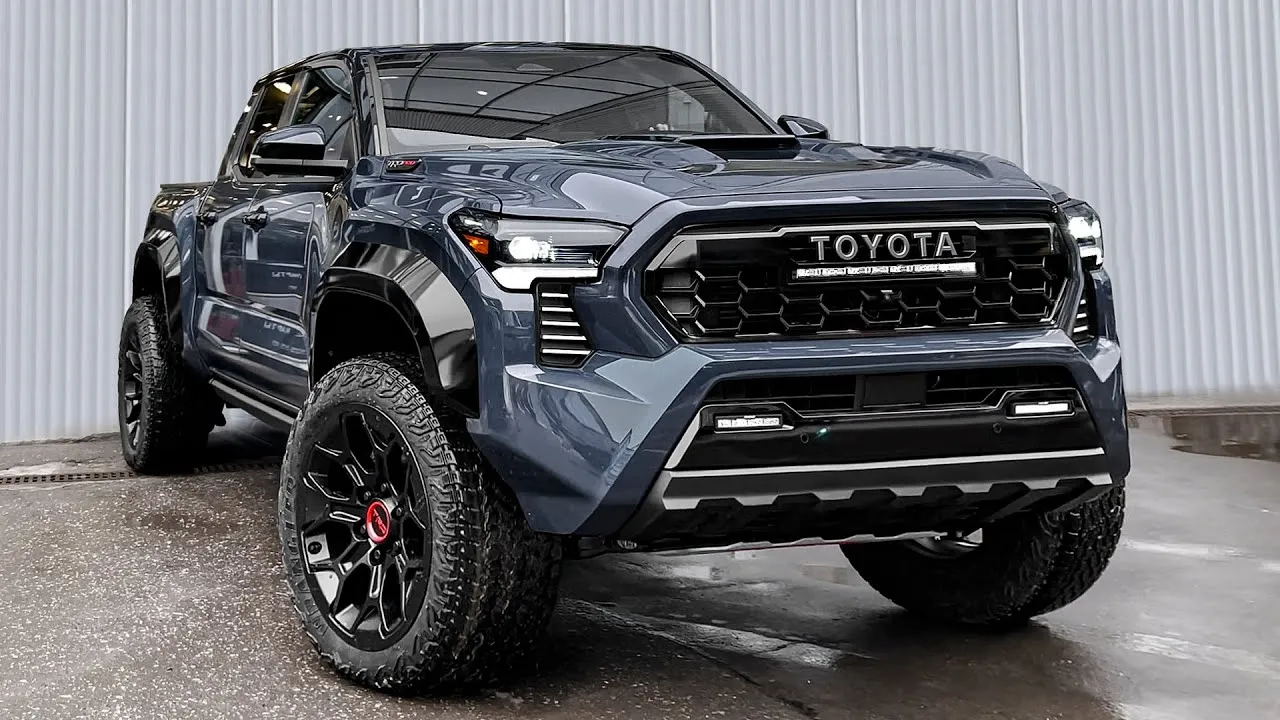
Longevity defines the Toyota Tacoma in a way that feels almost effortless. Drivers often describe this truck as a trusted companion rather than a machine that demands constant attention. That reputation did not appear by accident.
Toyota focused on building a midsize pickup that favored durability and consistency instead of chasing dramatic changes with every redesign. As years pass, this approach pays off. Owners report high mileage with minimal issues, and that kind of experience shapes how the Tacoma is viewed on used car lots and in driveways alike.
From a design perspective, Tacoma styling avoids extremes. Body lines remain clean and purposeful, which helps the truck avoid looking dated too quickly. A Tacoma from a decade ago still blends naturally into modern traffic without drawing unwanted attention. Interiors follow a similar idea.
Controls feel straightforward, materials hold up well, and nothing tries too hard to impress. This simplicity becomes a strength as the truck ages, since fewer gimmicks mean fewer parts that feel old or out of place later. Performance plays a quiet but steady role in the Tacoma story. Engines and transmissions emphasize reliability and predictable behavior.
Acceleration feels confident enough for daily driving, while hauling and towing tasks stay well within the truck’s comfort zone. Drivers who keep their Tacoma for many years often point out how familiar and dependable it feels, even after countless trips and workdays. That sense of familiarity builds trust.
Resale value adds another layer to the Tacoma’s aging success. Used examples command strong prices, reflecting demand from buyers who want a truck known for lasting power. This market confidence reinforces the idea that choosing a Tacoma is less about chasing trends and more about making a practical decision that continues to reward ownership long after the first purchase.
2. Ford F-150
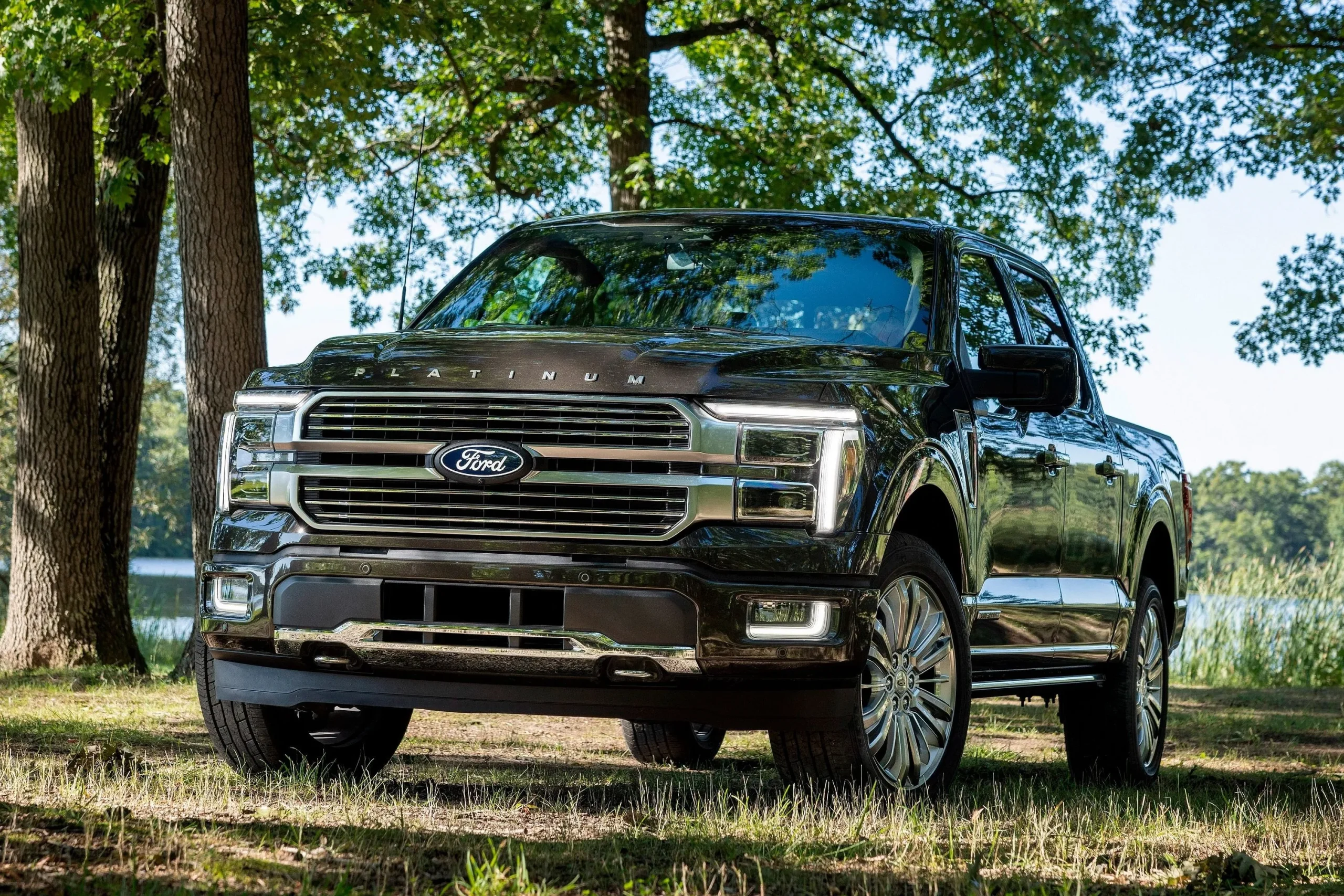
Few vehicles have shaped the pickup identity like the Ford F-150, and its ability to age well comes from constant refinement rather than dramatic reinvention. Ford has treated this truck as a living project, improving strength, efficiency, and comfort while respecting what long-term owners appreciate. That balance allows older F-150 models to remain relevant even as new versions appear.
Visual design plays a large part in this staying power. Ford avoids extreme styling swings, choosing bold but familiar shapes that remain recognizable year after year. An F-150 from an earlier generation still looks capable and confident, not out of place beside newer trucks. This continuity helps preserve pride of ownership, which matters more than many buyers admit.
Under the hood, the F-150 offers a wide range of engine choices, many of which have proven dependable when properly cared for. Owners appreciate having options that fit different needs, from work-focused setups to more comfort-oriented builds. As time passes, that flexibility allows the truck to adapt to changing roles, whether that means daily commuting, hauling equipment, or weekend projects.
Cabin comfort also contributes to graceful aging. Seats stay supportive, controls remain intuitive, and storage solutions continue to make sense years later. Technology integration tends to feel practical rather than overwhelming, which helps older models avoid feeling obsolete too quickly. Drivers often remark that their F-150 still feels like a place designed for real use rather than a temporary showcase.
Strong resale demand underscores the F 150’s ability to age with dignity. Buyers trust its reputation, and that trust translates into sustained value. For many households, this truck becomes a long-term partner that keeps earning respect as seasons and miles roll on.
Also Read: Top 10 Classic Pickup Trucks Worth Restoring Today
3. Chevrolet Silverado 2500HD
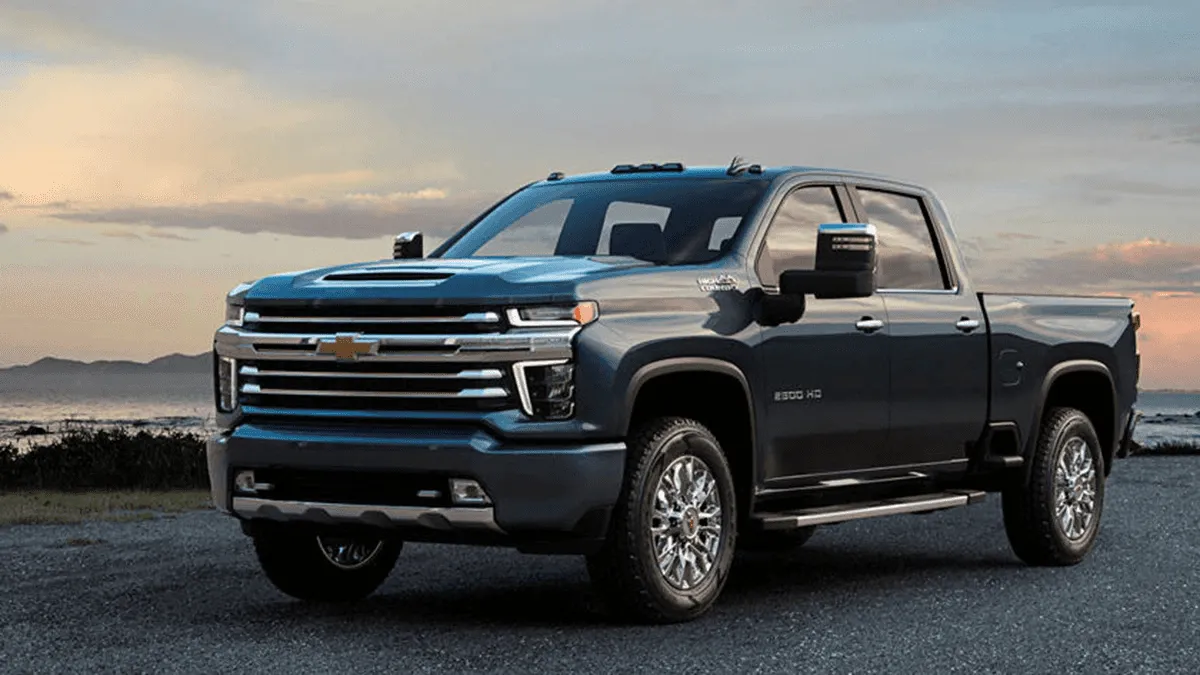
Strength defines the Chevrolet Silverado 2500HD, and that strength does not fade easily. Built for heavy-duty work, this truck approaches aging from a different angle than lighter pickups. Instead of focusing on trends, it emphasizes toughness and capability, qualities that remain relevant regardless of model year. As a result, older Silverado 2500HD trucks often continue working hard without losing credibility.
Exterior styling favors solid proportions and a commanding presence. While details change with newer versions, the core look stays grounded in function. That consistency helps older models retain visual authority, especially in work environments where practicality matters more than fashion. Paint and body panels tend to hold up well, reinforcing the truck’s hardworking image.
Mechanical components form the heart of the Silverado 2500HD story. Engines, transmissions, and frames are designed to handle demanding tasks day after day. Owners who maintain these trucks properly often see them deliver years of dependable service. That reliability builds loyalty, and loyalty turns into respect as the truck ages.
Inside the cabin, comfort takes a back seat to durability, though Chevrolet still provides enough refinement to make long hours behind the wheel manageable. Controls feel sturdy, seating remains supportive, and materials resist wear. This balance suits drivers who value function first and appreciate a truck that feels honest about its purpose.
Used market demand reflects confidence in the Silverado 2500HD name. Buyers searching for a dependable heavy-duty pickup often look beyond model year, focusing instead on condition and maintenance history. That attitude allows well-cared-for examples to remain desirable long after release, proving that aging well sometimes means staying true to a clear mission.
4. Honda Ridgeline
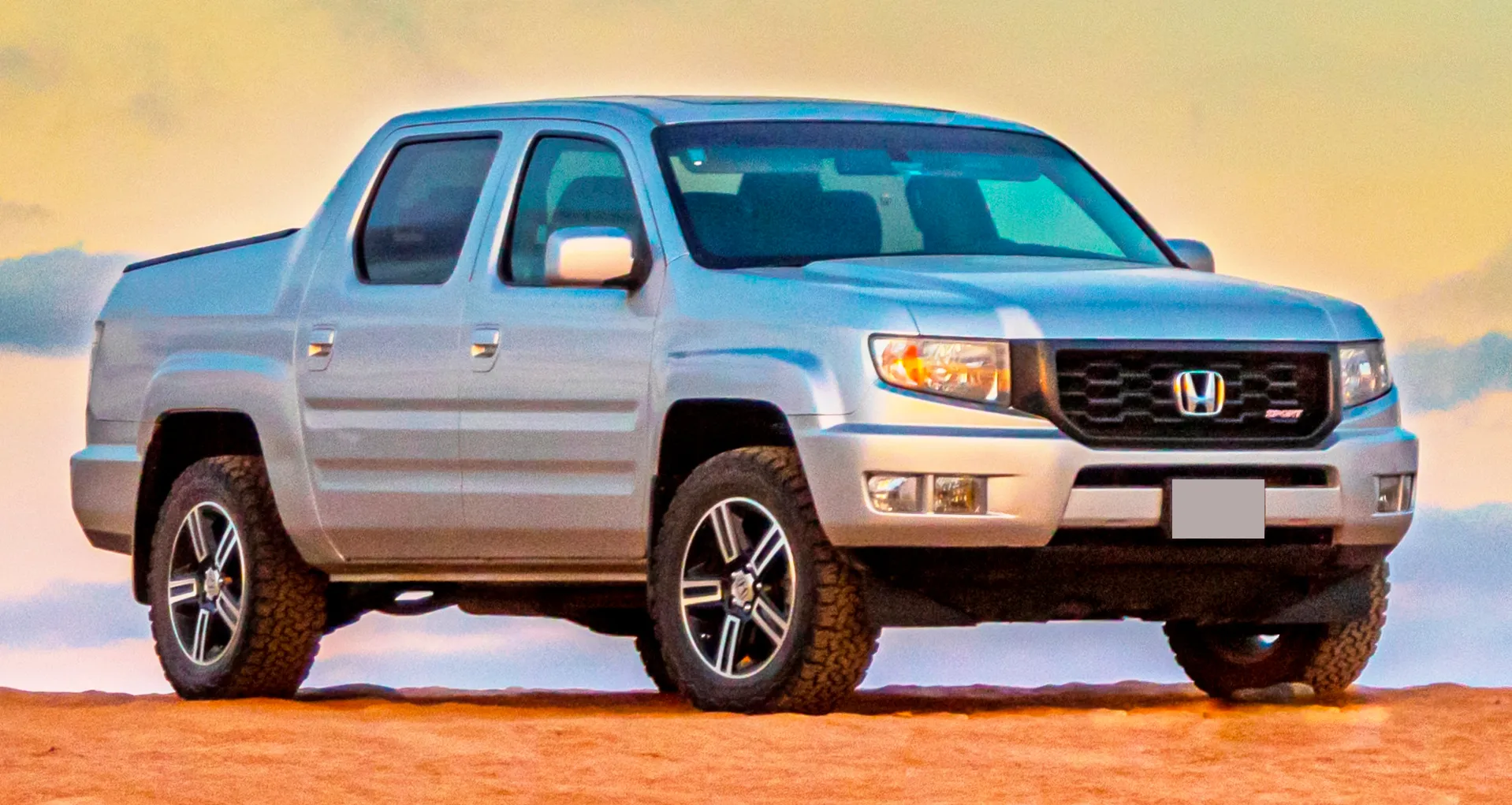
Uniqueness helps the Honda Ridgeline age in a way that surprises skeptics. While some purists question its unibody construction, many owners discover that this design choice brings long-term benefits. Ride comfort, handling, and everyday usability remain strong as years pass, making the Ridgeline feel approachable even after extended ownership.
Styling avoids aggressive posturing, choosing clean lines and a friendly presence. This restraint works in the truck’s favor with age. A Ridgeline from several years ago still looks modern and intentional, blending easily into suburban and urban settings. That visual consistency appeals to drivers who want a pickup without an intimidating appearance.
Performance focuses on smoothness and predictability. Engines deliver reliable power for daily tasks, while suspension tuning emphasizes comfort. As time passes, this refined behavior becomes a standout trait, especially for owners who use their truck as a primary vehicle rather than a specialized tool. The Ridgeline feels easy to live with, even after long ownership.
Interior design reinforces that ease. Cabin layouts prioritize ergonomics, storage solutions remain clever, and materials show good resistance to wear. Honda’s attention to detail shines through in small touches that continue to matter years later. Drivers often note how familiar and comfortable the interior feels, even after countless trips.
Resale demand reflects a growing appreciation for what the Ridgeline offers. Buyers seeking a versatile pickup often recognize its long-term value, which supports strong used prices. This acceptance shows that aging well does not require following tradition, only delivering consistent satisfaction.
5. Nissan Frontier
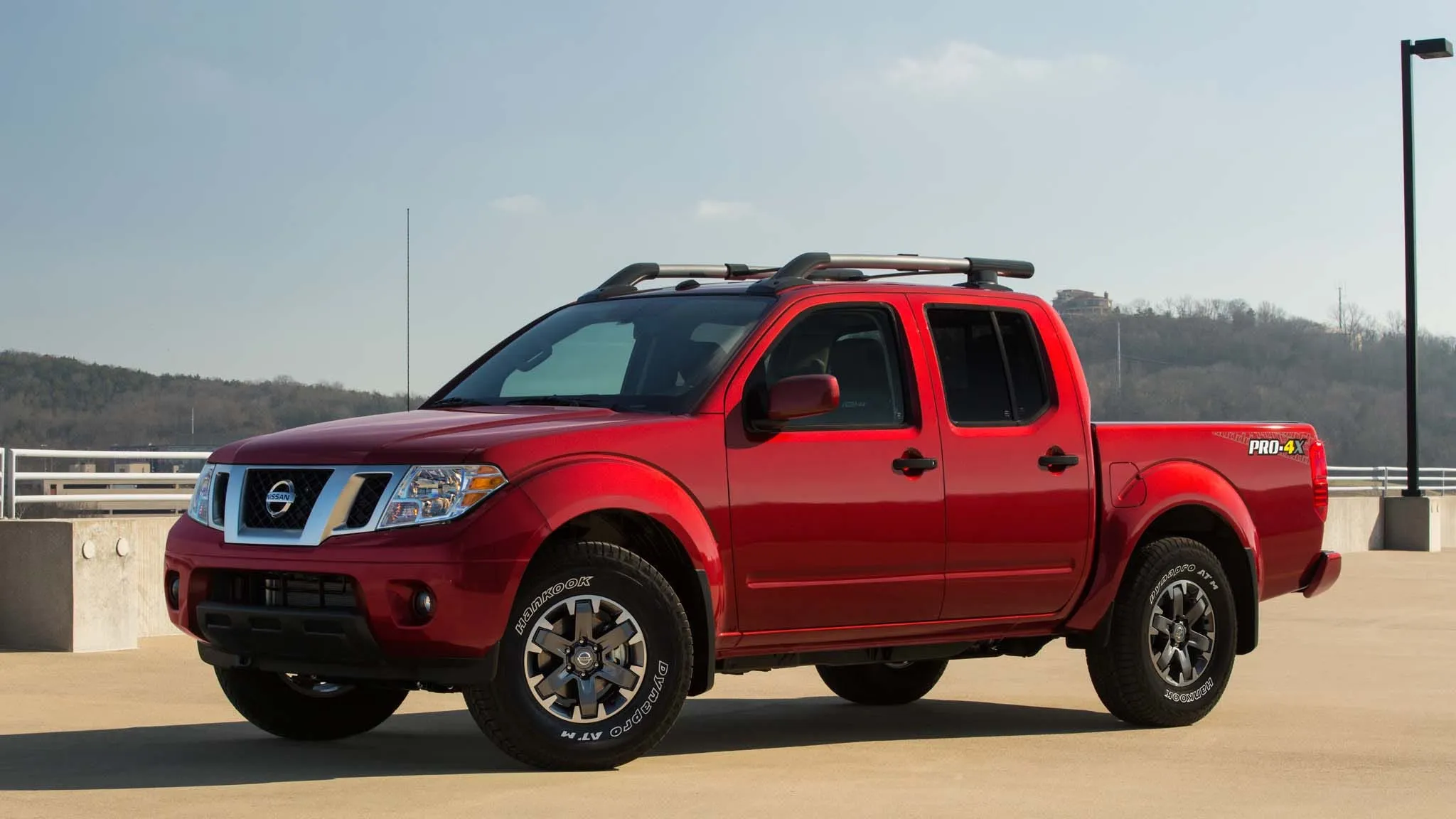
Quiet confidence defines the Nissan Frontier, a truck that proves aging gracefully does not require constant reinvention. Nissan kept this midsize pickup relatively unchanged for many years, focusing on reliability rather than chasing every new idea. That decision created a truck that feels stable and familiar, even as the automotive market developed.
Design choices favor straightforward shapes and functional details. Without extreme styling elements, older Frontier models avoid looking outdated. The truck presents itself honestly, which appeals to drivers who value substance over show. This simplicity also helps body panels and trim maintain a clean appearance through years of use.
Powertrains play a central role in the Frontier’s long-term appeal. Engines are known for durability and predictable performance, qualities that matter more with each passing mile. Owners appreciate knowing what to expect every time they turn the key, and that reliability builds trust that grows stronger with age.
Cabin environments focus on practicality. Controls remain easy to understand, seating stays comfortable, and materials handle wear without complaint. Technology features feel basic by modern standards, yet that simplicity helps older models avoid frustration caused by outdated interfaces. Drivers often prefer a system that works reliably rather than one that feels flashy at first and frustrating later.
Market perception supports the Frontier’s aging success. Used buyers recognize its reputation for dependability, leading to steady demand. This respect confirms that a truck does not need constant attention to remain valuable. Sometimes, consistency and honesty are enough to stand the test of time.
5 Trucks That Don’t Age Well
1. Dodge Dakota
Time has not been kind to the Dodge Dakota, a midsize pickup that once promised to bridge the gap between compact convenience and full-size strength. At launch, the idea sounded appealing, yet years later, the weaknesses became hard to ignore. Aging reveals design decisions that failed to support long-term satisfaction, leaving many owners frustrated as mileage increases.
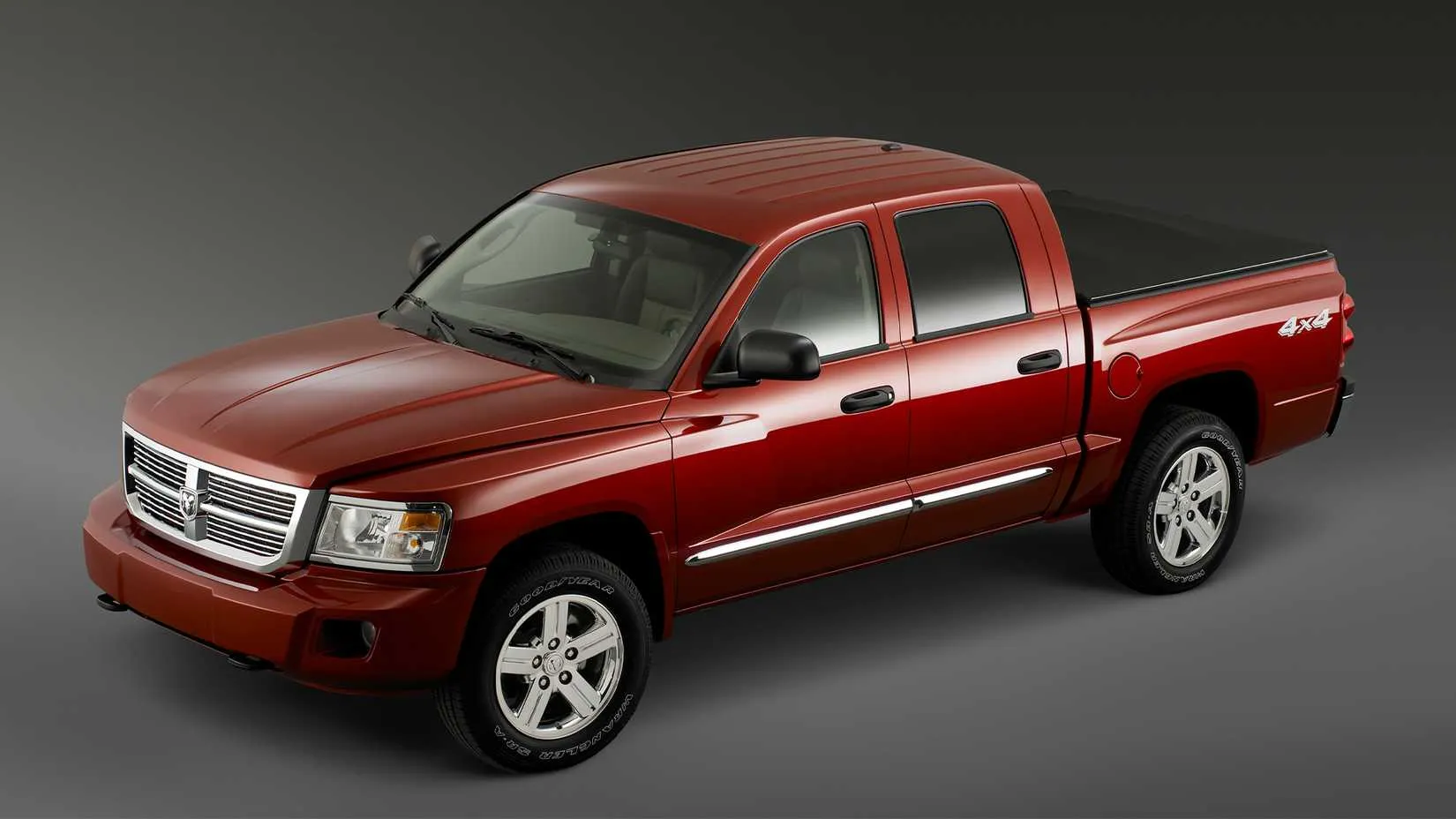
Styling presents the first challenge. The Dakota leaned heavily into trends popular during its production years, which makes older models stand out in a way that feels dated rather than classic. Body proportions and front-end design lack the timeless quality that helps other trucks blend into modern traffic.
As newer pickups refined their looks, the Dakota stayed frozen in a specific era, and that visual stagnation hurts its appeal in resale listings. Mechanical reliability also raises concerns as years pass. Powertrain options delivered acceptable performance when new, yet long-term durability often falls short of expectations.
Owners frequently report issues related to transmissions, cooling systems, and suspension components as the truck ages. Repair costs can pile up quickly, especially when replacement parts become harder to source. This experience erodes confidence and makes long-term ownership feel like a gamble rather than a reward.
Interior quality struggles under extended use. Cabin materials show wear faster than expected, with plastics prone to fading and cracking. Seating comfort declines with age, and interior layouts feel less intuitive compared to newer competitors. Technology features that once seemed adequate age poorly, leaving drivers with outdated interfaces that feel clumsy rather than charming.
Resale value reflects these problems clearly. Buyers approach used Dakota listings with caution, aware of its mixed reputation. That hesitation pushes prices down and shortens ownership satisfaction. The Dakota serves as a reminder that a promising concept needs consistent execution to age gracefully, something this truck failed to achieve.
2. Chevrolet Avalanche
Innovation defined the Chevrolet Avalanche at launch, yet that same ambition works against it years later. The truck aimed to blend SUV comfort with pickup utility, using a convertible bed system that drew attention. While clever on paper, the design aged poorly once novelty faded, and practical drawbacks became clearer.
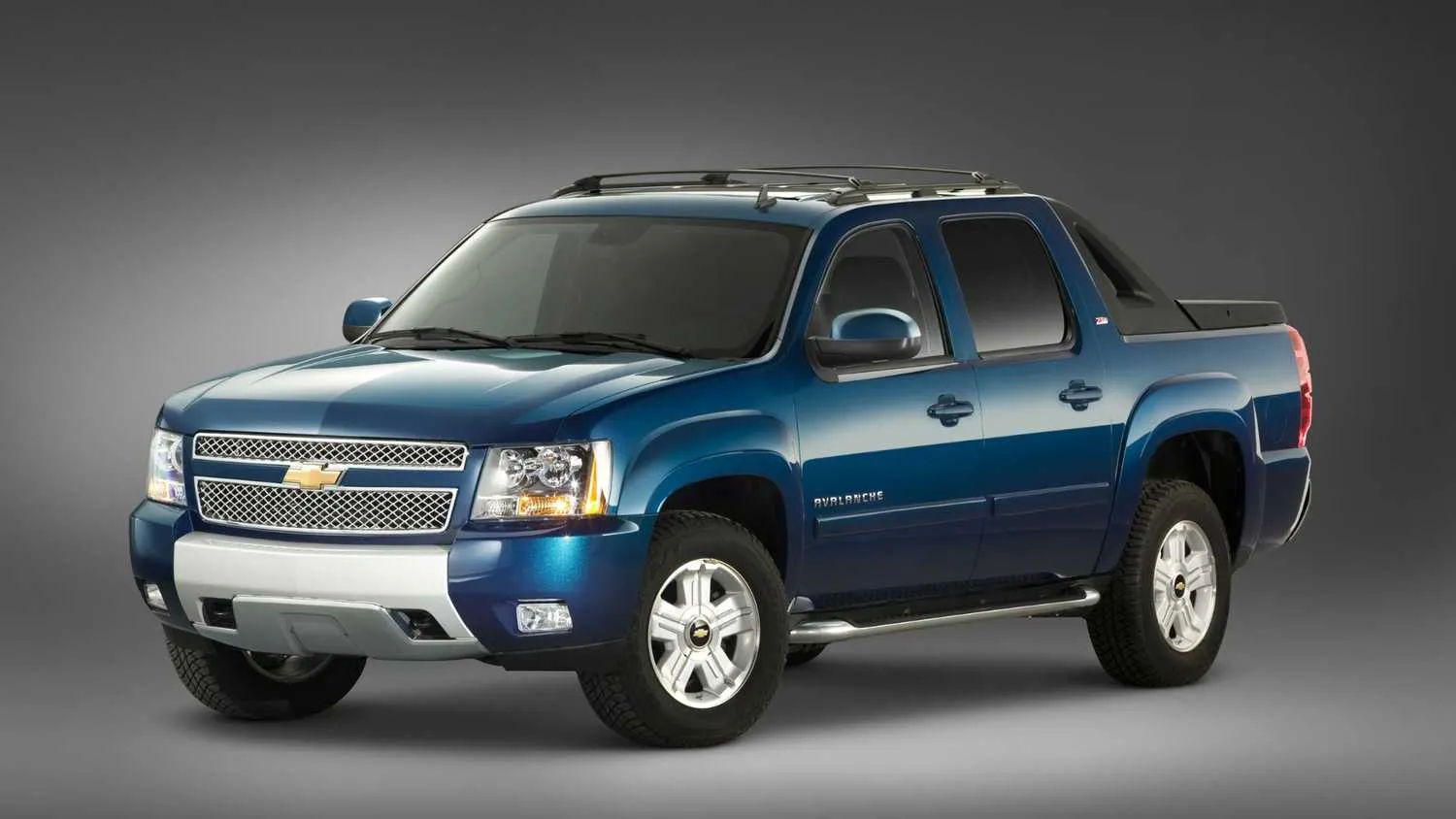
Exterior styling stands as the Avalanche’s biggest obstacle. Sharp angles, heavy cladding, and unconventional proportions lock the truck into a specific design era. As tastes changed, the Avalanche began to look awkward rather than bold. Owners often find that the styling attracts curiosity at first, then unwanted scrutiny as years pass.
Functional challenges surface with extended use. The midgate system introduces additional seals, latches, and moving parts that demand upkeep. As trucks age, these components become sources of rattles, leaks, and mechanical headaches. What once felt flexible starts to feel fragile, especially when compared with simpler bed designs used by competitors.
Interior spaces reveal similar struggles. Materials that seemed durable early on tend to degrade under daily use. Controls feel cluttered, and cabin layouts lack the intuitive flow expected from long-lasting vehicles. Technology features age quickly, leaving drivers with systems that feel behind the times rather than endearing.
Market perception mirrors these issues. Used buyers often admire the Avalanche’s creativity but hesitate to commit, aware of maintenance concerns and polarizing looks. That hesitation limits demand and pushes values downward. The Avalanche proves that bold ideas require careful balance, since innovation without long-term planning can struggle once years accumulate.
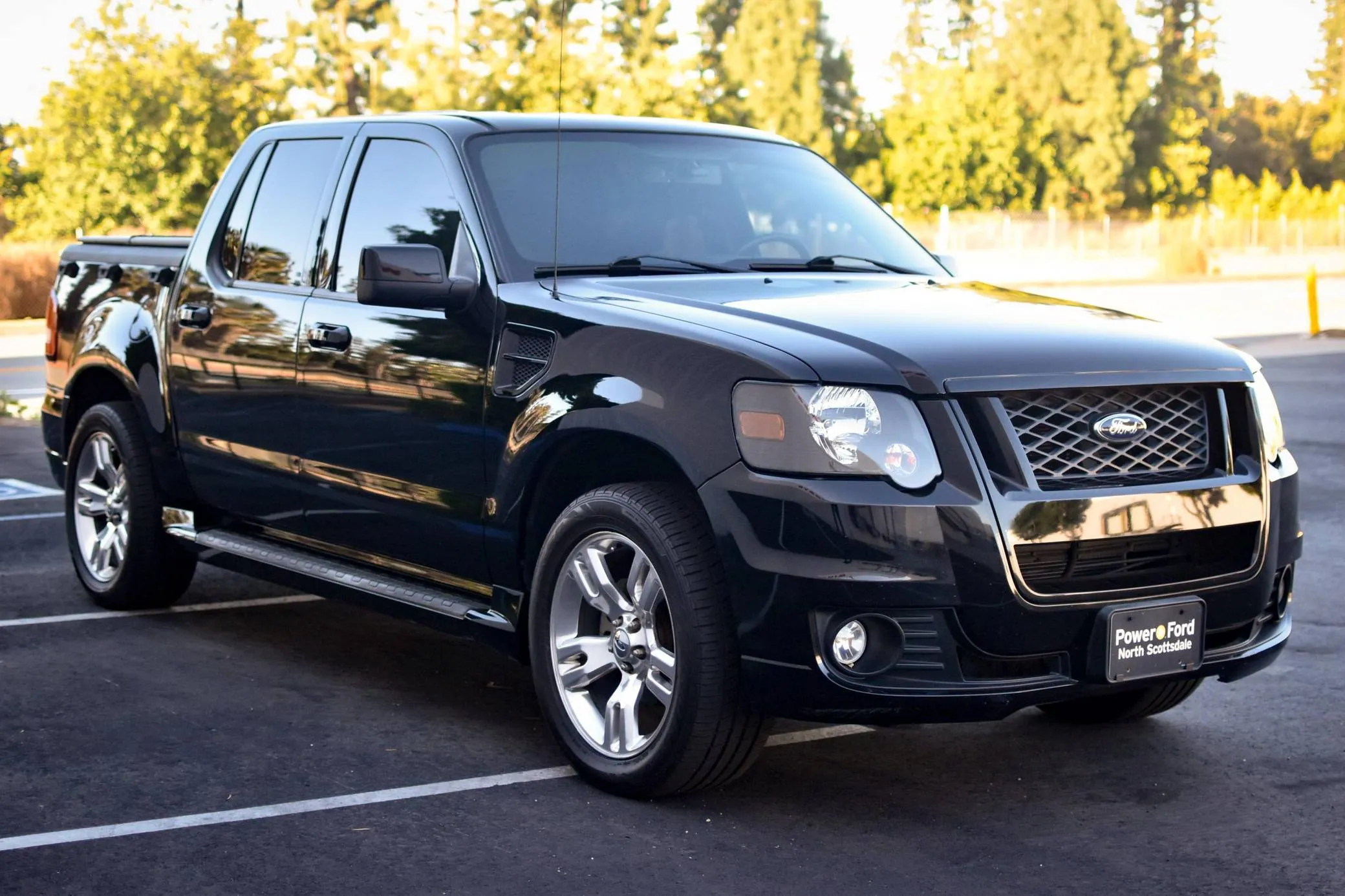
3. Ford Explorer Sport Trac
The Ford Explorer Sport Trac attempted to merge SUV comfort with pickup utility, yet aging exposes the limitations of that compromise. While the concept attracted attention early on, extended ownership reveals shortcomings that prevent the truck from maturing gracefully.
Design choices age quickly. The Sport Trac borrows heavily from SUV styling cues, which makes it appear dated faster than purpose-built pickups. As full-size and mid-size trucks improved, the Sport Trac remained visually tied to an earlier design philosophy. That connection becomes more obvious with each passing year, reducing curb appeal.
Utility limitations also become clearer with time. Bed size restricts hauling capability, while towing capacity falls short of expectations for many buyers. Owners who initially valued versatility often find themselves outgrowing the truck as needs change. This mismatch between promise and reality weighs heavily on long-term satisfaction.
Mechanical reliability varies widely. Some owners report dependable service, while others face recurring issues tied to drivetrains and suspension systems. As the truck ages, repair costs can climb, particularly due to shared components with older SUV platforms that receive less aftermarket support.
Interior quality adds another layer of disappointment. Materials show wear earlier than expected, and layouts feel dated compared with newer trucks. Technology integration lacks the simplicity that helps vehicles remain usable long-term. Drivers may tolerate these flaws early on, yet patience wears thin as newer alternatives demonstrate better execution.
Resale demand remains limited. Buyers recognize the Sport Trac as a niche experiment rather than a proven long-term solution. That reputation keeps prices low and reinforces the idea that blending categories does not always produce a vehicle that stands the test of time.
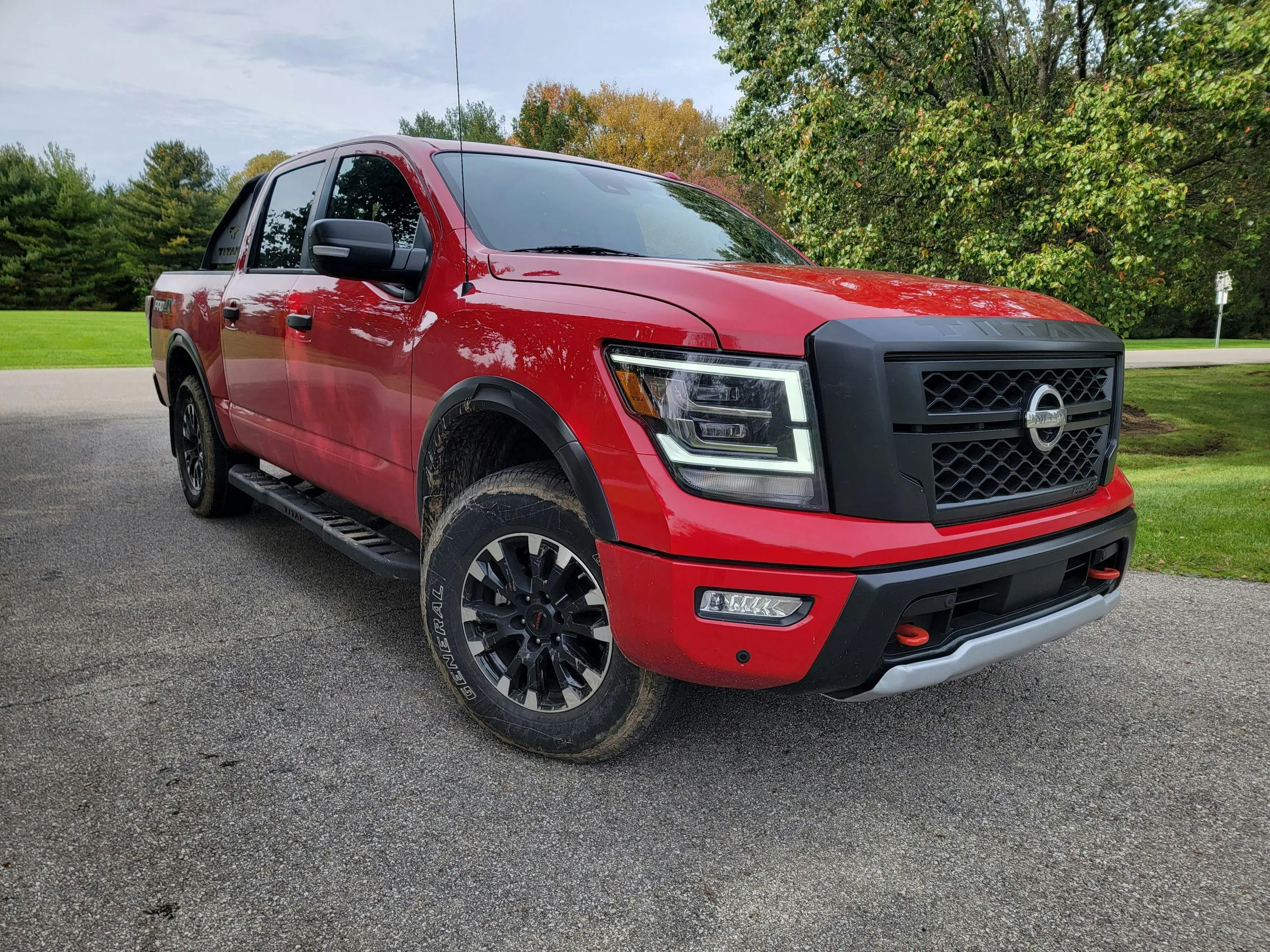
4. Nissan Titan
Ambition shaped the introduction of the Nissan Titan, presenting it as a credible rival within the full-size pickup category. Early reactions focused on strength and physical presence, yet continued use exposes shortcomings that limit long-term regard. With passing years, these weaknesses diminish the confidence inspired at launch.
Exterior presentation lacks the balance required for enduring appeal. Initial Titan styling appears heavy, missing the harmony that allows trucks to remain visually current. As rival manufacturers refined proportions and surface treatment, the Titan showed limited progression, causing older examples to appear dated earlier than expected.
Visual aging affects buyer perception and reduces desirability within competitive markets. Reliability concerns become more apparent as distance accumulates. Certain drivetrain components display wear sooner than anticipated, resulting in repeated repairs that test the owner’s patience. Uniform performance across vehicles proves elusive, as experiences differ widely from one unit to another.
Such unpredictability weakens confidence, particularly for purchasers who expect consistent service from a long-term work vehicle. Cabin quality introduces additional dissatisfaction. Interior materials fail to meet durability expectations associated with a full-size pickup.
Seating comfort declines with extended use, plastics lose finish, and trim elements deteriorate, diminishing daily comfort. Infotainment and control systems also age rapidly, offering limited practicality when compared with newer designs that prioritise clarity and ease of operation.
Market behaviour aligns with these ownership realities. Pre-owned Titan vehicles often remain unsold for extended periods, indicating buyer hesitation. Depressed resale prices follow, reinforcing views that the model lacks durability appeal.
Despite sincere intentions and initial promise, the Titan illustrates that participation within a demanding pickup segment requires careful attention to refinement, consistency, and long-range dependability. Size and output alone cannot secure lasting respect, as enduring value depends on balanced design, dependable engineering, and thoughtful execution throughout the vehicle lifecycle.
Ownership experience gradually reflects these limitations during extended service. Routine upkeep becomes less predictable, and confidence declines when unexpected faults appear. Professional assessments often advise caution, especially for buyers seeking durability and stable operating costs.
Perception within the used vehicle space remains restrained, shaped by mixed reports and cautious appraisals. While the Titan fulfilled basic transport duties, it rarely inspires long-term loyalty. This outcome underlines the importance of sustained development, disciplined quality control, and measured design growth when attempting to secure endurance within a highly competitive pickup category. Such lessons reinforce planning as essential for credibility across demanding sectors.
Also Read: Top 10 Vintage Pickup Trucks That Are Now Shockingly Valuable
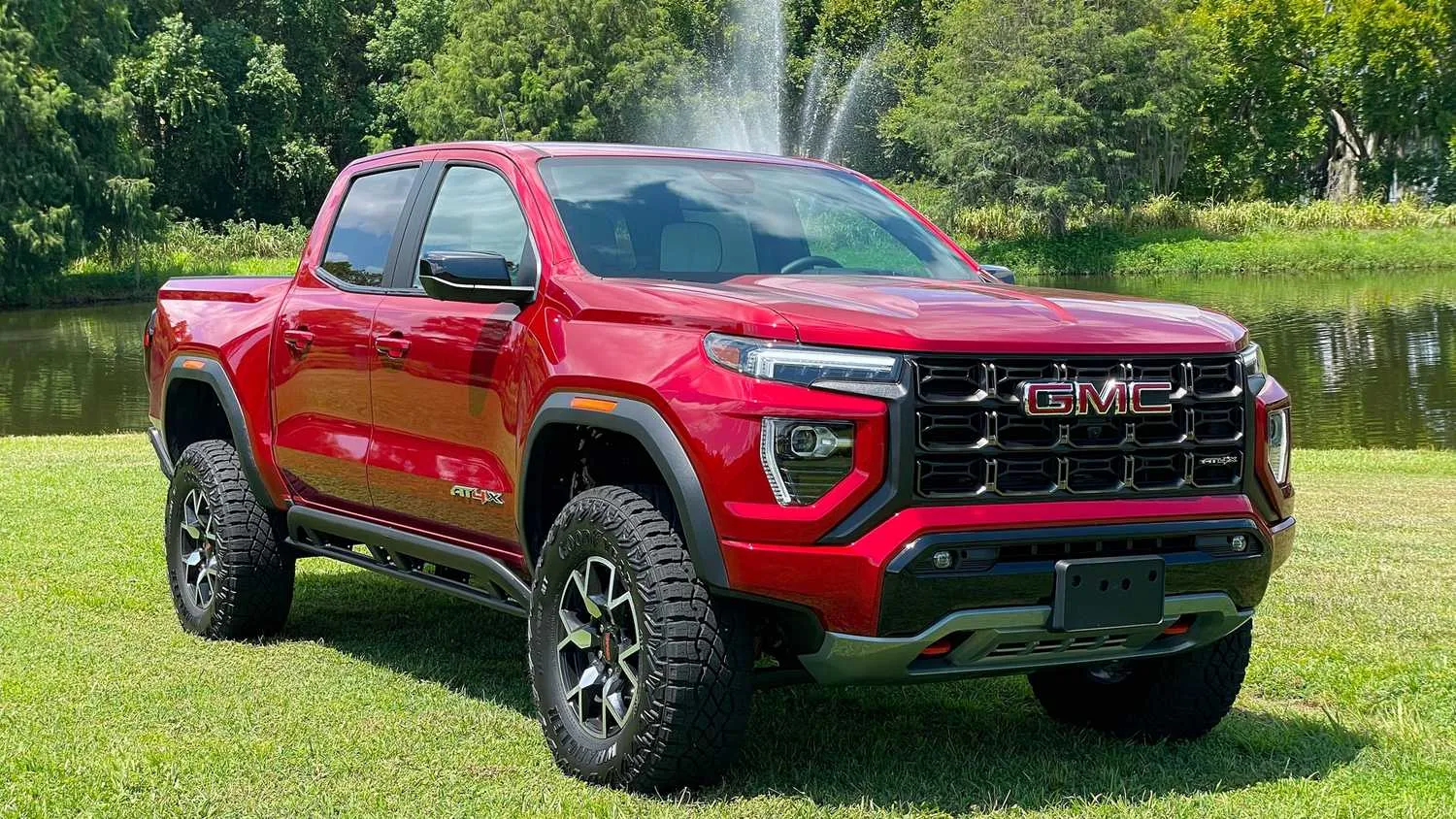
5. GMC Canyon (Early Generation)
Early generation GMC Canyon models entered the midsize pickup segment with a sense of assurance, yet the passage of years exposes weaknesses that reduce lasting satisfaction for owners. Styling choices remain closely linked to design preferences popular at the time of release.
As competing trucks adopted cleaner surfaces, stronger proportions, and more confident detailing, the early Canyon began to appear dated. Such visual aging affects owner confidence, particularly when the vehicle is positioned beside newer pickups that reflect current design thinking. Appearance, while subjective, plays an important role in how a vehicle is valued and perceived.
Mechanical performance raises additional concerns during extended ownership. Reports from drivers point to inconsistent powertrain dependability, with transmission behaviour and electrical faults appearing more frequently as mileage increases.
These issues translate into rising maintenance expenses and longer periods spent off the road. Practical usefulness gradually declines when reliability becomes uncertain, reducing the sense of trust expected from a pickup truck.
Interior construction also contributes to declining approval. Cabin materials tend to wear sooner than anticipated, while seating and trim fail to age with dignity. Space utilisation feels restricted when compared with more recent midsize trucks, and onboard systems quickly appear outdated. Limited functionality and dated interfaces affect daily comfort and convenience.
Drivers commonly describe the interior environment as adequate rather than satisfying, an impression that deepens with continued use. Market response reflects these realities. Prospective buyers approach early Canyon models with restraint, fully aware that later generations addressed many shortcomings.
Ownership experience suffers as expectations change with advancing technology and improved standards within the pickup segment. Early Canyon models find it difficult to meet these revised expectations, especially for buyers seeking durability, comfort, and dependable performance.
While the truck fulfilled a purpose at launch, its inability to mature gracefully limits long-term appeal. This reality positions the vehicle as a reminder that progress in vehicle design requires foresight, consistency, and careful execution from the earliest stages. Such discipline supports enduring relevance across demanding ownership cycles.
