
Pickup trucks no longer serve a single purpose. Once seen mainly as work tools, they now double as daily transportation, family haulers, and weekend companions. With that move comes a new question buyers often ask themselves before signing papers.
Does this truck actually fit real life? Size plays a larger role than many expect. A pickup that feels easy to live with can build confidence, reduce stress in tight spaces, and make every drive feel natural. A truck that feels oversized can quickly turn simple errands into planning exercises.
Manageable size does not mean weak capability. It points to balance. Steering that feels predictable, parking that does not require second thoughts, and proportions that suit both city streets and open highways. These trucks still handle home projects, outdoor gear, and light towing, yet they avoid the sense of bulk that can wear on an owner day after day.
The first five highlights five pickups that strike that balance well. Each one offers a different personality and purpose, proving that size comfort does not come from one formula. Some focus on clever design, others rely on smart engineering, yet all share an approachable footprint that feels friendly rather than intimidating.
For drivers who want a pickup that fits into everyday routines without constant adjustment, these models show how manageable size can translate into genuine satisfaction.
5 Pickups With Manageable Size
1. Ford Maverick
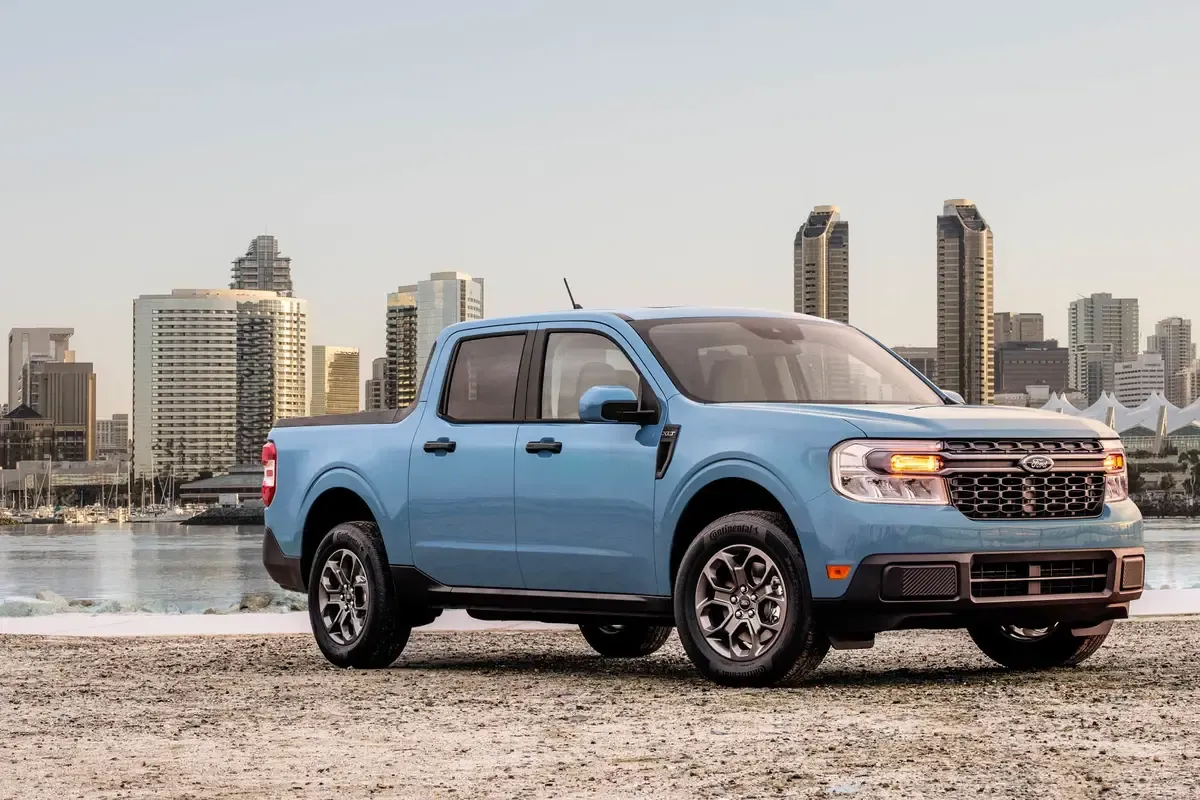
Compact ambition defines the Ford Maverick in a way that feels refreshing. Rather than stretching dimensions to chase brute presence, this pickup focuses on smart packaging and thoughtful proportions. Driving through crowded streets or slipping into a standard parking space feels natural, not like a test of patience. That ease quickly becomes part of the appeal, especially for drivers new to pickups.
From behind the wheel, visibility stands out. Shorter length and a lower hood line allow drivers to judge distances with confidence. Tight turns and narrow lanes rarely create tension, and daily commutes feel similar to driving a small crossover. That familiarity helps remove the learning curve often linked with truck ownership.
Capability still plays a role. Despite modest exterior size, the Maverick handles light hauling, home improvement supplies, and weekend gear without complaint. The bed design supports practical use rather than showmanship. Payload figures meet everyday needs, while towing capacity fits common recreational demands. This balance allows owners to enjoy truck benefits without feeling burdened by excess metal.
Interior design reinforces the approachable theme. Controls feel intuitive, seating positions remain comfortable, and storage solutions feel intentional. Materials prioritize durability over flash, which suits a vehicle meant for regular use. Cabin space surprises many first-time drivers, proving that compact exterior dimensions do not automatically limit comfort.
Affordability also shapes perception. Entry pricing and ownership costs attract buyers who previously dismissed pickups as impractical. Fuel efficiency adds another layer of appeal, making daily driving feel sensible rather than indulgent. For those seeking a pickup that blends seamlessly into modern routines, the Ford Maverick presents a convincing argument that smaller can feel smarter.
2. Hyundai Santa Cruz
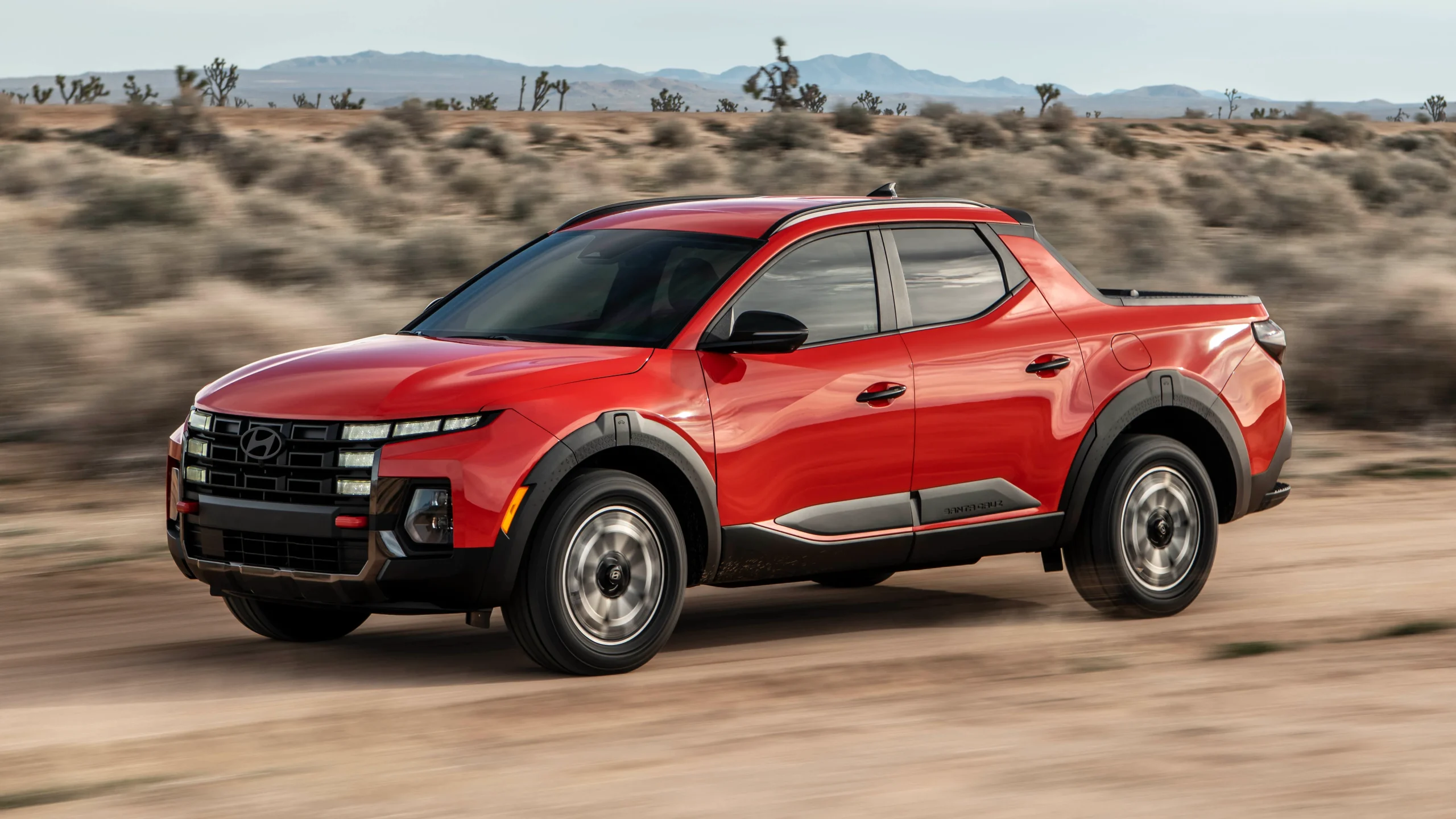
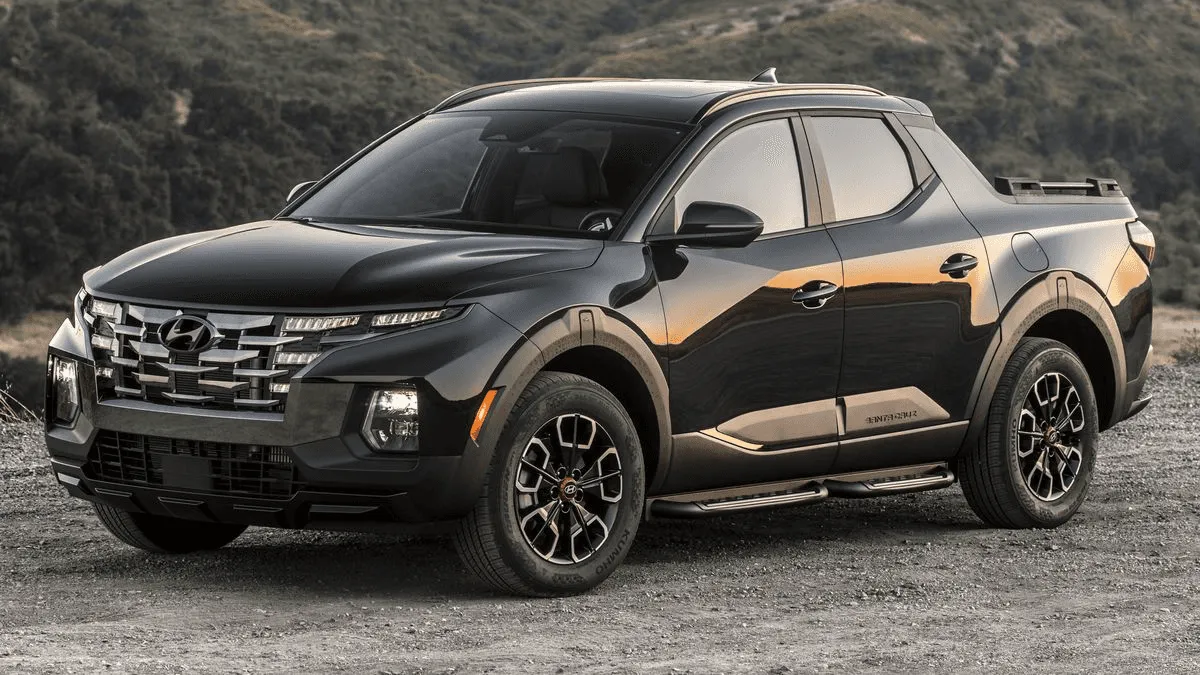
Fresh thinking shapes the Hyundai Santa Cruz, offering a pickup that feels tailored for modern lifestyles. Rather than copying traditional truck proportions, this model adopts a unibody structure that emphasizes balance and ease. The result feels approachable from the first drive, especially for those accustomed to crossovers and sedans.
Handling stands out immediately. Steering feels light yet confident, allowing drivers to maneuver through urban areas with minimal effort. Parking garages and residential streets present few challenges, since the Santa Cruz avoids the exaggerated length and height common among larger pickups. This sense of control reduces fatigue during daily use.
Utility arrives through clever design choices. A compact bed with integrated storage solutions supports weekend projects, sports equipment, and travel needs. While heavy towing sits outside its mission, practical hauling fits comfortably within its capabilities. This focus keeps expectations realistic and satisfaction high.
Cabin comfort leans toward refinement. Seating feels supportive, layouts remain clean, and technology integration feels intuitive. Screens and controls sit where hands naturally reach, avoiding distractions. Materials reflect a blend of durability and style, making the interior feel like a place designed for daily living rather than occasional use.
Confidence grows as ownership continues. Lower step in height simplifies entry and exit, while ride quality remains composed on varied surfaces. Fuel efficiency supports longer commutes without frequent stops. For drivers seeking a pickup that feels like an extension of everyday mobility rather than a specialized tool, the Hyundai Santa Cruz offers a size and personality that fit comfortably into modern routines.
Also Read: 5 Pickups That Are Easy to Maintain vs 5 That Aren’t
3. Chevrolet Colorado
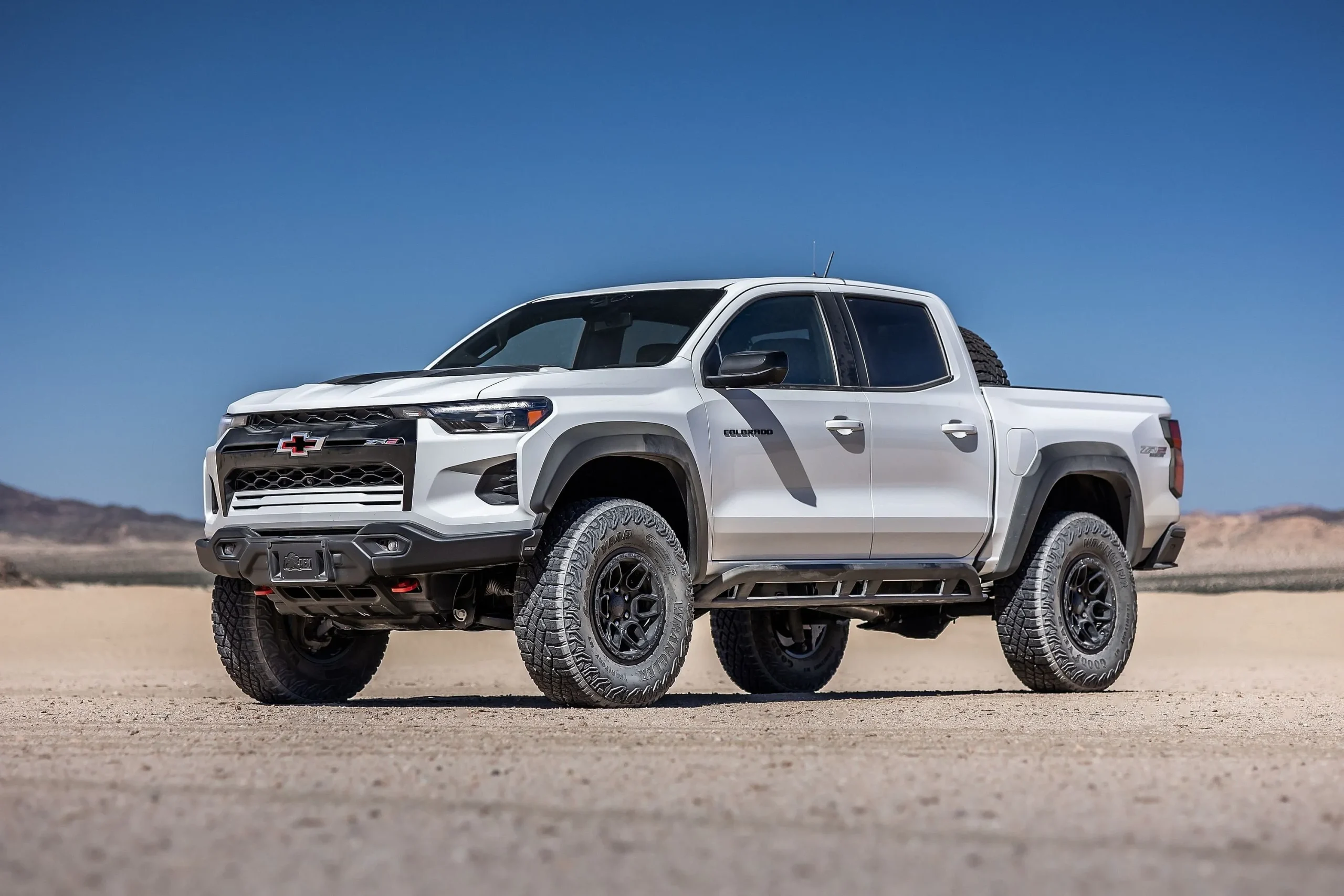
Purpose-driven design gives the Chevrolet Colorado a balanced presence that appeals to drivers wanting a true truck without overwhelming dimensions. Positioned between compact and full-size categories, this pickup delivers a footprint that feels manageable while preserving traditional pickup character.
Driving impressions reflect this balance clearly. Steering response feels predictable, and turning radius supports confident navigation through narrow streets. Longer trips feel relaxed rather than demanding, as the truck avoids the constant awareness required by larger models. This composure encourages frequent use beyond work duties.
Capability remains a strong point. The Colorado supports towing and hauling tasks that exceed compact pickups, making it suitable for campers, small boats, and equipment. The bed size accommodates furniture and supplies without excessive length. This versatility allows owners to tackle varied tasks without upgrading to a larger platform.
Interior spaces reflect thoughtful planning. Seating positions feel natural, and visibility supports confident driving. Controls follow a logical layout, reducing the need for adjustment. Materials hold up well under regular use, supporting a sense of durability without sacrificing comfort.
Ownership experience benefits from adaptability. The Colorado transitions easily between weekday commuting and weekend projects. Suspension tuning balances ride comfort with load support, keeping the truck composed in different situations.
For buyers seeking a midsize pickup that avoids extremes, the Chevrolet Colorado offers a size profile that feels just right for diverse routines.
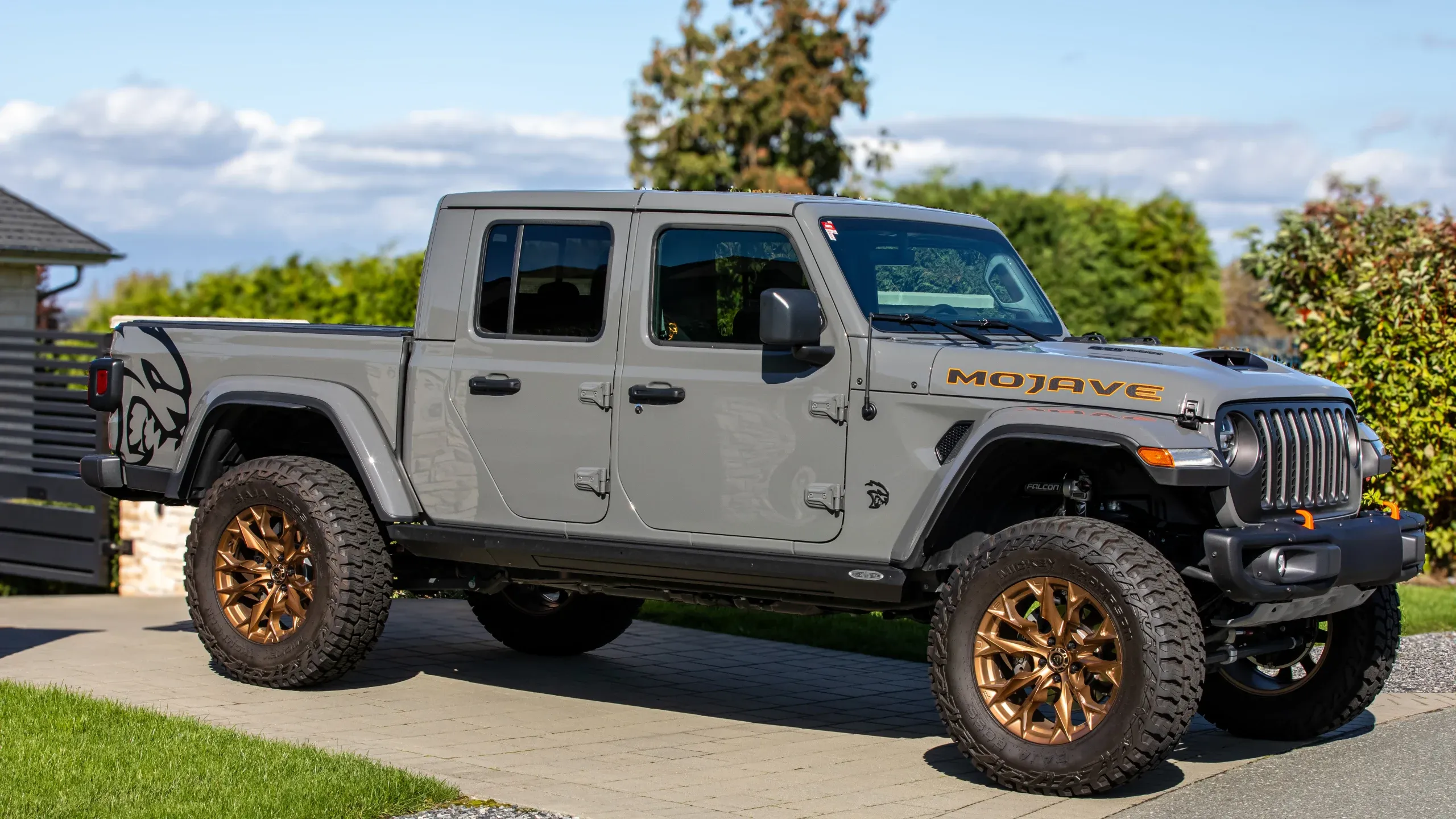
4. Jeep Gladiator
Adventure-focused engineering defines the Jeep Gladiator as a pickup that blends clear purpose with restrained proportions. Built upon a familiar Jeep platform, this model carries brand identity without drifting into excess. Practical dimensions support daily usability, allowing the vehicle to feel approachable rather than demanding during routine movement.
City driving reveals much of its appeal. Shorter body length than large pickups supports easier positioning within traffic, while upright seating improves awareness of surrounding vehicles. Clear sightlines reduce hesitation at junctions and during parking, creating a sense of confidence for drivers who alternate between work duties and personal errands. Daily use feels natural instead of intimidating.
Practical strength arrives through a flexible cargo bed paired with dependable off-road ability. Although it is not intended for industrial-scale hauling, the Gladiator manages recreational towing and transport tasks with assurance. Equipment for outdoor activities, home projects, and leisure travel fits comfortably, supporting varied lifestyles without placing strain on the vehicle. This balance suits drivers who prefer adaptability rather than raw capacity.
Interior presentation reflects a purposeful character supported by thoughtful comfort. Controls remain straightforward, reducing distraction and promoting ease of use. Materials are selected for durability, standing up well to regular handling and changing conditions.
Seating comfort allows extended journeys without fatigue, while cabin layout communicates honesty about the truck’s mission. Technology features assist convenience without overwhelming the experience. Character remains the Gladiator’s defining quality. Removable roof panels and distinct styling encourage a strong sense of ownership, pride, and frequent use.
These features create a connection that extends beyond transportation alone. Despite such individuality, the truck avoids feeling bulky or difficult to manage. Its proportions support confidence in varied settings, from residential streets to open highways.
Ownership experience benefits from this measured approach. Entry and exit remain comfortable, visibility aids daily control, and driving responses feel predictable. Fuel usage aligns with expectations for a midsize pickup, and routine care remains manageable.
For drivers seeking a pickup that delivers utility alongside personality, the Jeep Gladiator offers a footprint that feels welcoming, practical, and thoughtfully designed for everyday demands. Driving feedback stays composed across varying road surfaces, giving reassurance during longer journeys.
Suspension tuning absorbs imperfections without removing the sense of connection expected from a pickup. Braking response feels controlled, supporting confidence in busy conditions. Ownership satisfaction often grows as drivers appreciate how the vehicle adapts to changing routines without requiring constant adjustment.
This adaptability encourages continued use rather than occasional reliance. By blending character with measured dimensions, the Gladiator maintains relevance for drivers who want purpose without excess, allowing it to serve both practical needs and personal enjoyment with steady consistency. Such a balance reinforces trust and ensures long-term satisfaction for owners.
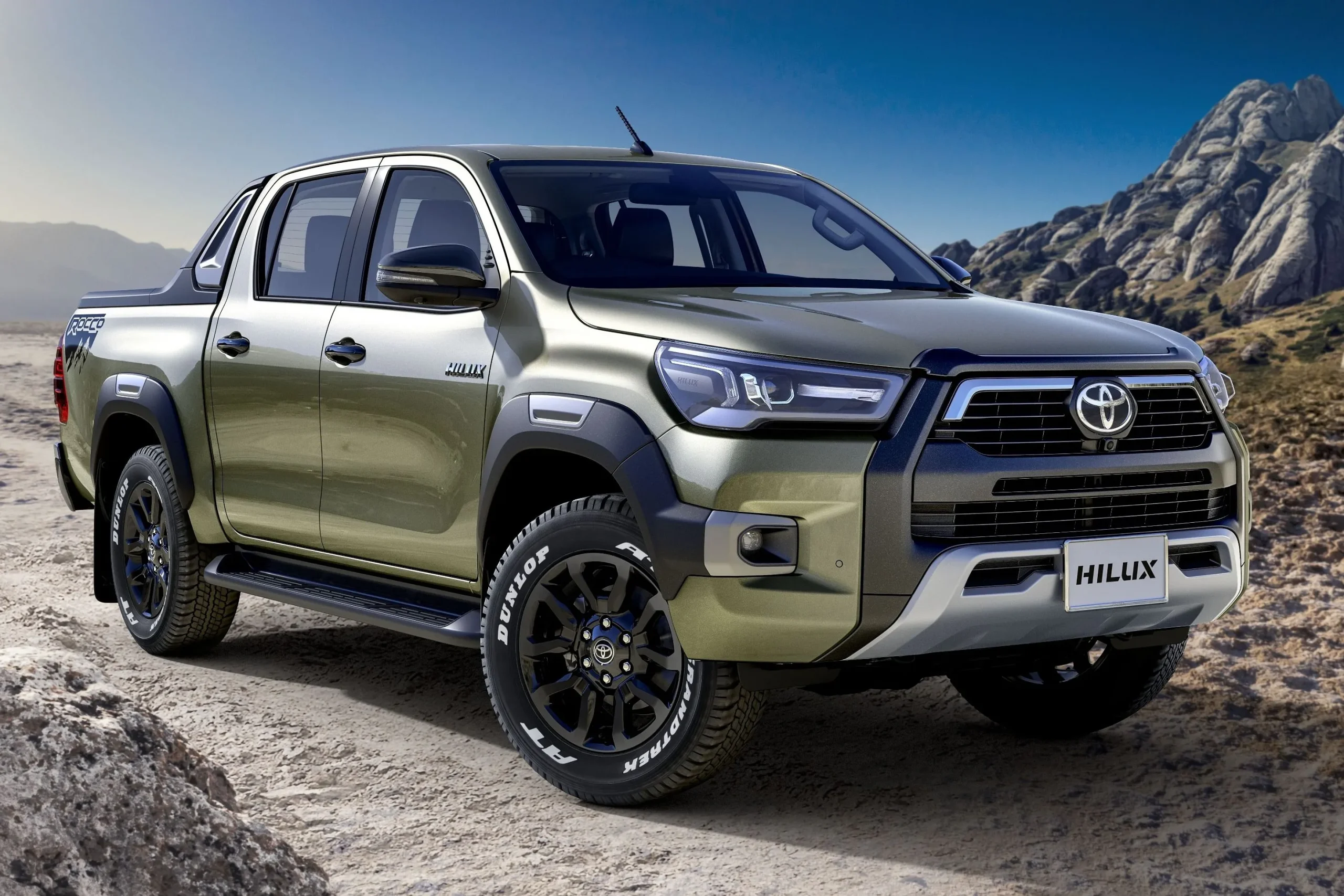
5. Toyota Hilux
Measured design philosophy defines the Toyota Hilux as a pickup associated with restraint, durability, and practical balance. Known across many markets for dependable service, this model avoids unnecessary bulk in favor of usable proportions. Such sizing allows the vehicle to perform daily duties with ease while remaining capable under demanding conditions.
Driving behaviour emphasizes control and predictability. Steering response feels steady, supporting confident movement through busy streets and confined spaces. Body dimensions remain manageable, reducing stress during parking and low-speed maneuvers. Long-distance travel benefits from stable handling, which builds trust as ownership continues.
Work capability remains central to the Hilux identity. Hauling and towing duties align with realistic needs rather than exaggerated targets. Cargo bed dimensions support tools, equipment, and recreational items without wasteful length. Suspension calibration balances comfort with load support, allowing consistent performance during varied tasks. This approach delivers reliability without unnecessary drama.
Cabin design reflects functional priorities. Seating provides support for extended drives, while control placement remains intuitive and easy to learn. Materials resist wear from regular use, supporting a tidy appearance across years of ownership. Technology integration focuses on essential assistance rather than excessive features, helping the cabin remain usable as systems age.
Ownership experience reinforces the value of moderate size. Fuel consumption remains sensible, contributing to lower running costs. Routine servicing follows predictable patterns, supporting confidence in long term care. Entry and exit remain comfortable, and visibility supports daily driving comfort. These qualities encourage frequent use rather than selective reliance.
Reputation for endurance strengthens the Hilux appeal. Owners often value how the vehicle adapts to changing responsibilities, from work tasks to personal transport. Consistent performance fosters trust, reducing the need for frequent replacement.
By prioritizing proportion, durability, and practicality, the Toyota Hilux delivers a pickup experience that fits comfortably into everyday life while retaining the strength required for demanding situations. Driving feedback remains composed across uneven road surfaces, giving reassurance during extended journeys.
Suspension response absorbs imperfections while maintaining stability, which supports driver confidence. Braking performance feels controlled and progressive, reducing strain during repeated stops. Visibility from the cabin aids awareness in busy settings, lessening fatigue.
Ownership satisfaction grows as drivers recognise the truck’s ability to deliver steady service without drawing attention to itself. This quiet dependability encourages long-term commitment, especially for those who value reliability above display. Through disciplined engineering and restrained dimensions, the Hilux maintains relevance for varied users, meeting practical expectations without demanding compromise from daily routines.
Such an approach allows the vehicle to serve households, professionals, and small businesses with equal confidence, supporting daily responsibilities, planned travel, and occasional heavy duties without imposing unnecessary strain on drivers. Reliability, proportion, and usability remain central to its enduring appeal globally.
5 Pickups That Feel Too Large
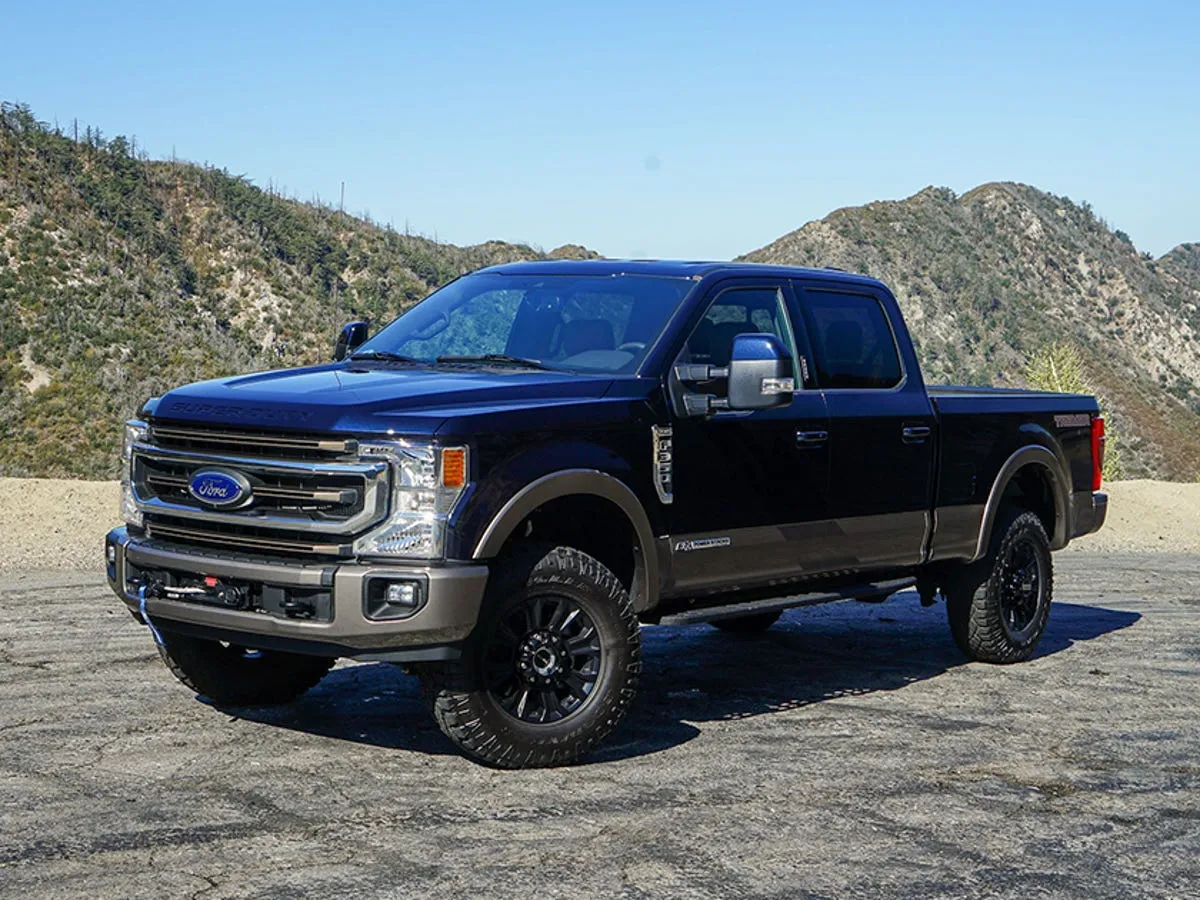
1. Ford F-350 Super Duty
Scale defines the Ford F-350 Super Duty, and for many drivers, that scale crosses from impressive to exhausting. Built with serious workloads in mind, this truck delivers immense strength, yet daily use reveals how size can become a burden. Length, width, and height combine to create a vehicle that demands constant attention in ordinary driving situations.
Urban driving highlights the challenge quickly. Tight streets, crowded intersections, and compact parking spaces turn routine errands into careful maneuvers. Steering requires planning, while turning circles feels restrictive. Drivers often find themselves avoiding certain routes or locations simply to reduce stress. This constant awareness wears down enjoyment.
Practical ownership introduces further strain. Parking garages frequently lack sufficient clearance, forcing owners to search for outdoor spaces. Drive through lanes and older residential areas feel unwelcoming. Even simple tasks like parallel parking demand extra patience and skill. Such obstacles reduce spontaneity, making the truck feel more like a commitment than a convenience.
Interior comfort does not fully offset these issues. While the cabin offers space and features, the elevated driving position and broad hood can limit forward visibility. Judging distances becomes more difficult, especially in close quarters. Long drives remain comfortable, yet short trips feel unnecessarily demanding.
Capability remains unquestioned. Heavy towing, hauling equipment, and demanding work environments suit the F-350 well. Still, many owners rarely use this full potential. When daily routines do not require such strength, excess size becomes a drawback rather than an asset.
The Ford F-350 Super Duty suits specific needs exceptionally well, yet for regular use, its sheer dimensions can overshadow benefits, making the truck feel overwhelming rather than empowering.
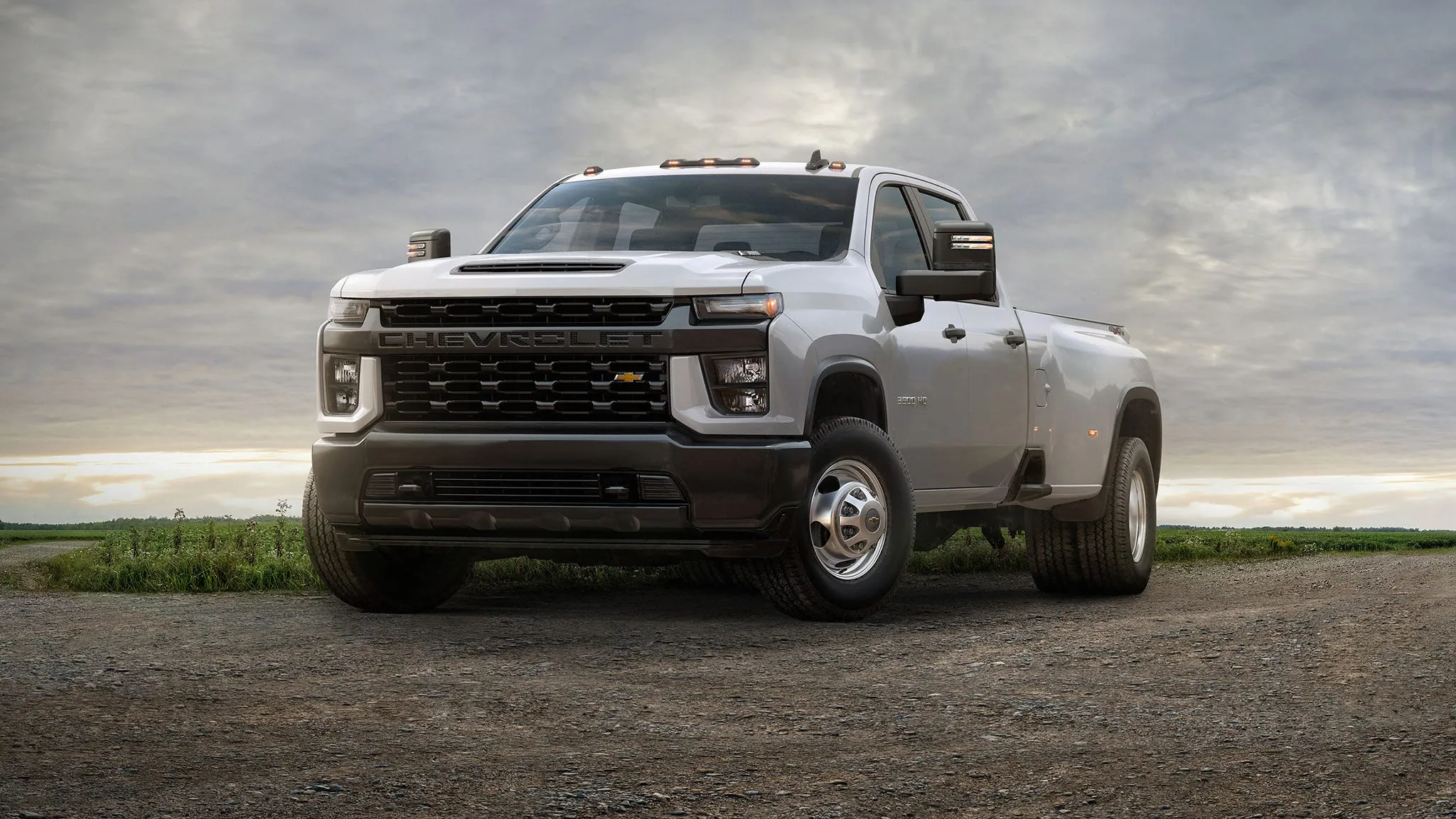
2. Chevrolet Silverado 3500HD
Massive proportions shape the Chevrolet Silverado 3500HD, delivering authority and presence wherever it goes. This pickup projects strength immediately, yet living with it reveals how size can interfere with comfort and ease. Designed for heavy-duty tasks, it often exceeds what typical daily driving demands.
Street navigation quickly exposes limitations. Narrow lanes and busy areas feel restrictive, requiring constant adjustments. Turning requires extra space, and lane positioning demands focus. Such effort transforms simple drives into mentally taxing experiences, particularly for those accustomed to smaller vehicles.
Parking presents ongoing challenges. Many standard spaces feel inadequate, forcing owners to park far from entrances. Garages with low ceilings or narrow ramps become inaccessible. These limitations reduce convenience, especially in urban or suburban settings. Owners often plan trips around parking availability, adding an unwanted layer of preparation.
Cabin comfort feels generous, yet visibility suffers due to size. Broad pillars and an expansive hood complicate close-range judgment. Advanced driver aids help, though reliance on sensors and cameras reinforces how difficult physical dimensions can be. Without these systems, confidence drops sharply.
Performance suits demanding tasks perfectly. Towing trailers and hauling heavy loads feels controlled and secure. Still, drivers who rarely engage in such work may question the trade-off. Fuel consumption, tire costs, and maintenance expenses also reflect the truck’s scale.
For those needing serious capability, the Silverado 3500HD delivers without compromise. For everyday life, its size can dominate the experience, turning strength into a source of fatigue.
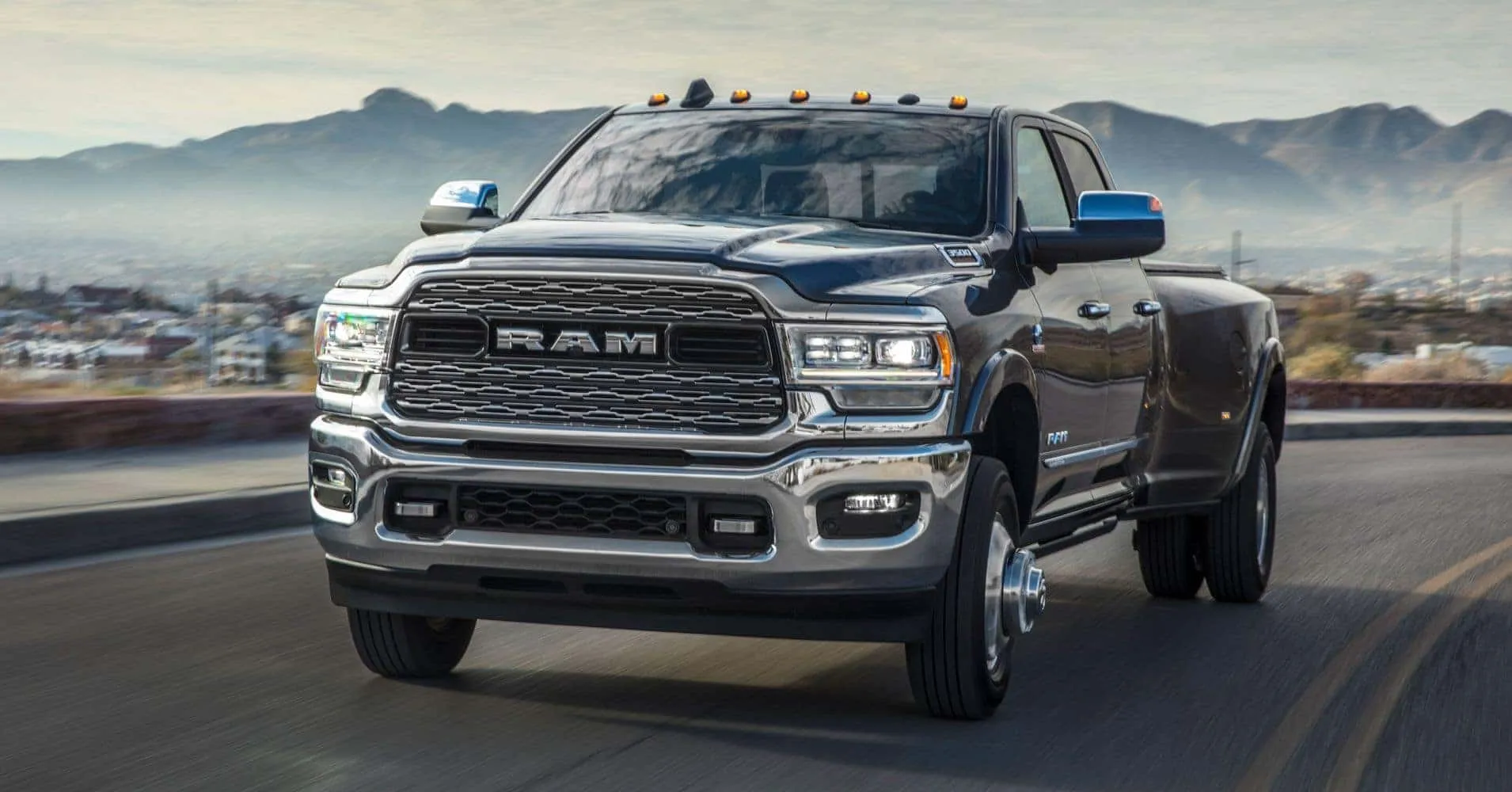
3. Ram 3500 Heavy Duty
Presence defines the Ram 3500 Heavy Duty, creating a commanding image that fills any road it occupies. Built to handle extreme workloads, this pickup emphasizes strength at every angle. Yet daily interaction reveals how size can overshadow comfort and flexibility.
Driving through developed areas often feels cumbersome. Tight corners and busy traffic demand heightened focus, while steering effort increases fatigue. Adjusting to narrow lanes becomes routine, not occasional. This constant vigilance reduces relaxation during drives, even on familiar routes.
Parking adds another layer of difficulty. Standard spaces rarely feel accommodating, and multi-level garages pose clearance risks. Owners frequently choose distant parking spots to avoid damage or frustration. Such habits highlight how the truck dictates behavior rather than adapting to surroundings.
Interior space impresses, offering wide seating and premium materials. Comfort remains high during long journeys, though height and width complicate entry in confined areas. Visibility challenges appear when maneuvering close to obstacles, despite modern camera systems. Technology assists, yet reliance on electronics underscores the physical challenge.
Capability remains the Ram 3500’s strongest asset. Heavy trailers, large equipment, and demanding jobs fall well within its comfort zone. Still, many owners rarely push these limits. When used primarily for commuting or light hauling, the truck’s dimensions feel excessive.
The Ram 3500 Heavy Duty delivers unquestionable power, yet its scale can overwhelm everyday routines, making ownership feel more demanding than necessary.
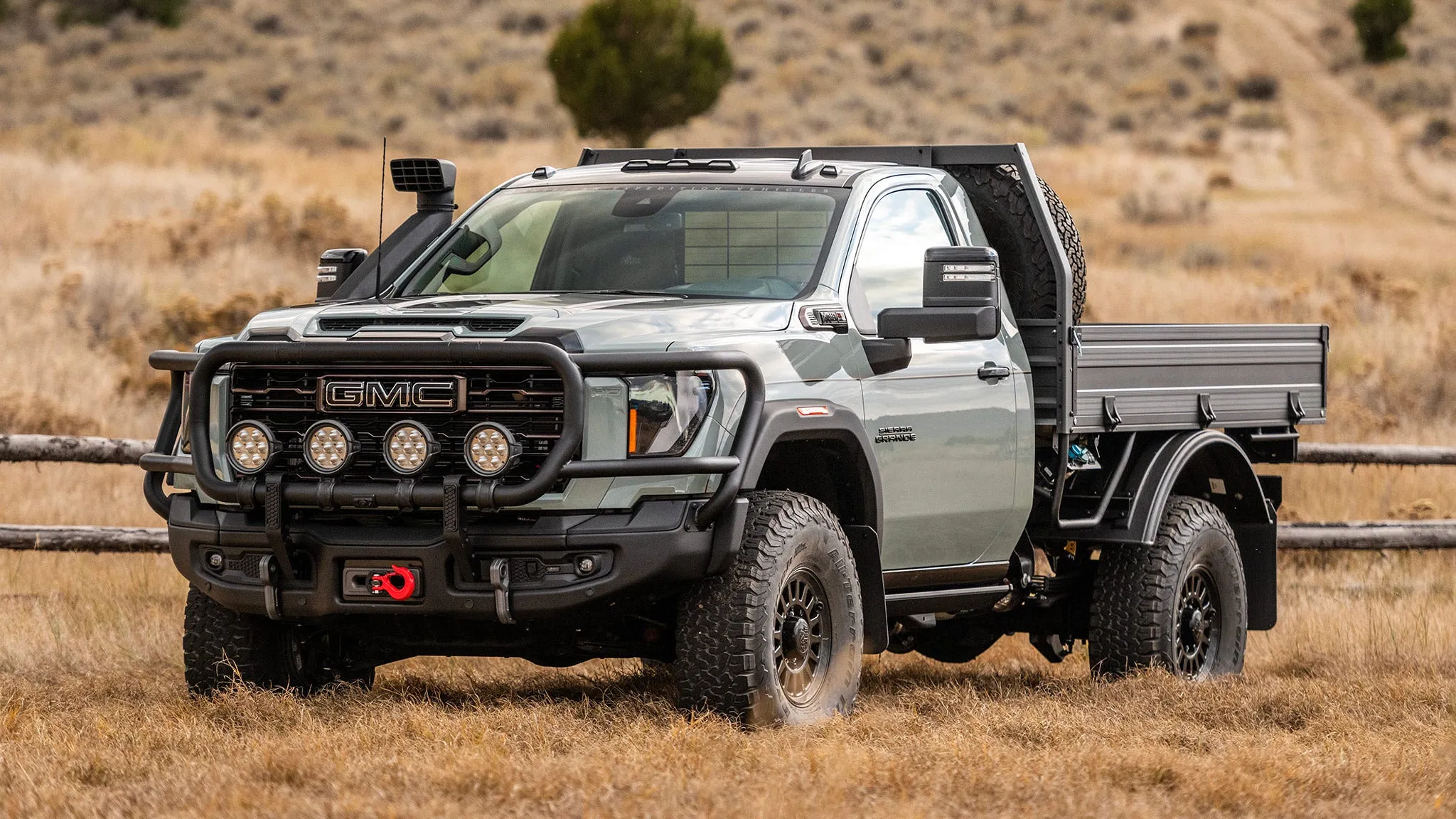
4. GMC Sierra 3500HD
Bold styling and imposing proportions characterise the GMC Sierra 3500HD, presenting an image of authority and strength at first sight. This pickup is engineered with demanding professional duties in mind, placing emphasis on power, load-bearing ability, and structural toughness.
Such priorities serve specific work purposes very well, yet routine daily use often exposes limitations tied directly to its physical scale. Maneuverability becomes an immediate concern in built-up areas. Narrow roads, congested streets, and limited turning spaces place constant pressure on the driver’s attention.
Executing turns requires deliberate planning, while lane changes demand careful judgment to avoid encroaching on adjacent vehicles. Simple trips that would feel effortless in smaller pickups become mentally taxing, reducing driving comfort during everyday errands.
Parking challenges follow closely. Many standard parking bays cannot comfortably accommodate the Sierra 3500HD’s length and width. Height restrictions also prevent access to a wide range of enclosed parking structures. As a result, owners frequently seek open or isolated parking spots, sometimes far from their destinations.
This habit gradually reduces convenience and discourages spontaneous travel decisions. Interior presentation remains one of the truck’s strengths. Seating comfort supports long-distance travel, and interior materials communicate durability and refinement.
Controls are laid out with clarity, reinforcing a sense of order within the cabin. Still, the elevated driving position and expansive bonnet place the vehicle’s size directly within the driver’s awareness. Close-range visibility becomes challenging during tight maneuvers, creating reliance on cameras and sensor systems.
Confidence drops noticeably when such aids are unavailable or limited. Work capability matches professional expectations. Heavy towing, commercial hauling, and demanding operational tasks feel controlled and secure.
Stability under load reinforces the truck’s intended purpose. Yet owners whose routines involve commuting, shopping, or family transport may find the scale excessive. Fuel usage, tyre replacement, and maintenance costs also reflect the truck’s mass and capability.
Ownership experience, therefore, becomes highly dependent on intended use. When matched with industrial or trade requirements, the Sierra 3500HD performs admirably. When pressed into everyday roles, its dimensions can dominate the experience, transforming strength into a constant challenge rather than a silent advantage.
Also Read: 5 Pickups That Can Work in Urban Areas vs 5 That Are Hard to Manage
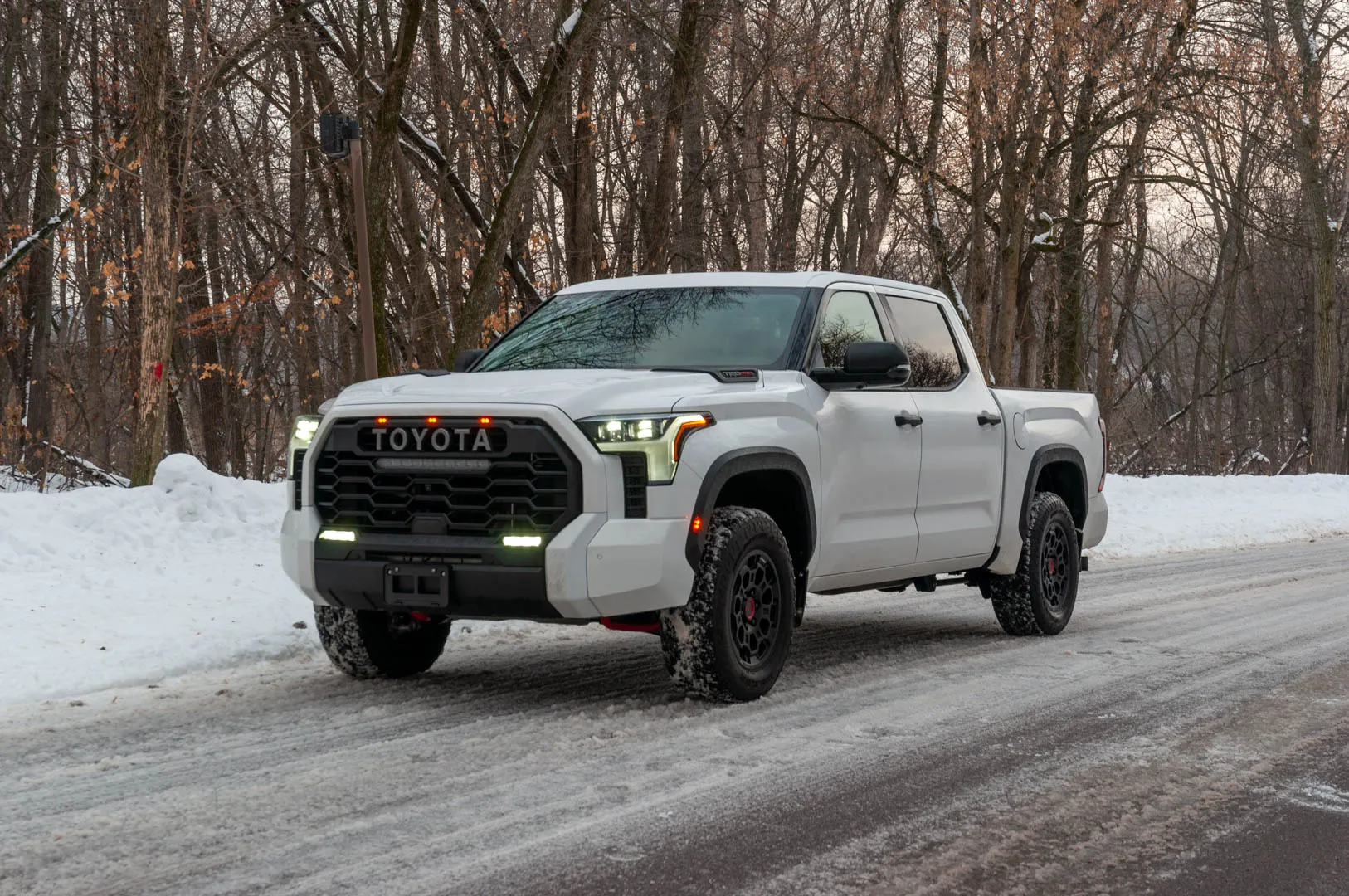
5. Toyota Tundra TRD Pro
An aggressive stance and commanding presence distinguish the Toyota Tundra TRD Pro, combining off-road readiness with full-size pickup dimensions. Designed to project toughness and adventurous spirit, this model places strong emphasis on capability and visual impact. While these traits appeal to certain buyers, regular use often reveals compromises tied to size.
Urban driving exposes immediate difficulties. The truck’s wide body and extended length demand heightened awareness in traffic, particularly on narrow streets or busy roads. Steering effort feels heavier than that of midsize pickups, contributing to fatigue during short trips. Confidence behind the wheel develops only after extended familiarity with the vehicle’s proportions.
Parking presents a consistent source of inconvenience. Standard parking spaces feel restrictive, while older parking facilities frequently pose clearance concerns. Owners often search for corner spaces or open areas to avoid damage, increasing the time required for even brief stops. These adjustments gradually affect convenience, especially in busy commercial areas.
Interior comfort reflects Toyota’s commitment to durability and rugged presentation. Seats provide solid support, and interior surfaces withstand demanding use. Cabin layout promotes practicality, though the interior space does not fully compensate for the truck’s external bulk.
Visibility challenges persist during low-speed maneuvers, necessitating heavy reliance on driver-assistance features. Without these systems, tight positioning becomes stressful. Capability remains the defining attraction of the Tundra TRD Pro. Off-road performance, suspension tuning, and towing ability suit drivers with adventurous routines or recreational demands.
Still, many owners spend most of their driving time on paved roads, where such capability remains unused. Fuel consumption and ownership expenses reflect this heavy-duty focus, reinforcing the sense of excess during ordinary use.
Living with the Tundra TRD Pro, therefore, requires acceptance of its physical presence. For those who prioritise bold character and outdoor readiness, the trade-offs may feel worthwhile. For daily driving routines, its size can overshadow comfort, turning strength into a persistent compromise rather than an effortless benefit.
