European automotive history is full of engineering marvels, but certain engines rise above the rest due to their combination of performance, innovation, and lasting influence. These engines not only defined the cars they powered but also shaped the direction of automotive design and technology for decades.
They earned legendary status because of their unique ability to deliver extraordinary power, precision, and reliability while retaining a character that enthusiasts can immediately recognize. From the smooth yet potent V12s of Italy to the turbocharged precision of German engineering, these powerplants demonstrate how advanced design and mechanical artistry can coexist in perfect harmony.
The fascination with performance engines goes beyond raw numbers. Enthusiasts admire the sound, the way power builds through the rev range, and the way each engine responds to throttle input. It is not uncommon for a car to gain fame solely based on the reputation of its engine, creating a mystique that transcends time.
The impact of these engines is also felt on the racing circuit, where many of them proved themselves in endurance races, Formula One, and rallying. Their influence is evident in later designs, inspiring generations of engineers to push boundaries further.
Engineering excellence is a hallmark of these engines. Many of them introduced technologies that were ahead of their time, such as advanced fuel injection systems, variable valve timing, and lightweight materials. These innovations not only improved performance but also increased efficiency and durability.
The attention to detail in crafting each component ensured that these engines could operate at high performance levels consistently, which is one reason why so many remain in use or are sought after by collectors today.
Cultural significance also plays a role in elevating these engines to legendary status. They are symbols of national pride, technical achievement, and automotive artistry. Cars equipped with these engines are celebrated not only for their performance but for their design, history, and the emotional response they elicit.
Owning or experiencing a car with such an engine is often considered a rite of passage for automotive enthusiasts, reinforcing the connection between the driver and the machine.
This article highlights ten European performance engines that have earned legendary status. Each entry showcases the technical features, historical significance, and unique characteristics that set these engines apart.
They have all left a lasting legacy and continue to be revered by enthusiasts, collectors, and engineers alike. Understanding why these engines stand out helps appreciate the remarkable ingenuity and dedication that went into shaping modern performance motoring.
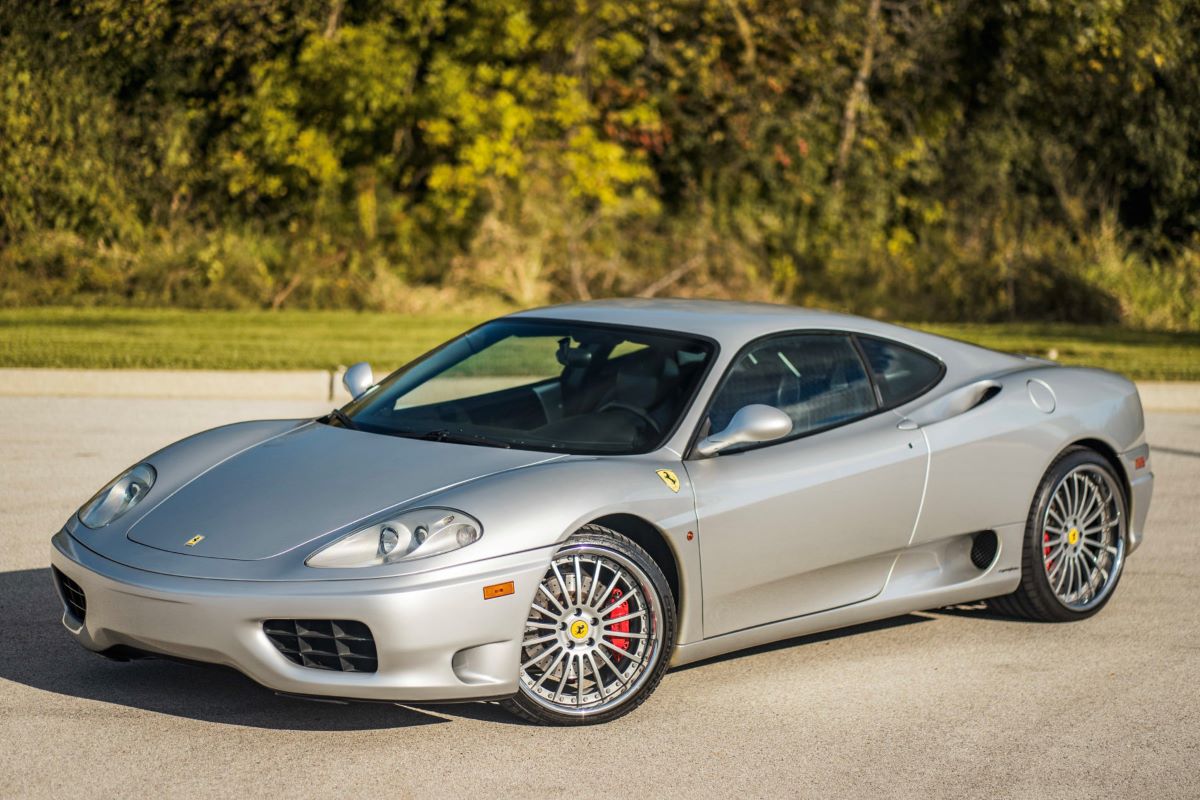
1. Ferrari F136 V8
The Ferrari F136 V8 represents one of the finest examples of Italian engine craftsmanship. Introduced in the early 2000s, it became the heart of several Ferrari models, providing a blend of high-revving excitement and refined power delivery.
Its compact design allowed for mid-engine placement, which improved vehicle balance and handling characteristics. The F136 is celebrated for its distinctive exhaust note, a sound that is instantly recognizable to enthusiasts worldwide.
Engineers focused on optimizing both weight and performance. The use of lightweight materials like aluminum for the block and heads reduced mass while maintaining strength.
This allowed the engine to produce high output figures without compromising the car’s agility. Its naturally aspirated design ensured linear power delivery and a high redline, which made it a favorite for track enthusiasts. Ferrari’s attention to detail in every component contributed to its legendary status.
The F136 powered a range of vehicles from the Ferrari 360 to the F430, adapting to different models without losing its character. Each iteration improved performance, reliability, and responsiveness, demonstrating Ferrari’s commitment to continuous refinement.
The engine’s ability to remain relevant over multiple model generations reflects the strength of its original design. It became synonymous with Ferrari’s brand of excitement and precision engineering.
Beyond performance, the F136’s design emphasizes driver engagement. Its responsiveness to throttle input creates a visceral connection between the driver and the car. Revving the engine rewards the driver with a rush of acceleration and a thrilling soundtrack. Many enthusiasts consider this V8 as one of the best naturally aspirated engines ever produced, blending emotion with mechanical excellence.
The engine also left a mark on Ferrari’s racing programs. Its performance characteristics made it suitable for lightweight sports cars, allowing Ferrari to maintain its reputation for speed and handling on the track. The F136 is celebrated not only for its technical prowess but also for its role in defining Ferrari’s identity during the 2000s and beyond. It remains a benchmark for modern naturally aspirated performance engines.
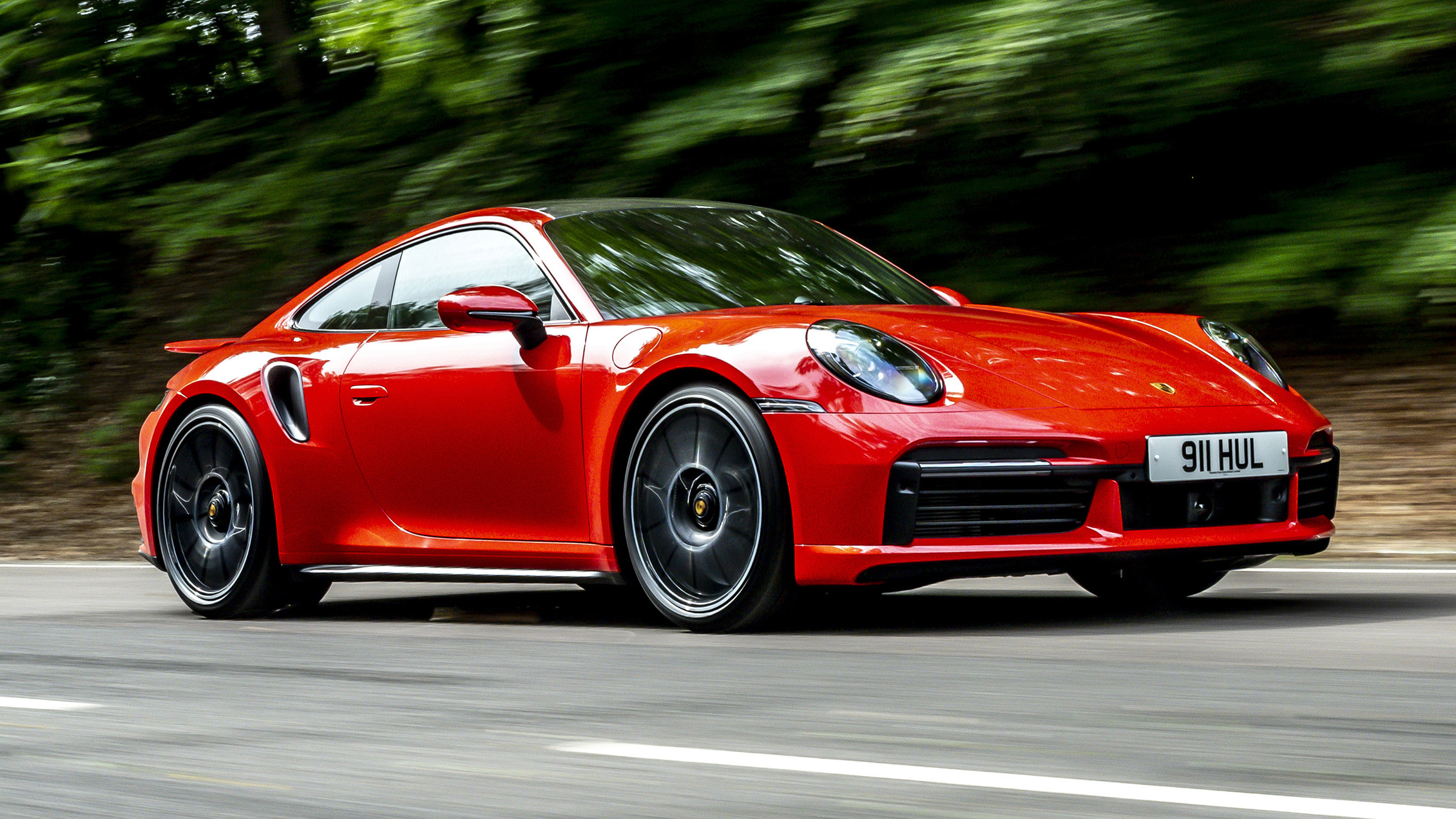
2. Porsche Mezger Flat-Six
The Porsche Mezger engine, named after its designer Hans Mezger, is a flat-six masterpiece that powers some of the most iconic 911 models. It is renowned for its durability, high-revving nature, and exceptional response under extreme conditions.
Originally developed for racing, it seamlessly transitioned to road cars, providing a bridge between competition technology and street performance. The Mezger engine is particularly for its dry sump lubrication system, which ensures reliability during aggressive cornering.
Its air-cooled heritage carries the spirit of early Porsche engineering, although later versions introduced water cooling to enhance efficiency and emissions compliance. The flat-six layout allows a low center of gravity, contributing to the 911’s precise handling and stability.
Enthusiasts value the Mezger for its combination of reliability, mechanical purity, and the emotional driving experience it delivers. Its distinctive sound and smooth power curve have become defining traits of Porsche’s identity.
Mezger engines powered vehicles such as the 911 GT3, 911 Turbo, and 911 RSR race cars. Each application emphasized performance in a slightly different way, yet all retained the core character of the engine.
These engines proved capable of enduring intense track conditions while delivering exhilarating performance. Their engineering integrity allowed Porsche to build a reputation for creating engines that are both thrilling and dependable.
The Mezger engine also influenced Porsche’s racing dominance. It demonstrated exceptional durability in endurance events, from Le Mans to smaller GT championships. Its design allowed for easy maintenance and adaptability to evolving technologies, showcasing the foresight of its engineers. For many, the Mezger flat-six represents the pinnacle of Porsche’s engineering philosophy, where performance meets longevity.
Even today, Mezger-powered 911s are highly sought after by collectors. Their historical significance, engineering excellence, and unique character make them a symbol of Porsche’s golden era. The engine’s impact extends beyond raw numbers, influencing how enthusiasts perceive naturally aspirated flat-six engines and how Porsche continues to develop performance powertrains.
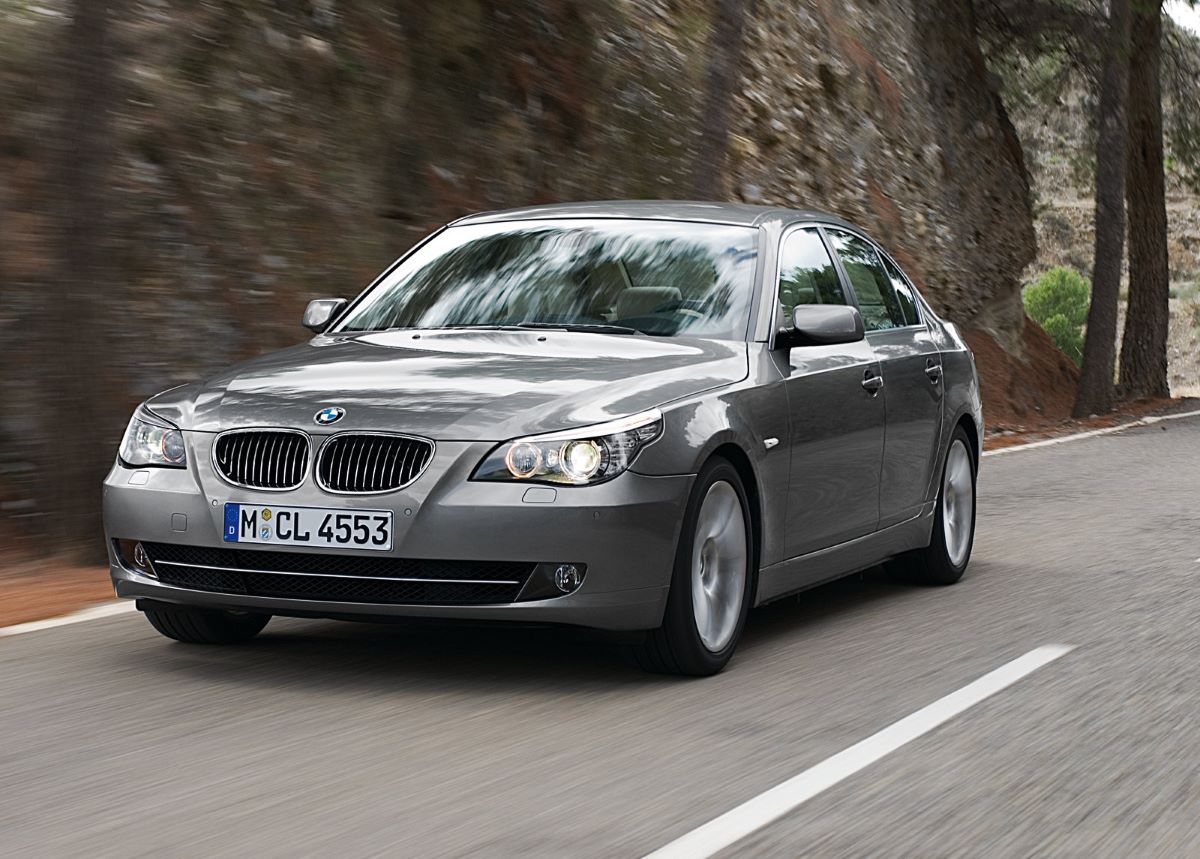
3. BMW S85 V10
BMW’s S85 V10 engine is a technical marvel that powered the E60 M5 and E63/E64 M6. With 5.0 liters of displacement, it produced a high-revving, naturally aspirated performance that rivaled even the most exotic supercars of its era.
Designed for maximum responsiveness, it features a unique rod-bearing setup, individual throttle bodies, and a double VANOS variable valve timing system. The S85 exemplifies BMW’s commitment to precision engineering and driver-focused performance.
This engine stands out for its sound and character. The naturally aspirated V10 delivers a screaming, aggressive tone that climbs to over 8,000 RPM. This auditory signature adds to the driving experience, making the car feel alive in a way that turbocharged engines often cannot replicate. Its linear power delivery allows precise control at high speeds, making it ideal for enthusiasts who value both performance and mechanical purity.
The S85’s design pushed technological boundaries at the time. Lightweight components, forged internals, and advanced electronics ensured it could operate reliably under extreme conditions. BMW also focused on driver engagement, with the engine delivering an immediate response to throttle inputs. This responsiveness was crucial for the M division’s philosophy, emphasizing the connection between the driver and machine.
Beyond road performance, the S85 inspired motorsport innovation. Its V10 architecture provided a foundation for racing adaptations, proving the versatility of BMW’s engineering. The engine’s durability and high-revving nature allowed it to excel in competitive environments, reinforcing BMW’s reputation for creating technically sophisticated performance engines.
Today, the S85 V10 is celebrated for its uniqueness and emotional appeal. Its combination of high-revving excitement, precision, and distinctive sound makes it a standout among naturally aspirated engines. Enthusiasts often regard it as one of BMW’s most iconic powerplants, representing a period when the brand prioritized pure mechanical engagement over forced induction.
Also Read: 10 V8 Vehicles That Cost the Least to Maintain
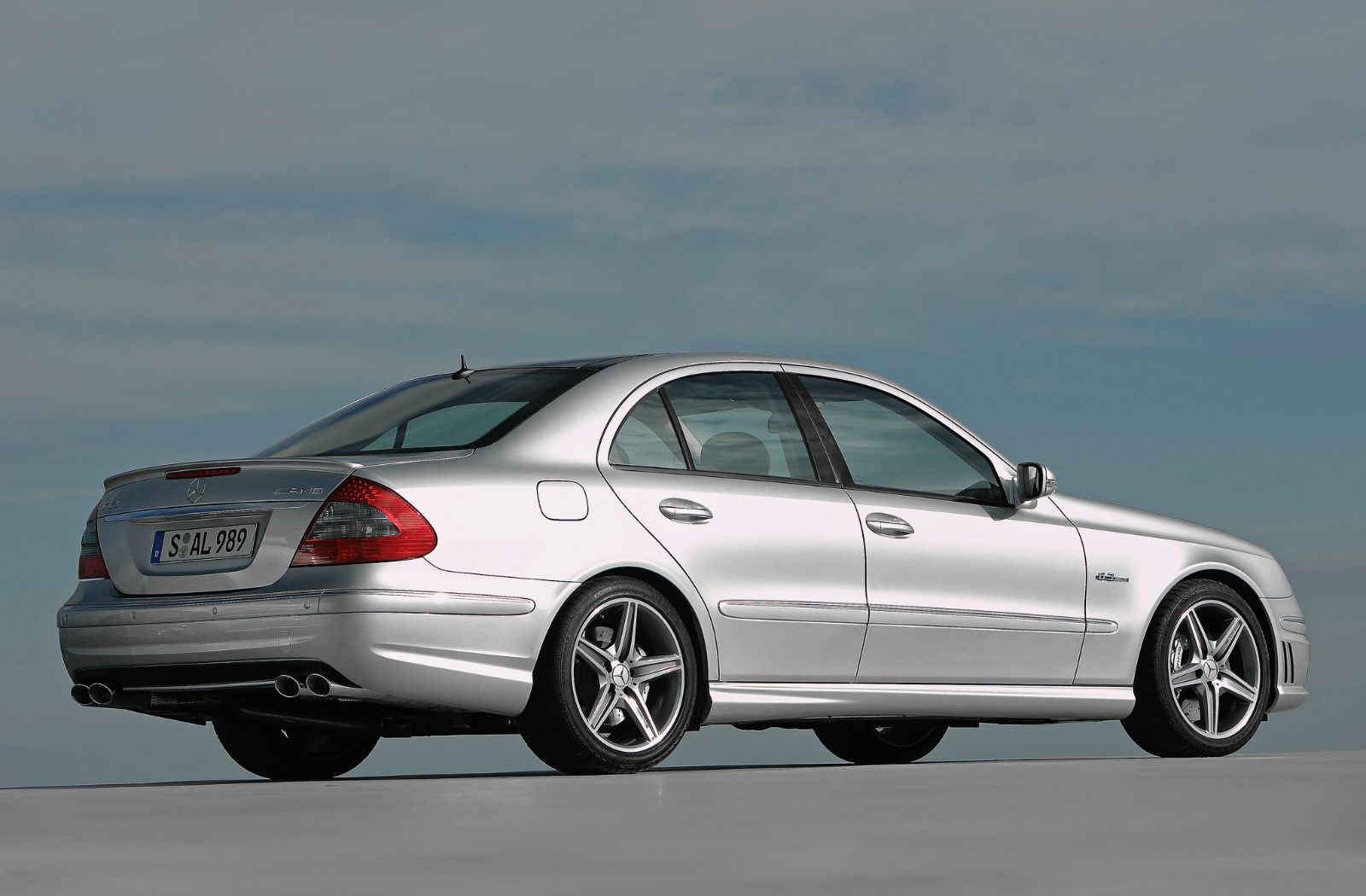
4. Mercedes-Benz M156 V8
The Mercedes-Benz M156 V8 represents one of AMG’s most ambitious naturally aspirated engines. Introduced in the mid-2000s, it powered performance sedans and coupes, including the C63, E63, and SLK55 AMG.
Its design focused on raw power, responsiveness, and driver engagement, offering an unmistakable combination of smooth refinement and aggressive performance. Unlike many modern engines, it retained a naturally aspirated layout, giving drivers a linear and predictable power delivery that is easy to control at all speeds.
The M156’s engineering is impressive for its time. With a 6.2-liter displacement, forged internals, and high-strength aluminum alloy construction, it produced over 450 horsepower without forced induction.
The engine featured a cross-plane crankshaft design, which contributed to its distinct rumble and enhanced torque at low and mid-range RPMs. AMG engineers prioritized a balance between performance and reliability, ensuring the engine could handle spirited driving without compromise.
In addition to technical excellence, the M156 delivers an emotional connection through sound. Its exhaust note ranges from a deep growl at idle to an ear-piercing roar at high RPMs. This character is a direct reflection of AMG’s philosophy, where performance is not only measured in numbers but also in the sensory experience provided to the driver. The engine’s sound and delivery make it memorable long after the car has stopped moving.
The M156 powered vehicles that excelled on both road and track. In sedan and coupe formats, it delivered thrilling acceleration while maintaining composure, demonstrating the versatility of its design. Its power was complemented by precise engine management and suspension tuning, ensuring that the chassis could harness the engine’s capabilities fully. Enthusiasts often regard the M156 as a modern classic because it combines durability and excitement.
Even today, the M156 V8 has a dedicated following among collectors and tuners. Its ability to withstand modifications and continue producing reliable power has made it a favorite among those seeking performance without sacrificing character. The engine exemplifies AMG’s commitment to high-performance engineering and remains one of the most respected naturally aspirated V8s of the modern era.
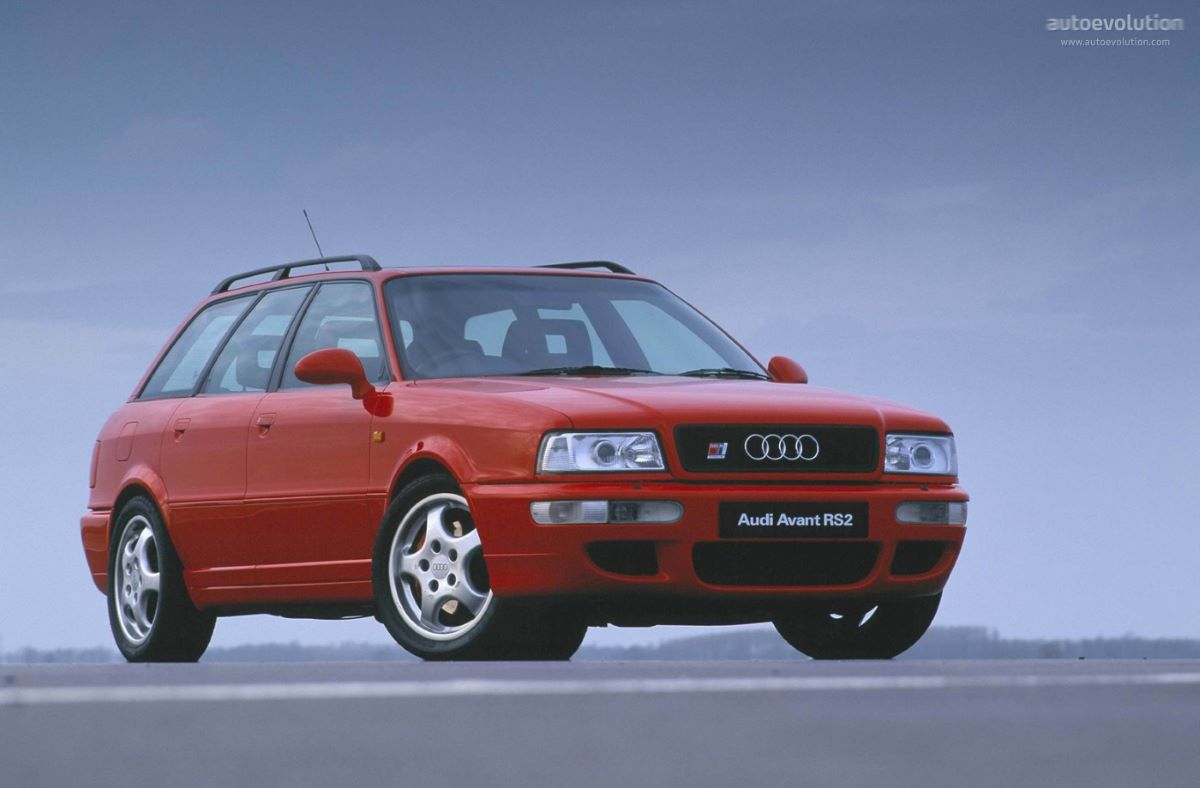
5. Audi RS2 B5 Turbocharged Inline-Five
The Audi RS2 B5 engine is a remarkable example of turbocharged innovation. Released in the mid-1990s, it combined a 2.2-liter inline-five configuration with a Garrett turbocharger, producing exceptional power for its size.
The engine’s compact nature allowed engineers to maintain excellent weight distribution and balance in the RS2, which became a legendary high-performance wagon. Its turbocharged character provided a combination of low-end torque and high-end responsiveness, making it both thrilling and usable in everyday driving conditions.
The inline-five design is unusual and contributes to the engine’s distinctive sound. Its rhythmic, slightly raspy tone is instantly recognizable and has become a hallmark of Audi’s performance heritage.
Engineers focused on reliability and heat management, integrating an intercooler and advanced fuel injection system that allowed the engine to deliver consistent performance under high stress. This attention to detail set it apart from competitors at the time.
Beyond its technical features, the RS2 engine marked a milestone for collaboration. Developed with input from Porsche, it inherited lessons in precision engineering and performance tuning. This partnership enhanced reliability, responsiveness, and efficiency. The result was a car that could accelerate like a sports coupe while offering the practicality of a wagon, with the engine at the center of its unique appeal.
Performance tuning potential further enhanced the RS2’s legendary status. Enthusiasts quickly discovered that the engine responded exceptionally well to modifications, producing significant gains without compromising reliability. Its turbocharged nature allowed for flexibility across a wide range of applications, from spirited street driving to track use, solidifying its reputation as an adaptable and potent powerplant.
Even decades later, the RS2’s engine continues to inspire admiration. Its combination of unusual configuration, turbocharged performance, and durability has made it an icon in European automotive history. Collectors value it not only for its power but for its historical significance as one of the first vehicles to successfully blend everyday usability with serious performance.
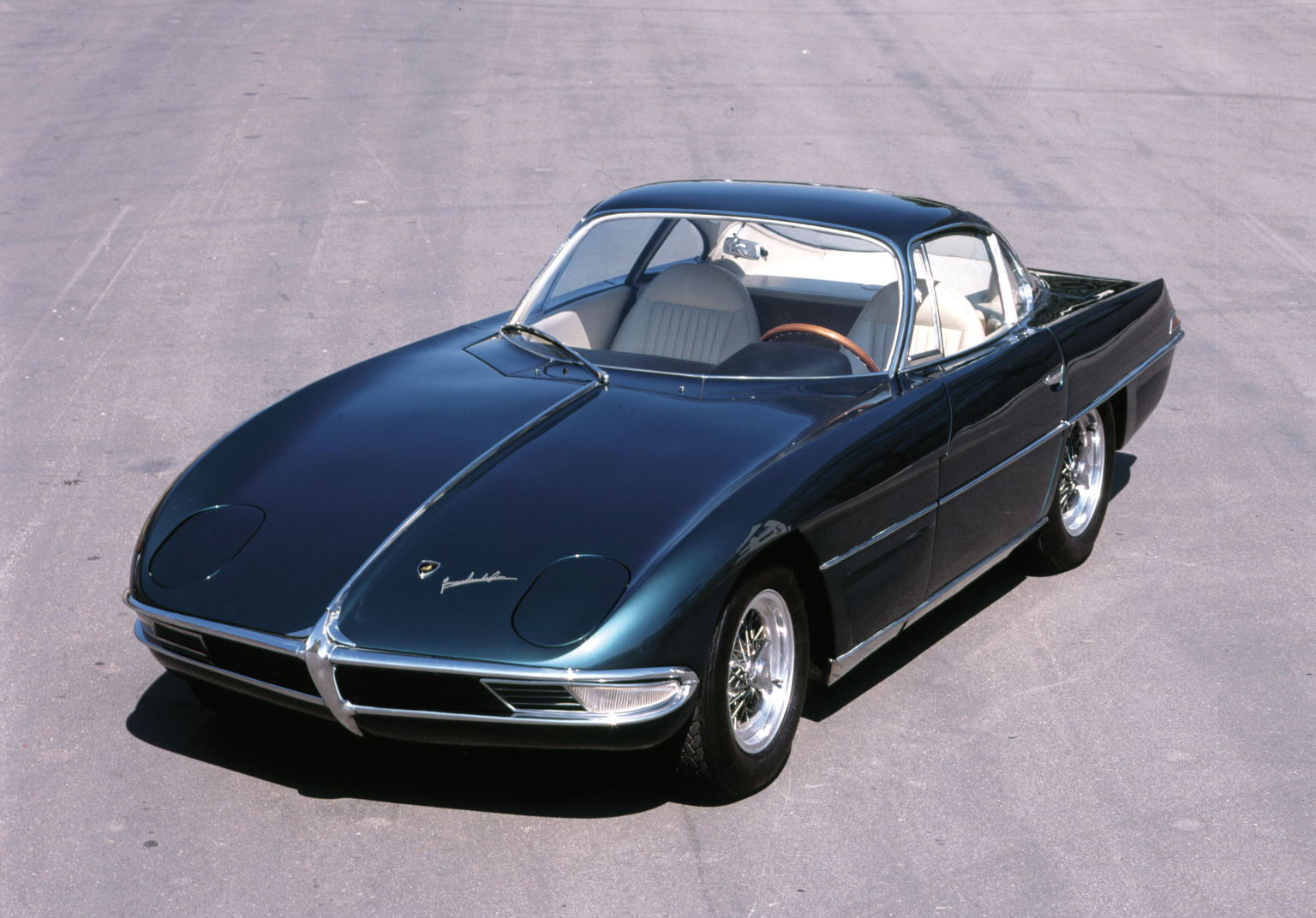
6. Lamborghini V12 (L539 / Murciélago Era)
The Lamborghini V12, particularly during the Murciélago era, represents the total in naturally aspirated Italian performance. With a displacement ranging from six to six and a half liters, this engine produced immense power while maintaining the exotic character Lamborghini is known for.
Its design focused on high-revving capability and aggressive output, creating an unmistakable soundtrack that defines supercar excellence. Every rev of the V12 emphasizes precision, emotion, and unrelenting power delivery, qualities that have made it legendary in automotive circles.
The engineering behind this V12 is a showcase of Lamborghini’s ambition. Lightweight materials, forged components, and carefully calibrated intake and exhaust systems ensure maximum performance without unnecessary weight.
Its wide torque band allows dramatic acceleration from low speeds, while its ability to rev beyond 8,000 RPM provides exhilarating top-end performance. This combination ensures that the engine feels alive at every point in the power curve.
The Murciélago V12 also demonstrates versatility across Lamborghini’s lineup. While optimized for supercar performance, it maintains drivability, allowing owners to enjoy long-distance cruising as well as track-focused driving.
The engine’s smooth yet aggressive delivery creates a unique sensation that has become a signature of Lamborghini’s V12 philosophy. Engineers paid particular attention to sound, crafting an exhaust note that evokes raw power and exotic engineering.
Historically, this engine continued Lamborghini’s tradition of producing naturally aspirated V12s that dominated both road and track. Its technology influenced later models and ensured that the brand remained competitive against other European manufacturers. Its performance numbers, combined with mechanical elegance, make it a benchmark for naturally aspirated V12 engines worldwide.
Collectors and enthusiasts prize this engine for its emotional resonance. It represents an era when naturally aspirated performance was paramount, and turbocharging had not yet fully replaced large-displacement power. Its combination of sound, responsiveness, and sheer mechanical artistry ensures that the Lamborghini V12 will remain legendary for decades to come.
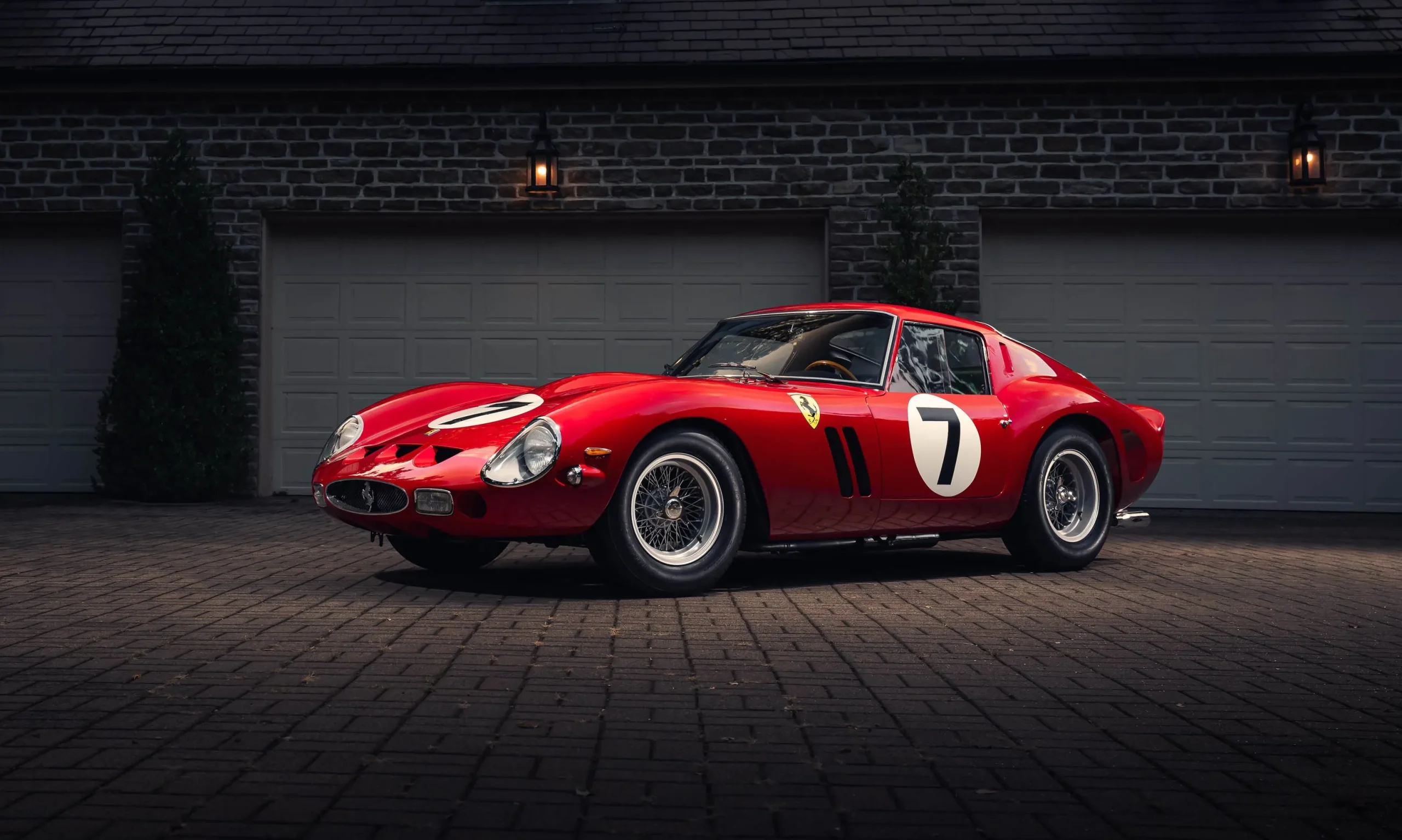
7. Ferrari 250 GTO Tipo 168/62 Colombo V12
The Ferrari 250 GTO’s Tipo 168/62 Colombo V12 is widely regarded as one of the most legendary engines in automotive history. Developed in the early 1960s, it combined lightweight engineering, high-revving performance, and exquisite craftsmanship.
Its 3.0-liter displacement was modest by modern standards, yet it produced exceptional power for its time, allowing the 250 GTO to dominate both road and racing circuits. The engine’s precise tuning and responsive nature make it a model of performance engineering.
Colombo’s design emphasized smooth operation and high rotational speed. The engine featured multiple carburetors and a dual overhead camshaft layout, which allowed precise air-fuel mixture control and rapid valve timing.
This engineering sophistication enabled the engine to deliver a thrilling driving experience, providing immediate response to throttle inputs and maintaining a powerful torque curve across its range. The result was a machine that felt alive with every touch.
Its performance was not limited to road cars. The 250 GTO V12 became a racing icon, winning numerous endurance events and establishing Ferrari’s dominance in motorsport. The engine’s reliability and robustness allowed drivers to push it to the limits without fear of failure. It is celebrated not only for its performance numbers but also for its influence on later Ferrari engines, which inherited its high-revving philosophy and elegant engineering.
The engine’s design also emphasized compactness and weight distribution. By keeping the engine light and low, Ferrari achieved a near-perfect balance, improving handling and cornering ability. This focus on harmony between power and chassis dynamics became a blueprint for Ferrari’s future V12 engines, illustrating the brand’s dedication to total vehicle performance rather than just raw output.
Today, the Colombo V12 remains one of the most sought-after engines in automotive history. Its combination of historical significance, engineering brilliance, and emotional resonance has cemented its legendary status. The engine represents a golden era of Ferrari design, where artistry, performance, and competition converged in perfect harmony.
Also read: Top 10 Cars That Still Look Like the Future Today
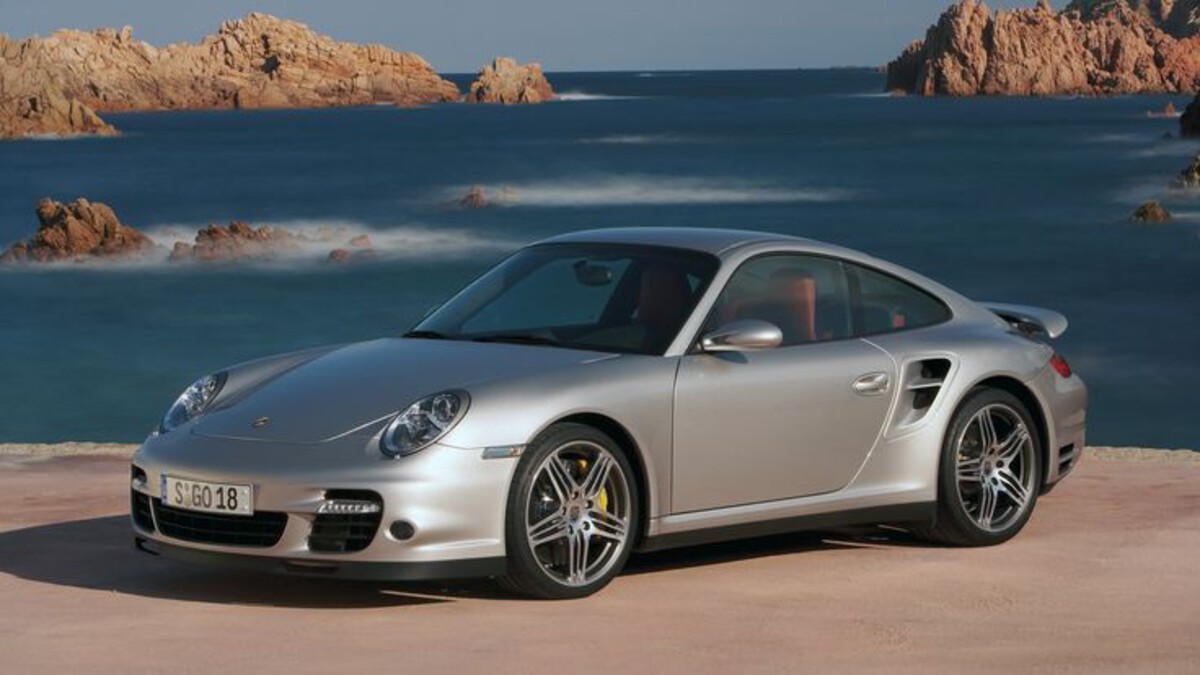
8. Porsche 911 Turbo Flat-Six (930/991 Generations)
The Porsche 911 Turbo’s flat-six engine has defined turbocharged performance for decades. Beginning with the 930 in the 1970s and evolving through the modern 991 generation, it combines compact engineering, turbocharging sophistication, and extraordinary drivability.
The flat-six layout provides a low center of gravity, which improves handling and balance in the rear-engined 911. This engine became synonymous with a perfect blend of speed, stability, and distinctive Porsche character, earning it legendary status among sports car enthusiasts.
Early turbocharged versions, like the 930, were known for their raw power and dramatic turbo lag, which rewarded skilled drivers who could master its surge.
Porsche engineers refined this over time, adding sequential turbocharging, intercooling, and advanced engine management systems to create smoother, more predictable performance without losing excitement. The result is an engine that remains thrilling to drive while accommodating modern expectations of refinement.
The sound of the flat-six turbo is unmistakable, a combination of deep growls at low revs and high-pitched whines as the turbos spool. Its personality is defined not just by horsepower but by how it reacts to throttle input, providing an interactive and visceral experience.
This character sets the 911 Turbo apart from other high-performance cars, making every drive a sensory event. The engine’s robustness also allows it to handle high boost pressures consistently, proving its strength in both road and track scenarios.
Technological innovation is a hallmark of Porsche’s Turbo flat-six. From early mechanical fuel injection systems to modern direct injection and variable geometry turbos, each generation advanced the art of forced induction without sacrificing reliability.
Engineers focused on thermal management, lubrication, and structural integrity, ensuring the engine could deliver impressive performance even under extreme conditions. This engineering foresight has contributed to the flat-six’s enduring reputation.
Collectors and enthusiasts prize Turbo-equipped 911s for their combination of performance and legacy. The engine’s unique sound, instant response, and racing pedigree make it a benchmark for turbocharged sports cars.
Each generation carries the DNA of its predecessors, proving that Porsche’s flat-six Turbo engine is not just a powerplant but a symbol of performance engineering mastery that has stood the test of time.
9. Jaguar XK V8
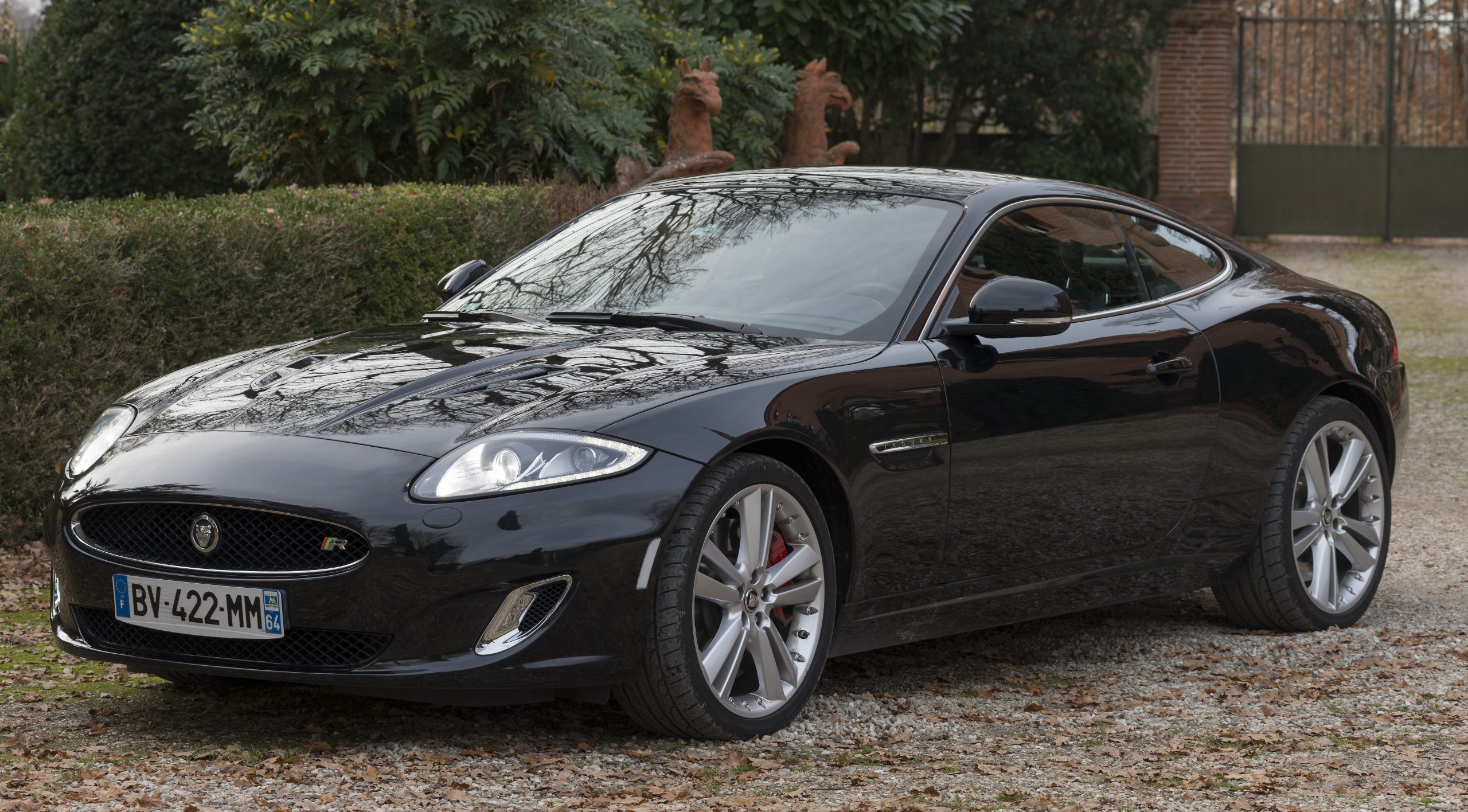
The Jaguar XK V8 engine is one of Britain’s most iconic performance engines, first introduced in the early 1990s. With roots tracing back to Jaguar’s classic XK straight-six lineage, the V8 offered a perfect balance of smoothness, power, and refinement.
Found in models such as the XKR and XK8, it represented a modern interpretation of Jaguar’s signature engine character. Its aluminum construction, crossflow cylinder heads, and advanced fuel injection system allowed it to produce impressive output while retaining effortless drivability.
The engine’s smoothness and character are immediately noticeable. Unlike many high-performance engines that emphasize aggression, the XK V8 delivers power in a refined, linear manner. Its deep, mellow exhaust note is a hallmark of Jaguar engineering, providing a sense of prestige and excitement simultaneously.
The engine’s torque-rich nature ensures strong performance at lower revs, making it responsive in everyday driving while still thrilling at higher speeds.
Engineering innovations in the XK V8 were significant. Its lightweight architecture reduced front-end mass, improving handling and balance in both sedans and coupes. Advanced electronics managed ignition timing, fuel delivery, and throttle response to optimize efficiency without compromising the driving experience. Jaguar also focused on longevity, ensuring the V8 could maintain performance over years of spirited use.
The XK V8 became a foundation for high-performance variants, including supercharged versions that pushed output to new levels. These engines offered exotic performance while preserving the inherent smoothness of the naturally aspirated base. This flexibility allowed Jaguar to compete with both German and Italian rivals, establishing the XK V8 as a credible and exciting powerplant for luxury performance cars.
Even today, the XK V8 is celebrated for its combination of British refinement, reliability, and performance. It remains a beloved engine among enthusiasts who value smooth, emotional driving experiences. Its legacy demonstrates that a high-performance engine can be powerful, sophisticated, and characterful simultaneously, solidifying its place among Europe’s most respected powerplants.
10. Alfa Romeo Busso V6
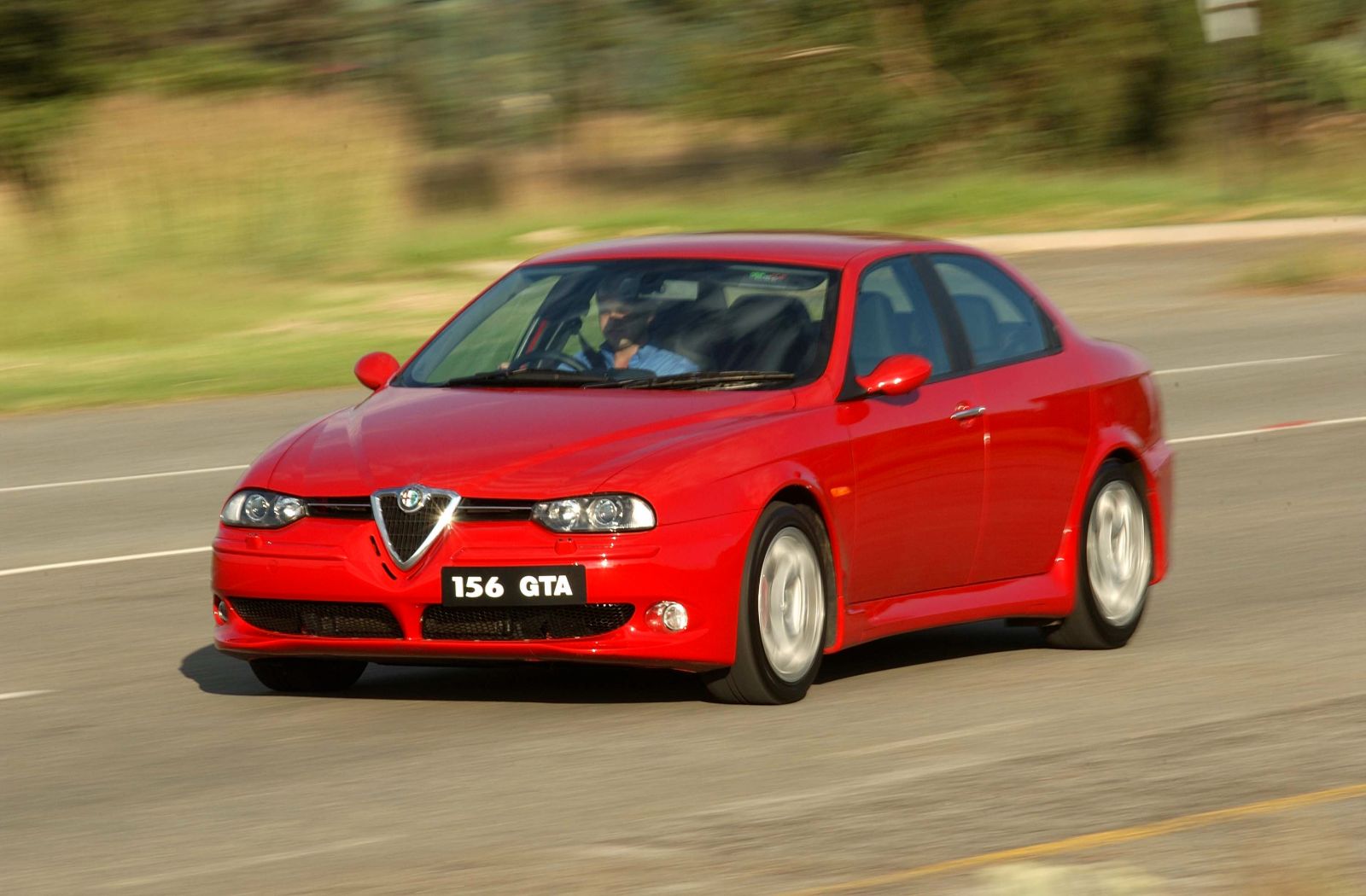
The Alfa Romeo Busso V6, named after its designer Giuseppe Busso, is considered one of the most beautiful engines ever created. Introduced in the 1970s, it became a symbol of Italian engineering excellence and emotional driving.
Its 60-degree V6 layout, combined with precise carburetion and later fuel injection systems, produces a perfect balance of smoothness, sound, and spirited performance. Alfa Romeo tuned this engine to emphasize responsiveness, making it exceptionally engaging for drivers who cherish mechanical connection and character.
The Busso V6 is revered for its emotional qualities as much as its performance. Its exhaust note is rich, melodic, and instantly recognizable, evoking passion every time the engine is revved.
The smooth torque delivery and responsive throttle make driving intuitive, allowing the car to feel agile and lively even at moderate speeds. These qualities contribute to its status as one of the most loved engines among collectors and enthusiasts.
Engineering highlights include lightweight alloy construction, hemispherical combustion chambers, and careful attention to valve timing. This attention to detail allowed the engine to rev freely while maintaining a flexible torque curve. Over its production lifespan, the Busso V6 powered sedans, coupes, and sports cars, demonstrating versatility while retaining the characteristic Alfa Romeo soul that enthusiasts cherish.
The Busso’s influence extends beyond performance. Its design philosophy inspired future Alfa Romeo engines, combining emotional resonance with technical sophistication.
It represented a perfect union of form and function, proving that engines could evoke feelings while still delivering competitive power and reliability. Each Busso engine reflected the brand’s commitment to artistry in mechanical engineering.
Even decades after production ended, the Busso V6 continues to command respect. Its combination of sound, responsiveness, and emotional appeal makes it timeless. It remains a benchmark for naturally aspirated performance engines, symbolizing a golden era when driving enjoyment and engineering excellence were inseparable.