
City life asks a lot from any vehicle. Streets feel tighter each year, parking spaces keep shrinking, and daily driving involves far more stopping than cruising. For buyers drawn to pickups, that reality creates a challenge.
Traditional trucks promise strength, cargo space, and rugged looks, yet urban routines demand calm steering, reasonable size, and comfort during short trips. That tension explains why some pickups feel perfectly at home near apartment blocks and coffee shops, while others feel better suited to open highways and job sites far from dense traffic.
Urban-friendly pickups share a few habits. Turning circles feels manageable. Ride quality stays composed on patched pavement. Interior layouts favor convenience rather than excess. Technology steps in to reduce stress during parking or lane changes.
Fuel use also plays a role, since frequent stop-and-go driving can drain larger engines faster than expected. None of this means giving up utility. It simply means choosing a truck designed with daily life in mind rather than one built only for extremes.
This page separates ten pickups into two clear groups. The first five focuses on trucks that blend practicality with city comfort. The next five will address models that struggle when space runs out. Each vehicle earns its place through size, behavior, and everyday usability.
For anyone considering a pickup as a daily driver in an urban setting, the difference between these groups matters more than horsepower numbers or towing figures.
5 Pickups That Fit Urban Life
1. Ford Maverick
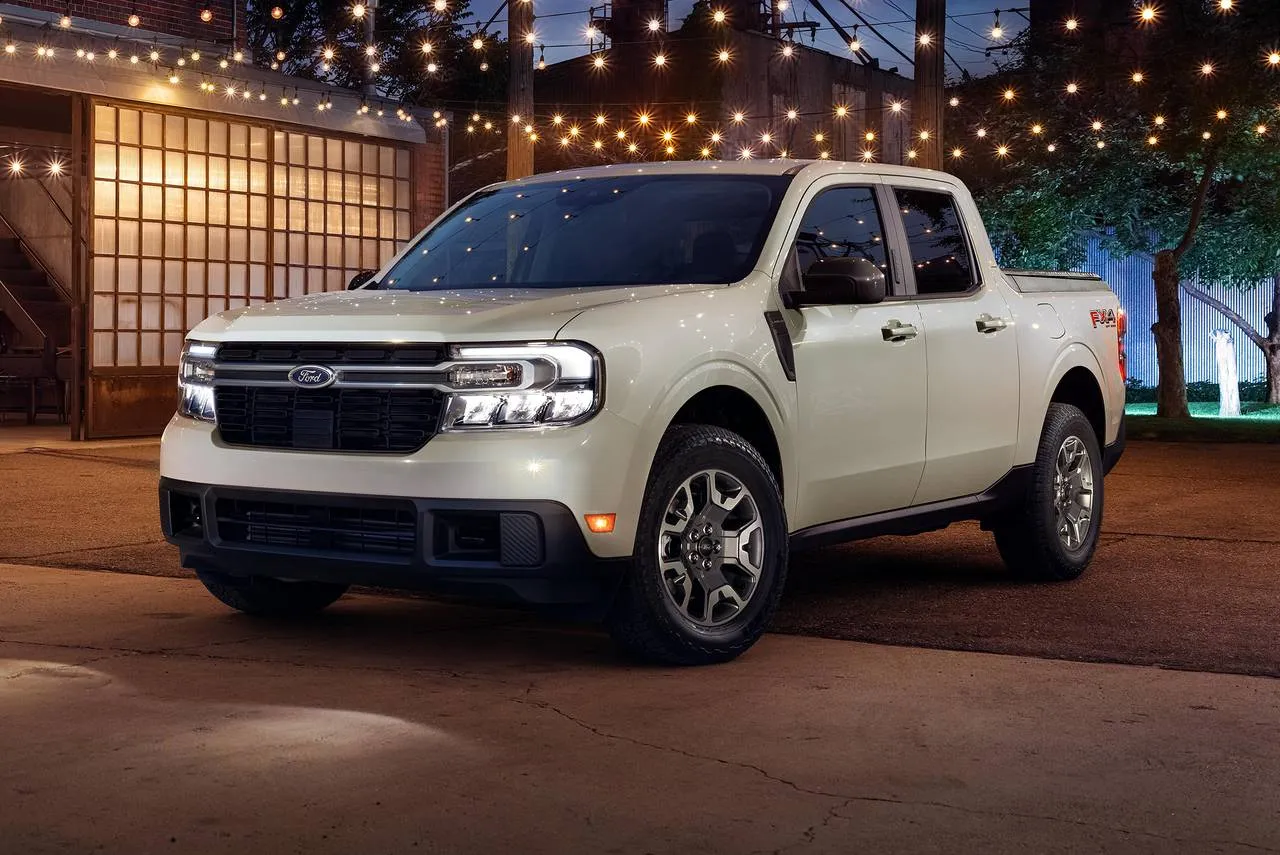
Compact proportions define the Ford Maverick, and those proportions immediately shape its appeal for city drivers. Unlike traditional body-on-frame trucks, this model uses a unibody platform that keeps size and weight under control.
Streets lined with parked cars feel less intimidating, and tight corners rarely demand multiple steering corrections. Urban driving becomes calmer when a truck does not dominate every lane it enters. Cabin design supports everyday use rather than weekend-only adventures.
Seating height allows easy entry without climbing, while outward visibility remains strong from all angles. Controls sit within natural reach, and the infotainment system avoids clutter. These choices reduce distraction during short commutes where attention matters most.
Interior materials feel durable without appearing harsh, which suits daily wear from bags, groceries, and passengers. Powertrain options add another layer of city friendliness. The standard hybrid system delivers smooth acceleration during low-speed movement and helps reduce fuel stops during busy weeks.
Throttle response feels measured, allowing drivers to maintain steady spacing in traffic. Even the turbocharged option stays manageable, offering strength without demanding constant restraint at stoplights. Cargo utility remains useful despite the modest bed length.
Home improvement supplies, bicycles, or weekend gear fit without struggle. The bed height allows easy loading, which matters when parking close to walls or other vehicles. Storage solutions built into the bed and cabin improve organization, preventing loose items from shifting during frequent stops.
Urban ownership also benefits from pricing and running costs. Insurance rates tend to stay reasonable, and maintenance demands align more closely with compact crossovers than full-size trucks. For drivers who want a pickup utility without sacrificing ease, the Ford Maverick feels purpose-built for city routines rather than adapted to them.
2. Hyundai Santa Cruz
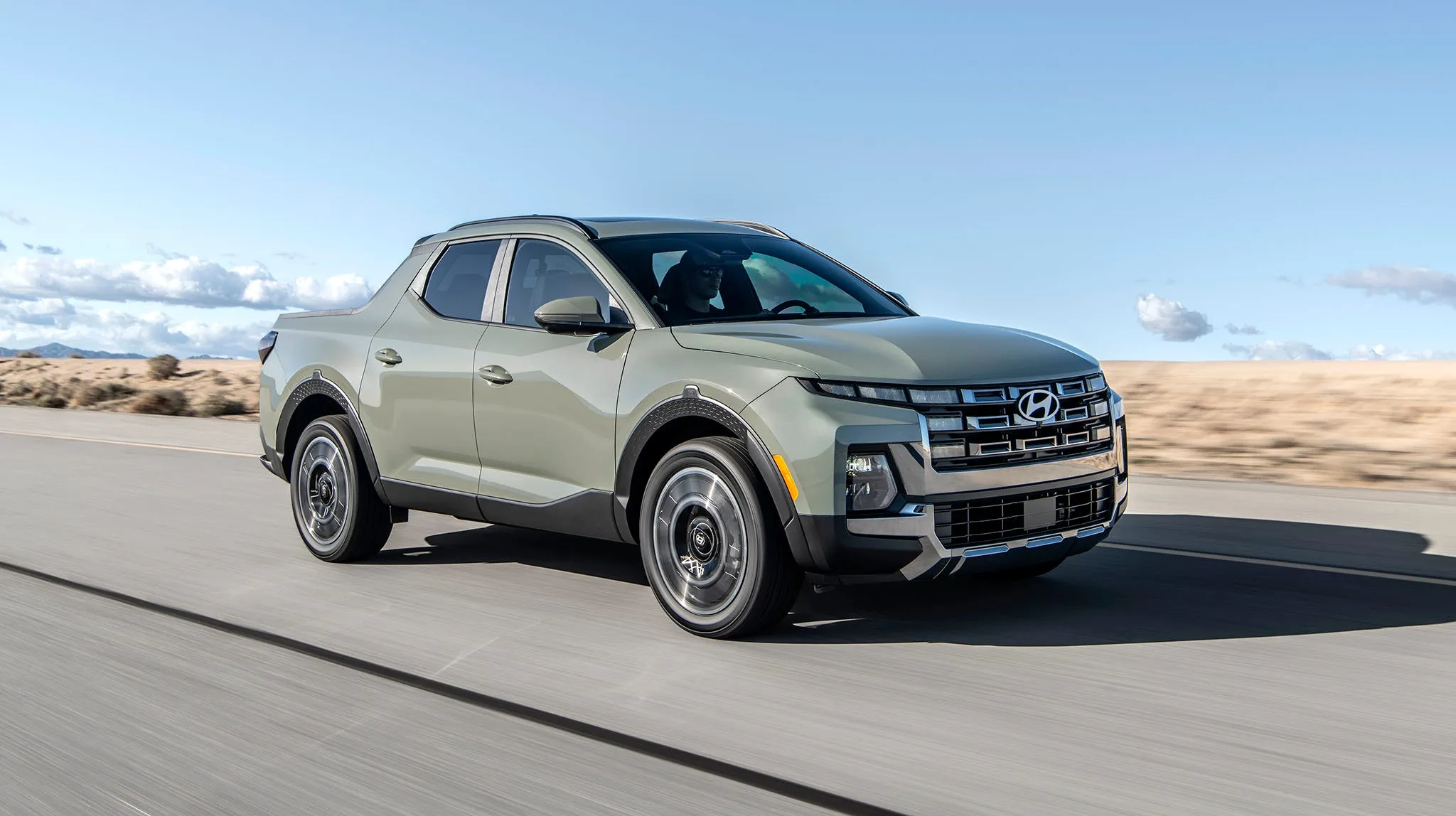
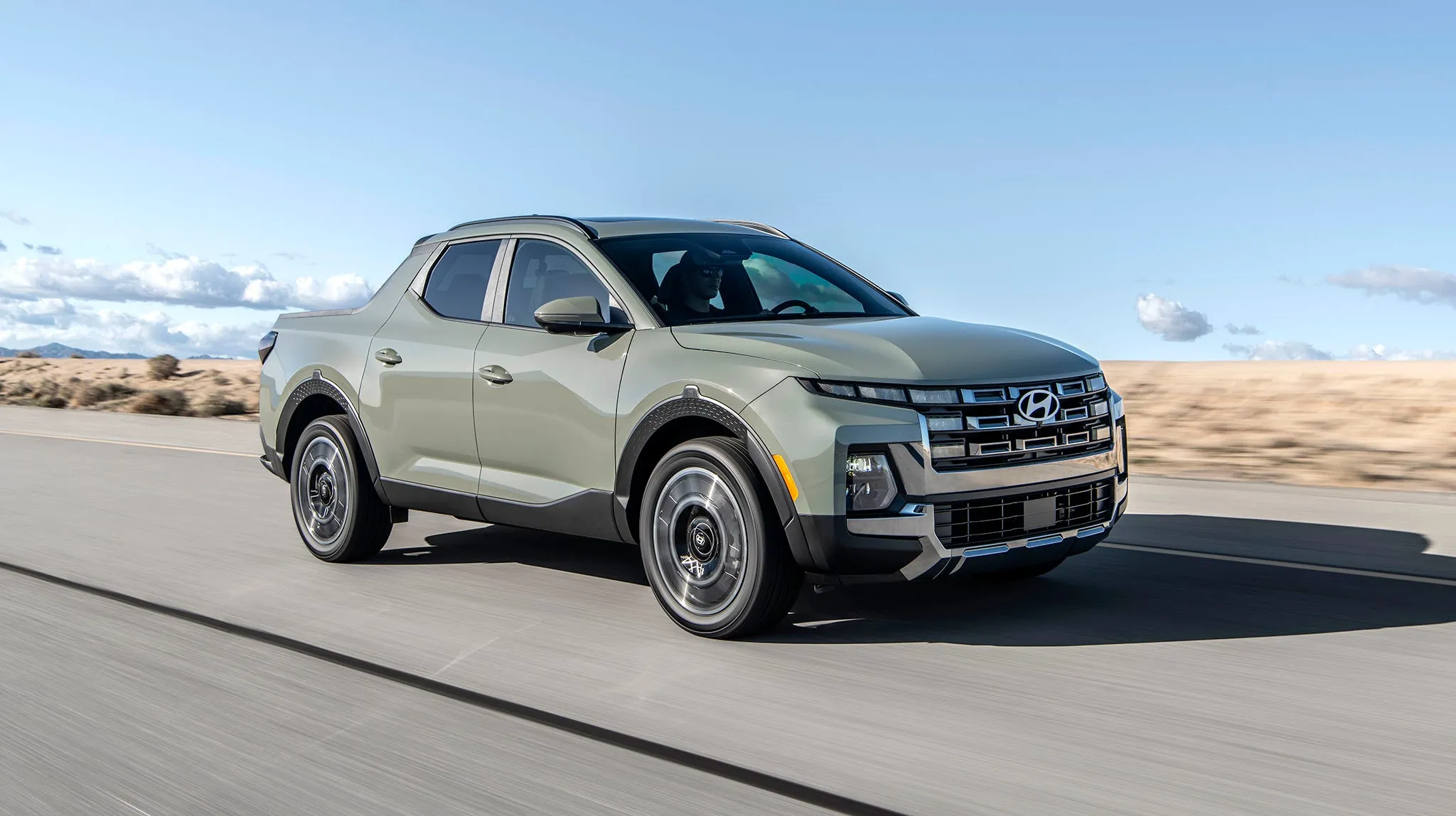
Style-forward design gives the Hyundai Santa Cruz a different presence from traditional pickups, and that difference works in its favor within city limits. Instead of sharp edges and towering height, this truck leans toward a crossover silhouette with a short bed integrated into the body.
Parking garages and residential streets feel less restrictive as a result. Driving behavior reflects that design philosophy. Steering response feels quick and predictable during low-speed maneuvers. Tight turns through crowded intersections require less planning, and lane changes happen smoothly.
Suspension tuning favors comfort over stiffness, softening rough pavement that often defines urban roads. Daily commutes feel relaxed rather than demanding. Interior presentation reinforces its urban focus. Cabin materials appear refined, with clear digital displays and straightforward menus.
Seating supports longer drives without feeling bulky, and rear space works well for passengers rather than tools. Storage areas inside the cabin provide room for items that city drivers often carry, such as laptops, backpacks, or groceries.
Engine choices balance efficiency and performance. Turbocharged options supply confident acceleration when merging, yet throttle calibration remains calm during slow movement. Fuel consumption stays reasonable for a vehicle offering open bed utility. Drivers gain flexibility without paying a penalty at the pump during frequent short trips.
The bed itself suits urban lifestyles. While shorter than traditional truck beds, it handles everyday tasks like hauling plants, sports gear, or small furniture. Features such as a lockable tonneau cover and in-bed storage add security when parking on busy streets.
For buyers seeking a pickup that behaves like a refined daily driver, the Hyundai Santa Cruz blends function with city-ready manners.
Also Read: 5 Trucks That Make Sense for Daily Use vs 5 That Don’t
3. Honda Ridgeline
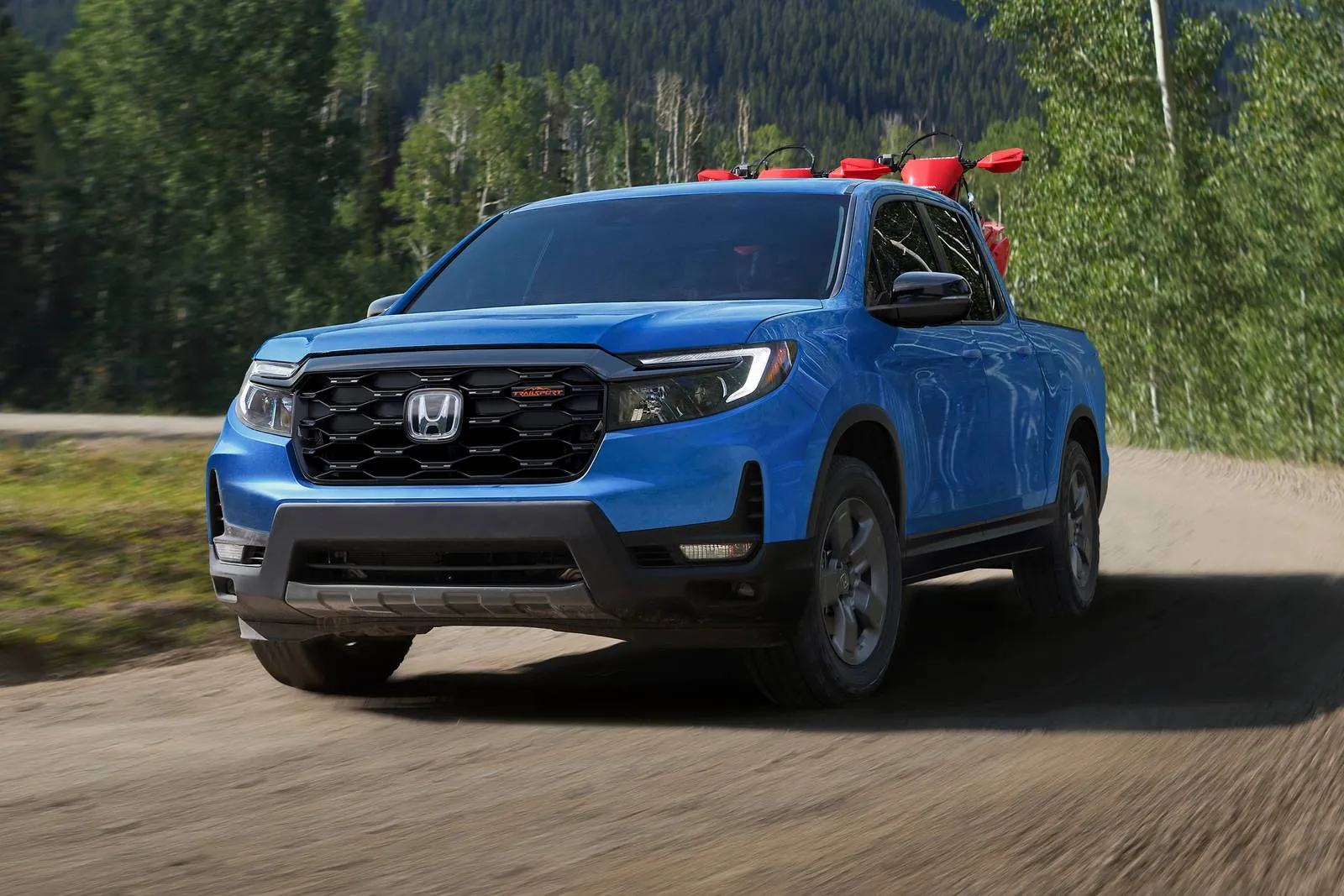
Comfort-focused engineering defines the Honda Ridgeline, making it a strong match for urban living. Built on a unibody platform shared with Honda SUVs, this pickup avoids the stiff ride often associated with trucks. Potholes and uneven pavement feel muted, which improves comfort during daily use.
Handling stands out during city driving. Steering feels light enough for parking yet stable at speed. Turning radius remains reasonable, allowing easier navigation through tight streets and older neighborhoods. Parallel parking requires less effort than expected from a midsize pickup, especially with the aid of clear camera views.
Cabin space reflects Honda’s attention to usability. Seating positions feel natural, and legroom suits passengers without crowding. Interior storage solutions help manage daily clutter, including a center console designed to hold bags and devices securely. Noise levels stay low, which reduces fatigue during stop-and-go traffic.
Under the hood, the Honda Ridgeline relies on a V6 engine tuned for smoothness. Power delivery stays linear, helping drivers maintain control during low-speed conditions. Automatic transmission behavior feels refined, avoiding abrupt moves that can frustrate in traffic.
Fuel use remains reasonable for its class, especially during mixed driving. Unique cargo features strengthen its urban appeal. The in-bed trunk offers lockable storage for items better kept out of sight, such as tools or sports equipment. Tailgate versatility allows easier loading in tight spaces.
For city drivers who want pickup practicality paired with SUV-like comfort, the Honda Ridgeline delivers a balanced experience suited to everyday routines.
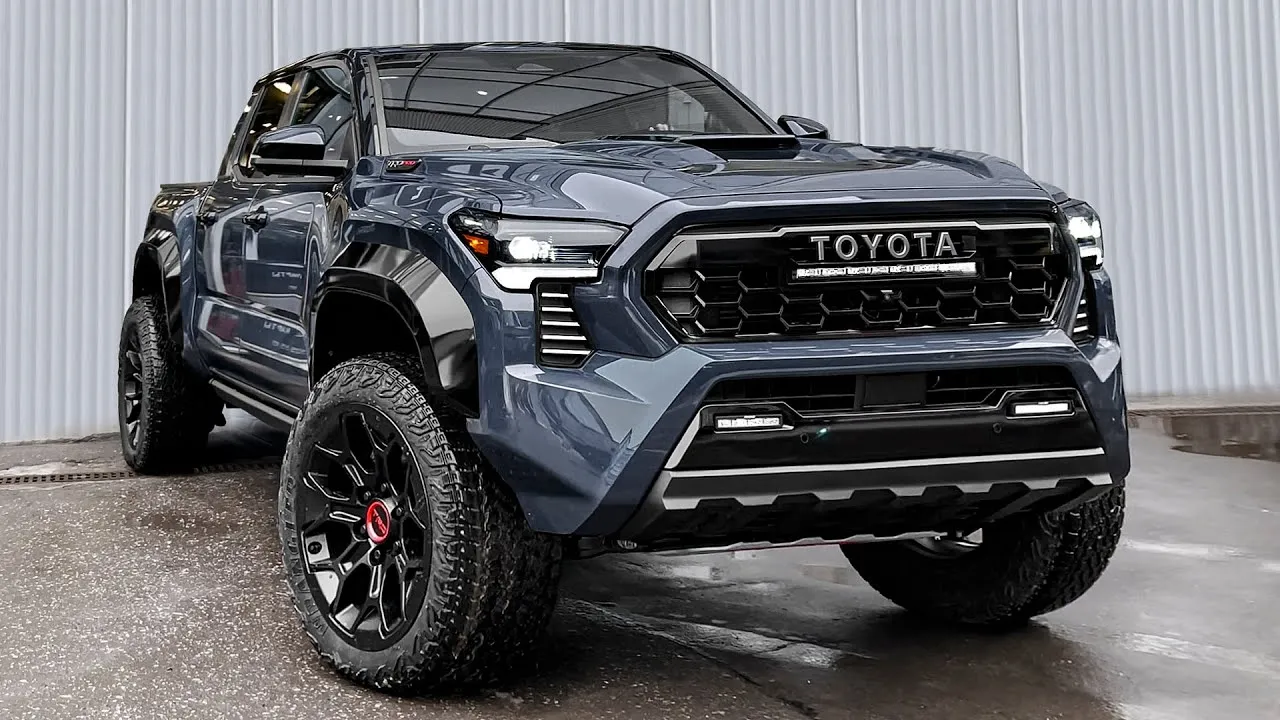
4. Toyota Tacoma
Recent updates have reshaped the Toyota Tacoma into a more city-friendly pickup without losing its reputation for durability. Size remains manageable compared to full-size trucks, which helps in crowded environments. Street width and parking availability feel less restrictive when driving this midsize model.
Low-speed handling shows clear improvement in newer versions. Steering response feels more direct, reducing effort during parking maneuvers. Suspension tuning strikes a better balance between firmness and comfort, allowing smoother travel over broken pavement common in older urban areas.
Interior layout focuses on function. Controls remain intuitive, and the infotainment system offers modern connectivity without overwhelming menus. Seating comfort supports daily commuting, and rear seats provide usable space for passengers or gear. Visibility benefits from thoughtful window placement, improving awareness in traffic.
Engine options supply adequate strength while remaining controlled. Turbocharged power delivers responsive acceleration when needed, yet calibration avoids aggressive behavior during slow movement. Automatic transmission tuning favors smooth transitions, which helps maintain calm progress through congestion.
Cargo versatility suits urban needs well. The bed length accommodates common hauling tasks without extending the vehicle length excessively. Accessories such as bed covers and tie downs improve security and organization.
Known reliability also appeals to city drivers who depend on consistent performance. For those wanting a traditional pickup feel adapted for modern urban use, the Toyota Tacoma offers a confident option.
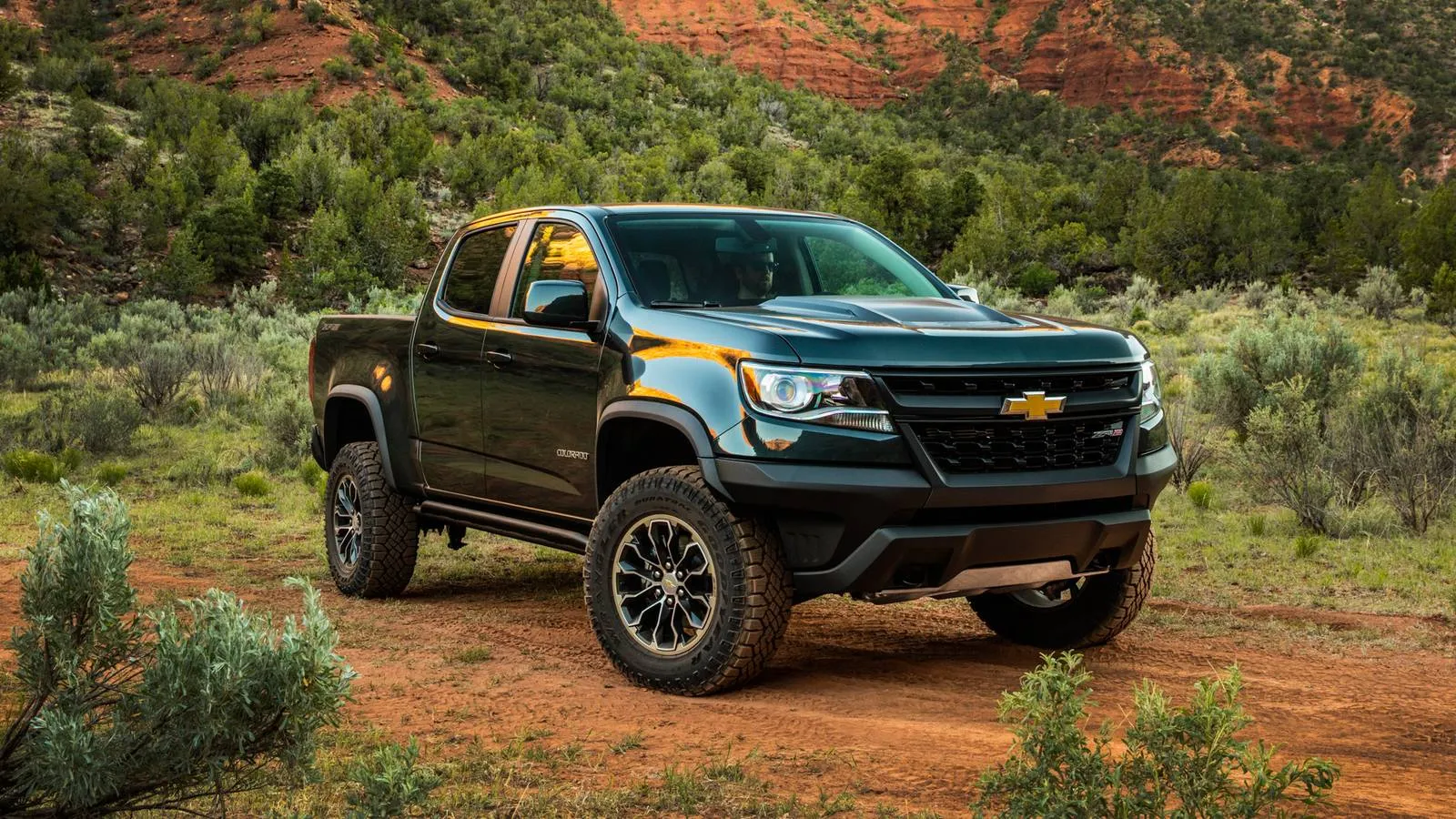
5. Chevrolet Colorado
Balanced sizing positions the Chevrolet Colorado as a capable yet city-manageable pickup. Falling between compact and full-size categories, it offers enough presence to feel substantial without overwhelming narrow streets. Urban drivers benefit from that middle ground during daily routines.
Steering and braking behavior support confidence in traffic. Low-speed control feels predictable, and braking response remains steady during frequent stops. Ride quality absorbs rough surfaces effectively, reducing jolts that often accompany body-on-frame trucks in city conditions.
Interior design blends practicality with modern features. Seats provide support without excessive bulk, and the driving position allows clear sightlines. Digital displays deliver useful information at a glance, helping drivers stay focused during short trips. Cabin noise stays controlled, which improves comfort during extended congestion.
Powertrain choices offer flexibility. Engine options provide enough torque for hauling without demanding constant throttle restraint. Fuel use stays competitive for a midsize pickup, especially during mixed urban driving. Transmission tuning favors smooth moves, reducing fatigue during stop-heavy conditions.
Bed utility remains a strength without adding unnecessary length. Cargo space handles everyday tasks such as furniture runs or weekend projects. Optional assistance features improve parking ease, which matters when space runs out. For drivers seeking a truck that balances capability with urban comfort, the Chevrolet Colorado fits neatly into city life.
5 Pickups That Struggle in Urban Settings
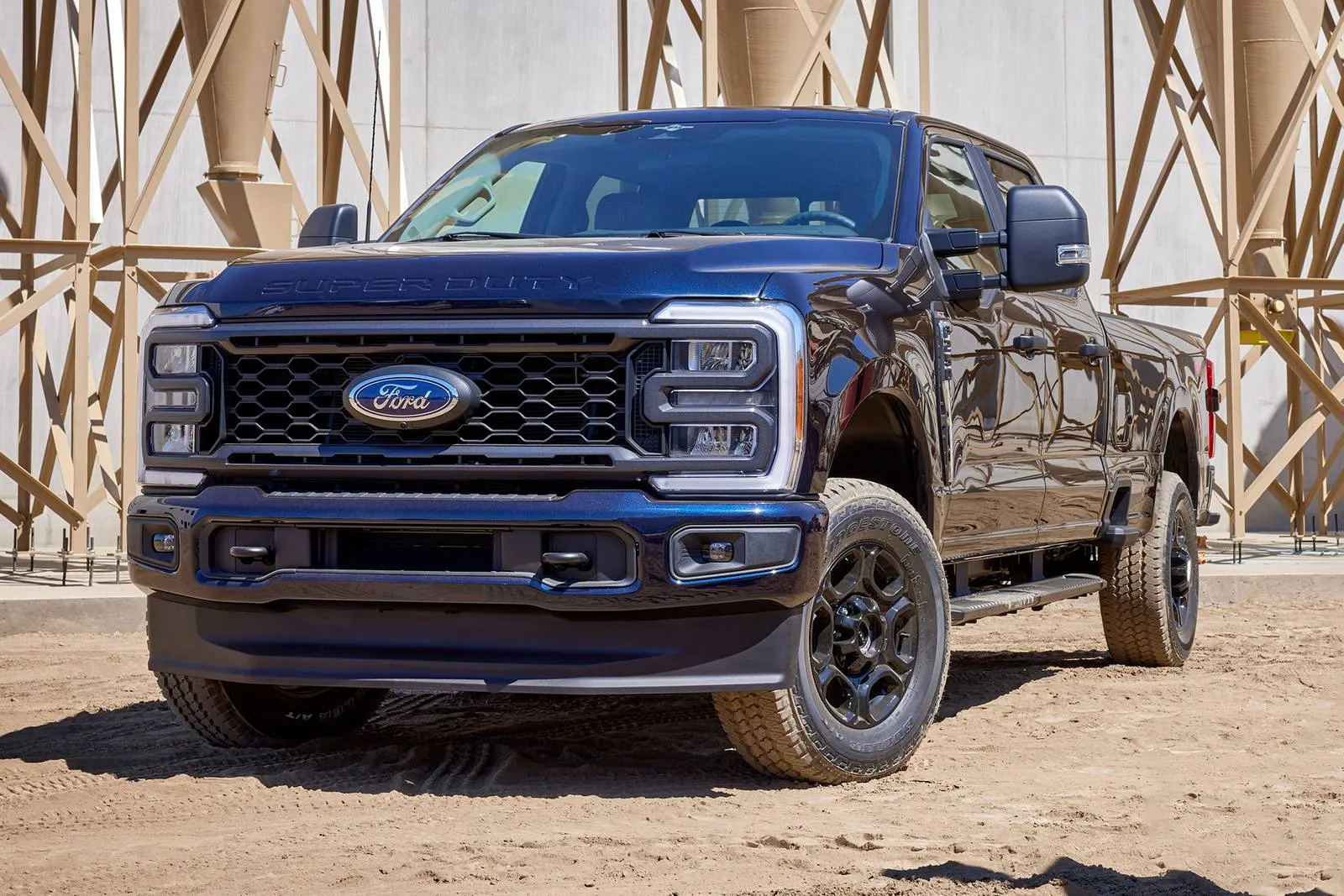
1. Ford F-250 Super Duty
Imposing size defines the Ford F-250 Super Duty, and that size becomes immediately apparent when maneuvering through city streets. Its long wheelbase and wide body make parking garages, narrow lanes, and crowded intersections demanding.
Simple errands require careful spatial awareness, and tight turns frequently demand multiple adjustments. Everyday driving feels more laborious than it does in midsize pickups, as every maneuver requires calculation rather than instinctive control.
Steering response at low speeds emphasizes stability and heavy load management rather than nimbleness. Turning the wheel requires noticeable effort, which can fatigue the arms during repeated city maneuvers. Tight corners demand slower navigation, and parking requires patience and deliberate planning.
Drivers accustomed to smaller pickups often find that the F-250 exaggerates small mistakes in confined areas, creating a sense of caution rather than confidence. Visibility presents a dual challenge. The elevated seating position offers a commanding forward view, yet side and rear sightlines are partially blocked by thick pillars and extended body panels.
Camera systems assist with blind spots, but reliance on technology cannot fully compensate for the physical presence of the truck. Drivers must constantly monitor distances from other vehicles, walls, and pedestrians to avoid collisions during everyday errands.
Engine output delivers immense power, yet that power feels unwieldy in stop-and-go traffic. Throttle sensitivity combined with vehicle weight results in a heavy-footed feel during low-speed driving. Braking remains reliable, but stopping distances are extended compared with smaller urban-focused pickups.
Frequent use in city conditions can feel physically and mentally taxing, as constant adjustments become part of every trip. Interior space emphasizes utility over everyday convenience. Multiple rows of seating and expansive cargo areas rarely see daily use in city driving. Ride comfort is tuned to accommodate heavy loads, which creates stiffness over short stretches of urban pavement.
Noise levels increase during slow maneuvers, as engine and road sounds penetrate the cabin more clearly than in smaller models. The Ford F-250 excels on highways and open lots where space allows confident movement.
Urban streets, however, demand agility, precise parking, and rapid response to changing traffic, qualities that the F-250 does not prioritize. Drivers in congested areas may find that even routine errands require additional time and focus, and daily commuting feels more strenuous than it does in pickups designed for tighter spaces.
This truck thrives when width, length, and turning radius are assets rather than liabilities, highlighting the mismatch between its strengths and the demands of city life.
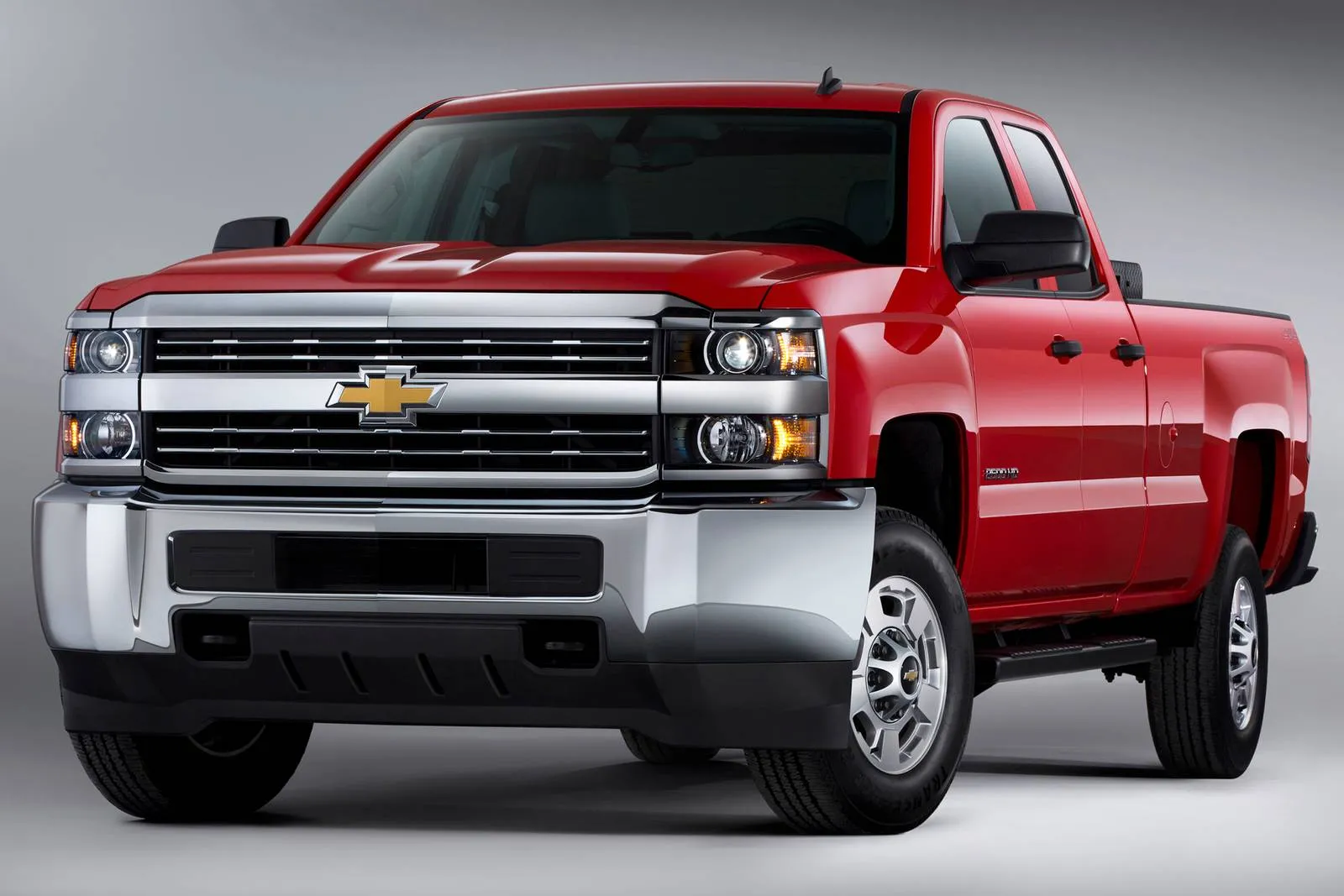
2. Chevrolet Silverado 3500HD
Massive build defines the Chevrolet Silverado 3500HD, and that mass creates constant challenges in urban settings. Long wheelbase, wide body, and high profile make simple driving tasks complicated. Parallel parking, curbside stops, and negotiating congested intersections require deliberate effort and attention. Short city trips magnify the difficulty, as every maneuver demands anticipation and precise control.
Steering feels firm but slow during low-speed movements. Maneuvering through narrow streets demands multiple corrections, and tight turns require patience. Even small adjustments can feel exaggerated due to the truck’s length and weight. Drivers must rely on spatial awareness rather than instinct alone.
Visibility presents mixed results. Forward vision is strong due to the seating height, but side and rear awareness are obstructed by large pillars and the bed length. Cameras and parking sensors provide guidance, yet they cannot fully remove the stress associated with dense city driving. Awareness must remain active at all times to prevent minor collisions.
Acceleration offers abundant power, yet this power becomes difficult to manage at low speeds. Stop heavy traffic highlights the truck’s mass and throttle sensitivity. Braking is reliable, but stopping distances feel extended in urban conditions. Constant adjustments are required to maintain safe spacing.
Cabin space emphasizes capacity over convenience. The rear rows and large cargo area are underused in city routines, and suspension tuning favors load bearing over comfort. Stiff responses to urban pavement reduce smoothness during repeated short trips.
Noise intrusion from the engine and road surfaces increases driver effort during slow-speed movement. Chevrolet Silverado 3500HD thrives on long hauls, construction sites, and open roads where room for maneuvering exists.
Dense city streets magnify its size, turning daily errands into effortful exercises. Drivers must carefully plan turns, parking, and lane changes, making the truck less suited for urban life compared with more compact alternatives.
3. Ram 3500
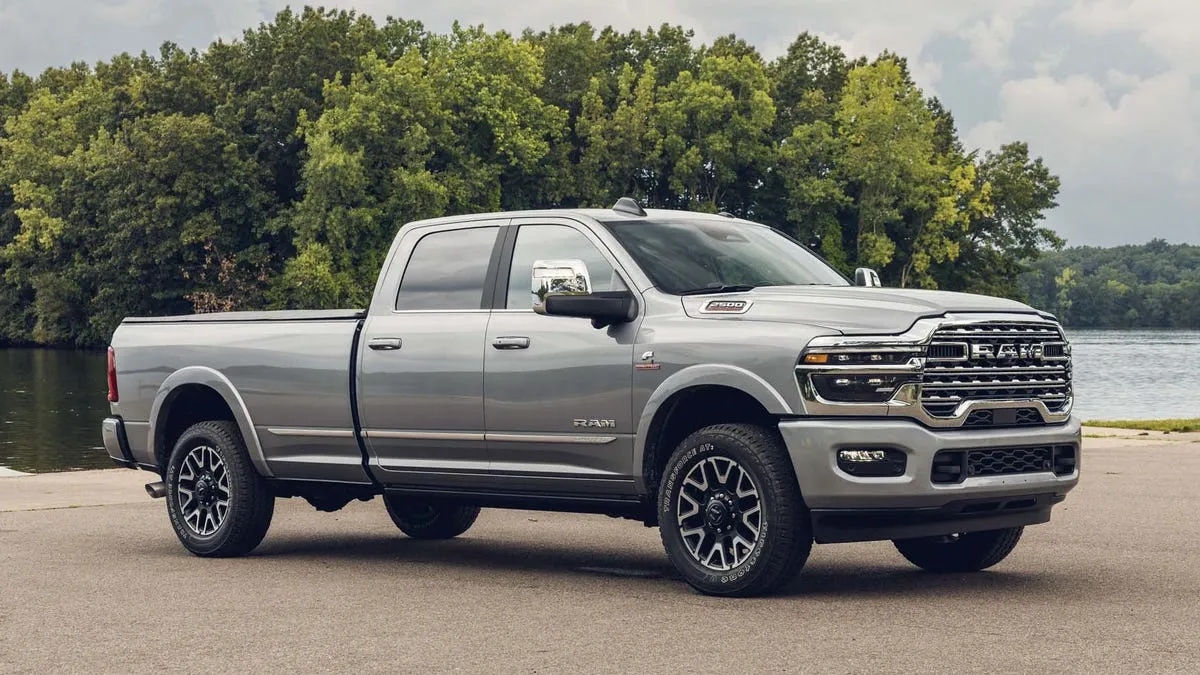
The Ram 3500 dominates space on any roadway, and that dominance complicates urban driving. Length, width, and height create challenges when negotiating tight streets, parking spaces, or crowded intersections.
Routine city driving becomes an exercise in patience, as even simple lane changes or curbside stops require constant evaluation of available room. The truck’s imposing stance may impress on open roads, but it translates into limitations where space is scarce.
Steering response at low speed emphasizes control rather than agility. Multiple adjustments are often necessary during turns, and slow-speed maneuvering requires effort and attention. Parking demands planning, and drivers must anticipate limited clearance in garages or narrow streets.
Directional changes feel deliberate rather than instinctive, increasing mental load in dense traffic conditions. Visibility remains a persistent concern. The tall cab and wide bed restrict side and rear sightlines, while blind spots feel larger than in smaller models.
Cameras assist, yet reliance on electronic aids does not fully replace situational awareness. Drivers must remain alert to avoid contact with obstacles or nearby vehicles during frequent urban maneuvers. Power delivery is immense, but urban conditions amplify challenges.
Engine responsiveness at low speeds can feel unwieldy, and braking distances extend with truck mass. Frequent stop-and-go traffic requires continual throttle modulation, increasing both effort and attention. Interior space emphasizes load capacity over daily convenience.
Seating rows and bed volume often exceed what is needed for urban errands, while suspension prioritizes heavy load handling over comfort. Noise intrusion intensifies during low-speed driving, and cabin calm diminishes in crowded conditions.
The Ram 3500 performs best on open roads and work sites. Urban environments with limited space highlight its limitations. Maneuvering, parking, and frequent directional changes demand higher effort than trucks designed with city life in mind. Drivers may find daily errands exhausting and less intuitive, revealing a mismatch between the vehicle’s strengths and dense urban requirements.
4. GMC Sierra 3500HD
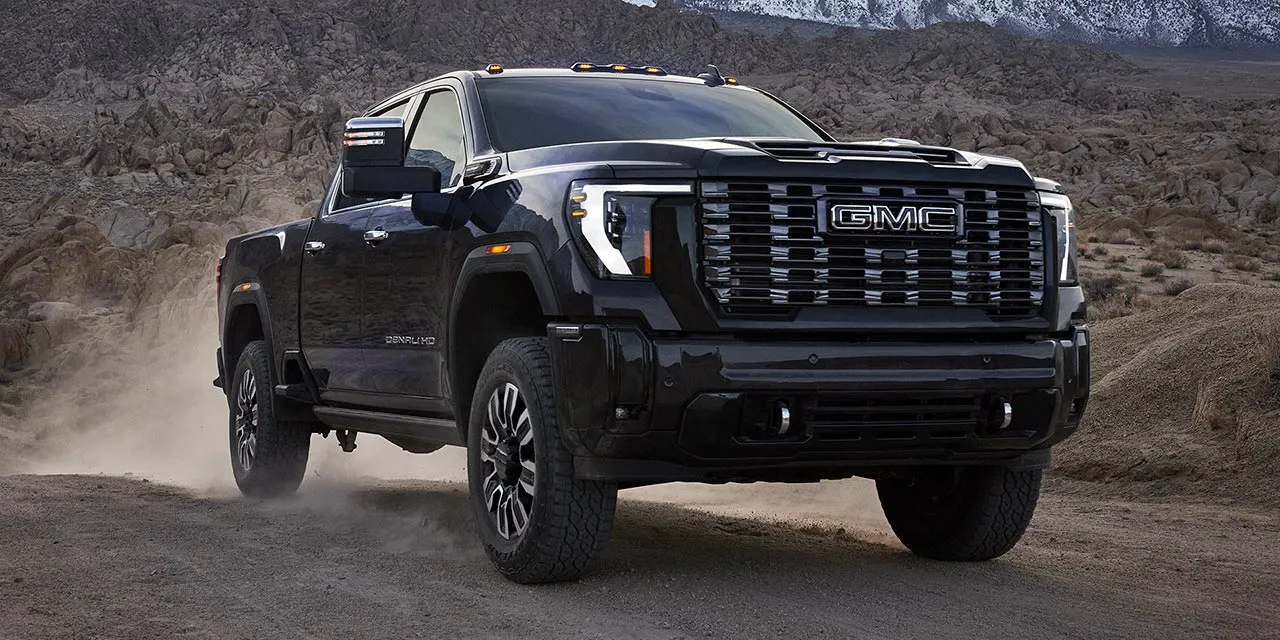
The GMC Sierra 3500HD carries an imposing presence that defines its performance, but that presence quickly becomes challenging in urban settings. Its long wheelbase, wide frame, and tall cab make confined streets, parallel parking, and narrow alleyways demanding to drive through.
Everyday errands transform into careful exercises in spatial judgment, as even minor maneuvers require planning, slow steering, and constant attention to surroundings. Low-speed handling emphasizes stability and weight management over agility.
Steering demands physical input and attention, especially during tight turns or lane moves in heavy traffic. Parking requires deliberate, calculated movements, often involving multiple corrections to align properly with curbside spaces or multi-level garages. Quick adjustments feel cumbersome, reducing confidence in dense traffic conditions.
Visibility remains a mixed experience. Elevated seating provides clear forward sightlines, yet thick pillars and extended bed length limit awareness to the sides and rear. Blind spots persist despite cameras and sensors, and urban driving forces continuous vigilance to avoid minor collisions.
Drivers must remain aware of proximity to pedestrians, smaller vehicles, and obstacles during frequent stops. Powertrain capabilities deliver immense torque and towing strength, yet that same power creates challenges in stop-and-go situations.
Low-speed acceleration feels heavy, requiring careful throttle control to maintain consistent spacing. Braking performance is reliable, but distances are extended relative to midsize urban pickups, further complicating city operation.
Cabin space prioritizes load capacity over convenience. Seating, cargo area, and storage options are designed for utility, but much of this volume goes unused during daily urban routines. Ride comfort prioritizes stability and load-bearing rather than absorbing city road imperfections, which can make frequent starts, stops, and tight maneuvers feel more demanding.
Noise intrusion increases during slow-speed driving, with engine and road sounds clearly noticeable, further affecting driver comfort. The GMC Sierra 3500HD excels in heavy-duty roles, hauling, and open-road scenarios where size and strength are assets rather than liabilities.
Dense streets, narrow lanes, and urban congestion highlight limitations in maneuverability, parking, and rapid directional changes. Drivers relying on this pickup for city commutes may find ordinary errands more time-consuming and physically taxing compared with more compact or urban-friendly models.
Urban life places constant demands on spatial judgment, throttle management, and steering precision, revealing that this pickup performs best in environments where width, length, and power align with open space rather than confined city streets.
Also Read: 5 Trucks That Balance Work and Comfort vs 5 That Don’t
5. Toyota Tundra TRD Pro
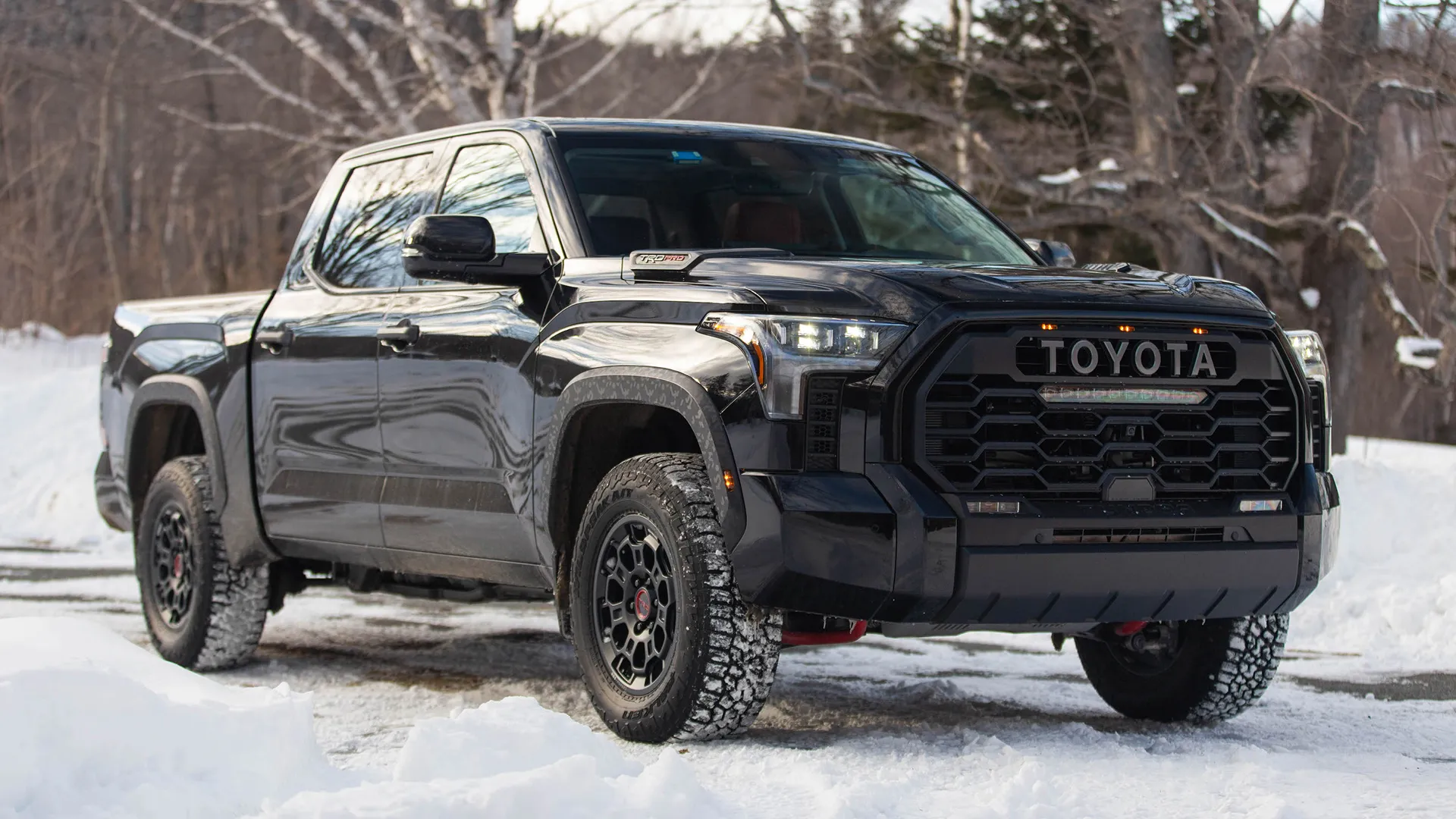
The Toyota Tundra TRD Pro embodies ruggedness and durability, qualities that serve well off-road or on expansive highways but become cumbersome in urban environments. Its broad frame, high ride height, and extended wheelbase create immediate challenges in confined spaces.
Narrow streets, parking lots, and curbside stops demand calculated steering and deliberate maneuvering. Urban driving transforms from routine into a series of concentrated tasks requiring constant assessment of available space.
Steering is tuned for stability under heavy loads rather than responsiveness in tight quarters. Slow-speed maneuvers, including parking and driving through intersections, feel laborious. Turns require careful planning, and multiple steering adjustments are often necessary to maintain correct alignment.
Quick reaction to surrounding traffic is more difficult due to vehicle mass and turning radius, reducing confidence in congested areas. Visibility presents mixed conditions. Forward vision benefits from elevated seating, yet side and rear sightlines are limited by thick pillars and wide body panels.
Blind spots remain important despite assistance systems, requiring constant attention during frequent stops and tight maneuvers. Cameras and sensors provide guidance but cannot fully replace spatial judgment in crowded settings.
Engine performance delivers robust acceleration and off-road capability, but low-speed responsiveness is less intuitive. Stop-and-go traffic exposes the vehicle’s weight and throttle sensitivity, increasing the effort required to maintain consistent spacing. Braking is solid, yet extended distances make repeated urban stops more demanding than in smaller pickups.
Interior features emphasize comfort and utility for long-distance or off-road travel rather than city practicality. Bed space and cabin volume exceed typical urban requirements, while suspension tuning favors load-bearing and off-road stability over smoothness on uneven city roads. Noise intrusion becomes more pronounced during slow movements, adding to driver fatigue.
Toyota Tundra TRD Pro excels where power, ruggedness, and clearance matter, such as on highways, construction sites, and off-road trails. Dense urban streets, tight corners, and limited parking spaces magnify its limitations. Daily errands demand careful steering, continuous spatial awareness, and deliberate throttle control.
While capable in many areas, the TRD Pro struggles to offer the ease of maneuverability and compact practicality that urban life requires. Its strengths shine outside cities, leaving urban owners with more effort than convenience during routine driving.
