Sports cars have long captured the imagination of automotive enthusiasts and casual drivers alike. The combination of sleek design, roaring engines, and the promise of thrilling performance has created a culture around certain models that borders on obsession.
Some cars achieve legendary status before many people even drive them, largely because of marketing campaigns, celebrity endorsements, or the fame of the brand behind them. Yet, not all highly celebrated sports cars live up to the expectations they generate. The gap between reputation and reality can be striking, leaving many owners feeling underwhelmed despite the car’s fame.
The appeal of a sports car is often tied to performance metrics such as acceleration, handling, and top speed. However, a car can excel on paper while failing in practical or everyday use.
Some models are praised for their aesthetics but struggle with reliability or comfort. Others may deliver initial excitement yet reveal design flaws or disappointing driving dynamics over time. Consumers attracted by the hype may later discover that their dream car is difficult to maintain or simply fails to perform as promised.
Media coverage also plays a significant role in the reputation of sports cars. Magazine reviews, online influencers, and automotive shows often emphasize excitement and style, sometimes glossing over shortcomings. This can create a disconnect between public perception and actual experience.
When these cars hit the road, owners may encounter problems that are less visible in promotional materials or brief test drives. The contrast between expectation and reality can be frustrating, particularly for vehicles that come with premium price tags.
Some of the most famous sports cars have struggled due to engineering compromises or design decisions aimed more at aesthetics than functionality. For instance, weight distribution, suspension tuning, and braking systems may fail to match the hype generated by their looks.
Luxury features can sometimes add unnecessary complexity, leading to maintenance issues that tarnish the experience. Buyers expecting flawless performance may feel disappointed when they realize the car requires more attention than anticipated.
This article examines ten sports cars that, despite widespread fame and recognition, often fail to satisfy enthusiasts. Each model earned attention for its promise of speed, style, or innovation but has shortcomings that prevent it from living up to its legendary status.
From quirky handling to disappointing reliability, these vehicles demonstrate that fame does not always equate to fulfillment. Understanding why these cars fall short provides insight into the complexities of automotive design and the importance of distinguishing marketing hype from real-world performance.
Also Read: 5 Cars That Require Minimal Repairs vs 5 That Need Frequent Fixes
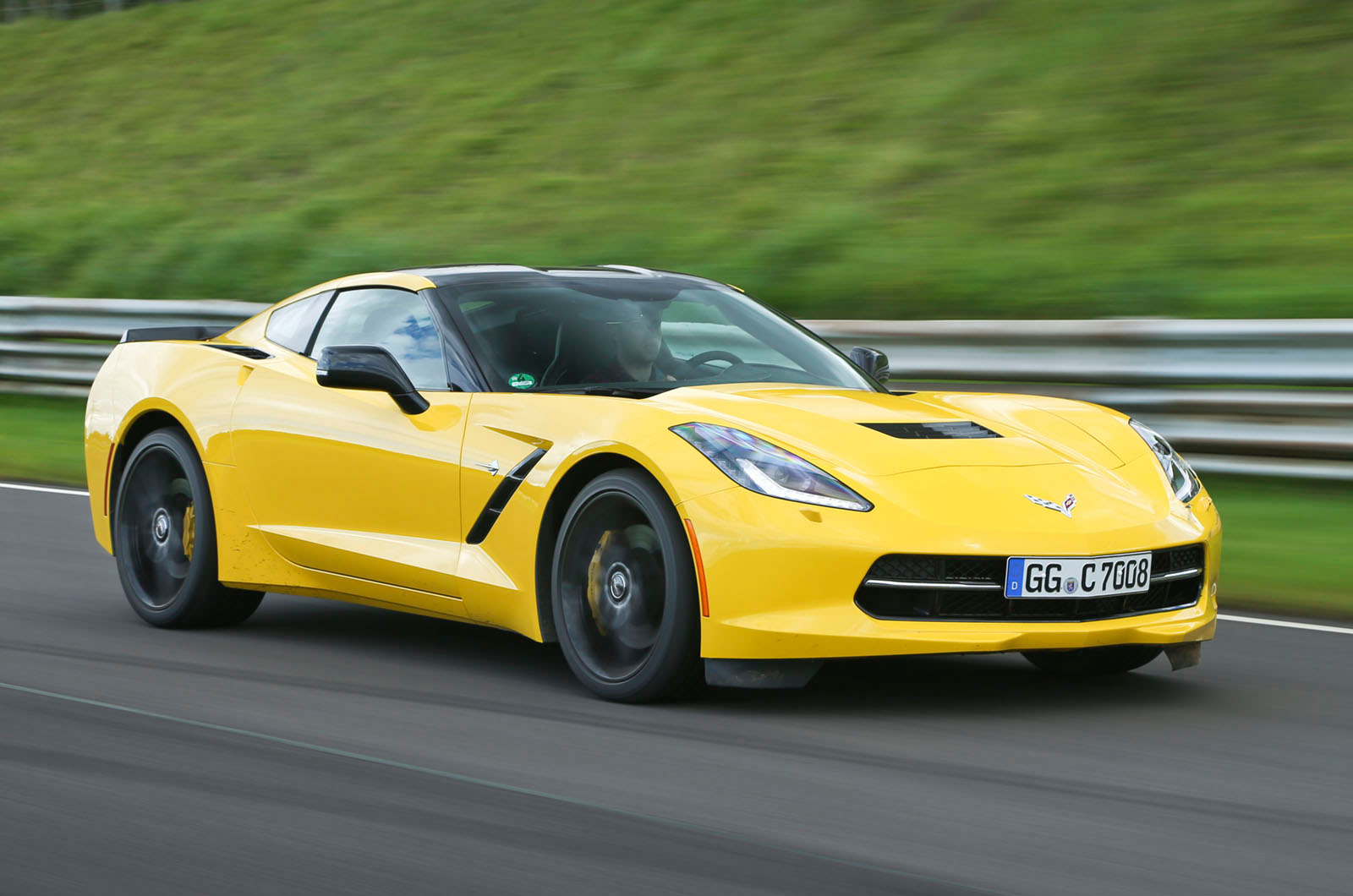
1. Chevrolet Corvette C7
The seventh generation of the Corvette arrived with high expectations and a design that promised sophistication and speed. Fans were excited about the new chassis and aggressive styling that aimed to compete with European sports cars. Yet, for many, the car struggled to live up to its reputation, especially in terms of refinement. The driving experience was impressive but not groundbreaking, leaving some enthusiasts wanting more.
Performance numbers looked impressive on paper, with the C7 boasting a powerful V8 engine. Acceleration and top speed were competitive, yet reviewers noted that handling sometimes fell short compared to lighter, more balanced rivals. The car’s weight distribution created challenges in tight corners, and the steering lacked the precision expected from a sports car of this caliber. The excitement was there but diluted by mechanical compromises.
Interior quality became another point of contention. While the dashboard and controls were upgraded from previous generations, the materials still felt inconsistent. Certain touchpoints lacked the luxurious feel expected at the price point. Drivers often reported that long trips could become uncomfortable due to seating design and cabin ergonomics. For a car celebrated for its performance, these compromises were unexpected.
Reliability also raised concerns among owners. Electronics were prone to glitches, and certain mechanical components required frequent attention. Although the car was generally durable, the maintenance costs could surprise buyers. Many expected a sports car experience without ongoing inconvenience, yet the Corvette C7 occasionally demanded both time and resources.
Despite its bold design and marketing success, the C7 demonstrates how fame can create expectations that reality does not fully meet. Enthusiasts appreciated the effort to modernize the Corvette, but practical issues prevented it from achieving legendary status. Its story illustrates that a powerful engine and striking looks alone do not define a satisfying sports car.
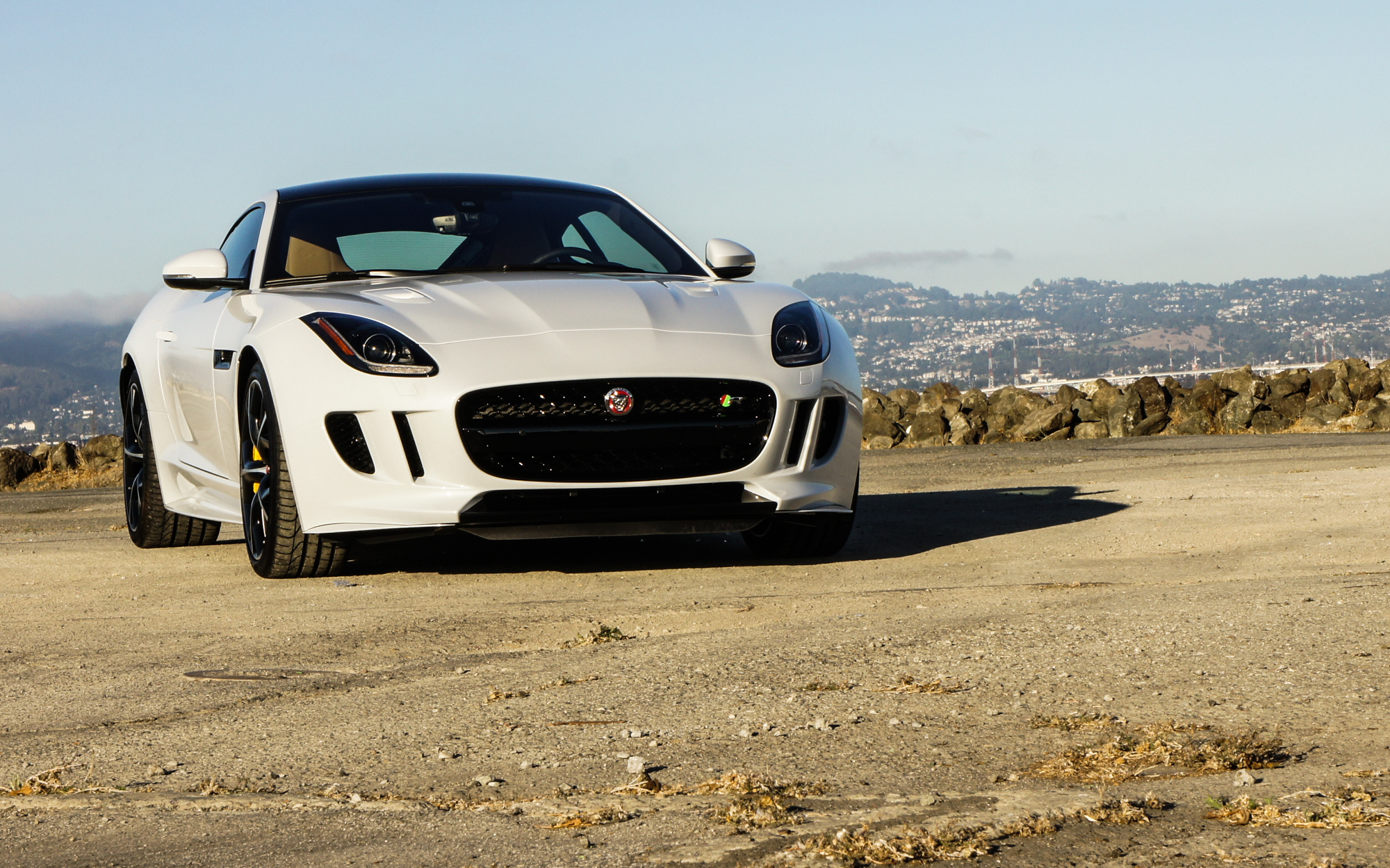
2. Jaguar F-Type
Jaguar’s F-Type made a grand entrance with a promise of British elegance and thrilling performance. The car was immediately popular due to its curvy design, powerful engines, and evocative exhaust notes. Advertisements portrayed it as a modern successor to classic Jaguar sports cars. In practice, however, the F-Type often left enthusiasts disappointed in areas beyond style.
Handling and ride quality were often criticized for being inconsistent. While the car could accelerate rapidly in a straight line, cornering sometimes felt less responsive than expected. The suspension leaned towards comfort, which diluted the sporty driving experience that buyers anticipated. Comparisons with German competitors often highlighted the F-Type’s shortcomings in precision and control.
The interior received praise for aesthetics but mixed reviews for practicality. Controls were stylish yet sometimes unintuitive, and cabin space was tighter than anticipated for a car of its reputation. Visibility issues and storage limitations also frustrated owners who expected a well-rounded experience. For a high-profile sports car, convenience was often sacrificed for design.
Another source of disappointment was reliability. Some engine variants suffered from cooling and electronic problems that required costly repairs. The durability did not match the hype, leading to frustration among buyers who invested in the brand’s promise of excellence. Warranty coverage helped, but recurring issues reduced confidence.
Despite the F-Type’s beauty and powerful engines, it often fails to live up to expectations. Its reputation is built on visual appeal and performance potential rather than consistent real-world satisfaction. Enthusiasts may enjoy occasional bursts of excitement, but day-to-day ownership can be underwhelming compared to its fame.
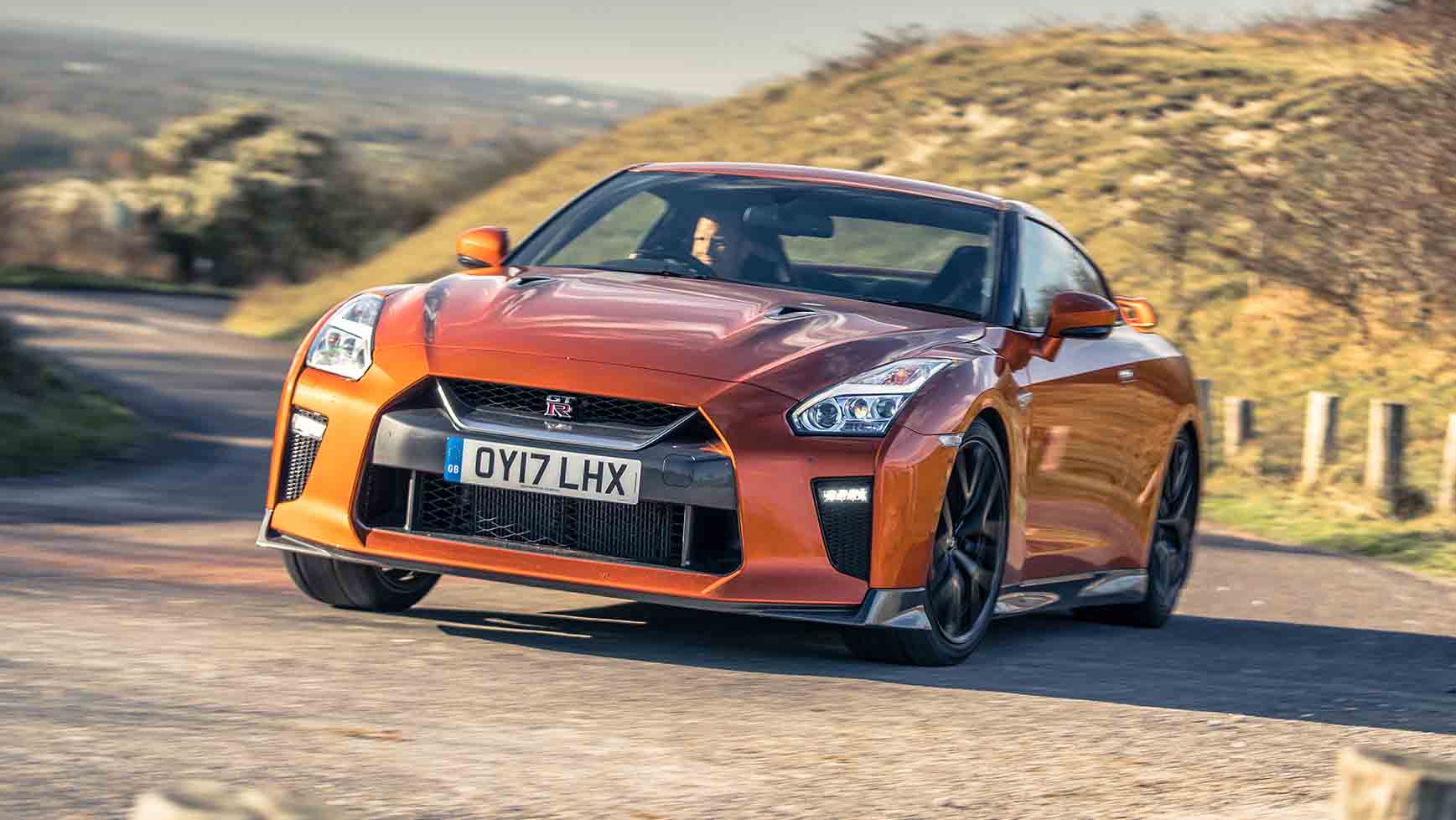
3. Nissan GT-R R35
The Nissan GT-R R35 has long been marketed as a high-performance icon capable of competing with far more expensive European cars. Its twin-turbocharged V6 and all-wheel-drive system promised astonishing speed. Initially, the car captured the imagination of the public and automotive media alike. Yet, over time, some drivers found that the GT-R’s fame was not fully justified.
One criticism lies in the car’s handling characteristics. While extremely fast in a straight line, the steering lacks natural feedback, creating a disconnect between driver input and road response. Cornering at high speeds can feel mechanical, contrasting sharply with the visceral driving experience many expect from a car of this caliber. Precision is sacrificed for raw power.
The interior of the GT-R is functional but often feels dated. Materials do not match the expectations set by the car’s price point. Simple elements such as seating comfort, cabin finish, and infotainment interface leave a sense that the car emphasizes performance statistics over driver experience. For long drives, the GT-R can feel less refined than its competitors.
Reliability and maintenance costs are other considerations. While generally durable, the car’s complex systems demand specialized care. Owners must invest in high-quality servicing, and parts replacement can be expensive. The cost of ownership sometimes overshadows the thrills of its acceleration and top speed.
In essence, the Nissan GT-R R35 offers remarkable technical specifications and fame that precedes it. However, a combination of uninspiring handling, outdated interior, and high upkeep detracts from the experience. Its legacy is impressive, but actual ownership can be surprisingly underwhelming.
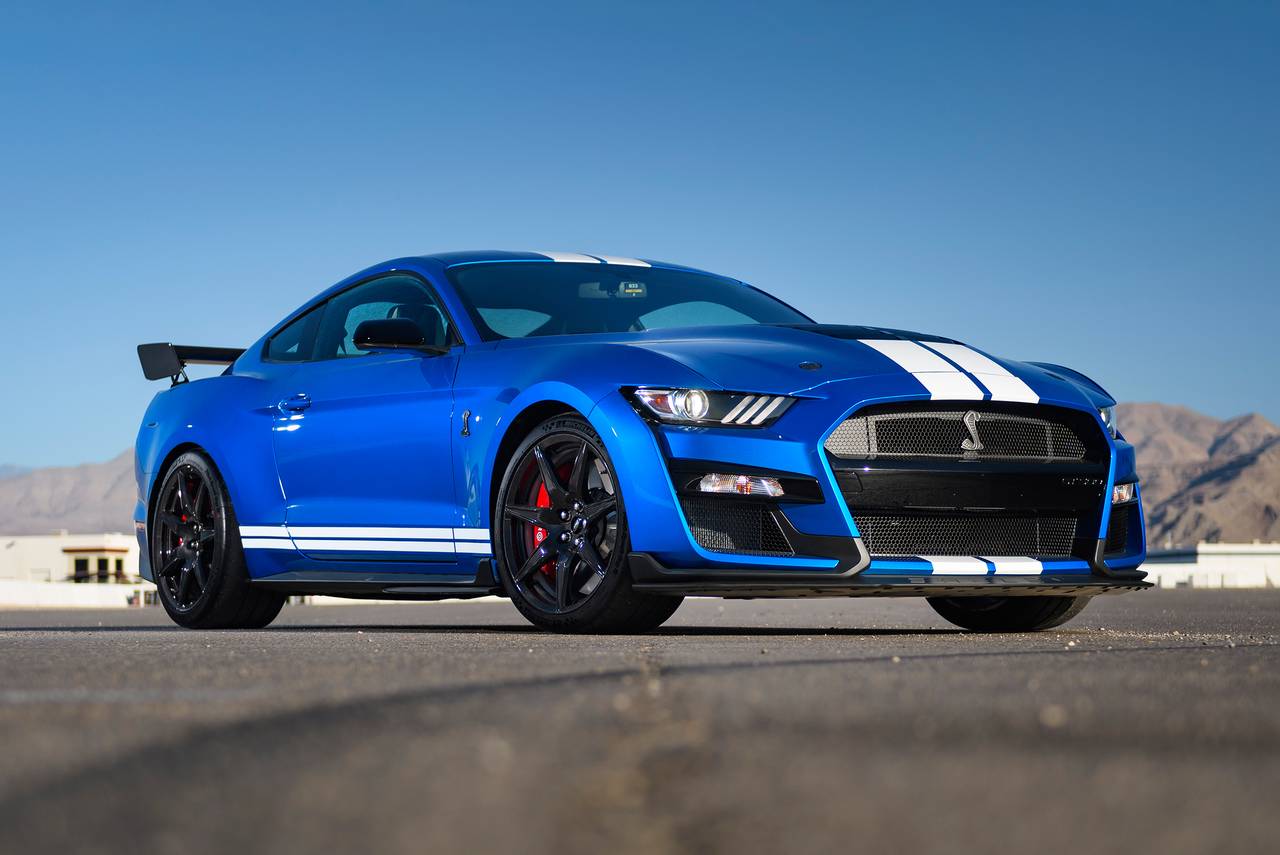
4. Ford Mustang Shelby GT500
The Ford Mustang Shelby GT500 carries a storied nameplate and is celebrated for raw American muscle power. Its V8 engine delivers explosive acceleration and deep, attention-grabbing exhaust tones. Marketing campaigns highlight its dominance on the track and on the street. Despite this, many drivers find that the car does not meet the nuanced expectations of a modern sports car.
One key issue lies in handling and agility. The car is heavy, which limits cornering ability despite powerful brakes and advanced suspension. While straight-line speed thrills, the driving dynamics on winding roads can feel cumbersome. Enthusiasts expecting a nimble sports car may feel constrained by the vehicle’s weight and bulk.
Interior comfort is another area of concern. The cabin design prioritizes tradition over modern ergonomics, and materials often feel inconsistent with the car’s high price. Long-distance comfort and driver convenience take a backseat to performance hype. The technology features are adequate but fail to impress in comparison with competitors.
Fuel economy and practicality also disappoint. The GT500 is notoriously thirsty, requiring frequent stops for premium gasoline. Daily driving is often expensive and inconvenient, especially for owners expecting a more versatile sports car. Practicality limitations reduce the appeal beyond the thrill of speed.
The Shelby GT500 embodies the contrast between fame and reality. Its legendary engine and brand recognition are undeniable, yet the car’s weight, comfort issues, and practicality limitations prevent it from fulfilling the broad expectations associated with its status.
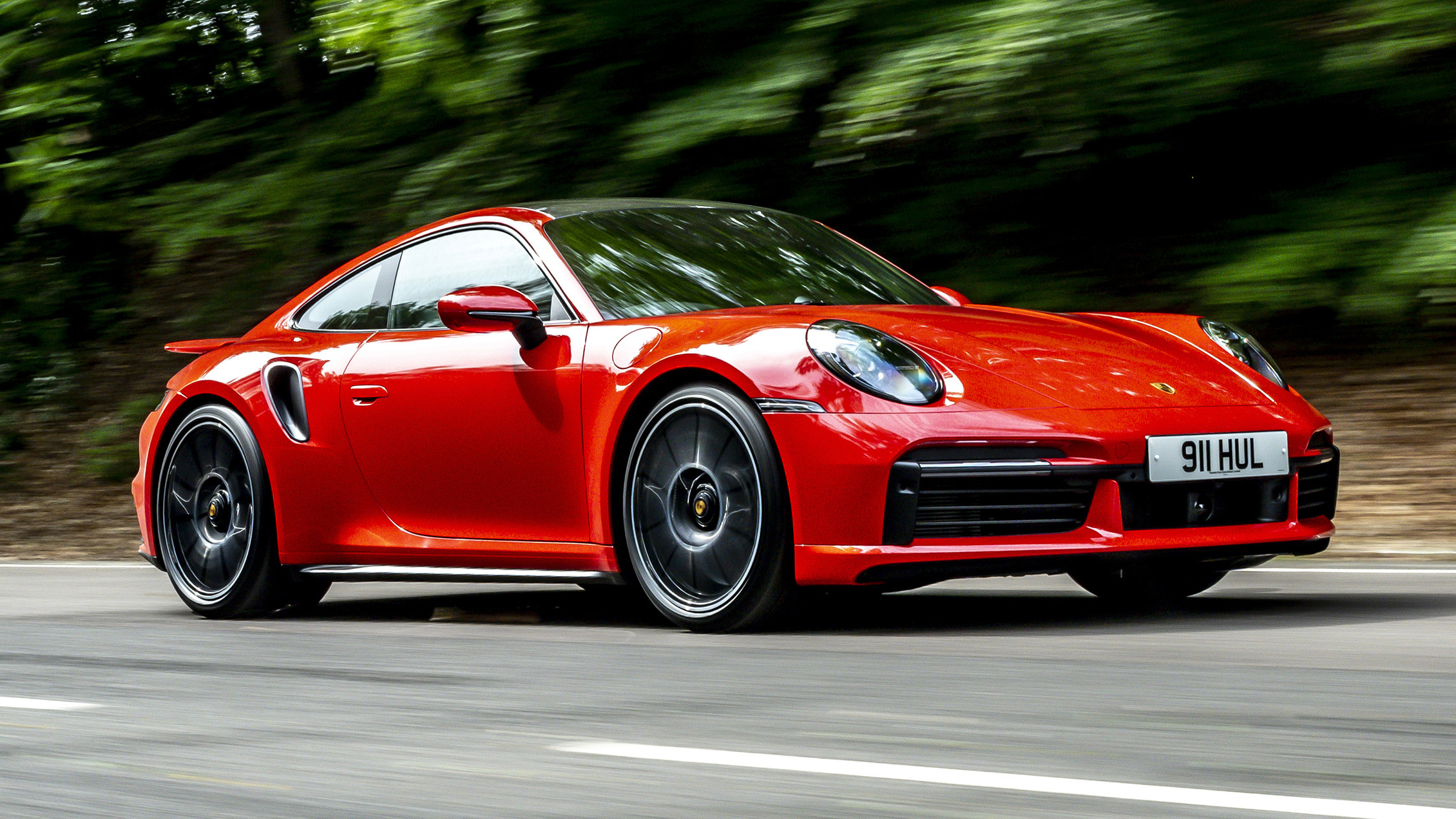
5. Porsche 911 (996 Generation)
The Porsche 911 996 generation promised to carry the prestige of one of the most iconic sports cars in automotive history. It featured modernized design elements and performance upgrades. Enthusiasts had high expectations for driving dynamics and build quality. Despite its fame, the 996 is often considered a controversial model within Porsche’s lineage.
A major concern was the styling change, which replaced classic round headlights with a more modern, controversial design. Many fans felt the car lost its traditional 911 charm. This visual departure created a gap between expectations and the actual appeal of the vehicle. Aesthetics became a significant source of disappointment.
Engine reliability was another issue. Early 996 models were plagued by problems with the intermediate shaft bearing, which could lead to catastrophic engine failure. The need for costly repairs or preventative maintenance undermined confidence in what should have been a dependable sports car. Owners often found these concerns stressful and expensive.
Interior quality also drew criticism. While functional, the cabin lacked the refinement and tactile luxury associated with Porsche. Material choices and ergonomics were less satisfying than competitors, making the driving experience feel less special than expected. High price did not translate into expected comfort.
Despite excellent performance potential, the 996 generation of the Porsche 911 demonstrates that fame does not guarantee satisfaction. Its combination of design changes, reliability concerns, and interior compromises tarnished the reputation of a model that carries one of the most storied names in sports cars.
Also Read: 5 Cars That Handle High Mileage Well vs 5 That Struggle
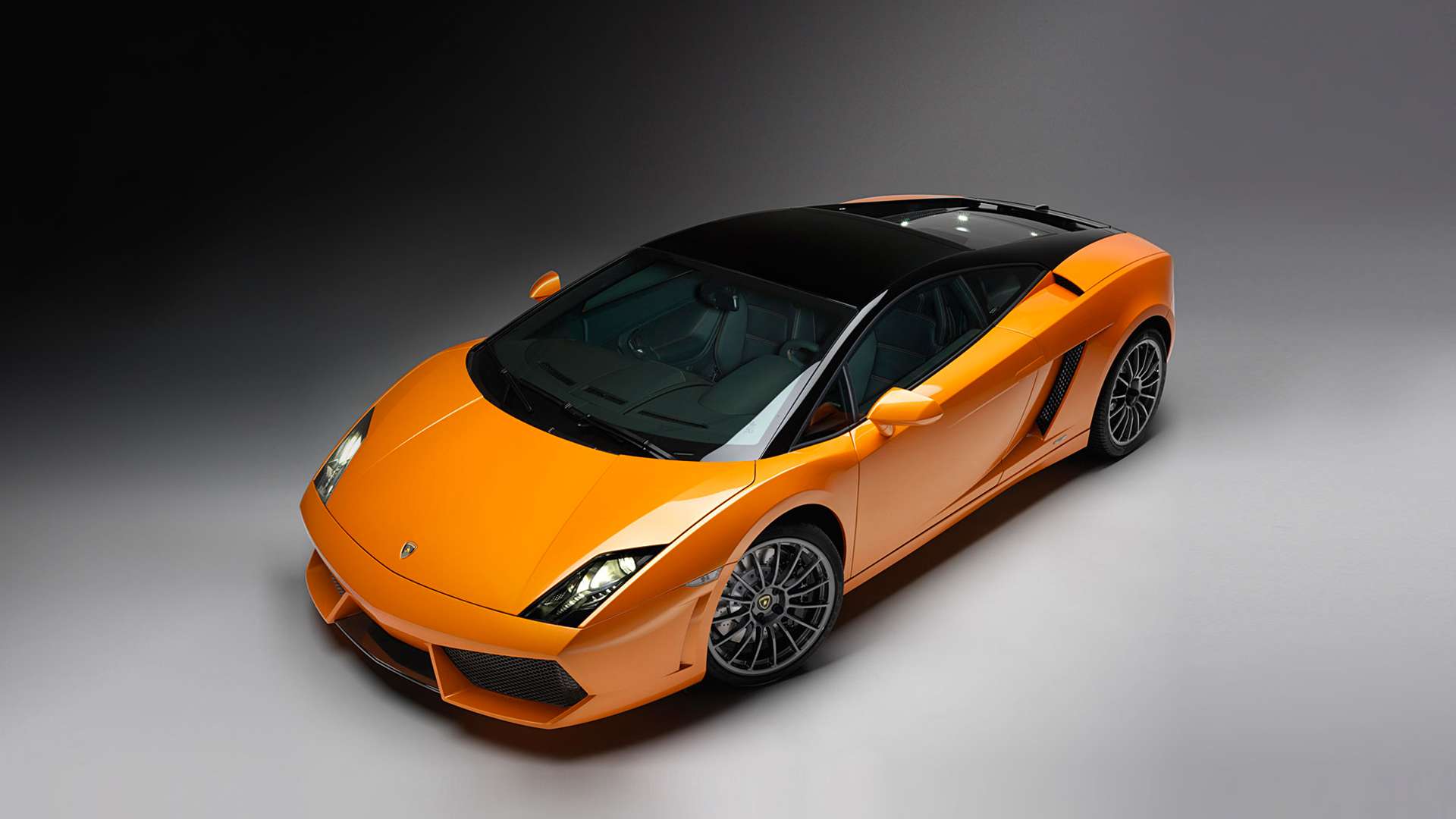
6. Lamborghini Gallardo
The Lamborghini Gallardo earned immediate fame for its aggressive design, iconic scissor doors, and the promise of supercar performance at a comparatively attainable price. Upon release, the Gallardo became a status symbol, appealing to enthusiasts and celebrities alike. Its roaring V10 engine and distinctive exhaust note generated excitement, and marketing positioned it as a car that combined raw performance with Italian flair.
However, while visually striking, the Gallardo has several aspects that left owners underwhelmed once the novelty faded. Its performance, though impressive on paper, does not always translate to a rewarding driving experience. Handling, while sharp in certain conditions, can feel twitchy at low speeds, and the car’s wide body and stiff suspension often make city driving uncomfortable.
Engine performance is undeniably potent, but the Gallardo can feel less refined than competitors in terms of throttle response and transmission smoothness. The early models used a traditional manual transmission that required precise skill to operate effectively, and the automated systems sometimes failed to replicate the satisfaction of a traditional gearbox.
The car’s acceleration is breathtaking in controlled conditions, yet everyday usability is compromised by a high-strung engine that demands constant attention. Enthusiasts who anticipated effortless supercar performance could be frustrated by the car’s demanding nature.
Interior comfort is another area where the Gallardo falls short of expectations. While the cabin design is modern and visually appealing, materials can feel inconsistent, and ergonomic compromises are common. Seating can be uncomfortable for longer drives, and visibility is limited due to the low seating position and sharply sloped windshield.
The car’s interior, while glamorous in photos, often feels less practical than one would expect for a high-profile sports car, highlighting the gap between fame and usability.
Maintenance and reliability also contribute to disappointment. Exotic components require specialist servicing, and repair costs can quickly mount. Some early Gallardo models had issues with electrical systems, suspension components, and clutch mechanisms, which could make ownership both expensive and inconvenient.
The combination of limited warranty coverage and high operating costs made the car less appealing to those expecting a carefree driving experience.
Lamborghini Gallardo is an example of a car that thrives on visual appeal and reputation rather than consistent practicality or refined driving dynamics. While it delivers a thrilling image and engine sound, its handling quirks, interior compromises, and high maintenance costs prevent it from fully meeting the expectations created by its fame. Enthusiasts may admire it from afar, but hands-on experience often tempers that admiration with frustration.
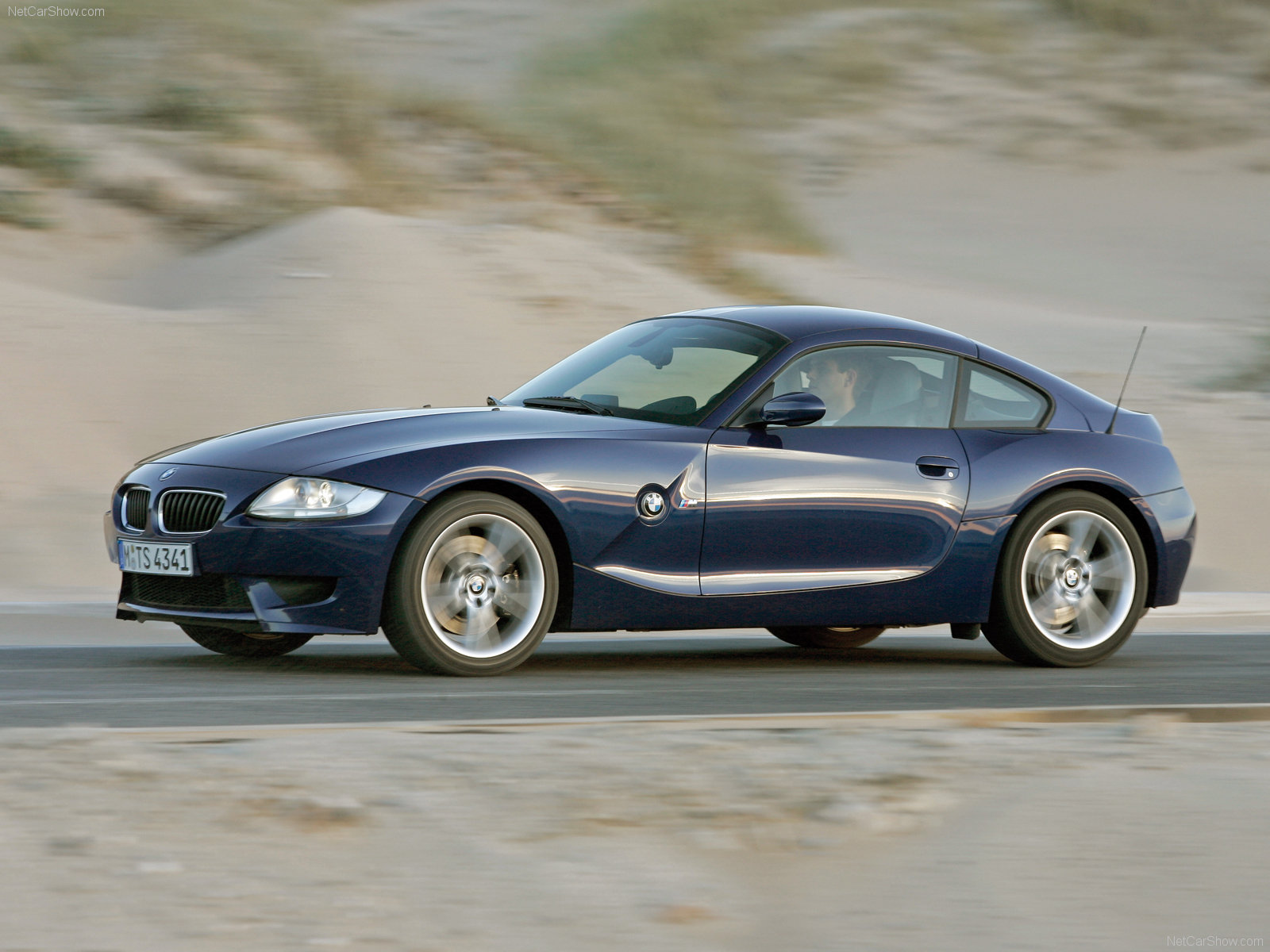
7. BMW Z4 M Coupe
The BMW Z4 M Coupe was introduced as a high-performance version of the popular Z4 roadster, promising sharp handling, sporty looks, and the engineering excellence associated with BMW’s M division.
On paper, the car’s inline-six engine offered impressive power and torque, while the coupe design suggested a perfect balance between sportiness and everyday usability. Initial reviews were enthusiastic, emphasizing the car’s potential to compete with German rivals.
Yet, the Z4 M Coupe’s reputation as a driver’s dream did not always hold up in practice, leaving some enthusiasts underwhelmed. Its aggressive styling and compact proportions attracted attention, but the car’s actual driving experience occasionally fell short of the hype.
Handling, though precise, can feel harsher than expected for a road car. The suspension, tuned for sporty performance, can become uncomfortable on uneven roads, reducing long-distance comfort. Additionally, the car’s relatively high curb weight compared to its competitors affects agility, especially during quick directional changes.
While responsive, the Z4 M Coupe often requires constant driver input to achieve its full potential, making it less forgiving than other sports cars in the same segment.
Interior design and ergonomics contribute to mixed impressions. The cabin incorporates BMW’s standard layout, but materials sometimes feel less premium than the car’s price would suggest.
The limited space and tight seating arrangement can create discomfort during extended drives, and storage options are minimal, which reduces everyday practicality. Drivers expecting both performance and comfort may find compromises frustrating in a vehicle marketed as a high-end sports car.
Reliability and maintenance further temper enthusiasm. The inline-six engine is generally strong, but some models experienced cooling system issues, oil leaks, and suspension component wear that required attention.
Replacement parts and service costs are higher than average, diminishing the car’s appeal for those expecting low-maintenance ownership. Even minor issues can affect the driving experience, highlighting the gap between perceived and actual quality.
The BMW Z4 M Coupe exemplifies a sports car that is visually appealing and technically competent but occasionally fails to deliver a wholly satisfying ownership experience. Its fame is driven by the M badge and performance potential, yet day-to-day usability, comfort, and reliability concerns prevent it from consistently living up to expectations.
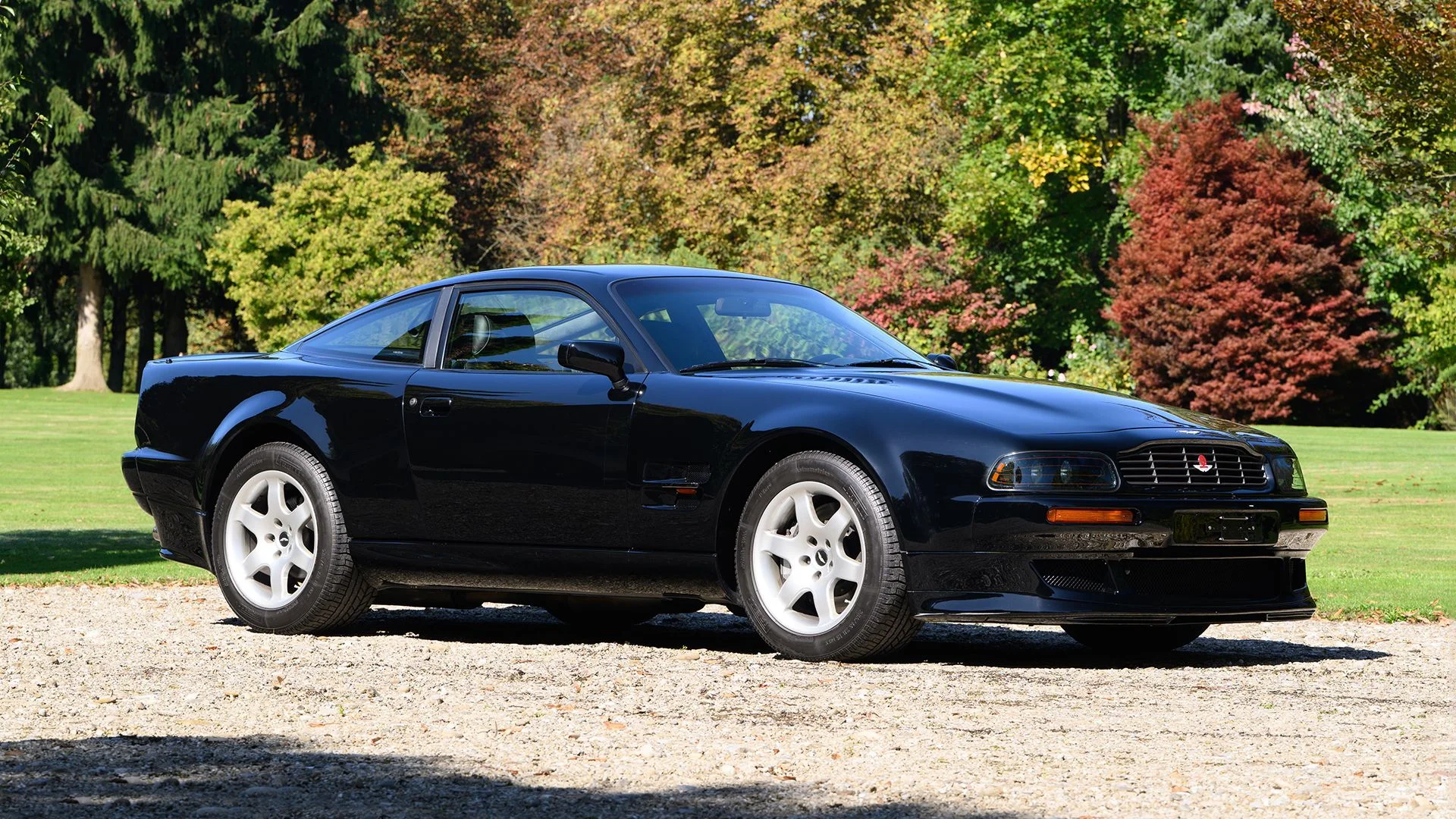
8. Aston Martin V8 Vantage
The Aston Martin V8 Vantage is celebrated for its combination of British elegance and performance promise. Its low-slung body, refined curves, and distinctive grille design captured global attention, making it a symbol of luxury and style.
The car’s V8 engine produces a satisfying growl, and marketing emphasizes a blend of sophistication and speed. Yet, behind the visual appeal, the V8 Vantage has aspects that frequently leave owners underwhelmed, particularly when it comes to handling, interior comfort, and practicality.
While acceleration is strong, the V8 Vantage does not always deliver the sharp handling associated with a true sports car. The steering can feel overly assisted at times, reducing road feedback and making high-speed cornering less intuitive than expected.
Enthusiasts often find that the car emphasizes elegance over raw driving engagement, which may be disappointing for buyers who anticipated a more visceral connection to the road.
Interior quality, although luxurious, has drawbacks. Certain early models suffered from inconsistent material quality and ergonomics that were not optimized for driver comfort.
The seats, while stylish, can become fatiguing during longer trips, and the cabin layout sometimes prioritizes aesthetics over functionality. Limited storage space and visibility constraints further reduce the practicality of a car that otherwise looks exceptional.
Reliability issues have been reported in multiple areas, including electronics, suspension components, and engine-related systems. Service and maintenance costs are high, particularly for replacement parts and specialized labor. These issues can frustrate owners who expected a seamless ownership experience and highlight the hidden costs of driving a car that is celebrated for its design rather than day-to-day dependability.
The Aston Martin V8 Vantage delivers style and engine appeal that earn it fame, yet its limitations in handling precision, interior usability, and reliability demonstrate why not all celebrated sports cars meet expectations. The Vantage is admired for its appearance and sound, but practical driving experience often falls short of the hype surrounding the model.
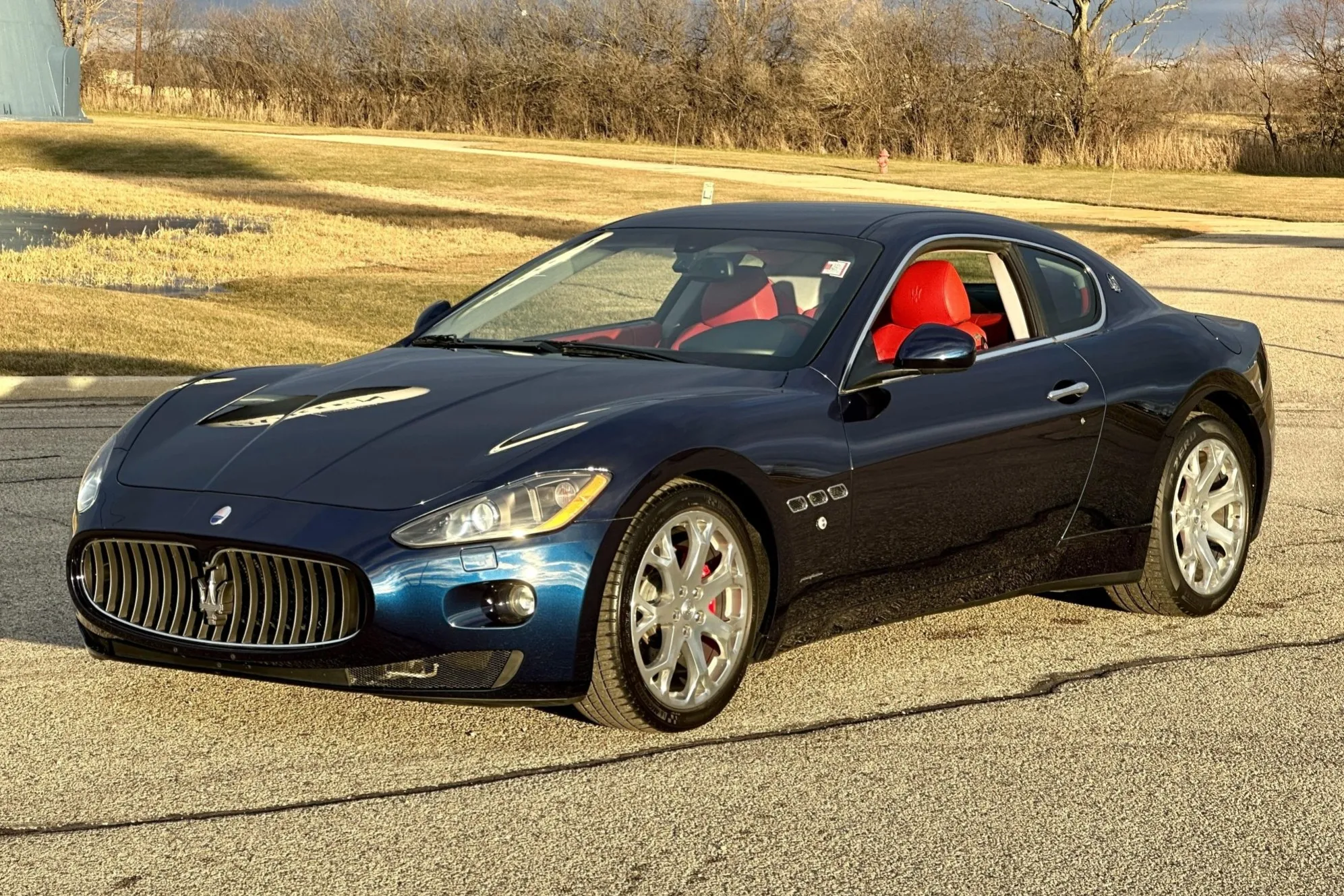
9. Maserati GranTurismo
The Maserati GranTurismo gained fame as a luxurious grand tourer that combined Italian style, a powerful V8, and a promise of a thrilling driving experience. Its sweeping lines and distinctive grille captured attention immediately, creating a perception of excellence and exclusivity.
Owners were drawn to its image and the emotional appeal of Maserati branding. However, while striking on the outside, the GranTurismo often disappoints in areas critical to the sports car experience, including handling, interior refinement, and reliability.
Performance numbers are impressive, but the car’s weight and suspension tuning reduce agility. Cornering at high speed can feel cumbersome, and the steering lacks the precision expected from other cars in its class. Drivers seeking a more dynamic, engaging experience may find the GranTurismo’s driving dynamics underwhelming, particularly when compared with lighter, more focused competitors.
The interior combines luxury with style, yet usability is compromised. Controls are sometimes unintuitive, and material quality, while attractive, can feel inconsistent.
Seating comfort is adequate, but long trips reveal ergonomic shortcomings. Storage space is limited, reducing practicality for daily use or extended travel. While visually appealing, the cabin does not fully deliver the functional satisfaction expected in a premium sports car.
Reliability is another concern, as Maserati has historically faced issues with electronics, engine components, and suspension systems. Maintenance and repair costs are high, and parts availability can be limited. Owners often experience frustration when problems arise, challenging the perception that a high-profile brand automatically ensures dependable ownership.
The Maserati GranTurismo is a car celebrated for its design, engine sound, and image, yet its handling compromises, interior quirks, and reliability concerns show why fame does not guarantee satisfaction. Buyers may be enchanted by its aesthetics, but day-to-day ownership and dynamic driving experiences can leave them disappointed.
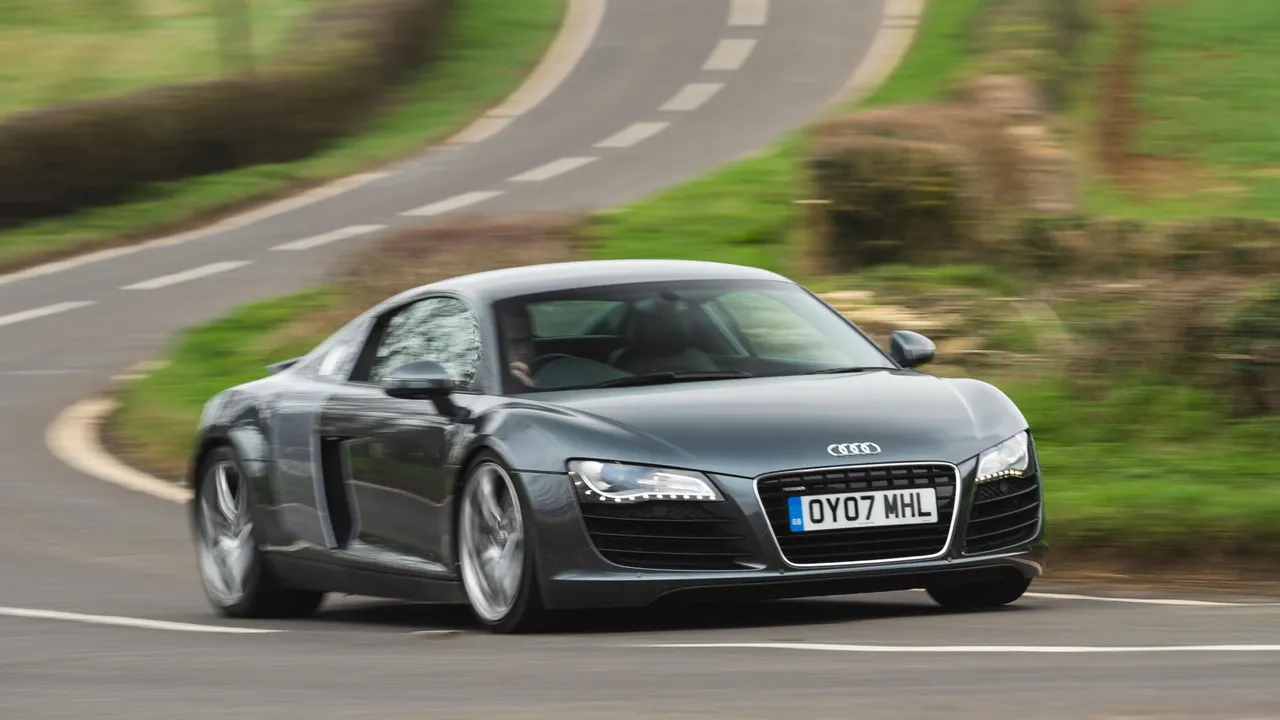
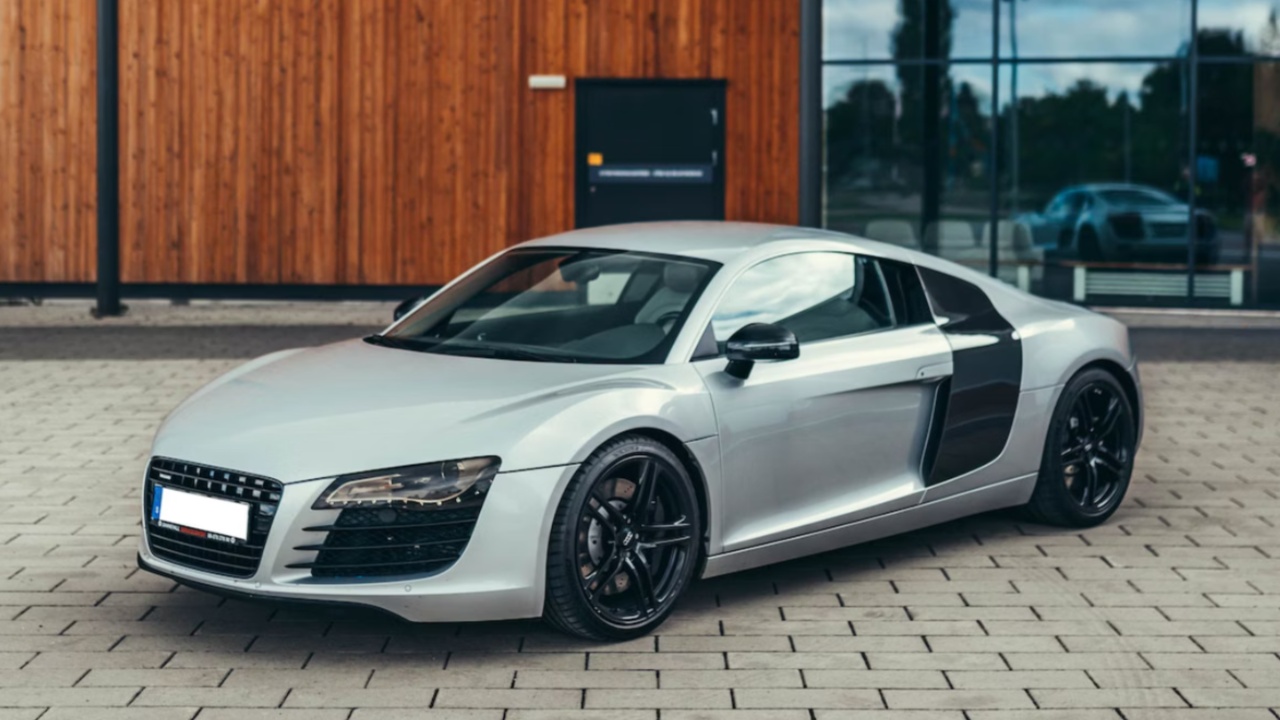
10. Audi R8 V8 (First Generation)
The first-generation Audi R8 V8 made headlines with its mid-engine layout, quattro all-wheel drive, and claims of combining supercar performance with everyday usability. It received praise for its striking design, advanced engineering, and comfortable cabin, making it one of the most famous sports cars of its era.
Despite this acclaim, the R8 V8 had certain characteristics that left enthusiasts underwhelmed, particularly when expectations were set by its reputation.
Handling is competent and stable, yet the car lacks the raw engagement of rival supercars. The quattro system enhances traction, but steering feedback is muted, which reduces the connection between driver and road. While comfortable on highways and during casual driving, the R8’s dynamics can feel less thrilling during spirited cornering compared to lighter, more specialized sports cars.
Interior quality is generally high, but certain design choices prioritize aesthetics over usability. Controls are modern and stylish, yet visibility and ergonomics can be challenging. The cabin accommodates two passengers comfortably, but storage is limited, reducing practicality. Some elements feel less tactile than expected for a car with a high-performance pedigree, leaving owners with minor frustrations over daily usability.
Engine reliability is mostly solid, but early models occasionally experienced minor electronic issues or mechanical quirks. Maintenance costs are high due to the exotic components, and repairs often require specialized knowledge. Owners expecting flawless performance may find these hidden costs and occasional service needs detract from satisfaction.
The first-generation Audi R8 V8 is a car whose fame is deserved in terms of image and engineering innovation, but it can leave drivers disappointed in terms of engagement and practicality. Its balance of comfort, speed, and style comes with compromises that reveal the gap between a car’s reputation and the reality of ownership.