
Urban streets, crowded parking lots, and weekend road trips demand an SUV that balances practicality, comfort, and responsiveness. For many buyers, the appeal of an SUV goes beyond cargo space or off-road capability. The vehicle should feel manageable in city traffic, effortless on highways, and reassuring when maneuvering in tight corners.
With the right design, engineering, and tuning, SUVs can deliver a sense of confidence that makes daily commuting enjoyable rather than stressful. Drivers who experience an SUV with balanced handling quickly notice the difference. Steering feedback, suspension calibration, and cabin layout all play crucial roles in creating a vehicle that feels natural to operate.
Smooth acceleration, predictable braking, and intuitive ergonomics can transform what might otherwise be a cumbersome machine into a companion for everyday life. Alternatively, SUVs that ignore these details can feel heavy, unwieldy, and tiring to operate, even for short distances.
This page evaluates ten SUVs, splitting the list between those that impress with their agility, comfort, and practical driving qualities, and those that struggle to provide a satisfying experience. Each model will be examined from multiple angles, including ride quality, steering feel, cabin design, and daily usability.
Whether you live in dense urban areas or frequently travel on highways, understanding these characteristics will help you make informed decisions when choosing a vehicle. By focusing on real-world driving performance rather than just specifications, this guide highlights how thoughtful engineering can create SUVs that feel lighter than their size suggests.
Oppositely, it shows how neglecting driver-centric elements can turn otherwise capable vehicles into a source of frustration. With this insight, prospective buyers can identify SUVs that suit their lifestyle, delivering confidence behind the wheel without compromise.
5 SUVs That Handle Daily Driving Well
1. Mazda CX-5 Touring
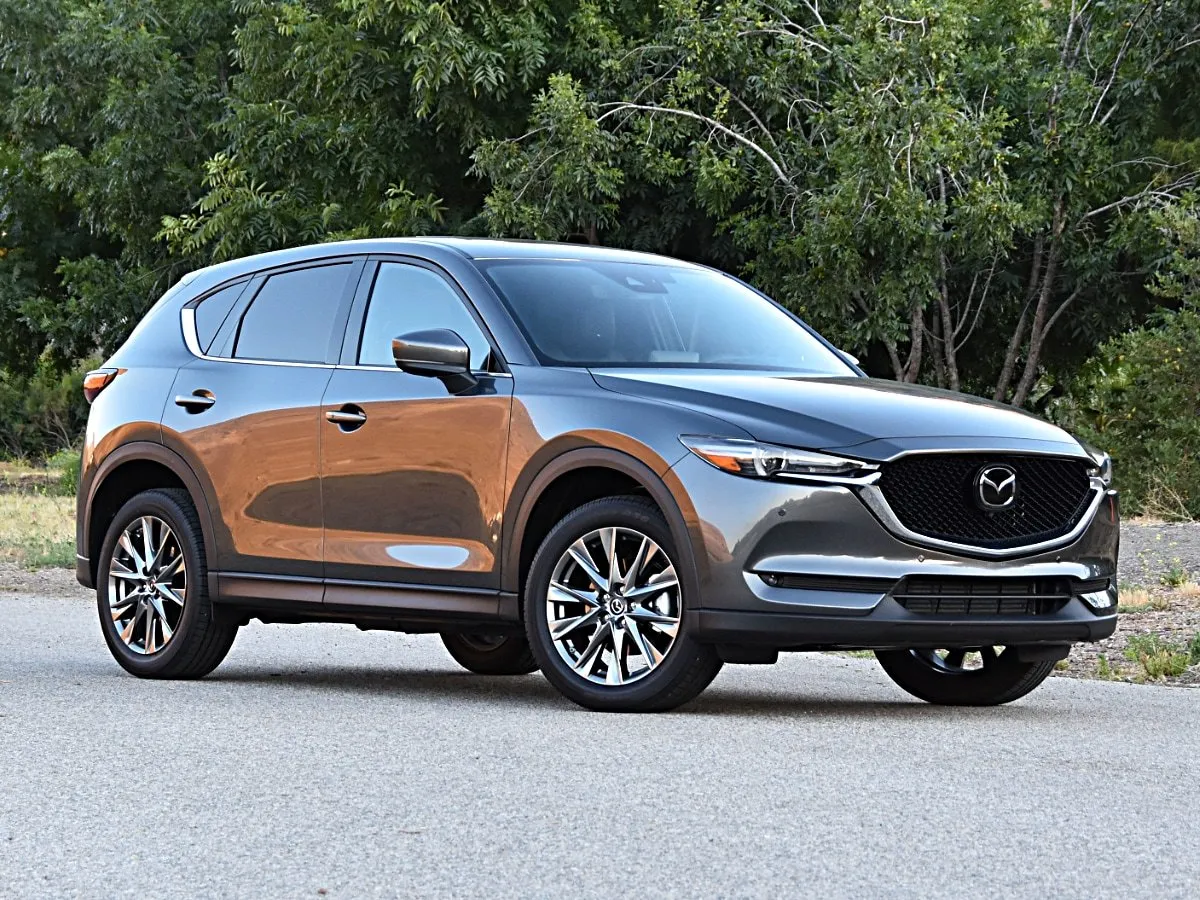
Mazda CX-5 Touring combines compact dimensions with responsive handling, offering an approachable experience for daily commuting. The vehicle’s chassis demonstrates an unusual refinement for a small SUV, providing composure during cornering and cushioning minor road imperfections without sacrificing driver engagement.
Steering feedback is immediate and communicative, giving operators a sense of control that enhances confidence in tight traffic or on winding roads. Suspension tuning contributes heavily to its charm. While firm enough to prevent excessive body roll, the setup absorbs most bumps and surface irregularities gracefully.
Passengers notice minimal vibrations, and the cabin maintains a quiet atmosphere even at highway speeds. This balance transforms a routine commute into a relaxed journey rather than a stressful task, particularly for those who spend extended periods behind the wheel.
Interior design prioritizes ergonomics. Controls fall naturally under the driver’s hand, with infotainment screens positioned for minimal distraction. Materials convey a subtle sophistication without feeling fragile, blending aesthetics with resilience. Seating supports long drives comfortably, and visibility remains excellent due to clever placement of mirrors and thoughtful roofline engineering.
Powertrain performance reinforces the CX-5 Touring’s approachable character. The engine responds smoothly to throttle input, offering predictable acceleration for merging or lane changes. Fuel efficiency remains strong without compromising performance, which is important for daily urban or suburban use. Transmission moves feel seamless, contributing to the whole sensation of effortless driving.
Beyond functional competence, the Mazda CX-5 Touring demonstrates that compact SUVs can provide a satisfying combination of control, comfort, and practicality. Drivers report that its intuitive handling reduces fatigue, while the balanced suspension and cabin layout make it feel nimble even when fully loaded.
For those prioritizing daily usability without sacrificing enjoyment, this SUV exemplifies how thoughtful design fosters harmony between size, comfort, and engagement.
2. Honda CR-V EX-L
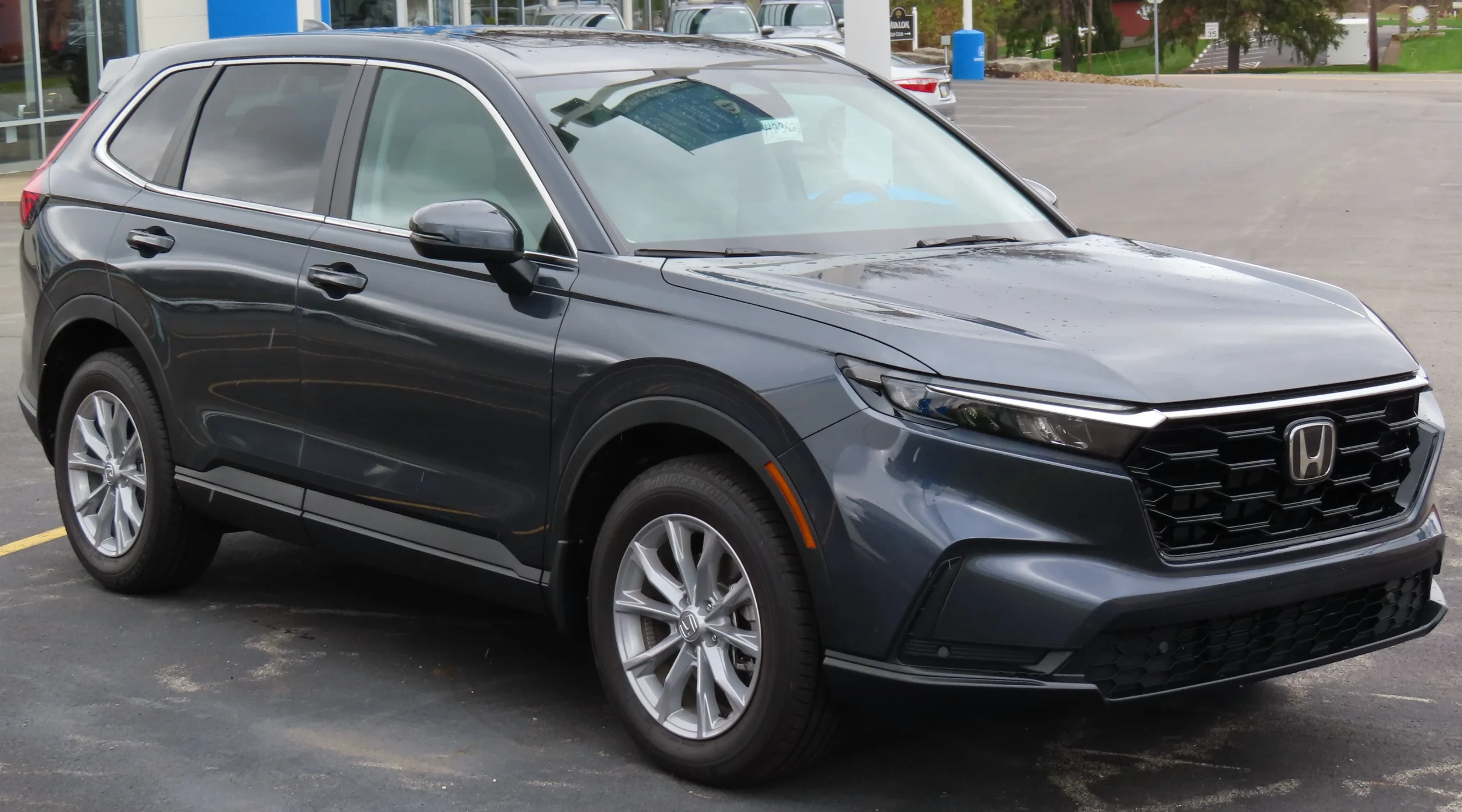
Honda CR-V EX-L presents a unique blend of practicality and everyday refinement. This mid-size SUV offers an interior designed for comfort while maintaining a driving experience that is both predictable and responsive. From urban streets to suburban thoroughfares, the CR-V demonstrates composure that reduces stress behind the wheel, especially in stop-and-go traffic.
Steering dynamics remain light yet communicative, allowing confident lane positioning and smooth turns in confined areas. Suspension tuning emphasizes passenger comfort while maintaining a sense of stability that reassures the driver. Road imperfections are mitigated effectively, and the vehicle absorbs minor bumps without jarring the cabin.
This creates an environment suitable for both family trips and solo commuting.Cabin ergonomics contribute to its approachable character. Seat design promotes long-distance comfort, with adjustable support to accommodate varying driver preferences.
Infotainment systems offer intuitive operation, integrating navigation and audio controls with minimal distraction. Visibility remains strong, aided by thoughtful mirror placement and a wide field of view from the driver’s seat.
Powertrain performance complements handling characteristics. Acceleration feels measured and consistent, making highway merging predictable while city maneuvers remain effortless. Fuel efficiency supports frequent use without high cost, and the transmission moves smoothly under all conditions. These factors combine to create an SUV that handles routine driving with ease.
Passenger comfort extends to rear seating and cargo areas. Space is generous for a mid-size SUV, allowing luggage, groceries, or recreational equipment to be transported without limiting cabin comfort. Materials are durable, and noise insulation contributes to a serene environment even at elevated speeds.
Honda CR-V EX-L demonstrates how attention to handling, interior design, and ergonomics produces a vehicle well-suited to everyday life. It appeals to drivers seeking a dependable SUV that blends maneuverability, comfort, and practicality, avoiding the compromises that make larger, less refined SUVs cumbersome in routine use.
Also Read: Top 10 Inexpensive SUVs Owners Commonly Regret Purchasing
3. Toyota RAV4 XLE
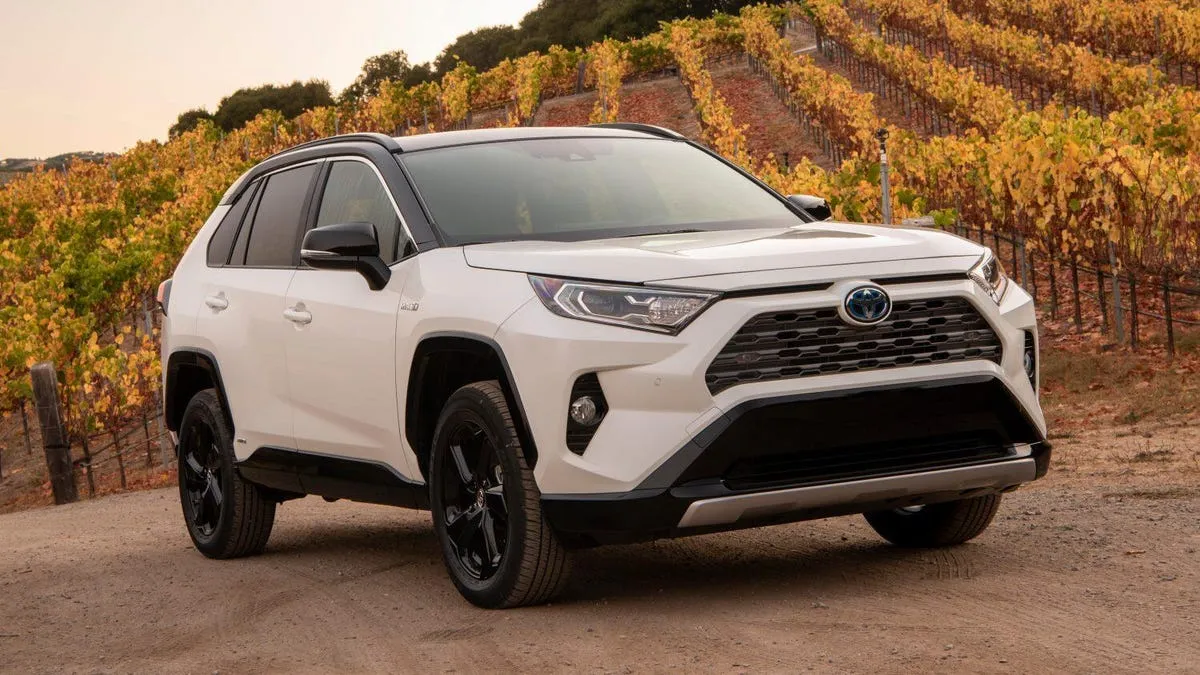
Toyota RAV4 XLE embodies the balance between manageable size and dependable performance. Its engineering emphasizes predictable handling, creating a sense of security during city navigation and highway travel alike. Drivers quickly recognize the benefit of well-tuned steering and responsive braking, which instills confidence when entering intersections or negotiating sharp turns.
Suspension design absorbs imperfections effectively, minimizing vibration and body shake. Passengers experience a smooth ride even over uneven pavement, contributing to a sense of refinement uncommon in compact crossovers. Noise reduction remains effective, with engine and road sounds muted sufficiently to allow conversation and relaxation during extended drives.
Cabin layout enhances usability. Controls are logically arranged and reachable without excessive motion, reducing distraction. Seats provide ample support, with attention to lumbar comfort for longer drives. Visibility benefits from thoughtful roofline proportions and mirror design, enhancing awareness in urban or high-traffic settings.
Performance under power reinforces RAV4 XLE’s driving strengths. Acceleration is linear and predictable, suitable for highway merging or quick responses to traffic situations. Fuel efficiency remains competitive, allowing frequent use without excessive consumption. Transmission operation is smooth, and adaptive features support varying road conditions, contributing to a versatile and comfortable driving experience.
Practicality is also evident in cargo and passenger space. The rear seats fold easily, and storage solutions are accessible and well-organized. Materials combine durability with refinement, providing a pleasant tactile environment without compromising resilience. These factors produce a vehicle that is both functional and enjoyable to drive.
Toyota RAV4 XLE’s blend of driving stability, responsive controls, and practical interior layout exemplifies a compact SUV that supports daily life. Its combination of comfort, predictability, and usability makes it an attractive option for drivers who prioritize efficiency and ease of operation while maintaining enjoyable road manners.
4. Subaru Forester Premium
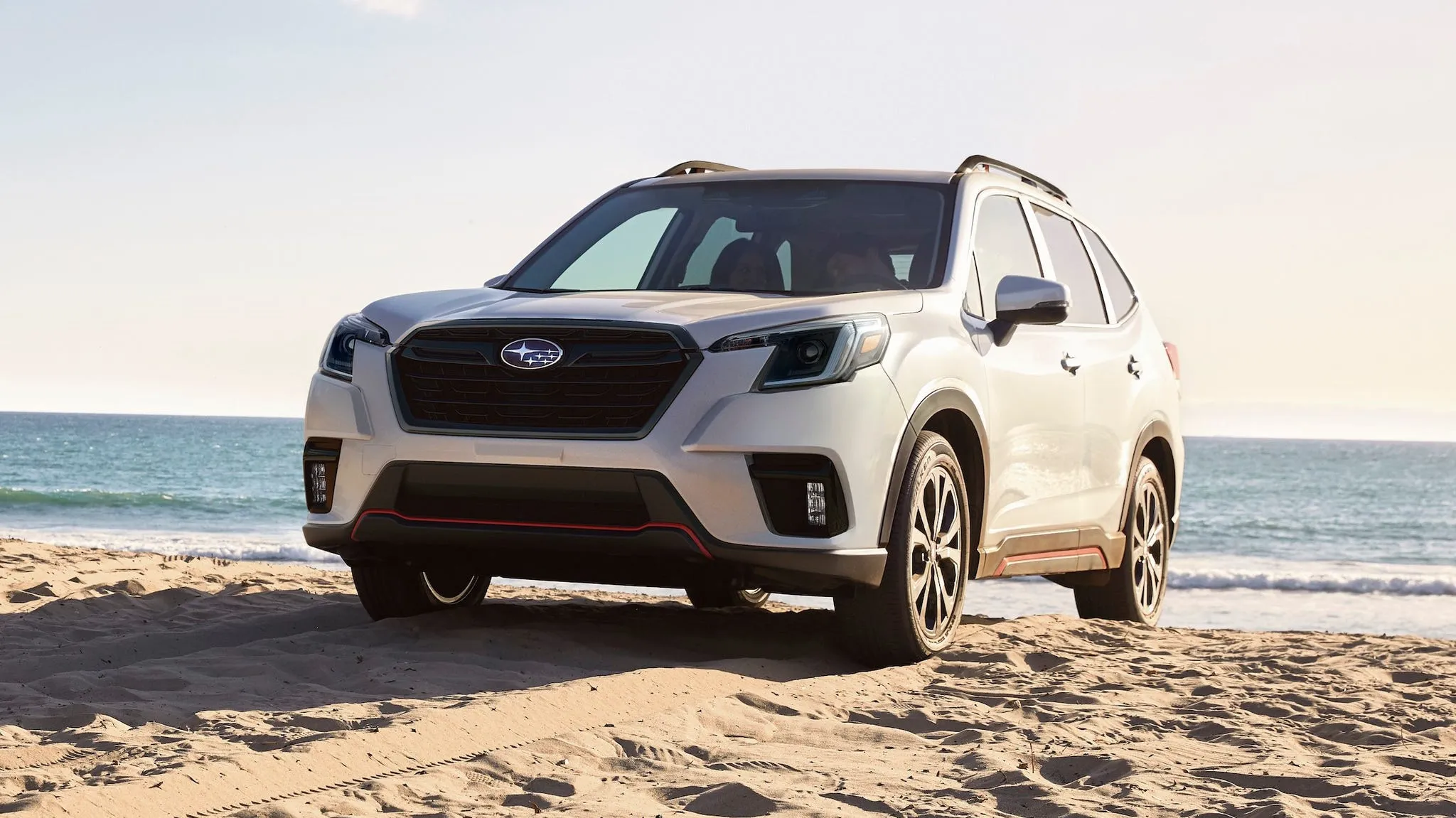
Subaru Forester Premium prioritizes clarity and control, offering drivers a sense of safety and predictability in daily driving. Its symmetrical all-wheel drive system enhances traction in a variety of conditions, while steering calibration and suspension tuning ensure the vehicle remains approachable and composed across urban and suburban environments.
The cabin environment contributes to its approachable nature. Seats provide firm but comfortable support, and controls are intuitively arranged for minimal distraction. Visibility is excellent in all directions, reinforced by large windows and thoughtful mirror placement. Passengers benefit from smooth ride quality, with suspension damping absorbing irregularities effectively.
Handling characteristics impress through balance and responsiveness. Cornering feels controlled, with minimal lean or sway, and braking performance is consistent under varied conditions. The vehicle communicates road conditions clearly to the driver, enhancing confidence when entering intersections or going through sharp curves.
Technology integration complements driving competence. Infotainment systems are accessible and responsive, providing navigation and audio controls without distraction. Safety features such as adaptive cruise and lane assist augment driver awareness, reinforcing the vehicle’s user-friendly characteristics.
Cargo and interior space remain practical. Rear seating accommodates passengers comfortably, and storage solutions facilitate everyday errands or recreational use. Interior materials combine durability with a sense of refinement, creating an inviting environment that enhances daily comfort.
Subaru Forester Premium demonstrates that thoughtful engineering can transform a compact SUV into a vehicle that feels intuitive, safe, and pleasant for routine driving. Its blend of traction, ride quality, and usability makes it a reliable companion for diverse commuting needs, supporting both confidence and comfort in everyday use.
5. Hyundai Tucson Limited
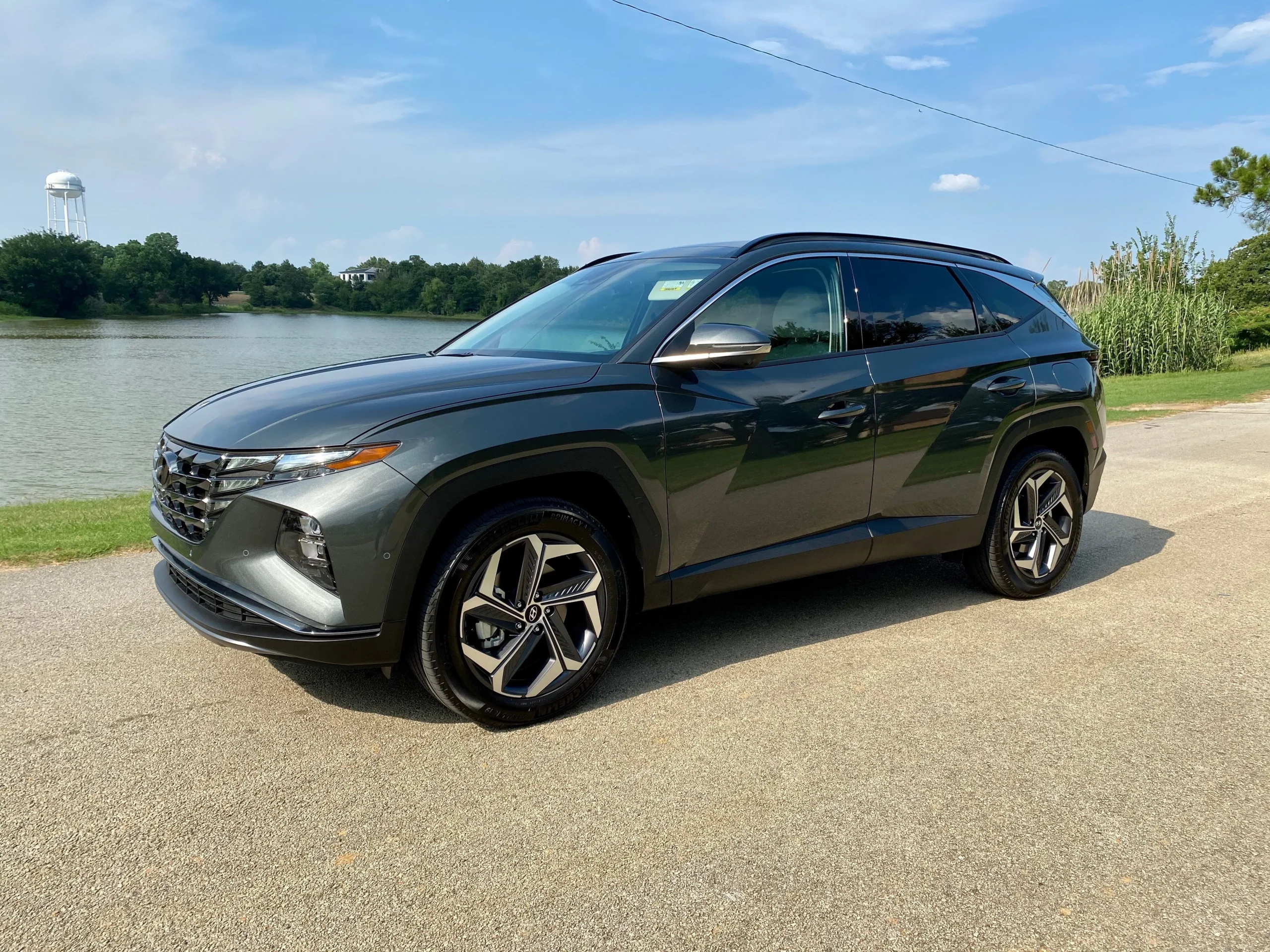
The Hyundai Tucson Limited combines modern styling with driver-oriented dynamics, creating an SUV that handles daily use with ease. Its compact yet spacious design allows for confident navigation of urban streets, while the chassis and suspension provide stability and smoothness under typical traffic conditions.
Steering is precise and communicates effectively, promoting confident lane positioning and cornering. Suspension tuning absorbs road irregularities efficiently, preventing discomfort during extended commutes. Road noise remains subdued, contributing to a calm and relaxed cabin experience.
Interior design reflects a commitment to comfort and accessibility. Seats support long drives with appropriate cushioning, while controls are within easy reach. Infotainment screens provide responsive interfaces, allowing navigation, communication, and entertainment without distraction. Visibility is strong in all directions, enhancing awareness in heavy traffic.
Powertrain performance supports ease of use. Acceleration is smooth and predictable, enabling safe merging and passing maneuvers. Fuel efficiency supports frequent operation without high cost, and the transmission moves feel natural. These characteristics make the Tucson Limited a practical choice for both city and highway travel.
Passenger comfort extends to rear seating and cargo space. Ample headroom and legroom accommodate adults comfortably, and the cargo area offers flexibility for groceries, luggage, or recreational equipment. Interior materials balance durability with tactile quality, promoting an inviting environment for all occupants.
The Hyundai Tucson Limited demonstrates that a compact SUV can provide exceptional daily usability through a combination of responsive handling, interior comfort, and practical design. Its characteristics make it approachable for a variety of driving scenarios, supporting convenience and confidence without sacrificing performance or refinement.
5 SUVs That Feel Clumsy
1. Chevrolet Traverse LS
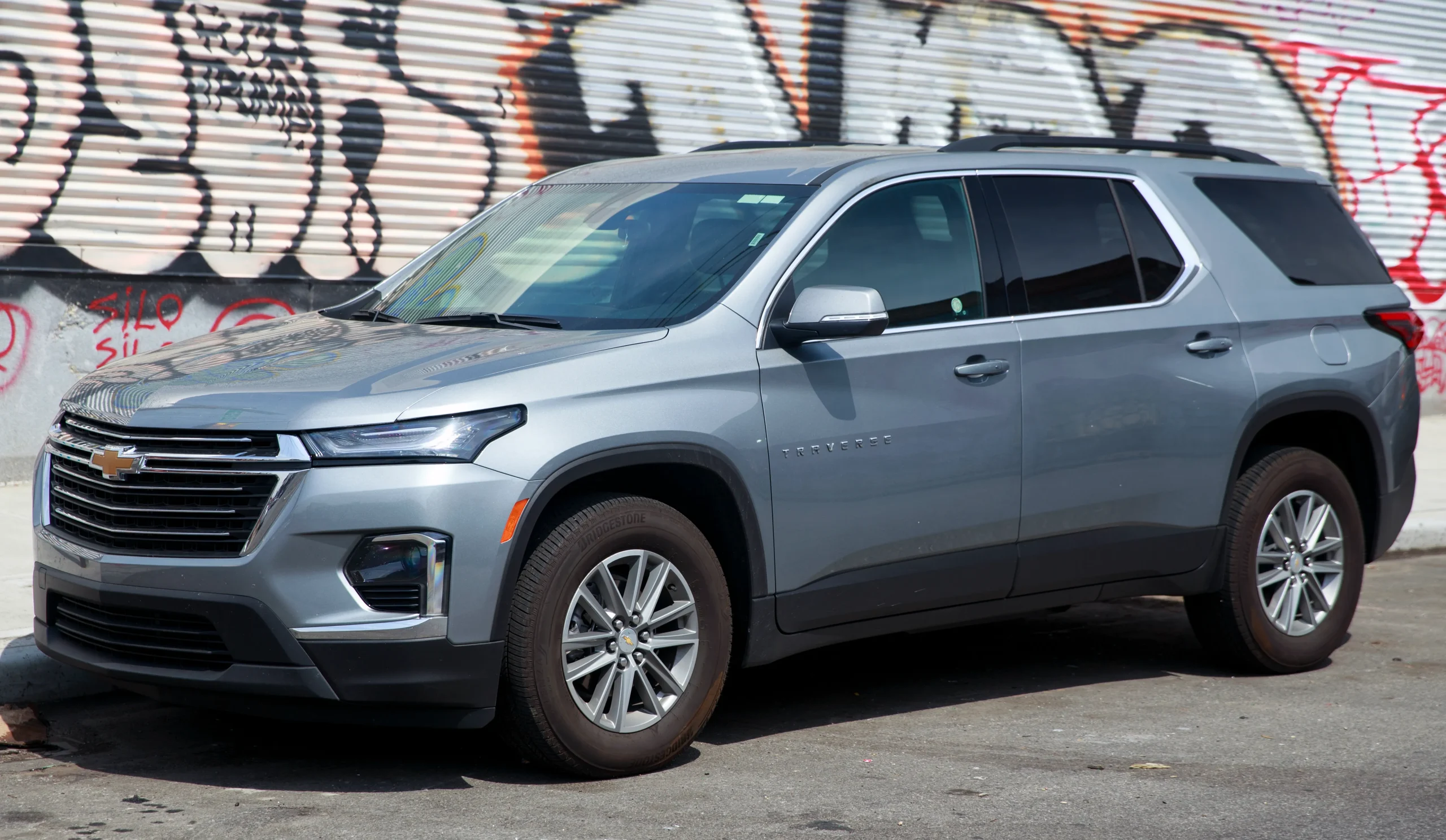
Chevrolet Traverse LS projects size and capability, but its proportions can challenge drivers in daily urban driving. Maneuvering through tight city streets or parking lots often requires heightened attention, as the long wheelbase and wide body make lane changes and turns more demanding.
Steering lacks the immediacy found in smaller or more compact SUVs, causing slight delays in response that become noticeable in congested traffic. Ride quality does not alleviate these challenges. Suspension tuning favors stability under heavy loads, which translates into a firm and sometimes jarring ride during everyday use without cargo.
Small bumps or uneven pavement transmit clearly into the cabin, diminishing comfort for both driver and passengers. High seating height improves visibility forward, but side and rear sightlines feel restricted, requiring frequent reliance on mirrors and cameras for precise maneuvering.
Interior organization attempts to balance space and usability, yet ergonomics are less refined. Control placement feels somewhat scattered, and the infotainment interface requires extra attention to operate efficiently. Seating remains adequate but lacks the cushioning and support expected for extended drives in urban or suburban environments.
Cabin materials offer durability, yet they provide limited tactile satisfaction compared with rivals focused on daily usability. Powertrain performance contributes to the clumsy perception. Acceleration requires deliberate input to feel responsive, and merging onto highways demands anticipation.
Fuel efficiency falls short relative to competitors, which adds to the sense that the Traverse prioritizes size and capacity over convenience. Braking feels consistent, though the vehicle’s weight and height require more space to stop safely, adding to driver caution in dense traffic.
Cargo and passenger space excel in theory, yet in practical daily use, handling that volume can feel overwhelming. While the Chevrolet Traverse LS succeeds in offering room for families and luggage, the trade-off lies in diminished agility.
Drivers who frequently drive through tight streets or crowded areas may experience fatigue or frustration. The combination of size, steering response, and ride characteristics positions this SUV as strong in capability but less rewarding for everyday driving, highlighting the challenge of balancing scale with agility.
2. Ford Expedition XLT
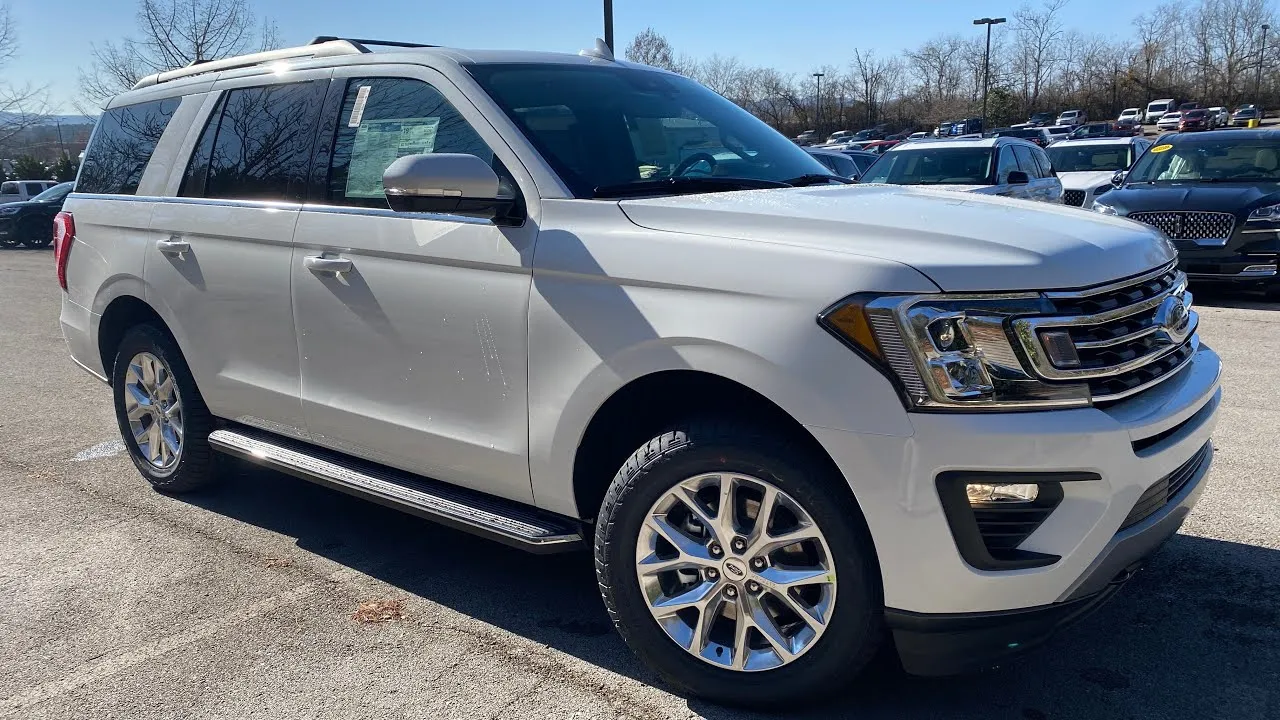
Ford Expedition XLT represents a full-size SUV designed to impress with interior space and towing strength, yet its length and width introduce challenges for daily use. Urban driving reveals the constraints immediately, with wide turns and slow responsiveness during lane changes requiring heightened awareness.
Steering effort, while assisted, lacks the immediacy expected for smaller SUVs, creating a sensation of heaviness in traffic. Ride dynamics reinforce the perception of bulk. Suspension tuning emphasizes support under load, yet unloaded driving transmits more bumps into the cabin.
Surface imperfections feel exaggerated, increasing fatigue during city commuting or highway travel. High ground clearance improves obstacle negotiation but makes entry and exit less intuitive, particularly for shorter drivers or frequent stop-and-go conditions.
Cabin layout attempts to create comfort but struggles under scrutiny. Controls are logically grouped, yet reach and orientation require attention, particularly while driving. Infotainment response is adequate, but screen placement and interface design demand frequent glances, distracting from traffic observation.
Seating is firm and spacious, yet side bolsters and lumbar support provide less stabilization than expected for an SUV of its scale. Powertrain delivery aligns with towing and hauling expectations, yet daily acceleration feels deliberate rather than lively.
Highway merging requires anticipation, and fuel consumption reinforces the impression that the vehicle is designed for strength over agility. Braking is effective but demands spatial awareness, especially in tight intersections or parking areas.
While interior volume and load capacity remain impressive, maneuverability in urban settings feels compromised. Drivers face constant negotiation with mirrors, cameras, and parking aids to maintain confidence.
The Ford Expedition XLT exemplifies how large SUVs can dominate the driving environment, offering capability but reducing the ease of daily operation. Its strengths shine in utility-focused contexts, yet casual commuting or city use exposes its limitations.
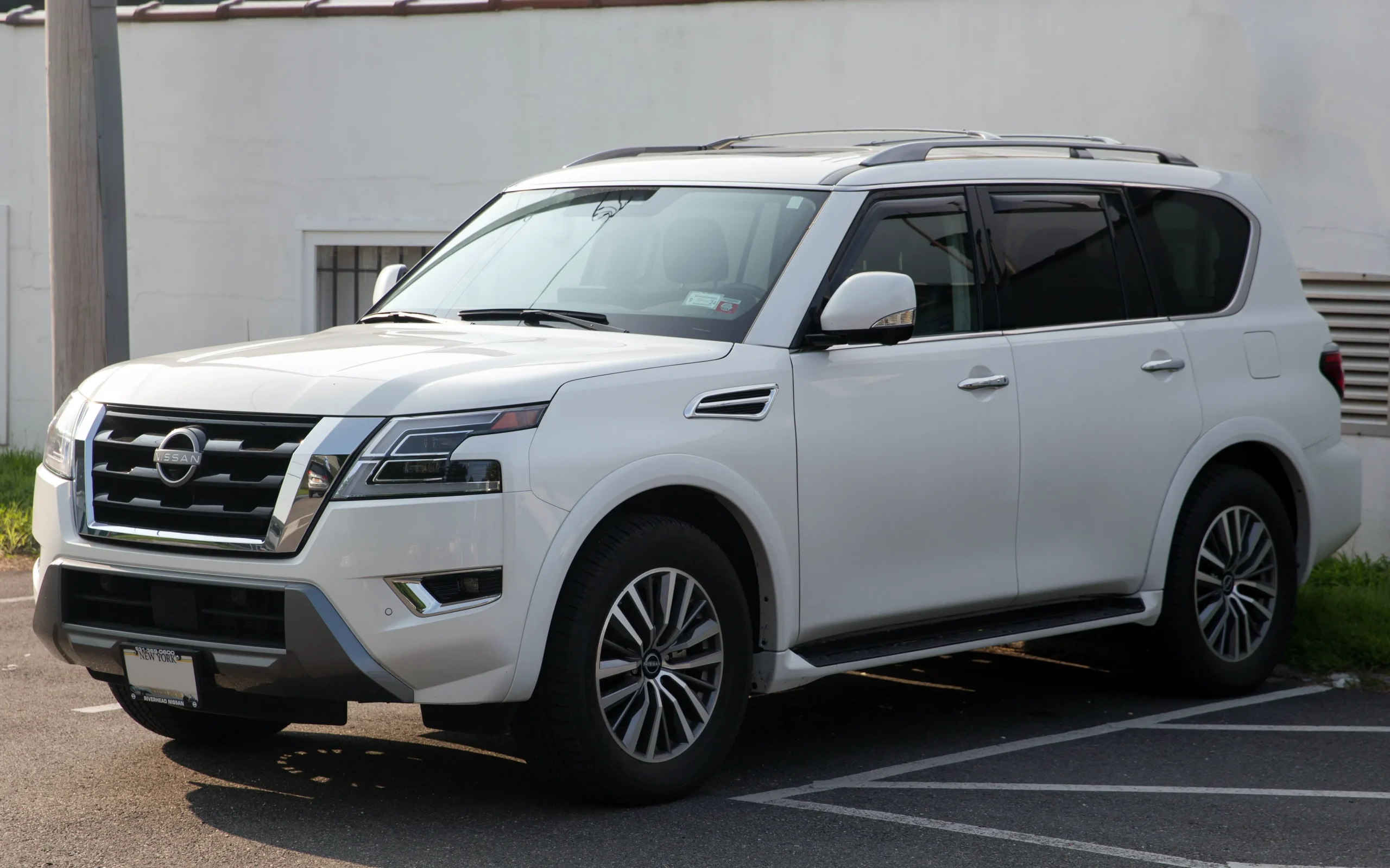
3. Nissan Armada SV
Nissan Armada SV enters the full-size SUV segment with imposing dimensions that emphasize interior space and towing potential, yet these qualities translate into challenges during everyday use. Steering feedback lacks immediacy, leaving the driver to rely on observation and adjustment to maintain lane discipline in traffic. Tight turns and narrow streets feel restrictive, and the vehicle’s weight amplifies this sensation.
Suspension design prioritizes stability over comfort for daily driving. While smooth under heavy loads, unloaded trips over city streets transmit vibrations and surface imperfections into the cabin. Road noise remains present at moderate speeds, and tire feedback increases the perception of bulk. Passengers may notice more jostling than expected for a modern SUV in its class.
Cabin ergonomics attempt to balance space and function, but feel less intuitive. Control locations require repeated attention, and infotainment responsiveness slows interaction during driving. Visibility suffers despite a tall seating position, with blind spots requiring vigilance.
Rear seating is spacious and comfortable, yet maneuvering the Armada in parking situations can be mentally taxing due to its length and width. Acceleration performance aligns with a large SUV’s weight, providing adequate but not lively response for city driving.
Fuel consumption emphasizes the cost of scale, and braking distances extend relative to smaller SUVs, increasing cautious behavior in urban areas. Maneuvering requires deliberate planning, particularly when parking or reversing.
Despite cargo space and towing capacity, the Nissan Armada SV demonstrates how large SUVs can feel cumbersome during daily tasks. Comfort is present, yet operational ease declines when negotiating tight corners or congested streets.
The vehicle’s clumsiness emerges from its scale interacting with steering, suspension, and visibility limitations, highlighting the trade-offs between size and urban usability.
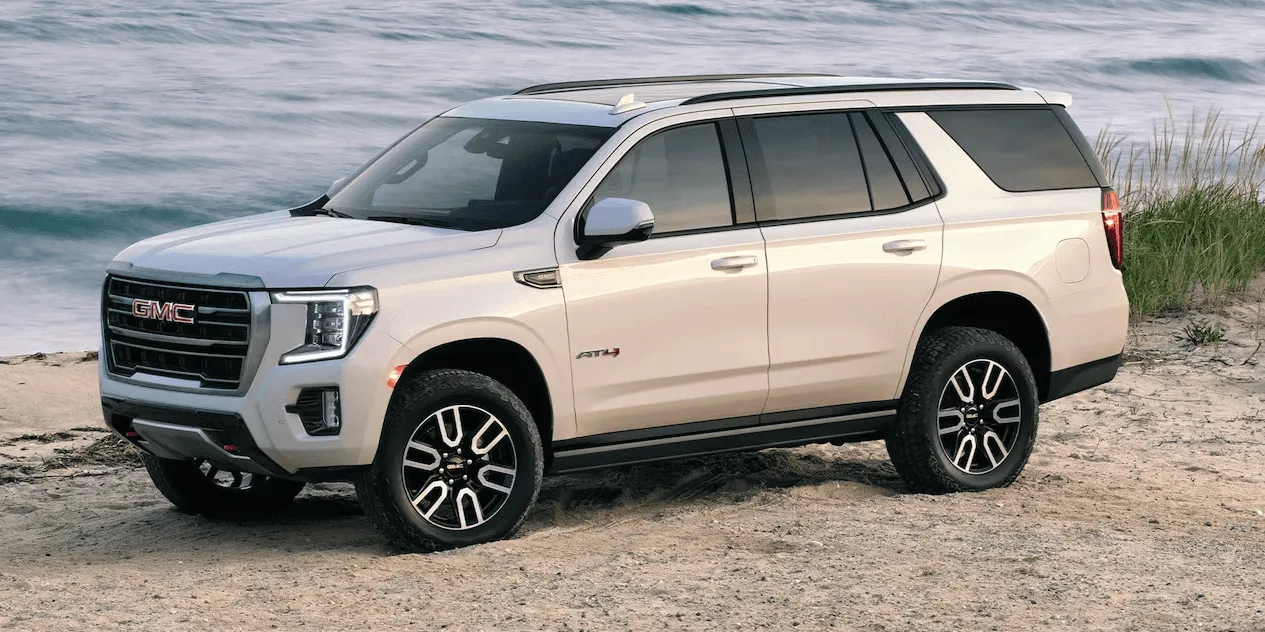
4. GMC Yukon SLE
GMC Yukon SLE delivers substantial interior room and towing capability, but struggles in city environments due to its sheer size. Drivers often report that the vehicle requires heightened spatial awareness, particularly when turning or driving through multi-lane roads. The steering system assists but responds with some delay, which can undermine confidence in tight conditions.
Ride quality favors load stability. Suspension absorbs moderate bumps, yet passengers encounter firmness that amplifies small imperfections on urban streets. High seating positions enhance forward visibility, but side and rear lines remain constrained, forcing reliance on cameras or mirrors when maneuvering in crowded areas.
Interior layout attempts functionality but lacks the intuitive appeal of smaller SUVs. Control accessibility requires attention, and infotainment systems demand repeated glances to operate efficiently. Seating remains spacious but less supportive than competitors’ optimized for urban comfort. The cabin prioritizes capacity over refinement, reinforcing the sense of bulk.
Power delivery suits towing and highway stability, yet daily driving acceleration feels deliberate. Highway merging or sudden lane adjustments demand anticipation, and fuel efficiency further emphasizes the practical trade-offs of size. Braking performance is consistent, but spatial requirements are elevated, necessitating careful planning in stop-and-go traffic.
Cargo volume and passenger comfort remain strong, yet operational ease suffers. Tight streets, narrow parking spaces, and crowded urban settings amplify the perception of clumsiness. GMC Yukon SLE illustrates how full-size SUVs excel in utility yet challenge drivers seeking effortless daily operation.
Also Read: Top 10 Electric SUVs Coming Soon That Are Worth Waiting For
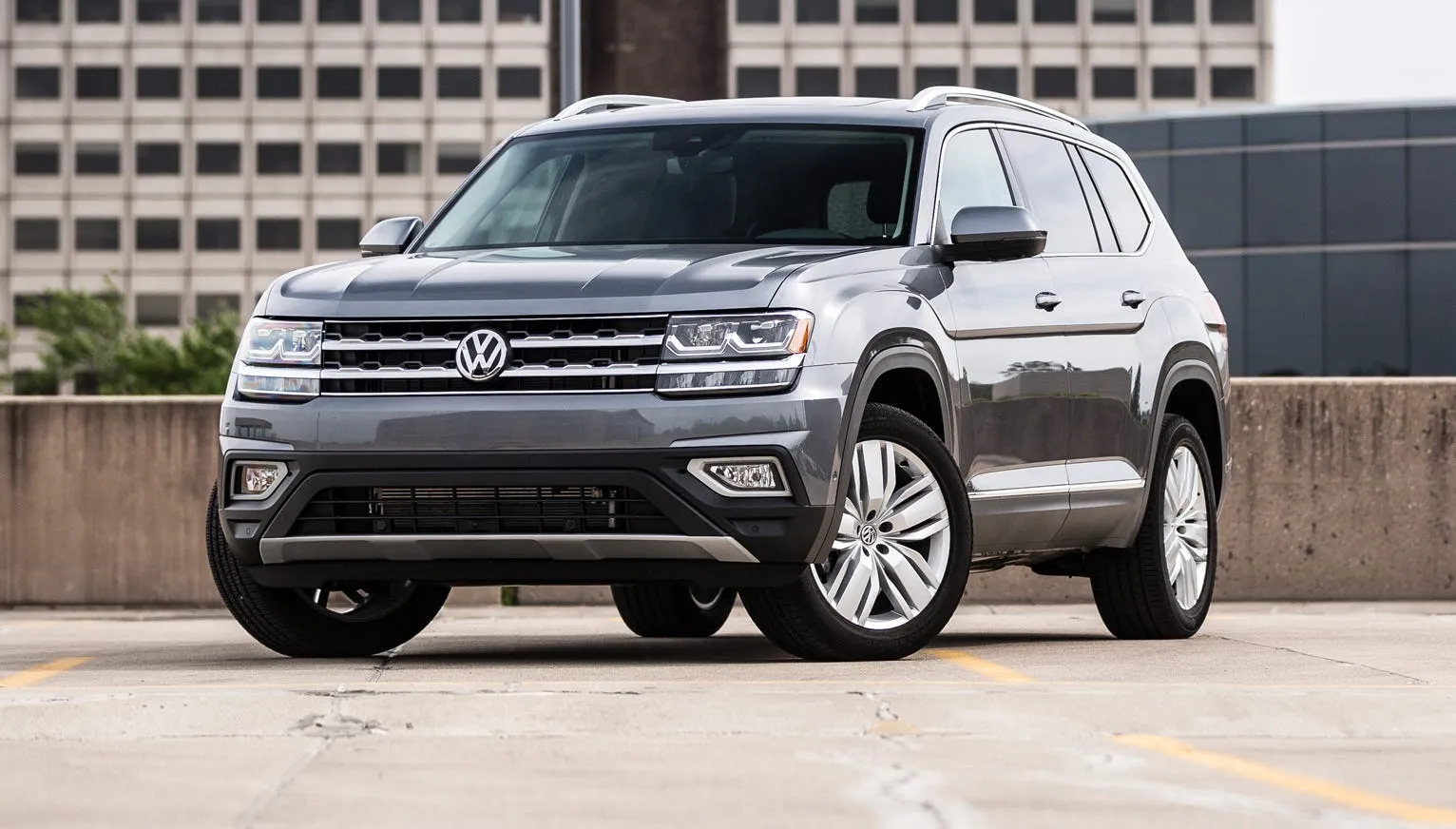
5. Volkswagen Atlas SE
Volkswagen Atlas SE provides three-row seating and expansive cargo capacity, but conveys bulkiness that can hinder daily driving. Its wide stance and long wheelbase demand more precision than compact SUVs when negotiating corners, turns, or urban traffic. Steering feedback is moderately responsive, yet size and weight dilute immediacy, creating a sense of sluggishness in close maneuvers.
Suspension prioritizes stability and load-bearing, yet unladen city travel transmits vibrations and minor bumps into the cabin. Road noise persists at moderate speeds, and high seating height improves forward visibility but complicates side awareness, increasing reliance on electronic aids for safe parking or lane changes.
Interior design aims to maximize passenger and cargo comfort, but sacrifices intuitive control placement. Infotainment operation requires attention, and physical controls may not fall naturally under the driver’s hand. Seat support remains acceptable, but extended urban commuting highlights the vehicle’s lack of agility relative to compact counterparts.
Acceleration and braking performance align with a large SUV’s focus on capability, yet daily responsiveness feels deliberate. Fuel consumption reflects the vehicle’s scale, reinforcing that its strength lies in capacity rather than urban efficiency.
Tight spaces amplify the perception of clumsiness, particularly for drivers unfamiliar with its dimensions. Volkswagen Atlas SE demonstrates that size and functionality can introduce challenges for everyday use. While it excels in transporting passengers or cargo, the demands of city driving amplify the drawbacks of its bulk.
The combination of steering, suspension, and cabin awareness positions the Atlas SE as capable yet cumbersome in daily commuting scenarios, illustrating the trade-offs of scale in modern SUVs.
