
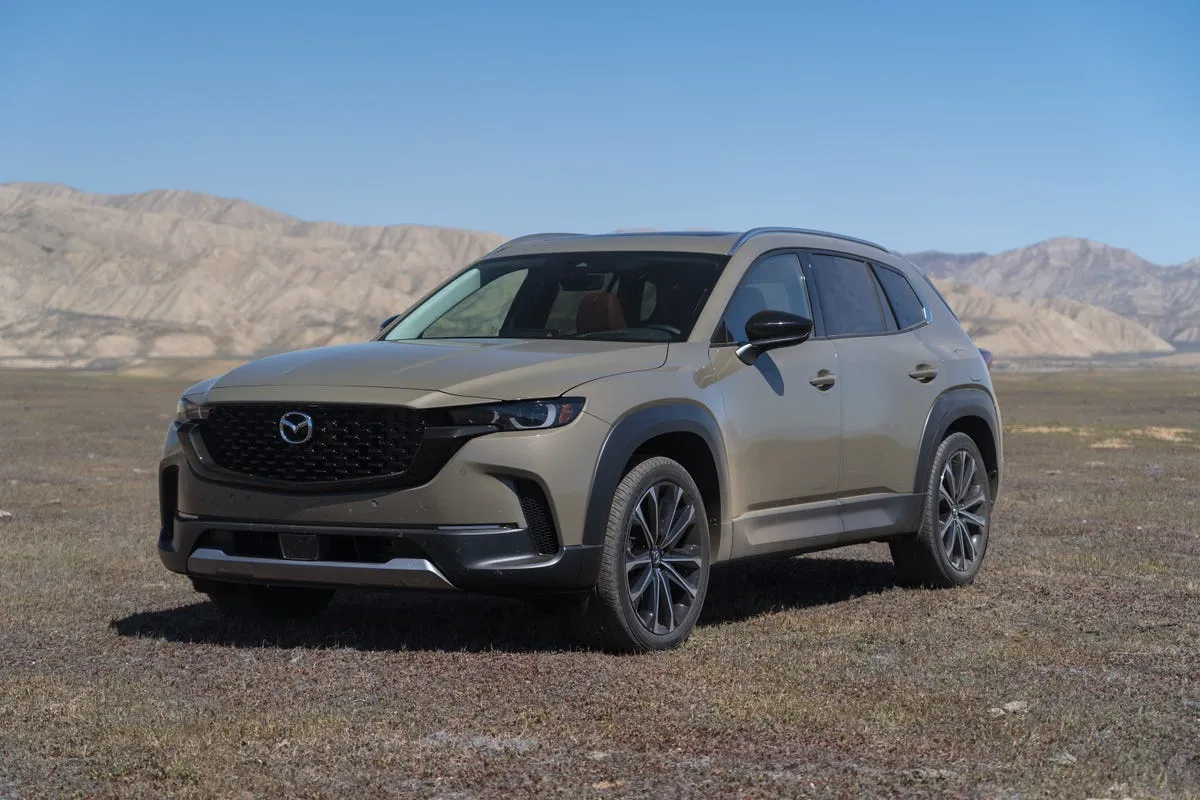
Urban and suburban drivers often face a tricky balancing act when choosing a crossover. Streets can feel crowded, parking spots are limited, and the demand for comfort grows each year. Size matters in this environment, but comfort cannot be sacrificed.
A vehicle that feels too large can be intimidating in tight spots, while one that lacks refinement may transmit every bump and vibration into the cabin. The ideal crossover provides both confident dimensions and a soothing experience.
Some buyers prioritize space without thinking about maneuverability, while others chase comfort but ignore practical usability. Crossovers that successfully combine these elements allow drivers to feel secure, maintain control, and enjoy the ride, whether commuting through city avenues or taking a weekend road trip. Thoughtful engineering, intelligent suspension, and ergonomic interior design work together to create vehicles that meet these needs.
This page highlights ten crossovers, divided into two groups. The first part focuses on five models that balance size and comfort, blending manageable proportions with smooth ride quality and driver-friendly interiors.
The next section examines five crossovers that struggle, where large dimensions, stiff suspension, or awkward layouts make urban and suburban driving less pleasant. Understanding these distinctions can help drivers choose a vehicle that performs well for both daily routines and occasional long drives.
Each vehicle is evaluated on steering, visibility, cabin comfort, ride quality, and ease of use in confined or busy areas. The goal is to provide a practical perspective for anyone weighing the trade-offs of modern crossovers.
By emphasizing features that influence daily usability, this guide helps distinguish between crossovers designed with thoughtful balance and those that may create tension between size and comfort.
5 Crossovers That Balance Size and Comfort
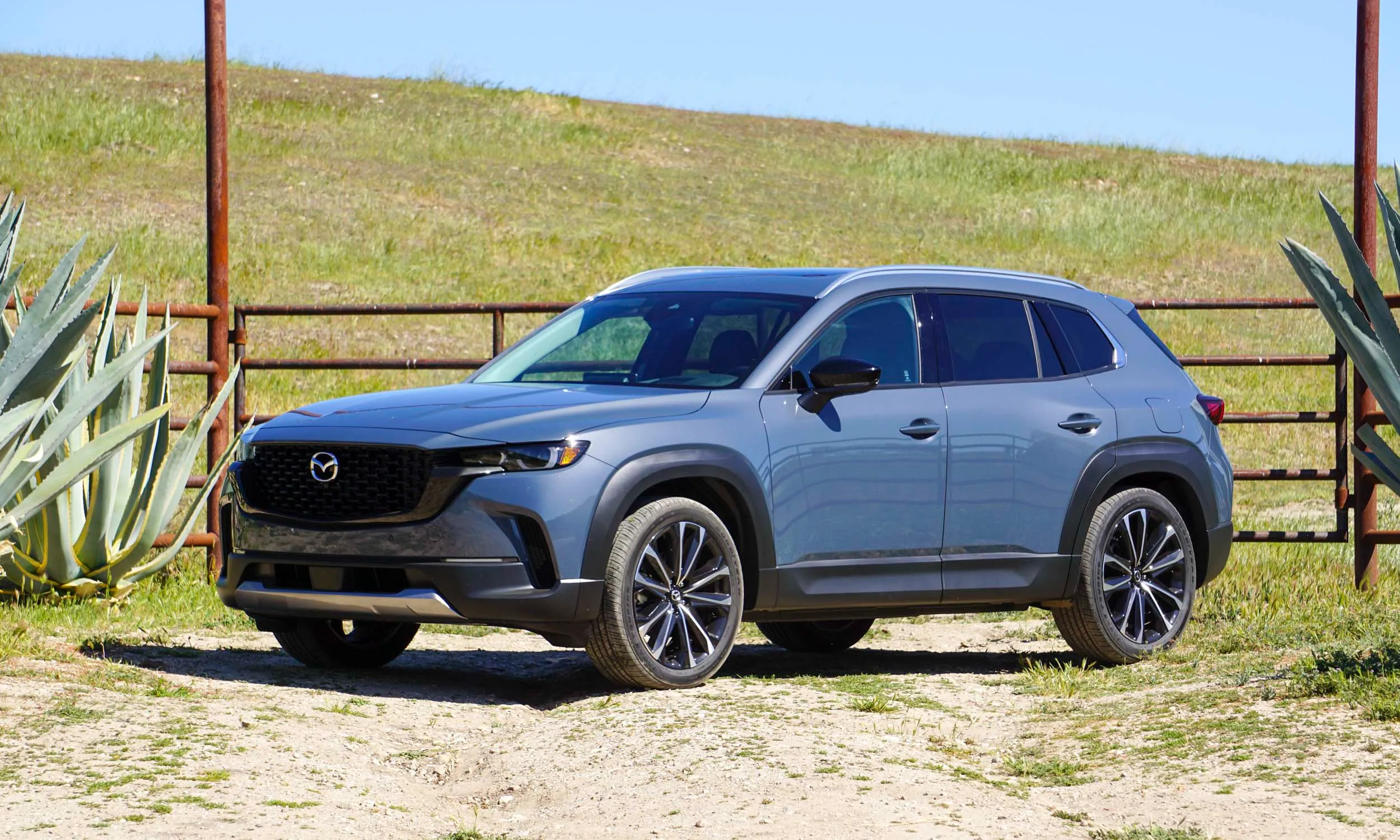
1. Mazda CX-50
Mazda CX-50 presents a refined approach to urban and suburban crossover driving. Its compact yet purposeful proportions make it easy to fit into tight streets without feeling cramped inside. Engineers focused on a harmonious blend of dynamic handling and ride comfort, which is immediately evident when driving through potholes or uneven pavement.
The suspension absorbs bumps without transmitting harsh jolts, allowing both driver and passengers to feel insulated from minor road imperfections. The steering system offers a responsive feel without overreacting, which provides confidence when negotiating turns or merging onto highways.
Low-speed maneuvers feel precise, reducing stress when parallel parking or driving through narrow streets. Mazda’s attention to chassis tuning allows drivers to feel connected to the road while maintaining a smooth, composed ride.
Interior design emphasizes ergonomics and material quality. Seats provide firm support that accommodates longer drives without causing fatigue, and the cabin layout keeps essential controls within easy reach.
A thoughtfully placed infotainment system ensures clarity without clutter, minimizing distractions during dense city traffic. Soft-touch surfaces combined with durable finishes make daily commuting comfortable while retaining a premium feel.
Power delivery complements this balance. Both the naturally aspirated and turbocharged engines offer sufficient acceleration while remaining predictable at lower speeds. Fuel efficiency benefits from careful engine calibration, making stop-and-go traffic less taxing on the tank.
Additionally, noise insulation minimizes engine and wind intrusion, enhancing comfort for both short errands and extended trips. Cargo versatility enhances usability without affecting maneuverability. The rear hatch allows easy loading of groceries, luggage, or sports equipment, while fold-flat rear seats expand space when necessary.
Mazda CX-50 demonstrates that a crossover can combine thoughtful size with practical comfort, proving that vehicles do not need to compromise one for the other.
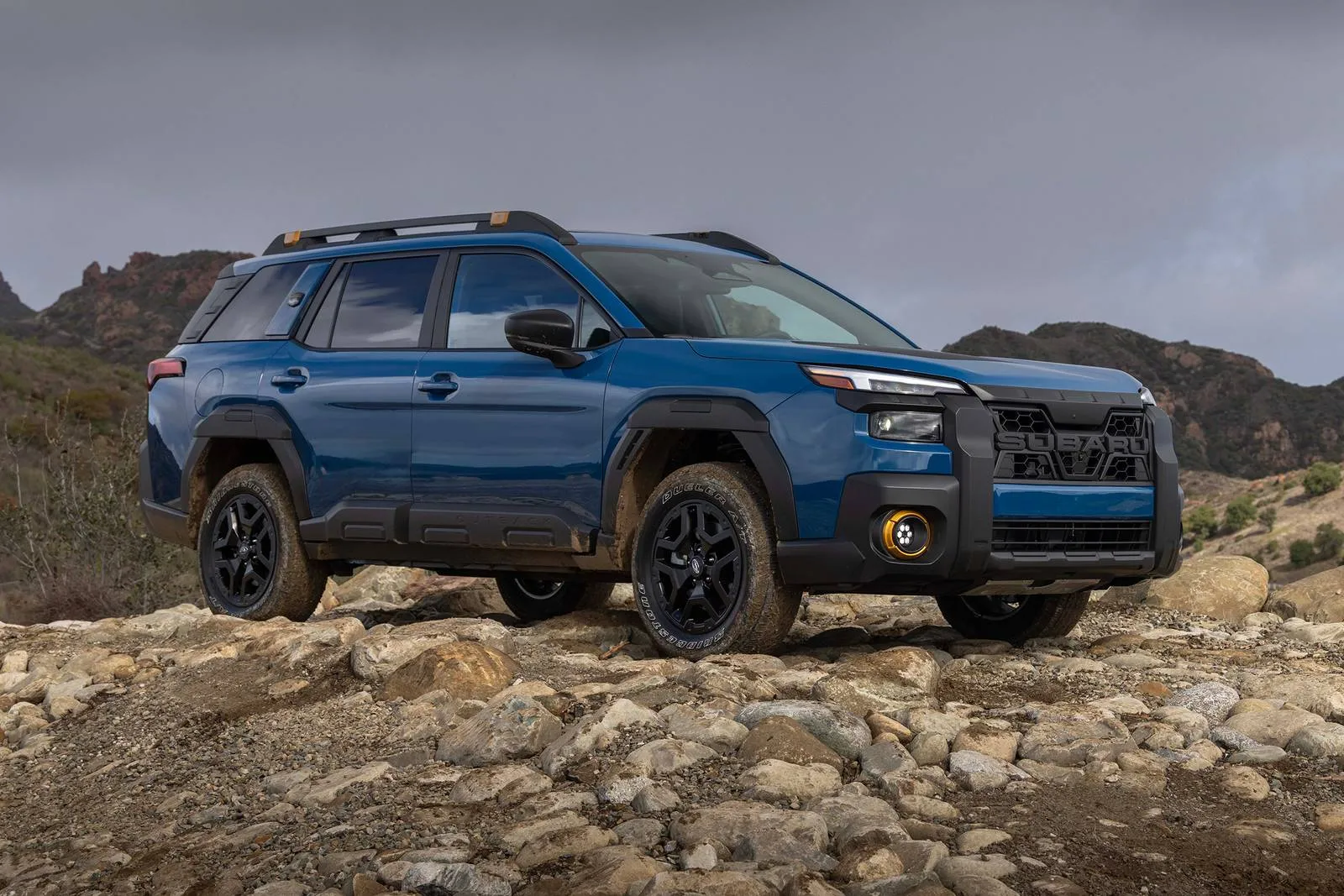
2. Subaru Outback
Subaru Outback continues its reputation as a crossover built for both daily routines and weekend excursions. Its carefully measured dimensions provide a commanding yet manageable presence, allowing drivers to drive through tight spaces with less stress. Ground clearance is sufficient for minor obstacles without overwhelming urban driving situations, striking a balance that appeals to suburban commuters.
Handling and suspension tuning contribute to comfort. Outback maintains stability without sacrificing refinement over uneven surfaces. Suspension geometry reduces excessive body roll, preserving composure during cornering while absorbing minor road imperfections. Steering input remains communicative and precise, promoting driver confidence in mixed driving environments.
Inside, the Outback focuses on functional luxury. Seats provide both lateral support and cushioning, enabling a relaxed posture during long drives. Cabin ergonomics keep controls accessible, while infotainment systems feature straightforward menus for seamless interaction. Soundproofing mitigates road and wind noise, providing a quiet environment for conversation or entertainment.
The engine lineup combines efficiency with responsiveness. The naturally aspirated and turbocharged flat-four engines deliver smooth acceleration while remaining manageable in stop-and-go traffic. Transmission tuning ensures moves are smooth, preventing sudden jerks or lags. Fuel economy remains competitive, helping urban commuters reduce frequent refueling.
Practical cargo arrangements enhance versatility. A wide, low liftgate makes loading and unloading convenient, and rear seats fold easily to accommodate larger items. Daily errands, grocery runs, and weekend trips all benefit from the Outback’s thoughtful interior and exterior proportions. By blending size, handling, and comfort, Subaru delivers a crossover that meets multiple needs without compromise.
Also Read: 5 Crossovers That Are Easy to Maneuver vs 5 That Aren’t
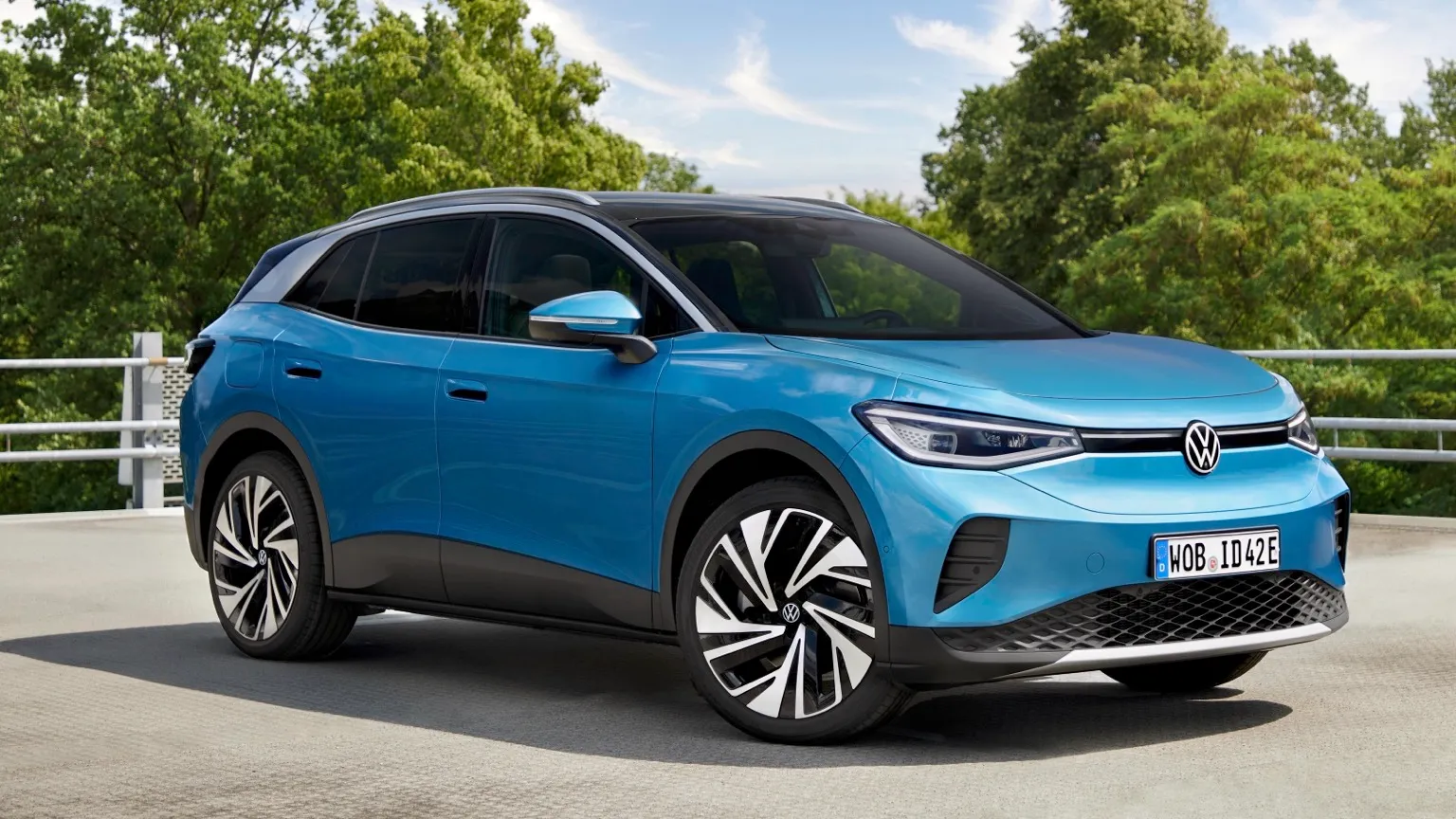
3. Volkswagen ID.4
The Volkswagen ID.4 redefines urban-friendly crossover design through compact electric dimensions paired with smooth ride quality. Electric propulsion allows for instant torque without abrupt behavior, making low-speed navigation predictable and comfortable. Drivers experience quiet acceleration and seamless transitions, particularly beneficial in congested city traffic.
Ride comfort receives extra attention through suspension calibration aimed at isolating road imperfections. Potholes and uneven surfaces produce minimal cabin disturbance, creating a relaxed driving environment. Steering feel is calibrated to balance precision with light effort, allowing drivers to maneuver in tight spaces without constant corrections.
Cabin materials focus on sustainable yet refined options, providing a contemporary aesthetic without compromising tactile comfort. Seats remain supportive for longer journeys, and climate control integrates with smart displays to maintain an optimal interior environment.
Noise control is heightened by the absence of an internal combustion engine, contributing to a serene cabin during extended city commutes. Electric powertrain efficiency provides added comfort. Short trips in urban areas consume minimal energy, and regenerative braking is adjustable to suit driver preferences.
The consistent, smooth braking feel reduces stress when frequently stopping at lights or in slow-moving traffic. Cargo space, while smaller than some larger crossovers, remains practical for everyday needs, with flexible rear seating for additional capacity.
Volkswagen ID.4 demonstrates that electric crossovers can deliver both size and comfort in harmony. The combination of responsive steering, cushioned suspension, and silent acceleration ensures city life and suburban travel feel effortless, making it a compelling choice for drivers seeking balance in a modern electric package.
4. Kia Sportage
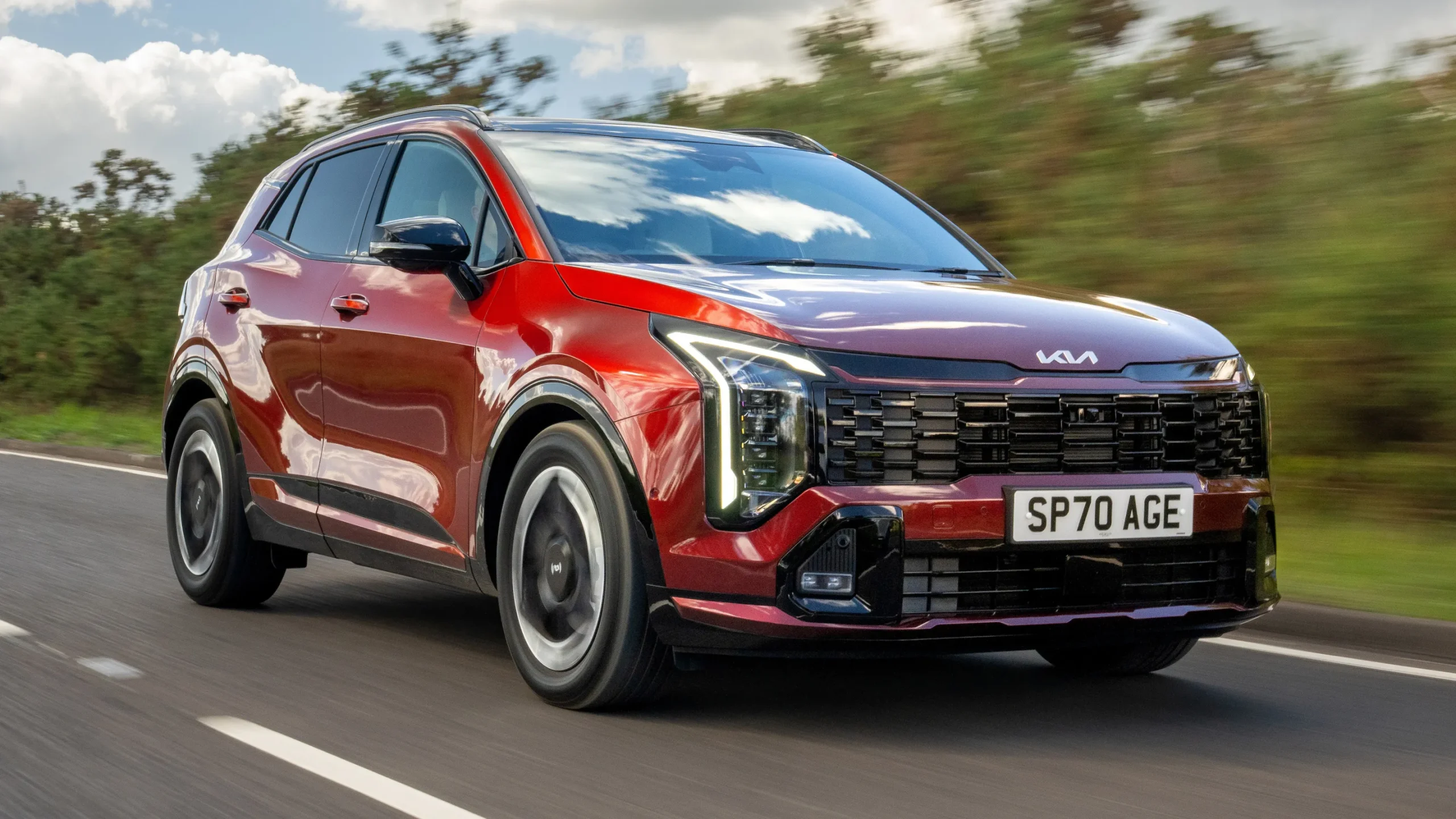
Kia Sportage merges practical dimensions with a refined driving experience, creating a crossover that suits both urban streets and longer trips. Its length and width provide interior space without creating a sense of bulk, while suspension tuning emphasizes comfort over rigidity, reducing fatigue during frequent stops or uneven roads.
Handling is light and predictable. Steering offers precise input without requiring excessive effort, while cornering remains controlled. This responsiveness proves valuable during parallel parking, lane changes, and driving through residential streets. Drivers feel confident in situations that would feel cumbersome in larger crossovers.
Interior ergonomics prioritize user convenience. Seating is supportive, controls are positioned logically, and infotainment screens are intuitive. Materials combine soft-touch surfaces with durable finishes, creating a cabin environment that is comfortable for daily commutes yet resilient to wear.
Sound insulation further enhances the perception of quiet and calm. Power delivery balances performance and control. Engines provide smooth acceleration without abrupt surges, while transmission tuning complements urban stop-and-go patterns.
Fuel efficiency supports frequent short trips without creating an added burden. Cargo arrangements are flexible, with rear seats folding to accommodate larger loads without compromising the entire vehicle’s dimensions.
Kia Sportage exemplifies a crossover that balances size and comfort without resorting to compromise. Its proportions, steering, suspension, and interior combine to create a harmonious driving experience suitable for daily routines, errands, and weekend adventures.
5. Hyundai Tucson
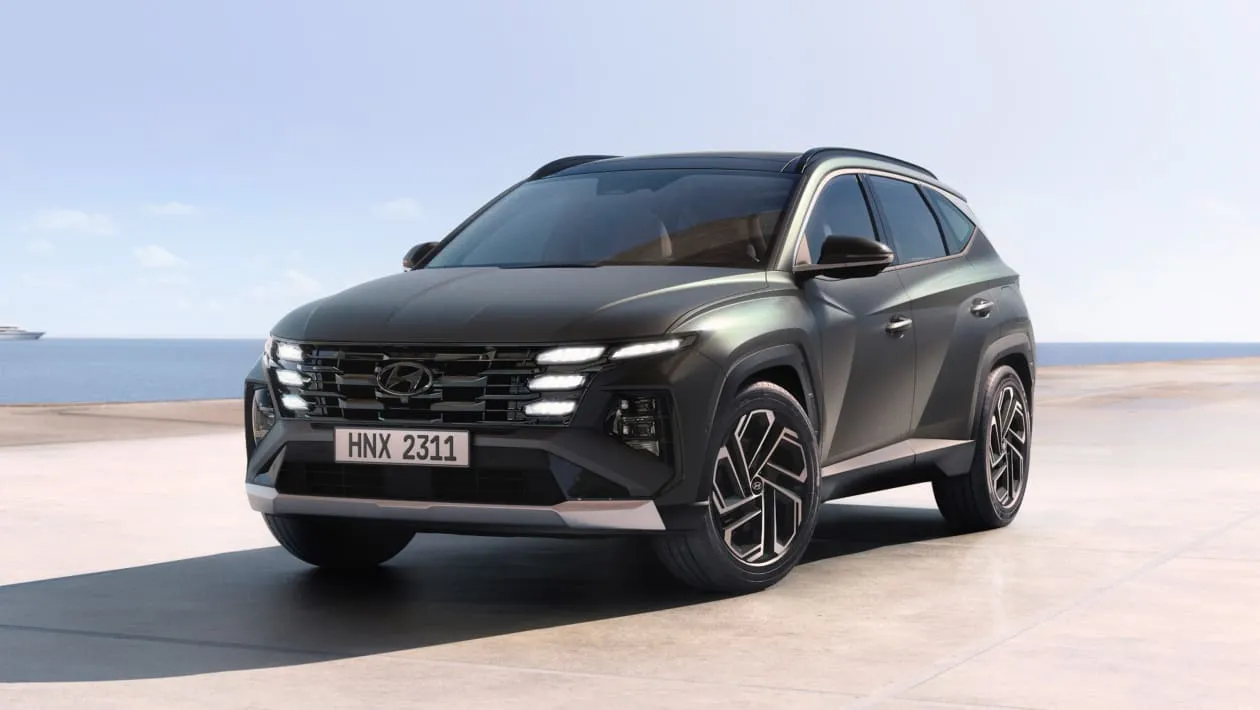
Hyundai Tucson combines clever packaging and refined engineering to achieve a crossover that satisfies both size and comfort requirements. Its compact footprint ensures easy maneuverability, while cabin design maximizes usable space for passengers and cargo. Ride quality absorbs imperfections on urban streets while maintaining stability at highway speeds.
Steering calibration delivers responsive feedback without twitchiness, making tight turns and parking maneuvers straightforward. Suspension tuning filters road irregularities effectively, providing a smooth environment for passengers on short and long trips alike. Handling retains composure during rapid directional changes, which supports driver confidence in varied conditions.
Interior appointments focus on ergonomics and user-friendly technology. Seats support extended driving periods without fatigue, and intuitive displays allow seamless access to navigation, climate, and media. Soft-touch surfaces and durable panels contribute to both aesthetics and practicality.
Noise reduction ensures conversations and media remain clear even in heavier traffic conditions. Powertrain options are designed for manageable acceleration and predictable performance. Both gasoline and hybrid options maintain smooth delivery, reducing stress during congested commutes.
Fuel efficiency is competitive for its class, enhancing practicality for everyday use. Rear cargo flexibility enables easy storage of groceries, luggage, or recreational equipment, further supporting urban usability. Hyundai Tucson presents a comprehensive package that blends smart proportions, comfort-oriented suspension, and interior functionality.
This crossover demonstrates that size and comfort can coexist without forcing drivers to compromise on either, providing a capable and comfortable option for city and suburban driving.
5 Crossovers That Struggle with Size and Comfort
1. Ford Edge
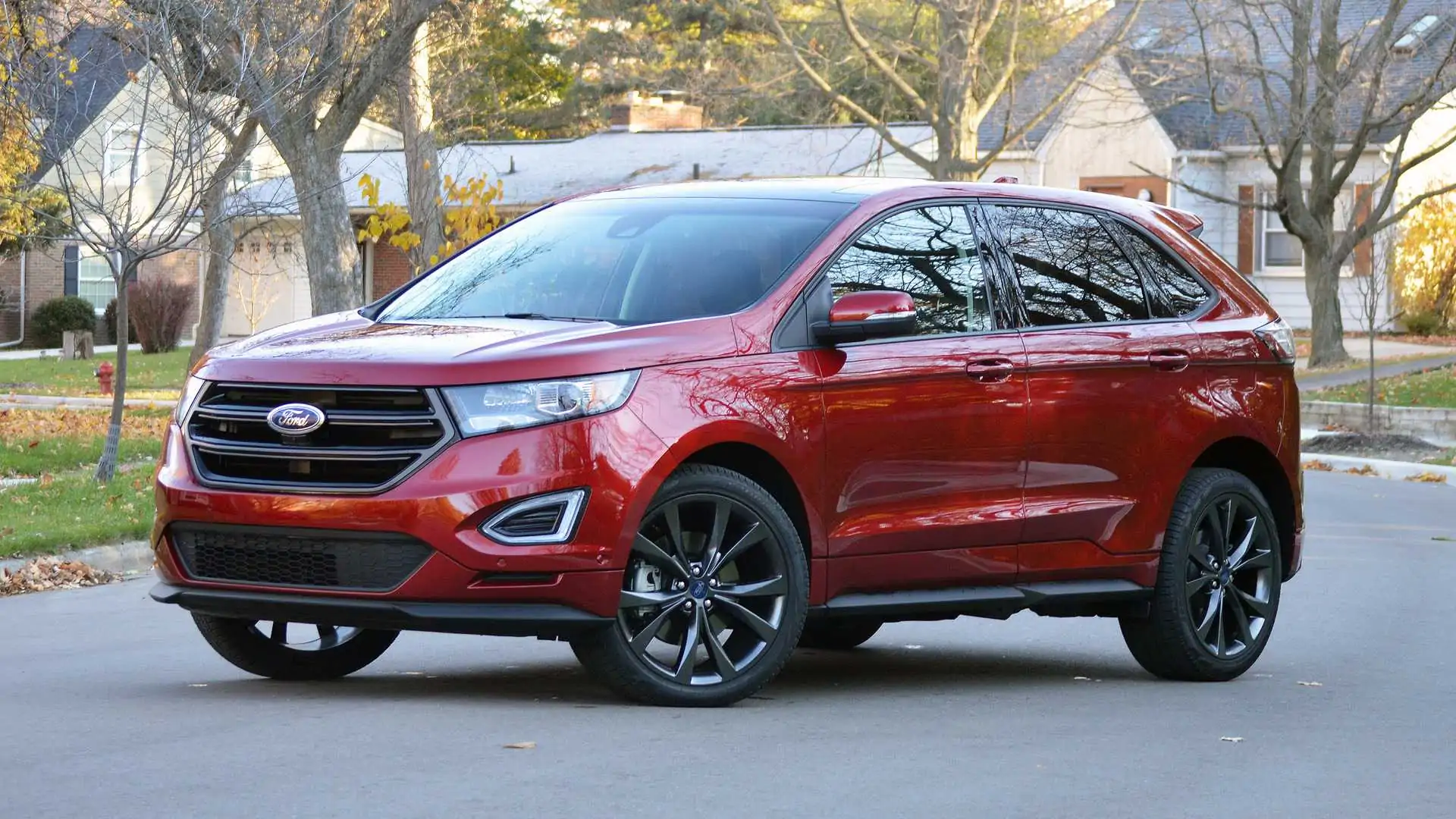
Ford Edge presents a strong presence on the road, but its combination of width and height can feel cumbersome in urban and suburban streets. Entering tight parking spaces or maneuvering through narrow streets demands deliberate effort.
The Edge’s turning radius requires planning, and even small adjustments often need multiple corrections. Drivers accustomed to more compact crossovers may feel less agile, particularly in congested traffic or during parallel parking.
Steering at low speeds feels firm but lacks the responsiveness expected in tighter city conditions. Quick lane changes require a conscious approach rather than an instinctive reaction. Handling excels at highway speeds, where stability dominates, yet urban environments highlight the trade-off between size and nimbleness. Confidence behind the wheel diminishes slightly when negotiating crowded streets or performing repeated tight maneuvers.
Visibility presents challenges, particularly around the side pillars and rear corners. Cameras and sensors help, yet blind spots remain more pronounced than in smaller crossovers. Constant attention is required to avoid pedestrians or adjacent vehicles. Drivers must rely on both technology and spatial awareness, creating a more involved experience in busy areas.
Cabin comfort is mixed. The Edge provides ample seating space and supportive cushions, yet ride quality suffers over uneven urban pavement. The suspension is tuned for a firmer feel, which absorbs minimal road vibrations, translating bumps directly into the cabin. Noise from tires and wind becomes noticeable, especially at lower speeds, slightly detracting from the quiet atmosphere expected in premium crossovers.
Acceleration is smooth, yet power delivery feels heavier due to vehicle mass. Stop-and-go traffic emphasizes throttle control and careful braking. While the engine is capable, the combination of weight and steering characteristics reduces agility in daily commutes.
Cargo flexibility exists, but it can feel disproportionate relative to maneuverability. The rear liftgate and folding seats offer practical storage, yet their utility is often limited by the difficulty of positioning the vehicle in tight spaces.
Ford Edge performs well on open roads, delivering confident acceleration and stability. Within urban and suburban environments, however, its size and steering characteristics create challenges that may frustrate drivers accustomed to more nimble crossovers.
The Edge prioritizes presence and stability at the expense of effortless city maneuvering, demonstrating that size can sometimes work against comfort in confined areas.
2. Chevrolet Blazer
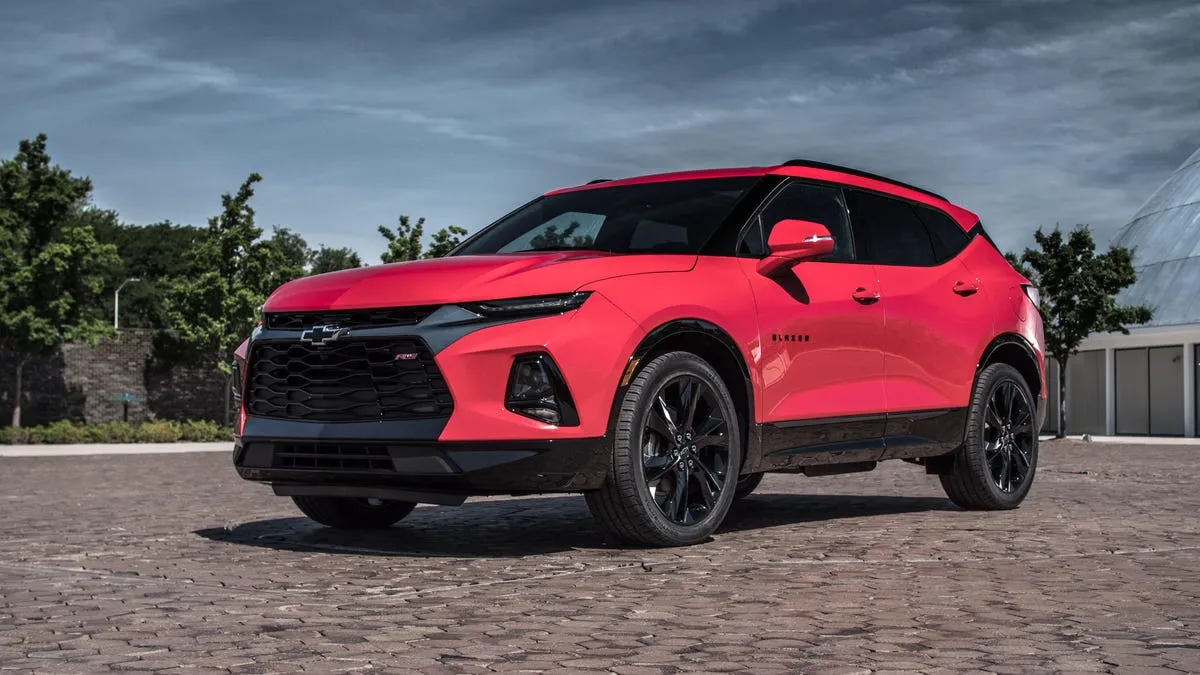
Chevrolet Blazer emphasizes bold design and aggressive styling, but its wide stance and extended wheelbase create tension in tighter driving environments. Urban driving exposes these limitations, as narrow streets, compact parking spaces, and crowded intersections demand patience and precision. Simple maneuvers require anticipation, with multiple steering adjustments needed to maintain correct positioning.
Handling is weighted toward highway stability. Low-speed steering lacks the light, responsive feel that aids in urban maneuvering. Tight turns can feel sluggish, forcing drivers to slow down and adjust continuously. The balance between body roll and steering input works well at higher speeds but draws attention to shortcomings when agility is necessary.
Visibility suffers due to thick A-pillars and rear roofline taper. Blind spots are more pronounced, requiring careful reliance on side mirrors and rear cameras. While parking assistance helps, drivers must remain vigilant, particularly when parallel parking or reversing into limited spaces.
Ride comfort is inconsistent. Suspension absorbs minor road irregularities, yet its firmer tuning allows bumps to transmit through the cabin. Tire and wind noise also increase at lower speeds, affecting perceived refinement. Seats provide support, but prolonged urban driving emphasizes the interaction between vehicle mass and road feedback, occasionally amplifying driver fatigue.
Powertrain options deliver sufficient acceleration, yet the vehicle’s size requires attentive throttle modulation. Stop-and-go traffic exposes its weight and steering characteristics, requiring active management of spacing and braking. Fuel efficiency is moderate, and short urban trips emphasize repeated adjustments, creating more effort than in smaller crossovers.
Cargo capacity is generous and flexible, but using it in confined areas is less practical due to the Blazer’s size. Folding rear seats increases versatility, yet positioning the vehicle for loading often requires careful planning.
Chevrolet Blazer delivers presence, comfort at speed, and versatile cargo, yet its width, height, and handling reveal challenges when city maneuvering is frequent. Drivers seeking effortless navigation and quick response may find the Blazer demanding in everyday urban conditions.
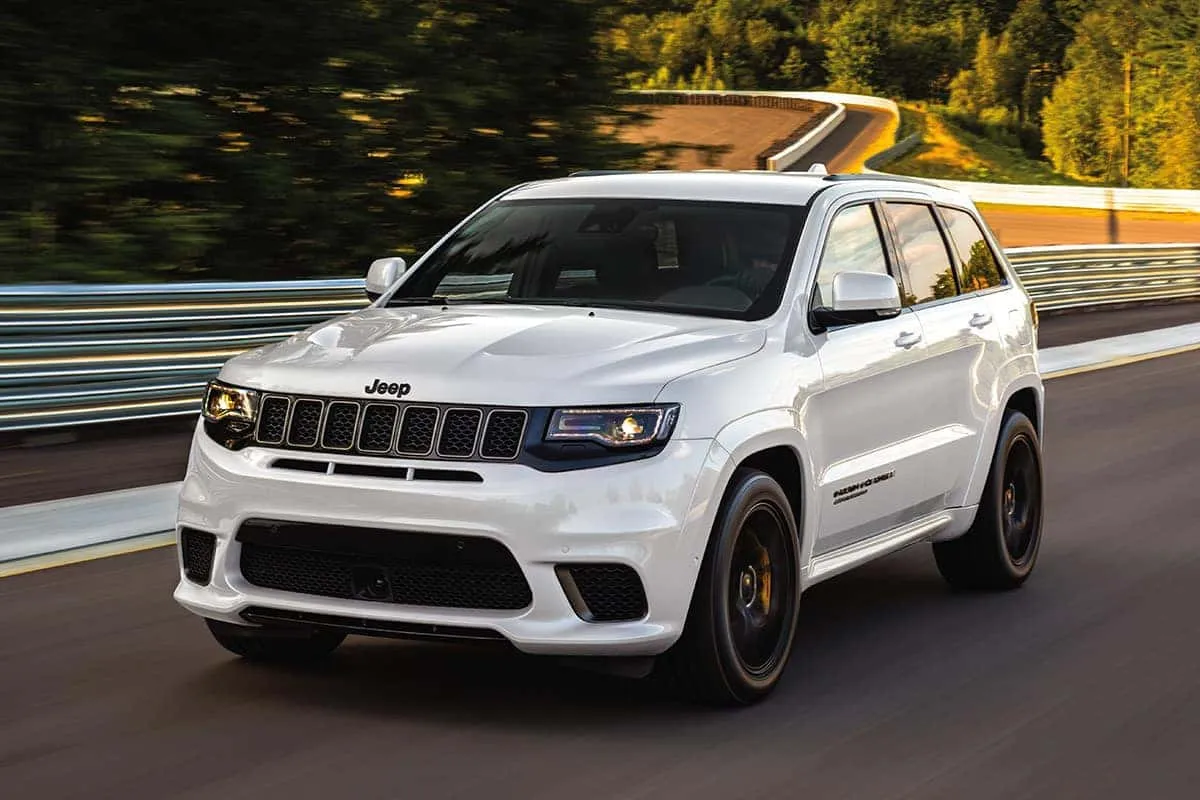
3. Jeep Grand Cherokee
Jeep Grand Cherokee presents a luxurious and capable crossover, yet its large footprint highlights maneuverability issues in confined areas. Parking, tight corners, and narrow streets demand conscious spatial awareness, reducing the ease associated with daily driving. The elevated stance offers strong forward visibility but increases the challenge of judging distances in tight urban spots.
Steering response favors highway confidence rather than urban agility. Turning requires effort and deliberate movement, especially when executing multiple short maneuvers. The suspension delivers composed highway handling but transmits bumps more directly in city conditions. Drivers may notice stiffness over uneven pavement, creating a difference between its off-road prowess and urban usability.
Visibility challenges arise from thick pillars and broad body dimensions. Technology, including cameras and parking sensors, mitigates some limitations, yet spatial judgment remains crucial. Blind spots are larger than in smaller crossovers, demanding vigilance during lane changes or tight parking situations.
Ride quality is refined over long distances, yet the same tuning exposes bumps and imperfections in urban streets. Cabin noise increases in slow traffic, with road and engine sounds more perceptible. Seating provides comfort, yet repeated city maneuvers amplify driver awareness of the vehicle’s size.
Engine performance is strong, but weight magnifies throttle response at low speeds. Stop-and-go traffic requires careful modulation to maintain spacing, adding effort during frequent city commutes. Braking is reliable but requires anticipation due to the vehicle’s mass.
Interior and cargo space remain generous, yet the benefits are often underutilized in urban errands. The rear hatch allows flexible storage, but parking limitations can restrict usage.
Jeep Grand Cherokee excels on highways, light off-road paths, and open roads, but its dimensions and handling characteristics make city life less effortless. Drivers seeking a balance of size and comfort may encounter challenges during repeated tight maneuvers and low-speed navigation, revealing that a luxurious interior does not fully offset urban limitations.
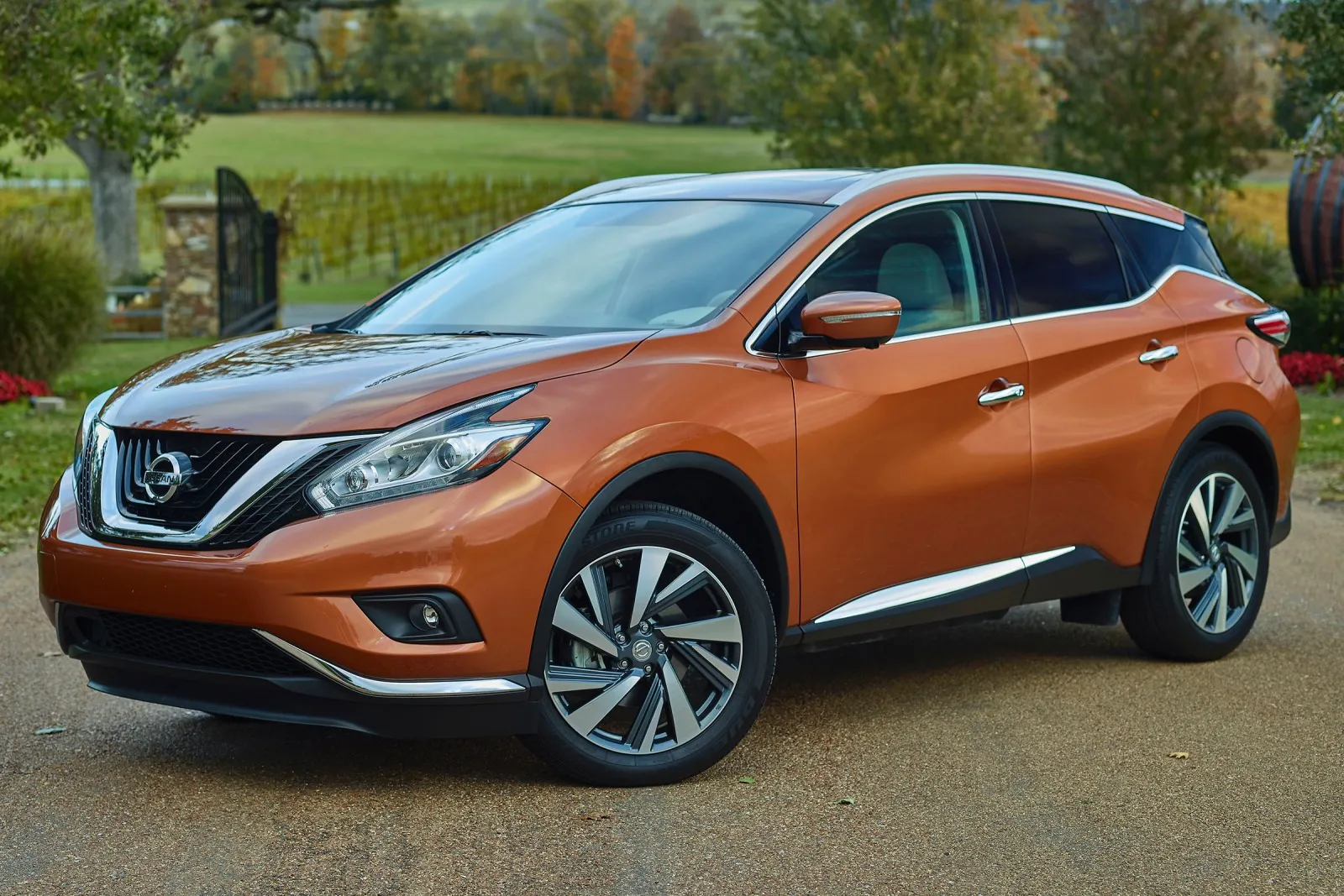
4. Nissan Murano
Nissan Murano emphasizes smooth styling and premium cabin touches, yet its wide stance and lengthy wheelbase create handling challenges in urban environments. Tight parking, congested streets, and narrow intersections require deliberate steering input and attention to spatial awareness. The vehicle feels less nimble compared with smaller crossovers, which increases mental effort for drivers during daily commuting.
Steering responsiveness is moderate, favoring highway composure over low-speed agility. Tight turns and lane moves necessitate careful planning, and quick corrections can feel cumbersome. The Murano excels at stable high-speed driving, but city streets reveal the compromise between its size and maneuverability.
Visibility is affected by wide pillars and a sloping rear roofline. Cameras and proximity sensors assist, yet drivers must remain vigilant to avoid minor collisions or obstacles. Rear corner blind spots are noticeable, emphasizing the need for cautious positioning in tight areas.
Ride quality prioritizes comfort over sportiness, yet suspension tuning allows minor road imperfections to transmit into the cabin. Tire and road noise are more evident at low speeds, impacting perceived refinement. Seats are supportive, but repeated city maneuvers highlight the interaction between vehicle mass and urban roads.
Powertrain delivers smooth acceleration, yet low-speed control requires deliberate throttle input. Stop-and-go traffic accentuates the Murano’s mass, increasing the effort required for consistent spacing. Fuel consumption is moderate, and short urban trips highlight repeated braking and acceleration cycles.
Cargo space is flexible and generous, yet handling the vehicle in tight parking situations can make loading and unloading less convenient. Rear seat folding increases storage capacity, but placement in narrow spaces requires attention.
Nissan Murano succeeds in comfort and cabin design but struggles when its size meets city constraints. Daily errands, urban navigation, and repeated tight maneuvers emphasize the compromise between premium interior experience and ease of use in confined settings.
Also Read: 5 Crossovers With Good Visibility vs 5 With Blind Spots
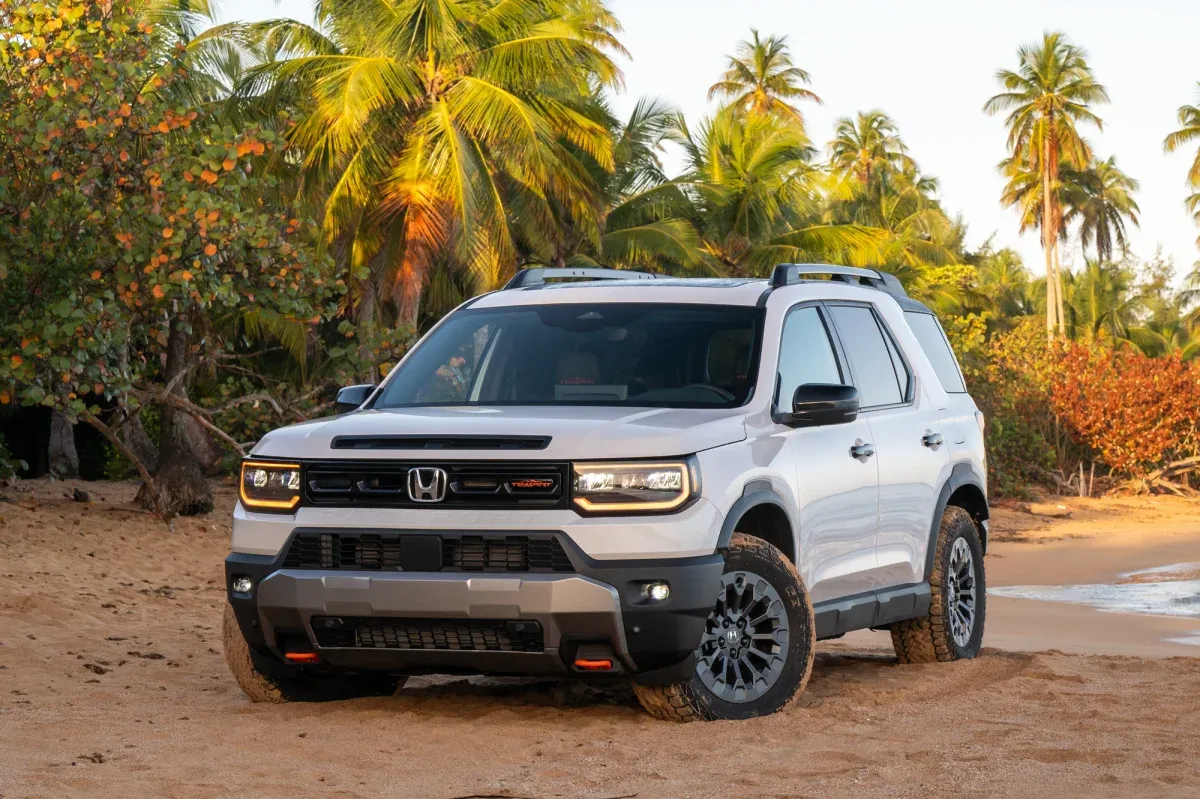
5. Honda Passport
Honda Passport combines ruggedness with a commanding cabin presence, yet this crossover demonstrates the challenges of balancing size and urban comfort. Its long wheelbase and broad track create handling demands in tight streets, parking garages, and crowded intersections. Even small adjustments require deliberate effort, making city navigation feel more strenuous than in smaller crossovers.
Steering is weighted toward stability, which reduces responsiveness during low-speed maneuvers. Tight turns and parallel parking demand careful calculation and repeated corrections. Handling and suspension provide confidence on highways, yet urban driving exposes stiffness over uneven roads, transferring more road feel into the cabin.
Visibility is partially limited by pillar width and roofline height. Camera systems and parking sensors support awareness, but blind spots persist. Drivers must actively monitor their surroundings to avoid minor collisions during daily urban driving.
Ride comfort is effective over longer stretches but less forgiving on city streets. Tire and road noise become apparent during slow movement, while firm suspension amplifies pavement irregularities. Seats provide support, but repeated maneuvers reveal the interaction between vehicle mass and agility, adding strain to short trips.
Acceleration is smooth yet requires throttle moderation at low speeds. Stop-and-go traffic amplifies the effect of vehicle mass, making low-speed maneuvering more demanding. Braking remains solid, but longer stopping distances highlight size limitations in city conditions.
Cargo space is practical, yet urban utility is reduced by challenges in positioning the vehicle for loading or unloading. Folding seats enhance capacity, but frequent low-speed maneuvers limit convenience. Honda Passport excels on highways, rural roads, and light off-road paths but struggles in dense urban environments.
Drivers seeking effortless maneuverability and smooth urban handling may feel constrained by the vehicle’s dimensions, suspension, and steering characteristics. Its strengths are most evident where space is abundant, while confined streets emphasize compromise between size and comfort.
