
Climbing into a crossover should feel like gaining confidence, not a guessing game. Clear sightlines help drivers read traffic earlier, judge parking spaces without stress, and relax behind the wheel during long days. Visibility is not about fancy screens or sensors alone.
Glass area, pillar thickness, mirror placement, seat height, and even hood shape determine how much of the road reaches your eyes. Some crossovers quietly excel at this, making daily driving feel lighter and more natural. Others leave drivers leaning forward, double-checking mirrors, or trusting warning beeps a bit too often.
This page focuses on vehicles that treat visibility as a priority, not a bonus feature. You will see five crossovers praised for open views and thoughtful design choices, followed later by five that struggle with blind spots. Every model is named clearly, each is discussed in detail, and none is repeated.
The goal is simple. Help readers understand which designs support calm driving and which demand extra effort. Whether your routine includes school drop-offs, highway commuting, or crowded parking lots, clear visibility shapes the experience more than most brochures admit. With that in mind, let us begin with crossovers that make seeing easier from every seat.
5 Crossovers With Good Visibility
1. Subaru Forester
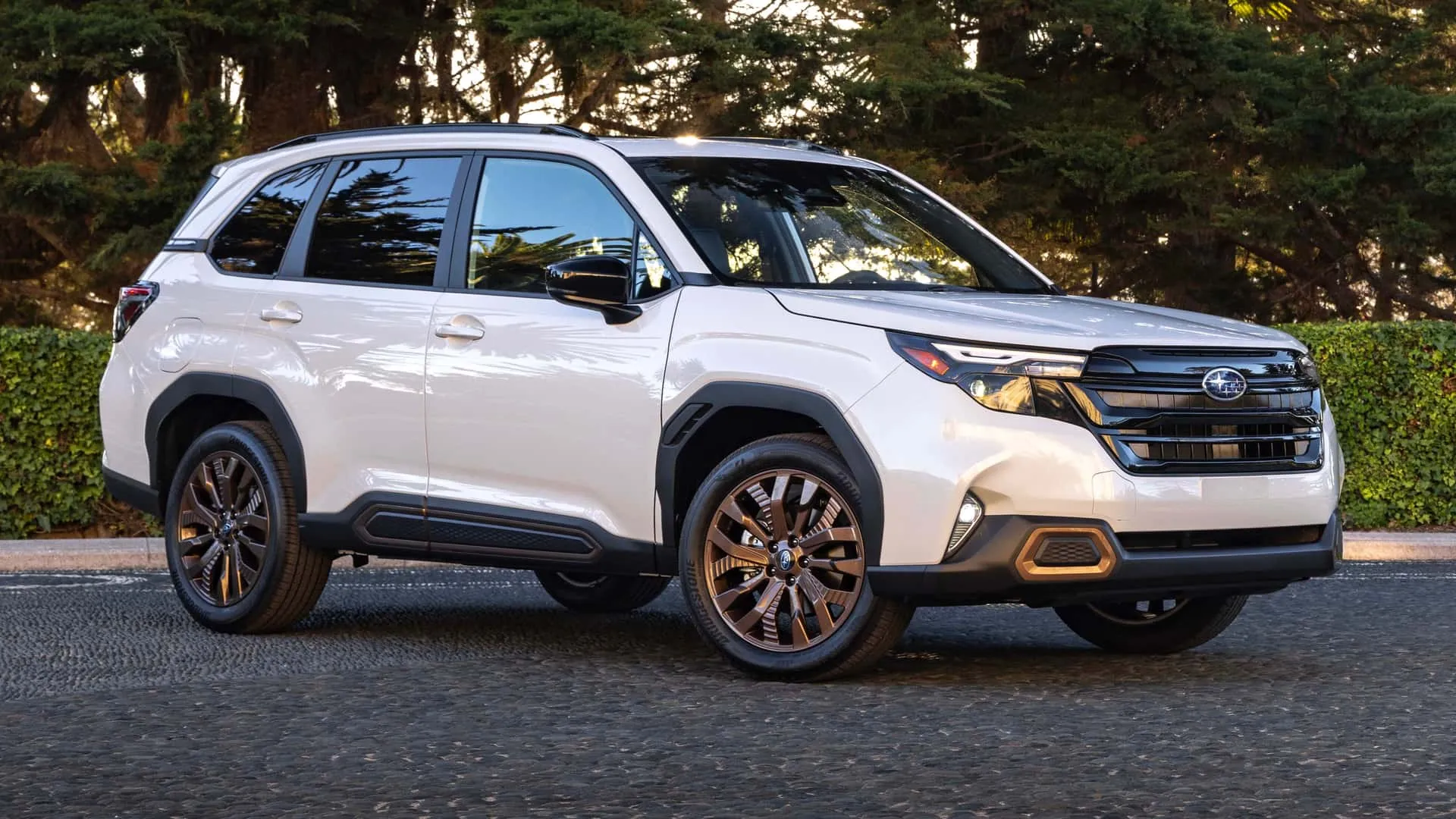
Clear thinking defines the Subaru Forester, and that mindset extends directly to what drivers see through the windshield. Sitting inside this crossover feels airy, thanks to generous glass surfaces and pillars designed with restraint rather than bulk.
Sightlines stretch outward without forcing the driver to crane their neck or rely on electronic helpers. Corners of the hood remain visible from the seat, which helps when placing the vehicle in narrow lanes or pulling into tight spaces.
Step inside and notice how upright the seating position feels. That posture places eyes higher, improving awareness in traffic without creating a top-heavy sensation. Side windows are tall and squared off, a shape that favors clarity instead of dramatic styling.
Rear visibility stays strong due to a large back window and a tailgate that avoids steep angles. Lane changes feel calmer because blind spots shrink, even before checking mirrors. Designers clearly thought about everyday scenarios.
Parking garages, grocery store lots, and residential streets all benefit from the Forester approach. Thick safety structures exist, yet they stay positioned where they interfere least with the view. Subaru also avoided overly sloped rooflines, preserving visibility for back seat passengers as well.
Driving through rain or at night adds another layer of appreciation. Wipers clear a broad arc, headlights illuminate without glare, and mirrors sit at practical heights. This crossover rewards drivers who value awareness over flash.
Subaru Forester proves that good visibility comes from smart proportions and disciplined design choices rather than gimmicks or oversized dashboards.
2. Honda CR V
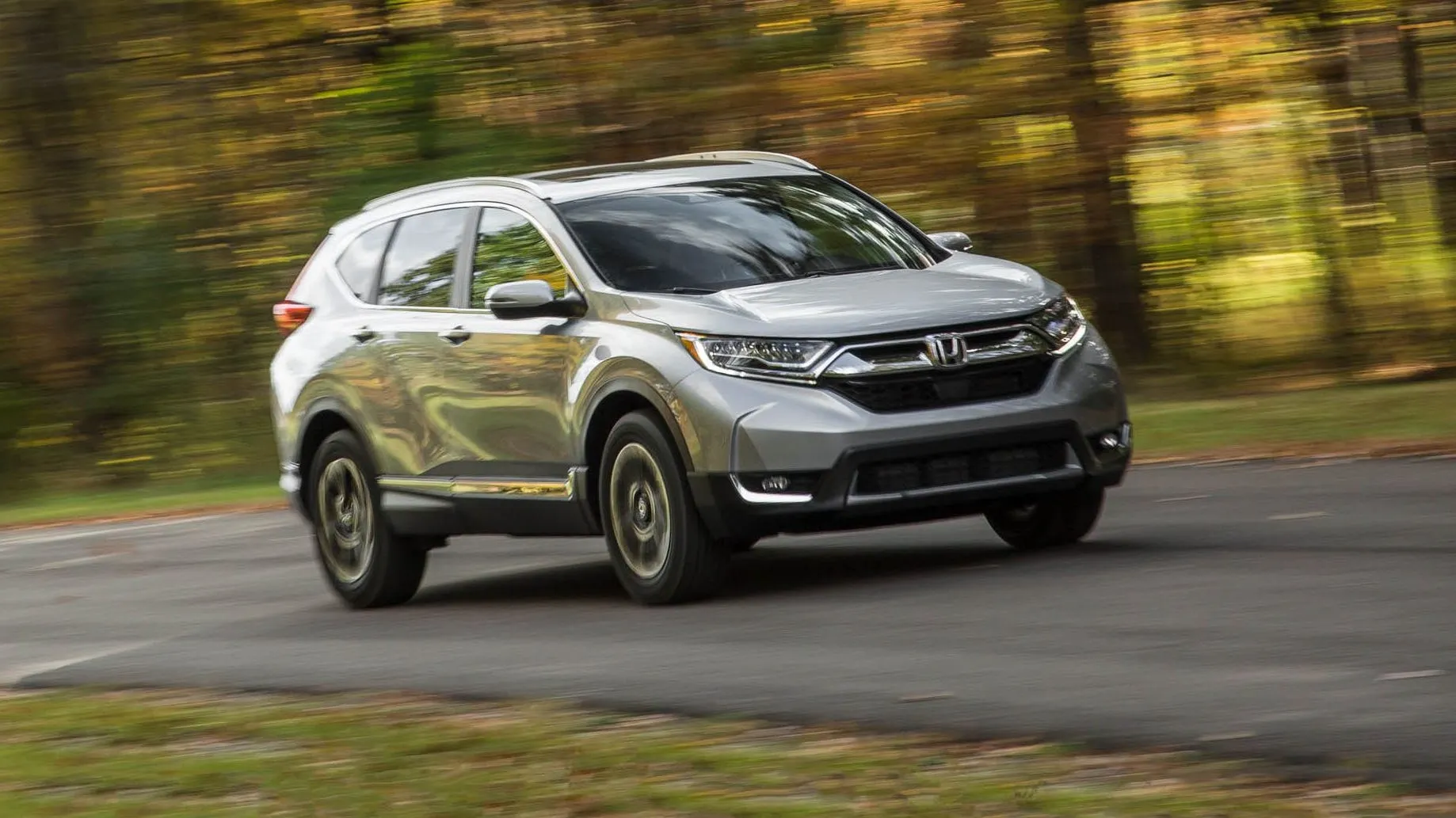
Ease defines the Honda CR V experience, starting the moment you glance around from the driver’s seat. Visibility feels natural, almost intuitive, as if the vehicle disappears around you. Honda shaped the windshield with a wide, open arc, giving drivers a sweeping view of the road ahead. Pillars remain slim enough to avoid hiding pedestrians or cyclists at intersections.
Cabin layout plays a quiet role here. The dashboard sits low, never rising into the driver’s line of sight. That choice reduces visual clutter and helps shorter drivers feel just as comfortable as taller ones. Side mirrors sit on the doors rather than the pillars, opening up forward diagonal views that often cause frustration in other vehicles.
Rearward awareness also shines. A large rear window and sensible tailgate design allow clear views when reversing, even without cameras. Parallel parking feels less stressful because corners are easy to judge. Honda balanced safety structure with transparency, avoiding the boxed-in feeling that some modern crossovers create.
Daily driving brings these strengths into focus. School zones, crowded intersections, and highway merges all benefit from the CR V approach. Instead of forcing drivers to adapt to thick frames and tiny windows, the vehicle adapts to human sightlines. Even long trips feel less tiring because the eyes do not strain to gather information.
Honda CR V shows how mature engineering choices can create comfort without sacrificing style. Visibility does not shout for attention here. It quietly supports confidence mile after mile, making this crossover a trusted companion for drivers who value clarity in every sense.
Also Read: 5 Crossovers That Balance City Driving and Space vs 5 Crossovers That Miss That Balance
3. Toyota RAV4
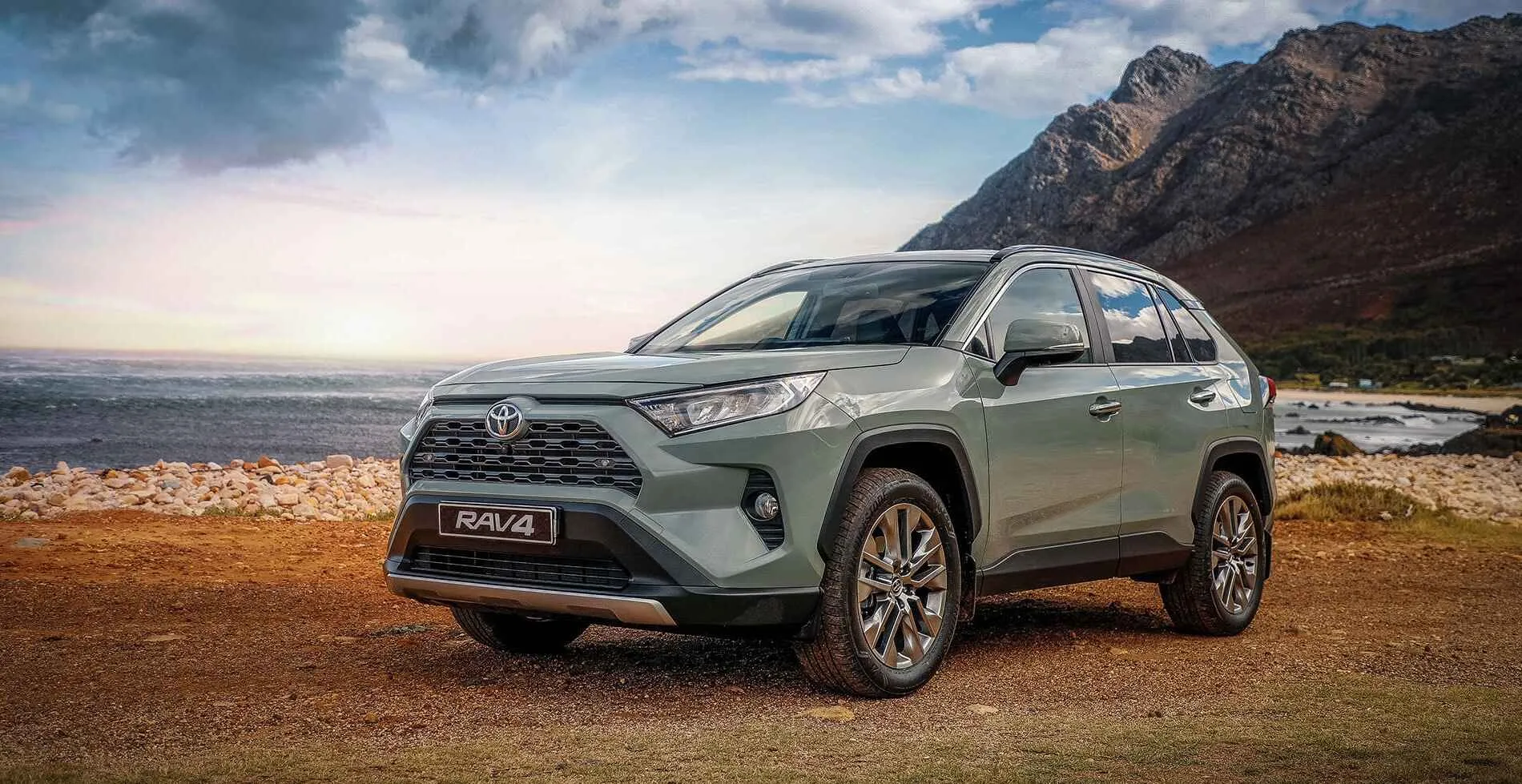
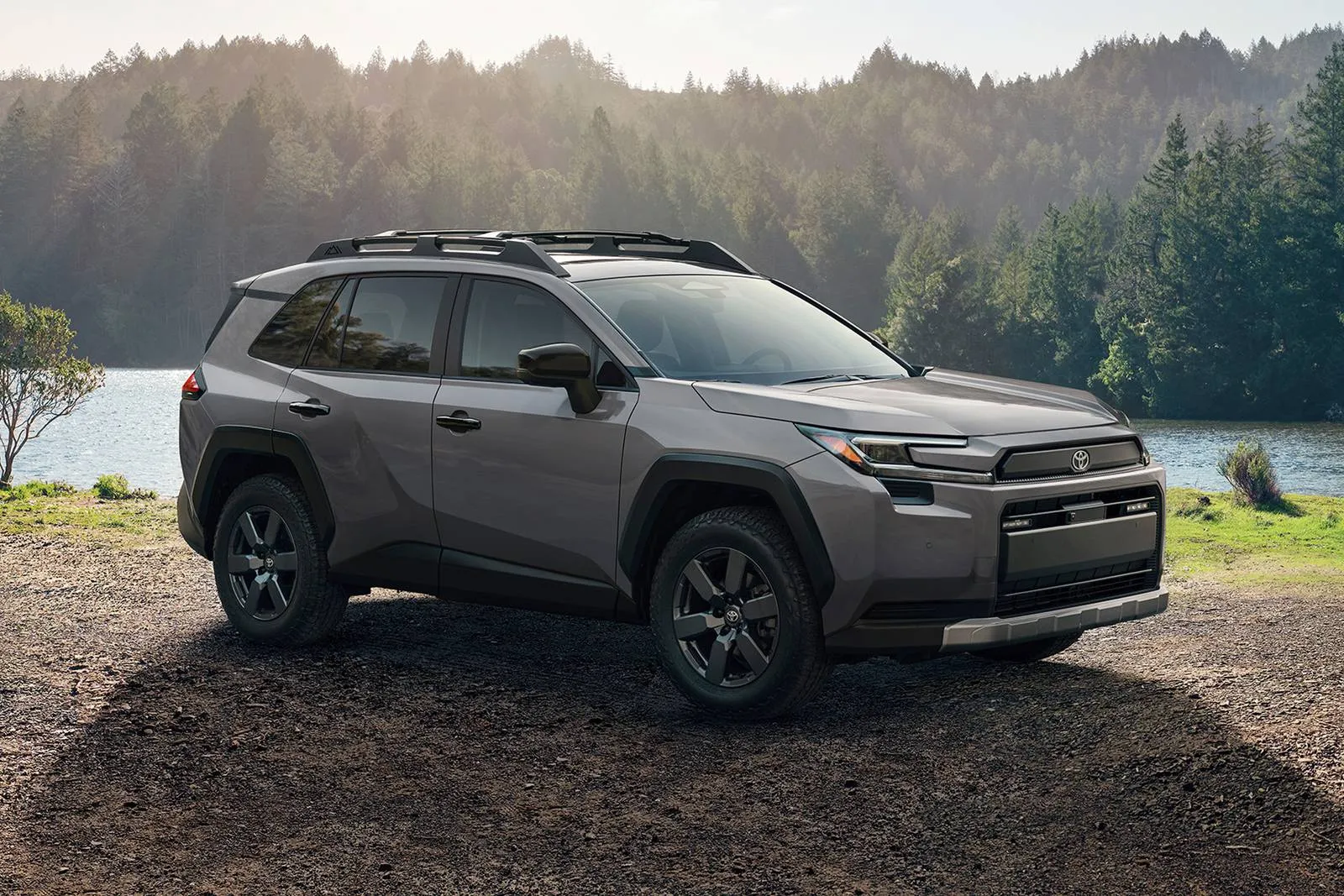
Bold styling does not always pair well with open views, yet the Toyota RAV4 finds a thoughtful balance. From behind the wheel, the cabin feels commanding without turning claustrophobic. The hood slopes gently, allowing drivers to see the road directly ahead rather than guessing where the front ends. That small detail builds trust during city driving and tight turns.
Toyota shaped the windshield generously, providing wide coverage that supports scanning traffic with minimal head movement. Side windows maintain useful height, avoiding the bunker-like effect found in some competitors. Mirrors offer broad coverage and sit far enough outward to reduce overlap with blind spots.
Rear visibility benefits from a large window and a relatively upright tailgate. Backing into a space feels controlled, even before electronic aids step in. Passengers also enjoy better outward views, which helps reduce motion discomfort during longer rides.
RAV4 interior design supports visibility by keeping controls compact and low profile. Nothing rises unnecessarily to block sightlines. Seating position remains adjustable, letting drivers fine-tune height and distance until the view feels just right. Toyota also paid attention to window frame thickness, reinforcing safety while preserving openness.
Urban drivers appreciate how easily this crossover threads through traffic. Suburban errands feel simpler, and highway merging becomes less tense. Toyota RAV4 demonstrates that strong character does not require sacrificing what matters most. Clear visibility remains central, reinforcing confidence every time the engine starts.
4. Mazda CX 5
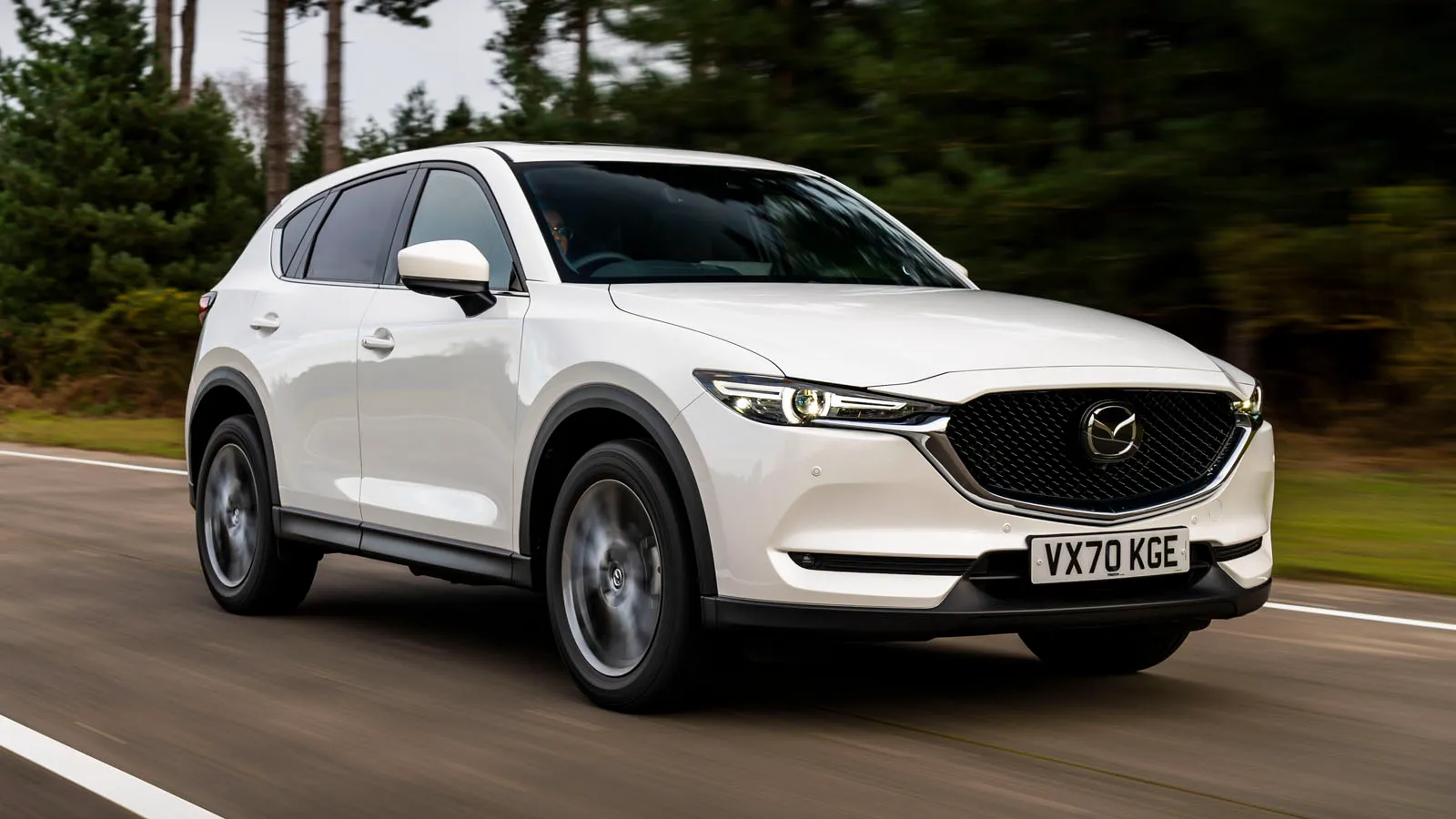
Driving engagement defines Mazda CX 5, yet visibility receives equal care. Sitting inside feels focused rather than enclosed. Mazda shaped the windshield with careful curvature, giving drivers a clean, uninterrupted view ahead. Pillars angle subtly, reducing obstruction without weakening structure.
Seating position plays a role here. The driver sits slightly lower than in some rivals, but the hood line remains visible, creating a sense of connection with the road. Side windows extend far enough to support peripheral awareness, which proves helpful during quick lane changes.
Rear sightlines benefit from a wide window and a sensible roof design. Even with a sportier silhouette, Mazda avoided extreme slopes that reduce practicality. Backing up or checking traffic behind feels straightforward, supported by clear glass and well-placed mirrors.
Interior layout avoids visual noise. Controls stay minimal, screens sit low, and materials do not reflect light into the driver’s eyes. This calm environment sharpens focus, letting drivers absorb surroundings with ease.
Mazda CX 5 suits those who enjoy driving but still want reassurance. Clear visibility supports spirited moments and relaxed cruising alike. Rather than leaning heavily on technology to compensate, Mazda prioritized natural sightlines. That choice enhances trust between driver and machine, a quality that grows more valuable with every mile.
5. Volkswagen Tiguan
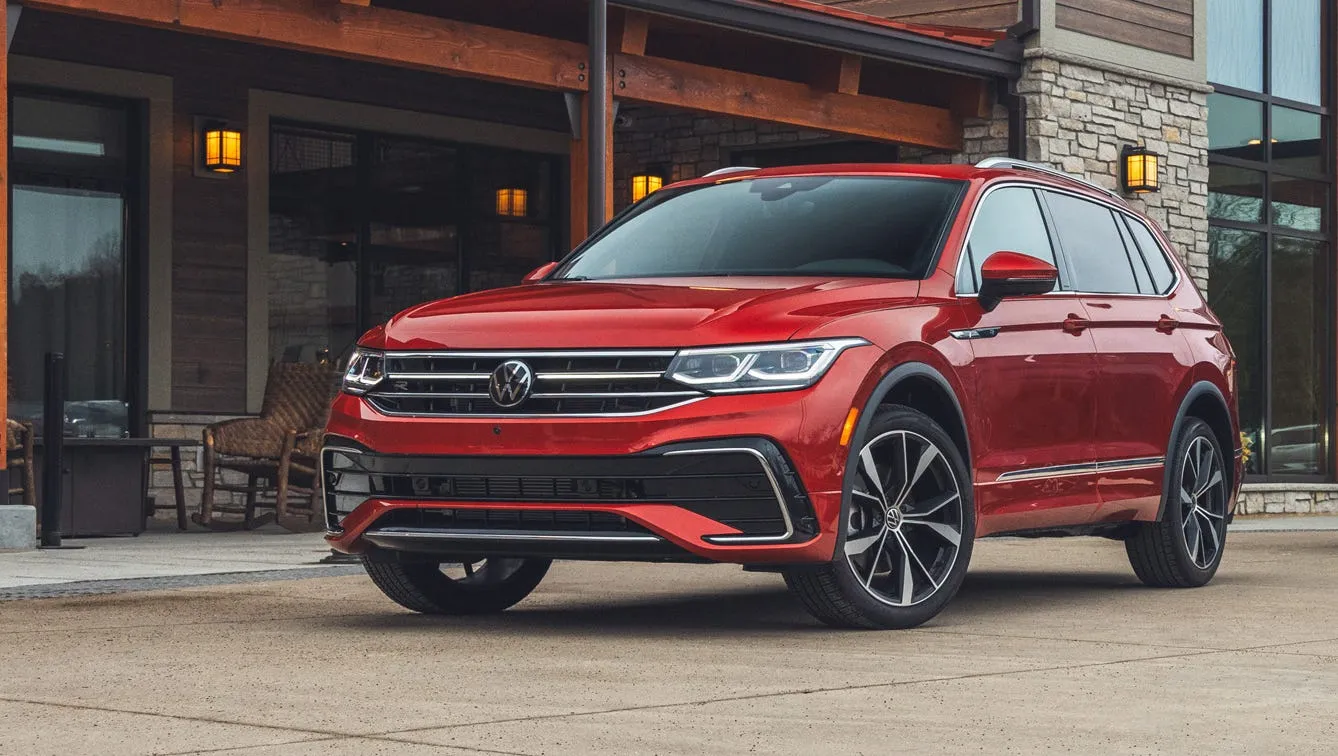
The Volkswagen Tiguan is characterised by a strong emphasis on interior space, and this sense of openness directly supports clear outward visibility. From the driver’s position, the cabin feels well-proportioned and thoughtfully arranged.
Large windows surround the interior, allowing ample natural light and providing an unobstructed view of the surroundings. The tall windshield plays a central role in this experience, offering a wide forward outlook that allows the driver to observe traffic conditions with ease. Structural pillars are designed with restraint, ensuring safety without excessively blocking sightlines.
Attention to practical detail is evident in the placement of the exterior mirrors and the proportions of the windows. The side mirrors provide broad coverage and maintain clarity without visual distortion. Their mounting position on the doors, rather than close to the windshield frame, improves forward diagonal visibility, especially at junctions and roundabouts.
This arrangement reduces the need for excessive head movement when checking for approaching vehicles. The bonnet remains partially visible from the driver’s seat, assisting with accurate judgement of distance during low-speed manoeuvres, such as parking or edging forward in traffic.
Rearward visibility is another area where the Tiguan performs well. The rear window is wide and set in an upright tailgate, allowing drivers to see clearly behind the vehicle. This design remains effective even in versions equipped with an additional row of seats, as the body shape avoids excessive narrowing toward the rear.
Reversing and parking feel controlled and predictable, supported by natural sight rather than complete dependence on electronic assistance systems. Inside the cabin, the interior layout reinforces visual clarity. The dashboard follows a horizontal design that remains low across the front, preventing obstruction of the driver’s forward view.
Controls and displays are arranged neatly, avoiding unnecessary visual distraction. The seating position is highly adjustable, enabling drivers of different heights to achieve a comfortable and commanding view of the road.
This flexibility contributes to reduced fatigue during long journeys. Passengers also benefit from the generous glass area, which improves comfort and reduces the sense of enclosure, particularly on extended trips. The Volkswagen Tiguan reflects a design philosophy that values practicality and ease of use above visual drama.
This approach results in a vehicle that feels simple to position in traffic and reassuring in confined spaces. Clear visibility supports daily driving tasks without drawing attention to itself, allowing the driver to focus on the road rather than compensating for blind areas.
For motorists who prioritise clarity, predictability, and confidence behind the wheel, the Tiguan communicates its surroundings directly and reassuringly.
5 Crossovers With Blind Spots
1. Toyota C HR
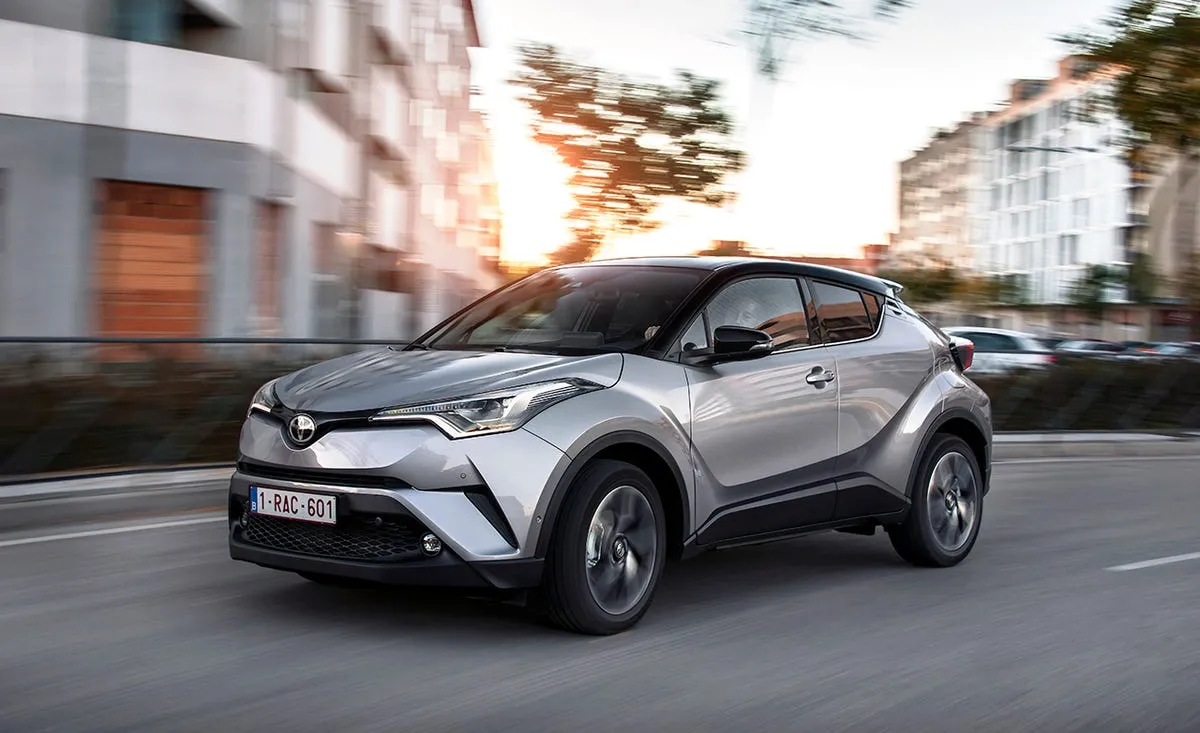
Sharp styling defines the Toyota C HR, yet that same visual drama creates challenges once seated behind the wheel. Sightlines feel constrained from the first glance, especially toward the rear corners. Thick rear pillars rise aggressively, narrowing the angle through which drivers can check for approaching vehicles. Lane changes demand more head movement and mirror reliance than expected in this class.
Cabin design favors bold surfaces and high beltlines, which leaves side windows feeling shallow. While this shape looks sporty from the outside, it limits lateral awareness inside. Urban driving highlights the issue quickly. Pedestrians stepping off curbs can vanish behind pillars, forcing drivers to pause longer at intersections.
Parking lots require added caution, especially when backing out between taller vehicles. Rear visibility remains the most challenging aspect. A sharply sloped rear window paired with high tailgate edges reduces clarity.
Backup cameras become less of a convenience and more of a necessity. Even with electronic aids active, drivers often feel disconnected from what sits directly behind. Shoulder checks provide limited reassurance due to the narrow glass area.
Front visibility avoids severe issues, yet the high hood line obscures close objects. Estimating distance to parking blocks or curbs becomes a guessing game. Shorter drivers feel this effect more strongly, even after seat adjustments.
Toyota C HR rewards style-focused buyers, though daily practicality takes a hit. Constant dependence on alerts and sensors may compensate, but the natural flow of visual information feels restricted. Drivers who prioritize clear sightlines may find this crossover demanding extra effort during routine tasks, turning simple maneuvers into moments of hesitation rather than confidence.
2. Nissan Murano
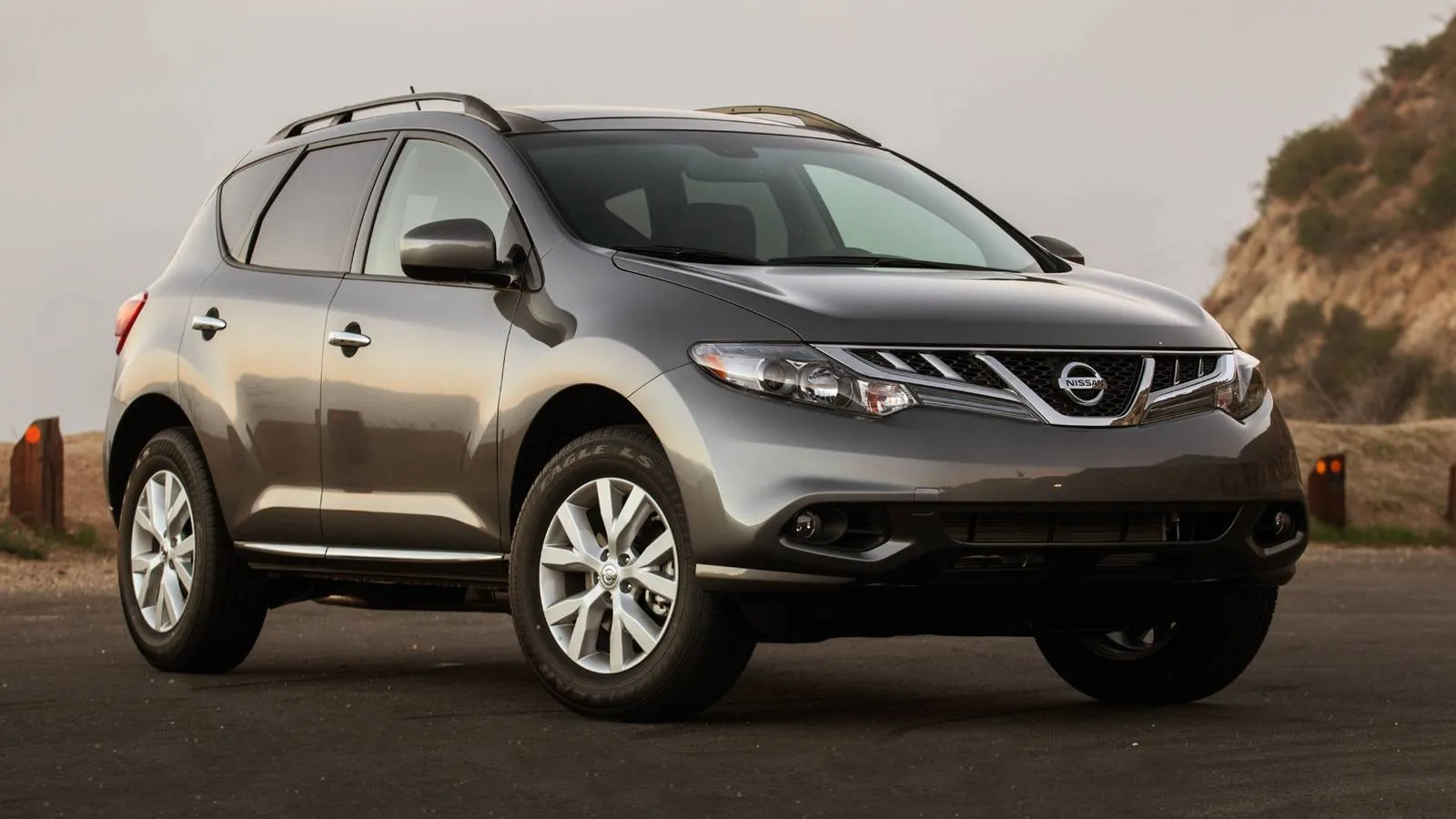
The Nissan Murano is shaped by a flowing design philosophy that places visual elegance at the forefront, yet this approach introduces certain limitations in outward visibility. Once seated inside the vehicle, the effect of thick structural pillars becomes immediately apparent.
These pillars frame the windshield and side windows in a pronounced manner, reducing the openness of the driver’s field of vision. Forward diagonal sightlines are particularly affected, causing junctions and roundabouts to appear more confined than they truly are when viewed from the exterior.
Along the sides of the cabin, the window line tapers sharply as it moves toward the rear. This design choice reduces the available glass area needed for effective shoulder checks. As a result, blind areas increase, especially during lane changes on high-speed roads.
Drivers frequently depend on careful mirror positioning and electronic warning indicators to compensate for what cannot be seen directly. Although these systems provide support, they do not fully replace the reassurance that comes from clear and immediate visual confirmation of surrounding traffic.
Visibility to the rear presents an additional concern. The roofline slopes downward toward the back, while the rear window remains relatively small. Together, these elements restrict the view of vehicles and objects positioned directly behind the car.
Reversing into parking spaces or driveways often requires repeated consultation of camera displays. Even with such assistance, judging distance accurately can feel challenging due to the narrow viewing angle available through the rear glass.
The height and positioning of the seating further influence the experience. Seats are mounted lower within the cabin, which contributes positively to ride comfort and stability. However, this lower eye point reduces the driver’s sense of command over surrounding traffic, particularly when surrounded by taller vehicles such as trucks or buses.
In addition, the contours of the bonnet rise toward the outer edges, concealing obstacles that are close to the front corners. This can make precise manoeuvring near kerbs or low barriers more demanding. Extended journeys tend to highlight the impact of these design decisions.
The driver’s eyes must work harder to gather information, especially in busy traffic conditions where quick assessments are essential. While the Nissan Murano offers a refined ride and smooth power delivery, visual assurance does not receive the same level of emphasis.
For motorists who value wide, unobstructed views, regular use may feel mentally demanding, as attention moves from the natural flow of driving to constant supervision of blind areas and assistance systems.
3. Chevrolet Blazer
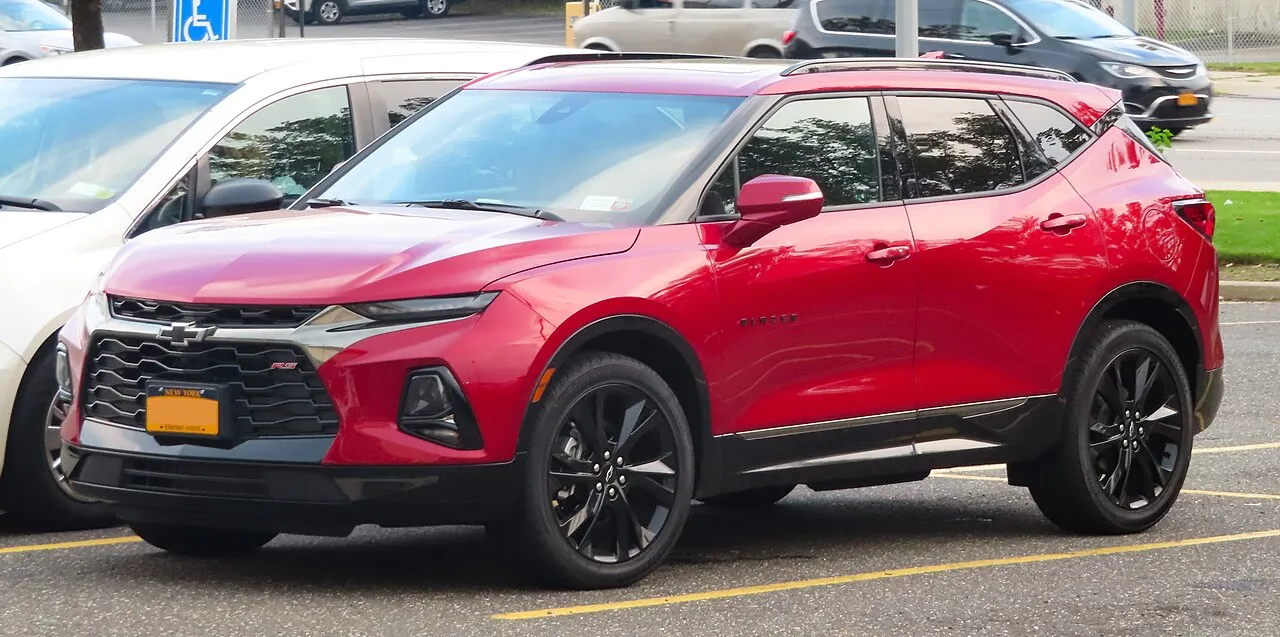
Aggressive personality defines the Chevrolet Blazer, and that boldness influences visibility inside. Narrow windows and thick framing dominate the cabin experience. While the exterior stance turns heads, the interior feels more enclosed than expected.
Windshield pillars lean back sharply, creating blind zones near crosswalks and intersections. Drivers often find themselves leaning forward or adjusting their position just to confirm a clear path. Side mirrors help, though their placement cannot fully compensate for the limited glass area.
Rear visibility stands out as a weak point. A small rear window paired with wide bodywork reduces confidence when reversing. Parking maneuvers rely heavily on camera systems, especially in crowded areas. Shoulder checks offer minimal information due to the wide rear pillars.
Interior styling contributes as well. A high dashboard rises toward the windshield, reducing forward sightlines. Hood visibility remains limited, making it harder to judge distance in tight spaces. Taller drivers may feel slightly better positioned, though issues persist regardless of height.
Chevrolet Blazer appeals to those drawn to dramatic design and performance oriented feel. Visual clarity, however, feels secondary. Drivers adjusting from more open crossovers may notice fatigue as attention divides between screens and mirrors.
While technology steps in to assist, the natural connection between driver and surroundings feels muted, adding effort to everyday driving routines.
4. BMW X4
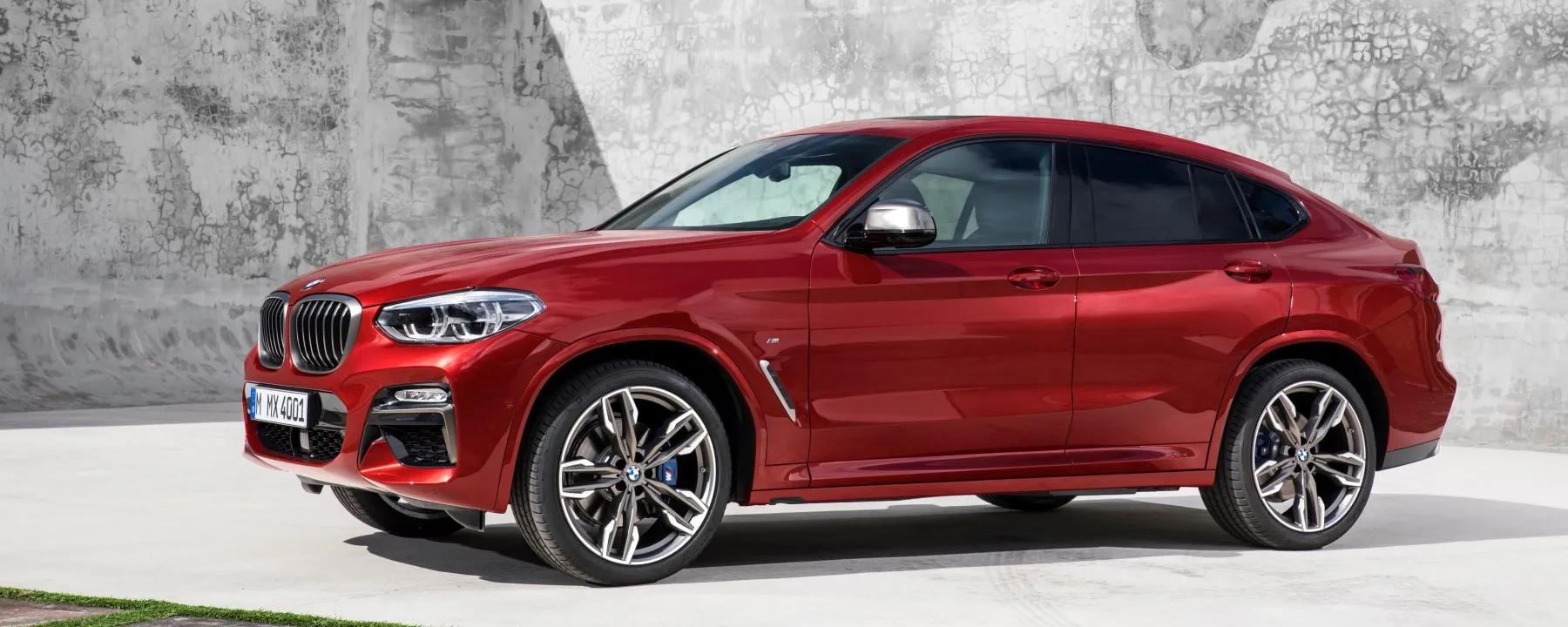
The BMW X4 presents itself as a crossover shaped by coupe-inspired aesthetics, a choice that places visual appeal ahead of outward visibility. From the moment one settles into the driver’s seat, it becomes clear that the flowing roof design, while stylish, introduces practical challenges.
The sharply sloping rear roofline limits the driver’s ability to see clearly behind the vehicle, creating blind areas that demand constant awareness and caution, particularly in urban traffic conditions. Within the cabin, the sporty atmosphere is unmistakable, yet the sense of enclosure is equally apparent.
The rearward narrowing of the side windows reduces the effectiveness of routine shoulder checks. During highway lane changes, drivers often find themselves depending more on mirrors and electronic alerts than on direct visual confirmation.
The rear pillars are thick and steeply angled, forming barriers that obscure nearby vehicles and reduce confidence when merging into fast-moving traffic. Visibility to the rear remains the most pronounced concern. The rear window is narrow and positioned at a steep angle, which limits the field of vision when reversing.
Coupled with a high tailgate, this design makes it difficult to judge distance accurately. Parking in confined spaces or reversing into driveways often requires careful reliance on reversing cameras. While these systems function well, their constant use underscores the limitations of natural sightlines.
Forward visibility also presents its own challenges. The hood line rises prominently, and its sculpted edges conceal objects near the front corners. Estimating proximity to kerbs, low barriers, or garage walls can require experience and patience.
The seating position, which is lower than that found in many crossovers, enhances the vehicle’s dynamic feel but further reduces the commanding view that some drivers expect from this class. BMW X4 places strong emphasis on performance and design sophistication. Visual awareness, however, becomes an area where compromise is evident.
Drivers who are accustomed to advanced assistance systems may adjust with time, yet those who prefer clear, natural sightlines may feel detached from their surroundings. Routine tasks such as parking and lane changes require heightened attention, turning everyday driving into a more deliberate and cautious exercise.
Also Read: 5 Crossovers That Handle Urban Roads Well vs 5 That Feel Awkward
5. Lexus NX
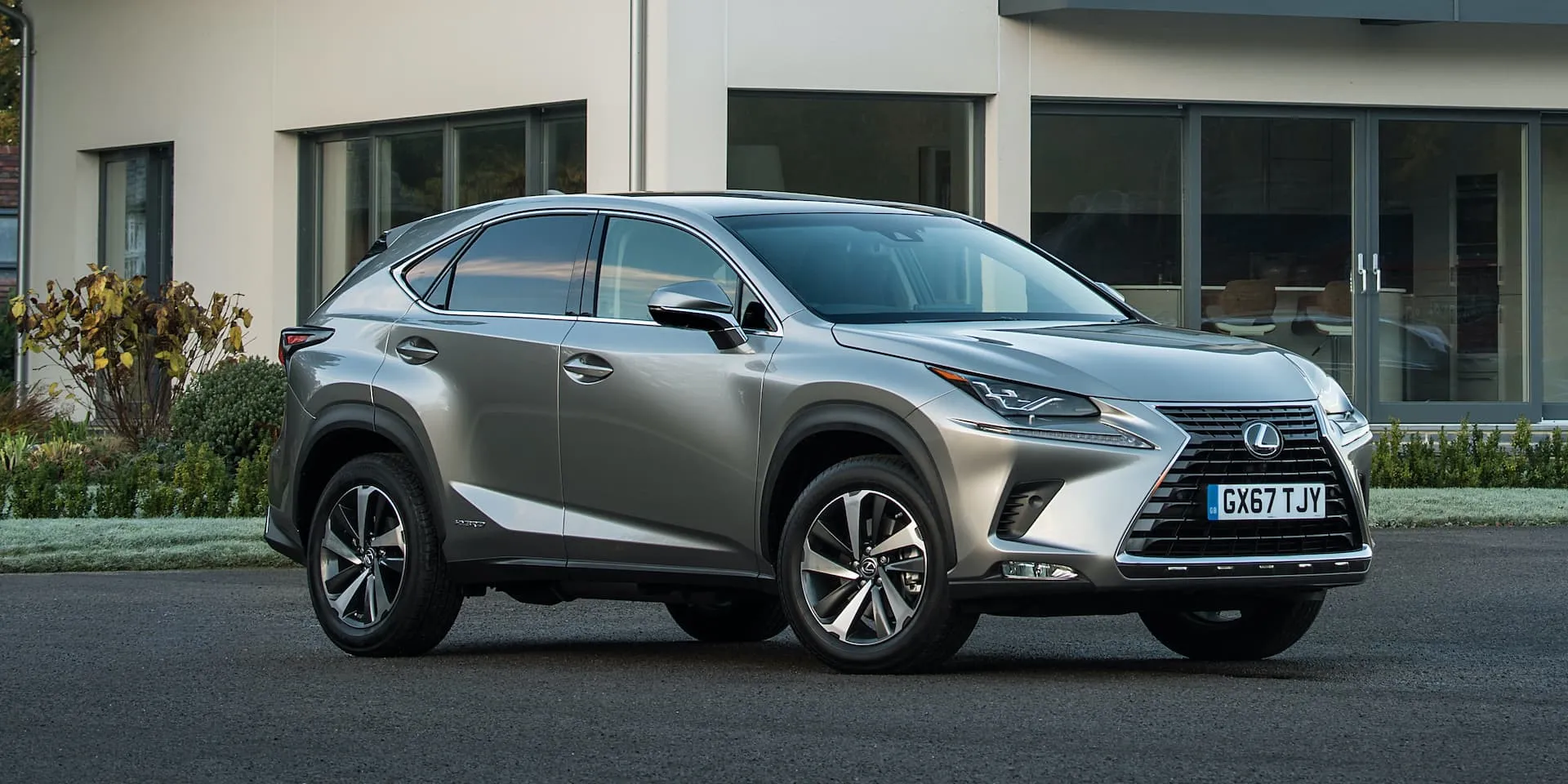
The Lexus NX reflects a design philosophy built around sharp angles and bold surfaces, a direction that influences visibility from the driver’s position. Once inside the cabin, thick structural pillars and a high beltline dominate the visual experience.
These elements restrict forward diagonal sight, making turns at busy junctions and roundabouts more demanding than expected for a vehicle of this size. Side windows appear relatively low in relation to the height of the doors, creating a cocooned environment for both driver and passengers.
While this design can enhance the feeling of security, it also enlarges blind areas toward the rear. During lane changes on highways, drivers must rely heavily on mirrors and electronic detection systems, as direct visual checks provide limited reassurance. This reliance can feel mentally taxing during extended journeys.
Rearward visibility poses additional challenges. The rear window is small and set at a steep angle, which narrows the field of view behind the vehicle. Manoeuvring in parking structures or tight residential spaces often requires frequent consultation of camera displays. Even with these aids, judging distance and position may feel less intuitive due to the restricted natural view.
Interior layout choices add to these limitations. A tall dashboard rises close to the base of the windshield, slightly reducing forward clarity. The sculpted hood design conceals its outer edges, making it harder to judge spacing when approaching kerbs or obstacles.
Adjustable seating provides some improvement, yet the fundamental design restricts how much the driver’s viewpoint can be optimised. The Lexus NX offers refinement, quiet operation, and a wide range of modern features. Visual clarity, however, reflects the priorities of styling rather than openness.
Drivers who prefer cabins with generous glass areas may feel confined, particularly during daily errands that involve frequent manoeuvring. Electronic assistance systems offer support, but dependence on them becomes routine. For those who value unobstructed sightlines, this crossover demands consistent alertness on every journey.
