
Buying a truck is rarely an emotional decision alone. Strength, dependability, and long-term peace of mind sit at the top of the checklist for most shoppers. A truck may look tough on the outside, yet the real test begins underneath, where the drivetrain does the heavy lifting every single mile.
Engines, transmissions, and differentials work together quietly, and when they work well, owners barely think about them. When they do not, the experience can change fast. Reliable drivetrains build trust. They allow owners to tow, haul, commute, and travel without second-guessing every sound or move.
Some trucks earn strong reputations because their mechanical systems keep going year after year with basic care. Others struggle with weak links that surface early or grow costly as mileage rises. Marketing rarely tells the full story, which makes honest evaluation important.
This page focuses on trucks that have proven dependable from a drivetrain perspective, followed later by models that have faced repeated concerns. Every truck is clearly named, each section goes deep, and no models are repeated.
The goal is clarity, not hype. If long-term ownership matters to you, understanding what lies beneath the body panels can make all the difference. Let us begin with trucks that have built their reputations the hard way, through consistency and durability.
5 Trucks With Reliable Drivetrains
1. Toyota Tacoma
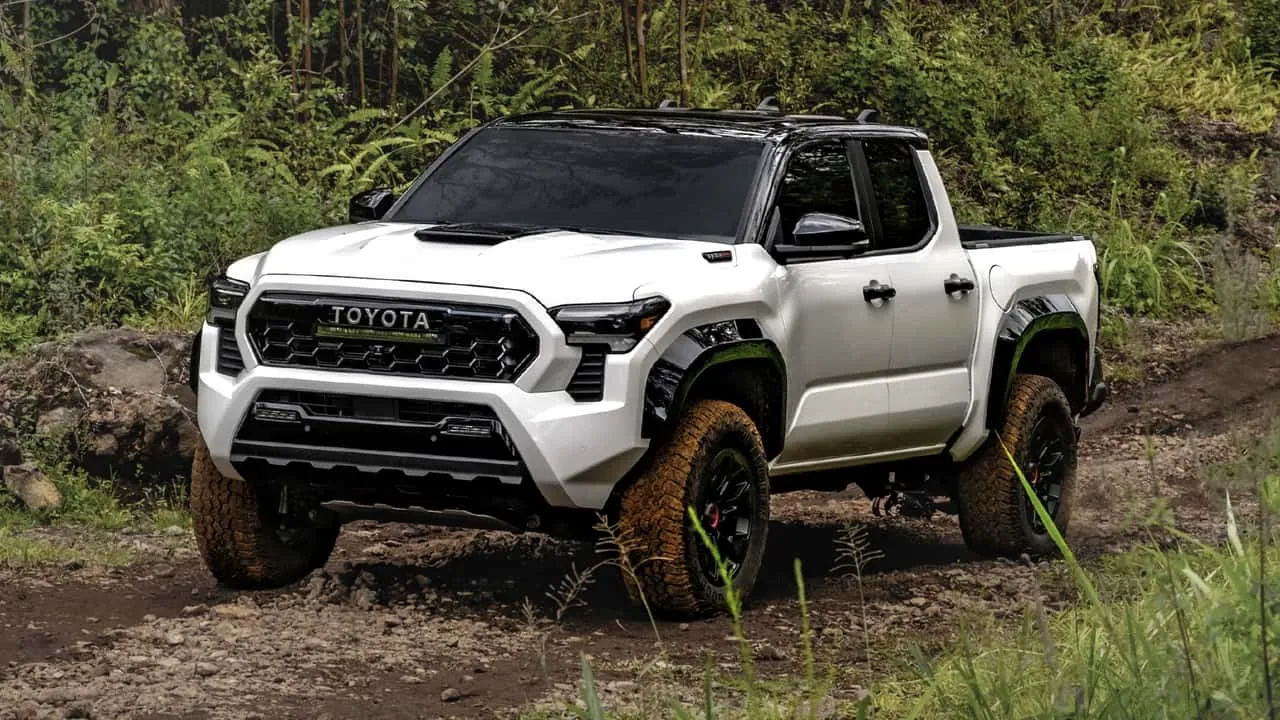
Reputation alone does not keep a truck relevant for decades, yet the Toyota Tacoma continues to earn loyalty through mechanical consistency. Built with durability in mind, this midsize truck focuses on proven engineering rather than constant reinvention. Owners often describe the drivetrain as predictable, steady, and free from unpleasant surprises, even after years of demanding use.
Power comes from engines designed to favor longevity instead of aggressive output. Toyota avoids pushing components to their limits, which helps reduce internal stress. Automatic and manual transmission options both show strong durability records when serviced properly.
Movements remain smooth and controlled, even as mileage climbs. Four Wheel Drive systems also stand out for their resilience, performing reliably in harsh conditions without frequent repairs. Daily use reveals how carefully the drivetrain has been tuned.
Acceleration feels measured rather than abrupt, which reduces wear on internal parts. Towing within rated limits does not strain the system, and off-road use rarely introduces drivetrain complaints. Toyota’s approach favors stability over flash, and that philosophy shows in long-term ownership experiences.
Maintenance routines remain straightforward. Fluid changes, inspections, and basic care tend to keep the Tacoma running well past expectations. Owners often report fewer transmission or differential issues compared to competitors in the same class. Replacement parts availability also supports longevity, making repairs less stressful when they do arise.
Toyota Tacoma may not lead performance charts, yet its drivetrain inspires confidence through restraint and refinement. For drivers who value reliability more than raw numbers, this truck continues to justify its reputation with consistent mechanical health.
2. Nissan Frontier
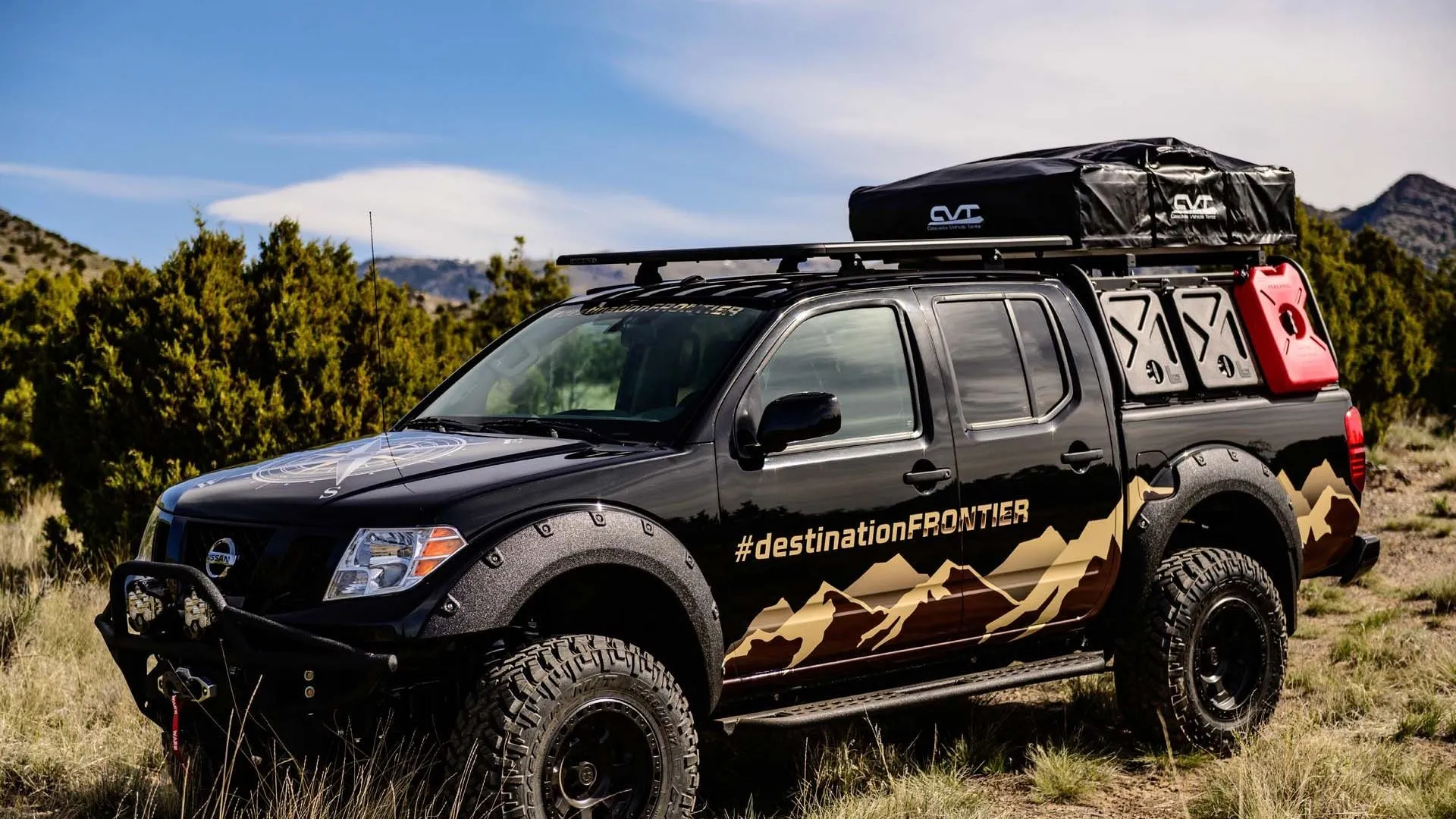
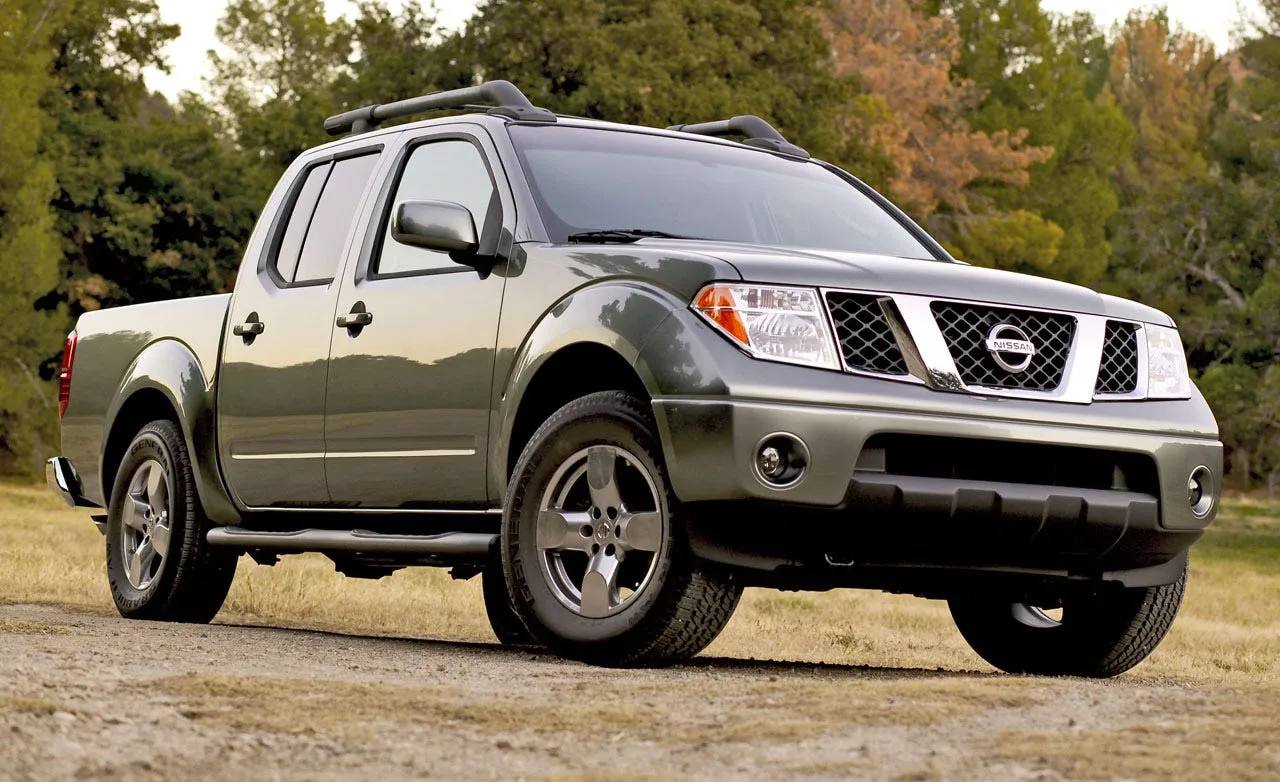
Consistency defines the Nissan Frontier drivetrain story. While the truck avoided frequent redesigns for years, that stability worked in its favor mechanically. Nissan relied on well-tested engines and transmissions, allowing engineers to refine rather than reinvent. As a result, the Frontier earned respect as a work-focused truck that simply keeps going.
The V6 engine used across multiple generations demonstrates solid endurance. Power delivery remains smooth and linear, reducing shock to drivetrain components. Automatic transmissions paired with this engine have shown dependable behavior when serviced on schedule. Shifting patterns feel deliberate, which helps extend component life.
Four Wheel Drive versions also perform well under stress. Transfer cases engage smoothly, and driveline components handle repeated use without frequent failures. Frontier owners who tow moderate loads or drive in demanding environments often praise the truck for staying mechanically composed.
Interior comfort may lag behind newer designs, yet the drivetrain rarely becomes a point of frustration. Long commutes, job site duty, and recreational hauling all highlight the benefits of conservative engineering. Nissan’s decision to avoid overly complicated systems pays off in fewer mechanical surprises.
Ownership costs reflect this approach. Repairs tend to be less frequent, and drivetrain components age gracefully. Nissan Frontier proves that maturity in design can still deliver value. For buyers seeking a dependable midsize truck without unnecessary complications, this model remains a quiet success story.
Also Read: Top 10 Rare Pickup Trucks That Stop Traffic Everywhere
3. Chevrolet Silverado 1500
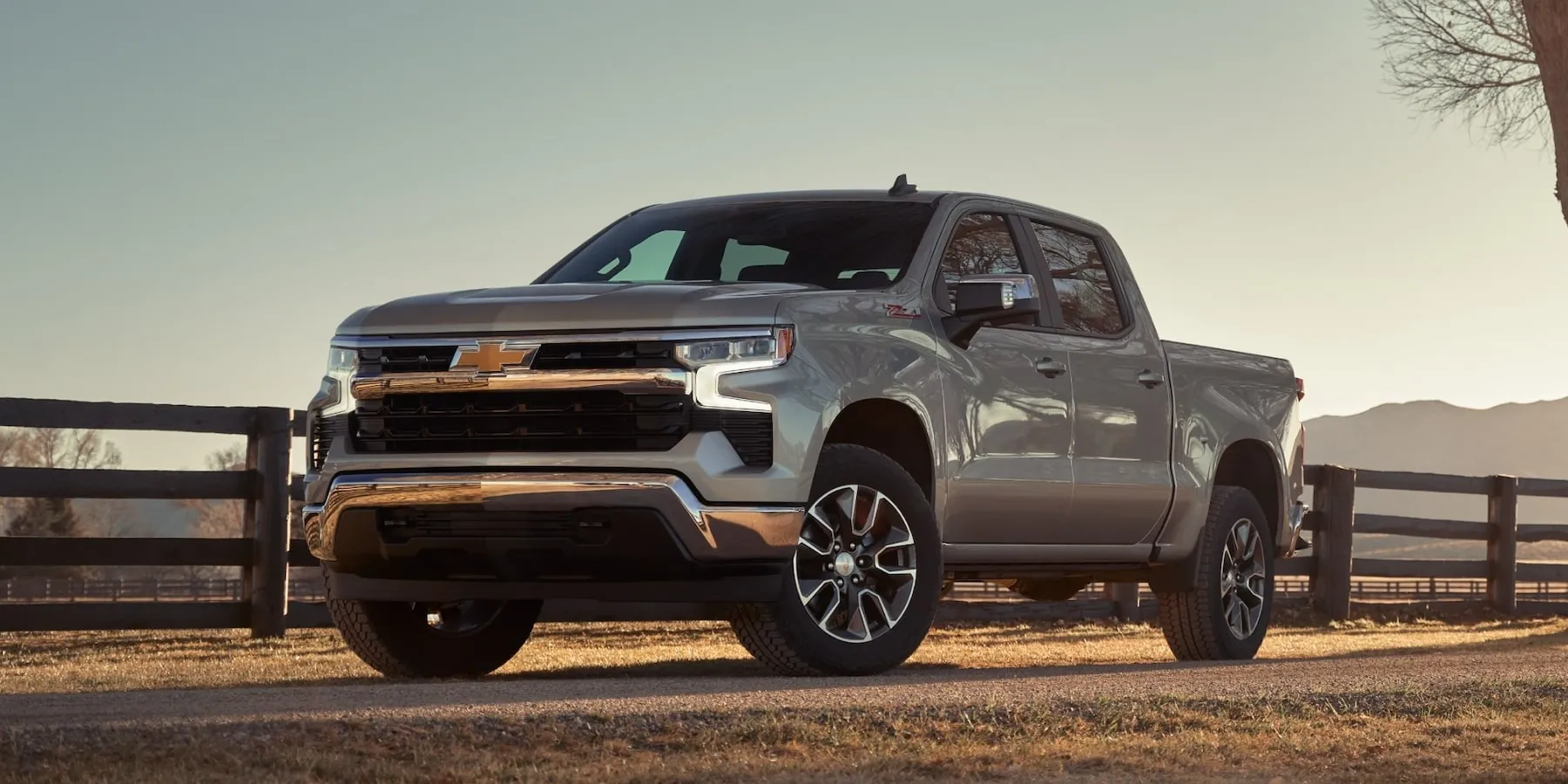
Durability and mechanical balance remain central to the appeal of the Chevrolet Silverado 1500, particularly when fitted with its established V8 drivetrain configurations. This truck reflects decades of engineering experience, and that heritage becomes evident in how the drivetrain performs across long periods of use.
Built to support demanding work schedules, the Silverado places strong emphasis on mechanical endurance and ease of service, qualities that continue to attract owners who value dependable operation. At the centre of this reputation sits the 5.3 litre V8 engine.
This power unit is engineered with sturdy internal components and moderate tuning, allowing it to handle towing and hauling duties without placing unnecessary stress on surrounding systems. Power delivery is steady and composed, reducing sudden loads that can shorten the lifespan of drivetrain parts.
When matched with a well-maintained automatic transmission, the engine demonstrates consistent behaviour even as mileage increases, reinforcing confidence in long term ownership. Both Rear Wheel Drive and Four Wheel Drive versions of the Silverado 1500 show dependable performance.
Axles, driveshafts, and transfer cases are designed to withstand repeated load cycles, whether during towing, carrying heavy cargo, or extended highway travel. Owners often describe the drivetrain as reassuring, particularly when the truck is tasked with sustained work over long distances.
This sense of mechanical stability contributes to reduced driver fatigue and greater trust in the vehicle. Attention to routine servicing plays an important role in preserving this reliability. Chevrolet has designed the drivetrain with accessibility in mind, allowing technicians to perform inspections and repairs without unnecessary difficulty.
Replacement parts are widely available, which helps to manage repair costs when intervention becomes necessary. Even as newer models adopt additional technology, the fundamental mechanical layout remains rooted in proven design principles.
Chevrolet Silverado 1500 continues to meet the expectations of drivers who require steady and predictable performance. Rather than pursuing extreme output figures, its drivetrain relies on balance and restraint. This approach has produced a long-standing record of dependable service, making the truck a trusted choice for individuals and businesses alike.
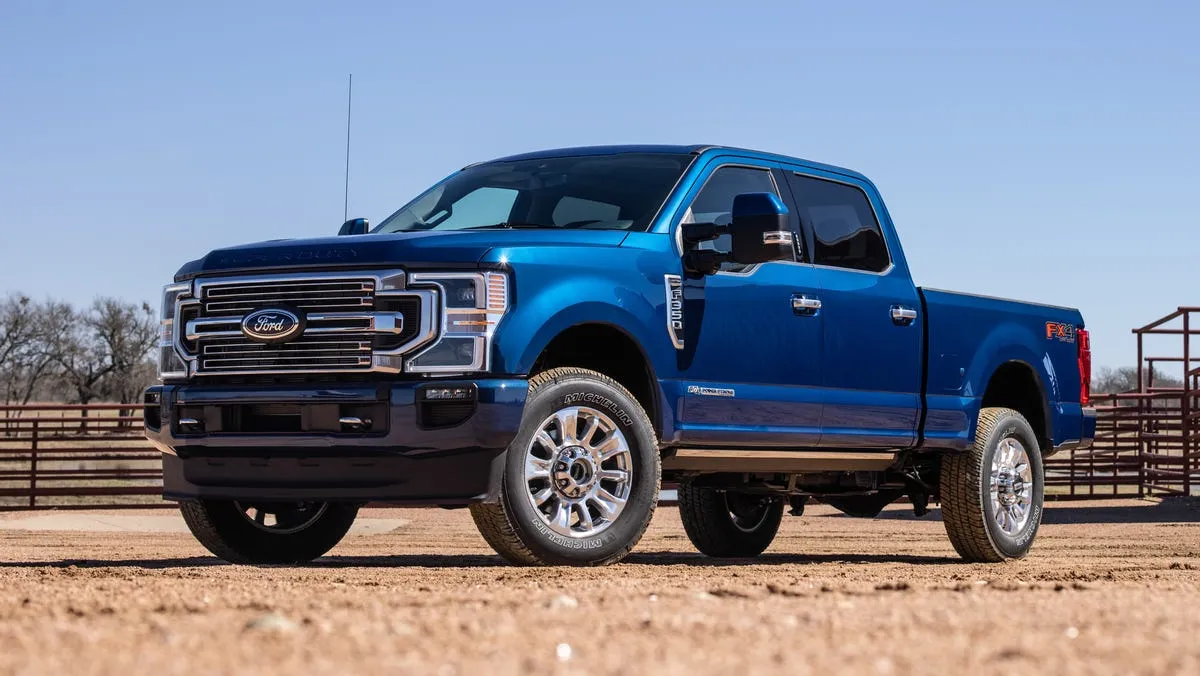
4. Ford Super Duty F 250
Serious work demands serious engineering, and the Ford Super Duty F-250 responds with a drivetrain designed for relentless use. Created for towing, hauling, and commercial duties, this truck is intended to operate under conditions that exceed the demands placed on lighter models. Owners rely on it not as a secondary vehicle, but as a primary tool capable of handling daily workloads that push mechanical systems to their limits.
Powertrain options include both diesel and petrol engines, each developed with strength as a guiding principle. Reinforced engine components allow these power units to withstand sustained stress without rapid deterioration.
Transmissions paired with these engines are built to manage high torque output while maintaining structural integrity. Gear changes feel firm and deliberate, a characteristic that supports confidence when operating under heavy load.
Supporting components within the drivetrain follow the same philosophy. Axles, differentials, and transfer cases are engineered with generous capacity margins, allowing the vehicle to perform demanding tasks without undue strain.
Long-distance towing highlights this strength, as the drivetrain maintains composure even after extended periods of continuous use. Such consistency is critical for operators who depend on uninterrupted performance.
Service schedules reflect the expectation of a long working life. Although maintenance costs may be higher than those of lighter trucks, the return comes through extended service intervals and reduced likelihood of unexpected failure. Many owners report dependable drivetrain operation well into high mileage ranges, provided routine care remains consistent and timely.
Ford Super Duty F-250 demonstrates its value through mechanical resilience rather than refinement alone. For drivers and businesses that require a truck capable of absorbing repeated heavy demands, the drivetrain serves as a solid and reliable foundation built to support serious work.
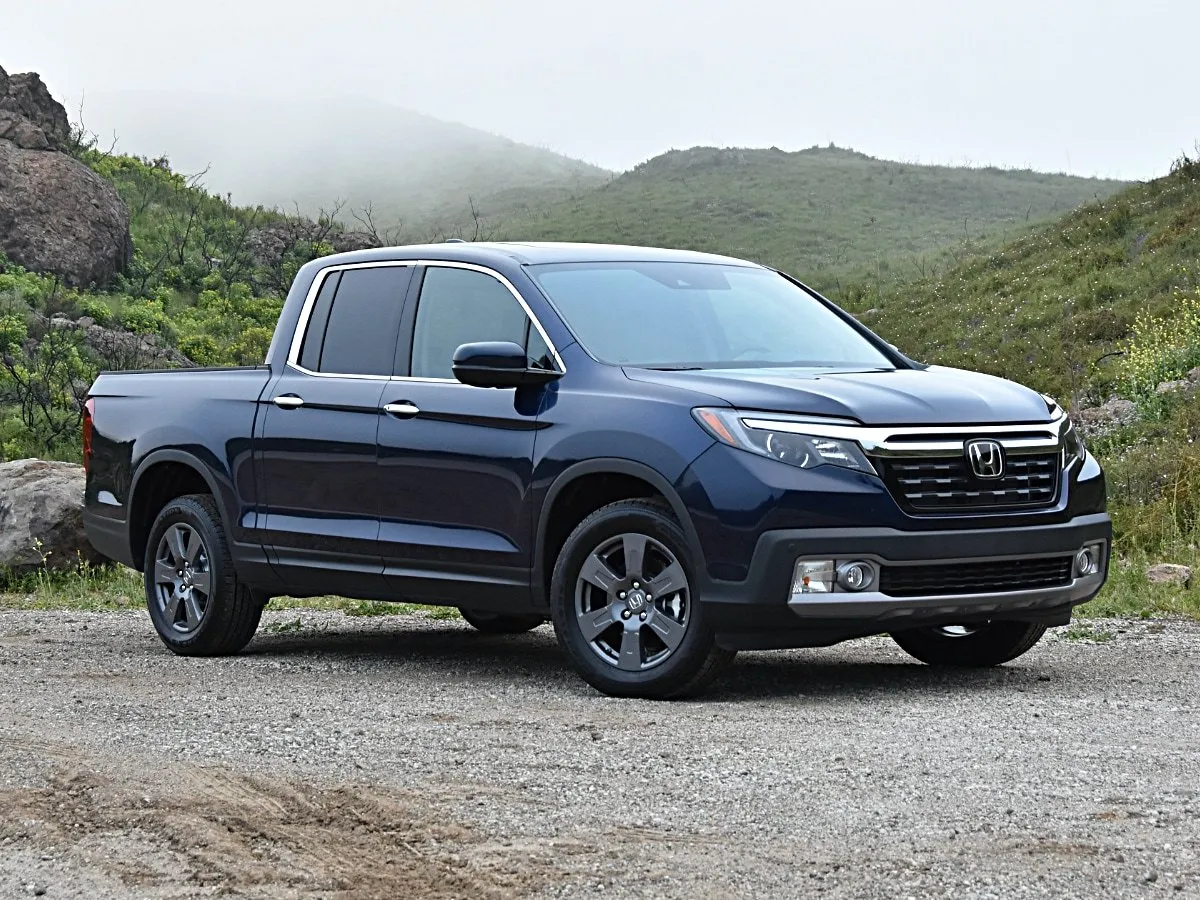
5. Honda Ridgeline
Unconventional construction does not prevent the Honda Ridgeline from delivering dependable drivetrain performance. Unlike traditional body-on-frame trucks, the Ridgeline employs a unibody structure, prioritising smooth operation and long-term reliability.
Honda’s engineering expertise is evident in how effectively the drivetrain supports daily driving and moderate utility tasks without introducing unnecessary strain. Power is supplied by a V6 engine that focuses on balance rather than extreme output. This engine delivers refined acceleration, limiting abrupt forces that could shorten transmission life.
Automatic gear changes remain smooth and predictable, creating a driving experience that feels controlled and composed. The All Wheel Drive system engages seamlessly when required, providing added confidence without excessive mechanical complication.
Drivetrain behaviour in the Ridgeline favours comfort and consistency. While towing capacity does not rival that of full-size trucks, remaining within its rated limits allows the mechanical systems to operate efficiently and reliably. Many owners report minimal drivetrain-related concerns even after years of regular use, which speaks to the effectiveness of Honda’s conservative engineering approach.
Maintenance requirements align with the brand reputation for reliability. Routine fluid changes and inspections typically keep the drivetrain functioning as intended. High-quality components and careful assembly contribute to extended service life and reduced repair frequency when compared with more aggressively tuned alternatives.
Honda Ridgeline appeals to drivers who desire truck versatility without sacrificing mechanical calm. Its drivetrain does not pursue extremes in power or capability, yet its record of dependable operation makes it a sensible option for practical ownership. For those who prioritise smoothness, consistency, and long-term peace of mind, the Ridgeline offers a compelling mechanical package.
5 Trucks With Drivetrain Issues
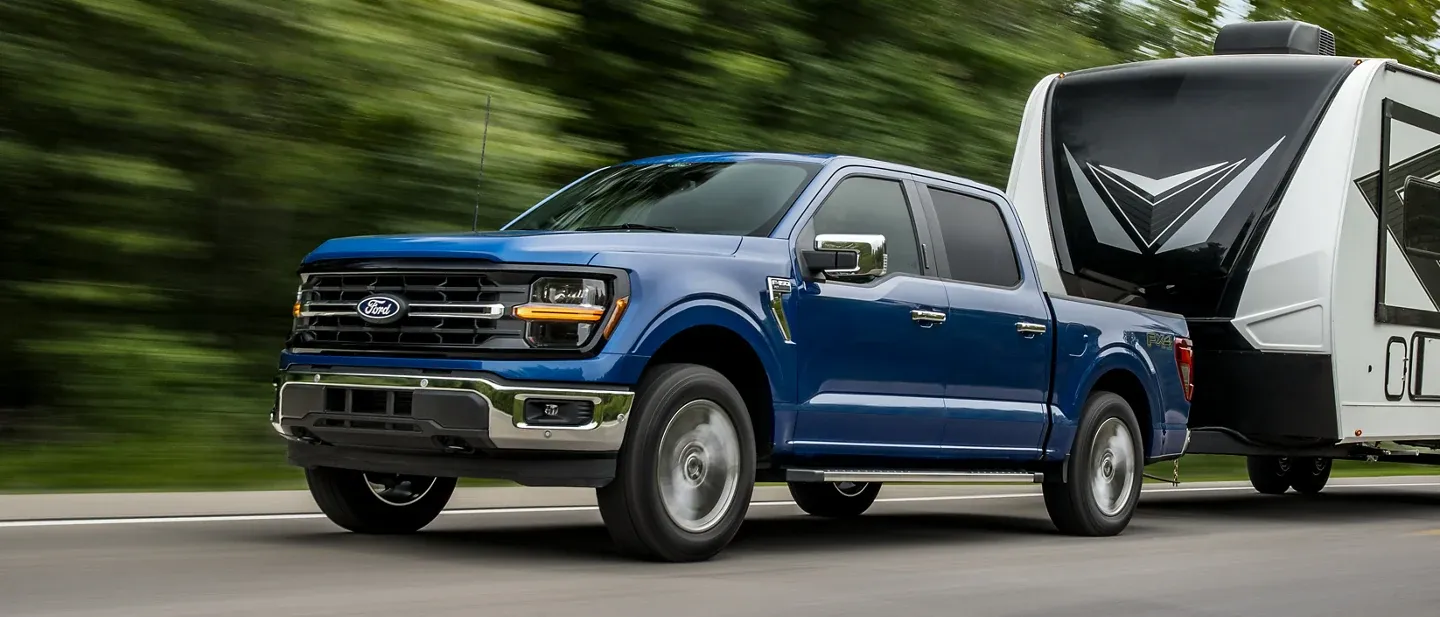
1. Ford F-150 with 10 Speed Automatic Transmission
Market success does not always guarantee mechanical satisfaction, and the Ford F-150 equipped with the 10-speed automatic transmission has faced consistent criticism from owners regarding drivetrain behavior. While the truck offers impressive power and capability on paper, real-world driving has revealed concerns that affect confidence over extended ownership.
Reports frequently describe harsh or delayed shifting, especially at lower speeds where smooth operation matters most. Drivers often notice hesitation during acceleration, followed by abrupt gear changes that feel unnatural. These symptoms may appear early in ownership and tend to persist even after software updates.
While Ford has released multiple recalibrations intended to refine movement logic, many owners report limited improvement. Repeated visits to service centers become common, creating frustration rather than reassurance.
Transmission behavior under towing conditions has also drawn complaints. Sudden downshifts and gear hunting can interrupt steady power delivery, placing added stress on drivetrain components. As time goes on, this inconsistent operation may contribute to premature wear. Some owners report transmission replacements at relatively low mileage, raising concerns about long-term durability.
Driveline components beyond the transmission have not been immune either. Shuddering during gear changes and vibrations at cruising speeds have been linked to drivetrain integration rather than isolated failures. These issues can make daily driving feel unpredictable, especially in stop-and-go traffic.
Maintenance does not always resolve these problems. Even well-maintained trucks with documented service histories have shown repeated symptoms. Warranty coverage may address immediate failures, yet the inconvenience of repeated repairs remains a concern. While many owners continue to appreciate the truck’s versatility, drivetrain confidence often falls short of expectations.
Ford F-150 remains a popular choice, yet buyers focused on long-term drivetrain consistency should approach the 10-speed automatic variant with careful consideration. Performance potential exists, though smooth and dependable delivery has proven difficult to achieve consistently.
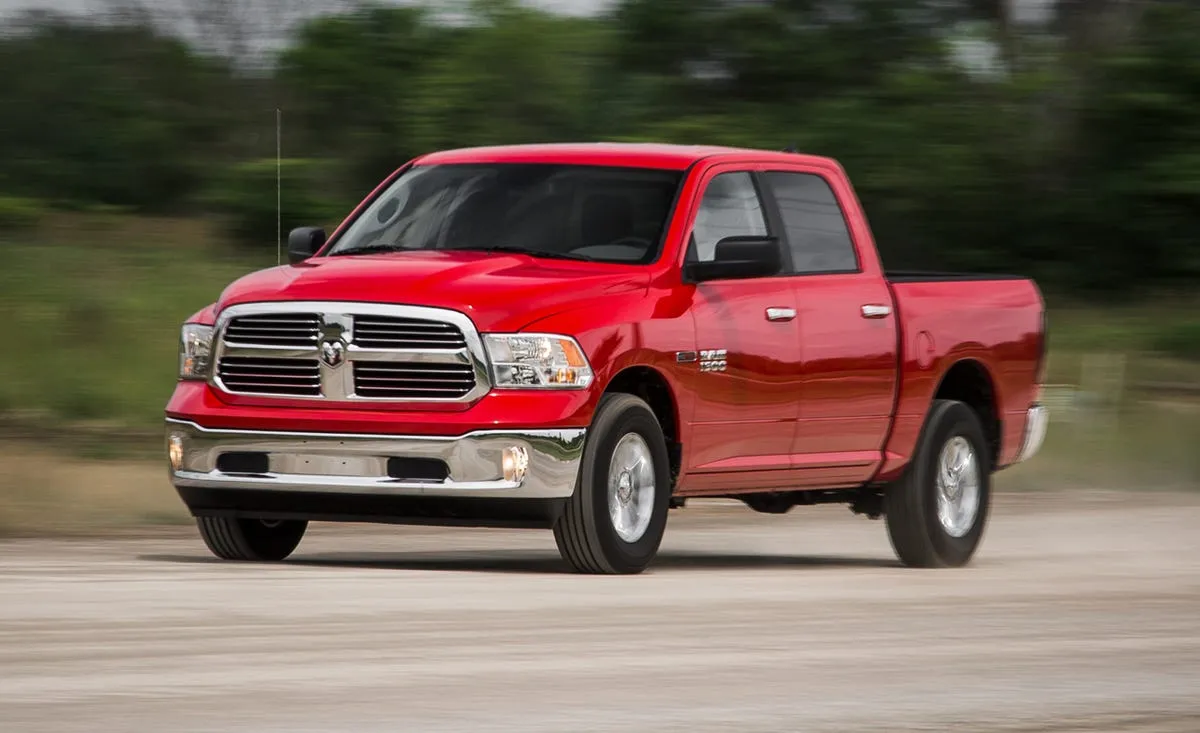
2. Ram 1500 with Early EcoDiesel Engine
Diesel efficiency attracted attention to the Ram 1500 EcoDiesel, yet early versions of this drivetrain introduced ownership challenges that proved difficult to ignore. Designed to blend torque with fuel savings, the engine promised a balanced experience. In practice, reliability concerns surfaced that affected trust in the system.
Engine-related issues appeared with troubling frequency. Problems involving emissions components, oil contamination, and internal wear led to unexpected downtime. Warning lights and reduced power modes became familiar experiences for some owners. Repairs often required specialized attention, increasing both cost and inconvenience.
Transmission pairing did little to ease concerns. While move quality varied, some owners experienced delayed engagement and inconsistent behavior during acceleration. Combined with engine-related interruptions, drivetrain harmony felt unsettled. Towing performance sometimes suffered as a result, particularly during sustained use.
Cooling system demands also placed added strain on the drivetrain. Under load, temperature management became critical, and failures in supporting components occasionally led to broader mechanical consequences. Extended repairs were not uncommon, leaving owners without their vehicles for long periods.
Ownership satisfaction declined as issues accumulated. While later revisions addressed some concerns, early EcoDiesel models established a reputation that remains difficult to separate from the name. Maintenance diligence helped in some cases, though unpredictability lingered.
Ram 1500 EcoDiesel showcased ambitious engineering, yet early execution left many owners questioning long-term dependability. Buyers considering used examples from this period should research service records carefully and prepare for potential drivetrain-related expenses.
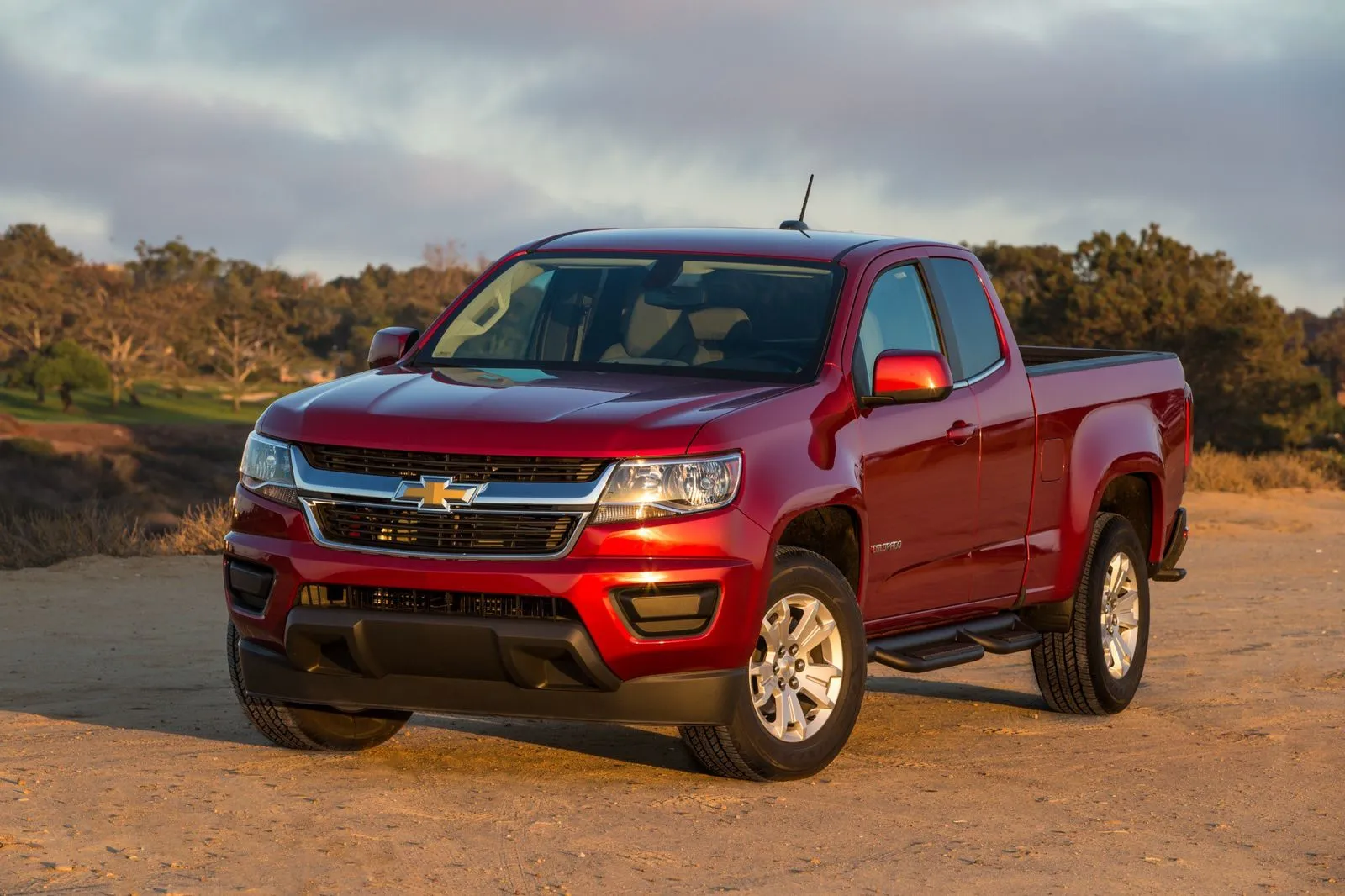
3. Chevrolet Colorado with 8 Speed Automatic Transmission
Midsize utility combined with mechanical disappointment best describes the Chevrolet Colorado fitted with the 8-speed automatic transmission. The truck attracts attention through its manageable size, modern styling, and everyday usability.
Despite these appealing qualities, persistent drivetrain complaints linked to this transmission have affected owner confidence across several production years. Drivers commonly report a shuddering sensation during light acceleration.
This vibration often feels as though the vehicle is driving over uneven pavement, even on smooth roads. Such behaviour reduces driving comfort and raises concern about internal drivetrain health. The issue tends to appear during steady cruising or gentle throttle application, situations that should ordinarily feel smooth and controlled.
Investigations have connected the shuddering to torque converter performance. Vibration originating from this component travels through the drivetrain, affecting smoothness and raising wear concerns. Prolonged exposure to such conditions may reduce component lifespan.
In several cases, repeated visits to service centres fail to provide permanent correction, leaving owners frustrated. Some eventually face replacement of internal parts, leading to additional cost and inconvenience. Load-carrying duties increase these challenges. When towing or hauling, transmission behaviour may deteriorate further.
Gear selection can appear uncertain, causing unnecessary strain on drivetrain components. This experience conflicts with expectations for a pickup promoted for active lifestyles and utility-based tasks. Reduced confidence during extended hauling trips becomes a serious drawback for drivers who rely on consistent mechanical response.
Manufacturer recognition of the issue has come through technical service guidance issued to dealerships. Even with such acknowledgement, outcomes remain inconsistent across vehicles. Careful servicing does not guarantee freedom from recurrence, as design limitations continue to affect performance.
Ownership satisfaction depends largely on individual vehicle behaviour rather than predictable reliability. The Chevrolet Colorado presents an attractive balance of size and function for midsize truck buyers. However, the 8-speed automatic transmission has restricted trust in its drivetrain.
For buyers prioritising dependable mechanical operation and predictable service experience, this configuration may present long-term concerns that deserve careful consideration before purchase.
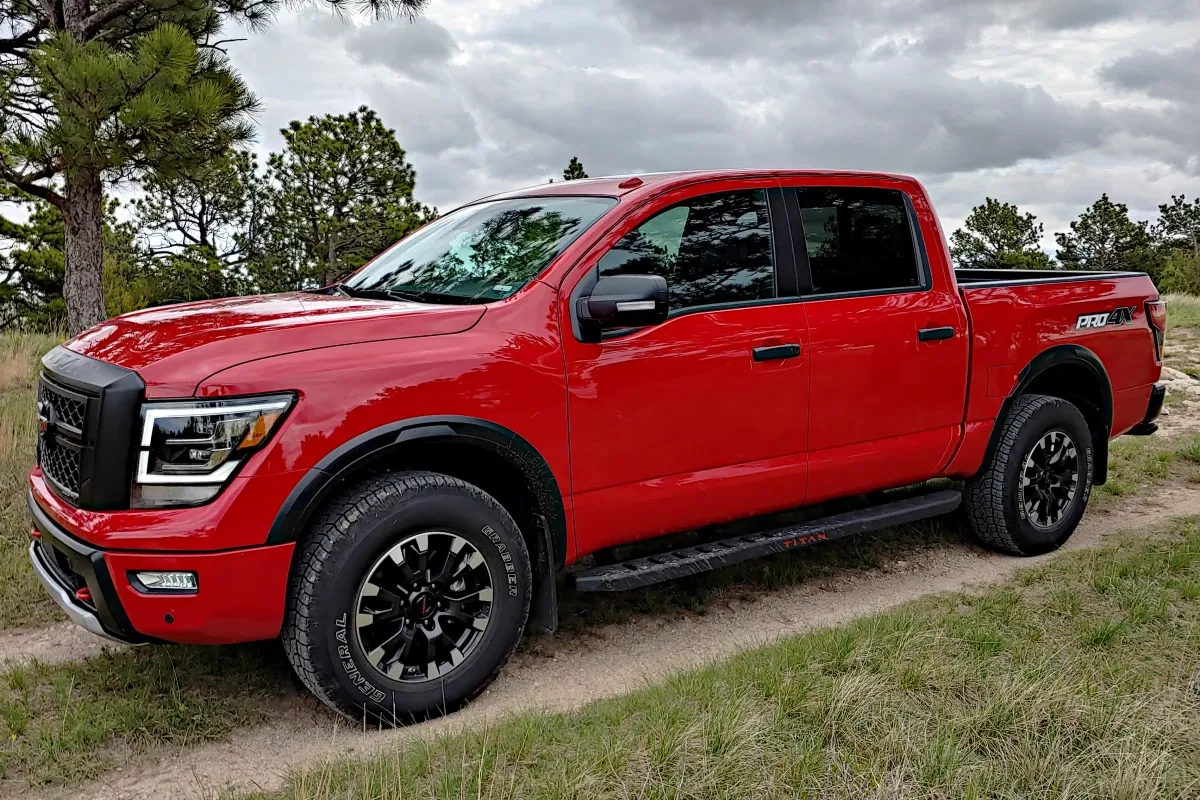
4. Nissan Titan with 7 Speed Automatic Transmission
Full-size ambitions meet mechanical concerns in the Nissan Titan equipped with the 7-speed automatic transmission. While the truck delivers strong initial impressions through power and presence, drivetrain performance has raised questions among long-term owners. Transmission behavior often stands at the center of these concerns.
Reports describe delayed moves and hesitation during acceleration, particularly from a standstill. These moments disrupt smooth power delivery and can feel unsettling in traffic. Some owners also report rough downshifts when slowing, which affects ride comfort and drivetrain harmony.
Towing performance exposes additional weaknesses. Gear selection under load may feel inconsistent, leading to unnecessary strain. In certain cases, overheating warnings have appeared during demanding use, suggesting limitations in sustained drivetrain performance.
Reliability perception has also suffered due to repair frequency. Transmission replacements and related driveline work appear more often than expected in owner reports. Warranty coverage may offset cost initially, yet repeated downtime reduces confidence.
Fuel economy expectations also fall short, placing further pressure on ownership satisfaction. Combined with drivetrain issues, operating costs may exceed projections. While Nissan offers a strong warranty, mechanical consistency remains a concern beyond coverage periods.
Nissan Titan presents appealing features, yet drivetrain challenges have limited its appeal for buyers prioritizing long-term dependability. Careful evaluation remains essential before committing to this truck.
Also Read: Top 10 Vintage Pickup Trucks That Are Now Shockingly Valuable
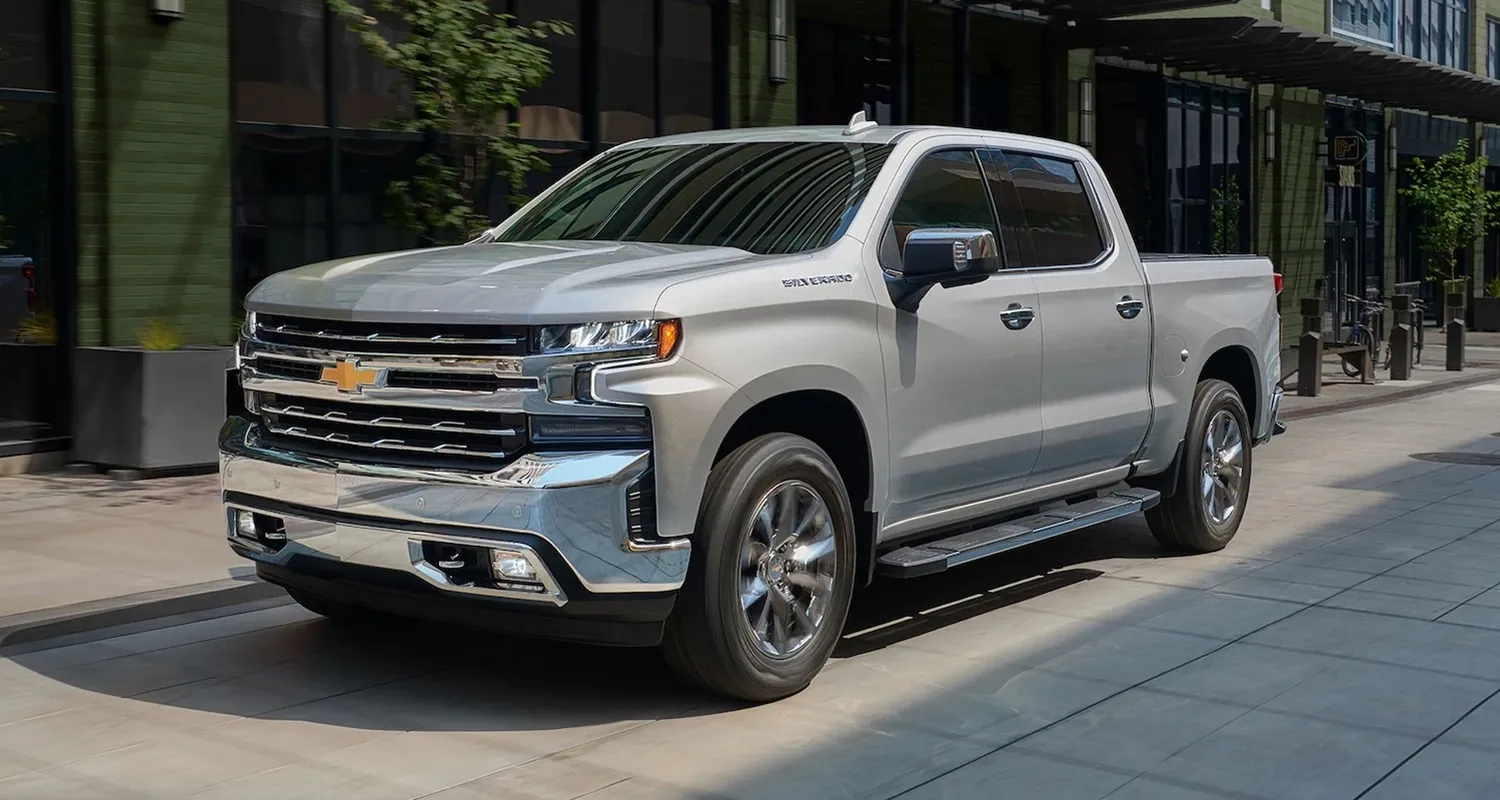
5. GMC Sierra 1500 with Active Fuel Management System
Advanced vehicle systems sometimes produce unintended outcomes, and the GMC Sierra 1500 fitted with Active Fuel Management presents a clear example. The feature was introduced to improve fuel efficiency by allowing the engine to operate on fewer cylinders during light load conditions.
While the objective appears reasonable, practical experience has revealed concerns that affect confidence in the drivetrain. A recurring complaint centres on lifter-related faults linked to cylinder deactivation. When these components fail, drivers may experience uneven engine operation, misfires, and a noticeable drop in performance.
Addressing such faults often involves major mechanical work, including partial engine disassembly. Once factory warranty protection ends, repair expenses can become difficult to justify for many owners. Changes in engine operation also influence transmission behaviour. Transitions between reduced cylinder operation and full power output may disrupt the smooth timing of gear changes.
Acceleration can feel inconsistent, particularly in stop-and-go traffic or during moderate throttle input. As these irregularities persist, additional strain may be placed on connected drivetrain parts, shortening their expected service life.
Early indicators of trouble sometimes appear as ticking sounds from the engine bay or brief hesitation during acceleration. These warnings are not always consistent, and conditions can deteriorate quickly without prolonged notice.
Regular servicing, while important, does not always prevent failure because design limitations remain present regardless of maintenance quality. Some owners resort to aftermarket software adjustments to deactivate the system permanently, though this approach introduces extra cost and may affect manufacturer support.
Work-related use places further pressure on the drivetrain. Towing trailers or carrying heavy loads increases internal stress, which may accelerate wear within affected components. For a pickup promoted for utility and dependability, this outcome often leads to dissatisfaction.
Although the engine delivers strong output when operating normally, assurance in long-term dependability is reduced. The GMC Sierra 1500 provides comfort, modern features, and respectable capability. However, the Active Fuel Management system has weakened trust in the drivetrain for a portion of the ownership community.
Prospective buyers who value straightforward mechanical design and predictable service costs may prefer models that operate without this system in place.
