
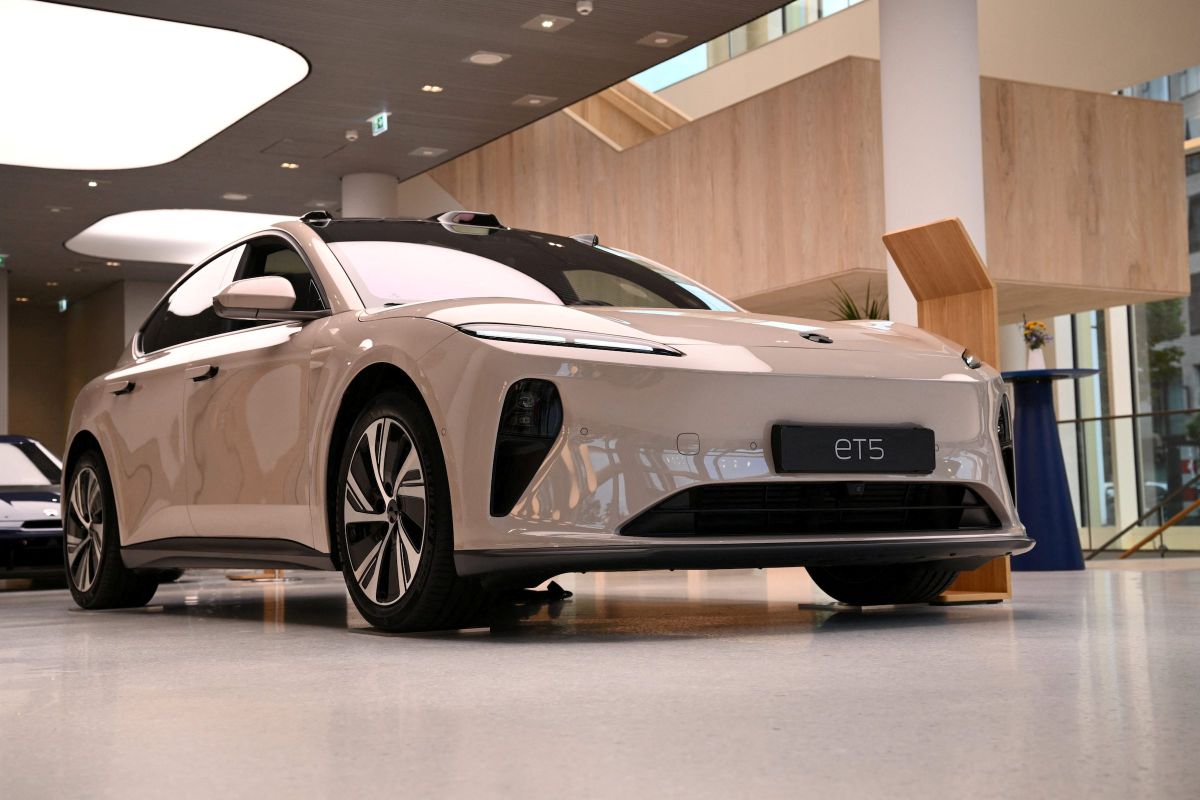
China has officially moved to ban a once-trendy electric vehicle design feature, becoming the first country in the world to do so. Beginning in 2027, electric vehicles sold in China will no longer be allowed to rely solely on electronic or concealed door handles.
Instead, manufacturers will be required to fit mechanical door releases on both the inside and outside of EVs, a decision that could have wide-ranging implications for vehicle design far beyond China’s borders.
The sleek, flush-style electronic door handle was first popularized by Tesla with the launch of the Model S and quickly became a symbol of modern EV design.
Over time, the feature spread across the industry, especially among premium electric models. However, concerns over safety have been growing following several high-profile and fatal crashes in which doors reportedly could not be opened due to power failures, including incidents where children were said to have been trapped inside vehicles.
Under the new regulations, which take effect on January 1, 2027, all electric vehicles sold in China must be equipped with physical, mechanical door handles that function without electrical power.
Models that have already been approved for sale and are close to launch will be granted a grace period until January 2029 to comply. The move follows a comprehensive safety review sparked by accidents in which electronic door systems were suspected to have prevented timely rescues.
A key trigger for the regulatory shift was a pair of widely reported, fiery crashes involving EVs produced by Xiaomi. In those cases, reports suggested that occupants and first responders struggled to open the vehicles’ electronically operated doors. In response, Chinese safety authorities undertook a broader reassessment of emergency-access standards for electric vehicles.
China’s new rules are unusually precise. Exterior door handles must now include a recessed handhold measuring at least 60 mm by 20 mm (2.36 inches by 0.79 inches), ensuring rescuers can physically grip and pull the handle even after a severe crash.
Inside the vehicle, manufacturers must clearly label emergency door releases with visible signage that explains how to open the door manually.
The interior signage itself must meet minimum size requirements of 1 cm by 0.7 cm (approximately 0.39 inches by 0.28 inches), and both interior and exterior mechanical handles must be placed in clearly defined, standardized locations.
Crucially, automakers are no longer permitted to depend solely on electrically powered door systems, even if those systems include backup batteries or secondary pull cables.
The scope of the change is significant. As recently as April, an estimated 60% of China’s top 100 best-selling new-energy vehicles were using concealed door handles, particularly among higher-margin luxury and premium models.
Vehicles affected include popular offerings such as the Tesla Model 3 and Model Y, upcoming China-specific models like BMW’s iX3, and EVs from brands including Nio, Li Auto, Xpeng, and Xiaomi.
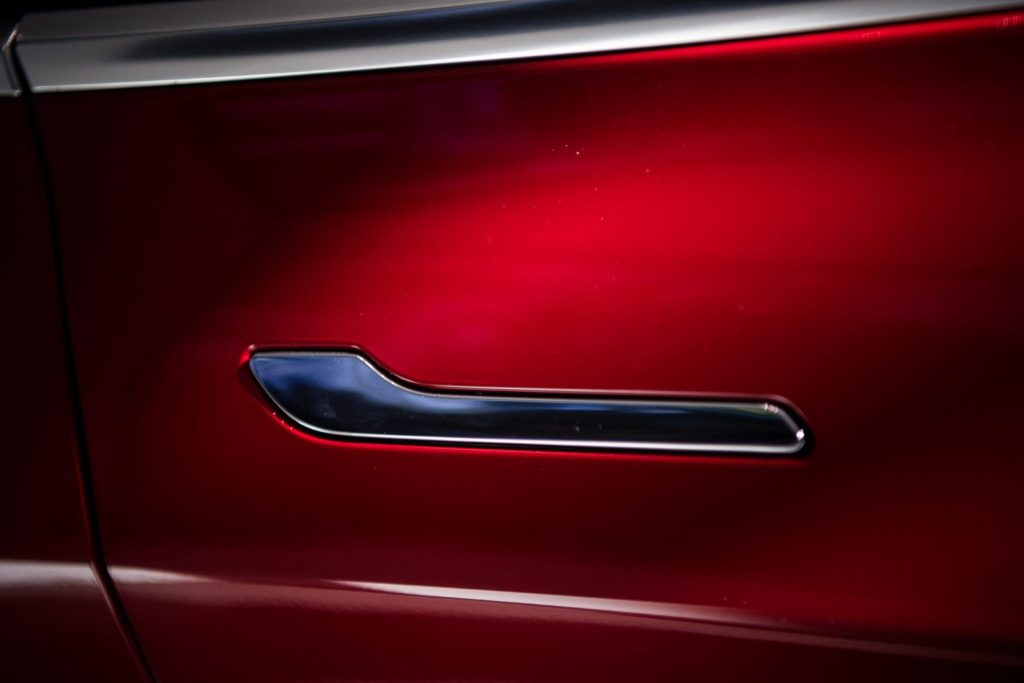
Some manufacturers appear to have anticipated the shift. Recent models from companies like Geely and BYD have already moved back toward more traditional, exposed door handles. Tesla’s head of design previously acknowledged, when the proposed ban first surfaced, that the company was already developing an alternative solution to address potential regulatory changes.
Even so, complying with the new standards may not be cheap. A source familiar with EV development in China told that redesigning existing door systems to meet the updated requirements could cost more than 100 million yuan per model, or roughly $14.4 million, highlighting the financial impact of the decision.
Although the rule applies only to vehicles sold in China, its implications are global. China is the world’s largest EV market, and automakers typically prefer to avoid producing region-specific hardware.
As a result, many manufacturers may choose to adopt regulation-compliant mechanical door handles across all markets, effectively reshaping global design trends to align with China’s safety standards.
One notable caveat is that the ban currently applies only to electric vehicles. Gasoline-powered cars using similar electronic or pop-out door handle designs are exempt for now, even though many of those systems also rely on a standard 12-volt battery.
This has raised questions, as vehicles like the Infiniti QX80 already use electrically dependent door handles that could theoretically fail in a severe crash just as EV systems might.
Despite this inconsistency, the precedent is significant. By drawing a firm line against power-only door access, China may halt the spread of fully electronic door handle designs across the industry.
If regulators in Europe or the United States decide to follow China’s lead, similar rules could eventually be extended to all passenger vehicles, regardless of whether they are electric or gasoline-powered.
Early signs suggest that broader scrutiny is already underway. Tesla is currently facing a formal investigation into its door systems in the United States, and European regulators have begun examining similar safety concerns. If those efforts gain momentum, China’s decision could mark the beginning of the end for hidden, power-dependent door handles worldwide.
Also Read: Toyota Targets Family Buyers With New Three-Row Electric SUV
