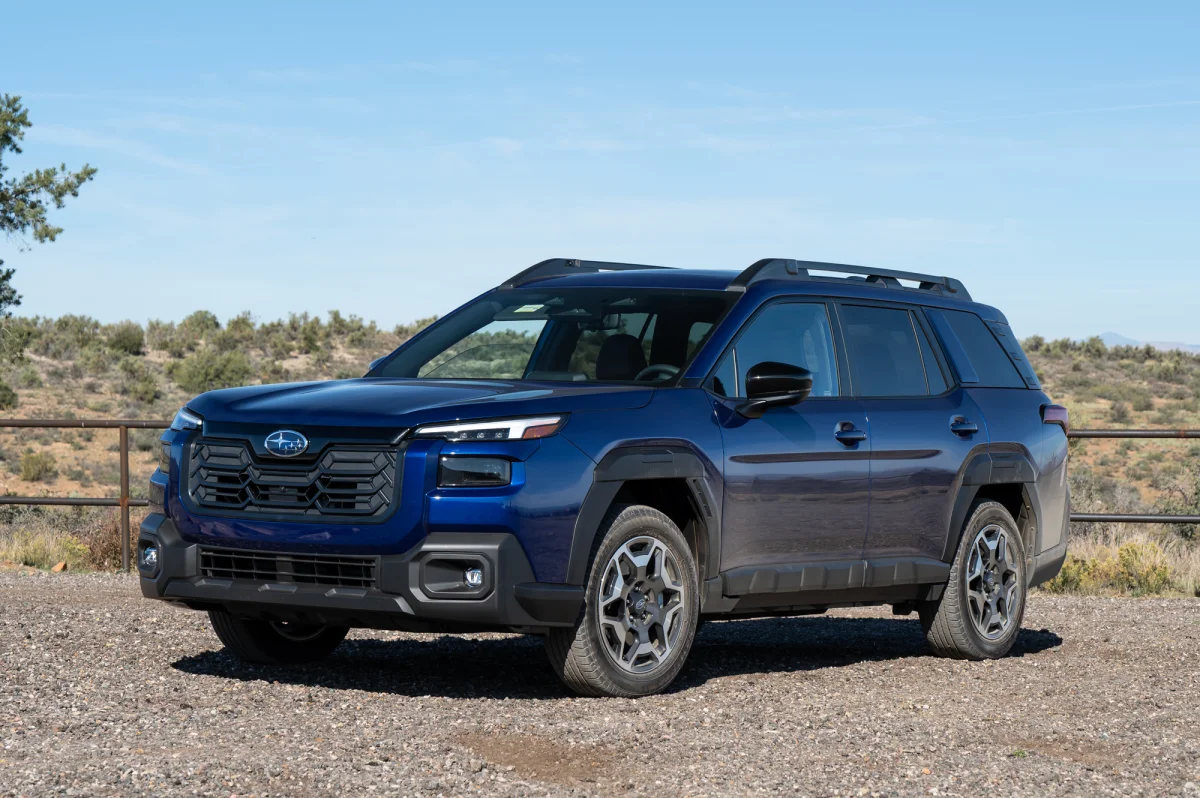
Seasonal changes can reveal far more about a vehicle than a short test drive ever will. From icy winter mornings and slushy side roads to scorching summer highways and rain-soaked autumn streets, a vehicle’s true character shows itself when conditions become challenging.
Some models are engineered with year-round adaptability at their core, using capable drivetrains, intelligent traction systems, and durable components to remain confident in all weather. Others, despite rugged styling or strong reputations, struggle once temperatures swing or road surfaces deteriorate.
This comparison, “5 Vehicles That Handle Seasonal Changes Well vs 5 That Don’t,” looks past marketing claims and focuses on real-world performance.
It highlights vehicles that remain stable, predictable, and comfortable through snow, heat, rain, and mud, while also examining those that reveal weaknesses due to drivetrain layouts, electronic sensitivity, or equipment limitations. The goal is not to label vehicles as good or bad, but to show how engineering decisions directly shape everyday driving experiences across the seasons.
5 Vehicles That Handle Seasonal Changes Well
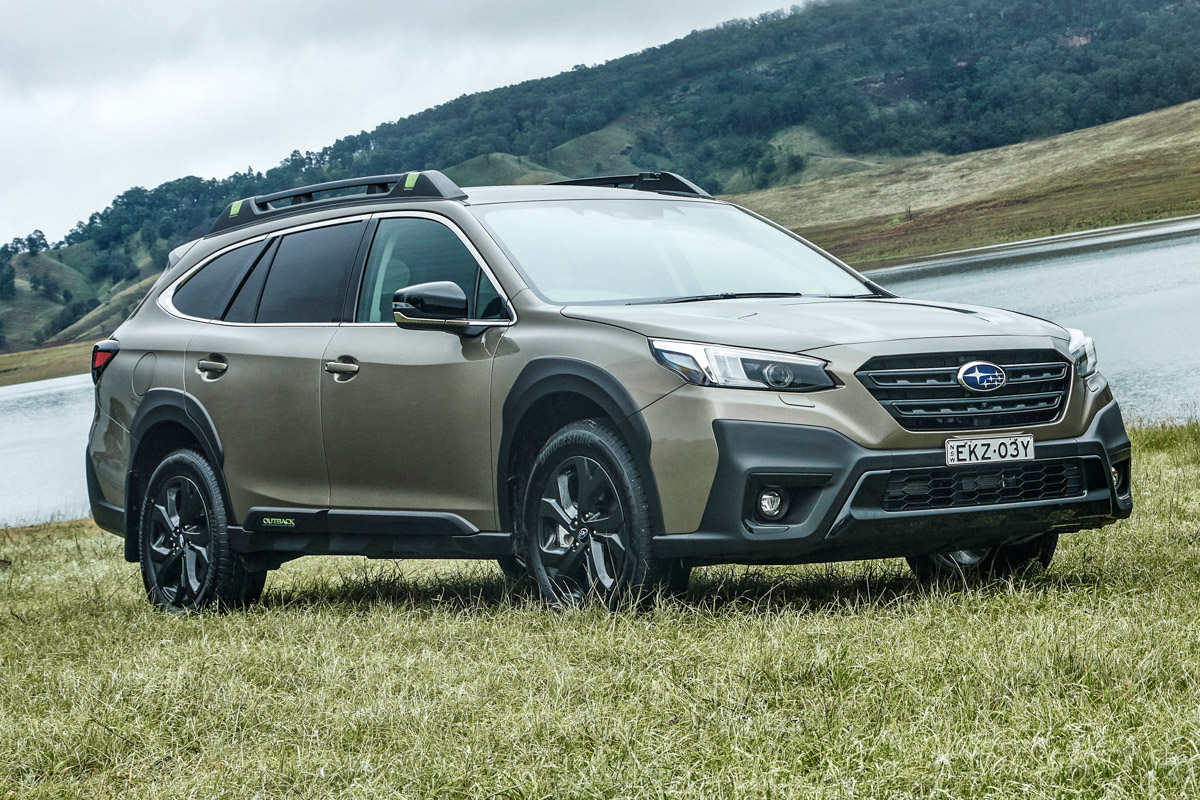
1. Subaru Outback: Versatile Performance for All Seasons
The Subaru Outback is a highly versatile SUV-wagon hybrid designed to handle diverse driving conditions throughout the year. Its standard Symmetrical All-Wheel Drive (AWD), 8.7 inches of ground clearance, and X-MODE® system make it exceptionally capable on snow, rain, mud, or dry terrain.
The low center of gravity provided by the BOXER engine enhances stability, balanced handling, and driver confidence across all seasons. In winter, the AWD system continuously delivers power to all four wheels while X-MODE® optimizes engine output and transmission ratios to reduce wheelspin in deep snow.
The 8.7-inch clearance allows the Outback to traverse snowdrifts and icy roads safely. During spring, full-time AWD improves traction on wet and muddy roads, reducing the risk of hydroplaning, while in autumn, the vehicle’s robust suspension and balanced handling ensure control on leaf-covered or uneven surfaces.
Summer driving benefits from a well-insulated cabin, advanced climate control, and stable handling on highways, dirt roads, or dusty terrain. Hill Descent Control adds safety on steep or slippery slopes.
The Outback offers two engine choices: a standard 180-hp 2.5-liter four-cylinder and an optional 260-hp turbocharged 2.4-liter engine in XT trims and the Wilderness model. Both are paired with a continuously variable automatic transmission (CVT).
The base engine is adequate but can feel sluggish, while the turbocharged engine provides improved responsiveness, although the CVT can feel jerky under aggressive acceleration.
The Wilderness trim enhances off-road capability with 9.5 inches of ground clearance, adaptive dampers, all-terrain tires, and a more rugged exterior. This trim improves on-road stability and reduces body roll while maintaining strong off-road performance. Estimated 0–60 mph times are 8.8 seconds for the base engine and 6.6 seconds for the turbo.
Inside, the Outback has been modernized with a dual-panel digital instrument cluster, a large infotainment touchscreen, and premium materials. The roofline has been raised for more headroom, and cargo capacity has increased by two cubic feet. Standard features include Apple CarPlay, Android Auto, and cloud-based voice recognition.
Towing capacity ranges from 2,700 pounds for the base engine to 3,500 pounds for the turbocharged version, with fuel economy rated at 25/31 mpg city/highway for the base model.
Safety is enhanced through Subaru’s EyeSight suite, including forward-collision warning, adaptive cruise control, lane-keeping assist, and optional blind-spot monitoring and highway hands-free driving. Warranty coverage includes three years/36,000 miles limited and five years/60,000 miles powertrain.
The Subaru Outback combines dependable all-season performance, modern comfort, and advanced safety, making it a reliable, versatile choice for drivers who demand capability and practicality year-round.
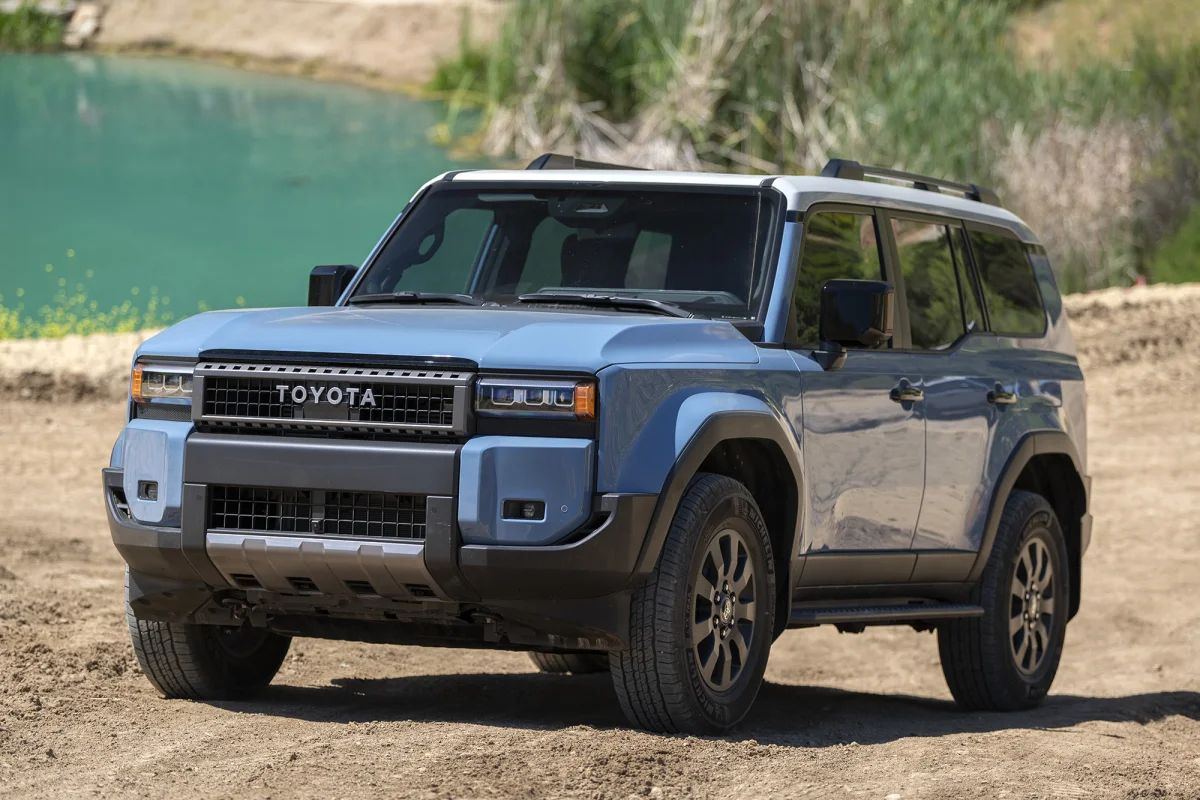
2. Toyota Land Cruiser: Engineered for Extreme Conditions
The Toyota Land Cruiser is designed to perform in the world’s most challenging environments, from freezing mountain snow to scorching desert heat. Its robust full-time four-wheel-drive system, advanced Multi-Terrain Select (MTS), and Crawl Control make it highly capable in snow, mud, sand, and heavy rain.
The Land Cruiser’s body-on-frame construction ensures durability and reliability, while high ground clearance allows it to handle deep snow and rough terrain. Heated seats, an efficient HVAC system, rain-sensing wipers, and stability technologies provide comfort and safety across all seasons.
The Land Cruiser’s hybrid powertrain consists of a turbocharged 2.4-liter four-cylinder engine paired with two electric motors, delivering 326 horsepower. All models come with an eight-speed automatic transmission, a locking center differential, low-range gearing, Crawl Control, and hill-descent control.
The hybrid system offers strong low-end torque for traction in snow and ice, though the electric boost can feel inconsistent due to the smaller battery. In testing, the Land Cruiser achieved 0–60 mph in 7.7 seconds, slightly slower than comparable V-6 SUVs, but delivers a quiet, smooth ride that is more refined than vehicles like the Ford Bronco or Jeep Wrangler.
Towing capacity reaches up to 6,000 pounds when properly equipped, surpassing competitors in its class. Fuel economy is rated at 22 mpg city, 25 mpg highway, and 23 mpg combined, with real-world highway performance slightly lower at 21 mpg.
The Land Cruiser’s interior has been downsized to a two-row, five-seat layout, aligning it with mid-size competitors like the Bronco and Wrangler. The base 1958 trim includes heated seats, a heated steering wheel, and a six-speaker audio system, while higher trims feature ventilated seats, leather upholstery, and a 10-speaker stereo.
Cargo capacity is practical, holding 17 carry-on suitcases behind the rear seats and 31 with them folded. Infotainment options include wireless Apple CarPlay and Android Auto, with a touchscreen ranging from 8.0 inches in the base model to 12.3 inches in higher trims, along with standard USB-C and wireless charging.
Safety is comprehensive, with Toyota Safety Sense 3.0 providing automated emergency braking, lane-departure warning, adaptive cruise control with lane-centering, and high-beam assist. Warranty coverage includes three years/36,000 miles limited, five years/60,000 miles powertrain, and 10 years/150,000 miles for hybrid components, plus two years of complimentary maintenance.
The Toyota Land Cruiser blends extreme off-road capability, hybrid efficiency, modern comfort, and advanced safety, making it a versatile SUV engineered to handle any season or environment with confidence.
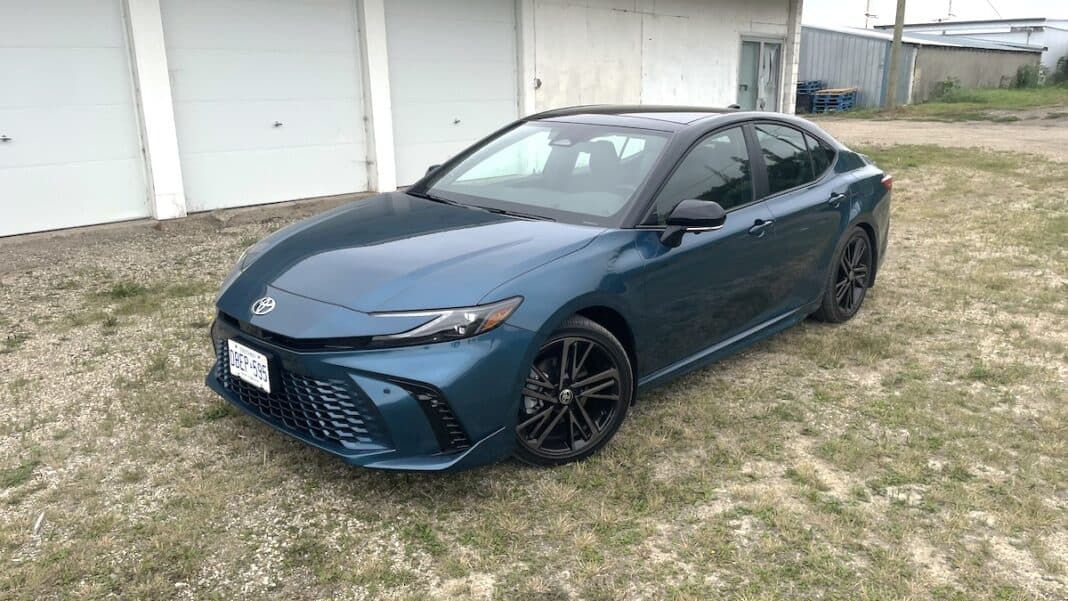
3. Toyota Camry AWD: Reliable Year-Round Performance
The Toyota Camry AWD is a versatile sedan built for dependable performance in all seasons. Its Electronic On-Demand All-Wheel Drive system automatically shifts torque to the rear wheels when front slippage occurs, improving traction on snow, rain, and muddy roads.
Constructed on Toyota’s TNGA platform, the Camry benefits from a low center of gravity, which enhances stability, handling, and cornering control. The AWD system works alongside active traction management, while heated seats and a heated steering wheel provide comfort and safety during cold weather. Pairing AWD with winter tires is recommended for maximum snow performance.
The Camry Hybrid is offered in two configurations. Front-wheel-drive models pair a 2.5-liter four-cylinder engine with two electric motors, producing 225 horsepower. AWD variants add a third motor to power the rear axle, raising output to 232 horsepower. Both powertrains use a continuously variable automatic transmission (CVT).
Testing shows that the hybrid system provides smooth and responsive acceleration, particularly in city driving. SE, XSE, and Nightshade trims have sportier suspension tuning, and the XSE AWD demonstrates tighter body control through corners.
The Camry XSE AWD accelerates from 0–60 mph in 6.8 seconds, slightly faster than the front-drive Nightshade, positioning it competitively against rivals like the Hyundai Sonata and Honda Accord Hybrid.
Fuel efficiency is a strong point for the Camry Hybrid. The front-drive LE trim is rated at 52 mpg city and 49 mpg highway, while AWD versions reach 50 mpg city and 49 mpg highway. The XSE AWD trim achieves 43 mpg in both city and highway driving, consistent with real-world testing.
Inside, the Camry AWD offers a spacious and comfortable cabin. Base models include cloth upholstery, dual-zone climate control, and rear air vents. Higher trims, such as XLE and XSE, add leather seats, heated and ventilated front seats, a heated steering wheel, ambient lighting, and acoustic-laminated glass.
Cargo space holds seven carry-on suitcases behind the rear seats and 19 cases with seats folded. Infotainment options include an 8.0- or 12.3-inch touchscreen, digital gauge displays, wireless Apple CarPlay and Android Auto, and an optional nine-speaker JBL audio system.
Safety features are comprehensive, with Toyota Safety Sense 3.0 providing automated emergency braking with pedestrian and cyclist detection, lane-departure warning, lane-keeping assist, and adaptive cruise control with lane-centering.
Warranty coverage includes three years/36,000 miles limited, five years/60,000 miles powertrain, ten years/150,000 miles for hybrid components, and two years/25,000 miles of complimentary maintenance.
The Camry AWD combines efficient performance, dependable traction, safety, and comfort, making it a practical choice for year-round driving in varied weather conditions.
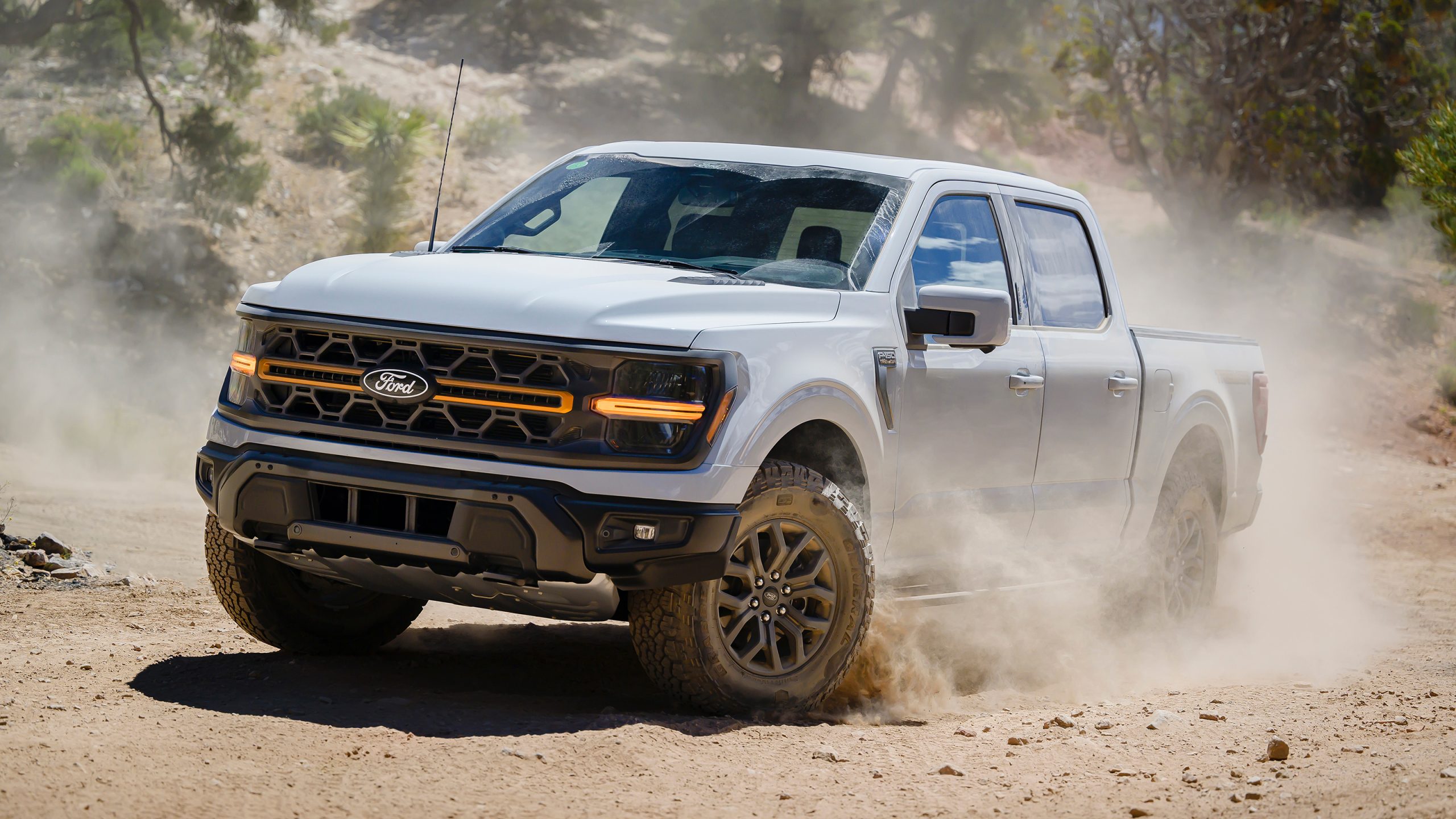
4. Ford F-150: Year-Round Capability and Heavy-Duty Performance
The Ford F-150 is a versatile full-size pickup built to handle diverse weather conditions and heavy-duty work. Its high ground clearance, which ranges from 8.2 to 9.8 inches depending on the model, combined with 4×4 drivetrains, ensures traction on snow, ice, and rough terrain.
Winter driving is supported by the Electronic Shift-on-the-Fly (ESOF) transfer case, Terrain Management System with deep snow and sand modes, and AdvanceTrac with Roll Stability Control. Heated seats, steering wheel, and mirrors provide comfort, while rain-sensing wipers and fog lights improve visibility during harsh weather.
Engine options such as the 5.0L V8 and 3.5L PowerBoost hybrid provide the power needed for towing, snow clearing, and other winter tasks.
In spring, summer, and fall, the F-150 adapts to varied conditions with all-season tires, versatile 4×2 or 4×4 drivetrains, and high ground clearance that manages mud, water, and uneven terrain. Towing and hauling capabilities remain strong throughout the year, with a maximum tow rating of 13,500 pounds and a payload capacity up to 2,455 pounds.
The F-150’s hybrid powertrain, which combines a twin-turbo 3.5L V6 with a 47-hp electric motor, produces 430 hp, while other engine options include a 325-hp twin-turbo 2.7L V6, a 400-hp twin-turbo 3.5L V6, and a 400-hp 5.0L V8.
All engines are paired with a 10-speed automatic transmission and available rear- or four-wheel drive. Off-road-focused trims like the Tremor feature 33-inch all-terrain tires, upgraded suspension, and a locking rear differential, while the FX4 package offers similar off-road enhancements.
Inside, the F-150 offers flexible seating with optional front bench seats and a crew-cab layout for family-friendly space. Higher trims such as King Ranch, Platinum, and Limited provide premium materials and convenience features, while mainstream trims include practical storage cubbies and work-friendly surfaces.
Cargo capacity varies with bed size, ranging from 5.5 to 8 feet. The hybrid models offer optional onboard generators and a Pro Access Tailgate for added utility.
Infotainment is handled through a standard 12.0-inch SYNC 4 touchscreen with Apple CarPlay, Android Auto, and Wi-Fi, with options for advanced audio and navigation.
Safety features include standard automated emergency braking, blind-spot monitoring, and lane-keeping assist, with optional 360-degree cameras and Ford BlueCruise hands-free driving. Warranty coverage includes three years/36,000 miles limited and five years/60,000 miles powertrain, with no complimentary maintenance.
The F-150 combines strong performance, high utility, advanced technology, and comfort, making it a capable choice for work or recreation in all weather conditions.
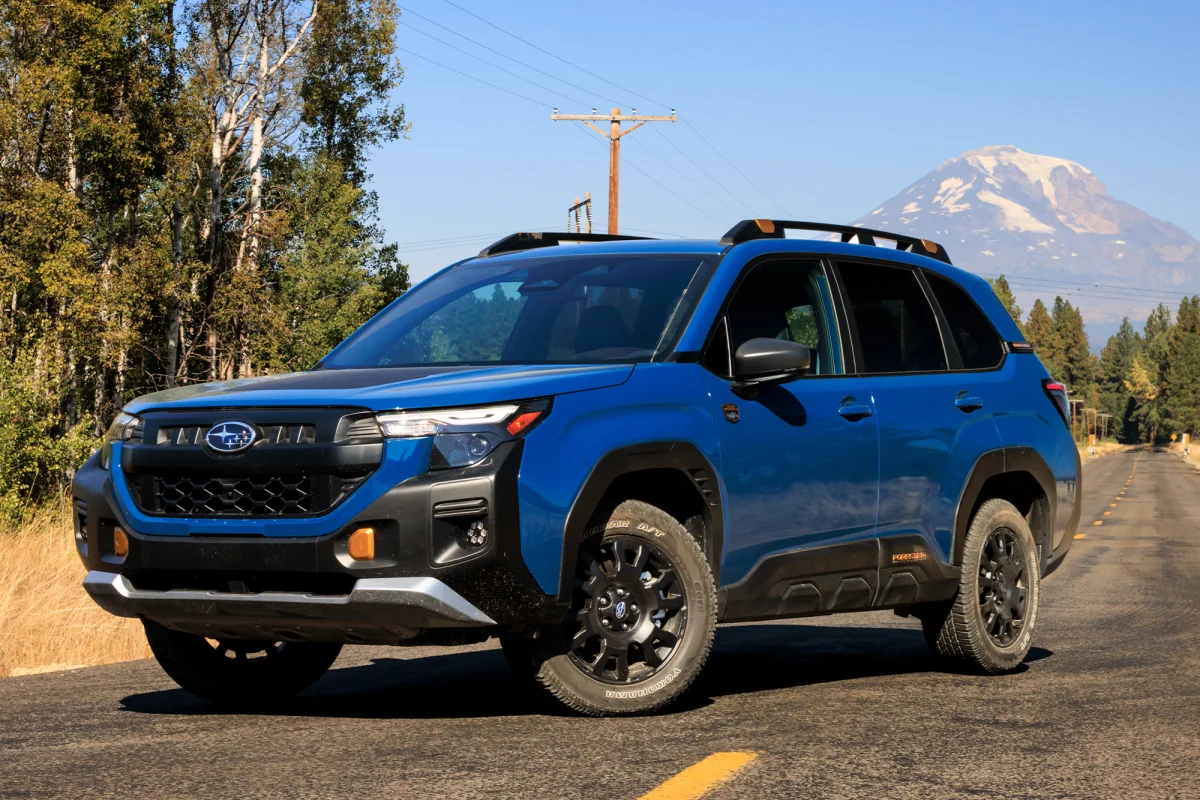
5. Subaru Forester: Capable All-Season Compact SUV
The Subaru Forester is widely regarded as a “winter warrior” thanks to its standard Symmetrical All-Wheel Drive (AWD), generous ground clearance of 220 mm (about 8.7 inches), and specialized X-MODE driving system for low-traction conditions. These features provide consistent stability on snow, ice, rain, and mud, while the Boxer engine’s low center of gravity enhances balance and handling year-round.
Hill Descent Control, available on Wilderness trims, adjusts engine output, transmission, and braking to optimize traction on steep or slippery terrain. Heated seats, mirrors, and effective windshield defrosters make the Forester particularly comfortable in freezing conditions.
Its robust cooling system also allows it to handle long summer trips without overheating. For maximum performance, Subaru recommends pairing the AWD system with season-appropriate tires, such as all-weather or three-peak mountain snowflake winter tires.
Power comes from a 2.5-liter flat-four engine paired with a continuously variable transmission (CVT) and AWD, producing 180 horsepower and 178 lb-ft of torque. While acceleration is modest, the Forester Sport reaches 0–60 mph in 8.3 seconds and the Wilderness in 8.4 seconds.
The SUV provides adequate performance for daily driving. The dual-pinion electronic power steering is tuned for comfort rather than sporty handling, and the suspension prioritizes a smooth ride over sharp cornering. Off-road capability is strong, particularly on Wilderness trims, which excel on rough terrain while maintaining a comfortable on-road ride.
Towing capacity varies by trim, with most Foresters rated at 1,500 pounds and the Wilderness trim capable of 3,500 pounds thanks to an upgraded transmission cooler. Fuel economy is rated at 26 mpg city and 33 mpg highway, though the Wilderness trim drops to 24/28 mpg due to beefier tires and a shorter final drive ratio. Real-world highway testing shows 31 mpg for the Sport trim and 27 mpg for the Wilderness.
The interior emphasizes spaciousness and versatility, with tall windows and a panoramic sunroof that maximize light and visibility. Front seats are available in cloth, leather, or water-repellent leatherette, with mid-level and higher trims offering heated and ventilated seats.
Rear-seat space is generous, and cargo capacity ranges from 30 cubic feet with seats up to 75 cubic feet with seats folded. Infotainment includes an 11.6-inch touchscreen (7-inch on base models) with wireless Apple CarPlay, Android Auto, and a wireless charging pad.
Safety is comprehensive with Subaru’s EyeSight suite, including automated emergency braking, lane-departure warning, lane-keeping assist, and adaptive cruise control. Warranty coverage includes three years/36,000 miles limited and five years/60,000 miles powertrain, but no complimentary maintenance is provided, making competitors like the Hyundai Tucson and Toyota RAV4 more generous in this regard.
The Forester combines reliable AWD traction, practical interior space, and comfort-focused handling, making it a solid choice for drivers in varying weather conditions.
Also Read: 5 Cars That Stay Comfortable in Hot Summers vs 5 That Don’t
5 That Don’t
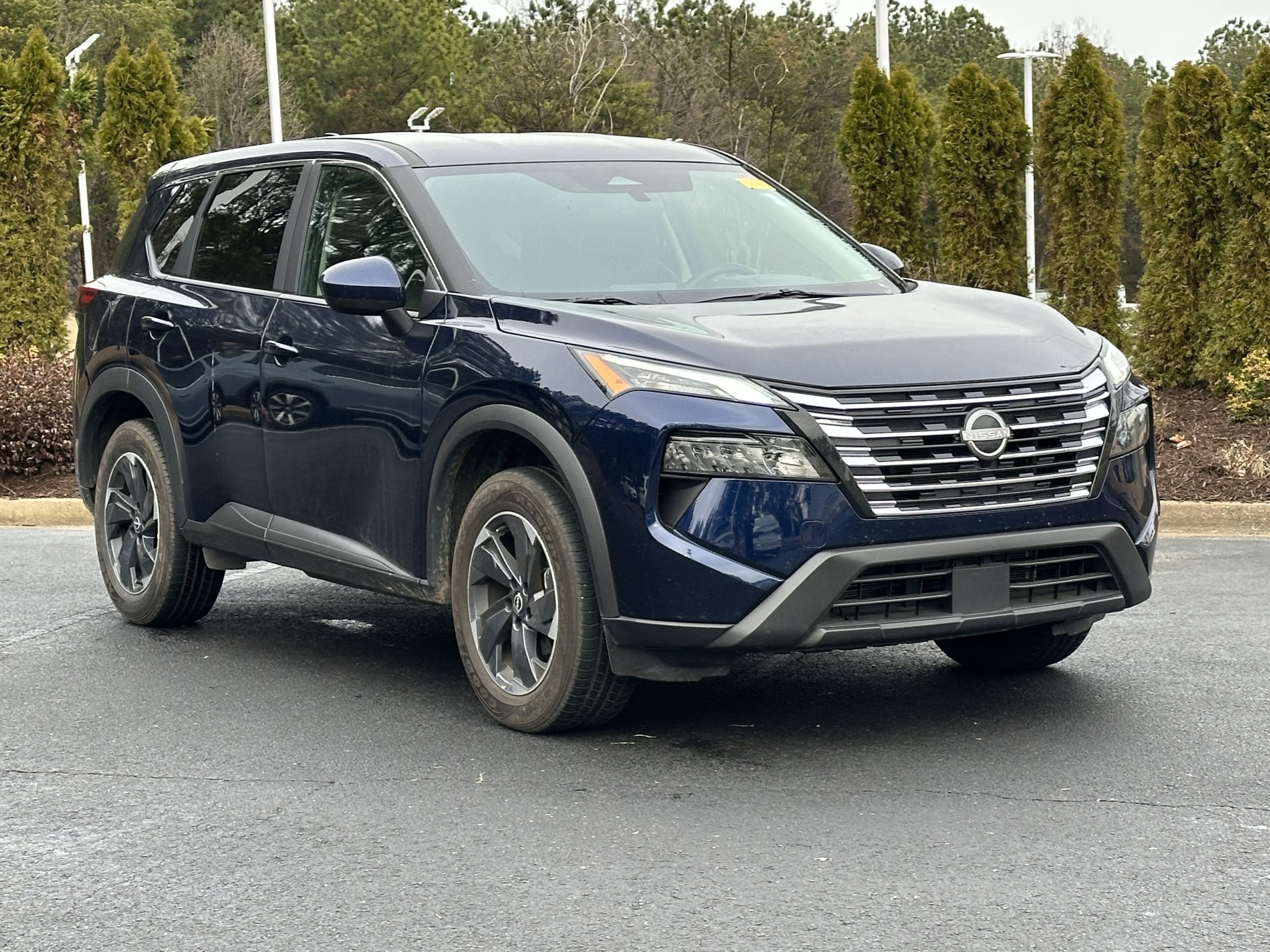
1. Nissan Rogue FWD: Limited Seasonal Capability
The Nissan Rogue Standard Front-Wheel-Drive (FWD) model struggles in winter and wet conditions, revealing limitations compared with its AWD counterparts. While the Rogue is a popular compact SUV, its base FWD configuration often fails to deliver the traction and stability drivers expect when the weather turns.
One key issue is weight distribution. In FWD models, all power is sent to the front wheels, which also handle steering. With a relatively high center of gravity and no additional weight over the rear axle, the Rogue can feel “light” in the back, especially on ice, snow, or wet autumn leaves. This imbalance makes the rear prone to fishtailing, while the front tires can spin without gaining traction, particularly when accelerating on inclines.
The Rogue’s Xtronic Continuously Variable Transmission (CVT) is another factor affecting seasonal performance. The CVT relies on hydraulic fluid that thickens in extreme cold, causing sluggish acceleration, and can overheat during hot summer conditions. These temperature-sensitive characteristics result in inconsistent responsiveness, unlike traditional automatic transmissions.
Additionally, the Rogue’s advanced safety systems, including Nissan Safety Shield 360, can be compromised by snow and ice. Radar sensors in the front grille may become obstructed, triggering error messages or “limp mode,” which limits power to protect the vehicle. This can be alarming when driving in heavy snow or icy conditions.
Finally, the standard all-season tires are optimized for fuel efficiency and quiet performance in mild weather but lose effectiveness below 7 °C (45 °F). The rubber hardens, reducing braking and cornering capabilities, which further undermines the vehicle’s performance on slick or icy roads.
In short, the Nissan Rogue FWD is less capable during seasonal transitions, particularly in winter, wet autumn, or slippery spring conditions. Drivers in regions with snow or ice are likely to find its traction, handling, and braking performance inadequate compared with AWD-equipped alternatives.
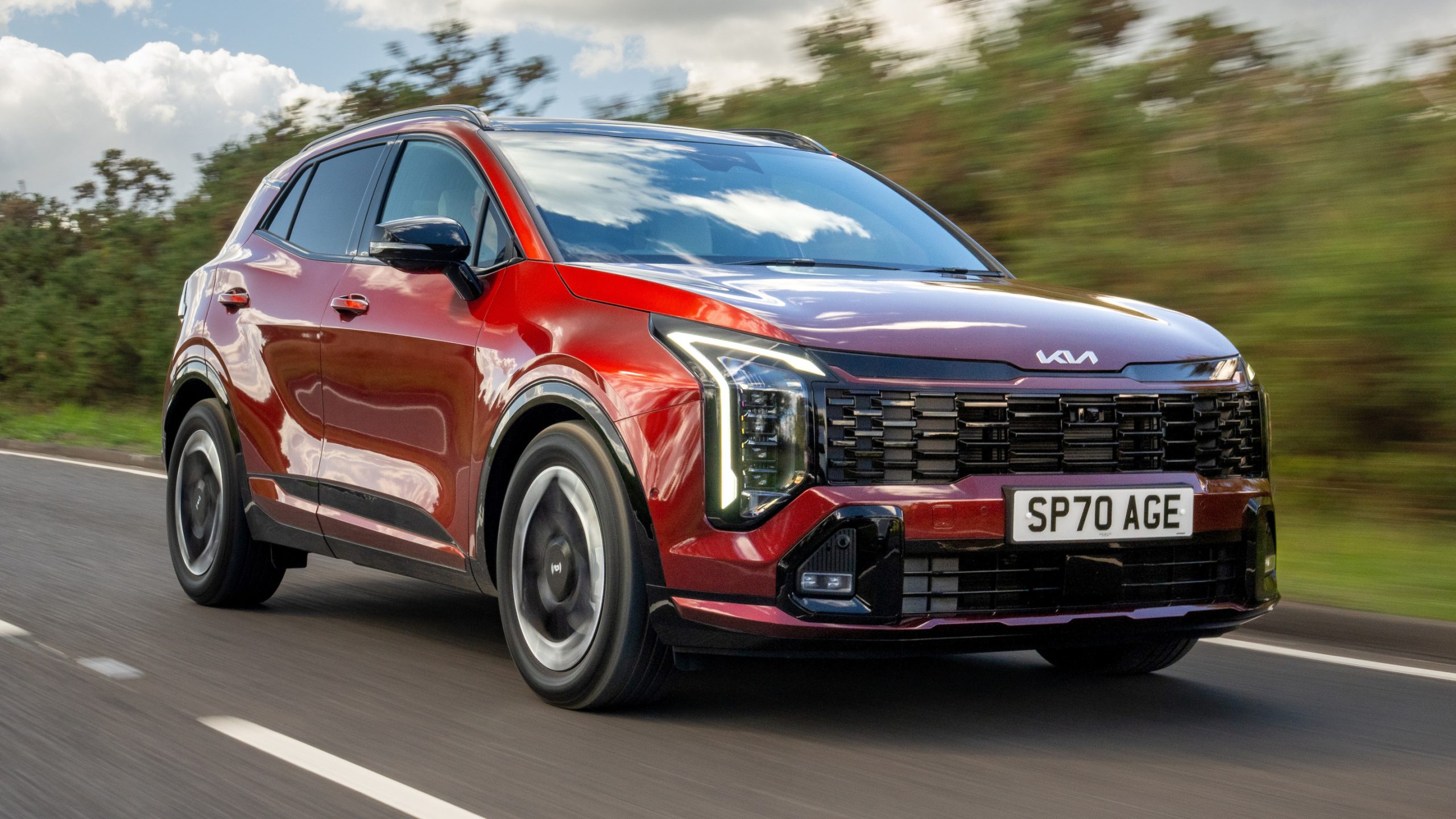
2. Kia Sportage FWD: Limited Winter and Seasonal Capability
The standard Front-Wheel-Drive (FWD) Kia Sportage is a practical compact SUV for urban driving, but it struggles during seasonal transitions, particularly in winter and icy conditions. Unlike All-Wheel-Drive (AWD) Sportage trims, the FWD version relies entirely on the front wheels for both steering and propulsion.
This design limits traction on snow, ice, and wet surfaces, making it difficult to pull out of unplowed driveways or maintain control on slippery hills. The FWD model also lacks the specialized Snow Mode available in AWD trims, which adjusts throttle response and transmission settings to reduce wheel spin on icy surfaces.
Factory-installed all-season tires provide only moderate grip in deep snow or on ice. Combined with lower ground clearance, typically 7.1 inches compared to 8.3 inches on AWD X-Line models, the FWD Sportage is more likely to become stuck on snow piles or in ruts during heavy accumulation.
The reduced clearance also increases the risk of the engine splash shield contacting snow or debris. In slippery conditions, FWD vehicles are prone to understeering, where the front wheels lose traction during turns. While Electronic Stability Control (ESC) helps manage this, the front wheels must handle both steering and acceleration, reducing stability and precision at higher speeds on wet or icy roads.
Seasonal changes also place added stress on vehicle components. Cold weather can reduce battery efficiency, leading to harder starts if the battery is not properly maintained. The transmission may experience shuddering or slipping due to torque converter issues, which can be amplified under load in cold or slippery conditions.
Additionally, misaligned wheels can produce vibrations that are more noticeable and potentially hazardous on winter roads. Some owners have also reported that rear suspension components can fail prematurely when exposed to extreme cold and road salt, further affecting reliability in harsh weather.
While the Kia Sportage FWD is capable for city driving and light-duty use, its drivetrain, tire, and clearanc
e limitations make it less suitable for snowy or icy conditions. Drivers who encounter frequent winter weather or steep, unplowed roads would benefit from selecting an AWD-equipped Sportage trim to gain traction, stability, and specialized driving modes that improve safety and performance during seasonal changes.
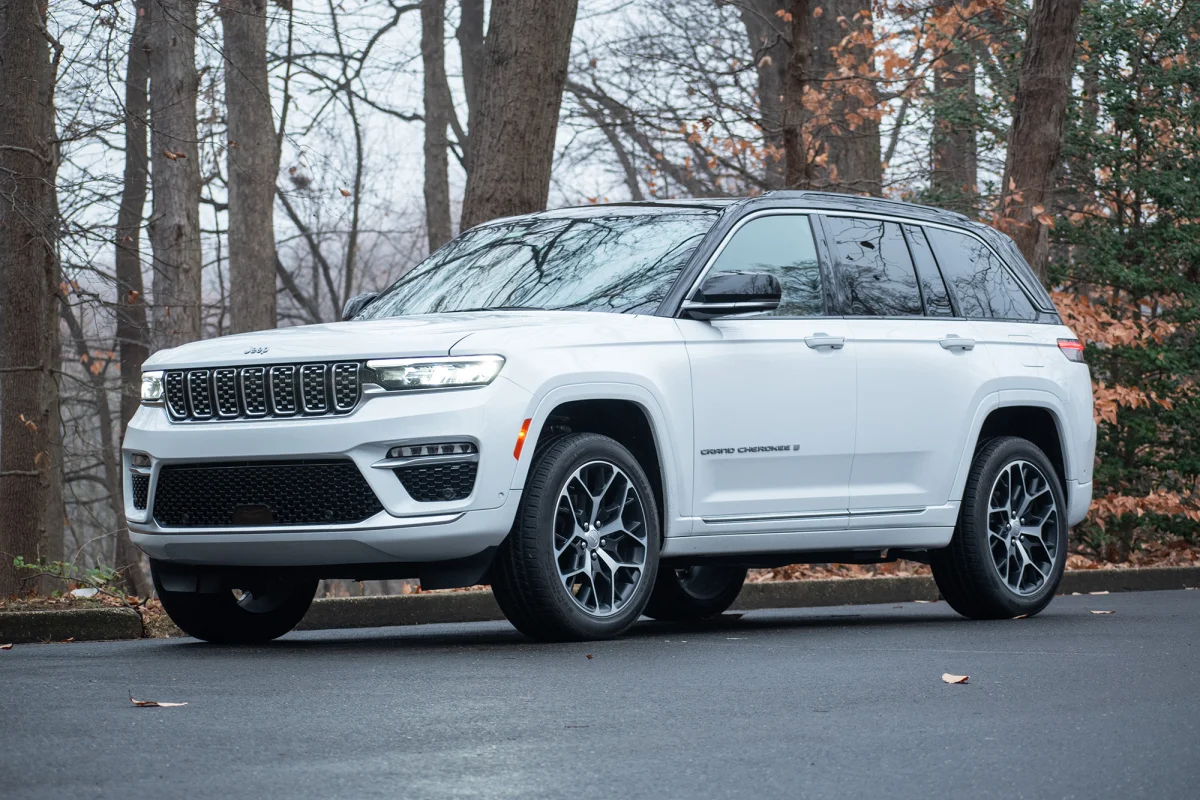
3. Jeep Grand Cherokee Base RWD: Limited Winter and Seasonal Performance
Despite its iconic Jeep badge, the Base Rear-Wheel-Drive (RWD) Grand Cherokee struggles in winter and wet conditions. Unlike higher 4×4 trims, it lacks advanced traction systems, specialized driving modes, and weight distribution that enhance stability on slippery roads. This makes the RWD version less capable during seasonal transitions, particularly in snow, ice, and heavy rain.
One major limitation is traction. With the engine over the front wheels and power sent to the rear, the back tires often lack sufficient downward force to grip icy or snowy surfaces. This can lead to wheel spin, loss of control, and frequent “fishtailing,” especially when climbing inclines or accelerating from a stop.
Higher 4×4 models feature the Selec-Terrain® Traction Management System with Snow Mode, which optimizes throttle response and distributes power between axles. The base RWD model relies solely on standard traction control, which may not be enough for slippery roads.
Other seasonal drawbacks include suboptimal braking and stability. Without a linked 4×4 system, rear-end swing is more likely during sharp turns or sudden stops, increasing the risk of accidents. Base models also come with all-season tires designed for highway comfort, which lose effectiveness on ice or deep snow. Switching to dedicated winter tires, such as the Continental VikingContact 7, can improve grip and control.
Mechanical and climate-specific issues further affect seasonal performance. Rapid temperature shifts can trigger electronic faults, affecting sensors and charging systems. Brake components are vulnerable to corrosion, which can reduce braking efficiency if water freezes inside shields. Additionally, earlier models have reported weak air conditioning performance in extreme heat, reducing comfort during summer.
The Jeep Grand Cherokee Base RWD is practical for dry, mild conditions but is limited in winter or extreme weather. For safer seasonal driving, AWD or 4×4 trims are recommended, along with appropriate tires and regular maintenance to address climate-related mechanical stresses.
4. Chevrolet Blazer FWD: Seasonal Reliability and Traction Challenges
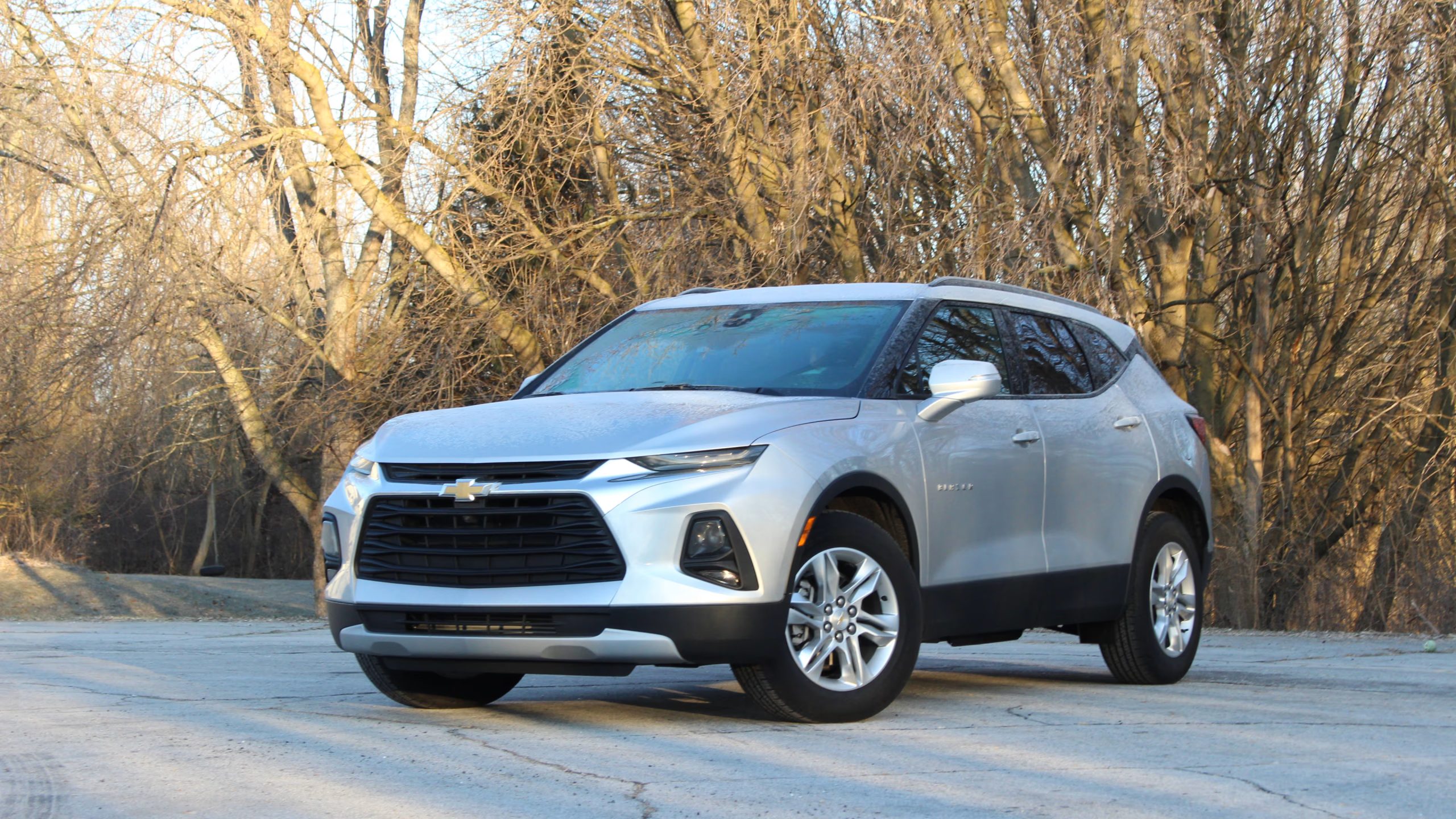
The Chevrolet Blazer is a stylish midsize SUV, but the Front-Wheel Drive (FWD) configuration presents notable challenges when exposed to seasonal extremes, especially winter conditions.
Owners in colder climates have reported issues such as engine stalling, jerky transmission shifts, and ignition faults that become more frequent in sub-zero temperatures. These concerns stem from a combination of traction limitations, tire compromises, electronic sensitivity, and component stress as conditions change throughout the year.
A primary issue is traction physics. In dry summer conditions, the Blazer’s FWD layout benefits from having engine weight over the drive wheels. However, during winter driving, weight naturally shifts rearward when accelerating, particularly on hills or slick surfaces.
This reduces pressure on the front tires, leading to understeer and reduced grip. The Blazer’s relatively strong engines, including the 2.0-liter turbo and 3.6-liter V6, can overwhelm the front tires on wet leaves, slush, or ice, causing wheel spin that AWD versions are better equipped to manage.
Tires further limit winter performance. Many FWD Blazers are equipped with low-rolling-resistance all-season tires designed to improve fuel economy. While effective in warm weather, these tires use harder rubber compounds that stiffen below 7°C (45°F), significantly reducing traction and increasing braking distances on icy roads.
Electronic systems also play a role. The Blazer relies heavily on traction and stability control, which can become overly aggressive in winter. When wheel slip is detected, the system may sharply reduce engine power, leaving drivers feeling underpowered when merging or climbing snowy inclines.
Seasonal temperature swings place added strain on mechanical components. Batteries may struggle to deliver sufficient cold-cranking power in winter, while the HVAC and cooling systems endure heavy workloads during hot summers. These stresses can contribute to reliability complaints in FWD models used year-round.
The Chevrolet Blazer FWD performs well in mild climates but shows clear limitations in winter and extreme seasonal conditions. Drivers in colder regions may benefit from AWD models, winter tires, and proactive maintenance to improve reliability and control.
5. Ford Escape Hybrid: Seasonal Battery and Performance Sensitivity
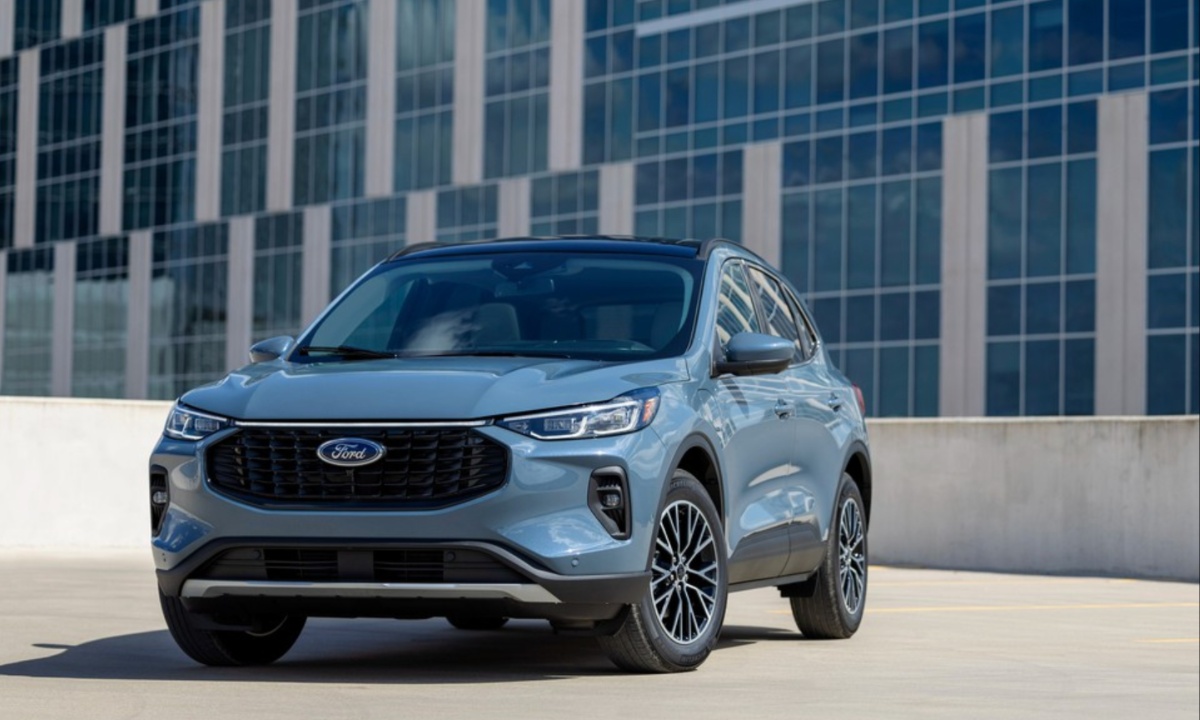
The Ford Escape Hybrid is praised for its fuel efficiency, but its performance is notably affected by seasonal temperature extremes. Cold and hot weather places added strain on the hybrid system, particularly the high-voltage battery, climate controls, and supporting electronics. These factors can lead to reduced efficiency, altered driving behavior, and occasional reliability concerns throughout the year.
Winter presents the most noticeable challenges. Low temperatures slow the chemical reactions inside the hybrid battery, which can reduce electric-only driving range by as much as 40 percent. To maintain cabin heat, the system often forces the gasoline engine to run, overriding EV-only modes even when the battery is fully charged.
This not only increases fuel consumption but also diminishes the smooth, quiet driving experience many hybrid owners expect. Cabin warm-up can also feel slow compared to traditional vehicles, as the system prioritizes efficiency over waste heat generation.
Another winter-related concern is the 12-volt battery. Despite the presence of a fully charged high-voltage battery, the small auxiliary battery can struggle in freezing temperatures. Some owners report complete no-start situations or electronic glitches, including “phantom” dashboard warning lights triggered by cold-stressed sensors. Charging times can also increase during winter, further limiting convenience.
Summer heat introduces a different set of issues. Hybrid systems rely on dedicated cooling loops to regulate battery temperature. In extreme heat, charging rates may be reduced and throttle response limited to protect the battery from overheating.
Prolonged exposure to high temperatures can accelerate battery degradation, shortening its lifespan. Reports of cooling fan or air-conditioning component failures are especially concerning, as these systems are essential for battery health.
Seasonal temperature swings also affect real-world fuel economy. Efficiency can drop from around 35 mpg in mild conditions to roughly 28 mpg during winter due to increased engine use and rolling resistance from winter tires. Combined with recent battery-related recalls, these factors highlight how sensitive the Escape Hybrid can be to extreme seasonal conditions.
Seasonal performance is not only about surviving winter storms or summer heatwaves. It is about consistency, control, and confidence throughout the entire year.
Vehicles that handle seasonal changes well tend to share a common formula: balanced traction, reliable mechanical systems, and technology that adapts smoothly as conditions change. They inspire trust on icy mornings, feel composed during heavy rain, and remain dependable during long summer drives.
On the other hand, vehicles that struggle with seasonal transitions often expose limitations in traction, tires, electronics, or thermal management. These weaknesses can turn routine driving into an ongoing challenge when the weather becomes unpredictable.
Choosing the right vehicle depends greatly on climate, terrain, and driving habits. While some drivers may never encounter extreme conditions, others rely on their vehicle to perform every day, regardless of the forecast. Selecting a model designed for year-round resilience can reduce stress, improve safety, and deliver a more satisfying ownership experience in the long run.
Also Read: Top 10 Cars That Changed Automotive Engineering Forever