
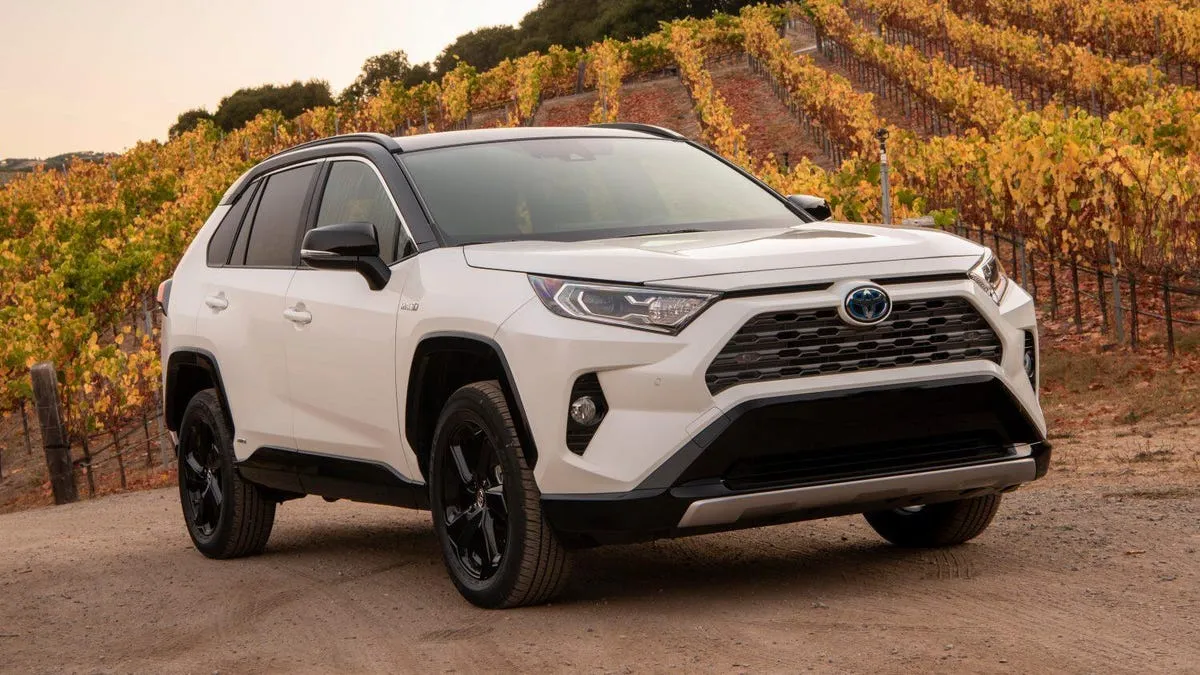
Choosing an SUV for a small family rarely comes down to looks alone. Daily life has a way of exposing flaws quickly, whether that means tight rear seating, awkward cargo space, or tech that feels dated within a year. Parents often juggle school drop-offs, grocery runs, weekend trips, and unexpected errands, all while trying to stay comfortable and organized.
An SUV that supports those routines can feel like a quiet partner in the background, while the wrong one becomes a source of constant irritation. Size plays a tricky role here. Bigger does not always mean better, and smaller does not always mean limiting.
What matters more is how intelligently space is used, how easily children can climb in and out, and how calm the driving experience feels during long or stressful days. Fuel efficiency, safety technology, and reliability matter too, yet practicality often carries more weight once real life steps in.
This page focuses on ten SUVs, split evenly between those that tend to fit small family needs well and those that struggle to keep up. The first part covers five models that deliver thoughtful layouts, user-friendly features, and balanced driving manners.
The next part will look at five SUVs that often disappoint families because of space issues, comfort problems, or design choices that miss the mark. Each vehicle appears only once, with full model names clearly stated. Let’s begin with SUVs that quietly make family life easier.
5 SUVs That Work for Small Families
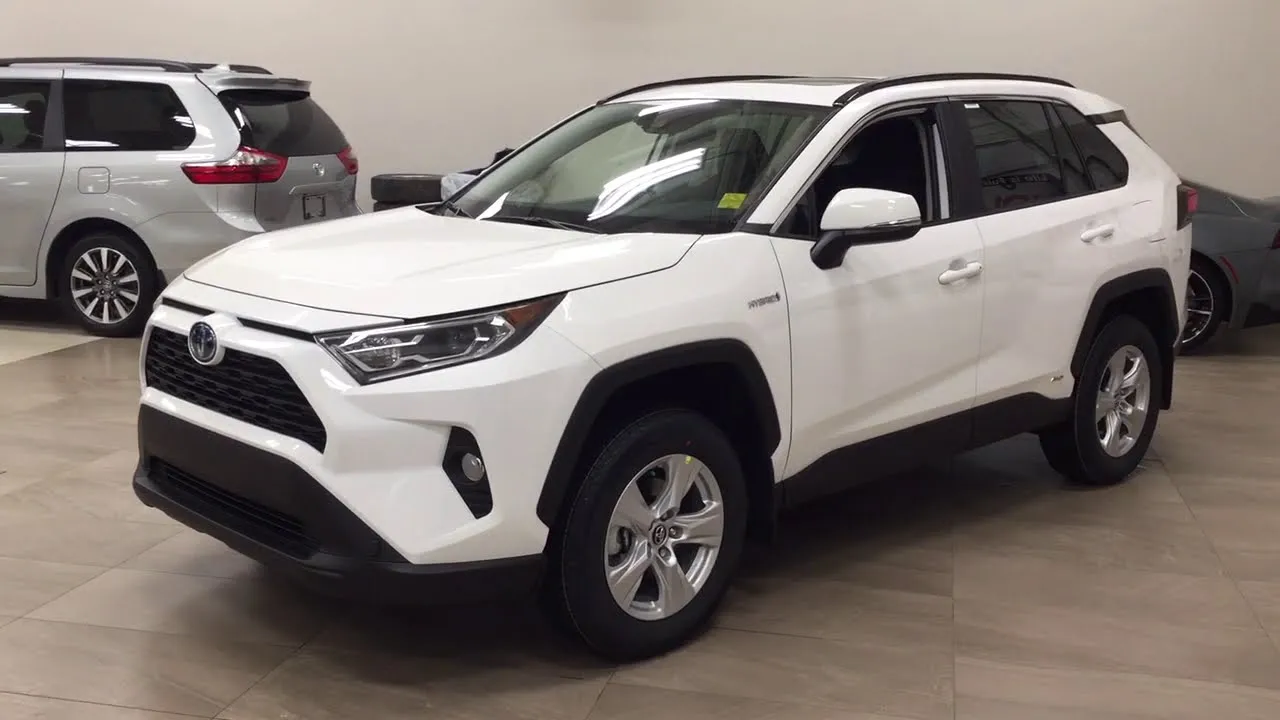
1. Toyota RAV4 Hybrid XLE (2021)
Practical thinking shapes every corner of this compact SUV. The Toyota RAV4 Hybrid XLE from 2021 blends fuel efficiency with interior space in a way that suits daily family routines. Hybrid power keeps fuel stops infrequent, which parents appreciate during busy weeks packed with errands and school activities.
Interior layout deserves attention first. Rear seating offers generous legroom for growing kids, while wide-opening doors simplify loading car seats. Cushioning strikes a balance between comfort and support, helping passengers stay relaxed during longer drives. Storage cubbies appear throughout the cabin, allowing snacks, toys, and small bags to stay within reach rather than sliding around.
Cargo space remains flexible. Grocery runs fit easily behind the rear seats, and folding them down opens room for strollers or sports gear. Floor height feels manageable, reducing strain when lifting heavier items. Such details matter when time feels limited.
Driving experience adds another layer of appeal. Acceleration feels smooth and predictable, avoiding sudden jolts that can unsettle younger passengers. Steering responds lightly, making parking lots and narrow streets less stressful. Hybrid operation keeps cabin noise low, supporting calmer conversations or quiet rides home.
Safety technology strengthens family confidence. Standard driver assistance features include adaptive cruise control and lane guidance, helping reduce fatigue on longer trips. Visibility remains strong thanks to large windows and thoughtful mirror placement.
Toyota’s reputation for durability also supports long-term ownership. Parents seeking a vehicle that blends efficiency, comfort, and sensible design often find this model aligns well with everyday needs.
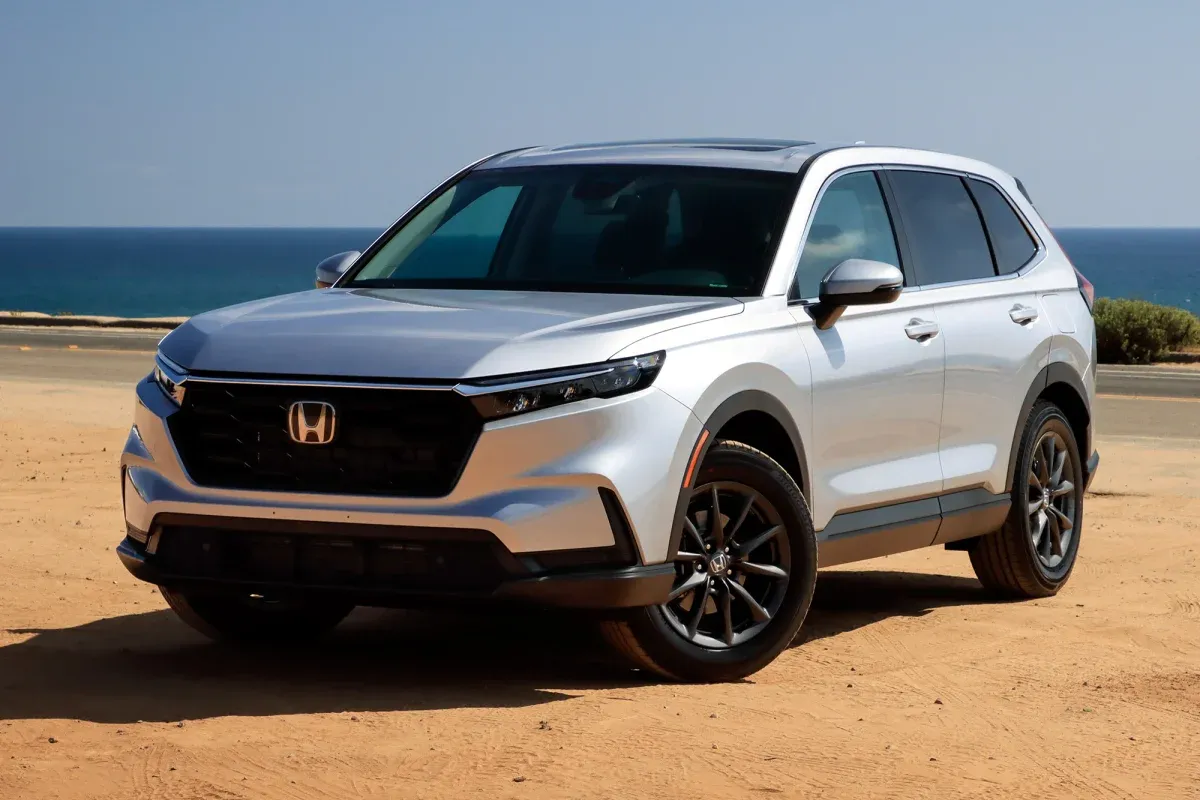
2. Honda CR V EX AWD (2022)
Versatility defines this compact SUV in a way that feels natural rather than forced. Honda CR V EX AWD from 2022 brings together interior space, smooth driving manners, and intuitive controls that suit families adjusting to changing schedules.
Cabin design emphasizes openness. Rear passengers enjoy ample headroom and leg space, even with taller front seat occupants. Flat rear floors help children move around without bumping knees. Seat materials balance durability with comfort, holding up well to spills and frequent use.
Storage solutions stand out immediately. A wide center console, deep door pockets, and clever tray placements keep essentials organized. Cargo capacity feels generous for the class, accommodating strollers, backpacks, and weekly shopping without creative stacking.
Driving a character feels reassuring. Power delivery remains steady, avoiding aggressive surges. All Wheel Drive adds confidence during wet or slippery conditions, offering parents extra peace of mind. Steering feels light yet controlled, reducing fatigue during longer drives.
Technology integration avoids unnecessary complications. Touchscreen controls respond quickly, and physical buttons remain available for climate adjustments. Such choices limit distraction and shorten the learning curve for new drivers in the household.
Safety features support family priorities. Automatic emergency braking, lane keeping assistance, and blind spot monitoring come standard, helping protect passengers during busy commutes. Honda CR V EX AWD works well because it respects how families actually use vehicles.
Nothing feels excessive, yet nothing essential feels missing. That balance often turns daily driving into a smoother, more predictable experience.
Also Read: 5 SUVs That Work Well in Cities vs 5 That Don’t
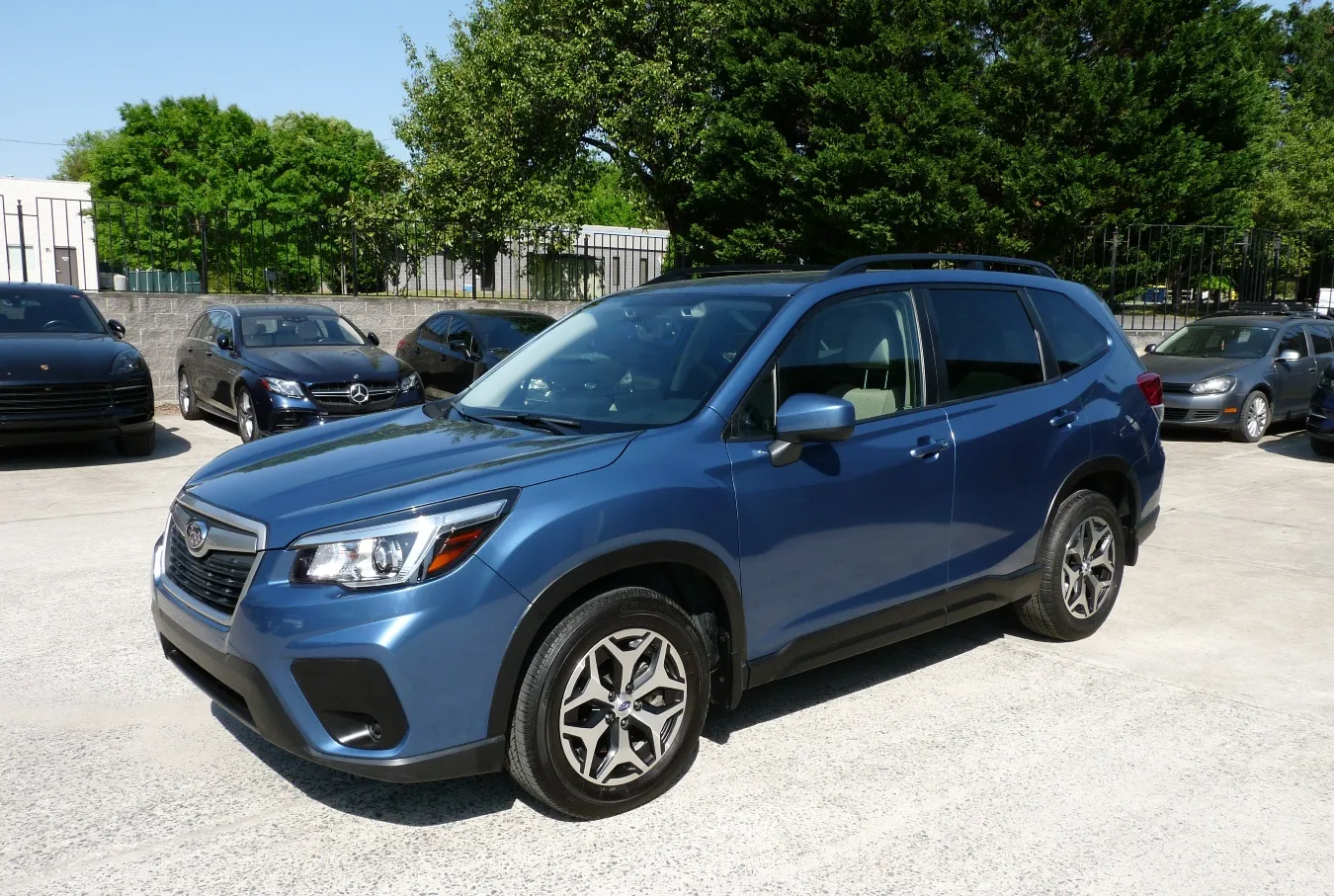
3. Subaru Forester Premium (2020)
Confidence and simplicity guide this SUV’s appeal. Subaru Forester Premium from 2020 earns family trust through visibility, safety focus, and thoughtful interior design. Parents who value clear sightlines often notice the upright seating position right away.
Large windows and slim pillars create an airy cabin, making it easier to keep track of surroundings. That visibility helps during school zones, parking lots, and busy intersections. Children benefit too, enjoying better outward views during rides.
Interior space feels honest. Rear seats provide comfortable room for kids and adults alike, while door openings simplify loading car seats. Upholstery choices resist wear, supporting long-term use without constant worry.
Cargo space handles daily demands effectively. A low lift over height makes loading strollers or groceries easier, while folding seats expand capacity for weekend activities. Hooks and tie downs add practicality, preventing items from sliding.
Driving experience remains calm and controlled. Subaru’s All Wheel Drive system works quietly in the background, adding traction without demanding attention. Suspension tuning absorbs bumps well, helping keep passengers comfortable on uneven roads.
Safety systems represent a strong selling point. EyeSight driver assistance includes adaptive cruise control and pre-collision braking, supporting attentive driving during long commutes or family trips. Forester Premium suits families seeking straightforward functionality paired with a strong safety record. Its design favors awareness and comfort, qualities that matter when children ride along every day.
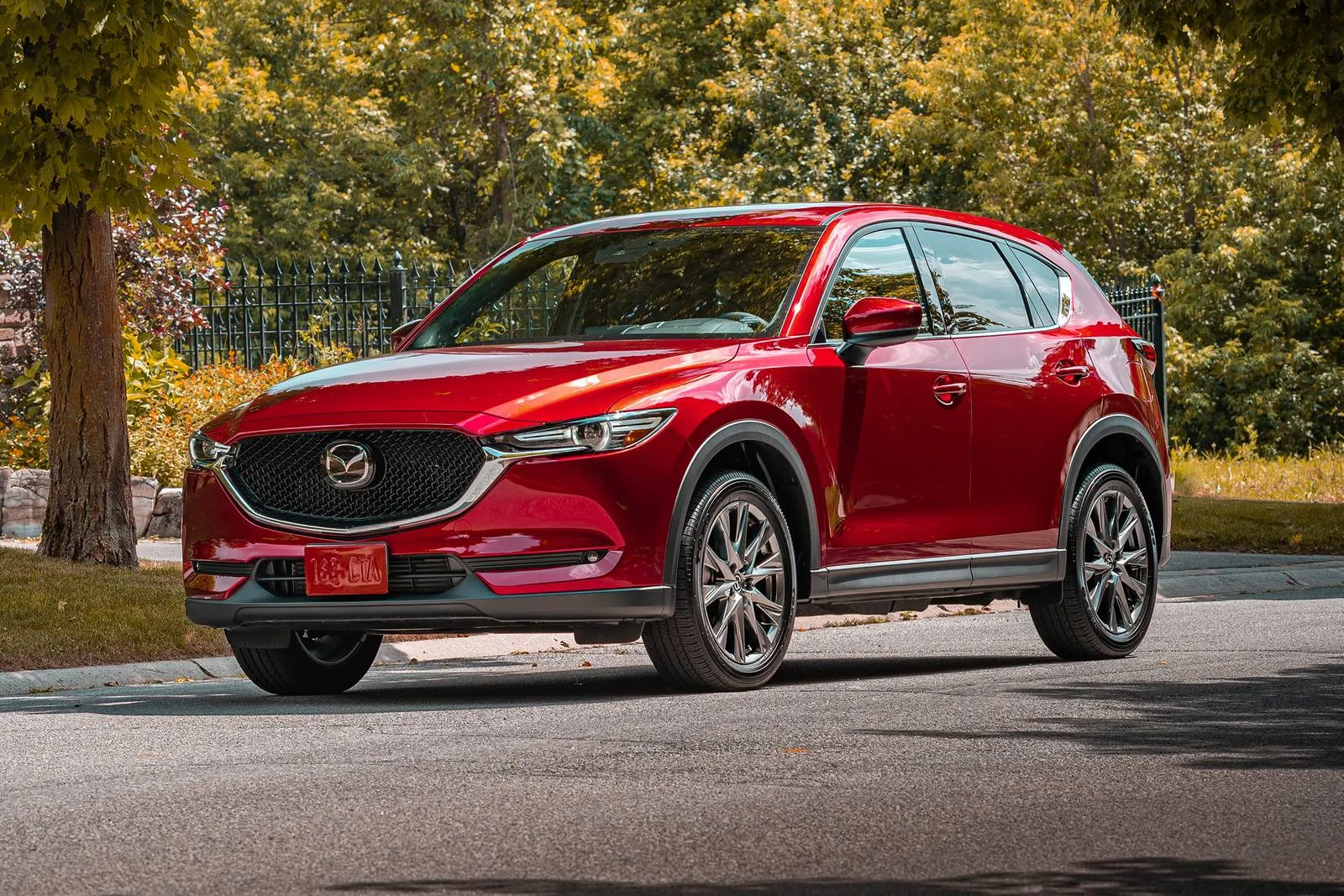
4. Mazda CX 5 Touring (2021)
Balanced design and careful execution define this compact sport utility vehicle. Mazda CX 5 Touring from the 2021 model year presents itself as a refined option for families seeking comfort without losing everyday usefulness.
Visual appeal plays a role in its attraction, yet deeper inspection shows that interior planning received equal attention, resulting in a vehicle that supports daily family routines with ease. Seating quality establishes a positive first impression.
Front and rear seats provide firm yet comfortable cushioning, supporting passengers during short trips and extended journeys alike. Upholstery materials feel well-selected for durability, an important factor for households with children. Rear seating accommodates child restraint systems securely, while door openings offer generous angles that simplify loading and unloading without strain.
Cabin arrangement reflects thoughtful ergonomics. Driver-oriented positioning allows easy access to controls, yet the layout remains welcoming to all occupants. Climate controls and infotainment functions rely on a combination of tactile buttons and a central display, reducing distraction during driving.
Such clarity supports attentive operation, especially during school runs and busy traffic periods. Storage and luggage accommodation meet family expectations effectively. Boot space supports grocery shopping, school bags, and sports equipment without difficulty.
Although cargo volume does not lead its category, its shape allows practical use. Rear seats fold to create additional space when transporting larger items, offering flexibility during weekends or travel periods. Road behaviour distinguishes this model within its segment.
Steering response feels composed and accurate, giving drivers confidence in both urban and highway settings. Suspension tuning absorbs road imperfections without excessive stiffness, helping passengers remain comfortable. Body control remains steady during cornering, contributing to a settled ride for children seated at the rear.
Safety support strengthens family assurance. Blind spot monitoring assists during lane changes, while rear cross traffic alert proves useful in crowded parking areas. Adaptive cruise control reduces driver fatigue on longer journeys, supporting smoother progress during heavy traffic conditions.
Mazda CX 5 Touring suits small families who value comfort, composure, and thoughtful design. Its ability to blend refinement with daily practicality makes it a dependable choice for households balancing routine responsibilities with occasional travel needs.
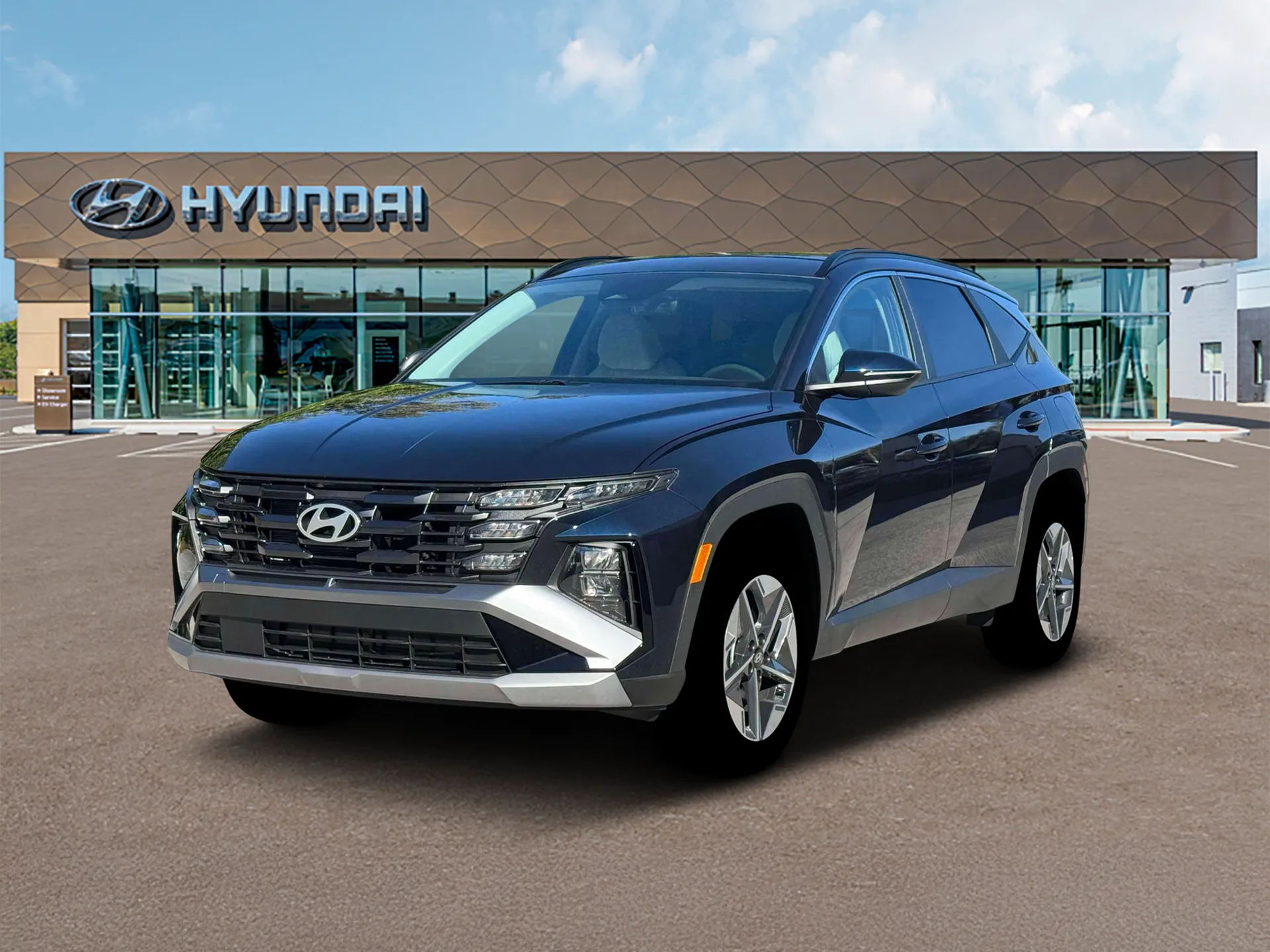
5. Hyundai Tucson SEL Convenience (2022)
Modern presentation and practical thinking shape the character of this compact sport utility vehicle. Hyundai Tucson SEL Convenience from the 2022 model year addresses family needs through updated technology, generous interior space, and a design approach that prioritizes usability. Visual freshness draws attention, yet functionality remains central to its appeal.
Interior space supports family growth comfortably. Rear seating provides ample legroom and head clearance for children, allowing a comfortable posture during daily travel. Seat shaping offers support during longer journeys, reducing fatigue.
Upholstery materials feel durable and easy to clean, an advantage for households managing spills and regular wear. Technology features play a central role in daily convenience. A digital instrument display presents driving information clearly, while a responsive central touchscreen allows straightforward access to navigation and media.
Wireless connectivity enables seamless device pairing, supporting entertainment and communication without unnecessary cables. Such integration suits families with multiple users and devices. Storage provision reflects careful planning.
Door pockets accommodate bottles and small items, while a deep centre console holds personal belongings securely. Luggage area capacity supports grocery shopping, school supplies, and leisure equipment. Folding rear seats expand this space when transporting larger items, adding flexibility to changing schedules.
Driving behaviour remains calm and predictable. Suspension tuning absorbs uneven road surfaces effectively, helping younger passengers remain comfortable. Steering response feels light, assisting manoeuvrability in confined spaces such as car parks and residential streets. Engine performance suits daily demands without unnecessary strain.
Safety assistance enhances peace of mind for parents. Forward collision avoidance monitors traffic conditions, while lane following support aids steady progress during longer journeys. Smart cruise control adjusts speed smoothly, reducing fatigue during congested driving situations.
Hyundai Tucson SEL Convenience fits small families seeking a blend of modern comfort and practical design. Its spacious interior, supportive safety systems, and user-friendly technology contribute to a driving experience that aligns well with everyday household responsibilities.
5 SUVs That Don’t Work Well for Small Families
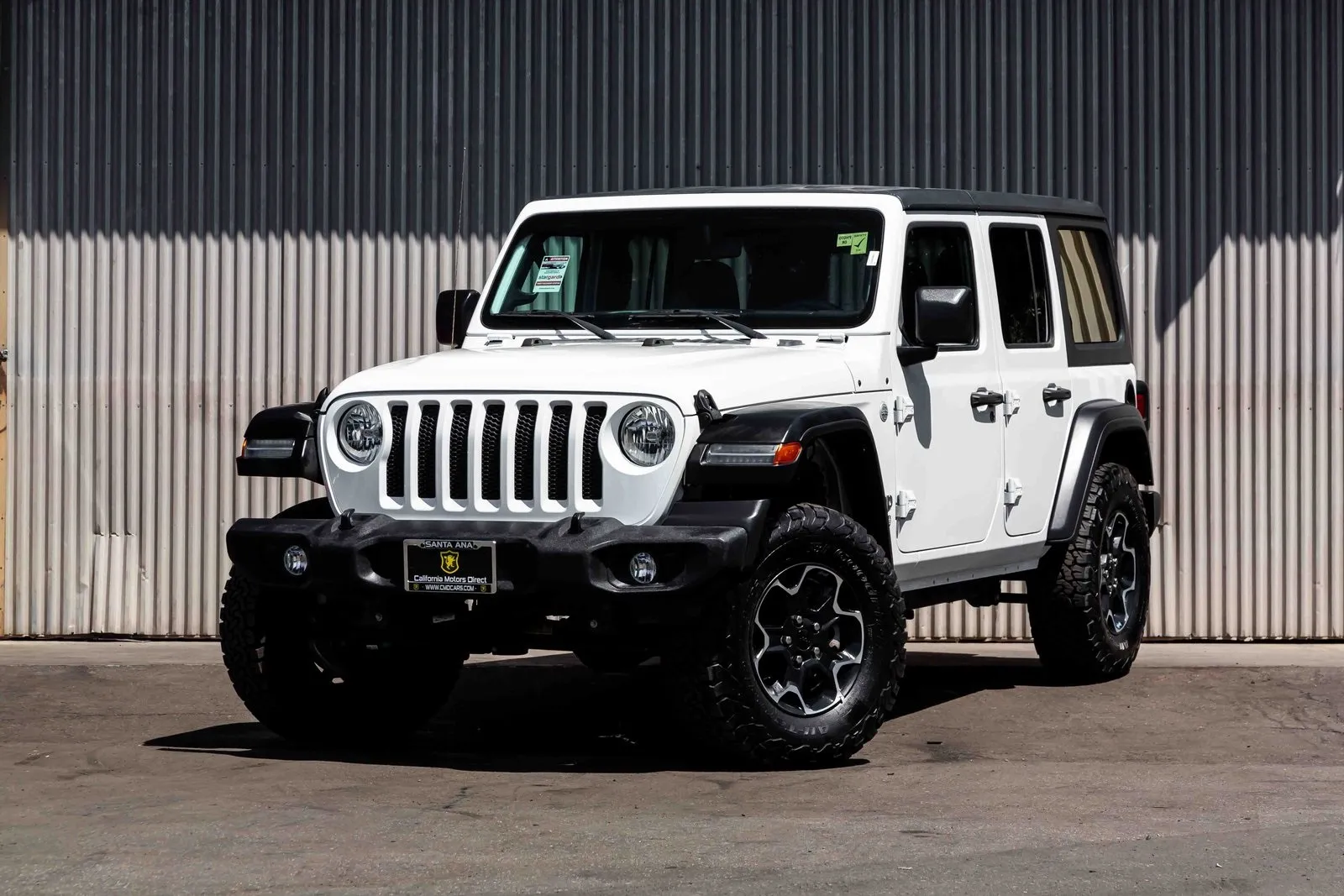
1. Jeep Wrangler Unlimited Sport (2020)
Adventure-focused design shapes this SUV from the ground up, and that focus creates friction with family routines. The Jeep Wrangler Unlimited Sport from 2020 appeals strongly to buyers who value open-air driving and rugged character, yet small families often discover compromises that surface quickly during daily use.
Rear seating presents the first challenge. Bench placement feels upright, limiting comfort during longer drives. Legroom proves tighter than expected for an SUV of this size, especially once front seats adjust for taller drivers. Installing child seats adds another layer of difficulty due to door swing limitations and seat contouring that does not naturally guide proper fit.
Cargo space struggles to keep up with family demands. The squared rear opening looks promising, yet usable depth falls short when strollers or grocery loads enter the picture. High load floors increase lifting effort, which becomes tiring during frequent errands. Folded rear seats fail to create a flat surface, complicating transport of larger items.
Driving experience further complicates matters. Solid axle suspension contributes to bounce and body movement on paved roads. Younger passengers often feel unsettled during highway travel or uneven pavement. Steering requires constant correction, increasing fatigue for drivers juggling busy schedules.
Cabin noise remains another drawback. Wind and road sounds filter inside easily, making conversations harder and reducing calm during longer trips. Soft top versions amplify this issue even more. Technology integration lags behind many competitors. Infotainment systems feel basic, and limited driver assistance features reduce confidence in traffic-heavy environments.
Parents accustomed to modern safety aids may feel underserved. Wrangler Unlimited Sport excels at weekend escapes and outdoor recreation, yet daily family life demands comfort, quiet, and efficiency. For small families focused on routine transportation, this SUV often feels like more work than help.
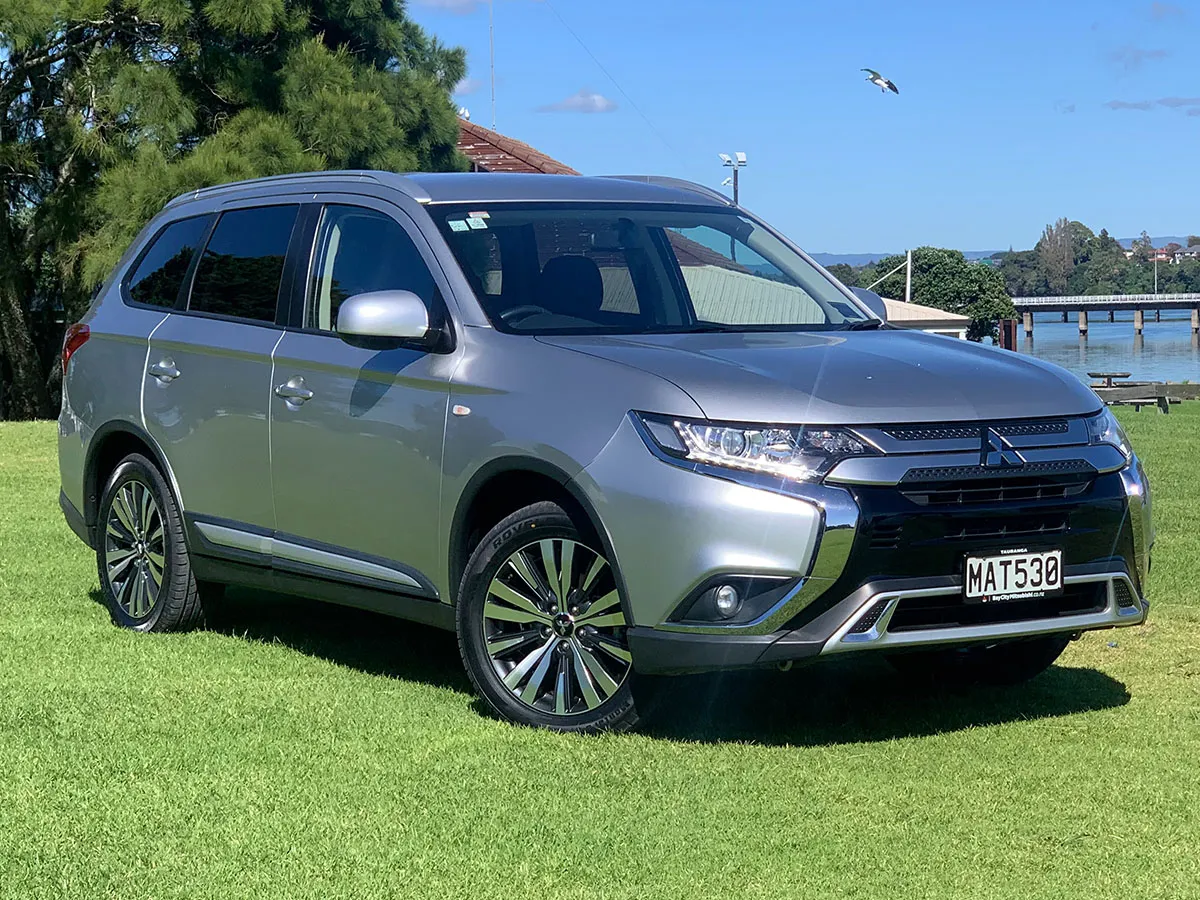
2. Mitsubishi Outlander Sport ES (2019)
Affordability draws attention to this compact SUV, though daily family use exposes limitations quickly. Mitsubishi Outlander Sport ES from 2019 offers a smaller footprint that promises convenience, yet space constraints and dated design create frustration.
Rear seating sits at the heart of the issue. Legroom feels tight for older children, especially on longer drives. Cushion support falls short, leading to discomfort that surfaces quickly. Door openings restrict access, complicating car seat installation and removal.
Cargo area size ranks among the smallest in its class. Grocery runs require careful stacking, and strollers often force rear seats down. Such compromises interrupt routines and reduce flexibility when schedules change unexpectedly.
Driving dynamics add to the challenge. Acceleration feels sluggish, particularly when merging or carrying multiple passengers. Engine noise increases under load, creating a less pleasant cabin environment. Suspension tuning transmits road imperfections directly, unsettling younger riders.
Interior design shows its age. Materials feel hard and utilitarian, offering little sense of warmth or comfort. Infotainment systems respond slowly, and connectivity features lag behind newer rivals. Parents juggling devices and navigation often notice these shortcomings immediately.
Safety equipment remains basic. Limited advanced driver assistance features reduce confidence during busy commutes. Visibility also suffers due to thick pillars and small rear windows.
Outlander Sport ES suits solo drivers or couples seeking budget transportation, yet small families often outgrow it quickly. Limited space, modest comfort, and aging technology combine to create daily compromises that add unnecessary stress.
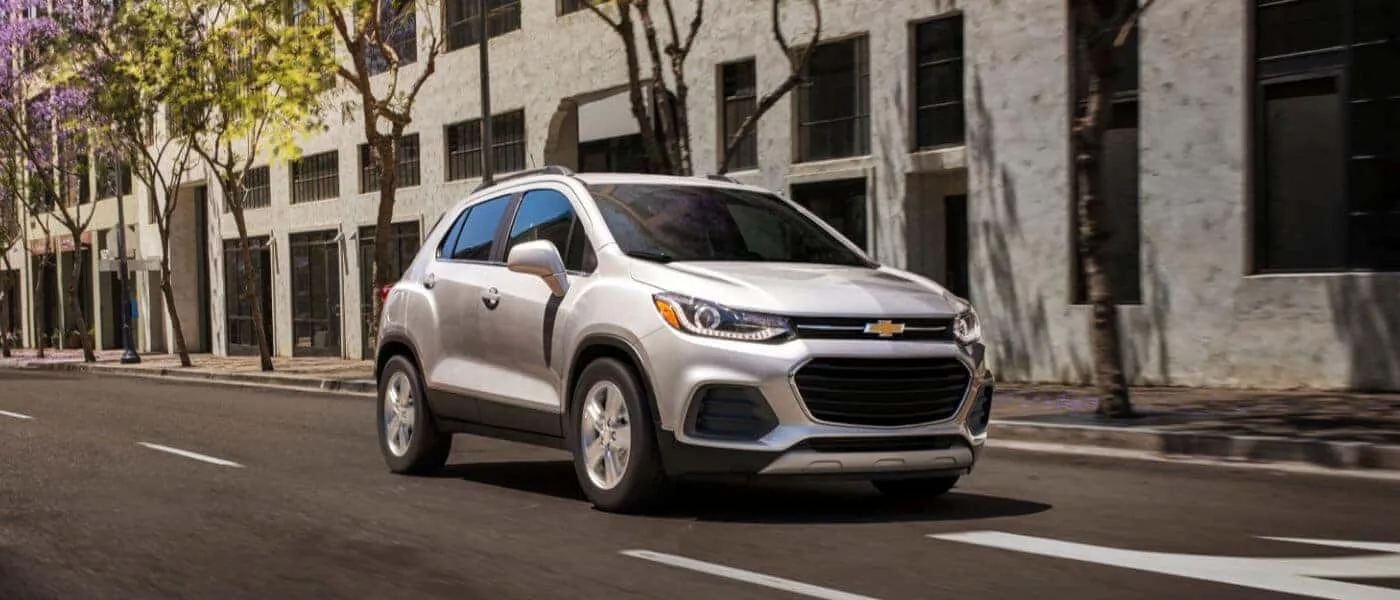
3. Chevrolet Trax LS (2020)
Compact proportions shape the identity of this sport utility vehicle, and those proportions present clear limitations for households with children. The Chevrolet Trax LS from the 2020 model year was designed with city convenience in mind, prioritizing ease of parking and maneuverability. While these qualities appeal to urban drivers, family use introduces expectations that this vehicle struggles to meet in practical terms.
Rear passenger accommodation raises early concerns. Seating space allows younger children to sit comfortably at first, yet physical growth quickly exposes constraints in legroom and head clearance. Low seat positioning complicates entry and exit, especially during school runs where speed and ease matter. Adults assisting children may also find the posture awkward, particularly during repeated daily stops.
Cargo capacity proves insufficient for routine family activities. Grocery shopping requires careful arrangement, and larger items such as baby strollers or folding bicycles occupy most of the available space. Rear seats can be folded, though this action offers only limited improvement. Load floor height and uneven surfaces reduce convenience, especially when transporting fragile items.
Driving performance presents additional challenges. Engine output struggles under full passenger load, resulting in delayed response during acceleration. Highway merging demands patience, and engine sound becomes more pronounced under pressure. Such characteristics reduce driving comfort and may increase stress during busy commutes.
Interior presentation reflects budget-focused priorities. Hard plastic materials dominate frequently touched surfaces, creating a basic atmosphere that lacks warmth. Infotainment display size and responsiveness fall behind modern expectations, making navigation and media access less intuitive. Parents who rely on seamless connectivity often notice this shortcoming quickly.
Safety equipment availability remains restricted in lower trims. Advanced driver assistance systems require upgrades, placing financial strain on households already managing multiple expenses. Limited standard features reduce confidence during heavy traffic conditions.
Trax LS functions adequately for light-duty commuting, yet family responsibilities demand flexibility and space. Constraints in seating, storage, and performance reduce its effectiveness as a long-term solution for small households with evolving needs.
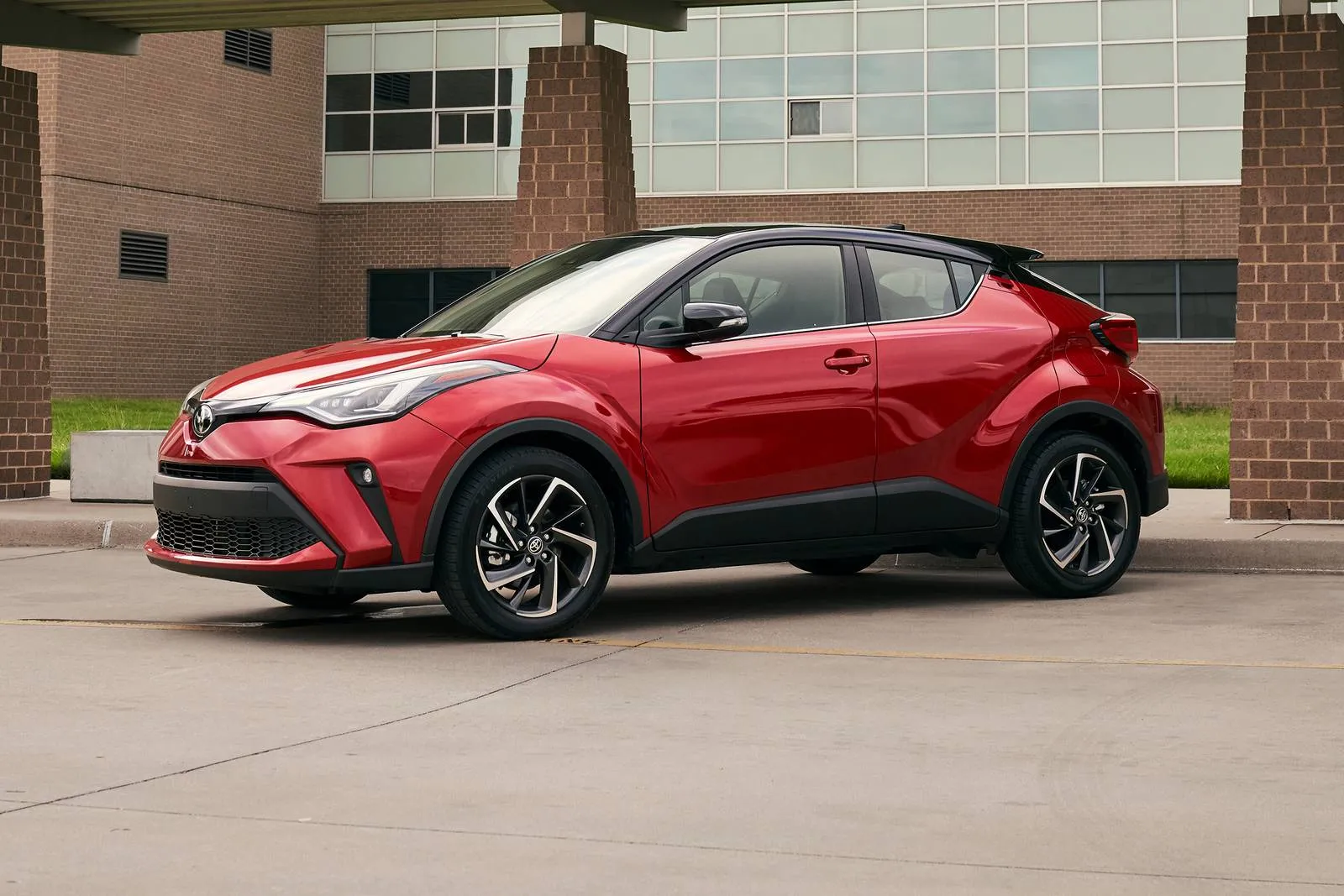
4. Toyota C HR XLE (2021)
Styling serves as a strong initial attraction for this compact SUV, yet everyday practicality tells a different story. Toyota C HR XLE from the 2021 model year stands out visually, though families often discover functional drawbacks that outweigh its aesthetic appeal.
Rear passenger experience forms the primary concern. Sloped roof design reduces headroom, while small side windows create a confined atmosphere that unsettles younger occupants. Legroom falls short for growing children, and door handle placement challenges independent entry. Such factors diminish comfort during routine travel.
Cargo accommodation reflects similar limitations. Storage opening remains narrow, restricting the placement of larger items. Grocery bags stack vertically rather than spreading evenly, increasing the risk of spills. Folded rear seats fail to produce a flat surface, limiting versatility when transporting sports equipment or travel luggage.
Driving behaviour presents mixed impressions. Steering response feels sharp, supporting city driving, yet engine output lacks energy. Passing slower vehicles requires planning, and added passenger weight magnifies sluggish response. Engine sound becomes intrusive during acceleration, reducing cabin calm.
Interior layout favours visual appeal above usability. Infotainment controls demand adjustment, distracting drivers during simple tasks. Storage areas within the cabin remain scarce, leaving limited space for bottles, snacks, and everyday essentials.
Safety systems perform reliably, though outward visibility presents difficulty. Thick rear pillars and compact rear glass complicate reversing and lane positioning. Such limitations add pressure during parking and congested traffic situations.
C HR XLE attracts buyers seeking distinctive design, yet family routines often require space, clarity, and comfort. Reduced practicality and confined seating limit its suitability for households managing daily responsibilities involving children.
Also Read: Top 9 SUVs With Designs That Refuse To Blend In
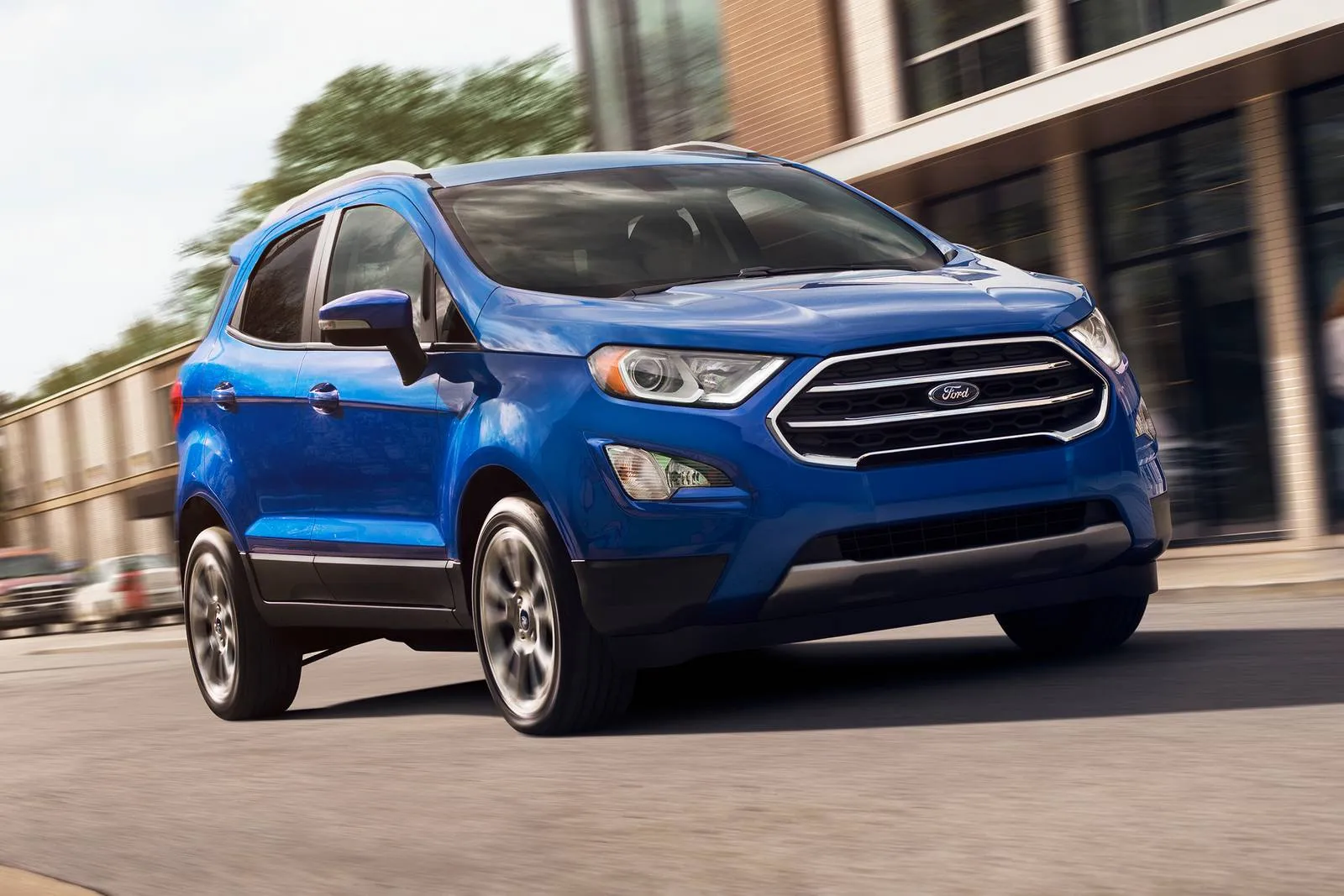
5. Ford EcoSport SE (2020)
Subcompact sizing defines this vehicle, and that sizing influences family suitability in noticeable ways. Ford EcoSport SE from the 2020 model year aims to deliver versatility within a small footprint, though several design choices restrict its usefulness for households with children.
Rear seating accommodation remains limited. Legroom barely supports older children, while head clearance decreases due to roof contours. Door openings restrict movement, complicating installation of child seats and increasing effort during daily school drop-offs.
Cargo capacity represents another challenge. The rear door opens sideways rather than upward, creating difficulty in tight parking spaces. Storage volume struggles to accommodate strollers or sports gear without folding rear seats, reducing flexibility when plans change unexpectedly.
Driving behaviour reveals further concerns. Elevated body height contributes to a top-heavy sensation, particularly during turns. Suspension tuning allows noticeable body movement, which unsettles younger passengers. Engine performance feels strained under passenger load, reducing responsiveness.
Interior presentation aligns with entry-level expectations. Hard surfaces dominate the cabin, and seating comfort declines during longer journeys. Infotainment features remain basic, limiting connectivity options for families dependent on multiple devices.
Safety technology remains modest at this trim level. Advanced assistance features require higher specifications, increasing purchase costs. Limited standard safety equipment reduces confidence during demanding driving conditions.
EcoSport SE satisfies basic transport needs, yet family life demands more adaptability. Restricted space, awkward cargo access, and reduced comfort limit its ability to support everyday household routines effectively.
