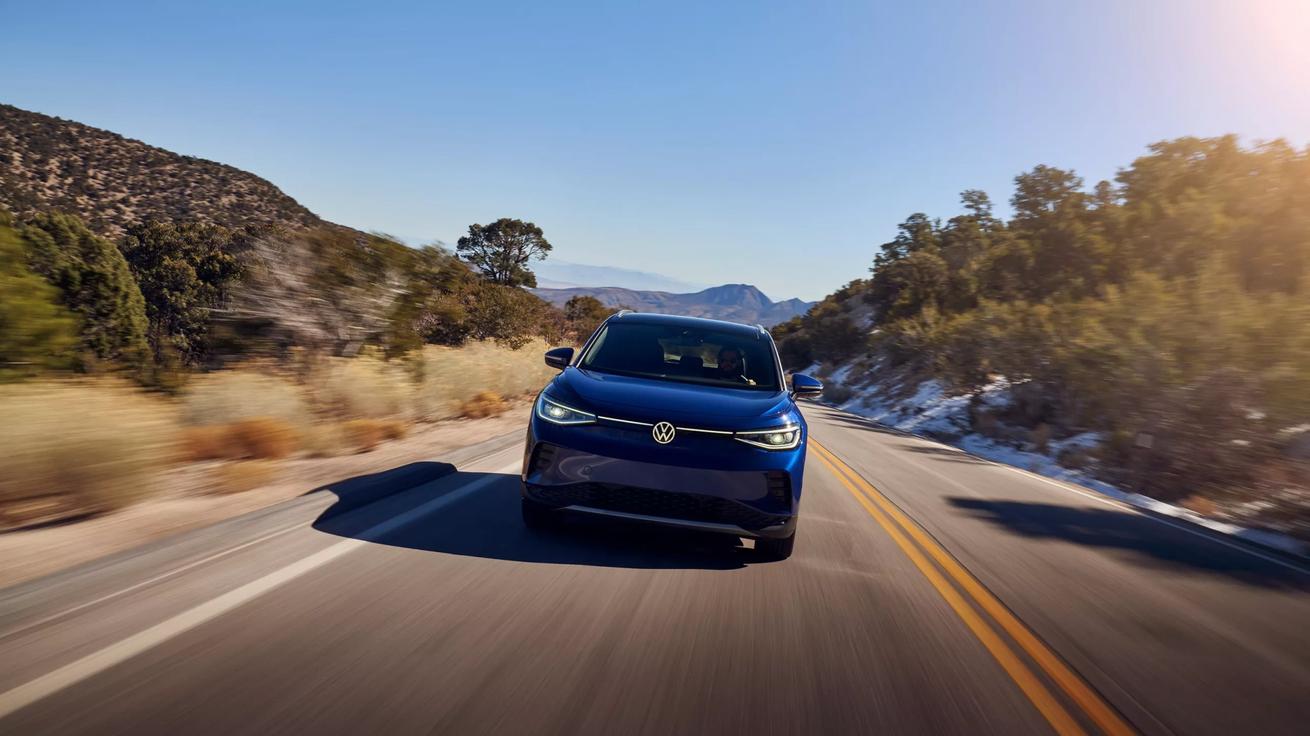
California is pressing ahead with its own electric vehicle incentive strategy following the elimination of federal EV tax credits, showcasing a proposed US$200 million programme designed to keep adoption moving while reinforcing the state’s long-standing zero-emissions leadership.
Under the plan, participating automakers would be required to match the state’s incentive funds dollar for dollar, and eligibility would be limited strictly to first-time EV buyers. Governor Gavin Newsom’s administration says the approach is intentionally more restrained than past rebate schemes, but still targeted enough to soften the impact of higher upfront EV prices for both new and used buyers.
While specific incentive amounts have not yet been finalized, the framework sets clear boundaries. Vehicle eligibility would follow federal price caps adopted by Congress in 2022, limiting new passenger cars to US$55,000, vans and SUVs to US$80,000, and used EVs to US$25,000.
Incentives would be applied directly at the point of sale through agreements between automakers and the California Air Resources Board, with manufacturers matching the state’s contribution on a one-to-one basis. The programme would cover used EV purchases but exclude leases, and all qualifying vehicles must be registered to California residents.
The proposal is effectively California’s answer to the September 2025 elimination of federal EV tax credits, which previously offered up to US$7,500 for new EVs and US$4,000 for used ones.
It also marks a shift from the state’s earlier, far more expansive Clean Vehicle Rebate Program, which was phased out in 2024 after nearly US$1.5 billion was spent subsidising around 586,000 vehicles. That earlier programme was wound down as EV adoption surged and as falling gasoline tax revenues began to strain funding for road maintenance and infrastructure.
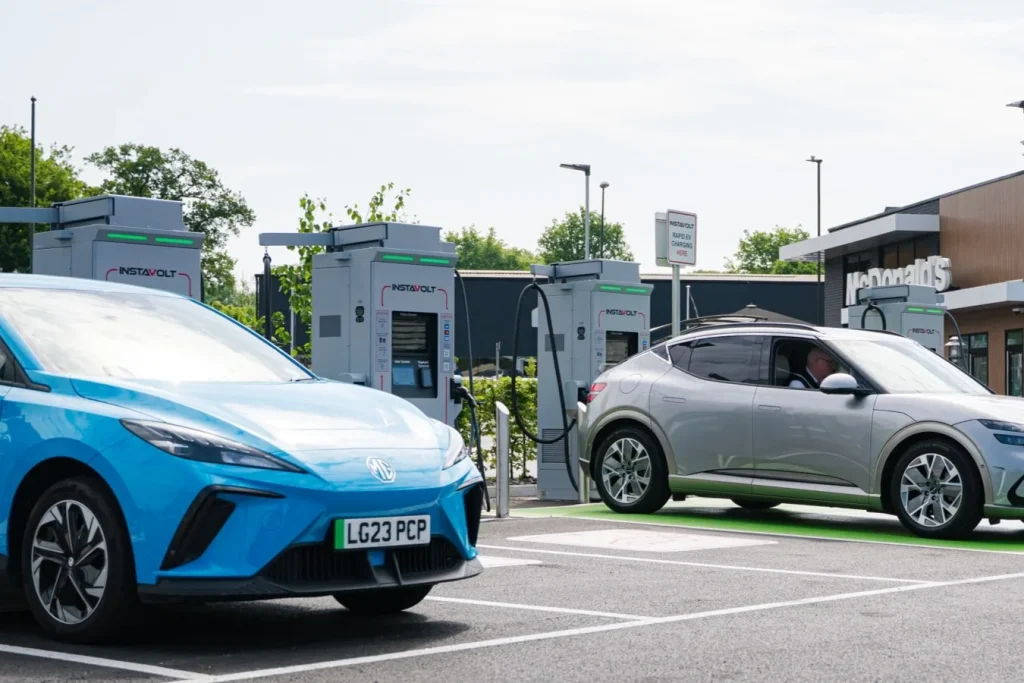
Politically, the move places California in direct contrast with the federal government. Newsom has increasingly positioned himself as a counterweight to President Donald Trump, whose administration has taken several steps viewed as hostile to EV adoption.
These include freezing Inflation Reduction Act grant programmes launched under the Biden administration and signing legislation in June 2025 aimed at blocking California’s authority to enforce its own EV sales mandates.
Further easing pressure on traditional automakers, the Trump administration announced in mid-2025 that companies would not be penalised for failing to meet fuel-efficiency targets dating back to 2022.
That decision is expected to save manufacturers billions of dollars by removing the need to buy regulatory credits from EV-heavy brands such as Tesla and Rivian, a notable blow to Rivian in particular, which has been navigating financial challenges under the new regulatory environment.
Despite these federal headwinds, California’s EV market continues to grow. The state surpassed 2.5 million zero-emission vehicle sales in 2025, representing a 300 percent increase compared with the end of 2019.
State officials argue that the new incentive programme, while smaller and more selective than past efforts, is designed to preserve momentum, encourage new buyers into the EV market, and ensure that California remains the country’s leading laboratory for clean transportation policy even as national support recedes.
Also Read: Top 8 Electric SUVs Quick Enough To Beat A Mustang