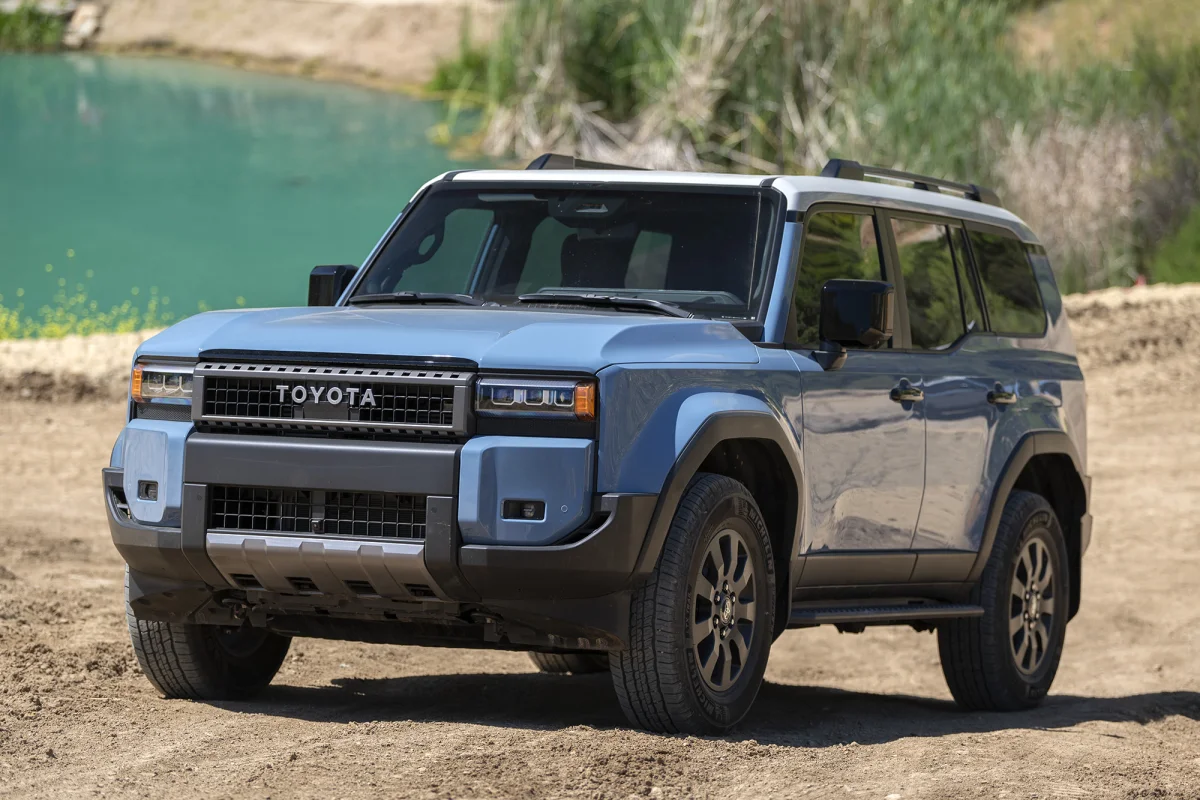
Vehicles vary widely in their ability to handle different climates, and understanding this distinction is essential for drivers who face extreme temperatures, humidity, or variable terrain. Some cars are engineered to perform consistently across diverse environments, combining robust engineering, advanced thermal management, and adaptable drivetrain systems.
Models like the Toyota Land Cruiser, Subaru Outback, Toyota 4Runner, Ford F-150 Hybrid, and Volvo XC90 are built to maintain performance, safety, and comfort from freezing winters to scorching deserts. These vehicles use technologies such as all-wheel-drive systems, multi-terrain response, hybrid powertrains, and climate-adapted cabins to ensure reliability in extreme conditions.
On the other hand, some cars are more sensitive to climate due to design limitations, battery systems, or compact construction. Vehicles such as the Nissan Leaf, Tesla Model 3, Chevrolet Bolt EV, Land Rover Range Rover, and Fiat 500 experience notable performance drops or reduced efficiency in extreme heat or cold, requiring careful management to preserve range, comfort, and longevity. Comparing these two groups highlights the importance of climate-aware vehicle choice.
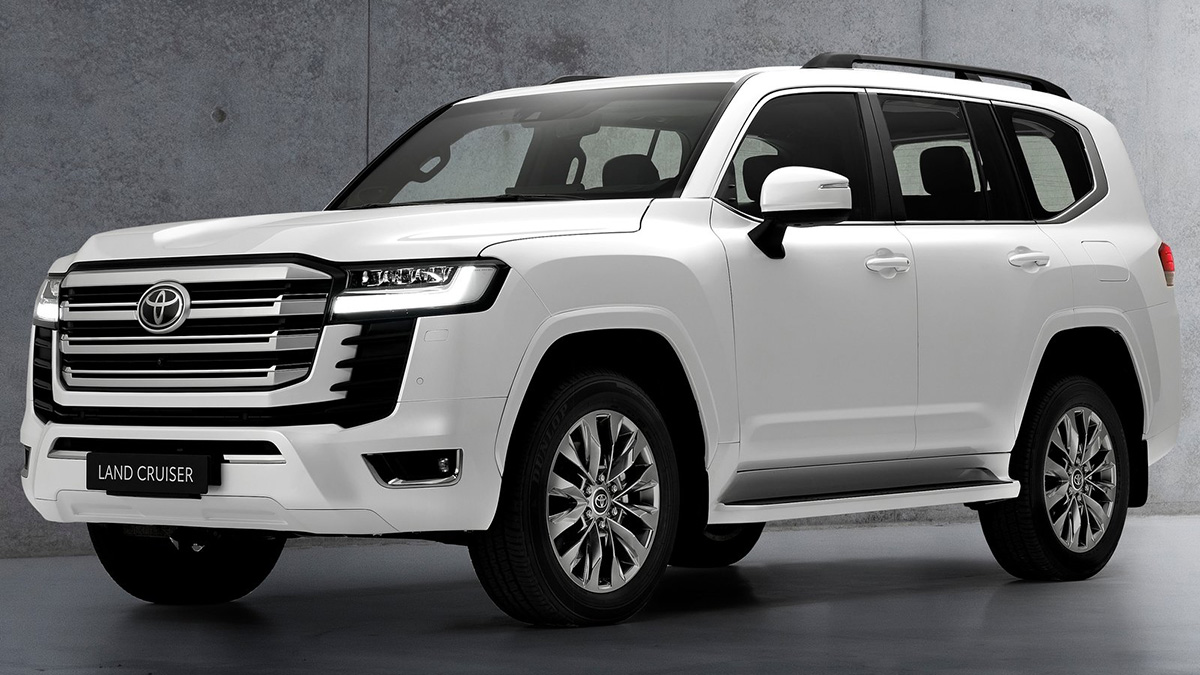
1. Toyota Land Cruiser: A Modern Icon Built for Extreme Climate Versatility
The Toyota Land Cruiser continues to set the benchmark for vehicles designed to perform reliably across the world’s most demanding climates. Known for its legendary toughness, the latest generation blends proven rugged engineering with modern technology to ensure consistent performance in extreme heat, freezing cold, and challenging terrain.
Extensively tested in environments such as the Australian outback and high-altitude mountain regions, the Land Cruiser is built to withstand intense thermal stress while maintaining durability and dependability.
A key factor behind its climate versatility is its robust body-on-frame construction. Built with high-strength steel and corrosion-resistant materials, the Land Cruiser is engineered to endure prolonged exposure to dust, moisture, and extreme temperatures.
Advanced cooling systems protect critical components from overheating in desert conditions, while specialized cold-weather features support reliable operation in subzero climates. This structural resilience is paired with Toyota’s reputation for long-term reliability and a global service network that supports operation even in remote regions.
The Land Cruiser excels off-road thanks to its full-time four-wheel-drive system with a lockable center differential and low-range gearing. Technologies such as Multi-Terrain Select, Crawl Control, and Hill Descent Control allow the vehicle to adapt to ice, snow, sand, mud, and rocky surfaces with confidence.
Advanced suspension systems like the Electronic Kinetic Dynamic Suspension System improve wheel articulation and stability, while available locking differentials provide enhanced traction in unpredictable conditions. Together, these systems ensure consistent control across diverse environments.
Powering the modern Land Cruiser is a hybrid powertrain that reflects Toyota’s shift toward efficiency without sacrificing capability. A turbocharged 2.4-liter four-cylinder engine works alongside two electric motors to produce 326 horsepower.
This setup delivers strong low-end torque, which is especially useful for off-road driving and towing, while remaining smoother and quieter on paved roads than many traditional off-road rivals. All models feature an eight-speed automatic transmission, reinforcing balanced performance across terrains.
Inside, the Land Cruiser balances rugged purpose with refined comfort. A climate-adapted cabin includes features such as three-zone automatic climate control, heated and ventilated seats, and an available cold-weather package, ensuring passenger comfort in both extreme cold and intense heat.
Though downsized to a two-row, five-seat layout, it offers practical cargo capacity and modern infotainment with wireless smartphone connectivity. Comprehensive safety features come standard through Toyota Safety Sense 3.0.
The Toyota Land Cruiser remains a symbol of dependable all-weather performance. By combining durable engineering, advanced off-road systems, modern hybrid technology, and thoughtful interior comfort, it continues to stand as one of the most capable and versatile vehicles ever built.
2. Subaru Outback: All-Climate Confidence with Everyday Versatility
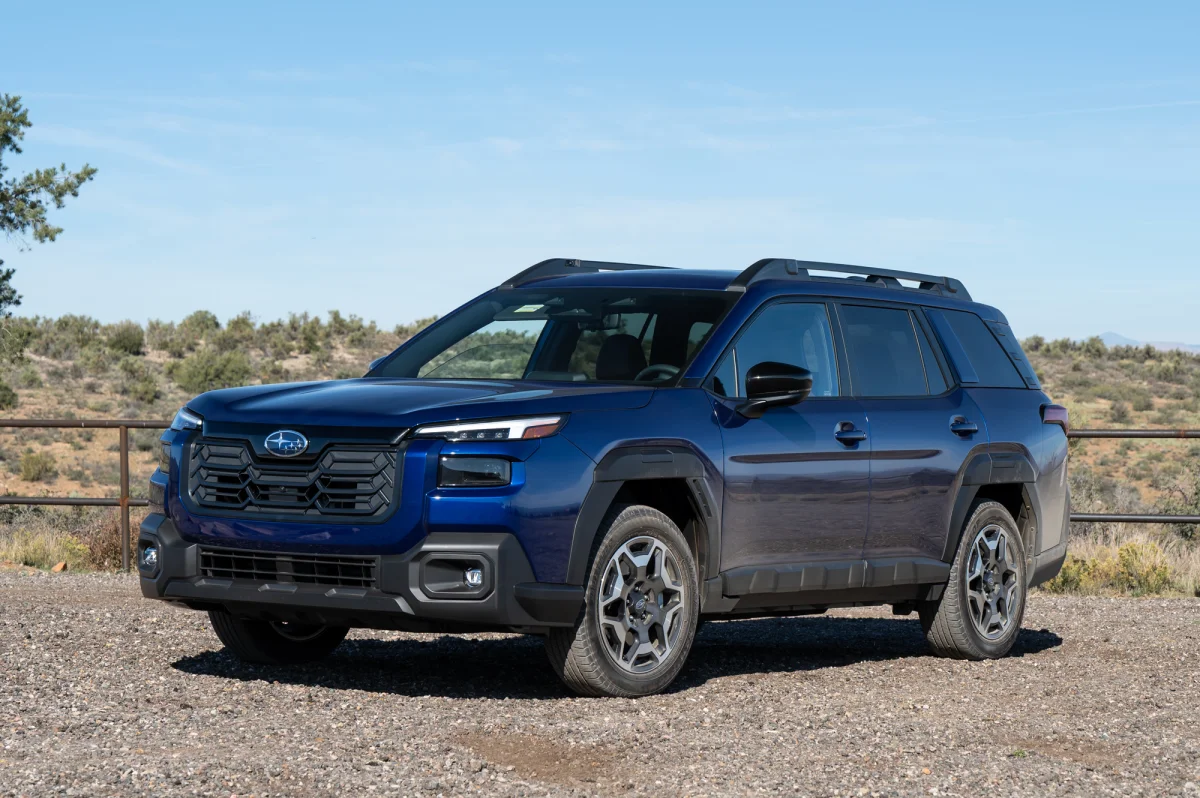
The Subaru Outback has earned a strong reputation as a dependable all-weather vehicle, particularly admired for its winter reliability and year-round practicality. Designed to operate confidently in snow, heat, rain, and light off-road conditions, the Outback blends rugged engineering with comfort-focused features, making it well-suited for drivers who face varied climates throughout the year.
Subaru’s extensive testing in both subzero environments and extreme desert heat ensures that critical systems remain reliable whether temperatures plunge or soar.
Central to the Outback’s climate adaptability is its standard Symmetrical All-Wheel Drive system. Unlike part-time systems, this setup delivers continuous, balanced power to all four wheels, improving traction and stability on slippery roads.
When paired with X-MODE, the Outback can automatically adjust throttle response, transmission behavior, and torque distribution to handle snow, mud, rain, and steep inclines. These systems provide drivers with confidence in poor weather and uneven terrain without requiring advanced off-road skills.
The Outback’s physical design further supports its all-climate capability. With 8.7 inches of ground clearance on standard models and up to 9.5 inches on the Outback Wilderness, it easily clears snow buildup, rutted dirt roads, and rough trails.
Protective skid plates and durable suspension components enhance its ability to handle challenging surfaces. All-weather tire options, such as Michelin Cross Climate 2 tires or similar, contribute to dependable grip in both winter conditions and dry, dusty environments.
Heat and cold management are also key strengths. Subaru engineers the Outback with well-insulated cabins that cool quickly in hot weather and retain warmth efficiently in cold climates. Many trims include an all-weather package with heated seats, heated mirrors, and heated windshield wipers.
The Wilderness trim adds enhanced airflow design and three-zone climate control, helping the cabin remain comfortable even during extreme summer heat. Subaru models also tend to show low battery failure rates in hot climates, reinforcing their reputation for desert reliability.
Under the hood, the Outback offers two four-cylinder engines. The standard 2.5-liter engine produces 180 horsepower and prioritizes efficiency and smooth operation, while the available 2.4-liter turbocharged engine delivers 260 horsepower for stronger acceleration and improved performance at higher elevations.
Both engines are paired with a continuously variable transmission and standard all-wheel drive, maintaining consistent capability across trims.
Inside, the redesigned interior emphasizes comfort and modern technology. Improved materials, a spacious cabin, increased cargo capacity, and a large 12.1-inch infotainment screen enhance everyday usability. Combined with comprehensive EyeSight safety features, the Subaru Outback stands out as a practical, climate-ready vehicle that balances durability, safety, and comfort for year-round driving in diverse environments.
3. Toyota 4Runner: Proven Ruggedness for Extreme Climate and Terrain
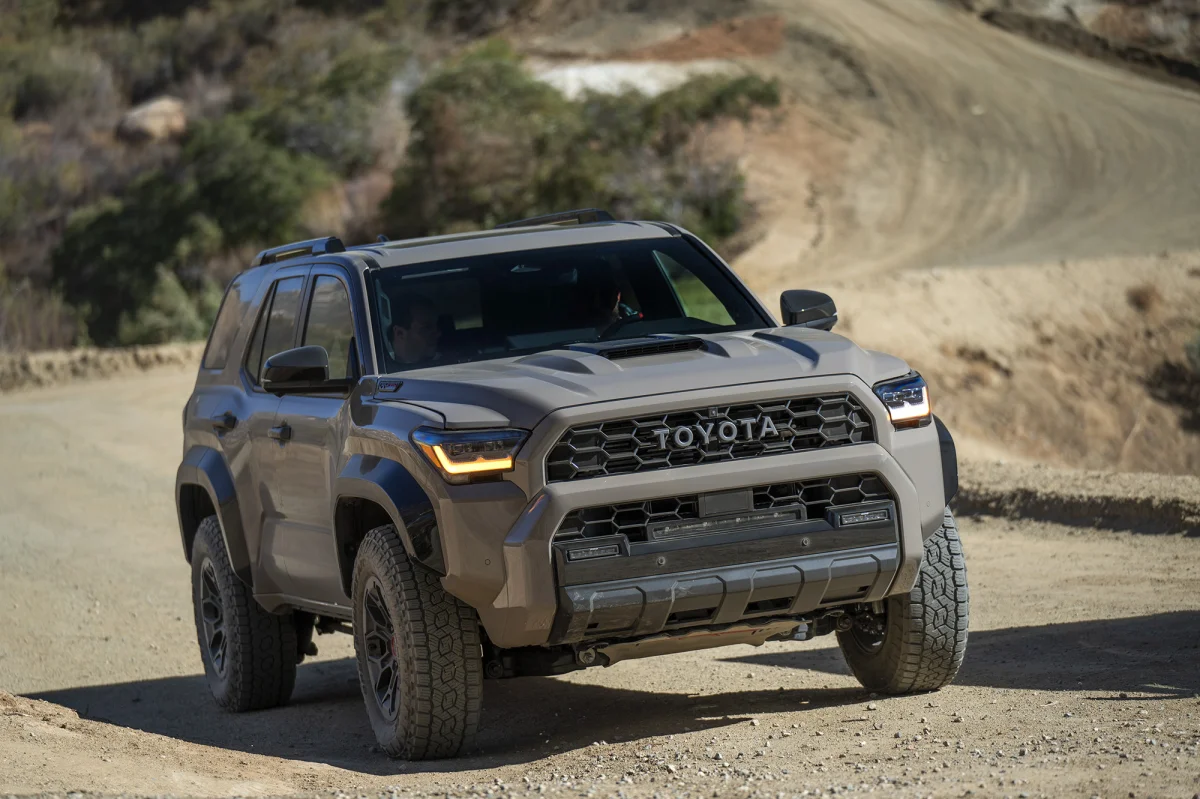
The Toyota 4Runner has built a long-standing reputation as one of the most durable and dependable SUVs available, particularly in harsh climates where reliability matters more than refinement. Known for its simple, rugged engineering and traditional truck-based design, the 4Runner is frequently described as unstoppable in environments that challenge or defeat more complex vehicles.
Its ability to operate confidently in deep snow, intense heat, and rough off-road conditions makes it a trusted choice for drivers who regularly face extreme weather and terrain.
At the foundation of the 4Runner’s climate versatility is its body-on-frame construction. This design provides exceptional strength and resistance to twisting and impacts, allowing the vehicle to endure punishing conditions over long periods.
High ground clearance further enhances its capability, enabling the 4Runner to navigate snowdrifts, sand, mud, and rocky trails without scraping vital components. The vehicle is also capable of fording water up to 19 inches deep, adding confidence in wet or flood-prone environments.
The 4Runner’s advanced four-wheel-drive systems play a critical role in its all-weather performance. Features such as Active Traction Control, Crawl Control, and an available locking rear differential allow the vehicle to maintain traction on ice, snow, loose dirt, and uneven surfaces.
Multi-Terrain Select and the available Kinetic Dynamic Suspension System help optimize wheel movement and stability across varying landscapes, from steep mountain trails to desert washes. These systems allow the 4Runner to transition smoothly between challenging off-road conditions and everyday driving.
To balance its rugged nature, the 4Runner includes comfort features designed for temperature extremes. Available heated and ventilated front seats, dual-zone automatic climate control, and UV-protective glass help regulate cabin temperature in both freezing winters and scorching summers.
These features ensure that occupants remain comfortable even when external conditions are severe, making the 4Runner suitable for long journeys in demanding environments.
Power comes from a turbocharged 2.4-liter four-cylinder engine producing 278 horsepower, paired with an eight-speed automatic transmission.
While not focused on outright speed, the powertrain delivers strong low-end torque for off-road driving and towing, with a maximum tow rating of 6000 pounds. The four-wheel-drive system includes a two-speed transfer case with high and low ranges, reinforcing its off-road credibility.
Inside, the 4Runner offers a practical and functional cabin inspired by the Toyota Tacoma. Thoughtful storage, straightforward controls, and available third-row seating enhance versatility.
Modern infotainment, connectivity features, and Toyota Safety Sense 3.0 driver-assistance technologies add convenience and security. The Toyota 4Runner remains a benchmark for durability, offering reliable performance across extreme climates while retaining the comfort and safety expected of a modern SUV.
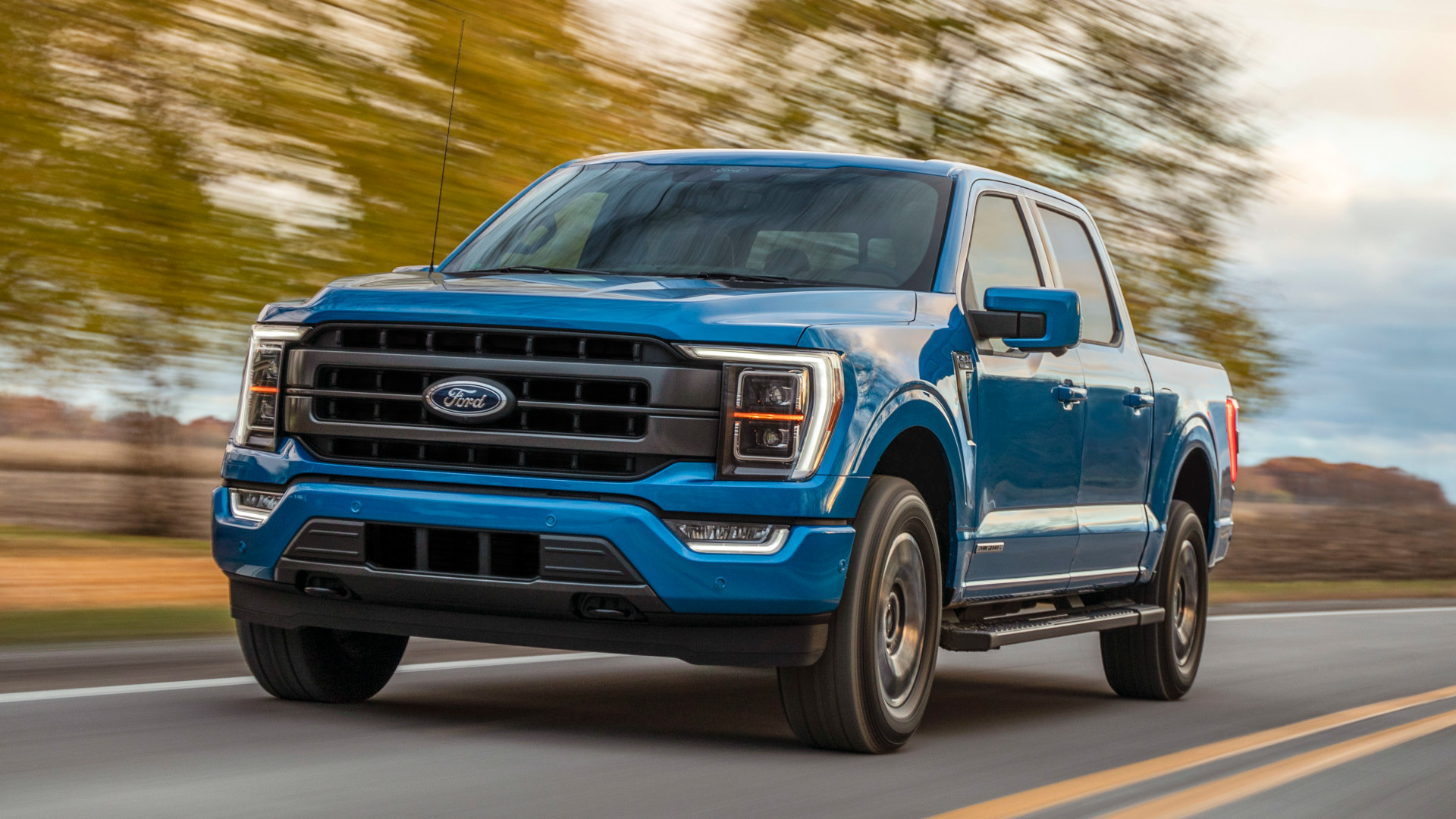
4. Ford F-150 Hybrid: Heavy-Duty Capability Built for Extreme Climates
The Ford F-150 Hybrid, known as the PowerBoost, is engineered to deliver consistent performance in some of the harshest climates and working conditions imaginable. Designed for heavy-duty use, the truck features oversized radiators and advanced cooling systems that allow it to tow heavy loads in temperatures exceeding 40°C without overheating.
At the same time, its intelligent four-wheel-drive systems and selectable drive modes provide dependable traction during severe winter storms, icy roads, and snow-covered job sites.
The PowerBoost hybrid system pairs a 3.5-liter twin-turbocharged EcoBoost V-6 with an electric motor to produce a combined 430 horsepower. This self-charging hybrid design is especially well-suited to extreme temperatures. In cold weather, the gasoline engine engages quickly to deliver immediate cabin heat, avoiding the range and heating limitations common in fully electric vehicles.
The system continues to operate effectively in temperatures as low as minus 40 degrees Fahrenheit, ensuring reliable starts and consistent performance in Arctic conditions. While fuel economy can dip slightly in extreme cold, the truck’s power delivery remains stable and predictable.
High-heat operation is another key strength of the F-150 Hybrid. The battery, electric motor, and power electronics are protected by specialized thermal management that keeps temperatures in check during desert driving, deep sand travel, and sustained towing.
Intelligent power management continuously balances electric and gasoline operation to maximize efficiency while protecting critical components from excessive heat. This design allows the truck to maintain its towing capability of up to 12,700 pounds regardless of environmental stress.
A standout feature of the F-150 Hybrid is Pro Power Onboard, which provides up to 7.2 kilowatts of exportable electricity. This system transforms the truck into a mobile generator, supporting tools, equipment, and appliances at remote job sites, campsites, or during winter power outages. In extreme climates where reliable power access is limited, this capability adds significant real-world value.
The F-150 Hybrid also benefits from the flexibility of multiple drivetrains and configuration options. Buyers can choose rear-wheel or four-wheel drive, along with terrain-focused packages that enhance traction and durability. The 10-speed automatic transmission delivers smooth gear changes and helps manage power efficiently across varying loads and conditions.
Inside the cabin, the F-150 Hybrid blends durability with comfort. Spacious seating, ample storage solutions, and a large 12-inch infotainment screen support long workdays and extended travel. Modern safety and driver-assistance technologies add confidence when driving in challenging weather. Together, these features make the Ford F-150 Hybrid a dependable, climate-ready truck designed to perform where others struggle.
5. Volvo XC90: Scandinavian Design Optimized for All-Climate Comfort
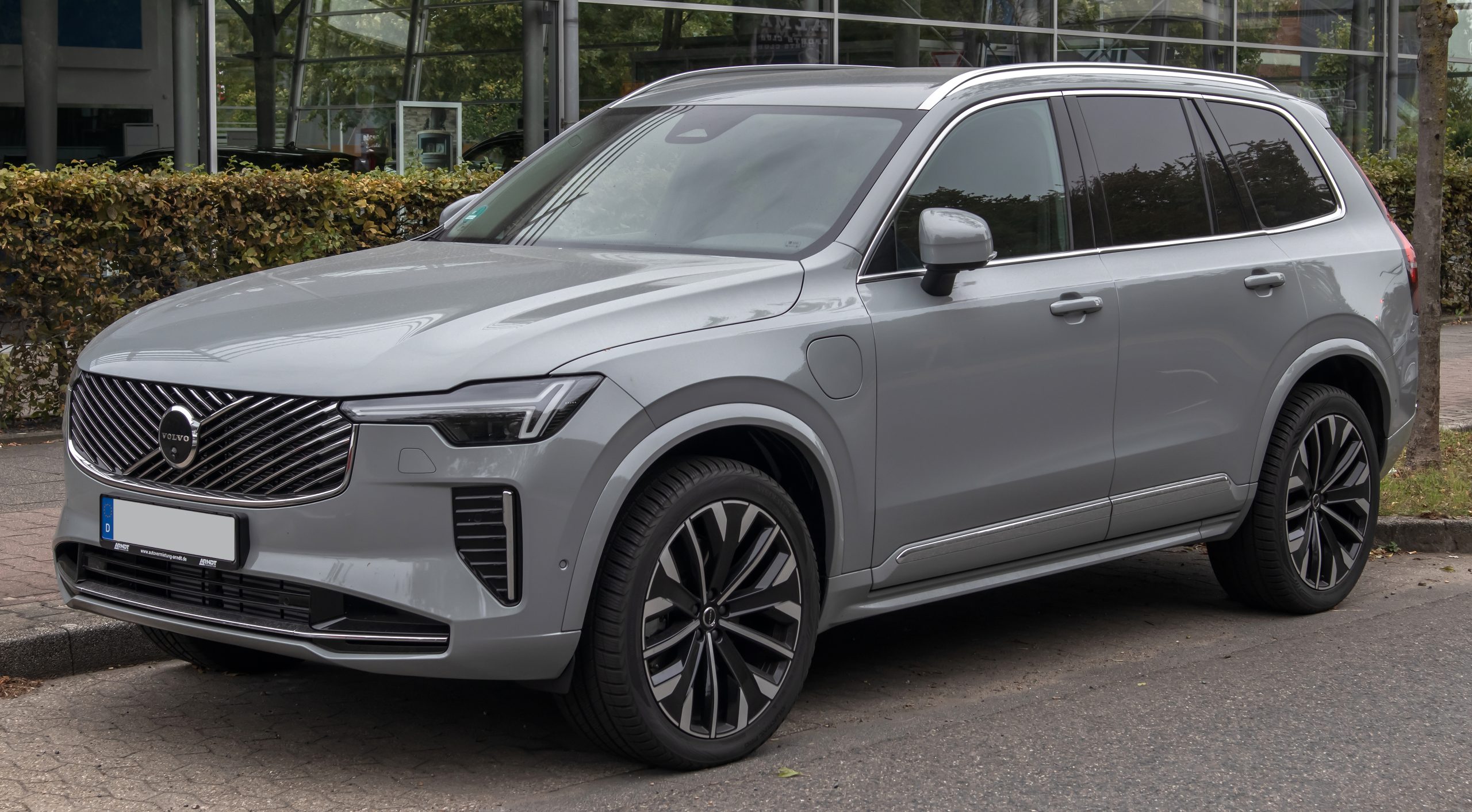
The Volvo XC90 reflects its Scandinavian roots through a design philosophy centered on safety, comfort, and resilience in extreme climates. Originally engineered to endure long Swedish winters, the XC90 excels in cold-weather conditions while remaining equally capable in hot environments.
Its advanced heating systems, intelligent all-wheel drive, and refined climate management technologies allow it to maintain comfort and stability across a wide range of temperatures and road conditions.
A major strength of the XC90 lies in its sophisticated climate control features. The available four-zone automatic climate control allows passengers in different seating positions to set individual temperature preferences, which is especially valuable during extreme heat or cold.
Heated and ventilated seats, standard on higher trims, provide year-round comfort, while heated steering wheels and rapid cabin warm-up systems make winter driving more pleasant. In hot climates, UV-reflective glass and efficient cabin insulation reduce heat buildup, helping the interior cool quickly and stay comfortable.
The XC90 also offers parking climate and pre-conditioning functions that allow the cabin to be heated or cooled before passengers enter the vehicle. This feature can use residual engine heat or electricity in plug-in hybrid versions, ensuring a comfortable interior regardless of outside conditions. A built-in air quality system actively filters pollutants and regulates humidity, improving comfort in dusty, humid, or polluted environments.
Performance across varying climates is supported by a standard all-wheel-drive system on all XC90 models. This system enhances traction on snow, ice, rain-soaked roads, and light off-road surfaces.
Selectable drive modes such as Comfort, Eco, and Off-Road adjust throttle response, steering, and traction control to match road conditions. The available air suspension further improves adaptability by maintaining ride comfort and vehicle stability across uneven terrain and changing weather.
Powertrain options are designed with efficiency and reliability in mind. Mild-hybrid B5 and B6 models use a 48-volt system to support a turbocharged 2.0-liter four-cylinder engine, producing between 247 and 295 horsepower.
Plug-in hybrid variants offer even greater efficiency while retaining strong performance. All models are paired with an eight-speed automatic transmission, delivering smooth and controlled power delivery in varied conditions.
Inside, the XC90 emphasizes calm, functional luxury. High-quality materials, clean design, and flexible seating for up to seven passengers make it well-suited for families and long journeys. Modern infotainment powered by Google-based software, advanced driver-assistance systems, and Volvo’s renowned safety technologies further enhance confidence in challenging weather.
Through its blend of advanced climate systems, intelligent traction, efficient powertrains, and refined comfort, the Volvo XC90 stands as a capable and thoughtful choice for drivers facing diverse climates throughout the year.
Also Read: 5 Cars That Stay Comfortable in Hot Summers vs 5 That Don’t
5 That Are Climate-Sensitive
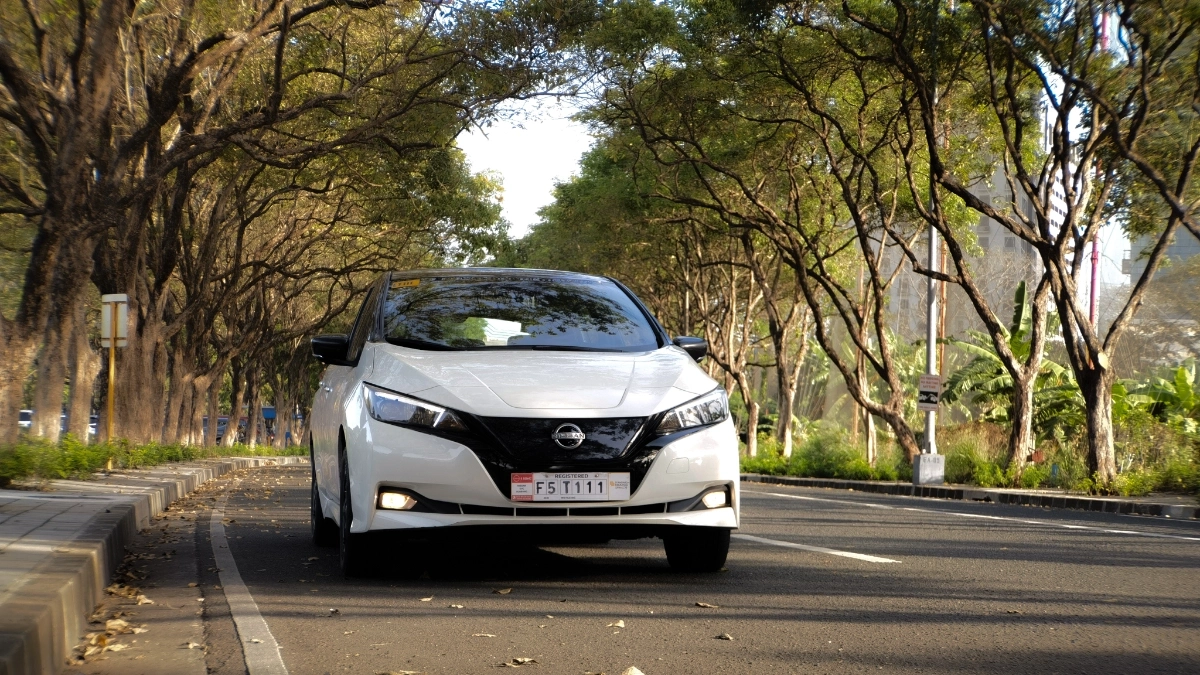
1. Nissan Leaf: Efficiency Trade-Offs in Extreme Climates
The Nissan Leaf stands out as one of the most climate-sensitive electric vehicles on the market, largely due to its use of a passive air-cooled battery system. Unlike most modern electric vehicles that rely on active liquid cooling to regulate battery temperature, the Leaf depends on surrounding air and vehicle motion to manage heat. While this simpler design reduces complexity and cost, it also makes the Leaf far more vulnerable to temperature extremes.
In hot climates, the Leaf’s battery faces its greatest challenge. Air is a relatively poor conductor of heat, so the battery struggles to shed the thermal energy generated during driving and fast charging. Prolonged exposure to high ambient temperatures accelerates battery degradation, permanently reducing capacity and range over time.
Early Leaf models in places such as Arizona and the Middle East often experienced rapid “bar loss,” a visible indicator of declining battery health. To prevent overheating or safety risks, the vehicle’s software limits charging speeds when battery temperatures rise, a phenomenon commonly known as “Rapidgate.” During summer road trips, this can result in dramatically longer charging times after the first fast charge of the day.
Cold weather presents a different set of limitations. Without an active liquid heating system, the Leaf’s battery chemistry becomes sluggish in freezing temperatures. Chemical reactions slow down, reducing the battery’s ability to deliver energy efficiently.
Combined with the high power demands of cabin heating, winter driving can lead to a significant reduction in usable range, often between 30 and 50 percent in harsh conditions. While newer Leaf Plus models include a small battery heater to prevent the pack from freezing, it is not powerful enough to quickly raise the battery to an optimal temperature for fast charging, resulting in slower winter charging sessions.
Despite these drawbacks, the Nissan Leaf performs well in mild, temperate climates. Regions with moderate year-round temperatures place minimal stress on the passive cooling system, allowing the battery to maintain better long-term health and a more consistent range. For drivers in such areas, the Leaf offers a practical and affordable electric vehicle with fewer mechanical components and lower maintenance complexity.
Choosing a Nissan Leaf involves a clear trade-off. Buyers gain simplicity and lower upfront cost, but must be more mindful of local climate conditions compared with owners of liquid-cooled electric vehicles.
2. Tesla Model 3: Cold-Weather Sensitivity and Climate Impact
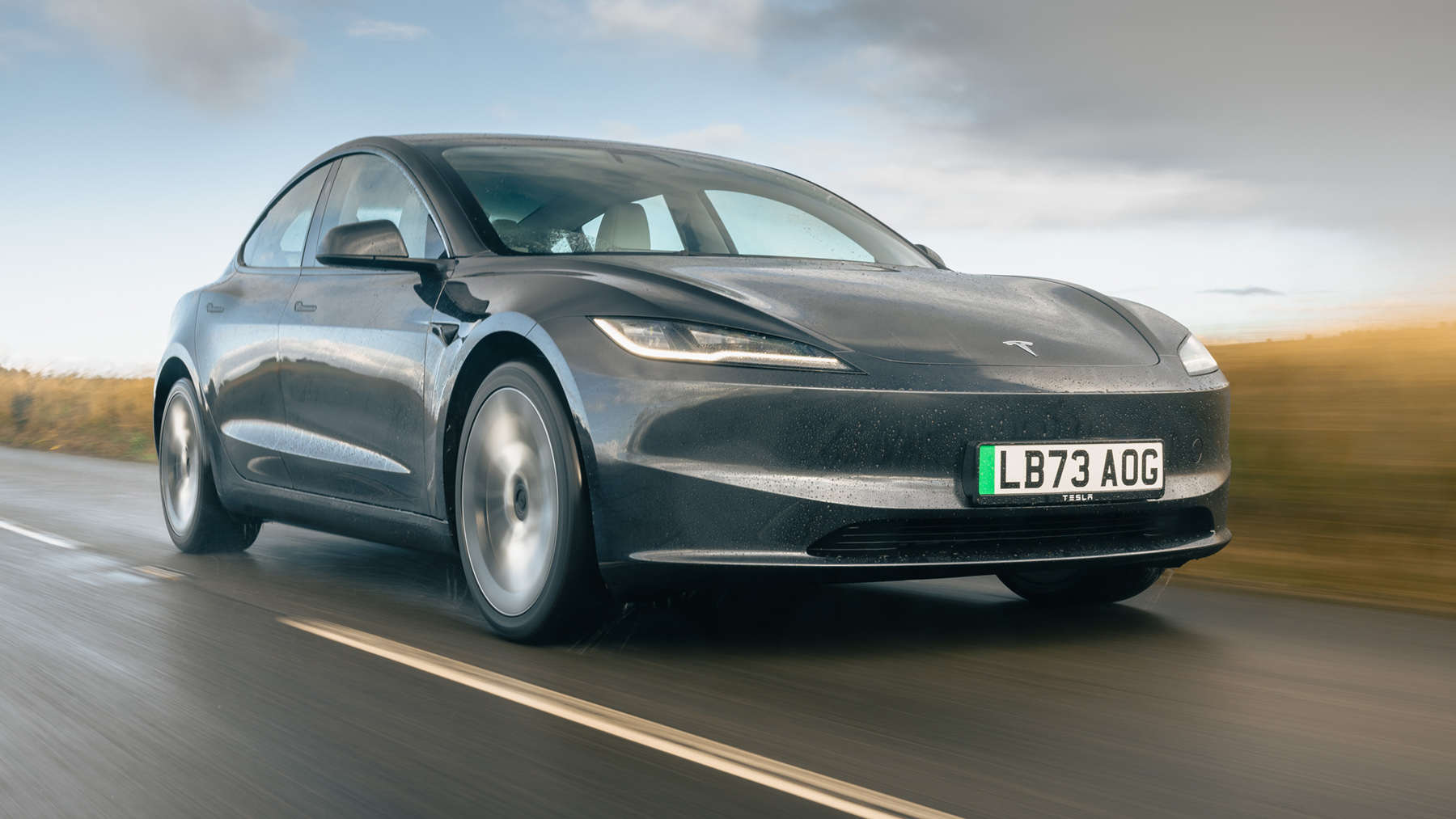
The Tesla Model 3 is a technologically advanced electric vehicle, but its performance and efficiency are strongly influenced by external temperatures. Its driving range, energy use, and long-term battery health are particularly sensitive to extreme cold and heat.
Features like Cabin Overheat Protection and the Battery Management System (BMS) help manage these effects, but climate conditions still play a significant role in day-to-day usability.
In sub-freezing temperatures, the Model 3 can lose 20 to 30 percent of its range. Cold increases the battery’s internal resistance and slows chemical reactions, reducing the efficiency of energy delivery. Additionally, the car must use battery power to heat both the cabin and the battery itself, unlike gasoline vehicles that rely on engine waste heat.
Newer models equipped with Tesla’s heat pump are three to four times more efficient than older resistive heaters, yet extreme cold continues to draw substantial energy. Regenerative braking is often limited in low temperatures to protect the battery, further decreasing energy recovery until the battery warms.
High temperatures affect the battery differently, primarily influencing long-term durability. Extended exposure to heat above 30 degrees Celsius accelerates chemical degradation, gradually reducing usable capacity.
Teslas in hot regions often experience faster declines in range compared with those in cooler climates. The BMS actively cools the battery and uses Cabin Overheat Protection to preserve battery life and interior comfort, though these features consume energy even when the vehicle is parked.
The Model 3’s climate sensitivity also impacts its environmental footprint. Its carbon emissions depend on the source of electricity used for charging. Charging in regions powered by renewable energy greatly reduces emissions, whereas coal-heavy grids can make their lifecycle impact similar to that of an efficient hybrid.
Features such as Scheduled Departure allow owners to precondition the battery while plugged in, mitigating climate-related losses in range and protecting battery health.
Drivers in temperate climates experience fewer efficiency issues, while those in extreme hot or cold regions must account for additional energy use, slower charging, and range fluctuations. The Tesla Model 3 balances advanced technology with a need for careful climate-aware management.
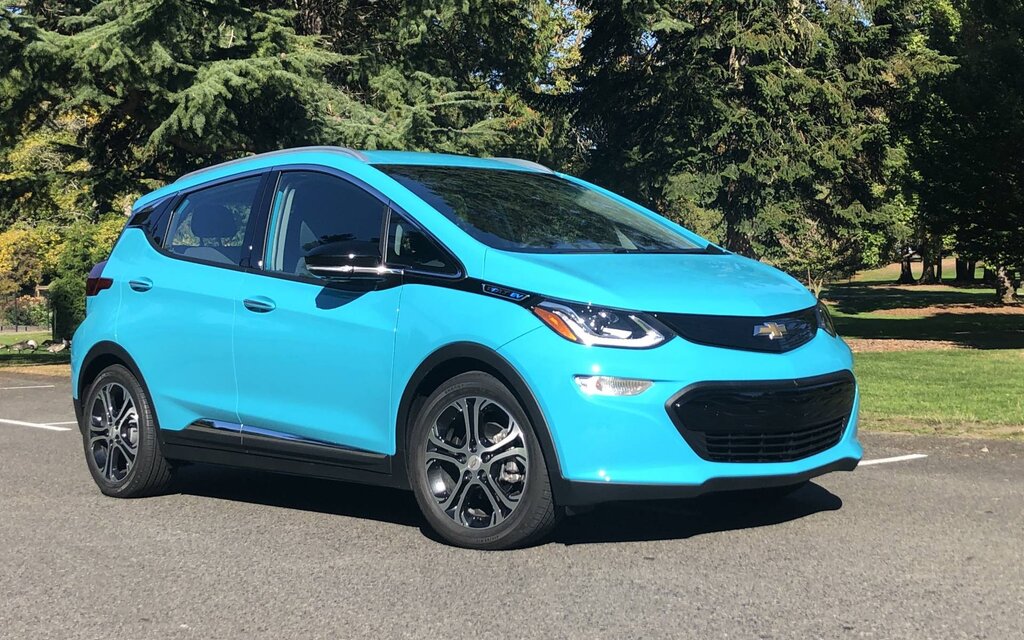
3. Chevrolet Bolt EV: Climate Sensitivity and Thermal Management
The Chevrolet Bolt EV is a modern electric vehicle with advanced capabilities, but like most EVs, its performance is highly influenced by extreme temperatures.
Both cold and hot climates affect battery chemistry, energy efficiency, and cabin heating or cooling demands, making range management a critical consideration for drivers in harsh conditions. The Bolt mitigates these effects through an active thermal management system and preconditioning features.
Cold weather presents the greatest challenge for the Bolt EV. At temperatures around minus 18°C, range can drop by up to 31 percent. Cold slows the chemical reactions within the lithium-ion battery, reducing its ability to deliver energy efficiently.
Additionally, cabin heating relies on a high-voltage resistive heater, drawing significant energy from the battery. Dense, cold air also increases aerodynamic drag, and thicker lubricants in the drivetrain create additional mechanical resistance, further lowering efficiency. These combined factors can result in noticeable reductions in driving range during winter conditions.
Hot climates also impact the Bolt’s efficiency, though to a lesser degree than cold. Temperatures above 35°C require the battery’s active cooling system to run continuously, consuming energy that could otherwise power the vehicle.
To prevent battery degradation, the Bolt is designed to remain plugged in during extreme heat so the thermal management system can maintain safe battery temperatures without draining the pack.
The Bolt’s climate-sensitive design is balanced by features that reduce environmental impact on performance.
Active liquid cooling and heating protect the battery from excessive temperature swings, while preconditioning allows owners to heat or cool the cabin and battery while still connected to the grid, preserving range. The dashboard provides real-time energy monitoring, helping drivers understand how climate control affects consumption.
While the Bolt EV’s range fluctuates with temperature extremes, its active battery management and preconditioning systems make it capable of operating reliably in both hot and cold environments, provided drivers manage charging and preconditioning carefully.
4. Land Rover Range Rover: Climate Performance and Luxury
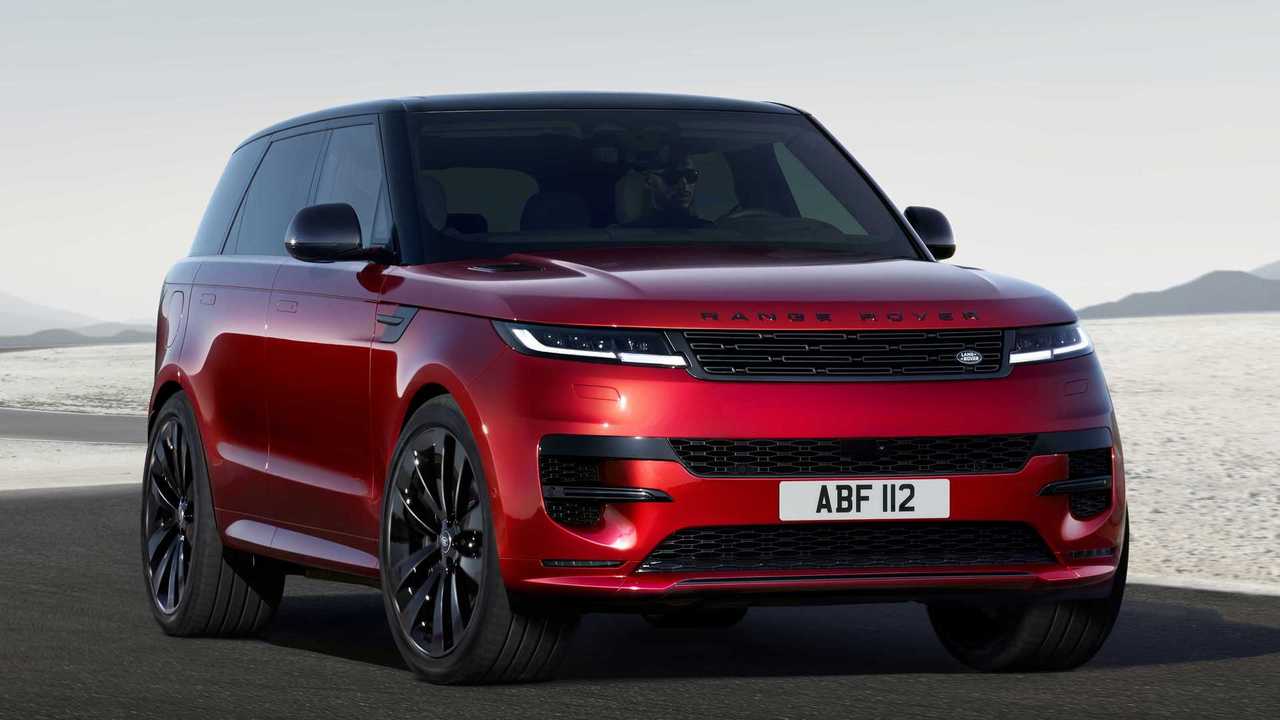
The Land Rover Range Rover is a luxury SUV engineered to perform in extreme climates while maintaining passenger comfort. Its advanced systems, including air suspension, electronics, and thermal management, allow it to operate in temperatures ranging from minus 40°C to over 50°C. These sophisticated technologies make it highly capable, but also climate-sensitive, as extreme cold or high humidity can occasionally affect reliability.
In hot climates, the Range Rover uses intelligent thermal management and torque control to maintain stability on sand and soft surfaces. The cabin stays cool even in desert conditions above 50°C, and future electric models are designed to preserve battery performance in high heat.
Cold-weather capability is supported by the Cold Climate Pack, which includes heated windshields and heated front and rear seats. The system also allows pre-setting of climate control to warm the cabin before entry in temperatures below 20 °C.
The SUV’s Terrain Response 2 technology provides all-terrain adaptability. It automatically monitors driving conditions and adjusts the chassis and powertrain for optimal performance. The system improves traction and stability in snow, mud, and ice, manages torque for soft sand, and allows water fording, which is essential in high-humidity or tropical environments.
Passenger comfort is enhanced through four-zone climate control that allows individualized temperature settings. Climate seats offer both heating and cooling, and the cabin air purification system, using PM2.5 filtration and nanoe X technology, reduces odors and filters out pollutants.
The Range Rover also addresses environmental impact through electrification and sustainable materials. Mild-hybrid, plug-in hybrid, and fully electric models reduce carbon emissions, while interior materials like Kvadrat wool upholstery lower production impact. Land Rover aims to achieve net-zero carbon emissions across its operations by 2039.
With extreme climate performance, advanced traction systems, luxurious interior features, and sustainable engineering, the Range Rover provides a capable and comfortable driving experience in a variety of environments. Its complexity requires careful management in harsh conditions, but it balances luxury and climate adaptability effectively.
5. Fiat 500: Climate Sensitivity in a Compact Package
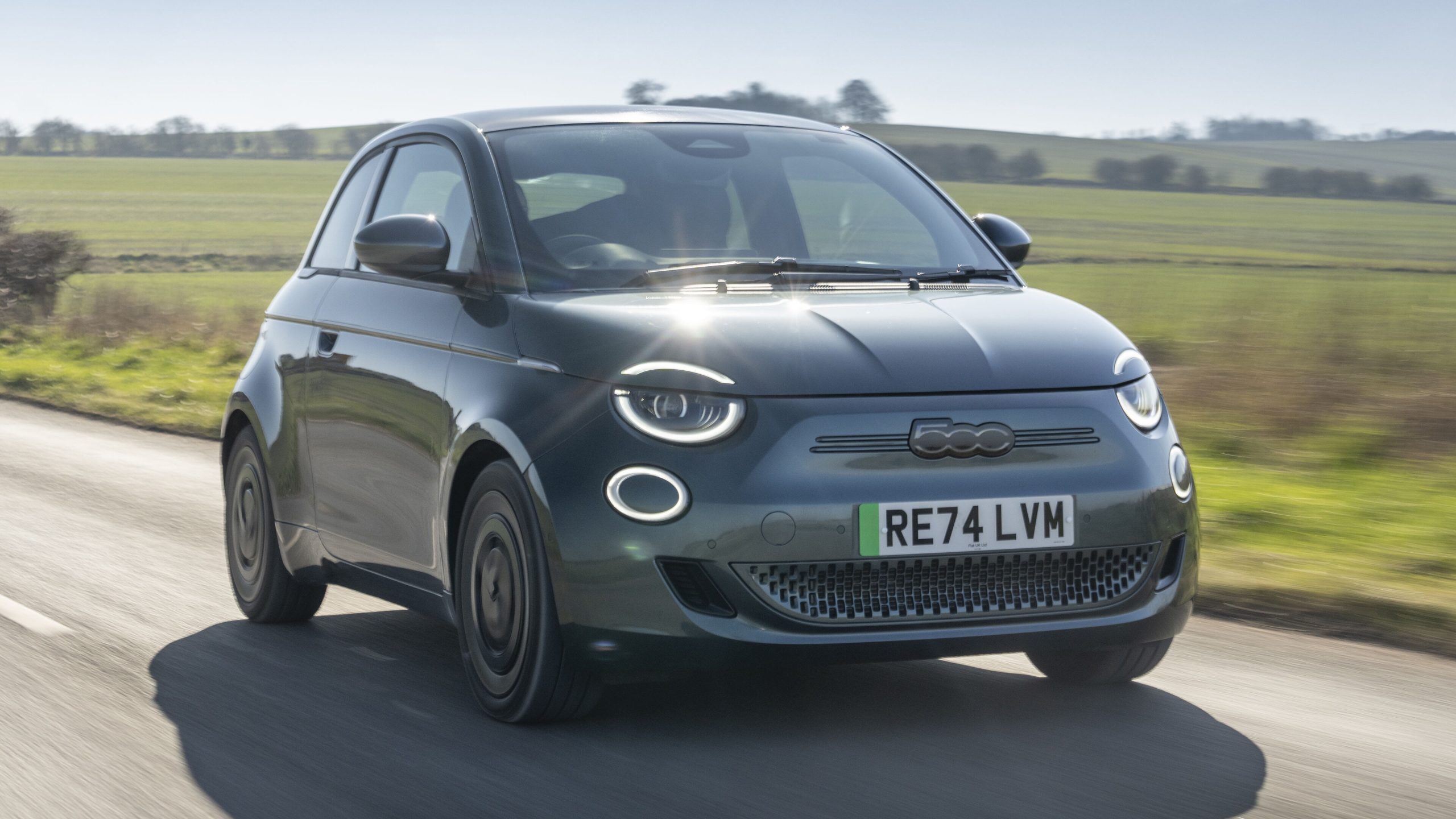
The Fiat 500, available in both Internal Combustion Engine (ICE) and Electric (500e) versions, is designed for urban efficiency but is highly sensitive to extreme climates due to its small size and limited thermal management capacity. Its compact cabin and engine bay can lead to higher interior temperatures in hot conditions, while the small battery in the 500e is particularly vulnerable to cold-weather range loss.
The 500e faces significant challenges in cold weather. Its small battery, ranging from 24kWh to 42kWh, must supply energy not only to the motor but also to the cabin heater and battery thermal management system. In freezing conditions, these systems can consume 30 to 40 percent of total range.
Lithium-ion batteries also suffer from slower ion movement in cold, increasing charging times and reducing regenerative braking efficiency. In extreme heat, the 500e must actively cool the battery pack, and performance may be throttled to prevent long-term degradation.
The ICE and mild-hybrid versions experience climate sensitivity differently. Cold winter temperatures can actually benefit cabin heating since the engine produces a high amount of waste heat, reducing the need to draw on fuel for warmth.
However, thickened lubricants and denser cold air increase internal friction and aerodynamic drag, lowering fuel economy by 10 to 15 percent. In hot or humid climates, the compact engine bay and small radiator can struggle to dissipate heat, forcing the cooling system to run at maximum capacity, especially during stop-and-go city driving.
The Fiat 500 performs best in moderate climates where temperatures are neither extreme nor overly variable. The ICE version handles cold weather more resiliently, while the 500e requires pre-conditioning and careful management to maintain efficiency and range in winter.
Its design makes it ideal for temperate, Mediterranean-style climates, but drivers in very hot or very cold regions must take precautions to preserve performance and comfort.
Selecting the right vehicle for your environment has a significant impact on performance, comfort, and durability. Cars built for climate versatility, such as the Land Cruiser or Outback, offer dependable systems, adaptive technology, and stable performance in both hot and cold conditions.
Climate-sensitive vehicles, including the Nissan Leaf or Fiat 500, may need extra care, such as preconditioning or mindful use, to avoid range reductions and efficiency losses.
Understanding these differences allows drivers to make informed choices, ensuring their vehicle remains reliable, comfortable, and safe in all weather conditions. The right vehicle for the climate improves longevity, reduces stress on the driver, and maximizes the enjoyment of each journey.
Also Read: Top 10 Cars That Changed Automotive Engineering Forever