Extreme weather can challenge even the most advanced vehicles, turning routine drives into tests of traction, power, and stability. Some cars are engineered to thrive in snow, ice, heavy rain, or scorching heat, while others struggle when conditions push beyond normal limits.
This guide highlights five vehicles that cope with weather extremes, showcasing how specialized engineering, all-wheel-drive systems, high ground clearance, and durable construction provide confidence and safety in challenging environments.
Models like the Subaru Outback Wilderness and Toyota Land Cruiser 300 Series demonstrate that a balance of off-road capability, comfort, and advanced technology can make a vehicle dependable in virtually any climate.
At the same time, certain vehicles prioritize performance, lightweight design, or efficiency over adaptability, making them vulnerable in extreme conditions. We also examine five vehicles that don’t, revealing how low clearance, narrow tires, or sensitive systems can reduce control, traction, and comfort in adverse weather, requiring extra caution from drivers.
5 Vehicles That Cope With Weather Extremes
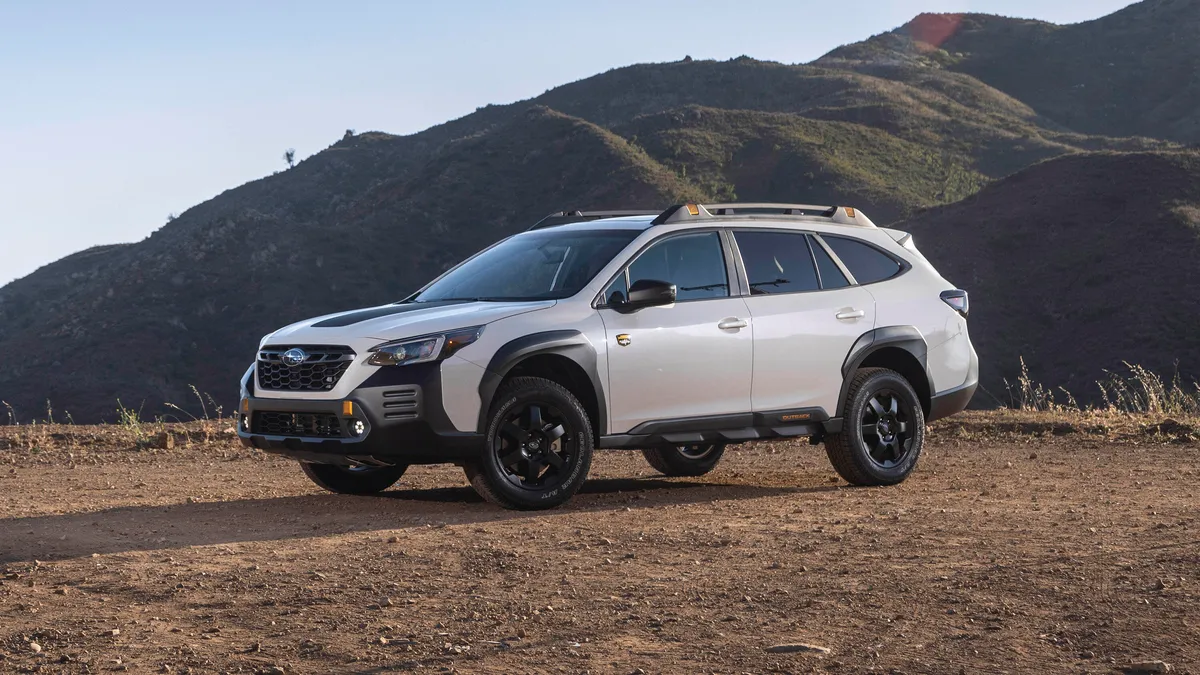
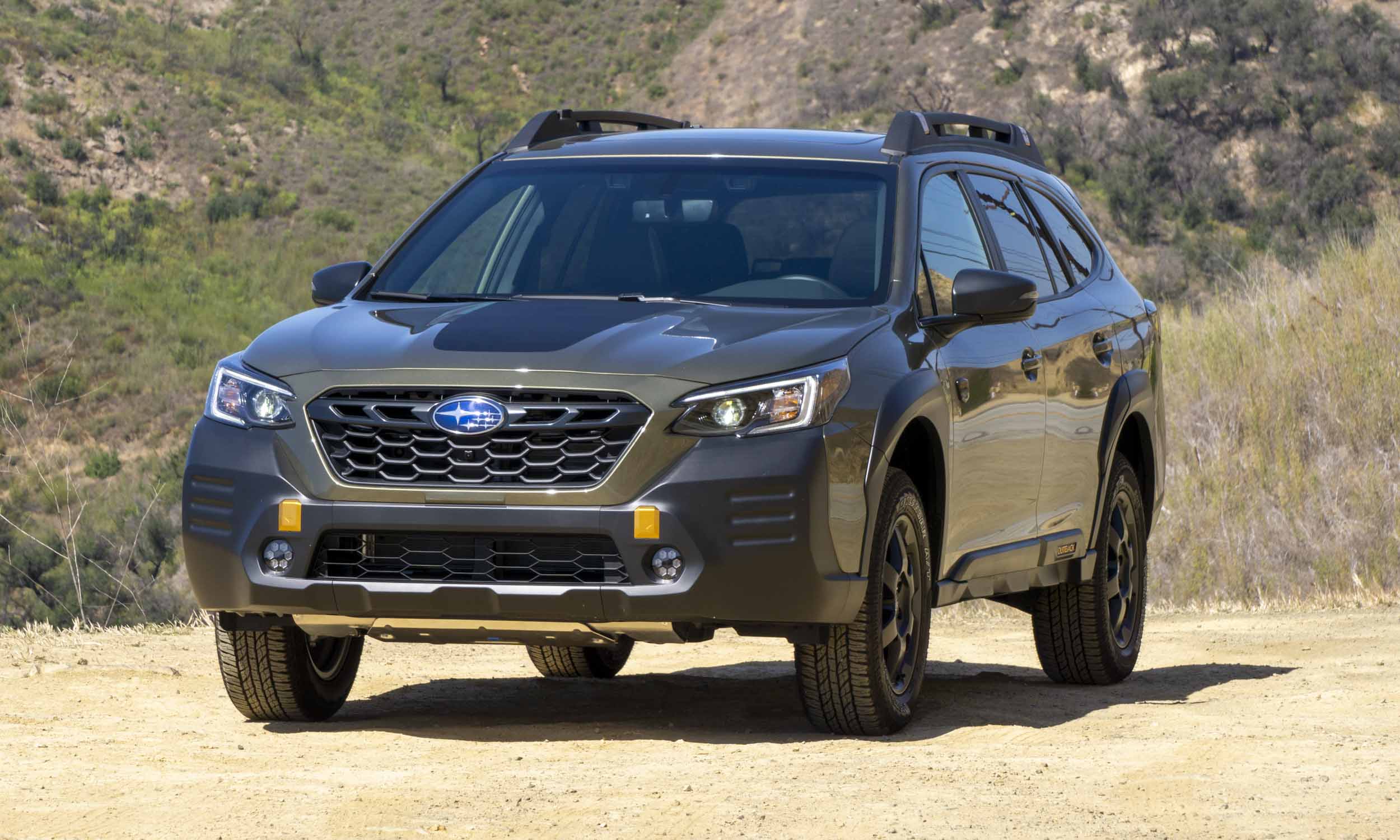
1. Subaru Outback Wilderness: Rugged Versatility Meets Everyday Practicality
The Subaru Outback Wilderness takes the capable Outback to a new level of off-road performance, combining elevated ground clearance, advanced all-wheel-drive systems, and durable interior materials to tackle extreme weather and terrain.
With 9.5 inches of ground clearance, a dual-function X-MODE system tuned for deep snow and mud, and all-terrain tires, the Wilderness trim handles slippery or uneven surfaces without high-centering.
Specialized suspension, gearing for low-speed climbs, and protective skid plates ensure confidence on steep, rough trails, while water-resistant StarTex seats make cleanup after wet or muddy adventures simple. Tested in temperatures as low as -50°F and in high-heat conditions, it’s built for all-weather endurance.
Practicality and versatility shine during everyday use. The Outback Wilderness provides a cavernous cargo hold, easily accommodating coolers, beach gear, bicycles, or ski equipment. Rear seats fold smoothly, and wide-opening doors and hatch simplify loading bulky or awkward items. This makes it a perfect companion for road trips, camping, and long family vacations, blending off-road readiness with everyday utility.
On the road, the Wilderness trim maintains comfort and stability. The 2.4-liter turbocharged Boxer engine delivers 260 horsepower and 277 lb-ft of torque from just 2,000 rpm, while the CVT efficiently channels power for smooth merges and spirited driving.
Despite the taller suspension and knobby all-terrain tires, the ride remains controlled and composed, with minimal fatigue on highways. Interior upgrades, including copper stitching and anodized accents, add style, though the infotainment system and stock stereo leave room for improvement.
Exterior features enhance capability and rugged appeal. Redesigned bumpers, a front skid plate, hexagonal LED fog lights, roof rails, and black cladding improve off-road readiness and visual presence. While some design choices, like cladding, may divide opinions, they reinforce the Wilderness’s adventurous identity.
Priced from $38,695, the Wilderness trim slots between base and top-tier Outbacks. Though it lacks leather seating and a standard moonroof, its added off-road features, cargo versatility, and all-weather performance justify the investment for buyers seeking a capable, multi-purpose vehicle.
The Outback Wilderness delivers a balance of rugged capability, family-friendly practicality, and road-trip comfort, making it a compelling choice for adventurers who want a vehicle that excels on and off the beaten path.
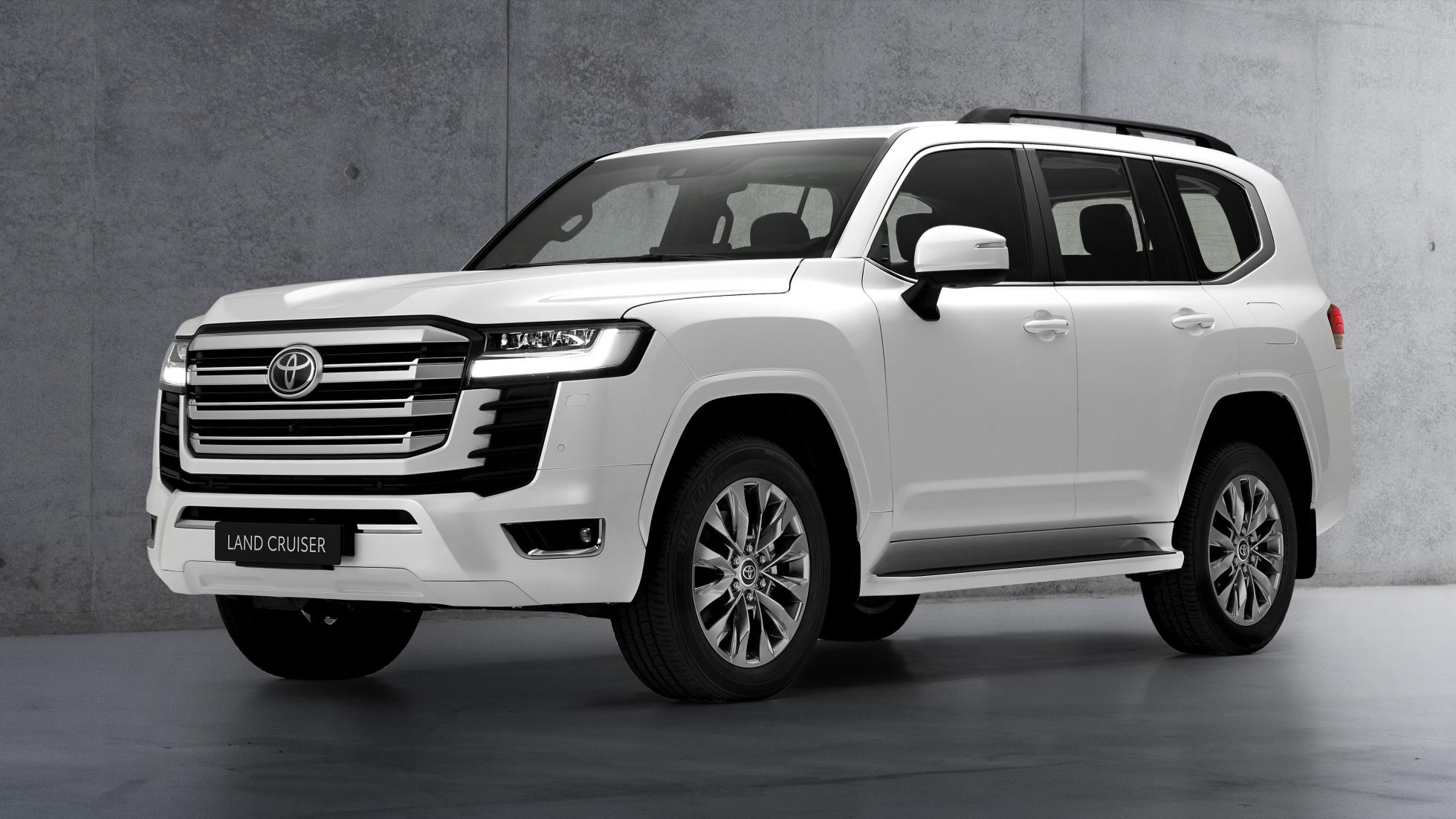
2. Toyota Land Cruiser 300 Series: Exceptional Performance in Extreme Conditions
The Toyota Land Cruiser 300 Series is engineered to handle some of the most demanding environments on Earth, from the scorching Australian Outback to the freezing Arctic Circle. Its GA-F platform provides a lighter yet more rigid body-on-frame structure, while twin-turbo V6 engines and a heavy-duty 10-speed automatic transmission ensure reliable power delivery.
Full-time four-wheel drive with Multi-Terrain Select and Crawl Control provides excellent traction on ice, snow, sand, and uneven terrain. Oversized cooling systems prevent overheating in desert conditions, and water-resistant electronics allow wading up to 700mm. Reinforced suspension, drivetrain, and chassis components make the 300 Series highly durable and capable in harsh climates.
Heat and desert performance are enhanced by optimized engine cooling, improved air intake, and heavy-duty drivetrain components designed to maintain efficiency under high loads. Cabin comfort is supported by upgraded air conditioning with rear-seat cooling, while seals and dust management reduce the risk of sand and debris entering critical systems.
For extreme cold, the engine and electrical systems provide reliable starting in sub-zero temperatures. Rapid heating systems and heated seats and steering wheels improve comfort. Advanced traction control and adaptive suspension keep the vehicle stable on ice, snow, and frozen surfaces. Specialists such as Arctic Trucks can modify the 300 Series with minimal adjustments to meet extreme Arctic demands.
The GX variant combines capability and value, starting at $97,990. It features fabric upholstery, rubber floor mats, a wide track, 17-inch all-terrain tires, a locking center differential, selectable high and low ranges, six drive modes, and high ground clearance.
Technology includes adaptive cruise control, LED headlights, reverse camera, downhill assist, dual-zone climate control, a multi-terrain monitor, and Apple and Android connectivity.
The 3.3-liter twin-turbo diesel engine produces 227kW and 700Nm, supporting towing and off-road performance with minimal effort. With a gross vehicle mass of 3,280kg and fuel consumption of about 14.5 liters per 100 kilometers, the GX handles long journeys and heavy loads efficiently.
Real-world testing with a 6,000 km outback trip towing a camper trailer highlighted the Land Cruiser’s ride comfort, acceleration, handling, and stability across a variety of surfaces. The cabin is spacious, quiet, and functional for extended travel.
Minor issues include adaptive cruise control slowing unexpectedly on curves, intrusive lane-keeping assistance, and a need for a louder horn or cooled glovebox, but these do not diminish the 300 Series’ capability.
The Toyota Land Cruiser 300 Series delivers unmatched off-road durability, comfort, towing ability, and reliability, making it ideal for adventurers, overlanders, and anyone who needs a vehicle that performs in extreme weather and challenging terrain.
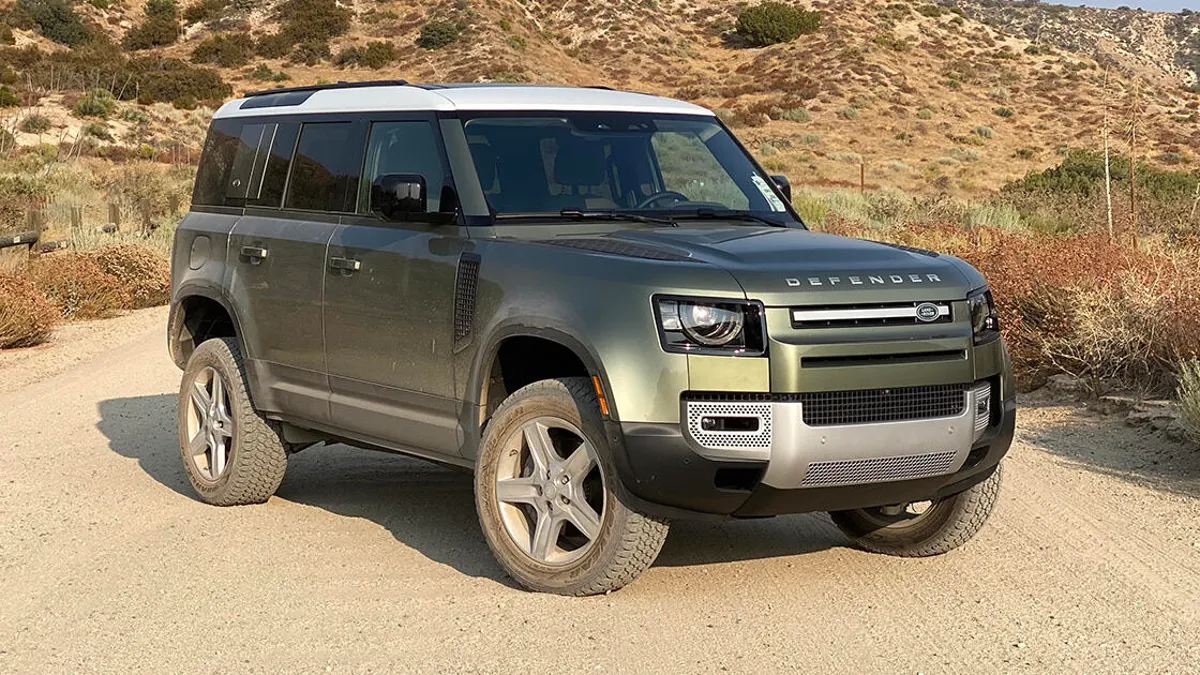
3. Land Rover Defender 110: Exceptional Capability in Extreme Conditions and Everyday Life
The Land Rover Defender 110 is designed to perform in the harshest environments, combining robust engineering, advanced technology, and versatile features. It offers a 900mm wading depth, supported by Wade Sensing technology that informs the driver of water depth, while the air suspension lifts the body to clear obstacles that would challenge most SUVs.
The Terrain Response 2 system adapts the drivetrain and suspension to handle mud, snow, and uneven surfaces, while 360-degree cameras enhance visibility in poor conditions.
Its high-strength aluminum body and reinforced chassis provide structural durability, and the vehicle’s high approach, breakover, and departure angles allow it to tackle rocky or uneven terrain. Heating systems ensure comfort and clear visibility in sub-zero temperatures, making them capable in both extreme cold and wet conditions.
The new Defender 110 preserves the heritage of its predecessor while improving everyday usability. The exterior balances a boxy, functional design with subtle curves for strength and aesthetics.
Short overhangs and the high-clearance suspension contribute to off-road effectiveness, while the aluminum body and structural reinforcements ensure resilience in challenging conditions. Its combination of practicality and toughness allows it to excel in off-road tasks while remaining suitable for regular driving.
The 110 is versatile for families, adventure enthusiasts, and commercial users. Seating for up to seven passengers and optional powertrains, including a supercharged 5.0-liter V8, provide performance and towing capacity. The interior features durable materials that resist wear from children, outdoor equipment, or professional use. On paved roads, it offers a comfortable, stable ride, making long trips less fatiguing.
The Defender 110 also functions as a practical daily vehicle. Its spacious cargo area, adaptable seating configurations, and rugged interior make it ideal for school runs, sports equipment, or road trips. It can carry large amounts of gear while handling rough terrain with confidence.
The vehicle’s engineering ensures that it remains reliable under extreme conditions, giving drivers reassurance whether crossing flooded areas, icy roads, or uneven backcountry tracks.
The Land Rover Defender 110 combines legendary off-road ability with everyday versatility. It provides durability, performance, and comfort, making it suitable for adventurers, families, and professionals who demand a vehicle capable of withstanding extreme environments while remaining highly practical for daily life.
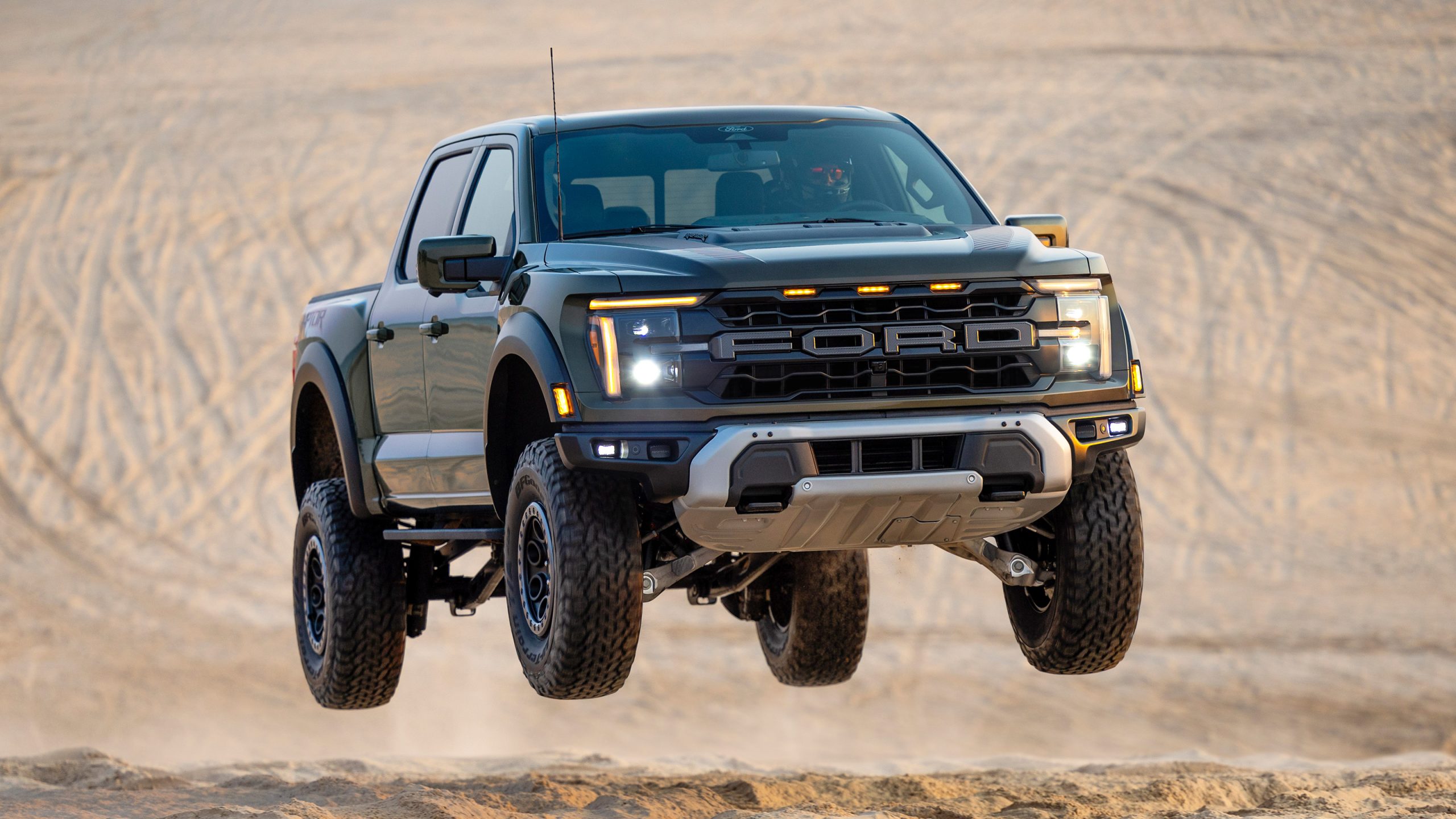
4. Ford F-150 Raptor: High-Performance Off-Road Truck Built for Extreme Conditions
The Ford F-150 Raptor is engineered to excel in extreme environments, from snow-covered roads to scorching desert terrain. Designed for high-speed desert crossings, it features FOX Racing Shox with Live Valve technology, allowing the suspension to absorb heavy impacts without overheating.
Massive 37-inch tires provide high ground clearance, helping the truck traverse soft sand, deep slush, or uneven terrain. Its robust aluminum-alloy body and reinforced frame ensure durability in harsh conditions, while advanced electronics enhance traction, stability, and control in challenging weather.
The Raptor’s powertrain options include a 450-horsepower 3.5-liter twin-turbo V6 paired with a 10-speed automatic transmission, delivering strong low-end torque for snow, mud, or sand. The Raptor R model steps up performance with a 720-horsepower supercharged 5.2-liter V8, capable of 0–60 mph in 3.6 seconds.
Both trucks feature specialized all-wheel drive with a unique transfer case that sends power to the front wheels when traction is lost, improving stability on ice or slippery surfaces. Terrain Management System allows drivers to select modes for snow, mud, or slippery conditions, optimizing throttle response, transmission behavior, and traction control.
The F-150 Raptor provides extreme cold comfort with heated seats, a steering wheel, and side mirrors. Its suspension system, including Fox internal-bypass dampers and a five-link rear coil-spring setup, ensures a smooth ride over rough terrain.
Optional 37-inch tires add 1.1 inches of ground clearance, giving the Raptor R a 13-inch ride height, while approach, breakover, and departure angles are optimized for off-road performance. The truck also maintains impressive towing capabilities, with the Raptor R rated to tow 8,700 pounds and a payload capacity of 1,400 pounds.
Inside, the Raptor cabin combines comfort with utility. The crew cab provides ample rear-seat space, and the short 5.5-foot bed accommodates gear for off-road adventures.
A 12-inch touchscreen with Sync 4 infotainment supports wireless Apple CarPlay, Android Auto, and Amazon Alexa integration. The truck also offers a 14- or 18-speaker Bang & Olufsen audio system and an optional 2.0 kW mobile generator in the bed for powering tools in remote locations.
Safety features include forward-collision warning, automated emergency braking, blind-spot monitoring, rear cross-traffic alert, lane-departure warning, and lane-keeping assist. The F-150 Raptor is backed by a three-year/36,000-mile limited warranty and a five-year/60,000-mile powertrain warranty, making it a high-performance, durable truck for extreme off-road and all-weather driving conditions.
5. Volvo V60 Cross Country: Winter-Ready Wagon for All-Weather Performance
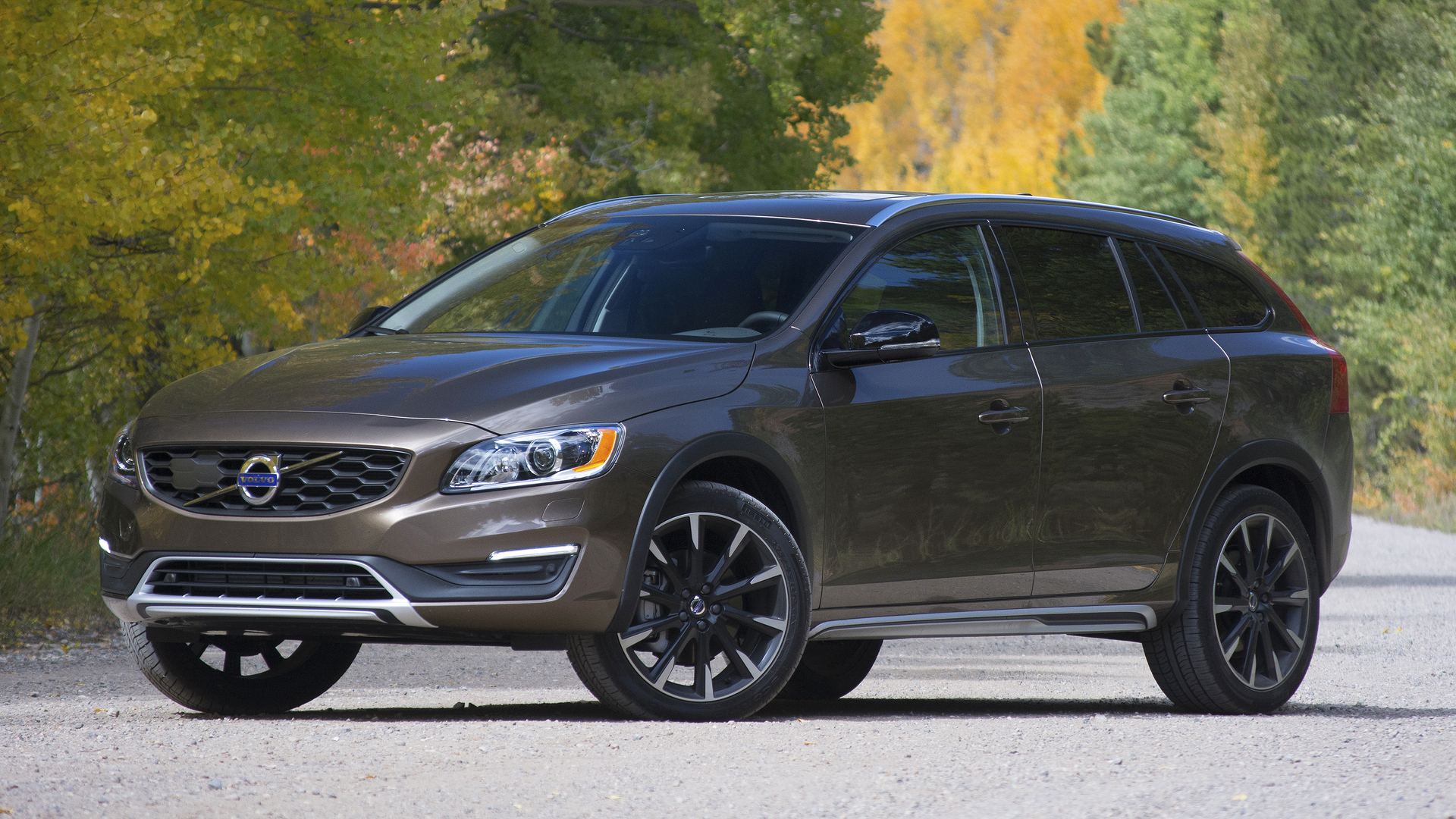
The Volvo V60 Cross Country is engineered to handle extreme weather conditions, from icy Scandinavian winters to heavy rain, combining all-wheel drive, high ground clearance, and specialized comfort features.
With 8.1 inches of ground clearance and an “Off Road” driving mode, the V60 Cross Country can manage deeper snow, slippery roads, and uneven surfaces more effectively than a standard wagon. Its chassis is tuned for stability, emphasizing predictable traction in slushy or icy conditions, making driving safer and more controlled in challenging weather.
Volvo equips the V60 Cross Country with features designed for cold climates. Heated wiper blades prevent ice buildup, while a high-voltage cabin heater provides warmth before the engine reaches operating temperature.
Seat and steering wheel heaters further enhance comfort during extreme cold, and the all-wheel-drive system, paired with stability-focused tuning, ensures confident performance on slippery surfaces. The vehicle also includes thicker tire sidewalls and enhanced suspension, improving durability on rough or harsh roads.
Power comes from a 247-horsepower turbocharged 2.0-liter four-cylinder engine paired with an eight-speed automatic transmission and all-wheel drive. The V60 Cross Country feels agile and responsive around town and maintains composure through corners, offering a blend of performance and utility.
It accelerates from 0–60 mph in 6.6 seconds and achieves an EPA-estimated 24 mpg city, 31 mpg highway, and 26 mpg combined, with real-world highway testing confirming 31 mpg at 75 mph.
Inside, the V60 Cross Country features a spacious, upscale cabin similar to the S60 sedan and XC60 SUV. High-quality materials, including metal trim, real wood, and leather, create a premium feel, while a minimalist design keeps controls accessible through a 9.0-inch vertically oriented touchscreen.
The interior provides comfort for adults in the rear seats, and cargo space is excellent, fitting up to 22 carry-on suitcases with the rear seats folded, outperforming competitors like the Audi A4 Allroad.
The V60 Cross Country includes a 14-speaker Harman/Kardon audio system, Google-based infotainment, Bluetooth, wired Apple CarPlay and Android Auto, and a 4G LTE Wi-Fi hotspot. Safety is a priority, with standard features including automated emergency braking, lane-keeping assist, and adaptive cruise control.
Volvo supports the V60 Cross Country with a four-year/50,000-mile limited and powertrain warranty, along with three years of complimentary scheduled maintenance, reinforcing its value as a reliable, all-weather wagon capable of handling harsh winters while delivering comfort, utility, and safety.
Also Read: 5 Cars That Work Across Climates vs 5 That Are Climate-Sensitive
5 That Don’t
1. Mazda MX-5 Miata: Lightweight Roadster with Weather Limitations
The Mazda MX-5 Miata is a lightweight, rear-wheel-drive sports car designed for precision and driving enjoyment, but its minimalist build creates challenges in extreme weather. Its balanced chassis and low weight enhance handling on dry roads but compromise traction and stability on snow, ice, and wet surfaces.
In winter, the Miata struggles due to its rear-wheel-drive layout and lack of weight over the driven wheels. It can easily fishtail or spin on slippery surfaces, and its low 5-inch ground clearance causes the car to become high-centered in deeper snow.
Cold weather also affects internal components: the small factory battery may fail in sub-zero temperatures, and the soft top provides minimal insulation, allowing cabin heat to escape. Older models are prone to rust in rocker panels and wheel arches, especially with prolonged exposure to road salt.
Extreme heat also exposes weaknesses. The Miata’s compact air conditioning struggles to cool the cabin in temperatures above 100°F, particularly at idle. Transmission and exhaust proximity to the thin floorboards can make footwells uncomfortably hot, and older models may experience vapor lock, which makes starting difficult in high heat.
In heavy rain, the Miata’s light weight increases the risk of hydroplaning. Its low stance reduces visibility in spray from larger vehicles, and clogged roof drain tubes can allow rainwater to accumulate in the sills, leading to corrosion.
While winter tires, insulation kits, and careful handling can mitigate some of these limitations, the Miata remains a vehicle that demands active management in adverse conditions. Its focus on driving purity comes at the expense of all-weather versatility, making it a rewarding car on clear, dry roads but a challenging companion in snow, extreme heat, or heavy rain.

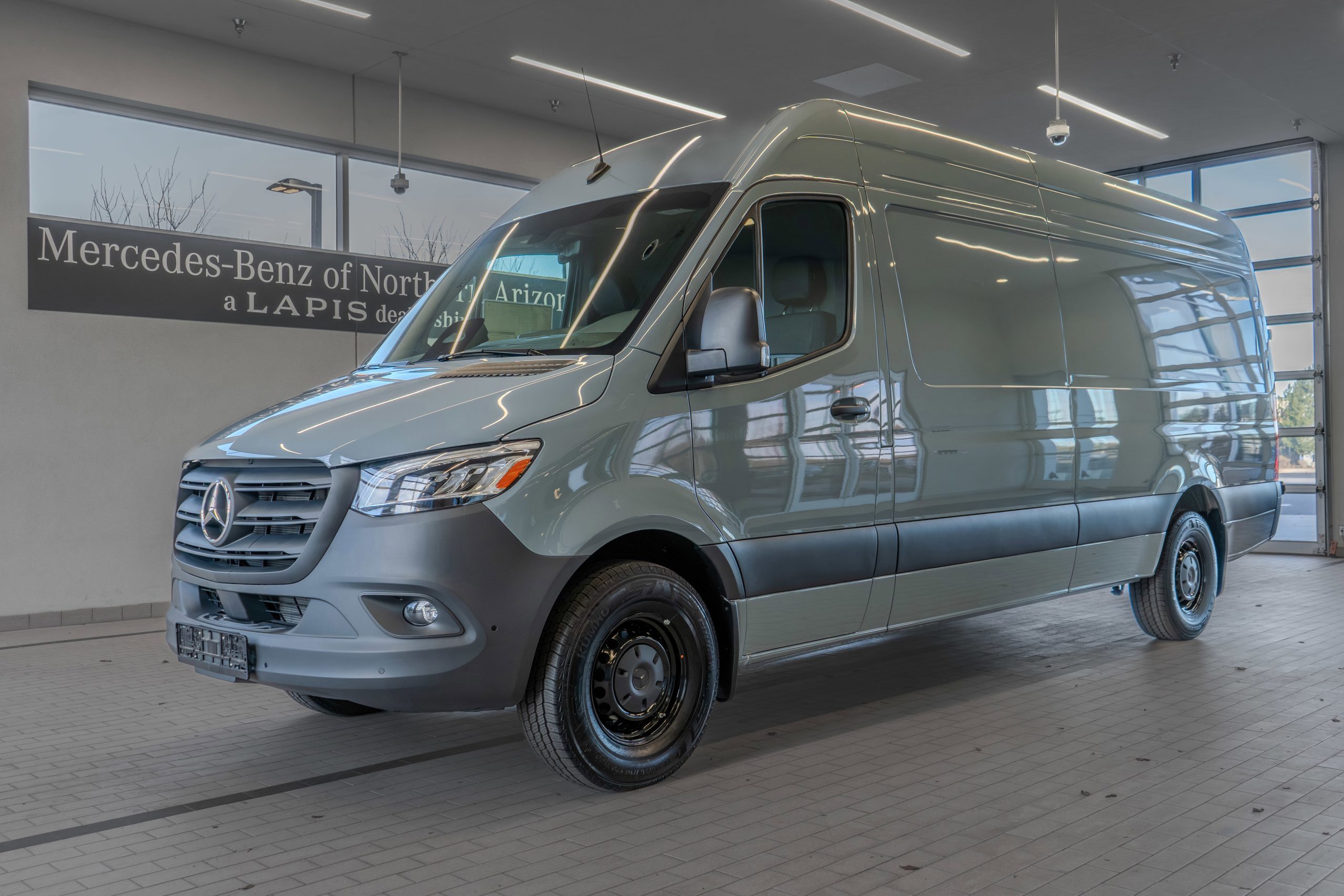
2. Mercedes-Benz Sprinter High-Roof: Commercial Leader with Weather Vulnerabilities
The Mercedes-Benz Sprinter High-Roof is a dominant force in the commercial van segment, offering enormous cargo space and advanced engineering. However, its design and configuration create challenges in extreme weather conditions, particularly in high winds, cold, and heat.
One of the most significant issues is the “sail effect.” The extended roof height increases the van’s side surface area, which catches strong crosswinds like a sail.
This generates lateral force that can pull the steering and push the vehicle off course, making constant corrections necessary and increasing driver fatigue. While Mercedes’ Crosswind Assist mitigates some risk, the high center of gravity still reduces stability compared to low-roof models.
Cold weather presents additional challenges, especially for diesel-powered Sprinters. Diesel fuel can gel in freezing temperatures, clogging filters and lines, while glow plugs must function correctly to start the engine.
If the glow plugs or their control module are degraded, the van may fail to start entirely. Diesel Exhaust Fluid (DEF), which freezes around -11°C, requires internal heating; a malfunction can trigger limp mode, limiting drivability until the fluid thaws or is repaired.
Thermal management is difficult due to the van’s large cabin volume. In winter, heat struggles to reach the back, leaving the driver warm but the rear cargo area cold. In summer, hot air rises to the ceiling, straining the air conditioning system and engine cooling. Both extremes can reduce comfort and accelerate component wear.
Traction is another concern. Many Sprinters use rear-wheel drive, and without cargo weight over the rear axle, the tires may lack sufficient grip on ice or slush. Combined with the van’s high profile, this makes maintaining control on slick roads more difficult, especially during crosswinds.
While the Sprinter High-Roof excels in logistics and cargo capacity, these weather-related vulnerabilities demand careful attention. Drivers must compensate for wind forces, cold-start issues, uneven heating or cooling, and reduced traction, particularly when the van is lightly loaded or facing severe environmental conditions.
3. Mitsubishi Mirage: Lightweight Economy Car with Weather Limitations
The Mitsubishi Mirage is an ultra-lightweight subcompact designed for fuel efficiency, but its small size, narrow tires, and modest 1.2-liter engine make it vulnerable in extreme weather conditions. While economical and easy to park, the Mirage struggles to maintain stability, cabin comfort, and drivability in cold, heat, and high winds.
In cold weather, the Mirage faces multiple challenges. Its small engine generates minimal waste heat, which can cause the heater to struggle in sub-zero temperatures. Bringing in fresh air can overcool the engine, triggering the “cold engine” warning even while driving.
Cabin comfort is limited, requiring constant adjustments between recirculated and fresh air to prevent window fogging while maintaining warmth. The continuously variable transmission (CVT) also suffers in freezing temperatures, often shuddering or hesitating until the fluid reaches optimal operating temperature.
Extreme heat further exposes the Mirage’s limitations. The 78-horsepower engine struggles to maintain performance when the air conditioning is running, making highway merges and overtaking feel sluggish.
A/C systems are prone to refrigerant leaks or compressor failures under sustained high temperatures. Additionally, the compact engine bay can overheat batteries, causing fluid evaporation, terminal corrosion, and reduced battery lifespan.
High winds present another challenge. The Mirage’s light weight, roughly 2,020 pounds, combined with narrow tires, makes it highly susceptible to crosswinds. Drivers frequently report needing to fight the steering to remain in their lane, and stability control systems can only partially mitigate the effect, especially if malfunctioning.
While the Mitsubishi Mirage excels as an affordable, fuel-efficient city car, its performance in harsh weather is compromised. Cold temperatures, high heat, and gusty conditions all highlight the trade-offs made for efficiency, requiring attentive driving and acceptance of its limitations in challenging environments.
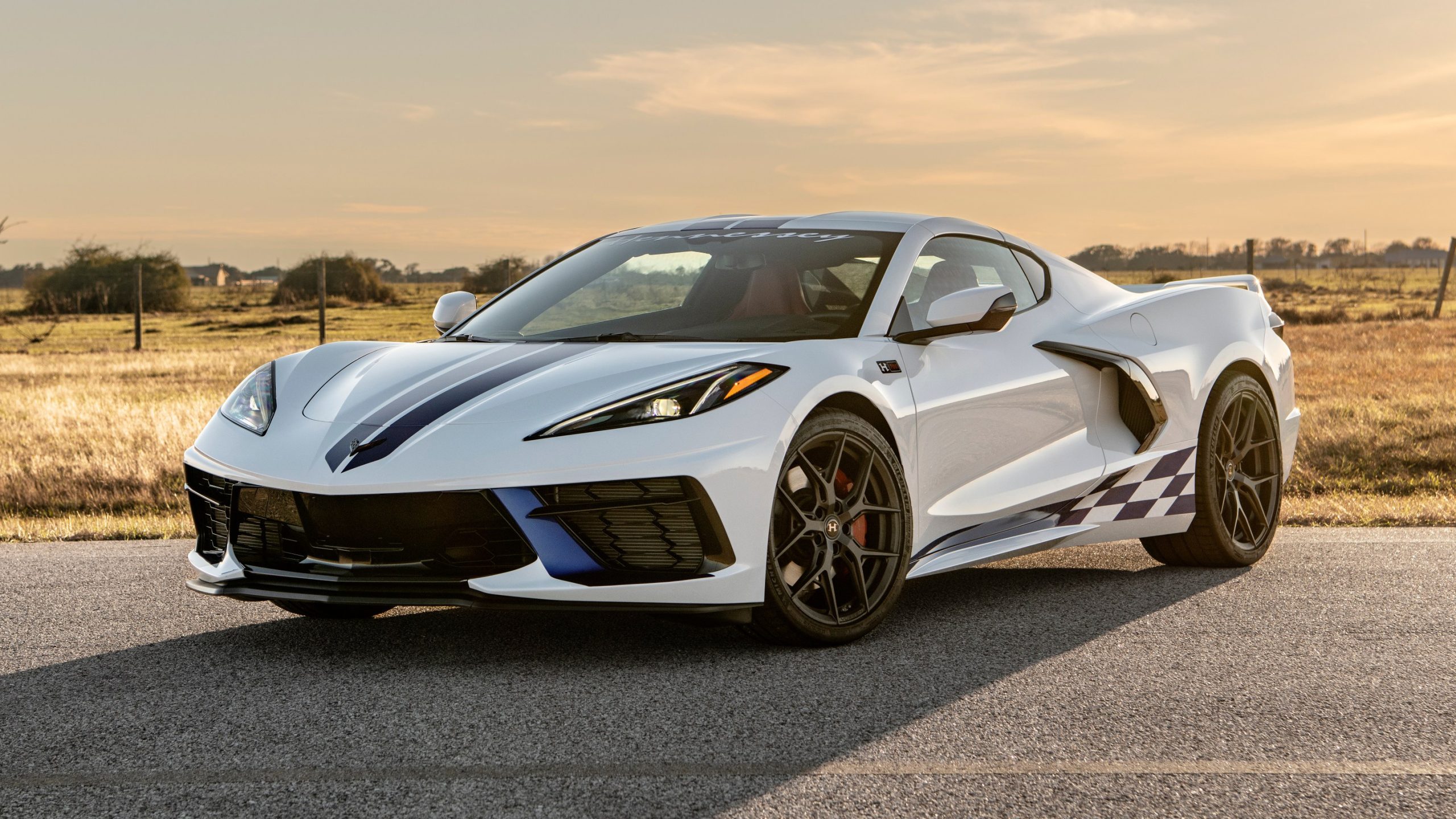
4. Chevrolet Corvette C8: Extreme Weather Limitations of a Mid-Engine Supercar
The Chevrolet Corvette C8 is a mid-engine supercar designed for performance and handling, but its low-slung design and specialized components make it vulnerable in extreme weather conditions.
While “Weather Mode” provides some traction control for rain or light snow, the car’s low ground clearance, wide summer tires, and high-performance cooling systems create significant limitations in heat, cold, and wet environments.
In hot conditions, the mid-engine layout generates a high thermal load on the cooling system, which can lead to overheating during spirited driving or track use. Front and side radiators are prone to clogging from debris, reducing airflow and efficiency. The complex multi-loop cooling system may develop air pockets after maintenance, causing poor heat management.
Heat soak can persist even after driving stops, affecting performance, and the proximity of the fuel filler to the engine cooling fan can pose a fire risk in extreme heat.
Cold weather presents another set of challenges. The C8’s high-performance summer tires harden in temperatures below 40°F, reducing traction and making snow and ice treacherous.
Low ground clearance causes the car to plow through snow, and the convertible top cannot operate below freezing. Engines may struggle to start in sub-zero conditions, and cold temperatures can quickly drain the battery. Cold-start conditions can also produce odors that enter the cabin.
Rain and wet roads are problematic as well. The wide, performance-oriented tires increase hydroplaning risk, even with traction controls engaged. The low seating position and design make the car susceptible to spray from other vehicles, reducing visibility and making high-speed driving more dangerous.
Owners mitigate these limitations by using all-season or winter tires, regularly cleaning radiators, and activating Weather Mode to manage torque and transmission shifts. Despite these adjustments, the Corvette C8 remains a car optimized for dry, warm conditions, making it less suitable for snow, ice, or heavy rain.
5. Tesla Model 3 Standard Range: Cold Weather Challenges
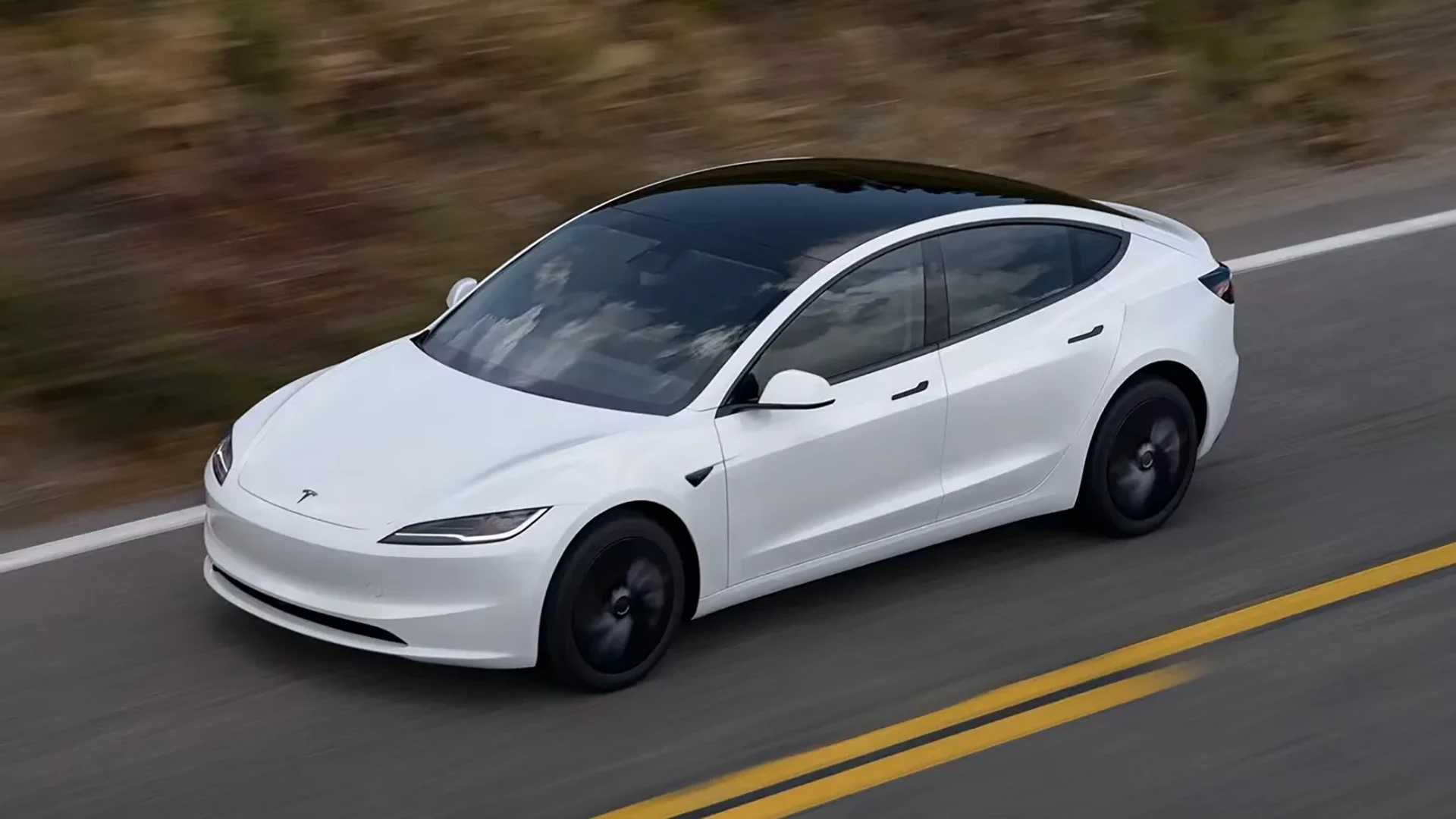
The Tesla Model 3 Standard Range experiences significant limitations in extreme cold because it lacks engine waste heat, forcing the high-voltage battery to power both the cabin and maintain battery temperature. In sub-zero conditions, the driving range can drop by 30% to over 50%, particularly during short trips or frequent stops.
High energy consumption for heating is a primary factor. Unlike gasoline vehicles, the Model 3 must generate heat electrically. The battery management system also draws power to warm the battery for optimal performance and enable charging. Preconditioning the cabin and battery without being plugged in can consume more than 10% of the battery, further reducing available range.
Cold temperatures also slow lithium-ion battery chemical reactions, limiting power delivery. Regenerative braking may be restricted or disabled when the battery is cold, reducing energy recovery and making the vehicle less efficient. Standard Range models often use Lithium Iron Phosphate (LFP) batteries, which are more sensitive to freezing temperatures, causing temporary, significant drops in range and performance.
Environmental conditions like snow and ice increase tire rolling resistance. Parking in sub-zero temperatures (“cold soak”) requires substantial energy to warm the battery before driving. Flush door handles can freeze in severe cold, requiring aftermarket lubrication for proper operation.
Mitigation strategies include keeping the car plugged in overnight so the battery stays warm using grid power, preconditioning the cabin and battery via the Tesla app before driving, and using heated seats and steering wheels, which consume less energy than heating the cabin air. Winter tires improve traction and efficiency on snow and ice compared to all-season tires.
Even with these measures, the Model 3 Standard Range requires careful energy management in freezing conditions to maintain range, safety, and functionality.
The difference between vehicles that handle extreme weather and those that struggle highlights the importance of design, powertrain, and specialized features. Vehicles such as the Land Rover Defender 110, Ford F-150 Raptor, and Toyota Land Cruiser 300 Series combine rugged construction, advanced traction systems, and high ground clearance to remain capable in snow, rain, mud, or desert heat.
Similarly, the Subaru Outback Wilderness and Volvo V60 Cross Country show that everyday usability can coexist with all-weather performance, offering comfort, cargo space, and safety without sacrificing capability.
In contrast, lightweight or performance-focused vehicles like the Mazda MX-5 Miata, Chevrolet Corvette C8, and Tesla Model 3 Standard Range are prone to losing traction, range, or control when conditions turn extreme.
Ice, snow, high winds, and freezing temperatures reveal the trade-offs of prioritizing sportiness, efficiency, or low weight over adaptability. Choosing the right vehicle for the environment ensures both safety and reliability in any weather.
Also Read: Top 10 Cars That Changed Automotive Engineering Forever