
Owning a car should be a liberating experience a reliable companion that gets you where you need to go without constant headaches or financial strain.
Yet not all vehicles are created equal when it comes to the ownership experience. While some cars seem designed with the long-term owner in mind, offering bulletproof reliability, affordable maintenance, and strong resale value, others can turn into money pits that drain your wallet and patience with alarming regularity.
The difference between an easy ownership experience and a difficult one often comes down to several key factors.
Reliability stands at the forefront a dependable car that starts every morning and doesn’t leave you stranded is worth its weight in gold. Maintenance costs matter tremendously too, as routine service and repairs can vary wildly between manufacturers.
Parts availability affects how quickly and affordably you can get your vehicle back on the road, while fuel efficiency impacts your daily operating costs. Then there’s depreciation, that silent killer of automotive value that hits some vehicles harder than others.
Some automakers have built sterling reputations around making ownership painless. Japanese manufacturers, particularly Toyota and Honda, have long been synonymous with reliability and low maintenance costs.
Their vehicles might not always be the most exciting on paper, but they deliver consistent, trouble-free transportation that keeps owners satisfied year after year.
On the flip side, certain luxury and European brands, despite their impressive engineering and driving dynamics, can saddle owners with expensive repairs, complex systems prone to failure, and depreciation curves that resemble a cliff face.
In this guide, we’ll explore five vehicles that exemplify hassle-free ownership cars that will serve you faithfully with minimal drama and contrast them with five models that, while potentially appealing in other ways, can make the ownership journey considerably more challenging.
Whether you’re a first-time buyer or a seasoned car owner, understanding these distinctions can save you thousands of dollars and countless frustrations over the years. Let’s see into what makes certain cars a joy to own and others a persistent source of regret.
5 Cars That Make Ownership Easy
These exceptionally straightforward vehicles feature simple mechanical designs and widespread parts availability perfectly suited for stress-free ownership, providing reliable transportation without the complications typically creating expensive service visits, confusing maintenance schedules, or specialized repair requirements that limit shop options and inflate costs.
Their thoughtful engineering includes conventional components and intuitive systems that resist the ownership headaches found in overcomplicated vehicles while delivering predictable maintenance needs, DIY-friendly designs allowing handy owners to perform basic service, and universal parts compatibility ensuring any local mechanic stocks necessary components without ordering delays.
1. Toyota Camry
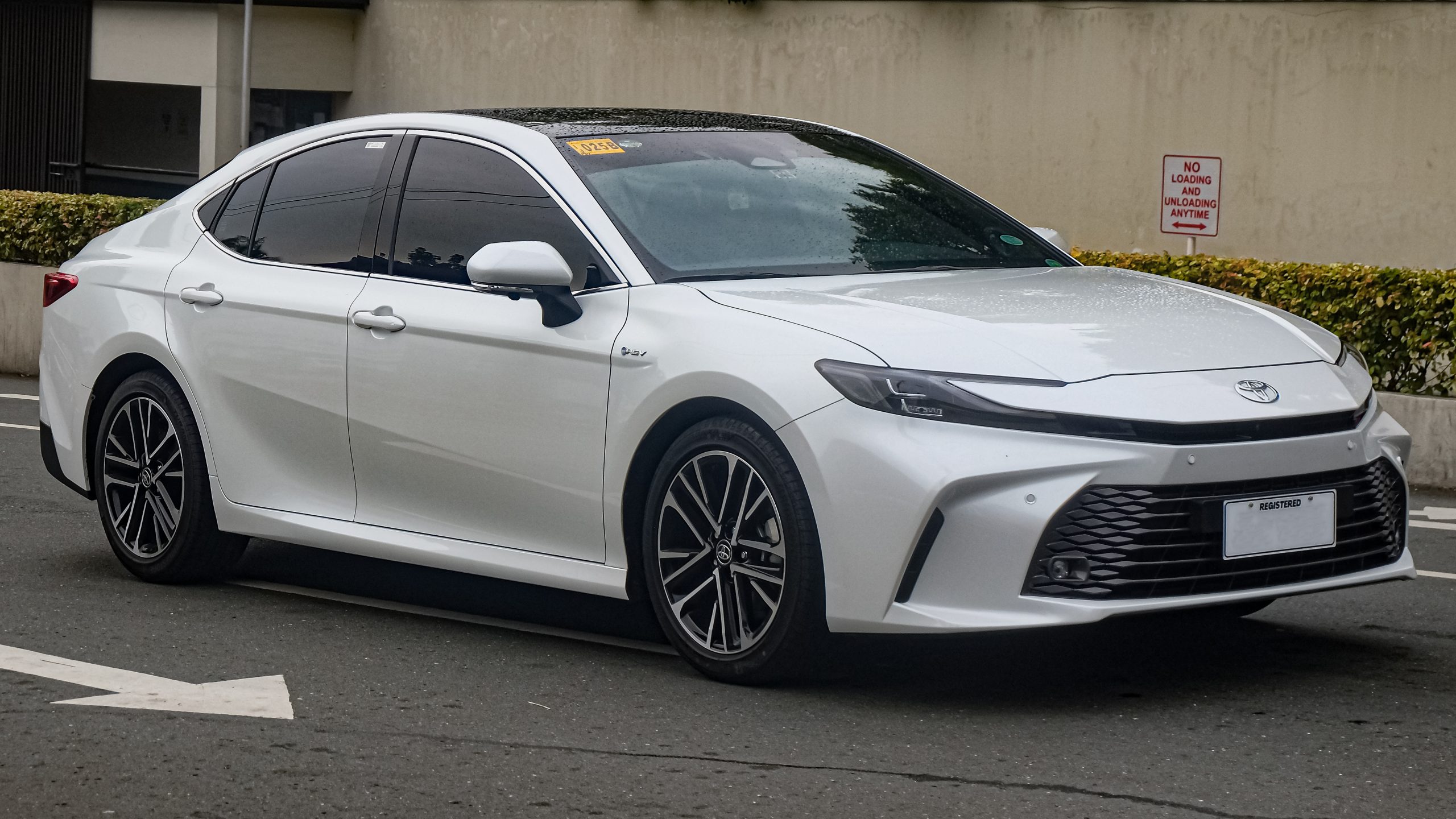
The Toyota Camry has become the automotive equivalent of a reliable friend perhaps not the most exciting personality in the room, but someone you can always count on.
For decades, this midsize sedan has defined what stress-free car ownership should look like, and the latest generations continue this proud tradition with remarkable consistency.
Reliability is where the Camry truly shines. Toyota’s meticulous engineering and quality control mean that Camrys regularly sail past 200,000 miles with nothing more than routine maintenance.
It’s not uncommon to find 15-year-old Camrys still running strong, their odometers displaying numbers that would spell retirement for many other vehicles.
This longevity stems from Toyota’s conservative approach to technology they perfect systems before implementing them rather than rushing to be first to market. The result is tried-and-true components that simply work, year after year.
Maintenance costs remain refreshingly low throughout the Camry’s lifespan. Oil changes, brake pads, and other routine services cost less than average, and the intervals between services are generous.
When repairs do become necessary, parts are abundant and competitively priced. Any mechanic can work on a Camry, meaning you’re not locked into expensive dealership service.
The hybrid variant adds even more value, delivering exceptional fuel economy that saves hundreds annually at the pump while proving just as reliable as the gasoline version.
The ownership experience extends beyond mechanics to practicality. The Camry’s spacious interior comfortably seats five adults, and the trunk swallows luggage with ease.
Modern versions pack impressive technology including Apple CarPlay, Android Auto, and Toyota’s Safety Sense suite of driver assistance features all standard even on base models. The ride quality strikes a beautiful balance between comfort and engagement, making both short commutes and long highway drives pleasant experiences.
Resale value remains strong, another hallmark of easy ownership. Camrys depreciate more slowly than most competitors, meaning when it’s time to sell or trade, you’ll recoup more of your initial investment.
This reliability reputation creates consistent demand in the used market, where buyers actively seek out high-mileage Camrys knowing they’re still good for many more years of service. Insurance costs stay reasonable too, as the Camry’s safety ratings and theft statistics work in owners’ favor.
2. Honda CR-V
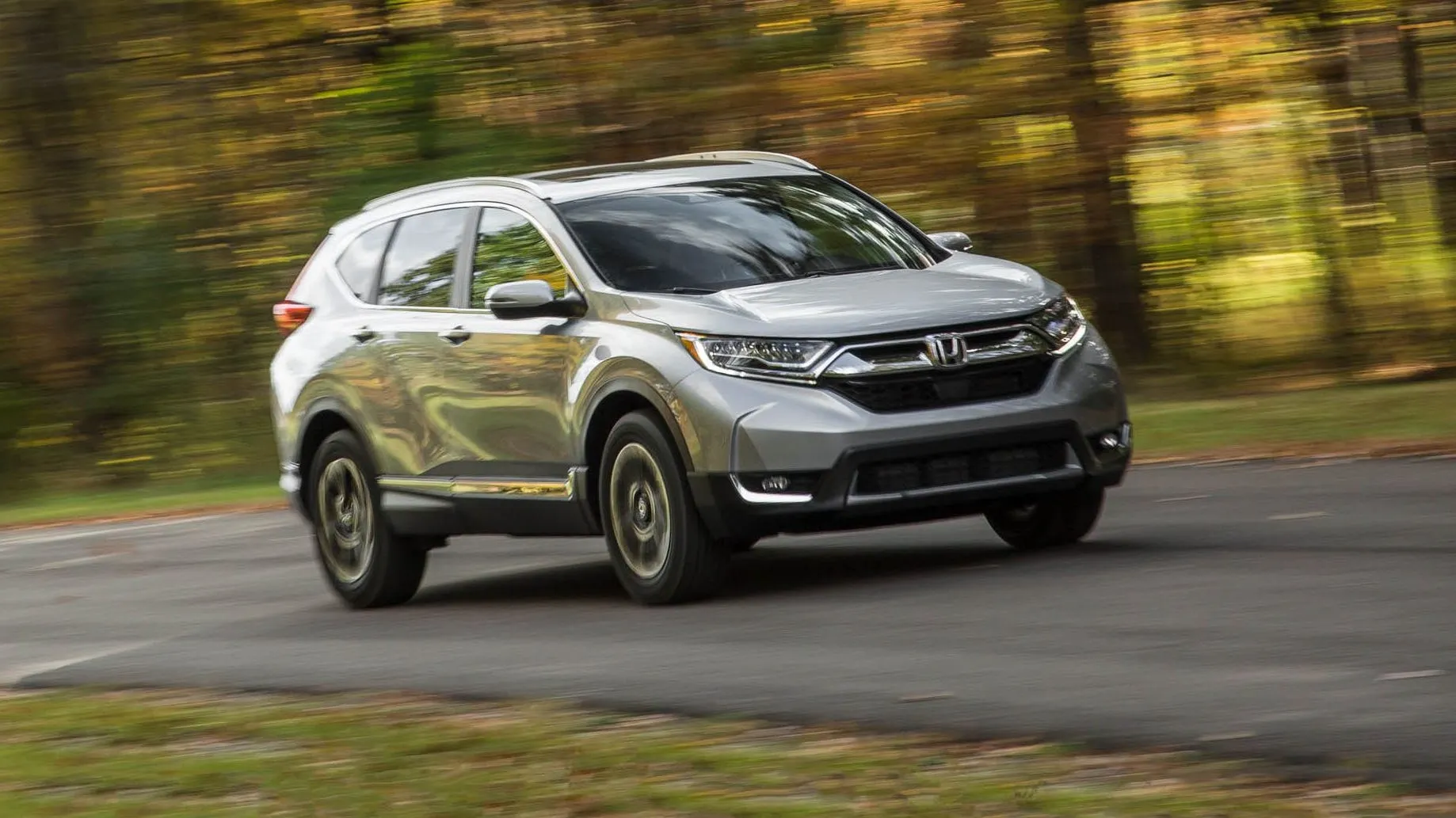
Honda’s CR-V compact crossover represents the sweet spot of modern automotive ownership combining the practicality today’s families need with Honda’s legendary reliability and efficiency.
Since its introduction, the CR-V has consistently ranked among America’s best-selling vehicles, and this popularity stems directly from how easy it makes life for its owners.
Under the hood, the CR-V’s powertrain delivers the perfect blend of performance and dependability. Honda’s naturally aspirated four-cylinder engines, or the available turbocharged variant in newer models, provide adequate power while sipping fuel economically.
These engines are engineered for longevity, with many CR-Vs easily exceeding 250,000 miles with proper care. Honda’s CVT transmission, while sometimes criticized for feel, proves remarkably durable in CR-V applications, avoiding the reliability issues that plague some competitors’ continuously variable transmissions.
Maintenance remains straightforward and affordable. Honda dealers are ubiquitous, but unlike some luxury brands, you’re never required to use them. Independent mechanics happily service CR-Vs, and parts costs stay reasonable even for genuine Honda components.
The CR-V’s design emphasizes accessibility oil changes, air filters, and other routine maintenance items are positioned for easy service, keeping labor costs down. Many owners report nothing but scheduled maintenance for the first 100,000 miles, with no unexpected repairs draining their savings.
The CR-V’s interior design showcases thoughtful engineering that makes daily ownership pleasant. Cargo space is exceptional for the segment, with a low load floor and wide opening that simplifies loading bulky items.
The rear seats fold completely flat, creating a versatile cargo area that rivals some midsize SUVs. Passenger comfort is excellent, with generous headroom and legroom in both rows. Visibility is outstanding, with large windows and slim pillars that make parking and maneuvering stress-free a real advantage in crowded urban environments.
Technology integration keeps the CR-V competitive without introducing complexity that might compromise reliability. Recent models feature Honda Sensing, a comprehensive suite of safety and driver assistance technologies that works unobtrusively in the background.
The infotainment system, while not the flashiest, is intuitive and responsive, with standard smartphone integration that keeps the CR-V feeling modern throughout your ownership experience. Honda’s reputation means strong resale values that protect your investment when it’s time to upgrade.
3. Mazda MX-5 Miata
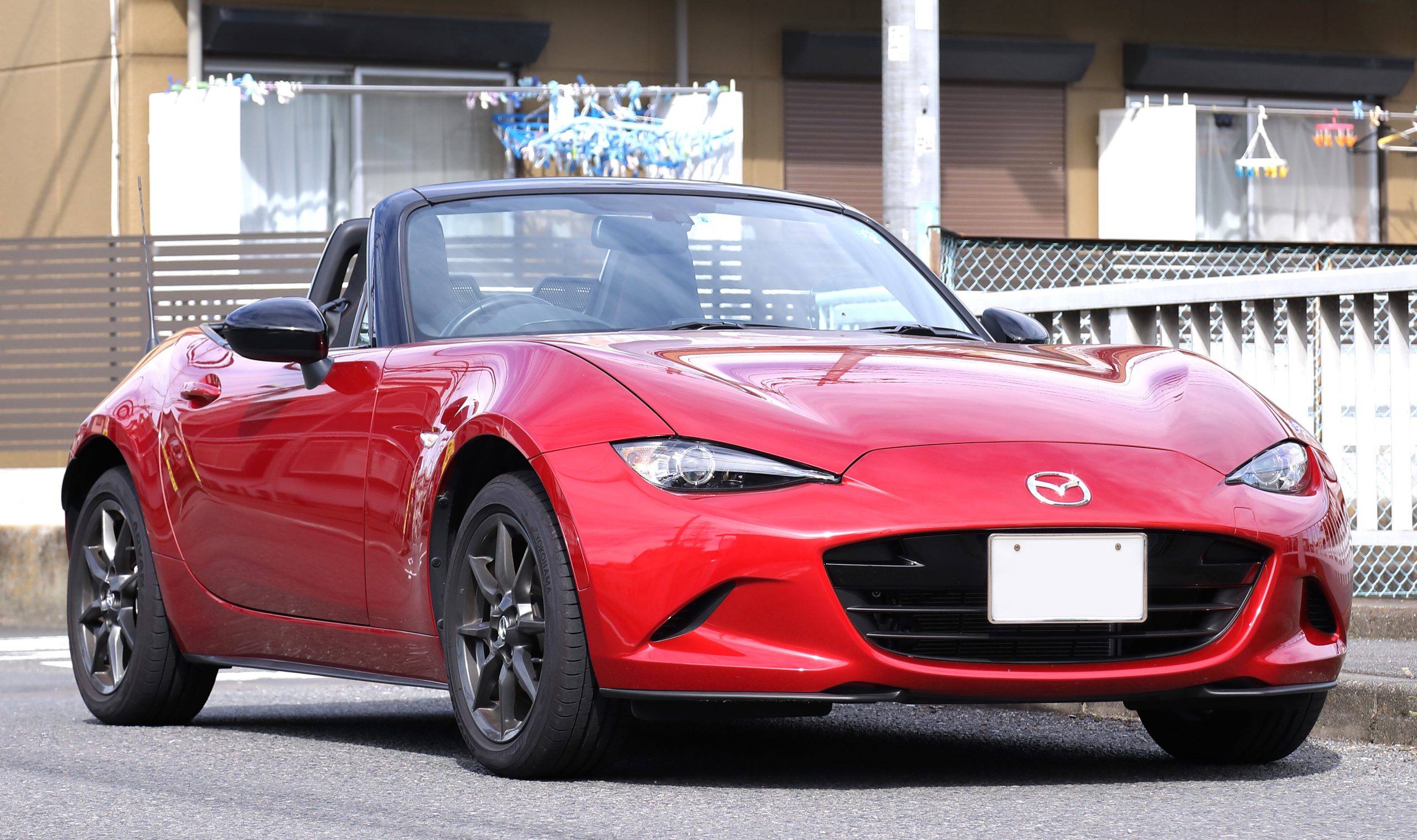
The Mazda MX-5 Miata might seem an unexpected entry on an “easy ownership” list, being a two-seat sports car rather than practical family transportation.
Yet this affordable roadster delivers one of the most satisfying and surprisingly hassle-free ownership experiences in the automotive world, proving that joy and reliability aren’t mutually exclusive.
Mechanically, the Miata is brilliantly simple. Mazda’s naturally aspirated four-cylinder engines are uncomplicated, robust, and thoroughly proven.
There are no turbos to fail, no complex hybrid systems to diagnose, no complicated all-wheel-drive components to service. This simplicity translates directly into reliability Miatas are known for lasting hundreds of thousands of miles with minimal issues.
The manual transmission, which most buyers choose, is one of the best in the business and virtually bulletproof. Even the automatic transmission option proves reliable and responsive.
Maintenance costs stay remarkably low for a sports car. The Miata shares many components with Mazda’s mainstream vehicles, keeping parts prices reasonable. Its lightweight design means it’s gentle on consumables like tires and brakes, which last longer than you’d expect from a sports car.
Oil changes are straightforward, and the engine bay is surprisingly accessible despite the compact proportions. Many Miata owners perform their own maintenance, as the car is mechanically simple enough for enthusiasts with basic tools and skills a rarity in modern automotive design.
The ownership experience transcends mere reliability to encompass pure driving pleasure. Every trip becomes an event with the top down, wind in your hair, and one of the world’s finest manual gearboxes at your fingertips.
The Miata’s balance and handling make even mundane errands entertaining, transforming your daily commute into something you actually look forward to.
This emotional connection keeps owners engaged and attentive to their cars, which paradoxically contributes to better maintenance and longer life.
Practicality, while limited, is better than expected. The trunk accommodates a surprising amount of luggage, and the small size makes parking effortless in crowded cities. Fuel economy is excellent, with most drivers achieving well over 30 mpg in mixed driving. Insurance costs remain reasonable despite the sports car designation, as the Miata’s safety record and low theft rates work in your favor.
The passionate enthusiast community provides extensive online resources, making DIY maintenance easier and troubleshooting any issues straightforward.
Perhaps most remarkably, Miatas depreciate very slowly. The combination of reliability, driving enjoyment, and relatively low production numbers creates strong used market demand.
Well-maintained examples often sell quickly, and pristine low-mileage Miatas can even appreciate in value, particularly first and second-generation models that have achieved modern classic status.
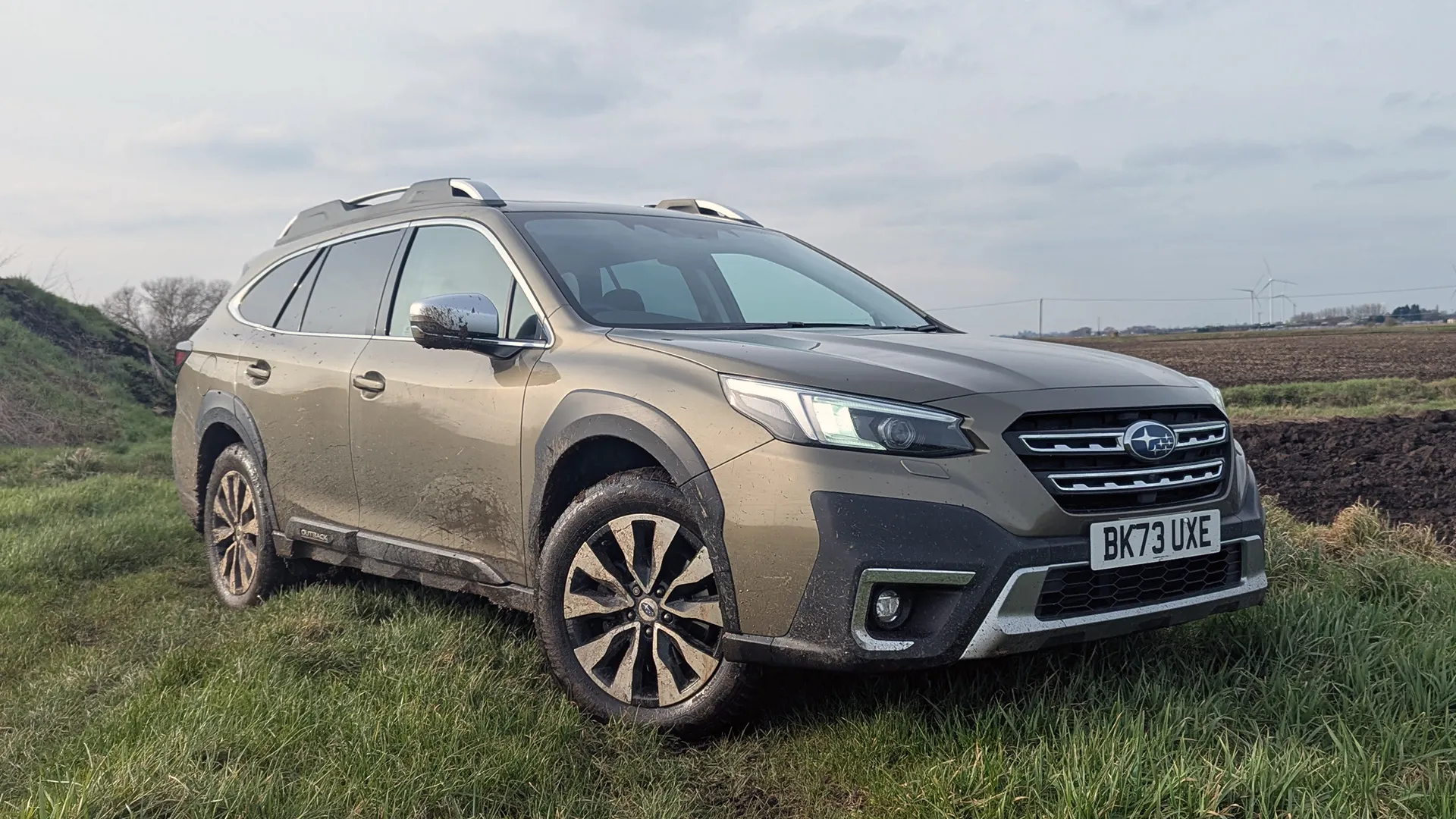
4. Subaru Outback
The Subaru Outback carved out a unique niche as the wagon that thinks it’s an SUV, and in doing so, created an ownership experience that satisfies adventurous spirits without the headaches often associated with more complex off-road vehicles.
This lifted wagon combines genuine all-weather capability with Subaru’s reputation for longevity and owner loyalty the brand consistently ranks highest in owner retention rates.
Subaru’s symmetrical all-wheel-drive system, standard on every Outback, provides confidence in all weather conditions without the complexity and maintenance demands of switchable or truck-based four-wheel-drive systems.
It operates transparently, requiring no driver input, and proves remarkably durable over hundreds of thousands of miles. The boxer engine, mounted low in the chassis, contributes to a low center of gravity that enhances handling while maintaining excellent ground clearance.
These engines, while sometimes criticized for minor oil consumption in certain model years, are generally robust and long-lived when maintained properly.
Maintenance requirements remain reasonable for an all-wheel-drive vehicle. Subaru’s service intervals are generous, and the company’s dealer network provides consistent, quality service.
Independent Subaru specialists have flourished in most regions, offering more affordable alternatives to dealership service without sacrificing expertise. Parts costs stay moderate, and the Outback’s design emphasizes serviceability most routine maintenance items are accessible without extensive disassembly.
The CVT transmission has proven reliable in Outback applications, though some owners prefer the option of a traditional automatic in certain trims.
The Outback’s versatility makes it genuinely useful in diverse situations. The wagon body style provides exceptional cargo capacity that eclipses many traditional SUVs, with a low load floor that simplifies loading heavy items.
The rear seats fold nearly flat, creating a massive cargo area perfect for camping gear, bikes, or home improvement supplies. Yet the refined ride quality and comfortable seating make it equally suitable for daily commuting or long road trips.
The raised ride height and standard all-wheel drive mean accessing trailheads and campsites that would challenge conventional sedans, expanding your recreational possibilities.
Safety is paramount in Subaru’s design philosophy, and the Outback delivers with top crash test ratings and Subaru’s EyeSight driver assistance system standard across the range.
This comprehensive suite includes adaptive cruise control, lane keeping assist, and automatic emergency braking, technologies that were once luxury-car exclusive.
The visibility is excellent, with large windows and good sightlines that reduce stress in traffic and parking situations. Resale values remain strong, as Subaru’s reputation for durability and capability creates consistent demand, particularly in regions with harsh winters or outdoor-oriented populations.
Also Read: Top 10 Affordable JDM Cars That Still Deliver Big Value
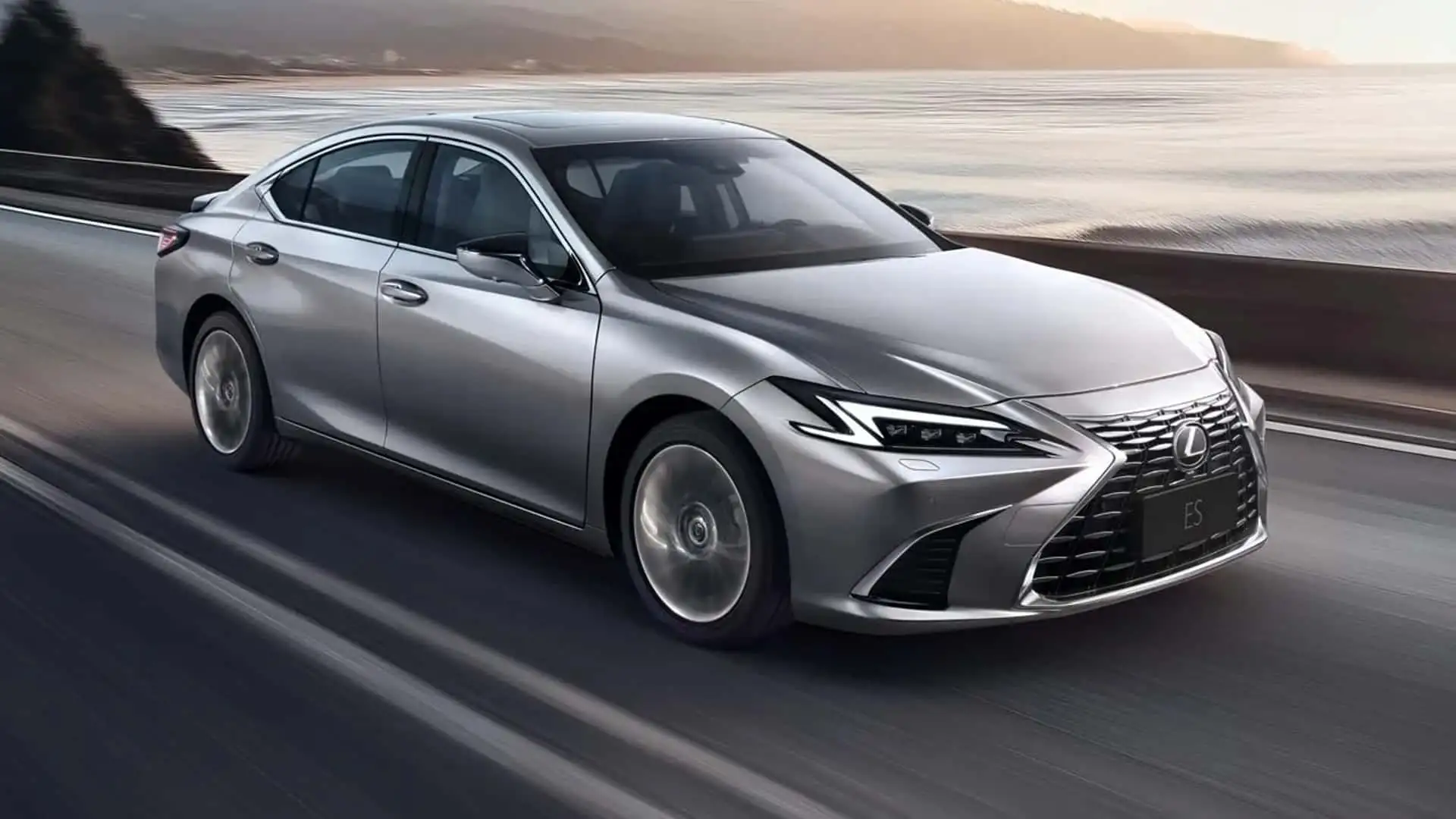
5. Lexus ES
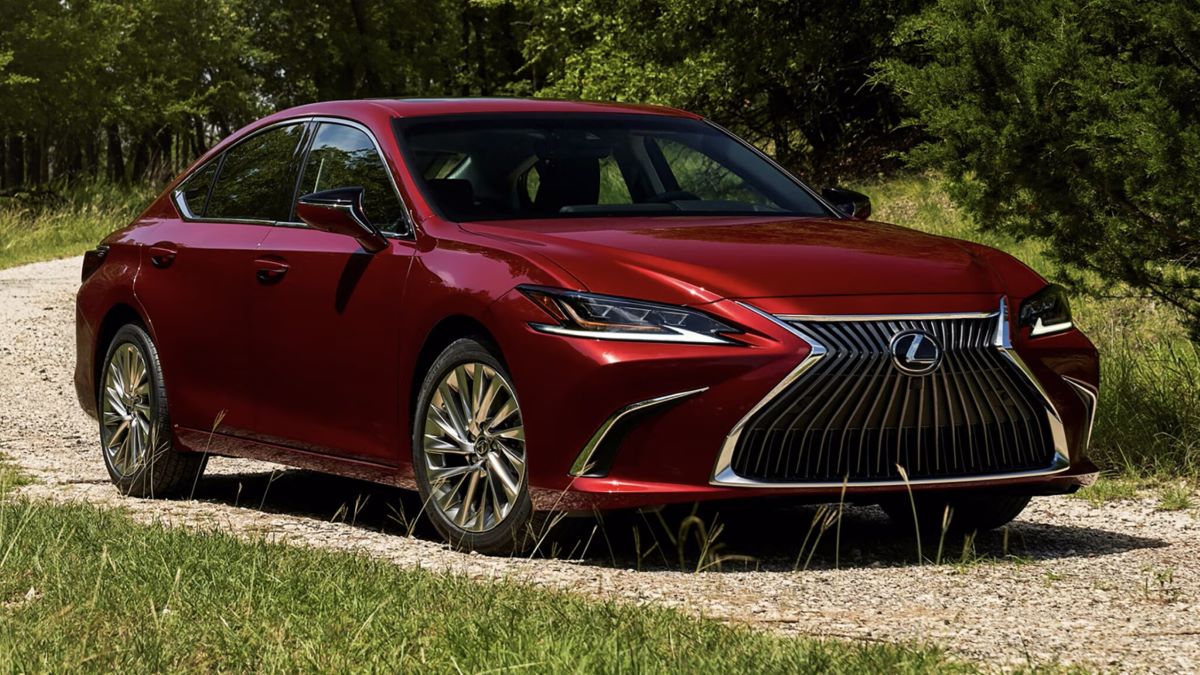
The Lexus ES represents the pinnacle of worry-free luxury ownership, combining Toyota’s legendary reliability with premium materials, refinement, and features.
For buyers who want a luxury experience without the maintenance nightmares often associated with European premium brands, the ES delivers exactly what they’re seeking a serene, dependable automobile that coddles occupants while asking little in return.
At its core, the ES is built on proven Toyota architecture and shares mechanical components with the Avalon and Camry, though extensively refined and upgraded. This Toyota DNA means bulletproof reliability Lexus consistently ranks at the top of reliability surveys, and the ES exemplifies this reputation.
The smooth V6 engine or available hybrid powertrain delivers ample performance while maintaining Toyota’s standards for longevity. Owners regularly report trouble-free operation well into six-figure mileage, with nothing more than routine maintenance required.
Maintenance costs remain surprisingly affordable for a luxury vehicle. While Lexus dealership service isn’t cheap, it’s significantly less expensive than German luxury competitors, and the service intervals are longer. Many ES components are shared with mainstream Toyota products, keeping parts costs reasonable when repairs are needed.
The hybrid variant adds another layer of value, delivering exceptional fuel economy that rivals many compact sedans, saving thousands over the ownership period. Lexus dealers provide loaner vehicles and amenities that make service visits pleasant rather than inconvenient.
The ownership experience emphasizes comfort and refinement at every touchpoint. The cabin is whisper-quiet, with extensive sound deadening that creates a serene environment even on rough pavement or at highway speeds.
Materials quality is exceptional, with soft-touch surfaces and genuine wood or aluminum trim creating an upscale ambiance. The seats are supremely comfortable on long journeys, and the ride quality is supple without being floaty.
Technology integration is comprehensive, with a long list of standard features that remain functional and useful rather than gimmicky.
The ES holds value exceptionally well for a luxury sedan. While all luxury cars depreciate, the ES’s combination of reliability and Lexus’s premium reputation means it retains value better than most competitors. This creates a lower total cost of ownership when you factor in both maintenance savings and stronger resale values.
The comprehensive warranty coverage, including complimentary maintenance for certain periods, further reduces early ownership costs. For buyers seeking a premium vehicle that won’t become a money pit, the ES represents perhaps the safest choice in the luxury segment.
5 Cars That Make Ownership Difficult
These frustratingly complex vehicles suffer from overcomplicated systems and proprietary components that transform routine ownership into constant headaches, creating expensive dealer dependencies through specialized maintenance requirements that independent shops refuse touching while burying simple tasks behind engineering complexity requiring professional intervention for basic procedures.
Their problematic design includes non-standard parts and computerized systems that cannot receive affordable service from trusted local mechanics, leading to mandatory dealership visits for routine maintenance, expensive proprietary fluids required at specific intervals, and simple repairs becoming multi-hour jobs requiring special tools and diagnostic equipment costing thousands.
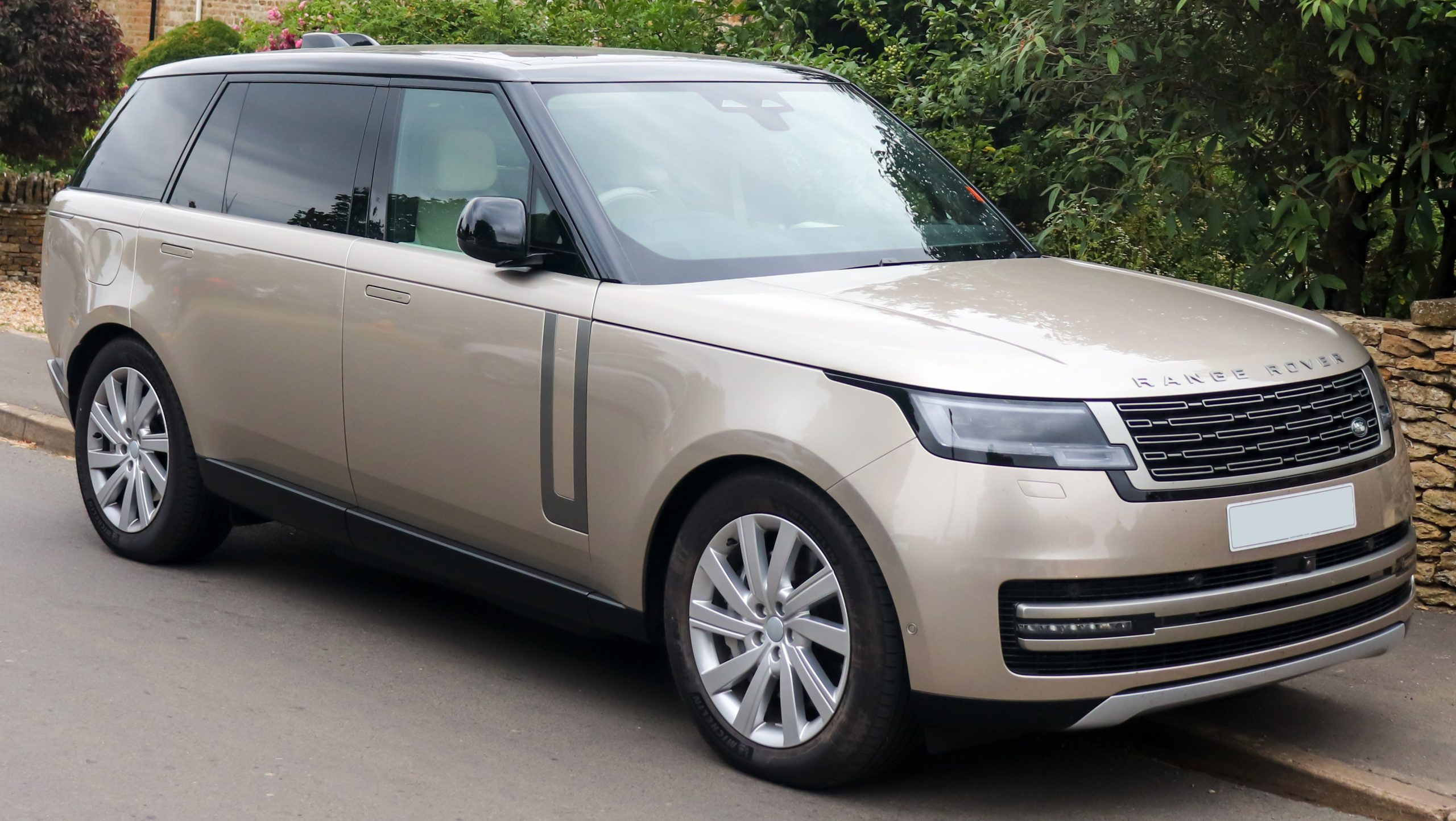
1. Range Rover
Few vehicles project status and capability quite like a Range Rover, but this British luxury SUV’s ownership experience often contradicts its premium image.
While undeniably impressive in design, comfort, and off-road prowess, Range Rovers have earned a notorious reputation for reliability issues that can transform ownership from a pleasure into an expensive ordeal.
The complexity underlying the Range Rover’s sophisticated exterior creates countless potential failure points. The advanced air suspension, while providing an exceptionally smooth ride, is prone to expensive failures leaking air bags and faulty compressors can cost thousands to repair.
The terrain response system, innovative though it is, introduces electronic complexity that even experienced mechanics sometimes struggle to diagnose. Electrical gremlins plague many Range Rovers, with issues ranging from malfunctioning infotainment systems to failing sensors that trigger warning lights and limp modes. These aren’t isolated incidents but patterns reported across multiple model years and generations.
Maintenance and repair costs reach truly staggering levels. Routine service at Land Rover dealerships costs significantly more than mainstream brands, and many independent mechanics refuse Range Rover work due to complexity and liability concerns. When components fail and they will replacement parts carry premium prices that reflect the vehicle’s luxury positioning.
Labor costs skyrocket because accessing many components requires extensive disassembly. A repair that might cost $500 on a Toyota can easily exceed $2,000 on a Range Rover for equivalent work. The specialized tools and diagnostic equipment required mean you’re often locked into dealership service.
Depreciation hits Range Rovers with exceptional severity. The combination of high initial prices and poor reliability reputation means these vehicles lose value faster than almost any other luxury SUV.
A Range Rover that costs $100,000 new might be worth half that in just three years, and after five years, values plummet to fractions of the original MSRP.
This depreciation reflects the used market’s understanding of the ownership risks savvy buyers demand steep discounts to offset anticipated repair costs. Selling a Range Rover privately can be challenging, as potential buyers are increasingly aware of the reliability issues.
The ownership experience is further complicated by the vehicle’s complexity making DIY maintenance virtually impossible for most owners. Simple services require specialized tools and computer interfaces that cost thousands.
The enthusiast community, while passionate, is smaller and less helpful than those surrounding more reliable vehicles, as the barriers to entry for DIY work are so high.
Extended warranties become almost mandatory for peace of mind, but they’re expensive and often come with deductibles and exclusions that still leave owners facing substantial bills. For all its luxury and capability, the Range Rover exemplifies how sophisticated engineering can create an ownership nightmare.
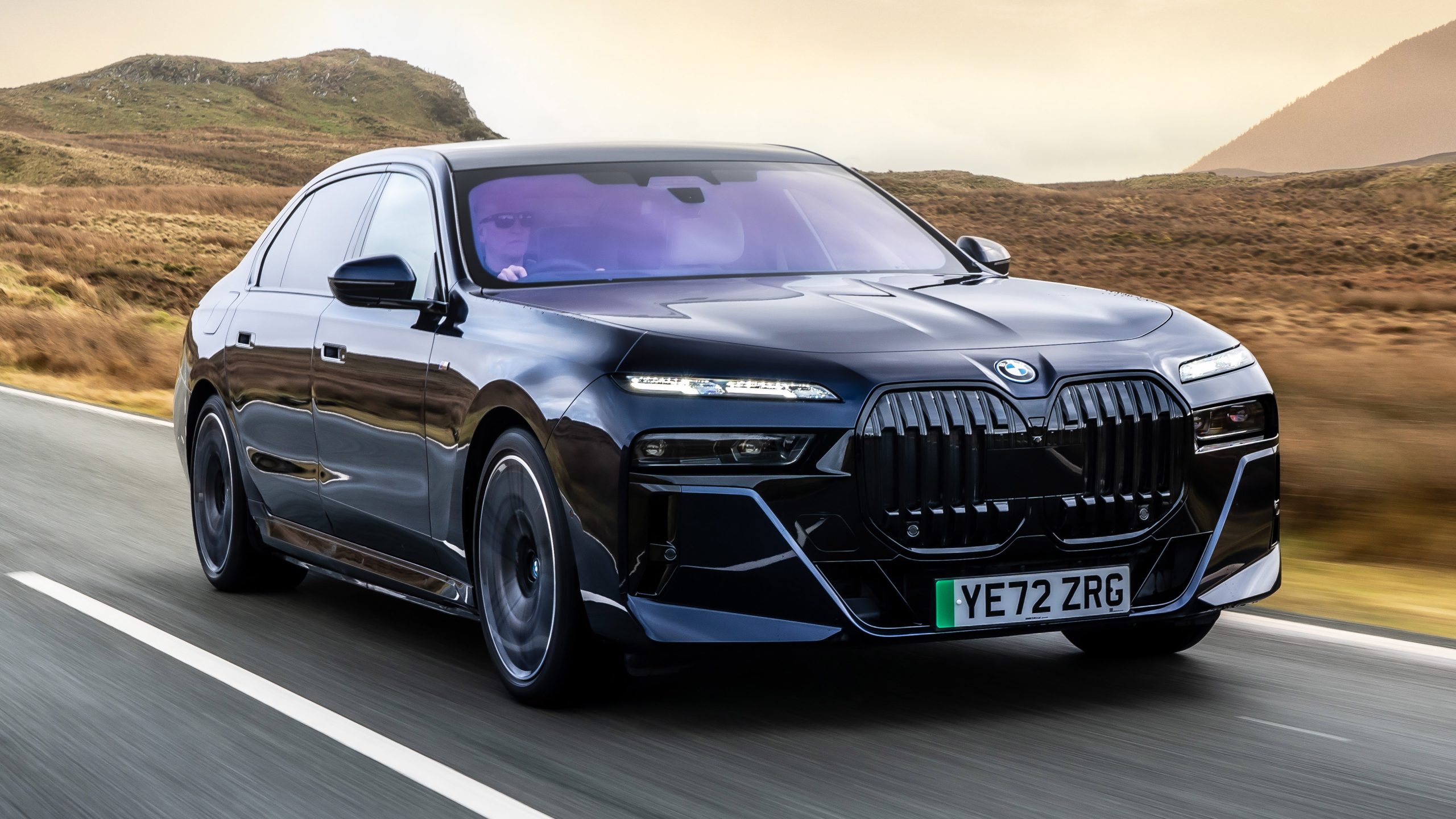
2. BMW 7 Series
BMW’s flagship 7 Series sedan represents the pinnacle of Bavarian luxury and technology, offering cutting-edge features, powerful engines, and driving dynamics that belie its substantial size.
However, this technological tour de force often becomes a financial burden that grows heavier with each passing year, making it one of the most challenging luxury vehicles to own long-term.
The 7 Series is packed with advanced technology that, while impressive when new, becomes a liability as the vehicle ages. Complex systems like the adjustable air suspension, active steering, night vision, gesture controls, and countless electronic assistants all represent potential failure points.
When these systems malfunction and in BMWs, electronic failures are nearly inevitable diagnosis requires expensive dealer visits and specialized equipment.
Repairs often involve replacing entire modules rather than individual components, sending costs into the thousands for single failures. Owners report warning lights becoming a regular occurrence, each requiring dealer diagnosis at $200 or more just to identify the problem.
Maintenance schedules, while lengthier than previous generations, remain expensive. BMW’s synthetic oil requirements, premium brake components, and sophisticated engine management systems all contribute to service costs that dwarf mainstream vehicles. A routine maintenance visit at a BMW dealer can easily exceed $1,000, and that’s without addressing any actual repairs.
Independent BMW specialists offer some savings, but parts costs remain high regardless of who performs the work. The twin-turbo engines, while powerful and efficient, introduce additional complexity and maintenance requirements compared to naturally aspirated motors.
Depreciation on the 7 Series is absolutely brutal. A $100,000 luxury sedan can lose $50,000 in value within the first two years, and the decline accelerates from there. By year five, these vehicles often trade for less than 30% of their original price. This depreciation reflects the market’s understanding that out-of-warranty 7 Series ownership is financially risky.
The complexity and repair costs mean used buyers demand deep discounts, and financing companies assign poor residual values. Leasing becomes the preferred acquisition method, as it allows owners to enjoy the car during the warranty period and return it before major issues arise.
The ownership experience beyond the warranty period becomes genuinely stressful. Repair bills can arrive unexpectedly and frequently, with $3,000-$5,000 repair estimates becoming common as the vehicle ages. The extended warranty options, while providing some protection, are expensive and come with limitations.
Finding qualified mechanics willing to work on complex 7 Series systems can be challenging outside major metropolitan areas. For all its technological brilliance and luxury, the 7 Series exemplifies how advanced engineering can create an ownership experience suitable only for those with deep pockets and high tolerance for expensive surprises.
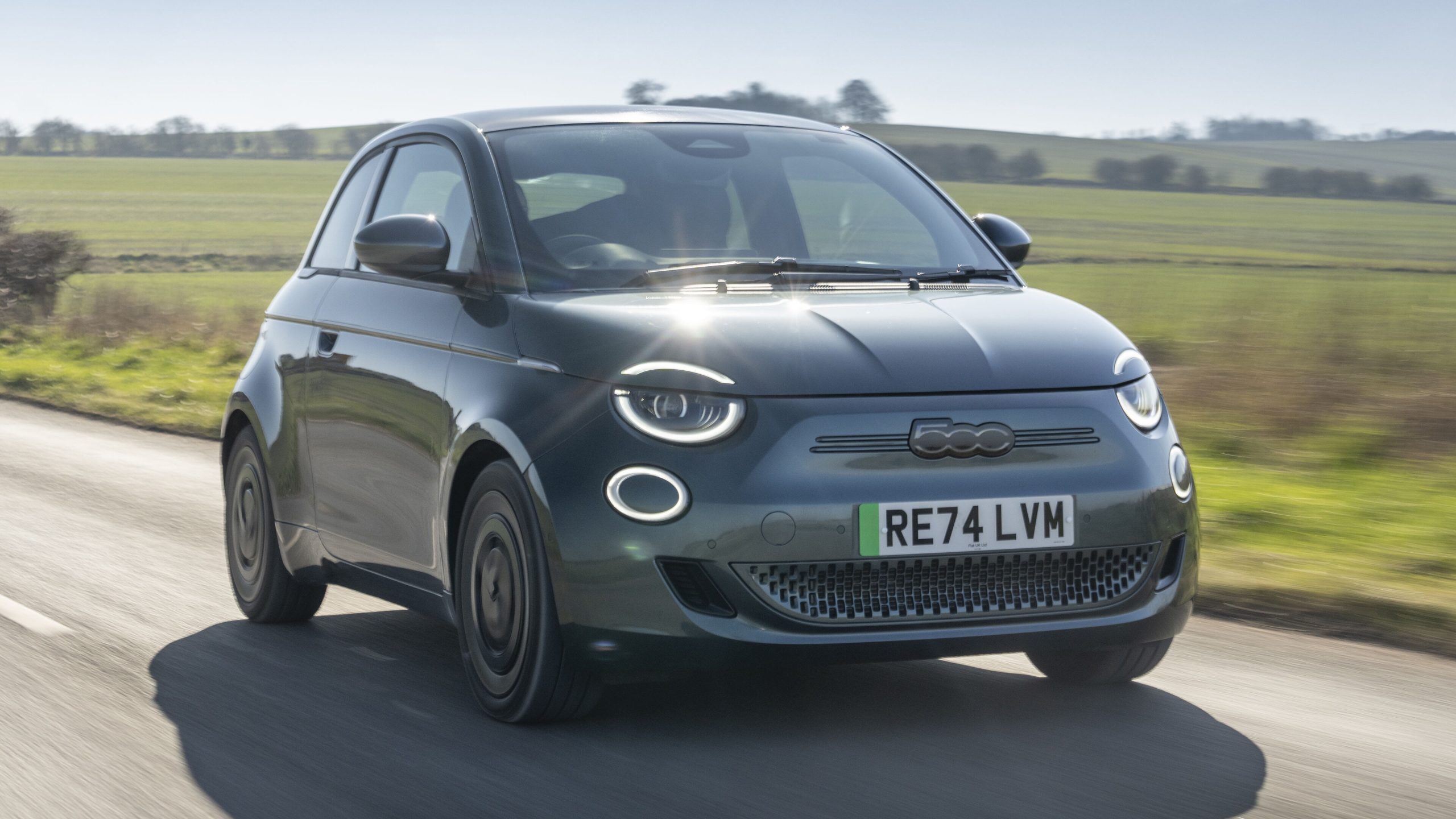
3. Fiat 500
The Fiat 500’s charming retro styling and diminutive proportions captured hearts when it returned to the U.S. market, offering European flair at accessible prices.
Unfortunately, the ownership reality behind the cute exterior often disappoints, as this Italian import has consistently ranked among the least reliable vehicles available, transforming what should be affordable transportation into a source of ongoing frustration and expense.
Reliability issues plague the Fiat 500 across multiple systems and model years. The dual-clutch transmission is particularly problematic, with countless owners reporting jerky operation, premature wear, and complete failures requiring expensive replacement.
Electrical systems prove equally troublesome window regulators fail, door locks malfunction, and mysterious warning lights illuminate with frustrating regularity.
Engine issues aren’t uncommon either, with reports of premature wear, oil consumption, and various component failures. The MultiAir engine technology, while innovative, introduces complexity and maintenance challenges that undermine the car’s intended simplicity and affordability.
The ownership challenges extend beyond mechanical reliability to parts availability and service network limitations. Fiat’s limited dealer network in North America means many owners face substantial drives to reach qualified service centers. Parts can be difficult to source, with long wait times common for both routine maintenance items and repair components.
This scarcity drives up costs and extends repair timelines, leaving owners without transportation for extended periods. Independent mechanics often hesitate to work on Fiat 500s due to unfamiliarity with the brand and difficulty obtaining parts and technical information.
Resale values have collapsed as the 500’s reliability reputation spread. What seemed like an affordable entry point when new becomes a terrible investment when it’s time to sell. Depreciation is severe, with 500s losing value faster than most competitors.
The used market reflects buyer skepticism even low-mileage examples struggle to find buyers at any price. Many owners discover they owe more on their loan than the vehicle is worth, creating negative equity situations that trap them in problematic cars they desperately want to exit.
The ownership experience is further complicated by the vehicle’s small size and limited practicality. While charming for city driving, the tiny dimensions mean limited cargo space, cramped rear seats that adults can barely tolerate, and highway driving that feels precarious in strong winds or around large trucks.
Fuel economy, theoretically a small car strength, disappoints in practice due to the need to work the engine hard to maintain highway speeds. Build quality feels cheap in daily use, with tinny doors, flimsy trim pieces, and construction that doesn’t inspire confidence. The Fiat 500 proves that cute styling cannot overcome fundamental reliability and quality deficiencies.
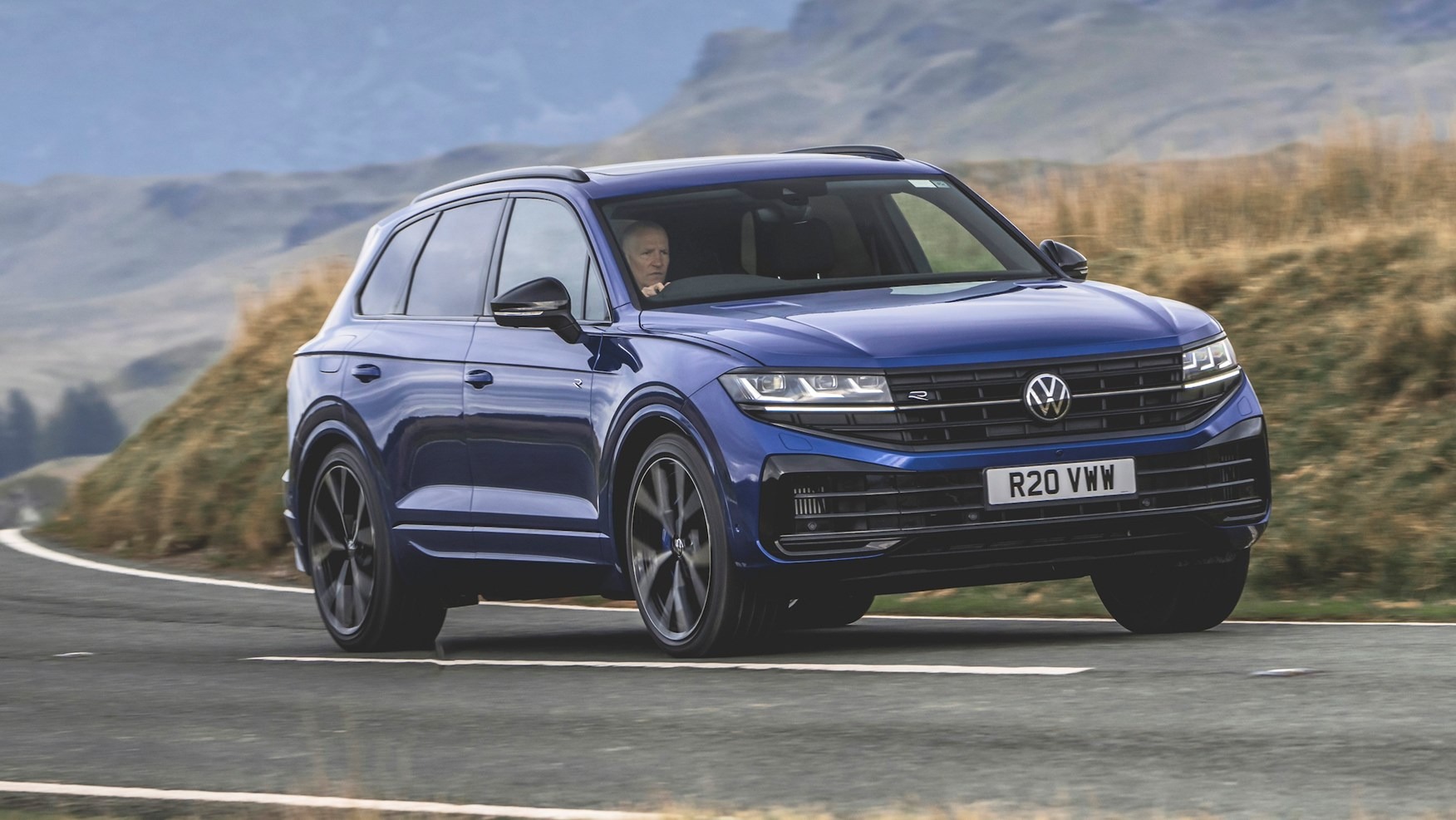
4. Volkswagen Touareg
Volkswagen’s Touareg luxury SUV represents the brand’s aspirations to compete with premium offerings from BMW, Mercedes-Benz, and Audi. Built on the same platform as the Porsche Cayenne and Audi Q7, it features impressive engineering and genuine capability.
However, this sophisticated SUV combines German over-engineering with VW pricing confusion, creating an ownership experience marked by expensive repairs, complex systems, and depreciation that undermines its initial value proposition.
The Touareg’s mechanical complexity creates numerous potential failure points that become expensive realities as the vehicle ages. The air suspension system, while providing an excellent ride, is prone to costly failures involving air compressors, air springs, and control modules.
The advanced four-wheel-drive system, while capable, requires expensive maintenance including transfer case service and differential fluid changes. Engine options have included problematic choices like the V10 diesel, which offers incredible torque but horrendous reliability and maintenance costs.
Even the more conventional V6 and V8 gasoline engines feature complexity like variable valve timing, direct injection, and forced induction that increase service requirements and repair costs.
Maintenance expenses rival or exceed those of traditional luxury brands despite VW’s positioning as a mainstream manufacturer. Routine service at VW dealers costs significantly more than competing brands like Honda or Toyota, and the service intervals, while extended, don’t offset the higher per-visit costs.
When repairs become necessary, parts prices shock owners expecting VW-level costs but facing near-Porsche pricing. Labor costs remain high because working on the Touareg requires specialized knowledge and tools the shared platform with Cayenne and Q7 means complexity designed for luxury buyers with different cost expectations.
Depreciation hits the Touareg particularly hard because it occupies an awkward position in the market. Too expensive for mainstream buyers when new, it lacks the prestige badges that luxury buyers seek.
This creates limited demand for used examples, forcing prices downward rapidly. A Touareg that cost $60,000 new might struggle to fetch $20,000 after five years, a depreciation curve that destroys value faster than most competitors.
The reliability reputation further suppresses used values, as informed buyers avoid these complex SUVs unless priced to reflect anticipated repair costs.
The ownership experience becomes particularly challenging for second and third owners who purchase used Touaregs at seemingly attractive prices. The discounted purchase price doesn’t change the reality of expensive repairs and maintenance.
A $15,000 used Touareg still requires $200 oil changes, $2,000 brake jobs, and $4,000 air suspension repairs costs better suited to its original $60,000 pricing than its depreciated value.
Parts availability can be challenging, and finding mechanics willing to work on Touaregs at reasonable rates proves difficult. For all its capabilities and engineering sophistication, the Touareg exemplifies how complexity and unclear brand positioning can create ownership challenges.
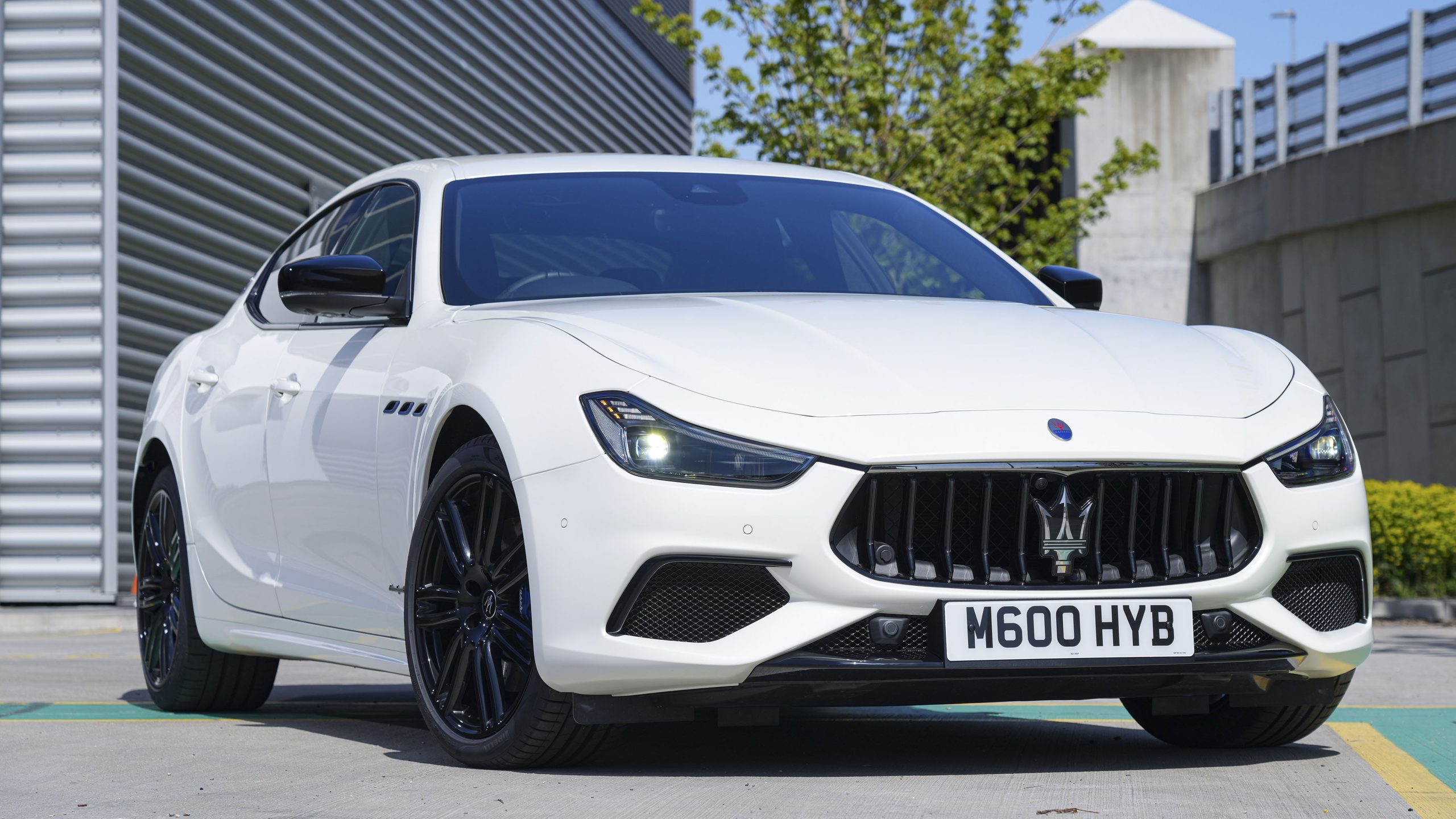
5. Maserati Ghibli
The Maserati Ghibli entered the market as the Italian brand’s attempt to challenge German luxury sport sedans with exotic flair at a more accessible price point.
While undeniably beautiful and sonorous, with an engine note that stirs souls, the Ghibli’s ownership reality falls dramatically short of its romantic image, combining questionable reliability with punishing depreciation and maintenance costs that shock even seasoned luxury car owners.
Reliability issues permeate the Ghibli across multiple systems and model years. Electrical problems top the complaint lists, with infotainment systems freezing, sensors failing, and various electronic glitches requiring dealer diagnosis and repair.
The transmission sourced from ZF, like many competitors, but seemingly poorly integrated, exhibits rough shifting, premature wear, and occasional complete failures.
Build quality disappoints, with interior trim pieces that rattle or detach, exterior panel gaps that vary widely, and an impression of construction that doesn’t match the vehicle’s premium pricing.
These aren’t isolated incidents but recurring patterns reported across owner forums and reliability surveys, where Maserati consistently ranks near the bottom.
Maintenance and repair costs reach truly astronomical levels. Routine service at Maserati dealers costs multiples of mainstream luxury brands an oil change can exceed $400, brake service can approach $3,000, and any significant repair easily reaches five figures. The limited dealer network means many owners face substantial drives to reach authorized service centers.
Parts availability is poor, with long wait times common even for routine components. Independent mechanics rarely work on Maseratis due to limited demand, specialized tool requirements, and difficulty obtaining parts and technical information.
Extended warranties become essential but expensive, and even they come with deductibles and exclusions that leave owners exposed to significant costs.
Depreciation on the Ghibli is nothing short of catastrophic. These vehicles lose value faster than almost any car on the market, with 50-60% depreciation in the first three years being typical.
A $80,000 Ghibli can be worth just $30,000 after three years, and values continue plummeting from there. This reflects the market’s understanding that Ghibli ownership outside warranty is financially dangerous.
Used buyers demand deep discounts to offset repair risk, and the limited demand means sellers often wait months to find buyers. Lease residuals are terrible, financing companies assign poor values, and trade-in offers from dealers typically shock owners expecting better returns on their luxury investment.
The ownership experience is further compromised by the vehicle feeling less special than its exotic badge suggests. Interior materials and design, while stylish, don’t match German competitors in quality or sophistication. The infotainment system is generations behind class leaders. Fuel economy is poor, and the sedan requires premium fuel.
The Ghibli proves that a beautiful exterior, Italian heritage, and stirring exhaust note cannot overcome fundamental issues with reliability, build quality, and cost of ownership. For most buyers, the brief pleasure of owning a Maserati is overwhelmed by the financial pain and frustration of maintaining one.
