Supercars are often remembered for dramatic styling, extreme performance, and the sense of occasion they create. Yet at the heart of every truly legendary supercar lies an engine that defines its character.
While design and handling matter, it is often the powerplant that turns a fast car into an icon. Sound, responsiveness, and engineering brilliance can elevate a machine into something unforgettable.
In earlier decades, manufacturers were not limited by the same regulations that shape modern engines. Engineers experimented with large displacements, high revving designs, and exotic materials.
The result was a generation of supercars whose engines were not only powerful but also full of personality. Some delivered spine tingling exhaust notes, while others amazed drivers with smoothness and relentless acceleration.
These engines often represented the peak of what a brand could achieve at the time. They were built with racing knowledge, cutting edge technology, and a willingness to push boundaries. Many became so influential that they defined entire eras of performance cars and inspired future generations of engineers.
Unlike modern turbocharged units that sometimes trade character for efficiency, these older engines often had a raw, mechanical feel. Drivers could sense every vibration, hear every intake note, and feel power build in a dramatic, linear fashion. That connection created emotional experiences that are still talked about decades later.
The following ten supercars stand out not only for their looks or speed, but for engines that became legends in their own right. We begin with two icons whose powerplants changed the perception of what a road going performance car could be.
Also Read: Top 10 Affordable Sports Cars That Can Reach 500,000 Miles
1. Ferrari F40
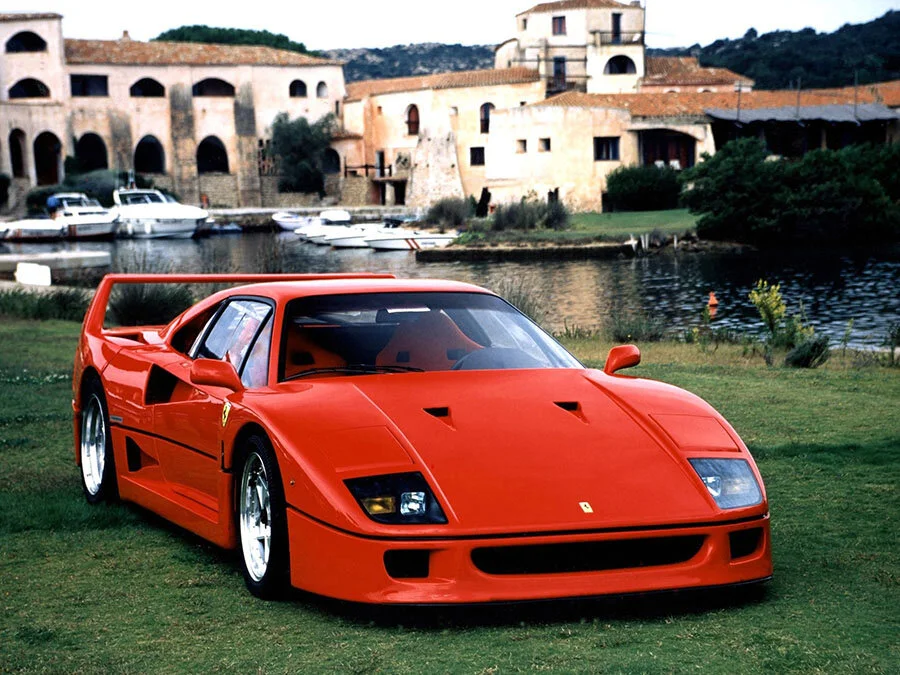
The Ferrari F40 is often considered one of the most iconic supercars ever built, and much of that reputation comes from its extraordinary engine.
Created to celebrate Ferrari’s fortieth anniversary, the car was designed with a strong racing influence and minimal compromises. At its core sat a twin turbocharged V8 that delivered a raw and unforgettable driving experience.
The 2.9 liter V8 was derived from Ferrari’s racing knowledge and built with performance as the top priority. It used lightweight materials and advanced engineering to produce power that felt explosive for its time.
Turbochargers delivered strong boost, creating a dramatic surge of acceleration once they came alive. Drivers often describe the experience as intense and demanding, with little in the way of electronic assistance.
What made this engine truly special was not just the numbers, but the sensation it created. There was noticeable turbo lag followed by a powerful rush that pinned occupants into their seats. The sound combined mechanical whine, induction noise, and a deep exhaust note that gave the car a unique voice among supercars.
Ferrari kept the engine bay focused on function rather than beauty. Every component was there to serve performance, and the lack of insulation meant drivers heard everything the engine was doing. This connection between machine and driver became a defining part of the F40’s character.
The engine also represented the end of an era. It was one of the last Ferrari supercar engines developed without heavy electronic controls. Power delivery felt raw and unfiltered, which made the car both thrilling and challenging to drive quickly.
Reliability required careful maintenance, but when properly looked after, the engine proved robust enough for spirited use. Its racing roots meant it was built to handle stress, and many examples continue to run strongly decades later.
The Ferrari F40’s engine helped redefine expectations for road cars. It proved that a street legal machine could deliver race car levels of excitement.
That combination of performance, sound, and emotion is why the F40 remains legendary, with its twin turbo V8 standing as one of the most unforgettable engines ever placed in a supercar.
2. Lamborghini Miura
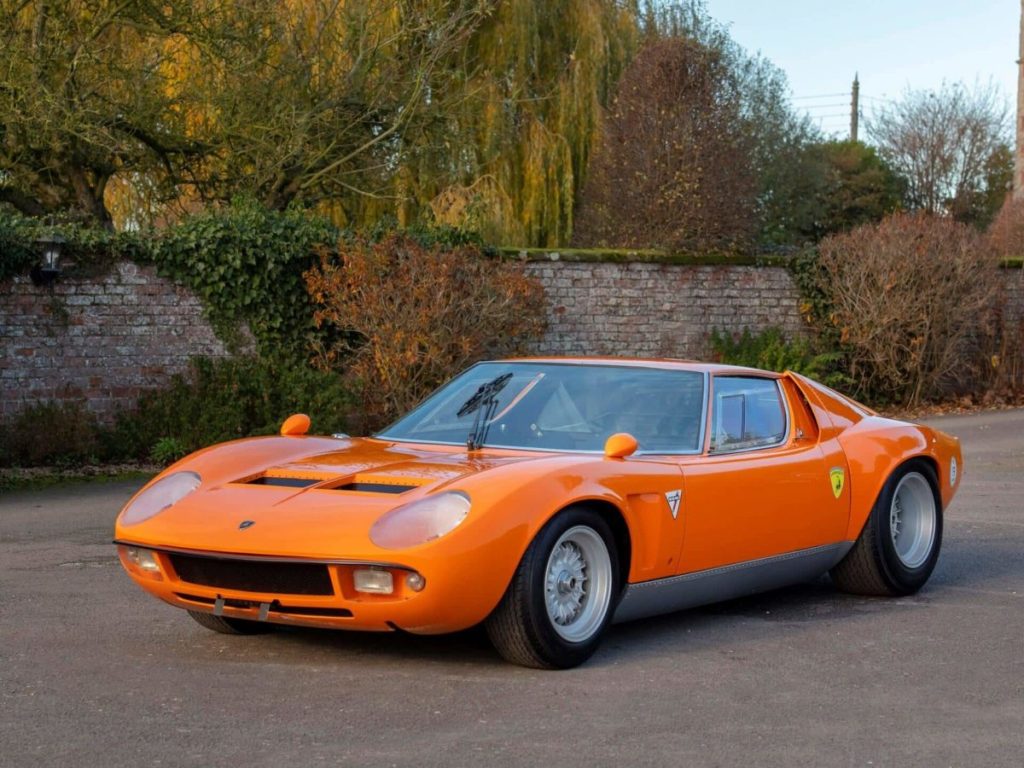
The Lamborghini Miura is widely credited with establishing the modern supercar layout, placing a powerful engine behind the driver in a mid engine configuration. Its V12 engine became one of the most celebrated powerplants of its era, combining beauty, performance, and innovation in a way few cars had achieved before.
The Miura’s 3.9 liter V12 was mounted transversely, a daring engineering choice at the time. This compact arrangement allowed Lamborghini to create a low, sleek body while still fitting a large displacement engine. The design was both technically impressive and visually striking, as the engine itself looked like a piece of mechanical art.
Performance from the V12 was exceptional for its day. The engine delivered smooth, strong power across the rev range, and its free revving nature gave the car a lively, responsive feel. Acceleration felt dramatic, and the car quickly became known as one of the fastest road cars in the world.
Sound played a huge role in the engine’s legend. The V12 produced a rich, high pitched wail that grew more intense as revs climbed. Combined with the engine’s position close behind the cabin, this created an immersive experience that few other cars could match.
The Miura’s engine was not just about speed, but also about sophistication. Lamborghini engineers focused on smoothness and refinement, which helped set the car apart from more rugged performance machines. Even at lower speeds, the engine felt special.
However, the innovative layout also created challenges. Heat management and service access were more complicated than in traditional front engine cars. Owners needed skilled technicians to keep the engine in top condition. Despite these difficulties, the engine’s performance and character outweighed the drawbacks.
The Miura’s V12 became a symbol of Lamborghini’s bold engineering spirit. It showed that supercars could combine stunning design with equally dramatic mechanical components.
Decades later, the Miura remains one of the most admired classic supercars, and its V12 is remembered as one of the engines that shaped the identity of the brand.
3. Porsche 959
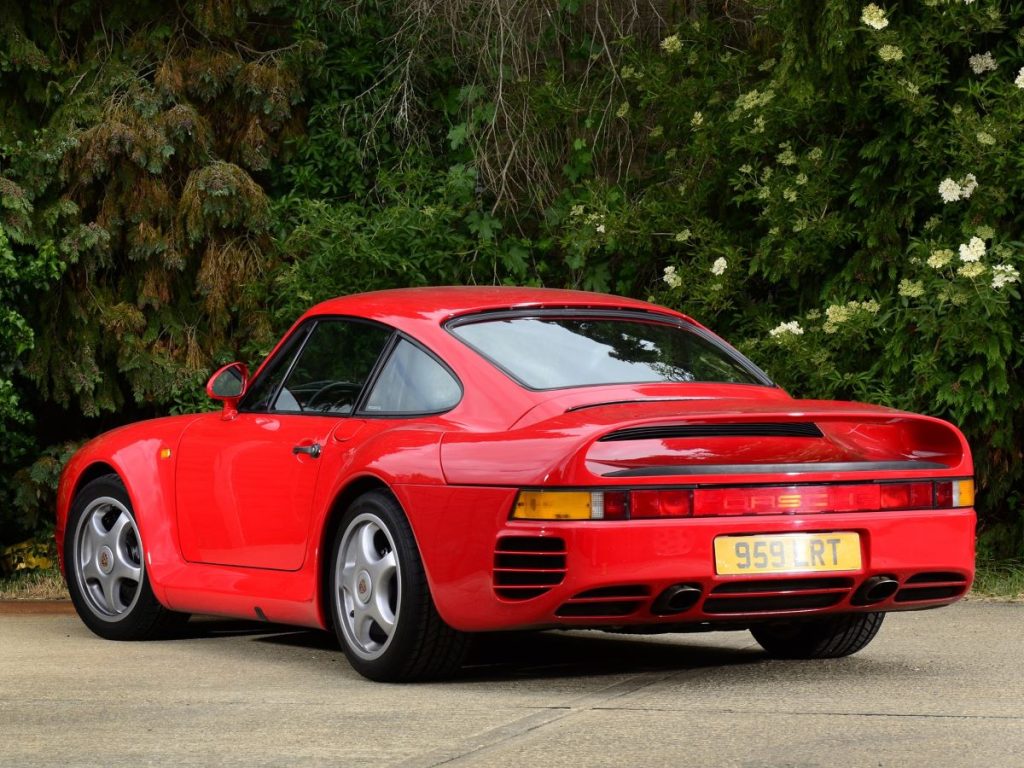
The Porsche 959 is often remembered for its advanced technology and groundbreaking performance, but at the center of its brilliance was a remarkable engine that helped define the car’s legendary status.
Developed during a period when Porsche was pushing engineering boundaries, the 959’s twin turbocharged flat six became one of the most sophisticated powerplants of its era.
The engine was based on Porsche’s racing experience, particularly from endurance competition. It featured a 2.85 liter displacement and twin turbochargers arranged in a sequential system.
This setup allowed the engine to deliver strong power at both low and high engine speeds, reducing the sudden surge that earlier turbo engines were known for. The result was smoother, more controllable performance that felt far ahead of its time.
Lightweight materials and careful engineering played a major role in the engine’s character. Components were designed to handle high stress while keeping weight down.
This balance helped the car achieve impressive acceleration and top speed while maintaining durability. For a car packed with new technology, the engine proved surprisingly robust when properly maintained.
Sound and responsiveness added to the experience. The flat six layout gave the engine a distinctive tone that grew more urgent as revs climbed. Turbochargers added a subtle whistle and a strong push of power that felt relentless rather than sudden. Drivers could feel the engine building momentum in a way that made the car both fast and confidence inspiring.
The engine also worked seamlessly with the 959’s advanced all wheel drive system. Power delivery was managed carefully, allowing the car to put its performance to the ground effectively. This combination of engine and drivetrain technology helped the 959 achieve levels of traction and stability that few cars could match at the time.
Maintenance and servicing were more complex than on simpler sports cars, but the engine’s underlying strength meant it could handle spirited driving without constant mechanical drama. Owners who kept up with proper care found the engine to be a reliable partner in delivering extraordinary performance.
The Porsche 959’s engine represented a turning point in supercar design. It showed that turbocharged engines could be both powerful and refined. Decades later, the 959 remains an icon of innovation, and its twin turbo flat six stands as one of the most advanced and influential supercar engines of its generation.
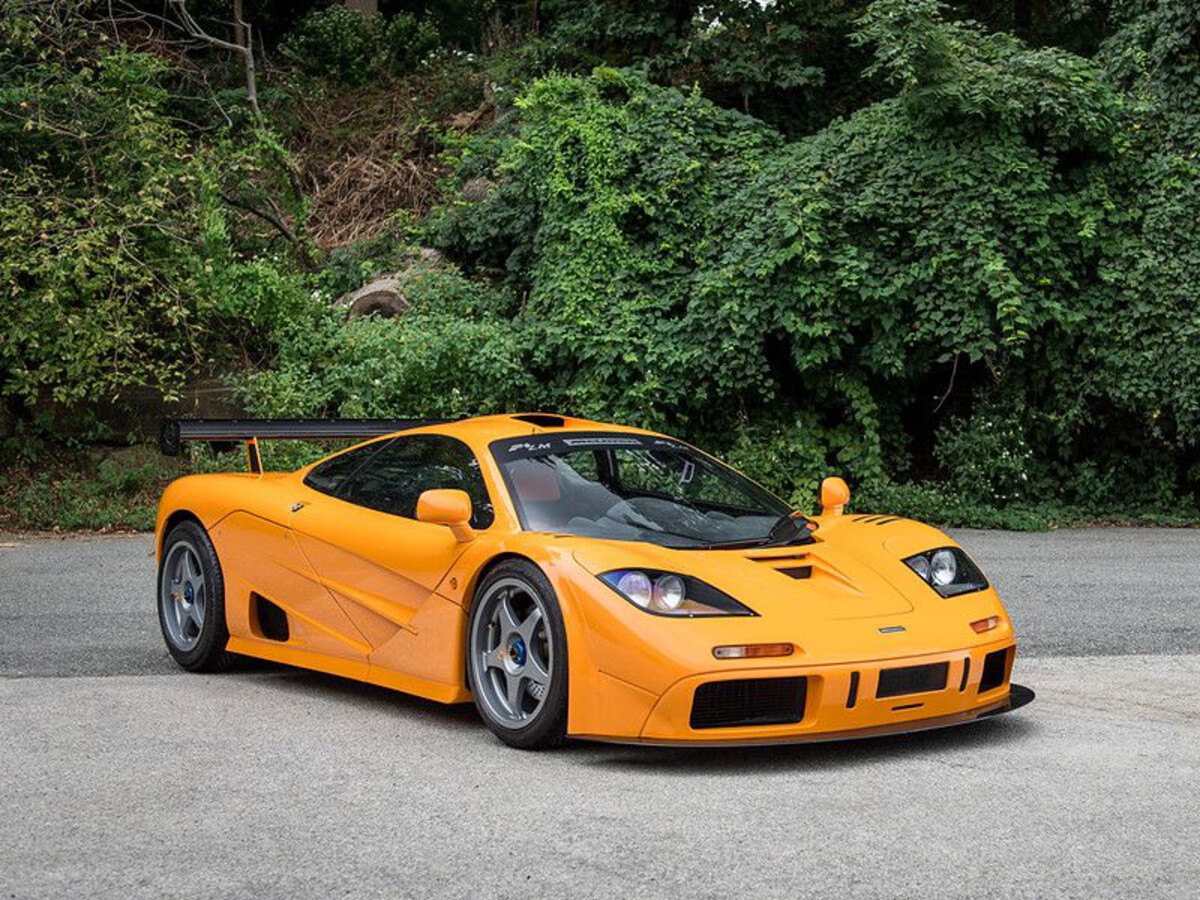
4. McLaren F1
The McLaren F1 is widely regarded as one of the greatest supercars ever built, and a major reason for that reputation is its extraordinary engine. Instead of using a turbocharged setup, McLaren chose a naturally aspirated V12 developed by BMW Motorsport.
The result was a powerplant that combined immense performance with smoothness and reliability rarely seen in extreme performance cars.
The 6.1 liter V12 was engineered specifically for the F1 and built with meticulous attention to detail. Lightweight materials such as aluminum and advanced alloys were used throughout the engine.
Even the engine bay was lined with gold foil to reflect heat, showing the level of care taken in its design. Every component was crafted to balance power, durability, and low weight.
One of the most remarkable aspects of the engine was its responsiveness. Without turbochargers, power delivery was immediate and linear. Drivers could feel a direct connection between the throttle pedal and the engine’s output. As revs climbed, the V12 produced a smooth and powerful surge that continued all the way to its high redline.
The sound of the engine became legendary. At lower speeds, it emitted a deep, refined tone. As the engine revved higher, the sound transformed into a sharp, mechanical howl that filled the cabin. This acoustic character added emotional depth to every drive, making the experience unforgettable.
Despite its performance focus, the engine was also engineered for reliability. McLaren wanted the F1 to be usable on the road, not just on the track. As a result, the engine was tested extensively to ensure it could handle long distances and demanding conditions. Many examples have accumulated significant mileage without major internal issues.
The engine’s power helped the F1 achieve performance figures that stood at the top of the supercar world for years. Combined with the car’s lightweight construction and aerodynamic efficiency, the V12 made the F1 one of the fastest production cars of its time.
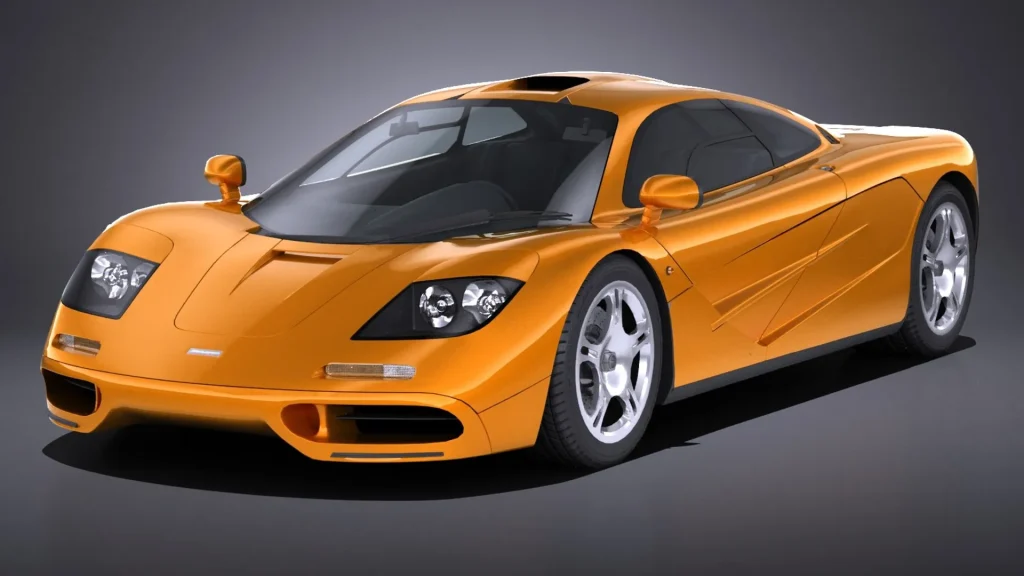
The McLaren F1’s engine represents a perfect blend of engineering precision and emotional appeal.
It delivered immense power without forced induction, maintained reliability, and produced one of the most memorable exhaust notes in automotive history. This combination is why the F1 and its BMW sourced V12 remain legendary among supercars.
5. Bugatti EB110
The Bugatti EB110 represented a dramatic revival of the Bugatti name in the early 1990s, and at the heart of this ambitious supercar was one of the most technically fascinating engines ever built.
Designed to compete with the most advanced performance machines of its time, the EB110’s quad turbocharged V12 delivered both complexity and breathtaking performance.
The engine was a 3.5 liter V12 fitted with four turbochargers, an extraordinary setup even by modern standards. Each bank of cylinders had its own pair of turbos, allowing the engine to produce huge power while maintaining relatively smooth delivery.
This configuration required precise engineering and showcased Bugatti’s desire to create something truly special rather than follow conventional solutions.
One of the engine’s most impressive qualities was its ability to rev freely while still producing immense torque. Many turbocharged engines of the era felt peaky or laggy, but the EB110’s powerplant managed to combine strong top end performance with usable midrange thrust. Drivers experienced relentless acceleration that felt both refined and ferocious.
The engine also featured advanced materials and construction techniques. A lightweight design helped keep overall vehicle mass in check, while internal components were built to handle high boost pressures. This focus on strength and efficiency allowed the engine to sustain extreme performance without constant mechanical issues when properly maintained.
Sound was another defining feature. The V12 emitted a complex mix of intake noise, turbo whistle, and a high pitched exhaust note that set it apart from naturally aspirated rivals. The result was an engine that sounded as dramatic as it felt from behind the wheel.
Despite its sophistication, the engine proved more reliable than many expected, especially considering its output. Regular servicing and careful ownership were essential, but the underlying engineering quality helped it avoid the fragility often associated with highly boosted supercar engines of the period.
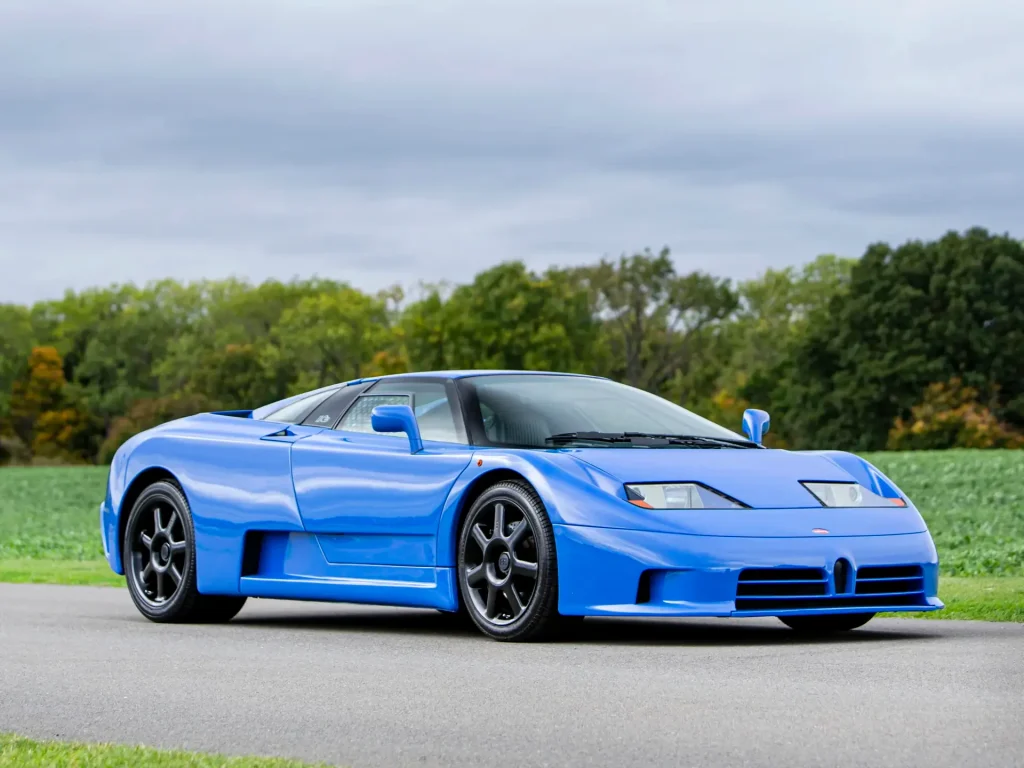
The EB110’s engine embodied the spirit of early 1990s supercar innovation. It combined multiple turbochargers, high rev capability, and advanced materials in a way that few others attempted.
This technical boldness, paired with thrilling performance, ensures the EB110 remains a legendary supercar with one of the most incredible engines ever created.
6. Honda NSX First Generation
The first generation Honda NSX changed the supercar world by proving that exotic performance could be combined with everyday reliability. Central to its success was a brilliantly engineered V6 engine that delivered high revving excitement along with the durability Honda was known for.
The 3.0 liter V6 featured advanced technology that was rare in supercars at the time. It used lightweight aluminum construction and variable valve timing to achieve a balance of power and efficiency. Unlike many exotic engines that required constant attention, this powerplant was designed to start reliably and operate smoothly in daily driving conditions.
One of the engine’s standout traits was its willingness to rev. It delivered power in a linear and predictable way, building intensity as the tachometer climbed. Drivers enjoyed a sense of precision and control that made the car both thrilling and approachable. The high redline encouraged spirited driving without feeling temperamental.
The sound of the engine was equally memorable. While not as thunderous as a large V12, it produced a sharp, mechanical note that grew more urgent at higher revs. Combined with the car’s lightweight chassis, the engine created a balanced and engaging driving experience.
Durability became a key part of the NSX legend. Many owners used their cars regularly without the frequent breakdowns that plagued some European exotics. Routine maintenance was still necessary, but the engine proved capable of long service life, which was unusual in the supercar segment.
The engine also reflected the influence of racing technology. Lightweight internals and precise engineering gave it a responsive feel that made it ideal for both road and track use. Yet it retained the smoothness and refinement expected from a Honda product.
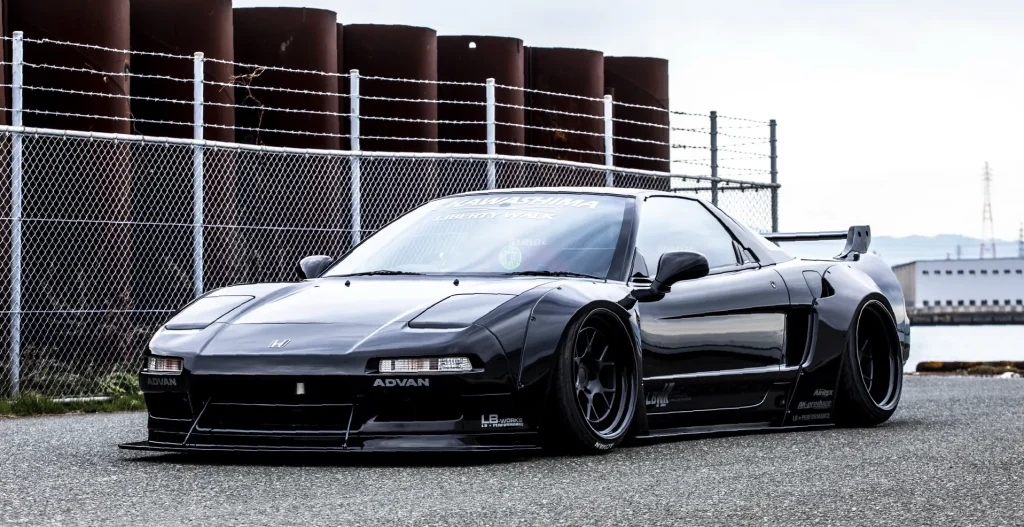
The NSX demonstrated that a supercar engine did not have to be fragile to be exciting. Its blend of advanced engineering, reliability, and high revving character set a new standard.
Decades later, the first generation NSX remains a respected icon, and its V6 engine is celebrated as one of the most impressive and usable supercar powerplants ever built.
7. Mercedes Benz CLK GTR
The Mercedes Benz CLK GTR was born from a desire to dominate endurance racing, and its road going version carried over much of that racing DNA.
At the center of this extraordinary machine was a naturally aspirated V12 that embodied the spirit of motorsport engineering adapted for the street. The engine was not just powerful, it was a direct link between racing technology and road car performance.
This V12 was derived from Mercedes endurance racing programs and engineered for extreme durability under high stress conditions.
Displacement was large, and the design focused on producing massive power while maintaining reliability for long distance events. In the road version, the engine delivered relentless acceleration with a broad, usable power band.
Throttle response was immediate and precise, thanks to the naturally aspirated setup. Drivers felt a direct mechanical connection to the engine, with power building smoothly and forcefully as revs increased. There was no waiting for boost, only a steady surge that made the car feel alive at all speeds.
The sound of the engine added to its legend. At idle, it produced a deep, purposeful rumble. As revs climbed, the note sharpened into a high pitched mechanical scream that echoed its racing heritage. The engine’s voice made every drive feel like a competition event rather than a simple road trip.
Advanced materials and construction techniques ensured strength without excessive weight. Components were built to withstand extreme use, and the engine’s durability became part of its appeal. Owners who maintained their cars properly found the engine capable of handling spirited driving without constant mechanical issues.
The engine also worked in harmony with the car’s lightweight chassis and aerodynamic design. Together, they created performance that rivaled dedicated race cars of the era. The powerplant’s character, sound, and resilience made it a defining feature of the CLK GTR.
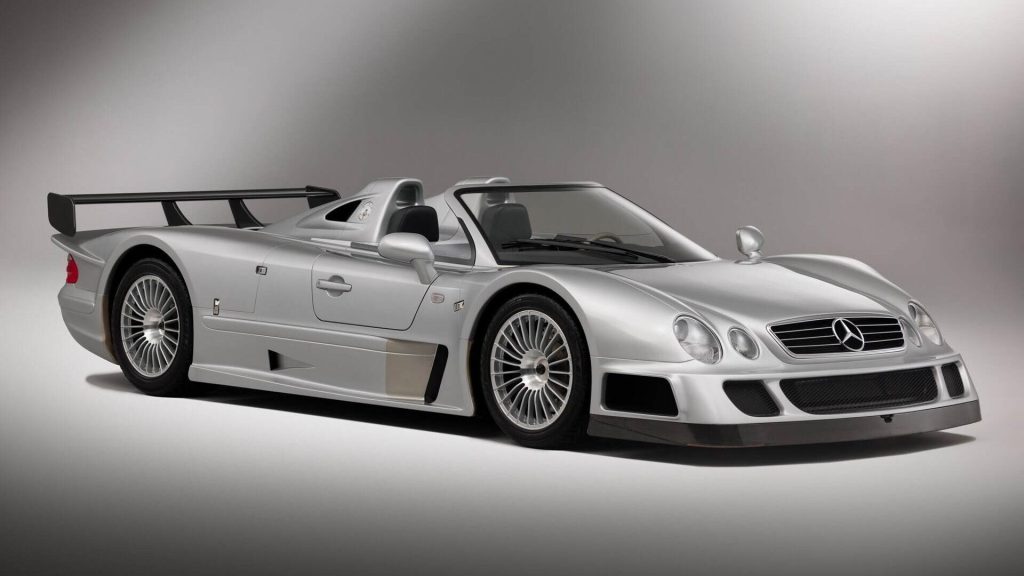
This engine stands as a reminder of a time when racing regulations shaped road cars in dramatic ways. Its blend of motorsport engineering and road usability makes it one of the most celebrated supercar engines ever produced. The CLK GTR remains rare and legendary, with its V12 at the heart of its enduring mystique.
8. Toyota 2000GT
The Toyota 2000GT is often recognized as Japan’s first true supercar, and its inline six engine played a key role in establishing its legendary status. Developed in collaboration with Yamaha, the engine combined refinement, advanced engineering, and a distinctive character that set the car apart from its contemporaries.
The 2.0 liter inline six was designed to deliver smooth, responsive performance. Yamaha’s expertise in high performance engines influenced the design, resulting in a powerplant that could rev freely and produce impressive output for its size. The engine’s willingness to rev gave the car a lively and engaging personality.
One of the defining features of the engine was its dual overhead camshaft layout. This advanced design allowed precise valve control and contributed to the engine’s strong top end performance. Drivers could feel the engine come alive at higher revs, creating a sense of excitement that matched the car’s sleek appearance.
The sound of the inline six added emotional depth to the driving experience. It produced a smooth, rising tone that became more intense as revs increased. This mechanical symphony, combined with the car’s lightweight construction, made every drive memorable.
Despite its performance focus, the engine was built with reliability in mind. Careful engineering and quality materials helped ensure durability when properly maintained. This balance of performance and longevity reflected Toyota’s approach to building a world class sports car.
The 2000GT’s engine also demonstrated that Japanese manufacturers could compete with established European brands in terms of sophistication and performance. It paved the way for future high performance models and established a new standard for engineering excellence in the region.
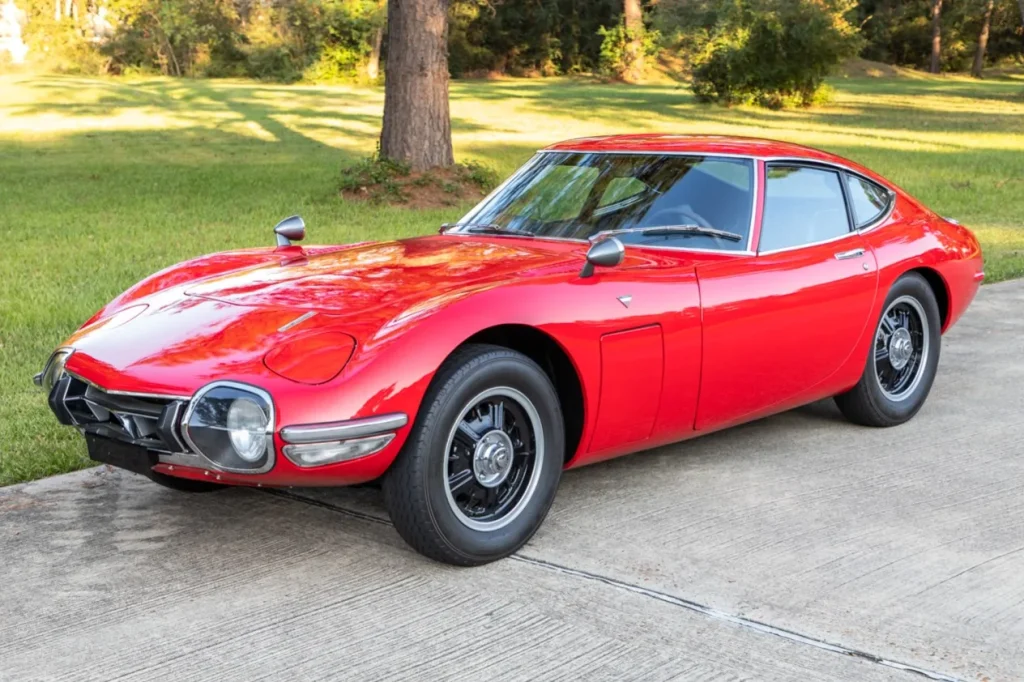
Today, the Toyota 2000GT is one of the most valuable classic sports cars in the world. Its engine is celebrated not only for its technical merits but also for its role in changing global perceptions of Japanese performance cars. This inline six remains one of the most important and admired engines in supercar history.
9. Ferrari Enzo
The Ferrari Enzo was created as a tribute to the company’s Formula One success, and its engine stood at the center of that mission.
This naturally aspirated V12 combined racing technology with road car usability in a way few supercars had achieved before. It delivered not only extraordinary performance but also a sense of connection between driver and machine that became part of its legend.
The 6.0 liter V12 was designed with input from Ferrari’s motorsport division. Lightweight materials such as aluminum alloys were used throughout the engine to reduce mass while maintaining strength. Every component was engineered to withstand high engine speeds and intense use, reflecting its racing heritage.
One of the engine’s defining characteristics was its ability to rev extremely high for a large displacement unit. Power delivery was linear and relentless, building intensity all the way to the top of the rev range. Drivers experienced a surge that felt both smooth and explosive, making acceleration thrilling without relying on forced induction.
Throttle response was razor sharp. With no turbochargers to soften the connection, the engine reacted instantly to driver inputs. This immediacy made the car feel alive and responsive, particularly on winding roads or race circuits where precise control mattered most.
The sound of the V12 became one of the Enzo’s most memorable traits. At lower speeds, it produced a deep mechanical tone. As revs climbed, the note transformed into a high pitched scream that echoed its Formula One inspiration. The engine’s voice added emotional intensity to every drive.
Despite its extreme performance, the engine was designed to be reliable when properly maintained. Ferrari engineered it to handle track use as well as spirited road driving. Owners who followed service schedules found the engine capable of delivering consistent performance over time.
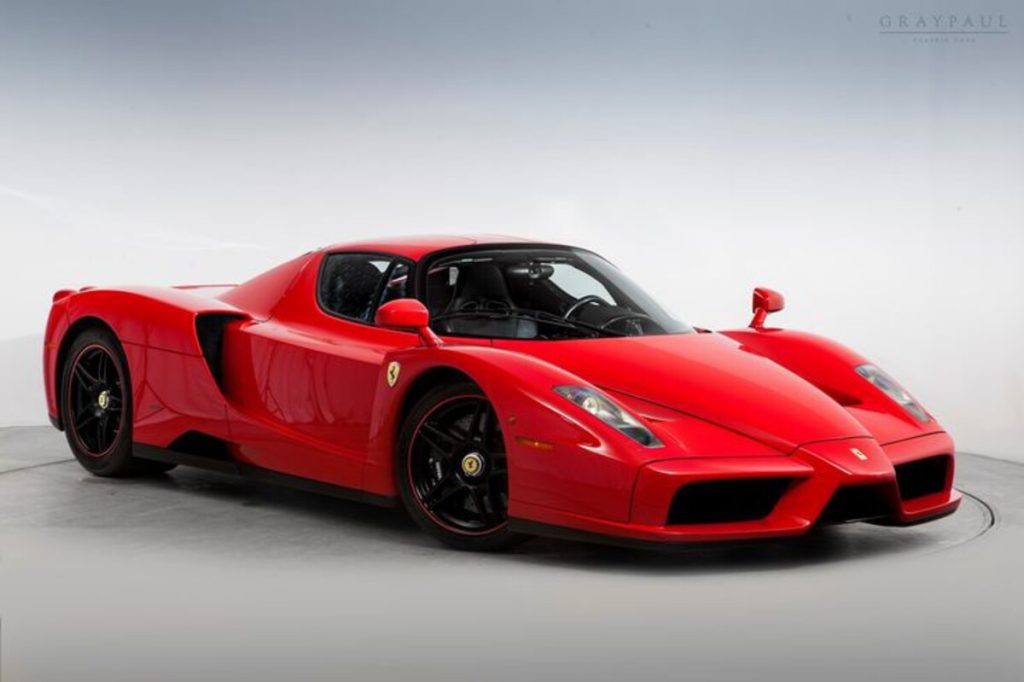
The Enzo’s engine also worked seamlessly with advanced aerodynamics and lightweight construction. The combination allowed the car to achieve performance figures that were astonishing for its era. It demonstrated that naturally aspirated engines could still dominate the supercar world through engineering excellence.
The Ferrari Enzo remains a benchmark for what a high performance road car engine can achieve. Its blend of racing technology, responsiveness, and unforgettable sound secures its place among the greatest supercar engines ever created.
10. Porsche Carrera GT
The Porsche Carrera GT is remembered as one of the most intense and mechanically pure supercars of its time, and its engine played a major role in shaping that reputation. Originally developed for a racing project, the naturally aspirated V10 found new life in this road going machine, bringing motorsport character directly to drivers.
The 5.7 liter V10 was engineered with a focus on high rev capability and lightweight construction. Porsche used advanced materials to keep mass low while ensuring strength at extreme engine speeds. The result was an engine that felt both powerful and eager, delivering performance that was immediate and engaging.
One of the most remarkable features of the engine was its responsiveness. Power delivery was linear and direct, with no turbochargers to soften throttle inputs. Drivers could precisely control the car’s behavior, feeling every change in engine speed through the chassis. This level of feedback made the Carrera GT both demanding and rewarding to drive.
The engine’s sound became legendary. At idle, it emitted a sharp mechanical tone. As revs climbed, the note grew into a high pitched wail that echoed the car’s racing origins. The acoustic experience was intense, turning every drive into an event.
Performance was equally impressive. The engine’s power combined with the car’s lightweight design allowed breathtaking acceleration and high top speeds. Yet the engine never felt overwhelming, instead delivering power smoothly and predictably that skilled drivers could fully exploit.
Despite its motorsport roots, the engine was engineered for durability in road use. Porsche applied its experience in building reliable performance cars to ensure that, with proper maintenance, the V10 could provide consistent performance over time. This balance between racing character and road reliability set it apart from many other exotic engines.
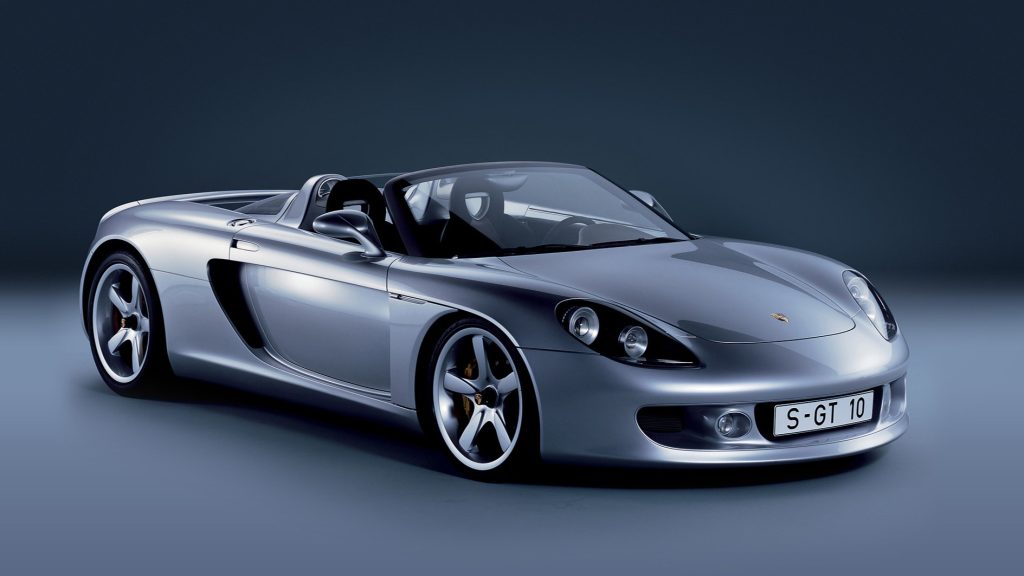
The Carrera GT’s engine symbolized Porsche’s engineering philosophy. It demonstrated that a race derived design could be adapted for the road without losing its soul.
Today, the car is regarded as one of the last truly analog supercars, and its V10 is celebrated as one of the finest engines ever placed in a production performance car.
Together, these ten supercars show how extraordinary engines can define automotive legends. Their powerplants continue to inspire enthusiasts and engineers alike, proving that great engineering leaves a lasting legacy.
Also Read: Top 10 Affordable Muscle Cars From The 1970s Still Available Today