
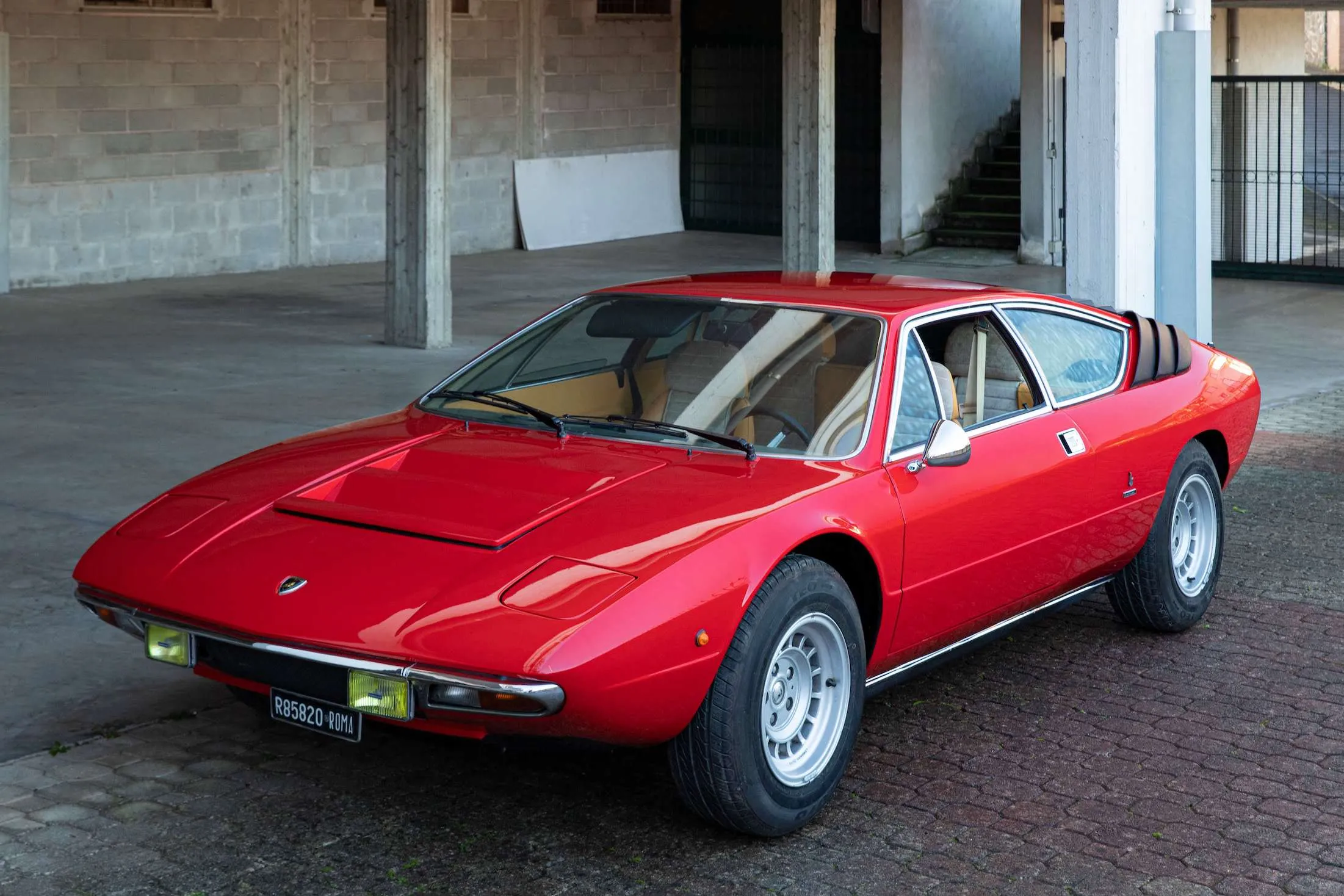
The pursuit of extreme power has always been at the heart of the supercar world. While styling, aerodynamics, and handling all matter, headline grabbing horsepower often becomes the measure by which these machines are remembered.
Over the decades, a small group of manufacturers has consistently pushed engineering to its limits, building vehicles that redefine what road going performance can mean.
Creating one of the world’s most powerful supercars is not simply about adding a larger engine or bigger turbochargers. It requires advanced materials, cutting edge electronics, and deep motorsport knowledge.
These companies invest enormous time and resources into research and development, often building engines and drivetrains that operate at the very edge of what is mechanically possible.
Power also comes with responsibility. Managing heat, maintaining reliability, and ensuring that extreme performance can be used safely are all major challenges.
The manufacturers on this list have not only produced astonishing power figures, they have done so in ways that shaped the entire high performance automotive industry. Many of their innovations later influenced more mainstream performance cars.
Some of these brands are historic names with decades of racing heritage. Others are newer companies founded with a singular focus on speed and engineering excellence. What unites them is a relentless drive to build machines that capture global attention and set new performance benchmarks.
The following ten manufacturers stand out for producing some of the most powerful supercars ever created. We begin with two companies that have repeatedly raised the bar for what a road legal car can achieve in terms of raw output and technological ambition.
Also Read: Top 10 European Performance Engines With Legendary Status
1. Bugatti
Bugatti has become almost synonymous with extreme automotive power in the modern era. When the brand was revived under new ownership in the late twentieth century, its mission was clear. Build the most advanced and most powerful road cars the world had ever seen. That goal led to engineering achievements that few other manufacturers have matched.
Central to Bugatti’s dominance has been its use of the W16 engine architecture. This unique configuration combines two narrow angle V8 engines into a single compact block, allowing for massive displacement while still fitting into a road car.
The engine is paired with multiple turbochargers that generate enormous boost pressure, resulting in power figures that were once considered impossible for production vehicles.
Delivering such output required more than just engine strength. Bugatti engineers developed advanced cooling systems with multiple radiators to manage the heat produced under full load. Without careful temperature control, an engine of this scale could not operate reliably. This focus on thermal management became one of the brand’s key technical strengths.
Transmission and drivetrain technology also played a major role. Handling immense torque without sacrificing smoothness demanded a specially engineered dual clutch transmission and a robust all wheel drive system. These components ensure that power can be used effectively rather than simply overwhelming the tires.
Aerodynamics are equally critical in cars of this level. At extreme speeds, stability becomes just as important as horsepower. Bugatti designs incorporate active aerodynamic elements that adjust based on speed and driving conditions, helping keep the vehicle planted while reducing drag when possible.
Luxury has never been sacrificed in the pursuit of performance. Interiors are crafted with high quality materials and meticulous attention to detail. This blend of comfort and engineering intensity sets Bugatti apart, proving that a car can be both brutally fast and refined.
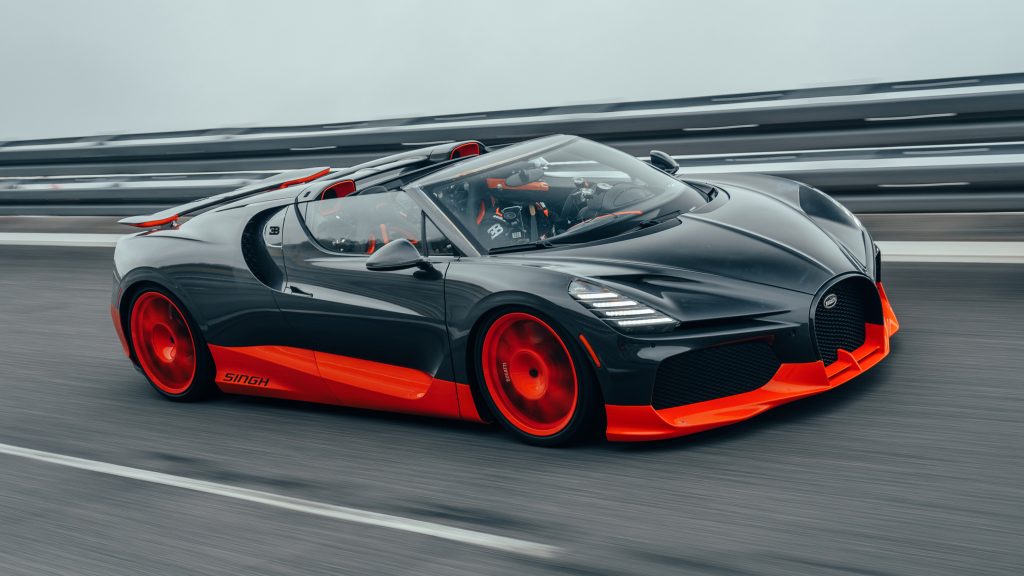
Bugatti’s role in the supercar world goes beyond individual models. The brand has shifted expectations about what is achievable in a road legal machine. By repeatedly producing vehicles with record setting output, Bugatti has become a benchmark against which other manufacturers measure their own ambitions.
Through bold engineering, massive engines, and relentless focus on performance, Bugatti has secured its place as one of the most important manufacturers responsible for the world’s most powerful supercars.
2. Koenigsegg
Koenigsegg is a comparatively young company, yet it has risen to the very top tier of supercar manufacturers through innovation and fearless engineering. Founded with the goal of building the ultimate performance machines, the company quickly became known for developing some of the most powerful and technologically advanced road cars in existence.
Unlike many established brands, Koenigsegg designs and builds much of its technology in house. This includes engines, transmissions, and even carbon fiber components. By controlling development internally, the company can push boundaries without being limited by outside suppliers or traditional approaches.
Koenigsegg engines are known for combining high rev capability with extreme forced induction. Lightweight construction, advanced turbocharging systems, and precise engine management allow these powerplants to deliver astonishing output from relatively compact packages. The result is performance that rivals or exceeds that of much larger engines.
One of the company’s defining strengths is its focus on weight reduction. Extensive use of carbon fiber in the chassis and body helps offset the mass of high output drivetrains. Lower weight improves acceleration, handling, and braking, ensuring that power is supported by overall vehicle balance.
Innovative transmission solutions have also contributed to Koenigsegg’s reputation. The brand has developed unique gearbox systems that reduce weight and complexity while still handling enormous torque. This willingness to rethink conventional engineering solutions is part of what sets the company apart.
Aerodynamic development is another key area. Koenigsegg vehicles feature carefully shaped bodies, active wings, and advanced airflow management. These elements help maintain stability at very high speeds and ensure that the car remains controllable even when producing extreme power.
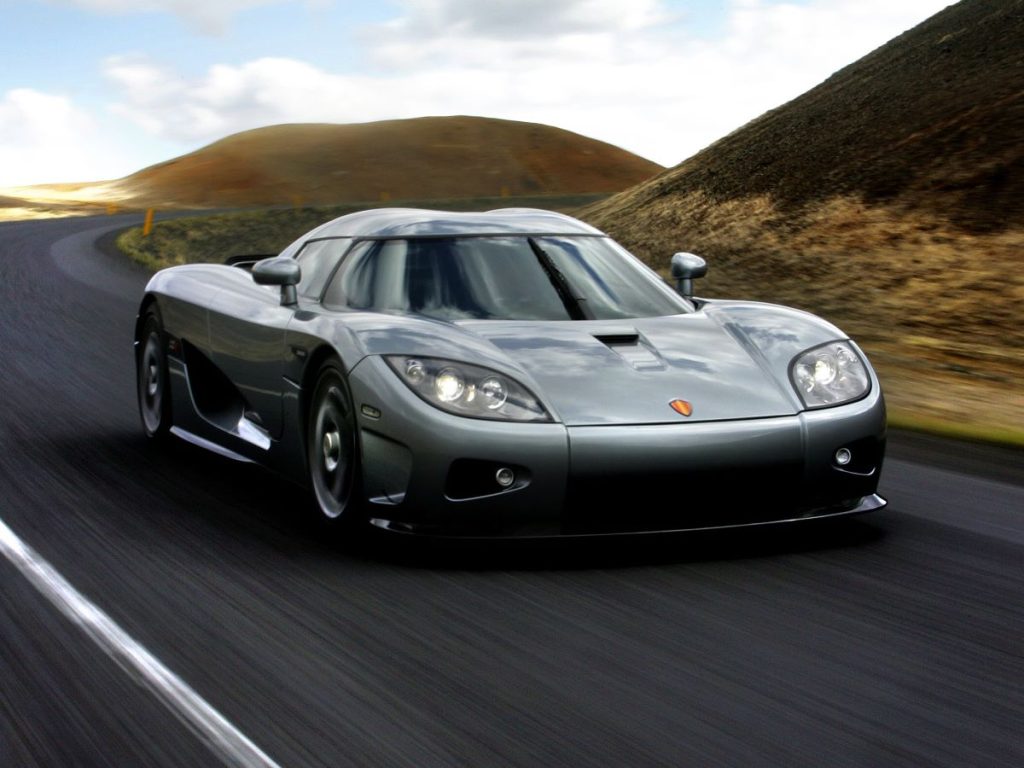
Despite their performance focus, Koenigsegg cars are designed to be usable. Interiors feature modern technology and surprising comfort, proving that hyper performance does not have to come at the expense of refinement.
Koenigsegg’s rapid rise has changed the landscape of the supercar world. By challenging established giants with bold ideas and uncompromising engineering, the company has become one of the leading forces behind the most powerful road cars ever built.
3. Ferrari
Ferrari has long been one of the most influential names in the supercar world, and its pursuit of power is closely tied to decades of racing success.
From Formula One circuits to endurance events, Ferrari’s motorsport experience has consistently shaped the engines and technology found in its most powerful road cars. This deep competition heritage gives the brand a unique foundation for producing extreme performance machines.
One of Ferrari’s defining strengths is its mastery of high revving engines. For years, the company refined naturally aspirated V8 and V12 powerplants that delivered remarkable output without forced induction.
These engines combined lightweight internals, precise engineering, and advanced valve control systems to achieve power levels that were once thought impossible without turbochargers.
In more recent years, Ferrari has embraced turbocharging and hybrid assistance to push performance even further.
Rather than sacrificing character, engineers focused on preserving throttle response and sound while dramatically increasing torque and overall output. Hybrid systems have been used not just for efficiency but to add instant electric torque that fills gaps in power delivery.
Ferrari’s approach to power is always matched with chassis and aerodynamic development. Producing huge horsepower numbers means little without the ability to control and deploy it effectively. Active aerodynamics, advanced traction systems, and lightweight construction ensure that the car remains balanced even at extreme speeds.
Transmission technology has also evolved alongside engine output. Ferrari’s dual clutch gearboxes deliver rapid shifts that keep the engine in its optimal power range. This allows drivers to fully exploit the performance potential without interruption.
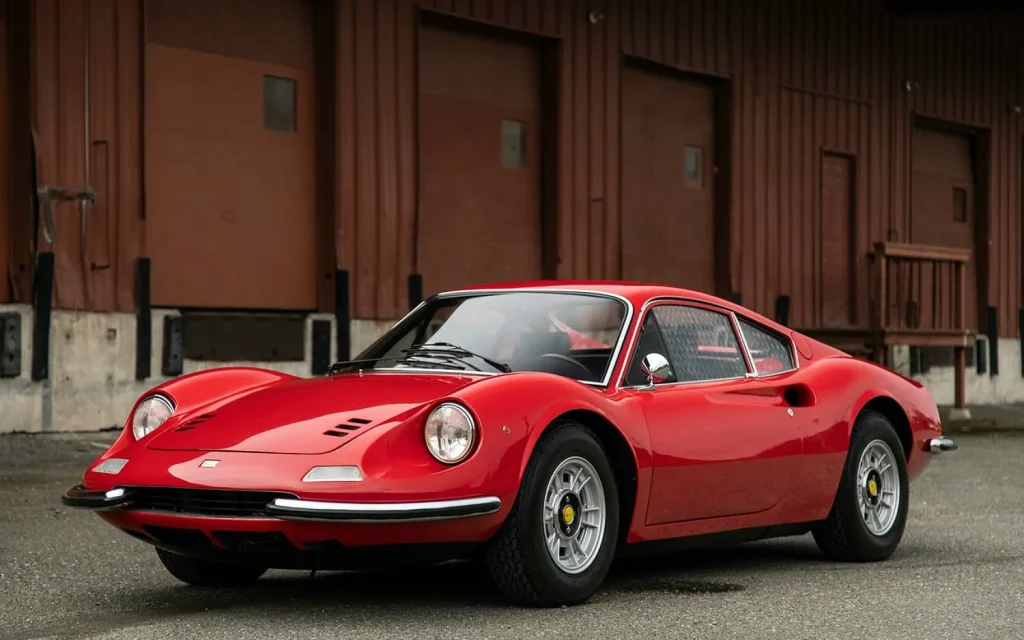
Another factor in Ferrari’s reputation is emotional appeal. The sound of a Ferrari engine, whether a screaming V12 or a boosted V8, plays a major role in the driving experience. Engineers carefully tune exhaust systems to maintain a dramatic, unmistakable voice.
Ferrari’s commitment to blending racing knowledge with road car engineering has made it one of the most consistent producers of high output supercars. The company does not simply chase power figures. It integrates performance into a complete driving package that remains usable and engaging.
Through decades of innovation and relentless competition spirit, Ferrari has secured its place among the manufacturers responsible for some of the world’s most powerful and emotionally charged supercars.
4. Lamborghini
Lamborghini built its identity on bold design and uncompromising performance, and extreme engine output has always been central to that philosophy.
From its earliest days, the company pursued large displacement engines that delivered dramatic power and unforgettable sound. Over time, this focus on intensity has made Lamborghini one of the leading forces behind the world’s most powerful supercars.
The brand’s V12 engines are among the most iconic in automotive history. These naturally aspirated powerplants are known for their high revving character and explosive top end performance. Engineers continually refined these engines with advanced materials and precise balancing to extract more power while maintaining durability.
Lamborghini has also embraced modern technology to push output beyond traditional limits. In recent years, hybrid systems have been added to flagship models, combining electric motors with already potent combustion engines. This allows for instant torque delivery and higher total system power without losing the dramatic character associated with the brand.
All wheel drive systems play an important role in managing Lamborghini’s high output engines. Massive power can overwhelm rear tires alone, so advanced drivetrains distribute torque efficiently to maximize traction. This ensures that performance gains translate into real world acceleration rather than wheelspin.
Aerodynamics and cooling are equally critical. High horsepower engines generate significant heat, and Lamborghini engineers design complex airflow systems to manage temperatures. Active aerodynamic elements help keep the car stable at high speeds while also reducing drag when possible.
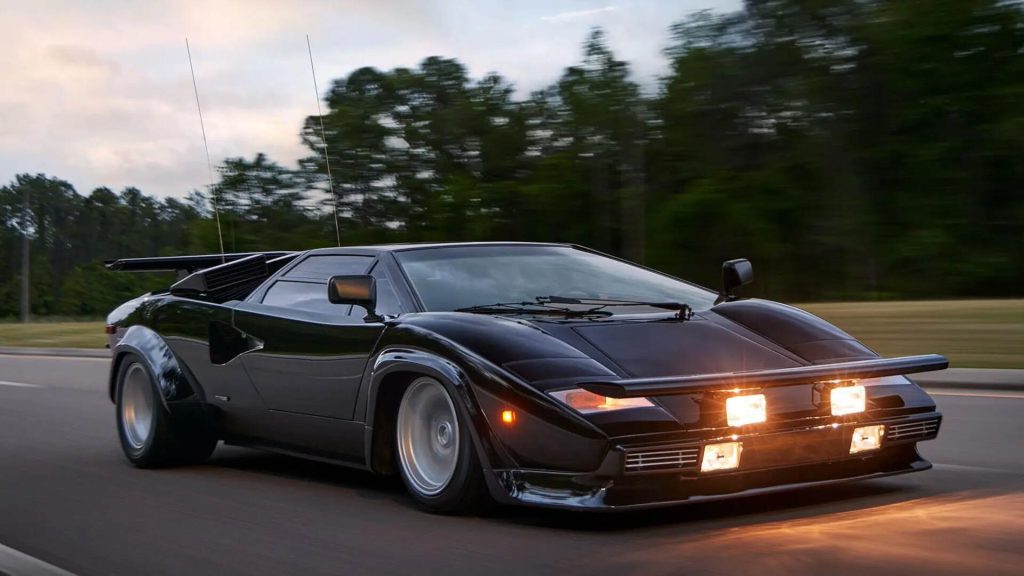
Transmission technology has kept pace with rising power levels. Fast shifting automated gearboxes ensure that the engine remains in its optimal power band. This combination of rapid gear changes and huge output delivers acceleration that feels relentless.
Lamborghini also places great emphasis on the sensory experience. Engine sound, intake noise, and exhaust tuning are all designed to heighten drama. Driving a Lamborghini is meant to feel intense, and the engine plays the starring role in that performance.
By combining massive engines, striking design, and cutting edge technology, Lamborghini has built a reputation for producing some of the most powerful and visually dramatic supercars ever made. Its dedication to emotional, high output performance keeps it at the forefront of the supercar world.
5. McLaren
McLaren’s path to producing some of the world’s most powerful supercars began on the racetrack. Decades of Formula One experience shaped the company’s engineering philosophy, with a relentless focus on lightweight construction, aerodynamic efficiency, and advanced powertrain development.
When McLaren turned its attention to road cars, it applied the same racing discipline to create machines with extraordinary output.
A defining feature of McLaren supercars is the use of compact, high performance turbocharged engines. These powerplants are designed to deliver massive power from relatively small displacement units.
By using twin turbochargers and sophisticated engine management systems, McLaren achieves impressive horsepower while maintaining rapid throttle response.
Lightweight construction is central to McLaren’s approach. Carbon fiber monocoque chassis structures keep overall weight low, allowing the engine’s power to translate directly into acceleration and agility. Reducing mass also improves braking and cornering, ensuring that high output does not overwhelm the car’s handling balance.
Thermal management plays a crucial role in supporting such performance. Turbocharged engines generate significant heat, so McLaren engineers carefully design cooling systems and airflow paths. Efficient temperature control allows the engine to operate consistently under demanding conditions, whether on track or road.
McLaren also integrates hybrid technology in some of its most powerful models. Electric motors provide instant torque, filling in any gaps before turbochargers reach full boost. This combination results in seamless, explosive acceleration that defines the driving experience.
Transmission technology is equally advanced. Dual clutch gearboxes deliver lightning fast shifts, keeping the engine in its optimal power range. This ensures that drivers can fully exploit the engine’s capabilities without interruption.
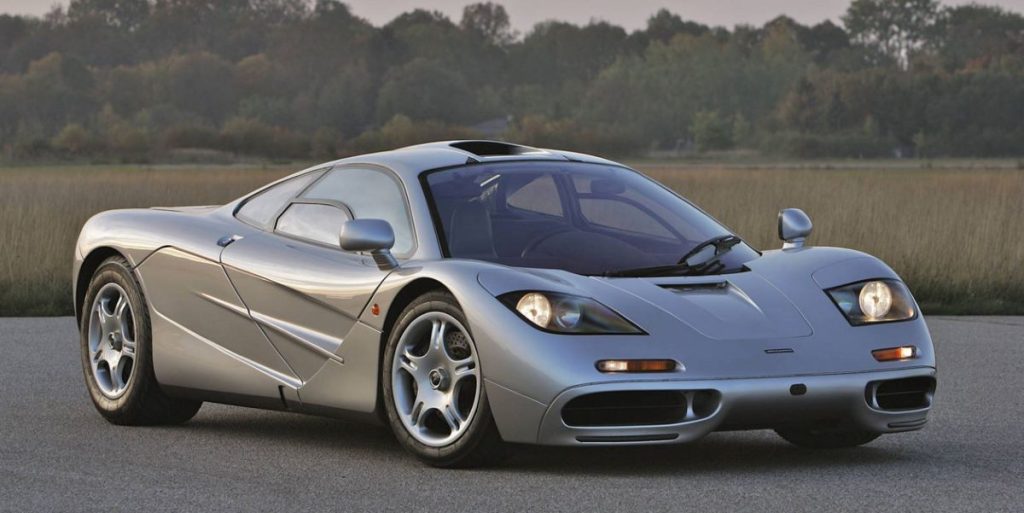
Aerodynamics are developed alongside the powertrain. Active wings and adjustable elements help balance downforce and drag. This allows the car to remain stable at high speeds while still achieving strong acceleration.
McLaren’s approach to supercar performance is deeply technical, yet the result is emotionally engaging. The combination of race derived engineering, high output turbo engines, and lightweight construction has established McLaren as one of the key manufacturers behind the world’s most powerful and capable supercars.
6. Porsche
Porsche’s reputation for engineering excellence extends from endurance racing to road going supercars. While the brand is often associated with precision and balance, it has also been responsible for producing some of the most powerful high performance machines in automotive history. Porsche’s approach combines advanced technology with a focus on reliability and usability.
A hallmark of Porsche supercar development is the use of innovative engine configurations. From high revving flat six engines to powerful V8 and V10 units, Porsche engineers have consistently pushed boundaries. Turbocharging has played a key role in achieving extreme power levels while maintaining efficiency and everyday drivability.
Hybrid technology has also become central to Porsche’s most powerful offerings. Electric motors work alongside combustion engines to provide instant torque and additional output. This integration enhances acceleration and allows Porsche to reach power figures that were once considered unattainable.
Porsche’s experience in endurance racing influences its engine durability. Powerplants are designed not only for peak output but also for sustained performance under stress. Advanced cooling systems and robust internal components help ensure that extreme power does not come at the cost of reliability.
Transmission systems are equally refined. Porsche’s dual clutch gearboxes are known for their rapid, smooth shifts. This technology keeps the engine in its optimal power range and contributes to exceptional acceleration performance.
Aerodynamic development is deeply integrated with powertrain engineering. Active aerodynamic elements help maintain stability at high speeds while minimizing drag when possible. This balance ensures that high output engines can be used safely and effectively.
Weight management is another priority. Lightweight materials and careful packaging help offset the mass of powerful engines and hybrid systems. The result is a car that feels agile and responsive despite its performance capabilities.

Porsche’s philosophy emphasizes a complete performance package. Power is important, but it must be matched by control, durability, and usability. This balanced approach has allowed Porsche to produce some of the world’s most powerful supercars while maintaining the precision and engineering integrity for which the brand is known.
7. Aston Martin
Aston Martin is often associated with elegance and grand touring comfort, yet the brand has also played a significant role in producing some of the most powerful supercars in the modern era. By blending traditional craftsmanship with advanced performance engineering, Aston Martin has created machines that deliver both refinement and extreme output.
One of the key elements behind Aston Martin’s high performance capability is its use of powerful, large displacement engines combined with modern forced induction.
Over the years, the company has partnered with leading engine specialists while also developing in house expertise to achieve impressive power figures without losing the smooth character expected of the brand.
Turbocharging has become central to Aston Martin’s performance strategy. Twin turbo V8 and V12 engines provide massive torque across the rev range, allowing for strong acceleration at almost any speed. Engineers focus on maintaining responsive throttle behavior and a distinctive exhaust note despite the use of forced induction.
Lightweight construction plays an important supporting role. Extensive use of aluminum and carbon fiber helps manage overall vehicle mass. By keeping weight in check, Aston Martin ensures that high horsepower figures translate into genuine performance rather than simply adding bulk.
Aerodynamics are carefully integrated into the design without sacrificing visual elegance. Active aerodynamic elements help manage airflow and maintain stability at high speeds. This allows the car to remain composed even when its engine is delivering extreme output.
Advanced electronic systems also help control power. Sophisticated traction and stability management ensure that drivers can access high performance safely. These systems work quietly in the background, preserving the sense of control while maximizing grip.
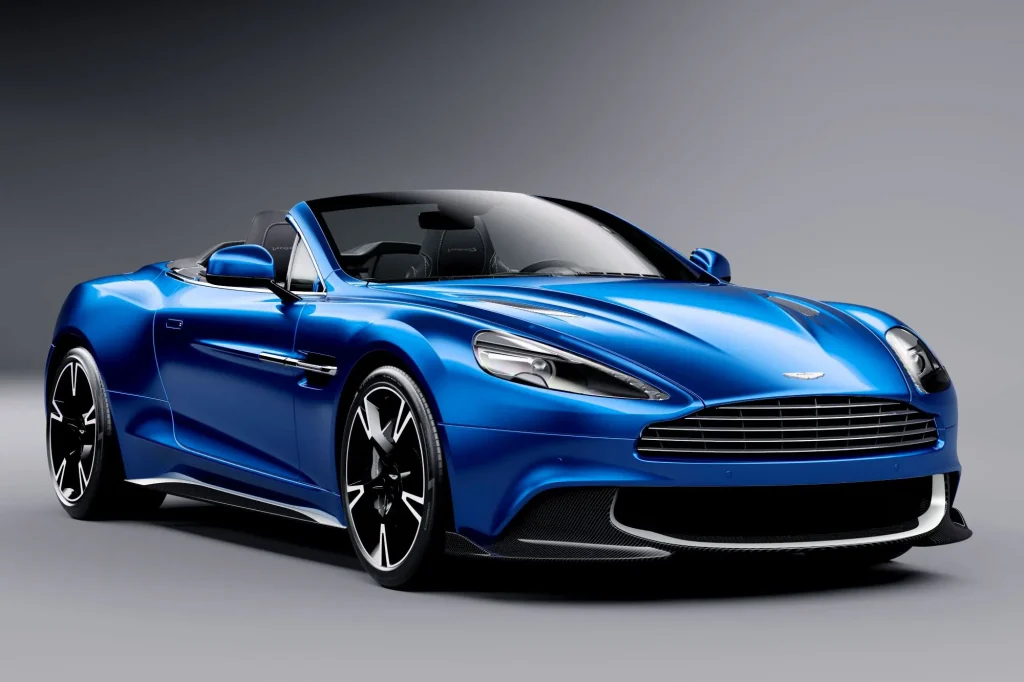
Transmission technology keeps pace with engine development. Modern dual clutch gearboxes deliver fast, precise shifts that allow drivers to fully utilize available power. This seamless power delivery contributes to the car’s refined yet forceful driving character.
Aston Martin’s approach proves that a manufacturer known for style and luxury can also compete at the highest levels of performance.
By combining powerful turbocharged engines with advanced chassis technology and elegant design, the brand has earned its place among the creators of the world’s most powerful supercars.
8. Pagani
Pagani may be a small manufacturer, but it has made a massive impact in the world of high performance supercars. Founded with a focus on artistry and engineering excellence, the company produces vehicles that combine breathtaking design with extraordinary power. Pagani’s approach centers on creating machines that are as much mechanical sculptures as they are performance cars.
A key factor behind Pagani’s power is its partnership with specialized engine suppliers. High performance V12 engines provide immense output while maintaining a rich, emotional character. These engines are carefully tuned to deliver both strong top end power and smooth drivability at lower speeds.
Forced induction plays an important role in achieving extreme horsepower figures. Twin turbocharging systems boost performance significantly while engineers work to preserve throttle response and sound quality. The result is an engine that feels both ferocious and refined.
Pagani’s vehicles are built around advanced carbon fiber structures that keep weight low despite powerful drivetrains. Lightweight construction ensures that the engine’s output is not wasted and that handling remains precise. Every component is designed with performance and beauty in mind.
Cooling and airflow management are critical in such high output machines. Pagani engineers integrate functional aerodynamic elements that help manage heat while enhancing stability. These features are often incorporated in visually dramatic ways that highlight the car’s artistic identity.
Transmission systems are designed to handle immense torque while maintaining driver engagement. Quick shifting gearboxes ensure that power delivery remains uninterrupted during acceleration. This contributes to the intense yet controlled driving experience Pagani aims to provide.
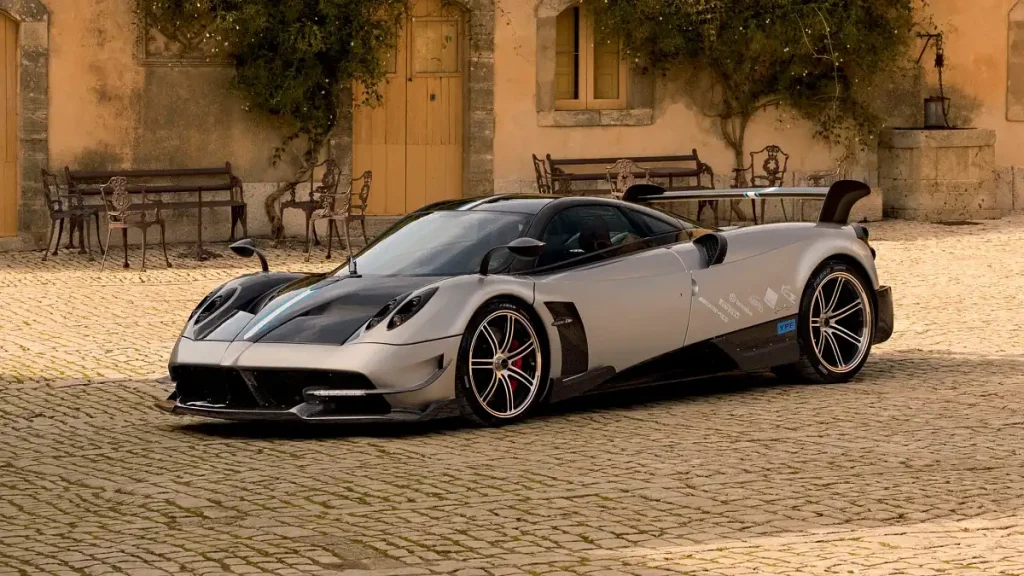
Attention to detail extends to the sensory aspects of performance. Exhaust systems are tuned to produce a distinctive, emotional sound that complements the engine’s power. Every drive becomes an event, filled with mechanical drama.
Pagani demonstrates that small scale manufacturing does not limit performance potential. By combining handcrafted construction, advanced materials, and extremely powerful engines, the company has established itself as one of the key creators of the world’s most powerful and visually striking supercars.
9. Rimac Automobili
Rimac Automobili represents a new era in the pursuit of extreme automotive power. Unlike traditional supercar manufacturers that rely on large combustion engines, Rimac has focused on electric propulsion to achieve performance levels once thought impossible.
By combining advanced battery technology with powerful electric motors, the company has become one of the leaders behind the most powerful supercars in the world.
Electric motors offer instant torque, and Rimac engineers have used this characteristic to deliver astonishing acceleration. Multiple motors are often used, one at each wheel, allowing precise control of power distribution. This setup not only increases total output but also enhances traction and stability under extreme conditions.
Battery technology is central to Rimac’s success. High energy density battery packs are engineered to deliver sustained power while managing heat effectively. Advanced cooling systems prevent overheating during repeated high performance runs, ensuring that the car can perform consistently rather than just in short bursts.
Software plays a crucial role in controlling such immense output. Rimac develops its own control systems to manage torque distribution, traction, and regenerative braking. These systems work together to make the car both incredibly fast and surprisingly manageable for drivers.
Lightweight construction supports the electric powertrain. Carbon fiber structures help offset the weight of the battery pack, improving agility and handling. The integration of the battery into the chassis also enhances structural rigidity, contributing to overall performance.
Aerodynamics are carefully designed to complement the powertrain. Active aerodynamic elements adjust based on speed and driving conditions, helping to maintain stability at very high velocities while minimizing drag when possible.
Rimac’s influence extends beyond its own vehicles. The company has partnered with established manufacturers, sharing its electric performance technology. This collaboration has helped push the entire industry toward higher output electric supercars.
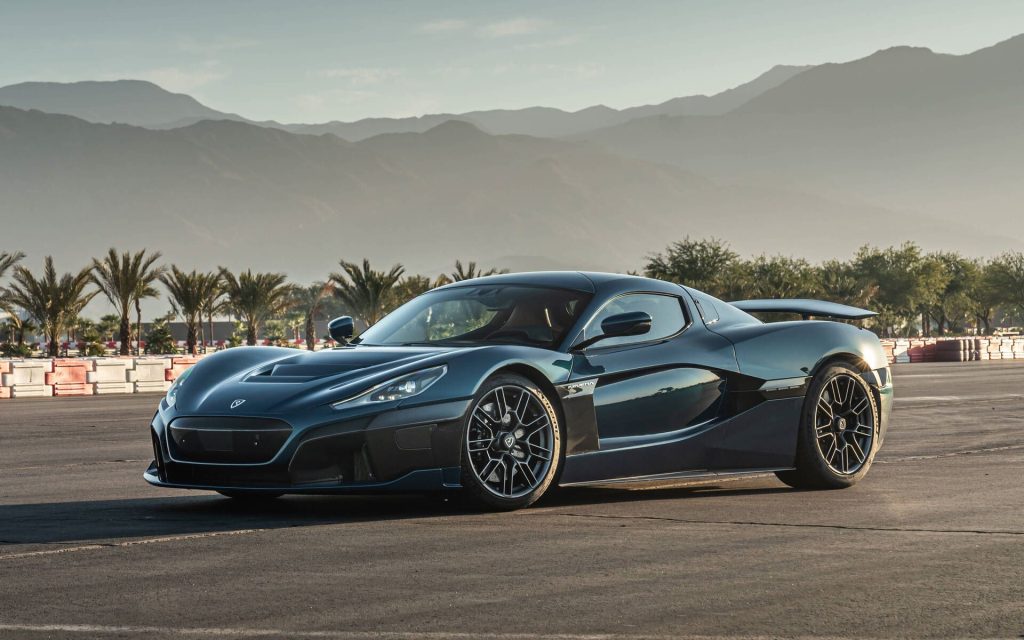
By rethinking what power means in the automotive world, Rimac has proven that electric propulsion can compete with and even surpass traditional engine designs. Its commitment to innovation and extreme performance secures its place among the manufacturers responsible for the world’s most powerful supercars.
10. Hennessey Performance Engineering
Hennessey Performance Engineering is known for taking already powerful vehicles and pushing them into a realm of extreme performance. While the company began as a tuner, it has evolved into a manufacturer of its own high output supercars, earning a reputation for building some of the most powerful road legal machines in the world.
A defining trait of Hennessey’s approach is the use of large displacement engines combined with aggressive forced induction.
By pairing robust engine blocks with high boost turbocharging systems, the company achieves power figures that rival or exceed those of major manufacturers. These engines are engineered to handle immense stress while delivering relentless acceleration.
Hennessey focuses heavily on maximizing airflow and cooling. High output engines generate tremendous heat, and the company designs extensive cooling systems to maintain reliability. Proper temperature control allows the engine to sustain extreme performance without rapid degradation.
Lightweight construction is also part of the strategy. Advanced materials such as carbon fiber are used in chassis and body components to keep weight down. This ensures that added power translates directly into improved acceleration and speed rather than simply increasing mass.
Aerodynamics are tailored for high speed stability. Carefully shaped bodywork and functional aerodynamic elements help keep the car planted at extreme velocities. Stability is critical when dealing with the levels of power Hennessey vehicles produce.
Transmission and drivetrain components are reinforced to handle enormous torque. Upgraded gearboxes and differentials ensure that power reaches the wheels effectively without failure. These supporting systems are essential in transforming raw engine output into usable performance.
Despite the focus on extreme speed, Hennessey vehicles are designed to be road usable. Interiors offer comfort and modern features, showing that high performance does not have to come at the cost of everyday drivability.
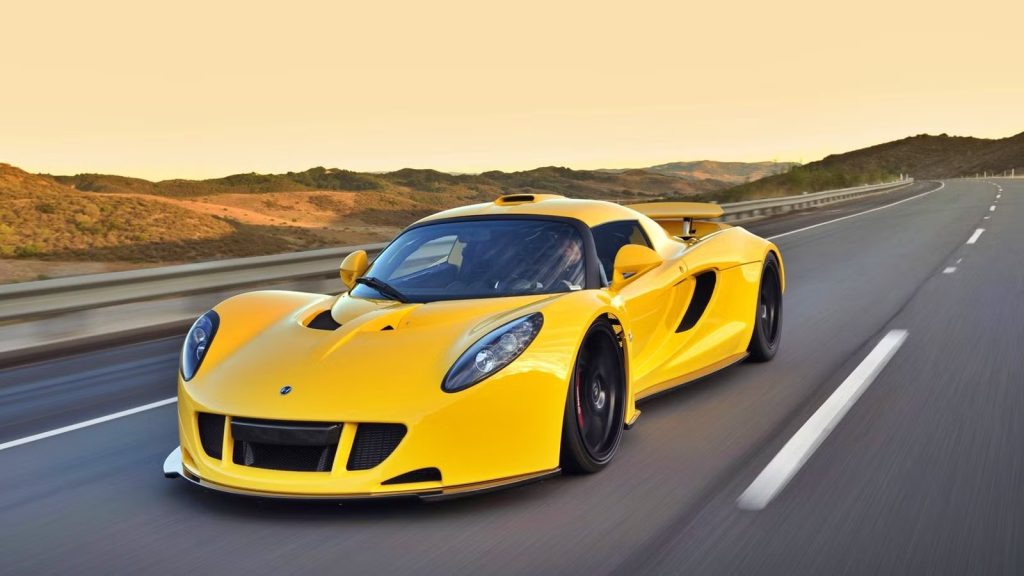
Hennessey’s relentless pursuit of horsepower has placed it among the elite names in the supercar world. By combining massive engines, advanced forced induction, and carefully engineered supporting systems, the company has helped redefine what is possible in terms of road legal power.
Together, these ten manufacturers demonstrate the diverse paths that lead to extreme automotive performance. Whether through massive combustion engines or cutting edge electric systems, they have shaped the landscape of the world’s most powerful supercars.
Also Read: Top 10 High-End Sedans That Combine Comfort With Serious Performance
