
Affordable sports cars can be incredibly tempting. Sharp styling, sporty badges, and low used prices often make them look like performance bargains. For many buyers, the dream is simple. Get something fast and fun without spending a fortune.
Unfortunately, not every budget sports car delivers on that promise. Some end up being disappointing to drive, expensive to maintain, or unreliable over time.
A low purchase price does not always mean good value. Some cars earn their cheap status because of poor build quality, weak engines, fragile transmissions, or handling that feels dull instead of exciting. Others look sporty but are based on ordinary economy car platforms, meaning they lack the balance, feedback, and performance enthusiasts expect.
Maintenance costs are another major factor. Certain budget sports cars may seem affordable at first, but parts prices, repair frequency, and mechanical complexity can quickly turn them into money pits. When reliability is poor, owners often spend more time fixing the car than enjoying it on the road.
Driving experience matters just as much as speed. A true enthusiast car should feel responsive, balanced, and engaging. Some budget models focus more on styling than substance, leaving drivers with cars that look fast but feel slow, heavy, or disconnected from the road.
That does not mean every inexpensive sports car is a bad choice. There are great affordable performance cars out there. However, the following eight models have gained reputations for issues that make many enthusiasts think twice. We will start with two cars that often appear promising on paper but tend to disappoint once you live with them.
Also Read: Top 10 Timeless European Sports Cars You Can Still Buy
1. Chrysler Crossfire
The Chrysler Crossfire is one of those cars that looks like it should be more exciting than it actually is. With its dramatic styling, long hood, and rear wheel drive layout, it gives the impression of being a serious sports coupe.
Underneath, however, it is based heavily on an older Mercedes platform, and that combination leads to a driving experience that many enthusiasts find underwhelming.
Performance is one of the biggest letdowns. While the available V6 engine produces decent power for its time, the car feels heavier and less responsive than expected.
Acceleration is acceptable but not thrilling, and the automatic transmission found in many examples can feel slow and unengaging. Even the manual versions do not transform the car into something truly sharp or lively.
Handling is another weak point. The Crossfire feels more like a grand touring coupe than a nimble sports car. Steering feedback is limited, and the suspension tuning leans toward comfort rather than precision.
On twisty roads, it does not feel as balanced or communicative as many other affordable sports cars from the same era. Enthusiasts looking for sharp cornering and playful handling often walk away disappointed.
Interior quality also reflects its mixed heritage. While some Mercedes components are present, the cabin design and materials do not always feel cohesive or premium. Ergonomics can be awkward, and visibility is limited due to the car’s styling. Over time, interior wear and aging electronics can become frustrating.
Maintenance and repair costs can also surprise buyers. Although it carries a Chrysler badge, many parts are sourced from Mercedes, which can mean higher prices than expected. Finding knowledgeable mechanics for certain repairs can add to ownership stress, especially as the car ages.
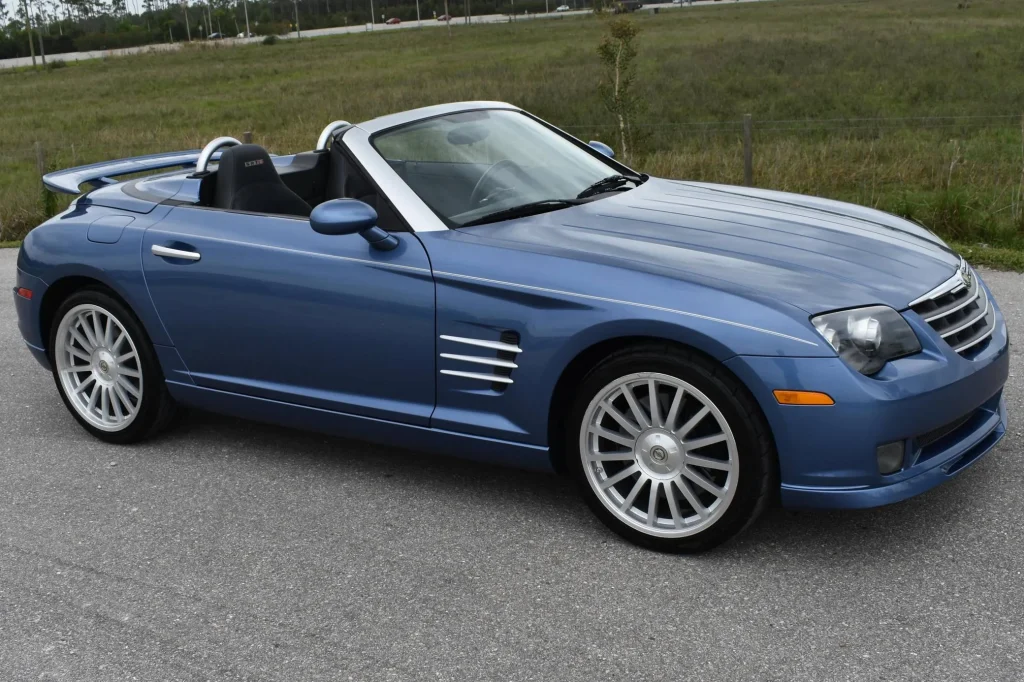
The Crossfire is not a terrible car, but it fails to deliver the engaging, fun to drive personality that its appearance suggests. For enthusiasts who want sharp handling and strong performance on a budget, there are better options that feel more rewarding behind the wheel.
2. Mitsubishi Eclipse (Third Generation)
The third generation Mitsubishi Eclipse is a classic example of a car that looks sporty but does not live up to enthusiast expectations. Earlier versions of the Eclipse earned a reputation for performance and tuning potential, but this generation shifted focus toward style and comfort, leaving many drivers disappointed.
One of the biggest issues is the car’s front wheel drive layout combined with a relatively heavy body. Even with the available V6 engine, the Eclipse feels more like a sporty looking commuter car than a true performance machine. Acceleration is decent in a straight line, but torque steer and limited traction can reduce the fun when pushing harder.
Handling also falls short of what many buyers hope for. The suspension is tuned more for comfort than agility, and the steering lacks the sharpness and feedback that enthusiasts enjoy. On winding roads, the car feels less responsive and more nose heavy than many rivals, which takes away from the sporty experience its styling promises.
Interior quality is another area where the car shows its budget roots. While the design can look attractive at first glance, materials often feel cheap, and wear becomes noticeable as mileage increases. Rattles, fading trim, and aging electronics are common complaints among long term owners.
Reliability can also be a concern, especially with higher mileage examples. Some engines develop oil consumption issues, and certain automatic transmissions have been known to wear prematurely if not well maintained. Repair costs can add up, especially when buyers expect inexpensive ownership but run into recurring problems.
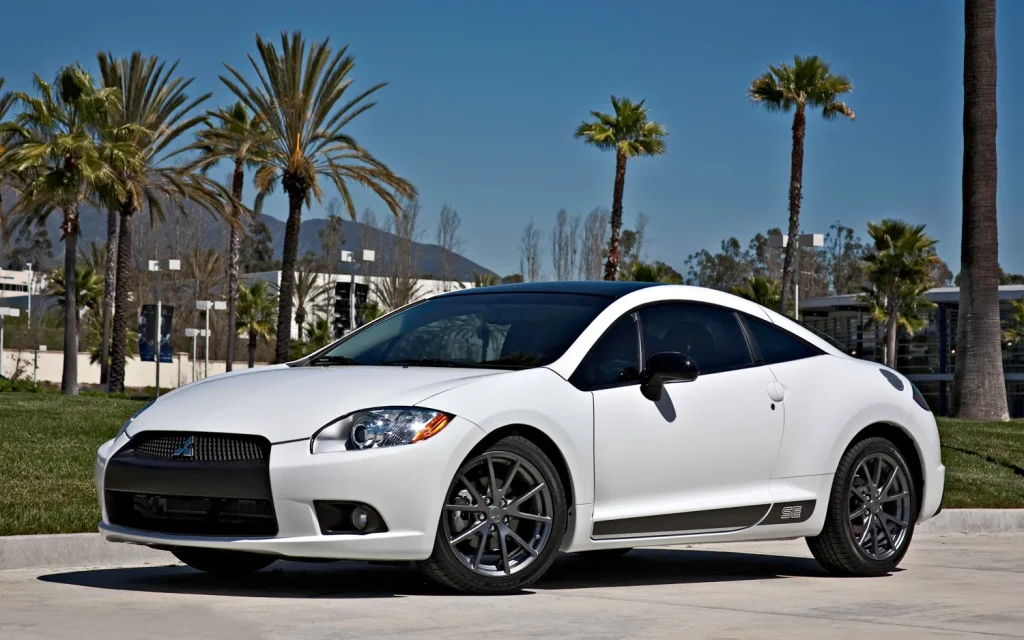
Aftermarket support exists, but it does not change the car’s fundamental platform limitations. Even with suspension and engine modifications, it is difficult to turn this Eclipse into the kind of balanced, engaging sports car that enthusiasts typically seek.
The third generation Eclipse shows how a car can look fast and exciting without delivering the driving experience that real enthusiasts value. For those shopping in the budget sports car market, it is often one that experienced drivers suggest skipping in favor of more rewarding alternatives.
3. Hyundai Tiburon (Second Generation)
The second generation Hyundai Tiburon is another car that often attracts buyers with sporty looks and a low price, only to disappoint enthusiasts who expect more from the driving experience. While it improved over earlier versions, it still struggles to deliver the performance and engagement that true sports car fans want.
One of the main issues is performance. Even with the available V6 engine, the Tiburon does not feel particularly quick. Acceleration is modest, and the power delivery lacks the punch or excitement found in other affordable sports cars. The four cylinder versions feel even slower, making the car seem more like a stylish commuter than a real performance machine.
Handling is also a weak point. The Tiburon uses a front wheel drive layout, and its suspension tuning leans toward comfort rather than sharp cornering.
Steering feedback is limited, and the car tends to understeer when pushed hard. On twisty roads, it feels less precise and less responsive than many competitors, which takes away from the fun factor enthusiasts look for.
The interior design may appear sporty at first, but materials and build quality often do not age well. Hard plastics, fading trim, and worn seat bolsters are common in older examples. As the car ages, interior noises and minor electrical issues can become frustrating for owners.
Reliability is mixed. Some engines hold up reasonably well with proper maintenance, but others develop issues related to sensors, ignition components, or cooling systems. Transmission problems can also appear in higher mileage cars, particularly if previous owners did not follow service schedules closely.
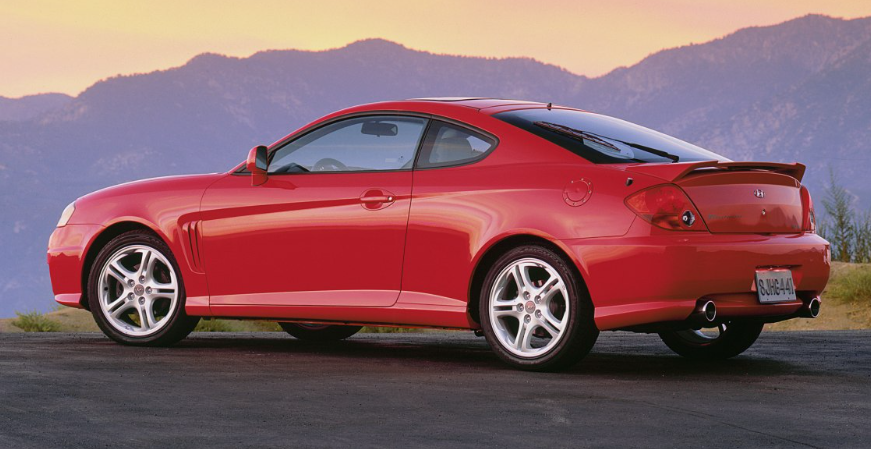
Another drawback is limited aftermarket support compared to more popular enthusiast platforms. While some modifications are available, it is difficult to significantly improve the car’s fundamental handling balance or driving feel. As a result, many buyers find that upgrades do not fully transform the car into something truly engaging.
The Tiburon is not a terrible vehicle, but it often falls short of expectations set by its sporty appearance. For buyers seeking a budget sports car that delivers real excitement and feedback, it usually ranks lower on the list of enthusiast favorites.
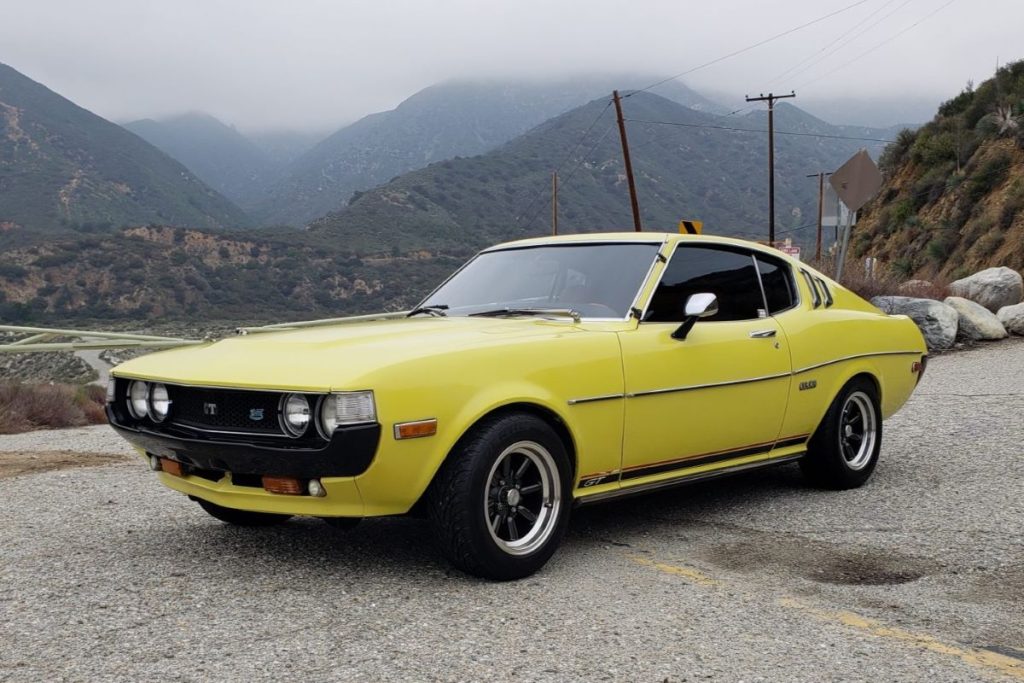
4. Toyota Celica (Seventh Generation)
The seventh generation Toyota Celica looks sharp and carries a respected name, but many enthusiasts feel it does not live up to the legacy of earlier Celicas. While it offers reliability and decent fuel economy, its overall driving experience leaves some performance minded buyers wanting more.
One of the main criticisms involves power delivery. The base engine feels underpowered, especially by modern standards, making acceleration feel slow unless the engine is pushed hard. The higher performance engine variant improves things, but it requires high revs to access its power, which can make everyday driving feel less relaxed and less flexible.
The car’s front wheel drive layout and lightweight design should make it feel playful, but the suspension tuning focuses more on daily usability than sharp performance. Steering is responsive but lacks the rich feedback that enthusiasts enjoy. In fast corners, the car feels competent but not especially exciting or dynamic.
Interior quality is another mixed area. The design is driver focused, but materials can feel thin and wear quickly over time. Road noise can also be noticeable at highway speeds, which reduces the sense of refinement. While the interior works fine for daily use, it does not always feel special enough to match the car’s sporty image.
Practicality is limited as well. Rear seats are small, and cargo space is modest. For a car that is not exceptionally fast or engaging, these compromises can make it harder to justify compared to other affordable performance cars that offer either more speed or more practicality.
Reliability is generally strong, which is a positive. However, some high revving engines can develop oil consumption issues if not maintained carefully. Owners who neglect maintenance may face expensive repairs that reduce the car’s value advantage.
The seventh generation Celica is not a bad car, but it often feels more like a sporty compact than a true enthusiast machine. For buyers looking for an engaging budget sports car, many find better options that deliver stronger performance and more rewarding handling.
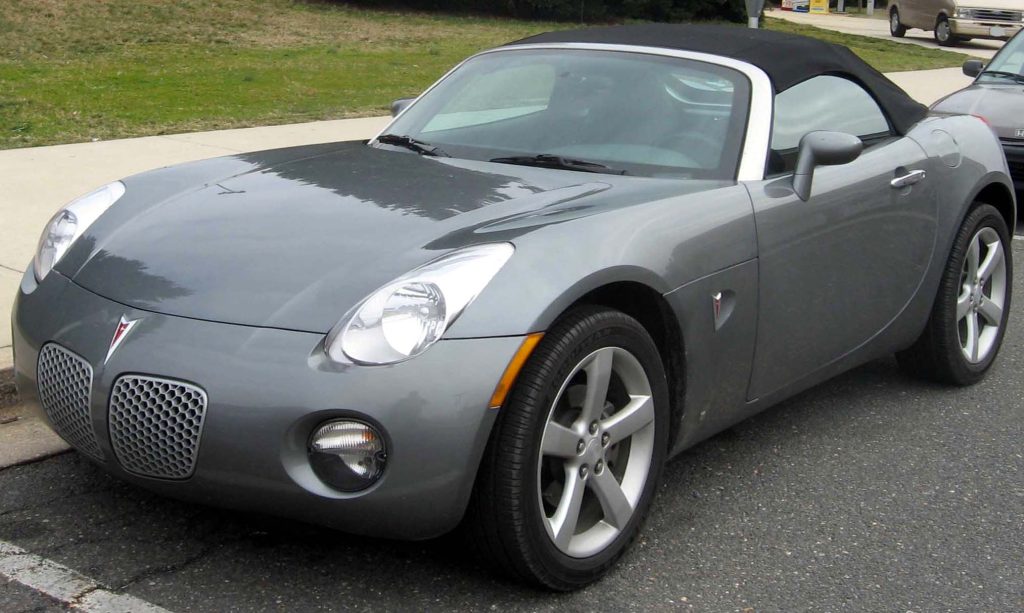
5. Pontiac Solstice
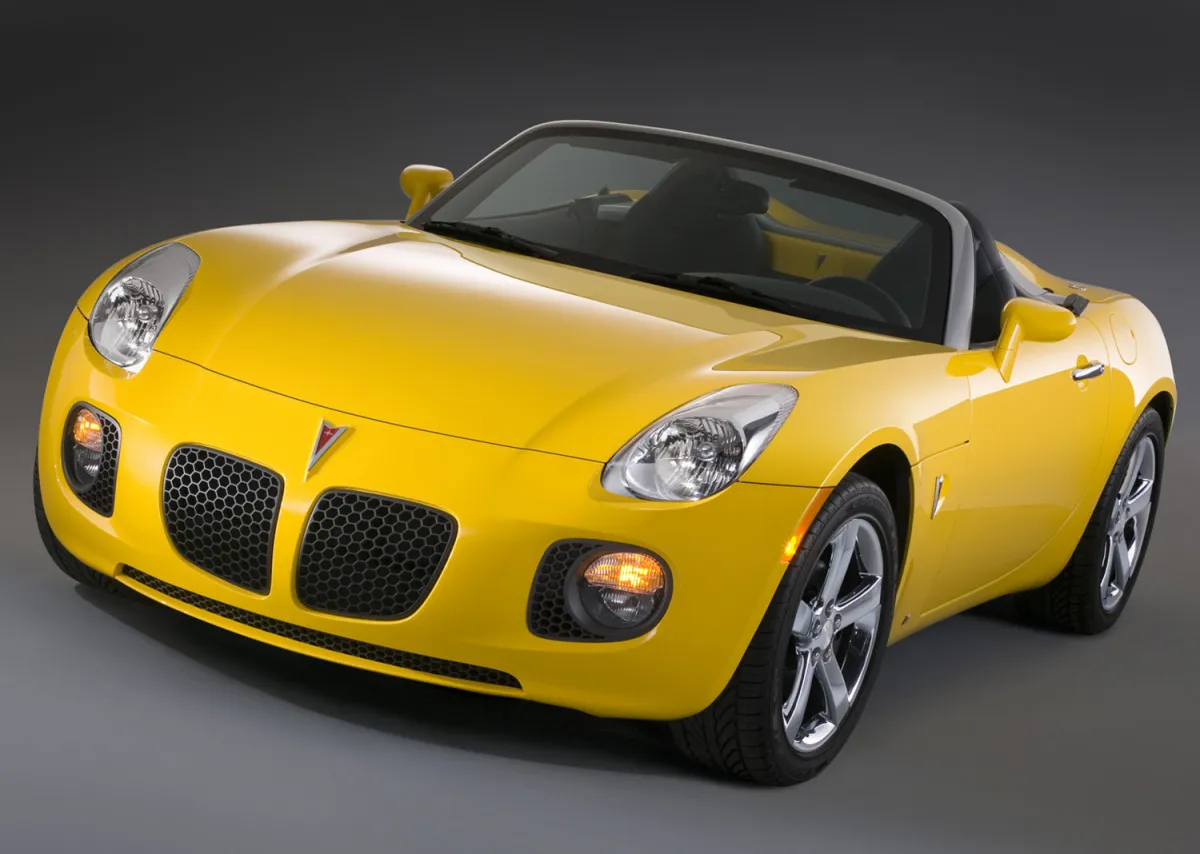
The Pontiac Solstice arrived with big expectations. It had sleek styling, rear wheel drive, and the promise of being an affordable American roadster. On paper, it sounded like a strong competitor to other budget sports cars. In reality, many enthusiasts came away disappointed by how the car actually felt to live with and drive.
One of the main issues with the Solstice is practicality. While most small roadsters sacrifice space, the Solstice takes it to an extreme.
The trunk is tiny, and the top mechanism further limits usable cargo space. Even for a weekend car, carrying basic items can be frustrating. Daily usability is also reduced by limited interior storage and tight cabin space.
Handling is another area where expectations do not always match reality. The Solstice does have a capable chassis, but its suspension tuning and overall weight can make it feel less nimble than rivals.
Steering feel is not as communicative as many drivers hope, and the car can feel heavier and less responsive in tight corners than its sporty appearance suggests.
Performance depends on the engine version. Base models feel underpowered, making acceleration underwhelming for a car that looks so aggressive.
The turbocharged variant improves straight line speed, but it can still feel more like a quick cruiser than a sharp, engaging sports car. Enthusiasts often expect more excitement from a dedicated two seat roadster.
Interior quality is another weak spot. Materials feel inexpensive, and build quality issues such as rattles and worn trim are common in older examples. The cabin design also lacks the driver focused polish seen in some competing roadsters, which makes the overall experience feel less special.
Reliability can be inconsistent as the cars age. Electrical issues, interior component failures, and occasional mechanical problems add to ownership costs. With Pontiac no longer in production, some parts can also be harder to source.
The Solstice is not without charm, especially for buyers who love its looks, but it often fails to deliver the balanced, refined sports car experience enthusiasts expect. Many drivers find that other budget roadsters provide more fun, better usability, and a stronger sense of connection behind the wheel.
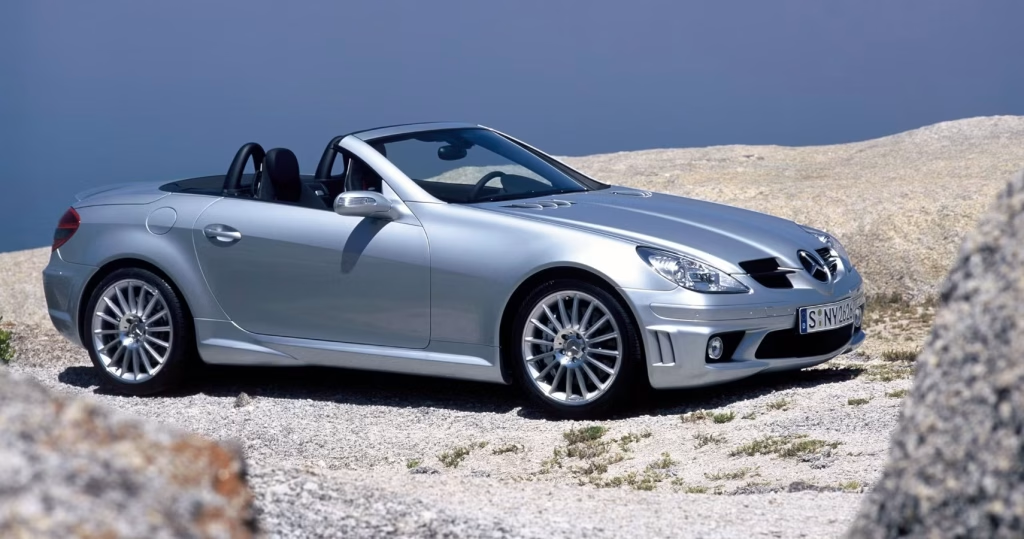
6. Mercedes Benz SLK (R170)
The first generation Mercedes Benz SLK, known as the R170, brought the appeal of a premium badge to the affordable sports car market. With its folding hardtop and stylish design, it attracted buyers looking for a small luxury roadster. However, many enthusiasts tend to avoid it due to a mix of driving limitations and long term ownership concerns.
One of the main drawbacks is driving feel. While the SLK is comfortable and composed, it does not deliver the sharp, engaging experience expected from a true sports car. Steering feedback is limited, and the suspension is tuned more for cruising than aggressive cornering. On twisty roads, it feels more like a small grand tourer than a lively roadster.
Performance in most versions is also modest. Base models with smaller engines feel slow by modern standards, and even the V6 versions focus more on smoothness than excitement. Acceleration is adequate for daily driving but rarely thrilling. Drivers seeking a raw, energetic sports car experience often find the SLK too refined and detached.
Interior quality is good for its era, but aging electronics and mechanical components can become problematic. Power folding roof systems, sensors, and various electronic modules may develop faults over time. Repairs can be costly, especially compared to simpler budget sports cars from other brands.
Maintenance and repair costs are another concern. Even though the SLK may be inexpensive to buy used, parts and labor for Mercedes vehicles can still be expensive. Owners sometimes find that routine repairs cost more than expected, which reduces the car’s value as a budget sports car.
Practicality is limited as well. Like many small roadsters, cargo space is minimal, and the cabin can feel cramped for taller drivers. Combined with its less engaging driving character, these compromises make it harder to justify purely as a fun enthusiast car.
The R170 SLK offers style and brand prestige, but many enthusiasts feel it lacks the performance, feedback, and simplicity that make a great budget sports car. As a result, it often ends up on lists of cars to approach carefully rather than clear enthusiast favorites.
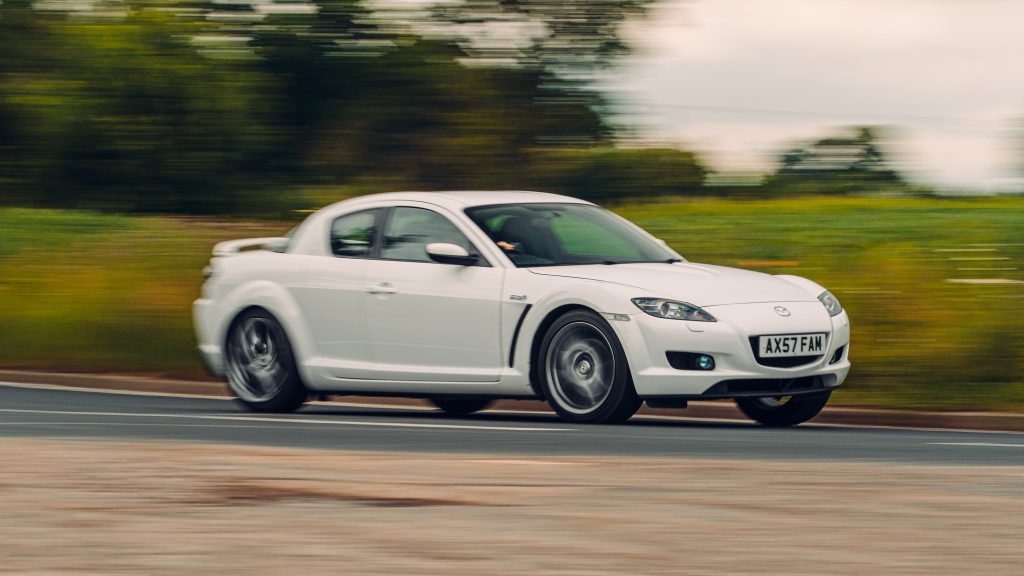
7. Mazda RX 8
The Mazda RX 8 attracts buyers with sleek styling, rear wheel drive balance, and a high revving personality that sounds perfect for enthusiasts.
On paper, it seems like a true sports car bargain. In reality, many experienced drivers warn others to think very carefully before buying one, mainly because of its unique rotary engine and the ownership demands that come with it.
The biggest issue is engine longevity. The rotary engine is smooth and loves to rev, but it requires very specific maintenance habits. Many owners do not fully understand these needs, which leads to premature engine wear.
Compression loss is a common problem, and rebuilding or replacing a rotary engine can be expensive compared to repairing a typical piston engine.
Cold starts and short trips can also be hard on the engine. The rotary design prefers to be fully warmed up and driven properly. Frequent short drives without reaching operating temperature can contribute to carbon buildup and long term reliability issues. This makes the RX 8 less suitable as a simple daily driver for people who just want to get in and go.
Fuel economy is another downside. Despite having only a small engine on paper, the car consumes fuel more like a larger performance vehicle. Oil consumption is also part of normal operation, meaning owners must check levels regularly and top up between services. Drivers who are not attentive can easily run into trouble.
Performance can also disappoint those expecting strong low end torque. The rotary engine produces its power high in the rev range, which means the car can feel slow at lower speeds. Enthusiasts who enjoy revving the engine may appreciate this, but many drivers find it tiring in everyday use.
Interior quality is decent, and the car handles well thanks to its balanced chassis. Steering feel and cornering ability are strong points. Unfortunately, those positives are often overshadowed by mechanical concerns and long term ownership costs.
Another factor is resale value. Because the RX 8 has a reputation for engine issues, prices are low, but that also means many examples have been neglected. Finding a well maintained car with strong compression can be difficult, and buyers may end up spending more than expected to bring a cheap example back into good condition.
The RX 8 can be rewarding for dedicated owners who understand rotary engines and are willing to maintain them carefully. For most budget sports car shoppers, however, it often turns into more work and expense than the low purchase price suggests.
That is why many enthusiasts recommend looking elsewhere unless you are fully prepared for the unique demands of rotary ownership.
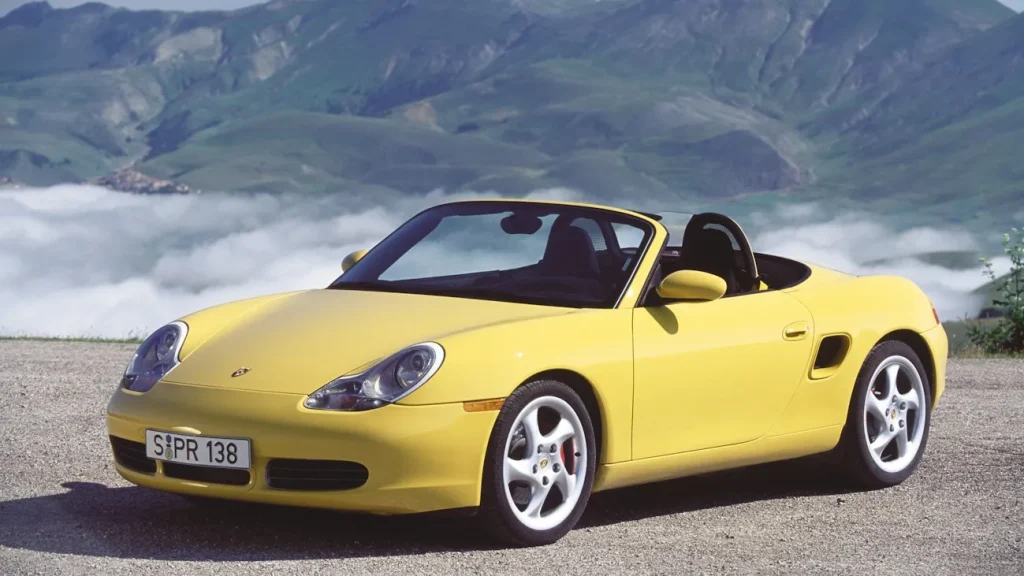
8. Porsche Boxster (986)
The first generation Porsche Boxster, known as the 986, is one of the most tempting budget sports car purchases on the market. It offers mid engine balance, sharp styling, and the prestige of a Porsche badge at a surprisingly low price. Unfortunately, those low prices often hide ownership risks that make many enthusiasts cautious.
One of the most talked about issues is the potential for engine problems, particularly related to the intermediate shaft bearing.
While not every engine fails, the possibility of a major internal issue creates understandable concern. Repairing or replacing a damaged engine can cost far more than the car’s purchase price, turning a bargain into a financial headache.
Cooling system components are another area that requires attention. Radiators, coolant tanks, and water pumps can fail with age, and ignoring these problems can lead to overheating and further engine damage. Regular preventative maintenance is essential, but many budget examples on the market have been neglected by previous owners.
Interior wear can also be noticeable. Soft touch materials degrade, plastic trim can become brittle, and power top mechanisms may develop faults. While these issues are not always catastrophic, they add to the sense that a cheap Boxster can quickly demand expensive upkeep.
Driving dynamics are actually one of the car’s strongest qualities. The mid engine layout provides excellent balance, and the steering feel is engaging. On a twisty road, the Boxster can feel like a true sports car in the best sense. This is part of what makes it so tempting and also what makes its mechanical risks more frustrating.
Maintenance costs are generally higher than for most other budget sports cars. Even routine service can be expensive, and parts prices reflect the Porsche badge. Owners who are not prepared for these costs may find themselves postponing necessary work, which only makes problems worse over time.
Another concern is that many early Boxsters have passed through multiple owners. Some were bought cheaply by people who wanted a luxury sports car without budgeting for proper care. As a result, service history can be inconsistent, and hidden problems may not appear until after purchase.
The 986 Boxster is not a bad car in terms of driving enjoyment, but it requires careful shopping and a realistic maintenance budget. For enthusiasts seeking a simple, low cost sports car experience, it can be a risky choice. That is why many experienced buyers suggest approaching it with caution, or considering alternatives with lower long term ownership risk.
Budget sports cars often look like incredible deals at first glance. Sleek designs, sporty badges, and low prices make them tempting to anyone who wants performance without spending much money.
The problem is that price alone does not equal value. Many of these cars are cheap for a reason, and that reason often shows up after the purchase.
A common issue is that some models focus more on appearance than true driving enjoyment. They may have aggressive styling and sporty marketing, but underneath they use platforms and components that were not designed for serious performance.
As a result, handling can feel dull, steering may lack feedback, and acceleration might not match expectations.
Reliability is another major concern in the budget sports car world. Some vehicles are known for engine weaknesses, fragile transmissions, or complicated systems that age poorly. When major components fail, repair costs can easily exceed the car’s market value. What started as a cheap purchase can quickly turn into an expensive project.
Maintenance costs also surprise many buyers. A low purchase price does not mean low ownership costs, especially when parts are shared with luxury brands or when specialized repairs are required. Older performance cars that were not maintained properly by previous owners can hide problems that only appear after months of driving.
Practicality often takes a hit as well. Tight cabins, tiny trunks, and limited visibility can make daily use frustrating. When the driving experience is not exciting enough to justify those compromises, owners may end up with a car that is neither practical nor truly fun.
Another pattern is mismatched expectations. Some cars are tuned more for comfort than performance, even though they are sold as sports models. Others have engines that only feel lively at very high revs, making normal driving less enjoyable. Over time, the gap between how the car looks and how it feels becomes hard to ignore.
None of this means affordable sports cars are always a bad idea. There are excellent budget friendly options that deliver real engagement and reasonable reliability. The key is knowing which models to approach with caution and which ones have earned genuine enthusiast respect.
In the end, the smartest buyers look beyond styling and badge appeal. They research common issues, understand maintenance needs, and choose cars that offer a balanced mix of fun, durability, and realistic ownership costs.
Also Read: Top 10 High-End Sedans That Combine Comfort With Serious Performance
