Choosing the right car involves more than style, features, or price. One important factor is the type of fuel a vehicle requires. Some cars are designed to run efficiently on regular 87-octane gasoline, providing reliable performance and lower operating costs.
Others, especially performance-oriented models, require premium fuel to maintain power, throttle response, and engine longevity. In this guide, we highlight five cars that perform well on regular fuel, including the 2026 Toyota Camry, 2026 Honda Civic, Ford F-150 5.0L V8, 2025-2026 Mazda CX-5 2.5L Non-Turbo, and Subaru Forester 2.5L Boxer.
These vehicles prioritize efficiency, durability, and practicality without sacrificing performance. We also cover five cars that require premium gasoline, such as the BMW M3, Volkswagen Golf R, Mercedes-Benz C300, Subaru WRX, and Porsche 911. These cars use high compression, turbocharging, and advanced ignition timing, making premium fuel essential for optimal performance and long-term reliability.
5 Cars That Perform Well on Regular Fuel
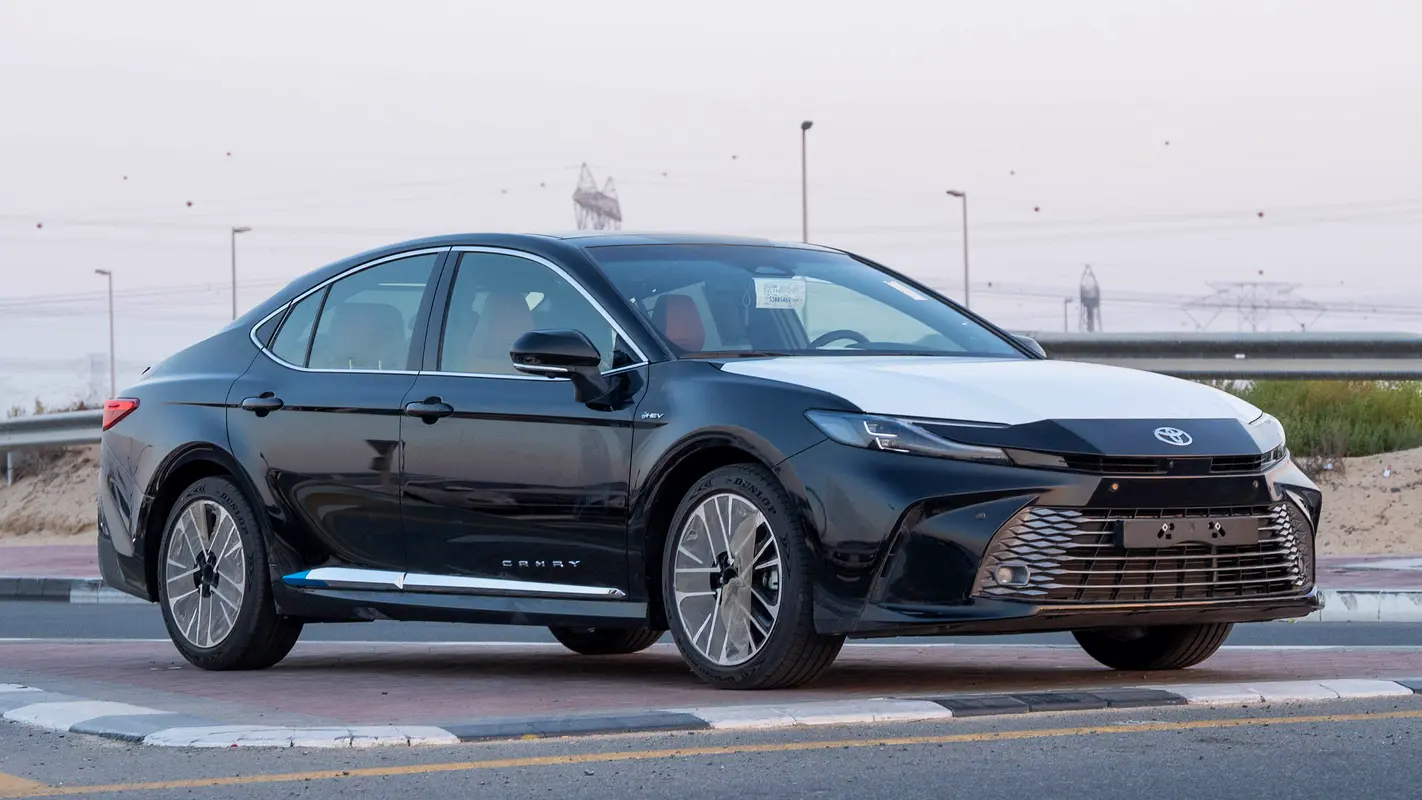
1. 2026 Toyota Camry 2.5L 4-Cylinder: Efficient, Practical, and Comfortable
The 2026 Toyota Camry 2.5L 4-cylinder, featuring Toyota’s “Dynamic Force” engine, sets a benchmark for efficient, reliable engineering. Unlike many competitors that rely on small, turbocharged engines, the Camry’s naturally aspirated engine achieves high thermal efficiency (around 40–41%) while running smoothly on regular 87-octane fuel.
This is made possible by a high compression ratio (13:1 for gas, 14:1 for hybrids), advanced direct-injection technology (D-4S), and variable valve timing (VVT-iE), which optimize combustion, torque, and fuel efficiency without requiring premium gasoline.
Coupled with an 8-speed automatic transmission, the Camry maintains performance and smooth operation across all driving conditions. Toyota recommends Top Tier regular fuel to minimize carbon buildup and sustain peak engine efficiency.
The Camry Hybrid adds versatility with two powertrain options: front-wheel drive delivers 225 horsepower via a 2.5L gas engine and two electric motors, while all-wheel drive adds a third motor for a combined 232 horsepower.
Both setups use a continuously variable automatic transmission similar to the Prius but with more power. In tests, hybrids showed strong responsiveness, particularly in city driving, while sportier trims (SE, XSE, Nightshade) offered firmer suspension and tighter cornering, although steering feel remains somewhat muted.
Acceleration is brisk, with a Camry XSE AWD reaching 60 mph in 6.8 seconds, outperforming the Hyundai Sonata and trailing slightly behind the Accord Hybrid.
Fuel economy is impressive, particularly for front-wheel-drive LE trims, rated at 52 mpg city and 49 mpg highway. All-wheel-drive models remain efficient, achieving up to 50 mpg city and 49 highway, while the sportier XSE AWD trim earns 43 mpg in both city and highway driving, matching real-world tests.
Inside, the Camry Hybrid offers spacious seating for adults front and rear, with standard cloth upholstery, dual-zone climate control, and rear air vents. Higher trims (XLE, XSE) upgrade to leather, heated seats, ambient lighting, and adjustable rear headrests.
Cargo space is competitive, accommodating up to 19 cases with rear seats folded. Infotainment includes an 8-inch standard touchscreen, with optional 12.3-inch displays, wireless Apple CarPlay and Android Auto, and an optional nine-speaker JBL system on top trims.
Safety features are comprehensive, including automated emergency braking, adaptive cruise control with lane centering, lane-departure warning, and pedestrian detection.
Warranty coverage includes three years/36,000 miles basic, five years/60,000 miles powertrain, ten years/150,000 miles hybrid components, plus two years/25,000 miles of complimentary maintenance, keeping the Camry competitive in reliability and ownership costs.
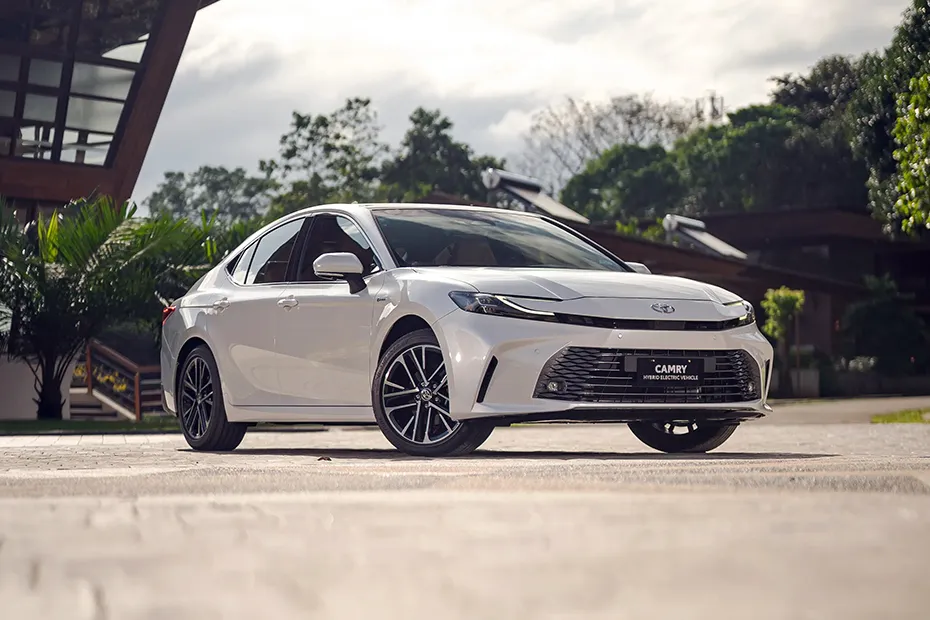
2. 2026 Honda Civic 2.0L Naturally Aspirated: Efficient, Reliable, and Comfortable
The 2026 Honda Civic with the 2.0L naturally aspirated (NA) engine is designed for practical daily driving, delivering reliable performance and excellent fuel economy on regular 87-octane gasoline. Unlike turbocharged variants or the performance-oriented Civic Si, this engine prioritizes long-term durability and efficiency over maximum horsepower.
With a lower compression ratio and port fuel injection, the 2.0L NA engine avoids engine knock and carbon buildup, ensuring consistent operation while minimizing maintenance complexity. Its linear power delivery makes it well-suited for smooth, predictable driving, and Honda engineers designed it to last well beyond 200,000 miles.
The engine produces adequate power for everyday commuting, and paired with the CVT automatic, it provides responsive throttle control and efficient highway cruising. While the optional 1.5L turbo engine delivers quicker acceleration, 0-60 mph in around 6.7 seconds, the 2.0L NA engine remains a cost-effective choice, particularly for buyers seeking lower maintenance and long-term reliability.
Braking is firm and easy to modulate, and steering and handling are precise, making the Civic both practical and enjoyable around town or on winding roads.
Comfort and interior quality are standout features. The Civic’s suspension absorbs rough road impacts well, providing a smooth and controlled ride without excessive float. Front and rear seats are well-cushioned, and dual-zone automatic climate control ensures consistent cabin temperature.
The cabin is spacious for a compact sedan, comfortably accommodating four adults, although the sloped roof slightly limits rear headroom. Large door openings, adjustable seating, and a clear view from the driver’s seat enhance usability.
Technology is solid, with standard adaptive cruise control, lane-keeping assist, Apple CarPlay, and Android Auto. Most trims feature a 7-inch touchscreen, while Touring models include a premium 10-speaker audio system and navigation. Storage is ample, with a 15.1-cubic-foot trunk, under-armrest compartments, and a center console cubby for smartphones and personal items.
Fuel economy is impressive for the class. The turbocharged Civic sedan with CVT achieves an EPA-rated 36 mpg combined (32 city/42 highway), closely matching real-world driving. Honda provides a three-year/36,000-mile bumper-to-bumper warranty, five-year/60,000-mile powertrain coverage, and roadside assistance.
The 2.0L naturally aspirated Civic balances efficiency, reliability, and comfort, making it one of the most practical and cost-effective compact sedans on the market. Its blend of smooth performance, spacious interior, modern tech, and excellent fuel economy continues to uphold the Civic’s reputation for value and dependability.
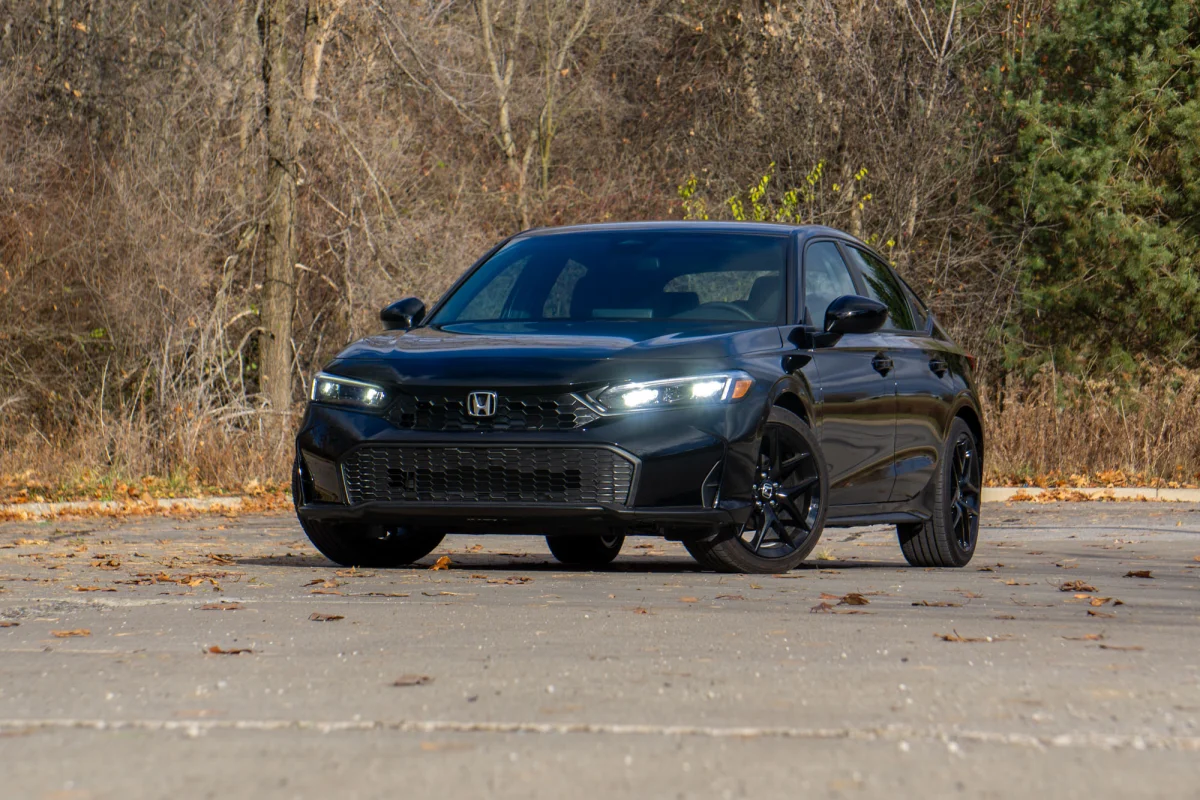
3. 2024-2025 Ford F-150 5.0L V8: Traditional Power Meets Modern Efficiency
The Ford F-150 5.0L V8 combines classic V8 performance with modern fuel efficiency and versatility. Known as the “Coyote” engine, it is engineered to run on regular 87-octane gasoline, though premium fuel can provide a modest torque boost for heavy towing.
Advanced features, including a sophisticated electronic control unit (ECU) and direct-injection technology, allow the engine to adjust spark timing dynamically, preventing knocking and maintaining safe, efficient operation.
Its 10-speed automatic transmission keeps the engine in its optimal power band, enhancing both performance and fuel economy. While peak horsepower and torque are achieved on higher-octane fuel, the F-150’s design ensures dependable power for everyday driving, hauling, and towing on regular gas.
The 5.0L V8 produces 395 horsepower and 400 lb-ft of torque, and it benefits from a combination of port and direct fuel injection, spray-in bore liners, and an aluminum block that maximizes durability while reducing weight.
Despite lagging slightly behind turbocharged EcoBoost V6 rivals in torque, the naturally aspirated V8 delivers strong acceleration, propelling a 5,284-pound SuperCrew from 0–60 mph in just 5.9 seconds and running the quarter-mile in 14.4 seconds, figures comparable to the EcoBoost 3.5L V6.
Braking and chassis performance are competent, with predictable pedal feel, 0.80-g grip, and a 180-foot stopping distance from 70 mph, striking a balance between ride comfort and handling for a large pickup.
Fuel economy aligns with expectations for a full-size V8, achieving 15 mpg in combined driving and 19 mpg on the highway, providing up to 430 miles of range with the standard 23-gallon tank. Optional 36-gallon tanks extend long-haul capability.
The F-150’s traditional ladder-frame chassis, solid axles, and aluminum body maintain its legendary durability, while modern amenities like adaptive cruise control, lane-keeping assist, active park assist, and a 360-degree camera add contemporary convenience. Trailer towing is simplified through Dynamic Hitch Assist, with ratings from 9,000 to 11,600 pounds depending on configuration.
Inside, higher trims like the Platinum offer premium touches, including Marsala leather, woodgrain accents, voice-activated navigation, and upgraded audio. Exterior customization remains abundant, from bed lengths and body styles to performance and special editions.
The F-150 5.0L V8 proves that traditional V8 muscle remains relevant, blending classic power delivery with modern efficiency, safety, and technology. It delivers capable towing, responsive acceleration, and a comfortable, feature-rich cabin, making it a versatile choice for both work and daily driving while still honoring its V8 heritage.
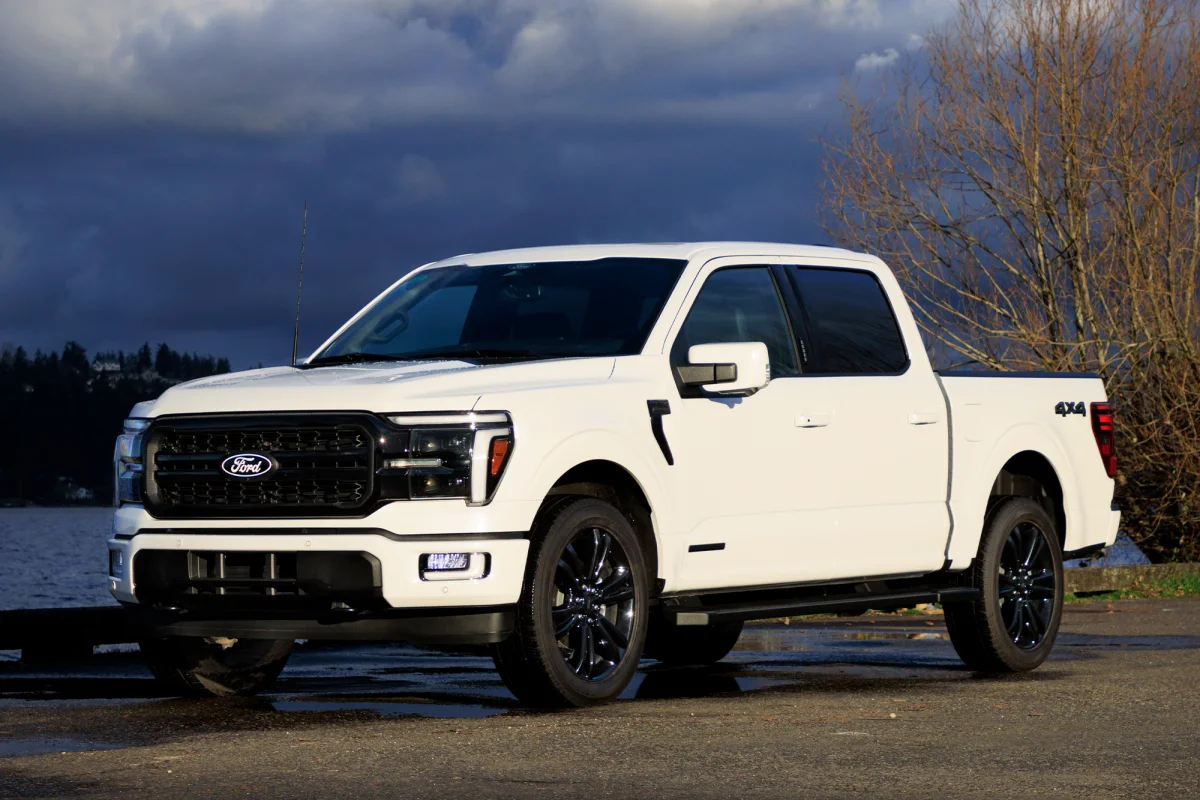
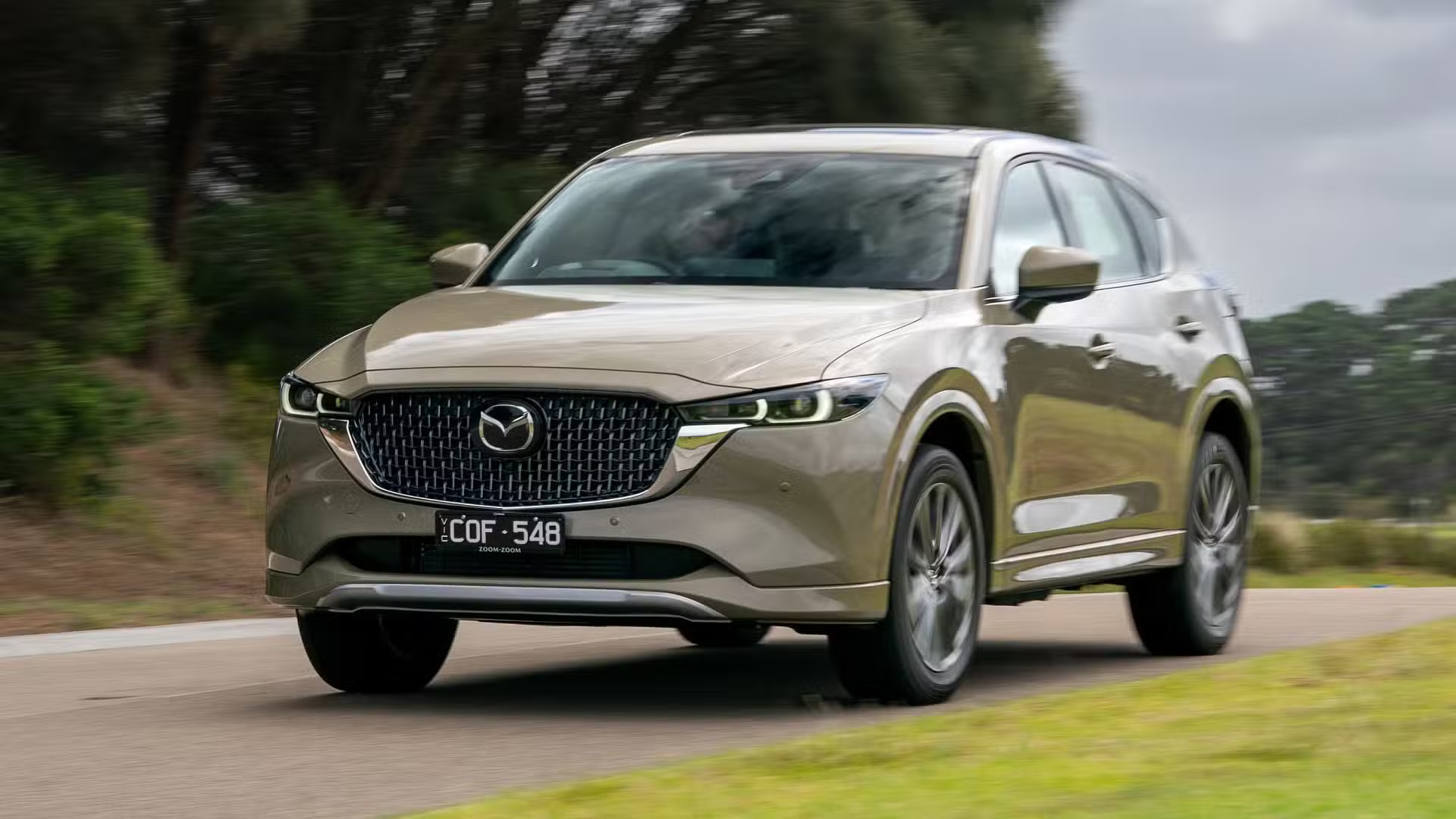
4. 2025-2026 Mazda CX-5 2.5L Non-Turbo: Efficient, Reliable, and Budget-Friendly
The 2025 Mazda CX-5 with the 2.5L naturally aspirated Skyactiv-G engine delivers a premium driving experience while running efficiently on regular 87-octane fuel. Despite its high 13.0:1 compression ratio, Mazda’s engine design, which includes a unique exhaust manifold, direct injection, and precise engine management, prevents knock and allows drivers to enjoy strong performance without premium fuel.
The 2.5L engine produces 187 horsepower and 186 lb-ft of torque, providing smooth and linear power delivery that is well-suited for everyday driving. Unlike the turbocharged variant, which requires higher-octane fuel to reach full potential, the non-turbo CX-5 emphasizes reliability, fuel efficiency, and low maintenance.
The Skyactiv-G engine is paired with a six-speed automatic transmission and standard all-wheel drive, offering responsive acceleration and balanced handling. Previous testing showed the non-turbo CX-5 reaching 60 mph in approximately 8.1 seconds, which is adequate for commuting and highway driving.
For the 2026 update, Mazda has refined engine tuning to improve throttle response. A hybrid version is expected for the 2027 model year, which will feature an in-house Mazda powertrain.
The interior of the CX-5 provides comfort and practicality. Rear legroom, headroom, and cargo capacity have increased, and the lower load floor makes it easier to access the storage area. The cabin uses high-quality materials and a clean layout that enhances usability. The CX-5’s cargo space is versatile and well-suited for family use or everyday errands.
Technology is updated with a standard 12.0-inch infotainment touchscreen mounted horizontally for accessibility. A larger 15.6-inch display is available and includes Google-based features such as Google Maps, Google Assistant, and the ability to download apps from the Play Store. This system replaces Mazda’s previous software and simplifies operation.
Safety features continue to be a strong point. Standard equipment includes automated emergency braking with pedestrian detection, lane-departure warning, lane-keeping assist, and adaptive cruise control. Full details on additional driver-assistance features for the 2026 model are not yet available.
Warranty coverage includes a three-year/36,000-mile limited warranty and a five-year/60,000-mile powertrain warranty. Mazda does not include complimentary scheduled maintenance, which some competitors offer.
The non-turbo Mazda CX-5 2.5L provides efficient and reliable performance, a refined interior, modern technology, and practical cargo space, making it a budget-conscious option for drivers seeking a compact SUV that runs well on regular fuel.
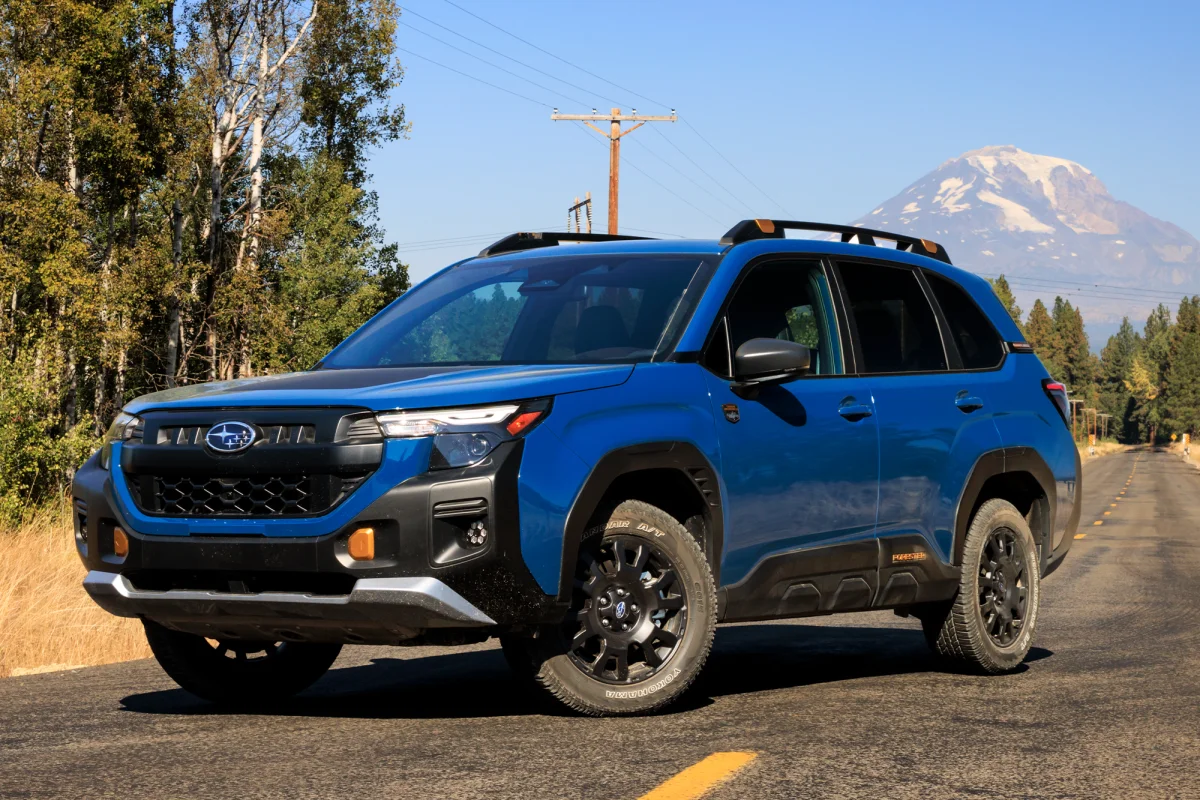
5. 2025-2026 Subaru Forester 2.5L Boxer: Rugged, Efficient, and Practical
The Subaru Forester 2.5L naturally aspirated Boxer engine is designed for longevity, efficiency, and reliability. Optimized for regular 87-octane fuel, it ensures drivers can access compatible gasoline even in remote locations. Its flat-four layout features moderate compression and advanced engine management systems that adjust ignition timing to prevent pre-ignition or knocking.
Without a turbocharger, the engine operates under lower internal pressures, enhancing durability and reducing sensitivity to fuel grade. The flat Boxer design also lowers the center of gravity, which, when paired with Subaru’s Symmetrical All-Wheel Drive system, contributes to stable handling and efficient power delivery.
The 2.5L engine produces 180 horsepower and 178 pound-feet of torque, feeding a continuously variable transmission with all-wheel drive. Acceleration is measured, with 0–60 mph times around 8.3 to 8.4 seconds depending on trim. The Forester prioritizes comfort over sporty handling, with suspension tuned to absorb road imperfections.
Steering feedback is minimal, and the rear end can feel light in corners, but the ride remains composed for everyday driving. The Forester Wilderness trim demonstrates strong off-road capability while maintaining a smooth on-road ride.
Fuel economy is competitive for the segment. Most trims achieve an EPA rating of 26 mpg city and 33 mpg highway, while the Wilderness trim, with beefier tires and a shorter final-drive ratio, is rated at 24 mpg city and 28 mpg highway.
Highway testing produced 31 mpg for the Sport trim and 27 mpg for the Wilderness, giving the SUV a practical range for long trips. Towing capacity varies from 1,500 pounds on standard trims to 3,500 pounds for the Wilderness model.
The interior is spacious and functional, with tall windows, an upright cabin, and a panoramic sunroof that enhances visibility and cabin brightness. Seating is comfortable with cloth, leather, or water-repellent leatherette, depending on trim.
Rear passengers enjoy ample headroom, legroom, and cargo space. The Forester provides 30 cubic feet of cargo with the rear seats up and 75 cubic feet with seats folded, surpassing many competitors.
Technology includes an 11.6-inch infotainment touchscreen on most trims, wireless Apple CarPlay and Android Auto, and a wireless charging pad. Safety features are comprehensive, including Subaru’s EyeSight suite with automated emergency braking, lane-departure warning, lane-keeping assist, and adaptive cruise control.
Warranty coverage includes a three-year/36,000-mile limited warranty and a five-year/60,000-mile powertrain warranty. Maintenance is not complimentary, making the Forester less generous than rivals in this area. The 2.5L Boxer offers a rugged, fuel-efficient, and practical option for drivers seeking a dependable compact SUV.
Also Read: 5 Cars With Long Real-World Fuel Range vs 5 With Short Range
5 That Don’t
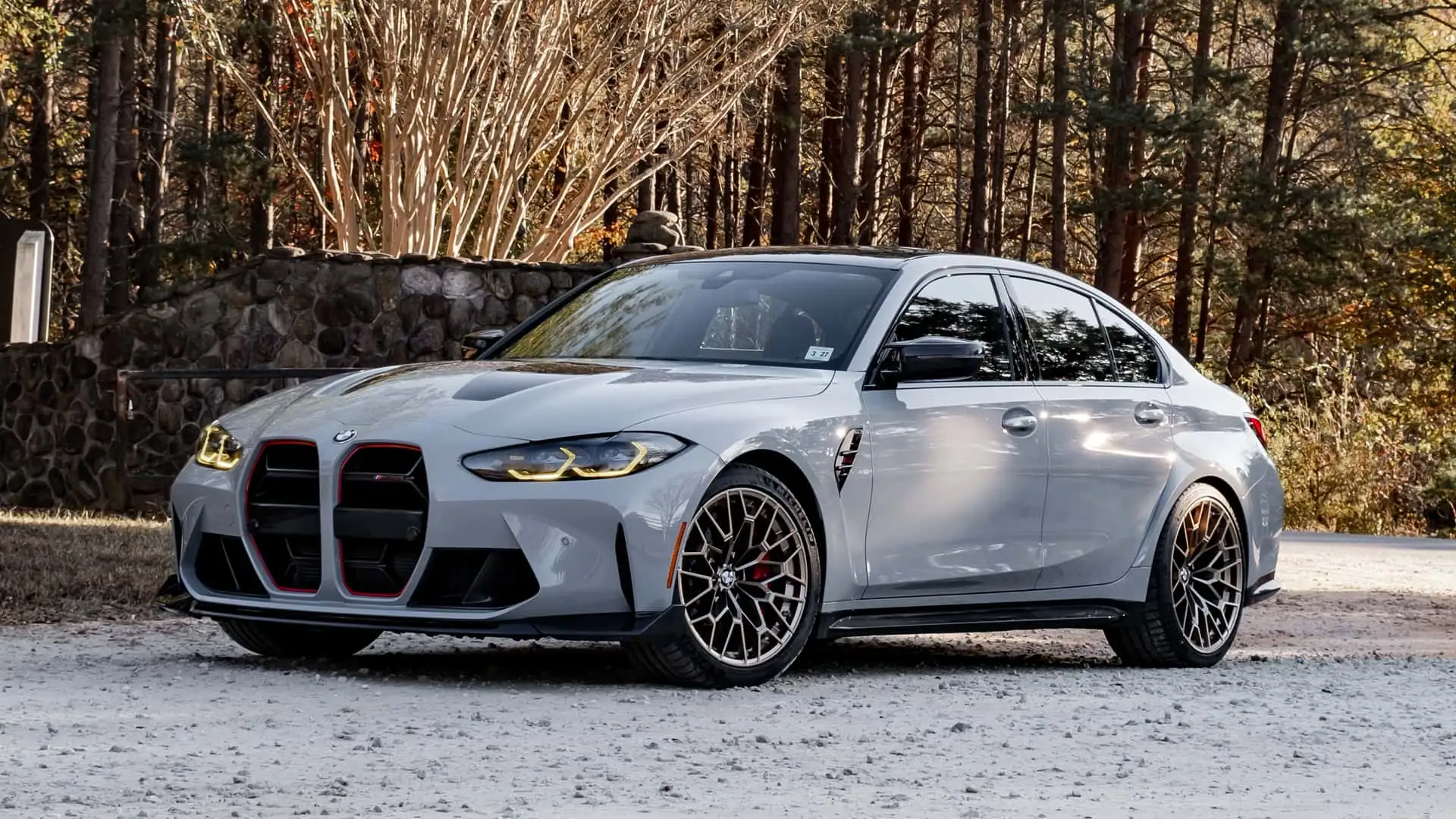
1. BMW M3 3.0L Twin-Turbo I6: High-Performance Requires Premium Fuel
The BMW M3 equipped with the S58 3.0L Twin-Turbo inline-six engine is a precision high-performance vehicle that relies on premium fuel, typically 91–93 octane. The engine produces 473 horsepower in standard models and up to 523 hp in xDrive Competition versions.
Its extreme boost pressures, high compression, and advanced electronics make regular 87-octane gasoline unsuitable. Using lower-octane fuel triggers the engine’s protective systems, which reduce power and throttle response to prevent damage.
The S58 engine uses twin mono-scroll turbochargers to generate up to 22 psi of boost, compressing the air-fuel mixture and increasing both temperature and pressure in the combustion chambers. This forced induction significantly raises the risk of pre-ignition or “knocking” if the fuel is not stable. Premium fuel’s higher octane rating ensures the mixture remains controlled, allowing the engine to deliver maximum power safely.
Despite being turbocharged, the M3 maintains a relatively high static compression ratio of 9.3:1, optimized for performance and torque. Regular gasoline is less stable under these conditions, causing early combustion that can damage pistons, cylinder walls, and other components over time.
Modern BMWs are equipped with knock sensors that detect low-octane fuel. If regular gas is used, the engine management system retards ignition timing to protect internal components. While this prevents immediate engine failure, it reduces acceleration, lowers fuel efficiency, and may contribute to long-term stress or carbon buildup if used frequently.
For peak performance, reliability, and to maintain warranty coverage, BMW strongly recommends following the fuel guidelines in the M3 Owner’s Manual and on the fuel filler cap. Premium gasoline ensures the S58 engine operates as designed, delivering precise throttle response, maximum horsepower, and optimal fuel efficiency while protecting the engine from premature wear.
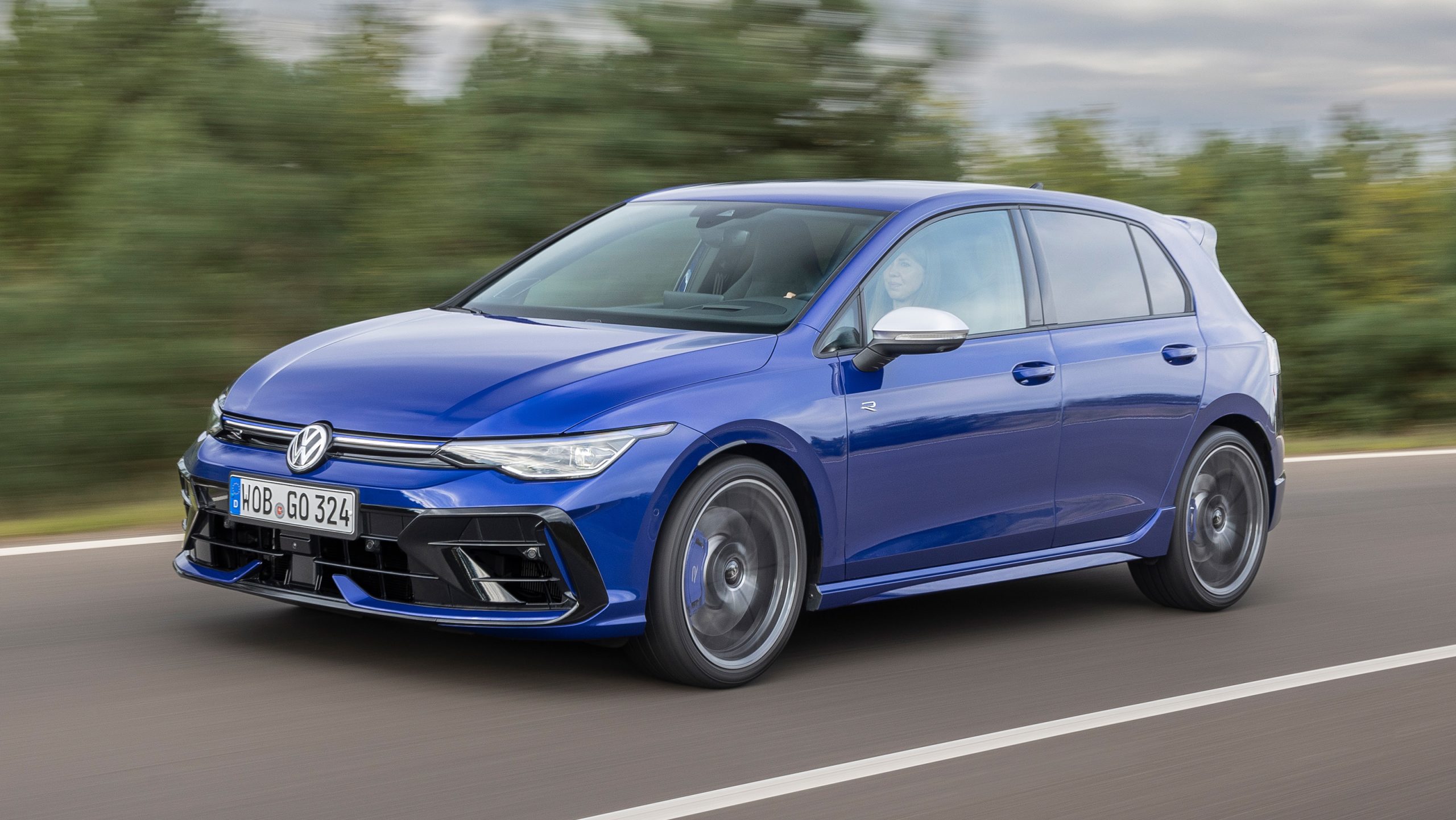
2. Volkswagen Golf R 2.0L Turbo: Precision Performance Requires Premium Fuel
The Volkswagen Golf R is a high-performance variant of the Golf lineup and requires premium fuel, typically 91–93 octane, to operate safely and deliver its engineered performance. Unlike the standard Golf or GTI, which can run on regular gasoline with reduced power, the Golf R’s 2.0L turbocharged EA888 engine is tuned to produce over 315 horsepower.
The high boost pressures and extreme thermal loads make regular 87-octane fuel unsuitable, as it cannot prevent pre-ignition or engine knock under these demanding conditions.
The engine relies on a large turbocharger to compress significant amounts of air into the small displacement engine. This creates high cylinder pressures and elevated temperatures that increase the risk of fuel detonating prematurely. Premium fuel is formulated to resist ignition under these conditions, ensuring the air-fuel mixture only combusts when the spark plug fires.
Using lower-octane fuel triggers knock sensors, which tell the ECU to retard ignition timing. While this protects the engine from immediate damage, it reduces throttle response, horsepower, and torque, effectively making a high-performance vehicle operate like a base-model car.
Maximizing power and efficiency requires precise engine tuning. The Golf R’s ECU advances ignition timing to extract the maximum force from the compressed air-fuel mixture. Without premium fuel, the engine must detune itself, compromising performance and fuel economy.
Over time, frequent use of regular gasoline can contribute to increased carbon deposits, reduced MPG, and potential mechanical stress on pistons and connecting rods, as pre-ignition events can strain internal components. Premium fuel also typically contains higher-quality detergents that help maintain clean injectors and intake valves, supporting long-term reliability.
Fuel guidelines are clearly marked on the fuel filler door and in the owner’s manual. Using premium gasoline ensures optimal power, torque, efficiency, and engine protection while maintaining warranty coverage. Regular fuel should only be used in emergencies, as it limits the vehicle’s capabilities and can negatively affect long-term performance.
The Golf R is a precision-engineered performance machine that depends on premium fuel for safe operation, maximum output, and longevity. For drivers seeking the full benefits of its turbocharged engine, premium gasoline is not optional but required.
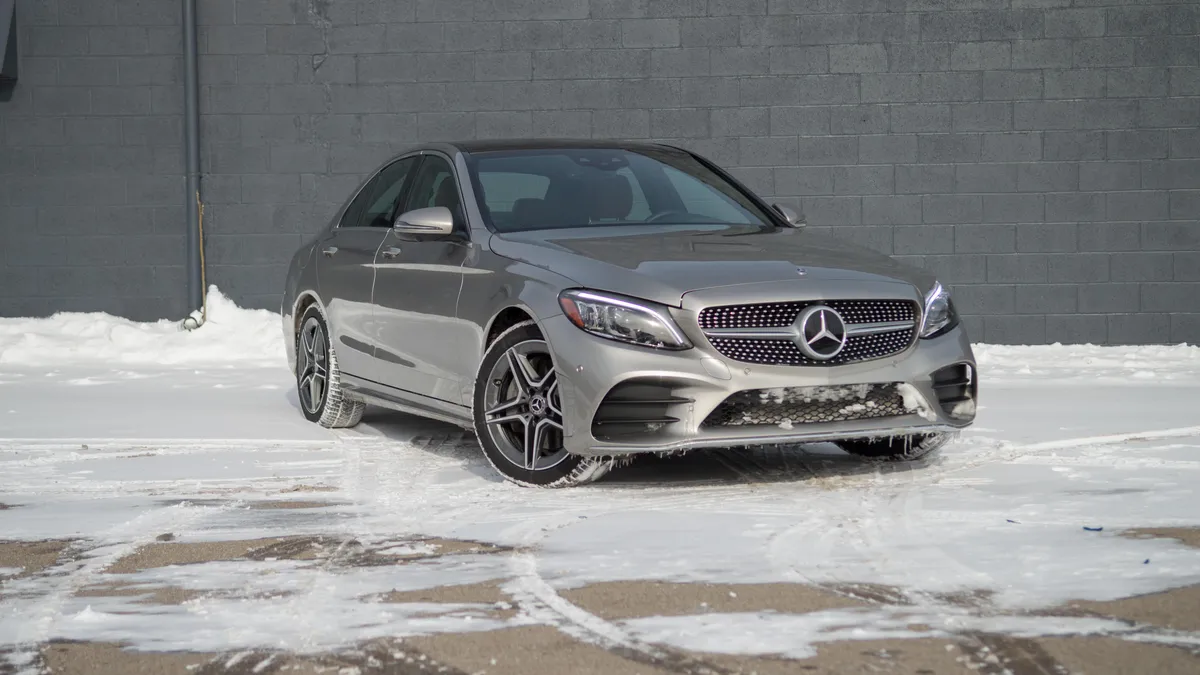
3. Mercedes-Benz C300 2.0L Turbo: Entry-Level Luxury Demands Premium Fuel
The Mercedes-Benz C300, though considered an entry-level luxury sedan, relies on high-compression turbocharging to deliver smooth and linear power. Its 2.0L turbocharged engine is designed to operate on premium fuel, typically 91–93 octane, to maintain performance, fuel economy, and engine longevity.
While the car can run on regular 87-octane gasoline in emergencies, doing so consistently will result in reduced performance, lower efficiency, and potential long-term wear.
The engine’s need for premium fuel stems from the high pressures and temperatures created by turbocharging. The 2.0L engine compresses the air-fuel mixture to extreme levels. Regular gasoline is prone to ignite prematurely under these conditions, causing pre-ignition or “engine knocking.”
These small, uncontrolled explosions create shockwaves inside the combustion chamber that can damage pistons, connecting rods, and other components over time. Premium fuel resists ignition until the spark plug fires, ensuring stable combustion and protecting the engine.
Performance and torque are also affected by fuel quality. Mercedes tunes the C300 to deliver specific horsepower and torque figures based on premium gasoline. If the ECU detects lower-octane fuel, it retards ignition timing to prevent knock.
While this protects the engine, it results in slower acceleration, reduced throttle response, and diminished “pull” during highway merges. Drivers will notice that the car feels less responsive and less refined compared to running on premium fuel.
Fuel economy is another key consideration. The engine operates most efficiently on 91-octane fuel, where combustion timing and boost levels are optimized. Using regular gasoline forces the ECU to detune the engine, taking it outside its ideal efficiency range. The reduction in Miles Per Gallon often offsets any cost savings from cheaper gas.
High-quality premium fuels also contain greater concentrations of detergent additives, which help keep fuel injectors and intake valves clean. In a direct-injection turbo engine like the C300’s, preventing carbon buildup is essential for maintaining smooth operation and avoiding costly maintenance.
The C300 is engineered for refined driving with consistent performance, fuel efficiency, and reliability. Premium fuel ensures the engine operates as intended, delivering the smooth throttle response, torque, and MPG expected from a luxury sedan. Using regular fuel is acceptable only in emergencies, but repeated use will compromise performance and long-term engine health.
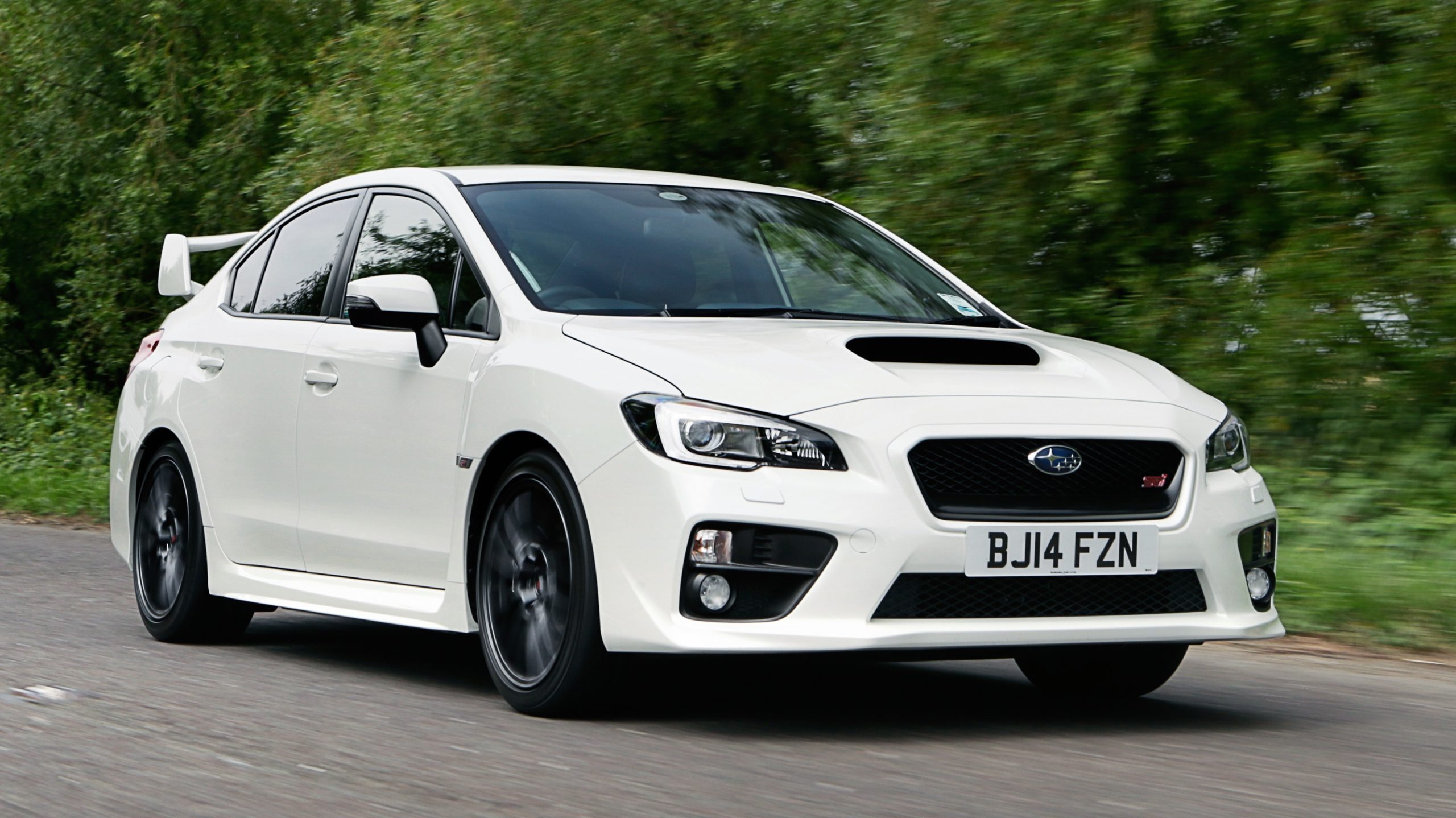
4. Subaru WRX 2.4L Turbo: Rally-Bred Performance Requires Premium Fuel
The 2025 Subaru WRX, equipped with a 2.4L turbocharged engine, is a high-performance rally-inspired vehicle that requires premium 91-octane fuel to maintain its power and reliability.
Unlike other Subaru models using the same displacement, such as the Forester or Ascent, the WRX is tuned for maximum performance, creating higher combustion pressures and temperatures that demand stable, high-octane gasoline. Using regular 87-octane fuel can lead to engine knock, reduced power, and potential long-term damage.
The WRX engine relies on forced induction through a turbocharger, which increases air pressure in the cylinders during combustion. This high-pressure, high-heat environment raises the risk of pre-ignition, where fuel ignites before the spark plug fires. Premium fuel resists this premature combustion, allowing the engine to operate safely at its designed boost levels.
Using lower-octane fuel triggers the ECU’s knock sensors, which retard ignition timing to prevent engine damage. While this protects internal components such as pistons, valves, and crankshaft bearings, it reduces horsepower, slows acceleration, and decreases throttle responsiveness. Fuel economy also suffers, often offsetting the cost savings of cheaper gasoline.
The WRX produces 271 horsepower when operating on premium fuel, with smooth, predictable power delivery. Subaru allows the use of 87-octane fuel only in emergencies, recommending conservative driving and avoiding heavy boost until premium gasoline is available.
For long-term reliability, using TOP TIER detergent gasoline is advised to minimize carbon buildup in the direct-injection system and maintain the health of critical engine components.
The WRX is a precision performance car whose turbocharged engine demands 91-octane fuel to achieve optimal acceleration, efficiency, and durability. Regular gasoline is acceptable only in rare emergencies and should be followed by refueling with premium for proper operation and engine longevity.
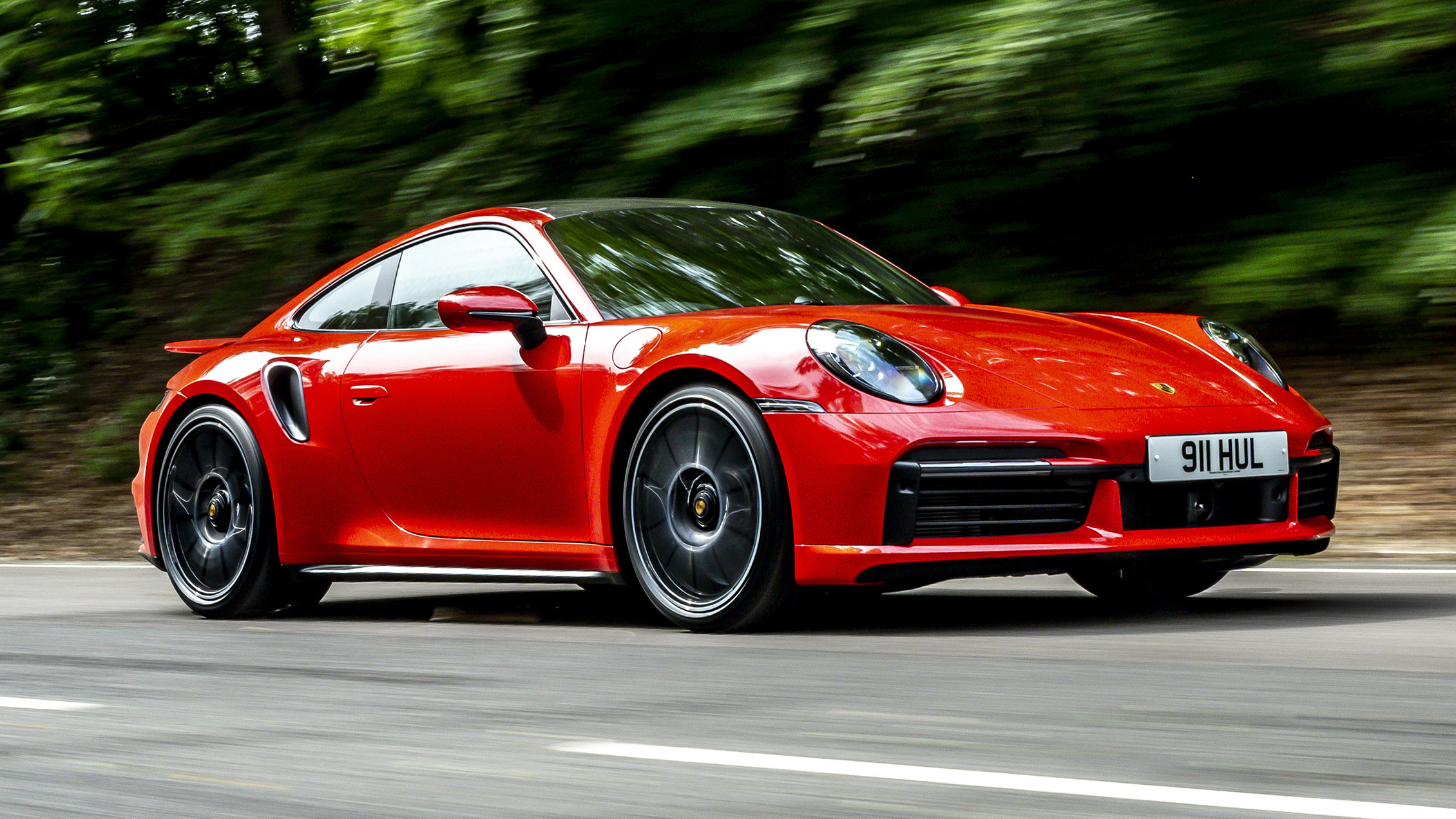
5. Porsche 911: High-Performance Engineering Requires Premium Fuel
The Porsche 911, across all trims, is a precision sports car that requires high-octane fuel, usually 91 to 93 octane, to achieve its full performance potential. Its engines are designed for high compression, rapid acceleration, and, in many models, turbocharging.
Using lower-grade 87-octane fuel reduces performance, efficiency, and long-term engine reliability. While the car can run on regular gasoline in emergencies, it will feel sluggish and deliver less power.
The high compression ratios in the 911 mean that the air-fuel mixture is squeezed into a very small, high-pressure space before ignition. Regular fuel is less stable under these conditions and can ignite prematurely, causing pre-ignition or engine knock. These uncontrolled explosions place extreme stress on pistons, cylinder walls, and other internal components, which can lead to serious mechanical damage over time.
Turbocharged models, such as the Carrera and GT2 RS, create even more internal heat and pressure. The additional boost requires fuel that can resist detonation under high temperatures, making premium gasoline essential for safe and reliable operation.
Premium fuel allows the engine’s ignition timing to remain aggressive, producing the sharp throttle response, high torque, and top-end horsepower that define the 911. Using regular gasoline triggers the engine management system to retard timing to prevent damage, which reduces performance and fuel efficiency.
Porsche engines are built to exacting tolerances with specialized coatings to reduce wear. Consistently using lower-grade fuel increases carbon buildup and uneven wear, which shortens engine longevity. Premium fuel ensures the combustion cycle remains controlled, preserving both performance and durability over the life of the engine.
The 911’s high-performance engine is optimized for premium fuel. Using regular gasoline may allow the engine to operate temporarily, but it prevents the car from performing as designed and reduces long-term reliability. Premium fuel is essential to experience the power, refinement, and durability expected from a Porsche 911.
Fuel choice has a direct impact on performance, efficiency, and engine health. Cars designed for regular fuel provide practical daily driving, lower costs, and consistent performance. High-performance vehicles require premium gasoline to manage extreme pressures, turbocharging, and precise timing.
Using lower-octane fuel in these cars reduces acceleration, decreases fuel efficiency, and increases long-term wear. Understanding which vehicles run well on regular fuel and which require premium allows buyers to make smarter decisions based on budget, driving habits, and priorities.
Choosing the correct fuel ensures the car operates safely, efficiently, and as the manufacturer intended. Proper fuel selection protects engine components, maintains performance, and maximizes the enjoyment of driving, whether in a practical daily driver or a high-powered sports car.
Also Read: Top 10 Cars That Changed Automotive Engineering Forever