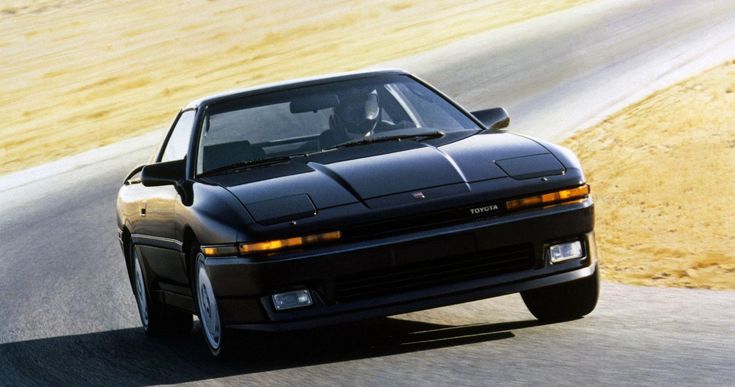
Muscle cars. Just hearing the phrase probably gets that engine growl in your head and makes you think of long straightaways, tires squealing, and that deep rumble that feels like your soul got a V8 hug. But here’s the real talk: a lot of classic muscle cars are wild on power and weak on reliability unless you’re ready to pour cash into maintenance every weekend. That’s not what we’re about here.
You want a muscle car that still bangs on the highway, makes people turn around, and won’t leave you stranded when you’re headed to dinner? Good, because this article doesn’t play around. We’re breaking down nine used muscle cars that are actually reliable enough for regular life but still pack a serious punch. These are the ones you can daily drive, tinker with on your own terms, and trust when you drop the hammer.
We’re not listing every car that ever had a big engine. We’re focusing on models with a solid track record for durability, relatively predictable maintenance needs, and strong aftermarket support. You’ll see classics that have earned respect from owners, later-generation machines that combine muscle with mid-level reliability, and sleeper picks that surprise you with the way they handle daily use.
For every car here, we’ll give you straight info on what makes it strong, where you might need to watch your wallet, and what years or trims you should look for. No fluff, no gloss just what you need to know to make a smart purchase, have fun, and actually enjoy the ride. If you’ve got a hankering for American muscle with guts and brains, buckle up. These nine rides are worth your attention.
Top 9 Reliable Used Muscle Cars That Still Pack A Punch
Buying a used muscle car is tricky. Power is easy to find. Reliability? Not so much. A lot of muscle cars look mean but turn into money pits once the excitement wears off. That’s why reliability matters just as much as horsepower. You want something that fires up every morning, doesn’t overheat in traffic, and still delivers that push-back-in-your-seat feeling when you hit the gas.
The cars on this list aren’t just fast in a straight line. They’ve proven they can survive real-world driving, imperfect owners, and years of use. These are machines with engines known to last, transmissions that don’t give up early, and parts that won’t force you to hunt endlessly or overspend. They strike the right balance between raw performance and mechanical sanity.
Whether you want a daily driver with muscle attitude or a weekend car that won’t constantly need repairs, these nine options show that speed and reliability don’t have to fight each other. You can have both if you choose smart.
ALSO READ: 10 Chevy Models We Wish Had Never Been Discontinued
1. Ford Mustang GT (1999–2004)
This generation of Mustang GT, often called the “New Edge,” is one of those sleeper hits that gives you classic muscle vibes with surprisingly solid day-to-day reliability. Under the hood you get Ford’s 4.6-liter SOHC V8, which might not sound as mean as some pushrod monsters, but it’s a workhorse if you treat it right. These engines are known for lasting well past 150,000 miles when maintained, and parts availability is crazy good. You can fix almost anything on these with basic tools and a bit of patience.
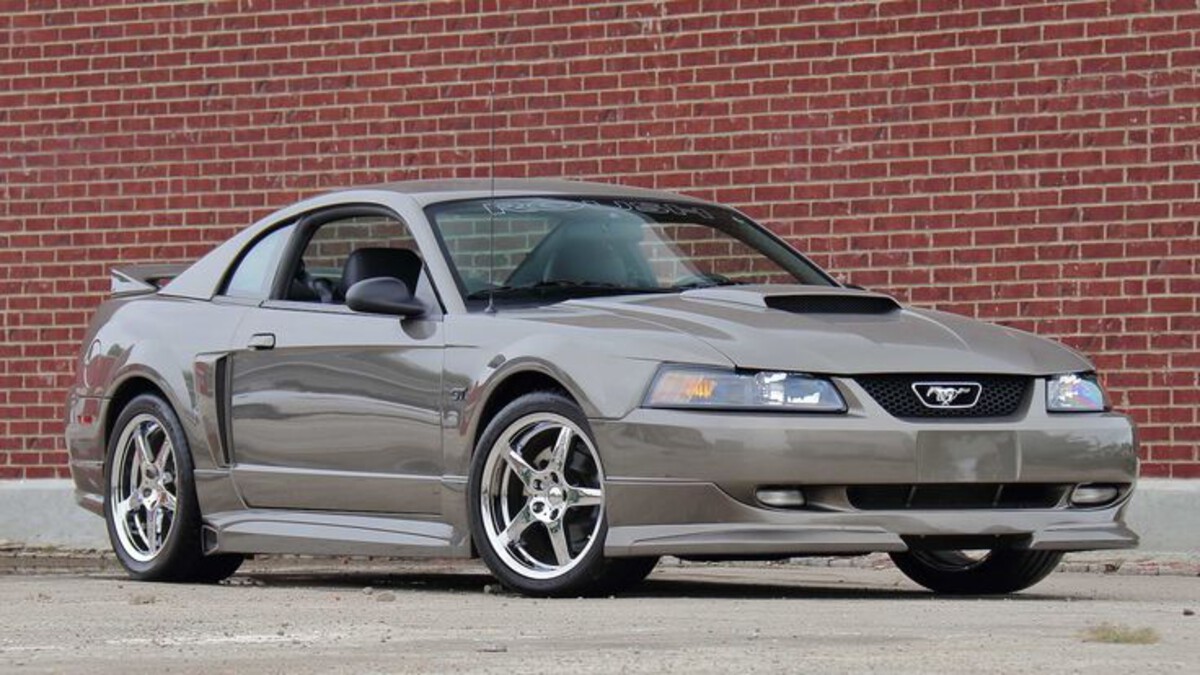
On the street, the Mustang GT feels like a classic: deep exhaust note, decent grunt off the line, and that wide stance that still looks good parked at a meet. The 4-speed automatic is common, but most enthusiasts swear by the 5-speed manual for that authentic connection between driver and machine. Expect mid-13s in the quarter if you’re running stock and in good shape.
Inside, things aren’t flashy, but they’re simple and functional. These Mustangs were built before fancy infotainment became a must-have, so there’s a rawness that a lot of purists actually like. Suspension is tuned for straight-line performance more than carving twisties, but it’s predictable and won’t throw surprises at you. And because these cars were made in decent numbers, you’ll find plenty of usable examples under $10k if you’re patient.
Watch out for rust around the wheel wells and undercarriage, especially if the car spent time in snowy climates with salted roads. Check for oil leaks and worn suspension bits too common issues that are inexpensive fixes if caught early. Overall, the ’99–’04 Mustang GT is all about honest muscle that you can daily drive, wrench on, and still enjoy hitting the open road.
2. Chevrolet Camaro SS (1998–2002)
The late ’90s Camaro SS is a classic that feels like muscle without being a diva. Powered by Chevrolet’s 5.7-liter LS1 V8, this thing is a blast. The LS series engine is legendary for reliability, and this was one of the first times it made its way into a mainstream pony car.
With around 320 horsepower stock, the Camaro SS scoots hard and sounds even better. More importantly, these engines don’t complain if you drive them regularly and keep up with basic maintenance.

One of the best parts? The LS1 is super mod-friendly. Want just simple bolt-ons like headers and intake? Easy. Thinking turbo down the line? People do it. But even bone stock, this car feels planted and powerful. The suspension on these late-’90s Camaros is tougher than you’d expect too, especially if the previous owner added any upgrades.
Interior quality isn’t luxury by any stretch, but it’s solid and functional. Seats are comfortable enough for daily use, though long road trips might remind you this car was built with a cheeky grin and not a cushy recliner vibe. Manuals are great if you’re down to row gears, but the automatic is fine too and can handle spirited driving without complaint.
Used examples can be found at reasonable prices, and unlike older collectible muscle cars, the parts supply is broad and affordable. Common stuff like wheel bearings, bushings, and sensors are cheap and easy to swap out yourself.
Look for rust in the usual Chevy spots and check the cooling system overheating history, which can cause warping over time. Also, make sure the odometer matches service history; these cars love to be driven hard, so low miles might not always mean pampered. If you want classic American muscle energy with a reliable heart, the 1998–2002 Camaro SS punches well above its weight.
3. Dodge Challenger R/T (2009–2014)
When Dodge brought the Challenger back modern, it hit like a nostalgic knockout. The 2009–2014 Challenger R/T mixes old-school style with a 5.7-liter Hemi V8 that’s known for being tough and surprisingly sensible for a big-block. Think of this as a big cruiser with muscle car attitude this thing bears down hard, but doesn’t peter out after a couple of years.
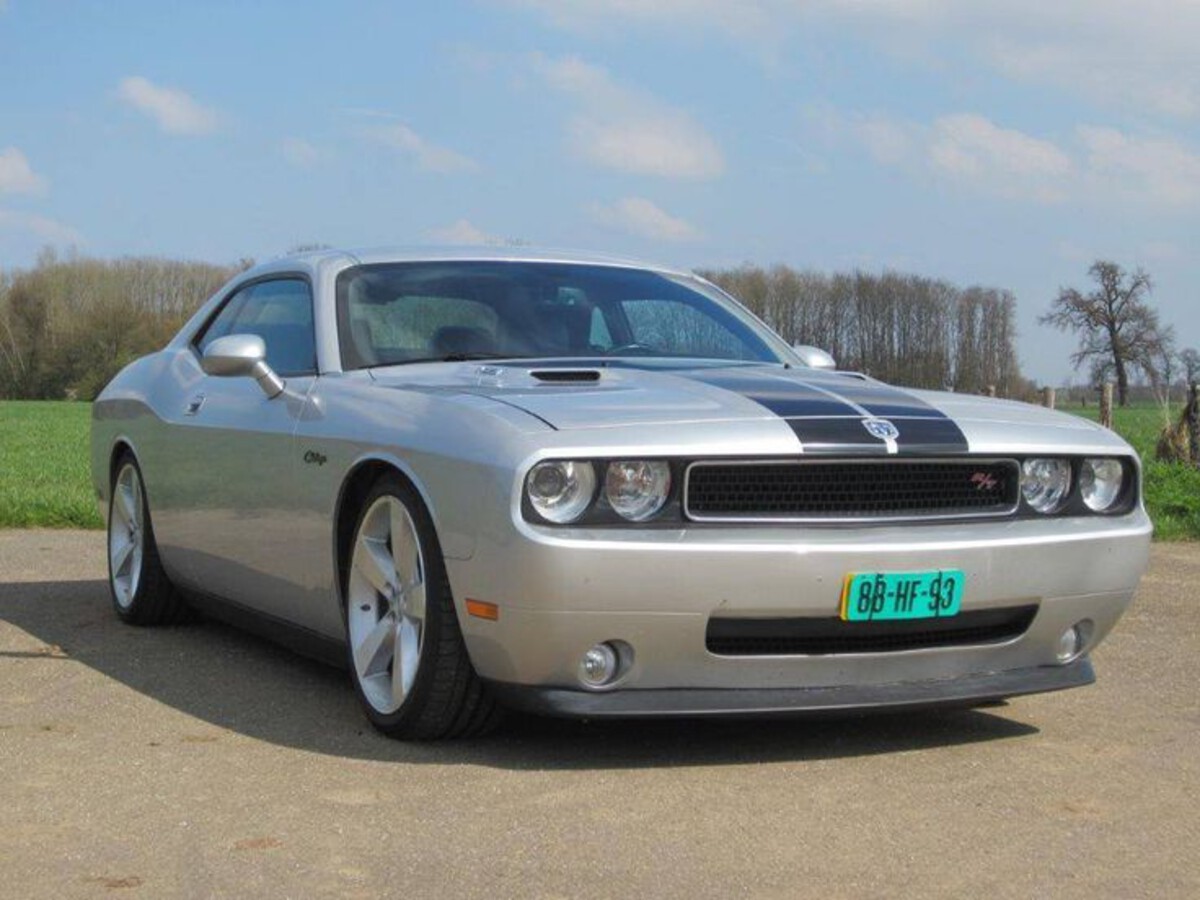
The Hemi in these models pumps out solid torque, so you feel power right off idle, and daily highway driving isn’t a struggle. It’s not going to sip gas, but it also won’t leave you stranded if you keep up with regular oil changes, cooling checks, and spark plug servicing. This isn’t a garage queen muscle car that needs coddling; it was made to be driven.
Inside, the Challenger is roomier than many competitors, and the retro styling carries inside too. You get a mix of nostalgia and modern comfort, with a dash layout that’s easy to live with. The seats are supportive enough for long runs, and the overall vibe feels more grown-up than some other muscle cars in its class.
One of the biggest advantages of the R/T is the aftermarket support. Whether you want a cold air intake or a full exhaust, there’s a huge community around these cars. That also means tons of advice online if you run into troubles or want to tweak performance.
Potential buyers should watch for suspension wear and brake condition, as the extra heft of the Challenger can stress those parts if previous owners drove hard. Also check for straight body panels these cars were popular for drag racing, and not all sellers disclose mods.
All in all, a 2009–2014 Challenger R/T gives you classic muscle feel with a build quality that can hold up to everyday life. It’s a heavyweight fighter that still lands reliable punches.
4. Pontiac GTO (2004–2006)
The Pontiac GTO from the mid-2000s is one of those underrated gems. Based on the Holden Monaro platform from Australia, this muscle car swapped sheetmetal for serious substance. Under the hood you get either a 5.7-liter LS1 or, in later years, a 6.0-liter LS2 V8. Both engines are part of GM’s LS family, which means strong reliability and tons of parts support.
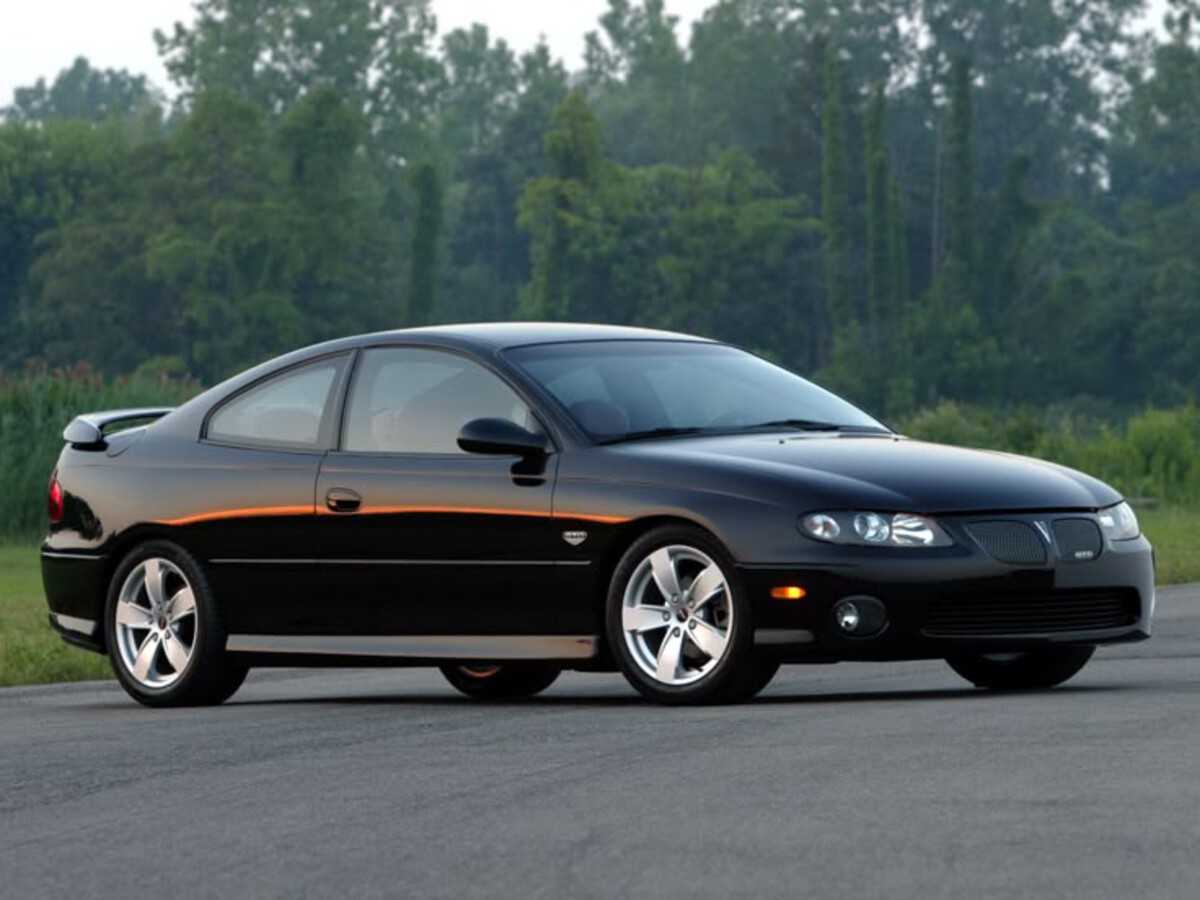
These cars have a balanced feel that older, traditional muscle doesn’t always offer. They’ll grip better through corners and feel more planted at higher speeds. That doesn’t make them sports cars exactly, but they’re more composed than you might expect given their brute-force looks and power. The LS2 in ’05–’06 models especially steps up the game with more power without adding a ton of extra stress.
Inside, the GTO is simple, driver-focused, and surprisingly comfortable for longer trips. You’ll find that owners appreciate the solid build and minimal electronics drama. When these cars were new, they weren’t overrun with complex infotainment systems or touchscreens that get outdated fast so what’s left is dependable basics.
Being a Pontiac, though, means watching out for some parts that weren’t as common in other GM cars, but the core engine and transmission bits are as hackable as any LS-powered ride. This is a muscle car you can wrench on with confidence.
Rust resistance is decent, but always inspect the typical spots around wheel wells and floors in older cars. Also take a look at the cooling system and suspension bushings wear there can make these feel more tired than they are.
If you want someone who mixes classic muscle heft with a bit more finesse and won’t demand a second mortgage, a mid-2000s GTO is a slick pick. It’s raw, reliable, and still very fun.
5. Chevrolet Corvette C5 (1997–2004)
Okay, hear me out: yes, this is a Corvette, not a traditional muscle car. But this generation, the C5, is often lumped in with muscle because of its big V8, rear-drive aggression, and affordable used prices. Plus, it’s tough as nails. Powered by the LS1 (and later the LS6 in Z06 trims), these cars are all about that smooth yet powerful punch you want in a muscle ride.
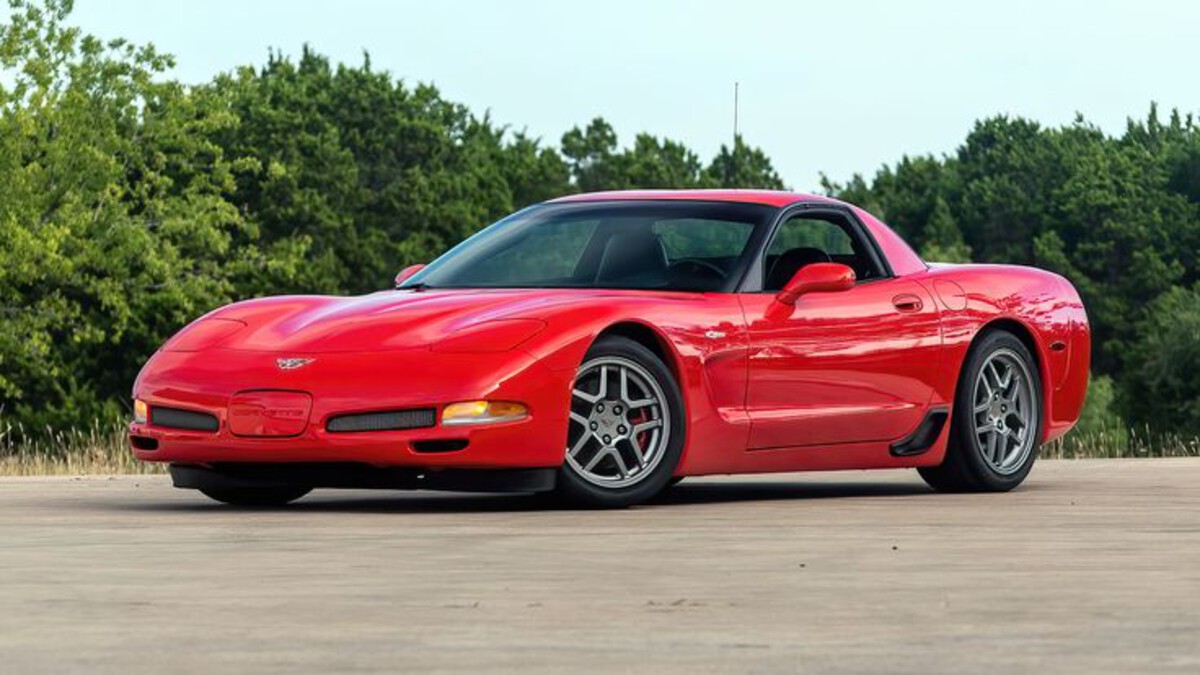
The C5 feels lighter and more agile than most other muscle cars on this list, which is a big part of the appeal. You get power that’s easy to control, and the chassis feels tight in a way that makes winding roads fun rather than scary. And reliability? These engines and transmissions are some of the most bulletproof GM ever made. With regular oil changes and common-sense care, you’ll see high miles without catastrophic failures.
The interior is snug compared to some big muscle cruisers, but it’s built better than you’d expect from a late-’90s car, and most parts are still reasonably easy to find. You’re not going to find cutting-edge tech, but you will find gauges and controls that work and don’t spaz out because the car is 20+ years old.
Corvettes are often driven hard, so inspect for track abuse and homemade mods that weren’t done well. Look at suspension wear, check for oil leaks, and verify that previous owners kept up with coolant and brake service. The Z06 models are breathtakingly capable but sometimes come with a higher price and more aggressive owners.
Bottom line: if you want muscle that feels a bit sharper and still reliable enough for regular use, the C5 is a great choice. It’s a blast to drive and has that unmistakable growl people love.
ALSO READ: 5 Hatchbacks That Are Perfect for City Life and 5 That Aren’t
6. Dodge Charger R/T (2006–2010)
If you want muscle that feels massive, the Dodge Charger R/T is your big, comfy bruiser. It’s a four-door muscle car, so you get practical doors and seats plus a thumping 5.7-liter Hemi V8. The payoff? Tons of torque and that trademark Hemi rumble with a personality that says “I mean business” every time you start it.
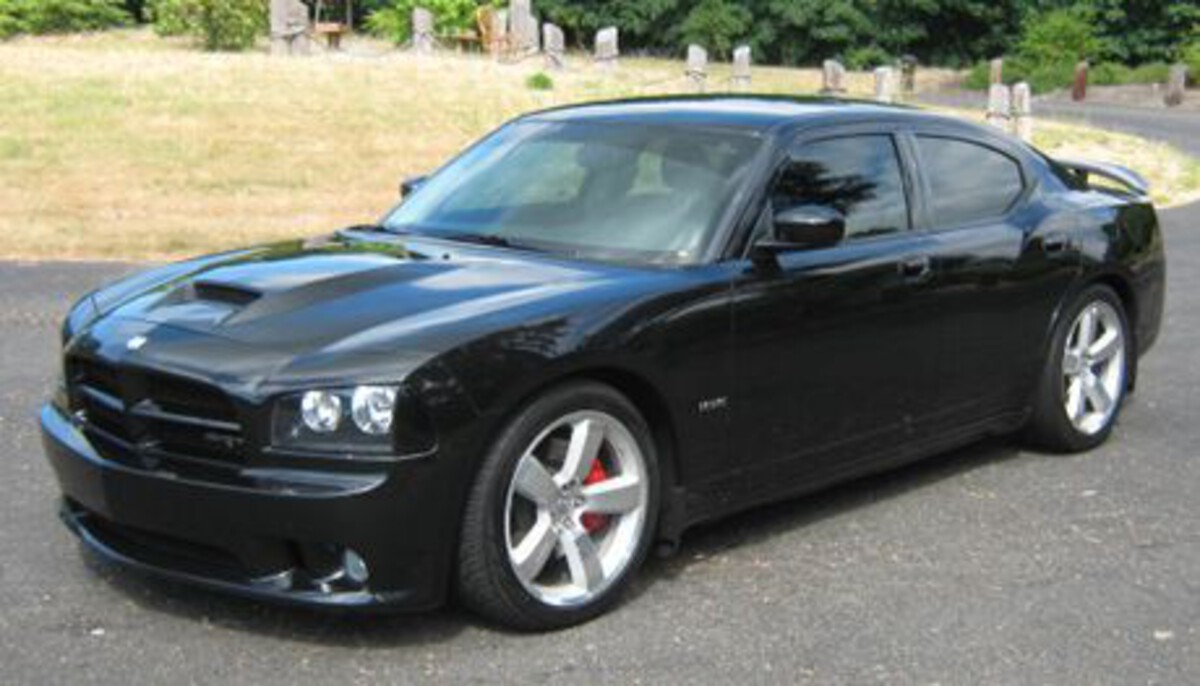
Under normal cruising, the Charger is surprisingly livable. The seating is roomy, visibility is good for a wide car, and the ride soaks up rough roads better than you’d guess given what’s going on under the hood. This isn’t a small coupe this is a road presence that matches its power.
The reliability story for the 2006–2010 R/T is solid if you focus on basics: oil changes on schedule, cooling system care, and attention to ignition components. These cars don’t hide complex electronics that go haywire; they’re straightforward V8 monsters that like straightforward maintenance.
Parts are everywhere and the aftermarket is huge. Whatever you want to upgrade exhaust, intake, suspension tweaks it’s out there and affordable. Lots of owners do bolt-on mods that make a noticeable difference without killing reliability.
Watch for careless owners who might have beaten on these, especially in early models. Check alignment, tires for uneven wear, and brakes big cars need big stopping power, and sloppy braking maintenance shows quickly. Also check the transmission service history; keeping fluid fresh matters.
For everyday use with real muscle attitude, the Charger R/T is hard to beat. It’s big, fun, and dependable enough that you can enjoy it without feeling like you need a mechanic on speed dial.
7. Pontiac Firebird Trans Am WS6 (1998–2002)
Much like its cousin the Camaro, the Firebird Trans Am with the WS6 performance package is a gem if you care about balance and power. The 5.7-liter LS1 V8 gives strong low-end torque and smooth, linear power delivery that makes this car feel quick without jerking your teeth out. Put it this way: these are the cars people remember when they think of ‘90s muscle done right.
WS6 adds better suspension hardware, wider wheels, and a performance-oriented setup that tightens handling without ruining ride quality. That’s key if you want something you can drive every day but still enjoy on a backroad or weekend cruise.
The engine’s reliability is solid if you keep fundamentals in check: clean air filter, fresh fluids, and attentive spark plug intervals. The LS1 isn’t fussy, and replacements are cheap and common. Same goes for transmission parts and brakes. This is a muscle car you can fix yourself on a Saturday afternoon.
Inside, the Trans Am isn’t luxury, but most find the seats supportive and the layout intuitive. These weren’t built with garbage electronics that fail; they’re simpler cars that do their job without drama.
Rust can be a concern on older cars, so inspect the rocker panels, floor pans, and undercarriage carefully. Suspension bushings wear, too, so listen for creaks or looseness.
If you want a classic look with punchy, dependable power and a chassis that actually behaves, the Firebird Trans Am WS6 is a sweet pick. It’s honest muscle with brains under the hood.
8. Ford Torino GT (1970–1971, Restomod Examples)
Alright, this one’s a bit different. Classic muscle from the early ’70s like the Torino GT can be wildly fun, but stock originals are hit-or-miss on reliability simply because age hits everything. However, there’s a strong scene of restomods where people put modern, reliable drivetrains into these bodies think updated Ford Coyote V8 engines, modern suspension, and fuel-injection upgrades.
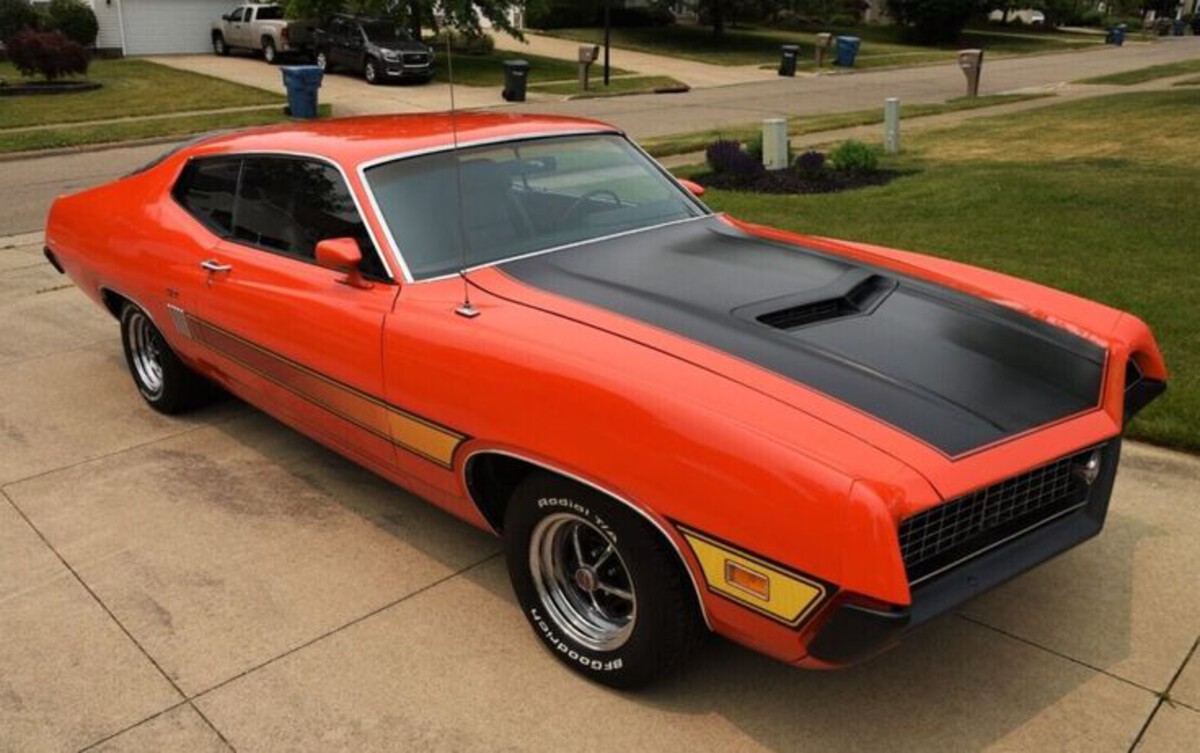
Why does this matter? Because you get classic lines and that vintage presence with a powertrain that starts when it’s cold and doesn’t weep oil like a leaky faucet. Modern engines bring better fuel economy, tons of power, and reliability that ancient carbureted big blocks can’t match unless meticulously maintained.
These builds aren’t cheap, but they’re worth it if you want classic looks with modern sense. The ride quality is usually better too thanks to upgraded shocks, brakes, and chassis reinforcements. You’re not losing muscle, you’re gaining confidence every time you hit the gas.
Interior restorations vary, but most restomods aim to keep classic charm while adding comforts like modern seats, upgraded audio, and air conditioning that actually works.
Inspect any restomod carefully for quality of workmanship this is where reliability can make or break the experience. A well-built car here can be as dependable as a new vehicle, but a shoddy job can leave you with headaches.
If classic style with modern muscle and real reliability sounds like your jam, a restomodded Torino GT is a standout pick that’s as badass as it gets.
9. Dodge Challenger SRT8 (2011–2014)
We’ve already talked about the regular Challenger R/T, but the SRT8 is the Challenger on steroids. With the massive 6.4-liter Hemi V8 under the hood, this car throws down serious power with a soundtrack that feels like fireworks every time you stomp the pedal. What’s surprising is that despite the brute force, these things hold up pretty well if treated right.
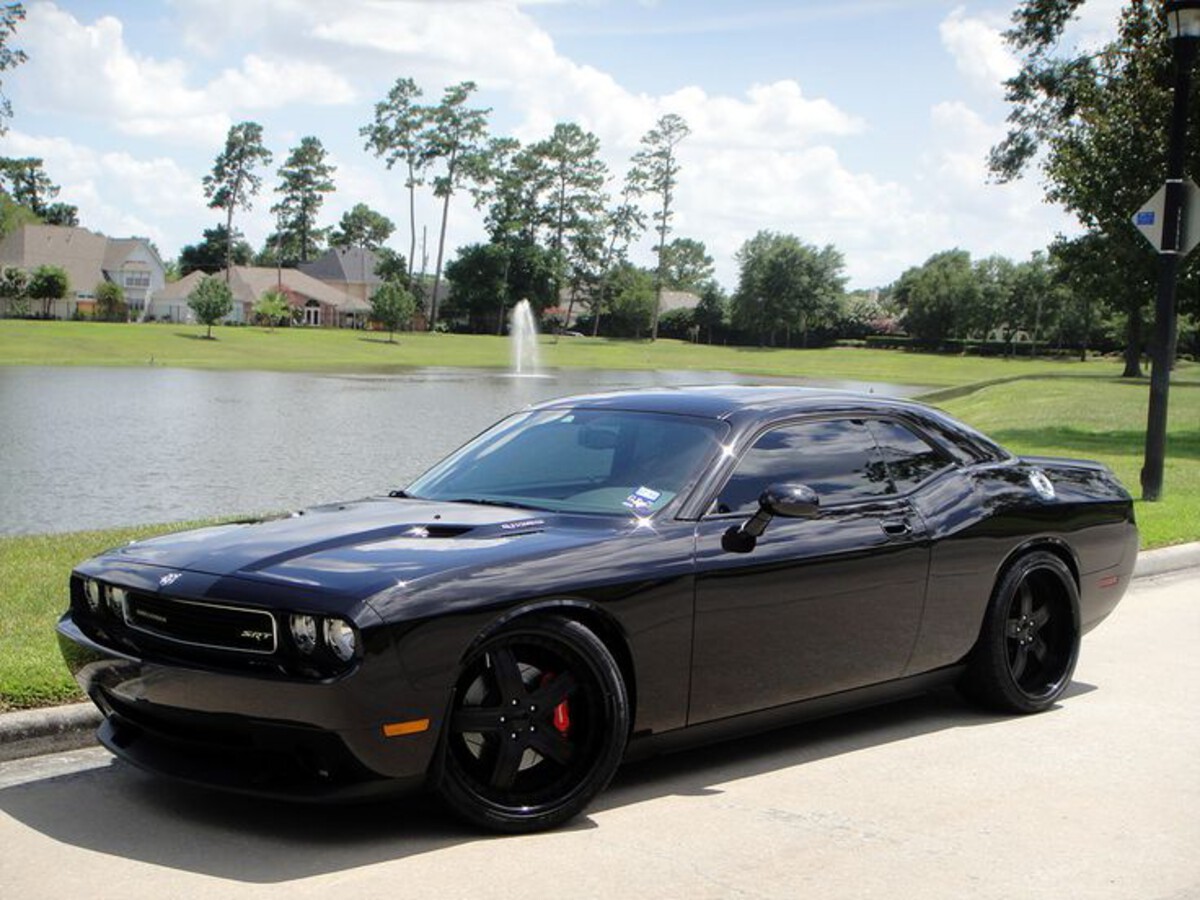
These engines are strong and can handle high miles without dropping a valve or losing their grin. Just do oil changes, keep that cooling system fresh, and don’t ignore the ignition service intervals. The SRT8’s beefed-up brakes and suspension give it more capability than the regular Challenger, too, so highway runs and canyon carving feel more confident.
Inside, the SRT8 leans sporty but stays comfortable. Big bolstered seats, intuitive controls, and just enough tech to keep it satisfying without drowning in complications. These were designed with driver experience in mind, not flashy gimmicks.
One thing to watch is tire and brake wear. This car will eat rubber and pads if you enjoy putting power down. But that’s part of the muscle experience, and easy to budget for if you know it’s coming.
Used SRT8 prices have cooled off compared to their heyday, meaning you can find a strong example that still makes you grin every time you fire it up.
Final Thoughts on Picking Your Muscle Partner
So here’s the deal if you want a car that still packs a punch without being a constant headache, these nine rides give you real power and real-life usability. Yeah, you’ll need to stay on maintenance, but that’s true for all performance cars. The trick is choosing something with a track record of durability, wide parts support, and a community that’s been there, done that.
A reliable used muscle car isn’t about perfection. It’s about finding the one that matches how you drive and how much you’re cool with wrenching on it. Some of these are classics with modern upgrades, some are late-generation muscle that just gets along with life, and some are sleeper hits that surprise you with how capable they feel.
Start by thinking about what you want: raw classic vibes? Daily highway power? Something you can tinker with yourself? Each of these cars answers that in a different way. Do your homework, bring someone who knows cars to inspect before you buy, and don’t be afraid to walk away if something feels off.
At the end of the day, muscle is muscle, but reliable muscle that still makes you smile every time you hit the gas? That’s gold. Pick smart, and you’ll be living that roar-every-day life without the undue drama.