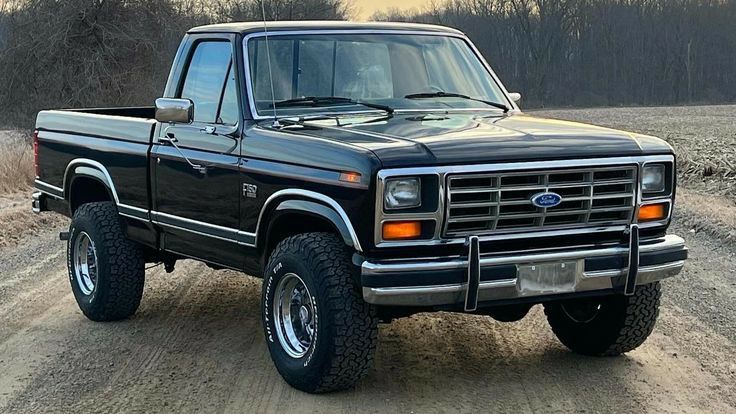
Let’s be real: the 1980s was a wild era for pickup trucks. No fancy cameras, no self-parking, no screens bigger than a DVD case. Just raw capability, simple engineering, and trucks that could take a beating and still get the job done.
If you grew up around trucks, you’ve probably heard stories about 80s pickups that still run today with 200,000+ miles. That wasn’t luck it was a mix of rugged design, mechanical simplicity, and a no-nonsense attitude from the automakers.
Back then, reliability wasn’t a marketing word it was a survival skill. Farmers, builders, weekend warriors, and road warriors all needed a truck they could count on. And a bunch of them did.
We’re talking about vehicles that didn’t shy away from long hauls, steep grades, hauling heavy loads, or towing trailers over rough terrain. These trucks weren’t perfect, but they were predictable, fixable, and most importantly dependable.
In this article, we’ll chat about nine of the most dependable pickup trucks from the 80s. We’re not just listing badges we’re talking real reputation, real grit, and real cases of trucks that lasted way past their expected lifespan. Some of these you already know. Some might surprise you. We’ll dig into what made them reliable: engine choices, build quality, parts availability, and ease of repair. We’ll also call out the quirks and flaws because no truck is perfect, and knowing the bad with the good helps you appreciate the durable.
If you love old trucks, are thinking of restoring one, or just want street cred at your next car-meet, stick with me. We’ll talk performance, personality, and why these pickups still deserve respect decades later. Ready?
Why These 80s Trucks Matter Today
These pickups aren’t just old metal they’re proof that solid engineering and simplicity can outlast trends. They teach us something about building things that matter: make them strong, make them fixable, and don’t overcomplicate the basics.
What We Take From These Classics
Looking back at the dependable pickups of the 1980s, you see a pattern: trucks built with real hearts, not gimmicks. They weren’t perfect, but they were trustworthy, easy to understand, and easy to fix. That’s a kind of reliability we still crave today especially with modern vehicles getting more complex by the year.
These trucks remind us that reliability doesn’t require flashiness. And maybe that’s why we still love them not just as classics, but as honest machines that did what they promised, day in and day out.
ALSO READ: 5 Hatchbacks That Handle Boston Streets and 5 That Feel Too Wide
1. Ford F-150 (1980s)
When someone mentions dependable pickups from the 80s, the Ford F-150 instantly pops into most people’s heads. And yeah, there’s a good reason for that. The 80s F-150 wasn’t perfect, but it struck a solid balance of toughness, simplicity, and parts availability the holy trinity of reliability for older vehicles. If you wanted something you could work on yourself in a driveway or that local parts store could support, the F-150 was it.
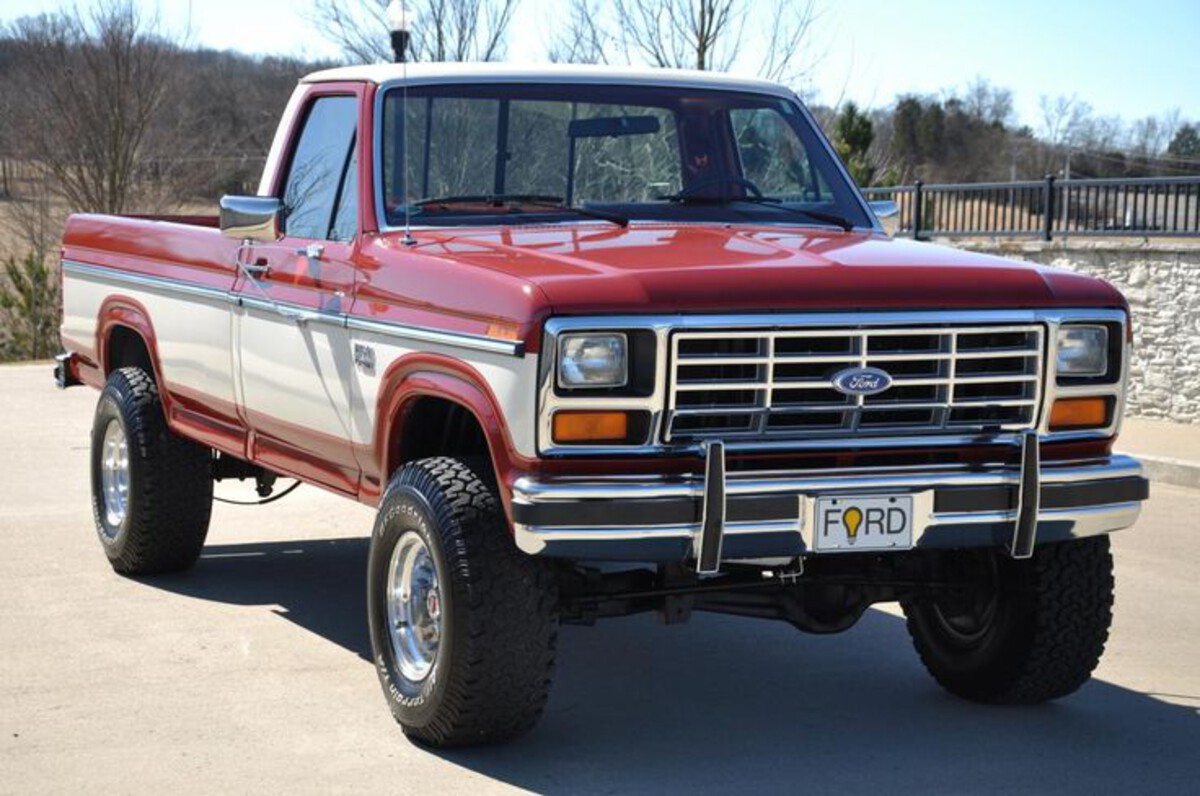
Under the hood, these trucks offered a range of engines. The V8s, especially the 302 and 351 Windsor, are common favorites. They aren’t high-tech monsters; they’re straightforward pushrod engines that most mechanics understand. That matters when your truck won’t start at 7 a.m. on a Monday. The inline six, while less powerful, is also a legend for longevity. Sure, it won’t win drag races, but it will chew miles without much fuss.
The frame and body of the 80s F-150 were solid, and rust prevention, when applied, made a big difference in longevity. Many of these trucks were used hard, and a bunch still soldier on today thanks to rugged sheet metal and straightforward suspension bits that tolerate wear and tear. The simplicity of the design meant fewer things to break in the first place.
Interior comfort might have felt basic even back then, but that wasn’t the point. What mattered was reliability. With regular maintenance and the occasional gasket or belt, these trucks could run for decades. If you’re into old pickups that don’t apologize for being workhorses, the 80s Ford F-150 earns its place on this list.
2. Chevrolet C/K Series (1980s)
Chevy’s C/K pickups from the 1980s are like that reliable buddy who always shows up even when it’s crappy outside. These trucks came in a bunch of trims and configurations, but one thing stayed consistent: they were built to take abuse. You see them on farms, at job sites, and sometimes still on the road for daily driving. That says a lot about dependability.
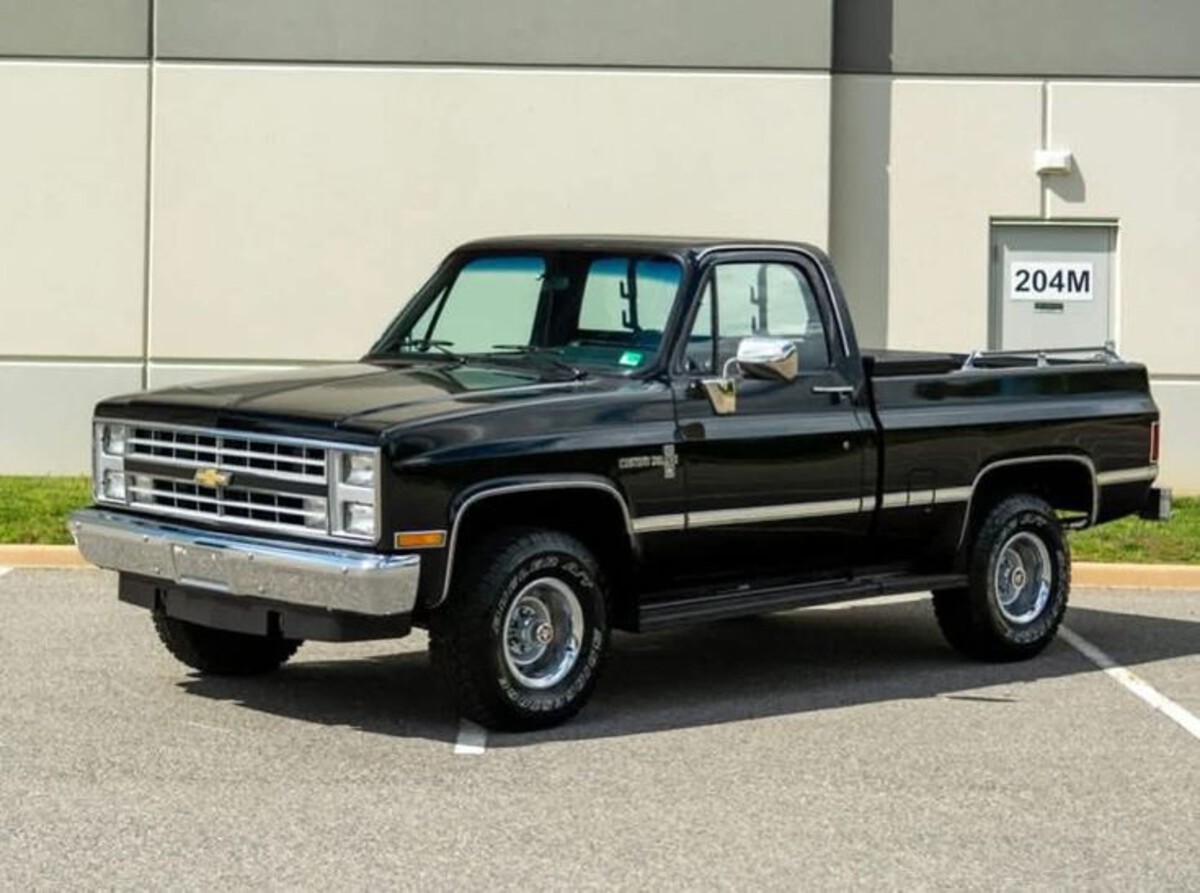
Underneath, you’ve got a solid ladder frame that takes punishment well good for heavy loads, towing, and rough surfaces. Engine options included durable small-block V8s like the 350, which have a reputation for living long lives with basic upkeep. They’re not fancy, but they’re easy to work on, and parts are everywhere. That matters if you’re wrenching in your garage.
GM’s truck folks also threw in straight-six options. They don’t make big horsepower but they make steady, reliable power, and they’re pretty forgiving when it comes to maintenance. In an era before fuel injection was widespread, these engines are simple enough that most home mechanics can handle tune-ups and repairs without a headache.
The C/K Series wasn’t perfect some models struggled with rust and the ride could feel a bit old-school but you know what? That’s part of why they lasted so long. Less complexity often means fewer failure points. Drivers who bought these trucks figured that out fast. They kept up basic maintenance, swapped parts as needed, and didn’t stress about overcomplicated tech.
If you want a classic pickup with brains grounded in brute strength and ease of care, the 80s Chevy C/K series is a standout. Simple to fix, parts are cheap, and they handle work with a shrug. That’s reliability most of us can respect.
3. Toyota Pickup (1980s)
Alright, now we’re talking a different kind of dependable: Japanese-engineered grit. The 1980s Toyota Pickup (yeah, sometimes just called the “Toyota Hilux” by purists) didn’t have the flashy size of its American rivals, but man, did it earn a reputation for going forever. Mechanics and owners often joke that these trucks are like cockroaches survive anything.
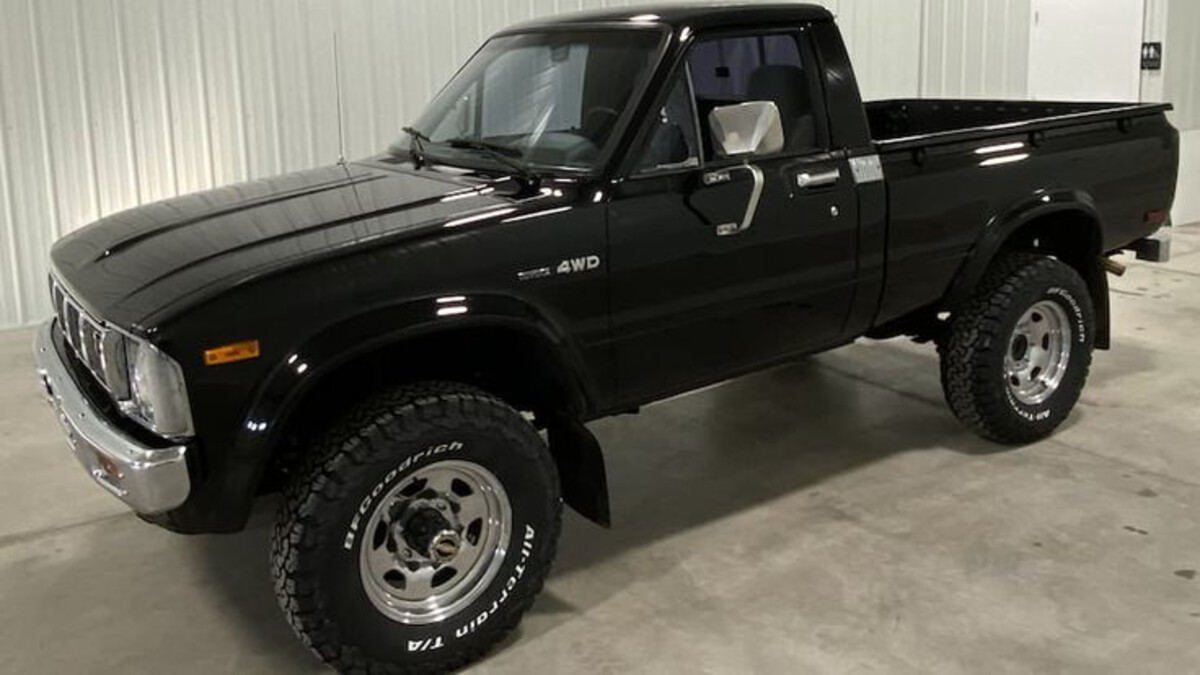
Why were they so dependable? First, a tiny list of crazy parts. Everything is straightforward: simple carburetors, basic electronics (if any), and engines that run smoothly with minimal fuss. The 22R and later 22RE engines became famous for reliability. They don’t scream power, but they do chew miles and shrug off abuse. These motors were built ruggedly, and because they’re simple, you can fix almost anything yourself.
The Toyota’s chassis is light but strong, so whether you’re hauling wood or cruising dirt backroads, the truck handles its business without drama. Rust was still a concern in many climates, but structurally, the truck stayed solid where others started rotting.
One of the big reasons these Toyotas lasted? People cared for them. Owners tended to be hands-on, willing to maintain basics and replace wear parts. That mentality, combined with solid engineering, meant you’d see 80s Toyotas with well over 300,000 miles and still kicking.
Sure, it doesn’t haul as much as a full-size American truck or look as intimidating. But if you’re talking reliability, that feels almost unfair; these Toyota Pickups are legends. They’re proof that dependable doesn’t need to be loud or oversize,d it just needs to work, day after day, until you wonder if trucks can feel immortal.
4. Dodge D-Series (1980s)
Dodge D-Series trucks from the 80s might not be the first ones people shout about in every truck forum, but give them a minute, and they deserve respect. These trucks had attitude and the guts to back it up. They weren’t perfect, but in terms of dependability, they carved out their own solid niche.
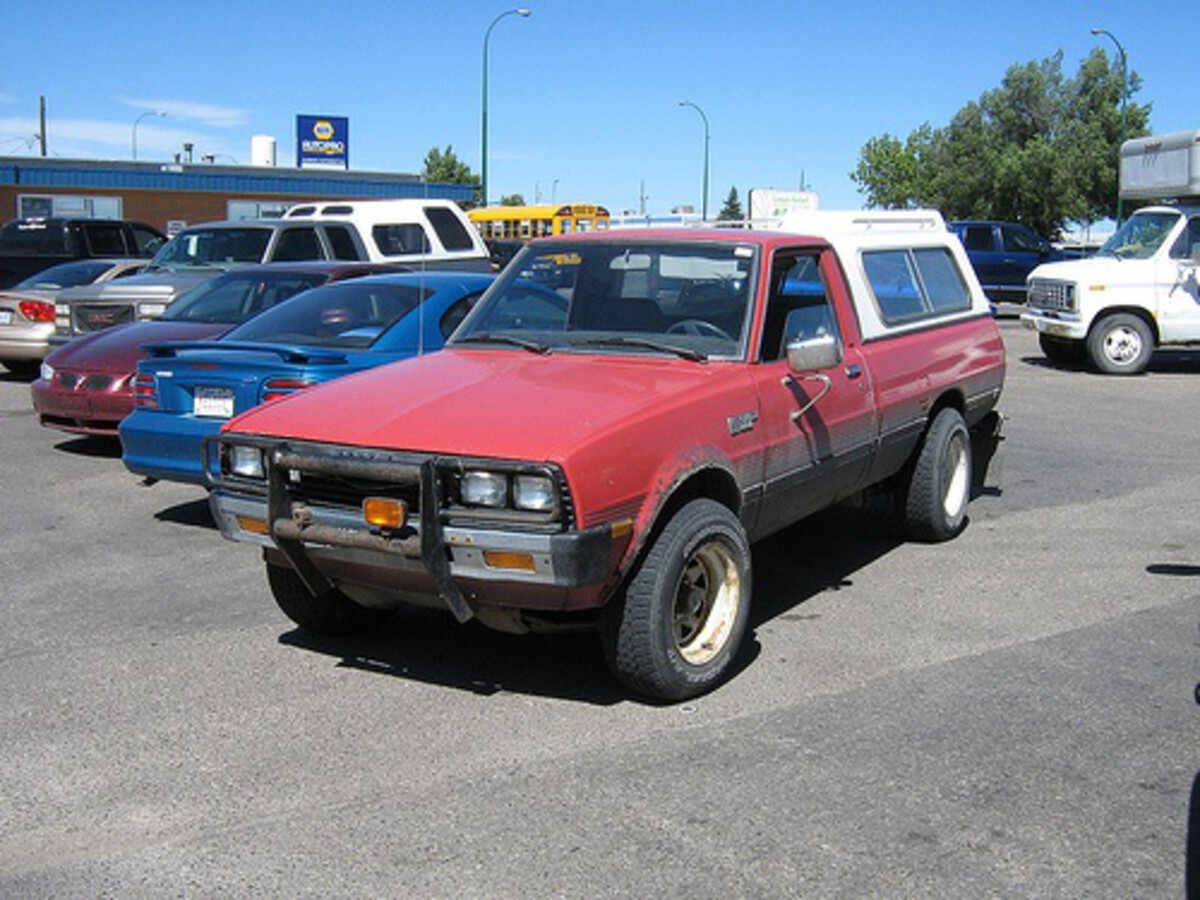
The heart of many D-Series rigs was the 318 V8, sturdy, honest, and built to take work without whining. It’s not going to set the world on fire, but you can count on it to start up cold, pull a trailer, and behave itself with basic maintenance. Parts are pretty easy to find, and a lot of mechanics are familiar with these engines even today. That’s a big deal when you want work done without drama.
Some trims came with slant-six engines, too, and those are quite little troopers. Not blazing fast, but they keep going mile after mile with minimum fuss. That simplicity translates to reliability because there are fewer complex systems to fail.
The body and frame were also built tough. These trucks weren’t meant to be pretty showpieces; they were tools. And tools that get used a lot tend to get abused. But many 80s D-Series trucks still show up today, rust and dents included, because they just don’t quit easily.
Yes, the ride might feel a bit stiff, and the interior isn’t fancy, but if dependability is your priority, the D-Series deserves a nod. They’ve got enough grunt for real jobs, enough simplicity to fix yourself, and enough durability to be around long after other trucks have faded. That’s a combo worth calling dependable.
ALSO READ: 5 Hatchbacks That Are Reliable in Cold Cities and 5 That Aren’t
5. Chevrolet S-10 (1980s)
Chevy’s S-10 was smaller than the full-size C/K pickups, but don’t write it off. These compact trucks earned their own kind of dependable street cred through simplicity and practical engineering that just worked. For folks who didn’t need big hauling power but did want a truck they could rely on, the S-10 was a solid choice.
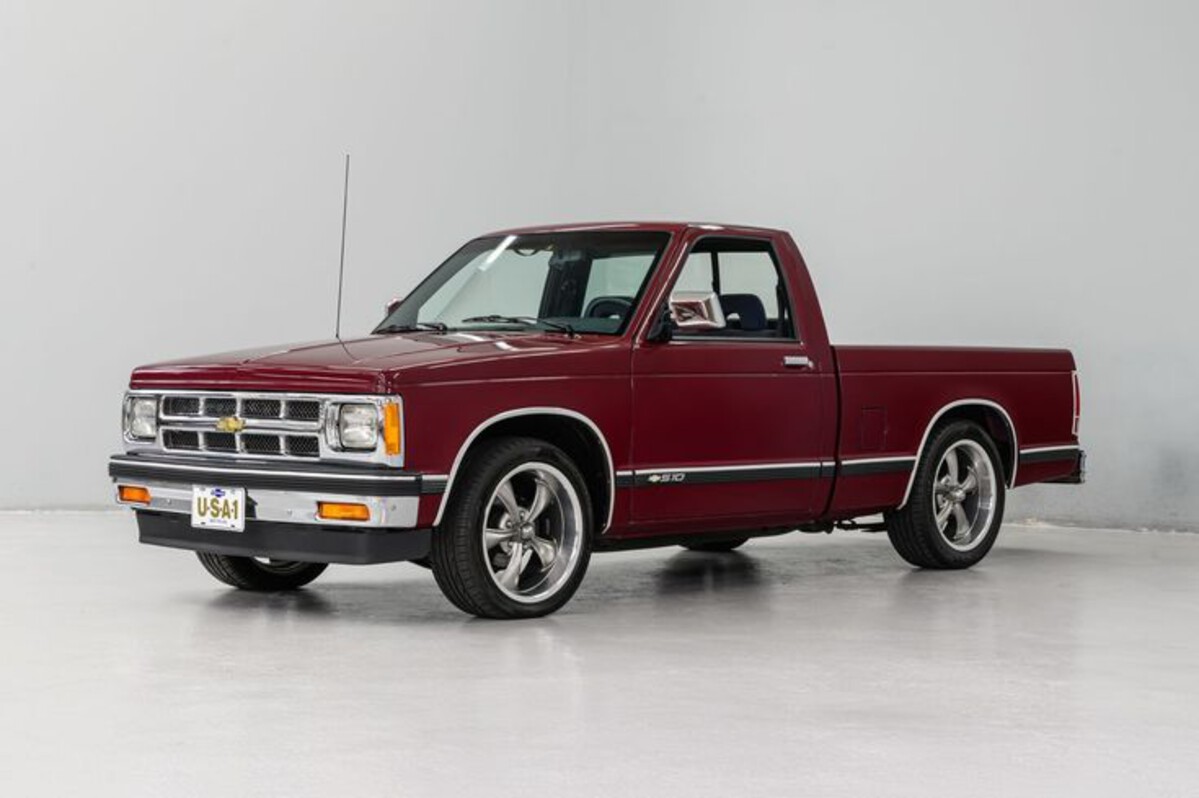
Under the hood, you had options like the 4.3L V6 a motor that, if taken care of, would go and go. It isn’t a muscle car engine, but it delivers smooth power and longevity. Carbureted versions from the early 80s were basic and easy to service in your driveway. Later fuel injection only made them more reliable, with fewer cold-start issues and better fuel economy.
The smaller size made the S-10 easier to maneuver around town or on narrower trails. Suspension isn’t fancy, but it absorbs road roughness well enough for everyday driving and lighter hauling. And thanks to a massive aftermarket and tons of parts still available, fixing one is rarely a chore.
Some owners swear by the four-cylinder versions, especially for mileage and low maintenance costs. These engines don’t wow you with power, but if dependability and low cost of ownership are your goals, they’re attractive. They’re straightforward to work on, and basic repairs don’t usually break the bank.
Yes, you won’t haul as much as a full-size truck, and big toys might be out of reach. But for many people in the 80s and beyond, the S-10 hit the sweet spot: dependable, cheap to fix, and easy to live with. That kind of reliability still turns heads today.
6. Ford Ranger (1980s)
Ford brought the Ranger into the US truck scene in the early 80s to compete with smaller imports and it did more than hold its own. The Ranger quickly earned a reputation as a dependable, straightforward pickup that didn’t ask for much to keep going. If you wanted a truck that was easy to park, easy to maintain, and easy to count on, this was a smart pick.
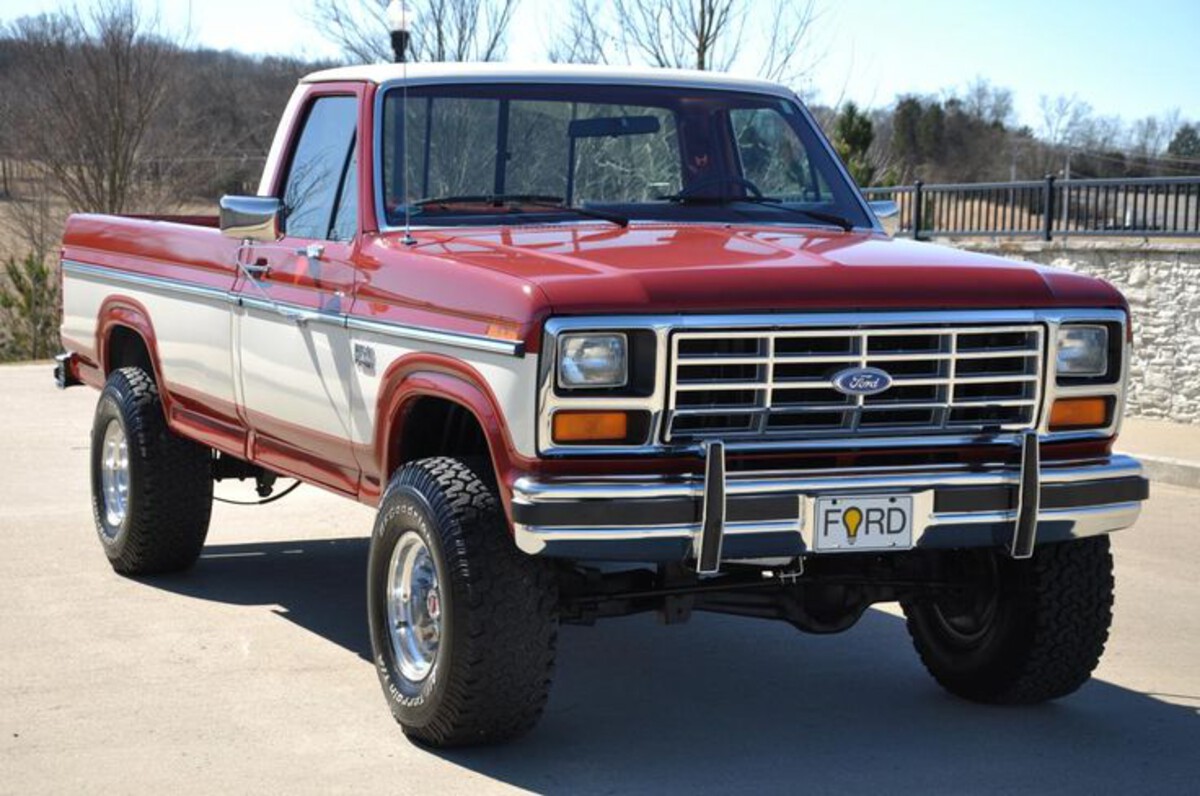
The engine lineup wasn’t flashy, but it was solid: four-cylinders and V6 options that focused on reliability over crazy performance. These engines are the kind of units you can tinker with yourself without needing a whole diagnostics lab in your garage. That honesty pays off when you’re replacing spark plugs, belts, or just trying to figure out what that new rattle means.
The compact footprint made the Ranger practical around town and decent on light trails. Ride comfort wasn’t luxury, but it was respectable for the time, and drivers appreciated the balance between utility and daily usability. If you weren’t hauling half a ton of lumber every day, the Ranger had your back.
Another big plus? Parts were and still are easy to come by. Because the Ranger sold in big numbers, aftermarket support exploded, meaning replacement parts were affordable and plentiful. You could fix brakes, suspension, and engine bits with minimal stress.
Yeah, it’s not a full-size hauler. But if you want a truck that got plenty of real-world use without drama, the 80s Ford Ranger earned its reputation. Simple, dependable, and just tough enough that’s the appeal that still makes folks respect these little trucks today
7. Dodge Ramcharger (1980s)
Okay, this one’s a bit of a twist on your typical pickup, but hang with me. The Dodge Ramcharger was technically a full-size SUV, but it shared a lot with Dodge’s D-Series pickups same rugged frame, similar engines, and the same attitude. For many folks, it felt like a truck with SUV practicality and muscle.
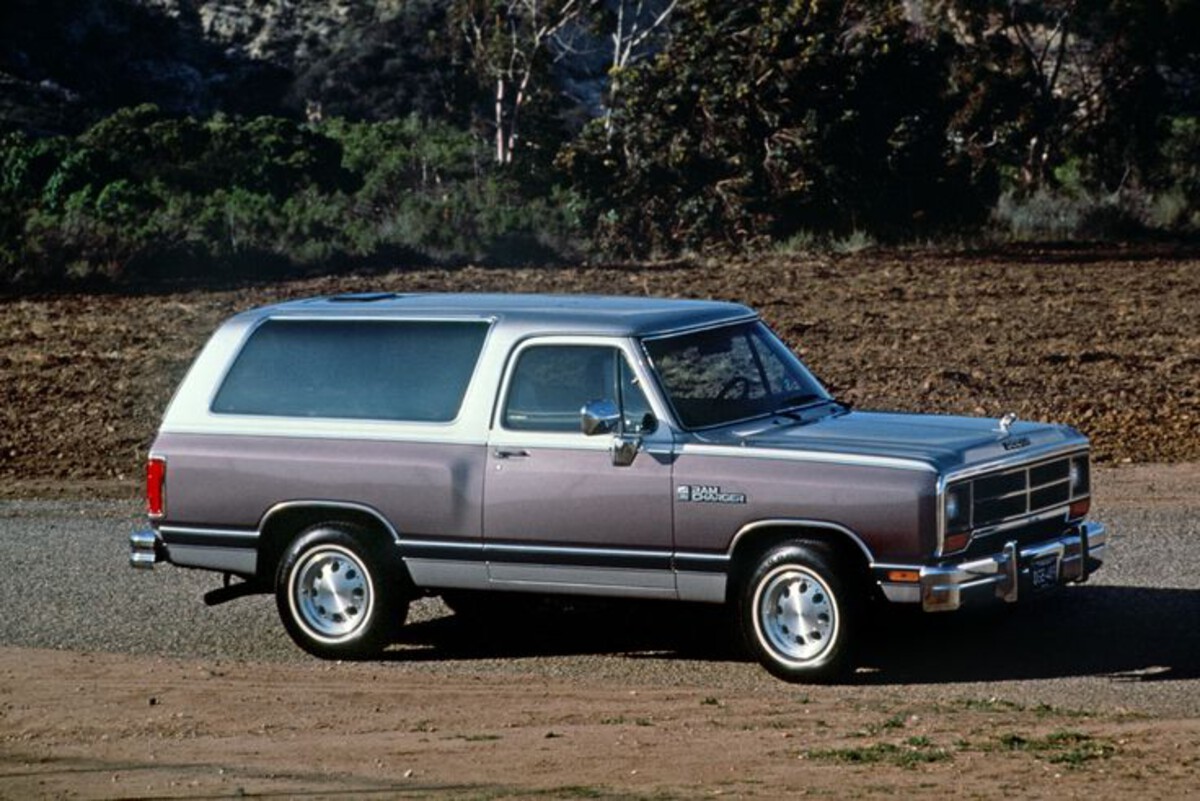
Underneath, you got familiar engines like the 318 V8 and bigger powerplants if you wanted. These engines were built to be simple and strong, not finicky. That’s what made them dependable. You could pull a trailer, haul gear, and then drive home without stressing about fancy electronics.
Part of the Ramcharger’s reliability came from how hard owners used them. They were tools for work, weekend camping, hauling, and towing. And because they weren’t overloaded with tech, the things that usually fail on newer rigs just weren’t there. Simple steering boxes, basic suspension geometry, and rugged four-wheel-drive systems made them easy to fix and keep running.
Inside, comfort was basic but functional. These weren’t luxury cruisers, but they were comfortable enough for long trips. Owners often point out that if something did break, you could usually diagnose and fix it yourself without going deep into weird sensors or hidden modules.
Yes, it isn’t a classic truck shape. But the Ramcharger proved dependable in real-world use honest power, straightforward maintenance, and a build that tolerated abuse. That’s exactly the kind of reliability worth celebrating from the 80s.
8. GMC S-15/Safari (1980s)
Let’s talk about GMC’s S-15 pickups and the related Safari trucks. Like the Chevy S-10, these were compact and practical, but with that GMC flair think dependable workhorse with a tiny ego. They didn’t need to be huge or loud to be trusted. They just worked.
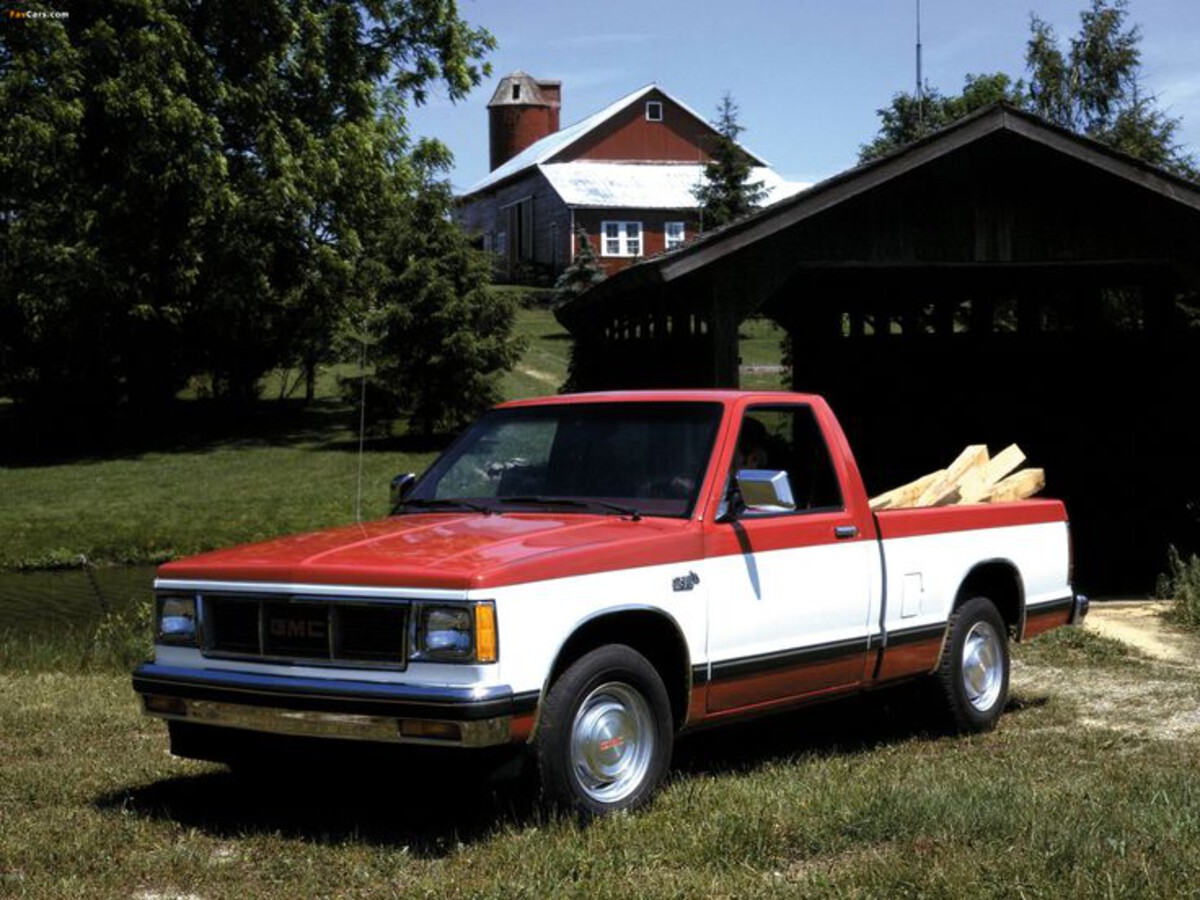
Engine choices included smaller four-cylinders and V6 options that were easy to service. These engines aren’t exotic; they’re straightforward, well-understood units that mechanics and owners could troubleshoot without fancy tools. If you wanted low maintenance bills and high uptime, this was a strong combo.
Their compact size means they handled urban driving better than big pickups, but they still carried decent loads in the bed when needed. Suspension was simple but effective, and because there wasn’t a bunch of complex electronics, there weren’t a bunch of wiring gremlins waiting to pop up years later.
Parts availability was also good these trucks share a lot with their Chevy siblings, so finding what you need didn’t usually turn into a treasure hunt. That’s a big part of why they stayed on the road.
Sure, in raw hauling or towing, you’re not touching full-size territory. But reliability isn’t always about brute force. It’s about consistent performance with minimal headaches. In that sense, the GMC S-15 and Safari pickups delivered. They were easy to live with, easy to fix, and easy to trust a solid recipe for dependability.
9. International Harvester Scout II Pickup (1980s)
Now here’s a bit of a wildcard: the International Harvester Scout II pickup. Not as common as the big domestic trucks, and not as ubiquitous as a Toyota, but tough? Absolutely. This truck came out of a company that built rugged off-road and farm gear before SUVs were cool. It’s the kind of vehicle that felt like it could go forever if you treated it right.
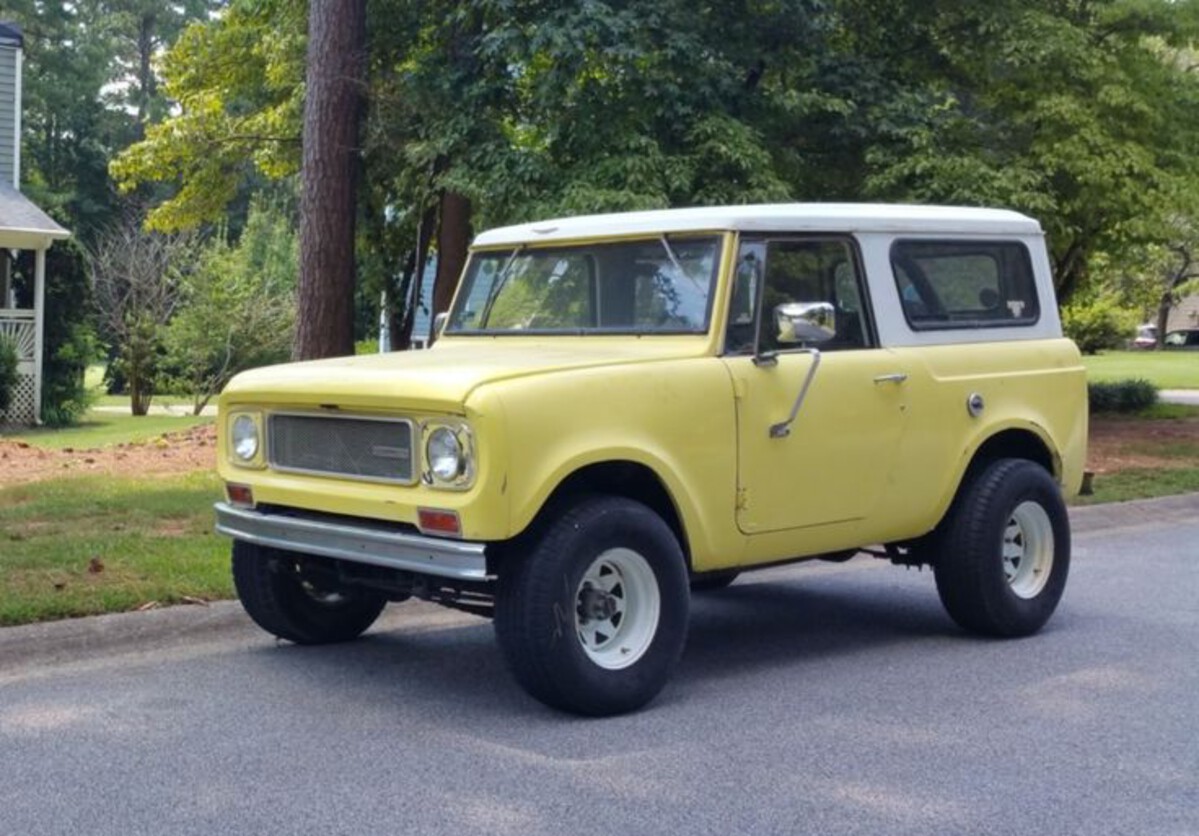
Under the hood, you’ll find big-block V8 options that, again, aren’t fancy. They’re heavy, straightforward engines with a reputation for brute strength and longevity. These motors can take heavy loads and steep trails without complaining, and when they needed a service, local mechanics generally knew exactly what to do.
The frame and body of the Scout II pickups were built to take punishment. Rust could be an issue in certain climates, but structurally these trucks were designed to handle rough terrain. The suspension doesn’t pamper you but it doesn’t quit on you either.
One of the reasons these trucks stuck around was how forgiving they were to basic maintenance. If you checked fluids, kept up with brakes and tires, and didn’t panic at minor squeaks, you could keep a Scout II running for years. That’s the kind of reliability that builds stories around campfires.
Yeah, parts can be a bit more rare than for big-three trucks, but the ones that wanted to keep these Scouts on the road found ways. That says something about how much people trusted these pickups to keep doing their job.
When we think about dependable pickups from the 1980s, we’re really thinking about durability, simplicity, and trust. These trucks didn’t ask for much. They asked for regular maintenance, a little care, and a willingness to get your hands dirty. In return? They kept going.
If you’re curious about getting into an old truck, restoring one, or just appreciating that era’s engineering, this list gives you a solid starting point. These rides earned their reputation not because of shiny badges or fancy tech, but because they worked, consistently. And that’s something worth talking about even decades later.