
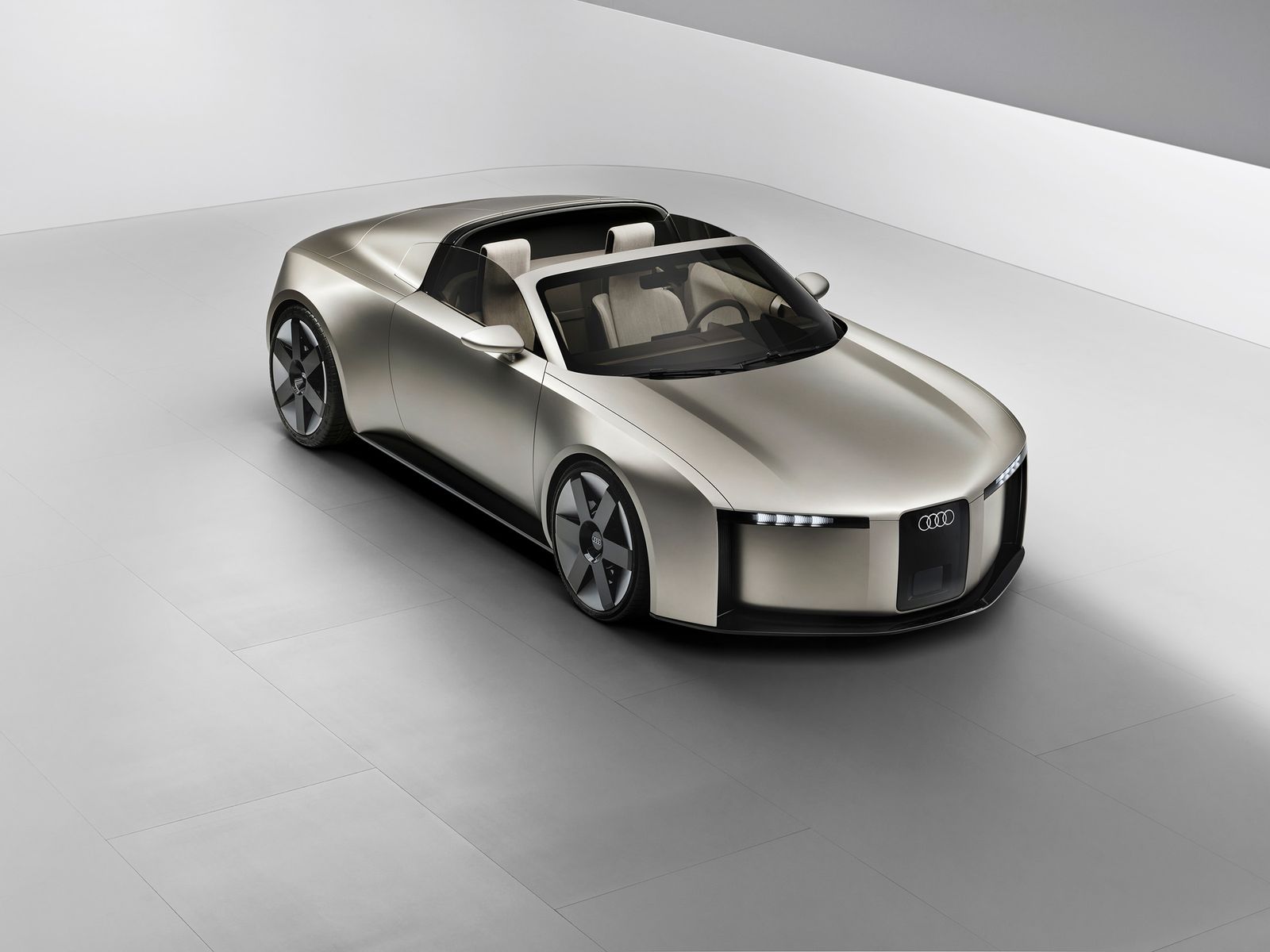
Rising electric vehicle development costs at Porsche could have knock-on effects across the Volkswagen Group, potentially putting Audi’s next flagship EV in jeopardy.
As the new year gets underway, Porsche is dealing with a leadership change that could reshape more than just executive priorities. The automaker now has a new CEO, Michael Leiters, and just days into the role, he is reportedly reassessing the future of the all-electric 718 Boxster and Cayman.
That alone would mark a dramatic shift for Porsche, but the bigger implication could be even more significant: fresh reports suggest Audi’s new Concept C sports car could be quietly scrapped before it ever makes it to production.
Leiters has reportedly launched a broad review of Porsche’s operations as sales decline in China and profit margins take a major hit. One of the most problematic programs under scrutiny is the electric 718, which has faced repeated delays, rapidly escalating costs, and battery supply complications following the bankruptcy of Swedish battery supplier Northvolt.
Sources speaking to German outlet Handelsblatt say the battery situation has become especially challenging, with any viable replacement expected to drive costs significantly higher. Some insiders reportedly place responsibility on former CEO Oliver Blume, arguing that he allowed the program’s issues to persist for too long.
According to sources cited by Bloomberg, Porsche is now seriously weighing whether continuing development of the electric Cayman and Boxster makes financial sense at all.
Audi CEO Gernot Döllner has anchored much of his turnaround strategy to a new halo model known internally as Concept C. Widely rumored to revive the TT nameplate, the vehicle is also intended to shape Audi’s future design direction. The problem is that Concept C is built around the same Porsche-developed EV platform planned for the electric 718.
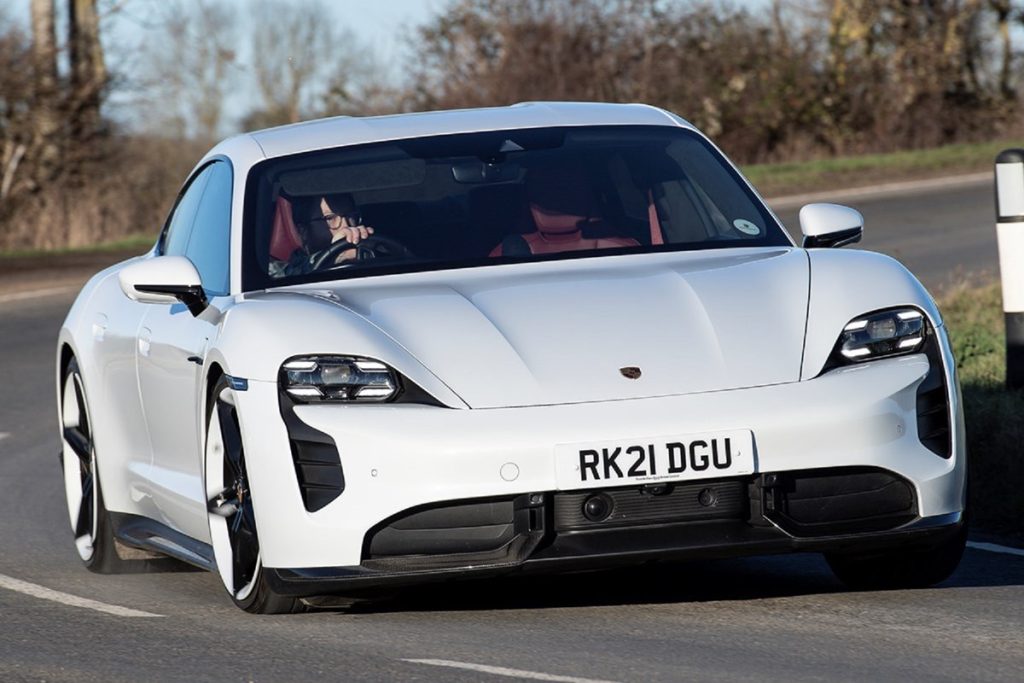
The shared platform was meant to reduce costs and speed up development timelines. If Porsche abandons it, Audi could be forced to either shelve Concept C altogether or purchase and complete the platform independently.
According to insiders cited by German media, taking over the platform alone could cost Audi a nine-figure sum. How long it would take to finalize development and bring the car to market remains unclear, and there appears to be no alternative solution waiting in the wings.
Volkswagen Group’s upcoming SSP platform, which is expected to underpin most future EVs across its brands, is not slated to arrive before mid-2028. All of this is unfolding as Porsche grapples with shifting market conditions. Taycan sales have dropped sharply in China, while tariffs are creating additional challenges in the U.S.
Forecasts for China, once Porsche’s strongest growth market, have been slashed from 100,000 units to between 30,000 and 40,000 units in 2026. The company has also decided to close more than one-third of its dealerships in the country.
Audi, meanwhile, publicly unveiled the Concept C in Milan last September at a high-profile event featuring celebrity appearances. At the time, Döllner described the car as “the first visible evidence of Audi’s transformation as a company.” He emphasized that it represents a clear break from the brand’s previous design language and sets the stage for what comes next.
That importance extends beyond styling alone. The technology platform underpinning Concept C is intended to form the foundation of Audi’s future lineup. Originally, the sports car was slated to launch in 2027.
Now, the key question is whether Döllner will align with Leiters’ cost-cutting strategy or push forward with Concept C regardless, even if that means investing hundreds of millions of dollars to take over and complete the platform independently by 2027.
For now, both companies are keeping quiet. Porsche says no final decisions have been made, while Audi has declined to comment on the future of the Concept C.
