Fuel efficiency is not just about impressive EPA numbers when a car is new. What truly matters is how well a vehicle maintains that efficiency after years of daily driving, changing conditions, and rising mileage.
Some cars are engineered with longevity in mind, using conservative powertrains, proven hybrid systems, and smart energy management that allow them to deliver consistent fuel economy decade after decade.
Others, however, are built around extreme performance, size, or complexity, and their efficiency often declines rapidly as wear, weight, and aggressive tuning take their toll.
In “Cars That Stay Efficient Over Time vs 5 That Don’t,” we compare vehicles that are designed to sip fuel reliably for the long haul against those that prioritize power, luxury, or spectacle at the expense of lasting efficiency.
From dependable hybrids and compact sedans to supercharged SUVs and hyper-performance machines, this breakdown highlights how engineering philosophy ultimately determines whether efficiency endures or fades with time.
5 Cars That Stay Efficient Over Time
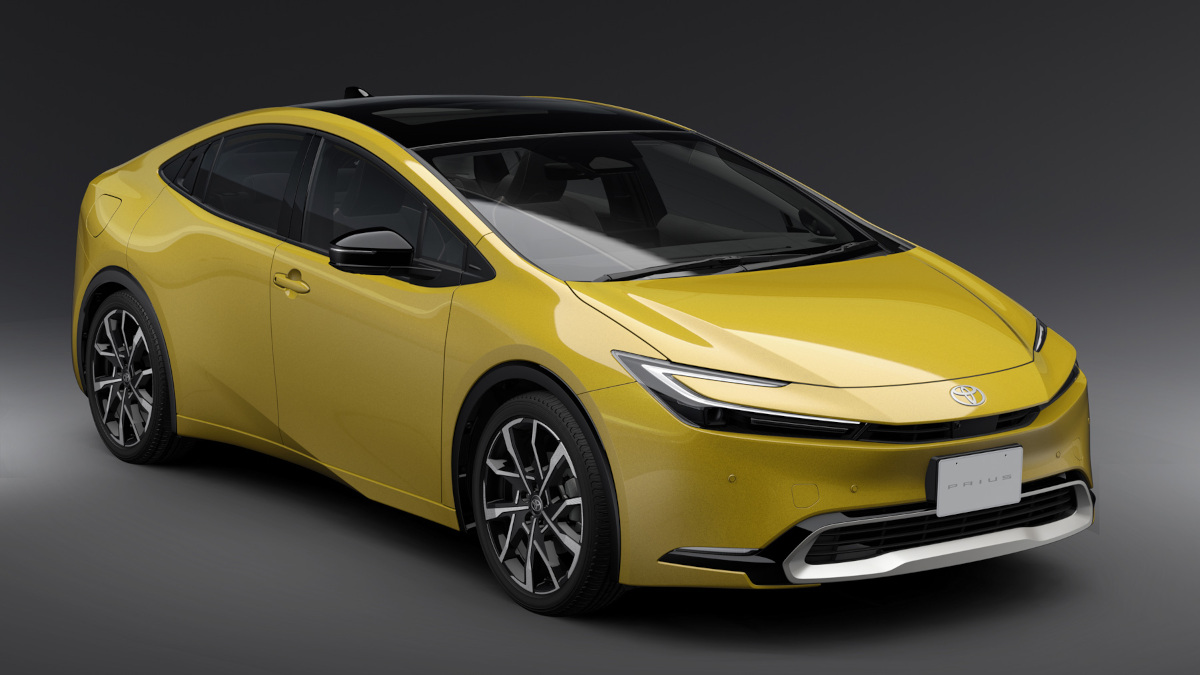
1. Toyota Prius: The Benchmark for Hybrid Efficiency
The Toyota Prius has long been the standard for fuel-efficient, reliable commuting, and its fifth-generation model continues this legacy. With a hybrid system capable of achieving up to 57 MPG in the city and 56 MPG on the highway, the Prius combines longevity, advanced technology, and practicality.
Its Hybrid Synergy Drive system, paired with durable lithium-ion or nickel-metal hydride batteries, ensures that both the electric motors and gasoline engine maintain performance over high mileage.
Regenerative braking reduces wear on brake components while recovering energy to recharge the battery, and the continuously variable transmission (CVT) allows the engine to operate at optimal RPMs for efficiency. Features such as Eco mode and EV mode further optimize fuel consumption, while careful maintenance of the Atkinson-cycle engine and hybrid cooling system helps preserve long-term performance.
Under the hood, front-wheel-drive Prius models use a 2.0-liter inline-four engine with two electric motors producing 194 horsepower, while all-wheel-drive models add a rear electric motor, slightly increasing output to 196 horsepower.
Acceleration is smooth and capable, reaching 0–60 mph in 7.1 seconds, making the Prius competitive with other hybrid compact cars. Its low-drag, aerodynamic design enhances highway efficiency, while careful engineering of the drivetrain and battery ensures a durable powertrain over time.
Inside, the Prius blends practicality with modern technology. The driver-focused cockpit includes a direct-view gauge cluster, and rear passengers have adequate legroom despite the low roofline. Cargo space is generous for the segment, ranging from 20.3 to 23.8 cubic feet depending on trim.
Infotainment options include an 8.0-inch touchscreen standard on most trims, with an optional 12.3-inch display on higher trims, all supporting wireless Apple CarPlay, Android Auto, Bluetooth, and over-the-air updates. Audio options range from a six-speaker stereo to an eight-speaker JBL system.
Safety is a priority, with adaptive cruise control, lane-keeping assist, and blind-spot monitoring included as standard features. Toyota provides strong warranty and maintenance coverage, including a three-year/36,000-mile limited warranty, a five-year/60,000-mile powertrain warranty, a ten-year/150,000-mile hybrid component warranty, and two years/25,000 miles of complimentary maintenance.
With its combination of exceptional fuel economy, durable hybrid technology, practical interior, and advanced safety features, the Toyota Prius remains one of the most reliable and efficient vehicles for daily commuting and long-term ownership.
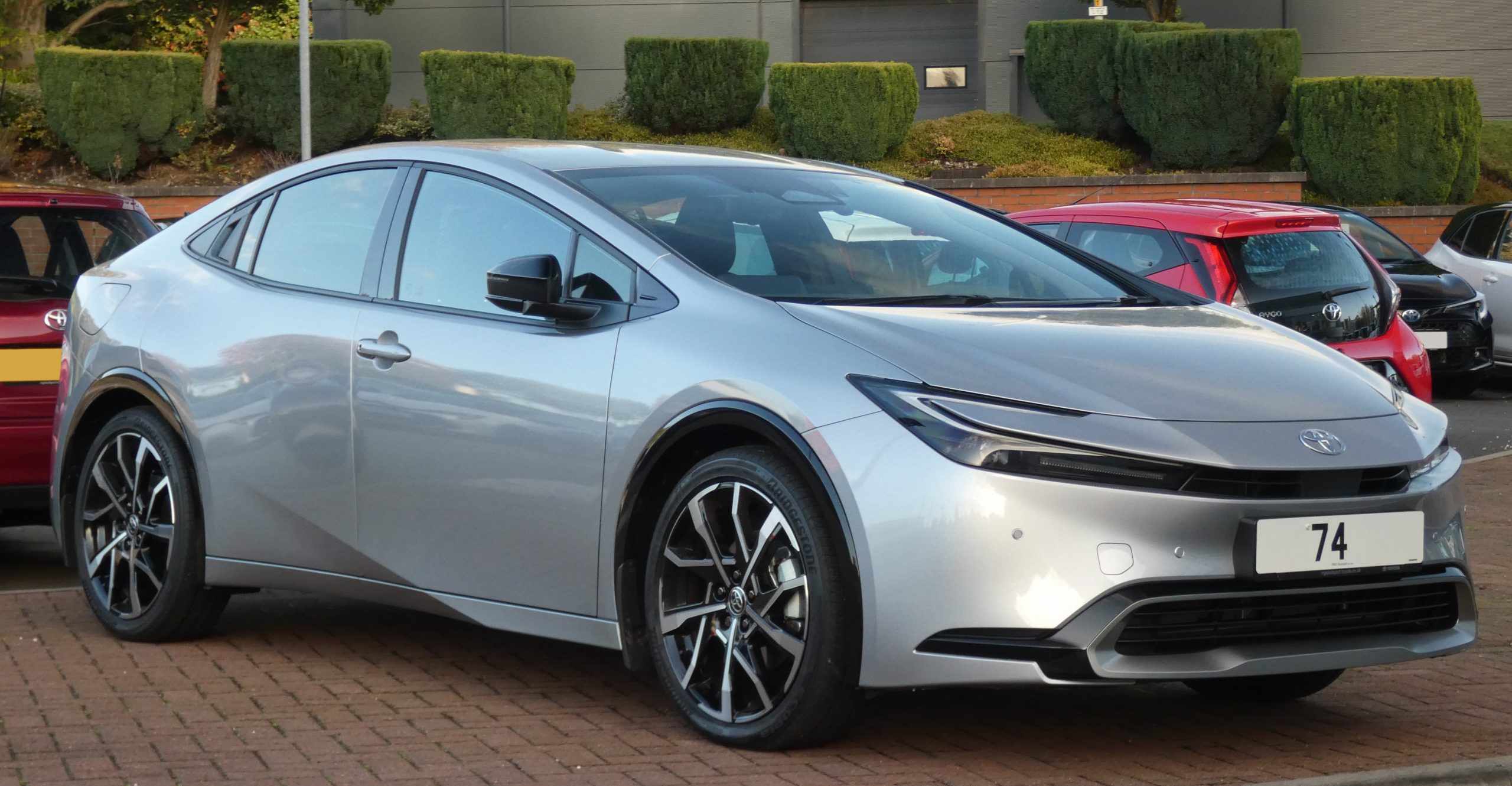
2. Toyota Camry Hybrid: Efficient, Reliable, and Comfortable for Daily Commuting
The Toyota Camry Hybrid combines long-term reliability, fuel efficiency, and comfort, making it an excellent choice for daily commuting. Its hybrid powertrain is designed to maintain consistent performance over high mileage, often exceeding 200,000 miles.
The system uses an adaptive Electronic Control Unit (ECU) that learns driving habits, balancing power between the gasoline engine and electric motors for maximum efficiency. Regenerative braking captures energy normally lost during deceleration to recharge the battery, reducing reliance on the gasoline engine and minimizing wear on brake components.
The Atkinson-cycle engine and self-charging hybrid battery are engineered for longevity, while low-rolling-resistance tires and optimized vehicle engineering ensure the Camry Hybrid operates efficiently under various driving conditions.
Front-wheel-drive Camry Hybrids pair a 2.5-liter four-cylinder engine with two electric motors for a combined 225 horsepower, while all-wheel-drive models add a rear motor, increasing output to 232 horsepower.
A continuously variable transmission (CVT) provides smooth acceleration, with 0–60 mph times ranging from 6.8 to 7.0 seconds depending on configuration. Sportier SE, XSE, and Nightshade trims feature enhanced suspension for tighter handling, although steering feedback is modest.
Fuel economy ratings are strong, with front-drive LE models achieving 52 mpg city and 49 mpg highway, and AWD trims slightly lower. Higher-performance XSE trims deliver 43 mpg in both city and highway driving.
The interior balances comfort and technology. Front and rear passengers have ample space, while dual-zone automatic climate control and cloth upholstery are standard. Higher trims add leather seating, heated seats, a heated steering wheel, ambient lighting, and acoustic-laminated glass.
Cargo capacity matches rivals, holding seven carry-on suitcases in the trunk and 19 with the rear seats folded. Infotainment is managed through an 8.0-inch touchscreen standard on most trims, with a 12.3-inch option on SE and XLE models. Apple CarPlay and Android Auto are standard, with wireless functionality available, and premium audio options include a nine-speaker JBL system.
Safety is comprehensive, with standard features including adaptive cruise control with lane centering, automated emergency braking with pedestrian and cyclist detection, lane-keeping assist, and automated high beams.
Toyota supports the Camry Hybrid with a three-year/36,000-mile limited warranty, a five-year/60,000-mile powertrain warranty, a ten-year/150,000-mile hybrid component warranty, and two years/25,000 miles of complimentary maintenance.
With a refined hybrid powertrain, comfortable interior, advanced safety features, and consistent fuel efficiency, the Toyota Camry Hybrid is a practical, dependable, and enjoyable vehicle for daily commuting and long-term ownership.
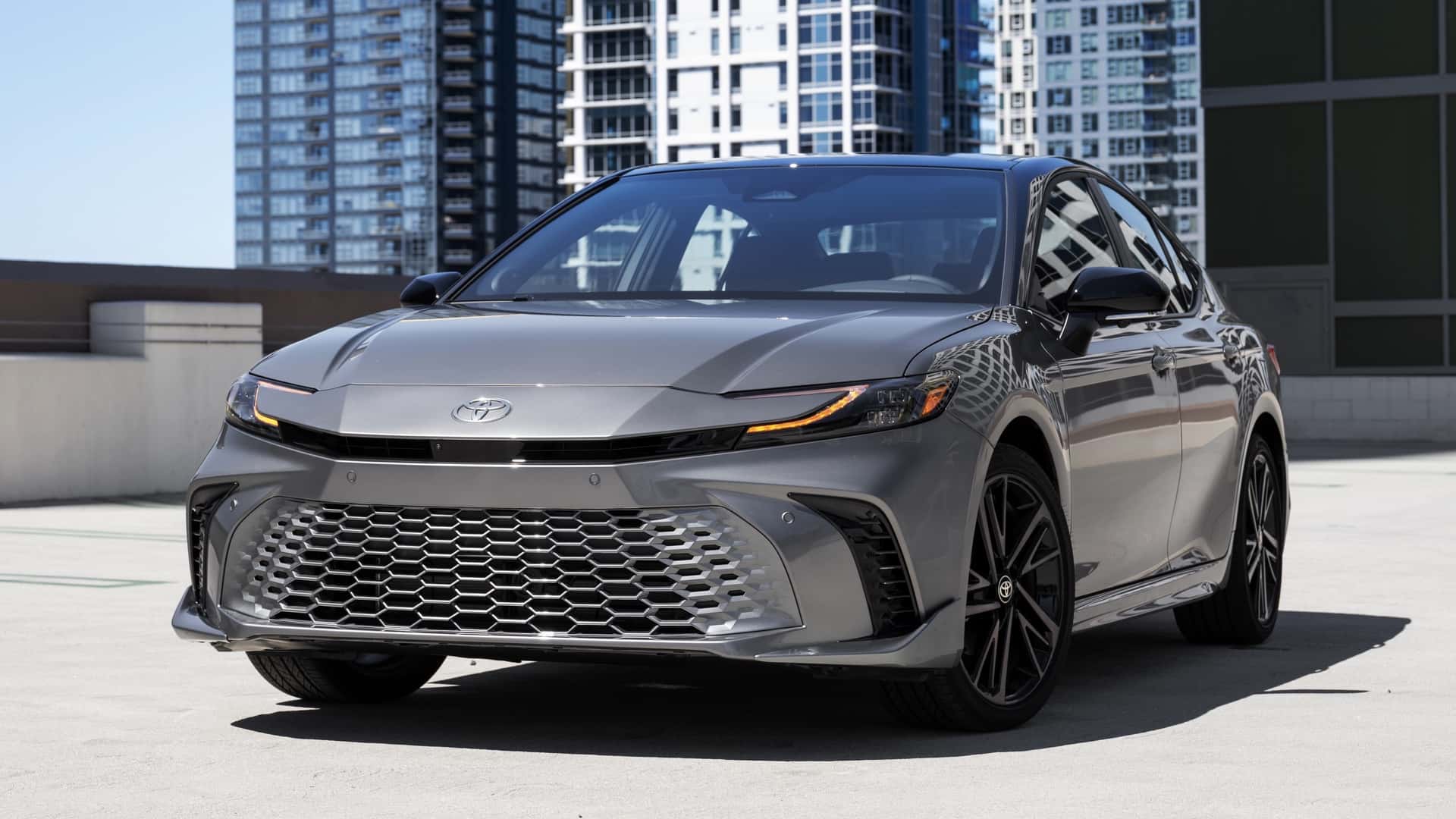
3. Honda Civic: Efficient, Reliable, and Commuter-Friendly
The Honda Civic is widely regarded as one of the most dependable and efficient compact cars, combining long-lasting engines, refined handling, and a practical interior. Its naturally aspirated engines, such as the 1.8-liter i-VTEC or the newer 2.0-liter units, are known for durability, often lasting beyond 200,000 miles with minimal issues.
The 2025 and 2026 models build on this reputation, emphasizing aerodynamic efficiency, lightweight construction, and advanced powertrains to achieve up to 36 mpg combined. Hybrid variants, particularly the e:HEV system, deliver smooth, near-EV acceleration while maintaining excellent fuel economy and reducing wear on the gasoline engine.
The Civic’s efficiency comes from several factors. Its engines are tuned for usability rather than peak output, limiting excessive strain and heat, which preserves long-term performance. Continuously variable transmissions optimize engine RPM for a range of driving conditions, while regenerative braking in hybrid models recovers energy and reduces brake wear.
Durable engineering and straightforward maintenance keep running costs low. Front-wheel-drive nonhybrid Civics use a 150-hp 2.0-liter engine, while hybrid models combine a 2.0-liter four-cylinder with two electric motors for 200 hp. Acceleration is brisk, with 0–60 mph times of 6.2 seconds for hybrids and 8.9 seconds for nonhybrid models, providing responsive performance in urban and highway traffic.
The Civic interior is comfortable and practical. Front seats accommodate a range of body types, and rear seating is spacious for two adults. Cargo space is generous, with the sedan offering six carry-on suitcases in the trunk or 17 with rear seats folded, and the hatchback providing additional flexibility.
Infotainment is user-friendly, with a standard 7.0-inch touchscreen and optional 9.0-inch display on higher trims, wireless Apple CarPlay and Android Auto, and optional premium 12-speaker Bose audio.
Safety is well-integrated, with standard features including adaptive cruise control, automated emergency braking, and lane-keeping assist. Optional features include blind-spot monitoring, rear cross-traffic alert, and parking sensors.
Warranty coverage is standard for its class, offering three years/36,000 miles for basic, five years/60,000 miles for the powertrain, and eight years/100,000 miles for hybrid components, along with one year/12,000 miles of complimentary maintenance.
With its reliable engines, efficient hybrid technology, comfortable cabin, and comprehensive safety suite, the Honda Civic is a practical, low-maintenance, and enjoyable vehicle for daily commuting and long-term ownership.
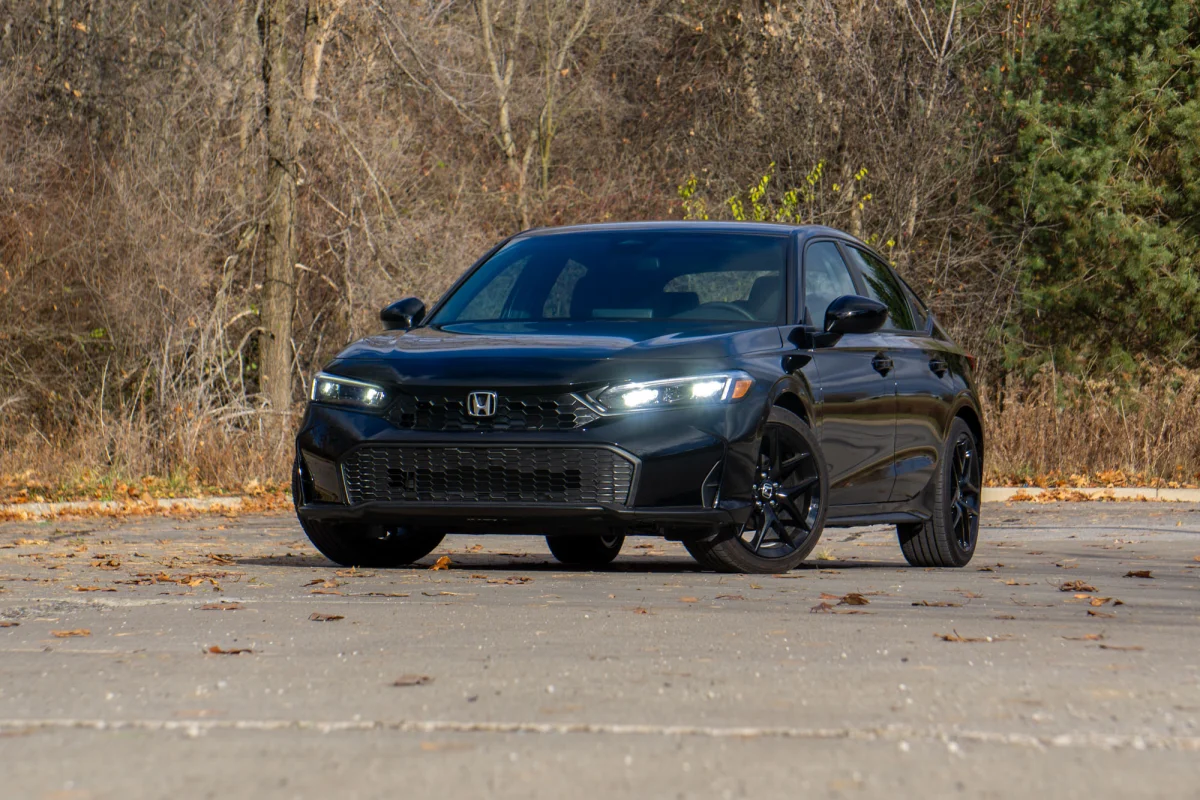
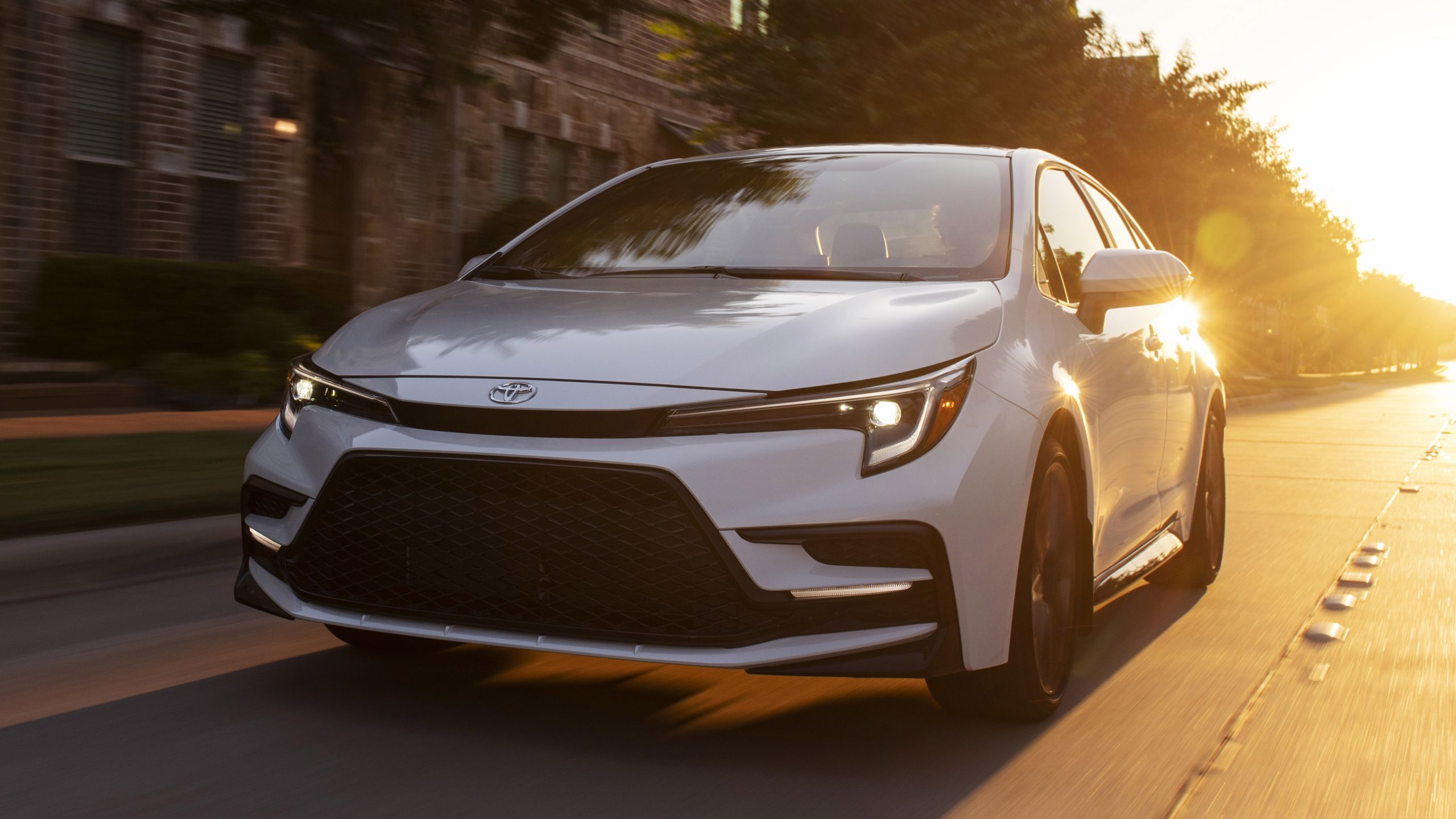
4. Toyota Corolla: Built for Long-Term Efficiency, Reliability, and Low Ownership Costs
The Toyota Corolla has earned its reputation as one of the most reliable and efficient compact cars through conservative engineering and a clear focus on longevity rather than performance extremes.
It’s simple, naturally aspirated engine designs, such as the 2.0-liter Dynamic Force four-cylinder, are built to minimize stress, heat, and carbon buildup, allowing the vehicle to maintain strong fuel economy and dependable performance over hundreds of thousands of kilometers. Many Corollas routinely exceed 300,000 km with consistent maintenance, reinforcing its image as a dependable long-term companion.
A major contributor to the Corolla’s sustained efficiency is its durable drivetrain. Toyota uses timing chains instead of belts, eliminating a common maintenance item and reducing long-term ownership costs.
The continuously variable transmission is engineered for reliability and smooth operation, with a very low reported failure rate, helping the engine stay within optimal RPM ranges for fuel efficiency. These components are designed to work together with minimal wear, ensuring fuel economy remains stable even as mileage accumulates.
Toyota’s attention to corrosion resistance further supports longevity. The Corolla’s chassis uses double-sided galvanized steel, significantly slowing rust development compared to many competitors.
This keeps the structure sound over time, particularly in harsh climates, and protects the car’s resale value. Combined with Toyota’s incremental “Kaizen” engineering philosophy, the Corolla benefits from small but meaningful improvements that enhance durability and consistency from generation to generation.
Performance is modest but practical. The standard 169-hp 2.0-liter engine provides adequate power for daily driving, paired with a smooth CVT and front-wheel drive. Hybrid variants offer substantially better fuel economy, with EPA ratings reaching up to 50 mpg combined.
Acceleration is not a strong point, especially in hybrid all-wheel-drive models, but ride comfort is well balanced, absorbing most road imperfections and offering improved body control compared to older Corollas.
Inside, the Corolla delivers a clean, functional cabin with soft-touch materials and modern features. Sedan models offer better rear-seat legroom, while hatchbacks provide flexible cargo options.
Infotainment is straightforward, with an 8.0-inch touchscreen standard and larger displays available, along with Apple CarPlay and Android Auto. Safety is a strong suit, with Toyota Safety Sense 3.0 standard across the lineup, including adaptive cruise control, lane-keeping assist, and automated emergency braking.
With strong fuel efficiency, low maintenance demands, comprehensive safety features, and proven durability, the Toyota Corolla remains one of the most economical and reliable vehicles for long-term daily use.
5. Lexus ES Hybrid: Long-Term Luxury Efficiency with Proven Hybrid Reliability
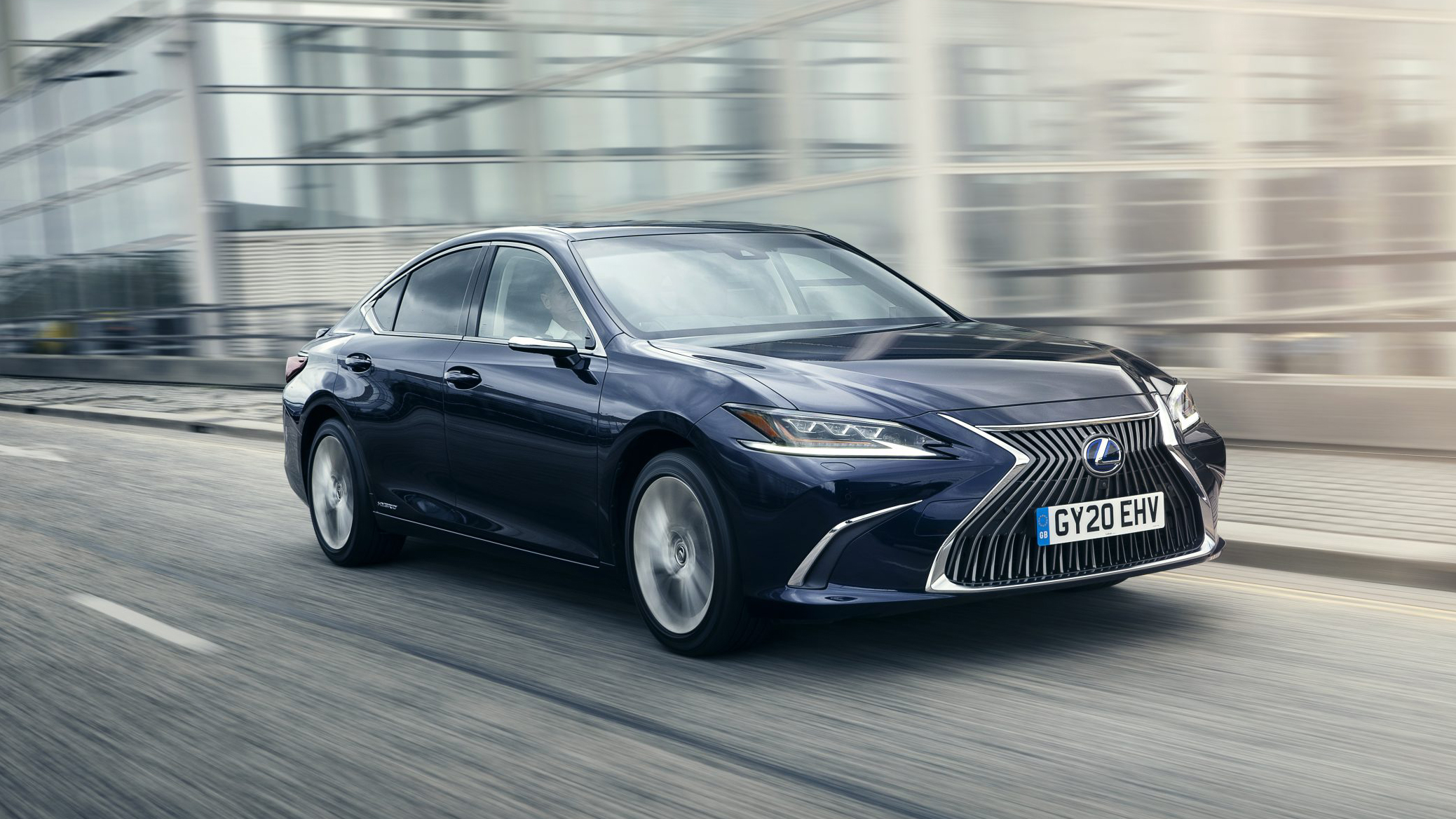
The Lexus ES Hybrid stands as a benchmark for dependable luxury, consistently earning top positions in J.D. Power dependability studies thanks to its mature hybrid technology and conservative engineering philosophy.
Built around Toyota’s proven Lexus Hybrid Drive system, the ES Hybrid is designed to deliver strong fuel economy and refined comfort not just when new, but across decades of ownership. Many owners report that the sedan maintains fuel economy in the 43 to 44 mpg range even at high mileage, a rare achievement in the luxury segment.
A key reason for this sustained efficiency is the self-charging hybrid system. The ES Hybrid does not require external charging and continuously balances power between its gasoline engine and electric motor.
Regenerative braking plays a major role by capturing energy during deceleration and converting it into electricity to recharge the battery. This process reduces wear on brake components while improving efficiency in city and stop-and-go driving. The electric motor also assists during low-speed operation, easing the workload on the engine and lowering long-term mechanical stress.
At the heart of the ES Hybrid is a durable Atkinson-cycle four-cylinder engine paired with a continuously variable transmission. This setup prioritizes smoothness and efficiency rather than outright performance, helping the powertrain operate within optimal parameters for extended periods.
Lexus further enhances efficiency through aerodynamic refinements, including underbody panels that reduce drag and support consistent highway mileage. Hybrid components are engineered for longevity, with battery systems designed to withstand years of charge and discharge cycles with minimal degradation.
While performance is not the ES Hybrid’s primary focus, it delivers adequate acceleration for daily driving. The ES300h produces a combined 215 horsepower and reaches 60 mph in just over eight seconds.
Handling emphasizes stability and ride comfort rather than sportiness, even in F Sport trims, which offer slightly firmer suspension tuning. The result is a calm, composed driving experience that aligns with luxury buyers seeking comfort and quietness.
Inside, the ES Hybrid offers a spacious, serene cabin finished with high-quality materials. Both front and rear passengers enjoy generous legroom, and the interior remains notably quiet at highway speeds. Cargo capacity is competitive for the class, with a 17-cubic-foot trunk, though the fixed rear seat limits flexibility for oversized items.
Technology and safety are comprehensive, with standard Apple CarPlay and Android Auto, available large touchscreens, and Lexus Safety System+ 2.5 across all trims. Features such as adaptive cruise control, automated emergency braking, and lane-keeping assist enhance daily usability and long-term peace of mind.
With its blend of luxury comfort, exceptional reliability, and consistent fuel efficiency, the Lexus ES Hybrid remains one of the most enduring and economical premium sedans available.
Also Read: 5 Cars That Tolerate Humid Conditions vs 5 That Develop Issues
5 That Don’t
1. Bugatti Mistral: Extreme Performance at the Cost of Efficiency
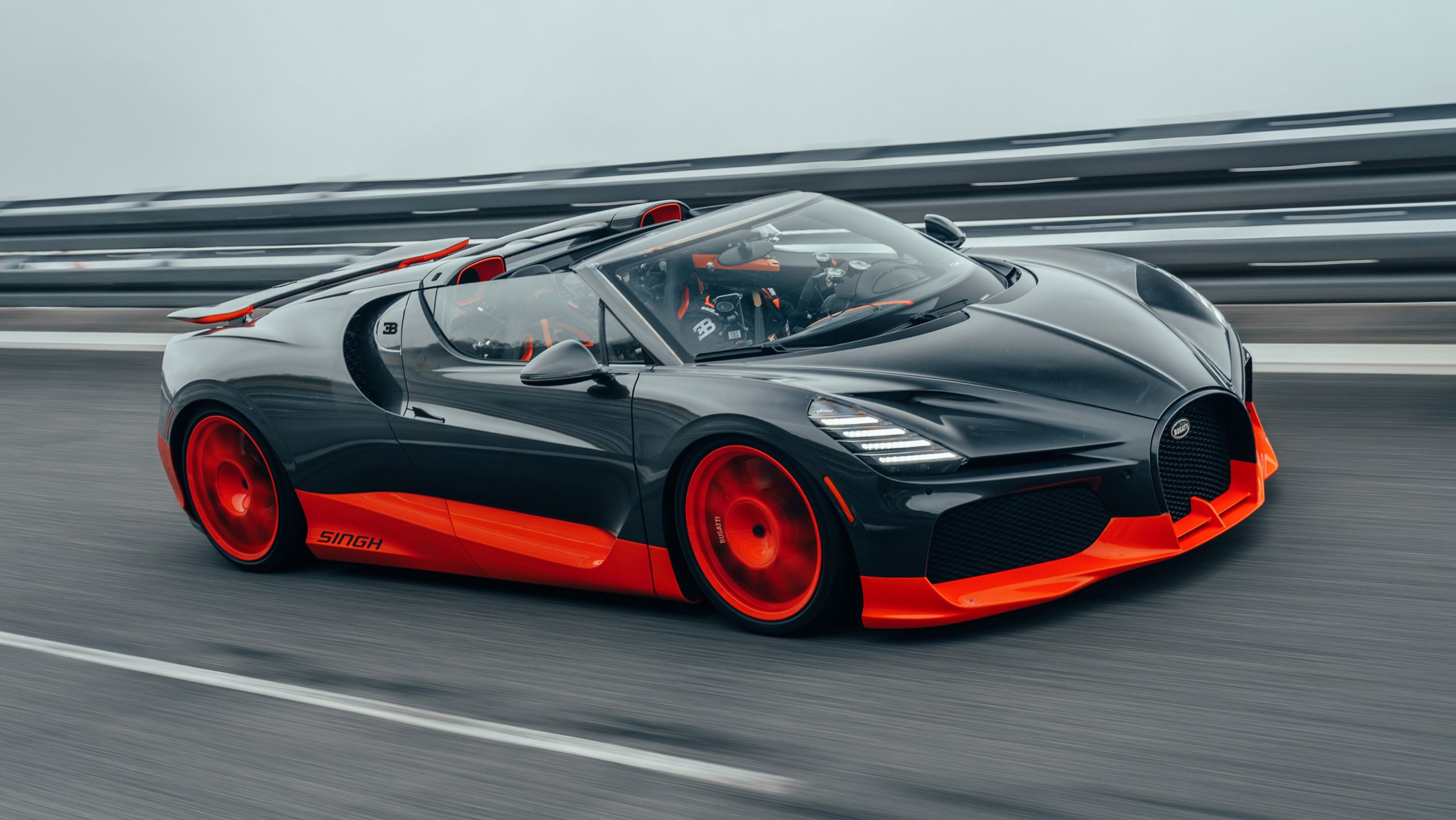
The Bugatti Mistral represents the pinnacle of open-top hypercar engineering, prioritizing record-breaking performance over fuel efficiency or long-term economy.
Powered by an 8.0-liter quad-turbocharged W16 engine producing around 1,600 horsepower, the Mistral is designed to achieve extraordinary speeds rather than conserve fuel. As a result, its combined fuel economy can fall as low as 9 mpg, placing it firmly at the opposite end of the efficiency spectrum from conventional road cars.
A major contributor to the Mistral’s poor efficiency is its open-roof design. Removing the roof creates significant aerodynamic turbulence, as air spills into the cockpit instead of flowing smoothly over the car. This turbulence dramatically increases drag, especially at high speeds.
To maintain stability at velocities exceeding 260 mph, the active rear wing must remain in a high-downforce position, which further increases drag and fuel consumption. More speed demands more downforce, which in turn demands more fuel, creating a compounding efficiency penalty.
Thermal management also plays a major role. The W16 engine converts only a small fraction of fuel energy into forward motion, with roughly 70 to 80 percent lost as heat. At extreme speeds, the cooling system must work continuously to prevent overheating, consuming additional energy.
Specialized air intakes and vents help manage this heat, but they do not improve efficiency. Instead, they highlight how much energy is wasted simply keeping the engine within safe operating limits.
At full throttle, the Mistral consumes astonishing amounts of air and fuel. The engine ingests tens of thousands of liters of air per minute and runs with a rich fuel mixture to cool the combustion chambers. This allows the car to reach maximum speed but causes the 100-liter fuel tank to empty in as little as 8 to 12 minutes. Tire deformation, rolling resistance, and heat buildup at these speeds further drain usable energy.
Finally, the Mistral’s weight and mechanical complexity add to efficiency losses. Weighing close to 2,000 kilograms, the car requires immense energy to accelerate, while drivetrain friction from its dual-clutch transmission and all-wheel-drive system consumes a portion of its output. The Bugatti Mistral is an engineering masterpiece, but its design proves that ultimate speed comes with unavoidable efficiency sacrifices.
2. Dodge Durango SRT Hellcat: Extreme Power with Rapid Efficiency Decline
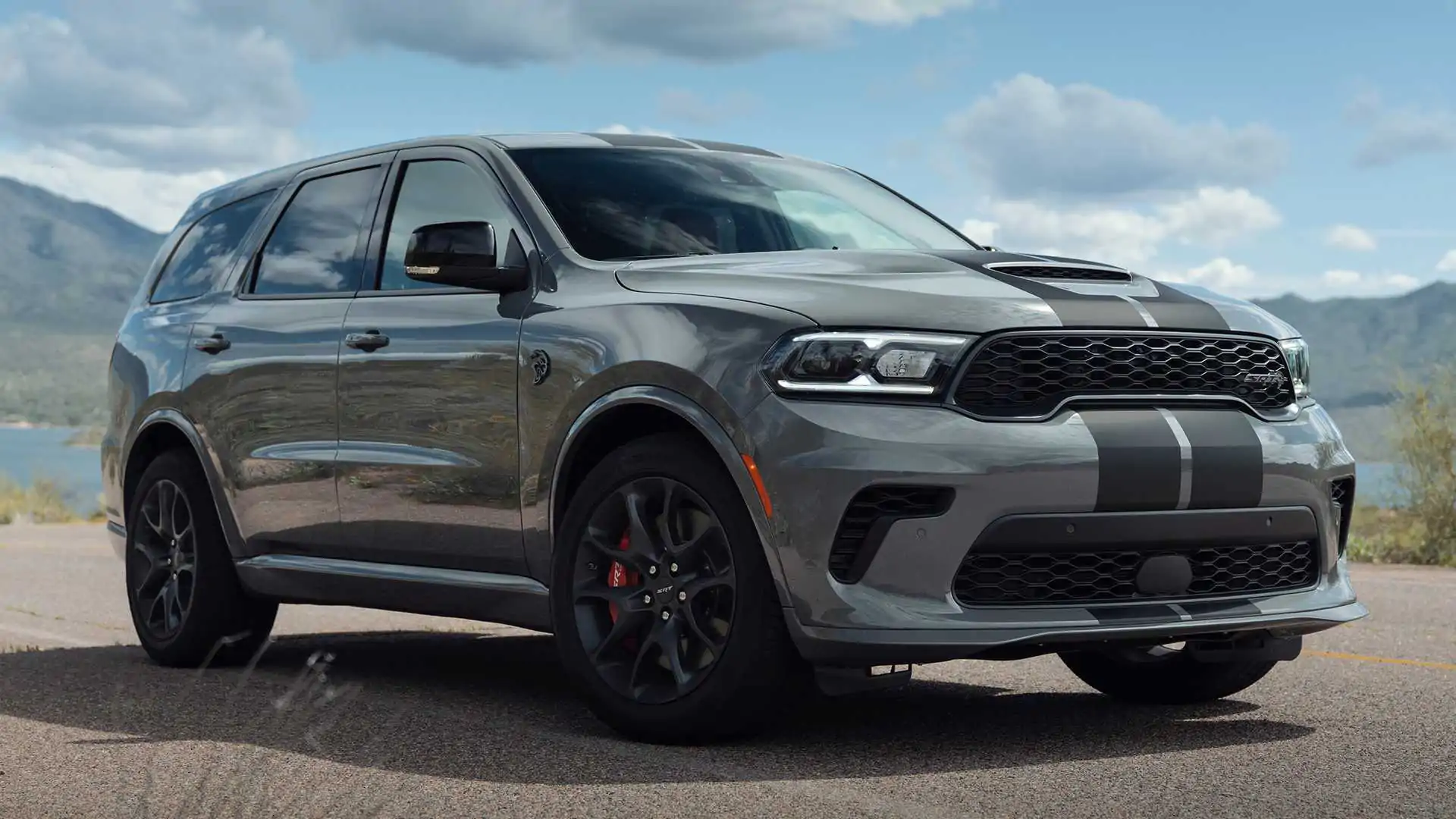
The Dodge Durango SRT Hellcat is engineered to deliver supercar-level performance in a three-row SUV, not fuel efficiency or long-term economy. Its supercharged 6.2-liter V8 produces an astonishing 710 horsepower, but this output comes at a steep cost.
Even when new, the Durango Hellcat carries a low fuel economy rating of about 12 mpg in the city and 17 mpg on the highway, and efficiency often declines further as the vehicle ages.
A major factor behind its high fuel consumption is the parasitic load of the belt-driven supercharger. Unlike turbochargers that reuse exhaust energy, the Hellcat’s supercharger draws power directly from the engine. This means the engine must burn additional fuel at all times just to spin the supercharger, regardless of driving conditions. As components wear, this load can increase, further reducing efficiency.
The Durango Hellcat’s massive size also works against fuel economy. With a curb weight approaching 6,000 pounds, the vehicle requires significant energy to accelerate and maintain speed.
Its aggressive body design prioritizes cooling and stability at high speeds rather than aerodynamic efficiency, increasing drag and fuel usage during highway driving.
Fuel system sensitivity is another issue. High-output engines depend on precise air-fuel ratios, and even minor injector deposits or fuel pump degradation can disrupt combustion.
When this happens, the engine compensates by burning more fuel to maintain performance. Sensor health is equally critical. Dirty mass airflow or oxygen sensors can mislead the engine computer, causing inefficient fueling and further mileage loss.
Drivetrain losses also contribute to declining efficiency. The full-time all-wheel-drive system and heavy-duty ZF eight-speed transmission are built to handle immense torque, but their added friction and rotational mass siphon energy before it reaches the wheels.
The Dodge Durango SRT Hellcat is a modern muscle icon that delivers unmatched thrills, but its design prioritizes raw power over efficiency. Sustaining even its modest factory fuel economy demands meticulous maintenance, premium fuel, and constant attention to key performance components.
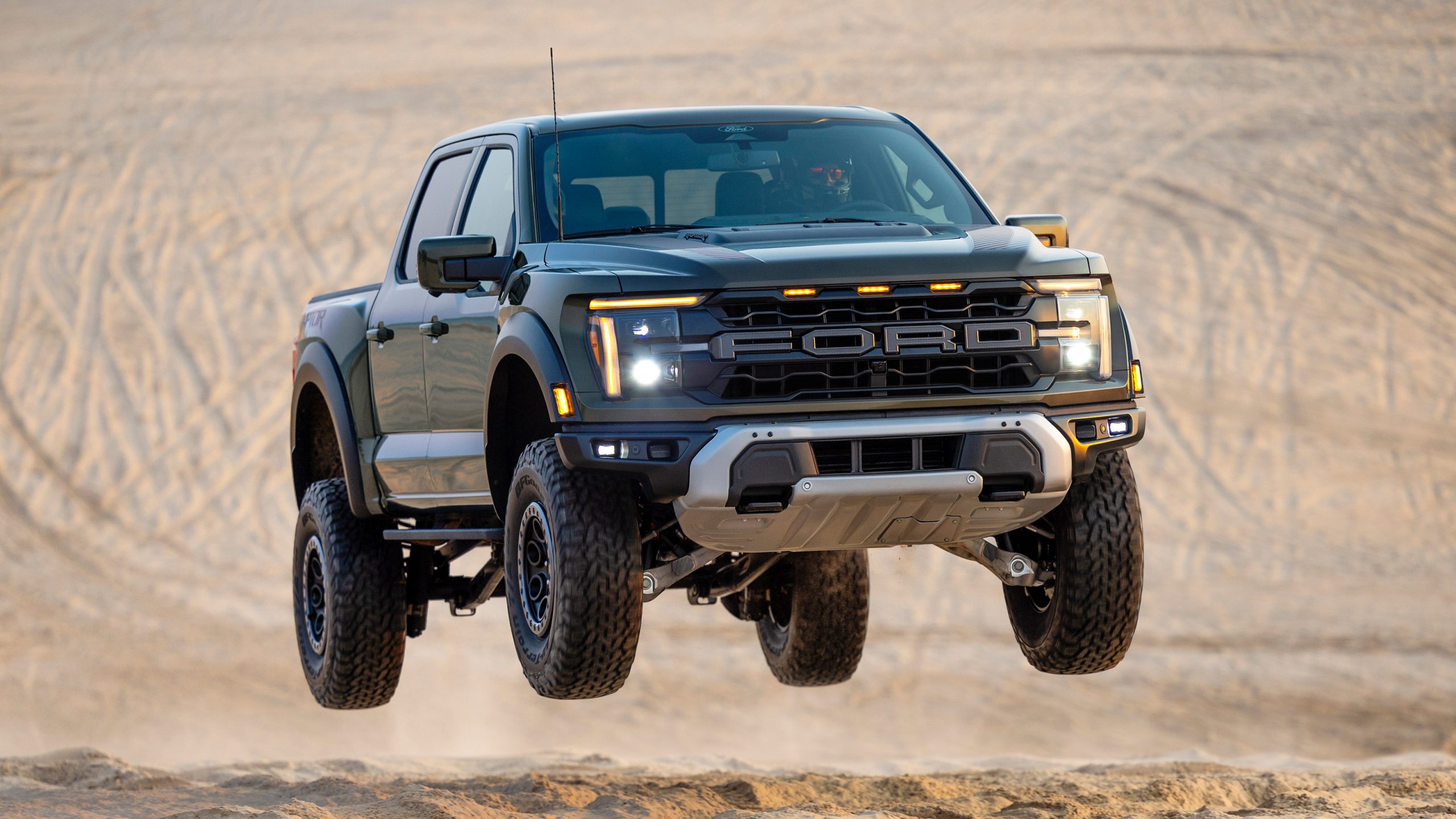
3. Ford F-150 Raptor R: Extreme Off-Road Performance at the Expense of Efficiency
The Ford F-150 Raptor R is engineered with a singular mission in mind: dominating high-speed off-road terrain. Fuel efficiency is a secondary concern, and its real-world consumption reflects that focus.
With a supercharged 5.2-liter V8 producing 720 horsepower, the Raptor R ranks among the least fuel-efficient pickups in its class, averaging roughly 19.7 L/100 km, or about 12 mpg, with efficiency often declining further as components age and wear.
A primary contributor to its fuel appetite is the supercharger itself. Unlike turbochargers that use exhaust gases, the Raptor R’s supercharger is mechanically driven by the engine. This creates a constant parasitic load, meaning fuel is burned simply to keep the supercharger spinning, even during gentle driving. Any throttle input quickly increases fuel flow as the engine works to maintain safe air-fuel ratios under boost.
Rolling resistance also plays a major role. The Raptor R rides on massive 37-inch all-terrain tires designed for grip on rocks, sand, and dirt. On pavement, their wide tread blocks and soft rubber compounds require far more energy to rotate than standard truck tires. Their heavy rotational mass further increases fuel consumption during acceleration and stop-and-go driving.
Aerodynamics compounds the issue. The Raptor R’s tall ride height, wide fender flares, and upright front end create substantial aerodynamic drag. Airflow underneath the truck becomes turbulent at speed, and resistance increases sharply once highway speeds climb past 65 mph, causing fuel efficiency to drop rapidly.
The truck’s specialized 4.10 rear-axle gearing adds another penalty. While ideal for off-road torque and responsiveness, it forces the engine to run at higher RPMs during highway cruising, increasing fuel burn per mile.
Finally, heat management under hard driving conditions affects efficiency. The supercharger generates significant heat, prompting the engine computer to inject extra fuel to cool combustion chambers and protect components. This safety strategy further accelerates fuel consumption.
The Ford F-150 Raptor R delivers unmatched power and off-road capability, but its design choices make poor fuel efficiency an unavoidable trade-off for extreme performance.
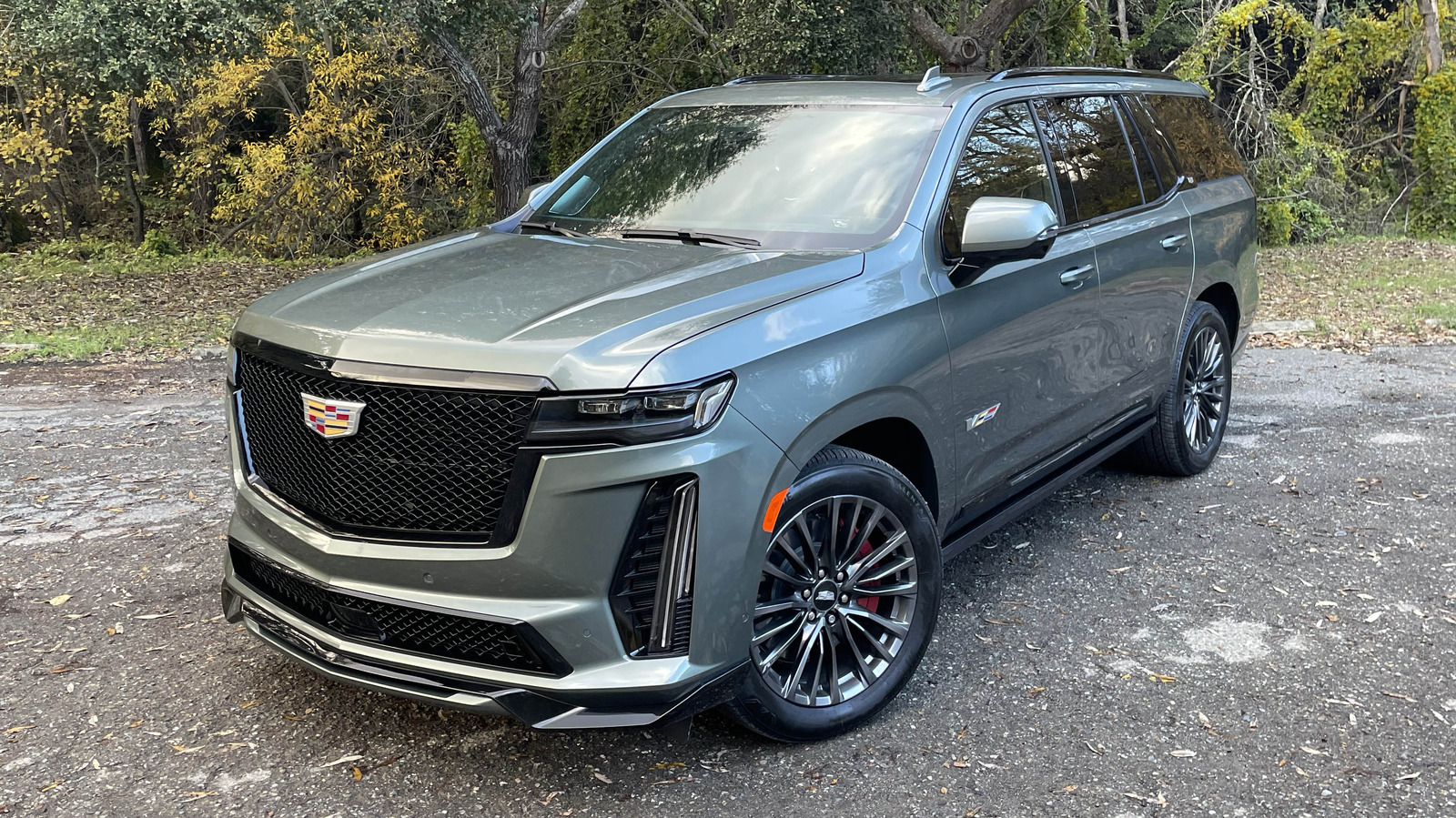
4. Cadillac Escalade-V: Supercharged Luxury That Pays a Heavy Price in Efficiency
The Cadillac Escalade-V is a statement vehicle built to deliver supercar-level power in a full-size luxury SUV. Weighing close to three tons and powered by a 682-horsepower supercharged V8, it offers staggering performance but sacrifices fuel efficiency at every turn. Its rapid efficiency decline is not the result of a single flaw, but rather the combined effect of immense mass, extreme power output, and highly stressed mechanical systems.
At the core of the Escalade-V is a hand-built 6.2-liter V8 paired with a 2.65-liter TVS supercharger. Producing 682 horsepower and 653 lb-ft of torque requires aggressive engine tuning and a rich air-fuel mixture to control heat and prevent detonation.
Even during light or moderate acceleration, the engine burns far more fuel than a naturally aspirated alternative simply to keep temperatures within safe limits. The supercharger itself adds a constant mechanical load, further increasing fuel demand.
The Escalade-V’s physical presence intensifies the problem. At approximately 6,200 pounds, moving the vehicle from a stop requires substantial energy. Its tall, boxy shape creates a large frontal area that generates significant aerodynamic drag. As speed increases, especially beyond 70 mph, air resistance rises sharply, forcing the engine to work much harder and causing fuel consumption to spike during highway driving.
Mechanical wear and complexity also play a role in declining efficiency over time. The high-pressure fuel injectors operate under extreme stress and are vulnerable to carbon buildup that disrupts fuel spray patterns and combustion efficiency.
Unlike standard Escalades, the V-series is tuned to prioritize performance over cylinder deactivation, meaning all eight cylinders remain active more often. Any minor sensor deviation can keep the powertrain in aggressive performance mapping longer than necessary.
Drivetrain losses further compound the issue. The reinforced 10-speed automatic transmission and all-wheel-drive system are designed for strength and reliability, not minimal friction. Heat buildup and fluid degradation gradually increase internal resistance, quietly eroding efficiency.
Driving behavior also matters. The Escalade-V’s dedicated V-Mode sharpens throttle response, raises shift points, and enhances exhaust sound. Many owners favor this mode, which keeps engine speeds elevated and prevents the vehicle from operating in its most economical range.
Finally, the engine’s tight tolerances make it highly sensitive to maintenance. Minor issues such as dirty air filters, aging spark plugs, or reduced airflow can have an outsized impact on fuel economy. In the Escalade-V, luxury and performance come with an unavoidable efficiency penalty.
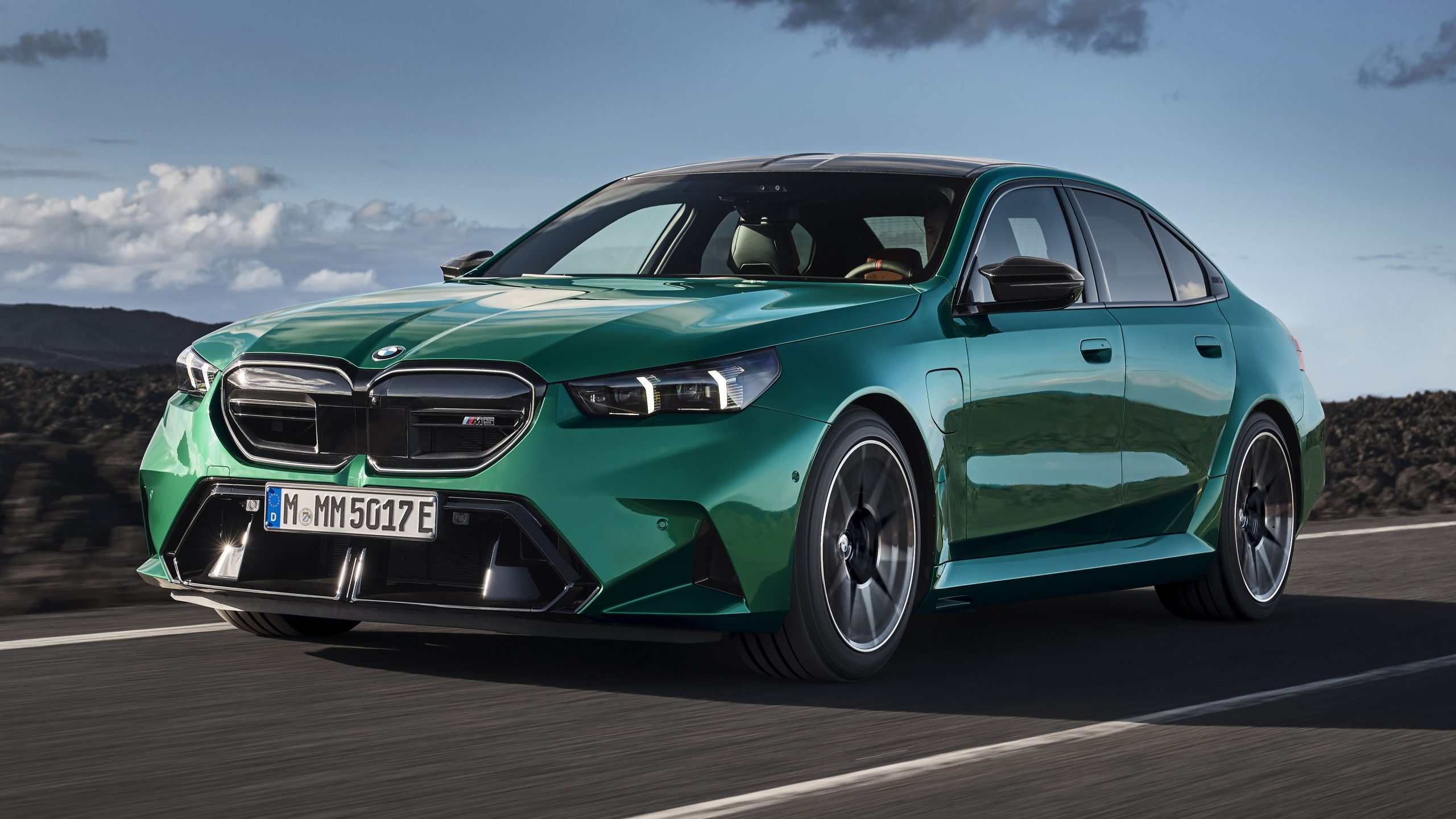
5. BMW M5 PHEV: Why Efficiency Drops Sharply Once the Battery Is Depleted
The latest BMW M5 (G90) plug-in hybrid promises the best of both worlds: electric efficiency paired with super-sedan performance. In practice, its real-world efficiency can decline dramatically once the battery is depleted, largely due to weight, software priorities, and the realities of blending electrification with extreme performance.
The most significant factor is mass. The hybrid system adds more than 1,000 pounds, pushing the curb weight to roughly 5,390 pounds. Moving a vehicle of this size requires substantial energy, whether it is powered by electricity or gasoline.
In electric-only mode, the 197-hp motor must work continuously under high load just to overcome inertia, draining the 18.6-kWh battery much faster than in lighter BMW PHEVs. As a result, the usable electric range feels short despite the relatively large battery.
Battery management strategy further undermines efficiency. BMW’s M division programs the system to prioritize consistent performance rather than maximum economy. The battery is rarely allowed to fully deplete; once the electric range reads zero, the car enters a charge-sustaining mode where the twin-turbo V8 acts as a generator.
This places a double burden on the engine, which must propel the heavy car while also replenishing the battery to preserve boost assistance. Fuel consumption in this state can drop into the low-teens mpg, worse than the previous non-hybrid M5 in some conditions.
Aerodynamics and thermal demands add to the problem. The M5 can operate on electricity at highway speeds, but pushing a wide, high-performance sedan through the air at 70 mph or more causes exponential drag. The battery and power electronics also require active cooling during spirited driving, diverting additional energy away from propulsion and shortening electric range.
Manual energy-saving modes can be counterproductive. Using Battery Hold or e-Control forces the V8 to recharge the battery, a process that involves multiple energy conversions and significant heat loss. While the M5 PHEV excels when freshly charged, its efficiency advantage fades quickly once the battery becomes a performance buffer rather than a primary power source.
The contrast between cars that stay efficient and those that do not comes down to priorities. Vehicles like the Toyota Prius, Camry Hybrid, Corolla, Honda Civic, and Lexus ES Hybrid are built around durability, moderate outputs, and refined hybrid systems that reduce mechanical stress.
Their efficiency is not a short-term achievement but a long-term characteristic that holds up through years of ownership, high mileage, and everyday use.
On the other end of the spectrum, performance-focused machines such as the Bugatti Mistral, Dodge Durango SRT Hellcat, Ford F-150 Raptor R, Cadillac Escalade-V, and BMW M5 PHEV demonstrate how extreme power, weight, and complexity can undermine fuel economy over time. These vehicles deliver excitement, prestige, and capability, but efficiency is often the first sacrifice.
Ultimately, choosing between these two groups depends on what you value more: lasting economy and reliability, or uncompromising performance and presence. Understanding that trade-off helps set realistic expectations long after the showroom shine fades.
Also Read: 10 Cars That Are Awkward in Drive-Thrus and Tight Lots